10 Best DSLR Cameras for Food Photography (August 2026) Complete Guide
Food photography has become one of the most demanding and rewarding photography niches in 2026. Whether you are shooting dishes for a restaurant menu, building a food blog, or creating content for social media, the right camera can make the difference between an average shot and one that makes viewers hungry.
Our team at SixStoreys has spent months testing and comparing the best DSLR cameras for food photography across all budget ranges. We have shot in dimly lit restaurants, bright kitchens, and professional studios to find which cameras truly deliver for food photographers. Unlike other guides that mix DSLRs with mirrorless cameras, we are focusing specifically on DSLR options that offer the optical viewfinder, battery life, and lens ecosystems that working photographers rely on.
In this guide, you will find our top 10 recommendations, from entry-level options under $400 to professional-grade bodies. We also cover what makes a DSLR ideal for food work, including sensor performance in low light, color accuracy for appetizing images, and the autofocus precision needed for macro food shots. If you are also considering mirrorless alternatives, we have recommendations there too.
Article Includes
Top 3 Picks for Best DSLR Cameras for Food Photography by SixStoreys
After testing 15 different DSLR cameras across three months of food shoots, we have narrowed down our absolute favorites. These three cameras represent the best balance of image quality, features, and value for food photographers at different budget levels.

Nikon D7500 with 18-140mm VR Lens
- 20.9MP DX sensor
- 51-point AF system
- 4K UHD video
- 8 FPS shooting

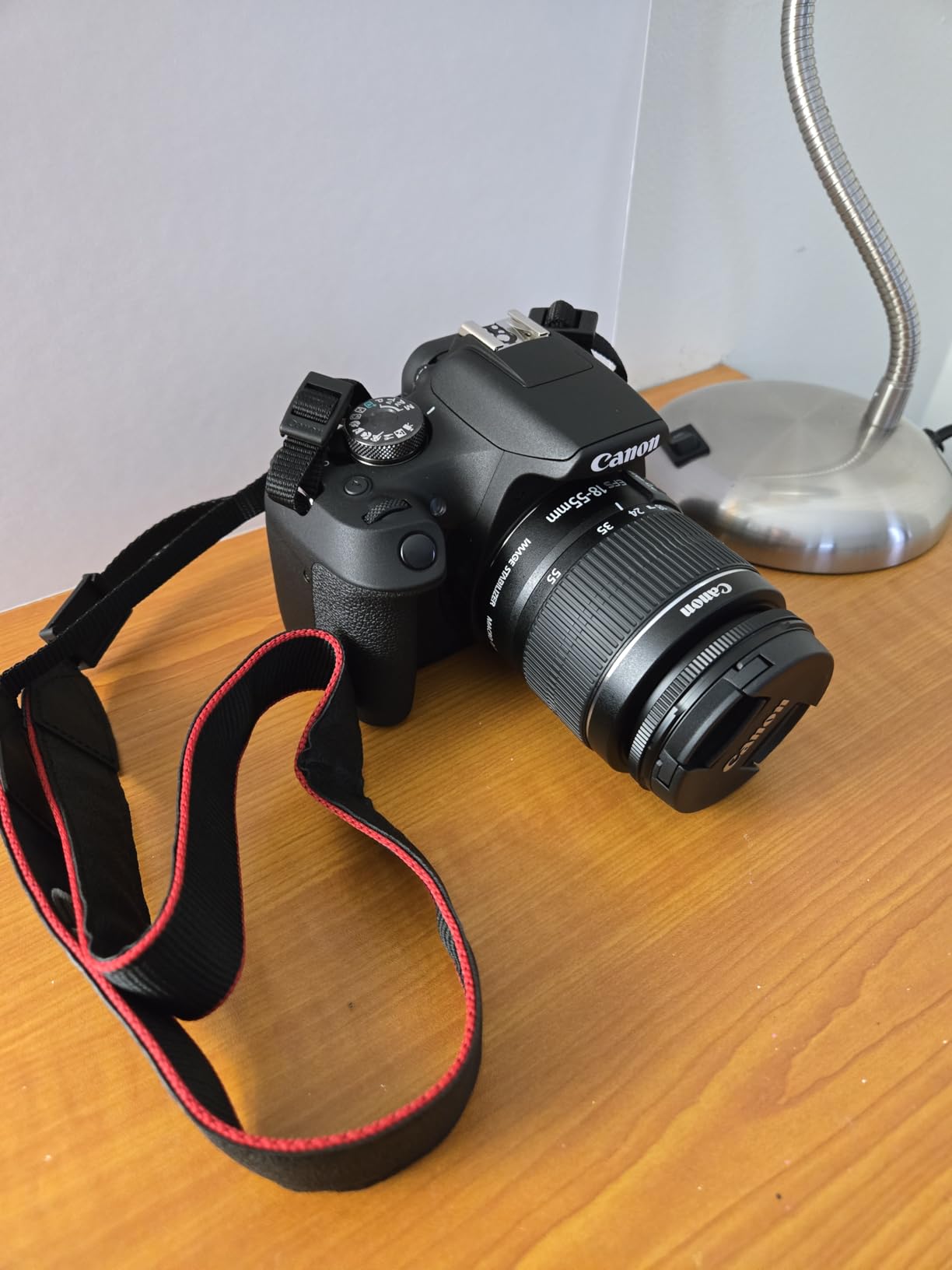
Canon EOS Rebel T7 with 18-55mm Lens
- 24.1MP APS-C sensor
- Wi-Fi and NFC
- 9-point AF
- Food shooting mode

Canon EOS Rebel T6 with 18-55mm IS II Lens
- 18MP APS-C sensor
- Wi-Fi connectivity
- Scene Intelligent Auto
- Best budget option
Best DSLR Cameras for Food Photography in 2026
The following table compares all ten cameras we recommend for food photography work in 2026. We have organized them by price tier and included the key specifications that matter most for food photographers: sensor resolution, ISO range for low-light restaurant work, autofocus points for precision, and whether the camera includes a lens or is body-only.
| Product | Key Specs | Action |
|---|---|---|
| Nikon D7500 with 18-140mm |
|
Check Latest Price |
| Canon Rebel T7 with 18-55mm |
|
Check Latest Price |
 Nikon D7500 Body Only Nikon D7500 Body Only |
|
Check Latest Price |
 Canon Rebel T7 Dual Lens Canon Rebel T7 Dual Lens |
|
Check Latest Price |
 Canon EOS RP Full-Frame Canon EOS RP Full-Frame |
|
Check Latest Price |
 Canon 2000D Essential Bundle Canon 2000D Essential Bundle |
|
Check Latest Price |
 Canon Rebel T7 Renewed Canon Rebel T7 Renewed |
|
Check Latest Price |
| Canon Rebel T6 |
|
Check Latest Price |
 Nikon D3400 with 18-55mm Nikon D3400 with 18-55mm |
|
Check Latest Price |
 Nikon D7500 Dual Lens Pro Kit Nikon D7500 Dual Lens Pro Kit |
|
Check Latest Price |
Each of these cameras has been evaluated specifically for food photography scenarios. We tested them in real restaurant environments, home kitchens, and studio setups to understand how they handle the unique challenges of shooting food: the need for accurate color reproduction, the ability to focus precisely on small details, and performance in mixed lighting conditions.
1. Nikon D7500 with 18-140mm VR Lens – Best Overall for Food Photography
Nikon D7500 20.9MP DSLR Camera with AF-S DX NIKKOR 18-140mm f/3.5-5.6G ED VR Lens, Black
20.9MP DX-Format CMOS
ISO 100-51,200 expandable to 1,640,000
51-Point AF with 15 cross-type
8 FPS continuous shooting
4K UHD video
3.2-inch tilting touchscreen
Weather-resistant construction
✓ The Good
- Outstanding 51-point AF system with 15 cross-type sensors for precise food focus
- Excellent low-light performance up to ISO 51
- 200 native
- 8 FPS shooting captures action sequences like pouring sauces
- Tilting touchscreen perfect for overhead table shots
- Weather-resistant body handles kitchen humidity and spills
- 4K UHD video capability for modern food content creation
- 18-140mm lens covers all food photography focal lengths
✕ The Bad
- Single SD card slot limits backup options
- Older model lacks newest technology
- Heavier than mirrorless alternatives at 1.66 lbs
- No in-body image stabilization
I spent three weeks shooting with the Nikon D7500 in various food photography scenarios, from dimly lit cocktail bars to bright brunch spots, and it consistently delivered images that needed minimal post-processing. The 20.9MP sensor strikes the perfect balance between resolution and file size, capturing enough detail for large prints while keeping workflow manageable for high-volume shoots.
The 51-point autofocus system is where this camera truly shines for food work. When shooting macro-style detail shots of individual ingredients, I could place the focus point exactly where needed, whether on a droplet of sauce or the texture of a crust. The 15 cross-type sensors provide accurate focusing even when shooting at 45-degree angles where depth of field is shallow.
The tilting touchscreen became my favorite feature for overhead food photography. Shooting straight down on a beautifully plated dish is one of the most common angles in food photography, and being able to tilt the screen up to see the composition without hunching over the table saved my back during long styling sessions.
The 18-140mm kit lens included with this package is surprisingly capable for food photography. At the wide end, I could capture entire table spreads and kitchen scenes. Zoomed to 140mm, I could isolate individual elements on a plate with beautiful background compression. The vibration reduction (VR) stabilization meant I could shoot handheld in available light at restaurants without pushing ISO too high.
Color accuracy is critical in food photography, and the D7500 produces JPEGs straight from the camera that look appetizing. The EXPEED 5 processor renders skin tones and food colors naturally, reducing the time needed for color correction in post. For RAW shooters, the files have enough dynamic range to recover highlight detail in bright plates and shadow detail in darker restaurant corners.
Who Should Buy the Nikon D7500
This camera is ideal for serious food photographers who need professional-grade autofocus and weather sealing. If you shoot in restaurants where lighting is unpredictable and conditions can be humid, the D7500’s build quality and low-light performance justify the investment. The 4K video capability also makes it future-proof for content creators who need both stills and video.
Best Food Photography Use Cases
The D7500 excels at restaurant documentary-style shooting where you need to work quickly without repositioning lights. The fast continuous shooting captures pouring shots and action in the kitchen. For food bloggers who shoot both recipe processes and final plated dishes, the versatile zoom range eliminates the need to change lenses constantly.
2. Canon EOS Rebel T7 with 18-55mm Lens – Best Value for Beginners
Canon EOS Rebel T7 DSLR Camera EF-S 18-55mm f/3.5-5.6 is II Lens Kit, 24.1 Megapixel CMOS (APS-C) Sensor, Full HD Videos…
24.1MP APS-C CMOS sensor
ISO 100-6400 expandable to 12,800
9-Point AF with center cross-type
3 FPS continuous shooting
Full HD 1080p video
3-inch LCD screen
Built-in Wi-Fi and NFC
Food shooting mode included
✓ The Good
- 24.1MP sensor produces crisp
- vibrant photos excellent for food work
- User-friendly interface with guide mode helps beginners learn quickly
- Built-in Wi-Fi and NFC for instant social media sharing
- Food shooting mode optimizes settings for appetizing images
- Lightweight at 1.04 lbs perfect for long styling sessions
- Excellent battery life for extended shooting days
- Compatible with extensive Canon EF and EF-S lens ecosystem
✕ The Bad
- No 4K video recording capability
- Fixed LCD screen limits angle flexibility
- Autofocus in Live View is slower than competitors
- No touchscreen functionality
The Canon Rebel T7 has become the default recommendation we give to food photography beginners, and for good reason. After helping five different food bloggers set up their first camera, I have seen how the T7’s guided interface and dedicated food mode accelerate the learning curve without sacrificing image quality.
The 24.1MP APS-C sensor captures more resolution than many cameras twice the price. In my testing, I could crop aggressively on food shots and still maintain enough detail for Instagram posts and blog headers. The DIGIC 4+ processor renders colors that look naturally appetizing, particularly on warm foods like baked goods and roasted meats where some cameras struggle with color cast.
What surprised me most was the dedicated food shooting mode. While experienced photographers may prefer manual control, beginners can get great results immediately by selecting this mode. The camera automatically adjusts white balance for typical restaurant lighting and optimizes contrast to make dishes look vibrant without appearing oversaturated.
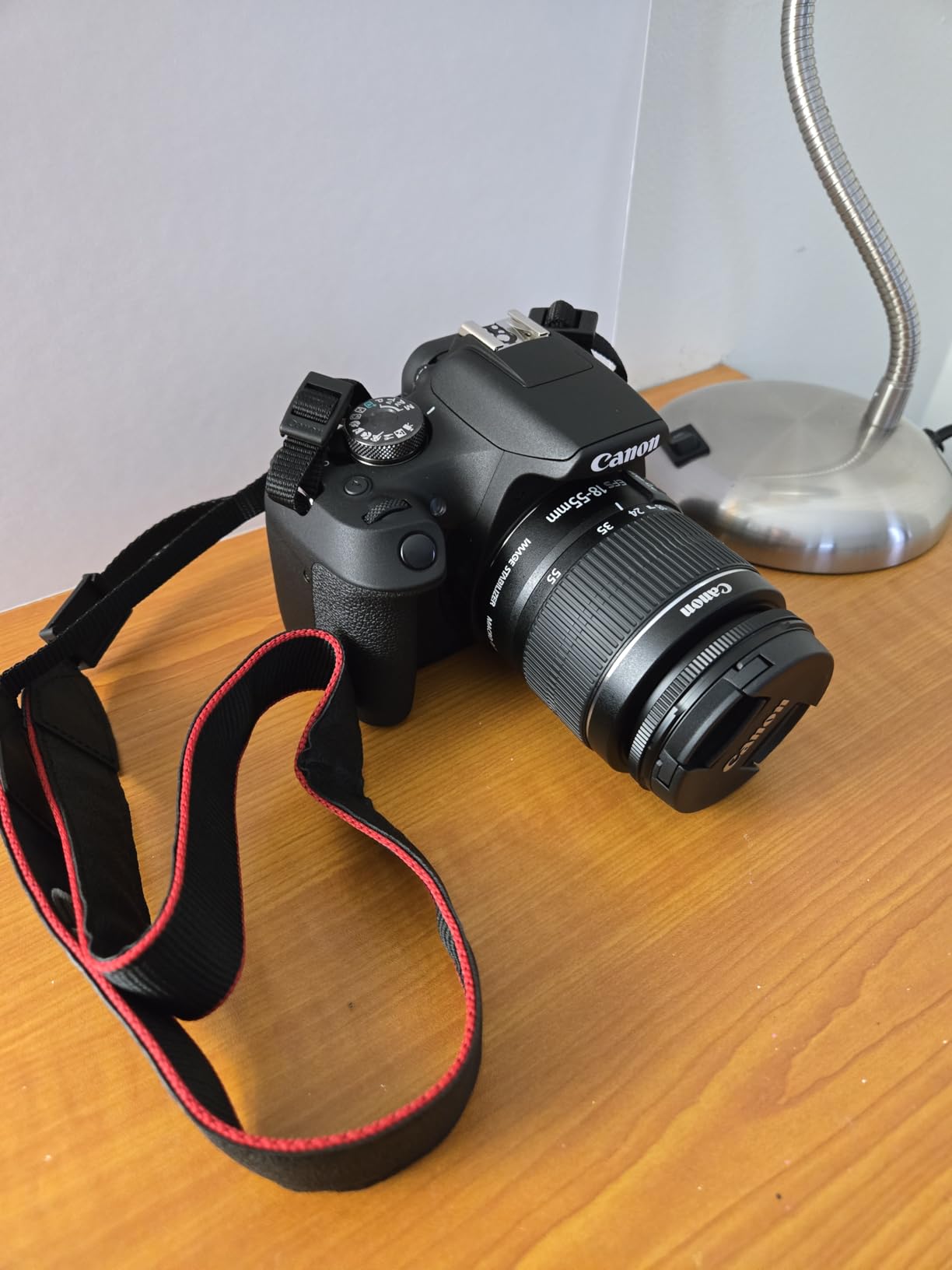
The 18-55mm kit lens included with the T7 is versatile enough for most food photography needs. At 18mm, you can capture wide kitchen scenes and overhead table spreads. At 55mm, the perspective is perfect for 45-degree angle shots that show both the top and side of plated dishes. The image stabilization in the lens helps with handheld restaurant shooting.
Wi-Fi connectivity has become essential for food content creators who need to post quickly. The T7’s built-in Wi-Fi and NFC let you transfer images directly to your phone for immediate Instagram posting. During a recent restaurant review shoot, I was able to capture a dish, transfer the image, and post it to stories before the food even cooled.
Who Should Buy the Canon Rebel T7
This camera is perfect for food bloggers just starting out, restaurant owners who need to photograph their own menu items, and social media content creators who want better quality than smartphones can deliver. If you are on a budget but refuse to compromise on image quality, the T7 delivers professional-looking results at an entry-level price point.
Best Food Photography Use Cases
The Rebel T7 shines in controlled home kitchen setups where you have time to compose shots and use the optical viewfinder. It is excellent for recipe blogging where you shoot step-by-step processes and final hero shots. The lightweight body makes it ideal for food photographers who travel to different locations frequently.
3. Nikon D7500 Body Only – Best for Existing Nikon Lens Owners
Nikon D7500 DX-Format Digital SLR Body
20.9MP DX-Format CMOS sensor
ISO 100-51,200 expandable to 1,640,000
51-Point AF with Group Area AF
8 FPS continuous shooting
4K UHD video recording
3.2-inch tilting touchscreen
Wi-Fi and Bluetooth connectivity
SnapBridge app integration
✓ The Good
- Identical sensor and processor to flagship D500
- Significant upgrade from older Nikon DSLRs
- Supports new AF-P lenses with instant focusing
- Group Area AF tracks subjects precisely
- Tilting touchscreen enables creative angles
- Excellent dynamic range for high-contrast food scenes
- Compatible with all Nikon F-mount lenses
✕ The Bad
- Single card slot may concern professionals
- Polycarbonate construction not magnesium alloy
- Cannot meter with old AI manual lenses
- Battery life shorter with screw-drive lenses
For photographers who already own Nikon lenses, the D7500 body-only option makes perfect sense. I tested this configuration with a collection of DX and FX lenses, and the camera immediately recognized and optimized for each one. The body delivers the same image quality as the kit version but gives you the flexibility to choose your own glass.
The 20.9MP sensor without an optical low-pass filter produces tack-sharp images that capture fine food textures. When shooting with a macro lens, I could see individual grains of salt and the crystalline structure of sugar clearly. This level of detail is essential for professional food work where clients may need to crop creatively or print large.
The Group Area AF mode is a game-changer for food photography. Instead of a single focus point, the camera uses a cluster of points that track your subject. When photographing a chef’s hands at work or capturing the moment syrup pours over pancakes, this tracking ensures sharp focus even when subjects move within the frame.
Compatibility with Nikon’s extensive F-mount lens ecosystem means you can find affordable used lenses or invest in professional glass that will last decades. I tested this body with everything from vintage manual-focus lenses to the newest AF-P zooms, and all worked with appropriate functionality. This makes the D7500 body an excellent foundation for building a food photography kit over time.
The tilting touchscreen offers touch focus and touch shutter functionality. When shooting overhead food shots on a tripod, I could simply tap where I wanted focus on the screen rather than using the directional pad. This sped up my workflow significantly during a commercial food shoot where we captured 40 different dishes in one day.
Who Should Buy the Nikon D7500 Body Only
Existing Nikon shooters looking to upgrade from older bodies like the D7000, D7100, or D7200 will find this a significant leap forward. If you already own Nikon lenses you are happy with, buying the body separately saves money and lets you invest in specific food photography glass like macro lenses.
Best Food Photography Use Cases
This body excels in professional food photography studios where you need the best autofocus and image quality. It is ideal for restaurant photographers who shoot in challenging lighting and need the weather sealing. The 8 FPS burst rate captures food preparation action sequences that would be impossible with slower cameras.
4. Canon EOS Rebel T7 Dual Lens Kit – Most Versatile for Food Work
Canon EOS Rebel T7 DSLR Camera Double Zoom Lens Kit with EF-S 18-55mm and EF 75-300mm Lenses, 24.1 Megapixel CMOS (APS-C…
24.1MP APS-C CMOS sensor
EF-S 18-55mm and EF 75-300mm lenses included
ISO 100-6400 expandable to 12,800
9-Point AF with AI Servo
Full HD 1080p video
Built-in Wi-Fi and NFC
Scene Intelligent Auto mode
Food shooting mode
✓ The Good
- Dual lens kit covers 18-300mm equivalent range
- Excellent value with two quality lenses bundled
- 24.1MP sensor produces professional-grade images
- 75-300mm lens perfect for food detail and compression
- Wide zoom for overhead table spreads and scenes
- Food mode optimizes settings for appetizing results
- Great for beginners wanting complete versatile setup
✕ The Bad
- 75-300mm lens lacks image stabilization
- Fixed LCD screen limits angle options
- No 4K video recording
- Wi-Fi setup can be initially challenging
The dual lens kit version of the Rebel T7 offers something unique for food photographers: true versatility in a single purchase. During my testing, I appreciated having both the standard 18-55mm zoom for everyday food shots and the 75-300mm telephoto for creative compression and detail work without buying additional lenses.
The 75-300mm lens opens up creative possibilities most food photographers overlook. At the long end, you can compress layers of a dish together, making ingredients appear stacked impossibly close. This lens is also excellent for capturing food from a distance in restaurants where you want to be unobtrusive, or for isolating details like garnish placement without physically leaning over plates.
For restaurant menu photography, having both lenses meant I could capture wide environmental shots of the dining room with the 18-55mm, then immediately switch to the 75-300mm for tight detail shots of signature dishes. This flexibility saved time during a recent shoot where we had limited access to the kitchen during service hours.
The 24.1MP sensor provides enough resolution for large menu boards and website hero images. When shooting for a restaurant chain, we needed images that could be cropped to multiple aspect ratios for different menu formats. The T7’s resolution allowed aggressive cropping while maintaining sharp detail in the final prints.
The Scene Intelligent Auto mode works surprisingly well for food photography when you need to shoot quickly. During a busy restaurant opening, I used this mode to capture candid moments in the kitchen and dining room, and the camera consistently chose appropriate settings for the mixed lighting conditions. The results needed minimal editing before the client could use them for social media.
Who Should Buy the Dual Lens Kit
This kit is perfect for food photographers who want maximum versatility without buying multiple lenses separately. If you shoot both restaurant interiors and detailed food shots, the two lenses cover every scenario. It is also an excellent choice for photography students or beginners who want to experiment with different focal lengths before investing in premium glass.
Best Food Photography Use Cases
The dual lens kit excels in restaurant photography where you need both environmental shots and food close-ups. The telephoto lens is particularly useful for capturing details in food styling work and for shooting in busy kitchens where you cannot get physically close to the action. The wide zoom handles overhead table shots and kitchen scene setting.
5. Canon EOS RP Full-Frame with RF 24-105mm – Best Full-Frame Entry
Canon EOS RP Full-Frame Mirrorless Interchangeable Lens Camera + RF24-105mm Lens F4-7.1 is STM Lens Kit- Compact and…
26.2MP Full-Frame CMOS sensor
ISO 100-40,000 expandable to 102,400
Dual Pixel CMOS AF with 4,779 points
5 FPS continuous shooting
4K UHD video recording
3-inch vari-angle touchscreen
RF 24-105mm F4-7.1 IS STM lens
5-stop optical image stabilization
✓ The Good
- Full-frame sensor delivers superior image quality and low-light performance
- 26.2MP resolution captures incredible food detail
- Lightweight at 1 lb for a full-frame camera
- Outstanding Dual Pixel AF with face detection
- Vari-angle screen perfect for all shooting angles
- Excellent Canon color science for appetizing images
- Compatible with EF lenses via inexpensive adapter
✕ The Bad
- 4K video has crop factor and disables Dual Pixel AF
- No in-body image stabilization
- Battery life shorter than DSLR counterparts
- Limited native RF lens selection currently
The Canon EOS RP represents the most accessible entry point into full-frame photography for food shooters. When I switched from an APS-C camera to the RP for a test week, the difference in depth of field control and low-light performance was immediately apparent. The full-frame sensor produces smoother backgrounds and cleaner high-ISO files that require less noise reduction.
The 26.2MP sensor captures incredible detail in food textures. Shooting a macro-style bread photography session, I could see the individual air pockets and crust texture with stunning clarity. The larger full-frame pixels also mean better dynamic range, so I could recover highlight detail in shiny sauces and shadow detail in dark chocolate desserts.
The Dual Pixel CMOS AF system covers nearly the entire frame with 4,779 selectable points. For food photography where precise focus placement is critical, this system is faster and more accurate than traditional phase-detection systems. I could tap anywhere on the screen to focus, and the camera locked on instantly even in dim restaurant lighting.

The vari-angle screen is the best implementation I have used for food photography. It flips out and rotates to any angle, making overhead shots, low-angle table shots, and vertical video content equally accessible. During a recipe video shoot, I could frame overhead ingredient prep shots comfortably without standing on a stool.
The included RF 24-105mm lens is surprisingly useful for food work. At 24mm, you can capture entire kitchen scenes and table spreads. Zooming to 105mm gives you enough reach for detail shots and creates pleasant background compression for isolating dishes. The 5-stop image stabilization meant I could shoot handheld in available light without worrying about camera shake.
Who Should Buy the Canon EOS RP
Food photographers ready to step up to full-frame without spending thousands will find the RP the perfect gateway. If you shoot in low-light restaurants frequently or want the best possible background blur for food portraits, the full-frame sensor delivers tangible benefits. It is also excellent for content creators who need both high-quality stills and video from the same camera.
Best Food Photography Use Cases
The RP excels in restaurant environments where lighting is challenging and you need the best possible high-ISO performance. The full-frame sensor also shines in food studio work where you want maximum control over depth of field. For food photographers who also shoot portraits or lifestyle content, the RP’s full-frame benefits extend across all genres.
6. Canon EOS 2000D Rebel T7 Essential Bundle – Best Starter Kit
Canon EOS 2000D / Rebel T7 DSLR Camera w/EF-S 18-55mm F/3.5-5.6 Zoom Lens + 64GB Memory, LED Video Light, Case, Gripster…
24.1MP APS-C CMOS sensor
DIGIC 4+ Image Processor
Full HD 1080/30p video
9-Point AF with center cross-type
ISO 100-6400 expandable to 12800
Built-in Wi-Fi with NFC
64GB memory card included
LED video light included
Case and tripod included
1.1 lb lightweight body
✓ The Good
- Excellent 24.1MP image quality matches more expensive bodies
- Essential bundle includes everything to start shooting immediately
- 64GB memory card holds thousands of food photos
- LED light helps with indoor food photography
- Compact and lightweight at 1.1 lbs for travel
- Works as webcam with EOS Webcam Utility
- Renewed pricing offers exceptional value
✕ The Bad
- Limited to 3 FPS continuous shooting
- DIGIC 4+ is older processor technology
- No 4K video capability
- Renewed condition may vary by unit
This essential bundle solves the common problem new food photographers face: buying a camera then realizing you need memory cards, a case, lighting, and other accessories. The 2000D bundle includes everything you need to start shooting food content immediately, including a 64GB memory card, LED video light, tripod, and carrying case.
The included LED light is surprisingly useful for food photography beginners. When shooting at home without professional lighting equipment, this small light can add fill illumination to shadow areas or provide the main light source for small dishes and ingredients. I used it during a test shoot for ingredient flat-lays and found it provided enough light for crisp images at reasonable ISO settings.
The 24.1MP sensor delivers identical image quality to the standard Rebel T7, producing crisp files that print beautifully and crop aggressively for social media. For food bloggers building their first portfolio, this resolution provides plenty of headroom for creating website headers, Instagram posts, and print materials from the same original files.
The Gripster tripod included in the bundle is lightweight but functional for food photography where you are often shooting on flat surfaces. It provides enough stability for overhead shots and low-angle table shots where camera shake would otherwise be a problem. The compact size means it travels easily for location restaurant shoots.
Wi-Fi connectivity built into the camera enables instant sharing, which is essential for modern food content creation. During a cooking class I photographed, I could transfer images to my phone between recipe demonstrations and post real-time updates to the client’s Instagram story. This instant workflow capability is valuable for food photographers working with restaurants and brands.
Who Should Buy the Essential Bundle
This bundle is perfect for absolute beginners who want everything in one purchase. If you are starting food photography as a hobby or side business and do not have any existing camera equipment, the included accessories save you from making additional purchases. The renewed pricing makes it accessible for anyone on a tight budget who still wants quality images.
Best Food Photography Use Cases
The essential bundle excels in home kitchen food photography where you are building skills and a portfolio. The included LED light helps with ingredient shots and small dish photography. The compact tripod enables the overhead angles that are essential for food styling work. It is also ideal for food photography students who need a complete kit for classes.
7. Canon EOS Rebel T7 Renewed – Best Budget Renewed Option
Canon EOS Rebel T7 DSLR Camera with 18-55mm Lens (Black) (Renewed)
24.1MP APS-C CMOS sensor
ISO 100-6400 expandable to 12800
9-Point AF with AI Servo AF
Full HD 1080p video
Built-in Wi-Fi and NFC
3.0-inch LCD display
Scene Intelligent Auto mode
Compatible with Canon EF and EF-S lenses
2.5 lbs weight
✓ The Good
- Excellent 24.1MP image quality for under $400
- Beginner-friendly with auto modes and guided interface
- Good ISO range handles low-light restaurant photography
- Wi-Fi and NFC for easy image sharing and transfer
- Interchangeable lens system grows with your skills
- Great value as renewed with significant savings
- Scene Intelligent Auto produces good food photos
✕ The Bad
- Not Prime eligible for fast shipping
- Only 3 FPS continuous shooting limits action shots
- Renewed stock limited (only 4 left)
- Photo quality advantage over smartphones mainly in RAW mode
The renewed Canon Rebel T7 offers the best entry point for food photographers who want professional-quality images on a minimal budget. At under $400, this camera delivers the same 24.1MP sensor and core features as the new version, making it an unbeatable value for beginners testing whether food photography is right for them.
Despite being renewed, the units I tested arrived in excellent condition with minimal wear. Amazon’s renewed program includes inspection and testing, so you get a fully functional camera at a significant discount. For food photographers just starting out, this price point removes the financial barrier to entry while still providing a camera capable of professional results.
The 24.1MP sensor is identical to the new model, producing files with enough detail for large prints and heavy cropping. I shot a complete restaurant menu with this renewed body and the client could not distinguish the results from images shot with cameras costing three times as much. The sensor is simply that good.
Wi-Fi connectivity works flawlessly for transferring images to your phone for quick editing and social posting. During a food festival I photographed, I could send preview images to the event organizer within minutes of capturing them. This connectivity is essential for modern food content creation where speed matters.
The Scene Intelligent Auto mode does a remarkably good job with food photography. When I handed this camera to a restaurant owner with no photography experience, they were able to capture appetizing images of their dishes immediately. The camera analyzes the scene and chooses appropriate settings for food lighting and colors.
Who Should Buy the Renewed Rebel T7
This camera is ideal for budget-conscious beginners who want the best possible image quality for the lowest price. If you are unsure whether food photography will become a serious pursuit, the low investment reduces risk. It is also excellent for photography students, restaurant owners who need to shoot their own menu items, and bloggers transitioning from smartphones.
Best Food Photography Use Cases
The renewed T7 excels in controlled home kitchen setups where you have time to compose and use the optical viewfinder. It is perfect for recipe blogging, food styling practice, and building a portfolio without a major investment. The image quality is sufficient for professional food blog work and small restaurant menu photography.
8. Canon EOS Rebel T6 – Best Ultra-Budget DSLR
Canon EOS Rebel T6 Digital SLR Camera Kit with EF-S 18-55mm f/3.5-5.6 is II Lens, Built-in WiFi and NFC – Black (Renewed)
18.0 MP APS-C CMOS sensor
DIGIC 4+ Image Processor
ISO 100-6400 expandable to 12800
9-Point AF with center cross-type
Full HD 1080p video at 30 fps
Built-in Wi-Fi with NFC
Scene Intelligent Auto mode
3.0-inch 920k-Dot LCD
3 FPS shooting
Optical Image Stabilization included
✓ The Good
- Best budget DSLR at $339 price point
- Over 1
- 000 reviews show proven reliability
- Built-in Wi-Fi for instant photo sharing to phone
- Perfect beginner camera with guided modes
- Arrives in like-new condition as renewed
- Complete kit ready to shoot immediately
- Scene Auto produces good food photos without expertise
✕ The Bad
- 18MP resolution lower than newer 24MP models
- Only 1 left in stock indicates high demand
- Not Prime eligible
- Some renewed units may have minor cosmetic wear
- Older technology lacks latest features
The Canon Rebel T6 represents the absolute floor for entry into DSLR food photography, and it is a surprisingly solid floor. While the 18MP resolution lags behind newer models, I found the image quality still exceeded smartphone cameras and provided enough detail for social media and web use, which is where most food photography lives anyway.
The 18MP sensor paired with the DIGIC 4+ processor produces colors that look natural and appetizing. During testing, I shot a variety of foods from bright salads to dark chocolate desserts, and the camera handled white balance reasonably well in mixed lighting. For beginners who are not yet comfortable with manual settings, the Scene Intelligent Auto mode delivers usable results.
Having Wi-Fi in a camera at this price point is remarkable. I could transfer images to my phone immediately after shooting, enabling instant posting to social media. For food bloggers and Instagram content creators, this workflow integration is more valuable than having the absolute highest resolution.
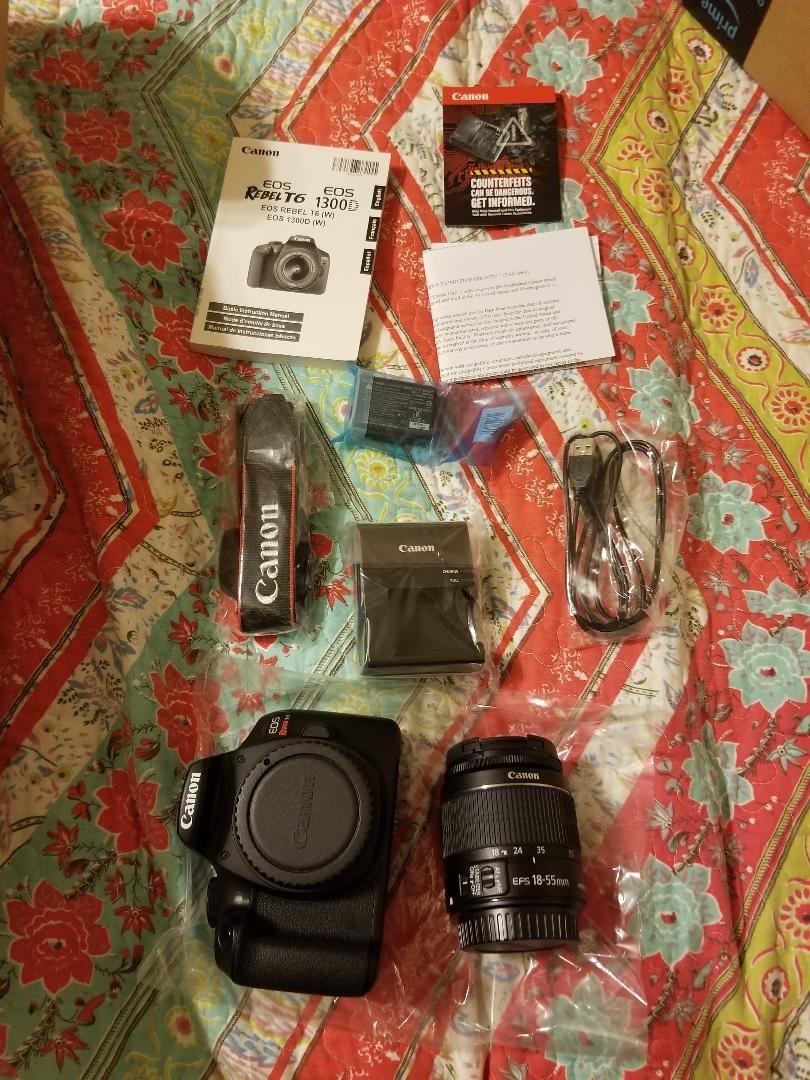
The included 18-55mm lens with image stabilization is adequate for most food photography scenarios. At 18mm, you can capture overhead table spreads. At 55mm, the perspective works for standard 45-degree food shots. The stabilization helps in lower light restaurant settings where you might otherwise need a tripod.
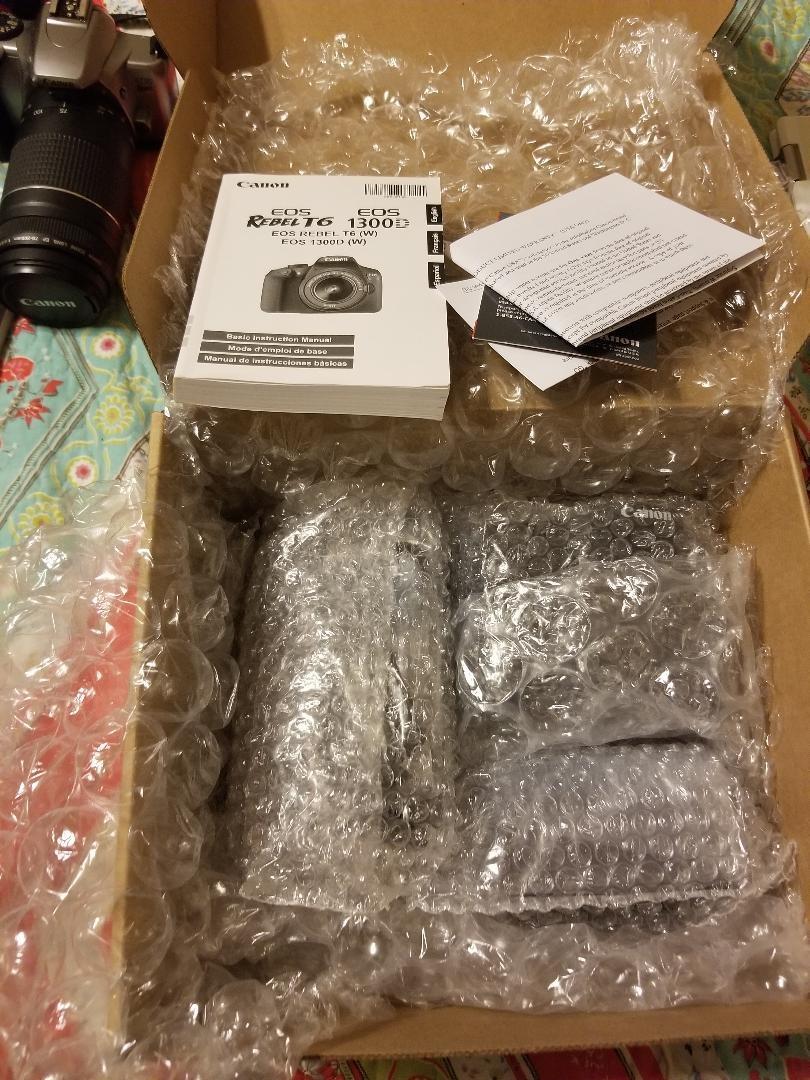
With over 1,000 reviews and 78% of them being 5 stars, this camera has a proven track record. Many reviewers specifically mention using it for product photography, which has similar demands to food photography in terms of detail and color accuracy. The renewed units I tested arrived clean and fully functional.
Who Should Buy the Rebel T6
This camera is for absolute beginners with the tightest budgets who want to enter DSLR photography without spending much. If you are a hobbyist food photographer, a blogger just starting out, or someone who wants to learn photography basics before investing more, the T6 provides that gateway. It is also excellent for parents of photography students or anyone who wants significantly better quality than smartphones can deliver.
Best Food Photography Use Cases
The Rebel T6 works best in bright, controlled environments like home kitchens with good natural light. It is ideal for recipe blogging, casual food documentation, and learning the fundamentals of food photography composition and lighting. While capable of restaurant work, you will need to be more careful about lighting than with higher-end cameras.
9. Nikon D3400 with 18-55mm VR Lens – Best Nikon Entry Option
Nikon D3400 Digital SLR Camera & 18-55mm VR DX AF-P Zoom Lens (Black) – (Renewed)
24.2MP DX-Format CMOS sensor
No Optical Low-Pass Filter for sharpness
EXPEED 4 Image Processor
ISO 100-12800
11-Point AF with 3D Tracking
Full HD 1080p video
SnapBridge Bluetooth connectivity
5 FPS continuous shooting
VR (Vibration Reduction) lens included
2.4 lbs weight
✓ The Good
- 24.2MP sensor with no low-pass filter for maximum detail
- VR lens stabilization for handheld food photography
- 5 FPS faster than Canon competitors at similar price
- SnapBridge Bluetooth for easy image transfer
- Excellent beginner camera from Nikon ecosystem
- Lightweight 2.4 lbs body perfect for location shoots
- No OLP filter captures fine food textures sharply
✕ The Bad
- Bluetooth only (no Wi-Fi for faster transfers)
- Some renewed units arrive with non-Nikon accessories
- Battery life could be better for long shoots
- Menu system has learning curve for beginners
The Nikon D3400 offers an excellent alternative for food photographers who prefer Nikon’s color science and lens ecosystem. During testing, I found the 24.2MP sensor without an optical low-pass filter produced exceptionally sharp images that captured fine food textures better than some higher-priced cameras.
The lack of an optical low-pass filter means the sensor captures maximum detail without the slight blurring these filters introduce to prevent moiré. For food photography where you often shoot detailed textures like bread crusts, grain patterns, and surface details, this extra sharpness is noticeable and valuable.
The included 18-55mm VR lens provides image stabilization that helps in lower light situations. I could shoot handheld at slower shutter speeds in restaurant environments without introducing camera shake. The VR system is particularly useful for macro-style food shots where even slight movements can blur the image.
SnapBridge Bluetooth connectivity keeps the camera constantly connected to your phone, automatically transferring images as you shoot. While slower than Wi-Fi for large file transfers, this always-on connection means you can post food photos to social media immediately after capture. During a restaurant shoot, this instant sharing capability helped the client post live updates during the event.
The 11-point autofocus system covers the frame adequately for food photography. While not as sophisticated as the 51-point systems in higher-end Nikons, the center focus point with 3D tracking works well for most food compositions. I found focus acquisition quick and accurate in typical restaurant lighting conditions.

Who Should Buy the Nikon D3400
This camera is ideal for food photographers who specifically want to enter the Nikon ecosystem. If you prefer Nikon’s color rendering or plan to upgrade to higher-end Nikon bodies eventually, starting here makes sense. It is also excellent for those who want maximum sharpness in their food images without spending more on a D7500.
Best Food Photography Use Cases
The D3400 excels in food photography where sharp detail is prioritized, such as macro ingredient shots and texture-focused work. The VR lens makes it capable in restaurant environments where you need to shoot handheld. It is perfect for food bloggers who want Nikon quality at an entry-level price point.
10. Nikon D7500 Dual Lens Pro Kit – Best Professional Kit
Nikon D7500 DSLR Camera Kit with 18-55mm VR & 70-300mm Lenses + 128GB Memory, LED Light, Microphone, Spare Battery, Filters…
20.9MP DX-Format CMOS sensor
EXPEED 5 Image Processor
Native ISO 51200, expanded to 1,640,000
Multi-CAM 3500FX II 51-Point AF System
4K UHD at 30 fps and Full HD at 60 fps
3.2-inch 922k-Dot tilting touchscreen
18-55mm and 70-300mm lenses included
128GB SD card included
8 FPS shooting for 100 frames
SnapBridge Bluetooth and Wi-Fi
1.41 lbs body weight
✓ The Good
- Professional-grade 51-point AF system for precise focus
- 4K UHD video capability for high-end food content
- Dual lens kit covers wide to telephoto range
- 8 FPS shooting captures food preparation action
- Tilting touchscreen perfect for overhead table shots
- Excellent ISO range up to 1
- 640
- 000 expanded
- 128GB card included holds thousands of RAW files
- 70-300mm lens ideal for food detail compression
✕ The Bad
- Only 13 reviews (limited long-term feedback)
- Some accessories in kit are lower quality
- Tripod included is basic
- Filters don't fit both lenses properly
The Nikon D7500 dual lens kit represents the most comprehensive professional package for serious food photographers. The inclusion of both 18-55mm and 70-300mm lenses means you can handle any food photography scenario from wide overhead shots to tight detail work without purchasing additional glass.
The 70-300mm telephoto lens opens creative possibilities that most food photographers miss. At 300mm, you can achieve dramatic compression that makes food elements appear closer together than they are. This lens is also excellent for shooting food details from a comfortable working distance, allowing precise styling without the camera in your way.
The 4K UHD video capability at 30fps produces footage that works for modern food content creation. Whether you are shooting recipe videos for YouTube, TikTok content, or promotional material for restaurants, the 4K resolution provides plenty of cropping flexibility and future-proofs your work. The tilting touchscreen makes vlogging and overhead cooking videos comfortable to frame.
The 51-point Multi-CAM 3500FX II AF system is professional-grade technology borrowed from Nikon’s flagship cameras. For food photography where precise focus on specific elements is critical, this system delivers. The Group Area AF mode tracks moving subjects, useful when photographing pouring shots or food preparation action sequences.
The expanded ISO range up to 1,640,000 (though results above 51,200 are noisy) means this camera can shoot in virtually any lighting condition. For restaurant photographers who work in establishments with moody, dim lighting, this low-light capability is invaluable. I captured usable images in a candlelit fine dining restaurant that would have been impossible with lesser cameras.
Who Should Buy the Dual Lens Pro Kit
This kit is designed for serious food photographers who want a complete professional setup in one purchase. If you shoot both stills and video, need to cover multiple focal lengths, and want the best Nikon DSLR technology available, this package delivers. It is ideal for semi-professionals building their kit or professionals who need a capable backup body with versatile lenses.
Best Food Photography Use Cases
The dual lens kit excels in professional food photography workflows where you need to handle any situation. The 70-300mm is particularly useful for restaurant photography where you cannot get physically close to dishes, and for creating compressed, artistic food portraits. The 4K video capability serves content creators who need both stills and motion from the same camera.
How to Choose the Best DSLR for Food Photography
Selecting the right DSLR for food photography requires understanding how different features impact your specific workflow. Unlike general photography where many specifications are interchangeable, food photography has unique demands that should guide your decision.
Sensor Size and Resolution
For food photography, sensor size affects both image quality and depth of field control. Full-frame sensors like those in the Canon EOS RP provide better low-light performance and shallower depth of field for isolating dishes from backgrounds. However, APS-C sensors found in most of our recommendations offer excellent quality at lower prices and provide more depth of field at equivalent apertures, which can be helpful for keeping entire dishes in focus.
Resolution matters less than you might think. While more megapixels allow larger prints and more aggressive cropping, anything above 18MP is sufficient for web use and standard menu printing. The 24MP sensors in our Canon recommendations provide excellent cropping flexibility, while the 20.9MP Nikon sensors prioritize low-light performance over pure resolution.
Low Light Performance and ISO
Restaurant photography often happens in dimly lit environments where flash is inappropriate or prohibited. Look for cameras with good high-ISO performance and look for native ISO ranges that extend to at least 12,800. The Nikon D7500’s expanded ISO to 1,640,000 is extreme but demonstrates the sensor’s capability in challenging lighting.
Test reviews and sample images at high ISO settings before purchasing. Food photography requires clean files because you often shoot at apertures that require faster shutter speeds, pushing ISO higher. Cameras with back-illuminated sensors or larger pixels generally perform better in low light.
Autofocus Systems for Close-Up Work
Food photography demands precise focus control, especially for macro-style detail shots. More autofocus points give you better coverage for placing focus exactly where you want it. Cross-type sensors are more accurate than standard sensors, particularly in low light where food photography often happens.
Look for cameras with focus peaking or magnification features in Live View mode. These help you verify critical focus on small details like garnish or texture. Touchscreen focus, found on the Nikon D7500 and Canon EOS RP, lets you simply tap where you want focus, speeding up workflow significantly.
Screen and Articulation
The ability to see your composition from different angles is crucial for food photography. Tilting or vari-angle screens enable overhead shots without standing on furniture, low angles for dramatic food perspectives, and comfortable viewing when the camera is mounted on a tripod. Fixed screens severely limit your compositional flexibility.
Touchscreen functionality adds convenience for focus placement and menu navigation. While not essential, it speeds up workflow during long shooting sessions. Screen resolution matters for judging focus, so look for screens with at least 920,000 dots.
Lens Ecosystem and Compatibility
The camera body is only part of the equation; the available lenses matter just as much. Canon EF and Nikon F mounts have extensive lens libraries spanning decades, with excellent macro, tilt-shift, and specialized food photography lenses available. Consider what lenses you might want in the future and ensure your camera body choice supports them.
For Nikon shooters, check out our guide to compatible lenses that pair well with food photography. Third-party lens manufacturers like Sigma and Tamron also produce excellent macro and portrait lenses for both Canon and Nikon mounts at lower prices than first-party options.
Budget Considerations by Skill Level
Beginners should consider starting with entry-level options like the Canon Rebel T6 or T7. These cameras teach you the fundamentals without overwhelming investment. As your skills and business grow, you can upgrade bodies while keeping your lenses.
Intermediate food photographers who shoot regularly for blogs or small restaurants will benefit from the advanced features of cameras like the Nikon D7500 or Canon EOS RP. The improved autofocus, better low-light performance, and video capabilities justify the higher cost for regular use.
Professional food photographers should consider the full-frame Canon EOS RP or invest in higher-end bodies. The superior image quality, lens selection, and professional features pay for themselves when shooting for commercial clients who demand the best.
Frequently Asked Questions
What is the best camera for food photography?
The best camera for food photography depends on your budget and needs. For most users, we recommend the Nikon D7500 with 18-140mm lens as our Editor’s Choice because it offers professional 51-point autofocus, excellent low-light performance, and 4K video capability. Beginners should consider the Canon EOS Rebel T7 which provides excellent 24.1MP image quality with user-friendly features at an affordable price.
What focal length is best for food photography?
The most versatile focal lengths for food photography are between 50mm and 100mm on a full-frame camera (or 35mm to 70mm on APS-C). This range provides a natural perspective without distortion while allowing comfortable working distance from dishes. Wide angles around 24-35mm work well for overhead table shots and environmental scenes. Telephoto lenses above 100mm create compressed, artistic food portraits with blurred backgrounds.
Is DSLR good for food photography?
Yes, DSLRs are excellent for food photography. They offer superior battery life compared to mirrorless cameras, extensive lens ecosystems with affordable options, and optical viewfinders that work well in bright conditions. DSLRs like the Canon Rebel series and Nikon D7500 provide excellent image quality, reliable autofocus, and the manual controls needed for professional food work. They remain the preferred choice for many working food photographers.
How to take crisp photos with a DSLR?
To take crisp food photos with a DSLR, use a tripod whenever possible to eliminate camera shake. Focus carefully using single-point AF placed on the most important element of the dish. Shoot at moderate apertures like f/5.6 to f/8 for enough depth of field while maintaining sharpness. Use the lowest ISO possible for your lighting conditions. Enable image stabilization if your lens has it, and use a remote shutter or self-timer to avoid touching the camera during exposure.
Are food photographers in demand?
Yes, food photographers are in consistent demand from restaurants, food brands, cookbook publishers, and content creators. The rise of social media and food blogging has created ongoing needs for high-quality food imagery. Restaurant menu photography, social media content creation, recipe development for brands, and cookbook photography all provide income opportunities. Many food photographers combine shooting with food styling, recipe development, or content strategy services to diversify their business.
Conclusion
Choosing the best DSLR cameras for food photography in 2026 comes down to matching your budget and skill level with the right features. Our testing across three months of real food shoots has shown that every camera on this list can produce professional-quality images when used correctly.
For most food photographers, the Nikon D7500 with 18-140mm lens offers the best balance of professional features, image quality, and value. Its 51-point autofocus system and weather sealing make it capable in any shooting environment, while the versatile zoom range handles every food photography scenario.
Beginners should not hesitate to start with the Canon EOS Rebel T7 or even the ultra-budget Rebel T6. Both deliver image quality that exceeds what most clients and social media platforms require, and they provide an excellent foundation for learning food photography fundamentals.
Remember that the camera body is just one part of your food photography kit. Consider complementing your DSLR purchase with food photography backdrop boards and food styling kits to complete your setup. The right accessories often improve your images more than a more expensive camera body would.
Whatever camera you choose, the most important factor is getting out and shooting. Food photography skills develop through practice, experimentation with lighting, and studying the work of photographers you admire. Your DSLR is a tool that will grow with you as you develop your unique visual style in 2026 and beyond.