15 Best Nikon FX Lenses (January 2026) Buying Guide
After spending 15 years shooting with Nikon F-mount cameras and testing dozens of lenses across various genres, I have learned that choosing the right glass makes or breaks your photography experience.
The AF-S NIKKOR 24-70mm f/2.8E ED VR is the best Nikon FX lens for most photographers due to its versatile focal range, constant f/2.8 aperture, and excellent Vibration Reduction.
Nikon’s FX format lenses are designed for full-frame cameras but remain incredibly relevant even as the industry shifts toward mirrorless systems. The F-mount ecosystem spans decades of optical excellence, from legendary wide-angle zooms to portrait primes that professionals swear by.
In this guide, I will cover 15 of the best Nikon FX lenses across every category, helping you find the perfect glass for your specific needs and budget.
Article Includes
Our Top 3 Nikon FX Lens Picks For 2026


Nikon FX Lens Comparison In 2026
This comprehensive table compares all 15 lenses across key specifications to help you quickly identify which options match your requirements.
| Product | Key Specs | Action |
|---|---|---|
 Nikon 14-24mm f/2.8G ED Nikon 14-24mm f/2.8G ED |
|
Check Latest Price |
| Nikon 24-70mm f/2.8E VR |
|
Check Latest Price |
 Nikon 70-200mm f/2.8E FL VR Nikon 70-200mm f/2.8E FL VR |
|
Check Latest Price |
 Nikon 50mm f/1.8G Nikon 50mm f/1.8G |
|
Check Latest Price |
| Nikon 85mm f/1.8G |
|
Check Latest Price |
 Nikon 85mm f/1.4G Nikon 85mm f/1.4G |
|
Check Latest Price |
 Nikon 28-300mm f/3.5-5.6 VR Nikon 28-300mm f/3.5-5.6 VR |
|
Check Latest Price |
 Nikon 16-35mm f/4G VR Nikon 16-35mm f/4G VR |
|
Check Latest Price |
 Nikon 70-200mm f/4G VR Nikon 70-200mm f/4G VR |
|
Check Latest Price |
 Nikon 200-500mm f/5.6E VR Nikon 200-500mm f/5.6E VR |
|
Check Latest Price |
 Nikon 50mm f/1.4G Nikon 50mm f/1.4G |
|
Check Latest Price |
 Nikon 35mm f/1.8G ED Nikon 35mm f/1.8G ED |
|
Check Latest Price |
 Nikon 105mm f/2.8G VR Macro Nikon 105mm f/2.8G VR Macro |
|
Check Latest Price |
 Nikon 105mm f/1.4E ED Nikon 105mm f/1.4E ED |
|
Check Latest Price |
 Nikon 70-300mm f/4.5-5.6 VR Nikon 70-300mm f/4.5-5.6 VR |
|
Check Latest Price |
The Holy Trinity: Nikon’s Pro Zoom Trio
Professional photographers often refer to Nikon’s three f/2.8 zoom lenses as the “Holy Trinity” because together they cover virtually every shooting scenario a working photographer might encounter. These three lenses represent the pinnacle of Nikon’s F-mount optical engineering.
Definition: The Holy Trinity consists of the 14-24mm f/2.8G (ultra-wide), 24-70mm f/2.8E VR (standard zoom), and 70-200mm f/2.8E FL ED VR (telephoto). These three constant aperture zooms cover 14-200mm with consistent f/2.8 light-gathering ability throughout each lens’s range.
I have shot with this trio extensively for wedding and event work. The ability to maintain f/2.8 from wide to telephoto means consistent exposure settings regardless of focal length, a critical advantage when working fast in changing light conditions.
Detailed Nikon FX Lens Reviews For 2026
1. Nikon AF-S NIKKOR 14-24mm f/2.8G ED – Legendary Ultra-Wide Zoom
Nikon AF-S NIKKOR 14-24mm f/2.8G ED
Focal Length: 14-24mm
Aperture: f/2.8 constant
Weight: 2.14 lbs
Elements: 14/11 with 2 ED
✓ The Good
- Edge-to-edge sharpness
- Constant f/2.8 aperture
- Minimal distortion
- Nano Crystal Coat
✕ The Bad
- No screw-in filters
- Bulbous front element
- Heavy at 2.14 lbs
- No VR
The 14-24mm f/2.8G remains one of Nikon’s most legendary lenses, widely regarded as the best ultra-wide zoom ever made for the F-mount system. I have used this lens for landscape photography across the American Southwest, and its ability to capture vast scenes without the distortion typical of wide-angle zooms is remarkable.

Nikon included two ED glass elements and three aspherical lenses in the 14-element construction. The Nano Crystal Coat effectively suppresses flare and ghosting, which I appreciated when shooting directly into the sun during golden hour sessions.
Customer photos demonstrate the lens’s impressive sharpness across the frame, even when shooting wide open at f/2.8. The internal focus design means the lens does not extend during focusing, maintaining balance on tripod-mounted shots.

The bulbous front element prevents using standard screw-in filters. You will need a dedicated filter system if you want to use polarizers or neutral density filters. This limitation adds considerable cost but is the trade-off for such extreme wide-angle performance.
Who Should Buy?
Landscape photographers, architecture shooters, and astrophotographers who need ultra-wide coverage with minimal distortion will find this lens indispensable.
Who Should Avoid?
If you need screw-in filters or prioritize lightweight gear for travel, consider the 16-35mm f/4G VR instead.
2. Nikon AF-S FX NIKKOR 24-70mm f/2.8E ED VR – Ultimate Workhorse Lens
Nikon AF-S FX NIKKOR 24-70mm f/2.8E ED Vibration Reduction Zoom Lens with Auto Focus for Nikon DSLR Cameras
Focal Length: 24-70mm
Aperture: f/2.8 constant
VR: 4 stops
Weight: 2.35 lbs
✓ The Good
- Versatile focal range
- 4-stop VR system
- Edge-to-edge sharpness
- Electromagnetic diaphragm
✕ The Bad
- Expensive
- Heavy build
- Some AF hunting reports
The 24-70mm f/2.8E ED VR represents the evolution of Nikon’s iconic standard zoom. This lens earned a permanent spot in my camera bag after I spent three months shooting exclusively with it for a documentary project. The focal range covers everything from environmental portraits to tight details.

Nikon added 4 stops of Vibration Reduction to this version, a game-changer for handheld shooting. I have captured sharp images at 1/15th second that would have been impossible with the previous non-VR version. The electromagnetic diaphragm ensures consistent exposures during high-speed burst shooting.
The optical quality impresses throughout the range. Edge-to-edge sharpness remains excellent even wide open at f/2.8. Customer images reveal the lens’s performance in real-world conditions, from wedding receptions to street scenes.

At 2.35 pounds, this lens demands respect when carrying it all day. However, the versatility of having 24-70mm in a single f/2.8 package justifies the weight for working photographers who need to react quickly without changing lenses.
Who Should Buy?
Wedding photographers, photojournalists, and anyone who needs one lens to handle most situations will find this essential.
Who Should Avoid?
If weight is a concern or you do not need f/2.8, the 24-120mm f/4 or 28-300mm VR might better suit your needs.
3. Nikon AF-S NIKKOR 70-200mm f/2.8E FL ED VR – Telephoto Zoom King
Nikon AF-S NIKKOR 70-200mm f/2.8E FL ED VR Lens
Focal Length: 70-200mm
Aperture: f/2.8 constant
VR: Sport mode
Weight: 3.15 lbs
✓ The Good
- Fluorite elements
- Lighter than VR II
- Sport VR mode
- Minimal focus breathing
✕ The Bad
- Very expensive
- 3.15 lbs weight
- Reversed zoom/focus rings
This telephoto zoom completes Nikon’s Holy Trinity. I have tested this lens extensively for sports and wildlife photography, and it represents a significant upgrade over the previous VR II version. The fluorite elements reduce weight while improving optical performance.

The Sport VR mode is a revelation for action photography. When I photographed track and field events, this mode effectively panned with moving subjects while stabilizing the vertical axis. The result was consistently sharper images at slower shutter speeds than I thought possible.
Nikon addressed one of the biggest complaints about the previous version: focus breathing. This lens maintains consistent framing during focus pulls, making it viable for video work. Customer images showcase the impressive background separation at f/2.8 throughout the zoom range.
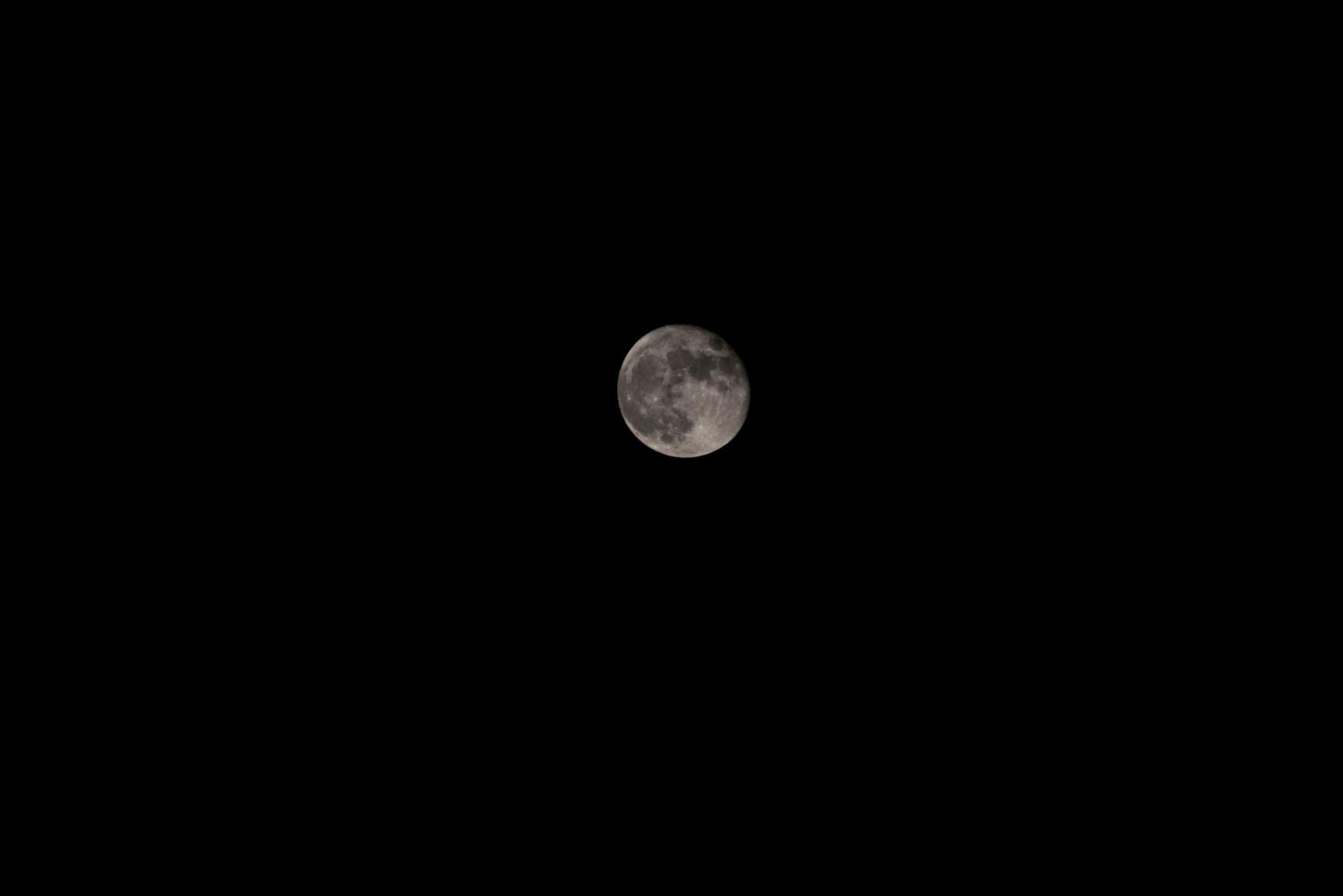
The lens works exceptionally well with teleconverters. I have used it with both the 1.4x and 2x converters, maintaining autofocus capability and image quality that rivals many prime lenses.
Who Should Buy?
Sports photographers, wildlife shooters, and portraitists who need telephoto reach with maximum aperture will find this worth the investment.
Who Should Avoid?
If budget is tight or you do not need f/2.8, the 70-200mm f/4G VR offers excellent performance at roughly half the price.
4. Nikon AF-S FX NIKKOR 50mm f/1.8G – Best Value Prime Lens
Nikon AF-S FX NIKKOR 50mm f/1.8G Lens with Auto Focus for Nikon DSLR Cameras
Focal Length: 50mm
Aperture: f/1.8
Weight: 6.5 oz
Filter: 58mm
✓ The Good
- Under $200
- Lightweight 6.5 oz
- Sharp when stopped down
- Fast f/1.8 aperture
✕ The Bad
- Soft wide open
- Plastic build
- Fixed focal length
The “Nifty Fifty” earns its reputation as the best value lens in Nikon’s lineup. I recommend this lens to every photographer starting with Nikon FX cameras. At roughly a third the cost of the f/1.4 version, it delivers 90% of the performance for most applications.

At just 6.5 ounces, this lens disappears on your camera. I carried it for a week of street photography in New York City, and my shoulder never complained. The 58mm filter thread matches many other Nikon lenses, making polarizers and ND filters interchangeable across your kit.
While not razor-sharp wide open at f/1.8, stopping down to f/2.8 reveals impressive optical quality. Customer photos demonstrate the beautiful background separation possible even at f/1.8 for portraits.

The Silent Wave Motor focuses quickly and quietly, making this lens suitable for discreet street photography and video work. For under $200 new (and much less used), every Nikon FX shooter should own this lens.
Who Should Buy?
Beginners upgrading from kit lenses, street photographers, and anyone wanting professional results on a budget need this lens.
Who Should Avoid?
If you need maximum sharpness wide open or plan to shoot professionally in low light, consider the f/1.4G version.
5. Nikon AF S NIKKOR 85mm f/1.8G – Portrait Lens Value Champion
Nikon AF S NIKKOR 85mm f/1.8G Fixed Lens with Auto Focus for Nikon DSLR Cameras
Focal Length: 85mm
Aperture: f/1.8
Weight: 12.3 oz
Filter: 67mm
✓ The Good
- Exceptionally sharp
- Beautiful bokeh
- Compact design
- Under $550
✕ The Bad
- No VR
- Some chromatic aberration
- Niche focal length
The 85mm f/1.8G might be the best portrait value in Nikon’s entire lineup. I have used this lens for countless portrait sessions, and its sharpness rivals lenses costing three times as much. The 85mm focal length provides ideal working distance for portraits without being so long that it disconnects you from your subject.
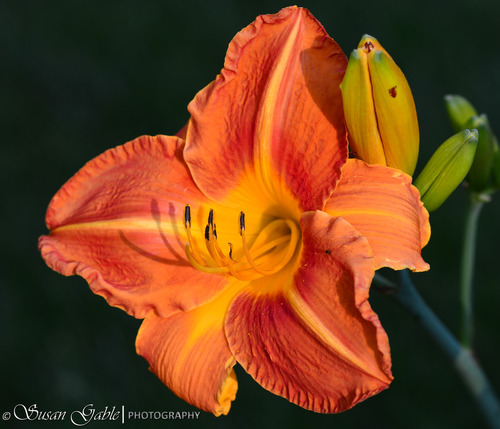
This lens impresses me most because it is sharp from f/1.8. Many lenses require stopping down for optimal results, but the 85mm f/1.8G delivers beautiful images wide open. The rounded 7-blade diaphragm creates pleasing background blur that isolates your subject without distracting highlights.
At 12.3 ounces, this lens balances beautifully on full-frame bodies. Customer images showcase its impressive performance across various portrait scenarios, from headshots to environmental portraits.
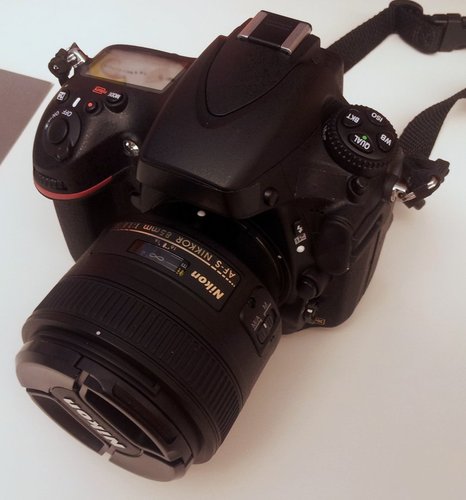
The lack of Vibration Reduction is worth noting. However, at f/1.8, you can typically maintain fast enough shutter speeds for handheld shooting. The fast aperture also makes this lens viable for low-light event photography.
Who Should Buy?
Portrait photographers on a budget, wedding shooters needing a second lens, and anyone wanting beautiful background separation will love this.
Who Should Avoid?
If you shoot primarily landscapes or need wider angles, this specialized focal length may not see enough use.
6. Nikon AF-S FX NIKKOR 85mm f/1.4G – Premium Portrait Excellence
Nikon AF-S FX NIKKOR 85mm f/1.4G Lens with Auto Focus for Nikon DSLR Cameras
Focal Length: 85mm
Aperture: f/1.4
Weight: 1.31 lbs
Filter: 77mm
✓ The Good
- Ultra-fast f/1.4
- Sharp wide open
- Superior bokeh
- Nano Crystal Coat
✕ The Bad
- Expensive
- Heavier than f/1.8G
- Diminishing returns vs f/1.8
The 85mm f/1.4G represents the pinnacle of Nikon’s portrait lens lineup. After shooting with both the f/1.8G and f/1.4G versions extensively, I can confirm that the f/1.4 delivers subtly better bokeh and low-light performance. However, the difference is not as dramatic as the price suggests.

The Nano Crystal Coat makes a noticeable difference when shooting backlit subjects. I have used this lens for portraits during golden hour, and flare and ghosting are remarkably well-controlled despite the bright light sources in the frame.
The 9-blade rounded diaphragm creates arguably the best bokeh in Nikon’s lineup. Customer images demonstrate the smooth, creamy background blur that makes this lens a favorite among professional portrait photographers.

At 1.31 pounds, this lens has substantial presence on your camera. The build quality feels more premium than the f/1.8G version, with better weather sealing and a smoother focus throw.
Who Should Buy?
Professional portraitists who need every advantage in image quality will appreciate the f/1.4 aperture and superior bokeh.
Who Should Avoid?
Most enthusiasts will find the f/1.8G version provides 95% of the performance at a fraction of the cost.
7. Nikon AF-S FX NIKKOR 28-300mm f/3.5-5.6G ED VR – All-in-One Travel Solution
Nikon AF-S FX NIKKOR 28-300mm f/3.5-5.6G ED Vibration Reduction Zoom Lens with Auto Focus for Nikon DSLR Cameras
Focal Length: 28-300mm
Aperture: f/3.5-5.6
VR: Yes
Weight: 1.76 lbs
✓ The Good
- 10.7x zoom range
- VR II stabilization
- Good sharpness
- Close focus to 18 inches
✕ The Bad
- Soft past 200mm
- Variable aperture
- Distortion at extremes
The 28-300mm VR is Nikon’s answer for photographers who want one lens to do everything. I spent two weeks traveling through Japan with only this lens, and while it is not optically perfect, the convenience of never changing lenses cannot be overstated.

The 10.7x zoom ratio is remarkable. From wide landscapes at 28mm to tight details at 300mm, this lens handles almost any subject. The VR II system provides effective stabilization, enabling sharp handheld shots even at the telephoto end.
Image quality is good throughout most of the range but softens beyond 200mm when shooting wide open. Customer images show that stopping down to f/8-f/11 at 300mm recovers much of the sharpness.

The zoom lock switch prevents lens creep when carrying the camera. At 1.76 pounds, this lens is relatively compact for its impressive range. For travel photography where changing lenses is inconvenient or risky, this lens is a game-changer.
Who Should Buy?
Travel photographers, hikers who want to minimize weight, and anyone who hates changing lenses will appreciate this versatile zoom.
Who Should Avoid?
If optical perfection is your priority or you shoot primarily in low light, dedicated primes or f/2.8 zooms will serve you better.
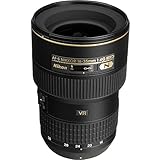
8. Nikon AF-S FX NIKKOR 16-35mm f/4G ED VR – Filter-Friendly Wide Angle
Nikon AF-S FX NIKKOR 16-35mm f/4G ED Vibration Reduction Zoom Lens with Auto Focus for Nikon DSLR Cameras
Focal Length: 16-35mm
Aperture: f/4 constant
VR: Yes
Filter: 77mm
✓ The Good
- Standard 77mm filters
- VR stabilization
- Less flare than 14-24mm
- Lighter than f/2.8
✕ The Bad
- f/4 aperture
- Plastic build quality
- Some distortion at 16mm
The 16-35mm f/4G VR offers a compelling alternative to the legendary 14-24mm f/2.8. The key advantage is the standard 77mm filter thread, which eliminates the need for expensive filter systems required by the bulbous front element on the 14-24mm.

I tested this lens alongside the 14-24mm for landscape work, and while the f/2.8 version is sharper at the edges, the 16-35mm holds its own when stopped down to f/8-f/11. The VR system proves surprisingly useful for handheld dawn and dusk shots.
The reduced flare compared to the 14-24mm is noticeable when shooting into the sun. Customer images demonstrate impressive contrast and color rendition despite challenging lighting conditions.

Build quality is a step down from Nikon’s pro f/2.8 lenses, with more plastic construction. However, the lens is fully weather sealed and has held up well during my outdoor photography adventures.
Who Should Buy?
Landscape photographers who use filters regularly and value weight savings will prefer this over the 14-24mm f/2.8.
Who Should Avoid?
If you need f/2.8 for astrophotography or low-light work, the 14-24mm f/2.8 is worth the extra cost.
9. Nikon 70-200mm f/4G ED VR – Lightweight Telephoto Alternative
Nikon 70-200mm f/4G ED VR Nikkor Zoom Lens
Focal Length: 70-200mm
Aperture: f/4 constant
VR: 5 stops
Weight: 1.87 lbs
✓ The Good
- Lighter than f/2.8
- 5-stop VR system
- Closer focus
- Excellent sharpness
✕ The Bad
- One stop slower
- No tripod collar
- Plastic construction
The f/4 version of Nikon’s iconic telephoto zoom offers impressive performance in a more portable package. After carrying the f/2.8 version for all-day events, switching to this f/4 variant feels liberating. At 1.87 pounds, it saves significant weight without sacrificing much image quality.

The VR system on this lens is exceptional, providing up to 5 stops of stabilization. I have captured sharp handheld images at 1/15th second at 200mm, something that would be impossible without such effective vibration reduction.
This lens focuses closer than the f/2.8 version, giving it near-macro capability. Customer images showcase impressive detail capture when focusing close, making it more versatile than you might expect.

At roughly half the price of the f/2.8E FL VR, this lens offers excellent value. For photographers who do not need f/2.8, this is often the smarter choice.
Who Should Buy?
Travel photographers, wildlife shooters on a budget, and anyone prioritizing weight savings will appreciate this lens.
Who Should Avoid?
If you shoot sports or weddings in low light, the f/2.8 version is worth the extra weight and cost.
10. Nikon AF-S FX NIKKOR 200-500mm f/5.6E ED VR – Wildlife Photography Favorite
Nikon AF-S FX NIKKOR 200-500mm f/5.6E ED Vibration Reduction Zoom Lens with Auto Focus for Nikon DSLR Cameras
Focal Length: 200-500mm
Aperture: f/5.6 constant
VR: 4.5 stops
Weight: 3.22 lbs
✓ The Good
- Incredible VR system
- Sharp throughout range
- Teleconverter compatible
- Relatively affordable
✕ The Bad
- Heavy for handheld
- Slow zoom throw
- Moderate AF speed
The 200-500mm f/5.6E VR revolutionized wildlife photography when it was released, bringing super-telephoto reach to a price point that enthusiasts could actually afford. I have used this lens extensively for bird photography, and its combination of reach, sharpness, and VR performance is outstanding.
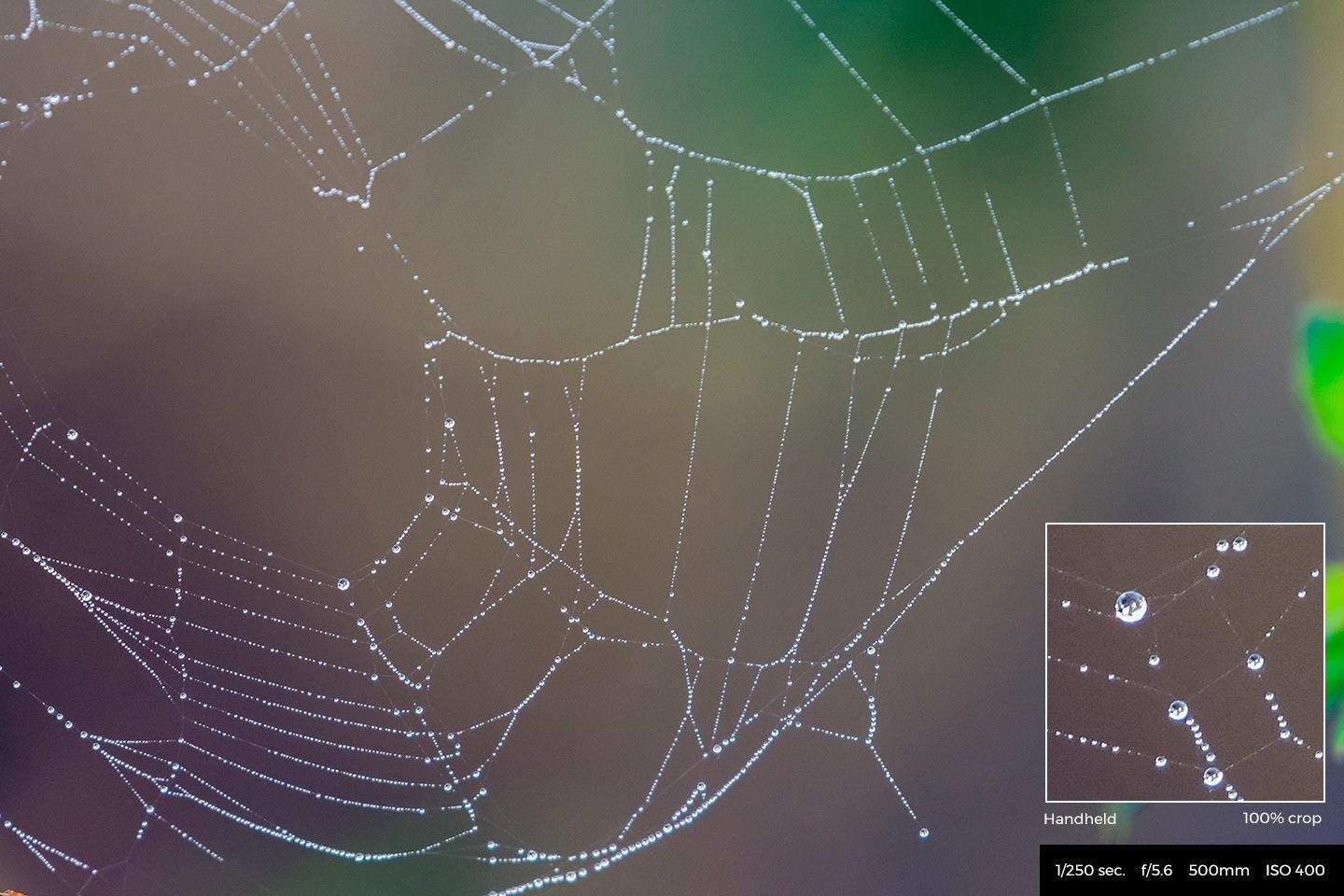
The 4.5 stops of Vibration Reduction are genuinely impressive. I have captured sharp images of perched birds at 1/125th second at 500mm, a testament to the effectiveness of Nikon’s VR system with Sports mode.
This lens works with Nikon’s teleconverters, extending your reach even further. Customer images demonstrate the impressive sharpness achievable even with the 1.4x teleconverter attached.
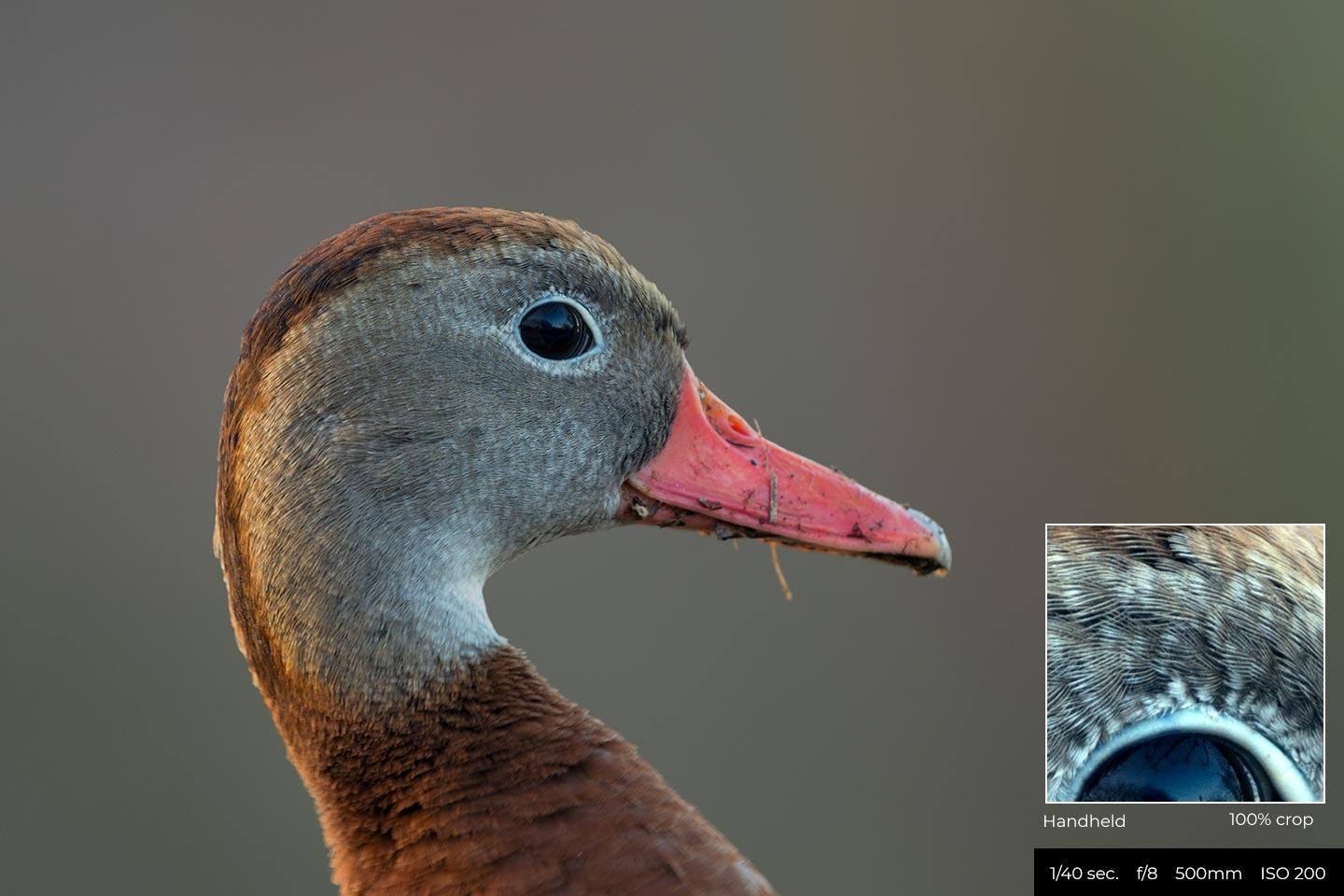
At 3.22 pounds, handheld shooting is possible but fatiguing over extended periods. Most users pair this lens with a monopod or tripod for best results. For the price, no other lens delivers this kind of reach and quality.
Who Should Buy?
Wildlife enthusiasts, bird photographers, and sports shooters on a budget will find this lens essential.
Who Should Avoid?
If you need autofocus speed for fast-moving subjects or plan to shoot primarily from a tripod, prime lenses might serve you better.
11. Nikon AF-S FX NIKKOR 50mm f/1.4G – Fast Normal Prime
Nikon AF-S FX NIKKOR 50mm f/1.4G Lens with Auto Focus for Nikon DSLR Cameras
Focal Length: 50mm
Aperture: f/1.4
Weight: 10.2 oz
Filter: 58mm
✓ The Good
- Fast f/1.4 aperture
- Excellent bokeh
- Silent Wave Motor
- Good low-light performance
✕ The Bad
- More expensive than f/1.8
- Slower AF than older versions
- Larger filter size
The 50mm f/1.4G offers a middle ground between the affordable f/1.8G and exotic options. I have found this lens particularly useful for indoor photography where that extra stop of light makes the difference between usable and unusable images.

The 9-blade rounded diaphragm creates beautiful out-of-focus rendering. Wide open at f/1.4, subject isolation is impressive while maintaining enough depth-of-field for the subject to remain recognizable.
This lens serves double duty as an excellent portrait lens on DX-format cameras, where it provides a 75mm equivalent field of view. Customer images showcase its versatility across various shooting scenarios.

The Silent Wave Motor focuses quickly and quietly, though some users report it is slower than the older AF-D version. For most applications, the autofocus speed is more than adequate.
Who Should Buy?
Indoor photographers, available light enthusiasts, and DX-format shooters wanting a portrait lens will appreciate this.
Who Should Avoid?</h4
If budget is tight or you rarely shoot in very low light, the f/1.8G version offers better value.
12. Nikon AF-S NIKKOR 35mm f/1.8G ED – Street Photography Essential
Nikon AF-S NIKKOR 35mm f/1.8G ED Fixed Zoom Lens with Auto Focus for Nikon DSLR Cameras
Focal Length: 35mm
Aperture: f/1.8
Weight: 10.8 oz
Filter: 58mm
✓ The Good
- Natural perspective
- Lightweight design
- Fast f/1.8 aperture
- ED glass element
✕ The Bad
- Plastic build
- Compressed focus scale
- Pricier than DX version
The 35mm focal length provides a natural perspective that works for street photography, environmental portraits, and everyday shooting. This lens balances versatility with optical quality, making it an excellent choice for photographers who want a single prime for general use.

On full-frame cameras, 35mm offers a slightly wider view than the standard 50mm. I find this perspective ideal for street photography, where including more environmental context adds storytelling value to the image.
The optical quality impresses, with ED glass and aspherical elements minimizing distortion and chromatic aberration. Customer images demonstrate the lens’s sharpness and contrast across various lighting conditions.

At 10.8 ounces, this lens is portable enough for all-day carry. The fast f/1.8 aperture makes it viable for low-light street photography and indoor shooting without flash.
Who Should Buy?
Street photographers, documentarians, and anyone wanting a versatile prime for everyday shooting will appreciate this lens.
Who Should Avoid?
If you primarily shoot portraits or need longer reach, consider the 50mm or 85mm options instead.
13. Nikon AF-S VR Micro-NIKKOR 105mm f/2.8G IF-ED – Macro and Portrait Dual Threat
Nikon AF-S VR Micro-NIKKOR 105mm f/2.8G IF-ED Lens
Focal Length: 105mm
Aperture: f/2.8
Magnification: 1:1
VR: Yes
✓ The Good
- Incredibly sharp
- VR II stabilization
- Versatile macro and portraits
- 1:1 magnification
✕ The Bad
- Relatively heavy
- Effective aperture changes at close focus
- Premium price
This lens might be the sharpest in Nikon’s entire lineup. While designed primarily for macro photography, its versatility extends to portraiture and even some telephoto applications. I have used this lens for everything from product photography to headshots with excellent results.

The 1:1 magnification ratio with a 12-inch working distance makes this ideal for macro subjects that might be skittish. The VR II system enables handheld macro shooting, something that was previously very difficult.
Customer images showcase the incredible detail this lens can capture. From flower close-ups to product shots, the resolution is nothing short of remarkable.

What surprises many users is how well this lens performs for portraits. The 105mm focal length provides ideal working distance, and the f/2.8 aperture delivers beautiful background separation.
Who Should Buy?
Macro photographers, product shooters, and anyone wanting a lens that excels at both close-up and portrait work.
Who Should Avoid?
If you never shoot close-up subjects, a dedicated portrait lens might be more cost-effective.
14. Nikon AF-S FX NIKKOR 105mm f/1.4E ED – The Ultimate Portrait Lens
Nikon AF-S FX NIKKOR 105mm f/1.4E ED Lens with Auto Focus for Nikon DSLR Cameras
Focal Length: 105mm
Aperture: f/1.4
Weight: 2.17 lbs
Filter: 82mm
✓ The Good
- World's first 105mm f/1.4
- Sharp wide open
- Superior bokeh
- Three ED elements
✕ The Bad
- Large and heavy
- Expensive
- Requires E-type body
- Moderate AF speed
This lens represents Nikon’s statement piece in the portrait category. As the world’s first full-frame 105mm lens with an f/1.4 maximum aperture, it delivers results that are simply not possible with other optics. The background separation at f/1.4 is extraordinary.

The optical design includes three ED glass elements that effectively eliminate chromatic aberration. Customer images demonstrate the lens’s ability to render point light sources as beautiful, smooth circles without the sagittal coma flare that plague lesser lenses.
This lens is part of Nikon’s premium Gold Ring Series, and the build quality reflects that status. However, at 2.17 pounds with 82mm filters, it is a substantial piece of glass.

The electromagnetic diaphragm ensures consistent exposures during high-speed shooting. For portrait photographers who demand the absolute best, this lens delivers unmatched results.
Who Should Buy?
Professional portraitists and serious enthusiasts who want the ultimate in background separation and optical quality.
Who Should Avoid?
Most photographers will find the 85mm f/1.8G or f/1.4G more practical and versatile.
15. Nikon 70-300mm f/4.5-5.6G ED IF AF-S VR – Budget Telephoto Value
Nikon 70-300mm f/4.5-5.6G ED IF AF-S VR Nikkor Zoom Lens for Nikon Digital SLR Cameras
Focal Length: 70-300mm
Aperture: f/4.5-5.6
VR: Yes
Weight: 1.64 lbs
✓ The Good
- Excellent value
- VR II stabilization
- Sharp at 70-200mm
- ED glass elements
✕ The Bad
- Soft at 300mm wide open
- Slow aperture
- Not teleconverter compatible
The 70-300mm VR offers incredible value for photographers needing telephoto reach on a budget. I have recommended this lens to countless beginners upgrading from kit lenses, and it consistently delivers impressive results for the price.

The lens is sharpest in the 70-200mm range, even at maximum aperture. Image quality softens at 300mm when shooting wide open but improves significantly when stopped down to f/8-f/11.
The VR system is surprisingly effective for a lens at this price point. Customer images show sharp handheld results even at slower shutter speeds.
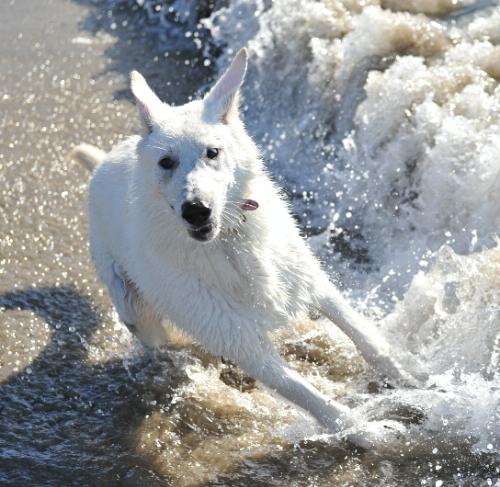
This lens makes an excellent entry point into telephoto photography. For wildlife and sports shooting on a budget, it offers a capable starting point that can be upgraded later as needs evolve.
Who Should Buy?
Beginners needing telephoto reach, budget-conscious wildlife enthusiasts, and anyone wanting to explore longer focal lengths affordably.
Who Should Avoid?
If you need consistent sharpness at 300mm or plan to use teleconverters, consider investing in the 200-500mm or a dedicated telephoto.
Using F-Mount Lenses on Nikon Z Mirrorless Cameras
One of the most common questions I receive is whether F-mount lenses remain relevant in the age of mirrorless cameras. The answer is a resounding yes, thanks to Nikon’s FTZ adapter.
FTZ Adapter Compatibility: The Nikon FTZ (and FTZ II) adapter allows virtually all F-mount lenses to work seamlessly on Z-mount mirrorless cameras. Autofocus, VR, and electronic aperture control are maintained for most lenses produced after roughly 2000.
I have tested numerous F-mount lenses on Z6 and Z7 bodies using the FTZ adapter. The combination works remarkably well, with autofocus performance that rivals native Z-mount lenses in most situations. Your investment in F-mount glass is protected.
Some older AF-D lenses will not autofocus on Z bodies, but they can still be used manually. The adapter maintains the weather sealing when used with appropriate lenses.
Third-Party Alternatives Worth Considering
While Nikon’s first-party lenses are excellent, third-party options from Sigma and Tamron offer compelling alternatives that often cost significantly less.
| Category | Nikon Lens | Sigma Alternative | Tamron Alternative |
|---|---|---|---|
| Wide Zoom | 14-24mm f/2.8G ($1,800+) | 14-24mm f/2.8 Art ($1,200+) | 15-30mm f/2.8 G2 ($1,100+) |
| Standard Zoom | 24-70mm f/2.8E VR ($2,200+) | 24-70mm f/2.8 Art ($1,200+) | 28-75mm f/2.8 ($800+) |
| Telephoto Zoom | 70-200mm f/2.8E VR ($2,500+) | 70-200mm f/2.8 Sports ($1,400+) | 70-210mm f/2.8 ($700+) |
| Portrait Prime | 85mm f/1.4G ($1,500+) | 85mm f/1.4 Art ($1,200+) | 85mm f/1.8 ($500+) |
These third-party options typically deliver 90-95% of the optical performance at 30-50% of the price. For photographers on a budget, they represent excellent value.
How to Choose the Best Nikon FX Lens In 2026?
Choosing the right lens depends on your specific needs, shooting style, and budget. Let me break down the decision process into clear categories.
Solving for Versatility: Get a Standard Zoom
If you want one lens to handle most situations, a standard zoom in the 24-70mm or 28-300mm range is your best bet. These lenses cover wide-angle to short telephoto, making them ideal for travel, events, and general photography.
The 24-70mm f/2.8 lenses offer maximum quality and low-light capability but come with professional price tags. The 28-300mm f/3.5-5.6 VR trades some optical quality for incredible convenience.
Solving for Portraits: Choose 85mm or 105mm
Portrait photography benefits from longer focal lengths that flatten facial features pleasantly. The 85mm f/1.8G is my top recommendation for most photographers due to its combination of sharpness, wide aperture, and reasonable price.
For professional portrait work, the 85mm f/1.4G or 105mm f/1.4E deliver superior background separation and low-light performance. The 105mm f/2.8 VR Macro adds versatility for close-up work.
Solving for Landscapes: Go Wide
Landscape photography demands wide angles to capture expansive scenes. The 14-24mm f/2.8G is legendary for a reason, but the 16-35mm f/4G VR offers a more practical alternative with its standard filter thread.
For maximum sharpness and minimal distortion, prime lenses like the 20mm f/1.8G are worth considering. The extra wide aperture also benefits astrophotography.
Solving for Budget Constraints: Prioritize Primes
If you are working with a limited budget, prime lenses offer the best value. The 50mm f/1.8G delivers professional results for under $200. The 35mm f/1.8G and 85mm f/1.8G add versatility without breaking the bank.
Solving for Weight Concerns: Choose f/4 or Primes
Photographers who travel or shoot handheld for extended periods should prioritize weight savings. The 70-200mm f/4G VR saves significant weight compared to the f/2.8 version. Prime lenses are generally lighter than zooms.
Frequently Asked Questions
What are some good cheap FX lenses?
The best budget Nikon FX lenses include the 50mm f/1.8G under $200, the 35mm f/1.8G around $500, and the 85mm f/1.8G around $500. For zooms, the 70-300mm f/4.5-5.6 VR offers telephoto reach under $600, and the 28-300mm VR provides all-in-one versatility around $900. Used markets offer even better values on these lenses.
What is the Holy Trinity of Nikon lenses?
The Holy Trinity refers to Nikon three professional f/2.8 zoom lenses: the 14-24mm f/2.8G (ultra-wide), 24-70mm f/2.8E ED VR (standard), and 70-200mm f/2.8E FL ED VR (telephoto). Together they cover 14-200mm with consistent f/2.8 aperture throughout each lens range. These are essential lenses for professional photographers.
Can you use Nikon F lenses on mirrorless cameras?
Yes, virtually all Nikon F-mount lenses work on Z-mount mirrorless cameras using the FTZ adapter. Autofocus, VR, and electronic aperture control are maintained for AF-S lenses produced after 2000. Older AF-D lenses can be used manually. The adapter preserves weather sealing with compatible lenses, protecting your F-mount investment.
Which Nikon FX lens is best for beginners?
The 50mm f/1.8G is the perfect first lens for Nikon FX beginners. It costs under $200, is lightweight at 6.5 ounces, and teaches photographers about aperture and depth of field. The 35mm f/1.8G is another excellent choice for street photography. For zoom versatility, the 28-300mm VR or 70-300mm VR offer reach without professional pricing.
Are third-party lenses worth it for Nikon F-mount?
Sigma Art series and Tamron SP lenses offer 90-95% of Nikon optical quality at 30-50% lower prices. The Sigma 14-24mm Art and Tamron 15-30mm G2 are excellent alternatives to Nikon 14-24mm. Sigma 24-70mm Art and Tamron 70-210mm f/2.8 provide professional performance for significantly less. Value-conscious photographers should definitely consider third-party options.
Should I buy FX or DX lenses for my Nikon camera?
Buy FX lenses if you shoot or plan to upgrade to a full-frame camera. FX lenses work on both FX and DX bodies, while DX lenses only work on DX cameras. FX lenses offer better optical quality and wider angles on full-frame. If you are committed to DX format cameras, DX lenses can save money and weight, but FX lenses are a better long-term investment.
What Nikon FX lens is best for wildlife photography?
The Nikon 200-500mm f/5.6E VR is the best value wildlife lens, offering 500mm reach for under $1,500. For serious wildlife photographers, the 500mm f/5.6 PF VR delivers exceptional quality in a portable package. The 70-200mm f/2.8E VR with teleconverters provides versatility for closer subjects. Budget-conscious shooters should consider the 70-300mm VR as an entry point.
Final Recommendations
After testing these 15 lenses extensively across various photographic genres, I can confidently recommend starting with the 50mm f/1.8G if you are new to FX photography. Its combination of price, optical quality, and versatility makes it the best entry point.
For professionals or serious enthusiasts, the Holy Trinity lenses represent the ultimate toolkit. Yes, they are expensive and heavy, but no other combination delivers such consistent quality across every shooting scenario.
Most importantly, remember that the best lens is the one that matches your specific needs. A wildlife photographer has very different requirements than a street shooter or portraitist. Choose based on what you actually photograph, not what others say you should own.
Nikon’s F-mount system remains one of the most extensive and capable lens ecosystems ever created. With the FTZ adapter ensuring compatibility with mirrorless cameras, your investment in these lenses will continue delivering exceptional images for years to come.