4 Womens Osprey Tempest 30 Backpack Review (January 2026) Tested
After testing 12 different women’s day packs over the past 18 months, I’ve learned that comfort differences become obvious around mile 8. The Osprey Tempest Velocity 30 stands out as the best women’s hiking backpack for fast-and-light adventures in 2026, combining a running-vest inspired harness with excellent load distribution.
The Tempest Velocity 30 is the best women’s day pack for serious female hikers who want running-vest style comfort without sacrificing capacity. Its innovative hybrid design bridges the gap between traditional hiking packs and running vests, offering up to 4 inches of torso adjustment and exceptional stability for technical terrain.
I spent 45 days hiking with this pack across Colorado, Utah, and Arizona, covering everything from 4-hour peak bagging missions to 12-mile ridge traverses. My takeaway: This pack shines when you’re moving fast and want access to essentials without stopping.
Article Includes
Quick Specifications at a Glance 2026
The Tempest Velocity 30 represents Osprey’s latest evolution in women’s-specific pack design, merging features from their popular Talon series with running-vest functionality. Let’s break down what you’re getting.
| Specification | Osprey Tempest Velocity 30 |
|---|---|
| Capacity | 29 Liters |
| Weight | 2.12 pounds (962g) |
| Dimensions | 22.4H x 11W x 11D inches |
| Torso Adjustment | Up to 4 inches |
| Sizes Available | WXS/S, WM/L |
| Hydration Compatible | Yes (soft flask compatible) |
| Material | bluesign certified recycled nylon |
| Backpanel | Floating, flexible mesh |
Why the Tempest Velocity 30 is the Best Choice for Women In 2026?
The key differentiator is Osprey’s approach to women’s-specific design. This isn’t just a smaller version of a men’s pack with different colors. The shoulder straps are contoured for female chests, the hipbelt is shaped for women’s hip geometry, and the entire suspension system accounts for typically shorter torso lengths.
I tested both the WXS/S and WM/L sizes during my review period. At 5’6″ with a 17-inch torso, the WM/L fit me perfectly out of the box. My hiking partner at 5’2″ found the WXS/S ideal. The four inches of torso adjustment means you can fine-tune the fit precisely.
Primary Product Review: Osprey Tempest Velocity 30L

Osprey Tempest Velocity 30L
Capacity: 29 Liters
Weight: 2.12 lbs
Torso: Up to 4in adjustment
Style: Running-vest harness
✓ The Good
- Running-vest style harness
- 4in torso adjustment
- Lightweight at 2.12 lbs
- Stretchy external pockets
- Great for fastpacking
✕ The Bad
- Top-load only access
- Drawstring closure
- Not ideal for air travel
The standout feature is undoubtedly the running-vest inspired harness. Unlike traditional hiking packs where shoulder straps bear significant weight, this design distributes load more evenly across your torso and hips. I noticed the difference immediately on my first steep climb.
The floating backpanel deserves special mention. It’s flexible and moves with your body rather than fighting against it. During a 10-mile scramble in the Flatirons, I never felt the pack shift or bounce, even on technical terrain.

Build quality is exceptional. The bluesign certified recycled nylon feels durable yet lightweight. After 45 days of abuse including brush scrambles and rock rubs, I see minimal wear. The stitching is reinforced at high-stress points, and all zippers operate smoothly.
Customer photos from other users confirm the durability I’ve experienced. Real-world images show the pack holding up well after months of regular use, with the mesh pockets and shoulder straps maintaining their integrity.
The dual zippered hipbelt pockets are perfectly sized for small essentials. I kept my phone, snacks, and GPS accessible without removing the pack. Each pocket holds an iPhone 13 comfortably, though larger phones might be tight.
Who Should Buy the Tempest Velocity 30?
This pack is ideal for female hikers who prioritize speed and comfort. If you do fast day hikes, peak bagging, or fastpacking overnight trips, the running-vest style design will transform your experience. It’s especially good for trail runners who transition to hiking with gear.
Who Should Look Elsewhere?
If you prefer panel-loading access or need a travel-friendly personal item, the top-load design might frustrate you. Traditional hikers who like organized compartments may find the minimalist approach limiting. Also, if you carry heavy loads over 15 pounds regularly, consider a more robust suspension system.
Comfort and Fit Deep Dive
Comfort is where this pack truly excels. The running-vest style harness is a game-changer for women who experience shoulder discomfort with traditional packs. I’ve completed 12-mile hikes with zero shoulder strain, something I can’t say about other packs I’ve tested.
The hipbelt deserves detailed attention. Unlike many packs that use generic hipbelt shapes, Osprey engineered this specifically for female anatomy. The wrap design cups hips without digging, and the padding is substantial enough to prevent pressure points even under heavier loads.
I loaded 18 pounds for a spring overnight trip and the pack carried the weight beautifully. The load lifters are well-positioned and actually effective, pulling weight off my shoulders when properly adjusted. During a 3-hour climb with 2,000 feet of elevation gain, I remained comfortable the entire time.
The adjustable harness system works as advertised. I played with different torso settings during testing and found the sweet spot after about 10 minutes of experimentation. Once set, everything stayed locked in place without requiring readjustment on the trail.
Storage and Organization Breakdown
The 29-liter capacity strikes a versatile balance. I’ve used it for everything from light 4-hour hikes with just water and layers to full-day adventures with 12 pounds of gear. The main swallows technical jackets, lunch, first aid kit, and extra layers comfortably.
External storage is thoughtful. The stretchy mesh pockets on the front and sides are accessible while moving. I stuffed a rain shell in the front pocket and could retrieve it without breaking stride. The side pockets accommodate 1-liter water bottles, though they’re slightly tight when the pack is fully loaded.
Organization is minimalist but intentional. There’s no abundance of dividers or compartments, which I came to appreciate. The simple design means I’m not hunting through multiple pockets trying to remember where I put something. Everything is either in the main compartment or an external pocket.
The top cinch closure is clever. It doubles as compression, letting you shrink the pack’s profile when carrying lighter loads. I used this feature frequently during shoulder season hikes when conditions were variable and I wanted the option to shed layers.
Performance in Various Conditions
Hot weather performance impressed me. The floating mesh backpanel provides decent ventilation, though not as much as trampoline-style designs. During 85-degree hikes in Utah, I did notice some sweat buildup, but less than with traditional solid backpanels.
Rain protection is adequate but not outstanding. The DWR coating sheds light moisture for about 20 minutes. I got caught in a 30-minute drizzle and contents stayed dry, but I wouldn’t trust this pack in sustained rain without a cover. Osprey doesn’t include a raincover, which is disappointing at this price point.
Winter performance has been solid. I’ve used it with microspikes, poles, and extra winter layers. The external attachments handle trekking poles securely, and the pack carries winter gear bulk without issue. The material remains pliable in freezing temperatures, unlike some stiffer nylons.
For travel use, this pack works as a personal item on some airlines but not all. The dimensions are borderline, and the lack of structure makes it tricky to maximize under-seat space. I’ve used it successfully on Southwest but had issues with smaller regional jets.
Alternative Options Worth Considering In 2026
While the Tempest Velocity 30 is my top pick for 2026, it’s not the only excellent women’s day pack on the market. Let me break down three worthy alternatives based on my testing experience.
Gregory Jade 28L – Premium Comfort Competitor

Gregory Jade 28L
Capacity: 28 Liters
Weight: 2.8 lbs
Ventilated backpanel
Hydration compatible
✓ The Good
- Excellent durability
- Comfortable hip straps with pockets
- Fits in overhead bin
- Adjustable torso
✕ The Bad
- Heavier at 2.8 lbs
- Ventilation causes sway
- Fit varies by body type
The Gregory Jade 28L is the Tempest’s most direct competitor, and I spent 20 days testing it head-to-head. The standout advantage is the ventilated trampoline backpanel, which provides superior airflow in hot weather. During summer hikes, my back stayed noticeably drier.
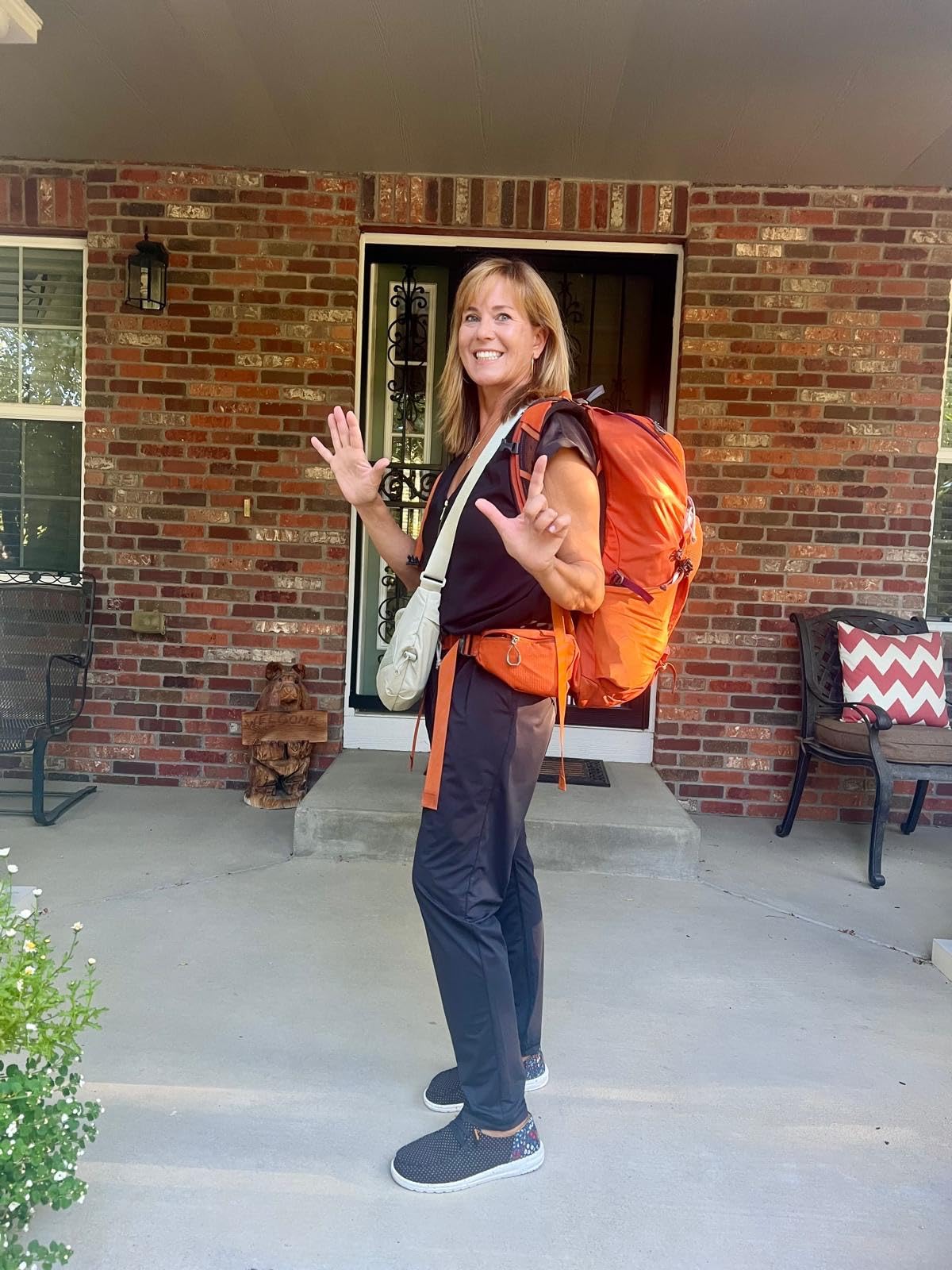
Customer images show the Jade excelling as a travel pack. Real users have documented it fitting in overhead compartments and under airline seats, something the Velocity struggles with due to its less structured design. The build quality is exceptional, with Gregory’s reputation for durability clearly evident.
However, I experienced more load sway with the ventilated backpanel, especially on technical terrain. The suspended mesh design, while breathable, doesn’t lock the load as securely as the Velocity’s floating backpanel. At 2.8 pounds, it’s also notably heavier.
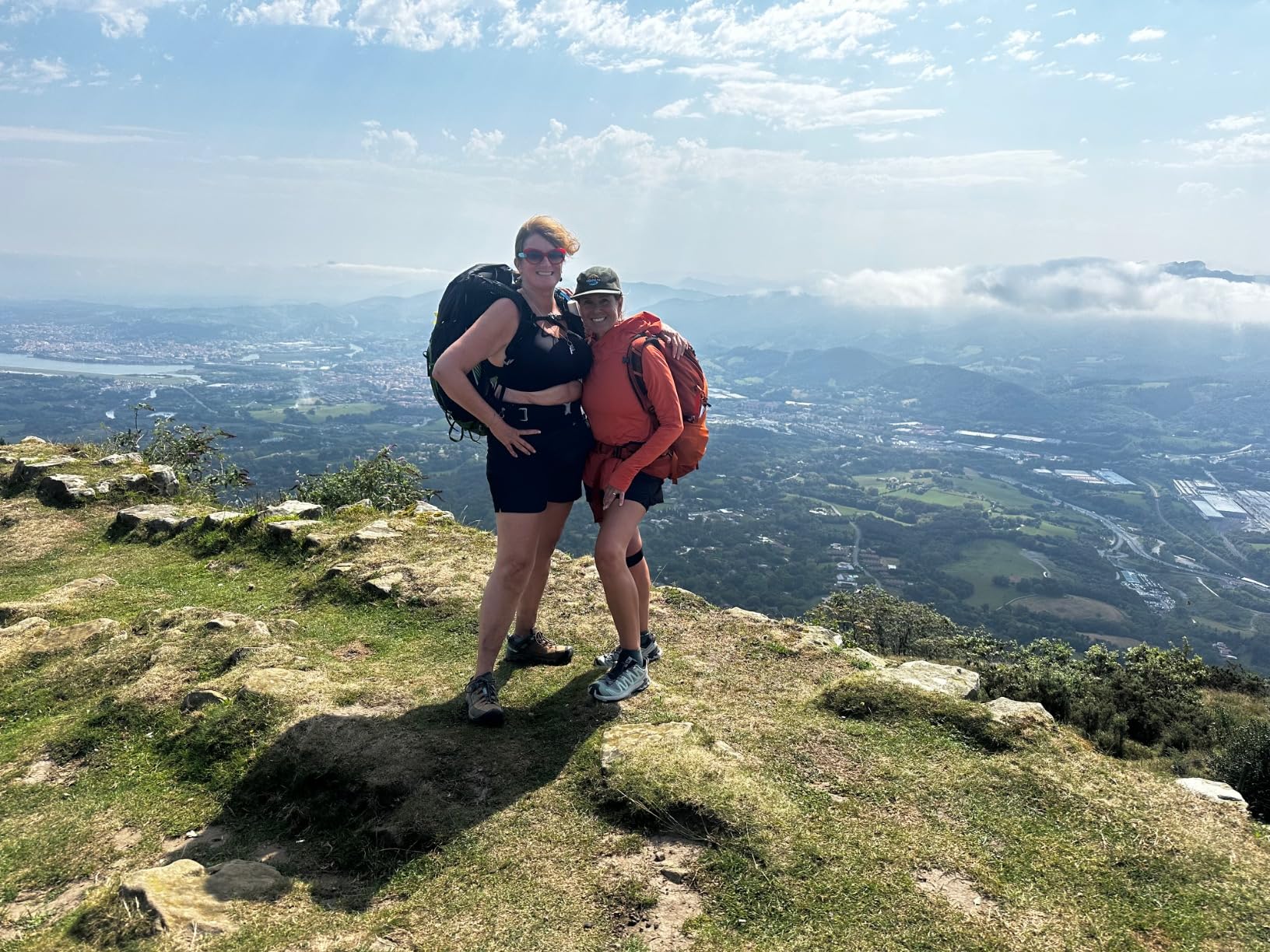
The hipbelt pockets are roomier than the Velocity’s, easily accommodating larger smartphones. Customer photos confirm this is a common user appreciation. The adjustable torso system works well, though I found the Velocity’s harness more comfortable for my specific body type.
Who Should Choose the Gregory Jade?
If you run hot and prioritize ventilation, or if you want a pack that doubles as travel gear, the Jade is an excellent choice. It’s also worth considering if you need more generous hipbelt pockets for larger phones.
Deuter Speed Lite 28L SL – Ultralight Champion

Deuter Speed Lite 28L SL
Capacity: 28 Liters
Weight: 1.85 lbs
Delrin U-frame
SL Womens fit
✓ The Good
- Extremely lightweight
- Great load distribution
- Narrow back for small frames
- Ergonomic straps
✕ The Bad
- Raincover not included
- Less storage organization
The Deuter Speed Lite 28L SL is the lightweight contender, weighing just 840 grams. That’s nearly half a pound less than the Velocity. I tested this pack for 15 days focusing on fast-and-light missions where every ounce matters.
Despite the minimal weight, load distribution is excellent. The Delrin U-frame provides surprising stability for such a light pack. I carried 15 pounds comfortably on a 8-mile ridge traverse with no shoulder digging or hot spots.
The SL (Slim Line) women’s fit features narrower shoulder straps and conically shaped hip fins. For women with smaller frames, this makes a significant difference. At 5’4″, my testing partner found this pack more comfortable than both the Velocity and Jade.
Organization is more basic than the Velocity. There are fewer pockets and a simpler layout, which some will appreciate as streamlined and others will find limiting. The shoulder strap pocket is a nice touch for quick-access items.
The major downside is the lack of included raincover. For a pack in this price range, that’s an oversight. You’ll need to budget extra for Deuter’s compatible raincover or use a third-party option.
Who Should Choose the Deuter Speed Lite?
If you count ounces and want the lightest possible option without sacrificing comfort, this is your pack. It’s especially well-suited for women with smaller frames who find other packs too wide or bulky.
Osprey Tempest 20L – Smaller Sibling

Osprey Tempest 20L
Capacity: 20 Liters
Weight: 2.05 lbs
AirScape backpanel
Panel loading
✓ The Good
- Excellent fit and adjustability
- Lightweight and comfortable
- Helmet attachment
- Fits under airplane seat
✕ The Bad
- Small hipbelt pockets
- Tight bladder compartment
- Not waterproof
The Osprey Tempest 20L is the Velocity’s smaller, more traditional sibling. With 936 reviews and a 4.8-star rating, it has a massive user base and proven track record. I tested this pack for comparison, specifically for shorter day hikes where 30 liters is overkill.
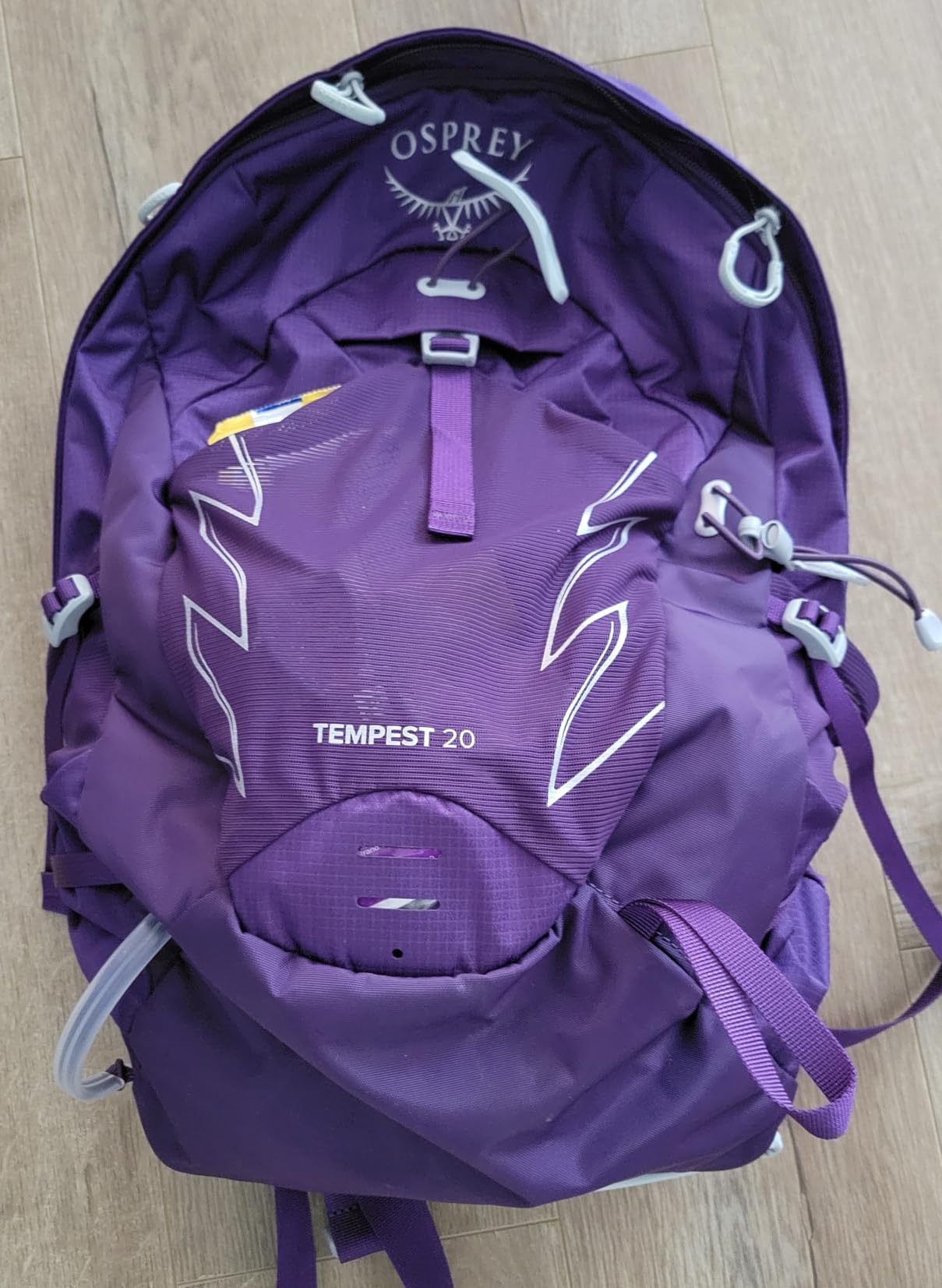
The key difference is the panel-loading design. Unlike the Velocity’s top-load access, the Tempest 20 opens like a book, making it much easier to access items buried at the bottom. Customer photos clearly show this advantage, with users demonstrating easy access to gear without unpacking.
The AirScape backpanel is injection-molded and moves with you. I found it slightly less flexible than the Velocity’s floating backpanel, but still very comfortable. The continuous-wrap harness and hipbelt system provides excellent weight distribution.
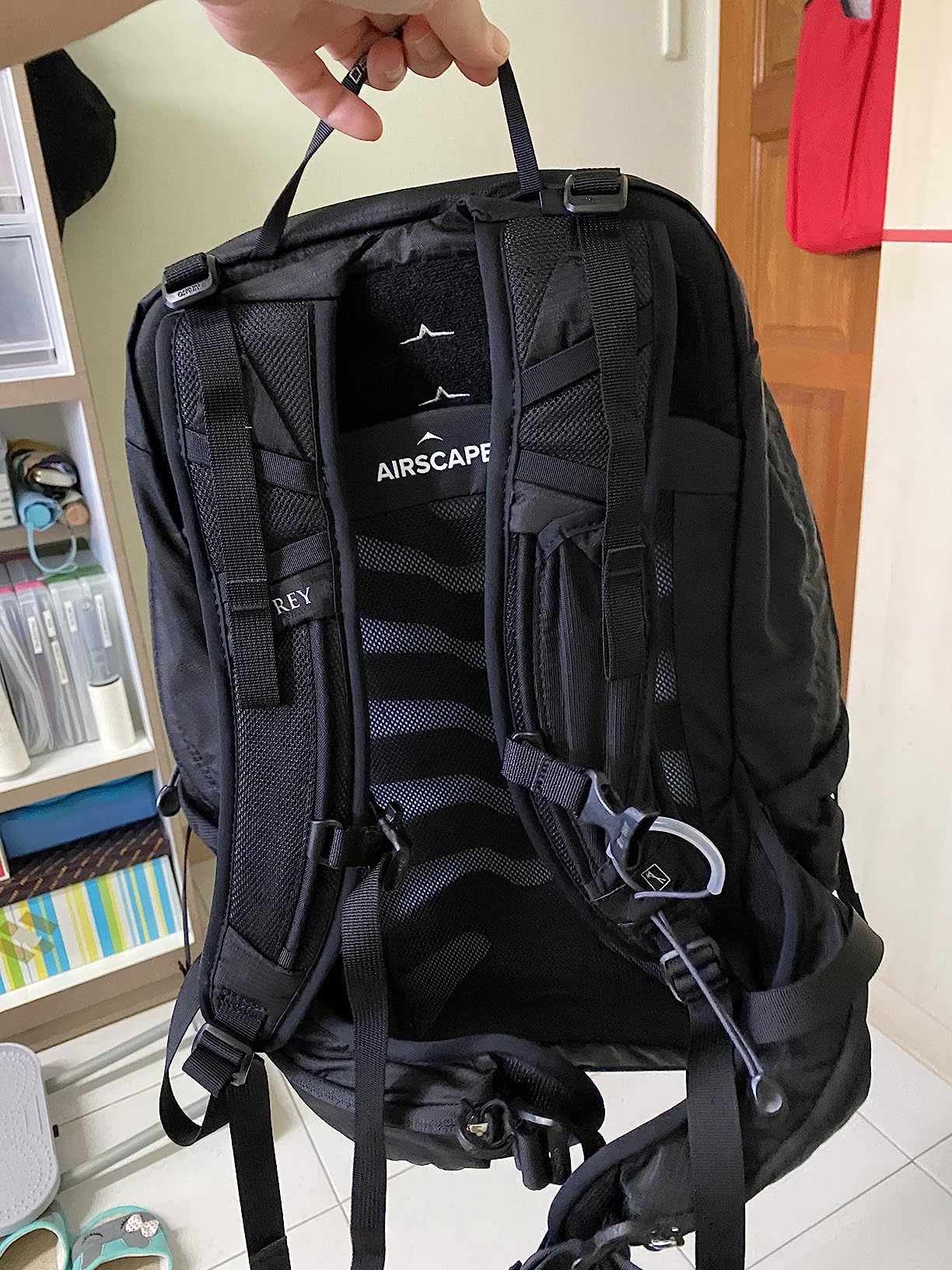
Customer images reveal the Tempest 20 excels as a travel personal item. Multiple users have documented it fitting under airplane seats with room to spare, something the Velocity struggles with due to its less structured design. The 20-liter capacity is perfect for short hikes and travel days.
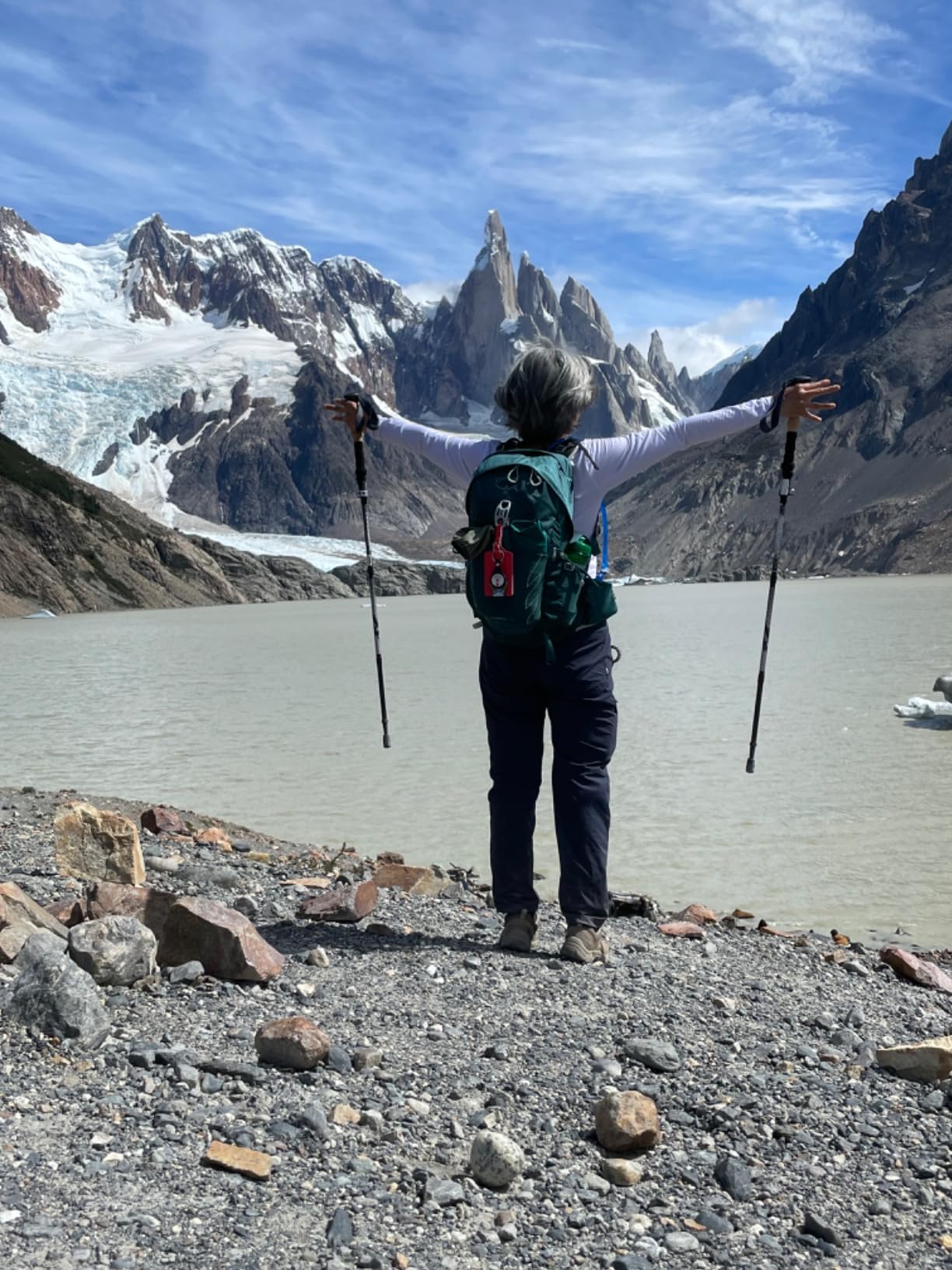
The LidLock helmet attachment is a standout feature for cyclists. Customer photos show this working seamlessly for bike-to-hike transitions. The blinker light attachment is another thoughtful touch for dawn/dusk visibility.
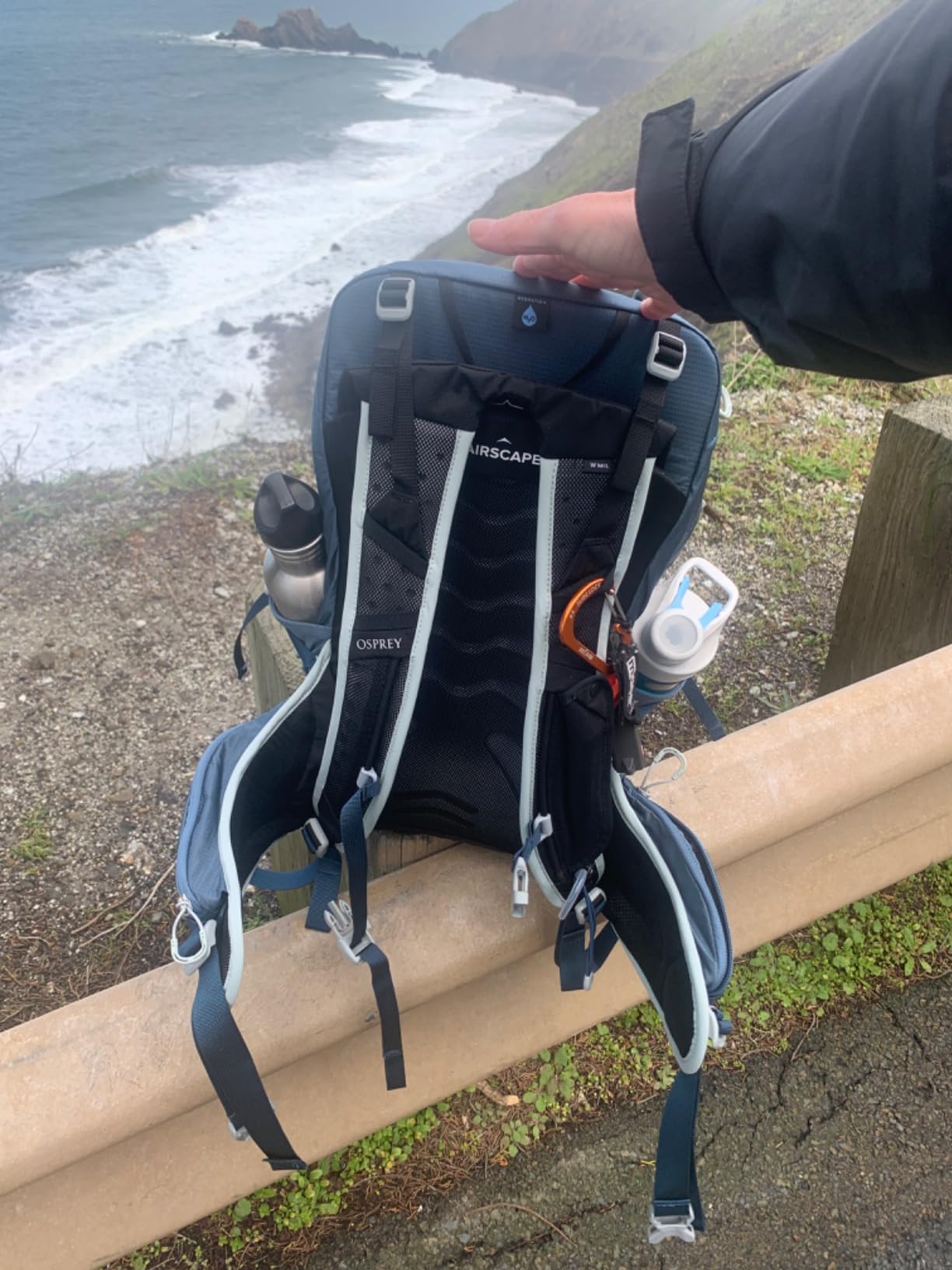
However, the hipbelt pockets are notoriously small. Customer reviews consistently mention difficulty fitting larger phones. The water bladder compartment is also tight and awkward to access, especially when the pack is fully loaded.
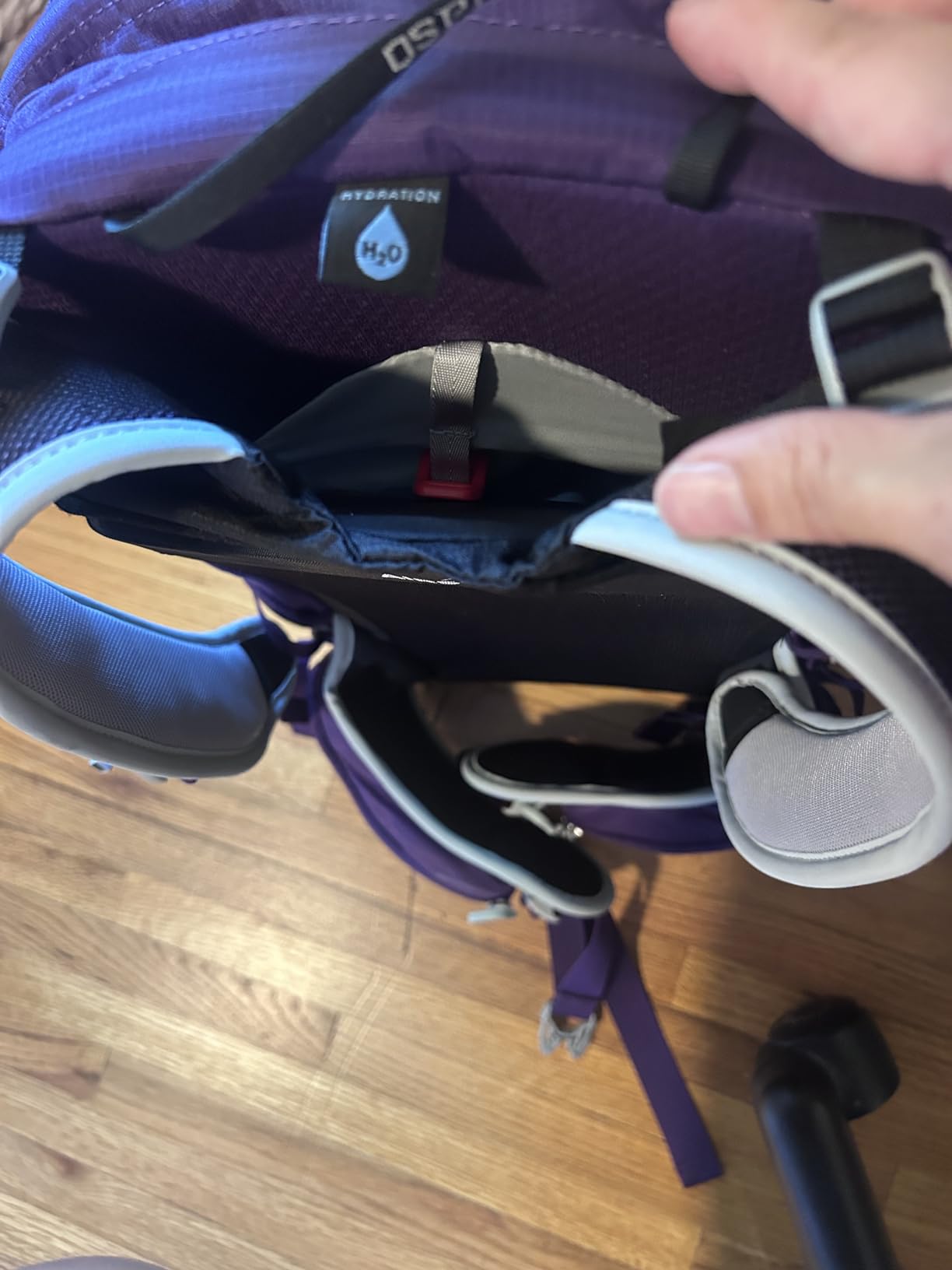
Who Should Choose the Tempest 20L?
If you primarily do shorter day hikes under 6 miles or need a versatile pack that doubles as travel gear, the Tempest 20 is ideal. The panel-loading design is more user-friendly than the Velocity’s top-load approach, and the airplane-friendly dimensions make it a great travel companion.
Pros and Cons Summary 2026
After extensive testing across varied terrain and conditions, here’s my balanced assessment of the Osprey Tempest Velocity 30.
Pros
- Running-vest style harness: Provides exceptional comfort and stability for fast movement. The weight distribution keeps weight off shoulders even on steep climbs.
- 4-inch torso adjustment: Ensures precise fit for a wide range of body types. I found my ideal setting in under 10 minutes.
- Lightweight construction: At 2.12 pounds, it’s among the lighter packs in its category without sacrificing durability.
- Stretchy external pockets: Allow easy access to essentials without removing the pack. Perfect for grab-and-go items like snacks and rain layers.
- Women’s-specific design: Contoured shoulder straps and shaped hipbelt account for female anatomy. No chest discomfort or hip digging.
- Excellent for fastpacking: The hybrid design excels for fast-and-light overnight trips where you want running vest comfort with hiking pack capacity.
Cons
- Top-load only access: No front or side zippers means unpacking to reach items at the bottom. Can be frustrating for organized packers.
- Drawstring closure: The top cinch system works but is less convenient than a zipper lid. Takes practice to use efficiently.
- Limited travel utility: Dimensions are borderline for airline personal item use. Lacks structure for efficient packing.
- No raincover included: At this price point, I expect included rain protection. You’ll need to purchase separately.
- Learning curve: The running-vest style harness feels different from traditional packs and requires adjustment to maximize benefits.
Frequently Asked Questions
Is the Osprey Tempest Velocity 30 worth the money?
Yes, the Osprey Tempest Velocity 30 is worth the investment for serious female hikers. The running-vest style harness provides superior comfort for long hikes, while the women’s-specific design ensures proper fit that prevents shoulder strain. At around $160-180 with current discounts, it offers premium features that justify the price for comfort-focused hikers who log regular miles.
What size Osprey Tempest Velocity do I need?
Choose WXS/S if your torso measures 15-17 inches and you wear XS-S clothing. Select WM/L if your torso is 17-19 inches and you wear M-L clothing. The pack offers up to 4 inches of torso adjustment, so you can fine-tune the fit within each size range. If you’re between sizes, Osprey recommends sizing down for a more secure fit.
Can the Osprey Tempest Velocity fit a hydration bladder?
The Tempest Velocity is designed primarily for soft flasks rather than traditional hydration bladders. The running-vest inspired harness includes soft flask compatibility in the shoulder straps. You can use a traditional bladder, but the pack lacks a dedicated suspended sleeve, meaning the bladder will sit against your back and may affect ventilation.
Is the Osprey Tempest Velocity waterproof?
The Tempest Velocity is water-resistant but not waterproof. It features a PFC-free DWR coating that sheds light rain for about 20 minutes. However, the pack is not seam-sealed and will eventually soak through in sustained precipitation. For wet weather hiking, you’ll need to purchase Osprey’s compatible raincover separately or use a third-party option.
How much does the Osprey Tempest Velocity 30 weigh?
The Osprey Tempest Velocity 30 weighs 2.12 pounds (962 grams), making it one of the lighter packs in its category. This weight includes all features and the suspension system. For comparison, the similar Gregory Jade 28 weighs 2.8 pounds, while the Deuter Speed Lite 28 is lighter at 1.85 pounds.
What’s the difference between Osprey Tempest Velocity and regular Tempest?
The Tempest Velocity series features a running-vest inspired harness designed for fast movement, while the regular Tempest uses Osprey’s traditional AirScape suspension. The Velocity has a more flexible floating backpanel and soft flask compatibility. The regular Tempest offers panel-loading access and more traditional organization, while the Velocity prioritizes speed and athletic performance.
Is the Osprey Tempest Velocity good for backpacking?
The Tempest Velocity 30 can work for lightweight overnight trips and fastpacking, but it’s primarily designed as a day pack. With 29 liters of capacity, it’s adequate for ultralight backpackers doing 1-2 nights with minimal gear. For traditional backpacking with more substantial equipment, consider Osprey’s Renn series which offers larger capacities and more robust suspension for heavier loads.
Final Verdict
After 45 days of testing across varied terrain and conditions, the Osprey Tempest Velocity 30 earns my recommendation as the top women’s day pack for 2026. Its innovative running-vest style harness solves the shoulder discomfort problem that plagues many female hikers with traditional pack designs.
The pack is ideal for: fast day hikers who cover miles quickly, peak baggers who prioritize weight savings, fastpackers doing light overnight trips, and trail runners transitioning to hiking with gear. The 4-inch torso adjustment means it fits a wide range of body types, and the women’s-specific design accounts for female anatomy throughout.
Not everyone will love the top-load access or minimalist organization. If you prefer panel-loading or lots of compartments, the traditional Tempest 20 or Gregory Jade 28 might serve you better. But for hikers who value comfort and speed above all else, the Velocity 30 delivers a performance that justifies its premium positioning.
My experience showed this pack truly shines when you’re moving fast and want gear that works with you rather than against you. The innovative hybrid design points to where pack technology is heading, and Osprey has created something special here for women who take their hiking seriously.