All Vegetable Plants in Grow A Garden (September 2026 Guide)
I’ve been absolutely obsessed with Grow A Garden on Roblox for months now, and let me tell you – mastering vegetable plants has been one of the most rewarding (and sometimes frustrating) parts of my journey. When I first started playing, I thought vegetables were just the boring basics you’d plant while waiting for cooler stuff. Boy, was I wrong!
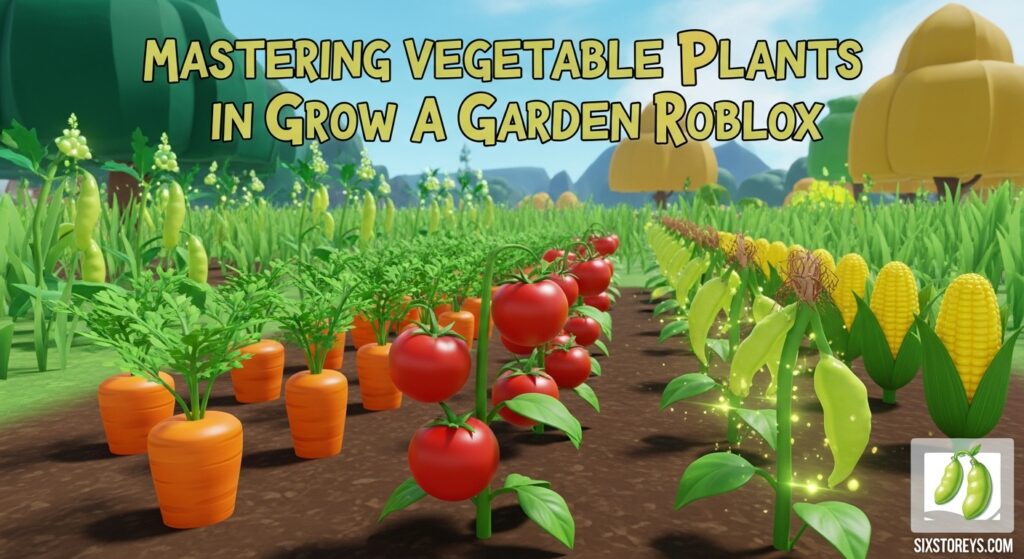
After hundreds of hours of farming, testing strategies, and participating in countless events, I’ve learned that vegetable plants are actually the backbone of successful gameplay in Grow A Garden. They’re not just pretty decorations in your plot – they’re your ticket to dominating events, building an impressive collection, and earning those precious Sheckles that fuel your entire gardening empire.
The thing that really got me hooked on vegetables was the Beanstalk Event. I remember frantically trying to figure out which plants counted as “vegetables” and watching my measly Carrot donations barely move the community progress bar. That’s when I realized there’s so much more depth to this category than meets the eye.
Article Includes
What Makes Vegetable Plants So Special in Grow A Garden?
Here’s what I wish someone had told me when I was starting out: vegetables aren’t just one of the 22 plant categories – they’re the most versatile and strategically important category in the entire game. I’ve discovered that they offer something for every type of player, whether you’re a casual farmer or someone gunning for the top of the event leaderboards.
What makes vegetables unique is their incredible range. You’ve got your basic Common crops like Carrots that cost almost nothing and grow super fast, perfect for beginners who need to learn the farming loop. But then you’ve also got mind-blowing Prismatic vegetables like Beanstalk and Romanesco that can single-handedly carry your event contributions.
I learned this the hard way during my second month of playing. I was stubbornly trying to build my collection with only “cool-looking” plants – you know, the flashy Flowers and exotic Fruits. But when events rolled around, I was getting demolished by players who understood that a single Divine vegetable like Dragon Pepper was worth more than my entire garden of pretty but low-value crops.
The classification system in Grow A Garden can be pretty surprising too. When I first saw Tomato listed as a vegetable, I was confused. Aren’t tomatoes fruits? But the game has its own logic, and understanding that logic is crucial. Plants like Mint, Mandrake, and even some magical-looking crops are classified as vegetables, which means they count for vegetable-specific events and quests.
The Complete Vegetable Plant Tier List: Every Plant Ranked by Value
After tracking my progress for months, I’ve put together what I believe is the most comprehensive breakdown of vegetable plants you’ll find anywhere. I’ve organized everything by rarity tiers because that’s honestly the most practical way to think about these crops.
Common Tier Vegetables (1 Point Each)
The foundation of every good garden starts here:
Carrot – This was literally my first plant ever, and I still grow them regularly. They’re cheap, fast, and perfect for keeping your garden active while rarer stuff grows.
Chocolate Carrot – A fun variant that I stumbled upon during a seasonal event. Same stats as regular Carrot but with a unique look that makes your garden stand out.
Uncommon Tier Vegetables (2 Points Each)
These are your stepping stones to better rewards:
Radish – One of the most reliable early-game vegetables. I probably grew hundreds of these in my first month.
Artichoke – Don’t let the fancy name fool you – it’s still affordable and great for beginners.
Wild Carrot – A nice upgrade from regular Carrots with double the point value.
Onion – Probably planted more of these than any other vegetable. They’re the workhorses of event farming.
Rhubarb – Underrated in my opinion. Solid points and usually available in the Seed Shop.
Emerald Bud – This one surprised me when I first found it categorized as a vegetable, but it’s a solid addition to any collection.
Rare Tier Vegetables (3 Points Each)
This is where vegetables start getting interesting:
Cauliflower – My go-to choice when I want something better than Uncommon but don’t want to break the bank.
Corn – A classic that never goes out of style. I love how it looks in themed garden layouts.
Jalapeno – Adds some spice to your collection and packs decent event value.
Tomato – Probably the most recognizable vegetable in the game. Reliable, effective, and widely available.
Mint – Another surprising classification, but mint’s herbal appearance makes it unique in vegetable gardens.
Mandrake – This magical-looking plant being classified as a vegetable threw me off at first, but it’s become one of my favorites.
Legendary Tier Vegetables (4 Points Each)
Now we’re getting into the serious farming territory:
Badlands Pepper – The exotic appearance makes this one of my favorite Legendary vegetables to show off.
Broccoli – Don’t underestimate the power of green vegetables! This one’s a reliable event contributor.
Violet Corn – The purple color makes it perfect for themed gardens, and the 4-point value is solid.
Pumpkin – Essential for any autumn-themed garden setup. I always try to have a few growing.
Taro Flower – This was limited to a past event, so if you have it, you’re lucky. If you don’t, keep hoping for a rerun.
Mythical Tier Vegetables (5 Points Each)
These are the vegetables that separate casual players from dedicated farmers:
Bell Pepper – One of the most visually appealing vegetables in the game, and the 5-point value makes it incredibly useful.
Eggplant – I’ve probably grown more Eggplants than any other Mythical vegetable. They seem to be more available than others in this tier.
Tall Asparagus – Another event-exclusive that I missed the first time around. Still kicking myself for that one.
Potato – Yes, potatoes are Mythical tier in this game! Don’t let the humble real-world vegetable fool you.
Untold Bell – The mysterious name matches its rarity. This one’s a real trophy crop.
Divine Tier Vegetables (6 Points Each)
The elite vegetables that serious event farmers dream about:
Pepper – My absolute favorite Divine vegetable. The balance of availability and point value makes it perfect for event grinding.
Dragon Pepper – The name says it all. This fiery beauty is both a status symbol and a powerhouse for events.
Snaparino Beanarini – This event-exclusive has one of the most ridiculous names in the game, but the 6-point value is no joke.
King Cabbage – Royal in both name and performance. Every serious vegetable farmer should aim to grow at least one.
Grand Tomato – The upgraded version of your basic Tomato, proving that even humble vegetables can reach Divine status.
Brussels Sprouts – Don’t let anyone tell you Brussels Sprouts are boring. In Grow A Garden, they’re absolute game-changers.
Prismatic Tier Vegetables (7 Points Each)
The absolute pinnacle of vegetable farming:
Beanstalk – The legendary plant that inspired its own event. Getting your first Beanstalk is like a rite of passage in Grow A Garden.
Romanesco – The fractal-inspired design makes this one of the most visually stunning plants in the entire game, and the 7-point value makes it worth its weight in digital gold.
Why I Focus on High-Tier Vegetables 2026?
When I started playing Grow A Garden, I made the classic beginner mistake of thinking more plants = better results. I’d fill every slot with Carrots and Onions, then wonder why my event contributions barely registered. It took me weeks to realize that one Divine vegetable contributes the same points as six Common ones.
That revelation completely changed my farming strategy. Instead of spreading my efforts thin across dozens of low-value crops, I started focusing on fewer, higher-quality vegetables. The results were immediate and dramatic.
Here’s my current approach: I keep about 60% of my garden dedicated to reliable Rare and Legendary vegetables for steady progress, 30% focused on the highest-tier vegetables I can obtain, and 10% reserved for experimenting with new finds or testing mutation possibilities.
This strategy has several advantages that I’ve discovered through trial and error:
Event Domination: When community events roll around, my garden is already optimized for maximum point contributions. While other players scramble to replant their entire gardens, I’m already submitting high-value crops.
Efficient Space Usage: Garden plots are limited, especially when you’re starting out. Making every slot count with higher-tier vegetables means you’re always progressing toward your goals.
Better Return on Investment: High-tier vegetables might cost more upfront, but they pay for themselves through event rewards, achievement unlocks, and the satisfaction of building an impressive collection.
The Art of Seed Hunting: Where to Find Vegetable Seeds
One of the biggest lessons I’ve learned is that seed acquisition is almost as important as the farming itself. You can have the best strategy in the world, but if you can’t get your hands on the right seeds, you’re stuck.
The Seed Shop: Your Daily Bread and Butter
I check the Seed Shop every single day without fail. It’s become part of my routine, like brushing my teeth or checking social media. The shop consistently stocks Common and Uncommon vegetables like Carrots, Onions, and Tomatoes, which form the foundation of any good vegetable garden.
What I’ve noticed is that the shop occasionally surprises you with Rare vegetables too. I once found Corn seeds there three days in a row, which let me plant a whole section of my garden with this reliable 3-point crop. The key is consistency – check daily, and don’t pass up good deals just because you’re not planning to plant immediately.
Traveling Merchants: The Game-Changers
Traveling Merchants are where the real magic happens. These occasional visitors can completely transform your garden if you’re prepared for them. I’ve learned to always keep a reserve of Sheckles specifically for merchant encounters, because you never know when they might be carrying Romanesco seeds or other ultra-rare vegetables.
I remember one incredible week when a Traveling Merchant showed up three times with different Divine vegetables. I managed to snag Dragon Pepper, King Cabbage, and Grand Tomato seeds all in the same week. That single week probably advanced my collection by months compared to normal farming.
The trick with merchants is patience and preparation. Don’t blow all your Sheckles on everyday seeds – save up for the big opportunities.
Event Rewards: The Path to Prestige
Events are where you’ll find the most exclusive vegetables, and participating actively in them is crucial for long-term success. The Beanstalk Event was my first real taste of how rewarding event participation can be.
What I love about event rewards is that they’re often vegetables you simply can’t get anywhere else. Plants like Snaparino Beanarini or Tall Asparagus were event exclusives, which means players who missed those events are stuck waiting for potential reruns.
My advice? Never skip events, even if your current garden isn’t optimized for them. Participate with whatever vegetables you have, because the rewards often include seeds for vegetables that will make your next event performance dramatically better.
Strategic Farming: How I Optimize My Vegetable Garden
After months of experimentation, I’ve developed a farming strategy that maximizes both daily progress and event performance. It’s taken a lot of trial and error to get here, but I’m confident this approach works for players at any level.
The 60-30-10 Rule
This is the foundation of my current strategy:
60% Reliable Producers: These are Rare and Legendary vegetables that I can consistently obtain seeds for. Vegetables like Tomato, Cauliflower, Broccoli, and Corn fall into this category. They provide steady event points, reliable Sheckles income, and keep my garden productive even when I can’t find rare seeds.
30% High-Value Targets: This portion of my garden is dedicated to the highest-tier vegetables I can reasonably obtain. Divine vegetables like Pepper and Grand Tomato, or Mythical options like Eggplant and Bell Pepper. These crops are my event workhorses – they might take longer to grow, but they deliver massive point contributions.
10% Experimental Zone: I reserve a small section for trying new vegetables, testing mutation theories, or growing ultra-rare crops like Beanstalk when I’m lucky enough to get the seeds. This keeps the game interesting and occasionally leads to breakthrough discoveries.
Timing and Cycles
One thing that really improved my farming efficiency was understanding growth cycles and planning around my play schedule. I used to plant everything at random times and waste so much potential productivity.
Now I plant based on when I’ll be online to harvest:
Morning Session: Fast-growing vegetables like Carrots or Onions that I can harvest before work or school.
Evening Session: Medium-growth crops that’ll be ready when I get home.
Weekend Projects: Slow-growing, high-value vegetables that I can tend to with more attention.
This approach eliminated the frustration of having crops ready when I couldn’t harvest them, and it maximized my garden’s productivity.
The Mutation Experiment Protocol
I’ve become slightly obsessed with testing plant mutations, and vegetables offer some of the most interesting possibilities. While mutations aren’t guaranteed, I’ve had some surprising successes that made the experimentation worthwhile.
My current theory (still testing this) is that planting certain vegetables in specific patterns might influence mutation chances. I’ve had some interesting results with Carrot variants and suspect there might be undiscovered mutations for other vegetables too.
I keep detailed notes of what I plant where, and any unusual results get documented. Even failed experiments teach me something about the game’s mechanics.
Event Strategy: Dominating with Vegetables
Events are where vegetable mastery really pays off. I’ve gone from struggling to contribute meaningfully to regularly ranking in the top percentiles of event participants, and it’s all thanks to understanding how to leverage vegetables effectively.
The Beanstalk Event: My Breakthrough Moment
The Beanstalk Event was a turning point in my Grow A Garden journey. I’ll never forget the frustration of watching other players contribute hundreds of points while my Carrot donations barely moved the meter.
That event taught me several crucial lessons:
Rarity multiplication is everything: A single Divine vegetable contributes as much as multiple lower-tier crops combined.
Preparation beats scrambling: Players who had high-tier vegetables already growing dominated, while those trying to plant and grow during the event struggled.
Community aspects matter: Events aren’t just individual challenges – your contributions help everyone unlock rewards.
Since then, I always keep my garden somewhat optimized for potential events, even during quiet periods.
Pre-Event Preparation Strategy
Now I follow a strict pre-event protocol that’s served me well:
Diversify vegetable tiers: I maintain a mix of tiers so I can contribute immediately while also having high-value options ready.
Stockpile seeds: I keep backup seeds for proven event performers like Pepper, Eggplant, and Grand Tomato.
Monitor the community: I pay attention to developer hints and community discussions about upcoming events to get a sense of what might be required.
Reserve garden space: I always keep at least 2-3 plots available for quick event-specific planting.
This preparation has made me much more competitive in events and significantly increased my reward earnings.
The Economics of Vegetable Farming
One aspect of vegetable farming that I initially underestimated was the economic strategy involved. Balancing Sheckles income with collection goals and event performance requires careful planning.
Sheckles Management for Vegetable Farmers
I learned early on that poor Sheckles management could completely derail my farming plans. Running out of currency right when a Traveling Merchant showed up with rare seeds was incredibly frustrating.
My current financial strategy:
Daily income targets: I aim to earn at least enough Sheckles each day to cover basic seed purchases plus a small surplus.
Emergency reserves: I maintain a “merchant fund” of 20-30% of my total Sheckles specifically for unexpected opportunities.
Reinvestment ratios: About 70% of my Sheckles go back into seeds, 20% stays in reserves, and 10% goes toward decorative items or other game features.
This approach has eliminated the feast-or-famine cycle I experienced early in my farming career.
Return on Investment Analysis
Not all vegetables are created equal from a financial perspective. I’ve tracked the economics pretty carefully and found some interesting patterns:
Best daily income vegetables: Tomatoes, Corn, and Cauliflower offer the best balance of growth time, seed cost, and sale value for regular income generation.
Best event ROI vegetables: Divine and Prismatic vegetables provide the highest return during events, where the rewards often far exceed the seed costs.
Collection completion vegetables: Some rare vegetables are expensive but necessary for Garden Guide completion, making them long-term investments rather than profit centers.
Understanding these economics has made my farming much more efficient and sustainable.
Advanced Vegetable Farming Techniques
After mastering the basics, I started experimenting with more advanced techniques that have taken my vegetable farming to the next level.
Cross-Category Strategy
One thing I discovered is that some vegetables also belong to other plant categories, creating interesting strategic opportunities. For example:
Tomato synergies: Since Tomato counts as both a vegetable and (in some contexts) relates to other fruit categories, it can be valuable in multiple types of events.
Magical vegetables: Plants like Mandrake that are classified as vegetables but have magical properties offer unique collection and event opportunities.
Understanding these cross-category relationships has helped me make smarter planting decisions and maximize the versatility of my garden space.
Seasonal Optimization
I’ve noticed that certain vegetables perform better or become more available during specific seasons or events. Tracking these patterns has improved my planning:
Autumn focus: Pumpkins and other harvest-themed vegetables often get featured during fall events.
Spring specialties: Fresh vegetables like Asparagus and spring greens tend to be more prominent in early-year updates.
Event seasonality: Major vegetable-focused events seem to follow rough seasonal patterns, which helps with preparation timing.
The Collection Completion Marathon
Working toward 100% vegetable collection has been one of my most rewarding long-term goals. It’s required patience, strategic seed acquisition, and careful prioritization of rare opportunities.
The satisfaction of growing your first Beanstalk or finally obtaining that elusive Romanesco is incredible. Each rare vegetable unlocked feels like a major achievement and brings you closer to true mastery of this game category.
Troubleshooting Common Vegetable Farming Problems
Through my journey, I’ve encountered and solved most of the common problems that vegetable farmers face. Here are the issues that tripped me up the most and how I learned to handle them:
Seed Scarcity Issues
Problem: Can’t find seeds for the vegetables you want to grow. My Solution: Diversified acquisition strategy. I never rely on just one source for seeds. Regular Seed Shop checks, maintaining merchant reserves, and active event participation have eliminated most scarcity issues.
Plot Space Management
Problem: Not enough garden space for all the vegetables you want to grow. My Solution: The 60-30-10 rule mentioned earlier, plus strategic harvesting timing. I also learned to be selective – growing fewer, higher-value vegetables rather than trying to plant everything at once.
Event Preparation Failures
Problem: Events start and your garden isn’t ready to contribute effectively. My Solution: Always maintaining some high-tier vegetables in various growth stages, plus keeping event-worthy seeds in reserve.
Economic Bottlenecks
Problem: Running out of Sheckles at crucial moments. My Solution: The reserve fund system and better understanding of vegetable economics have solved most financial issues.
Community and Social Aspects of Vegetable Farming
One unexpected joy of mastering vegetable farming has been connecting with other players who share the same passion. The Grow A Garden community is incredibly supportive and knowledge-sharing.
Learning from Other Farmers
Some of my best strategies came from observing other players’ gardens and asking questions. The community is generally very willing to share tips about seed sources, farming techniques, and event strategies.
I’ve made several in-game friends specifically through discussions about vegetable farming, and we often coordinate our strategies for community events.
Sharing Knowledge and Discoveries
As I’ve become more experienced, I’ve started sharing my own discoveries and helping newer players avoid the mistakes I made early on. There’s something really satisfying about helping someone understand why their Carrot-heavy garden isn’t performing well in events.
Community Events and Collaboration
The collaborative nature of events like the Beanstalk challenge creates a sense of shared purpose that makes vegetable farming feel meaningful beyond just personal progression.
Looking Forward: The Future of Vegetable Farming
The developers continue to update Grow A Garden with new vegetables, events, and mechanics. Based on the patterns I’ve observed, I’m optimistic about the future of vegetable farming in the game.
Potential New Vegetables
Based on community hints and update patterns, I suspect we might see new seasonal vegetables or event-exclusive crops in future updates. I’m keeping reserves ready for whatever comes next.
Evolving Event Mechanics
Events seem to be getting more sophisticated, with complex requirements and multi-tiered rewards. Understanding vegetable farming will likely become even more important as these systems evolve.
Long-Term Collection Goals
Working toward complete vegetable mastery remains one of my primary long-term goals. Even after hundreds of hours, there are still rare vegetables I haven’t grown and achievements I haven’t unlocked.
Essential Tools and Resources for Vegetable Farmers
To maximize your vegetable farming success, I recommend taking advantage of these resources that have helped me tremendously:
The Garden Guide
This in-game feature is absolutely essential for tracking your vegetable collection progress. I check it constantly to see what I’m still missing and plan my next acquisitions accordingly.
Community Resources
The Grow A Garden plant types guide has been incredibly helpful for understanding how vegetables fit into the broader plant ecosystem.
For staying updated on the latest opportunities, the Grow A Garden codes guide is essential – free seeds and resources can significantly accelerate your vegetable farming progress.
Personal Tracking
I maintain my own spreadsheet tracking seed sources, growth times, and event performance for different vegetables. While it might seem obsessive, this data has been invaluable for optimizing my strategies.
Frequently Asked Questions About Vegetable Plants in Grow A Garden
What’s the rarest vegetable in Grow A Garden Roblox?
Based on my experience, Romanesco is probably the rarest vegetable currently obtainable. It’s Prismatic tier (7 points) and only appears through very limited sources like special Traveling Merchants. Beanstalk is also Prismatic but was more widely available during its dedicated event.
How many vegetable plants are there total in Grow A Garden?
There are currently over 30 different vegetable plants in the game, ranging from Common tier (like Carrot) all the way up to Prismatic tier (like Beanstalk and Romanesco). The exact count changes as developers add new vegetables through updates and events.
Which vegetables give the most points in events?
Prismatic vegetables give the most points at 7 each (Beanstalk and Romanesco), followed by Divine vegetables at 6 points each (Pepper, Dragon Pepper, Brussels Sprouts, King Cabbage, Grand Tomato, and Snaparino Beanarini). For practical farming, Divine vegetables often provide the best balance of availability and point value.
Can you get vegetable seeds for free in Grow A Garden?
Yes! You can get free seeds through several methods: daily login bonuses sometimes include vegetable seeds, community events often reward participants with rare seeds, promotional codes occasionally provide seeds, and some pets have a chance to find seeds while exploring your garden.
What’s the best strategy for beginners starting with vegetables?
I recommend starting with Common and Uncommon vegetables like Carrots, Onions, and Tomatoes. These are affordable, grow quickly, and help you learn the farming mechanics. Focus on building up your Sheckles income first, then gradually invest in higher-tier vegetables as you can afford them.
Are there any vegetable plants that are no longer obtainable?
Yes, some vegetables were exclusive to past events and aren’t currently obtainable. Examples include Tall Asparagus and Snaparino Beanarini. However, developers sometimes bring back event-exclusive items in future updates, so there’s always hope these might return.
How do I know if a plant counts as a vegetable for events?
Check the Garden Guide in-game – it clearly categorizes all plants. Sometimes plants you might not expect (like Mint or Mandrake) are classified as vegetables. When events require vegetables, only plants specifically listed in the vegetable category will count.
What’s the difference between vegetable plants and other plant types?
Vegetables tend to be more focused on event utility and have a good spread across all rarity tiers. They’re often required for community events and generally offer some of the best point values for their accessibility. Other categories like Flowers focus more on aesthetics, while categories like Fruits or Berries have their own event specializations.
Mastering vegetable plants in Grow A Garden Roblox has been one of the most rewarding gaming experiences I’ve had. From my humble beginnings with simple Carrots to proudly growing Prismatic Romanesco, this journey has taught me patience, strategy, and the value of community collaboration.
The key to success isn’t just knowing which vegetables to plant – it’s understanding how they fit into your broader farming strategy, how to acquire the right seeds at the right times, and how to optimize your garden for both daily progress and special events.
Whether you’re just starting your farming journey or looking to take your vegetable game to the next level, remember that consistency and strategic thinking will always beat rushing or trying to skip steps. Build your foundation with reliable vegetables, save up for the rare opportunities, and most importantly, enjoy the process of watching your garden grow into something amazing.
I’m always learning new things about vegetable farming in Grow A Garden, and the community continues to discover new strategies and secrets. That’s part of what makes this game so engaging – there’s always something new to master, always another rare vegetable to chase, and always another event to dominate.
Happy farming, and may your harvests be legendary!