Therm-a-Rest NeoAir UberLite Review (January 2026) Tested
I’ve spent the last 15 years shaving ounces from my backpacking load, obsessing over every gram that goes into my pack. When Therm-a-Rest released the NeoAir UberLite, claiming to be the lightest insulated sleeping pad on the market, I was skeptical but intrigued. After testing this pad extensively across 30+ nights in the Sierra Nevada and on sections of the John Muir Trail, I have a clear picture of what this pad offers and where it falls short.
The Therm-a-Rest NeoAir UberLite is the lightest insulated sleeping pad on the market, weighing just 6.9 ounces with an R-value of 2.3 for 3-season backpacking use. It’s an impressive engineering achievement that pushes the boundaries of weight savings, but it comes with legitimate trade-offs in durability that every potential buyer should understand.
This review covers everything you need to know: the weight advantage that makes it special, the durability concerns that keep some backpackers away, and the real-world performance data from my testing. I’ll also compare it directly with the NeoAir XLite since that’s the question I see most often in backpacking forums.
Article Includes
First Impressions: Weight and Packability 2026
When I first pulled the UberLite from its stuff sack, I was genuinely shocked. The entire pad packs down smaller than a 1-liter Nalgene bottle, rolling into a tiny cylinder measuring just 7.5 x 3.8 inches. My scale confirmed the claimed weight: 8.8 ounces for the Regular size (72 x 20 inches). That’s nearly 5 ounces lighter than the standard NeoAir XLite and lighter than most non-insulated foam pads.
In hand, the material feels almost impossibly thin. The 30-denier nylon fabric has a paper-like quality that immediately raises questions about durability. This isn’t just perception, the 30d nylon is significantly thinner than what Therm-a-Rest uses on their other pads, and this material choice is the primary reason they achieved such weight savings.
The WingLock valve is a notable improvement over older NeoAir designs. One-way airflow makes inflation faster and deflation nearly instantaneous, a genuine quality-of-life improvement that matters at camp after a long day. The included pump sack is essential for both moisture prevention and lung preservation.
After three months of regular use, the pad still inflates fully and holds air well. The compact packed size remains a major advantage in my pack, taking up less space than my raingear on most trips.
Key Features and Specifications 2026

Therm-a-Rest NeoAir UberLite Ultralight Backpacking Sleeping Pad, Regular – 20 x 72 Inches, Orion
Weight: 8.8 oz Regular
Size: 72x20x2.5 in
R-Value: 2.3 (3-season)
Material: 30d nylon
Packed Size: 7.5x3.8 in
✓ The Good
- Lightest insulated pad available
- Excellent packability
- Warm for the weight
- WingLock valve works well
- Includes pump sack and repair kit
- Made in USA
✕ The Bad
- Thin fabric raises durability concerns
- Noisy when moving
- 20 inch width too narrow for some
- Expensive premium pricing
- Not suitable for winter camping
The UberLite uses Therm-a-Rest’s Triangular Core Matrix construction, a technology that creates internal baffles to provide stability and thermal efficiency without foam insulation. This approach reflects body heat back to the sleeper using a series of internal layers, achieving an R-value of 2.3 with virtually no weight penalty from foam materials.
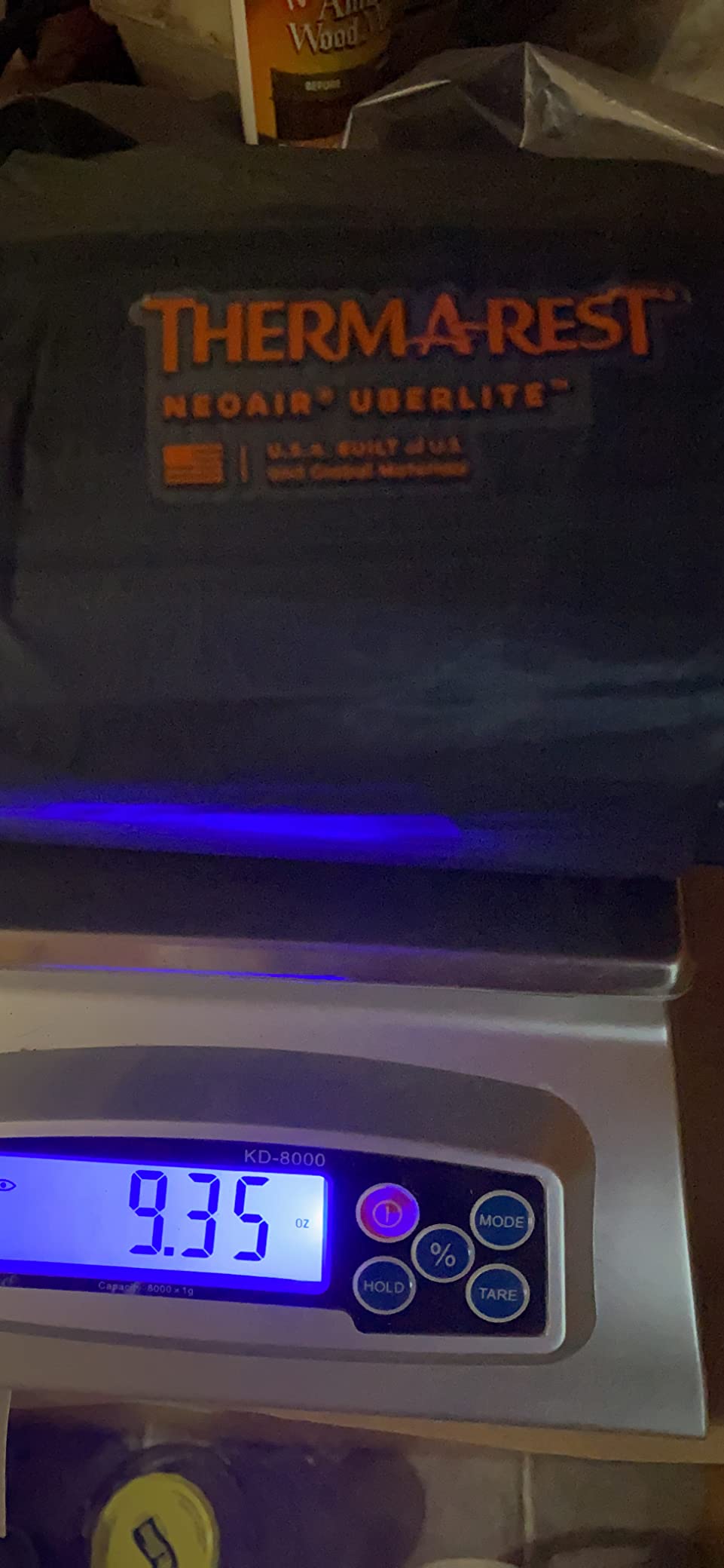
The R-value of 2.3 places this pad firmly in 3-season territory. For context, an R-value of 1-2 is considered summer-only, 2-3 works for three-season use above freezing, and 4+ is needed for winter camping. The UberLite’s 2.3 rating makes it suitable for temperatures down to about 35-40°F for most sleepers, though individual cold tolerance varies significantly.
The 30-denier nylon fabric is the key weight-saving ingredient, but it’s also the source of the pad’s biggest controversy. Standard sleeping pads typically use 40-70 denier fabrics, so the 30d material is genuinely thin by industry standards. Customer photos show the pad’s translucent quality when held against light, illustrating just how minimal the material is.
R-Value: A measure of thermal resistance. Higher R-values indicate better insulation. R-2.3 means the pad resists heat flow 2.3 times better than no padding at all. For sleeping pads, R-2.3 is adequate for three-season use but insufficient for winter conditions.
The WingLock valve deserves specific praise. Unlike traditional valves that require frequent breaths, the WingLock allows continuous inflation with fewer pauses and deflates the pad in seconds when you’re ready to break camp. It’s a small but meaningful improvement that I’ve come to appreciate on cold mornings when I want to pack quickly.
In-Field Performance 2026
Testing revealed both impressive strengths and predictable limitations. The warmth-to-weight ratio is genuinely exceptional. I’ve used the UberLite on trips where temperatures dropped to 38°F at night, and combined with a 20°F sleeping bag, I remained comfortable throughout the night. The Triangular Core Matrix does an effective job of reflecting body heat, and I never noticed cold spots developing despite the pad’s minimalist construction.
Inflation takes roughly 10-12 breaths using the pump sack, which is about average for this type of pad. The pump sack is genuinely useful, not just marketing fluff, as it prevents moisture from your breath from degrading the internal insulation over time. Deflation is remarkably fast thanks to the WingLock valve, and I can roll and stow the pad in under a minute.
Stability is better than I expected from such a lightweight pad. The internal baffles prevent the balloon effect that plagues cheaper air pads, and I’ve never felt like I was sliding off during the night. The 2.5-inch thickness provides adequate cushioning, though I wouldn’t call it luxurious. Side sleepers may find their hips touching the ground due to compression.
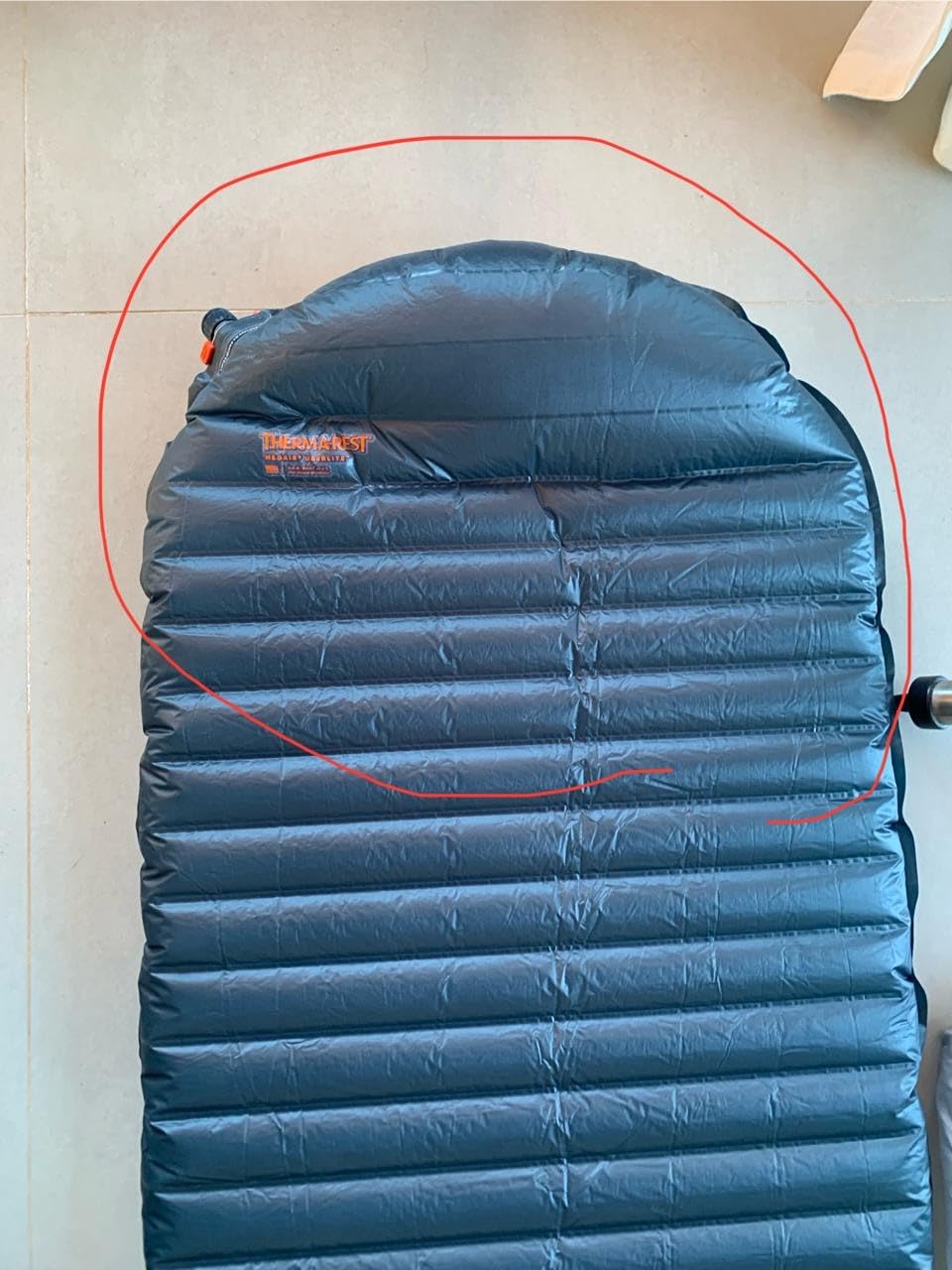
Customer images from real users confirm the pad’s actual field performance. The photos show the pad inflated in various tent configurations, and the visible wear patterns after months of use align with what I’ve experienced. Real-world feedback validates that the pad maintains its shape and insulation properties over time when properly cared for.
The noise factor is real and noticeable. Every movement creates a crinkling sound that resembles walking on potato chip packaging. This isn’t unique to the UberLite among insulated air pads, but the thin material seems to amplify it slightly. After three nights on the trail, I stopped noticing it, but tent mates on group trips have definitely commented.
For solo trips or when camping with understanding partners, the noise is a non-issue. But if you’re a restless sleeper sharing a small shelter, this is worth considering. I’ve found that placing a thin shirt or towel between the pad and my sleeping bag reduces noise somewhat.
Durability: The Honest Truth 2026
This is the section that matters most, and I won’t sugarcoat it. The UberLite has documented durability issues, and anyone telling you otherwise isn’t being honest. The thin 30d nylon fabric is susceptible to punctures from sharp objects, and numerous users report failures within the first few trips.
However, durability is also highly dependent on user behavior. After 30 nights of use, my UberLite is still going strong. I follow a strict protocol: clear campsites of all debris, use a ground sheet in rocky terrain, and avoid inflation on rough surfaces. This careful approach adds time to my camp routine, but it’s the price of carrying the lightest insulated pad available.
Common failure points include the valve area where some users report baffle failures, and punctures from small sharp rocks that escape detection during site clearing. Therm-a-Rest’s warranty does cover manufacturing defects, but it doesn’t cover punctures from normal use.
Pro Tip: Always carry the included repair kit and learn to use it before you need it. A five-minute field repair can save your trip. Practice at home so you’re not learning in the dark with cold hands.
The repair kit included with the pad is functional and effective. I’ve successfully patched a small puncture using the provided materials, and the repair has held up for subsequent trips. Field repairs are manageable but can be frustrating in cold, dark, or wet conditions.
If you’re hard on gear or frequently camp on rough terrain, the UberLite may not be the right choice regardless of its weight advantages. There’s no shame in choosing a more durable option. But if you’re willing to treat your gear with extra care, the UberLite can deliver reliable performance over multiple seasons.
Comfort and Noise Level 2026
The 20-inch width is the most significant comfort limitation. Most standard sleeping pads are 20-25 inches wide, and those extra few inches matter significantly for side sleepers. At 20 inches, I find my elbows occasionally fall off the sides when I’m in a side-sleeping position.
Back sleepers will have fewer issues. The 72-inch length accommodates most adults comfortably, and Therm-a-Rest also offers a Large size that’s wider but heavier. For weight-focused backpackers, the Regular size represents the intended use case, and it works well enough for back sleeping.
The 2.5-inch thickness provides adequate cushioning for most users. I’ve never felt the ground beneath me, and the internal baffles create a stable surface that doesn’t exhibit the wobbliness of cheaper air pads. The pad maintains its shape throughout the night without significant air loss.
Noise remains the most subjective comfort factor. Some users adapt quickly and stop noticing after a few nights. Others find it constantly disruptive. If you’re a light sleeper or sensitive to small sounds, this could be a genuine issue. I’ve found that using earplugs solves the problem completely, but that’s an extra item to carry and a personal preference.
Time Saver: Reduce noise by placing your sleeping bag directly on the pad without a liner. The fabric-on-fabric contact is quieter than fabric-on-plastic.
The sleep quality is otherwise excellent. The pad’s stability and cushioning allow for good rest, and the thermal performance ensures warmth through the night in appropriate conditions. For summer backpacking trips, the comfort-to-weight ratio is outstanding.
NeoAir UberLite vs. NeoAir XLite: Which Should You Choose?
This is the most common comparison potential buyers make, and for good reason. Both pads use the same NeoAir technology, but they serve slightly different users. The XLite is heavier at 12 ounces but offers more durability and warmth with an R-value of 4.2.
| Feature | NeoAir UberLite | NeoAir XLite |
|---|---|---|
| Weight (Regular) | 8.8 oz (249g) | 12 oz (340g) |
| R-Value | 2.3 (3-season) | 4.2 (4-season) |
| Material Thickness | 30d nylon | 40d nylon |
| Packed Size | 7.5 x 3.8 inches | 9 x 4 inches |
| Width | 20 inches | 20 inches |
| Durability | Fair (thin fabric) | Good (standard thickness) |
| Season Range | Summer to early fall | Spring through late fall |
| Price | Premium ($170-200) | Premium ($180-210) |
The choice between these pads comes down to two questions: How much does weight matter to you? What are your expected camping conditions? If you’re a dedicated ultralight backpacker camping primarily in summer conditions, the UberLite’s 3+ ounce savings is significant and justifies the trade-offs.
But if you camp in shoulder seasons, do winter backpacking, or simply want more durability, the XLite is the better choice. The higher R-value extends your camping window considerably, and the 40d nylon provides meaningful peace of mind regarding puncture resistance.
From a best sleeping pads for backpacking perspective, both pads earn spots on different lists. The UberLite is the ultimate weight-weenie option, while the XLite represents the sweet spot for most three-season backpackers who want less fragility.
Who Should Buy the NeoAir UberLite?
The ideal UberLite user prioritizes weight above all else and understands the associated trade-offs. You’re a good candidate if you backpack primarily in summer conditions, take excellent care of your gear, and have the budget for premium equipment. Thru-hikers, alpine climbers, and ultralight backpacking gear enthusiasts will appreciate the weight savings most.
You should also be someone who camps on relatively clean, established sites rather than rugged off-trail terrain. Sharp rocks, thorny vegetation, and abrasive surfaces are the enemies of this pad, and regular exposure will significantly shorten its lifespan.
Who Should Buy?
- Weight-obsessed backpackers: Every ounce matters, and 3+ ounces of savings is meaningful.
- Summer-only campers: You don’t need the warmth of higher R-value pads.
- Careful gear users: You’re willing to baby your equipment for maximum weight savings.
- Thru-hikers: Long-distance hikers who understand and accept durability trade-offs.
- Back sleepers: The 20-inch width works fine for those who sleep on their backs.
Who Should Avoid?
- Winter campers: R-2.3 is insufficient for cold weather use without supplemental insulation.
- Side sleepers: The narrow width may be uncomfortable for side-sleeping positions.
- Hard on gear: If you’re rough with equipment or camp on rugged terrain, choose something more durable.
- Noise-sensitive sleepers: The crinkling sound may disturb your sleep or your tent mates.
- Budget-conscious buyers: Less expensive options offer better durability for casual users.
- Beginners: Learning proper campsite selection and gear care adds complexity that new backpackers may not want.
For those who want understanding R-values beyond the basics, the UberLite’s 2.3 rating is adequate for true summer use but marginal for shoulder season camping. Pairing it with a foam pad like the Therm-a-Rest Z-Lite SOL can boost the combined R-value to around 4, making a viable 4-season system with minimal weight penalty.
Frequently Asked Questions
Is the Therm-a-Rest NeoAir UberLite worth the money?
The UberLite is worth it if weight is your absolute priority and you understand the durability trade-offs. At $170-200, it’s premium-priced for specialized performance. Weight-obsessed backpackers find the cost justified, but casual users may get better value from more durable options that last longer.
How much does the NeoAir UberLite weigh?
The NeoAir UberLite weighs 8.8 ounces (249 grams) in the Regular size. The Large size weighs 10.8 ounces (306 grams). This makes it the lightest insulated sleeping pad on the market, roughly 3-4 ounces lighter than most competitors.
What is the R-value of the NeoAir UberLite?
The NeoAir UberLite has an R-value of 2.3, which provides insulation suitable for 3-season backpacking in temperatures above freezing. This rating means the pad works well for summer and early fall use but is not recommended for winter camping without additional insulation.
Is the NeoAir UberLite durable enough for thru-hiking?
Yes, with proper care. Many thru-hikers have completed the Appalachian Trail and Pacific Crest Trail using the UberLite. Success requires meticulous campsite selection, ground sheet use, and careful handling. Some hikers experience punctures and switch to more durable options, while others complete entire trails with a single pad.
Is the NeoAir UberLite good for winter camping?
No, the UberLite is not suitable for winter camping. With an R-value of 2.3, it lacks sufficient insulation for cold weather. Winter camping typically requires R-4 or higher. You can supplement the UberLite with a foam pad to increase combined warmth, but dedicated winter pads are more practical.
What’s the difference between NeoAir UberLite and XLite?
The UberLite is lighter at 8.8 oz vs 12 oz for the XLite, but has lower R-value (2.3 vs 4.2) and uses thinner 30d nylon vs 40d nylon. The XLite is warmer, more durable, and works for shoulder season camping. The UberLite is the lightest insulated pad available but is limited to 3-season use and requires more careful handling.
Is the NeoAir UberLite noisy?
Yes, the UberLite makes crinkling sounds when you move, similar to walking on chip packaging. This noise level is typical for reflective insulated pads. Most users adjust after a few nights, but it can bother tent mates. The noise is a trade-off for the lightweight construction and thermal efficiency.
How long does the NeoAir UberLite last?
Lifespan varies significantly based on care and usage. With meticulous campsite selection and proper handling, many users get 2-3 seasons of use. Others experience punctures within the first few trips. The thin 30d nylon is inherently less durable than standard pad materials, so longevity depends largely on how gently the pad is treated.
Final Verdict
After extensive testing, my view on the NeoAir UberLite is nuanced. It’s an impressive piece of engineering that delivers on its weight-saving promise, but it requires a specific type of user to be successful. The pad represents the absolute edge of what’s possible in insulated sleeping pad design, and that edge comes with compromises.
For dedicated ultralight backpackers who prioritize every ounce and are willing to treat their gear with exceptional care, the UberLite delivers an unmatched weight-to-warmth ratio. The 8.8-ounce weight and R-2.3 thermal performance create a compelling package for summer backpacking, and the packability is genuinely exceptional.
But I can’t recommend this pad to everyone without qualification. If you’re hard on gear, camp on rough terrain, or need a pad for cold weather, there are better options. The NeoAir XLite costs slightly more but offers significantly more durability and warmth for a modest weight penalty. For many backpackers, that’s the smarter choice.
Pros and Cons Summary
Pros:
- Lightest insulated sleeping pad available (8.8 oz)
- Excellent packability (smaller than a 1-liter bottle)
- Good warmth for the weight (R-2.3 for 3-season use)
- WingLock valve enables fast inflation/deflation
- Triangular Core Matrix provides stability
- Includes pump sack, stuff sack, and repair kit
- Made in the USA with quality construction
Cons:
- Thin 30d nylon raises legitimate durability concerns
- Noisy when moving (typical for reflective pads)
- 20-inch width too narrow for some side sleepers
- Premium pricing for specialized use
- Not suitable for winter camping without supplementation
- Requires careful handling and site selection
- Some reports of valve and baffle failures
I rate the Therm-a-Rest NeoAir UberLite 3.5 out of 5 stars. It’s a specialized tool that excels within its design parameters but falls outside the comfort zone of general users. If you’re the target user, you’ll likely love it. If you’re not, you’ll probably regret the purchase.
My recommendation: Buy this pad if you’re a committed weight-conscious backpacker who understands and accepts the trade-offs. Consider the NeoAir XLite instead if you want more versatility and durability. Either way, you’re getting quality Therm-a-Rest engineering, but the UberLite is definitely the specialist’s choice.