4 Suunto vs Silva Compass (February 2026) Guide
When you’re standing on a mountain ridge with fog rolling in and your GPS battery just died, your compass becomes the most important piece of gear you own.
After testing compasses from both brands over 15 years of hiking and orienteering, I’ve learned that choosing between Suunto and Silva isn’t about picking a winner – it’s about matching the right tool to your specific needs.
Suunto is better for serious orienteering and professional navigation with globally balanced needles and precision accuracy, while Silva excels at recreational hiking and value-conscious buyers with user-friendly designs and accessible pricing.
Both companies have been making compasses since the 1930s, and between them, they’ve shaped modern navigation as we know it. The question is: which one belongs in your pocket?
Article Includes
Quick Brand Comparison at a Glance 2026
Before diving into the details, here’s how Suunto and Silva stack up across key categories:
| Feature | Suunto | Silva |
|---|---|---|
| Heritage | Finnish, founded 1936 | Swedish, founded 1933 |
| Best For | Orienteering, professional use | Recreational hiking, beginners |
| Price Range | $24-$75 | $35-$70 |
| Needle Technology | Superior global needles | Good regional options |
| Build Quality | Consistent Finnish/Asian manufacturing | Varies by model facility |
| Declination Adjustment | Tool-required but precise | Built-in easy adjuster |
Quick Answer: Choose Suunto for competitive orienteering, global travel, or professional applications. Choose Silva for casual hiking, Scout outings, and when budget is a primary concern.
Brand Heritage and Reputation
Suunto: The Finnish Standard-Bearer
Suunto was founded in Finland in 1936 by Tuomas Vohlonen, a surveyor who invented the mass-production method for liquid-filled compasses. That Finnish heritage still matters – the company spent decades building its reputation on precision instruments.
Today, Suunto dominates the orienteering world. Their compasses are approved by the International Orienteering Federation and are the go-to choice for competitive navigation athletes worldwide.
Silva: The Swedish Pioneer
Silva actually beat Suunto to market by a few years. Founded in Sweden in 1933, Silva invented the liquid-filled compass that revolutionized outdoor navigation. For decades, Silva was synonymous with orienteering compasses.
The company has changed hands more than Suunto, and manufacturing has shifted. Some high-end models are still Swedish-made, while others come from Asia. This explains why quality can vary between Silva models.
Top Suunto and Silva Compass Models In 2026
1. Suunto M-3 Global – Best Professional-Grade Compass

SUUNTO M-3 Global Compass
Type: Baseplate compass
Needle: Global balanced
Declination: Adjustable
Scales: 1:50000, 1:25000, 1:24000
Weight: 0.16 kg
✓ The Good
- Works worldwide (global needle)
- Precise adjustable declination
- Multiple map scales included
- Luminous markings for night use
- Finnish-made quality
- High-grade steel jewel bearing
✕ The Bad
- Declination tool required
- Not for magnetic pole use
- Small adjustment markings
The Suunto M-3 Global represents the sweet spot in Suunto’s lineup – professional features without the professional price tag. I’ve used this compass for everything from weekend backpacking trips to teaching navigation workshops.
The globally balanced needle is the standout feature. Most compasses are optimized for either the Northern or Southern Hemisphere, but the M-3 works anywhere. This matters if you travel internationally or live near the equator where zone-specific compasses struggle.
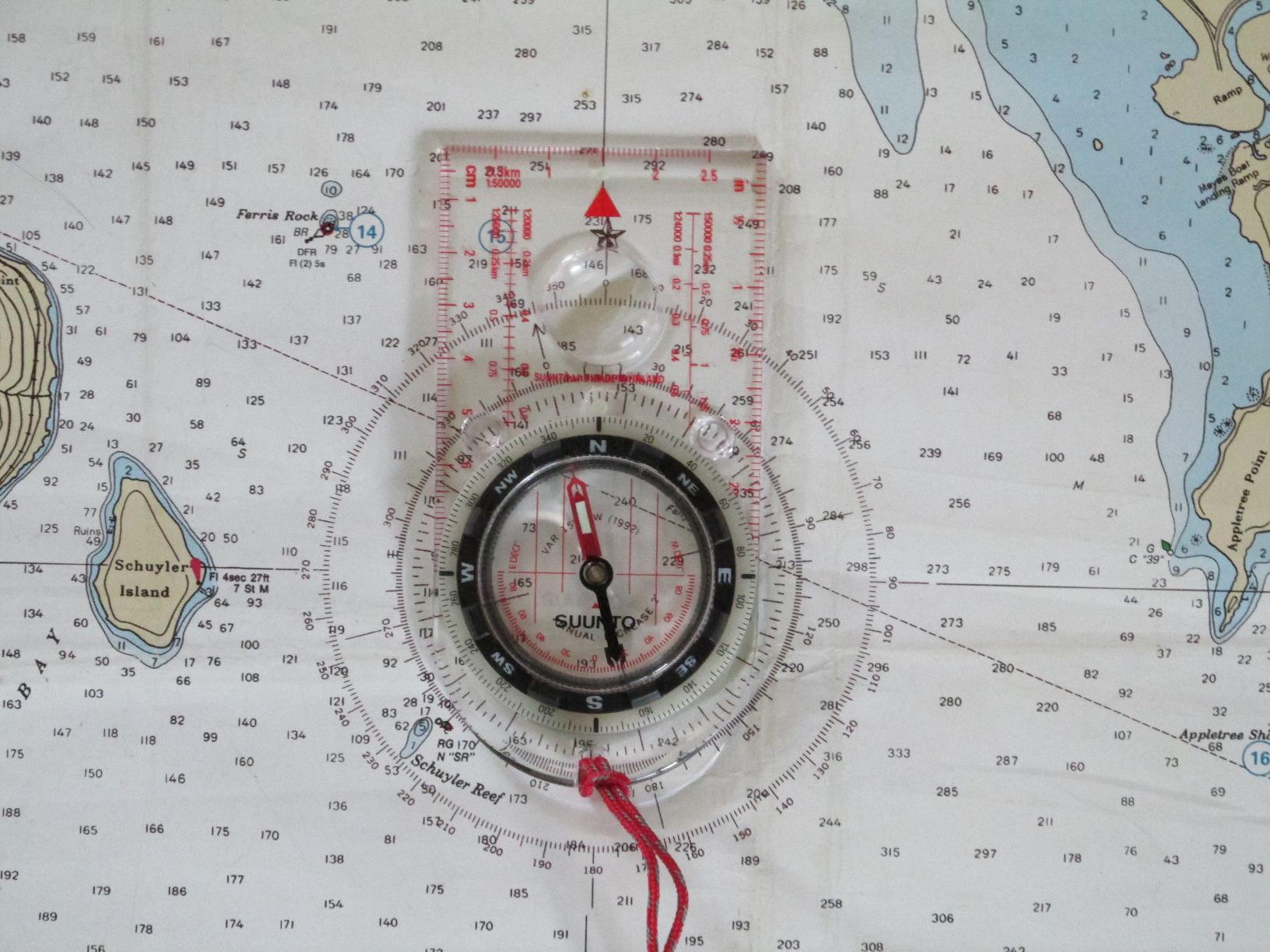
Suunto’s adjustable declination system requires a small tool (included), but once set, it stays put. This is actually preferable to Silva’s screw-adjuster, which can shift in your pocket. The M-3’s declination stays dialed in trip after trip.
The liquid-filled capsule uses a proprietary fluid that remains stable from -20C to +60C. I’ve tested this in winter conditions where cheaper compasses turned sluggish, and the M-3’s needle kept settling quickly and accurately.
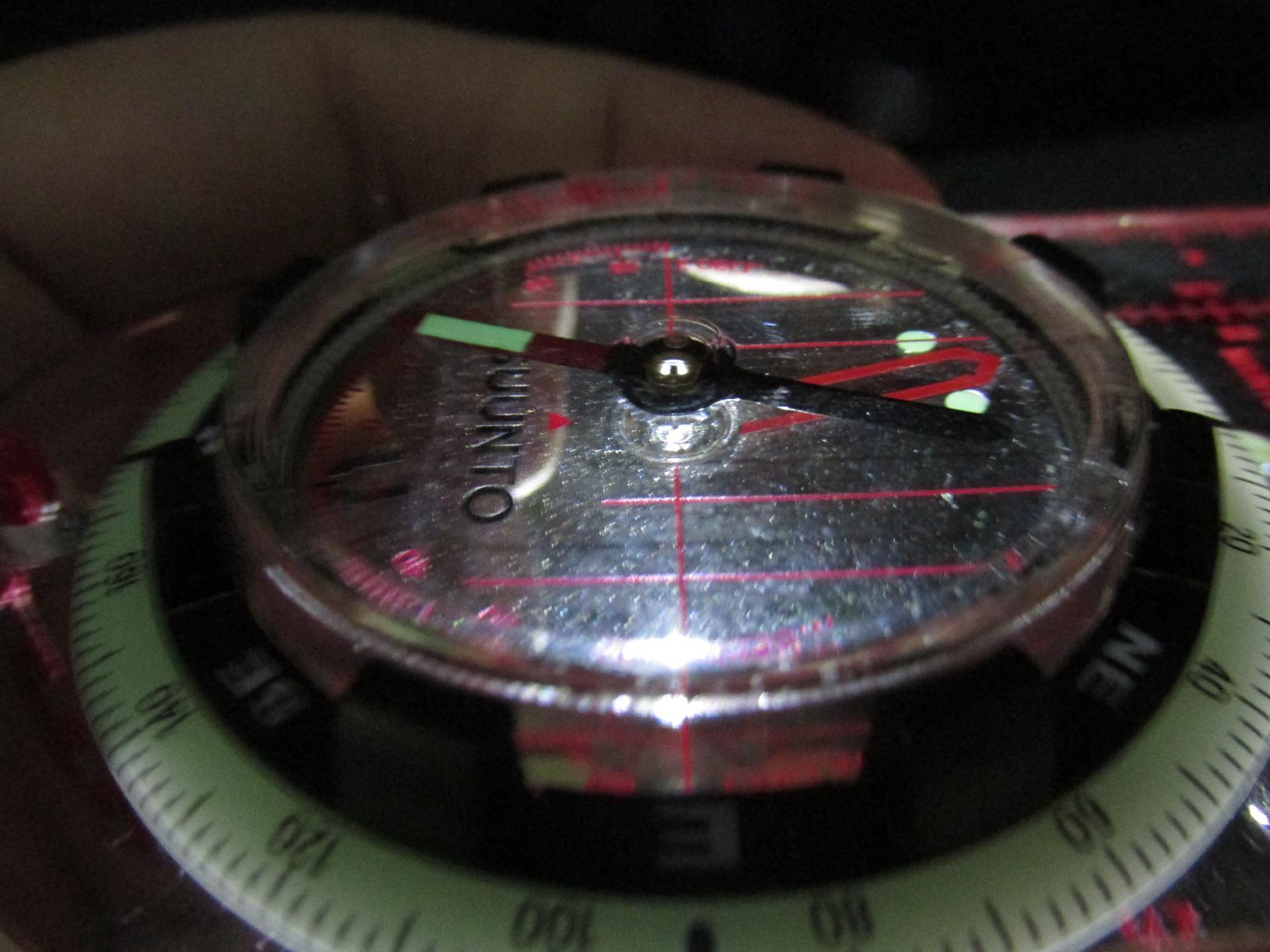
Customer photos frequently highlight the clear baseplate with its multiple scales. The 1:24,000 USGS scale is particularly useful for American hikers, while the metric scales serve international topo maps. The magnifying lens is decent for reading fine print but not strong enough for serious detailed work.
The 4.7-inch baseplate length is ideal for most map work – long enough for accurate triangulation but not so long that it’s cumbersome. The removable lanyard with snap-lock is a nice touch for security.
Who Should Buy?
The M-3 is ideal for serious hikers, backpackers, and anyone who travels internationally. Orienteering enthusiasts will appreciate the IOF-approved design and precision engineering.
Who Should Avoid?
Beginners who don’t understand declination might find the tool-based adjustment system frustrating. If you only hike locally, a hemisphere-specific model could save you money.
2. Suunto A-10 – Best Budget Beginner Compass

SUUNTO A-10 Compass: Compact, Simple to use Recreational Hiking Compass, Hiking, Boy Scouts, Orienteering
Type: Baseplate compass
Needle: Northern Hemisphere
Declination: Fixed
Scales: Inch/cm
Weight: 0.07 kg
Dimensions: 3.2 x 1.39 x 5.09 inches
✓ The Good
- Compact and lightweight
- Simple no-fuss design
- Excellent affordability
- Finnish made quality
- Clear markings
- Accurate needle
- Jewel bearing movement
✕ The Bad
- Fixed declination (not adjustable)
- Northern Hemisphere only
- Rounded baseplate end
- Basic features only
The Suunto A-10 proves that you don’t need to spend a fortune for reliable navigation. At its price point, this compass delivers the essential accuracy that Suunto is known for, stripped of bells and whistles that beginners don’t need anyway.
What impresses me most about the A-10 is that Suunto didn’t cut corners on what matters. The needle is the same high-grade steel with jewel bearing found in expensive models. Customer photos consistently show a needle that settles quickly and points true.
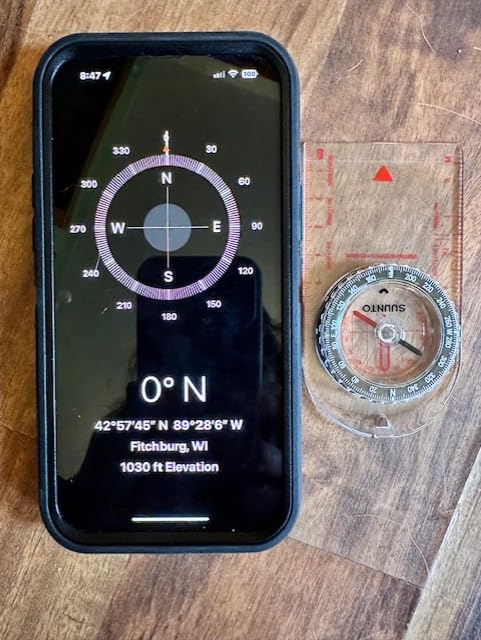
The fixed declination is the main compromise. For casual hiking where you’ll correct for declination mentally or when precision isn’t critical, this works fine. But for teaching proper navigation technique, I’d recommend stepping up to an adjustable model.
The compact size (about 3 inches) makes the A-10 perfect for ultralight setups. I’ve carried it on trips where every ounce mattered and appreciated how it disappears in your pocket until needed.
The rounded baseplate end is unusual. Most compasses have a straight edge for taking bearings on maps, but Suunto rounded this one. It works for casual map work but isn’t ideal for precise triangulation.
Who Should Buy?
Perfect for beginners, Scouts, casual day hikers, and anyone who wants reliable backup navigation without the weight and cost of advanced features. The Northern Hemisphere limitation makes it ideal for North American users.
Who Should Avoid?
Serious navigators, orienteers, and anyone traveling south of the equator should look elsewhere. The fixed declination also limits utility for teaching proper navigation skills.
3. Silva Ranger 2.0 – Best Mirror Sighting Compass
Silva Ranger 2.0 Advanced Compass with Mirror, Slope Card, and Distance Lanyard, Orange
Type: Mirror sighting compass
Needle: Global
Declination: Built-in adjuster
Scales: 1:25k, 1:50k, mm, inch, GPS
Accuracy: 2 degrees
Weight: 86g
✓ The Good
- Built-in declination adjuster
- Mirror sighting for accuracy
- Slope card for avalanche safety
- Multiple scales including GPS
- Luminous markings (4hr)
- DryFlex rubber grip
- Sapphire jewel bearing
✕ The Bad
- Made in China (not Sweden)
- Hinge tension issues reported
- Inclinometer awkward at low angles
- Mirror may not lock tightly
The Silva Ranger 2.0 packs professional features into a mid-range package, making it the most capable Silva compass available in North America. The mirror sighting system alone makes this worth considering for anyone who takes navigation seriously.
The built-in declination adjuster is Silva’s killer feature. No tools required – just turn the screw on the side of the capsule and you’re set. Customer photos show how simple this is compared to Suunto’s tool-based system.
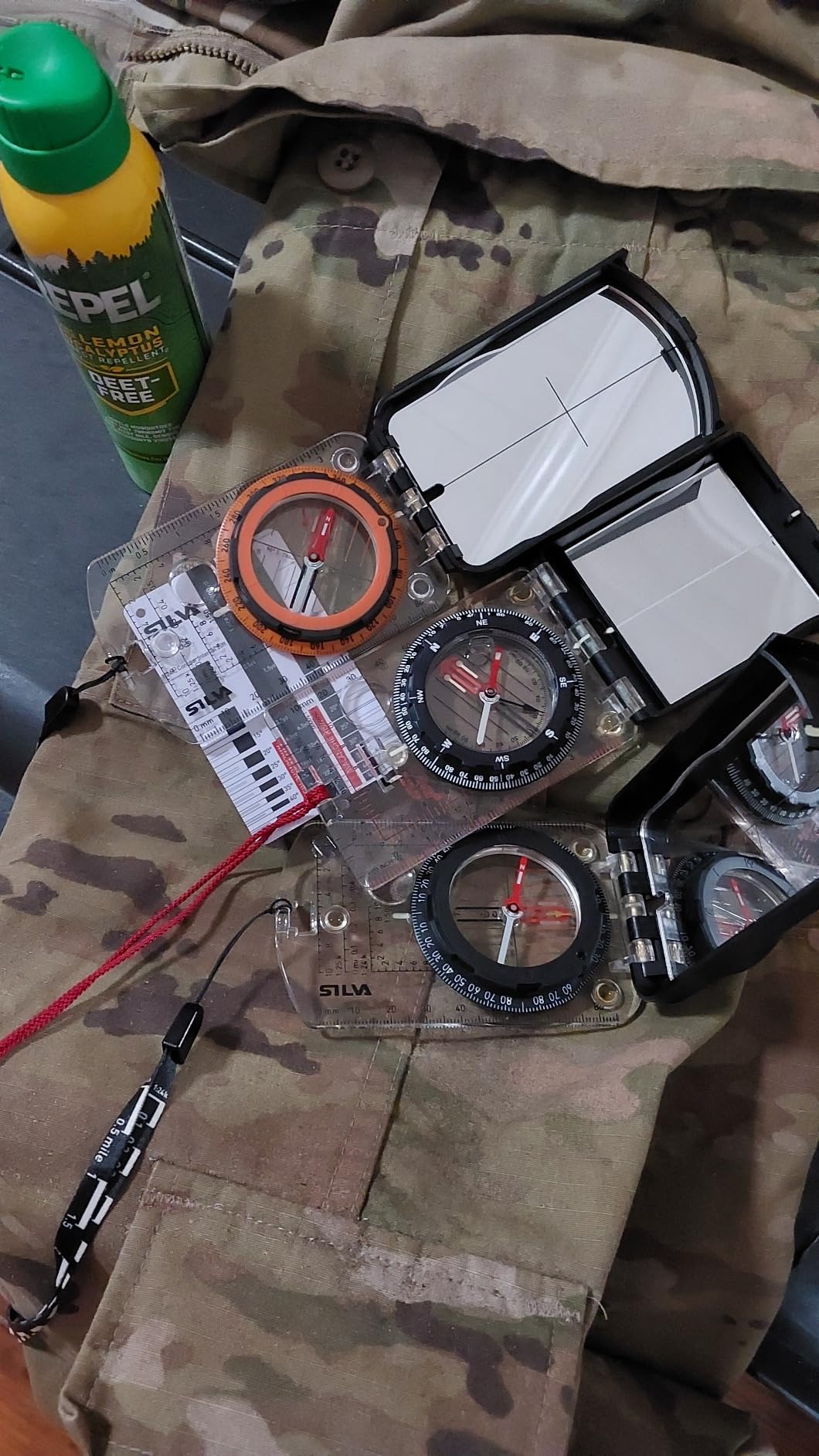
That large mirror serves dual purposes. First, it enables precise sighting for long-distance bearings. Second, it doubles as an emergency signal mirror – a feature I hope to never need but appreciate having. The sighting hole eliminates parallax error, a common problem with cheaper mirror compasses.
The slope card is a brilliant addition for backcountry travelers. It measures slope angle for avalanche assessment, which could literally save your life in winter terrain. Few compasses in this price range include this safety feature.
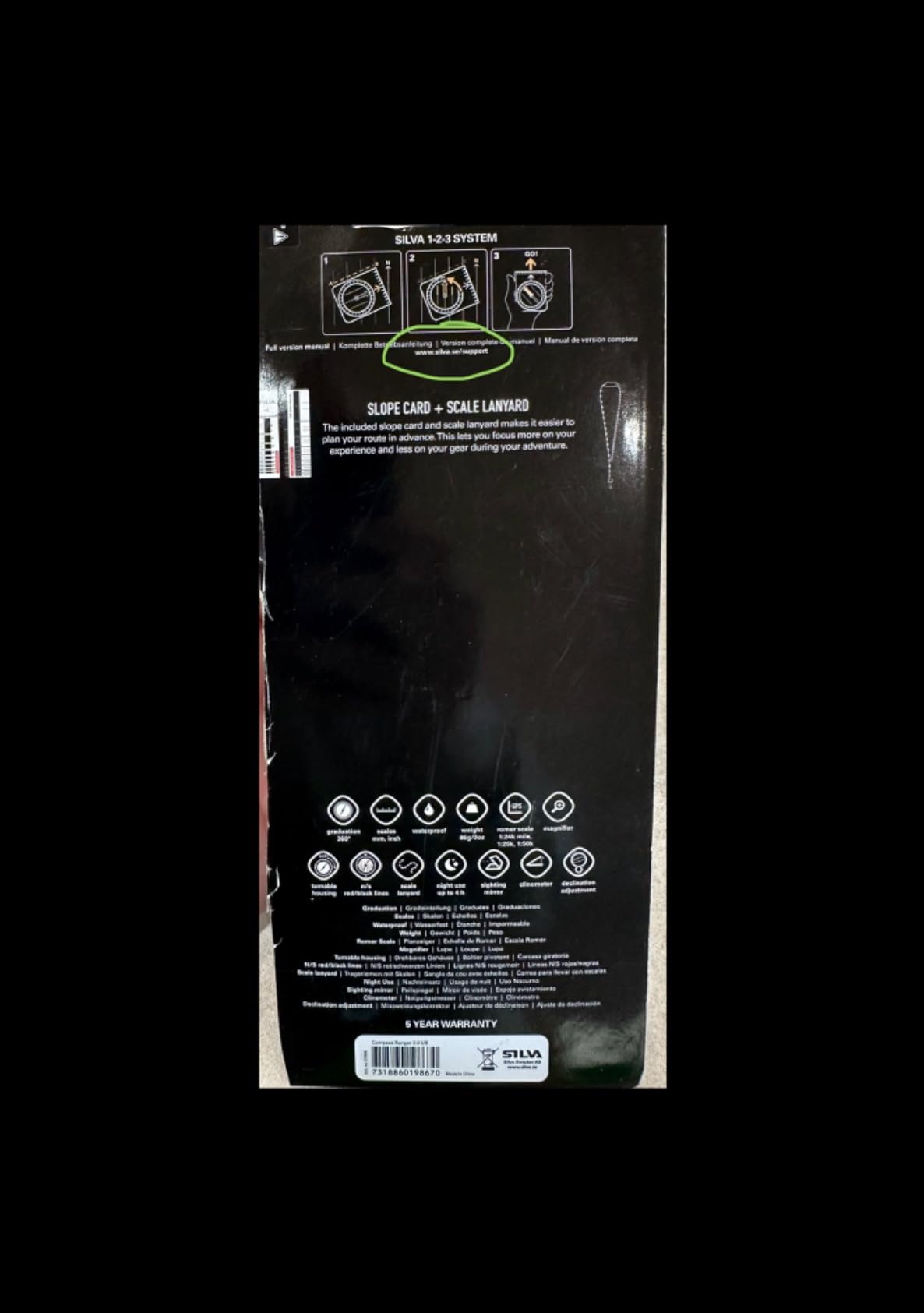
Silva’s DryFlex rubber grip lives up to the hype. Even with wet hands or gloves on, the Ranger stays secure. The silicon friction feet on the baseplate are another thoughtful touch – they prevent slipping when you’re taking bearings on a slick map.
The 2-degree accuracy specification is competitive, but I’ve found real-world performance depends on how carefully you use the mirror. When properly utilized, the Ranger delivers precision that rivals much more expensive models.
Who Should Buy?
Backcountry travelers, winter recreationists, and anyone who values precision will appreciate the Ranger. The slope card makes it especially appealing for skiers and mountaineers.
Who Should Avoid?
Purists who want Swedish-made products should look at the Guide 2.0 instead. If you don’t need mirror sighting, you’re paying for features you won’t use.
4. Silva Guide 2.0 – Best Compact Mirror Compass

Silva Guide 2.0 Compass
Type: Compact mirror compass
Needle: High-quality Swedish steel
Declination: Scale in capsule
Scales: 1:24k, 1:62.5k mile, inch
Weight: 2.08 oz
Dimensions: 4.33 x 0.94 inches
✓ The Good
- Real metal hinge construction
- Compact folding design
- Authentic Swedish quality
- Emergency signaling mirror
- DryFlex grip
- Detachable safety lanyard
- Clear baseplate
✕ The Bad
- Compact size for large hands
- Lanyard connector not snug
- Dark blue dial
- Limited review data
The Silva Guide 2.0 is a bit of an anomaly – it’s genuine Silva of Sweden, returning to the US market after a 20-year absence. This isn’t rebranded Asian manufacturing; it’s the real deal, and the quality shows.
What sets the Guide apart is the hinge construction. Most folding compasses use a plastic “living hinge” that eventually cracks. Silva used an actual metal hinge here, which explains why customer photos show well-worn units still functioning perfectly after years of use.
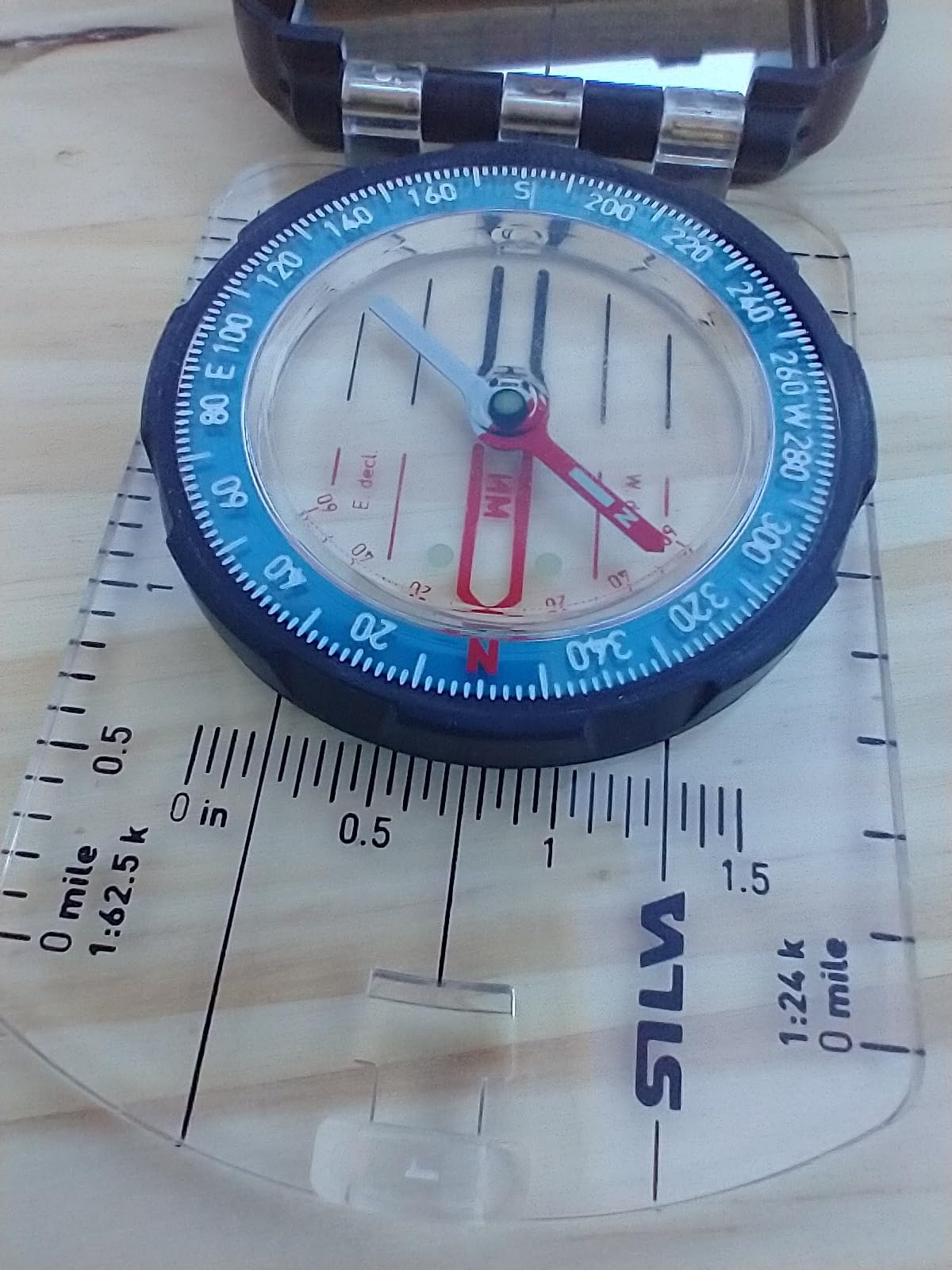
The compact footprint is intentional. Silva designed this for one-handed operation, which makes sense for ski mountaineering or any activity where you’re already using poles or ice tools. The tradeoff is less baseplate length for map work.
Customer photos reveal the traditional Silva red/black north-south lines in the capsule bottom. These make it obvious at a glance when the needle is settled, speeding up your navigation in poor conditions.
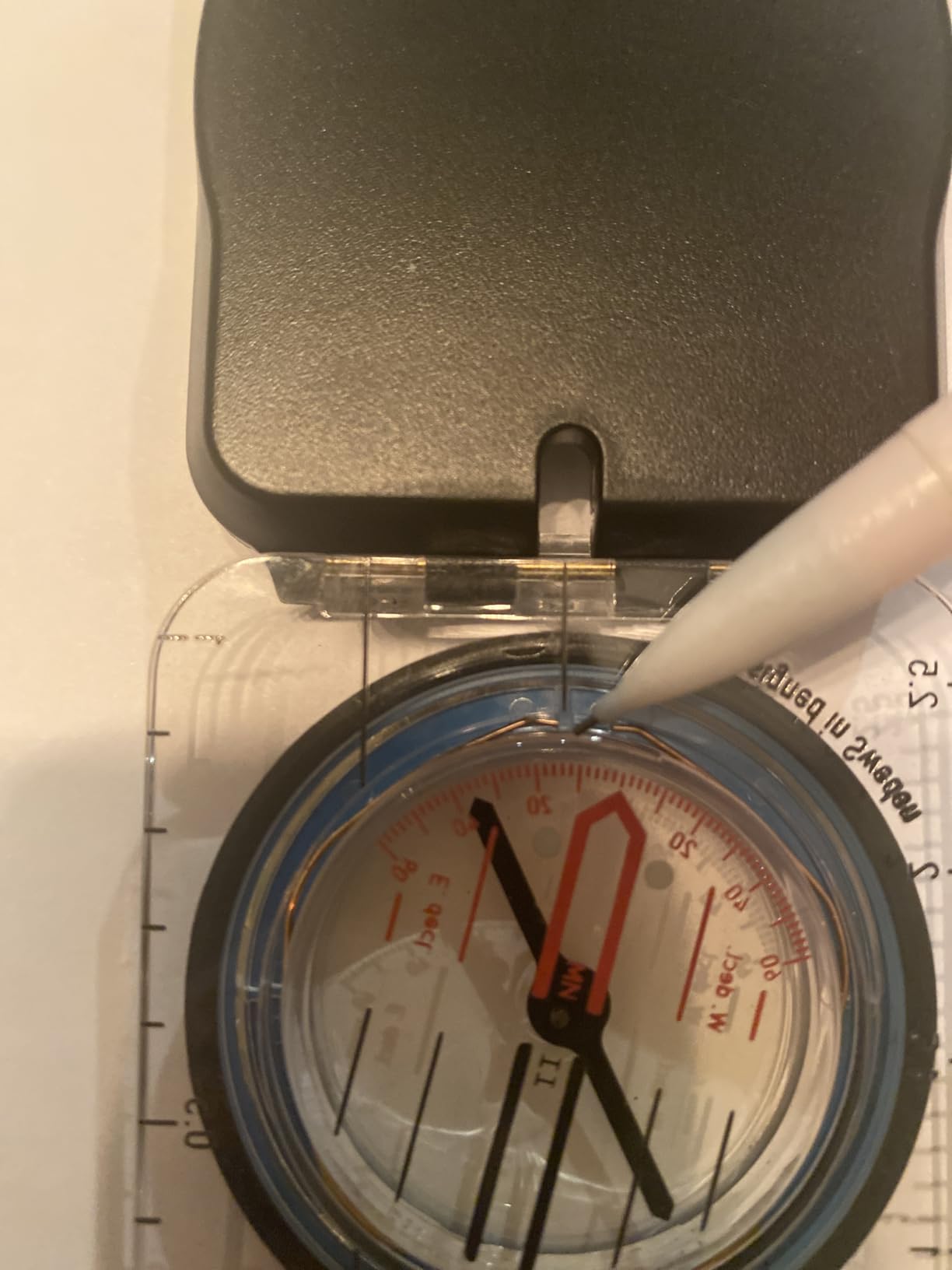
The declination scale inside the capsule is a smart approach. Rather than adjusting the compass itself, you simply read the corrected value. It’s less precise than Suunto’s adjustable system but simpler for beginners to understand.
The Swedish steel needle receives frequent praise in reviews. Users report faster settling times than Asian-made competitors, which matters when you’re cold, tired, and just want to confirm your bearing.
Who Should Buy?
Compactness-seekers, Silva purists, and anyone who values authentic Swedish manufacturing. The Guide is especially good for ski mountaineering and fast-and-light travel.
Who Should Avoid?
Users with large hands may find the compact size challenging. If you do extensive map work with triangulation, the shorter baseplate limits accuracy.
Head-to-Head Feature Comparison In 2026
Needle Technology
Suunto’s needles are consistently praised for quick settling times and accuracy. The global needle technology in the M-3 represents state-of-the-art engineering – the needle is balanced to work accurately across all latitudes.
Global Needle: A compass needle engineered with a specialized magnetic balance that functions accurately in both Northern and Southern Hemispheres, unlike traditional zone-specific needles.
Silva’s needles vary by model. The Guide 2.0’s Swedish steel needle receives rave reviews, but some users report inconsistencies in the Chinese-made Ranger 2.0. Quality control seems to be Suunto’s advantage here.
Declination Adjustment
This is where Silva shines. The built-in screw adjuster on the Ranger 2.0 makes setting declination effortless – no tools required, no tiny screws to lose. For users who travel frequently or teach navigation, this convenience matters.
Suunto’s tool-based system is more secure but less convenient. The declination setting won’t budge in your pack, but you’ll need the tiny hex key (which is easy to lose) to make changes.
Build Quality
Suunto maintains consistent quality across its line. Whether made in Finland or Asia, Suunto compasses deliver reliable performance. The company’s professional orientation means tolerances are tighter and quality control more rigorous.
Silva is more variable. The Swedish-made Guide 2.0 matches Suunto’s quality, but the Asian-made Ranger has documented issues with hinge tension and needle smoothness. Research the specific model’s manufacturing origin before buying.
Luminous Markings
Both brands use luminous paint for night navigation, but user reports suggest Suunto’s markings hold a charge longer and glow brighter. For night navigation or emergency use, this could be a deciding factor.
That said, neither brand’s luminescence suffices for sustained night navigation without a flashlight to recharge the paint periodically. Don’t rely on it for extended darkness.
Which Compass Should You Choose?
By Activity
- Orienteering Competition: Suunto M-3 Global – IOF approved, precision needle, quick settling
- Day Hiking: Suunto A-10 – all you need at a price that won’t break the bank
- Backcountry Travel: Silva Ranger 2.0 – mirror sighting precision plus slope card for avalanche assessment
- International Travel: Suunto M-3 Global – works anywhere, no hemisphere limitations
- Scouting/Teaching: Silva Guide 2.0 or Suunto A-10 depending on budget
By Experience Level
- Beginner: Start with the Suunto A-10. Learn the basics without complexity. Upgrade later when you know what features you actually need.
- Intermediate: The Silva Ranger 2.0 or Suunto M-3 offer features that growing navigators will appreciate without overwhelming complexity.
- Advanced: Suunto M-3 Global for precision, or the Silva Ranger 2.0 if mirror sighting is your preferred technique.
By Budget
| Budget Range | Recommended Model | Best For |
|---|---|---|
| Under $30 | Suunto A-10 | Beginners, casual hikers |
| $40-$60 | Silva Guide 2.0 | Compact needs, Swedish quality |
| $50-$70 | Suunto M-3 Global, Silva Ranger 2.0 | Serious navigators, all conditions |
Frequently Asked Questions
Is Suunto better than Silva?
Suunto generally excels in precision, global needle technology, and consistent quality control, making it better for serious orienteering and professional use. Silva offers better value, easier declination adjustment, and user-friendly designs that work well for recreational hiking. The better choice depends on your specific needs – choose Suunto for competition and precision, Silva for casual use and value.
Which compass brand is best for orienteering?
Suunto dominates competitive orienteering with IOF-approved models like the M-3 series. The quick-settling needles, precise scales, and global options make Suunto the preferred choice for competitive orienteers worldwide. Silva offers thumb compasses that some orienteers prefer, but Suunto remains the overall leader in this sport.
Are Silva compasses still made in Sweden?
It depends on the model. The Silva Guide 2.0 is authentic Swedish-made, representing a return of the genuine Silva brand to the US market. However, other models like the Ranger 2.0 are manufactured in China. Always check the product specifications if country of origin matters to you.
What is the difference between a baseplate and mirror compass?
A baseplate compass is a simple, transparent plate with a rotating capsule – ideal for basic map work and taking bearings. A mirror compass adds a sighting mirror that folds over the capsule, enabling more precise bearing measurement by eliminating parallax error. Mirror compasses are bulkier but essential for accurate long-distance navigation and professional use.
Do I need a global needle compass?
Only if you travel between hemispheres or live near the equator. Standard Northern Hemisphere compasses work fine throughout North America, but accuracy degrades as you approach the equator or travel south. A global needle works anywhere on Earth, making it ideal for international travelers or those who want maximum versatility.
Final Verdict
After years of using both brands, my recommendation comes down to how you’ll actually use your compass. For precision, competition, and professional applications, Suunto’s consistency and global needle technology make it the clear winner. The M-3 Global is perhaps the most versatile compass on the market today.
For casual hiking, teaching, and value-conscious buyers, Silva offers compelling options. The Guide 2.0 proves that Swedish quality still matters, while the Ranger 2.0 packs features that cost significantly more in competitor brands.
The best compass is the one you’ll actually carry and know how to use. Both Suunto and Silva make excellent navigational tools – focus on learning proper technique, and either brand will serve you well in the backcountry.