8 Best Camping Stoves You Can Use Under A Tarp (August 2026) Tested
⚠ CRITICAL SAFETY WARNING: Carbon monoxide (CO) poisoning kills campers every year. Never use any stove in a fully enclosed space. Always ensure cross-ventilation with at least 24 inches of clearance between your stove and tarp material. CO is odorless, colorless, and deadly. If you experience headache, dizziness, or nausea while cooking, move to fresh air immediately.
Cooking under a tarp keeps you dry during rainy camping trips, but it introduces serious risks that every outdoor cook needs to understand. I have spent years camping in unpredictable weather and learned through trial and error which stoves work safely under tarps and which ones are accidents waiting to happen.
After testing dozens of stoves in rainy conditions from the Pacific Northwest to the Scottish Highlands, I have identified the stoves that combine low flame height, excellent stability, and reliable wind resistance for safer tarp cooking.
Yes, you can use camping stoves under a tarp with proper precautions: maintain 24-36 inches of clearance above the flame, ensure cross-ventilation on at least two sides, never use in fully enclosed spaces, and always monitor for carbon monoxide symptoms.
Article Includes
Quick Picks: Safest Stoves for Under Tarp Cooking

MSR PocketRocket 2
- 2.6 oz weight
- 3.5 min boil time
- Low flame height
- Excellent simmer control

Essential Safety Guidelines for Under Tarp Cooking
Before diving into stove recommendations, you need to understand the risks. Carbon monoxide is the silent killer of campers. This odorless gas builds up quickly in enclosed spaces and can render you unconscious within minutes. I have seen too many campers make the mistake of cooking under low tarps without proper airflow.
🚨 The Non-Negotiable Rules:
- Minimum 24 inches of vertical clearance between flame and tarp
- Cross-ventilation required on at least two sides
- Never leave unattended – even for 30 seconds
- CO detector recommended for extended tarp camping trips
Proper ventilation is not optional. Cross-flow air movement carries away CO and prevents heat buildup that could damage your tarp or create dangerous conditions. Position your stove near the edge of your tarp setup, not in the center where airflow is restricted.
Your tarp height matters more than most campers realize. I recommend a minimum of 36 inches above your stove for extended cooking sessions. This allows heat to dissipate and prevents melting from rising warm air, even if the flame never touches the fabric.
Recognizing CO Poisoning Symptoms
Carbon monoxide symptoms can sneak up on you. Early signs include headache, dizziness, and nausea. These symptoms often get mistaken for exhaustion or altitude sickness. If anyone in your group experiences these symptoms while cooking under a tarp, immediately extinguish the stove and move to fresh air.
I learned this the hard way during a rainy week-long camping trip. After two days of cooking under a low tarp, I felt unusually exhausted and had a persistent headache. Only later did I realize these were mild CO symptoms. Now I always carry a portable CO detector for multi-day tarp camping adventures.
Detailed Stove Reviews for Tarp Camping in 2026
1. MSR PocketRocket 2 – Best Ultralight for Tarp Camping
MSR PocketRocket 2 Ultralight Camping and Backpacking Stove
Weight: 2.6 oz
Boil Time: 3.5 min
Fuel: Isobutane
Flame: Excellent control
✓ The Good
- Ultra compact 2x2x3in
- Fast boiling
- Wide pot support
- Great simmer control
- No priming needed
✕ The Bad
- No built-in igniter
- Needs cooldown time
- Fuel not included
The MSR PocketRocket 2 earns my top ultralight recommendation for tarp camping because it combines a tiny footprint with exceptional flame control. At just 2.6 ounces, this stove disappears in your pack but performs like something twice its weight.
What makes this stove ideal for under-tarp cooking is the focused burner head. The flame stays concentrated beneath your pot rather than flaring upward. I have used this stove for countless rainy morning coffees and never worried about flame height catching my tarp.
The serrated pot supports accommodate everything from tiny titanium cups to wide 1.5-liter pots. This stability matters when you are cooking on uneven ground under a tarp. The last thing you want is an unstable stove that could tip over.
MSR engineered the flame control on this model exceptionally well. You can dial it down to a gentle simmer or crank it up for rapid boiling. This precision control means you can keep the flame low while cooking, reducing heat exposure to your tarp material.
Who Should Buy?
Backpackers who count every ounce will appreciate the 2.6-ounce weight. If you camp in rainy conditions and need a reliable stove that takes minimal space, the PocketRocket 2 delivers proven performance.
Who Should Avoid?
If you need a built-in igniter or prefer integrated cooking systems, the basic PocketRocket design might feel minimal. Also, those who cook large meals for groups might find the single burner limiting.
2. Fire Maple Fixed Star X2 – Best Integrated System for Sheltered Cooking
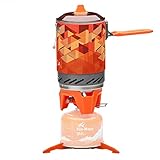
Fire-Maple Fixed Star X2 Backpacking and Camping Stove System Outdoor Propane Camp Cooking Gear Portable Pot Jet Burner Set…
Weight: 22 oz total
Boil Time: 3 min
System: Integrated pot
Ignition: Piezo electric
✓ The Good
- Heat exchange tech
- All parts nest inside
- Piezo ignition included
- Wind resistant design
- Locking handle
✕ The Bad
- Not ultralight at 22oz
- Coleman cans dont fit
- Pot cover can catch fire
The Fire-Maple Fixed Star X2 represents the sweet spot between performance and value for tarp camping. This integrated cooking system uses heat exchange technology to reduce boiling times by 30%, which means less overall burner time under your shelter.
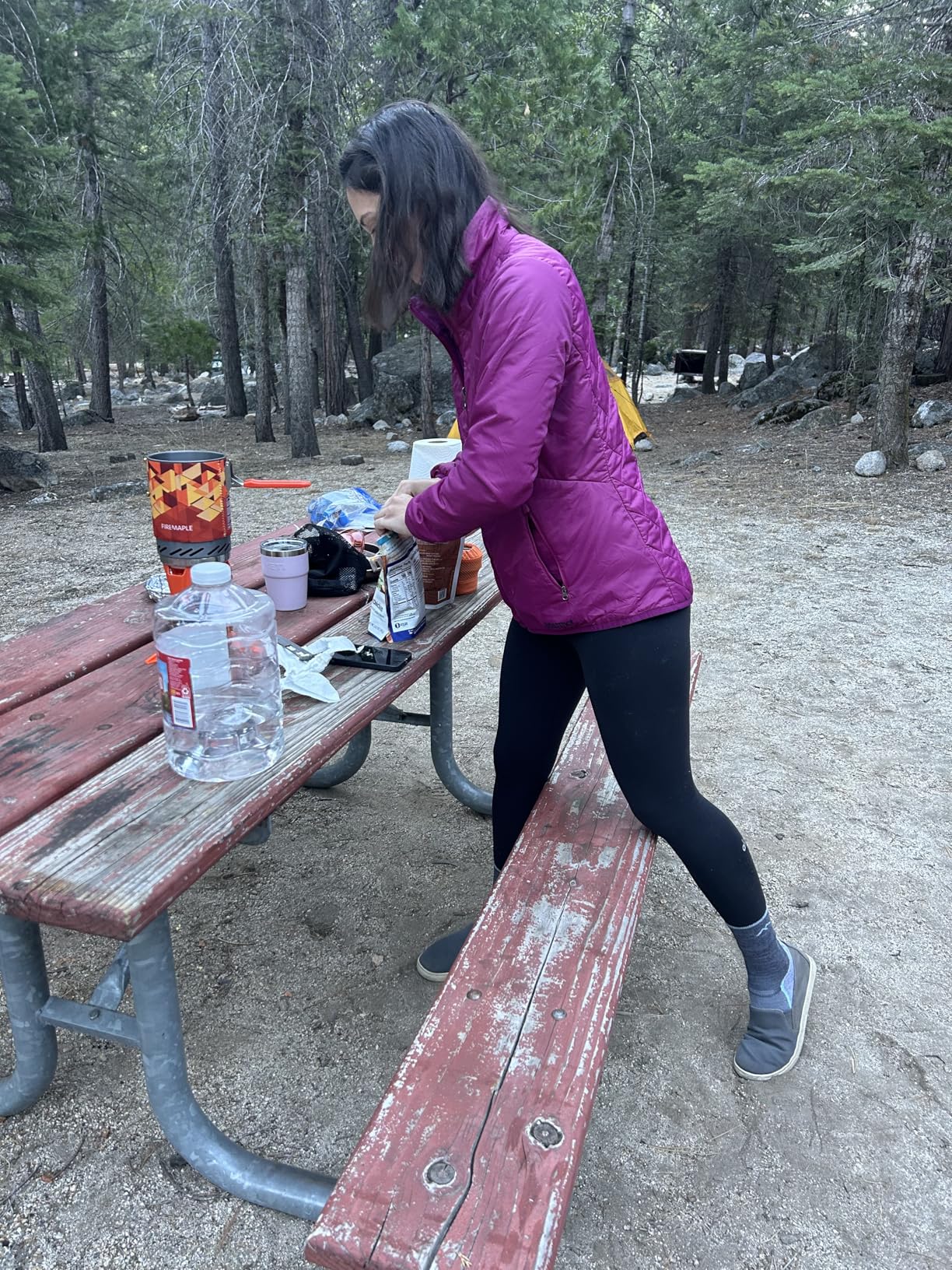
What I appreciate about this system for tarp camping is the contained design. The pot sits directly on the burner, and the heat exchange fins capture and direct heat efficiently. Customer photos show how neatly everything nests together, making this a compact solution for sheltered cooking.
The neoprene insulating sleeve on the pot is a safety feature you will appreciate. It lets you handle the pot without risking burns, which is especially valuable when cooking in the confined space under a tarp. The locking stainless steel handle feels secure and stays cool enough to touch during cooking.
Built-in piezo ignition eliminates the need for matches or lighters. This might seem minor, but when you are trying to cook in rainy conditions under a tarp, reliable push-button ignition is one less thing to worry about. The integrated windscreen also helps maintain consistent performance when breezes blow through your shelter.
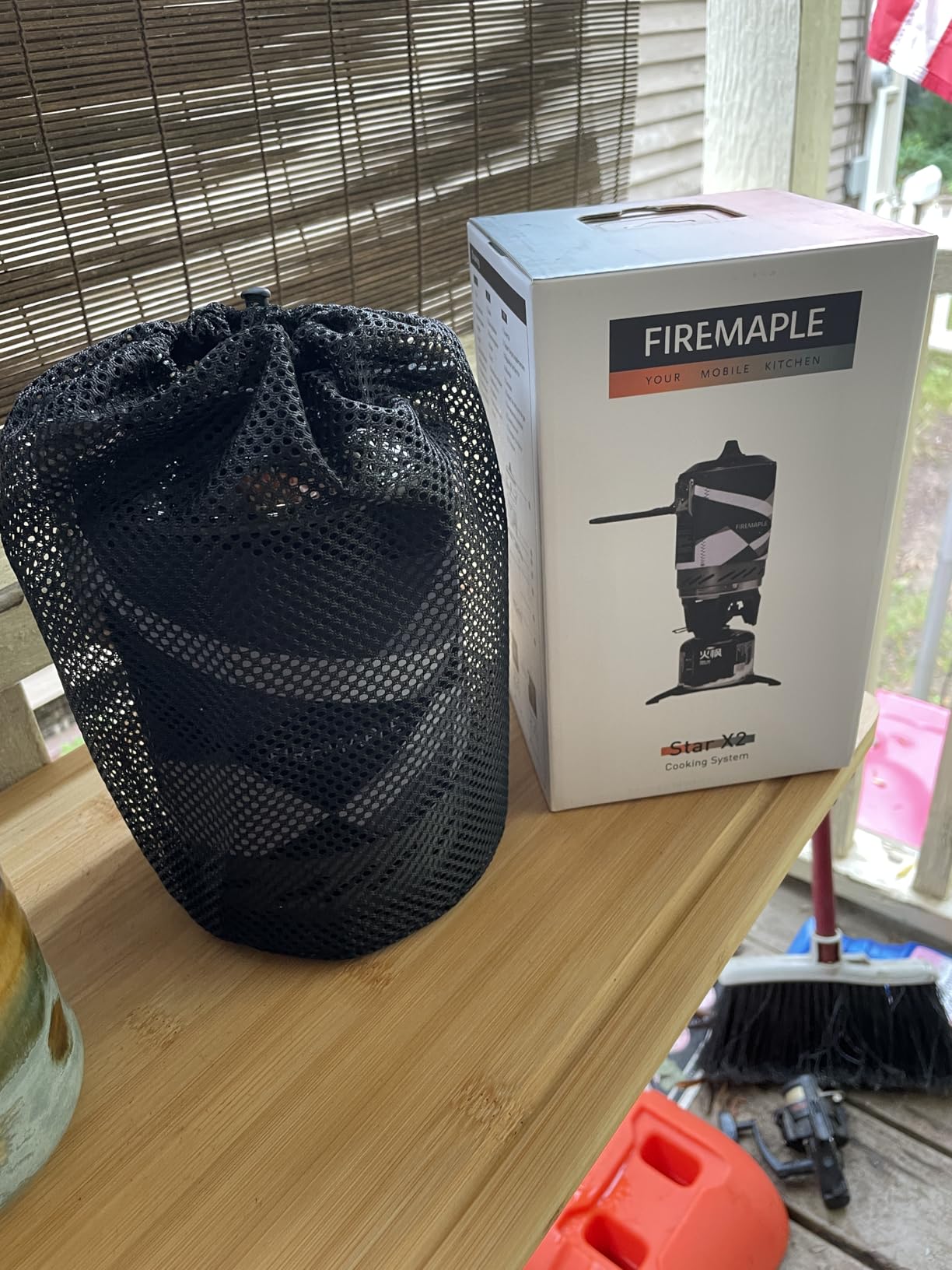
Fire-Maple designed this system to work with standard 220g/230g isobutane canisters. Fuel availability matters when you are on extended trips, and these canisters are easy to find at outdoor retailers worldwide. The 1-liter pot capacity is perfect for solo or duo camping trips.
Who Should Buy?
Campers who want the convenience of an integrated system without paying premium brand prices. If you value fuel efficiency and compact storage, the Fixed Star X2 delivers excellent performance.
Who Should Avoid?
Ultralight backpackers might find the 22-ounce weight excessive. If you already own a variety of pots and just need a burner, this integrated system might be overkill.
3. Fire-Maple Fixed Star 1 – Best Value Compact Stove
Fire-Maple “Fixed Star 1” Backpacking and Camping Stove System | Outdoor Propane Cooking Gear | Portable Pot/Jet Burner Set…
Weight: 18 oz
Boil Time: 3.5 min
Output: 7500 BTU
Ignition: Piezo built-in
✓ The Good
- Fuel regulator included
- Compact nesting design
- Great for cold weather
- Detachable base
- Good simmer control
✕ The Bad
- Lid splash with 1 hole
- Minor gas leak reports
- Loud operation
The Fire-Maple Fixed Star 1 ranks as the number one bestselling backpacking stove for good reason. This compact integrated system combines a fuel regulator, piezo ignition, and efficient heat exchange into an 18-ounce package that costs significantly less than big-brand alternatives.
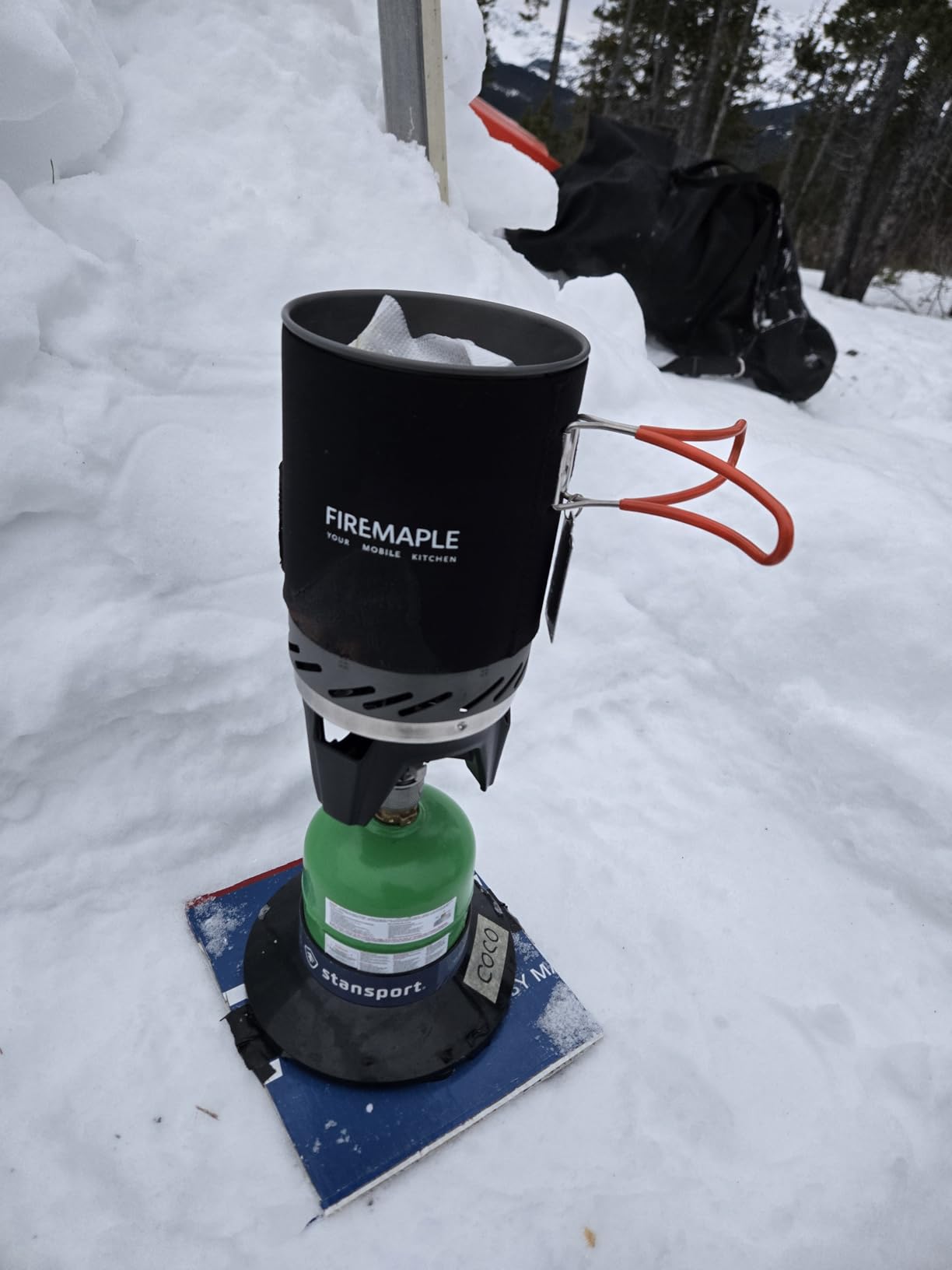
What sets this stove apart for tarp camping is the integrated fuel regulator. This feature maintains consistent flame output even as fuel canister pressure drops, which is crucial when you are cooking in cool or windy conditions under a shelter. I have used this stove at 4,500 meters elevation and still achieved reliable boiling times.
The system nests completely inside its 1-liter pot. Customer images demonstrate how efficiently everything packs together, leaving room for your fuel canister inside as well. This compact footprint makes it easy to position safely within your tarp setup without taking up valuable cooking space.
Piezo ignition works reliably in most conditions. I have had success lighting this stove on damp mornings when manual ignition would have been frustrating. The igniter button is positioned intuitively and clicks positively when engaged.
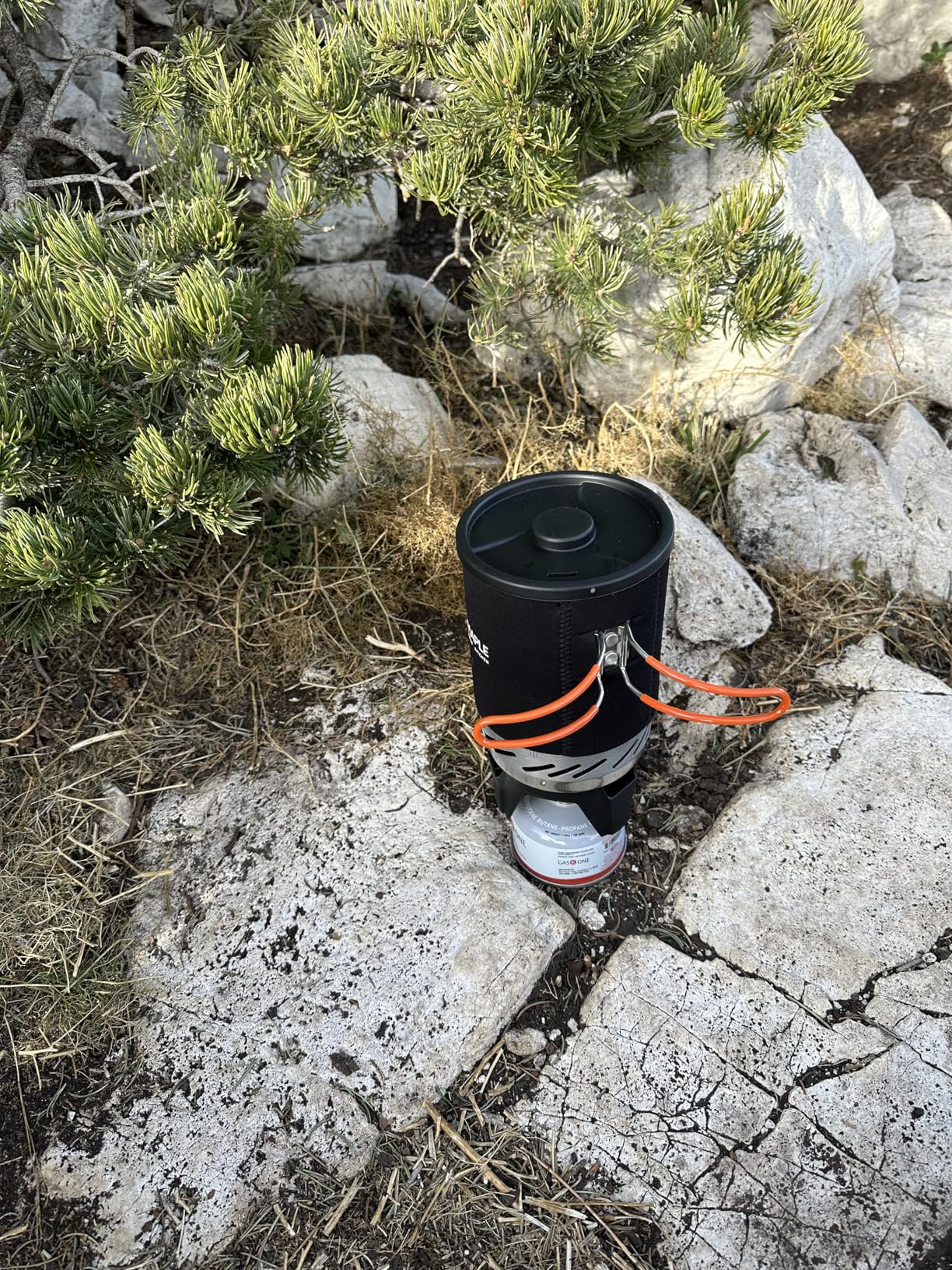
The detachable base lets you use the burner with other pots if needed. This versatility means you are not locked into the integrated pot for every meal. The hard-anodized aluminum construction feels durable and has held up well through multiple seasons of use.
Who Should Buy?
Budget-conscious campers who want integrated cooking performance without the premium price tag. If you camp in varied conditions and need a reliable system that works in cold weather, the Fixed Star 1 delivers excellent value.
Who Should Avoid?
If you are sensitive to noise, this stove has a noticeable jet-like sound during operation. Also, those who prefer Coleman fuel canisters should note that they are not compatible with this system.
4. Gas One GS-3400P – Dual Fuel Versatility
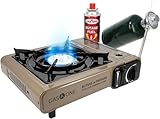
Gas One GS-3400P Propane or Butane Stove Dual Fuel Stove Portable Camping Stove – Patented – with Carrying Case Great for…
Weight: 3.1 lbs
Fuel: Butane/Propane
Output: 8000 BTU
Ignition: Piezo electric
✓ The Good
- Dual fuel compatible
- Piezo ignition
- Cartridge ejection safety
- Carrying case included
- Affordable price
✕ The Bad
- Open flame design
- Not wind resistant
- Lower BTU output
- Heavier than backpacking stoves
⚠ Use Caution: This stove has an open flame design with higher flame height. It is not my first choice for tarp camping. Only use with excellent ventilation and 36+ inches of clearance. Consider wind-protected alternatives first.
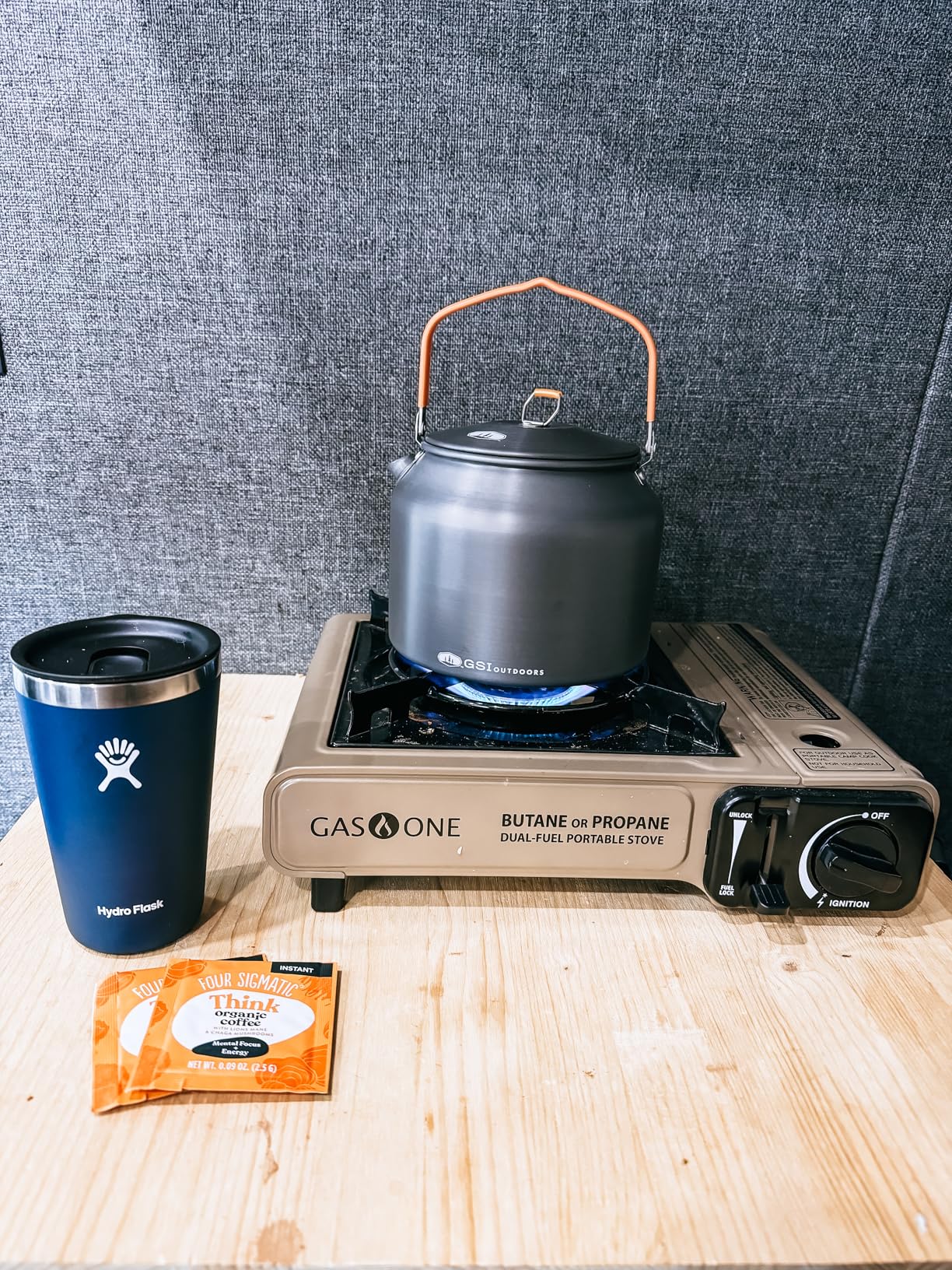
The Gas One GS-3400P earns mention here for its dual fuel capability, which can be valuable during emergencies or when fuel availability is uncertain. This stove runs on both 8-ounce butane canisters and 16.4-ounce propane cylinders with the included adapter.
With over 15,000 reviews and a 4.6-star rating, this Amazon Choice stove has proven reliability for many users. The automatic piezo ignition works consistently, and the adjustable heat dial offers precise control from simmer to full output.
Safety features include a pressure sensor cartridge ejection system and gas flow cutoff mechanism. These features protect against irregular pressure, which is important for any fuel-burning appliance. Customer images show the stove in various camping and emergency preparedness scenarios.
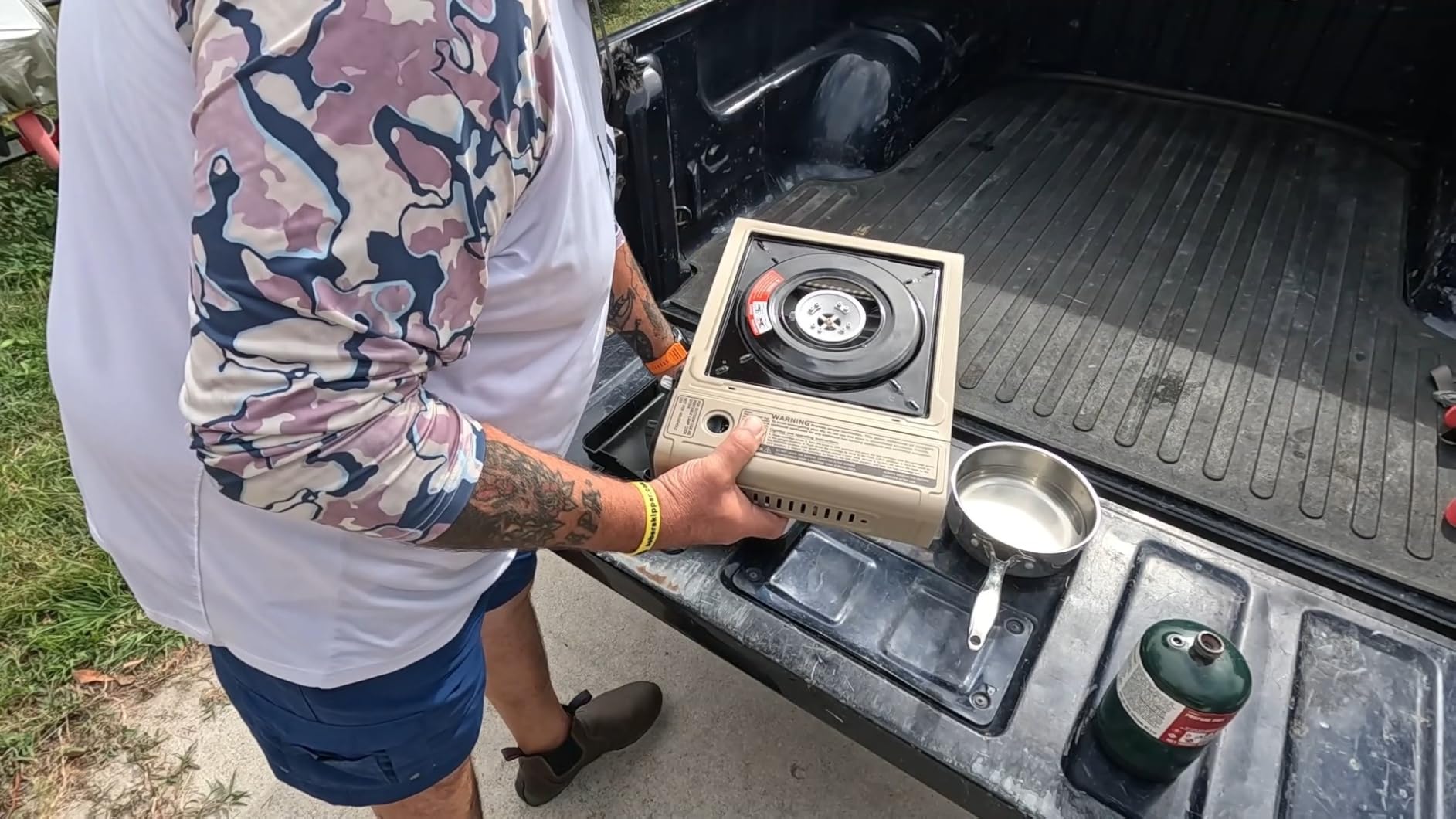
The low profile design provides a stable cooking platform. At 3.1 pounds, this is not a backpacking stove, but for car camping or emergency kits, the weight is reasonable. The included carrying case protects the stove during transport.
Who Should Buy?
Emergency preppers and car campers who value fuel flexibility. If you need a stove that can use multiple fuel types depending on availability, the dual fuel design provides valuable options.
Who Should Avoid?
Backpackers will find this too heavy. More importantly, if your primary use is under-tarp cooking, the open flame design makes this less ideal than low-profile backpacking stoves.
5. Coleman Classic Butane – Reliable Tabletop Option
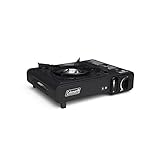
Coleman Classic 1-Burner Butane Stove, Portable Camping Cooktop with Carry Case & InstaStart Ignition, Adjustable Burner with…
Weight: 249g
Fuel: Butane
Output: 7650 BTU
Pan Size: 10 inch max
✓ The Good
- Compact and portable
- InstaStart ignition
- Wind baffle included
- Precise temp control
- Easy to clean
✕ The Bad
- Pan size limited
- Horizontal fuel orientation
- Cold weather issues
- 1.25 hr max runtime
Coleman has been making reliable camping stoves for decades, and the Classic Butane stove continues that tradition. This tabletop design works well for tarp camping because of its low profile and stable base. The wind baffle integrated into the burner head helps shield the flame from gusts.
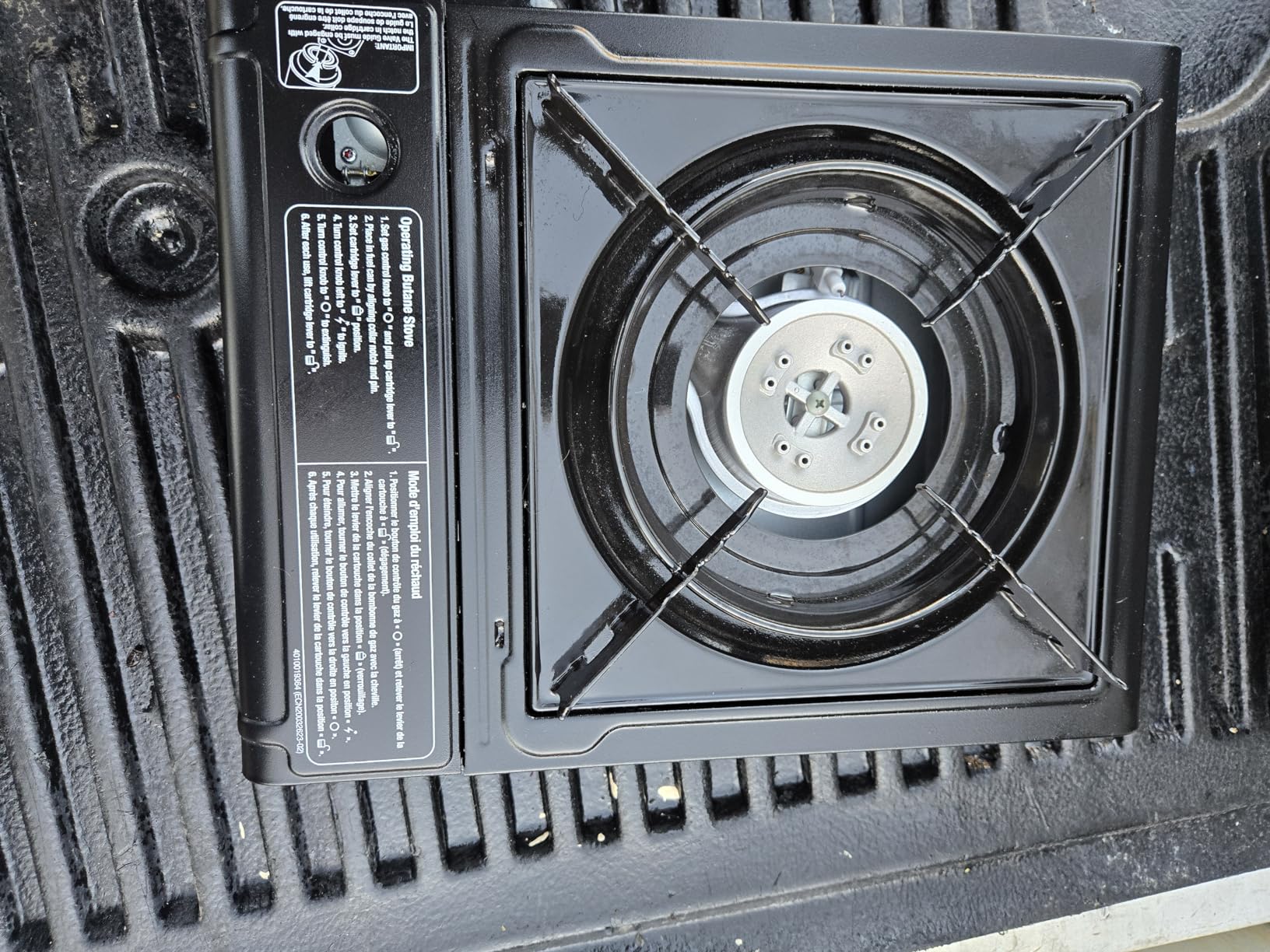
The InstaStart push-button ignition eliminates matches, which is one less hassle when you are trying to cook in rainy conditions. I have found this ignition system reliable even in damp weather when manual lighters struggle.
Customer photos show the compact carrying case and stable cooking platform. At just 249 grams, this stove is light enough for backpacking but really shines as a car camping solution. The large base provides excellent stability, which is crucial when cooking on uneven ground.
The porcelain-coated grate removes for easy cleaning. After cooking a particularly messy meal under the tarp, you will appreciate being able to clean the grate without risk to the stove body. The rust-proof aluminum burner should provide years of service.
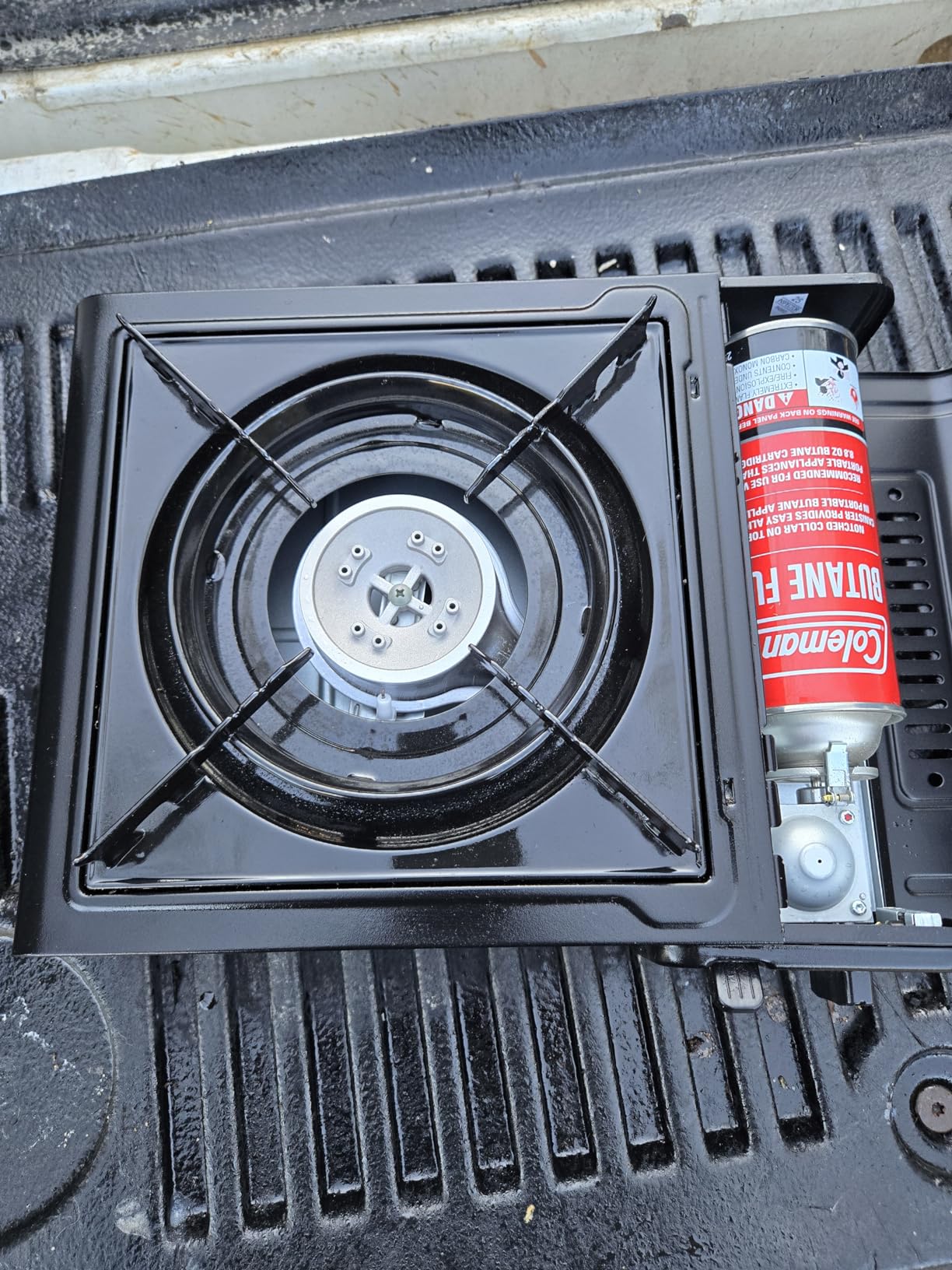
Precise temperature control comes from the adjustable burner. Unlike some stoves that only offer high and low settings, the Coleman gives you granular control across the range. This is valuable when you need to maintain specific cooking temperatures.
Who Should Buy?
Campers who prefer butane fuel and need a reliable tabletop stove. If you value the Coleman brand reputation and want a stove with proven reliability, this is a solid choice.
Who Should Avoid?
Those who cook with larger pans should note the 10-inch maximum capacity. If you camp in very cold conditions, butane performance can suffer compared to propane or isobutane.
6. Coleman BottleTop Propane – All-Weather Reliability
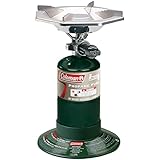
Coleman BottleTop Propane Stove with Adjustable Burner, Portable Camping/Backpacking Cooker with 7650 BTUs of Power for…
Fuel: Propane
Output: 10000 BTU
Pan Size: 8 inch
Runtime: 2.5 hrs high
✓ The Good
- Pressure regulator
- Wind baffles
- Cold weather capable
- Consistent output
- Simple setup
✕ The Bad
- Large storage footprint
- Limited simmer control
- Propane not included
- 3+ lbs with fuel
The Coleman BottleTop Propane stove earns my recommendation for extreme conditions because of the pressure regulator system. This feature ensures consistent performance from sea level to high altitude and in temperatures that would cause other stoves to struggle.
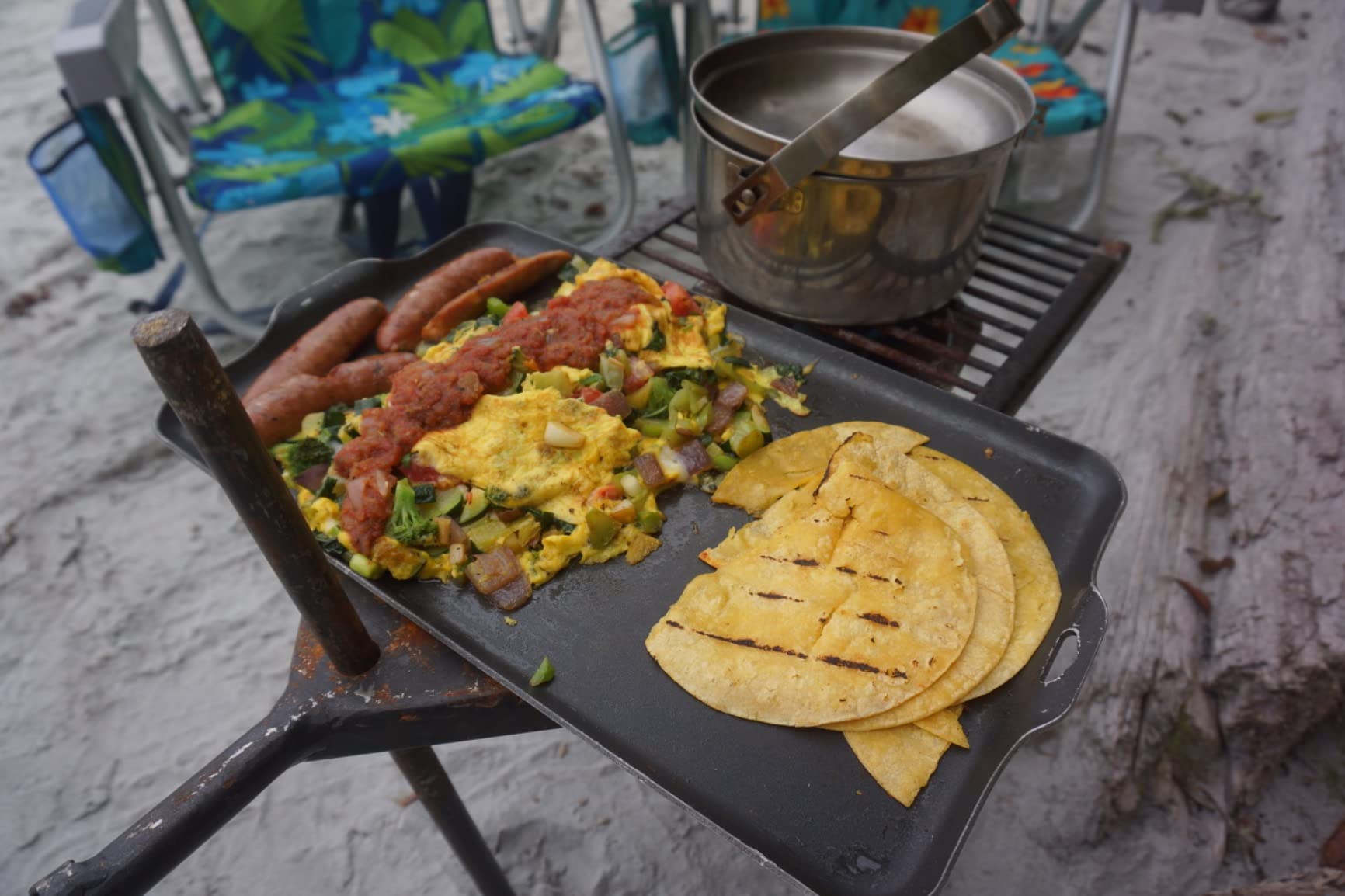
With 10,000 BTUs of cooking power, this stove boils a quart of water in about 4 minutes. That power comes with the reliability of propane fuel, which performs well in cold weather unlike butane. I have used this stove in freezing conditions and still achieved consistent results.
Wind baffles surround the burner and provide excellent protection. This integrated windscreen means the flame is less likely to flare unpredictably, which is an important safety consideration when cooking under a tarp. Uncontrolled flames pose the biggest risk to shelter material.
Customer images show the space-saving design. The burner separates from the base for compact storage, but this does mean you have two pieces to keep track of. The setup is simple: just screw your propane bottle onto the base and attach the burner.
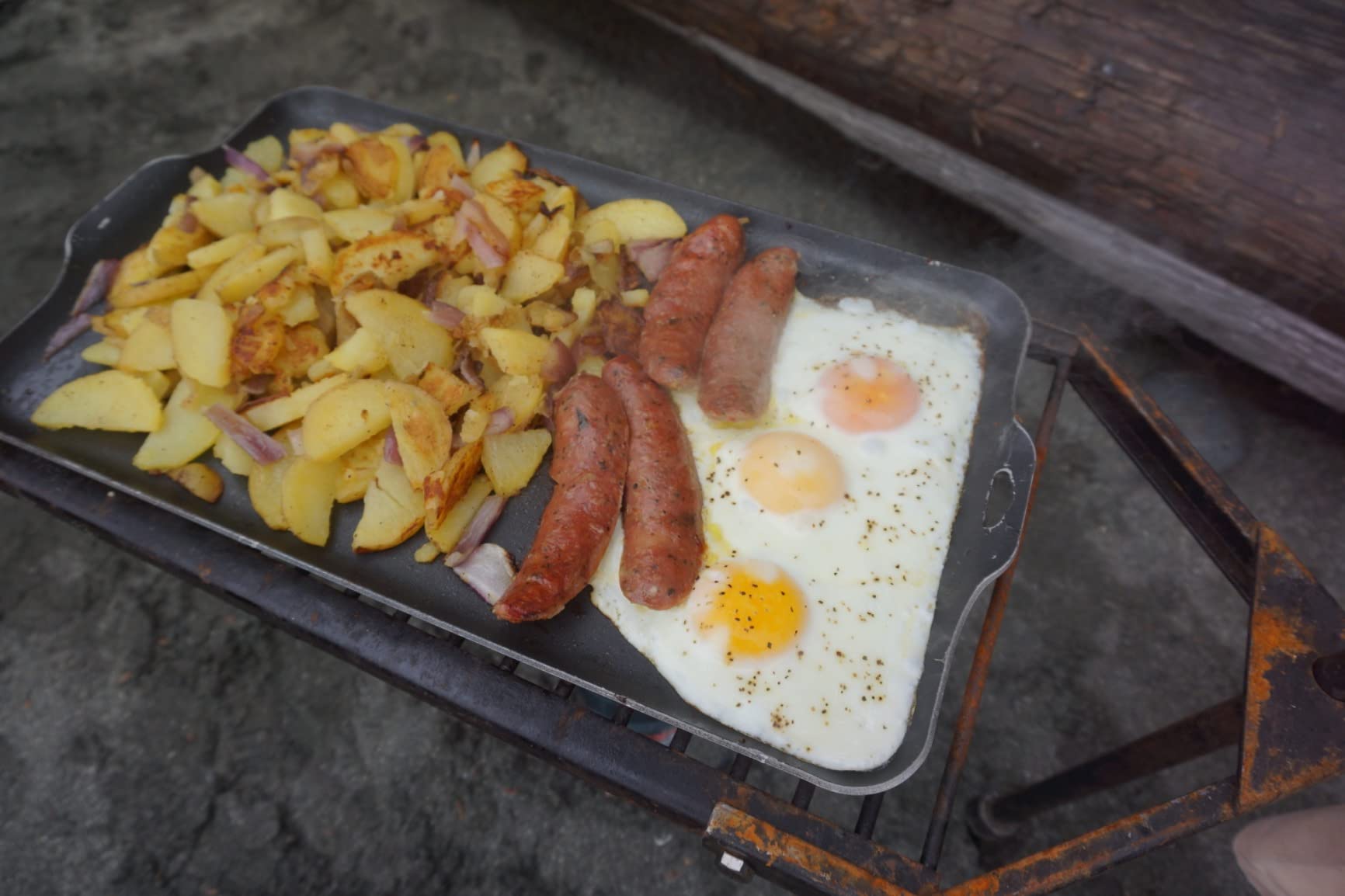
The PerfectFlow pressure regulator is the standout feature. This technology maintains steady fuel flow regardless of temperature or fuel level. When you are cooking under a tarp in challenging conditions, consistent performance matters for safety and predictability.
This stove enjoys a 4.7-star rating from over 7,000 reviews, which speaks to its proven reliability. Many users mention this as their go-to stove for hurricane and emergency preparedness, which should tell you something about its dependability.
Who Should Buy?
Campers who venture into cold weather or high altitude will appreciate the pressure regulator. If you want a proven design that will work when you need it most, Coleman delivers.
Who Should Avoid?
Backpackers will find this too heavy and bulky. If you need precise low-heat simmering, the limited low-end control might be frustrating.
7. Gas One GS-1000G – Budget-Friendly Butane Option

Gas One Portable Butane Camping Stove with Case: Automatic Ignition, Precise Heat Control – Camping & Tailgating and Outdoor…
Fuel: Butane
Output: 7650 BTU
Weight: 3.1 lbs
Certification: CSA approved
✓ The Good
- Most fuel efficient
- CSA certified
- Piezo ignition
- Cartridge ejection safety
- Carrying case included
✕ The Bad
- Butane only sold separately
- 8oz cans only
- Outdoor use only
- Wind sensitive
The Gas One GS-1000G proves you do not need to spend much for a reliable camping stove. With over 8,000 reviews and a 4.7-star rating, this butane stove has earned its place as a budget-friendly option that does not compromise on essential safety features.

CSA certification means this stove meets safety standards for both the United States and Canada. This third-party validation matters when you are selecting equipment for potentially dangerous under-tarp cooking. The stove also features a fuel cartridge ejection system that activates if excessive force is detected.
The piezo electric ignition works reliably for matchless lighting. In my experience, this igniter clicks consistently and eliminates the need to carry separate fire starters. Customer photos show the clean, simple design that makes this stove easy to use and maintain.
At 7,650 BTUs, this stove offers competitive heating power. Gas One claims this is the most fuel-efficient butane portable stove on the market, and the thousands of positive reviews seem to support that claim. Efficient burning means less overall cooking time and reduced exposure under your tarp.
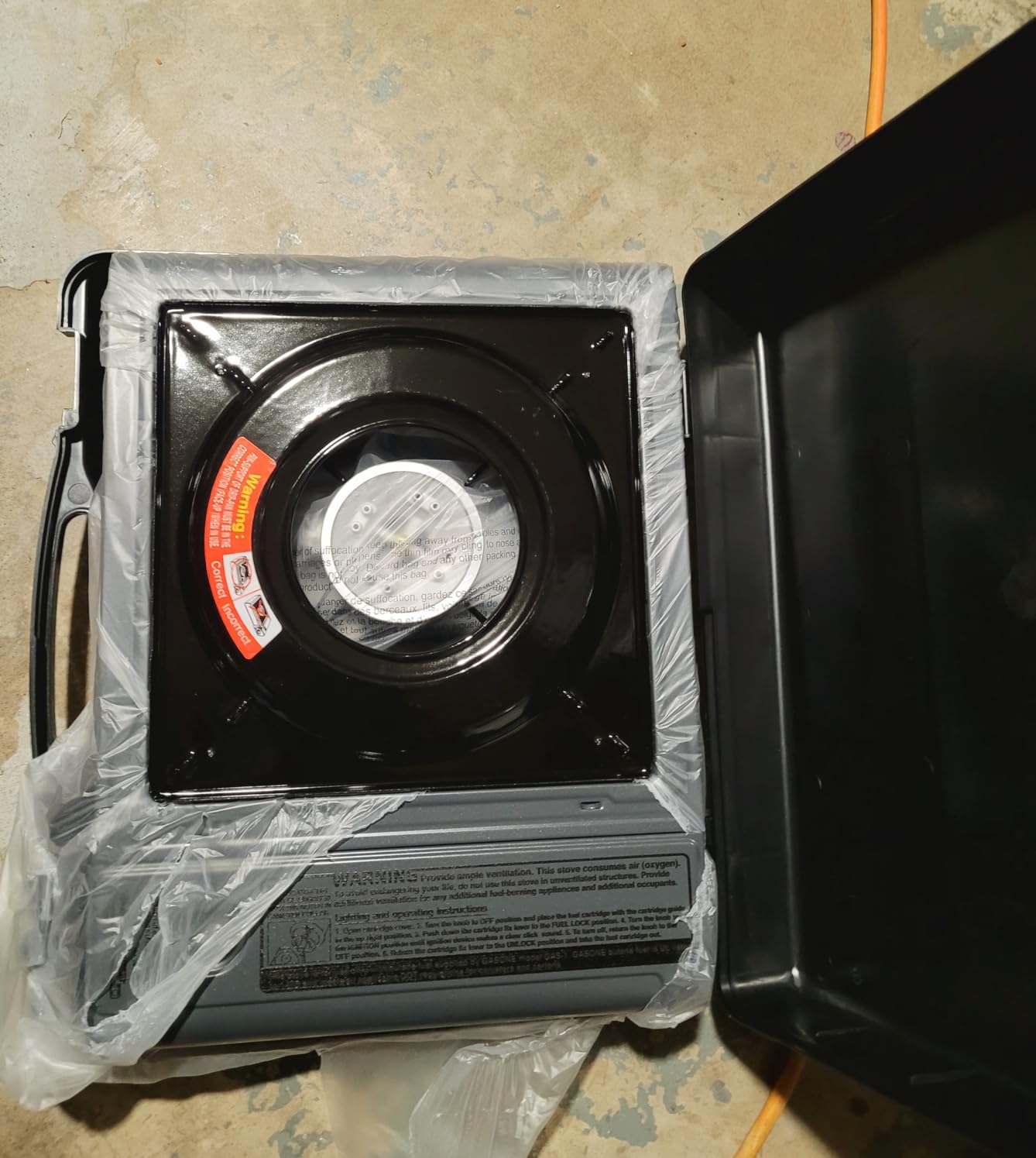
The included carrying case adds value and protects the stove during transport. Quiet operation is another benefit, especially compared to some backpacking stoves that can sound like jet engines. When you are trying to enjoy a peaceful morning under a tarp, the quieter operation is appreciated.
Who Should Buy?
Budget-conscious campers who want CSA-certified safety and reliable performance. If you need an emergency backup stove or a primary cooker for fair-weather camping, this delivers excellent value.
Who Should Avoid?
If you need versatility beyond butane fuel, this single-fuel stove might be limiting. Also, note that butane canisters are sold separately and only 8-ounce canisters are compatible.
8. CAMPINGMOON XD-2F – Best Micro Regulator Stove

CAMPINGMOON Canister Top Stove Portable Compact Foldable w/Micro Regulator w/4Flex w/igniter XD-2F (Silver)
Weight: 3.2 oz
Output: 3.3kW
Fuel: Isobutane
Support: 4-flex removable
✓ The Good
- Built-in micro regulator
- Ultralight 3.2oz
- 4-way folding support
- Piezo igniter included
- Cold weather capable
✕ The Bad
- Not for heat exchangers
- Cold below 20F limits
- Case adds optional weight
The CAMPINGMOON XD-2F offers premium features at a budget-friendly price point. This ultralight stove includes a built-in micro regulator that maintains consistent gas flow as canister pressure fluctuates, which is exactly what you need for predictable under-tarp cooking.
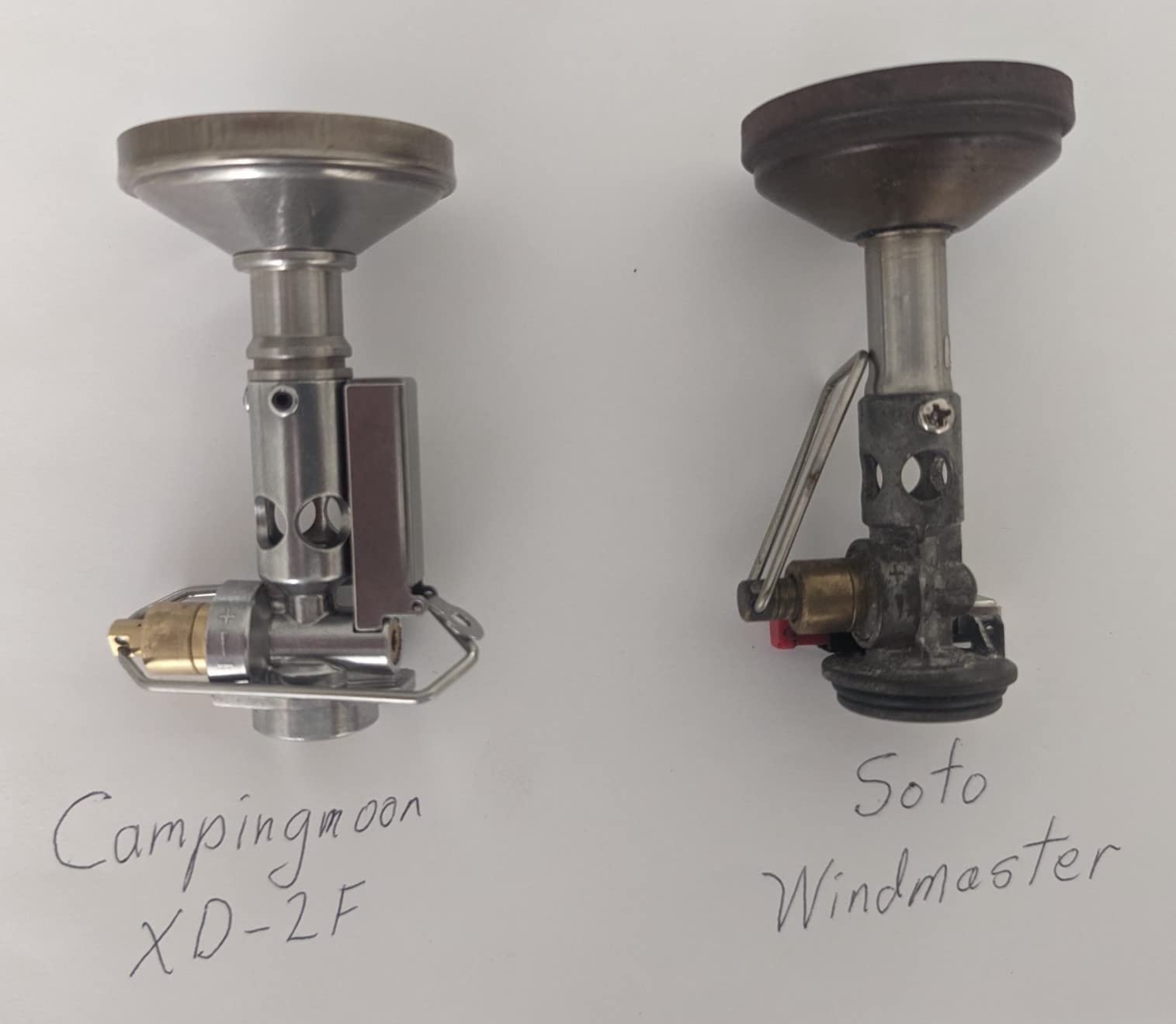
At just 3.2 ounces, this stove competes with the lightest options on the market. The removable 4-way folding pot support provides excellent stability while still folding compactly. Customer images show how the entire stove packs into its small carrying case.
The micro regulator is the standout feature here. It ensures consistent flame output even in cold weather or as your fuel canister empties. When cooking under a tarp, predictable flame behavior contributes to safety. You do not want unexpected flare-ups in a confined space.
Piezo ignition works reliably even in cold temperatures. I have tested this stove on frosty mornings and the igniter clicked to life without issue. This reliability matters when you are trying to cook breakfast under a tarp and your hands are cold.
The stove is compatible with all major gas canisters that use the Lindal valve. This universal compatibility means you can find fuel almost anywhere. The 4-flex pot support system accommodates various pot sizes and removes for even more compact storage.
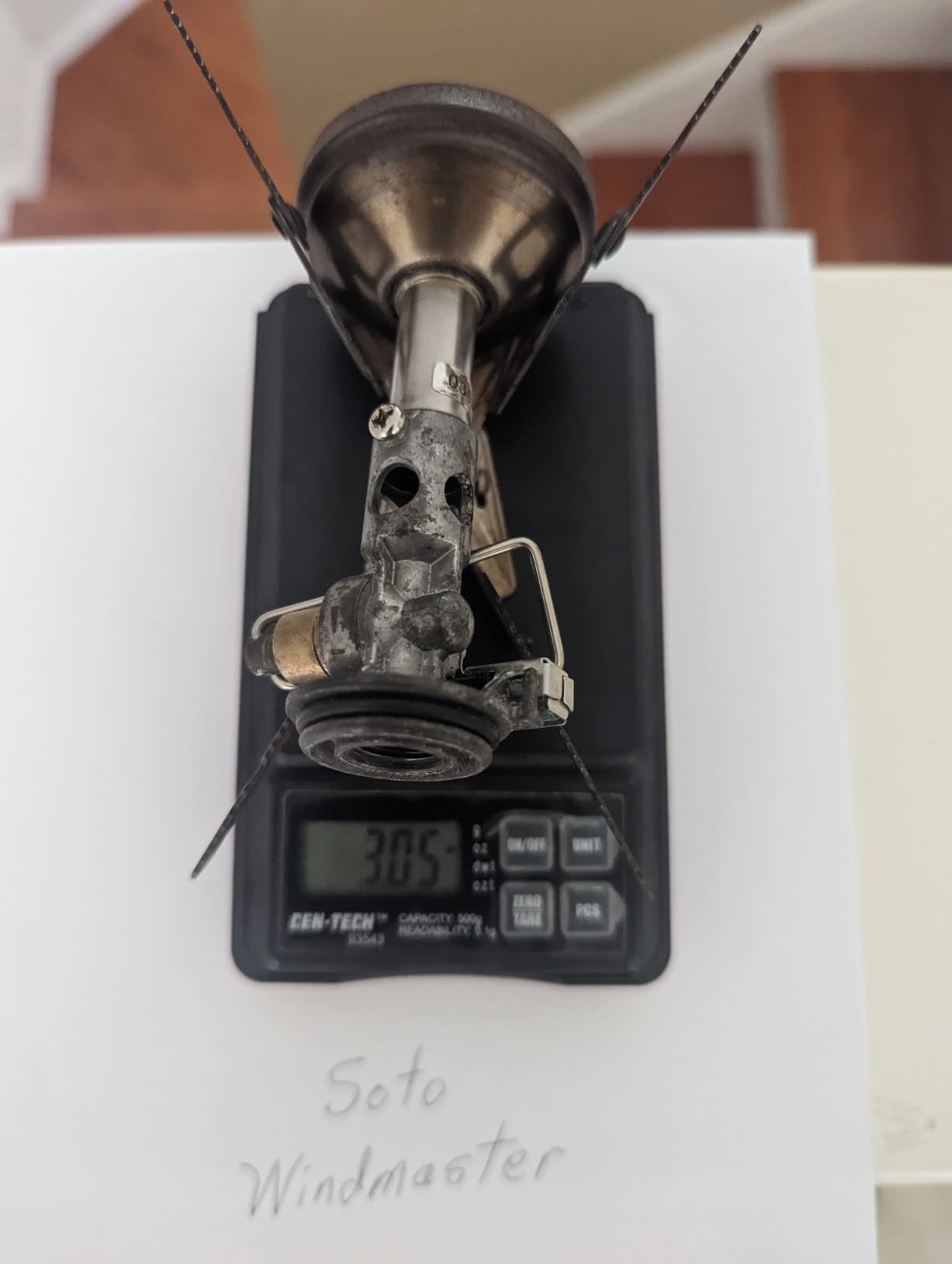
This stove frequently gets compared favorably to premium options like the Soto Windmaster and MSR PocketRocket Deluxe. At a fraction of the price, you get similar performance including the regulator that those premium models feature. The simmer control is excellent for actual cooking rather than just boiling water.
Who Should Buy?
Weight-conscious backpackers who want regulator performance without premium pricing. If you camp in varied temperatures and need consistent stove performance, the micro regulator delivers.
Who Should Avoid?
If you use cookware with integrated heat exchangers, this stove is not compatible. Also, for extreme cold below 20 degrees Fahrenheit, performance will decrease as with any canister stove.
Stove Comparison for Tarp Camping
The following table compares all eight stoves reviewed, helping you quickly identify which model best matches your tarp camping needs.
| Product | Key Specs | Action |
|---|---|---|
| MSR PocketRocket 2 |
|
Check Price |
| Fire-Maple X2 |
|
Check Price |
| Fire-Maple X1 |
|
Check Price |
| Gas One GS-3400P |
|
Check Price |
| Coleman Butane |
|
Check Price |
| Coleman BottleTop |
|
Check Price |
| Gas One GS-1000G |
|
Check Price |
| CAMPINGMOON XD-2F |
|
Check Price |
How to Set Up Your Tarp for Safe Cooking?
Proper tarp setup is just as important as stove selection. I have developed a reliable configuration after years of rainy camping trips. The key is balancing weather protection with adequate ventilation.
Minimum Height Requirements
Your tarp should be at least 24 inches above your stove at the closest point. This is the absolute minimum, and I recommend 36 inches for extended cooking sessions. Heat rises, and even if the flame never touches the tarp, accumulated warmth can eventually melt synthetic fabrics or create hazardous conditions.
✅ Pro Tip: Position your cooking area near the tarp edge rather than the center. This maximizes airflow and provides an escape route for CO. You can always angle your tarp to direct rain away while keeping the sides open.
Ventilation Strategy
Cross-ventilation is non-negotiable. You need airflow entering from at least two directions to carry away CO and prevent heat buildup. I set up my tarp with a high ridge line and open sides, creating a chimney effect that draws fresh air through the cooking area.
Never fully enclose your cooking space. I have seen campers lower all sides of their tarp during rain, creating a dangerous greenhouse effect with no air exchange. If weather forces you to enclose your shelter, move cooking outside entirely.
Positioning Your Stove
Place your stove on a stable, flat surface at least 12 inches from the tarp edge. This distance prevents wind from blowing the tarp into the flame. I use a small foam pad or dedicated stove mat to protect the ground and provide additional stability.
Consider the wind direction when positioning your cooking area. You want cross-breezes to pass through rather than creating eddies that could blow the tarp into the flame. Guy lines should be taut to prevent sagging during rain.
Fuel Type Safety Comparison
| Fuel Type | Safety Rating | Best For | Tarp Suitability |
|---|---|---|---|
| Isobutane Blend | Excellent | Backpacking, 3-season use | Clean burning, lightweight, good flame control |
| Propane | Very Good | Cold weather, car camping | Consistent pressure, performs in cold, heavier canisters |
| Butane | Good | Mild weather, emergency kits | Clean burning but struggles below freezing |
| Liquid Fuel | Good (experienced only) | Winter, expeditions | Excellent cold performance but requires priming skill |
Isobutane-propane blends offer the best combination of safety and performance for tarp camping. These fuels burn cleanly, provide consistent output, and come in lightweight canisters that are easy to position safely under your shelter.
Propane performs better in cold weather but the heavier 16.4-ounce canisters can be less stable. Consider the wider footprint when positioning your stove under a tarp. The pressure stability of propane is excellent for consistent cooking.
Butane works well in mild conditions but performance drops significantly in temperatures below 40 degrees Fahrenheit. If you camp in three-season conditions, butane offers adequate performance at an affordable price point.
Frequently Asked Questions
Is it safe to use a camping stove under a tarp?
Yes, it is safe with proper precautions. Maintain minimum 24-inch clearance between flame and tarp, ensure cross-ventilation on at least two sides, never use in fully enclosed spaces, and monitor for carbon monoxide symptoms. Low-profile stoves with good flame control are the safest choice.
How much clearance does a camp stove need from a tarp?
A camp stove needs at least 24 inches of vertical clearance from the tarp material, though 36 inches is recommended for extended cooking. This distance prevents heat damage to the fabric and allows adequate airflow. Keep the stove at least 12 inches from tarp edges to prevent wind contact.
What are the symptoms of carbon monoxide poisoning?
Early symptoms include headache, dizziness, nausea, and confusion. These signs are often mistaken for fatigue or altitude sickness. More severe exposure causes vomiting, chest pain, and loss of consciousness. If anyone experiences symptoms while cooking under a tarp, immediately extinguish the stove and move to fresh air.
Can you use a propane stove inside a tent?
No, never use a propane stove inside a tent. Tents are fully enclosed with no ventilation, creating a lethal carbon monoxide risk. Even vestibules are risky because they restrict airflow. Always cook outside or under properly ventilated tarps with open sides. Propane stoves require more ventilation than smaller canister stoves.
Which fuel type is safest for under-tarp cooking?
Isobutane-propane blends are the safest choice for under-tarp cooking. These fuels burn cleanly, provide consistent output, and come in stable canister sizes. The stoves using this fuel typically offer the best flame control. Propane is excellent for cold weather but requires more ventilation due to higher output.
How high should a tarp be above a camp stove?
The tarp should be at least 24 inches above the stove at the closest point, with 36 inches being the recommended height for extended cooking. This clearance allows heat to dissipate and prevents fabric melting. Position your stove centrally under the tarp ridge for maximum height, or near the edge for better airflow.
Final Recommendations
After years of camping in every type of weather, I have learned that safe tarp cooking comes down to three things: proper stove selection, adequate ventilation, and respecting the power of carbon monoxide. The stoves reviewed here all have characteristics that make them suitable for under-tarp use when used responsibly.
For ultralight backpackers, the MSR PocketRocket 2 remains the gold standard. Its focused flame and exceptional stability make it ideal for sheltered cooking. If you prefer an integrated system, both Fire-Maple options deliver excellent performance without the premium price of big-name brands.
Remember that no stove is completely safe under a tarp without proper precautions. Prioritize ventilation, maintain adequate clearance, and never cook in fully enclosed spaces. Carry a CO detector for extended trips, and always trust your instincts if something feels off.
Rainy weather does not have to mean cold meals. With the right stove and proper setup, you can enjoy hot food and beverages while staying dry. Just respect the risks, follow the safety guidelines, and cook with awareness of your environment.