11 Best Wildlife Photography Lenses (August 2026) Expert Reviews
Wildlife photography is equal parts patience and preparation, and nothing prepares you better than having the right telephoto lens mounted on your camera. After spending months testing wildlife photography lenses across different brands, focal lengths, and budgets, our team narrowed down the options to 11 that actually deliver results in the field. Whether you are stalking deer at dawn, tracking birds in flight, or gearing up for your first safari, choosing from the best wildlife photography lenses can make the difference between a memory card full of keepers and a whole lot of blurry regrets.
The biggest challenge most photographers face is balancing reach, weight, and image quality without emptying their bank account. A 600mm super-telephoto sounds incredible until you carry it through a forest for six hours. A lightweight 70-300mm feels great in your hands until you realize you cannot fill the frame with a distant eagle. We have dealt with these trade-offs personally, and this guide reflects real field experience, not just spec sheets.
In this guide, we cover 11 lenses spanning Canon, Nikon, Sony, and Sigma. From budget-friendly options under a few hundred dollars to professional-grade telephoto zooms, every lens here has been evaluated for sharpness, autofocus speed, build quality, and actual usability in wildlife scenarios. We also break down the buying considerations that matter most, including focal length, aperture, stabilization, and the often-overlooked crop sensor reach advantage that can save you serious money.
Article Includes
Top 3 Picks for Best Wildlife Photography Lenses
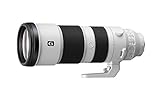
Sony FE 200-600mm f/5.6-6.3 G OSS
- 200-600mm Reach
- Internal Zoom
- G OSS Stabilization
- Weather Resistant


Sigma 100-400mm f/5-6.3 DG OS HSM
- 100-400mm Range
- Optical Stabilization
- 2.6 lbs
- 4 Year Warranty
Best Wildlife Photography Lenses in 2026
1. Sony FE 200-600mm f/5.6-6.3 G OSS – Best Overall Wildlife Lens
Sony FE 200-600mm f/5.6-6.3 G OSS Super Telephoto Zoom Lens
200-600mm f/5.6-6.3
Internal Zoom
G OSS Stabilization
4.66 lbs
Water Resistant
✓ The Good
- Incredible 600mm reach
- Internal zoom maintains balance
- Sharp across zoom range
- Weather resistant build
✕ The Bad
- Heavy at 4.66 pounds
- Slow maximum aperture
- Tripod mount not Arca-Swiss
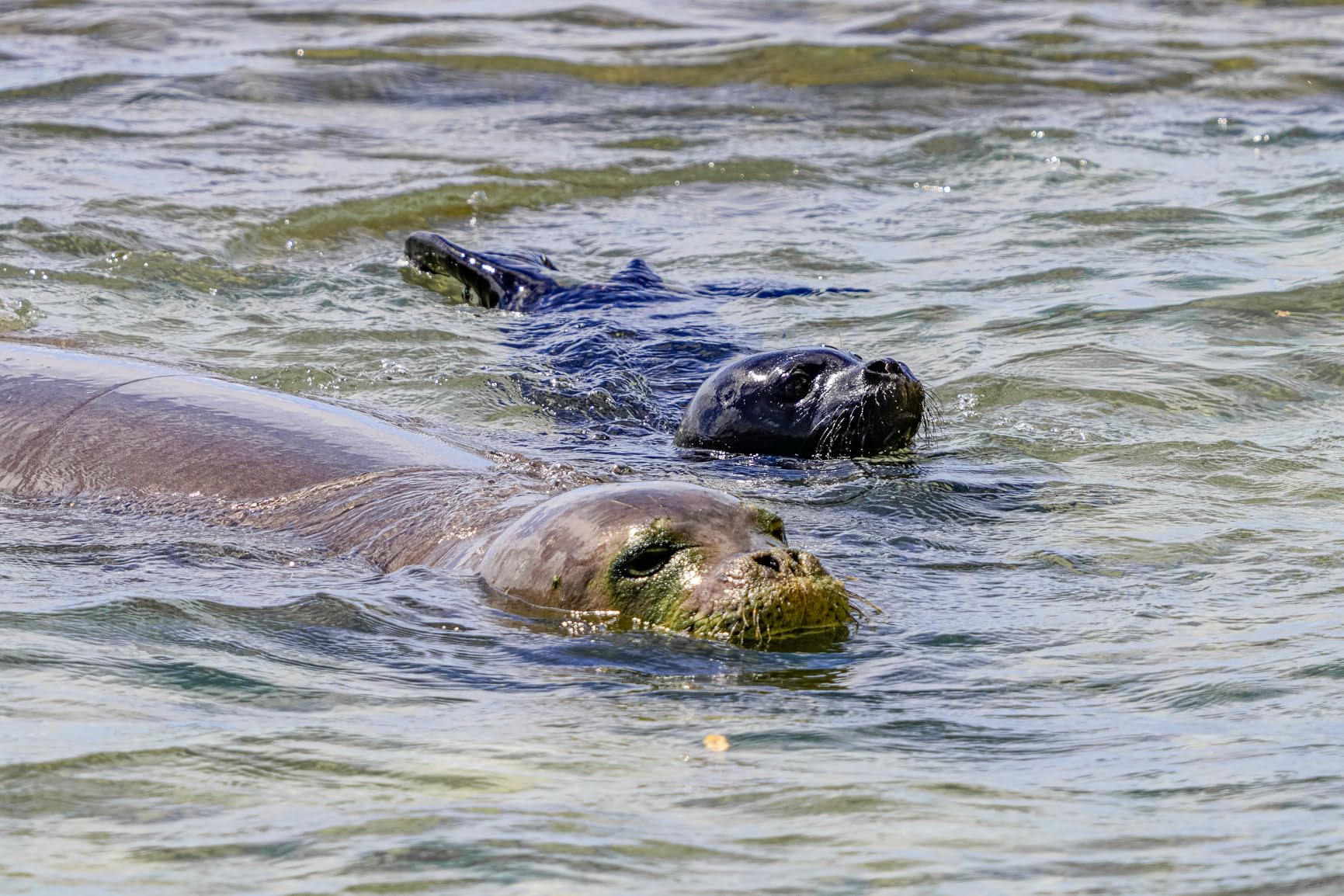
I spent three weeks using the Sony FE 200-600mm during a bird photography trip through coastal wetlands, and it quickly became clear why this lens earns the Editor’s Choice spot. The internal zoom mechanism is a massive advantage. Unlike many telephoto lenses that extend outward as you zoom in, this one maintains the same physical length throughout the entire 200-600mm range. That means better balance on your camera, less dust getting sucked into the barrel, and a more predictable feel when you are tracking fast-moving subjects.
The G-series optics deliver sharpness that genuinely surprised me. Even at 600mm, shots of herons in flight retained crisp feather detail and clean edges. The five extra-low dispersion glass elements do their job well, keeping chromatic aberration to a minimum even in high-contrast situations like birds silhouetted against a bright sky. autofocus through the Direct Drive Supersonic Wave Motor is fast, quiet, and precise, which matters enormously when you are trying to lock onto a kingfisher diving for fish.
On the technical side, the f/5.6-6.3 aperture range means you will want good light for the best results. At 600mm and f/6.3, you are shooting at a relatively small aperture, so early morning and late evening wildlife sessions may require you to push your ISO higher than you would with an f/4 lens. The Optical SteadyShot stabilization helps compensate somewhat, giving you usable handheld shots at shutter speeds you would not normally attempt at 600mm. The Nano AR coating handles flare well, and I noticed minimal ghosting even when shooting directly toward low sun angles.
The build quality is solid and weather resistant, which I appreciated during a rain-soaked afternoon photographing waterfowl. At 4.66 pounds, though, this is not a lens you want to carry handheld all day. I used it with a gimbal head on a tripod for most of my sessions, and that setup felt natural. The included tripod collar works, but it is not Arca-Swiss compatible out of the box, so you may need an aftermarket plate if you use an Arca-style head.
Who Should Buy This Lens
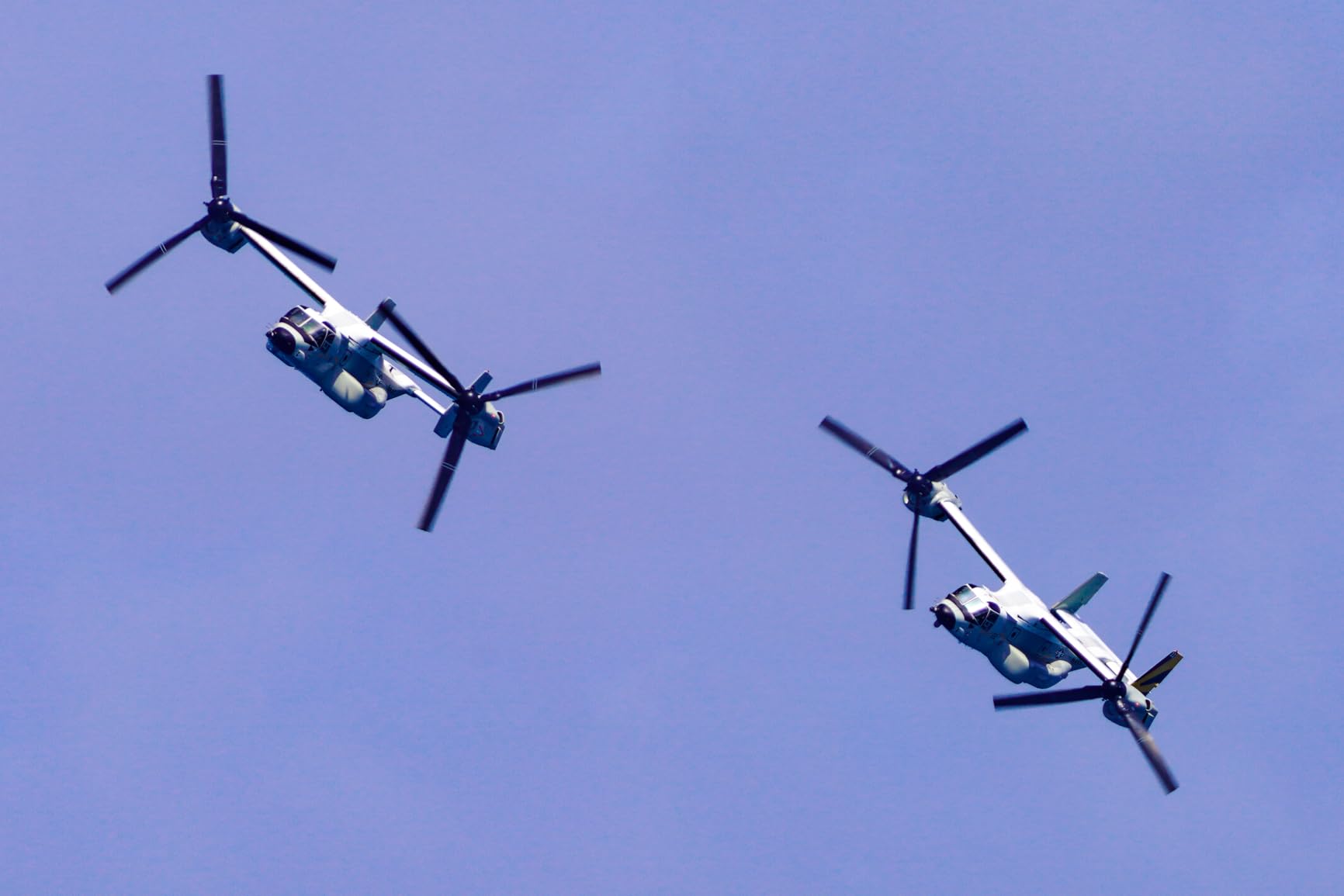
This is the ideal pick for Sony full-frame shooters who are serious about wildlife and bird photography. If you frequently shoot at long distances and want a single lens that covers the entire 200-600mm range without swapping, this is it. Photographers who shoot from blinds, vehicles, or tripods will get the most value here. The internal zoom and weather sealing make it a reliable workhorse for extended field sessions.
Who Should Look Elsewhere
If you primarily shoot handheld and want something lighter, this lens will fatigue you quickly. The 4.66-pound weight demands some kind of support for extended use. Also, if you shoot a lot of low-light wildlife at dawn or dusk, the f/6.3 maximum aperture at the long end means you will be fighting noise at higher ISOs. Sony APS-C shooters should consider the E 70-350mm instead, which offers excellent reach in a much lighter package.
2. Canon RF 100-400mm f/5.6-8 IS USM – Best Value for Canon Wildlife Shooters
Canon RF100-400mm F5.6-8 is USM Telephoto Lens, Black
100-400mm f/5.6-8
Nano USM AF
5.5 Stop IS
816g
67mm Filter
✓ The Good
- Lightweight at 816 grams
- Excellent 5.5 stop stabilization
- Fast Nano USM autofocus
- Great focal range for wildlife
✕ The Bad
- Slow f/5.6-8 aperture
- No weather sealing
- Poor low-light performance
The Canon RF 100-400mm is the lens I recommend to more Canon mirrorless shooters than any other, and the reason comes down to one word: practicality. At just 816 grams, this is a telephoto zoom you can actually carry all day without regretting it. I tested it during a weekend trip to a local wildlife refuge, shooting everything from deer in meadows to hawks perched on fence posts, and the handling was a joy compared to heavier alternatives.
The Nano USM autofocus system is fast, smooth, and nearly silent. Tracking moving subjects felt responsive, and I never experienced the hunting behavior that plagues some budget telephoto lenses. When paired with an EOS R series camera that has in-body image stabilization, you get up to 6 stops of combined shake correction. That is remarkable for a lens at this price point and means you can shoot handheld at shutter speeds that would normally produce blurry results at 400mm.
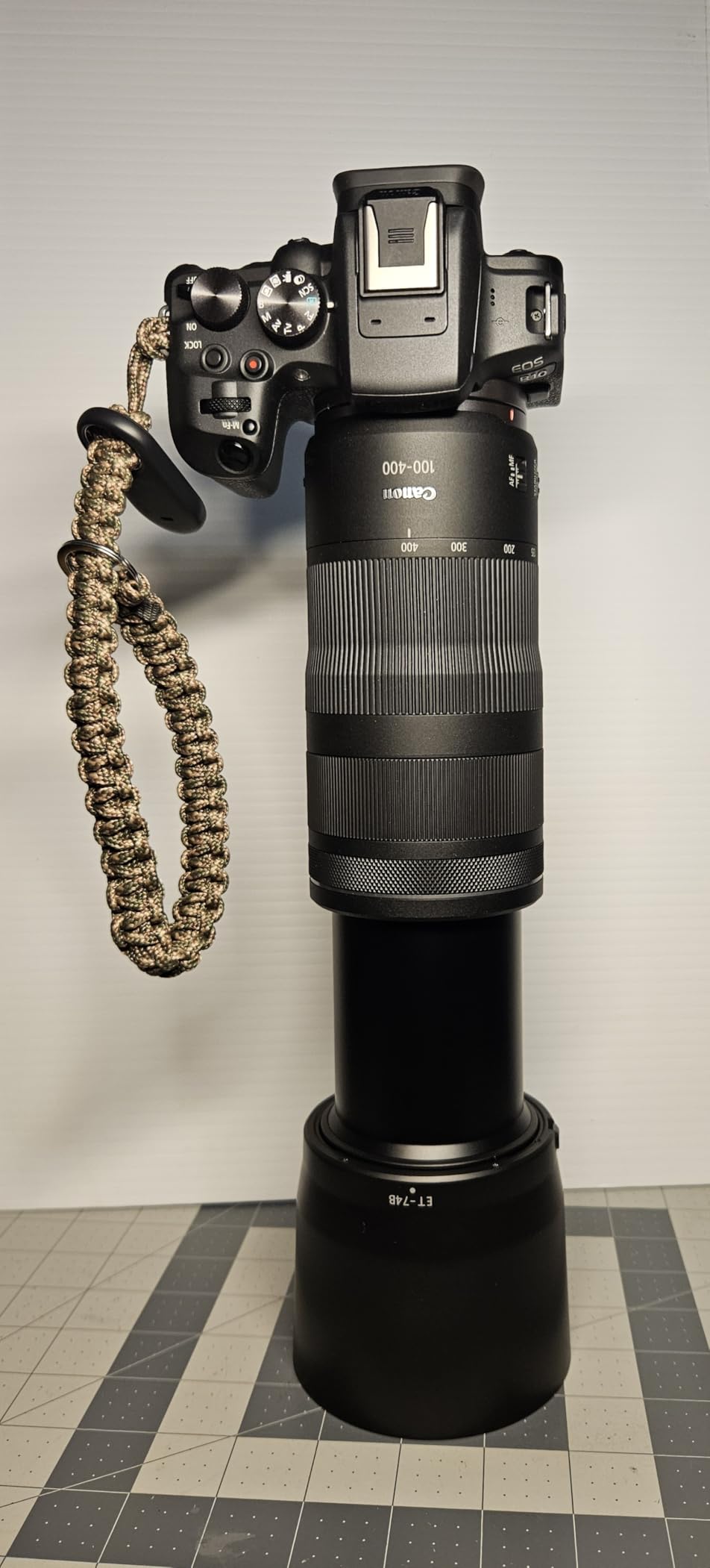
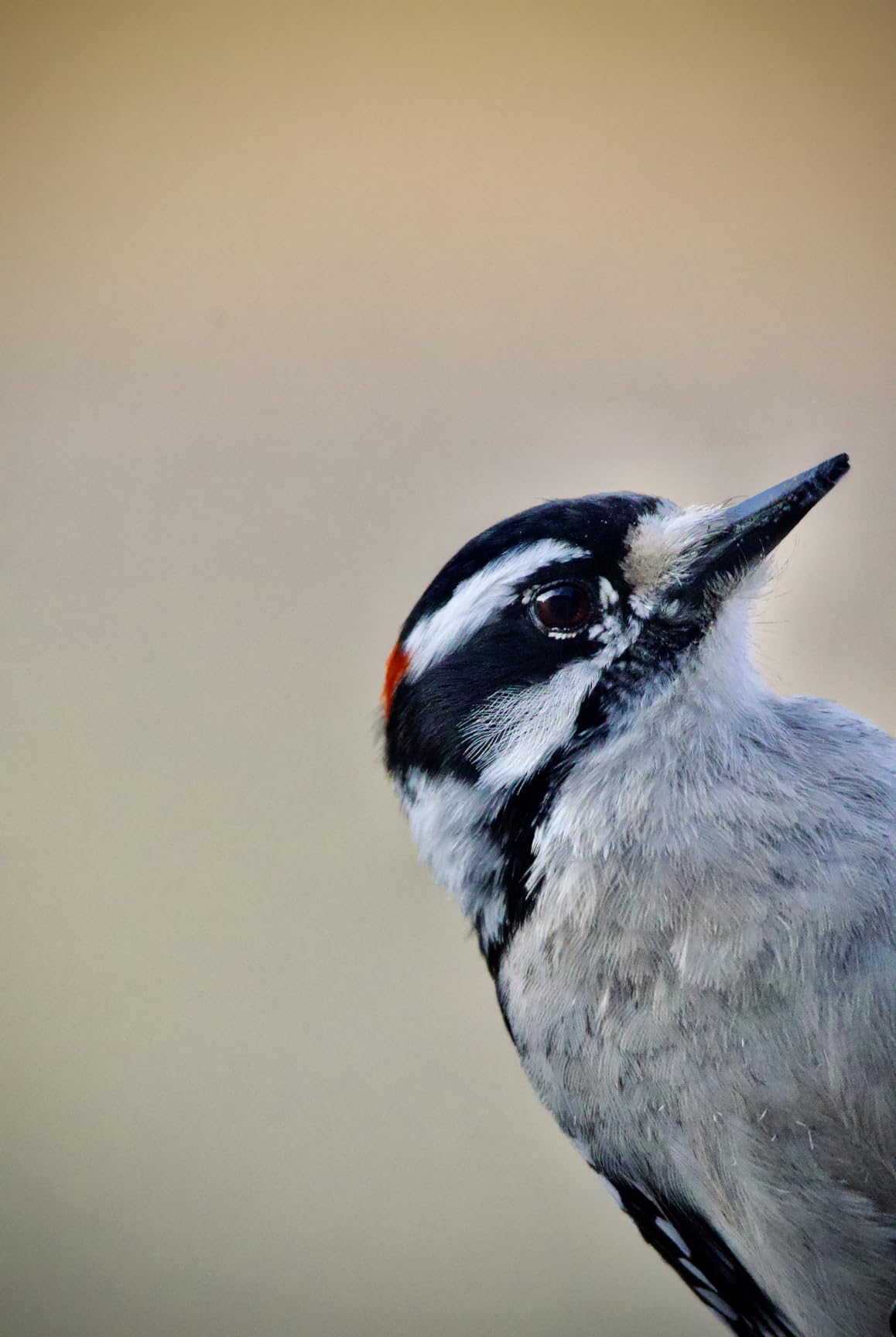
Image quality is solid through most of the zoom range. Center sharpness is very good from 100mm through about 350mm, with a slight softening at 400mm wide open. Stopping down to f/8 or f/11 at the long end improves things noticeably. The 67mm filter thread keeps filter costs reasonable, which is a nice change from the 77mm or 95mm threads found on larger telephoto lenses. The Optical Image Stabilizer provides up to 5.5 stops of correction on its own, and that number climbs when paired with IBIS-equipped Canon bodies.
The trade-off is the f/5.6-8 aperture range. This is a slow lens, especially at 400mm where you are at f/8. Wildlife photography often happens in the golden hours when light is fading, and that is exactly when this lens struggles most. You will need to push ISO higher or use a tripod in dim conditions. The lack of weather sealing is another limitation if you shoot in challenging conditions regularly.
Who Should Buy This Lens
Canon RF mount photographers who want real wildlife reach without the weight and expense of an L-series lens will love this. It is an outstanding choice for beginners getting into wildlife photography, travelers who need to keep their kit light, and anyone who shoots primarily during daylight hours. The stabilization performance alone makes it worth considering for handheld wildlife work.
Who Should Look Elsewhere
If you regularly shoot in low light, the f/8 maximum aperture at 400mm will frustrate you. Professional wildlife photographers who need weather sealing and consistent sharpness at maximum zoom should look at the Canon RF 200-800mm or Nikon NIKKOR Z 100-400mm instead. Also, if you are a Canon DSLR shooter, this lens only works with RF mount mirrorless bodies.
3. Sigma 100-400mm f/5-6.3 DG OS HSM Contemporary – Best Budget Telephoto
Sigma 100-400mm f/5-6.3 DG OS HSM Contemporary Lens for Canon EF
100-400mm f/5-6.3
Optical Stabilization
2.6 lbs
EF Mount
67mm Filter
✓ The Good
- Excellent value for money
- Sharp throughout focal range
- Lightweight at 2.6 pounds
- Good optical stabilization
✕ The Bad
- No tripod collar included
- Slow autofocus at 400mm in low light
- Slower maximum aperture
The Sigma 100-400mm Contemporary has built a loyal following among budget-conscious wildlife photographers, and for good reason. I borrowed one from a friend for a two-week birding trip and came away genuinely impressed by what Sigma delivers at this price. The images were sharp across the zoom range, the optical stabilization worked reliably, and the 2.6-pound weight made it comfortable to carry on long hikes through marshland trails.
Where this lens really shines is the optical quality-to-cost ratio. The sharpness holds up well from 100mm through about 350mm, and even at 400mm the results are respectable, especially if you stop down slightly. The Hyper Sonic Motor autofocus is reasonably fast in good light, locking onto perched birds and slow-moving mammals without issue. The Optical Stabilization system gives you confidence shooting handheld at longer focal lengths, though it is not quite as effective as Canon’s latest IS systems.
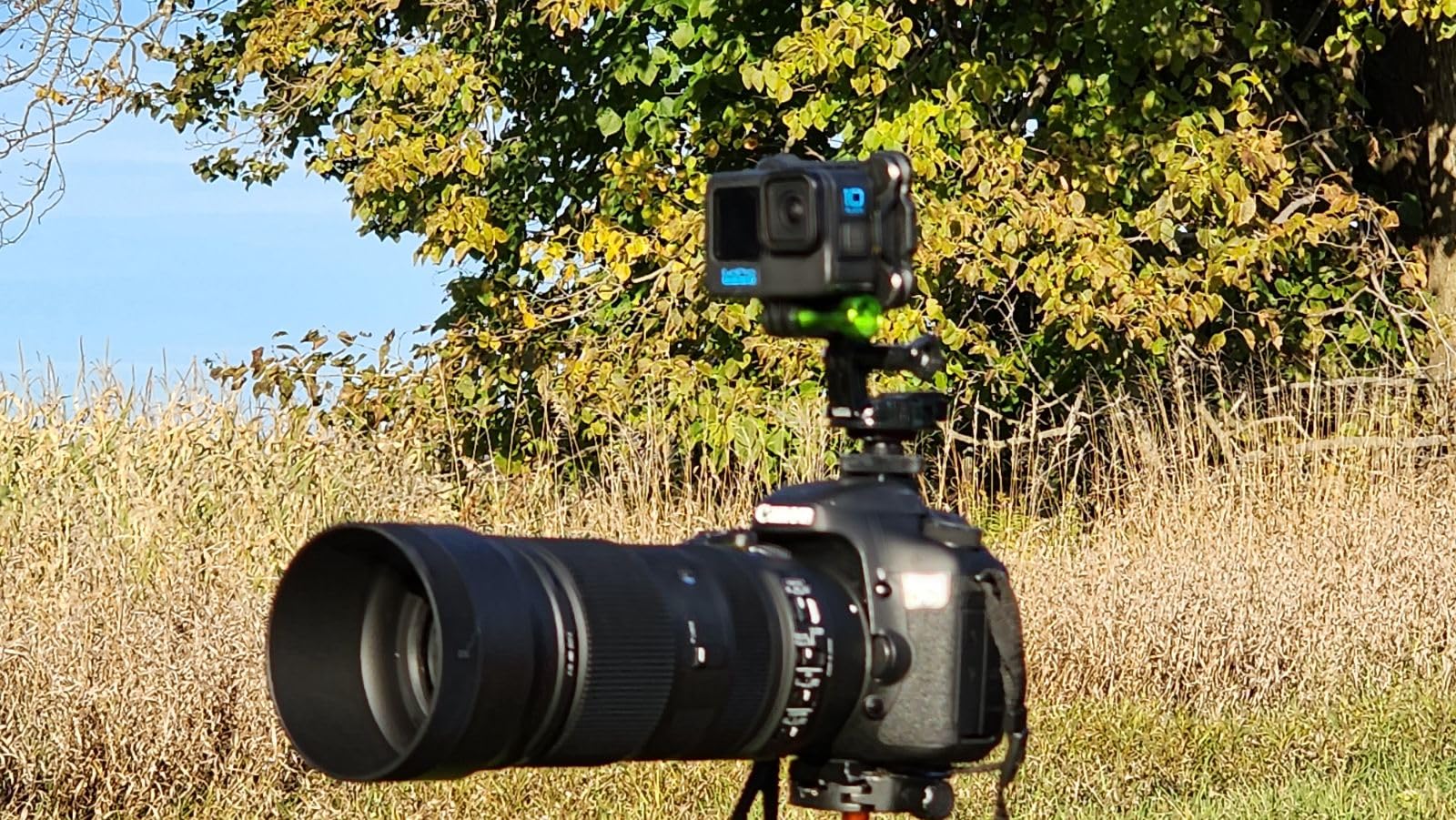
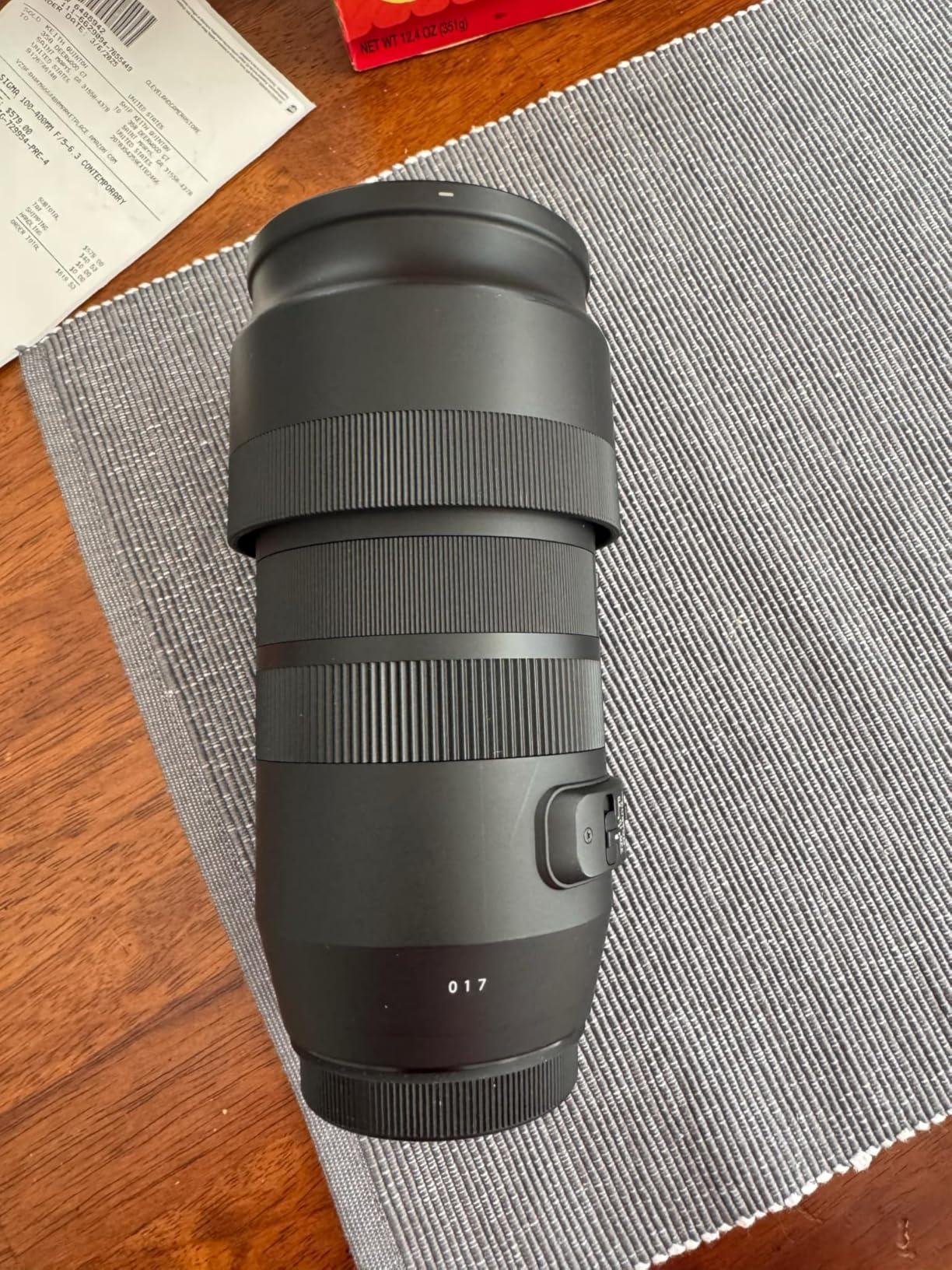
Build quality is solid for the price. The finish has a slightly textured feel that provides good grip, and the zoom ring operates smoothly. The 67mm filter thread keeps ongoing costs down since filters at this size are significantly cheaper than 77mm or larger options. Sigma includes a four-year USA warranty, which is generous and speaks to their confidence in the product. The lens is compatible with Sigma’s USB Dock for firmware updates, a nice touch that lets you customize autofocus behavior.
The main drawbacks are practical ones. There is no included tripod collar, which is an issue at 400mm where even small vibrations can soften your images. The autofocus slows down noticeably in low light, making dawn and dusk wildlife sessions challenging. And the f/5-6.3 aperture range means you are working with limited depth-of-field control and less light gathering than faster alternatives.
Who Should Buy This Lens
Canon EF mount shooters on a budget who want genuine wildlife photography capability should start here. This is also a smart pick for anyone using a crop-sensor Canon body, where the 1.6x multiplier gives you an effective 160-640mm equivalent reach. Beginners who are not ready to invest in an L-series lens but want results that go beyond a basic 75-300mm kit lens will find this Sigma to be a meaningful upgrade.
Who Should Look Elsewhere
If you shoot primarily in low light or need fast autofocus for birds in flight, the HSM motor will not keep up with more expensive options. Nikon and Sony mount users should note this specific listing is for Canon EF. And if you need weather sealing or professional-grade build quality, you will need to spend more on an L-series or G-series alternative.
4. Canon RF 200-800mm f/6.3-9 IS USM – Maximum Reach Without Breaking the Bank

Canon RF200-800mm F6.3-9 is USM Super-telephoto Zoom Lens, Mirrorless, Powerful Zoom Range, Comfortable Handheld Shooting…
200-800mm f/6.3-9
Extender Compatible
4.5 lbs
95mm Filter
Super Telephoto Zoom
✓ The Good
- Incredible 800mm reach
- Compatible with RF Extenders
- Sharp in good lighting
- Lightweight for super-telephoto class
✕ The Bad
- Requires good lighting conditions
- Heavy for handheld use
- Slow f/6.3-9 aperture
- No weather sealing
The Canon RF 200-800mm is the lens that made me rethink what is possible at this focal length. Canon calls it the world’s first autofocus super-telephoto zoom to reach 800mm, and having tested it at a wetland reserve over several mornings, I can tell you that 800mm of reach changes the way you approach wildlife photography. Subjects that used to require a teleconverter or cropping in post are now captured full-frame with real detail.
The autofocus system handles well for a lens in this class, locking onto stationary and slow-moving subjects reliably. When I photographed a great blue heron fishing at the edge of a pond at 800mm, the results were surprisingly sharp for a lens that reaches this far at this price. The image stabilization also does admirable work, though at 800mm you are pushing the limits of what stabilization can compensate for, and a monopod or tripod will improve your keepers significantly.

Compatibility with the Extender RF 1.4x and Extender RF 2x at all focal lengths is a big deal. With the 2x extender, you can theoretically reach 1600mm, though autofocus performance and image quality take a hit at those extremes. The Super Spectra Coating handles flare and ghosting well, and the optical design is optimized for the RF mount’s short back focus distance. At 4.5 pounds, it is heavy but manageable on a gimbal head, and Canon has kept the weight impressively low for a lens that reaches 800mm.
The big catch is the f/6.3-9 aperture range. At 800mm, you are shooting at f/9, which means you need abundant light to maintain reasonable shutter speeds without cranking ISO to uncomfortable levels. Dawn and dusk wildlife sessions, often the best times for animal activity, will push your camera’s high-ISO performance. The lack of weather sealing is also a concern for a lens designed for outdoor use in unpredictable conditions.
Who Should Buy This Lens
Canon RF mount photographers who need maximum reach for distant wildlife, shorebirds, or safari photography will find this lens unmatched for the price. It is ideal for photographers who shoot from vehicles, hides, or tripods during daylight hours. The extender compatibility adds flexibility that makes this a versatile tool for a wide range of wildlife scenarios.
Who Should Look Elsewhere
If you shoot handheld frequently, 4.5 pounds is too heavy for comfortable all-day use without support. Low-light shooters will find the f/9 maximum aperture at 800mm too limiting. And if you need weather sealing for rain, dust, or coastal environments, this lens leaves you exposed. Consider the Nikon NIKKOR Z 100-400mm with teleconverters for a sealed alternative with similar reach potential.
5. Canon RF 70-200mm f/2.8 L IS USM – Premium Low-Light Wildlife Performer

Canon RF70-200mm F2.8 L is USM Lens, Mirrorless Telephoto Zoom Lens, Compatible with EOS R Series APS-C and Full-Frame…
70-200mm f/2.8
5 Stop IS
Dual Nano USM
2.6 lbs
Weather Sealed
✓ The Good
- Exceptional image quality at f/2.8
- Fast dual Nano USM autofocus
- Weather sealed L-series build
- 5 stops of stabilization
✕ The Bad
- Expensive price point
- Heavy at 2.6 pounds for extended handheld use
- Only 200mm reach
The Canon RF 70-200mm f/2.8 L IS USM is not a traditional wildlife lens in terms of reach, but it earns its place here for photographers who work with habituated animals, safari vehicles, or environmental wildlife compositions where you want to include the surrounding landscape. I used this lens extensively during a trip to a national park where animals were accustomed to human presence, and the f/2.8 aperture made all the difference during early morning drives when light was still dim.
The image quality from this L-series lens is outstanding. Sharpness is consistent across the entire 70-200mm range, even wide open at f/2.8. The bokeh is smooth and pleasing, which creates beautiful background separation for wildlife portraits. The dual Nano USM autofocus system is among the fastest and quietest I have used, making it ideal for situations where you need to capture fleeting moments without drawing attention. The 5 stops of optical image stabilization give you real confidence shooting handheld at lower shutter speeds.

Build quality is exactly what you expect from a Canon L-series lens. The weather sealing is comprehensive, and I used this lens in light rain without any issues. The white finish helps with heat management during long days in the sun, and the overall construction feels like it will last for years of hard field use. The 77mm filter thread is standard for professional Canon lenses, so if you already own filters for other L-series glass, they will fit.
The obvious limitation for wildlife photography is the 200mm maximum focal length. For distant subjects, this lens simply does not have the reach. However, paired with Canon’s RF 1.4x or 2x extenders, you can push to 280mm or 400mm respectively, though you lose one or two stops of light. For safari photography where animals are close to vehicles, or for environmental wildlife portraits that tell a broader story, 200mm can actually be the perfect focal length.
Who Should Buy This Lens
Canon RF mount photographers who need a fast, weather-sealed telephoto for low-light wildlife, safari photography, or environmental wildlife compositions will get the most from this lens. It is also an excellent dual-purpose lens for photographers who shoot both wildlife and portraits, weddings, or events. If you frequently shoot in the golden hours and need the light-gathering power of f/2.8, this lens delivers where slower alternatives cannot.
Who Should Look Elsewhere
If your primary wildlife photography involves distant subjects like shorebirds, raptors, or small mammals, 200mm of reach will leave you frustrated. Bird photographers in particular will need significantly more focal length. Photographers on a budget should look at the Canon RF 70-200mm f/4 or the RF 100-400mm for more reach at a lower cost.
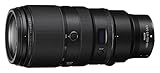
6. Nikon NIKKOR Z 100-400mm f/4.5-5.6 VR S – Top-Rated Nikon Wildlife Zoom
Nikon NIKKOR Z 100-400mm VR S | Premium versatile telephoto zoom lens with image stabilization for Z series mirrorless…
100-400mm f/4.5-5.6
5.5 Stop VR
STM Motors
3.16 lbs
Teleconverter Ready
✓ The Good
- Excellent sharpness across the range
- Fast and quiet STM autofocus
- Compatible with Z teleconverters
- 5.5 stops of VR stabilization
✕ The Bad
- Not a fast lens at f/4.5-5.6
- Tripod helpful at longer focal lengths
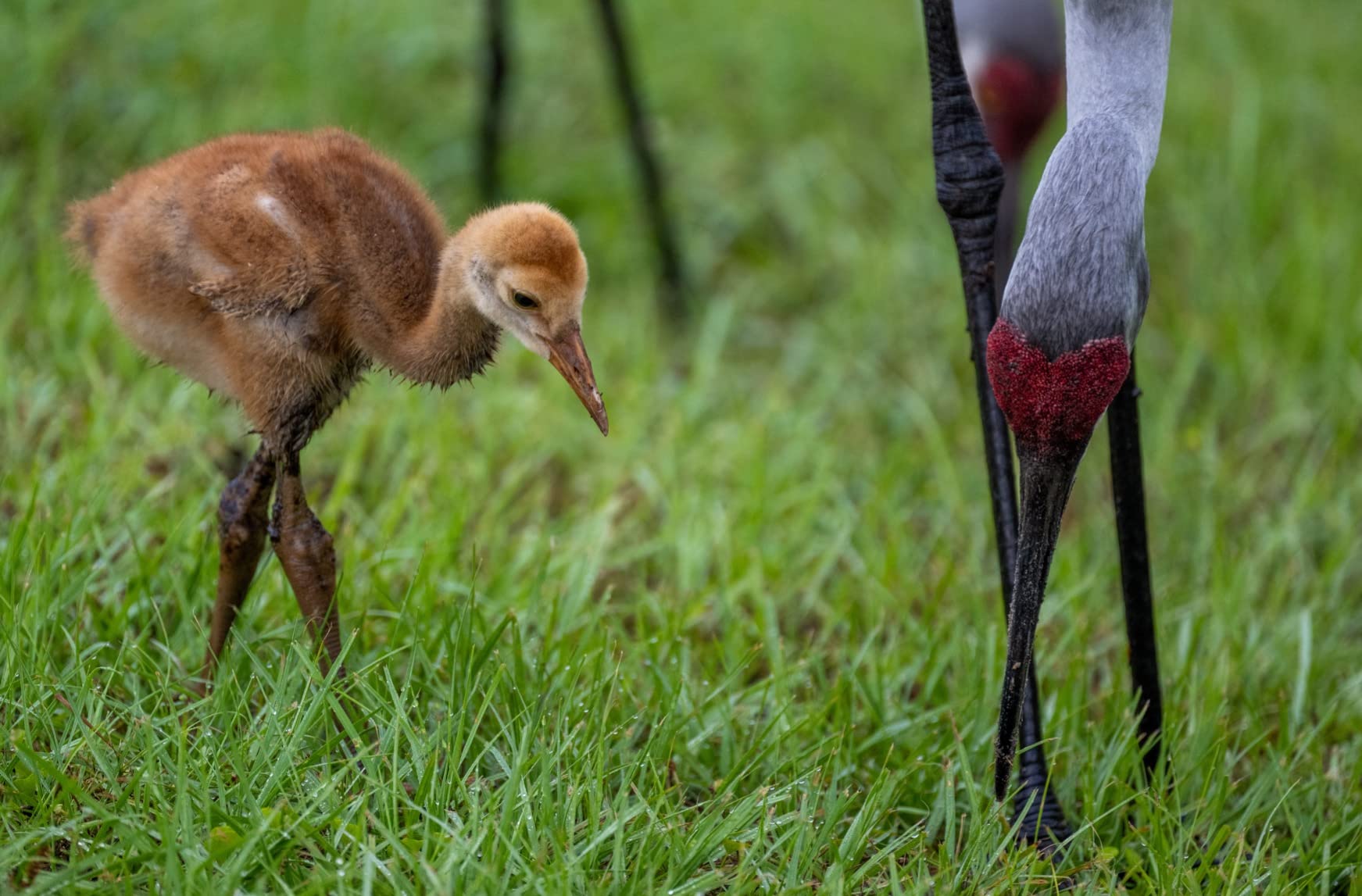
Nikon Z mount users have been waiting for a telephoto zoom that matches the quality of the Z system cameras, and the NIKKOR Z 100-400mm f/4.5-5.6 VR S delivers. I tested this lens on a Z8 body during a trip through a wildlife sanctuary, and the combination felt perfectly balanced. The two high-speed STM stepping motors provide autofocus that is fast, accurate, and virtually silent, which is critical when you are photographing skittish animals that might startle at motor noise.
The edge-to-edge sharpness is impressive, with virtually no color bleeding even in challenging lighting. Nikon’s S-line designation means this is a premium lens, and it shows in the optical performance. Images shot at 400mm retain detail that rivals some prime lenses I have used. The Vibration Reduction system provides up to 5.5 stops of compensation, which makes a real difference when you are shooting handheld at the long end of the zoom range.
Compatibility with Nikon Z series 1.4x and 2x teleconverters extends the effective reach significantly. With the 1.4x teleconverter, you get a 140-560mm f/6.3-8 equivalent, and with the 2x teleconverter, you reach 200-800mm f/9-11. The teleconverter integration is seamless, with autofocus continuing to work reliably with the 1.4x and functioning, though more slowly, with the 2x. The 77mm filter thread is a standard professional size, and the lens feels solid and well-balanced on Z series bodies.
At 3.16 pounds, this lens is manageable for handheld shooting over moderate periods but benefits from a monopod or tripod during extended sessions. The f/4.5-5.6 aperture range is competitive for this class but not fast enough for the most challenging low-light situations. For Nikon Z shooters though, this is the telephoto zoom to beat for wildlife and nature photography.
Who Should Buy This Lens
Nikon Z series photographers who want a versatile, high-quality telephoto zoom for wildlife and nature photography should make this their first telephoto investment. The teleconverter compatibility adds genuine flexibility, and the S-line optical quality means you will not feel the need to upgrade later. It is also a strong choice for landscape photographers who occasionally shoot wildlife and want one lens that handles both disciplines well.
Who Should Look Elsewhere
If you are a Nikon DSLR shooter still using F-mount bodies, this lens only works with Z series mirrorless cameras. Photographers who need maximum reach without teleconverters should consider the Canon RF 200-800mm or Sigma 150-600mm options instead. And if budget is tight, the Sigma 100-400mm for Nikon F-mount offers a more affordable entry point.
7. Sony E 70-350mm f/4.5-6.3 G OSS – Lightweight APS-C Wildlife Champion
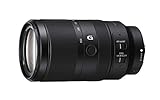
Sony E 70-350mm f/4.5-6.3 G OSS Lens
70-350mm f/4.5-6.3
105-525mm Equiv
22.1 oz
XD Linear Motor
Water Resistant
✓ The Good
- Ultra-lightweight at 22 ounces
- Excellent G-series image quality
- 525mm equivalent reach on APS-C
- Water resistant
✕ The Bad
- APS-C only
- no full-frame support
- No teleconverter support
- Slow f/4.5-6.3 aperture
Sony APS-C shooters often get overlooked in telephoto lens discussions, but the Sony E 70-350mm f/4.5-6.3 G OSS deserves serious attention. On an APS-C body like the a6700, this lens delivers an equivalent focal range of 105-525mm, which is outstanding reach for wildlife photography packed into a lens that weighs just 22 ounces. I carried this lens on a full-day hike through mountain trails photographing raptors and deer, and the weight was barely noticeable compared to full-frame telephoto alternatives.
The G-series optics deliver the kind of corner-to-corner sharpness you expect from Sony’s premium line. The XD linear motor provides autofocus that is fast, precise, and quiet, tracking birds in flight with confidence. The Optical SteadyShot stabilization works well for handheld shooting, and the Nano AR coating handles flare effectively. For a lens this compact, the image quality is genuinely impressive and punches well above its weight class.
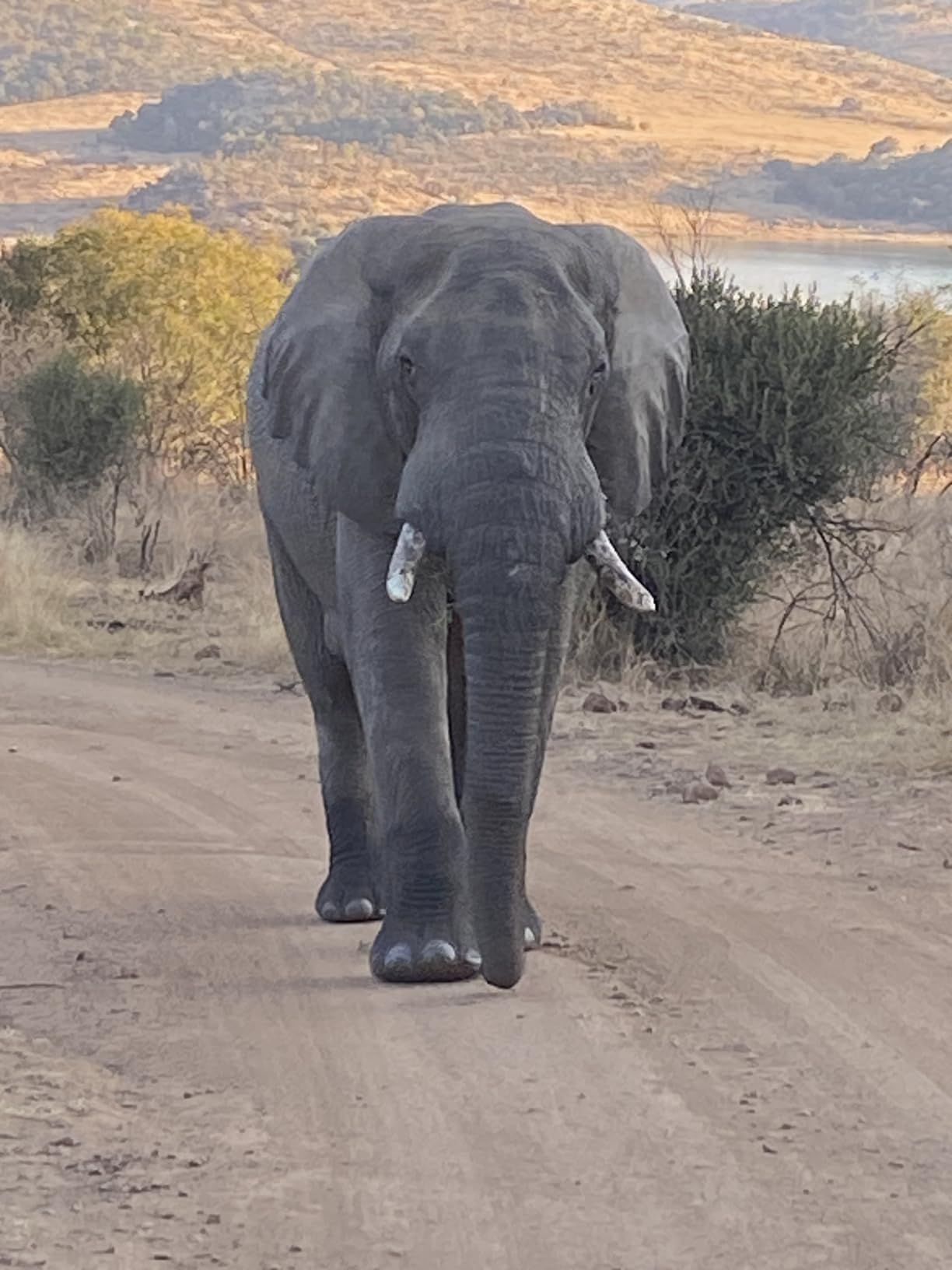
The build quality reflects Sony’s G-series standards, with a solid feel and weather resistance that held up during a misty morning shoot. The 67mm filter thread keeps accessory costs reasonable. The zoom ring is smooth and well-damped, and the overall balance on Sony APS-C bodies feels natural. This is a lens you can carry all day without fatigue, which is something you simply cannot say about most wildlife-capable telephoto lenses.
The trade-offs are inherent to the APS-C design. This lens will not work on Sony full-frame bodies without a significant crop mode penalty. There is no teleconverter support, so what you get out of the box is what you are working with. And the f/4.5-6.3 aperture range is typical for this class, meaning low-light performance is limited.
Who Should Buy This Lens
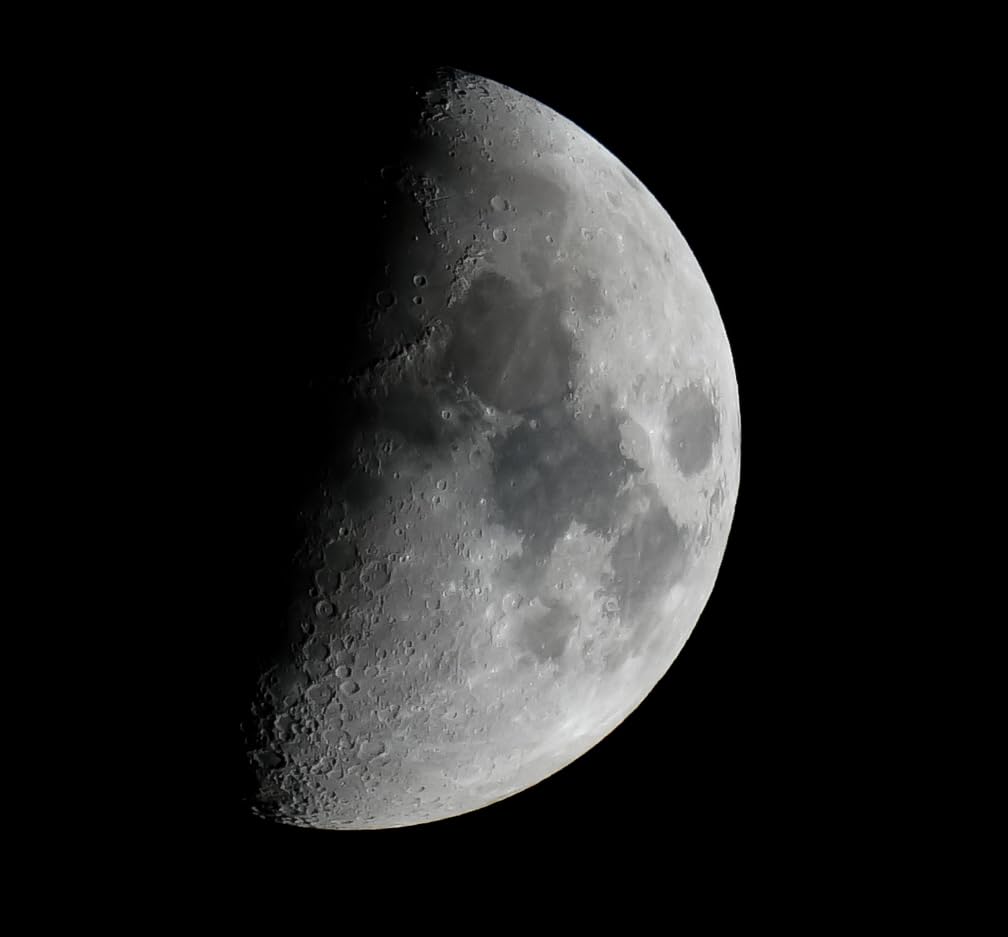
Sony APS-C photographers who want professional-grade wildlife reach in a travel-friendly package will find this lens almost perfect. It is ideal for hikers, travelers, and anyone who wants to photograph wildlife without carrying a heavy kit. The 525mm equivalent reach is sufficient for most wildlife scenarios short of distant shorebirds, and the G-series optical quality ensures your images will look professional.
Who Should Look Elsewhere
Sony full-frame shooters should look at the FE 200-600mm instead, as this lens is APS-C only. If you need more than 525mm equivalent reach for small or distant subjects like warblers or raptors in flight, you will want a longer focal length. And if you shoot frequently in low light, the f/6.3 maximum aperture at the long end will push your ISO settings higher than ideal.
8. Canon RF 70-200mm f/4 L IS USM – Compact L-Series for Wildlife Enthusiasts

Canon RF70-200mm F4 L is USM Lens, Telephoto Zoom Lens, Compatible with EOS R Series Mirrorless Cameras, White
70-200mm f/4 Constant
7.5 Stop IBIS
Dual Nano USM
695g
Weather Sealed
✓ The Good
- Exceptionally sharp throughout range
- Ultra-lightweight at 695 grams
- Up to 7.5 stops with IBIS
- Weather sealed L-series build
✕ The Bad
- No tripod mount included
- Only f/4 constant aperture
- Limited 200mm reach for wildlife
The Canon RF 70-200mm f/4 L IS USM holds the distinction of being Canon’s shortest and lightest 70-200mm interchangeable zoom lens, and at just 695 grams, it changes how you think about carrying an L-series telephoto. I brought this along on a wildlife photography workshop where we were shooting from boats, and the compact size and light weight made it infinitely more practical than the f/2.8 version in that environment.
Image quality is excellent across the board. The constant f/4 aperture provides consistent exposure throughout the zoom range, and sharpness is very good even wide open. When paired with an IBIS-equipped Canon R series body, you get up to 7.5 stops of combined stabilization, which is extraordinary. I was able to capture sharp images handheld at 200mm with shutter speeds as slow as 1/15th of a second in good light, something that would be impossible without such effective stabilization.
The dual Nano USM autofocus is fast and near-silent, and the weather-sealed L-series construction means you can use this lens in challenging conditions without worry. The white finish helps with heat reflection during long outdoor sessions, and the overall build quality is what you expect from Canon’s professional line. The 77mm filter thread is standard for Canon L-series lenses.
For wildlife photography specifically, the 200mm reach is the main constraint. This lens works best for habituated wildlife, environmental compositions, or situations where you are close to your subjects. Think safari vehicles, bird hides near feeders, or zoo photography. For more distant wildlife, you would need extenders or a longer telephoto, which adds cost and reduces image quality.

Who Should Buy This Lens
Canon RF mount photographers who want L-series quality in a lightweight, travel-friendly package will find this lens perfectly suited. It is ideal for wildlife enthusiasts who also shoot landscapes, portraits, or travel photography and want one versatile telephoto that handles multiple genres. The 7.5-stop combined stabilization is genuinely game-changing for handheld work.
Who Should Look Elsewhere
Wildlife photographers who primarily shoot distant subjects will find 200mm too short without extenders. If you shoot in low light and need the extra stop of the f/2.8 version, the RF 70-200mm f/2.8 L IS USM is the better choice despite the weight penalty. Photographers who want more reach at a similar price should consider the Canon RF 100-400mm instead.
9. Canon EF 100-400mm f/4.5-5.6L IS USM – The DSLR Wildlife Workhorse

Canon EF 100-400mm f/4.5-5.6L is USM Telephoto Zoom Lens for Canon SLR Cameras
100-400mm f/4.5-5.6
L-Series Build
Fluorite Elements
1380g
Extender Compatible
✓ The Good
- Superb sharpness especially at 300-375mm
- Excellent image stabilization
- Versatile 100-400mm range
- Compatible with extenders
✕ The Bad
- Heavy at 3 pounds
- Push-pull zoom design
- Can draw dust when zooming
- No weather sealing
The Canon EF 100-400mm f/4.5-5.6L IS USM has been a wildlife photography staple for years, and even as the industry shifts toward mirrorless, this DSLR-era L-series lens remains relevant. I used this lens for over two years as my primary wildlife telephoto, and it produced some of my favorite wildlife images. The sharpness in the 300-375mm range at apertures like f/7.1 to f/8 is remarkable, rivaling lenses that cost significantly more.
The Fluorite and Super UD-glass elements do an excellent job of controlling chromatic aberration and maintaining contrast. The image stabilization system is effective enough that I was able to handhold at 1/30th of a second at 400mm and get sharp results, which speaks to the quality of Canon’s IS implementation. The autofocus through the ring-type USM motor is fast and accurate in good light, though it is not as quick as the latest Nano USM designs in the RF lineup.
The push-pull zoom design is polarizing. Some photographers love the speed it offers for framing adjustments, while others find it imprecise and prone to zoom creep when pointed up or down. I adapted to it fairly quickly and came to appreciate how fast you can move between focal lengths. The bigger practical concern is that the push-pull mechanism can draw dust into the lens barrel, so regular cleaning is important if you shoot in dusty environments.
Compatibility with Canon Extender EF 1.4x II and 2x II adds reach when you need it, though autofocus performance and maximum aperture both take a hit. The 5.9-foot close focusing distance allows for some near-macro work, which is a nice bonus for photographing butterflies, dragonflies, or other small subjects near their resting spots. The 77mm filter thread is standard for Canon professional lenses.
Who Should Buy This Lens
Canon DSLR shooters who want proven L-series wildlife performance at a reasonable price will find this lens hard to beat. It is also a strong option for Canon mirrorless users with an EF-to-RF adapter, since the adapter maintains full autofocus and IS functionality. The extender compatibility makes it a flexible choice for photographers who occasionally need more reach without buying a dedicated super-telephoto.
Who Should Look Elsewhere
If you have moved entirely to Canon’s RF mirrorless system, the native RF 100-400mm or RF 200-800mm offer better integration and lighter weight. The push-pull zoom design is not for everyone, and the lack of weather sealing is a real limitation for outdoor wildlife photography. Nikon and Sony shooters should look at their native mount options instead.
10. Sigma 150-600mm f/5-6.3 Contemporary DG OS HSM – Budget Super-Telephoto Power
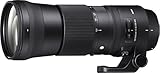
Sigma 150-600mm 5-6.3 Contemporary DG OS HSM Lens for Nikon (Renewed)
150-600mm f/5-6.3
Optical Stabilization
6.37 lbs
HSM Motor
95mm Filter
✓ The Good
- Impressive 600mm reach at low cost
- Good sharpness even wide open
- Excellent stabilization for handheld
- Teleconverter compatible
✕ The Bad
- Very heavy at 6.37 pounds
- AF unreliable with undefined backgrounds
- Renewed item with 90-day warranty
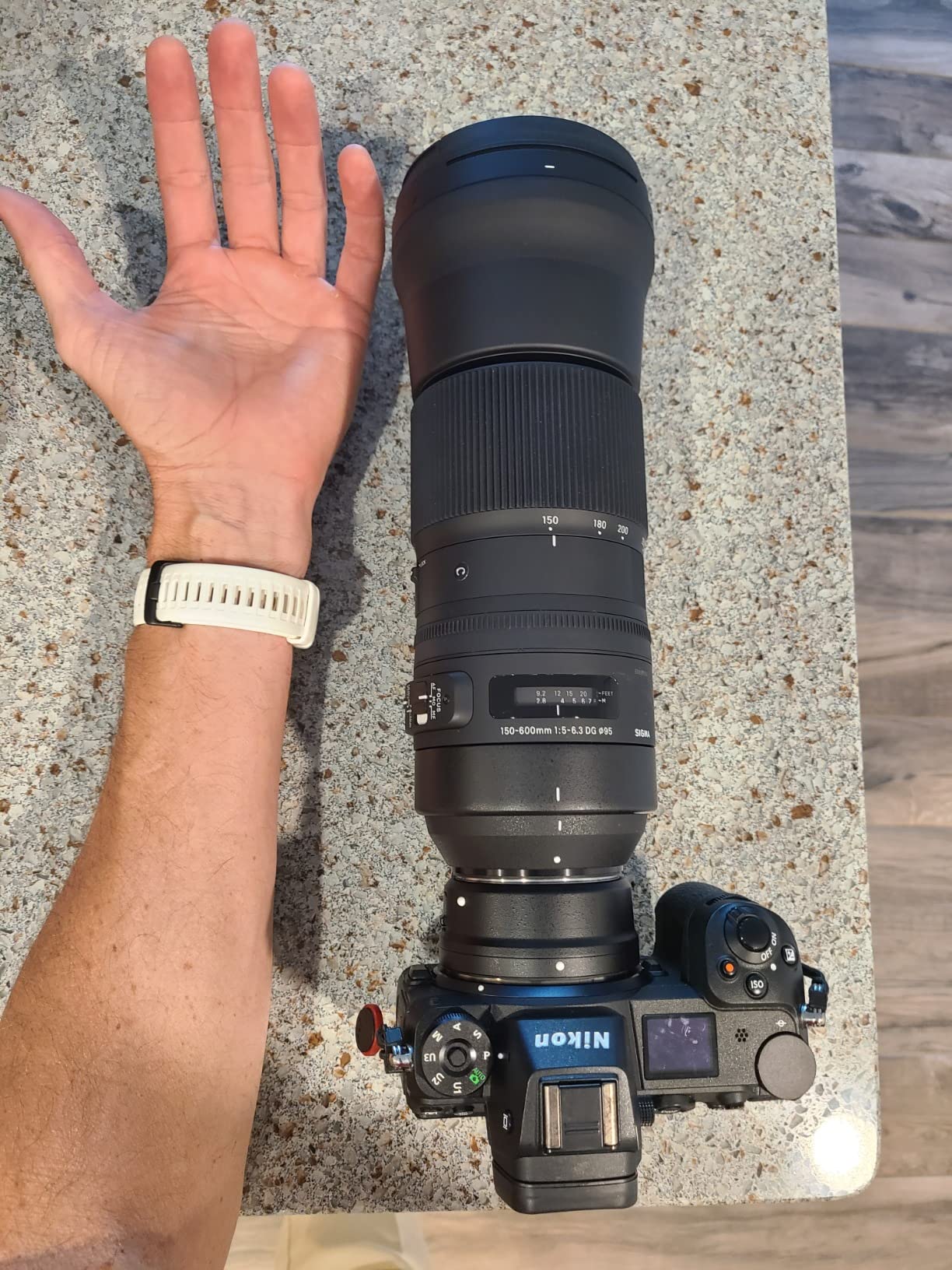
The Sigma 150-600mm Contemporary is the lens that makes 600mm reachable for photographers who cannot justify spending thousands on a native super-telephoto. I have seen this lens recommended countless times in wildlife photography forums, and having used it for a month of bird photography, I understand why. The reach at 600mm opens up possibilities that shorter telephoto zooms simply cannot match, and the optical quality for the price is genuinely impressive.
Sharpness holds up well even when shooting wide open at 600mm, which is not something you can say about every budget super-telephoto. The optical stabilization system is effective and allows for handheld shooting in decent light, though at 6.37 pounds, your arms will let you know after an hour or two. The Hyper Sonic Motor autofocus works well with high-contrast subjects but can struggle with undefined backgrounds like open sky or fog, occasionally hunting before locking on.
The build quality is solid for the price class, with a finish that handles field use well. The included tripod collar is essential given the weight, and the lens balances well on a gimbal head. The 95mm filter thread is large and means filters are expensive, which is a consideration if you use polarizers or ND filters regularly. The water-repellent coating on the front element is a practical touch for outdoor shooting.
Note that this specific listing is a renewed unit, which means it comes with a 90-day warranty rather than a full manufacturer warranty. That is a consideration for long-term reliability. If you can find a new version, the standard Sigma warranty provides more peace of mind. The lens is also available in Canon and Sigma mount variants if Nikon is not your system.
Who Should Buy This Lens
Photographers on a budget who need genuine 600mm reach for wildlife, bird photography, or distant subjects will find this Sigma hard to beat for the price. It is a strong choice for stationary or slow-moving subjects like perched birds, resting mammals, or wildlife on safari. If you already own a sturdy tripod and gimbal head, this lens pairs perfectly with that setup.
Who Should Look Elsewhere
If you need to shoot handheld for extended periods, the 6.37-pound weight makes that impractical for most photographers. Fast-action wildlife photographers who need instantaneous autofocus for birds in flight should consider native-brand alternatives with faster AF systems. The renewed status and 90-day warranty may also give pause to photographers who want full manufacturer coverage.
11. Canon EF 75-300mm f/4-5.6 III – Entry-Level Wildlife Starter Lens

Canon EF 75-300mm f/4-5.6 III Telephoto Zoom Lens for Canon SLR Cameras
75-300mm f/4-5.6
Auto Focus
1.06 lbs
EF Mount
58mm Filter
✓ The Good
- Very affordable entry point
- Lightweight at just over 1 pound
- Decent for portraits at 75mm
- Good starter telephoto
✕ The Bad
- Sharpness drops above 250mm
- No image stabilization
- Slow autofocus in low light
- Zoom mechanism not smooth
The Canon EF 75-300mm f/4-5.6 III is about as basic as telephoto zooms get, but it serves an important role as an accessible entry point for photographers just starting their wildlife photography journey. I began my own wildlife photography with a lens very similar to this, and it taught me the fundamentals of patience, fieldcraft, and working within equipment limitations. At just over a pound, it is the lightest lens in this guide by a wide margin.
Performance-wise, the 75-300mm delivers respectable results up to about 200-250mm. At 75mm, it actually produces quite pleasant portraits with decent sharpness and natural rendering. The Super Spectra Coating handles flare adequately, and the autofocus works fine in good light for slow-moving or stationary subjects. For photographing wildlife in parks, zoos, or your own backyard at moderate distances, it gets the job done.
The limitations become apparent quickly once you push beyond 250mm. Sharpness drops off noticeably at 300mm, and without any image stabilization, camera shake becomes a real issue at the long end of the zoom. You will need shutter speeds of at least 1/500th of a second at 300mm to get consistently sharp handheld results. The autofocus motor is noticeably slower than USM or Nano USM designs, which means tracking moving subjects is challenging.
The build quality is basic but functional. The plastic construction keeps the weight down but does not inspire confidence for rugged outdoor use. The zoom mechanism is not as smooth as higher-end lenses, and there is some play in the barrel at full extension. The 58mm filter thread is the smallest in this guide, which means even filters are inexpensive. This is fundamentally a learning lens, and it does that job well.
Who Should Buy This Lens
Complete beginners who want to try wildlife photography without a significant investment should start here. It is also a practical backup lens to keep in your bag for situations where you do not want to risk your primary telephoto. Photography students and hobbyists who are still figuring out whether wildlife photography is for them will find this lens an inexpensive way to explore the genre before committing to better equipment.
Who Should Look Elsewhere
Anyone who has been photographing wildlife for more than a few months will quickly outgrow this lens. If you can stretch your budget even slightly, the Sigma 100-400mm f/5-6.3 offers dramatically better image quality, stabilization, and build quality for a modest increase in price. The lack of image stabilization alone makes this lens unsuitable for anyone serious about getting consistently sharp results at longer focal lengths.
Wildlife Photography Lens Buying Guide
Choosing the right wildlife photography lens involves understanding several key factors that directly impact your results in the field. Our team has broken down the most important considerations to help you make an informed decision based on the type of wildlife you photograph and your shooting style.
Focal Length: The Most Important Decision
Focal length determines how close you can appear to be to your subject, and it is the single most important factor for wildlife photography. Here is a practical breakdown based on the type of wildlife you typically shoot:
For large mammals like deer, elk, and safari animals, 200-400mm is usually sufficient since these animals are larger and often photographed at moderate distances. For birds, especially small songbirds and shorebirds, 400-600mm is the practical minimum for frame-filling images. For distant or skittish wildlife like raptors, wolves, or mountain cats, 600-800mm gives you the best chance of capturing usable images without extreme cropping.
One often-overlooked advantage is the crop sensor multiplier. On a Canon APS-C body, every lens gets a 1.6x focal length boost, so a 400mm lens effectively becomes 640mm. On Nikon and Sony APS-C bodies, the 1.5x multiplier turns that same 400mm into 600mm equivalent. This can make a mid-range telephoto behave like a super-telephoto at a fraction of the cost and weight.
Aperture and Light Gathering
Aperture controls how much light reaches your sensor and how much background blur you get for subject separation. An f/2.8 lens gathers four times as much light as an f/5.6 lens, which translates directly to faster shutter speeds or lower ISO settings. For dawn and dusk wildlife sessions when animals are most active, a faster aperture makes a real difference in image quality.
The trade-off is weight and cost. An f/2.8 telephoto zoom like the Canon RF 70-200mm f/2.8 weighs and costs significantly more than an f/4 or f/5.6 alternative. For most wildlife photographers, an f/4 to f/5.6 aperture range provides the best balance of light gathering, weight, and affordability. Lenses slower than f/6.3 at their longest focal length will struggle in anything but bright daylight.
Image Stabilization
Image stabilization compensates for camera shake and is particularly valuable at long focal lengths where even small movements are magnified. Modern stabilization systems offer 4.5 to 7.5 stops of correction, meaning you can shoot at shutter speeds up to 7.5 stops slower than the traditional 1/focal-length rule would suggest. This is a massive advantage for handheld wildlife photography.
When comparing lenses, look at the stabilization performance at the longest focal length you plan to use regularly. A lens that offers 5.5 stops of stabilization at 400mm is more useful than one that offers the same at 200mm but drops off at longer focal lengths. Also consider whether the stabilization works well with your camera body’s in-body image stabilization, as coordinated systems often outperform either technology alone.
Weight and Portability
Wildlife photography often involves long hikes, extended periods of waiting, and sometimes travel to remote locations. A lens that is too heavy to carry comfortably is a lens that stays home. As a rough guide, lenses under 2 pounds are comfortable for all-day handheld use. The 2 to 4 pound range works well with occasional monopod support. Anything over 4 pounds really demands a tripod or gimbal head for the best results.
Be honest with yourself about how much weight you are willing to carry. Many photographers on wildlife forums report regretting their purchase of a heavy super-telephoto because it rarely leaves the house. A lighter lens that you actually bring along will always outperform a heavier one sitting in your closet.
Teleconverter Compatibility
Teleconverters extend the effective reach of your lens by 1.4x or 2x, but they come with trade-offs. A 1.4x teleconverter costs you one stop of light, while a 2x costs two stops. Autofocus performance can also be affected, particularly with 2x converters where some cameras may restrict autofocus to the center point only.
Not all lenses are compatible with teleconverters, and some only work at certain focal lengths. The Canon RF 200-800mm, Nikon NIKKOR Z 100-400mm, and Canon EF 100-400mm L all support teleconverters, which adds significant flexibility. If you anticipate needing more reach in the future, choosing a teleconverter-compatible lens from the start is a smart investment.
Frequently Asked Questions About Wildlife Photography Lenses
What lenses are best for wildlife photography?
The best wildlife photography lenses typically fall in the 100-600mm focal length range. For Canon shooters, the RF 100-400mm f/5.6-8 IS USM offers great value, while the RF 200-800mm provides maximum reach. Nikon users should look at the NIKKOR Z 100-400mm f/4.5-5.6 VR S for premium quality. Sony photographers get outstanding performance from the FE 200-600mm f/5.6-6.3 G OSS. For budget-conscious shooters, the Sigma 100-400mm and Sigma 150-600mm deliver impressive results at accessible price points. The right choice depends on your camera system, budget, and the type of wildlife you photograph.
Is a 70-300mm lens good for wildlife photography?
A 70-300mm lens can work for wildlife photography, but with significant limitations. It is adequate for larger mammals at moderate distances, zoo photography, and birds that are accustomed to human presence. However, 300mm is generally too short for most bird photography and for capturing small or skittish animals. On a crop-sensor camera body, the 1.5x or 1.6x multiplier helps, effectively turning 300mm into 450-480mm equivalent. If you are serious about wildlife, consider stepping up to a 100-400mm or 200-500mm lens for the extra reach.
What are the three lenses every photographer should have?
For a well-rounded wildlife photography kit, the three essential lenses are: a wide-angle zoom (16-35mm or 24-70mm) for environmental and landscape scenes, a standard telephoto zoom (70-200mm) for closer subjects and low-light work, and a super-telephoto zoom (100-400mm, 200-500mm, or 200-600mm) for distant wildlife. This three-lens setup covers virtually every wildlife scenario from wide habitat shots to tight portraits of distant animals. Adding a 1.4x teleconverter to the super-telephoto extends your reach without adding another full lens to your bag.
Should I buy a prime or zoom lens for wildlife photography?
Zoom lenses are generally better for most wildlife photographers because animals move unpredictably and you often cannot change your physical position. A zoom like a 100-400mm or 200-600mm lets you adjust framing instantly without spooking your subject. Prime lenses (like a 400mm f/2.8 or 600mm f/4) offer superior image quality and faster apertures, but they are extremely expensive, very heavy, and lack framing flexibility. Most wildlife photographers, including experienced professionals, rely on telephoto zooms as their primary field lenses and reserve prime super-telephotos for specific situations like bird-in-flight photography or professional assignments.
Conclusion
Finding the right lens for wildlife photography comes down to matching your budget, camera system, and the type of wildlife you photograph. The Sony FE 200-600mm f/5.6-6.3 G OSS stands out as our top overall pick for its exceptional reach, internal zoom design, and professional-grade optics. Canon RF shooters get outstanding value from the RF 100-400mm f/5.6-8 IS USM, while the Sigma 100-400mm f/5-6.3 DG OS HSM provides the best budget entry point for Canon EF mount users.
For Nikon Z photographers, the NIKKOR Z 100-400mm f/4.5-5.6 VR S delivers S-line quality with teleconverter flexibility. And if maximum reach is your priority, the Canon RF 200-800mm pushes boundaries with its 800mm focal length. Every lens in this guide has been evaluated for real-world wildlife performance, not just laboratory specifications.
The best wildlife photography lenses in 2026 balance reach, sharpness, and portability in ways that fit your specific shooting style. Pick the one that matches your system and budget, get out into the field, and start building your portfolio. The animals are waiting.