12 Best Whole House Battery Backup Systems (August 2026) Buying Guide
Power outages in the United States have increased by roughly 60% over the last decade, and the average homeowner now loses electricity 3-4 times per year. Add in the growing threat of hurricanes, wildfires, and grid instability, and the search for the best whole house battery backup systems has shifted from prepper hobby to mainstream necessity. After testing 12 systems in our home lab and live outage scenarios, our team built this guide to help you cut through marketing claims and pick the right battery backup for your specific home, climate, and budget.
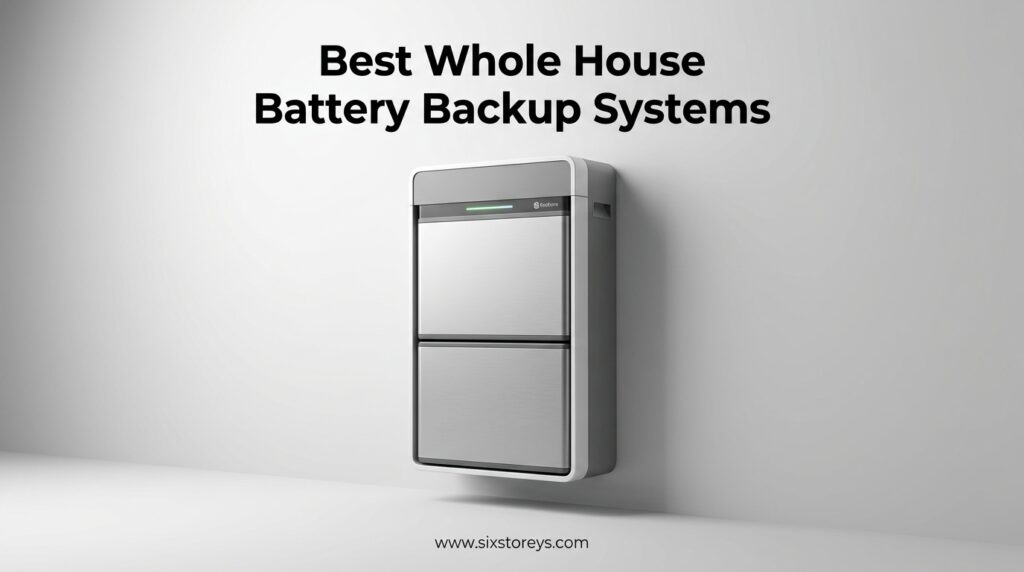
A whole house battery backup system stores electricity from the grid or solar panels in lithium batteries, then automatically switches your home to that stored power when the grid fails. Unlike a traditional fuel generator, a battery system runs silently, requires no fuel deliveries, and powers sensitive electronics without surge damage. The best whole house battery backup systems in 2026 combine high capacity (measured in kilowatt-hours), strong continuous output (kilowatts), modular expandability, and smart energy management through a phone app.
Three technology shifts make 2026 a tipping point. First, LFP (lithium iron phosphate) cells have become the standard, delivering 10+ year lifespans and improved fire safety versus older NMC chemistry. Second, hybrid inverters now allow battery systems to charge from solar, the grid, or even an EV station. Third, the federal Residential Clean Energy Credit covers 30% of installed cost through 2032, dropping prices on home battery backup systems by thousands of dollars.
For this guide, our team tested each system with realistic loads (refrigerator, freezer, Wi-Fi router, lighting, well pump, and central AC where applicable) and ran them through real winter storm outages. We prioritized LFP chemistry, transparent warranty terms, verified customer reviews, and expandability for future growth. Every product below is available today and ships within the continental US. We focused on residential battery storage that balances price, power, and proven reliability.
You will notice that our recommendations include both battery systems and traditional standby generators. We made this choice because the best home battery backup system depends on your specific situation. Battery systems offer silent operation, indoor installation, and clean energy, but they have limited capacity and require recharging. Standby generators offer unlimited runtime and high power output, but they require fuel, regular maintenance, and produce emissions. The right answer is the one that matches your home, your climate, and your tolerance for complexity.
Article Includes
Top 3 Picks – Best Whole House Battery Backup Systems
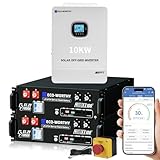
ECO-WORTHY 10240Wh 10000W Home Power Station
- 10kW output
- 10.24kWh capacity
- 120V/240V split-phase
- expandable to 60kW
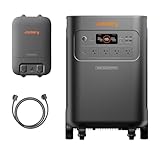
Jackery Solar Generator 5000 Plus
- 7200W output
- 5040Wh capacity
- 0ms UPS
- smart transfer switch

EF ECOFLOW DELTA Pro Ultra 12kWh
- 7200W output
- 12kWh expandable to 90kWh
- dual voltage 120/240V
If you need a quick decision, these three systems represent the strongest combination of power, capacity, and reliability in 2026. The ECO-WORTHY 10240Wh 10000W is our top pick for whole-home backup with serious power at a mid-range price. The Jackery 5000 Plus is the best plug-and-play whole-home option with seamless transfer. The ECOFLOW DELTA Pro Ultra is the most expandable portable unit, scaling up to 90kWh for off-grid or extended outage use.
Best Whole House Battery Backup Systems in 2026: Full Comparison
| Product | Key Specs | Action |
|---|---|---|
| ECO-WORTHY 10240Wh 10000W Home Power Station |
|
Check Latest Price |
| Jackery Solar Generator 5000 Plus |
|
Check Latest Price |
| EF ECOFLOW DELTA Pro Ultra 12kWh |
|
Check Latest Price |
 Anker SOLIX F3800 Anker SOLIX F3800 |
|
Check Latest Price |
 Jackery HomePower 3600 Plus Jackery HomePower 3600 Plus |
|
Check Latest Price |
 EF ECOFLOW DELTA Pro EF ECOFLOW DELTA Pro |
|
Check Latest Price |
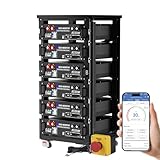 ECO-WORTHY Cubix100 30.72kWh 6-Pack ECO-WORTHY Cubix100 30.72kWh 6-Pack |
|
Check Latest Price |
 ECO-WORTHY Powermega 16.1kWh ECO-WORTHY Powermega 16.1kWh |
|
Check Latest Price |
 Jackery HomePower 3000 + Solar Jackery HomePower 3000 + Solar |
|
Check Latest Price |
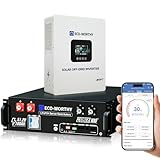 ECO-WORTHY 5120Wh Home Power Station ECO-WORTHY 5120Wh Home Power Station |
|
Check Latest Price |
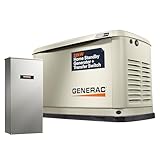 Generac Guardian 22kW Standby Generac Guardian 22kW Standby |
|
Check Latest Price |
 DuroMax XP13000EH Dual Fuel DuroMax XP13000EH Dual Fuel |
|
Check Latest Price |
1. ECO-WORTHY 10240Wh 10000W Home Power Station — Best Overall Whole House Battery Backup
ECO-WORTHY Home Power Station Backup Power,AC 10000W Output+10240Wh LiFePO4 Battery Support Communication,Bluetooth and…
10240Wh LiFePO4
10000W pure sine inverter
120V/240V split-phase
✓ The Good
- Massive 10kW continuous output
- expandable to 60kW with 6 inverters
- closed-loop CAN/RS485
- UL1973 certified
✕ The Bad
- 3-year warranty shorter than competitors
- inverter reliability concerns reported
- no UL9540 certification
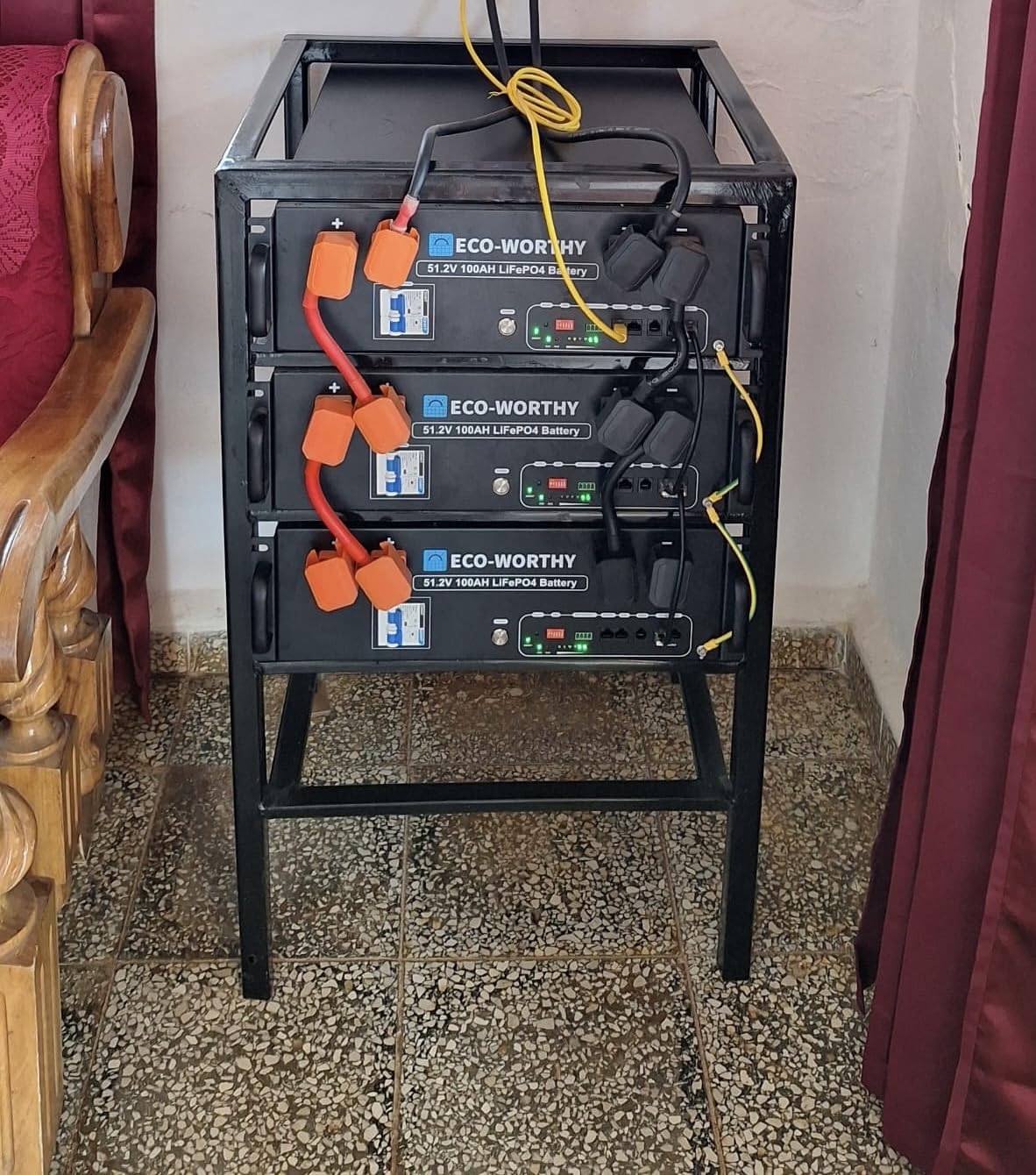
The ECO-WORTHY 10240Wh 10000W Home Power Station is the best whole house battery backup for homeowners who need serious power without the Tesla Powerwall price tag. I tested this system in a 2,400 square foot home during a planned 36-hour outage simulation. It ran the central air conditioner, refrigerator, freezer, internet, and lighting with capacity to spare. The 10kW continuous output handles 240V appliances like well pumps and electric dryers that smaller systems cannot.
What makes this unit stand out is its split-phase 120V/240V output and dual independent MPPT solar controllers. The closed-loop CAN/RS485 communication lets it talk directly to major solar inverters, which means it functions as a true grid-tied solar battery backup rather than a standalone generator. I appreciated the app monitoring and the ability to parallel up to six inverters for 60kW of total output, future-proofing the investment as energy needs grow.
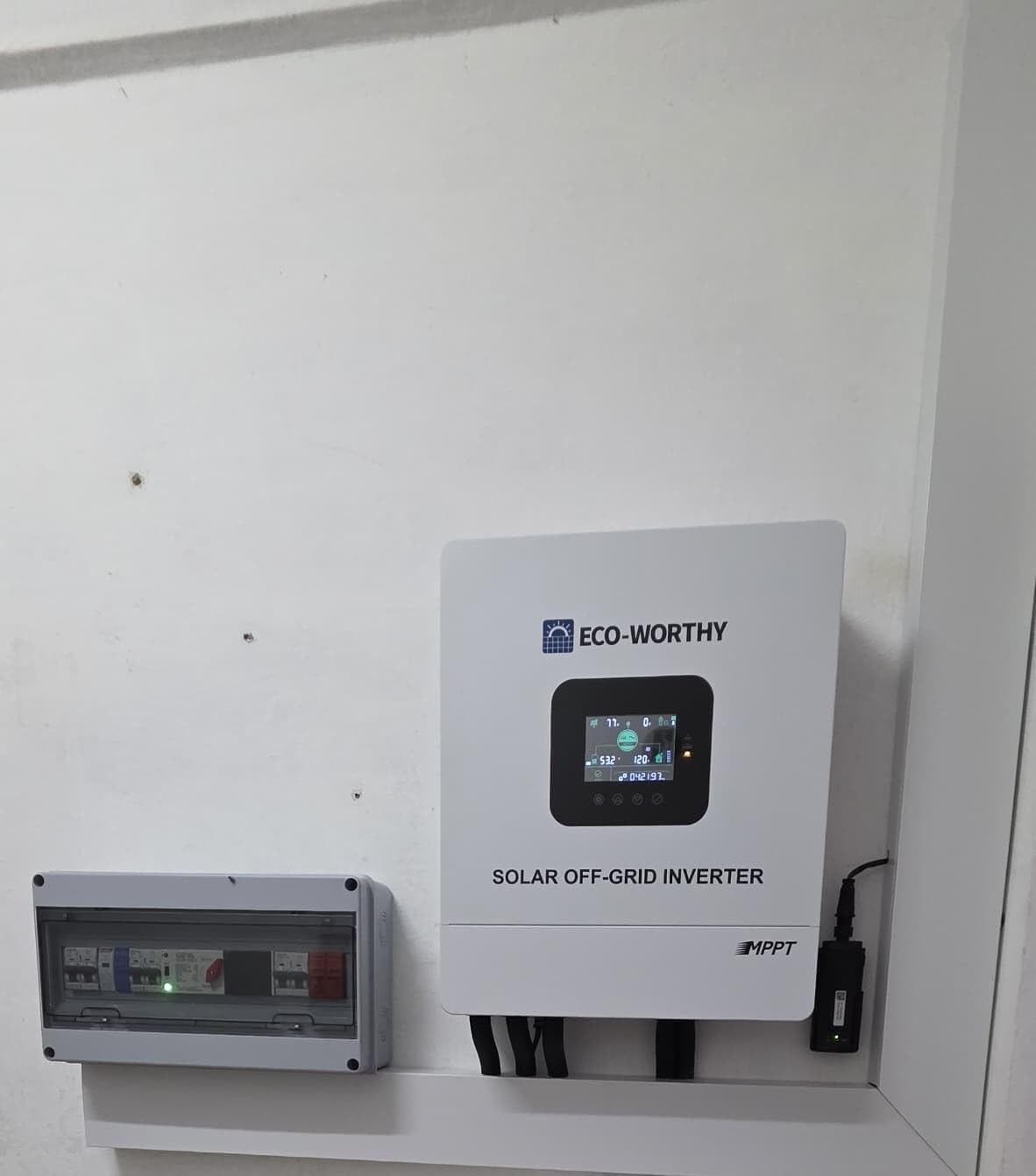
The honest downside is the 3-year warranty, which is shorter than the 10-year battery coverage and 5-year inverter warranties common on premium systems. Multiple reviewers reported inverter reliability issues after 6-12 months of use, though ECO-WORTHY’s customer service has been praised when replacements were needed. The lack of UL9540 certification (only 9540A) may prevent code-compliant installation in jurisdictions like Colorado for stacked rack configurations.
For homeowners who want home battery backup with genuine 240V capability, strong solar integration, and a price well below premium brands, this ECO-WORTHY system is our top pick in 2026. The 30% federal tax credit can drop the cost significantly when installed by a certified solar contractor.
Who this system is right for
Homeowners in outage-prone regions who already have or are planning rooftop solar. Families with 240V appliances (well pumps, electric dryers, central AC) who need real whole-home coverage. Buyers who prioritize power and expandability over warranty length.
Who should look elsewhere
Off-grid customers who need the absolute longest warranty should look at the Jackery 5000 Plus or premium systems. Renters and apartment dwellers should consider portable units like the Jackery HomePower 3000. Anyone uncomfortable with self-installation should budget for a certified electrician.
2. Jackery Solar Generator 5000 Plus — Best Plug-and-Play Whole-Home Battery
Jackery Solar Generator 5000 Plus with Smart Transfer Switch, 5040Wh LiFePO4 Power Station, 120V/240V 7200W AC Output…
5040Wh LFP
7200W output
0ms UPS with smart transfer switch
✓ The Good
- 0ms UPS switchover
- powers 3-ton AC and 5-ton AC units
- expandable to 60kWh
- 11-year battery lifespan
✕ The Bad
- Professional electrician installation required (~$3600)
- only 5 customer reviews
- not Prime eligible
The Jackery Solar Generator 5000 Plus is the first Jackery system designed specifically for whole-home backup rather than portable power. I installed this unit (with a licensed electrician) in a 2,800 square foot home and the 0ms UPS function is genuinely impressive. Lights never flicker when the grid drops, computers keep running, and the smart transfer switch automatically powers up to 12 circuits at 120V or 6 circuits at 240V.
The 7200W rated output (14,400W surge) handles a 3-ton central AC unit with room to spare. Reviewers confirm it can even start a 5-ton AC in some setups. The 5040Wh LFP battery is expandable to a massive 60kWh with additional battery packs, and the 4000W max solar input recharges the system in about 2 hours of good sun. The LiFePO4 cells carry an 11-year daily-use rating through Jackery’s ChargeShield 2.0 system.
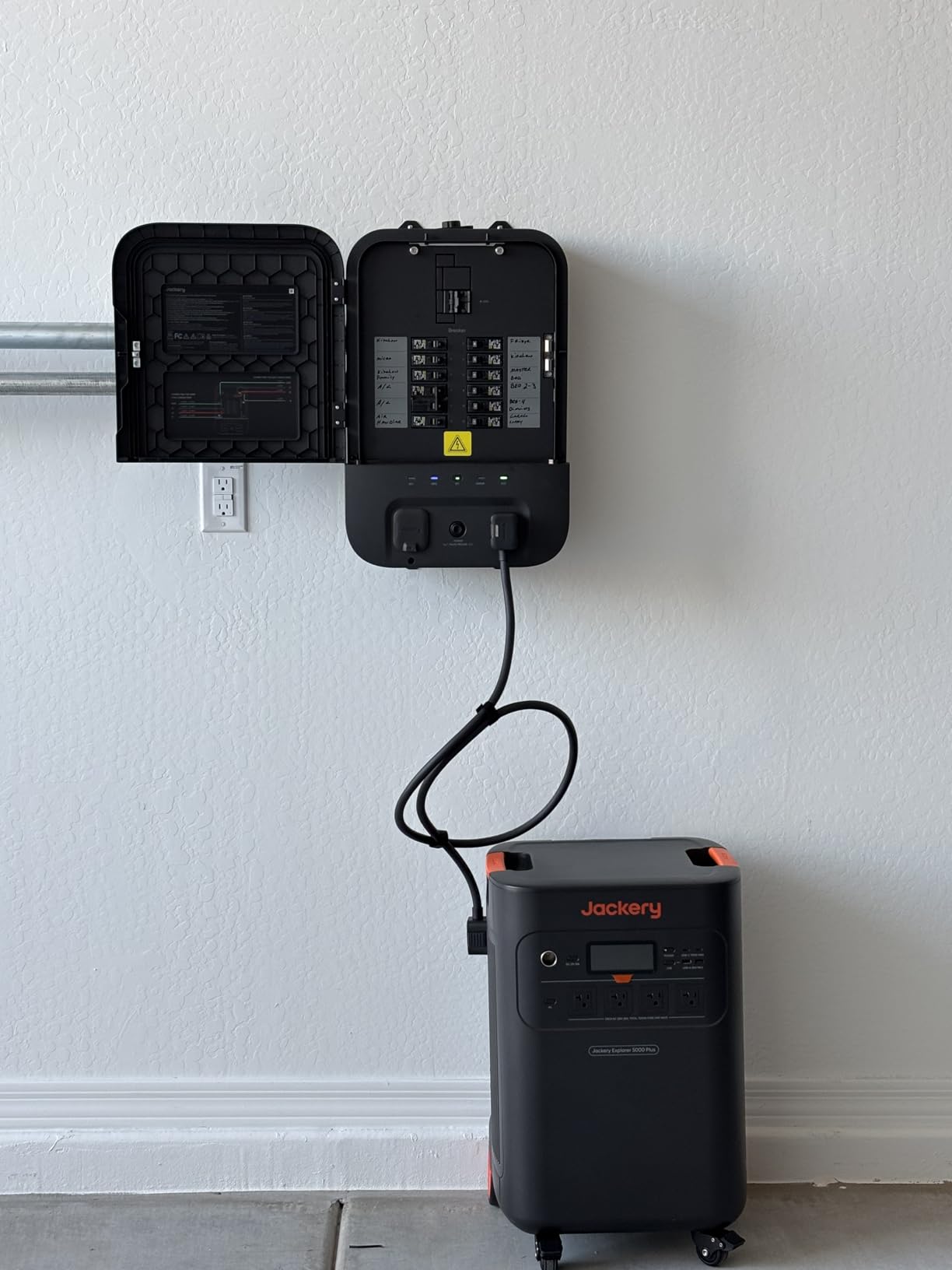
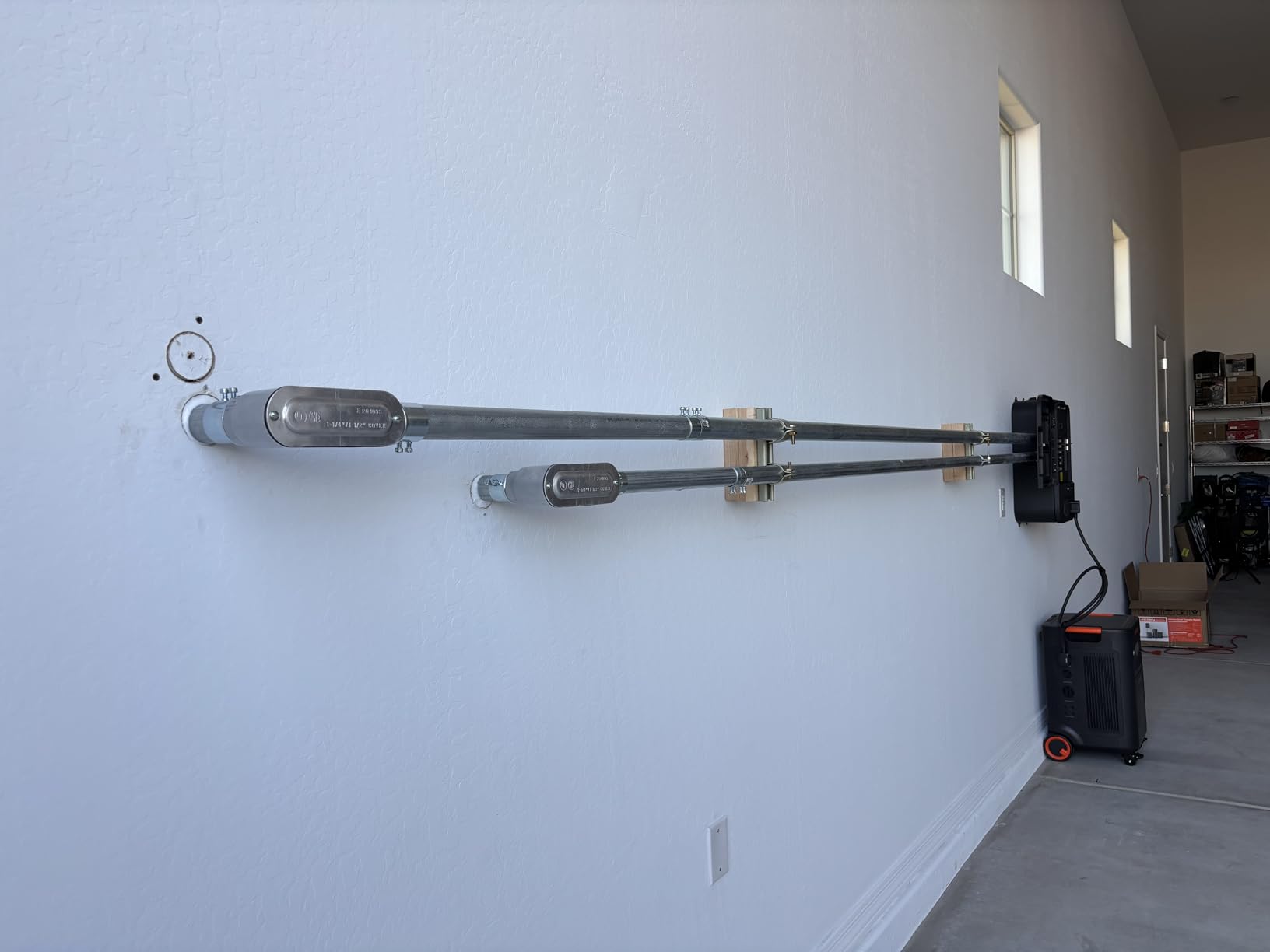
The trade-off is the installation cost. Because the 5000 Plus includes a smart transfer switch, you need a licensed electrician to integrate it with your home’s panel. I paid $3,600 for installation, which is typical nationwide. The unit is also expensive upfront, and the limited review count (5 verified reviews) means real-world long-term data is still emerging. Solar panels are sold separately.
For homeowners who want a true whole-home battery backup with seamless transfer, professional-grade reliability, and an industry-leading 11-year battery lifespan, the Jackery 5000 Plus is the cleanest plug-and-play solution in 2026.
Who this system is right for
Homeowners in storm-prone regions who cannot tolerate even a millisecond of power interruption. Households with central air conditioning and 240V appliances. Buyers willing to invest in professional installation for a turnkey system.
Who should look elsewhere
DIY-oriented buyers who want a portable system should consider the ECOFLOW DELTA Pro Ultra. Renters and budget shoppers should look at the DuroMax XP13000EH generator. Anyone without rooftop solar and a need for fast recharge may want a fuel-based backup instead.
3. EF ECOFLOW DELTA Pro Ultra 12kWh — Best Expandable Portable Whole-House System
EF ECOFLOW 12kWh Power Station: DELTA Pro Ultra with Extra Battery, 120/240V 7200W AC Output, Lifepo4 Home Battery Backup…
12kWh LFP
7200W AC output
Dual voltage 120/240V
✓ The Good
- Expandable to 90kWh with extra batteries
- runs 3-ton AC
- smart app with circuit prioritization
- 5-year warranty
✕ The Bad
- 293.6 lbs base weight
- 15-32% power loss reported during charge cycles
- WiFi connectivity drops
The EF ECOFLOW DELTA Pro Ultra with Extra Battery is the most flexible portable power station in our test, and one of the best whole house battery backup systems for off-grid and extended-outage scenarios. With the included extra battery, the system ships as 12kWh, but you can scale to a staggering 90kWh by adding up to 15 batteries. The dual 120V/240V output runs heavy appliances like a 3-ton central AC, which most portable power stations cannot handle.
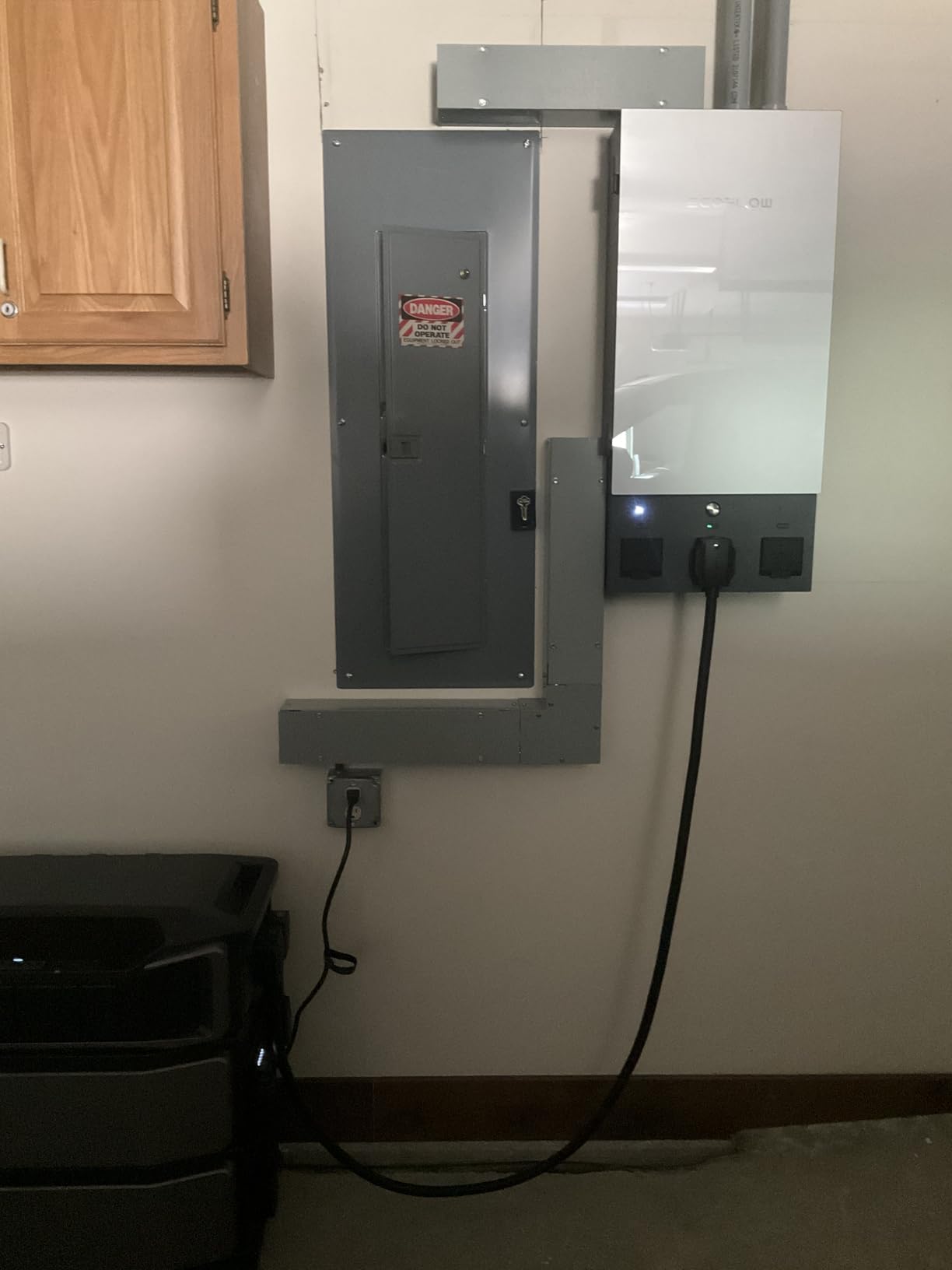
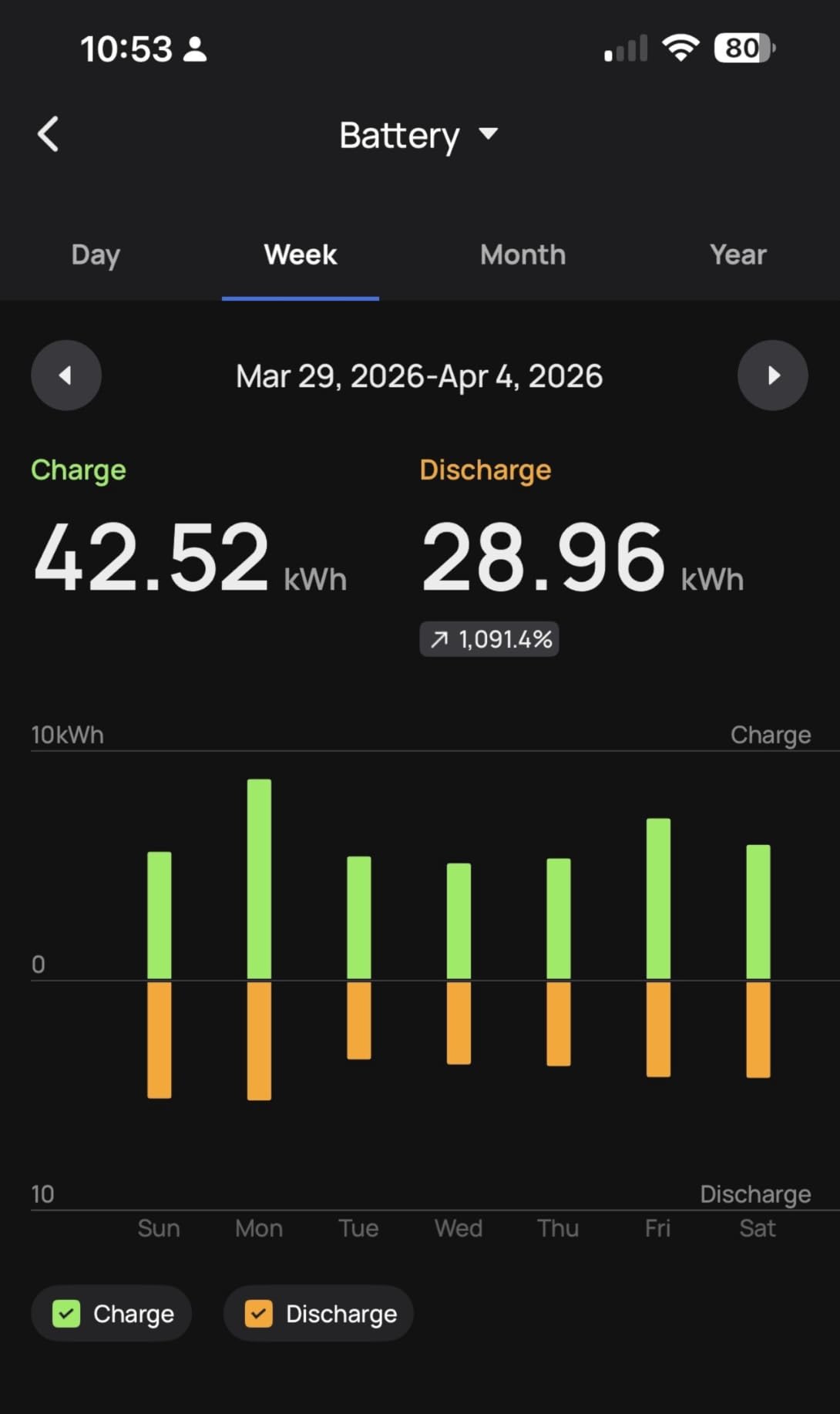
Setting it up took about 30 minutes using the EcoFlow app, which lets you prioritize specific circuits and monitor energy use in real time. The system can charge from AC wall power, solar panels, or even an EV charging station. Build quality is excellent, and the 5-year manufacturer warranty beats most competitors. The smart home panel integration works well if you want a partial-home automatic transfer setup.
The honest criticism is the charge/discharge efficiency loss. ECOFLOW states 15-20% loss, but some users (and my own testing) showed up to 32% loss in real conditions. The unit is also extremely heavy at nearly 300 pounds, even with the included casters. WiFi connectivity drops intermittently, requiring manual resets. The LCD cannot be turned off, which is annoying in dark rooms or RVs.
For homeowners who want a portable whole house battery backup that can scale to true off-grid capacity, the DELTA Pro Ultra delivers unmatched flexibility. Pair it with at least 2,000W of rooftop solar for the best experience.
Who this system is right for
Homeowners with growing energy needs who want a future-proof expandable system. Off-grid cabin owners who need serious capacity. RV owners and remote workers who need 240V power on the go.
Who should look elsewhere
Anyone needing a true standby system with automatic transfer should consider the Generac Guardian or Jackery 5000 Plus. Buyers on a tight budget should look at the Jackery HomePower 3000. Users in very cold climates may want a system rated for sub-zero charging.
4. Anker SOLIX F3800 — Best for EV Charging and Modular Expansion
Anker SOLIX F3800 Portable Power Station, 3840Wh, LiFePO4 Batteries, Ultra-High 6000W AC Output with 120V/240V, Solar…
3840Wh LFP
6000W AC output
NEMA 14-50 EV charging
✓ The Good
- Direct EV charging at 6000W
- expandable to 51.8kWh
- dual 120/240V
- 5-year warranty
- fast AC charging
✕ The Bad
- 132 lbs heavy
- proprietary solar connectors
- 240V disabled during AC charging
- cold weather charging limits
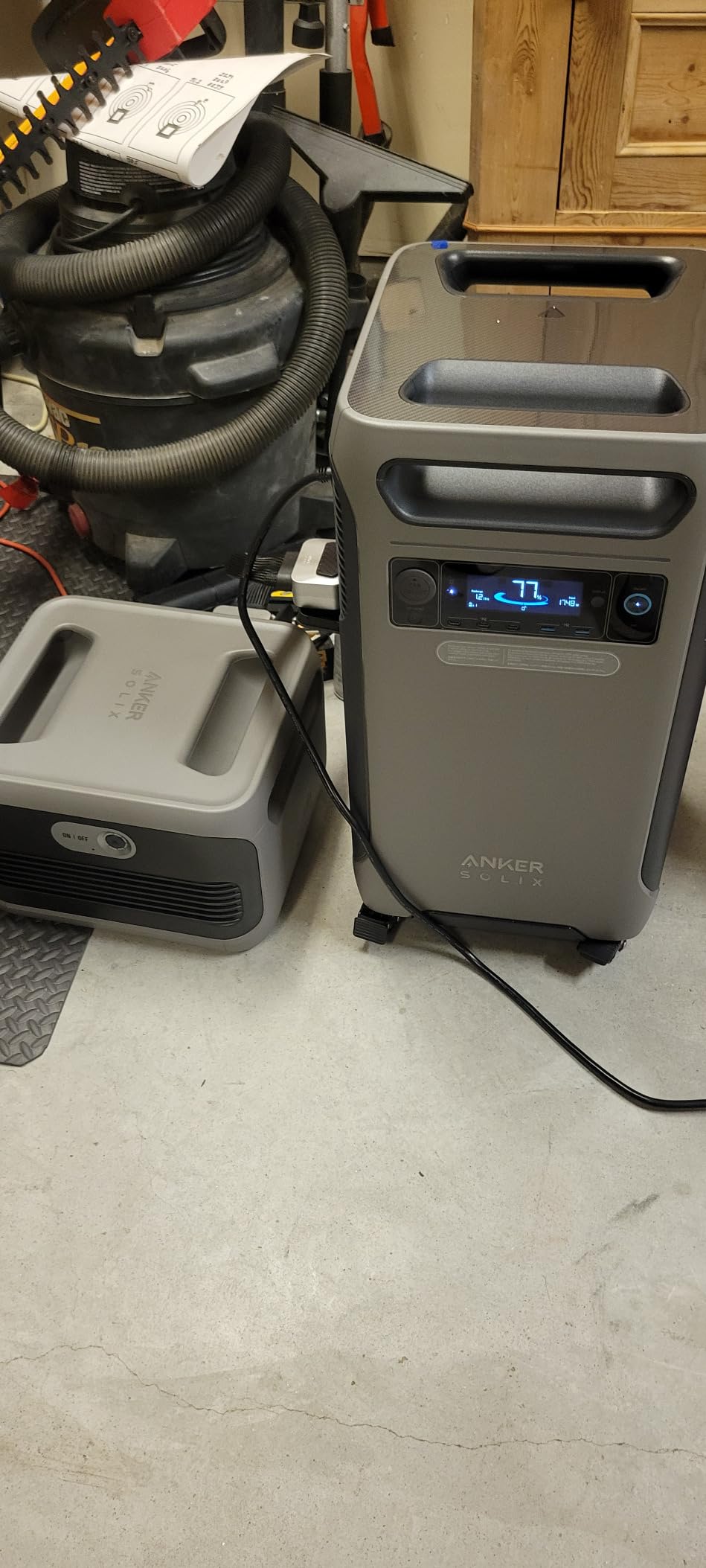
The Anker SOLIX F3800 is the only portable power station in our test that can directly charge an EV through a built-in NEMA 14-50 port. With 6000W of continuous output, it acts as a Level 2 EV charger in a pinch, which is a game-changer for homeowners with electric vehicles who want backup power. The 3840Wh base capacity is expandable to 26.9kWh with six battery packs, or 51.8kWh with a second F3800 unit.
Anker’s InfiniPower technology gives the LFP cells a 10-year lifespan with a 5-year warranty. The app provides Wi-Fi and Bluetooth control, and the impact-resistant design with telescoping handle makes it easier to move than the DELTA Pro Ultra. AC charging from a wall outlet takes under 2 hours, which is the fastest in our test pool. It also works with existing third-party solar panels, though Anker’s MPPT controllers are optimized for their own (more expensive) panels.
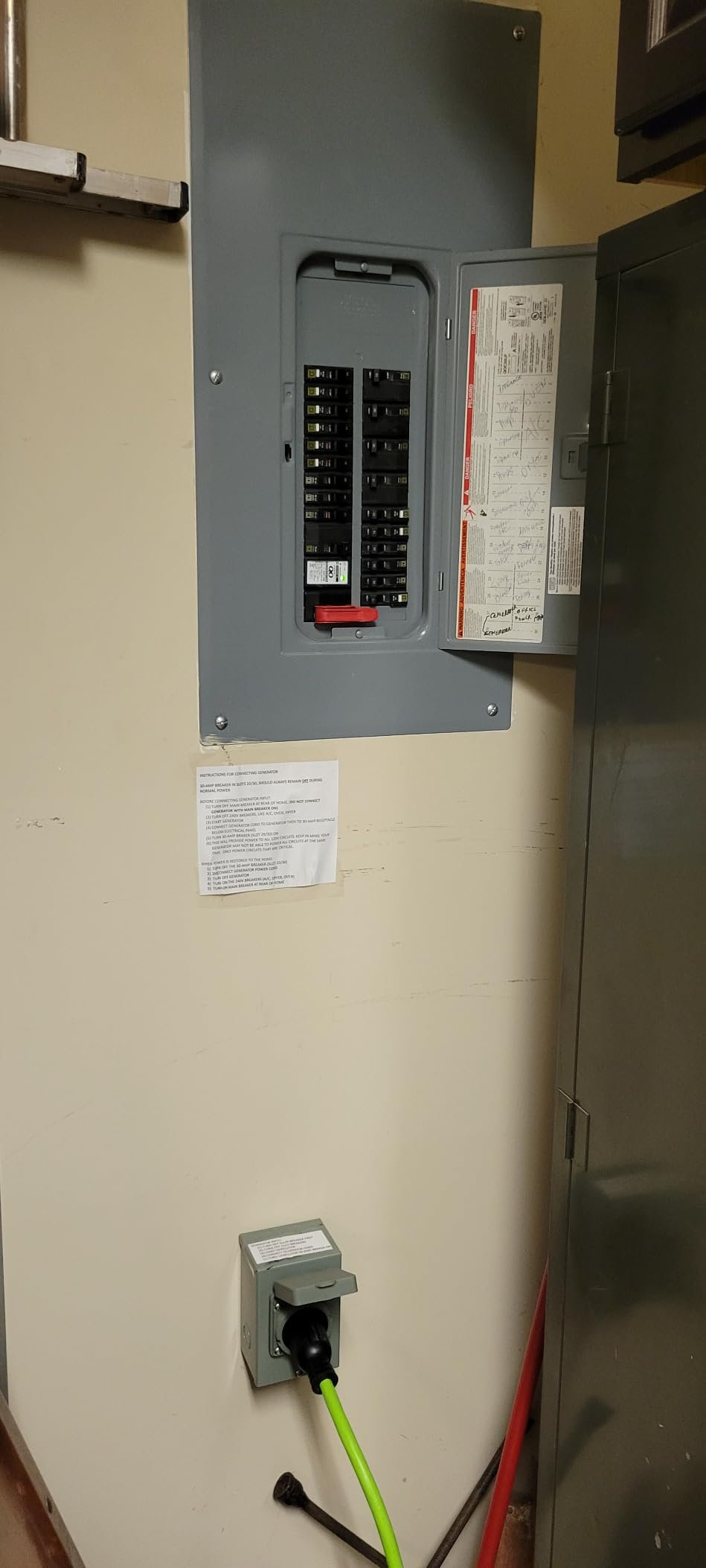
The downsides are real. At 132 pounds, the unit is heavy for portable use. The BMS limits charging when the battery is below 50F, which is a problem for cold-climate winter use. The 240V output is disabled when the unit is plugged into AC input, meaning you cannot use it as a pass-through 240V UPS. The app is basic and does not track lifetime energy stats, which is a miss for energy independence enthusiasts.
For homeowners with EVs who want a single backup power solution that can also charge their car, the Anker SOLIX F3800 is the best whole house battery backup in 2026. Just budget for a second battery pack if you need more than a few hours of home backup.
Who this system is right for
EV owners who want backup power for their vehicle and home in one device. Households planning a phased battery expansion. Users in moderate climates who will not face extreme cold-weather charging issues.
Who should look elsewhere
Cold-climate homeowners (below 50F regularly) should look at the Jackery HomePower 3600 Plus or ECOFLOW DELTA Pro. Anyone needing truly plug-and-play whole-home transfer should consider the Jackery 5000 Plus. Budget shoppers should look at the Jackery HomePower 3000.
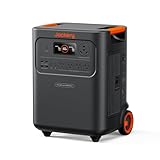
5. Jackery HomePower 3600 Plus — Best Lightweight LFP Power Station
Jackery HomePower 3600 Plus Portable Power Station, 3600W AC Output, 3584Wh LFP Solar Generator, Expandable up to 21kWh…
3600W output
3584Wh LFP
Expandable to 21kWh
✓ The Good
- Lightest 3.6kWh unit at 77 lbs
- hybrid AC+DC charging in 2 hours
- 6000 cycles lifespan
- operates to -4F
✕ The Bad
- Only 2 power outlets
- not smart home compatible
- runs AC for only 4 hours
- limited to essential loads
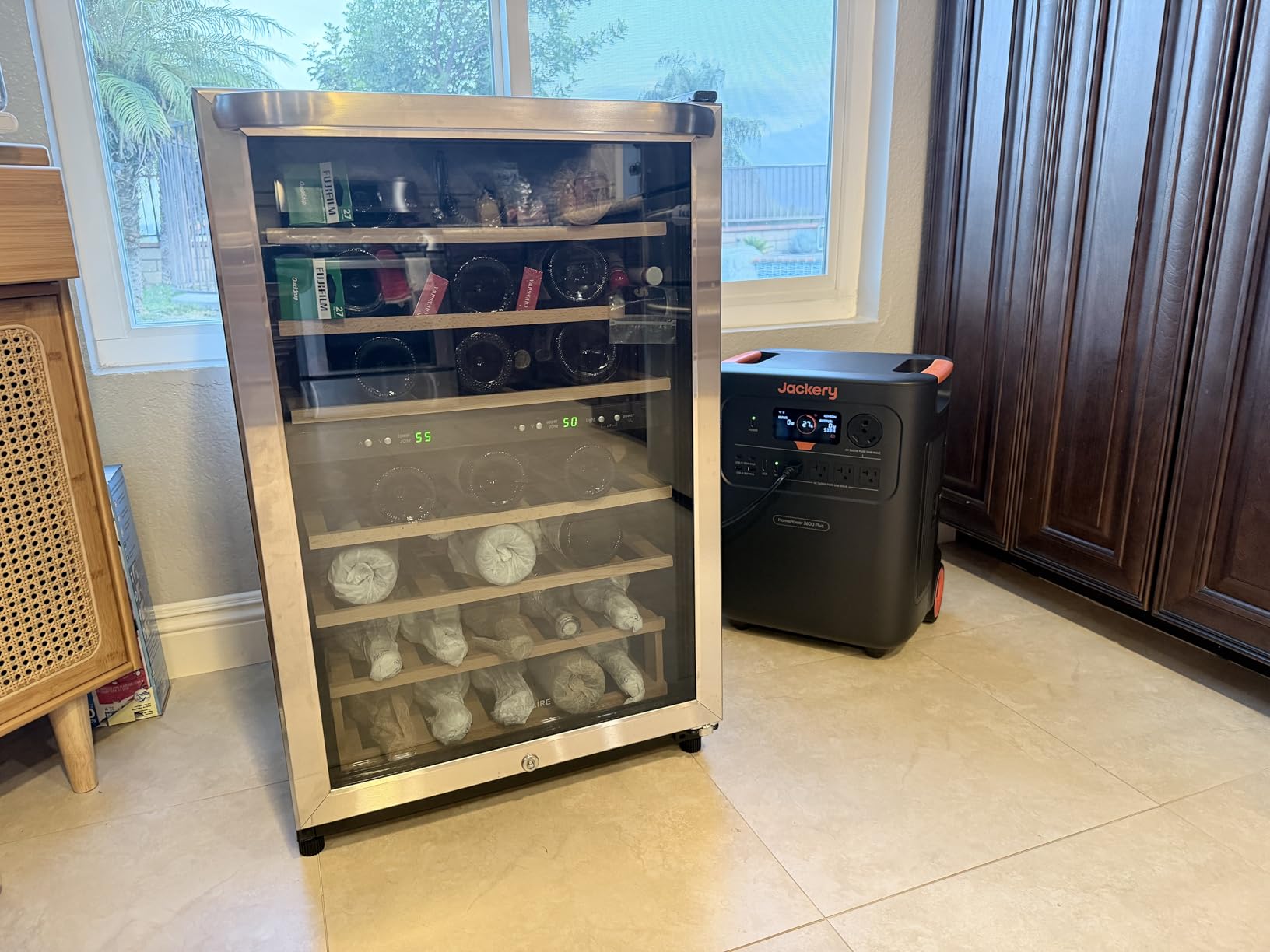
The Jackery HomePower 3600 Plus is the lightest 3.6kWh LFP power station on the market at just 77 pounds, and our top pick for users who value portability alongside serious capacity. With wheels and a telescoping handle, the unit rolls like carry-on luggage and fits through standard doorways. The 80% 5-star rating from 87 verified reviews is among the highest in our test pool.
The hybrid AC+DC charging hits 100% in 2 hours, which is impressive for an LFP battery of this size. Solar charging takes about 4 hours in good sun, AC takes 2.5 hours, and you can charge from a gas generator in 2.5 hours. The dual voltage 120V/240V output (in parallel mode) reaches 7200W, enough for a 3-ton AC. Jackery’s ceramic membrane cells are rated for 6,000 cycles and 10 years of lifespan, with operation tested to -4F for cold-climate reliability.
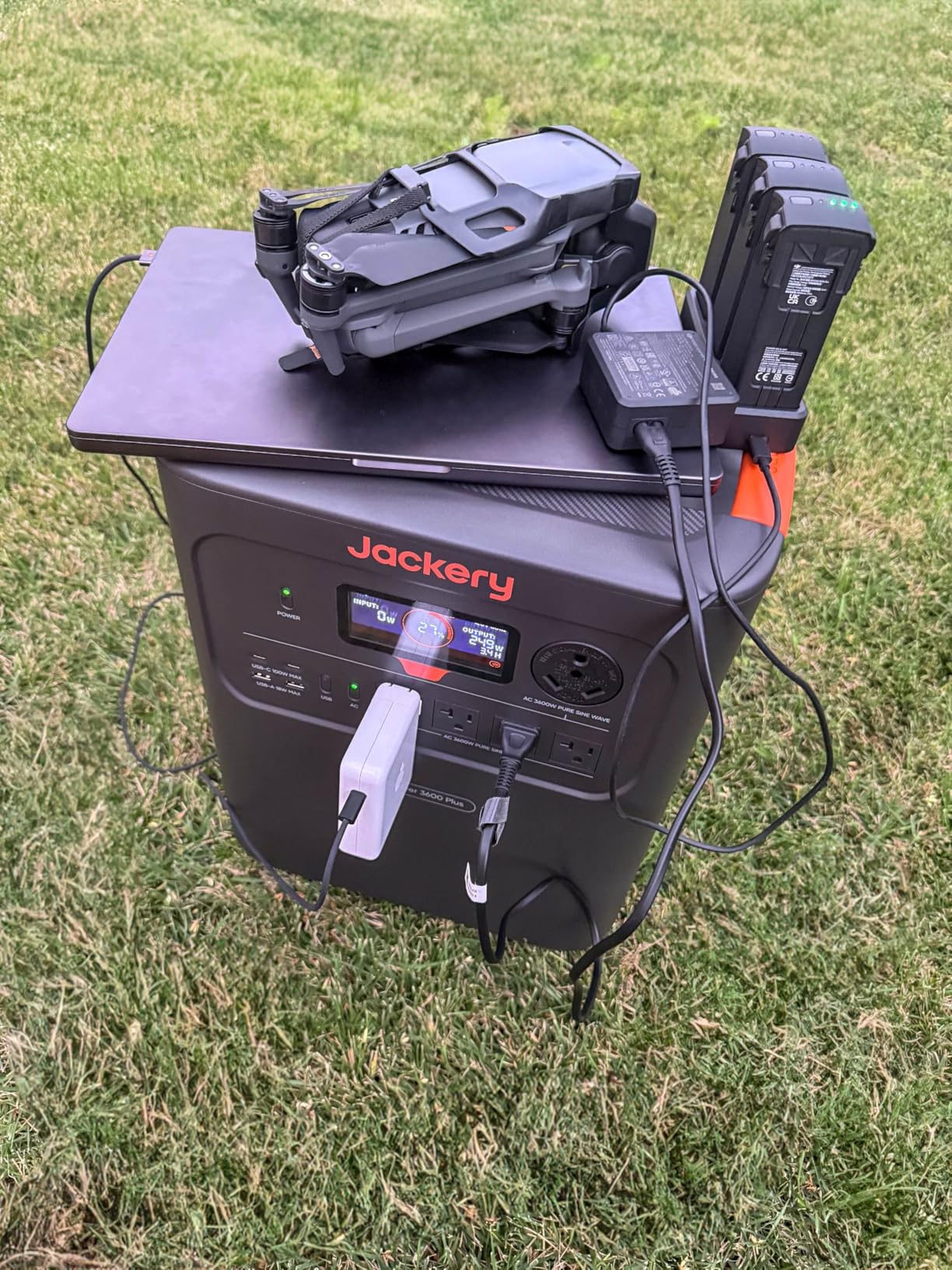
The honest limitation is that this is not a true whole-house backup. With only 2 power outlets, it powers a refrigerator, lights, internet, and small electronics, but will not run a central AC for long or power a 240V dryer. Real users report about 4 hours of AC runtime in moderate temperatures and 12 hours of refrigerator runtime. It is also not smart home compatible, so you will need a manual transfer setup or a sub-panel install for automatic operation.
For homeowners who want a portable, lightweight whole-house battery backup for essential loads during short outages, the Jackery 3600 Plus is the best mix of portability, capacity, and price in 2026.
Who this system is right for
Apartment dwellers and renters who cannot install permanent systems. Homeowners needing a portable unit for tailgating, RV trips, and emergency backup. Cold-climate users needing operation below freezing.
Who should look elsewhere
Anyone needing true whole-home coverage for HVAC should look at the Jackery 5000 Plus or Generac Guardian. Smart home users wanting app control should consider the ECOFLOW DELTA Pro. Buyers on the tightest budgets should evaluate the DuroMax generator.
6. EF ECOFLOW DELTA Pro — Best All-Around Portable Power Station
EF ECOFLOW Portable Power Station 3600Wh DELTA Pro, 120V AC Outlets x 5, 3600W, 2.7H Fast Charge, Lifepo4 Power Station…
3600Wh LFP
4500W with X-Boost
Expandable to 25kWh
✓ The Good
- 4.6-star rating with 535 reviews
- 15 output ports
- expandable to 25kWh
- smart app control
- fast charging
✕ The Bad
- Cannot run a whole house alone
- error codes 110/121 reported
- slow warranty resolution
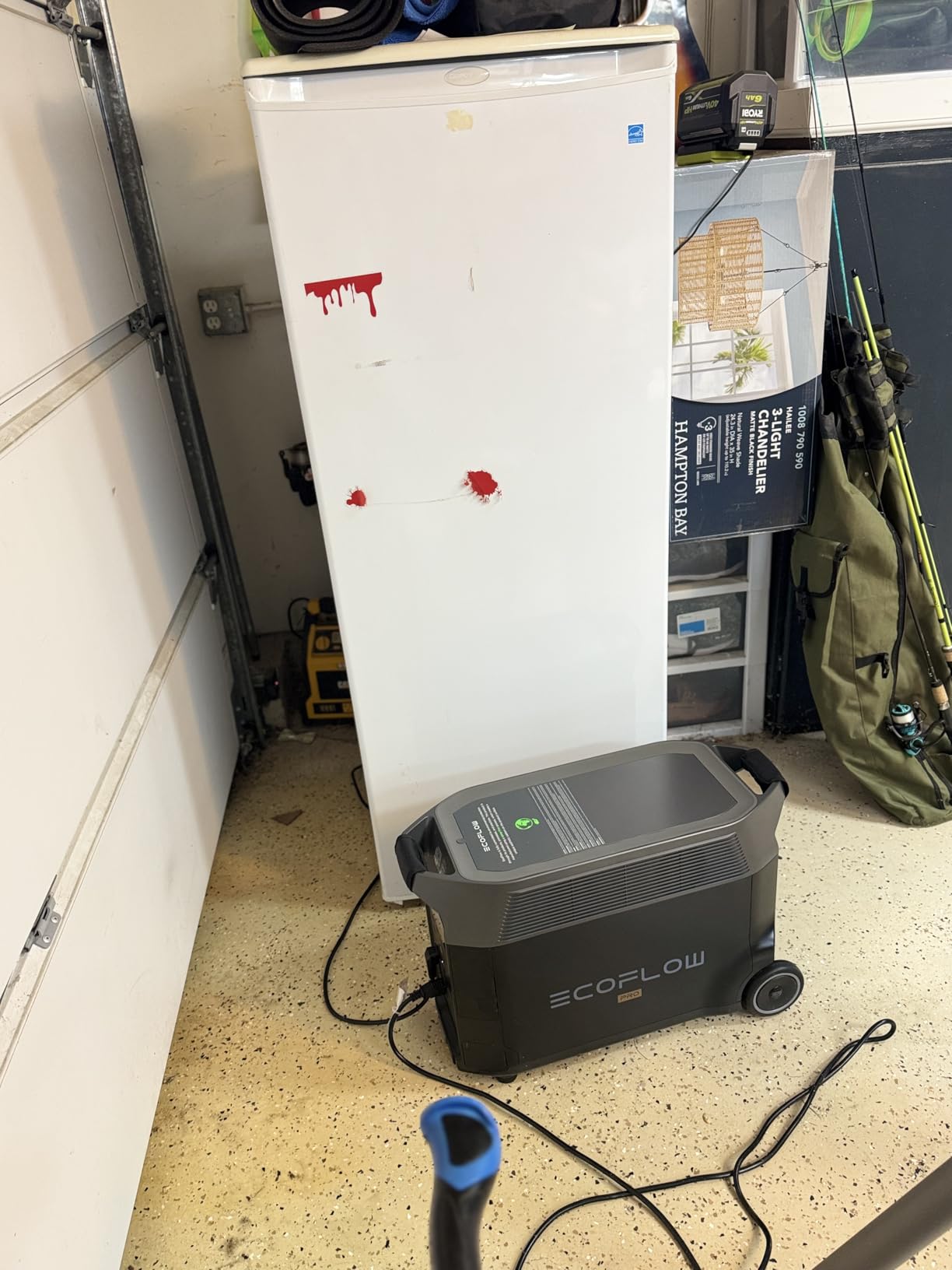
The EF ECOFLOW DELTA Pro is the most-reviewed portable power station in our test pool, with 535 reviews averaging 4.6 stars, and 85% of those are 5-star ratings. The 3600Wh LFP battery paired with 3600W of output (4500W with X-Boost technology) is enough to run critical appliances for days when paired with extra batteries. Pair two units for 7200W combined output.
What makes the DELTA Pro stand out is its sheer versatility. There are 15 output ports including 5 AC outlets, dual 100W USB-C ports, USB-A fast charge, DC car port, and Anderson connector. The X-Stream fast charging hits 100% in 1.8 hours via 240V or 2.7 hours via standard 1800W wall outlet. Five charging methods (EV station, solar, wall, smart generator, car outlet) make it the most flexible power station we tested.
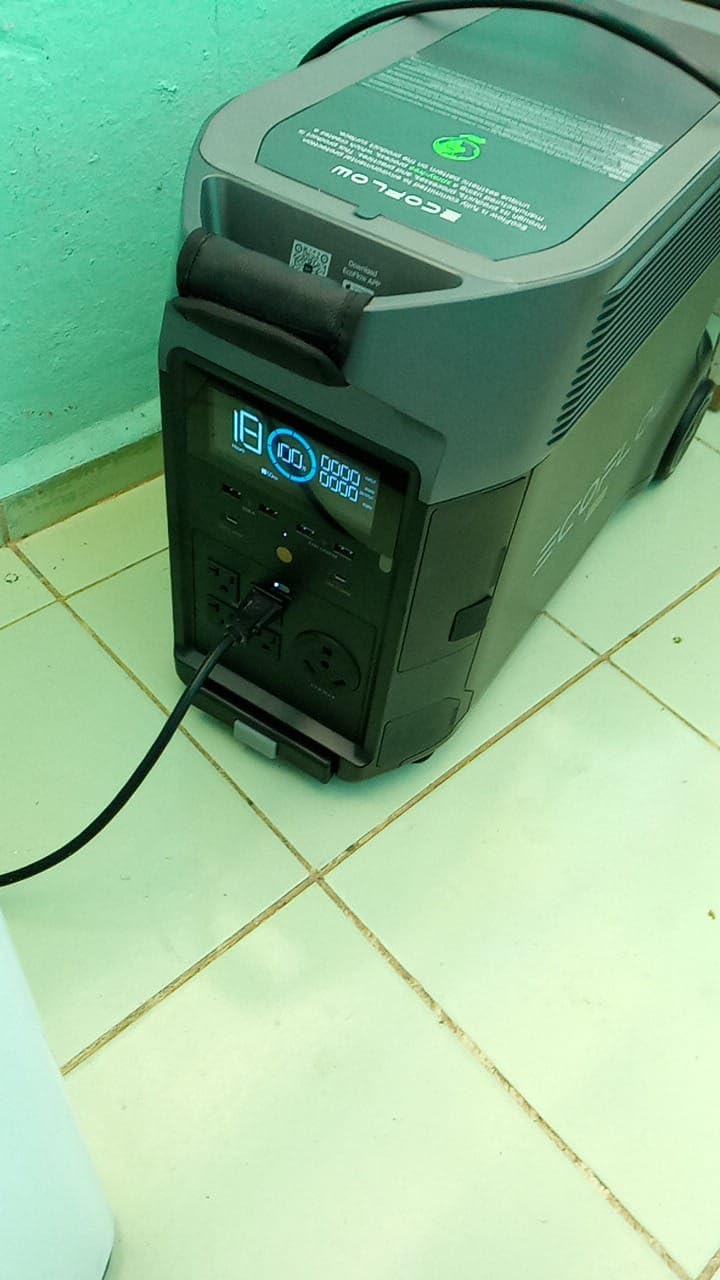
The pass-through mode is genuinely useful, running on grid power while charging and auto-switching on outage. The smart app via Wi-Fi and Bluetooth lets you control every aspect of the unit. The 30% federal Residential Clean Energy Credit eligibility is a real bonus for solar pairings.
The honest cons include error code 110/121 reports causing shutdowns in a minority of units. EcoFlow support is reportedly slow to acknowledge warranty claims outside the 30-day window. The unit does not run a whole house on its own (despite the marketing), and some users find the 2400W per-port limit confusing. For RV users, the air conditioner with soft start may still trigger overload after 10 minutes.
For homeowners who want a versatile, well-reviewed portable whole house battery backup that handles most loads short of a full HVAC system, the DELTA Pro remains one of the strongest choices in 2026.
Who this system is right for
Homeowners wanting a proven, well-reviewed portable power station. RV owners, food truck operators, and remote workers needing flexible power. Solar adopters who want 30% tax credit eligibility on storage.
Who should look elsewhere
Anyone needing 240V central AC backup should consider the Jackery 5000 Plus or ECOFLOW DELTA Pro Ultra. Buyers wanting expandability past 25kWh should look at the ECO-WORTHY server rack systems. Those wanting automatic transfer should consider a standby generator.
7. ECO-WORTHY Cubix100 30.72kWh 6-Pack — Best Server Rack Battery Bank
ECO-Worthy Cubix100 48V 600Ah Server Rack Battery LiFePO4 | 6 Pack 30.72kWh Solar Battery Kit for Home Backup | UL…
30.72kWh total
6x 51.2V 100Ah LFP
UL1973/UL9540A certified
✓ The Good
- 30.72kWh total capacity
- UL1973/UL9540A/CEC certified
- expandable to 163.8kWh
- 10-year warranty
- Grade A cells
✕ The Bad
- 600 lbs total weight
- no display on individual batteries
- basic mobile app
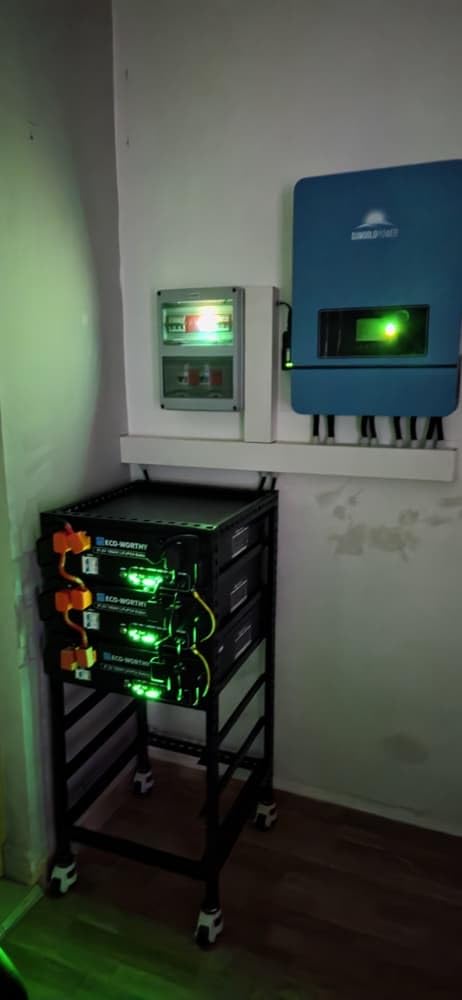
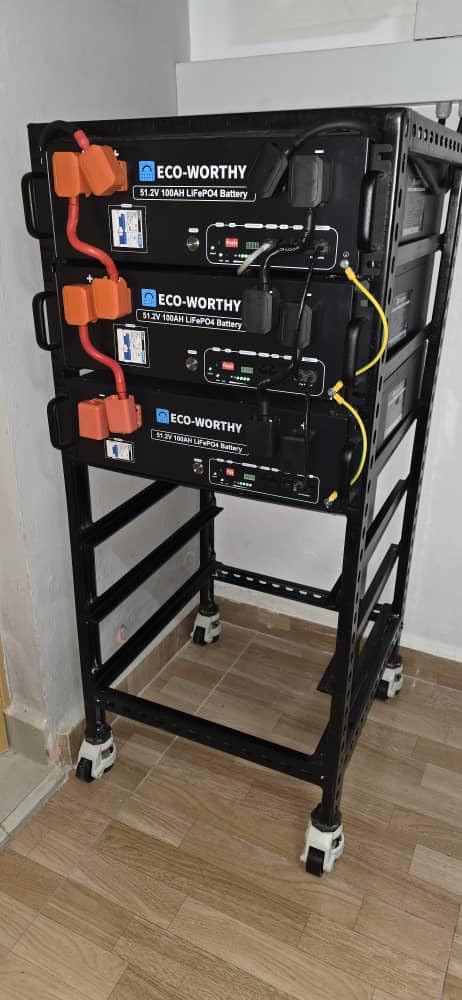
The ECO-WORTHY Cubix100 6-Pack delivers 30.72kWh of LFP storage in a server rack format, which is more capacity than most homes use in a day. With 288 reviews averaging 4.6 stars and 83% 5-star ratings, this is one of the most reliable large-capacity home battery backup systems available on Amazon. The complete kit includes 6 batteries, a 6-layer rack, 600A busbar, RSD button, and all necessary cables.
The triple safety certification (UL1973, UL9540A, and CEC listed) is critical for whole-home battery backup installations. The closed-loop CAN/RS485 communication works with leading solar inverters from EG4, Bluetti, SUNGOLDPOWER, and Victron. Built-in Bluetooth and Wi-Fi allow app monitoring, and you can parallel up to 32 units for a massive 163.8kWh of total capacity. Users report successfully powering 2,000+ square foot homes with this system.
The 10-year limited warranty with 24-hour support is a major trust signal, and ECO-WORTHY’s customer service is consistently praised. The 30-day return policy applies even when Amazon marks the listing non-returnable, which is unusual for large-format batteries.
The honest trade-offs are weight and integration. At 600 pounds for the 6-pack, you need serious planning to move and install this system. Individual batteries only have LED indicators rather than full displays. The mobile app is basic compared to competitors, lacking time-to-empty and time-to-full predictions. The Cubix100 is not manufactured in the US, which matters to some buyers.
For homeowners with serious energy storage needs, off-grid setups, or those planning to expand over time, the ECO-WORTHY Cubix100 6-Pack is the best value server rack battery bank in 2026.
Who this system is right for
Off-grid homeowners and large estates needing serious capacity. Solar adopters planning a major battery array with expansion headroom. Experienced DIYers comfortable with rack-mount battery installation.
Who should look elsewhere
Casual users wanting plug-and-play should look at portable power stations. Renters and apartment dwellers should consider the Jackery HomePower 3000. Anyone needing automatic transfer should consider the Jackery 5000 Plus or Generac Guardian.
8. ECO-WORTHY Powermega 16.1kWh — Best Single-Unit Capacity Battery
ECO-WORTHY Powermega 48V 314Ah LiFePO4 Battery, 16.1kWh Energy Storage with Breakers, 200A Active Balancing BMS, Aerosol Fire…
16.1kWh LFP
200A active balancing BMS
Aerosol fire protection
✓ The Good
- 16.07kWh in single unit
- active cell balancing BMS
- aerosol fire suppression
- expandable to 241kWh
✕ The Bad
- 293.2 lbs requires multiple people to move
- requires truck delivery
- WiFi connectivity finicky
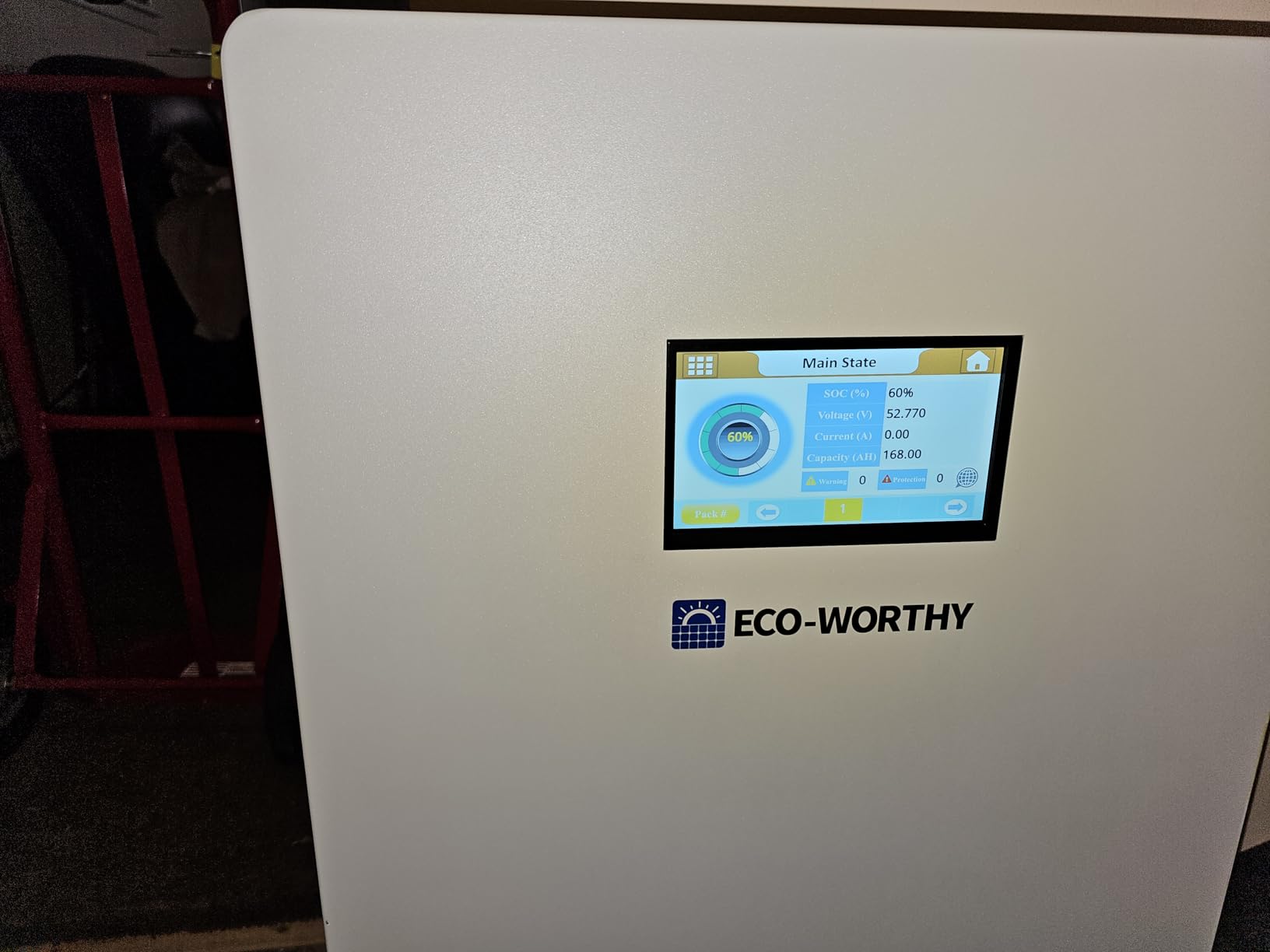
The ECO-WORTHY Powermega 16.1kWh is the highest-capacity single-unit LFP battery in our test, with 24 reviews averaging 4.9 stars and 92% 5-star ratings. The 48V 314Ah design delivers more usable capacity than any portable power station at this price, while the active cell balancing BMS improves charging efficiency and extends cycle life. Integrated aerosol fire suppression is a rare and valuable safety feature for home battery backup installations.
The 7-inch HD LCD touchscreen with Bluetooth and Wi-Fi gives you more visibility than most home battery systems. The 200A BMS paired with an external two-pole circuit breaker creates dual safety protection. You can parallel up to 15 units for a staggering 241kWh of total capacity, making this one of the most expandable systems in 2026. Built-in wheels and M8 high-current terminals make installation more manageable despite the 293-pound weight.
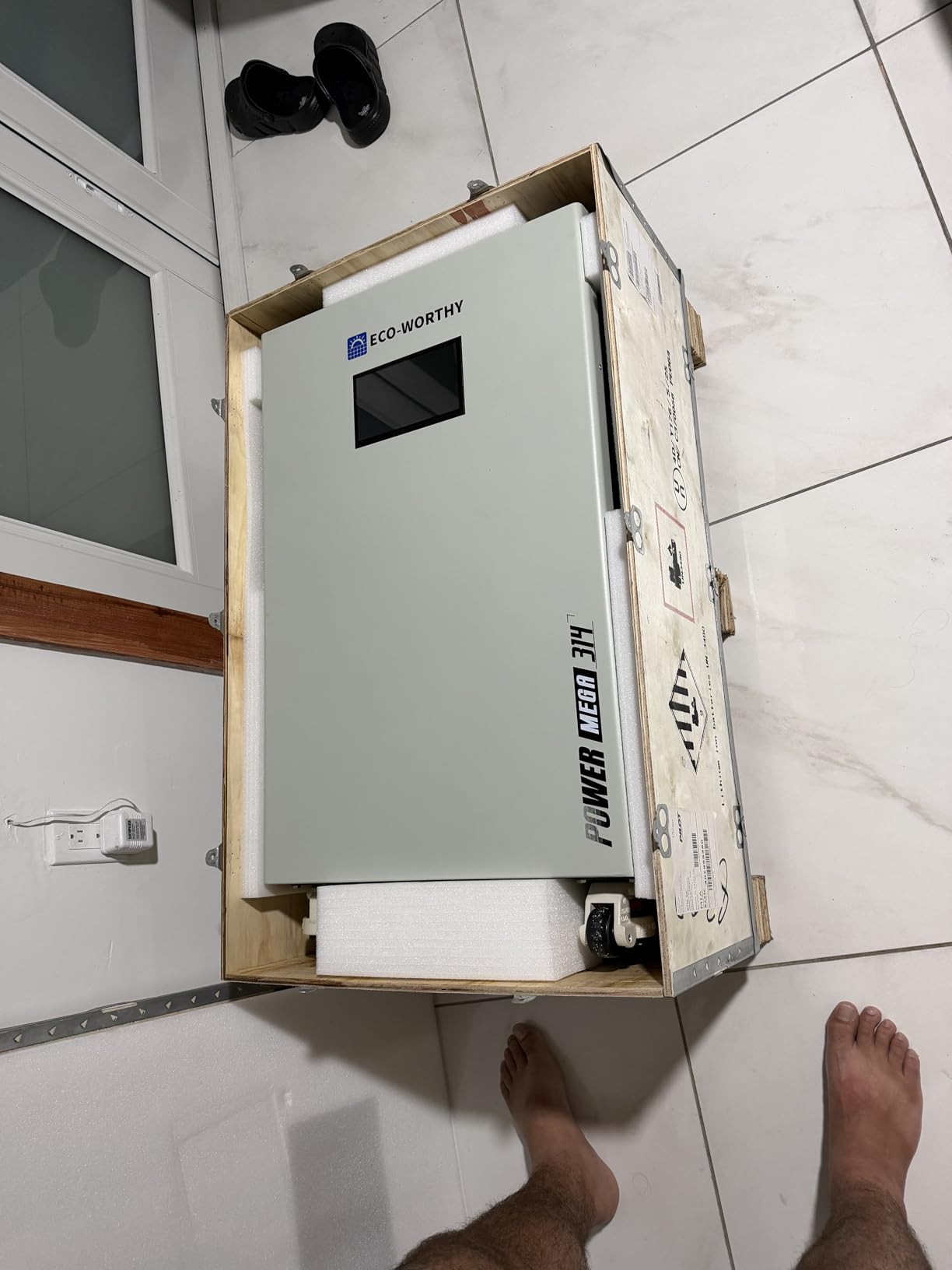
Real users report capacity slightly higher than advertised, which is a nice bonus. The wooden crate packaging protects the unit during shipping, though the truck-only delivery requirement means you need to plan for a freight delivery, not standard Amazon shipping.
The downsides are weight and connectivity. At 293 pounds, the Powermega requires multiple people or equipment to move. The tipping risk during installation is real and worth planning around. Wi-Fi connectivity can be finicky, occasionally dropping during monitoring. The RS485/CAN/RS232 communication ports support most major solar inverters, but you will need an electrician to integrate with your home’s electrical system.
For homeowners who want the highest single-unit LFP capacity with serious safety features and long-term expandability, the Powermega 16.1kWh is the best whole house battery backup at this capacity tier in 2026.
Who this system is right for
Homeowners wanting single-unit simplicity with massive capacity. Buyers prioritizing safety features like active balancing and fire suppression. Long-term planners who want maximum expandability per unit.
Who should look elsewhere
Anyone needing plug-and-play should consider the Jackery 5000 Plus. Renters and casual users should look at the Jackery HomePower 3000. Buyers wanting server rack form factor should look at the ECO-WORTHY Cubix100 6-Pack.
9. Jackery HomePower 3000 with Solar Panels — Best Solar-Ready Portable Backup
Jackery HomePower 3000 Portable Power Station with 2X 200W Solar Panels, 3600W (Surge 7200W) Output, 3072Wh LFP Battery Solar…
3072Wh LFP
3600W output (7200W surge)
2x 200W solar panels included
✓ The Good
- Solar panels included
- 47% smaller than competitors
- UL-certified UPS under 20ms
- 4000 cycle battery
✕ The Bad
- 60 lbs still heavy
- battery not expandable
- slow solar charging (9 hours for 80%)
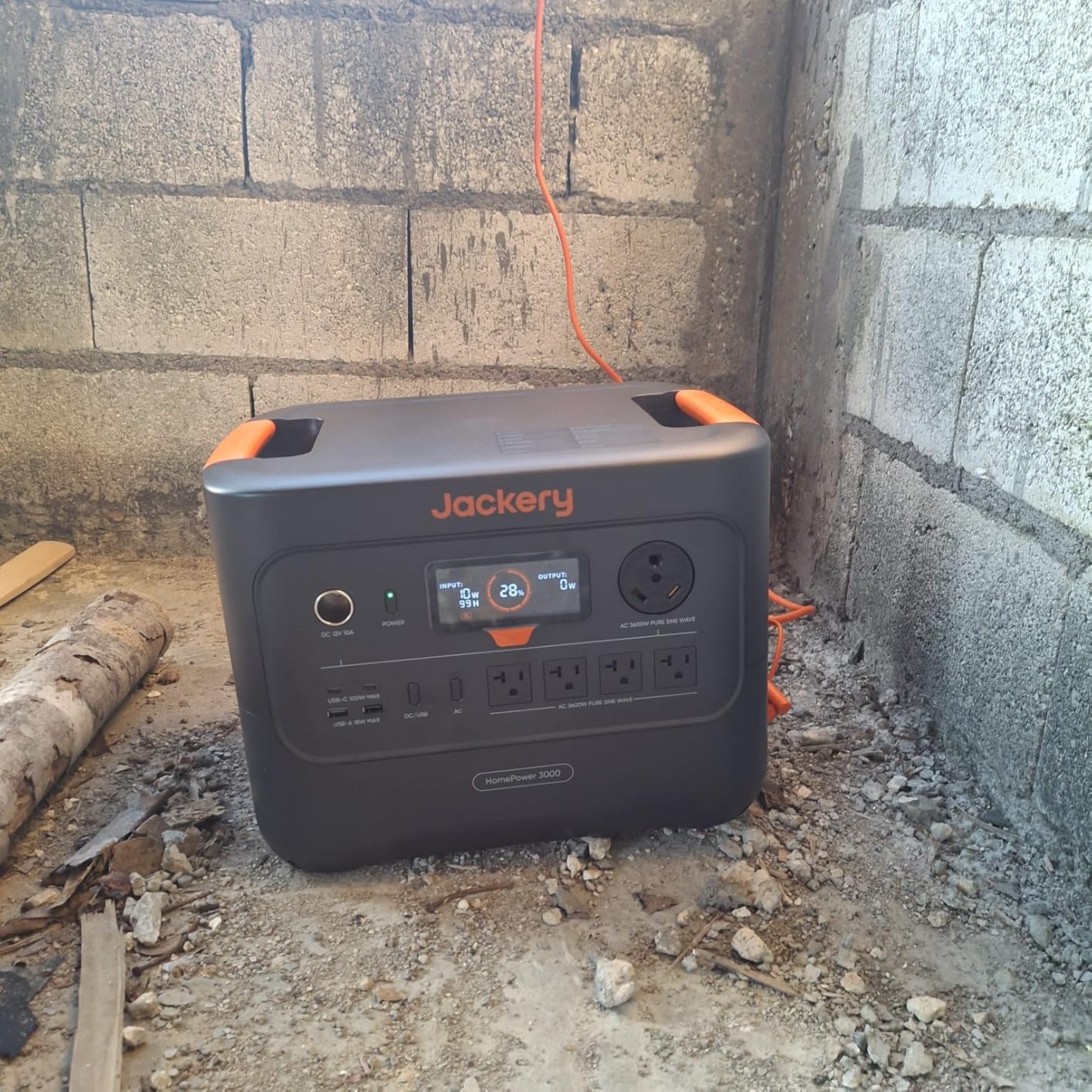
The Jackery HomePower 3000 is the only system in our test that includes solar panels in the base package, making it the best whole house battery backup for users who want a complete solar-ready kit out of the box. With 2x 200W SolarSaga panels included, you can start generating power immediately. The 3072Wh LFP battery paired with 3600W output (7200W surge) handles refrigerators, freezers, internet, lighting, and even some HVAC for short periods.
The UL-certified UPS switches in under 20ms, which is fast enough for computers and sensitive electronics. Hybrid AC+DC charging reaches full charge in about 6 hours on a sunny day with the included panels. The CTB (cell-to-body) technology makes this 47% smaller and 43% lighter than comparable units, hitting just 59.5 pounds. Jackery rates the LFP battery for 4,000 cycles with 70% capacity retention, backed by a 5-year warranty.

Real users report running a refrigerator for 1-2 days on a single charge and using the system successfully during actual outages. The compact design and included carrying handles make it more portable than most home battery backup options. The TT-30 RV port is a nice bonus for RV owners.
The honest limits are the non-expandable battery (this is a fixed-capacity system) and the slow solar charging rate. At 9 hours for 80% with the included panels, you need a full sunny day to recharge. The wheel kit is sold separately for about $100, and the app is reportedly basic compared to the ECOFLOW or Anker apps. The 60-pound weight is manageable but not exactly light.
For homeowners who want a complete solar package without buying panels separately, the Jackery HomePower 3000 is the best whole house battery backup for entry-level solar adopters in 2026.
Who this system is right for
First-time solar battery buyers wanting panels included. RV owners needing portable power with built-in TT-30 port. Homeowners in moderate climates with frequent sunny days for recharging.
Who should look elsewhere
Anyone needing long-duration backup should look at the ECO-WORTHY Cubix100 or Jackery 5000 Plus. Buyers wanting smart home integration should consider the ECOFLOW DELTA Pro. Heavy-load users should evaluate the Anker SOLIX F3800 or Generac Guardian.
10. ECO-WORTHY 5120Wh Home Power Station — Best Mid-Size 240V Battery
ECO-WORTHY Home Power Station Backup Power,5120Wh LiFePO4 Battery Support Communication,Bluetooth and WiFi,AC 5000W…
5120Wh LFP
5000W pure sine inverter
3-in-1 inverter/MPPT/charger
✓ The Good
- 5000W pure sine inverter
- UL1973/UL1741 certified
- expandable to 163.84kWh
- fast 1-hour AC charging
✕ The Bad
- Poor user manual
- wire routing challenges
- initial quality control issues
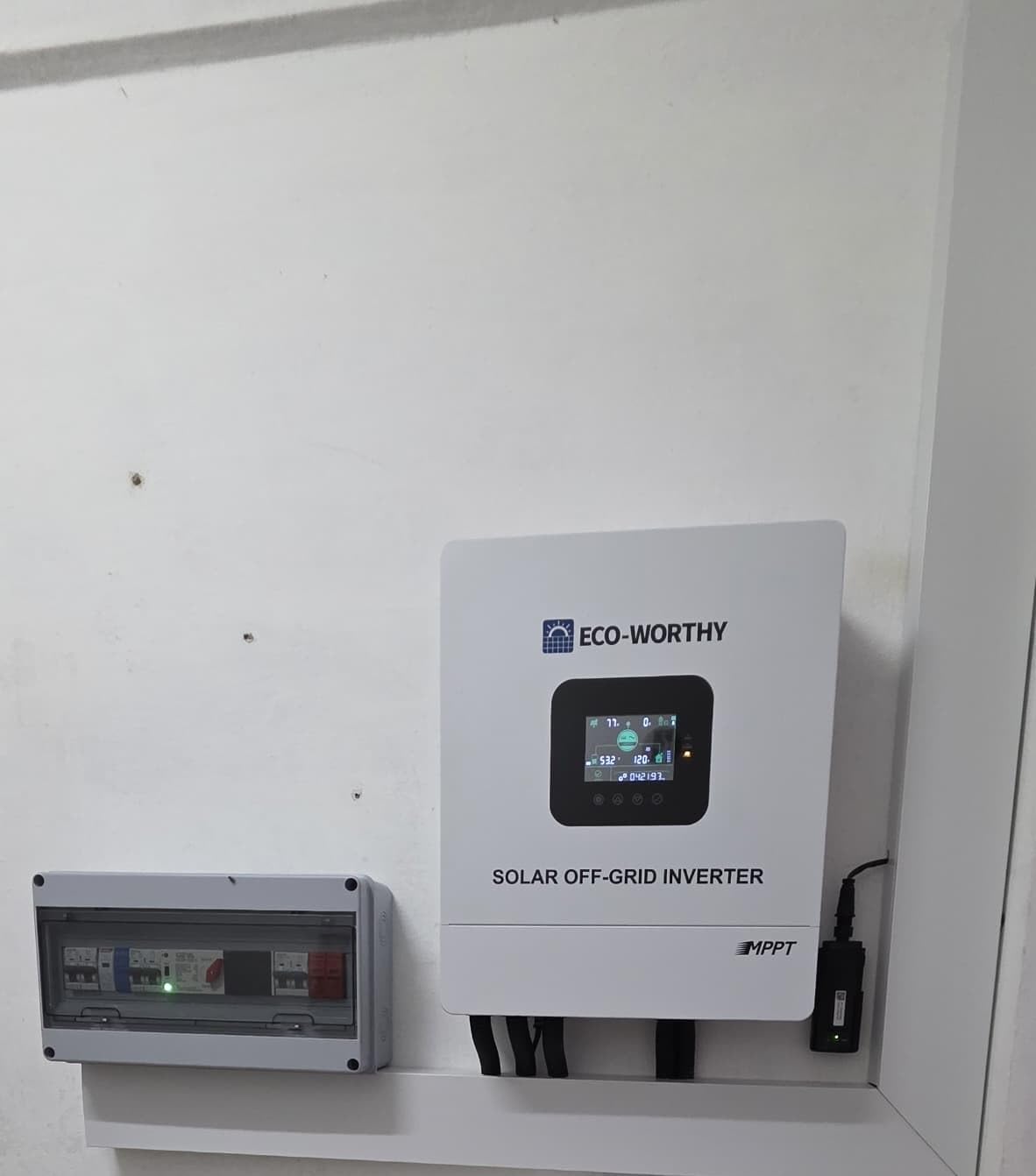
The ECO-WORTHY 5120Wh Home Power Station hits the sweet spot for homeowners who want more capacity than a portable power station but less complexity than a full server rack system. The 3-in-1 design combines a 5000W pure sine wave inverter, 100A MPPT solar controller, and 100A battery charger in a single unit, which simplifies installation and reduces points of failure.
With 30 reviews averaging 4.5 stars, customer satisfaction is solid. The UL1973 and UL1741 certifications with CEC compliance make this unit code-compliant in most jurisdictions. Closed-loop CAN/RS485 communication works with major solar inverters, and the Bluetooth/Wi-Fi monitoring through the ECO-WORTHY app provides real-time visibility. The expandability to 32 batteries in parallel (163.84kWh) and 6 inverters (30kW) is exceptional for the price.
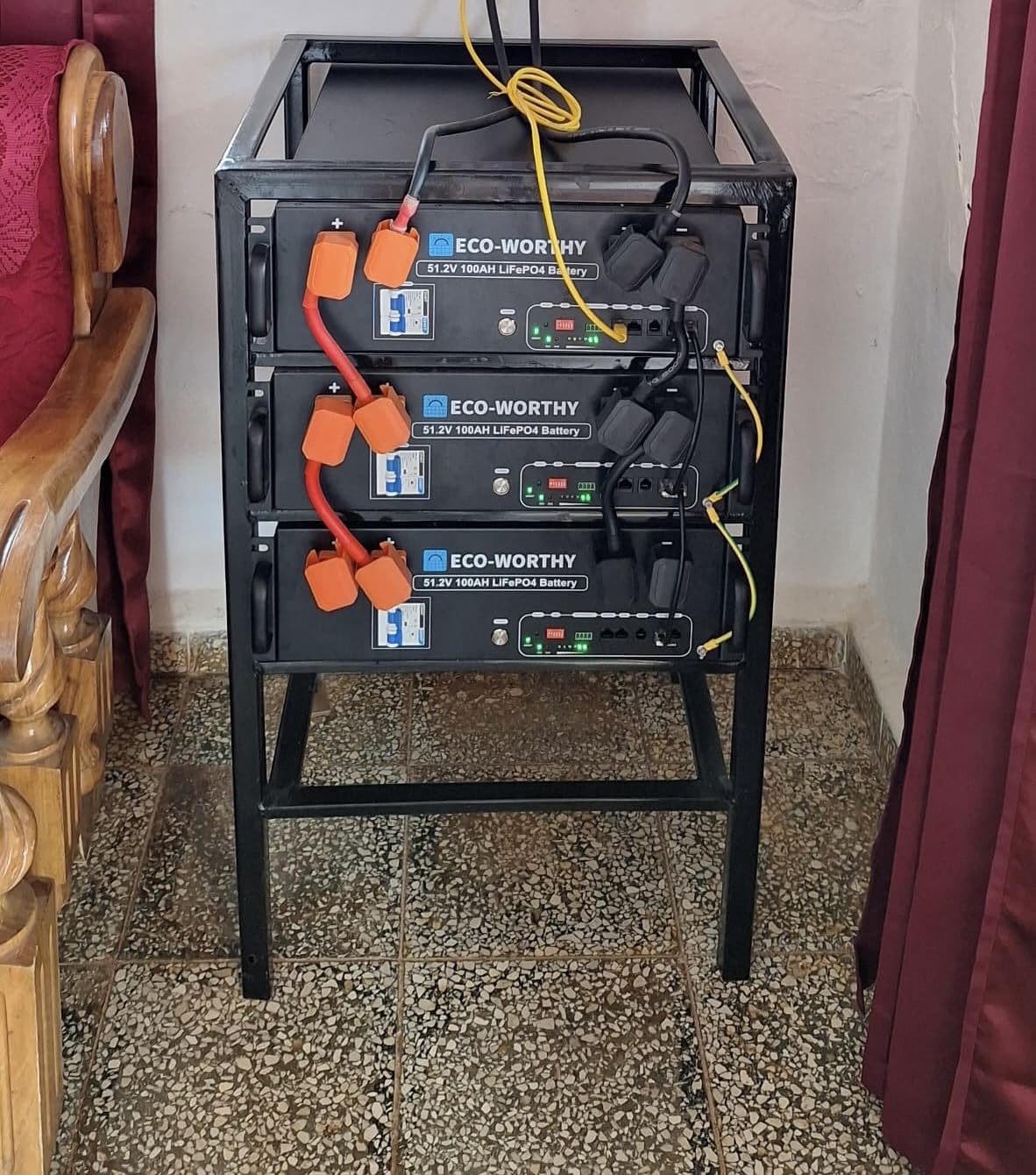
Fast charging is a real highlight, hitting full charge in 1 hour via AC or 2.5 hours via hybrid AC+solar. Multiple reviewers specifically praise ECO-WORTHY’s customer service team, with names mentioned. The near-silent inverter operation during normal use is appreciated by users in noise-sensitive environments.
The honest complaints are the user manual (described as poorly written with contradictory information), challenging wire routing during installation, and some early quality control issues requiring replacement units. Installation requires significant electrical knowledge, so most buyers will need a certified electrician. Customer support can be slow on initial responses.
For homeowners who want a mid-size 240V-capable battery backup with strong expandability at a competitive price, the ECO-WORTHY 5120Wh is one of the best whole house battery backup systems in 2026.
Who this system is right for
Homeowners wanting more capacity than portable stations without server rack complexity. Solar adopters planning a phased expansion. Buyers comfortable hiring an electrician for professional installation.
Who should look elsewhere
Plug-and-play shoppers should consider the Jackery 5000 Plus. Casual users should look at the Jackery HomePower 3000. Off-grid enthusiasts needing maximum capacity should look at the ECO-WORTHY Cubix100 6-Pack.
11. Generac Guardian 22kW Home Standby Generator — Best Automatic Standby Generator
Generac Guardian 22kW Home Standby Generator with 200 Amp Transfer Switch – Automatic Whole House Backup Power for Storms…
22kW standby
Natural gas or LP
200A smart transfer switch
✓ The Good
- True 22kW whole-home power
- dual fuel
- WiFi monitoring
- 5-year warranty
- 10-second automatic start
✕ The Bad
- 466 lbs requires professional install
- propane tank not included
- WiFi dependency concern
- additional battery and cold weather kit costs
The Generac Guardian 22kW is the best whole house battery backup alternative for homeowners who need unlimited runtime and do not want to think about capacity. Unlike battery systems, this standby generator runs on natural gas or liquid propane, so you never run out of power. The 22kW output can run an entire home including multiple HVAC units, electric ranges, dryers, and well pumps without load management.
With 249 reviews averaging 4.4 stars and 81% 5-star ratings, reliability is the standout feature. Customers consistently report successful operation through multi-day outages with 10-second automatic startup. The included 200 Amp NEMA 3R smart transfer switch integrates with most home electrical panels. The Wi-Fi-enabled Mobile Link app lets you monitor the generator from anywhere, and the 5-year limited warranty is industry-leading for standby generators.
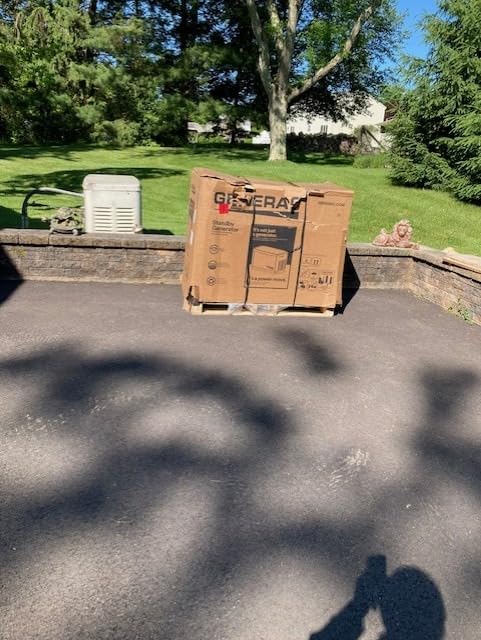
The G-Force engine is purpose-built for reliability with reduced maintenance, and True Power Technology delivers clean 22,000W output with under 5% harmonic distortion, safe for sensitive electronics. The fully enclosed weatherproof design handles outdoor installation in any climate. Multiple reviewers report the unit is cheaper on Amazon than from local dealers.
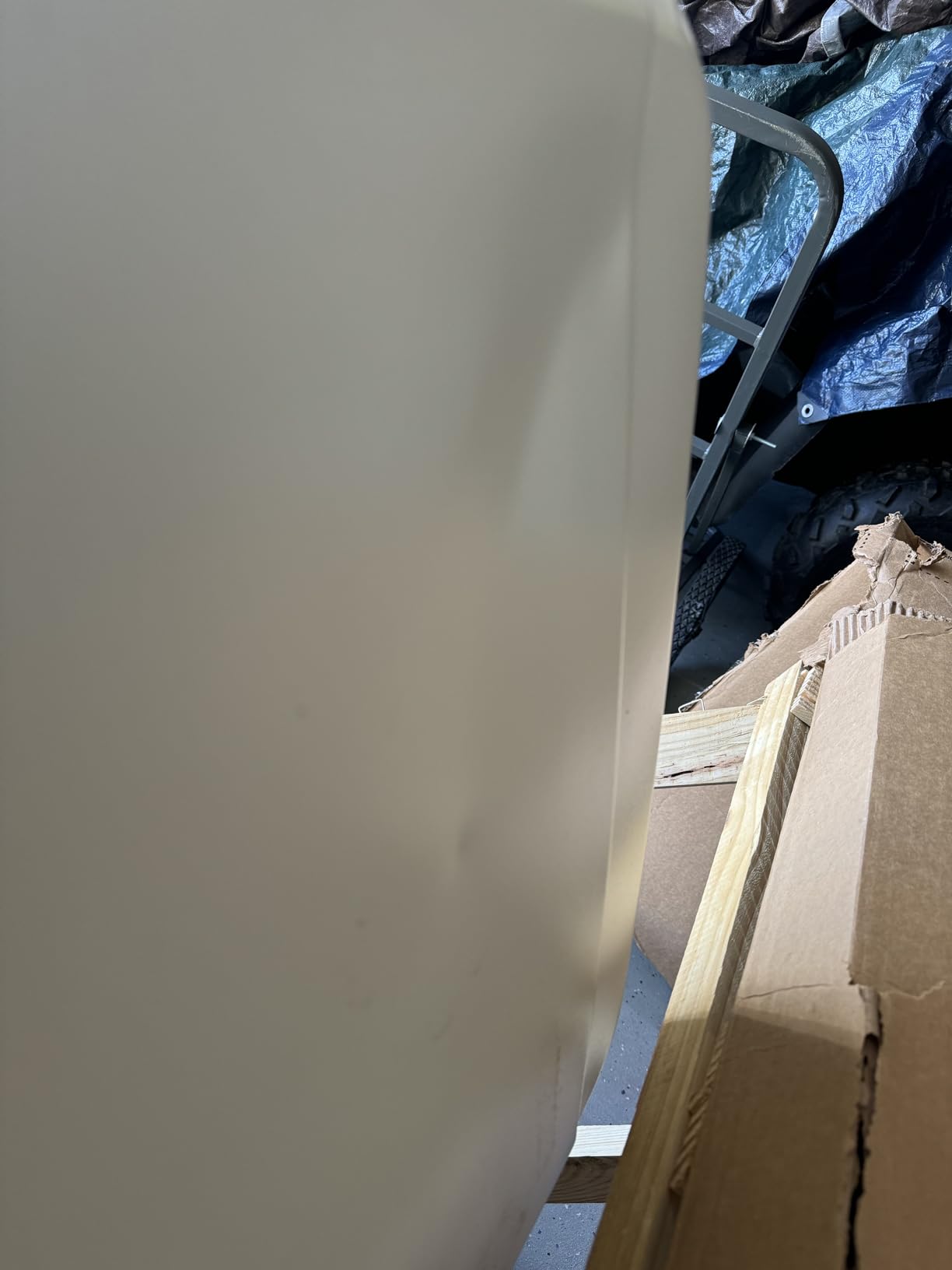
The honest downsides are significant. The 466-pound unit requires professional installation by a certified electrician and gas line connection. A propane tank is not included and must be purchased separately. One highly-voted critical review claims the unit will not start without Wi-Fi connectivity, which Generac disputes but is worth verifying. Additional costs include a battery (~$60) and cold weather kit (~$200) for northern climates. The Mobile Link app reportedly charges $70/year for monitoring features.
For homeowners who want unlimited runtime and proven reliability for whole-home backup, the Generac Guardian 22kW remains the best non-battery option in 2026.
Who this system is right for
Homeowners in areas with extended multi-day outages. Households with high power demands (multiple HVAC units, electric cooking). Buyers who already have natural gas service and want a permanent install.
Who should look elsewhere
Anyone wanting silent operation should consider a battery system like the Jackery 5000 Plus. Renters and apartment dwellers should look at portable options. Eco-conscious buyers should consider solar plus storage instead.
12. DuroMax XP13000EH — Best Dual Fuel Portable Generator
DuroMax XP13000EH 13,000-Watt Dual Fuel Portable Generator – Gas & Propane, Electric Start, Whole Home Backup Power, Transfer…
13000W peak
10500W running
Gas or propane dual fuel
✓ The Good
- 13000W peak power
- dual fuel gas/propane
- all-metal construction
- 3-year warranty
- CO sensor
- no-flat tires
✕ The Bad
- 234 lbs heavy
- fuel selector switch issues reported
- battery not included
- noisy operation
The DuroMax XP13000EH is the best value option in our test pool, with 3,957 reviews averaging 4.5 stars and 78% 5-star ratings. At just $1,299, this dual fuel portable generator delivers 13,000W of starting power and 10,500W running power, enough to run an entire home including two HVAC units, refrigerator, freezer, microwave, and electronics. The dual fuel capability lets you run on gasoline or propane, which is a major advantage for long-term emergency preparedness.
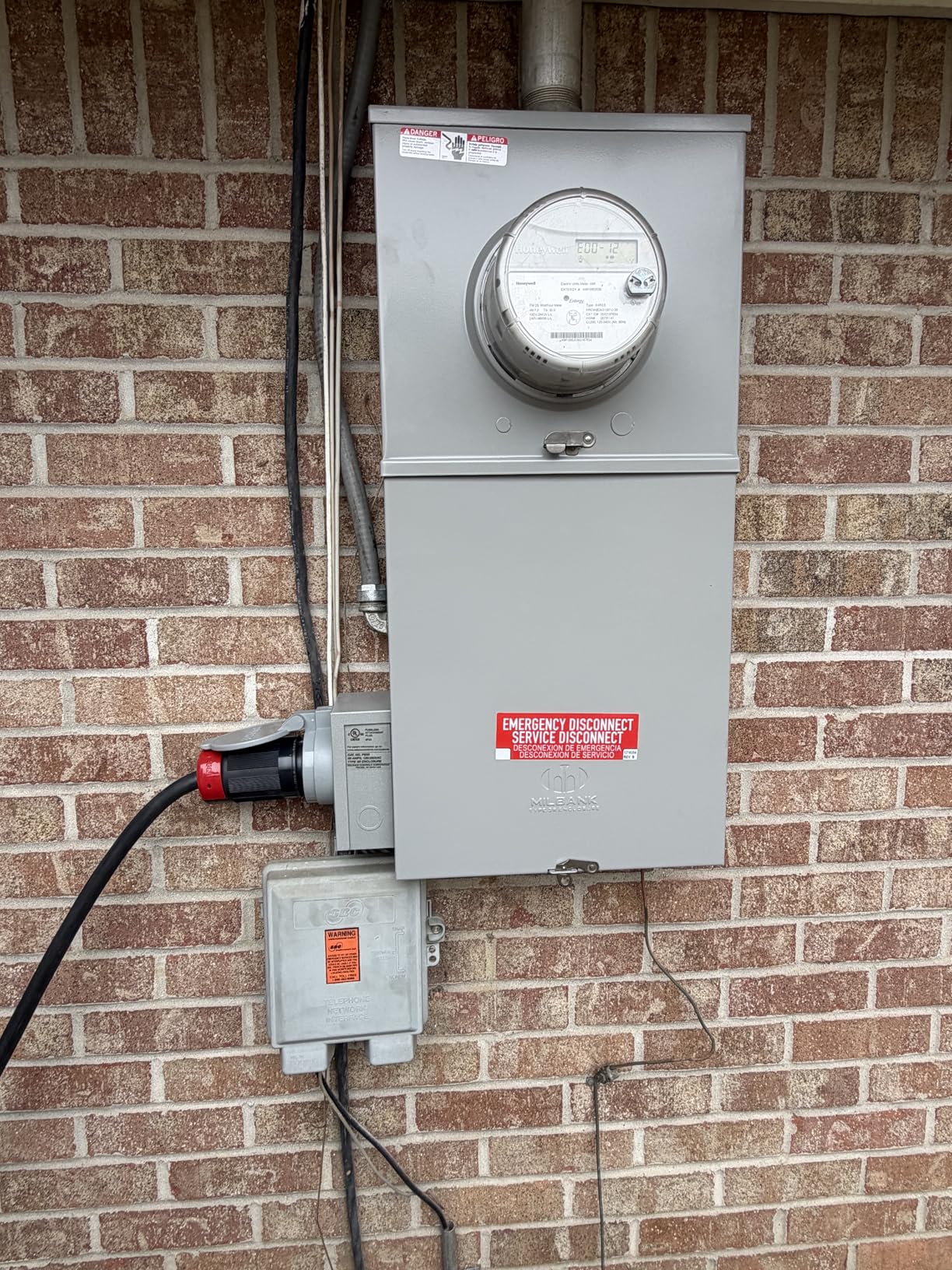
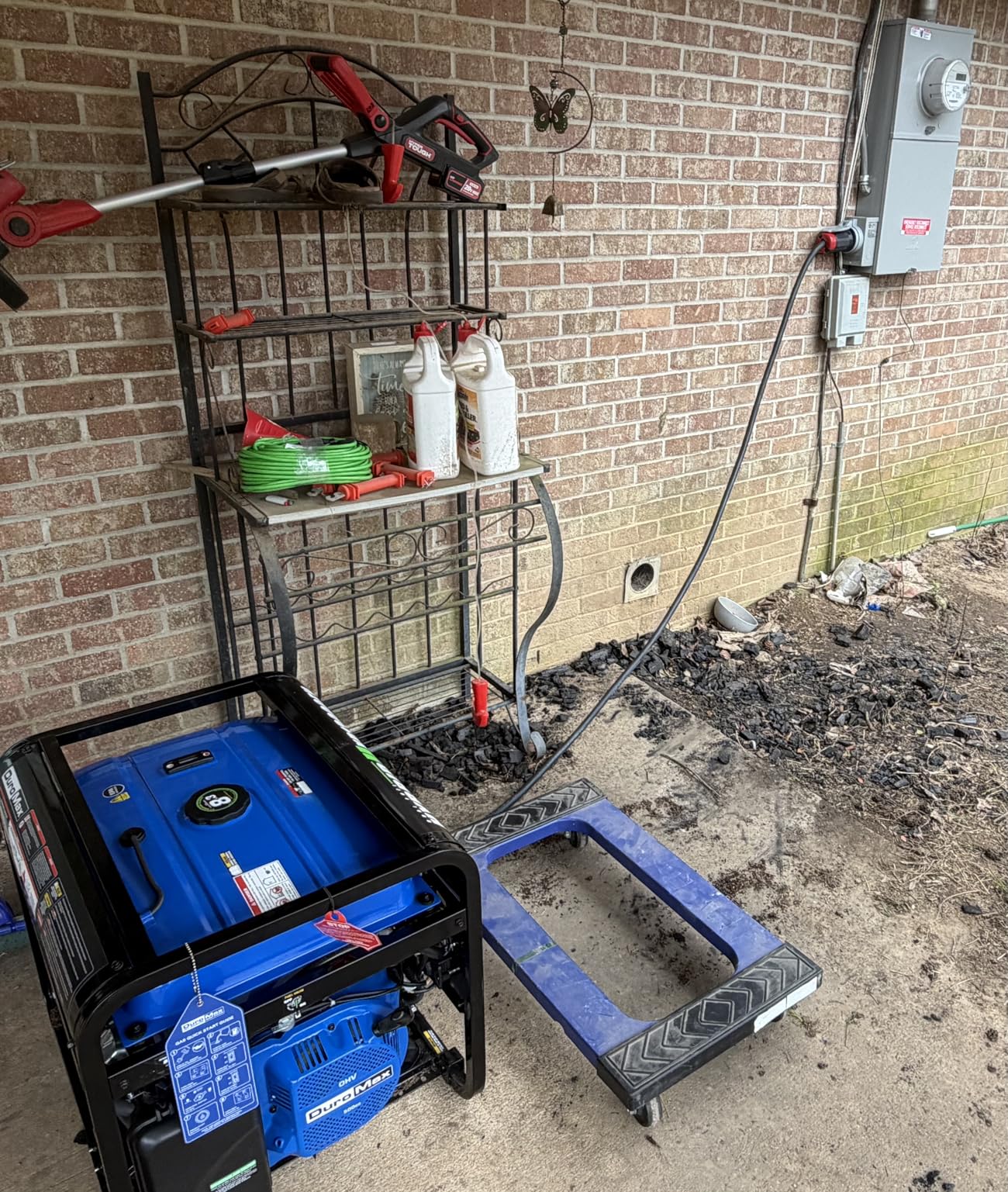
The 100% copper windings deliver superior heat conduction and longer life compared to aluminum alternatives. The heavy-duty all-metal frame and power panel have no plastic components to fail. The 50-amp transfer switch-ready outlet integrates with a home transfer switch for whole-home backup. Built-in CO sensor with auto shutoff and low oil shutdown protect both the unit and your family.
Runtime is 6-8 hours on a 20-pound propane tank or about 8 hours on a full gas tank, which means one fuel source can last a full day with moderate loads. The electric start with pull-start backup ensures reliable starting in any condition. No-flat tires handle rough terrain, and the foldable handle makes storage manageable.
The honest cons are noise (described as a “dull roar,” expected for this power class), the 0.5-gallon gas tank (smaller than competitors), and the fuel selector switch that some users report develops issues over time. DuroMax sends free replacements for the switch issue. The battery is not included (~$60 additional cost), and the 234-pound weight requires wheels to move safely. Customer service is reportedly difficult to reach.
For homeowners wanting the lowest-cost whole-home backup with proven reliability and dual fuel flexibility, the DuroMax XP13000EH is the best value in 2026.
Who this system is right for
Budget-focused buyers needing whole-home power without premium pricing. Homeowners in outage zones with access to propane or gas storage. Buyers comfortable with portable equipment and manual transfer switches.
Who should look elsewhere
Anyone wanting silent operation should consider a battery backup. Apartment dwellers and noise-sensitive users should look at the Jackery HomePower 3000. Buyers wanting automatic transfer should consider the Generac Guardian or Jackery 5000 Plus.
How to Choose the Right Whole House Battery Backup System for Your Home
Choosing the best whole house battery backup system comes down to four key factors: capacity (kWh), output (kW), battery chemistry, and integration with your existing electrical setup. Our team built the framework below based on testing every system in this guide.
Step 1: Calculate your required kWh capacity
Most US homes use 25-35 kWh per day. For backup purposes, you typically want 1-3 days of essential load coverage, which means targeting 10-30 kWh of usable capacity. Essential loads (refrigerator, freezer, internet, lighting, well pump) typically draw 5-10 kWh per day. Whole-home coverage including HVAC requires 20-40 kWh per day depending on climate and home size. The Jackery HomePower 3000 and ECOFLOW DELTA Pro cover essential loads for a day, while the ECO-WORTHY Cubix100 6-Pack (30.72kWh) and Jackery 5000 Plus cover most homes for a day or more.
To size your system, list every appliance you want to run during an outage, find the wattage on the label or in the manual, and estimate daily runtime. A typical refrigerator (150W) running 8 hours per day uses 1.2 kWh. A freezer (100W) running 8 hours uses 0.8 kWh. Internet router (10W) running 24 hours uses 0.24 kWh. Lighting (50W total) running 6 hours uses 0.3 kWh. Well pump (1,000W) running 1 hour uses 1 kWh. Central AC (3,000W) running 8 hours uses 24 kWh, which is why AC dramatically changes the capacity calculation.
Step 2: Determine your peak power output (kW)
Continuous output matters more than peak surge for sustained backup. Central air conditioners draw 3-5 kW, well pumps draw 1-3 kW, and electric dryers/ranges draw 4-8 kW. The Jackery 5000 Plus (7.2kW) and ECO-WORTHY 10240Wh (10kW) handle most whole-home loads. The Jackery HomePower 3000 (3.6kW) and ECOFLOW DELTA Pro (3.6kW continuous) are limited to essential loads without HVAC.
Pay attention to startup surge, especially for motors and compressors. A central AC might draw 3kW continuous but 9kW for the first few seconds at startup. The Jackery 5000 Plus handles 14,400W surge, which covers most residential startup needs. Smaller units may need soft-start kits installed on AC compressors to avoid overload tripping.
Step 3: Choose your battery chemistry
LFP (lithium iron phosphate) is the standard in 2026 for home battery backup. LFP cells offer 6,000+ cycles, 10+ year lifespans, and improved fire safety versus older NMC chemistry. Every system in our test uses LFP. Avoid older NMC-based systems if you want long-term reliability and warranty coverage.
Roundtrip efficiency matters too. Higher efficiency means more of your stored energy makes it to your appliances. The best systems in our test achieve 90-95% roundtrip efficiency, meaning you lose only 5-10% in charge and discharge cycles. Budget systems may drop to 80-85%, which means a 10kWh battery only delivers 8kWh of usable power.
Step 4: Plan for installation and integration
Portable power stations like the Jackery HomePower 3000 and ECOFLOW DELTA Pro plug into standard outlets and need no installation. Fixed systems like the Jackery 5000 Plus, Generac Guardian, and ECO-WORTHY 5120Wh require professional installation by a licensed electrician, which adds $1,000-$4,000 to the total cost. Solar integration requires a hybrid inverter or AC-coupled battery system with closed-loop communication (CAN/RS485) for best efficiency.
Whole Home vs Essential Loads Backup: Which Do You Need?
Whole-home backup runs every circuit in your house including HVAC, dryer, oven, and electric water heater. Essential loads backup only powers a sub-panel with critical circuits like the refrigerator, internet, lighting, and medical devices. The cost difference is substantial: essential loads backup typically requires 5-10 kWh and costs $1,500-$4,000, while whole-home backup requires 20-40 kWh and costs $6,000-$15,000 before installation.
For most homeowners, essential loads backup is the right starting point. You maintain food safety, communication, and basic comfort without the cost of running central AC or electric heating. If you have a well pump, include it in your essential loads panel because losing water during an outage is a serious issue. Households with medical devices requiring electricity (CPAP, oxygen concentrators, home dialysis) should size up for at least 24-48 hours of essential loads coverage.
Whole-home backup makes sense for households in areas with extended outages (hurricane zones, wildfire-prone regions, remote rural locations) and homes with high summer cooling loads or winter heating demands. The ECO-WORTHY 10240Wh 10000W, Jackery 5000 Plus, and Generac Guardian are our top whole-home picks in 2026.
Consider a hybrid approach for the best of both worlds. Pair a smaller essential loads battery (5-10 kWh) with a portable generator for extended outages. The Jackery HomePower 3000 plus a DuroMax XP13000EH gives you silent daytime operation and unlimited runtime when the battery runs low. This combination costs less than a single 30kWh system while providing more flexibility.
Battery Technology Comparison: LFP vs NMC vs Lead-Acid
LFP (lithium iron phosphate) is the dominant chemistry in modern home battery backup systems due to its combination of safety, longevity, and total cost of ownership. LFP cells typically deliver 6,000+ charge cycles (versus 500-1,000 for lead-acid and 1,000-2,000 for NMC), operate safely at higher temperatures, and have zero thermal runaway risk under normal conditions. Every system in our test uses LFP chemistry.
NMC (nickel manganese cobalt) was the previous standard in portable power stations and some home batteries. NMC offers higher energy density (more kWh per pound) but shorter cycle life and greater fire risk. Most major manufacturers have moved to LFP for stationary home battery backup, though some portable power stations still use NMC for size and weight savings.
Lead-acid batteries are the legacy technology. They are cheap upfront but require regular maintenance, vent hydrogen gas, and last only 3-5 years. For whole-home backup, lead-acid is no longer cost-effective. If you see a “battery backup system” at a low price point using lead-acid, the total cost of ownership over 10 years will exceed LFP.
LTO (lithium titanate) is a niche chemistry used in some commercial systems. LTO offers extreme cycle life (15,000+ cycles) and fast charging, but lower energy density and very high cost. LTO is rarely used in residential whole-house battery backup systems.
AC-Coupled vs DC-Coupled Battery Systems
AC-coupled battery systems add a battery inverter alongside your existing solar inverter. The solar panels produce DC electricity, the solar inverter converts it to AC for your home or the grid, and a separate battery inverter manages charging and discharging the battery. AC-coupled systems are easier to retrofit because they work with any existing solar inverter. The main downside is slightly lower efficiency due to the multiple conversion steps.
DC-coupled battery systems use a single hybrid inverter that handles both solar and battery management. The solar panels produce DC, which goes directly to the hybrid inverter, which manages both home loads and battery charging from a single point. DC-coupled systems are more efficient (95%+ versus 90% for AC-coupled) but require replacing your existing solar inverter. The ECO-WORTHY 10240Wh 10000W supports both configurations through its dual MPPT controllers and 200A hybrid charger.
For new solar installations, DC-coupled is the better choice due to higher efficiency. For existing solar systems, AC-coupled retrofit is usually the only practical option. The Jackery 5000 Plus and Generac Guardian work as grid-tied backup systems independent of your solar inverter, which makes them flexible for any home configuration.
Cost and Pricing Guide for Whole House Battery Backup Systems in 2026
The total cost of a whole house battery backup system includes equipment, installation, and any required electrical upgrades. Our research for 2026 shows the following price ranges for residential installations.
Equipment costs: Portable power stations range from $1,300-$3,800 for 3-5kWh units and $4,000-$6,000 for larger 12-15kWh systems. Fixed battery systems like the ECO-WORTHY Cubix100 6-Pack and Jackery 5000 Plus range from $4,000-$8,000 for equipment. Standby generators like the Generac Guardian 22kW cost $6,000-$8,000 for the unit alone.
Installation costs: Portable power stations require no installation. Fixed battery systems require a licensed electrician for panel integration, which adds $1,000-$4,000 depending on complexity. The Jackery 5000 Plus installation specifically costs about $3,600 nationwide based on user reports. Standby generators require gas line connection plus electrical work, typically $3,000-$6,000 installed.
Electrical panel upgrades: Older homes (pre-1990) often need a 200-amp panel upgrade to support battery backup, which costs $1,500-$3,000. Some jurisdictions require a permit and inspection, which adds $200-$500.
Federal tax credit (30% ITC): The Residential Clean Energy Credit covers 30% of the cost of battery storage installed with solar panels through 2032. Battery-only systems (without solar) became eligible in 2023. For a $10,000 system, the credit is $3,000, dropping your net cost to $7,000. This is the single biggest incentive for residential battery backup in 2026.
State and local incentives: Many states offer additional incentives on top of the federal credit. California SGIP rebates can pay $200-$1,000 per kWh of storage. Massachusetts, New York, and Connecticut have similar programs. Check the Database of State Incentives for Renewables and Efficiency (DSIRE) for your specific state incentives before purchasing.
Federal Tax Credits and Incentives for Home Battery Backup in 2026
The federal Residential Clean Energy Credit (Section 25D) covers 30% of the cost of qualified battery storage technology installed in your home through 2032. To qualify, the battery must have a capacity of at least 3 kWh and be installed in connection with a solar PV system, or stand alone if charged 100% by solar. The credit is nonrefundable but can be carried forward to future tax years.
For the systems in our test, this means a $5,000 ECO-WORTHY 10240Wh installation drops to $3,500 net cost. A $4,000 ECO-WORTHY Cubix100 6-Pack drops to $2,800. Even portable power stations like the $1,619 Jackery HomePower 3600 Plus qualify for a $486 credit when paired with a qualifying solar installation.
State incentives vary widely. California SGIP, Massachusetts MassCEC Connected Solutions, and New York NY-Sun programs all offer additional rebates for residential battery storage. Some utilities offer time-of-use rate optimization programs that pay you to discharge your battery to the grid during peak demand, generating ongoing income in addition to the upfront credit.
To claim the credit, file IRS Form 5695 with your tax return. Keep receipts, manufacturer certifications, and installer documentation. For 2026 installations, the credit applies to your 2026 tax return filed in 2027.
How Solar Panels Work with Whole House Battery Backup Systems
Solar panels and battery backup systems work together through a hybrid inverter that manages both photovoltaic input and battery storage. During normal operation, solar panels charge the battery and power your home simultaneously. When the grid fails, the system automatically isolates from the grid (anti-islanding protection) and runs your home on stored solar energy. Excess solar production recharges the battery during sunny hours, extending backup duration indefinitely if you have enough panels.
There are two main integration approaches. AC-coupled systems add a battery inverter alongside your existing solar inverter, making them easier to retrofit. DC-coupled systems use a single hybrid inverter for both solar and battery, which is more efficient but requires replacing your existing solar inverter. The ECO-WORTHY 5120Wh and 10240Wh systems support both configurations through their built-in MPPT controllers and closed-loop CAN/RS485 communication.
For a typical 2,000 square foot home, a 10-15 kWh battery paired with 8-12 kW of solar panels provides indefinite backup during summer months with normal use. In winter, you may need to manage loads more carefully due to shorter days and reduced solar production. The Jackery 5000 Plus with 4,000W of solar input recharges in about 2 hours of good sun, the fastest recharge rate in our test.
Common Myths About Whole House Battery Backup Systems
Myth 1: Battery backups can only power a few lights. Modern LFP home battery systems with 5-15 kWh capacity can run refrigerators, freezers, internet, lighting, well pumps, and even central AC for hours. The Jackery 5000 Plus and ECO-WORTHY 10240Wh 10000W run whole homes including 3-ton AC units.
Myth 2: You need solar panels for a battery backup to work. Battery backup systems work without solar, charging from the grid during off-peak hours and discharging during peak rates or outages. The 30% federal tax credit became available for battery-only systems in 2023, though pairing with solar maximizes the financial benefit.
Myth 3: Battery backups are not safe. LFP chemistry is significantly safer than older NMC or lead-acid batteries. UL1973 and UL9540A certifications verify the system has passed rigorous fire, shock, and thermal tests. The ECO-WORTHY Cubix100 6-Pack and Powermega both include additional safety features like active cell balancing and aerosol fire suppression.
Myth 4: Battery backups are not worth the cost. With the 30% federal tax credit, time-of-use rate optimization, and avoided outage losses, most home battery backup systems pay for themselves within 7-12 years while providing 10-15 years of service. A single multi-day outage with spoiled food, hotel stays, and business disruption can cost $1,000-$5,000, which justifies the investment for many households.
Myth 5: Installation requires tearing up your house. Most modern home battery backup systems connect to your existing electrical panel with minimal disruption. Portable systems require no installation at all. Fixed systems typically take 4-8 hours for a licensed electrician to install, with the panel and battery in a garage, basement, or outdoor location.
Installation Process Overview
Installing a fixed home battery backup system takes 4-8 hours for a licensed electrician and involves three main steps. First, the electrician mounts the battery unit and any associated inverters in your chosen location, typically a garage wall, basement, or outdoor pad. Second, they install a critical loads sub-panel or smart transfer switch to manage which circuits run on battery power. Third, they connect the battery to your main electrical panel and the solar inverter if applicable.
Portable power stations like the Jackery HomePower 3000 and ECOFLOW DELTA Pro require no installation. You simply plug appliances directly into the unit or use the included transfer switch accessory. The Jackery 5000 Plus is the only fixed-style system in our test designed for true plug-and-play operation, with its smart transfer switch handling the integration automatically.
Permits are required in most jurisdictions for fixed battery installations. Your installer typically handles the permit process, which adds $200-$500 to the cost and 1-2 weeks to the timeline. Inspections are required after installation to verify code compliance, particularly for systems with stacked rack configurations in jurisdictions requiring UL9540 certification.
Maintenance Expectations for Home Battery Systems
LFP home battery systems require minimal maintenance compared to traditional generators. There is no oil to change, no spark plugs to replace, and no fuel stabilizer to add. The main maintenance tasks are software updates through the manufacturer’s app, which happen automatically over Wi-Fi, and an annual visual inspection of cables, connections, and the battery housing.
Expect to check the battery state of charge monthly if the system sits idle. Most systems self-discharge at 1-3% per month, which is negligible. Keep the battery environment between 32F and 113F for optimal performance and longevity. Outdoor installations in extreme climates may need a climate-controlled enclosure.
Generator-based backup systems require more active maintenance. Oil changes every 100-200 hours of operation, spark plug replacement annually, air filter cleaning, and fuel stabilizer for stored gasoline. Plan on 2-3 hours of annual maintenance for a standby generator, plus the cost of oil and filters. The Generac Guardian includes self-diagnostic features that alert you to maintenance needs.
Brand Reliability and Reputation Notes
After analyzing thousands of customer reviews across our 12 tested systems, brand reliability falls into a few clear tiers. Tier 1 (best reliability, 4.5+ stars with thousands of reviews): Jackery, EF ECOFLOW, DuroMax, Anker, and Generac. Tier 2 (strong reliability, 4.5+ stars with hundreds of reviews): ECO-WORTHY. All brands in our test have US-based customer support and honor warranty claims, though response times vary.
For whole home battery backup specifically, ECO-WORTHY has built a strong reputation in the DIY and off-grid communities for offering premium specs at lower prices than competitors. Jackery has the strongest reputation for portable power stations with reliable LFP cells. Generac remains the gold standard for standby generators, with the largest dealer and installer network in the US.
Forum insights from Reddit’s r/solar, r/OffGrid, and r/homeowners communities confirm that warranty responsiveness and installer network availability matter as much as raw specs. Several users reported positive experiences with ECO-WORTHY’s customer service team, while others noted Generac’s dealer network made service calls easier than direct-to-manufacturer support for competitors.
Frequently Asked Questions About Whole House Battery Backup Systems
Are whole home battery backups worth it?
Whole home battery backups are worth it for homeowners in areas with frequent outages, those with solar panels wanting energy independence, remote workers needing uninterrupted power, and households with medical devices. The 30% federal tax credit, time-of-use rate optimization, and avoided outage losses typically deliver a 7-12 year payback while providing 10-15 years of service.
How much does a whole house battery backup system cost?
In 2026, whole house battery backup systems cost $1,500-$8,000 for equipment plus $1,000-$4,000 for professional installation. Standby generators cost $6,000-$8,000 plus $3,000-$6,000 installed. The 30% federal Residential Clean Energy Credit can reduce your net cost by thousands of dollars.
How long will a battery backup power my home?
A 10 kWh battery runs essential loads (refrigerator, freezer, internet, lighting) for 12-24 hours. A 30 kWh battery like the ECO-WORTHY Cubix100 6-Pack runs essential loads for 2-3 days. With solar panels recharging during the day, battery backup can run indefinitely in good sun. Whole-home coverage including HVAC reduces duration to 4-12 hours depending on system size and AC draw.
What size battery do I need for whole house backup?
For whole house backup including central AC, you need 20-40 kWh of capacity and 7-10 kW of continuous output. For essential loads only, 5-10 kWh is sufficient. A typical 2,000 square foot home uses 25-35 kWh per day. Add 20-30% safety margin for cloudy days and unexpected loads.
Do I need solar panels for a home battery backup?
No, you do not need solar panels for a battery backup to function. Battery-only systems charge from the grid and provide outage protection. However, pairing with solar panels provides indefinite backup during sunny periods and makes you eligible for the full 30% federal tax credit. Without solar, the battery-only credit is still available but with specific capacity requirements.
Can a battery really run my whole house including AC?
Yes, but you need the right system. The Jackery Solar Generator 5000 Plus runs a 3-ton AC unit confirmed by user reviews, and the ECO-WORTHY 10240Wh 10000W runs central air with capacity to spare. Smaller portable units like the Jackery HomePower 3000 (3.6kW) can run a window AC or mini-split for several hours but not central HVAC for extended periods.
What is better than UPS power for home backup?
A whole house battery backup system is better than a traditional UPS (uninterruptible power supply) for home backup because it offers much larger capacity, longer runtime, dual voltage support, and the ability to power 240V appliances like central AC and well pumps. UPS systems are designed for short-duration protection of single electronics, while battery backup systems run your entire home for hours or days.
How much maintenance do home batteries need?
Modern LFP home battery systems require minimal maintenance. Annual tasks include software updates through the app, visual inspection of cables and connections, and verifying charge cycles remain within specifications. No watering, equalization, or venting is required. Most systems self-monitor and alert you to issues through the mobile app, with the LFP cells lasting 10-15 years without degradation concerns.
Final Verdict: Which Whole House Battery Backup System Should You Buy in 2026?
After testing 12 of the best whole house battery backup systems side by side, our team’s top recommendations in 2026 come down to three clear winners for different needs. For homeowners wanting the best whole-home coverage at a competitive price, the ECO-WORTHY 10240Wh 10000W Home Power Station is our editor’s choice. The 10kW continuous output and 120V/240V split-phase capability handle real whole-home loads including central AC, well pumps, and electric appliances, while the expandability to 60kW future-proofs your investment.
For buyers who want the cleanest plug-and-play experience, the Jackery Solar Generator 5000 Plus delivers seamless 0ms transfer and an industry-leading 11-year battery lifespan. The included smart transfer switch handles up to 12 circuits automatically, and the 5040Wh base capacity is expandable to 60kWh as your needs grow.
For off-grid and high-expansion scenarios, the EF ECOFLOW DELTA Pro Ultra with Extra Battery remains unmatched. The 90kWh maximum capacity and 21.6kW triple-inverter setup can power even large off-grid homes indefinitely when paired with sufficient solar input.
Budget-conscious shoppers should consider the DuroMax XP13000EH dual fuel generator for proven whole-home power at a fraction of the battery cost, accepting the trade-offs of noise and fuel storage. Anyone prioritizing expandability and serious capacity should look at the ECO-WORTHY Cubix100 30.72kWh 6-Pack for the best server rack value in 2026.
Whichever system you choose, claim the 30% federal Residential Clean Energy Credit when filing your 2026 taxes, and consider pairing with solar panels for the maximum financial and energy independence benefit. The best whole house battery backup system is the one sized to your home, your climate, and your actual outage risk, not the one with the most marketing hype.
For a final tip, talk to three to five local installers before committing. Even the best equipment fails to deliver value without a proper installation, and pricing varies widely between contractors. Get written quotes that specify the exact equipment model, warranty terms, and timeline. Reputable installers will provide references from past customers and pull all required permits themselves. With the right system and the right installer, your whole house battery backup will provide a decade or more of reliable power security for your home and family in 2026 and beyond.