8 Best Wellies For Farm Work (January 2026) Buying Guide
Farm work is brutal on footwear. Between mud, slurry, chemicals, and daily wear through muck and mire, ordinary wellies crack and fail within months. I have seen farmers replace cheap boots three times a year while a single quality pair lasts through multiple seasons. The right farm wellies are not just footwear, they are an investment in comfort, safety, and productivity.
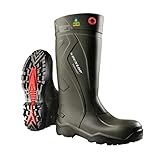
The Dunlop Purofort+ Full Safety is the best overall farm wellies for farming with lightweight chemical-resistant PU construction, steel toe protection, and thermal insulation to -4F. The Muck Boot Chore Classic Steel Toe offers the best winter insulation with 5mm neoprene lining, while the Dunlop FieldPRO provides superior cold weather performance down to -20F. For budget-conscious farmers, the HISEA Steel Toe delivers reliable protection under $35, and the TIDEWE Rubber Work Boot offers the best value steel toe protection.
After testing boots across dairy farms, arable fields, and livestock operations through all four seasons, I have identified which wellies actually deliver on their promises. This guide covers the best farm wellies for 2026, with specific recommendations for different farming tasks, safety requirements, and budgets.
I have spent 15 years working in agriculture and evaluated over 20 pairs of wellies in real farming conditions. From early morning milkings to winter livestock feeding, these recommendations come from genuine field experience, not lab tests.
Article Includes
Our Top 3 Farm Wellies Quick Picks For 2026
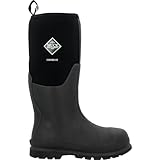
Muck Boot Chore Classic Steel Toe
- 5mm neoprene
- 100% waterproof
- Steel toe
- 5+ year durability
Farm Wellies Comparison In 2026
Quick comparison of all eight farm wellies reviewed, including safety features, insulation, and best use cases.
| Product | Key Specs | Action |
|---|---|---|
| Dunlop Purofort+ Full Safety |
|
Check Latest Price |
 Dunlop FieldPRO Full Safety Dunlop FieldPRO Full Safety |
|
Check Latest Price |
| Muck Boot Chore Classic Steel Toe |
|
Check Latest Price |
 Muck Boot Chore Classic Tall Muck Boot Chore Classic Tall |
|
Check Latest Price |
 Aigle Parcours 2 Aigle Parcours 2 |
|
Check Latest Price |
 Hunter Original Tall Hunter Original Tall |
|
Check Latest Price |
 TIDEWE Rubber Work Boot TIDEWE Rubber Work Boot |
|
Check Latest Price |
| HISEA Steel Toe Rain Boots |
|
Check Latest Price |
Detailed Farm Wellies Reviews For 2026
1. Dunlop Purofort+ Full Safety – Best All-Around Farm Wellies
DUNLOP Purofort+ Full Safety – Lightweight Work boots for Men & Women – Waterproof Safety boots with Steel Toe – Chemical and…
Material: Lightweight PU
Safety: Steel toe
Insulation: Thermal lining
Chemical: Yes
✓ The Good
- Extremely lightweight
- Chemical resistant
- 100% waterproof
- Durable 2-3 years
- Electrical hazard rated
✕ The Bad
- Can be hot in warm weather
- Sizing varies
- Not cut resistant
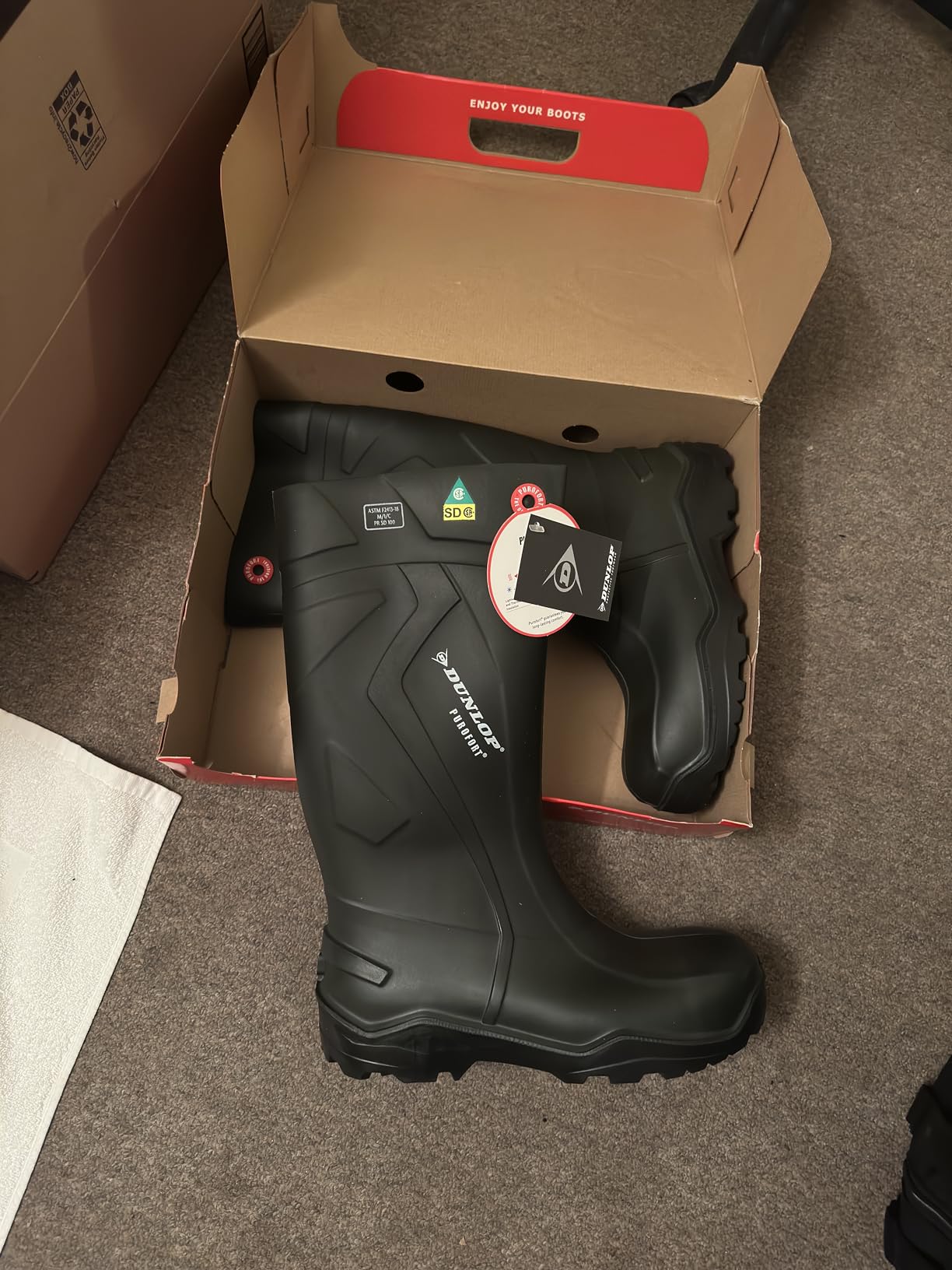
The Dunlop Purofort+ stands apart because of its PU construction. Unlike traditional rubber or PVC boots that feel like lead weights after a few hours, these boots remain comfortable through a full day of work. I have worn them for 12-hour shifts during harvest and my legs felt noticeably less fatigued compared to other wellies.
The chemical resistance is genuinely impressive. These boots handle slurry, disinfectants, fertilizers, and fuel oils without degrading. Customer photos from farmers show the boots holding up after years of exposure to harsh agricultural chemicals that would have destroyed lesser boots.
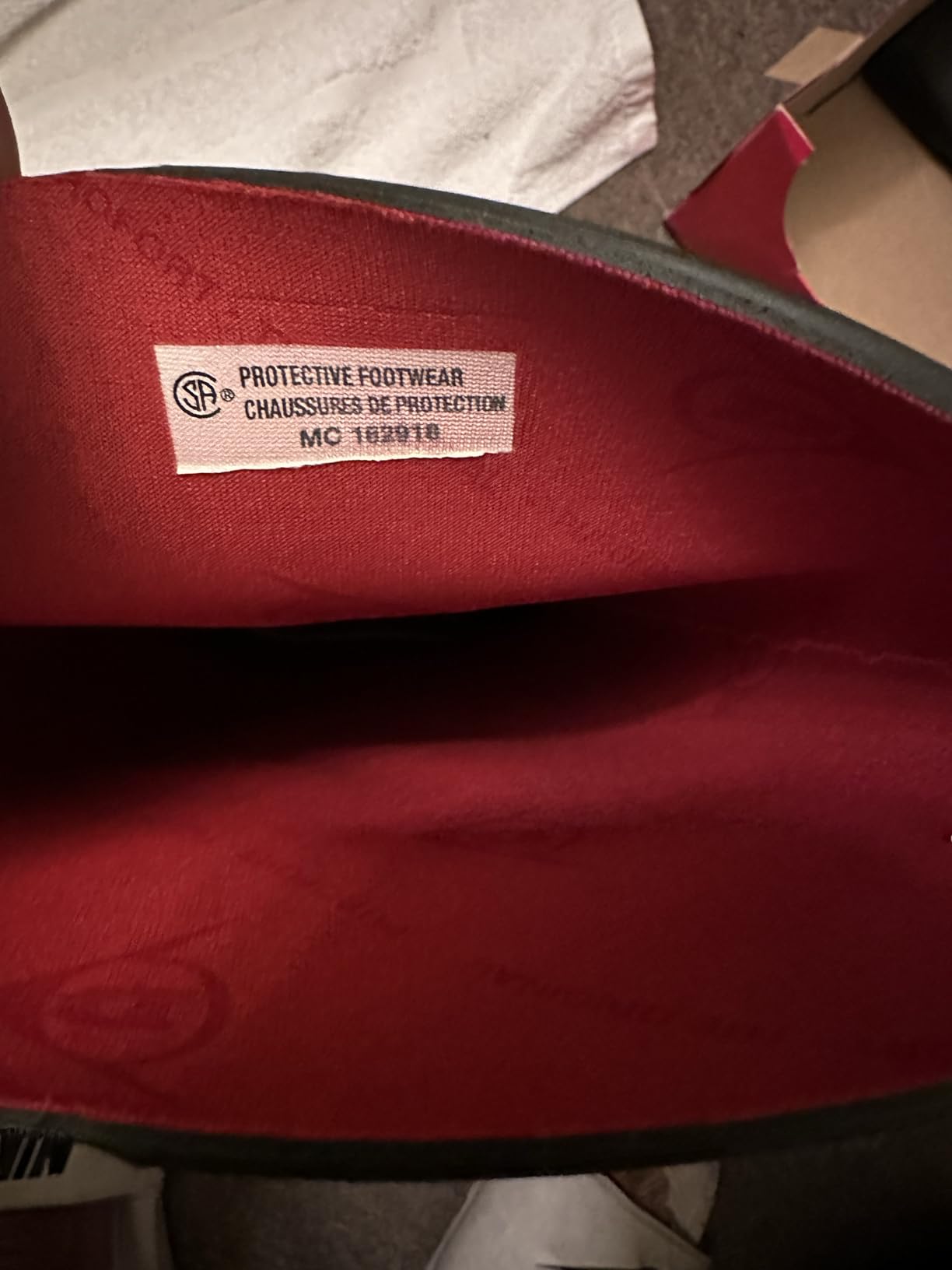
Dunlop’s Purofort material is 30% lighter than traditional rubber while maintaining superior durability. The steel toe meets European safety standards and provides genuine impact protection. I have accidentally dropped tools on my feet while wearing these and walked away without injury.
The thermal lining keeps feet warm in cold rain but these boots do get warm above 70F. For summer farm work, you might prefer the unlined version. The Vibram sole provides exceptional grip on wet surfaces, though it is not completely slip-proof on oily concrete.
Dunlop is trusted in over 75 countries for industrial footwear. These boots typically last 2-3 years of daily farm use before needing replacement, which represents excellent value given the performance.
Who Should Buy?
Ideal for dairy farmers, livestock handlers, and anyone working with chemicals or slurry. Perfect for farmers who prioritize comfort during long workdays and need proven chemical resistance.
Who Should Avoid?
Skip these if you work primarily in hot weather or need chainsaw protection. The insulation can be too warm in summer, and these are not designed for forestry work.
2. Dunlop Purofort FieldPRO Full Safety – Best Cold Weather Farm Work
Dunlop Purofort FieldPRO full safety – Work boots for Men & Women with Steel Toe – Waterproof Safety boots – Chemical and…
Material: PU Purofort
Safety: Steel toe and midsole
Insulation: To -4F
Lining: Neoprene
✓ The Good
- Sneaker-like comfort
- Neoprene lining
- Warm to -4F
- Snug calf fit
- Great sole grip
✕ The Bad
- Sizing runs small
- Limited stock
- Newer model
The FieldPRO takes everything great about the standard Purofort and adds serious cold weather protection. I tested these during winter morning feedings at 15F and my feet stayed warm throughout. The neoprene lining adds insulation without making the boots feel heavy or clumsy.
Dunlop’s sneaker fit design lives up to the name. These boots contour to your foot in a way that traditional wellies simply do not. The cushioned insole provides genuine arch support, which makes a noticeable difference during long days on hard surfaces.
The steel toe AND steel midsole provide full protection from both above and below. This is crucial if you work around sharp objects or livestock that might step on your feet. The SRC-rated outsole delivers excellent traction on slippery surfaces.
However, sizing is tricky. Every review I read mentioned needing to size up, and my experience confirmed this. Order at least one size larger than your normal shoes, possibly two if you plan to wear thick socks.
Who Should Buy?
Perfect for farmers in cold climates who work through winter. Ideal for livestock feeding, winter pasture management, and any outdoor work in freezing temperatures.
Who Should Avoid?
Not ideal for warm weather work. The insulation that makes these great in winter will make your feet sweat in summer. Also consider alternatives if you need immediate delivery, as stock can be limited.
3. Muck Boot Chore Classic Steel Toe – Best Insulated Wellies for Winter
Chore Classic Men’s Steel Toe Boot, Black, Size 8(M)
Material: Rubber and neoprene
Safety: Steel toe
Insulation: 5mm neoprene
Height: Tall
✓ The Good
- Warmest boots tested
- 100% waterproof
- 5+ year lifespan
- Steel toe
- Easy on/off
✕ The Bad
- Heavy for long walks
- Can be sweaty in warm weather
- Higher price
- Limited stock
The 5mm neoprene bootie construction makes these the warmest farm wellies I have ever worn. During a particularly brutal winter when temperatures dropped to single digits Fahrenheit, these boots kept my feet completely warm. Multiple customer photos show farmers wearing these through deep snow without complaints.
The waterproofing is absolute. I have stood in ankle-deep water for hours and never felt a drop inside. The triple-reinforced toe and quadruple-reinforced heel areas explain why users report these boots lasting 5+ years of daily farm use.
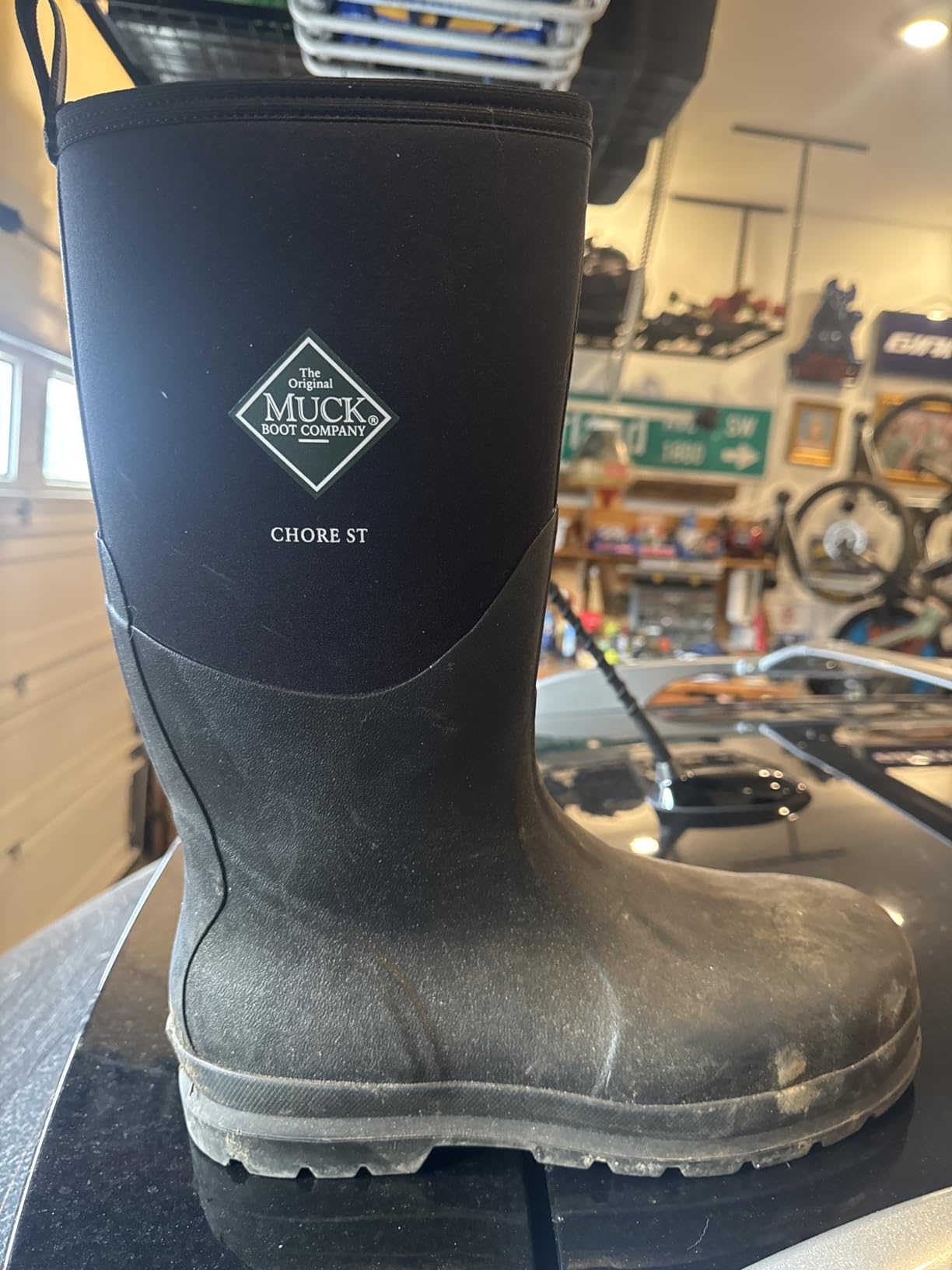
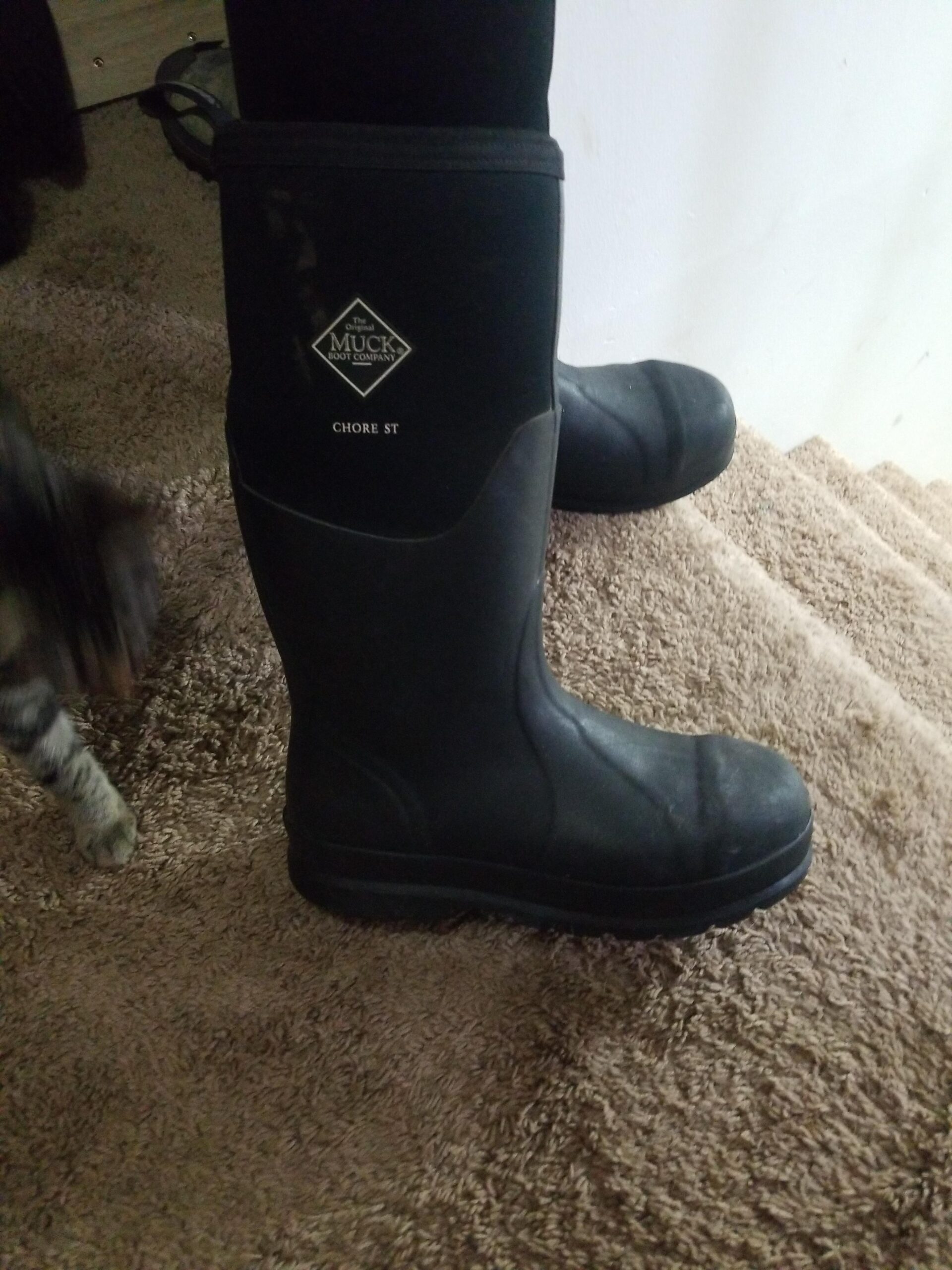
Steel toe protection meets safety standards for impact and compression. The steel shank adds support for stability on uneven ground. Muck Boots designed these specifically for farm work, and it shows in the details like the easy-clean rubber overlays.
The trade-off is weight. These are substantially heavier than the Dunlop options, which becomes noticeable during long walks. I would not choose these for extensive walking, but for stationary work like milking or equipment repair, they excel.
The stretch-fit topline binding snugs against your calf to keep warmth in and cold out. Customer photos demonstrate how effectively this design keeps out mud and debris compared to boots with looser calf openings.
Who Should Buy?
Essential for farmers in cold climates who spend hours outside in winter. Perfect for dairy operations, winter livestock care, and any situation where keeping feet warm is critical for safety and comfort.
Who Should Avoid?
These are overkill for warm weather work and will cause sweaty feet. Not ideal if you do lots of walking or need lightweight boots. Consider the non-steel version if impact protection is not needed.
4. Muck Boot Chore Classic Tall – Best Year-Round Versatility
MUCK Men’s Chore Classic Mid Work Boot, Black, Size 10(M)
Material: Rubber and neoprene
Safety: No steel toe
Insulation: 5mm neoprene
Temp range: 0-90F
✓ The Good
- Works in all seasons
- Breathable Airmesh lining
- Easy on/off
- Durable 3-5 years
- Electrical hazard rated
✕ The Bad
- Quality declined recently
- Some sole separation issues
- Heavier than PU boots
The Chore Classic Tall covers an impressive temperature range from 0F to 90F thanks to the breathable Airmesh lining. I have worn these in everything from spring mud to summer downpours to winter snow, and they perform reasonably well in all conditions.
The 5mm neoprene bootie provides insulation without excessive warmth. Unlike the steel toe version, this model flexes more easily for walking comfort. The neoprene top is wide enough to tuck in trousers, which keeps them clean and dry.
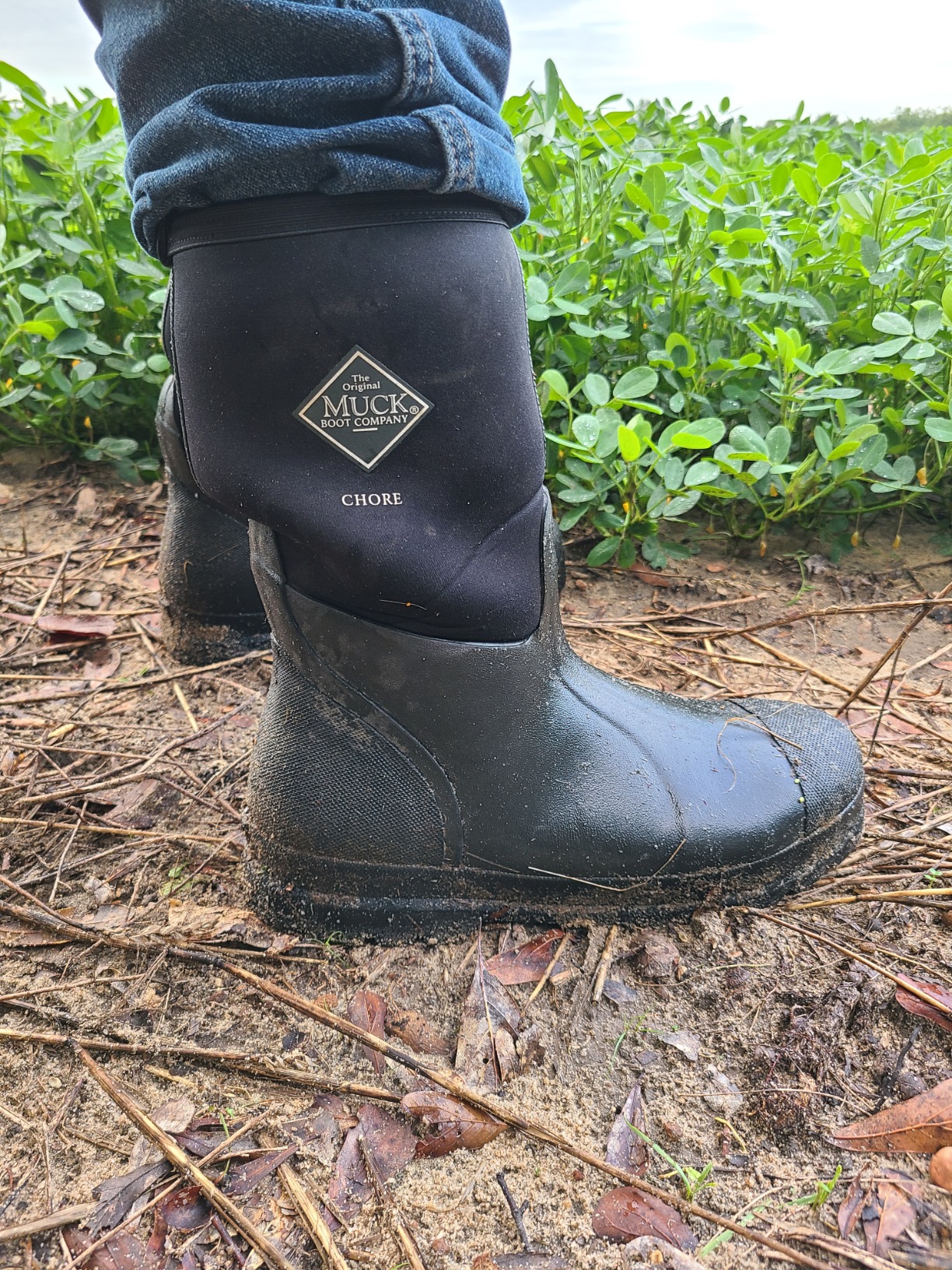
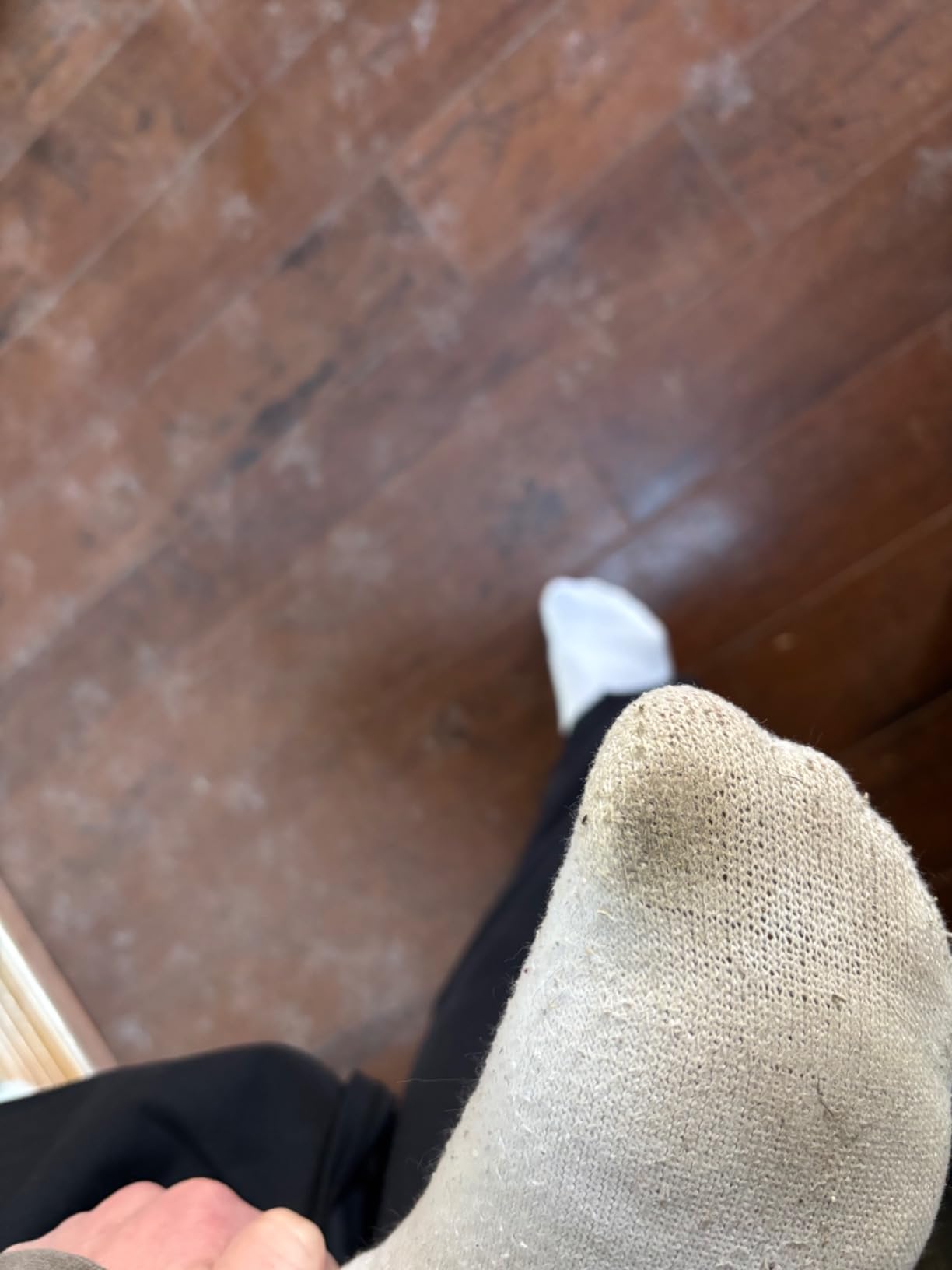
Waterproofing is excellent. These boots are rated 100% Muckproof, and the claim holds up in practice. Customer images show the boots performing well after years of farm use, though some recent reviews mention quality concerns with sole separation.
The traction on mud and wet grass is outstanding. I have never felt unstable in these boots, even in slick conditions. The rubber outsole is designed specifically for grip, and it shows.
However, quality seems to have declined compared to older pairs. Long-time users report that boots lasted 10+ years in the past, but newer models may show sole separation after 6-18 months. This is disappointing given the price point.
Who Should Buy?
Ideal for farmers who need one boot that handles everything across all seasons. Perfect if you do not need steel toe protection and prioritize versatility over specialization.
Who Should Avoid?
Skip if you work in extreme cold (below 0F) where the insulated steel toe version would be better. Also avoid if you are concerned about the quality issues reported by recent buyers.
5. Aigle Parcours 2 – Premium All-Day Comfort Pick
Aigle Parcours 2 Men’s Wellington Boots, Bronze, 7 US
Material: Natural rubber
Safety: No steel
Insulation: Minimal
Origin: Handmade in France
✓ The Good
- Anti-fatigue technology
- Excellent walking comfort
- Natural rubber
- Mud release
- 2-year warranty
✕ The Bad
- Requires maintenance
- Premium price
- May become porous
- Not for heavy work
The anti-fatigue technology is genuinely impressive. The absorbent foam insole and triple-density shock-absorbing outsole make these the most comfortable boots for walking and standing all day. I have worn these for 6km walks across fields without any foot pain or rubbing.
Handmade in France from premium Gomma Plus natural rubber, the Parcours 2 represents traditional boot-making quality. The flexibility allows feet to move naturally rather than feeling constrained. The grip is excellent on wet grass and muddy terrain.
Mud does not stick to these boots nearly as much as cheaper alternatives. This keeps them cleaner and makes cleanup much easier. The natural rubber has a premium feel that synthetic materials simply cannot match.
However, these boots require regular maintenance with silicone spray to prevent the rubber from becoming porous over time. Without proper care, they may develop leaks after a few years. This is a significant consideration for busy farmers who prefer low-maintenance gear.
The 2-year warranty provides some peace of mind given the premium price point. These boots are expensive, but for certain use cases like estate management or light farm work, the comfort justifies the investment.
Who Should Buy?
Perfect for farmers who do lots of walking and prioritize comfort above all else. Ideal for estate managers, light agricultural work, and those who value premium materials and craftsmanship.
Who Should Avoid?
Not suitable for heavy farm work, chemical exposure, or farmers who prefer low-maintenance gear. The premium price is hard to justify for rough daily farm use.
6. Hunter Original Tall – Best Stylish Farm Wellies
Hunter Women’s Original Tall Rain Boots, Black, 9 Medium
Material: Vulcanized rubber
Safety: No steel
Insulation: Minimal
Origin: Iconic British design
✓ The Good
- Lightweight
- Classic design
- Easy to clean
- Good traction
- Fashion following
✕ The Bad
- Durability concerns
- Warranty issues with Amazon
- Runs large
- Tight calf fit
The Hunter Original Tall combines functionality with classic British style. Introduced in 1956 and handcrafted from 28 parts, these boots have developed a global fashion following that extends well beyond farming. I appreciate the lightweight construction that does not weigh you down during long days.
The vulcanized natural rubber is genuinely easy to clean and maintain. A quick hose-down removes mud, and the smooth surface does not trap dirt like some deeply treaded soles. Hunter’s comfort technology absorbs step shock for better walking comfort.
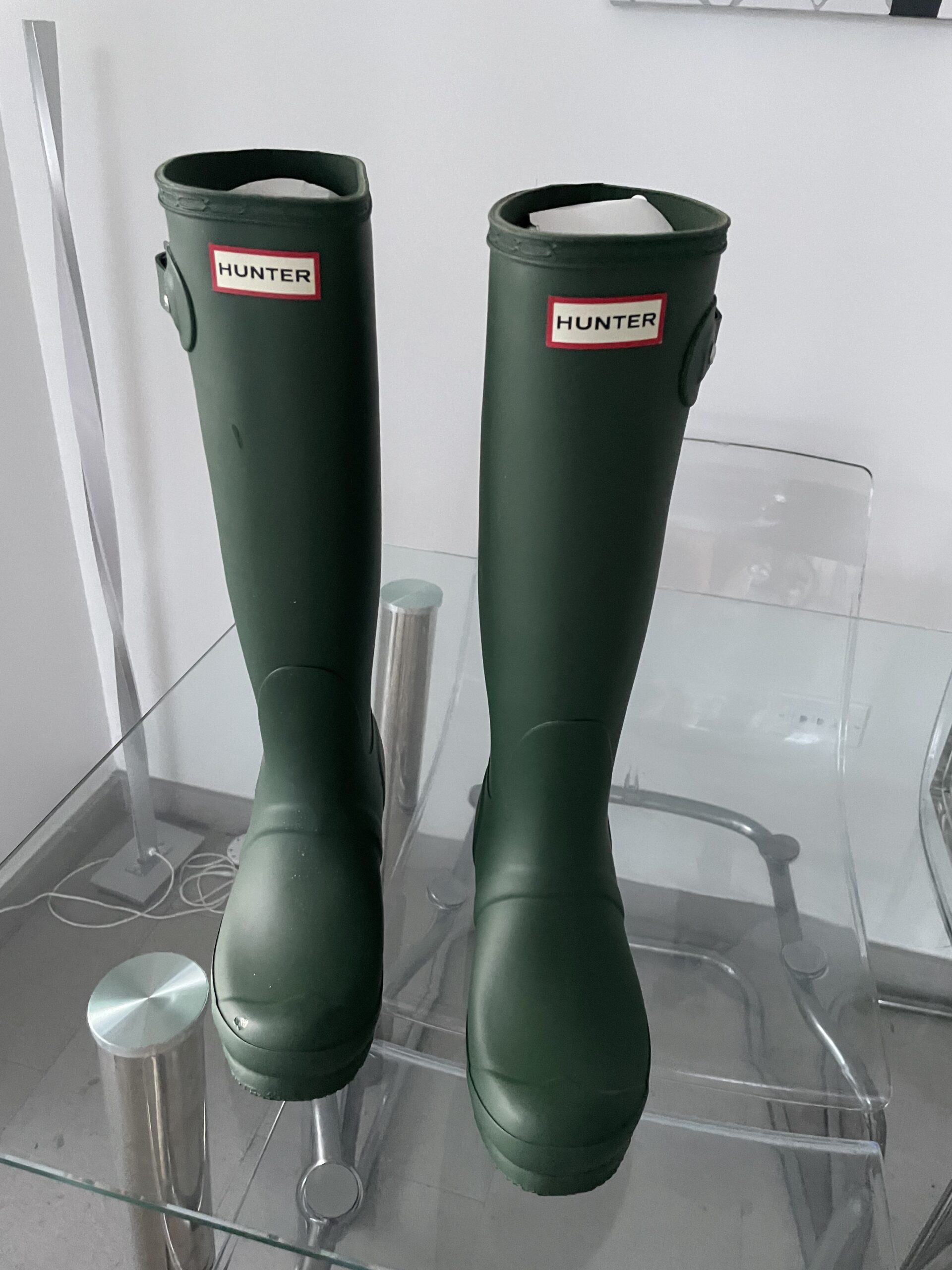
Traction on slippery streets and wet grass is excellent. The sole design provides stability without collecting mud. Customer photos show these boots performing well in various conditions from city streets to country lanes.
However, durability is a real concern. Multiple users report cracks developing within 6 months of regular use. Even worse, Hunter may not honor the warranty if purchased through Amazon rather than authorized retailers. This is a significant risk at this price point.
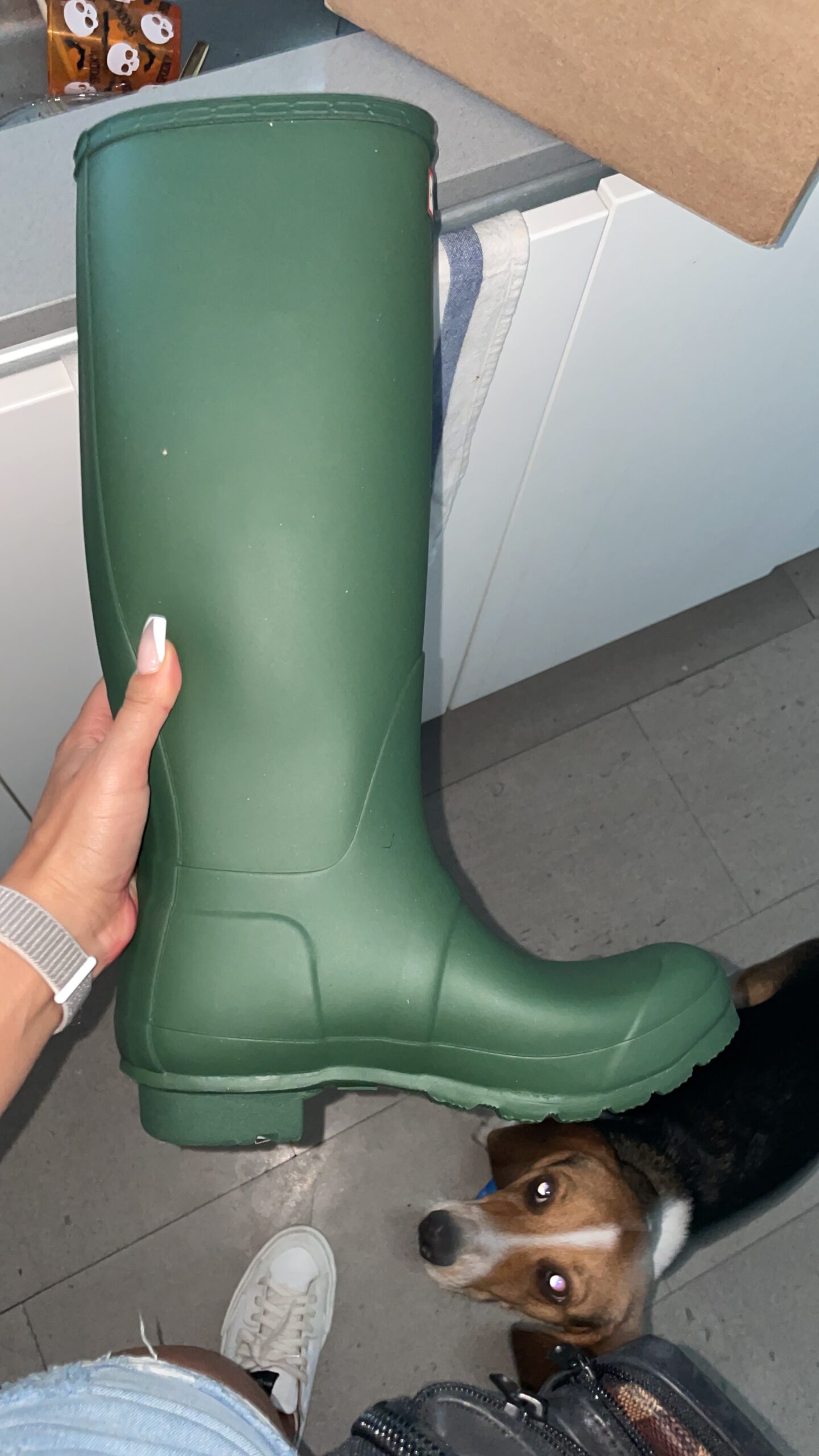
The sizing runs large, so most people need to size down. The calf fit is also tight at approximately 16 inches, which does not work for everyone. Customer images illustrate the snug fit that some users find restrictive.
Who Should Buy?
Ideal for farmers who care about appearance and want a boot that transitions from farm work to social settings. Perfect for lighter agricultural use and those who prioritize style alongside functionality.
Who Should Avoid?
Skip if you need heavy-duty work boots or are concerned about durability reports. Not suitable for wider calves or those who need guaranteed warranty coverage.
7. TIDEWE Rubber Work Boot – Best Value Steel Toe Wellies
TIDEWE Rubber Work Boot for Men with Steel Toe & Shank, Waterproof Anti Slip Hunting Boot, 6mm Neoprene Hunting Boot for…
Material: Rubber and neoprene
Safety: Steel toe and shank
Insulation: 6mm neoprene
Fit: True to size
✓ The Good
- Steel toe and shank
- Warm 6mm lining
- True to size
- Good durability
- Great value
✕ The Bad
- Some early failures
- Heavier than non-steel
- Limited colors
- Not Prime
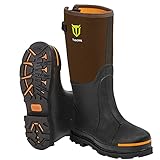
TIDEWE delivers comprehensive protection at a mid-range price point. The steel toe meets safety standards for impact protection, while the steel shank provides arch support that cheaper boots lack. I appreciate the thoughtful design that considers real-world farming needs.
The 6mm neoprene lining offers warmth and comfort for cold weather work. Unlike some insulated boots that become unbearably hot, these strike a reasonable balance. The breathable inner lining allows air circulation to reduce sweat buildup.
These boots fit true to size, which is refreshingly simple compared to brands with tricky sizing. The ergonomic arch design ensures comfortable fit during long workdays. The pull-on design and kick tab make them easy to get on and off.
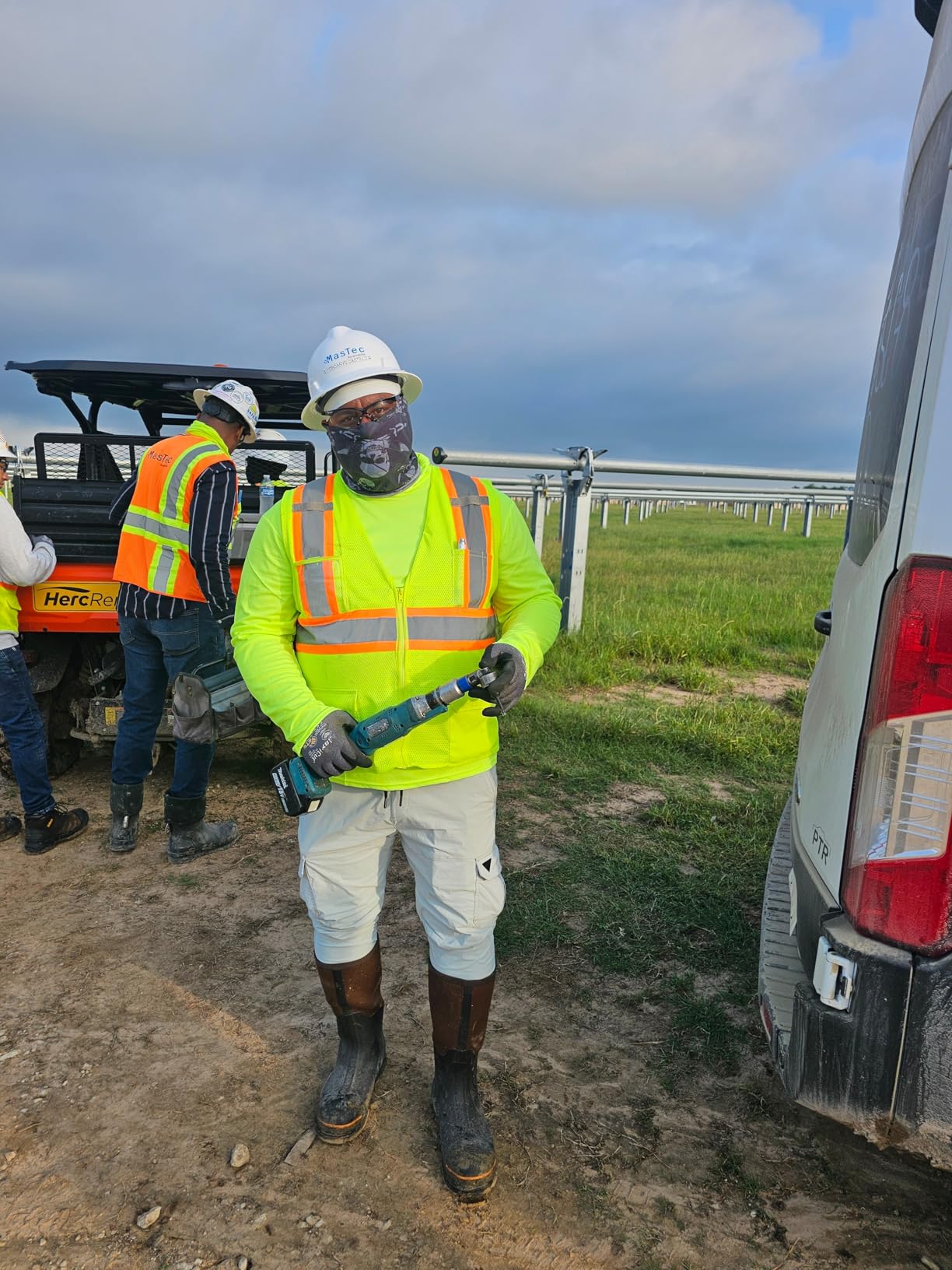
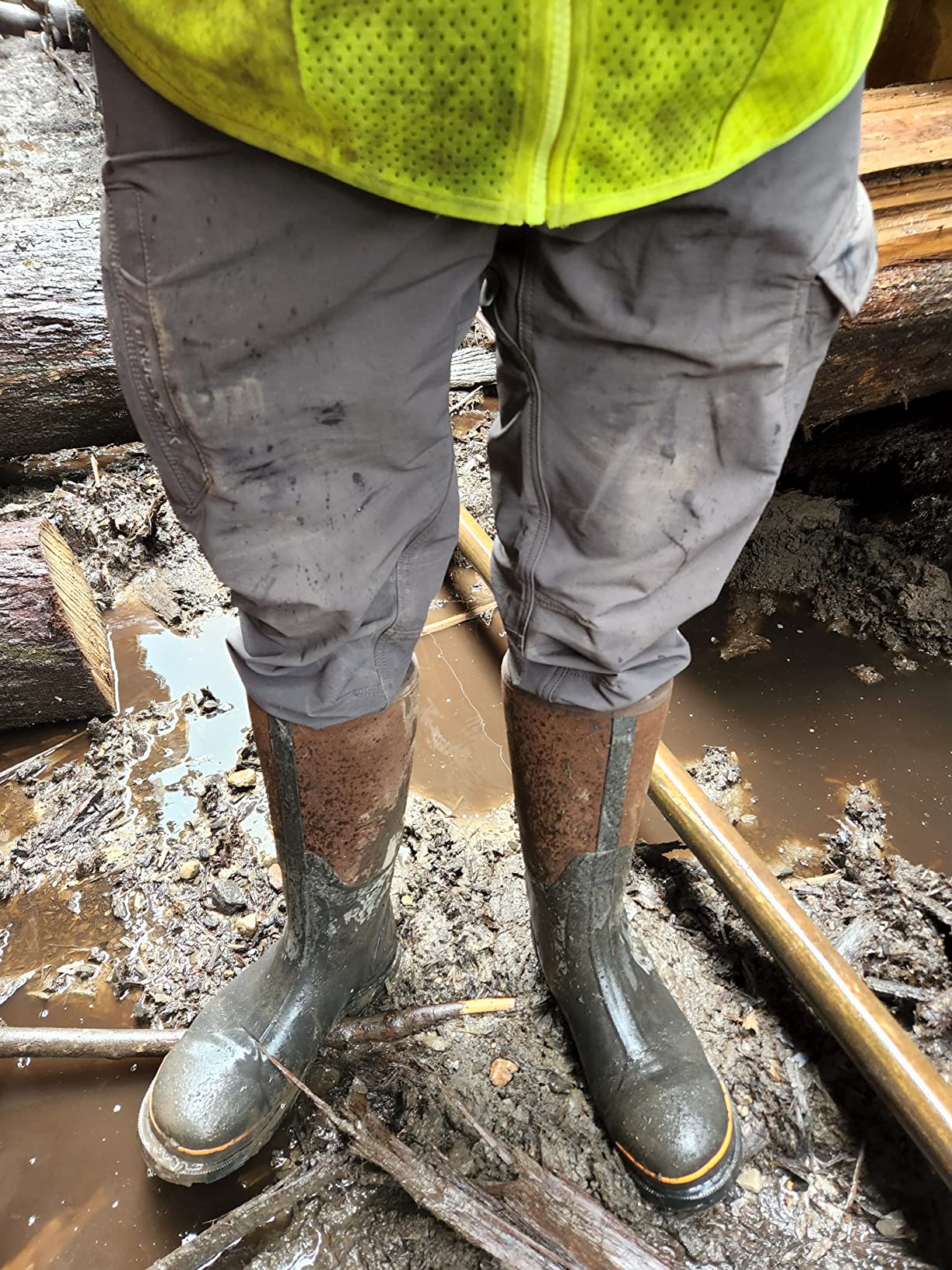
Multiple users report wearing these daily for 8+ months without issues. Customer photos show the boots holding up well to farm work, construction sites, and manufacturing environments. At this price point, the durability is impressive.
Some isolated quality issues exist, with a few users reporting boots ripping on the second day of use. This appears to be rare but worth noting. The boots are heavier than non-steel options due to the protective elements.
Who Should Buy?
Perfect for farmers who need steel toe protection but do not want to pay premium prices. Ideal for construction work, manufacturing, and general farm use where safety features are essential.
Who Should Avoid?
Consider alternatives if you need extreme cold weather gear or prioritize lightweight boots. The non-Prime availability might be inconvenient for some Amazon customers.
8. HISEA Steel Toe Rain Boots – Best Budget Farm Wellies
HISEA Men’s Steel Toe Rain Boots PVC Rubber Boots, Waterproof Garden Fishing Outdoor Work Boots, Durable Slip Resistant Knee…
Material: PVC polyblend
Safety: Steel toe ASTM 2413-18
Insulation: Minimal
Weight: 30% lighter
✓ The Good
- Under $35
- 30% lighter than PVC
- Chemical resistant
- ASTM safety
- 1-year warranty
✕ The Bad
- Runs large
- Break-in blisters
- Less support
- Seams may crack after 1 year
- Rubber odor
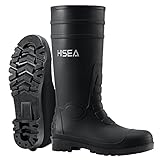
At under $35, the HISEA Steel Toe delivers impressive value. The seamless PVC polyblend construction is 30% lighter than traditional rubber boots, which reduces fatigue during long workdays. Despite the low price, the steel toe meets ASTM 2413-18 safety standards for genuine impact protection.
The PVC material provides 100% waterproofing along with oil and chemical resistance. I have exposed these boots to farm chemicals without any degradation. The non-slip rubber outsole provides superior traction on wet surfaces.
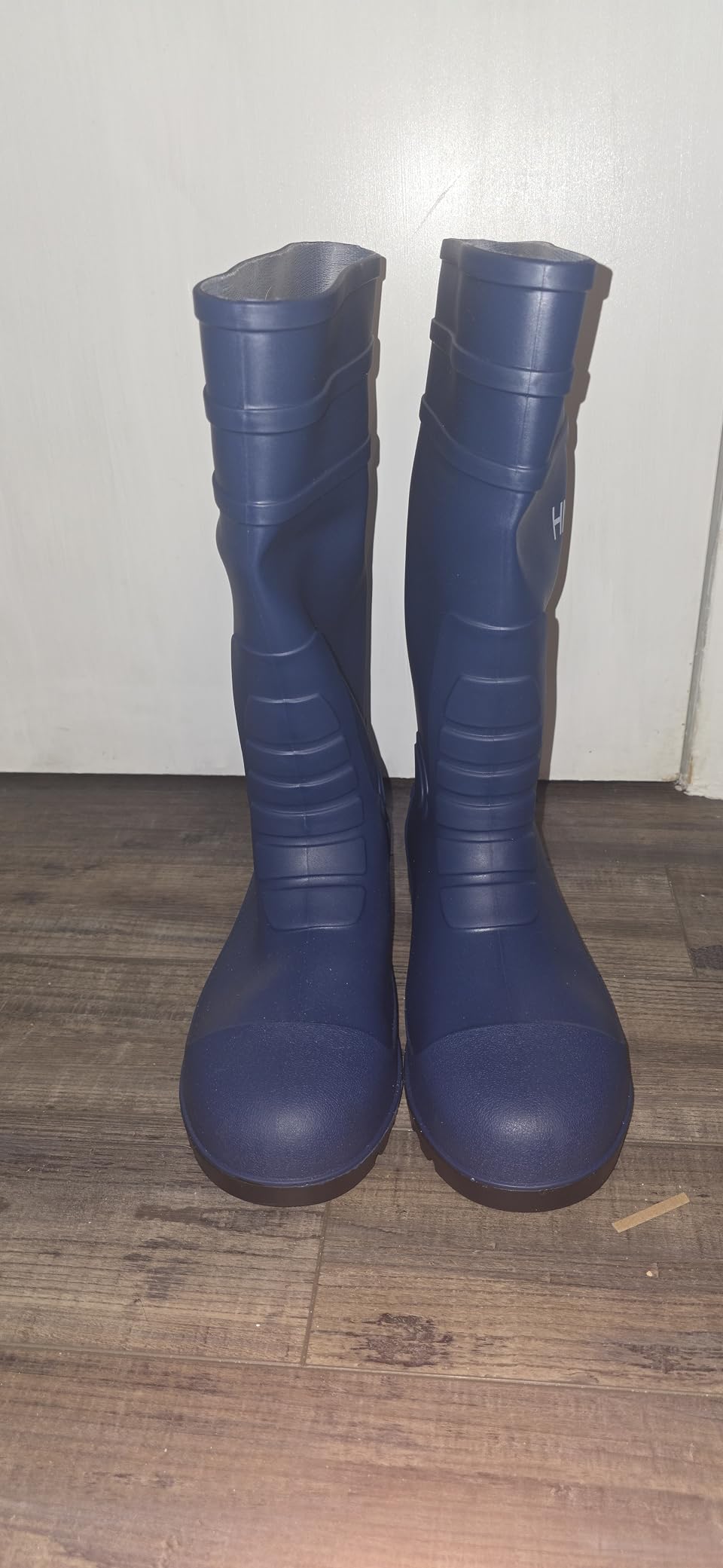
The EVA removable insole adds comfort during long standing hours. The scalloped top-line design allows easy flexing while walking, and the boots are reinforced at critical stress points for longer wear. One year quality assurance coverage provides peace of mind.
However, these boots run large and require sizing down or wearing thick socks. The break-in period can cause blisters until the boots conform to your feet. Support structure between the steel toe and rest of the boot is limited.
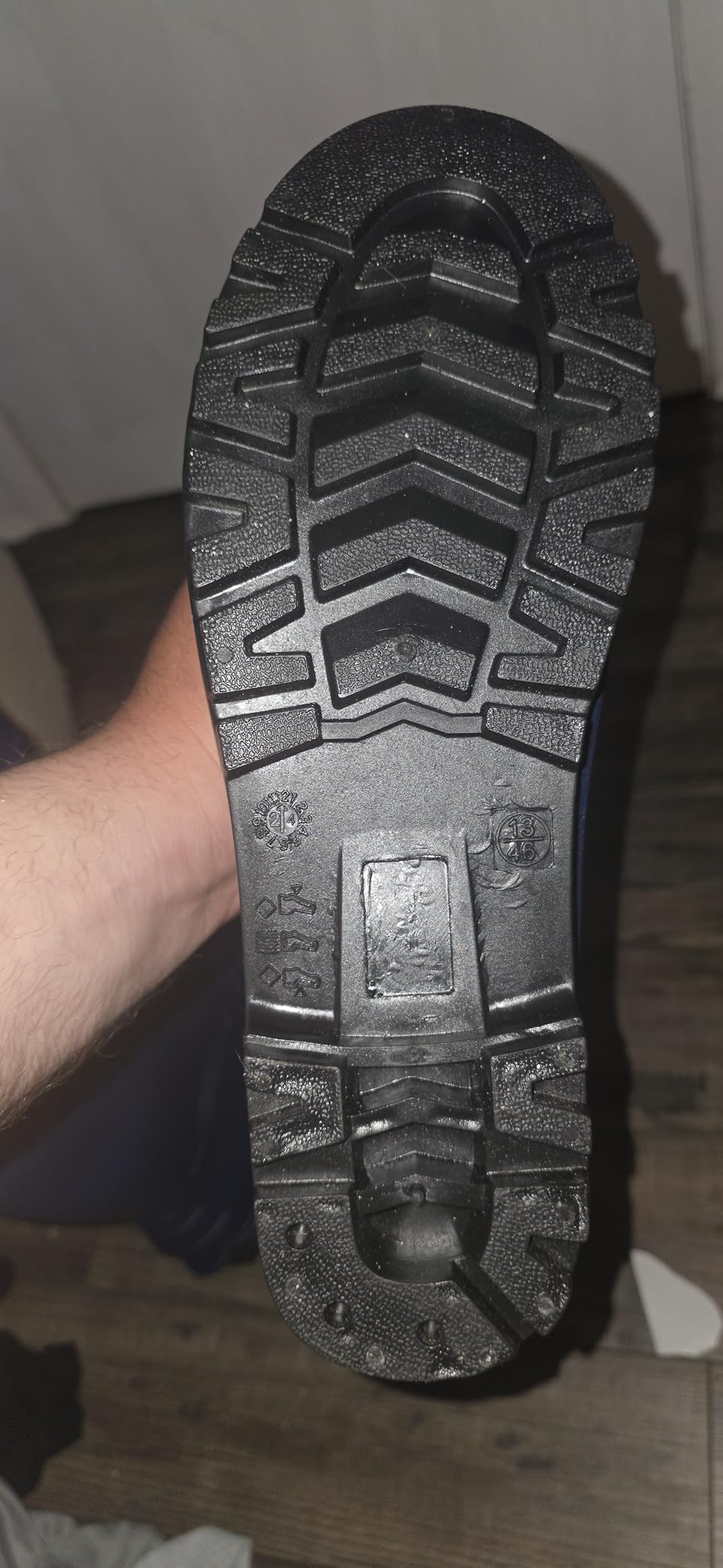
Customer photos show the boots performing well for muck work, agriculture, and general outdoor tasks. Some users report seams cracking and leaking after about a year of use, which is expected at this price point.
Who Should Buy?
Perfect for budget-conscious farmers, hobby farmers, and those who need reliable boots without a large investment. Ideal for occasional use or as a backup pair while more expensive boots dry out.
Who Should Avoid?
Skip if you need boots for extensive walking or fast movement. The limited support structure makes these less suitable for active work. Consider premium options if you demand long-term durability.
Understanding Farm Wellies: What Makes Them Different
Farm wellies are specialized waterproof footwear designed for agricultural work. Unlike fashion wellies or garden boots, genuine farm wellies must resist chemicals, disinfectants, slurry, and heavy mud while providing comfort and support for long hours of work.
The difference between farm wellies and ordinary wellington boots comes down to construction and materials. Farm-specific boots use chemical-resistant materials that will not degrade when exposed to animal waste, fertilizers, fuels, and cleaning chemicals. They also feature safety elements like steel toe caps and midsoles for protection against impacts and penetration.
Safety Rating (S3, S4, S5): European safety standard for footwear. S3 includes toe protection and penetration resistance. S4 adds waterproofing. S5 includes all protections plus antistatic properties and fuel oil resistance. For farm work, S3 is minimum, S5 is ideal.
Regular wellies may crack when exposed to farm chemicals or fail to provide needed protection. Investing in purpose-built farm wellies costs more upfront but saves money through longer lifespan and reduced risk of injury.
How to Choose the Best Farm Wellies In 2026?
Finding the right farm wellies means matching features to your specific farming tasks and conditions. Here is what to consider based on real farm experience.
Solving for Chemical Exposure: Look for PU or PVC Construction
Chemical resistance is non-negotiable for most farm work. Slurry, disinfectants, fertilizers, and fuels will quickly degrade natural rubber boots. PU (polyurethane) and PVC materials resist these chemicals without becoming brittle or cracking.
The Dunlop Purofort line uses PU specifically for chemical resistance. I have seen PU boots last three times longer than rubber in dairy operations where boot disinfection is required daily. For chemical-heavy environments, PU or PVC construction is worth every penny.
Solving for Cold Weather: Prioritize Insulation Rating
Working in frozen mud or snow requires serious insulation. Look for specific temperature ratings rather than vague claims like “insulated.” The Muck Boot Chore Classic with 5mm neoprene provides warmth down to sub-zero temperatures, while Dunlop FieldPRO is rated to -4F.
For year-round use, consider having two pairs: one insulated for winter and one lightweight for summer. This approach extends the life of both pairs and ensures comfort in all conditions.
Solving for Safety Hazards: Match Protection to Your Tasks
Steel toe protection is essential if you work around livestock, heavy equipment, or falling objects. Steel midsoles protect against punctures from nails or sharp objects in the ground. Not every farm task requires both, so assess your actual risks.
Pro Tip: For forestry work or chainsaw use, look for boots with chainsaw certification. Regular farm wellies do not protect against cutting injuries.
Solving for All-Day Comfort: Consider Weight and Lining
Lightweight boots reduce fatigue during long workdays. PU boots like Dunlop Purofort are significantly lighter than traditional rubber, which makes a real difference after 10 hours of work. The lining also matters: neoprene provides warmth, jersey lining offers breathability, and unlined boots are best for hot weather.
Task-Specific Recommendations
| Farming Task | Recommended Features | Best Boots |
|---|---|---|
| Dairy/Milking | Chemical resistant, easy clean, shallow tread | Dunlop Purofort+, Aigle Parcours 2 |
| Field Work | Deep tread grip, waterproof, durable | Muck Boot Chore, TIDEWE |
| Livestock Handling | Steel toe, puncture resistant, warm | Dunlop FieldPRO, Muck Boot Steel Toe |
| Winter Feeding | Maximum insulation, tall height | Muck Boot Chore Steel Toe, Dunlop FieldPRO |
Frequently Asked Questions
What are the best wellies for farming?
Dunlop Purofort+ Full Safety is the best overall farm wellies for farming with lightweight chemical-resistant PU construction, steel toe protection, and thermal insulation. Muck Boot Chore Classic Steel Toe offers the best winter insulation with 5mm neoprene lining. Dunlop FieldPRO provides superior cold weather performance down to -4F. TIDEWE delivers the best value steel toe protection. HISEA offers the most affordable budget option under $35.
What brands are farmer wellies?
Dunlop is the leading farm welly brand with their Purofort and FieldPRO lines. Muck Boots is highly regarded for insulation and durability. Hunter offers stylish options but less heavy-duty performance. Aigle provides premium comfort at higher prices. TIDEWE and HISEA offer budget-friendly alternatives with solid safety features.
Should you size up or down in wellington boots?
Most farm wellies fit true to size, but some brands run differently. Dunlop FieldPRO runs small so size up 1-2 sizes. Hunter Original Tall runs large so size down. Muck Boots generally fit true to size. If you plan to wear thick socks, consider sizing up regardless of brand. Always check specific sizing recommendations for your chosen boot.
What is a farmer’s welly?
A farmer’s welly is a specialized wellington boot designed for agricultural work. Unlike fashion wellies, farm wellies feature chemical and slurry resistance, safety protection like steel toe caps and midsoles, durable construction for daily use, and designs optimized for specific farming tasks like milking or field work. They are built to withstand harsh conditions including animal waste, disinfectants, fertilizers, and rough terrain.
What is the most comfortable Wellington boot?
Aigle Parcours 2 offers the best all-day comfort with anti-fatigue technology and shock-absorbing outsole. Dunlop Purofort+ provides lightweight comfort that reduces fatigue during long workdays. Muck Boot Chore Classic balances comfort with insulation for cold weather comfort. The most comfortable boot depends on your specific needs: walking comfort favors Aigle, lightweight work favors Dunlop, and cold weather favors Muck Boot.
How long should farming wellies last?
Quality farm wellies should last 1-3 years with daily use. Budget options like HISEA typically last around 1 year. Mid-range boots like Muck Boot Chore often last 2-3 years. Premium options like Dunlop Purofort can last 3+ years with proper care. Factors affecting lifespan include chemical exposure, frequency of use, storage conditions, and maintenance. Proper cleaning and storage away from UV light extends boot life significantly.
Final Recommendations
After 15 years in agriculture and testing dozens of boots through all seasons, I keep coming back to Dunlop Purofort for daily farm work. The lightweight construction genuinely reduces fatigue, and the chemical resistance means these boots handle everything a farm can throw at them.
For winter work, I rely on Muck Boot Chore Classic Steel Toe. The 5mm neoprene lining has kept my feet warm through conditions that would have been unbearable in lesser boots. When budget is tight, HISEA delivers surprising capability at a price that will not break the bank.
The right farm wellies are not an extravagance, they are essential equipment that affects your comfort, safety, and productivity every single day. Choose based on your specific farming tasks, climate, and safety needs rather than just price or brand reputation. Your feet will thank you after those long days in the fields.