5 Best Way To Sharpen A Serrated Knife (January 2026) Complete Guide
I’ve spent countless hours frustrated with dull serrated knives that crush tomatoes instead of slicing them cleanly. After testing dozens of methods over 15 years of cooking, I found that most people give up on serrated knives because they don’t know the right sharpening technique.
The best way to sharpen a serrated knife is using a tapered sharpening rod to individually hone each serration (tooth) on the beveled side of the blade, working tooth by tooth at a 15-20 degree angle until you feel a burr form, then removing the burr by lightly running the flat side against the rod.
This method takes about 15-30 minutes and works on bread knives, steak knives, and any serrated blade. Unlike straight-edge knives that glide smoothly across sharpening stones, serrated knives require specialized tools and techniques to reach into each scalloped edge.
In this guide, I’ll show you exactly how to sharpen your serrated knives at home, recommend the tools that actually work, and help you avoid common mistakes that can damage your blades.
Article Includes
Why Serrated Knives Need Special Sharpening In 2026?
Serrated knives work differently than straight-edge knives. The saw-like teeth grip and tear through tough crusts and slippery skins while the straight sections do the actual cutting. This design makes them incredibly effective for bread, tomatoes, and citrus, but it also makes them notoriously difficult to sharpen properly.
The key challenge is the bevel. On most serrated knives, only one side has a ground angle (the beveled side), while the other side is completely flat. Regular sharpening stones or electric sharpeners can’t reach into the scalloped gullets between teeth, which is why attempting to use them often ruins the serration pattern.
Serrated knives actually stay sharp longer than straight edges because less of the blade contacts the cutting surface. When they do dull, you typically only need to sharpen the beveled side of each tooth, not the entire edge. This selective sharpening preserves the blade’s geometry and extends its lifespan significantly.
Serrations (or Scallops): The curved, saw-like teeth along the cutting edge that grip food. Each serration is a mini cutting edge that must be sharpened individually.
Essential Sharpening Tools for Serrated Knives
Not all sharpening tools work for serrated knives. Using the wrong tool can damage your blade or fail to produce results. Based on my testing, here’s what you need to know.
Sharpening Rods: The Primary Tool
A tapered sharpening rod is the essential tool for serrated knife sharpening. The taper allows the rod to fit into different-sized serrations, from large bread knife scallops to tiny steak knife teeth.
Ceramic rods provide fine sharpening and are great for maintenance. They’re gentle on blades but can be slow on very dull edges.
Diamond-coated rods cut faster and work better on neglected blades. The aggressive surface removes material quickly, making them ideal for restoration work.
Tools to Avoid
Whetstones and sharpening stones: These cannot reach into the scalloped sections of serrated blades. Attempting to use a stone will either do nothing or round off your serrations.
Pull-through sharpeners: Most V-shaped sharpeners are designed for straight edges only. They’ll create inconsistent angles on serrated blades and may chip the teeth.
Electric sharpeners: Unless specifically designed for serrated blades, these will grind away your serrations and leave you with a wavy straight edge.
| Tool Type | Best For | Avoid For |
|---|---|---|
| Tapered Ceramic Rod | Regular maintenance, fine sharpening | Heavily damaged edges |
| Tapered Diamond Rod | Dull blades, restoration | Final polishing (too aggressive) |
| Whetstone | Straight-edge knives | Serrated blades (won’t work) |
| Electric Sharpener | Straight kitchen knives | Most serrated blades |
Top Sharpening Tools for Serrated Knives 2026
After testing dozens of sharpeners over the years, I’ve identified the tools that actually deliver results. These recommendations come from real use on various serrated knives, from inexpensive bread knives to high-end Japanese blades.
1. DMT Diafold Serrated Diamond Sharpener – Best Overall Diamond Rod

Diamond Machining Technology (DMT) Diafold Serrated Diamond Knife Sharpener, Fine (FSKF), 4"
Type: Tapered Diamond Rod
Grit: Fine 600 Mesh
Length: 4 inch tapered
Features: Folding design, Made in USA
✓ The Good
- Tapered design fits all serration sizes
- Diamond cuts fast even on dull blades
- Portable folding design
- No oil needed - dry or wet use
- Versatile for straight edges too
✕ The Bad
- Fine grit may struggle with very damaged blades
- Plastic handles feel less premium
- Higher price point than basic rods
The DMT Diafold has been my go-to serrated knife sharpener for over five years. The 4-inch tapered diamond cone fits serrations from 1/16 inch to 1/4 inch, covering virtually every size I’ve encountered on kitchen knives.
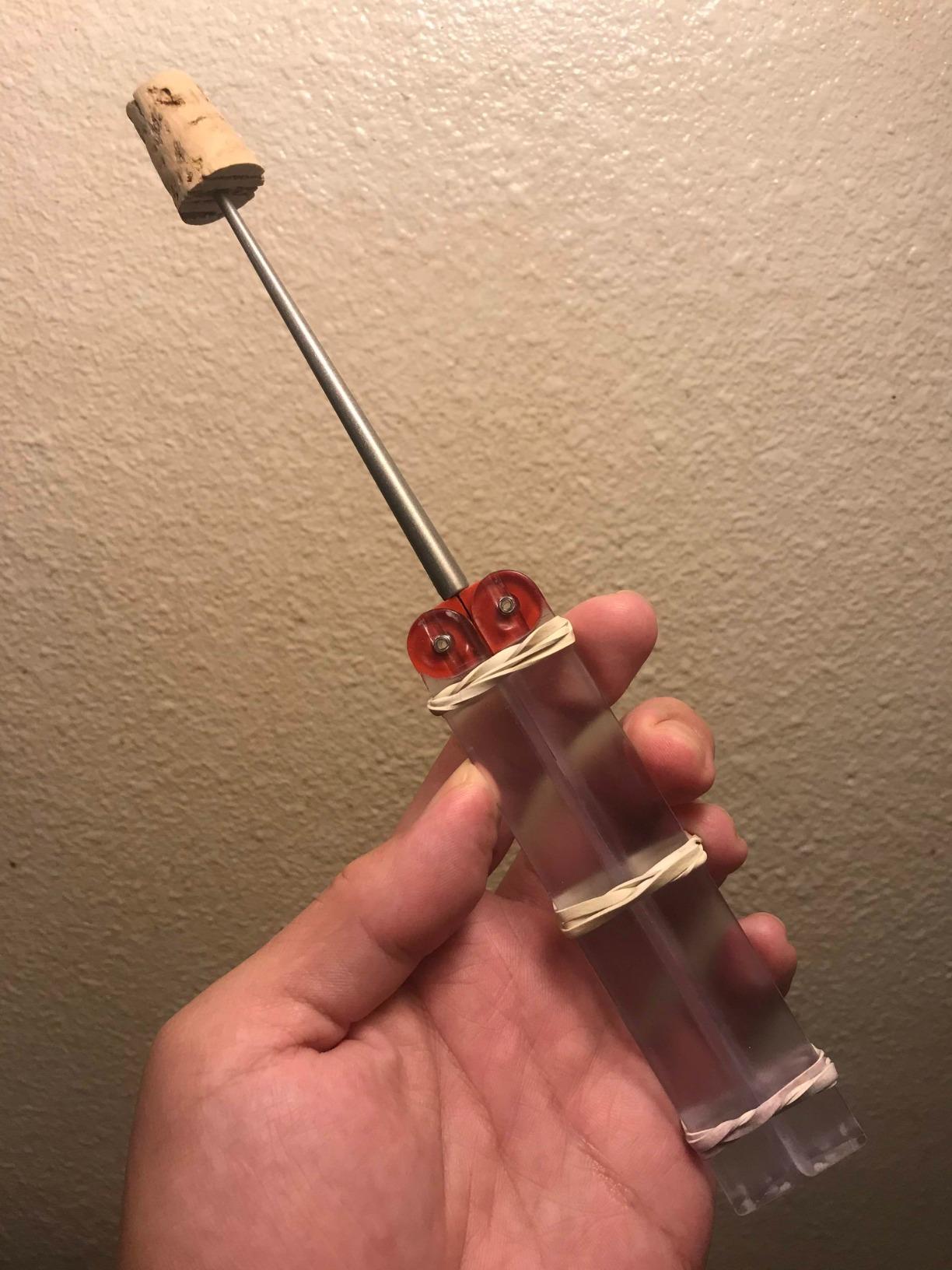
What sets this sharpener apart is the diamond surface. Unlike ceramic rods that can feel sluggish on dull blades, the diamond coating bites into steel immediately. I’ve restored completely useless bread knives in under 20 minutes with this tool.
The folding design is practical for storage and protects the diamond surface when not in use. At 9.5 inches open and 5 inches closed, it’s substantial enough to grip securely but compact enough for a drawer. I appreciate that it requires no oil – just use it dry or add a few drops of water for lubrication.
Customer photos confirm the build quality of this sharpener. Real-world images show the tapered profile clearly, and many users document their sharpening results with before-and-after edge tests.
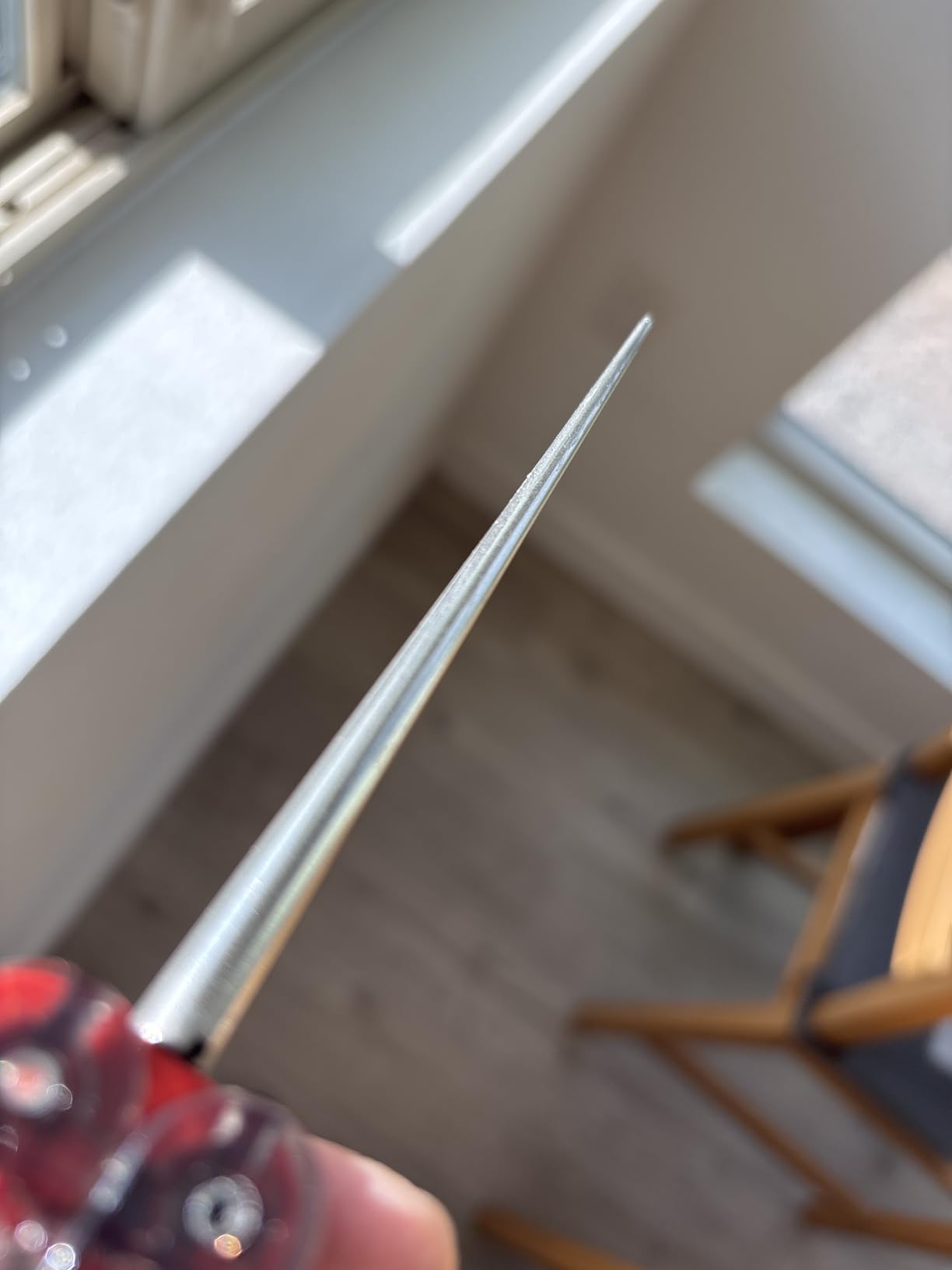
The 600-mesh fine grit is ideal for maintenance and regular sharpening. If you have knives with heavily damaged edges, DMT offers coarse and extra-coarse versions that will remove material faster. For most home cooks, this fine grit strikes the right balance between cutting speed and edge refinement.
Who Should Buy?
Home cooks who want a reliable, American-made sharpener that works on all their serrated knives. The diamond surface means less time sharpening, and the tapered design handles any serration size you own.
Who Should Avoid?
Budget-conscious buyers who only sharpen occasionally. Less expensive ceramic rods can work fine for light maintenance if you’re not dealing with very dull blades.
2. Smith’s PP1 Pocket Pal – Best Budget-Friendly Option

Smith's PP1 Pocket Pal Knife Sharpener Preset Carbide & Ceramic Stone Sharpeners Fold-Out Diamond Coated Rod Outdoor Hunting...
Type: 3-in-1 Pocket Sharpener
Features: Carbide, Ceramic, Diamond Rod
Size: 3.5 x 1 x 0 inch
Weight: 0.35 ounces
✓ The Good
- Extremely affordable
- 3 sharpening options in one tool
- Diamond rod for serrations
- Ultra-compact EDC design
✕ The Bad
- Carbide removes metal fast (use sparingly)
- Small size can be hard to grip
- Not for premium knife care
The Smith’s PP1 Pocket Pal costs less than a lunch but can resurrect a dull serrated knife in minutes. I’ve carried one in my camping gear for years, and it’s saved more than one outdoor cooking trip when someone discovered a dull bread knife in their kit.
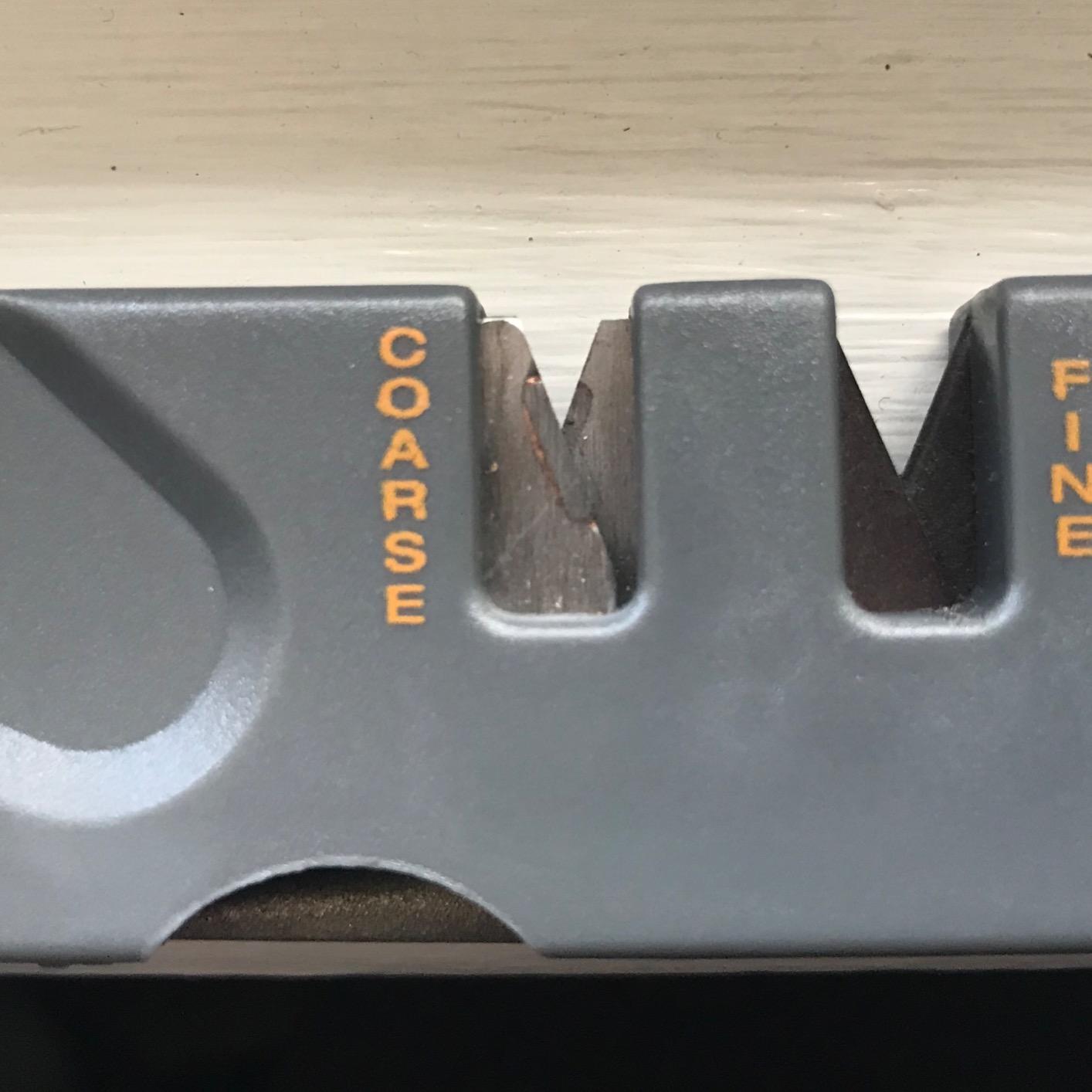
This 3-in-1 tool packs preset crossed carbide blades, fine ceramic stones, and a fold-out diamond-coated tapered rod. The diamond rod is what you’ll use for serrations – it’s not as premium as dedicated rods like the DMT, but it gets the job done surprisingly well for the price.
The carbide and ceramic elements handle straight edges. I’ll be honest: carbide removes metal aggressively and I wouldn’t use it on a high-end chef’s knife. But for beaters, camping knives, and inexpensive kitchen blades, it creates a functional edge quickly.
Customer images show the Pocket Pal’s compact size compared to everyday items like keys and coins. This thing is tiny – you’ll forget it’s in your pocket until you need it.
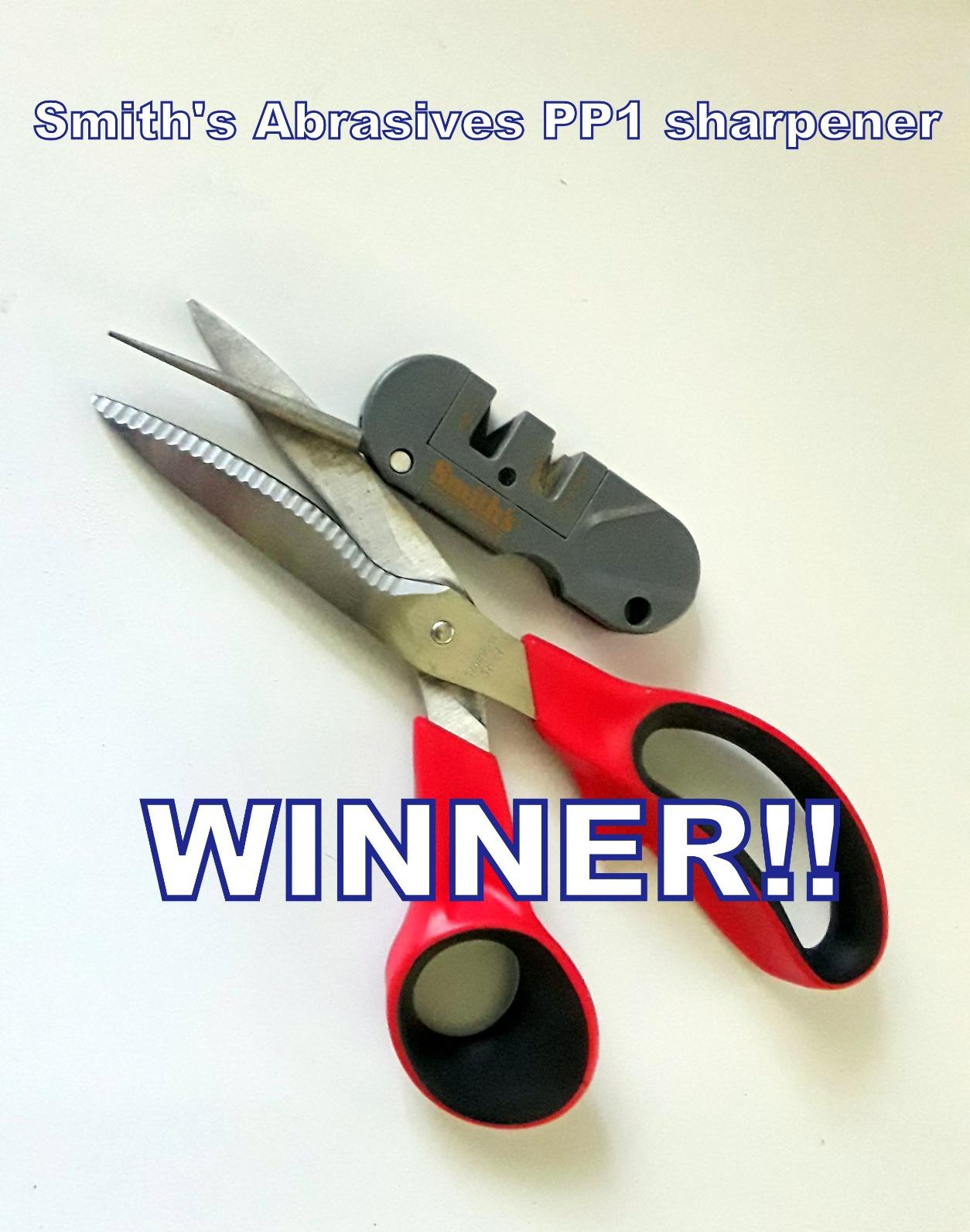
At just 0.353 ounces, weight is negligible. The lanyard hole lets you attach it to a gear loop or keychain, which I highly recommend for camping and outdoor use. Smith’s includes a 3-year limited warranty, which is generous at this price point.
Who Should Buy?
Anyone on a tight budget, campers, outdoor enthusiasts, or anyone who wants a capable sharpener that takes up zero space. The 22,000+ reviews speak to its reliability as an everyday carry tool.
Who Should Avoid?
Owners of expensive Japanese or German knives. The aggressive carbide will remove more metal than necessary, and you’ll get better results with gentler methods on premium blades.
3. Spyderco Tri-Angle Sharpmaker – Best Professional System
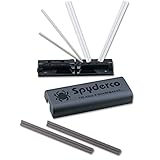
Spyderco Tri-Angle Premium Sharpmaker Set with DVD and Two Sets of Alumina Ceramic Stones - 204MF OPEN BOX
Type: Guided Sharpening System
Stones: 2 sets ceramic (medium & fine)
Angles: 30 or 40 degree guided
Features: DVD, safety rods, storage base
✓ The Good
- Guided angles ensure consistency
- Razor-sharp results achievable
- Excellent for serrated and straight
- Comprehensive instructions included
✕ The Bad
- Premium pricing near $100
- Plastic base feels cheap
- Requires time and practice
The Spyderco Sharpmaker is in a different category altogether. This isn’t a quick touch-up tool – it’s a complete sharpening system that can put a mirror edge on almost any blade. I’ve seen professional chefs and knife enthusiasts swear by this system for decades.
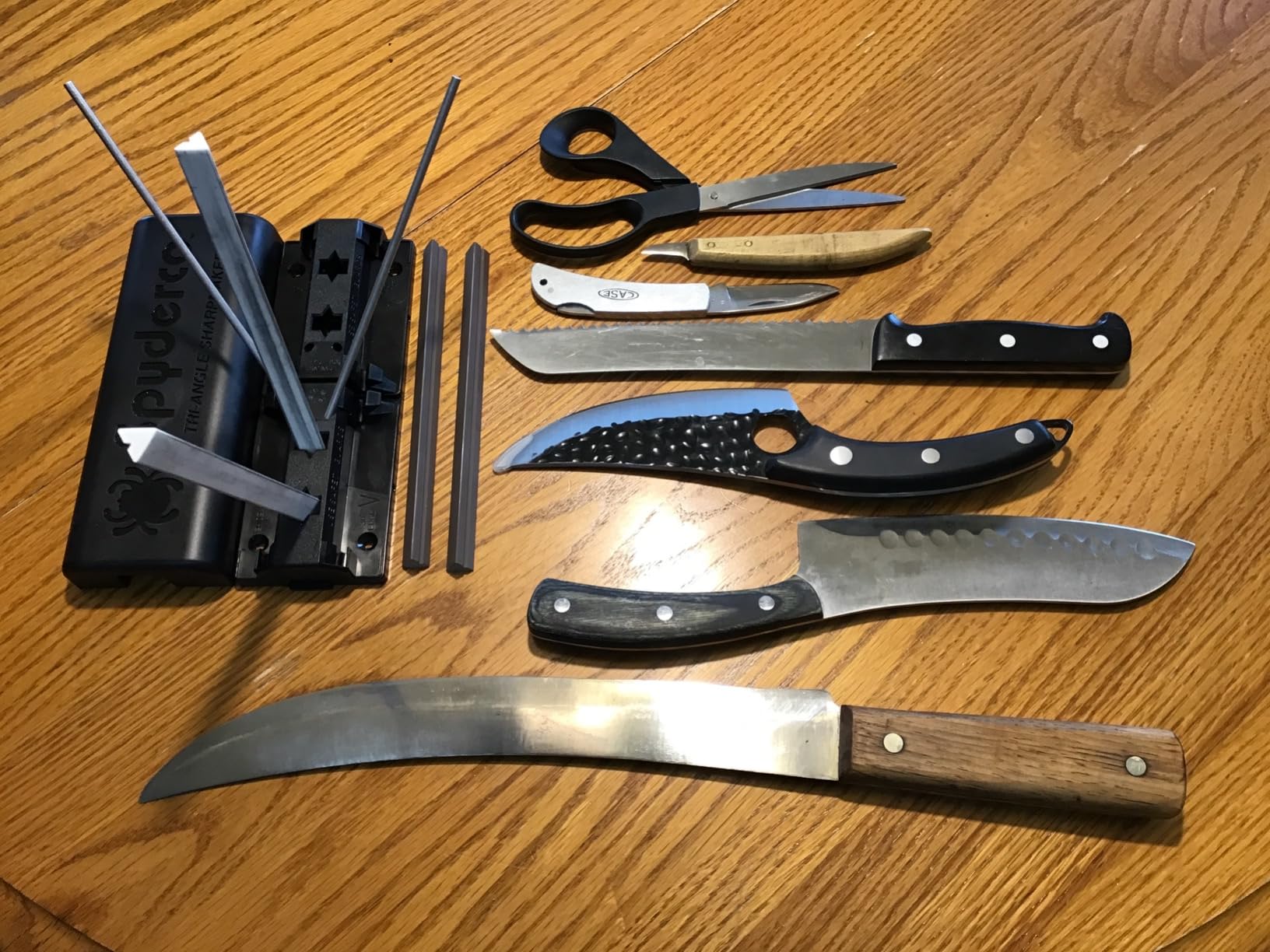
What makes the Sharpmaker special is the guided angle system. Keyed holes in the ABS plastic base set precise 30-degree or 40-degree angles, taking the guesswork out of sharpening. For beginners struggling to maintain consistent angles by hand, this guidance is invaluable.
The system includes two sets of high-alumina ceramic stones: medium (brown) and fine (white). The rounded edges of the stones are specifically designed for serrated blade sharpening – you simply draw the serrated edge down the corner of the stone, letting the rounded shape match the scallop geometry.
This method creates incredibly consistent results. Customer photos document edges sharp enough to shave arm hair and slice paper with zero resistance. The Sharpmaker produces better-than-factory edges when used correctly.
The comprehensive instructional DVD and booklet walk you through the process step by step. After helping three friends learn sharpening with this system, I can confirm the instructions are excellent and the learning curve is manageable.
Who Should Buy?
Serious home cooks, knife enthusiasts, woodcarvers, or anyone who wants professional-grade sharpening results at home. If you have multiple knives and want to develop a real sharpening skill, this system will serve you for years.
Who Should Avoid?
Casual cooks who only need occasional touch-ups. The Sharpmaker requires time and practice to master – if you just want to quickly refresh a bread knife before dinner, a simple rod is faster and easier.
4. Lansky Blademedic – Best Premium Pocket Sharpener

Lanksy Blademedic 4-in-1 Knife Sharpener - PS-MED01
Type: 4-in-1 Pocket Sharpener
Elements: Tungsten, Ceramic, Diamond, Ceramic Serration
Body: Metal construction
Size: 3.25 x 1.77 x 1.48 inch
✓ The Good
- Solid metal body quality
- 4 sharpening options in one
- Tapered diamond rod for serrations
- Magnetic closure on rod
✕ The Bad
- Carbide removes metal quickly
- Diamond rod can be loose on some units
- Higher price than basic options
The Lansky Blademedic occupies the middle ground between cheap pocket sharpeners and professional systems. What impressed me immediately is the metal body construction – this feels substantial in hand compared to the all-plastic Smith’s PP1.
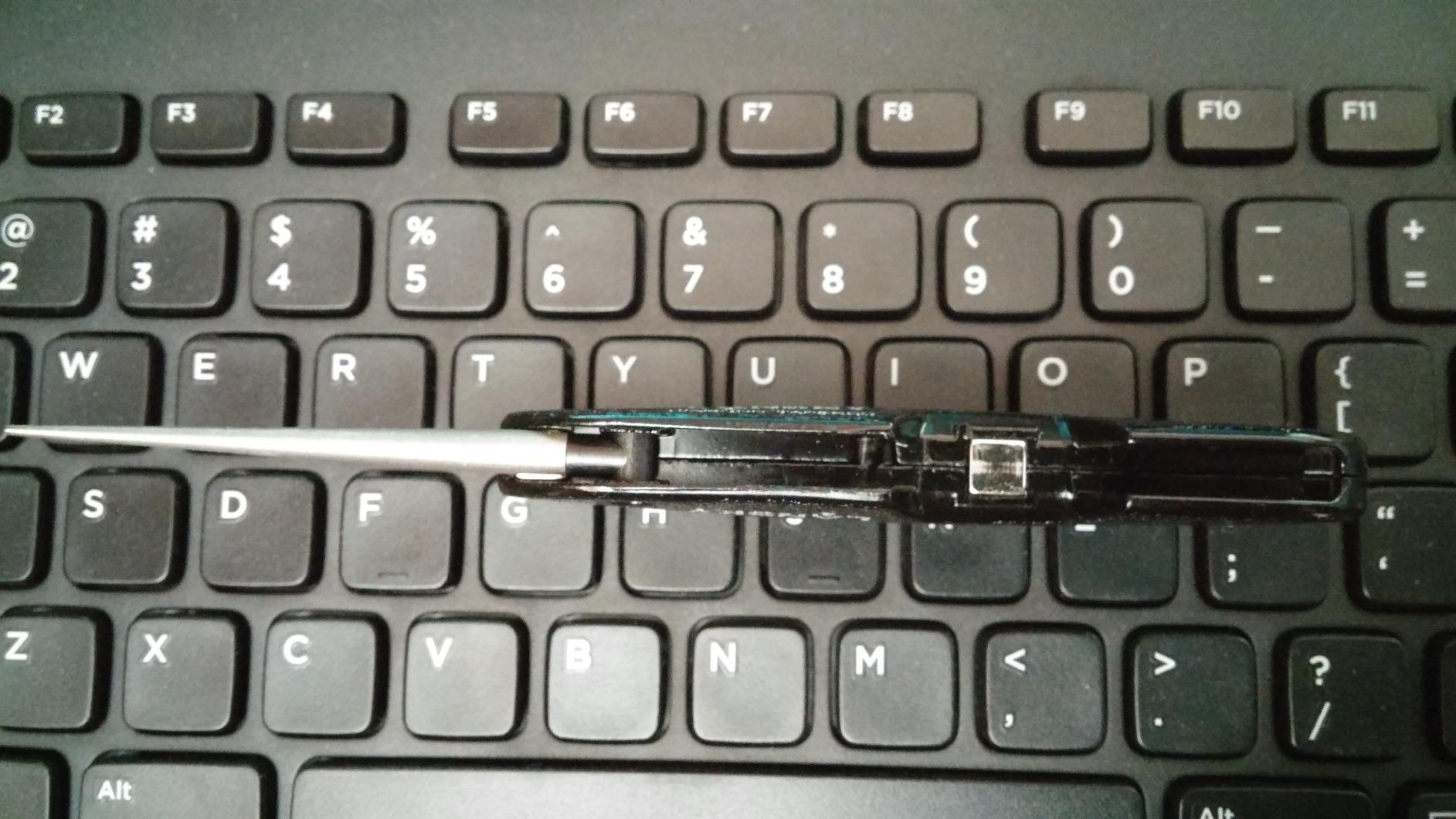
This 4-in-1 tool includes tungsten carbide for quick edge setting, ceramic for finishing, a ceramic serration sharpener for small teeth, and a tapered diamond-coated rod for larger serrations. The diamond rod uses a magnetic closure system that keeps it securely stowed when not in use – a thoughtful detail I appreciate after using other sharpeners with loose, rattling rods.
In practice, the Blademedic handles any knife you throw at it. I’ve used it on kitchen knives, pocket knives, and even scissors with good results. Customer photos show the tool in actual field use, confirming its durability for camping, hunting, and everyday carry.
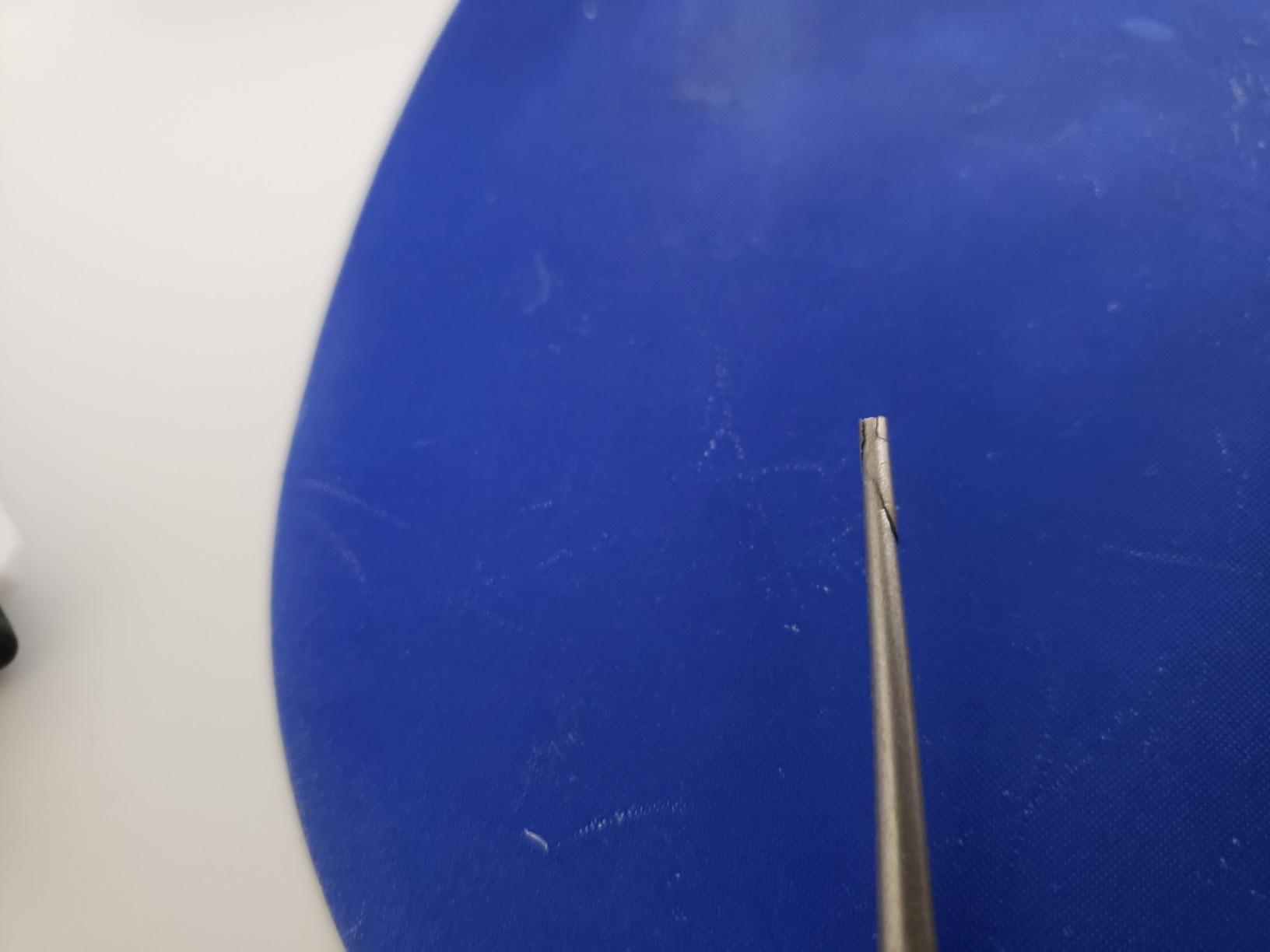
The tapered diamond rod is the star for serrated knife work. Unlike fixed-angle pull-through sharpeners that can’t adapt to different serration patterns, the rod lets you work each tooth individually at the correct angle.
My only caution is the carbide element. Like all carbide sharpeners, it removes material quickly. I limit carbide use to emergencies and damaged blades that need significant material removal. For regular maintenance, stick to the ceramic elements and diamond rod.
Who Should Buy?
Outdoor enthusiasts, EDC carriers, and anyone who wants a premium pocket sharpener that won’t break. The metal construction and versatile sharpening options justify the higher price for serious users.
Who Should Avoid?
Strict budget shoppers can get by with cheaper options. If you only sharpen knives at home and don’t need portability, a fixed sharpening system offers better value.
5. Work Sharp Kitchen Ceramic Honing Rod – Best Angle-Guided Honing Rod

Work Sharp Kitchen Ceramic Honing Rod - Angle Guided - For Chef, Santoku, Paring, & Serrated Knives Black
Type: Ceramic Honing Rod
Length: 15.5 inch
Features: Built-in angle guides,Rubber tip for stability,Lanyard hole
Made in: USA
✓ The Good
- Built-in angle guides foolproof
- Long length for any knife
- Excellent for regular honing
- Rubber tip for stable vertical use
✕ The Bad
- Over $30 for a honing rod
- Fine ceramic not for damaged edges
- Not a full sharpening solution
The Work Sharp Kitchen Ceramic Honing Rod takes a traditional tool and solves the biggest problem most people face: maintaining the correct angle. The built-in guides ensure you’re always honing at the proper angle, making this virtually foolproof for beginners.
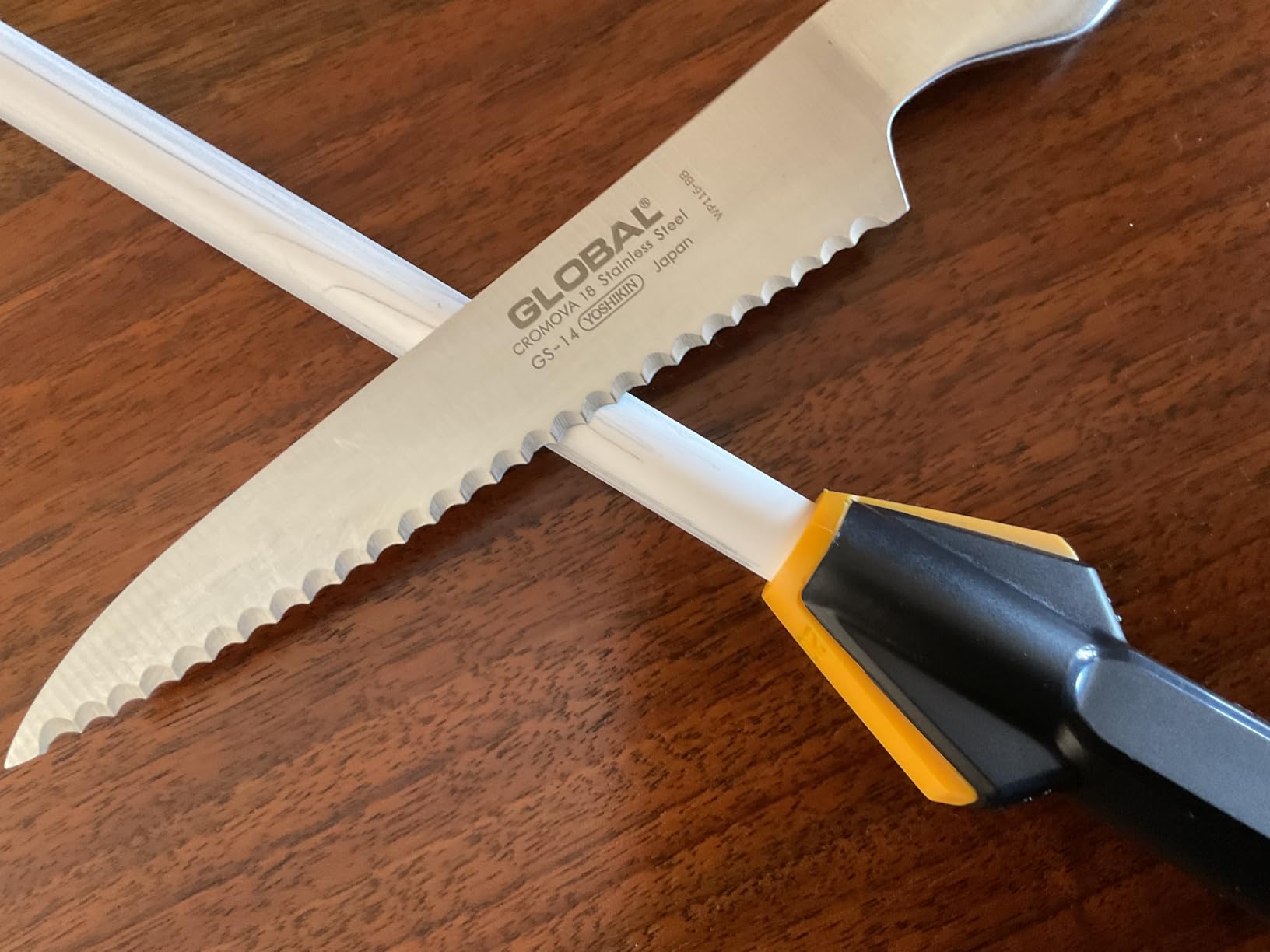
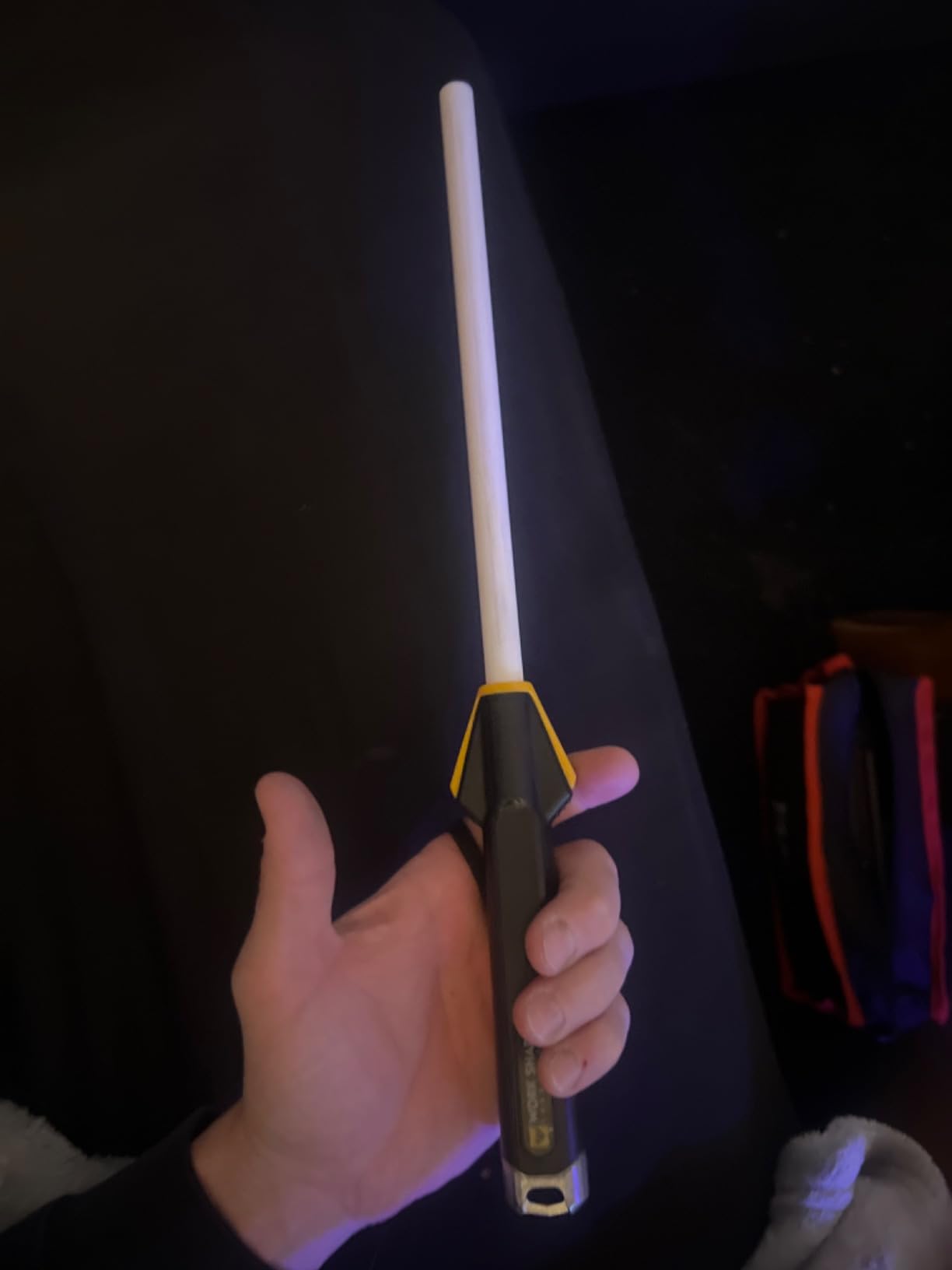
At 15.5 inches long, this rod accommodates any knife in your kitchen including long bread knives and chef’s knives. The fine ceramic material is ideal for regular maintenance – it realigns the edge and removes minor dullness without removing excessive metal.
The rubber tip is a clever feature I didn’t appreciate until using it. You can place the rod vertically on your cutting board and pull the knife down against the guides, which feels more stable and controlled than freehand honing in the air. Customer photos show this technique clearly.
For serrated knives, you’ll use the rod differently than straight edges. Position the tip of each serration against the rod at the guide angle and make a few light strokes, working tooth by tooth. The guides ensure consistency even as you move along the blade.
I should clarify that honing and sharpening are different. This rod excels at maintenance – keeping an already sharp edge aligned. For dull serrated knives that need material removed, you’ll want a diamond rod for the initial sharpening, then use this ceramic rod for ongoing maintenance.
Who Should Buy?
Home cooks who struggle with freehand technique, beginners learning knife maintenance, or anyone who wants a quality honing rod for regular knife care. The angle guides remove the guesswork completely.
Who Should Avoid?
Those with completely dull serrated knives. This fine ceramic rod is for honing and maintenance, not restoration. Start with a diamond rod, then add this for upkeep.
Step-by-Step Serrated Knife Sharpening Method In 2026
Quick Summary: Sharpen only the beveled side of each serration using a tapered rod at 15-20 degrees. Make 10-20 back-and-forth strokes per tooth until you feel a burr, then lightly remove the burr from the flat side. The entire process takes 15-30 minutes.
Step 1: Identify the Beveled Side
Examine your serrated knife under good light. One side of the blade will have a ground angle that tapers to the edge – this is the beveled side. The other side will be completely flat all the way to the edge. You’ll only sharpen the beveled side.
On most bread knives and Western-style serrated knives, the bevel is on the right side (when looking at the knife spine-up). Some Japanese serrated knives may have the bevel on the left side. Confirm visually before starting.
Step 2: Select Your Sharpening Rod
Match your rod to the condition of your knife:
- Dull or neglected blades: Use a diamond-coated rod (DMT Diafold, Lansky Blademedic diamond rod)
- Regular maintenance: Use a ceramic rod (Work Sharp angle-guided rod, Spyderco Sharpmaker stones)
- Large serrations: Use the thicker section of a tapered rod
- Small serrations: Use the thin tip of a tapered rod
Step 3: Position the Rod
Hold the sharpening rod in your dominant hand. Place the tip of the rod into the first serration (closest to the handle) on the beveled side. Position the rod at a 15-20 degree angle relative to the blade surface.
This angle matches the existing bevel on most factory serrated knives. If you can see the original bevel clearly, try to match it. When in doubt, start shallower (15 degrees) rather than steeper – you can always increase the angle.
Step 4: Sharpen Each Serration
Using light pressure, move the rod back and forth within the single serration. Make 10-20 strokes, counting each full back-and-forth as one stroke. The motion should stay within that individual tooth – don’t let the rod skip across multiple serrations.
After your strokes, carefully feel the flat side of the blade at that serration. You’re looking for a burr – a thin ridge of metal that forms on the opposite side of the edge. This burr indicates you’ve sharpened through to the edge.
Step 5: Work Along the Entire Blade
Move to the next serration and repeat the process. Continue tooth by tooth until you’ve sharpened every serration along the blade. This is the time-consuming part – a 10-inch bread knife might have 40-50 serrations to address individually.
Don’t rush this step. Each tooth needs attention, and skipping serrations will leave weak spots in your edge. Put on a podcast or some music – this is meditative work that rewards patience.
Step 6: Remove the Burrs
Once all serrations have been sharpened, you’ll have burrs on the flat side of the blade. These must be removed for a clean, sharp edge.
Lightly run the flat side of the blade against the sharpening rod at a very shallow angle (almost flat against the rod). Use minimal pressure – just enough to catch and remove the burrs. Two or three light passes should be sufficient.
Step 7: Sharpen the Straight Edge Section
Many serrated knives have a straight edge section near the tip (the last 1-2 inches). Sharpen this section using the appropriate method for your tools:
- Sharpening rod: Match the bevel angle and stroke along the straight section
- Spyderco Sharpmaker: Use the flat stones with guided angles
- Draw-through sharpener: Pull through the carbide/ceramic elements
Step 8: Clean and Test
Wipe your knife clean with a damp cloth to remove metal filings. Test the sharpness on a tomato or piece of bread – a properly sharpened serrated knife should slice through with minimal pressure and without crushing.
For a more precise test, hold a sheet of paper vertically and draw the serrated edge through it. Each tooth should catch and cut the paper cleanly. If some teeth skip, those serrations need additional work.
Serrated Knife Maintenance Tips 2026
How Often Should You Sharpen?
Serrated knives typically need sharpening every 6-12 months with regular home use. They stay sharp longer than straight-edge knives because less edge contacts the cutting surface during use.
Professional chefs using serrated knives daily might sharpen every 3-4 months. Occasional home cooks can often go 12-18 months between sharpenings. The key indicator is performance – when the knife starts crushing rather than slicing, it’s time.
Proper Storage
How you store your serrated knife affects edge retention:
- Magnetic strip: Best option – knife won’t contact other edges
- Knife block: Good if slots are wide enough to avoid contact
- Drawer: Worst option – blade bangs against other utensils
- Blade guard: Essential if storing in drawers
Use the Right Cutting Surface
Your cutting board dramatically affects edge life. Wood or high-quality plastic boards are gentle on edges. Glass, stone, marble, and ceramic boards will dull any knife quickly – serrated or straight.
I learned this the hard way when a guest used my bread knife on a glass cutting board. Ten minutes of work on a glass surface destroyed an edge that had lasted two years of proper use.
Hand Wash Only
Dishwashers are terrible for knife edges. The high heat, moisture, and jumbling against other items dulls blades and can damage handles. Hand wash your serrated knives with mild soap and warm water, then dry immediately.
Honing Between Sharpenings
Ceramic honing rods can extend time between full sharpenings. Every few weeks, run the beveled side of each serration lightly along a ceramic rod. This realigns the edge without removing significant metal.
Think of honing as maintenance and sharpening as restoration. Honing keeps a sharp edge sharp; sharpening restores a dull edge.
Frequently Asked Questions
What is the best tool for sharpening serrated knives?
A tapered sharpening rod is the best tool for sharpening serrated knives. Diamond-coated rods work fastest on dull blades, while ceramic rods excel at regular maintenance. The taper allows the rod to fit into different-sized serrations, from large bread knife scallops to small steak knife teeth.
Can you sharpen a serrated knife with a regular sharpener?
No, regular sharpening stones and most electric sharpeners cannot sharpen serrated knives effectively. Stones cannot reach into the scalloped sections, and pull-through sharpeners will damage the serration pattern. You must use a tapered rod designed specifically for serrated blades.
How often should you sharpen serrated knives?
Serrated knives typically need sharpening every 6-12 months with regular home use, compared to 3-6 months for straight-edge knives. The saw-like edge geometry makes them stay sharp longer because less surface area contacts the food during cutting. Professional chefs may need to sharpen every 3-4 months with daily use.
What angle do you sharpen serrated knives?
Sharpen serrated knives at a 15-20 degree angle on the beveled side only. Most factory serrated knives come with a bevel around this angle range. Match the existing bevel when possible – if unsure, start with a shallower 15 degree angle rather than going too steep.
Can you use a whetstone on a serrated knife?
No, whetstones and sharpening stones cannot effectively sharpen serrated knives. The flat surface of a stone cannot reach into the curved scallops between teeth. Attempting to use a stone will either do nothing or round off and destroy the serration pattern, leaving you with a wavy, ineffective edge.
How do I know if my serrated knife is sharp?
Test your serrated knife on a tomato or slice of bread. A sharp serrated knife should cut through with minimal pressure without crushing the food. For a more precise test, try cutting a sheet of paper held vertically – each serration should catch and cut the paper cleanly without skipping.
Final Thoughts
Sharpening serrated knives isn’t difficult – it just requires the right tools and patience. The tapered rod method I’ve outlined here works on virtually every serrated blade, from inexpensive bread knives to high-end Japanese cutlery.
After helping friends and family members resurrect their dull serrated knives using these techniques, I’ve seen the transformation from frustration to confidence. A sharp serrated knife is a joy to use, and with regular maintenance, it will serve you for years.
Start with the DMT Diafold if you want a versatile, American-made tool that handles any serration size. Budget-conscious buyers can’t go wrong with the Smith’s PP1 Pocket Pal. Serious sharpening enthusiasts will appreciate the Spyderco Sharpmaker’s professional-grade results.
Whatever tool you choose, the key is consistency. Regular light maintenance beats occasional heavy sharpening every time. Your serrated knives will thank you with clean cuts through crusty bread, ripe tomatoes, and everything in between.