
15 Best Synthesizers (September 2026) Buying Guide
I have spent the last several months playing through synthesizers ranging from pocket-sized analog units to full-featured keyboard workstations, and 2026 might be the best year yet to get into hardware synthesis. Whether you are chasing the warm squelch of a classic Moog ladder filter, the digital precision of FM synthesis, or a hybrid workflow that blends both worlds, there has genuinely never been a wider selection of instruments at every price point.
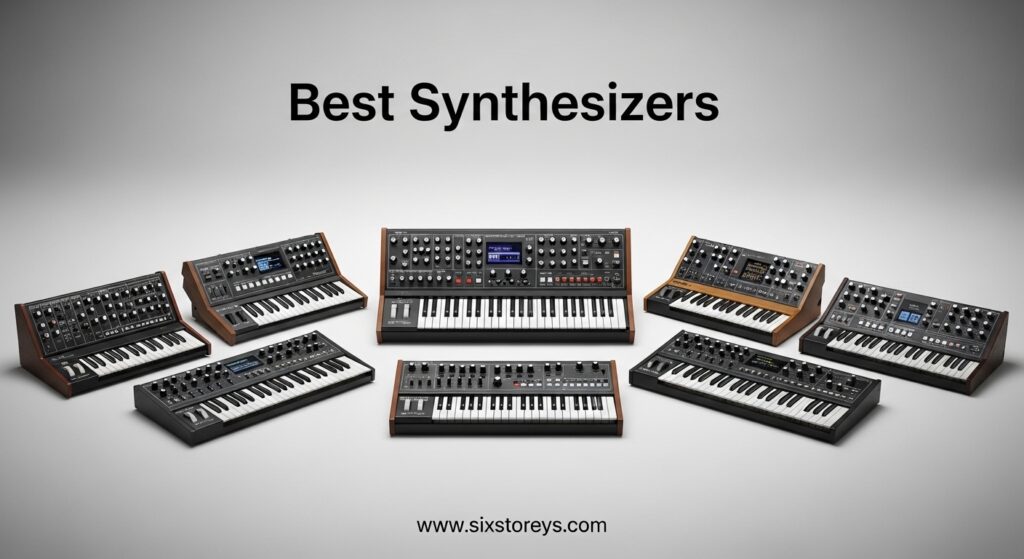
Finding the best synthesizers means looking past marketing specs and asking practical questions: How does it sound through your monitors? Does the workflow inspire you to create? Can it integrate with the rest of your studio without a headache? Our team tested 15 different models across every budget tier, from sub-$100 portable units to premium analog keyboards, to give you real answers.
This guide covers everything from ultra-affordable entry-level synths like the Korg Volca series and the Donner Essential B1, all the way up to the MOOG Subsequent 37 and the Elektron Digitone II. I played every one of these instruments through studio monitors, headphones, and PA systems. I programmed patches, tested the sequencers, checked the MIDI integration, and paid close attention to build quality. Here is what I found.
Article Includes
Top 3 Picks for Best Synthesizers

MOOG Messenger
- Dual VCOs with wavefolding
- RES BASS Compensation
- 64-step sequencer
- 256 presets
- Aftertouch keys

Yamaha MX49BK
- MOTIF Sound Engine
- 128-note polyphony
- USB Audio and MIDI
- VCM effects
- 49 full-size keys

Korg Volca Keys
- 3-voice analog polyphony
- 16-step sequencer
- Battery powered
- Built-in speaker
- MIDI input
Best Synthesizers in 2026
| Product | Key Specs | Action |
|---|---|---|
| MOOG Messenger |
|
Check Latest Price |
| Yamaha MX49BK |
|
Check Latest Price |
 Elektron Digitone II Elektron Digitone II |
|
Check Latest Price |
 MOOG Subsequent 37 MOOG Subsequent 37 |
|
Check Latest Price |
 Arturia MicroFreak Arturia MicroFreak |
|
Check Latest Price |
 Novation Bass Station II Novation Bass Station II |
|
Check Latest Price |
 Novation MiniNova Novation MiniNova |
|
Check Latest Price |
 Korg microKORG Korg microKORG |
|
Check Latest Price |
 Yamaha REFACE CS Yamaha REFACE CS |
|
Check Latest Price |
 MOOG Labyrinth MOOG Labyrinth |
|
Check Latest Price |
| Korg Volca Keys |
|
Check Latest Price |
 Korg Volca Bass Korg Volca Bass |
|
Check Latest Price |
 Korg Nu:Tekt NTS-1 Korg Nu:Tekt NTS-1 |
|
Check Latest Price |
 Donner Essential B1 Donner Essential B1 |
|
Check Latest Price |
 Stylophone GENX-2 Stylophone GENX-2 |
|
Check Latest Price |
1. MOOG Messenger – Next-Gen Analog Monosynth
MOOG Messenger – Next-Gen Monophonic Analog Keyboard Synthesizer with 32 Keys, 64-Step Sequencer, 256 Presets and RES BASS…
2 VCOs with wavefolding
Sub-oscillator
RES BASS Compensation
32 full-size keys with aftertouch
64-step sequencer
256 presets
✓ The Good
- Classic Moog ladder filter with multiple modes
- RES BASS switch preserves low-end
- Semi-weighted keys with velocity and aftertouch
- Extensive CV and MIDI connectivity
- 256 presets with usable factory sounds
✕ The Bad
- No display screen
- Learning curve for some configurations
From the moment I plugged the MOOG Messenger into my studio monitors, I knew this was something special. The two continuously variable-shape VCOs deliver that unmistakable Moog warmth, but with the wavefolding and FM capabilities, this thing goes well beyond traditional bass-and-lead territory. I spent an entire evening just exploring the oscillator section and kept finding new textures I had never heard from a Moog before.
The RES BASS Compensation feature is a genuine innovation. On most synths, cranking the filter resonance sucks out the low frequencies. Moog solved this with a dedicated switch that keeps your bass intact even when the filter is screaming. For anyone who produces electronic music, this alone makes the Messenger worth considering. I was able to get aggressive, resonant filter sweeps without losing the foundational weight of the sound.

The 32 semi-weighted keys feel substantial under your fingers, and the velocity plus aftertouch response is smooth and musical. I compared the keybed to several other synths in this price range and the Messenger comes out on top. The 64-step sequencer with probability-based generative behavior is addictive. I set up a simple 8-step pattern, dialed in some probability values, and let it run. Within minutes I had evolving sequences that sounded like they were composed rather than randomly generated.
Connectivity is comprehensive: six analog CV patch points, 5-pin DIN MIDI I/O, MIDI over USB-C, expression and sustain pedal inputs, and external audio input to the filter. This integrates into any setup, whether you are running a modular rig, a traditional MIDI studio, or a USB-based DAW workflow. With 256 presets and a solid set of factory sounds, you can start making music immediately before diving into your own sound design.
Who Should Buy the MOOG Messenger
If you are a producer or performer who wants a single analog monosynth that covers everything from deep bass to screaming leads to textured sound design, the Messenger delivers on all fronts. The semi-weighted keys and comprehensive I/O make it equally suited for studio production and live performance. It is the ideal choice for anyone who has been waiting for a modern Moog that does not compromise on features.
Who Might Want to Look Elsewhere
If you need polyphony beyond paraphonic mode, the Messenger plays one note at a time (two in paraphonic mode). Producers who rely heavily on visual feedback from screens may find the lack of a display frustrating when navigating 256 presets. And while the build quality is superb, the Messenger is not the most portable option at over 11 pounds.
2. Yamaha MX49BK – Music Production Synthesizer
Yamaha MX49BK Music Production Synthesizer, Black
MOTIF Sound Engine
128-note polyphony
49 full-size keys
USB Audio/MIDI
VCM effects
✓ The Good
- MOTIF engine with huge sound library
- 128 notes of polyphony
- Excellent key action
- Natural piano and acoustic instrument sounds
- USB plug and play
✕ The Bad
- Menu diving can be cumbersome
- No built-in looper or sequencer
- Keys may feel heavily weighted for some
The Yamaha MX49BK punches way above its weight class. Powered by the same MOTIF Sound Engine found in Yamaha keyboards costing twice as much, this synth delivers an enormous library of voices ranging from rich acoustic pianos and organs to layered synth pads and electronic textures. I was genuinely surprised at the depth and quality of the sound library the first time I scrolled through the presets.
With 128 notes of polyphony, you will never run into voice-stealing issues, even with massive layered patches. I stacked a grand piano, a string pad, and a synth lead across a performance and the MX49 handled it without a single dropout. The four hardware knobs give you real-time control over filter cutoff, resonance, and other parameters, and the performance mode with drum tracks and the arpeggiator makes it easy to sketch out full song ideas without touching your DAW.
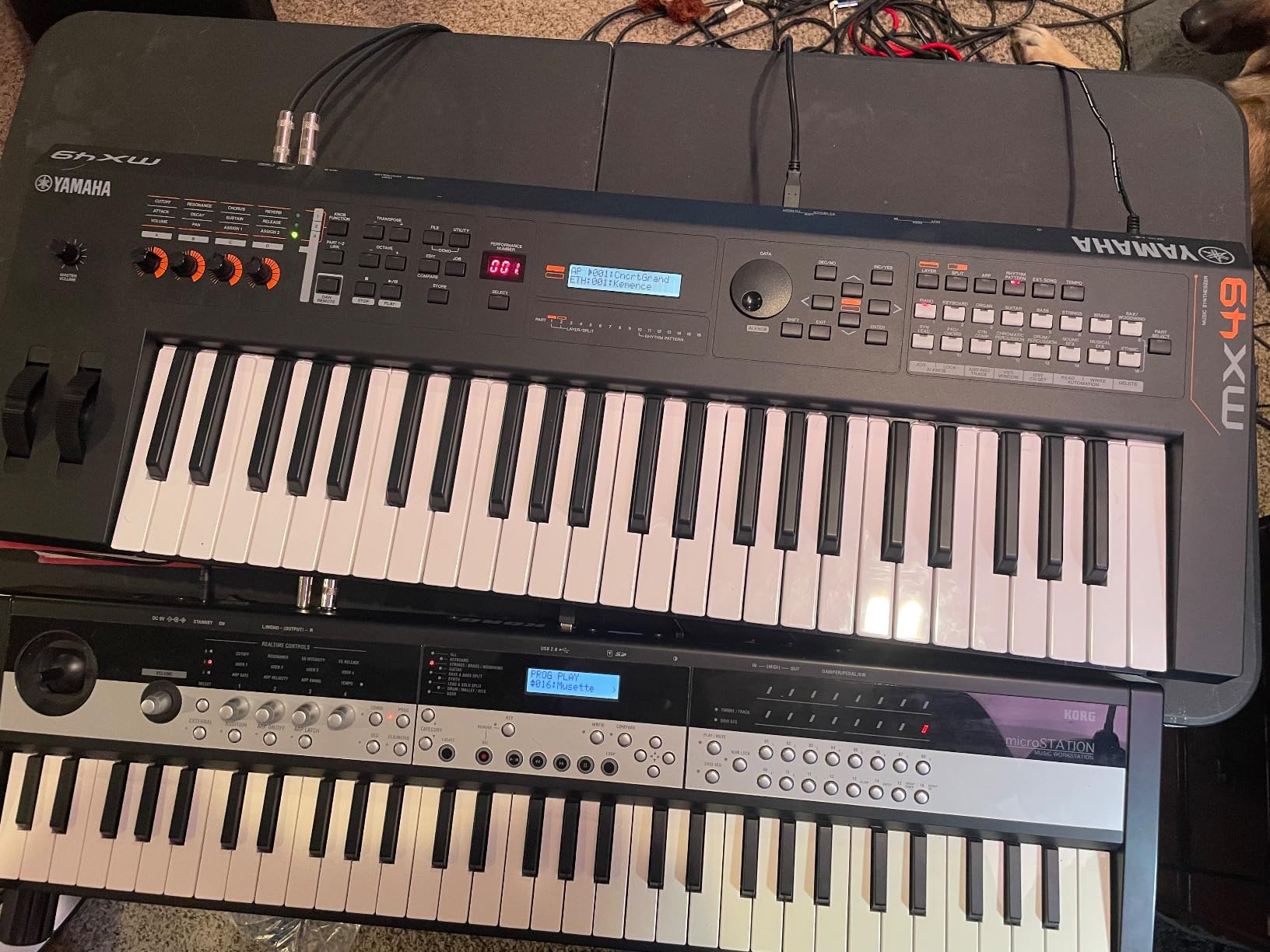
One of the biggest advantages of the MX49 is its plug-and-play USB connectivity. A single USB cable handles both audio and 16 channels of MIDI data to your computer. No interface needed, no driver installation. I had it connected to Ableton Live within two minutes of unboxing it. The key action deserves special mention: Yamaha has a reputation for building excellent keyboards, and the MX49 continues that tradition. The keys feel natural under your fingers, closer to an acoustic piano than a typical synth keyboard.
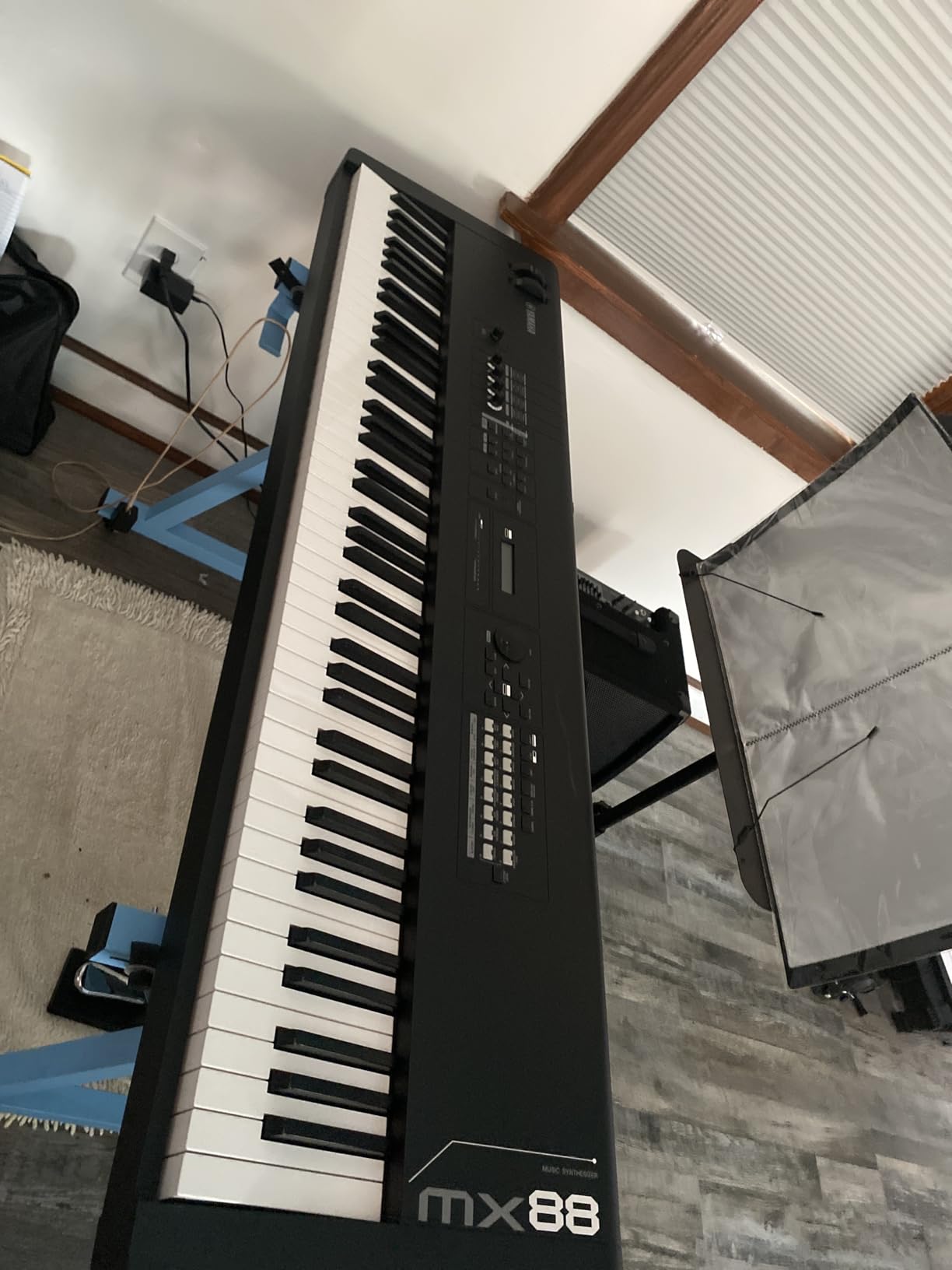
The Virtual Circuit Modeling effects are another highlight. These are not generic digital effects. Yamaha modeled the behavior of vintage signal processors, so the effects respond dynamically to your playing in a way that feels authentic. The layering function lets you combine patches for thick, complex sounds that fill out a mix beautifully.
Who Should Buy the Yamaha MX49BK
If you need a versatile keyboard that handles both synthesizer sounds and realistic acoustic instruments, the MX49BK is one of the best values available. It is perfect for gigging musicians who need a wide range of sounds in a single board, home studio producers who want a capable MIDI controller with built-in sounds, and anyone transitioning from piano to synthesis who wants familiar key feel.
Who Might Want to Look Elsewhere
If deep analog sound design is your primary goal, the MX49 is sample-based rather than offering true analog oscillators. The menu system requires some patience, and there is no built-in sequencer for standalone pattern creation. Producers looking for hands-on knob-per-function synthesis should consider the MOOG Messenger or Arturia MicroFreak instead.
3. Elektron Digitone II – 16-Track Digital Synthesizer
Elektron Digitone II – 16-Track Polyphonic Digital Synthesizer
16-track polyphonic digital synth
FM synthesis
64-step sequencer
Parameter Lock
Bus compressor
✓ The Good
- Fantastic workflow once learned
- Parameter Lock per step
- Build quality is excellent
- 16 tracks in one box
- Bus compressor with sidechaining
✕ The Bad
- Steep learning curve
- Limited DAW integration
- Effects are limited
The Elektron Digitone II is unlike anything else in this roundup. It is a 16-track digital synthesizer that uses FM synthesis as its core sound engine, combined with one of the most powerful step sequencers ever put into a hardware instrument. I have been using Elektron boxes for years, and the Digitone II refines the workflow in meaningful ways while keeping the creative energy that makes these machines so compelling.
The Parameter Lock feature is where the Digitone II truly shines. You can lock different parameter values to individual steps in your sequence, meaning every single note can have its own filter setting, oscillator tuning, LFO speed, or effect level. I created an entire evolving ambient piece using just four tracks on the Digitone II, with every step having unique modulation. The result sounded like I had spent hours automating in a DAW, but it all happened in real time from the hardware.
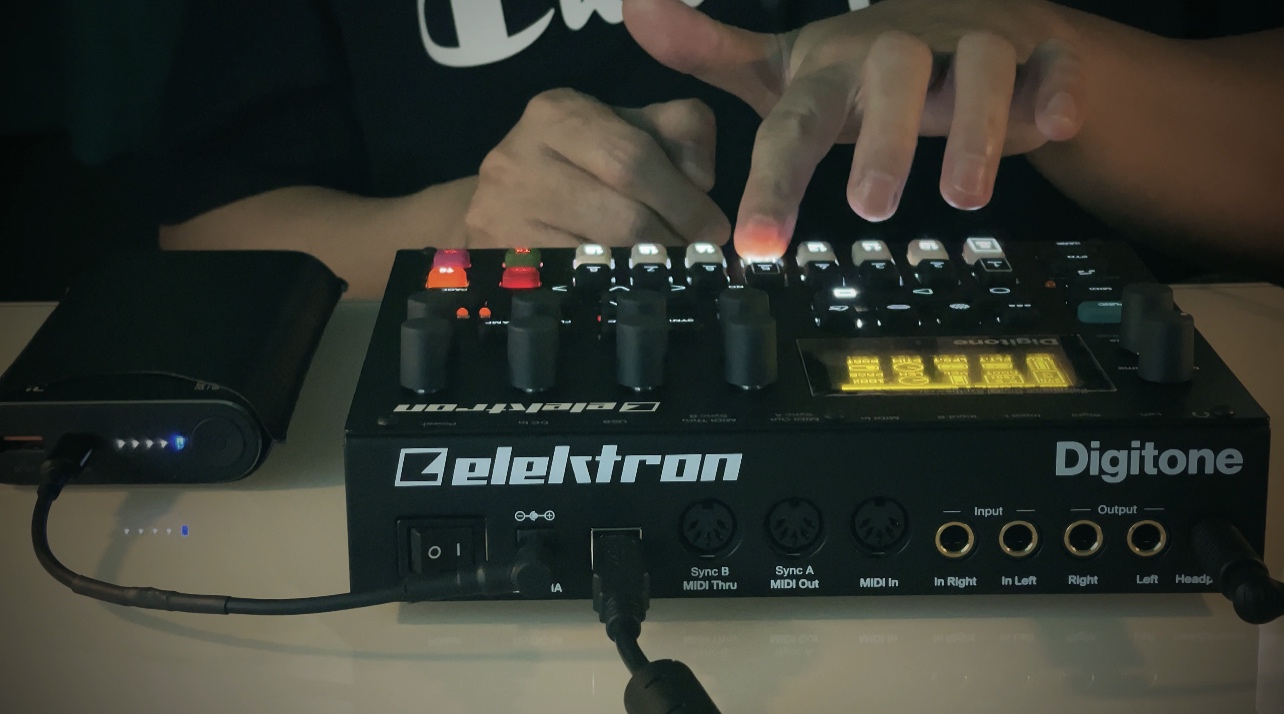
Sound-wise, the Digitone II delivers FM tones that range from bell-like clarity to aggressive, gritty textures. The secondary multimode filter adds warmth and character that you would not typically expect from a digital synth. Three LFOs per track give you deep modulation options, and the high-quality bus compressor with sidechaining is a welcome addition that glues your mix together without external processing.
Build quality is outstanding. The metal chassis feels like it could survive a tour bus, and the encoders have a satisfying tactile response. At just under 4 pounds, it is surprisingly portable for the amount of music production power packed inside.
Who Should Buy the Elektron Digitone II
If you produce electronic music, ambient textures, or any genre that benefits from evolving sequences and detailed per-step programming, the Digitone II is a creative powerhouse. It is ideal for DAW-less setups, live performers who want to run an entire set from one box, and sound designers who crave deep FM synthesis with modern sequencing capabilities.
Who Might Want to Look Elsewhere
The learning curve is real. Expect to spend a weekend with the manual and tutorial videos before you feel comfortable. DAW integration is limited compared to something like the Yamaha MX49, and if you want traditional analog warmth, the FM engine will not deliver that without heavy filter manipulation. This is also a desktop unit with no keyboard, so you will need a separate controller.
4. MOOG Subsequent 37 – Paraphonic Analog Synthesizer
MOOG Subsequent 37 Paraphonic Analog Synthesizer and MIDI Keyboard with 37 Semi Weighted Keys, Headphone Amp, 256 Presets…
2 VCOs + sub osc
Paraphonic 37-key
Aftertouch
CV/Gate
256 presets
Editor software
✓ The Good
- Exceptional Moog analog sound
- Premium build quality
- Comprehensive modulation
- Paraphonic for two-note chords
- Editor librarian software included
✕ The Bad
- Expensive investment
- No arpeggiator
- Heavy at 10 kilograms
Playing the MOOG Subsequent 37 is a visceral experience. The two variable waveshape oscillators combined with the legendary Moog ladder filter produce sounds that are thick, warm, and incredibly satisfying. Every knob turn produces an audible and musical change. I found myself getting lost in patch creation for hours, something that does not happen with every synthesizer I test.
The paraphonic mode is a standout feature, letting you play two notes simultaneously by splitting the oscillators. This opens up chord possibilities that a traditional monosynth cannot touch. The Multi-Drive circuit adds harmonic distortion and overdrive that can push the sound from clean and musical to aggressive and snarling. I used it to create bass patches that shook my studio monitors in ways that software plugins simply cannot replicate.

With 40 knobs and 74 switches on the control panel, nearly every parameter has a dedicated hardware control. There is almost no menu diving. The 37 semi-weighted keys feature both velocity and aftertouch, and the response is consistently musical across the entire keybed. The included editor and librarian software for Windows and Mac makes patch management straightforward, and the 256 preset slots give you plenty of room to store your creations.

Connectivity covers every base: MIDI In/Out, USB, CV/Gate inputs for filter, pitch, volume, and keyboard gate, plus external audio input so you can run other instruments through the Moog filter. This is a serious instrument that rewards deep exploration and delivers professional results.
Who Should Buy the MOOG Subsequent 37
If you are a serious synthesist who values hands-on control, premium build quality, and the classic Moog analog sound, the Subsequent 37 is one of the finest instruments you can own. It excels in studio production for bass, leads, and experimental sound design. The CV/Gate integration makes it an excellent centerpiece for a growing modular setup.
Who Might Want to Look Elsewhere
At this price, the Subsequent 37 is a significant investment. The lack of an arpeggiator means you will need external sequencing for melodic patterns. The weight (10 kilograms) makes it less than ideal for musicians who gig frequently. And if you need full polyphony for chordal playing, this paraphonic synth is limited to two notes.
5. Arturia MicroFreak – Hybrid Synthesizer with 17 Oscillator Modes
Arturia – MicroFreak Synthesizer Keyboard – 25-Key Hybrid Synth with PCB Keyboard, Wavetable & Digital Oscillators, Analog…
17 oscillator modes
Analog SEM filter
PCB touch keyboard
5x7 mod matrix
Arpeggiator and seq
✓ The Good
- 17 diverse oscillator engines
- Analog filter adds warmth
- Compact and portable
- CV outputs for modular
- Creative modulation matrix
✕ The Bad
- No onboard effects
- PCB keyboard takes adjustment
- No USB-C cable included
The Arturia MicroFreak might be the most creatively inspiring synthesizer I have ever used at this price point. With 17 different oscillator modes drawing from Arturia engines, Mutable Instruments algorithms, and Noise Engineering designs, the sound palette is enormous. I created everything from plucky digital textures to roaring bass sounds to ethereal pads, all from the same instrument. Each oscillator mode genuinely feels like a different synth.
The state-variable analog filter based on the Oberheim SEM design is the secret weapon here. No matter how digital or chaotic the oscillator gets, running it through that analog filter adds warmth and musicality. The 5×7 modulation matrix lets you route modulation sources to destinations freely, and the Spice and Dice functions on the sequencer introduce controlled randomness that consistently generates happy accidents.
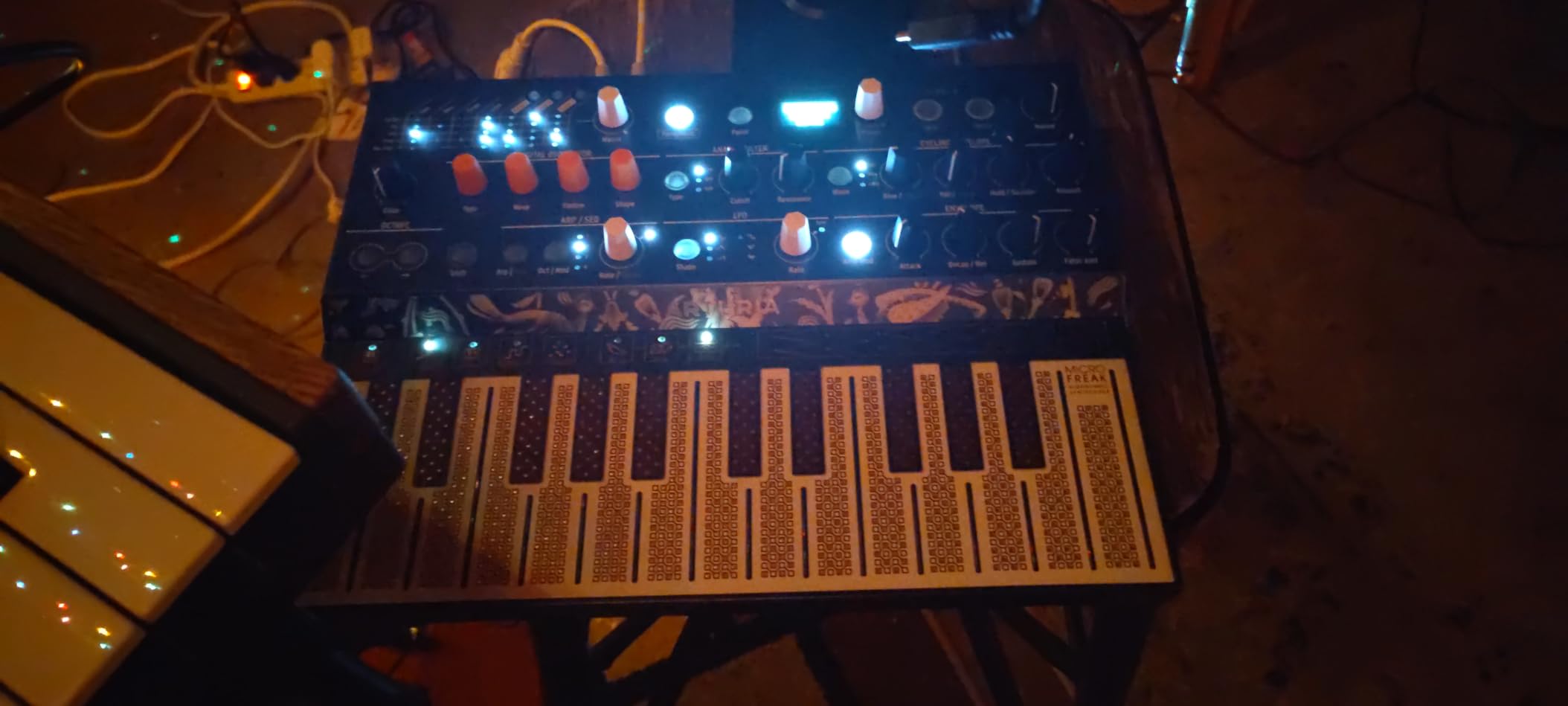
The PCB touch-plate keyboard is the most divisive feature. It is not a traditional keybed. It is a flat, touch-sensitive surface that responds to finger pressure. I found it expressive once I adjusted my playing style, especially with aftertouch detection per note. But if you are a pianist who relies on key travel and tactile feedback, this will feel foreign at first. The compact size means it fits in a backpack, which I tested by taking it to a friend’s studio for a jam session.
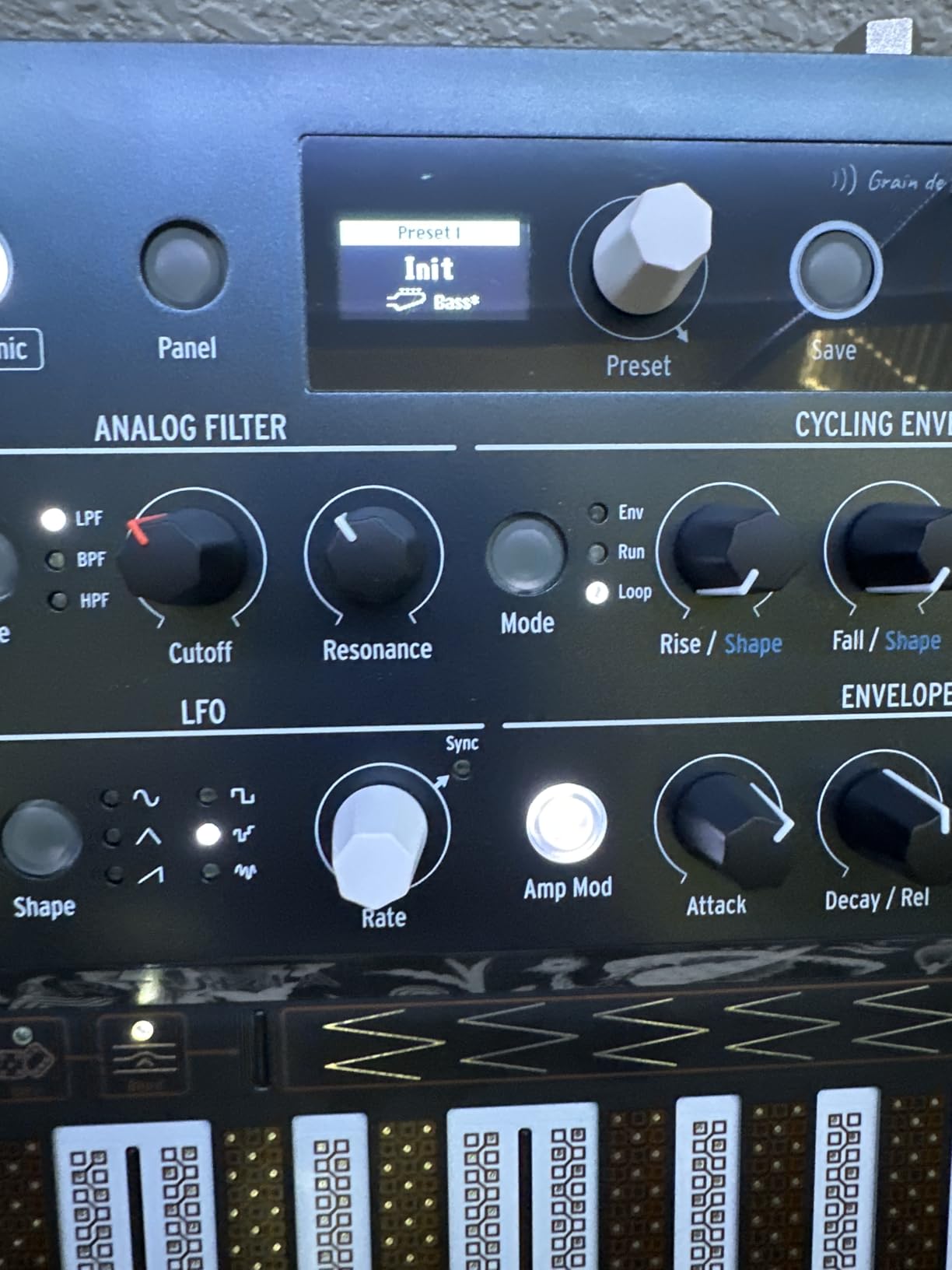
The CV and Gate outputs make the MicroFreak a powerful controller for modular synthesizers. I used it to sequence a Eurorack system and the integration was seamless. Arturia also continues to release firmware updates that add new oscillator modes and features, so the instrument keeps evolving long after you buy it.
Who Should Buy the Arturia MicroFreak
If you want maximum sonic variety and creative potential in a compact, affordable package, the MicroFreak delivers value that is hard to match. It is perfect for experimental producers, modular synth owners who want a capable controller, and anyone who wants to explore different synthesis types without buying multiple instruments.
Who Might Want to Look Elsewhere
If you need traditional keyboard feel for live performance, the PCB keyboard will be a hurdle. The lack of onboard effects means you will need external reverb, delay, or chorus to polish the sound. And some users have reported humidity and grounding sensitivity, so if your studio environment is not climate-controlled, keep that in mind.
6. Novation Bass Station II – Analog Monosynth for Bass
Novation Bass Station II Analog Monosynth – includes 64 factory patches, pattern-based step sequencer and arpeggiator, two…
2 analog oscillators
Sub-oscillator
Classic and Acid filters
25 full-size keys
128 patches
✓ The Good
- Exceptional analog filter sound
- Full-size keys with quality keybed
- Hands-on knob control
- Pattern sequencer and arpeggiator
- MIDI controller functionality
✕ The Bad
- No built-in reverb or delay
- Limited modulation routing
- Arpeggiator cannot be triggered by MIDI
The Novation Bass Station II has been a favorite among electronic music producers for years, and after spending extended time with one, I understand why. The two tuneable analog oscillators plus sub-oscillator deliver thick, punchy bass sounds that cut through a mix with authority. The filter section is the real star: you get two distinct filter types, a classic multi-mode filter and a dedicated 24dB Acid filter that nails that squelchy TB-303 character.
I ran the Bass Station II through some classic acid patterns and the results were immediate and satisfying. The Acid filter resonates beautifully, and the slide function creates those iconic portamento effects. But the synth is not limited to bass. With some envelope tweaking, I coaxed out leads, percussive hits, and even atmospheric textures. The 25 full-size keys are a significant advantage over mini keys, and the keybed quality is surprisingly good for this price range.
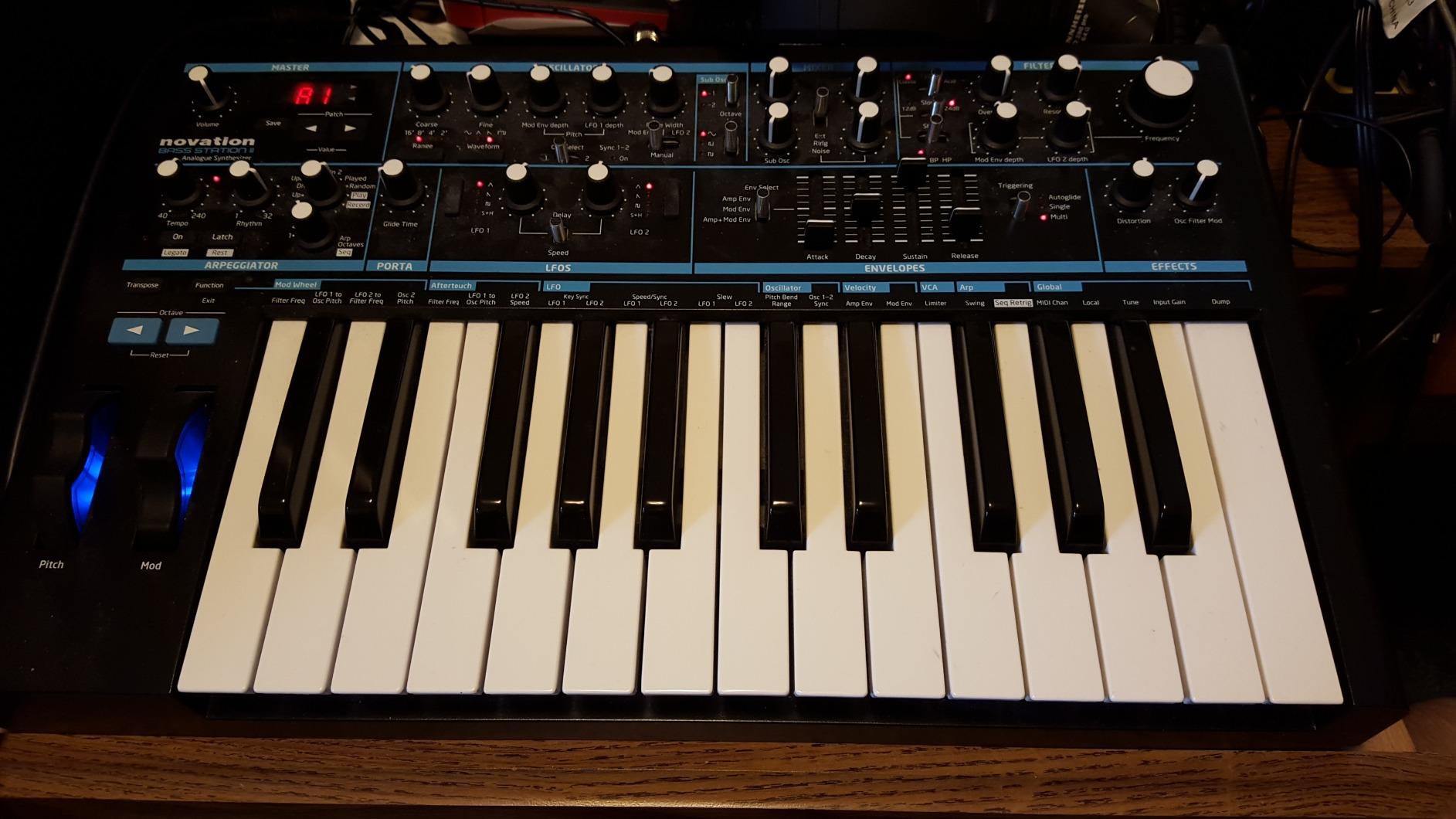
The 24 knobs on the front panel mean most sound design happens without touching a menu. The pattern-based arpeggiator and step sequencer are useful for sketching ideas, and the 128 patch memory slots give you room to store your sounds. The external audio input lets you run other instruments through the analog filter, which is a fantastic creative tool for processing drum machines or other synths.
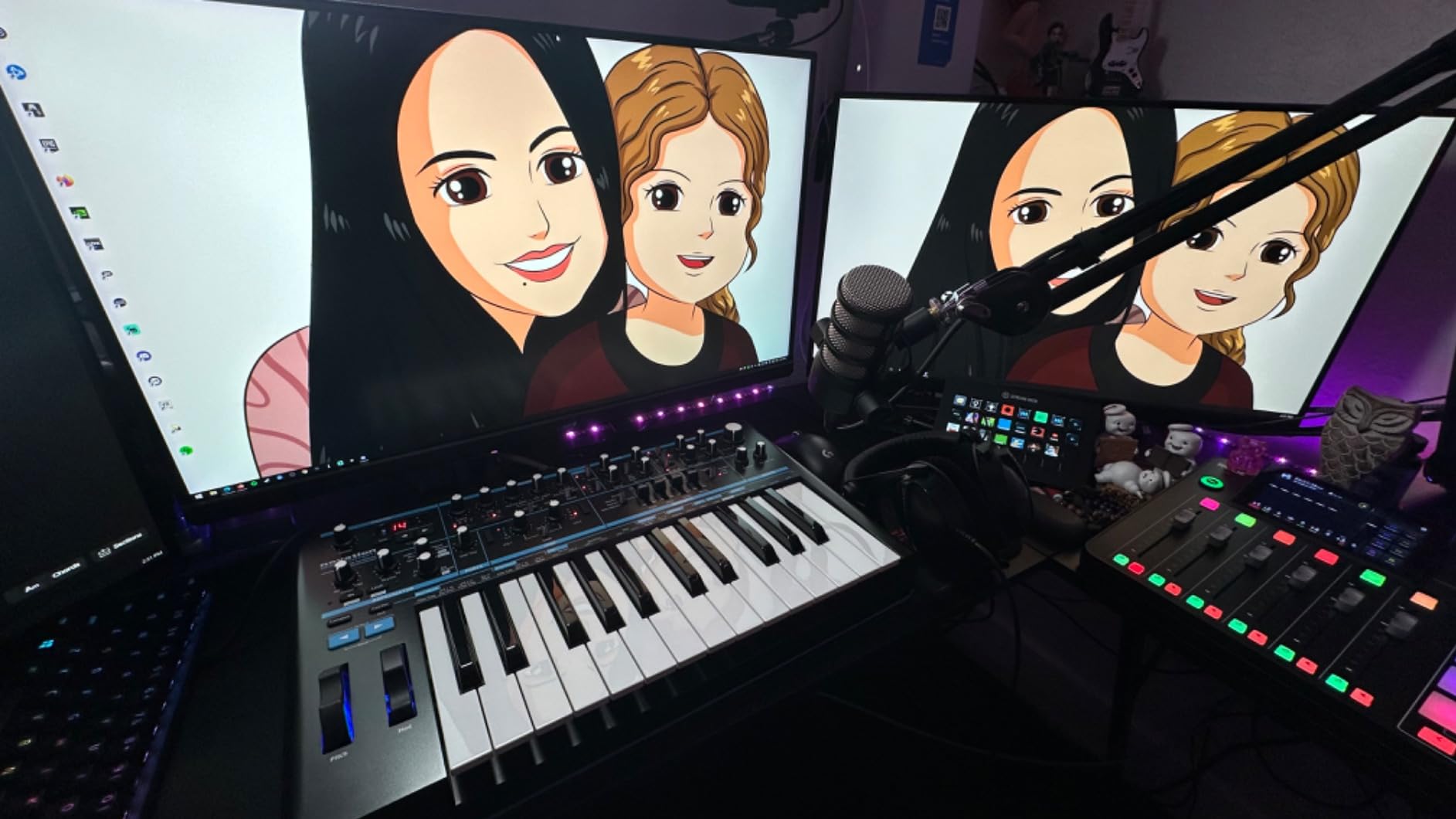
MIDI I/O on 5-pin DIN connectors and USB connectivity make the Bass Station II versatile in any setup. It even doubles as a MIDI controller for your DAW when you are not using its internal sounds. This dual functionality adds significant value to an already strong package.
Who Should Buy the Novation Bass Station II
If you produce electronic music, techno, house, or any genre where analog bass and lead sounds are central, the Bass Station II is a proven workhorse. The full-size keys and hands-on layout make it beginner-friendly, while the Acid filter and patch memory satisfy experienced producers. It is also an excellent first analog synth for anyone transitioning from software to hardware.
Who Might Want to Look Elsewhere
The lack of built-in effects like reverb and delay means you will need external processing to add space to your sounds. The modulation routing is limited compared to something like the Arturia MicroFreak. And if polyphony matters to you, this is strictly a monosynth with no paraphonic mode.
7. Novation MiniNova – 18-Voice Compact Synth with Vocoder
Novation MiniNova Analogue Modelling Compact 37 Mini-key Synth – Tough, compact, powerful mini-synth with pitch-correcting…
18-voice polyphony
3 oscillators per voice
Vocoder with mic
256 sounds + 128 user
5 effects per voice
✓ The Good
- 18 voices of polyphony
- Built-in vocoder with VocalTune
- Compact and portable
- Intuitive knob interface
- Free patch librarian software
✕ The Bad
- Mini keys not for everyone
- Menu diving required for some features
- Mono-timbral only
The Novation MiniNova packs an astonishing amount of synthesis power into a compact frame. With 18 voices of polyphony and three oscillators per voice, this little synth can create dense, layered sounds that belie its size. I loaded up some pad patches and was impressed by how rich and full they sounded, easily filling a stereo mix without additional processing.
The vocoder with the included gooseneck microphone is one of the MiniNova standout features. The VocalTune automatic pitch correction adds a polished quality to vocal processing that works great for both live performance and studio production. I ran vocals through it and got everything from subtle correction to full robotic effects, all controllable in real time through the animate buttons.
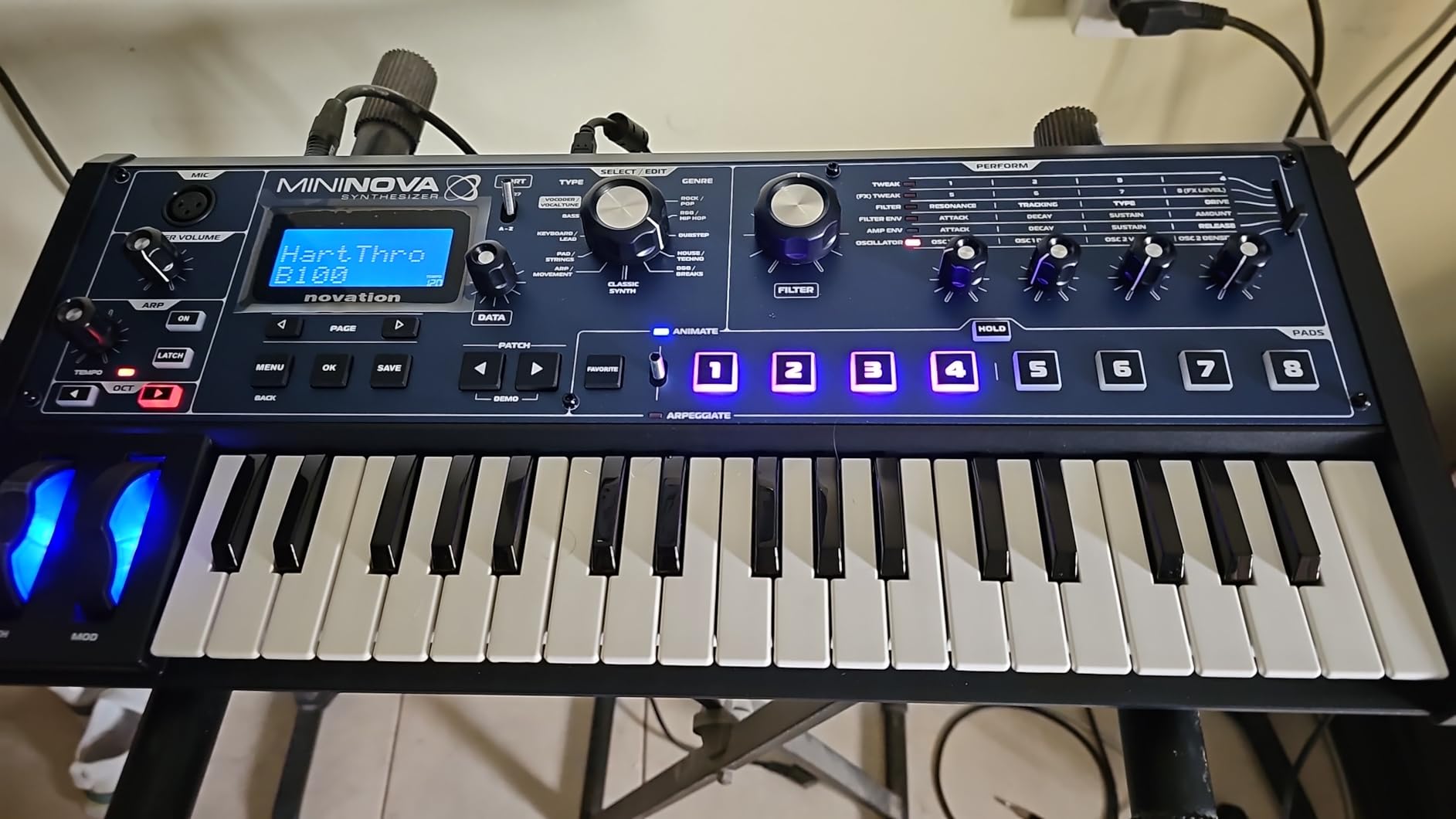
The five effects per voice mean each sound gets its own effects processing, which is unusual at this price point. Reverb, delay, chorus, and other effects can be layered within a single patch without eating into your polyphony. The knob interface is surprisingly intuitive, with a screen displaying numerical values so you always know exactly where your parameters are set.
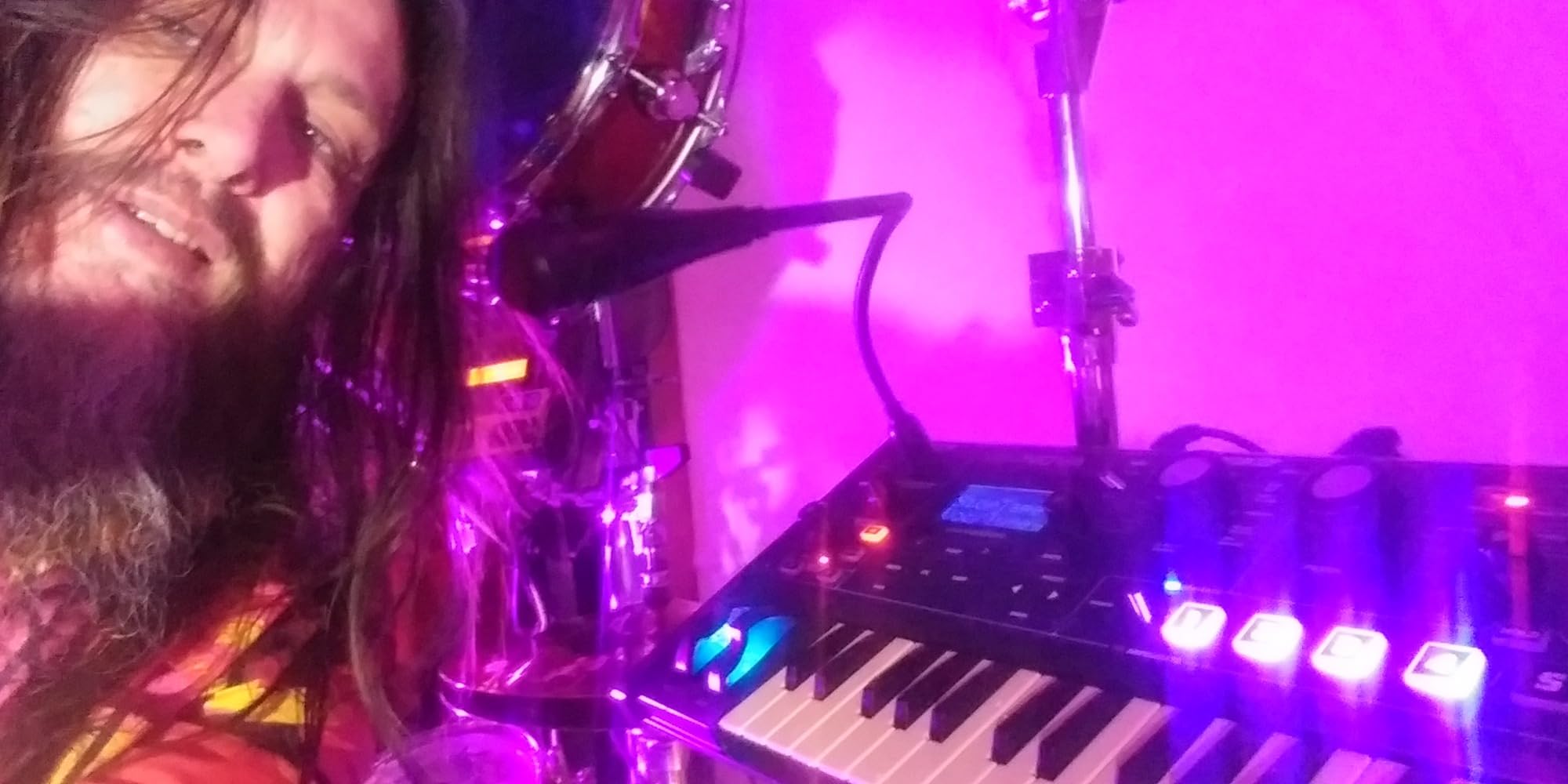
The MiniNova Librarian software makes patch management simple, and there are extensive free patch libraries available online from the user community. I downloaded several community-created banks and found patches that ranged from classic analog emulations to forward-thinking electronic textures. The USB connectivity and included editor VST plugin make DAW integration straightforward.
Who Should Buy the Novation MiniNova
If you want a compact, polyphonic synthesizer with a built-in vocoder, the MiniNova offers features that are rare in this form factor. It is ideal for vocalists who want to add synth elements to their performances, producers who need a portable sound module for travel, and beginners who want an affordable entry into polyphonic synthesis with effects included.
Who Might Want to Look Elsewhere
The mini keys will frustrate players with larger hands or those accustomed to full-size keybeds. Menu diving is required to access some deeper features, which can slow down your workflow. The synth is mono-timbral, meaning you cannot layer or split different sounds across the keyboard simultaneously.
8. Korg microKORG – Compact Analog Modeling Synth with Vocoder
Korg microKORG Compact Analog Modeling Synthesizer w/Vocoder Mini Mic, 4 Voices and 6-step Arpeggiator
XMT Sound Engine
4-voice polyphony
Built-in vocoder with mic
128 presets
6-step arpeggiator
✓ The Good
- Legendary sound engine
- Durable construction
- Excellent vocoder
- Intuitive interface
- Great value
✕ The Bad
- Mini keys are small
- Display is not user friendly
- Patch storage is limited
The Korg microKORG is one of the best-selling synthesizers of all time, and for good reason. This instrument has been a gateway into hardware synthesis for countless musicians since its original release. The XMT Sound Engine delivers authentic analog modeling that covers a wide range of tones, from warm pads to punchy bass to sharp leads. I tested the 128 factory presets and found they cover an impressive range of genres, from pop and rock to electronic and ambient.
The built-in vocoder with the included mini microphone is a blast to use. I processed vocals through it and achieved everything from classic robot voice effects to more subtle tonal coloring. The 6-step arpeggiator is simple but effective for creating rhythmic patterns, and the dedicated knobs and buttons make real-time sound tweaking intuitive even for first-time users.
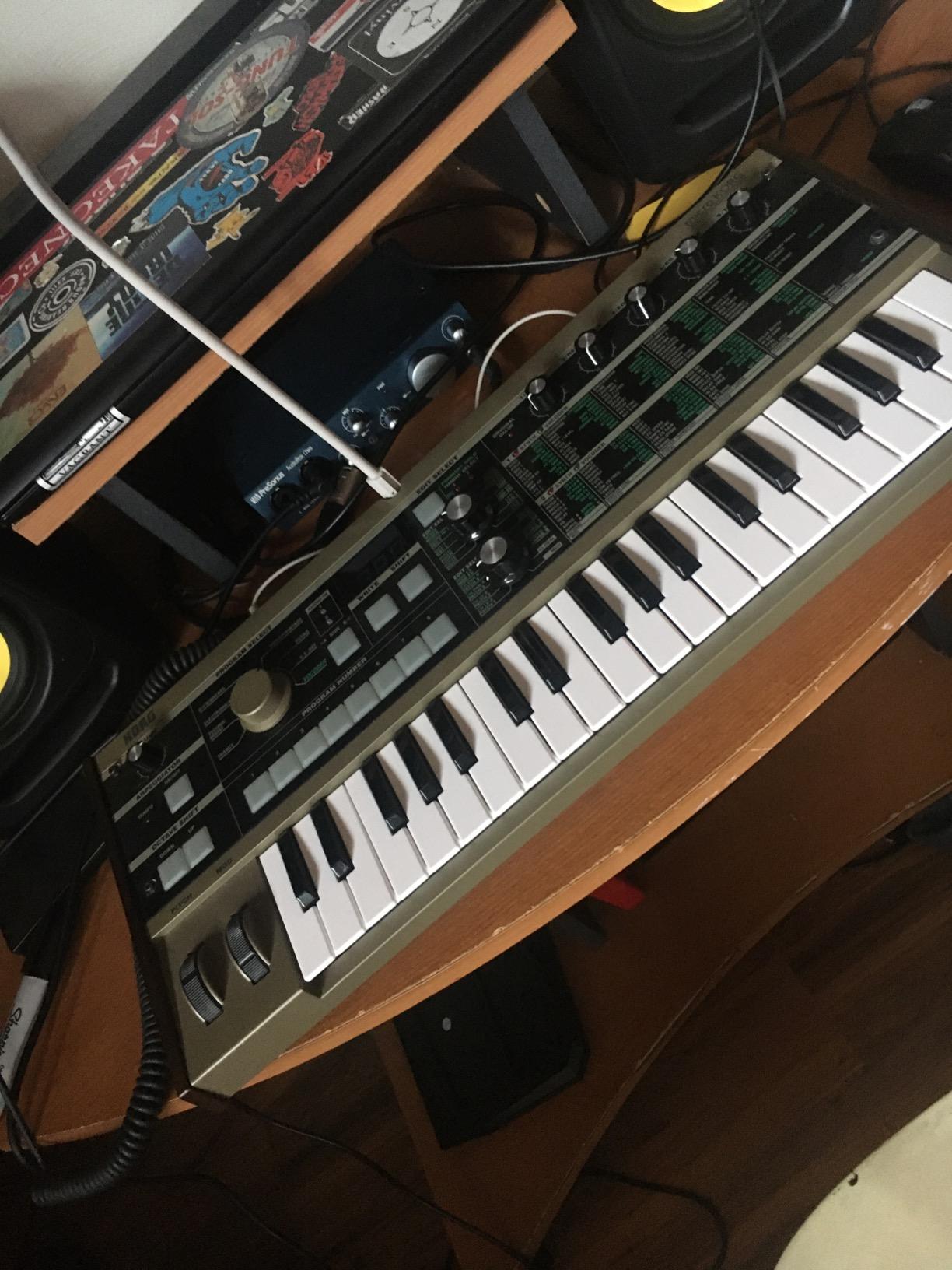
Build quality is excellent. I have seen microKORG units that have survived years of gigging and studio abuse without issues. The compact design makes it easy to transport, and the wooden side panels give it a distinctive look that stands out on stage. The MIDI connectivity allows it to function as a sound module controlled by external keyboards or sequencers.
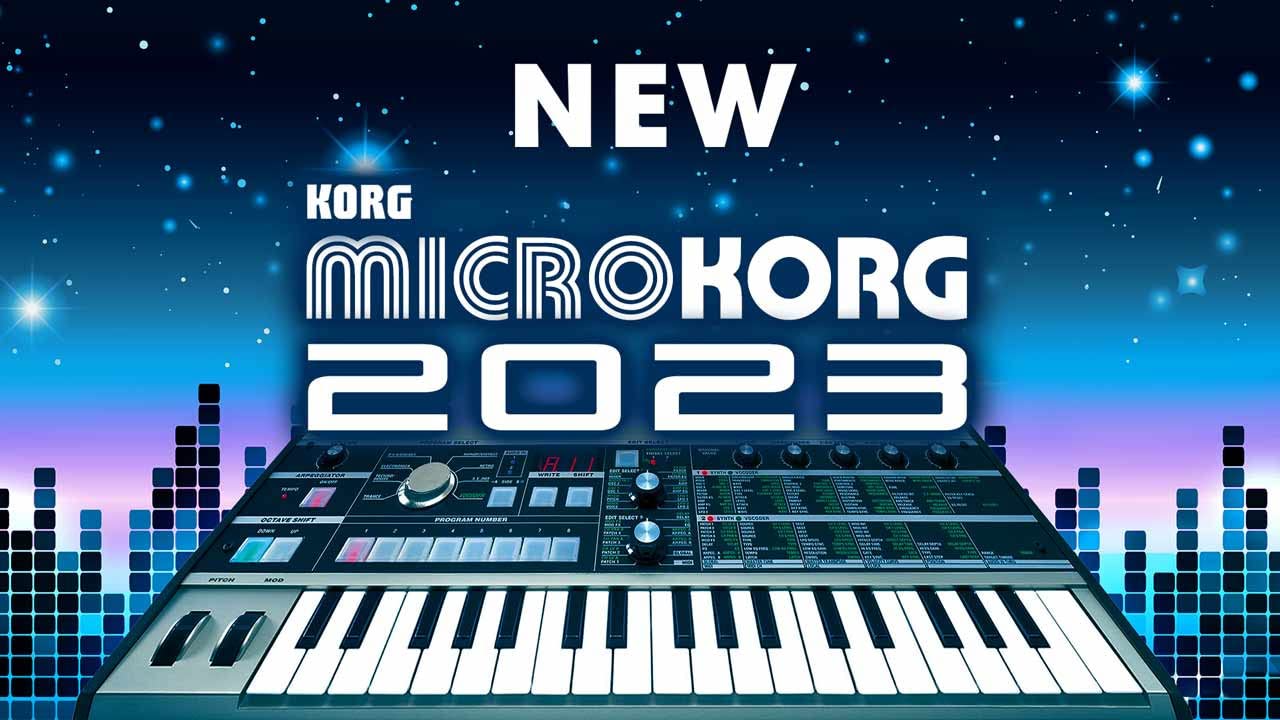
The interface is one of the microKORG strongest attributes for beginners. Category buttons let you quickly jump between sound types, and the dedicated knobs for filter, envelope, and effects make it easy to shape sounds without deep menu navigation. It is one of the most approachable hardware synthesizers ever made.
Who Should Buy the Korg microKORG
If you are a beginner looking for your first hardware synthesizer, the microKORG is a proven choice with decades of positive user experiences behind it. It is also great for vocalists who want to experiment with vocoder effects and for gigging musicians who need a durable, portable synth that covers a wide sonic range.
Who Might Want to Look Elsewhere
The display is outdated and requires frequent manual reference to navigate. Patch storage requires overwriting existing presets unless you use a computer editor. The mini keys are among the smallest in this roundup, which will be a dealbreaker for players with larger hands. The instrument also shows its age in terms of software integration compared to newer models.
9. Yamaha REFACE CS – Portable Analog Modeling Synthesizer
Yamaha REFACE CS Portable Analog Modeling Synthesizer
Analog modeling engine
8-note polyphony
37 HQ mini keys
Battery powered
Built-in looper
✓ The Good
- Extremely approachable
- Battery powered with built-in speakers
- Premium mini key feel
- Easy to dial in classic tones
- Soundmondo patch sharing
✕ The Bad
- Keys are not velocity sensitive
- No onboard patch memory
- No sequencer feature
The Yamaha REFACE CS is the most immediately playable synthesizer I tested in this entire roundup. From the moment you turn it on, the interface invites experimentation. Eight slider controls correspond directly to oscillator type, filter, envelope, and effects. There is no menu diving, no hidden parameters, no learning curve. You just move sliders and hear the results instantly.
The analog modeling engine delivers warm, musical tones across 8 notes of polyphony. I was able to create everything from fat analog bass to shimmering pads to organ-like textures within minutes. The integrated phrase looper lets you layer performances in real time, which makes this an excellent tool for solo practice and sketching out musical ideas. I looped a chord progression, then soloed over the top, and the whole experience felt natural and fun.
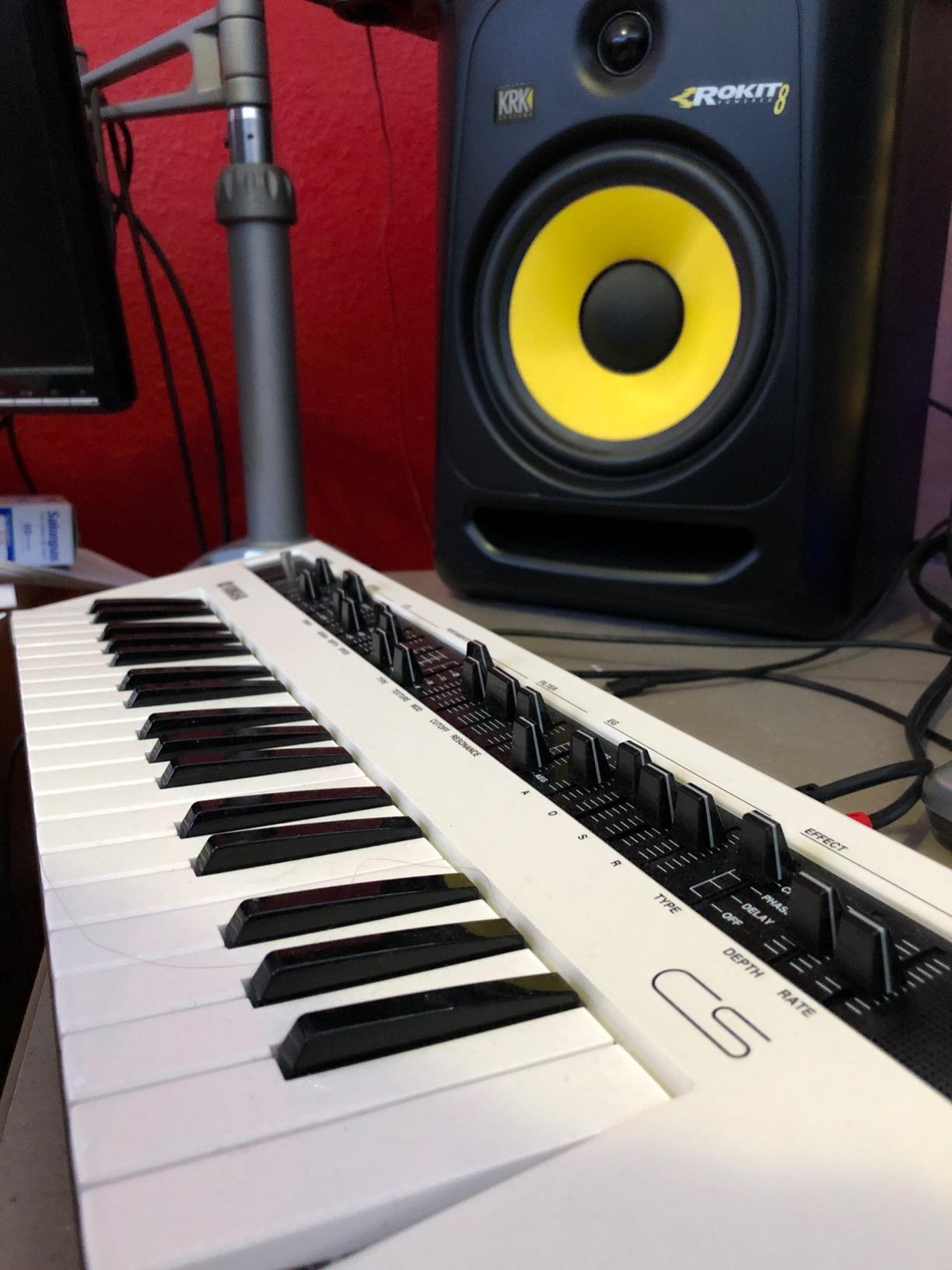
Battery operation using six AA batteries means you can play the REFACE CS literally anywhere, and the built-in speakers are surprisingly loud for their size. I took it to a park and jammed for an afternoon without headphones or external amplification. The 37 HQ mini keys have a premium feel that Yamaha is known for, with a smooth action that makes playing enjoyable despite the compact size.
The Soundmondo app for iOS and Android provides cloud-based patch storage and sharing. You can browse community-created patches, save your own sounds, and recall them from your phone. It is a clever solution that keeps the hardware simple while providing digital patch management.
Who Should Buy the Yamaha REFACE CS
If you want a synthesizer that is fun, portable, and completely free of intimidation, the REFACE CS is the answer. It is perfect for beginners who want to learn synthesis fundamentals without getting overwhelmed by complex interfaces. The battery operation and built-in speakers make it ideal for casual playing anywhere. Experienced musicians will also appreciate it as a sketchpad for capturing ideas on the go.
Who Might Want to Look Elsewhere
The keys are not velocity sensitive (velocity only works over MIDI), which limits expressive playing. There is no onboard patch memory without the Soundmondo app, and no sequencer for creating patterns. If you need extensive sound design capabilities or performance features like aftertouch, look at the MOOG Messenger or Arturia MicroFreak instead.
10. MOOG Labyrinth – Semi-Modular Generative Analog Synth
MOOG Labyrinth – Semi-Modular Parallel Generative Analog Synthesizer with Dual Sequencer, Dual Oscillators, VC Wavefolder, VC…
Dual oscillators
VC Wavefolder
Dual 8-step generative seq
32 patch points
State variable VC filter
✓ The Good
- Generative sequencers create evolving patterns
- Unique wavefolding and FM textures
- Comprehensive patch bay
- Semi-modular parallel processing
- Pure sine wave oscillator quality
✕ The Bad
- Click sound on attack phase
- Limited availability
- Higher price for desktop unit
The MOOG Labyrinth occupies a unique space in the synthesizer world. It is a semi-modular analog instrument designed around the concept of generative music, where dual 8-step sequencers produce evolving patterns that surprise you with each cycle. I set up a simple patch, enabled the corrupt controls on the sequencers, and listened as the Labyrinth generated patterns for over an hour without repeating. For ambient and experimental musicians, this is a creative goldmine.
The two low-harmonic oscillators produce metallic FM textures and wavefolding sounds that are unlike anything else in the Moog lineup. Moog first fully featured voltage-controlled wavefolder adds harmonic complexity that transforms simple waveforms into rich, evolving timbres. The state variable resonant filter morphs between lowpass and bandpass modes, and the ring modulation and variable tone noise generator expand the sound palette even further.
The 32 patch points (20 inputs, 12 outputs) provide extensive modular integration capabilities. I patched the Labyrinth into a Eurorack system and the interplay between the generative sequencers and external modules created some of the most interesting textures I have heard. The voltage-controlled blending and signal flow order switch let you route audio through the wavefolder and filter in different configurations, effectively giving you multiple synth architectures in one unit.
Who Should Buy the MOOG Labyrinth
If you create ambient, experimental, or generative music, the Labyrinth is built specifically for your workflow. Modular synth owners will find it an excellent addition to their patch ecosystem, and sound designers who want to explore wavefolding and FM textures in an analog context will find capabilities that are rare at any price. It is a specialized instrument that excels at what it does.
Who Might Want to Look Elsewhere
The Labyrinth is not a general-purpose synthesizer. There is a known issue with an audible click on the attack phase of the envelope. There is no keyboard, so it is purely a desktop module for patching and sequencing. The higher price point for a desktop unit with no keys or presets may be hard to justify for anyone who is not specifically interested in generative and modular music. Limited stock availability is also a practical concern.
11. Korg Volca Keys – 3-Voice Analog Loop Synthesizer
Korg Volca Keys Analogue Loop Synthesizer Polyphonic w/Simple-three Voice Analog and Self Tuning
3-voice analog polyphony
16-step sequencer
Self-tuning
Battery powered
MIDI input
✓ The Good
- True analog at an incredible price
- 3-note polyphony for chords
- Built-in speaker and battery op
- Motion sequencing
- Syncs with other Volcas
✕ The Bad
- Noisy signal path
- Mono headphone output
- Shared envelope for all voices
The Korg Volca Keys is proof that real analog synthesis does not have to be expensive. For around the cost of a decent effects pedal, you get a genuine analog signal path with three-voice polyphony, a built-in 16-step sequencer, and motion sequencing that records knob movements. I was producing complete musical patterns within five minutes of opening the box.
The self-tuning function keeps the oscillators stable, which is something that budget analog synths often struggle with. The 27 touch-sensitive keys are small but responsive, and the built-in speaker lets you play immediately without any additional equipment. I took the Volca Keys on a trip and used it with headphones to sketch out ideas on a plane, something you simply cannot do with most synthesizers.
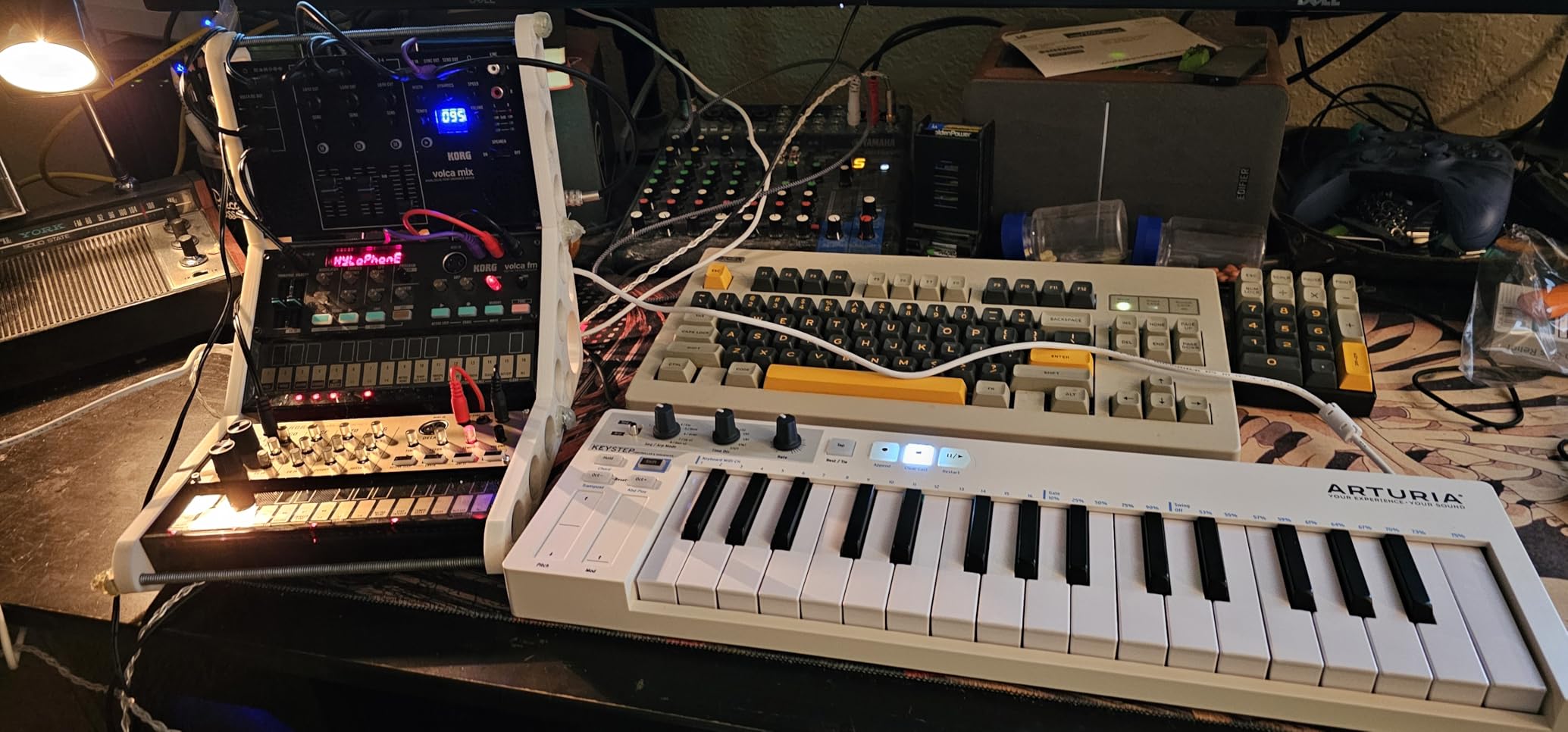
The three-voice polyphony is a genuine advantage over monosynths at this price. You can play simple chords and arpeggiated patterns that sound rich and full. The delay effect adds depth to the sound, and the motion sequencing captures your knob tweaks in real time for dynamic, evolving patterns. Syncing with other Volca devices is straightforward using the sync jack.
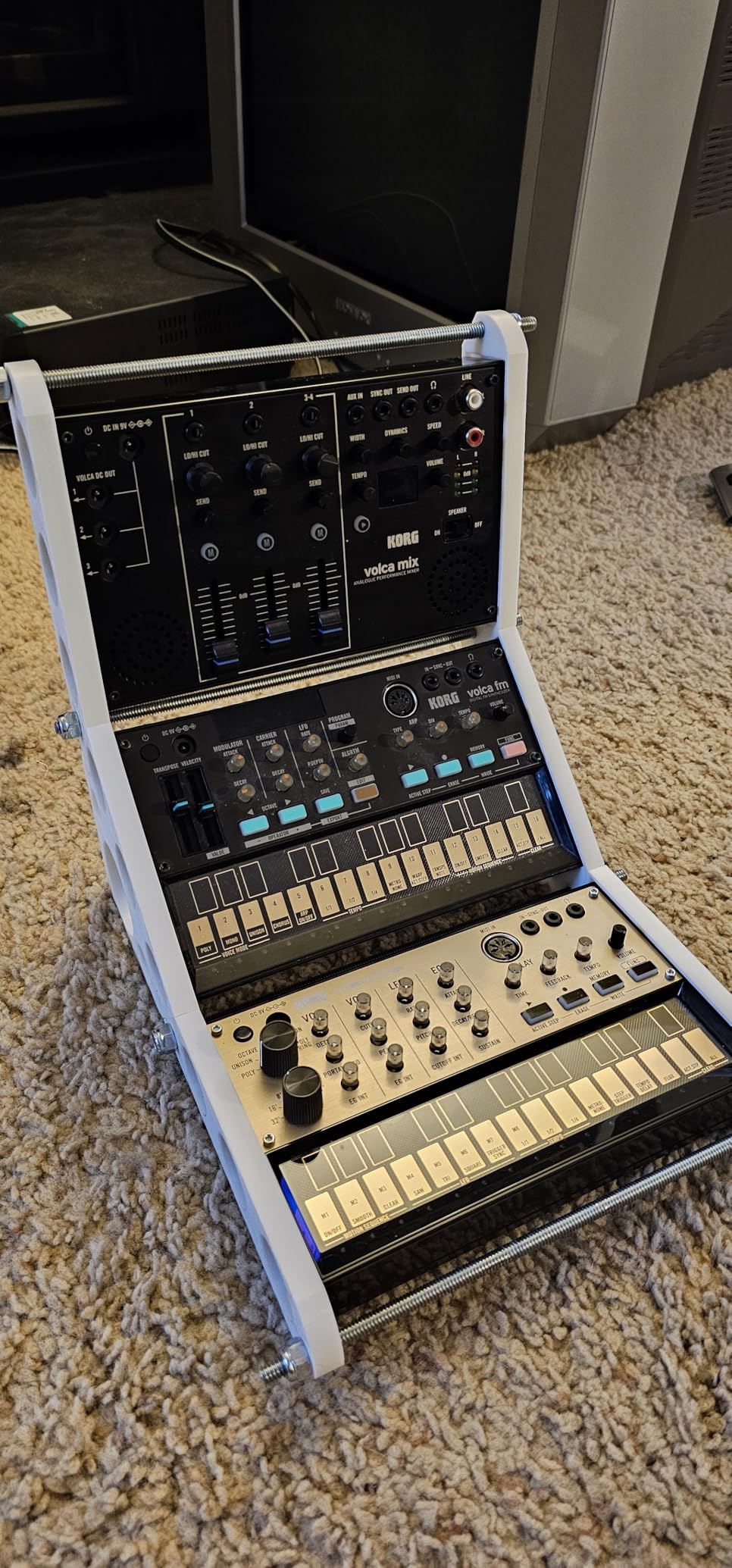
The MIDI input allows you to control the Volca Keys from an external keyboard, sequencer, or DAW, which significantly expands its usability in a studio setting. Combined with the battery operation and built-in speaker, this makes the Volca Keys one of the most portable and self-contained synthesizers available at any price.
Who Should Buy the Korg Volca Keys
If you are on a tight budget and want your first taste of real analog synthesis, the Volca Keys is the best starting point. It is perfect for beginners learning synthesis fundamentals, musicians who want a portable sketchpad for musical ideas, and producers who want to add analog textures to their tracks without investing heavily. It is also a great gift for anyone curious about synthesis.
Who Might Want to Look Elsewhere
The signal path is noticeably noisy, which becomes apparent in quiet passages or through high-quality headphones. The 1/8-inch mono headphone jack limits monitoring quality. All three voices share a single envelope generator, which restricts the independence of each voice. If you need clean recordings or complex voice architecture, you will need to invest in a higher-tier instrument.
12. Korg Volca Bass – 3-Oscillator Analog Bass Synth
Korg Volca Bass Analog Synthesizer w/Three Oscillators and 16-step Sequencer
3 analog VCOs
16-step sequencer
Acid slide function
Self-tuning
Battery powered
✓ The Good
- Fat aggressive analog bass
- Three oscillators for massive sound
- Excellent Korg 700s-based filter
- Compact and portable
- Active Step generates new basslines
✕ The Bad
- Speaker quality is poor
- No MIDI out
- Limited pattern storage
The Korg Volca Bass is a bass machine through and through. Three analog oscillators, each capable of saw or square waveforms, give you massive tonal options for creating everything from deep sub-bass to aggressive acid lines. I dialed up a classic TB-303 style patch using the slide function and was immediately rewarded with that unmistakable squelchy, liquid bass character that defined acid house.
The filter, based on the classic Korg 700s, deserves special recognition. It has a musical quality that makes even simple oscillator combinations sound rich and expressive. The self-tuning function keeps everything stable, which is critical for bass sounds where even slight pitch drift is noticeable. The Active Step function randomly generates new bass lines from your existing patterns, which is a fantastic creative tool when you are stuck in a rut.

Like the Volca Keys, the Bass runs on batteries and has a built-in speaker, making it completely self-contained for portable music creation. The 16-step sequencer is easy to program, and the motion sequencing captures your filter sweeps and knob movements. The MIDI input allows DAW control, though the lack of MIDI out is a limitation for more complex setups.

Pattern storage is limited to eight memory slots with no chaining, which is the most significant practical limitation. I found myself wanting to save more patterns during a session. For live use, you will need to plan your pattern management carefully.
Who Should Buy the Korg Volca Bass
If you produce electronic music, house, techno, or any genre that relies on analog bass, the Volca Bass delivers exceptional value. Three analog oscillators at this price point is remarkable. It is ideal for beginners exploring bass synthesis, producers who want a dedicated bass module for their setup, and anyone building a Volca ecosystem for portable music production.
Who Might Want to Look Elsewhere
The built-in speaker is poor quality and should not be used for critical listening. No MIDI out means you cannot use it to sequence other gear. Pattern storage is limited to eight slots with no chaining, which restricts its usefulness for live performance. For more flexible bass synthesis, the Donner Essential B1 or Novation Bass Station II offer better MIDI implementation.
13. Korg Nu:Tekt NTS-1 – DIY Digital Synthesizer Kit
Korg Nu:Tekt NTS-1 Build Your Own Digital Synthesizer Kit
DIY kit assembly
Logue-SDK compatible
Multi-effects processor
Arpeggiator
USB powered
✓ The Good
- Fun DIY assembly experience
- Custom oscillators and effects from community
- Dual use as synth and effects processor
- Active community support
- Incredible value
✕ The Bad
- Ribbon keyboard is hard to play
- USB power only no battery
- No save function for settings
Building the Korg Nu:Tekt NTS-1 is an experience in itself. The kit takes about 20 minutes to assemble with no soldering required, and there is something satisfying about making music with an instrument you put together with your own hands. Once assembled, the NTS-1 reveals itself as a surprisingly deep digital synthesizer with an analog modeling engine that punches far above its weight.
The real magic of the NTS-1 is the Korg logue-SDK compatibility. This means you can load custom oscillators and effects created by the user community, many of which are available for free online. I loaded oscillator models ranging from realistic piano emulations to wild granular textures, effectively turning the NTS-1 into a completely different instrument with each download. The community is active and constantly releasing new content.
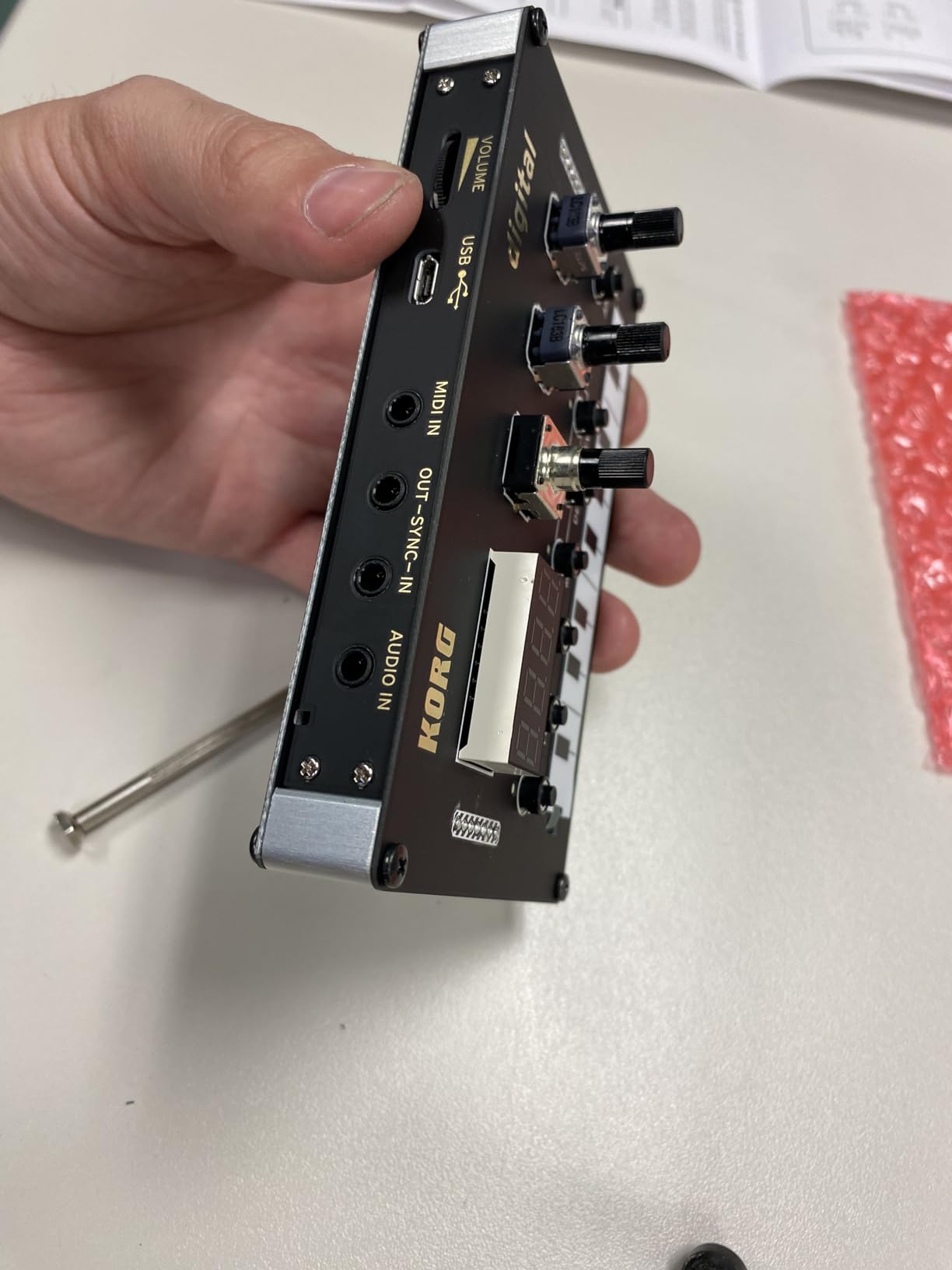
The effects engine is a hidden gem. The NTS-1 works as a multi-effects processor for external audio, offering high-quality reverb, delay, chorus, flanger, and phaser effects. I ran a drum machine through it and the reverbs and delays sounded genuinely professional. This dual functionality as both a synth and an effects unit makes the NTS-1 one of the most versatile tools in this entire roundup for the price.
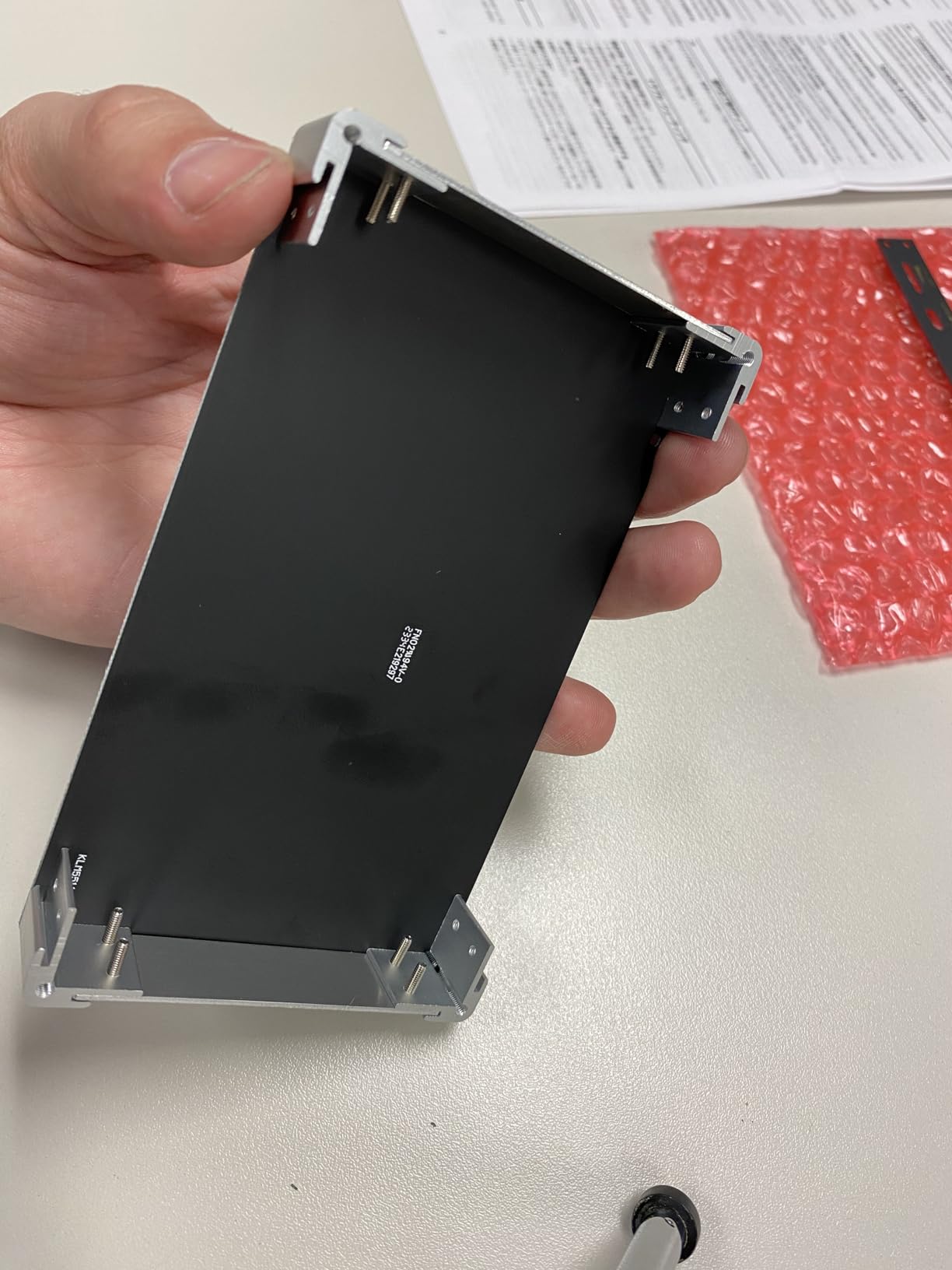
Through decent speakers or an audio interface, the NTS-1 sounds huge. The single-oscillator monosynth architecture is simple, but the oscillator modes and modulation options provide more sonic variety than you would expect from such a compact unit.
Who Should Buy the Korg Nu:Tekt NTS-1
If you want the maximum bang for your buck in a synthesizer, the NTS-1 is hard to beat. It is perfect for beginners who want a fun, affordable entry into hardware synthesis, modular enthusiasts who need a compact effects processor, and tinkerers who enjoy customizing their instruments with community-created content. It also makes a fantastic first DIY project for anyone curious about building their own gear.
Who Might Want to Look Elsewhere
The ribbon keyboard is the biggest practical limitation. It is difficult to play melodies accurately, and most users will want to control it via an external MIDI keyboard. USB-only power means no battery operation for portable use. There is also no save function for individual settings, so your patches are lost when you power off unless you use a MIDI controller with program change messages.
14. Donner Essential B1 – Analog Bass Synth and Sequencer
Analog Bass Synthesizer and Sequencer, Donner Essential B1 with Intuitive User Interface, 128 Patterns Memory, Saturation…
Fully analog signal path
128 patterns
8-mode arpeggiator
Song Mode
USB-C and MIDI I/O
✓ The Good
- Insane quality for the price
- Easy to program 303-style
- 128 patterns with free editor software
- Haptic pads with color backlights
- Song mode chains patterns
✕ The Bad
- Audible hiss at idle
- Built-in delay is weak
- Filter is not as gritty as premium 303 clones
The Donner Essential B1 is designed as an accessible take on the classic TB-303, and it succeeds at delivering that acid bass experience at a fraction of the cost. The fully analog signal path produces warm, satisfying bass tones that respond well to filter manipulation. I spent an afternoon running acid patterns through it and the results were consistently musical and fun.
Programming the B1 is significantly easier than programming an original 303. The haptic pads with color-changing backlights provide clear visual feedback as you build patterns, and the step sequencer is intuitive enough that I was creating sequences within minutes. The 128 pattern memory slots with the free editor software for managing them is a thoughtful inclusion that makes this synth practical for real production work.
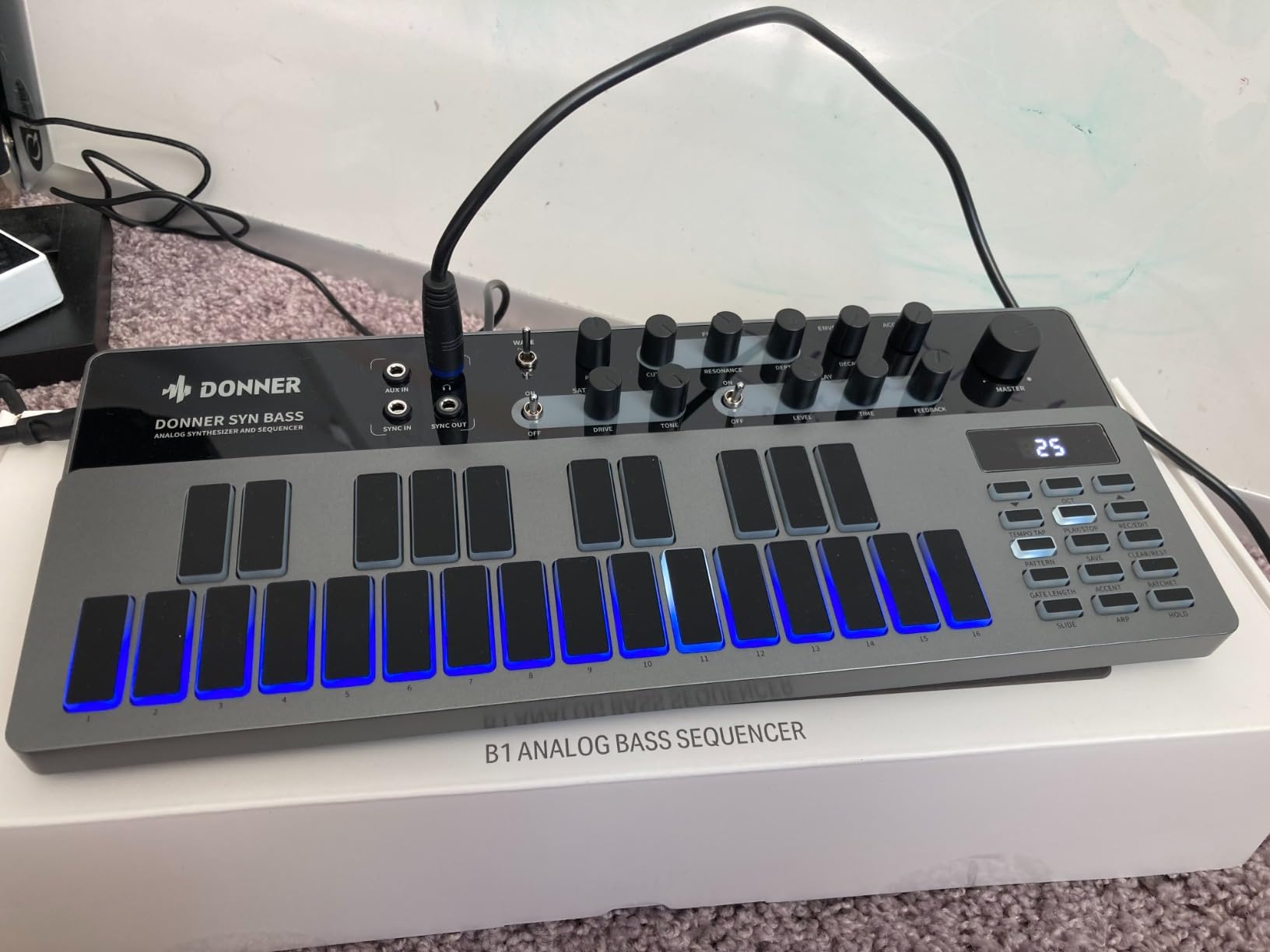
Song Mode lets you chain patterns together into longer compositions, which elevates the B1 from a simple pattern generator to a legitimate production tool. The USB-C connection handles DAW MIDI communication, and the full-size 5-pin MIDI I/O plus Sync I/O provide connectivity options that you would expect on much more expensive instruments.
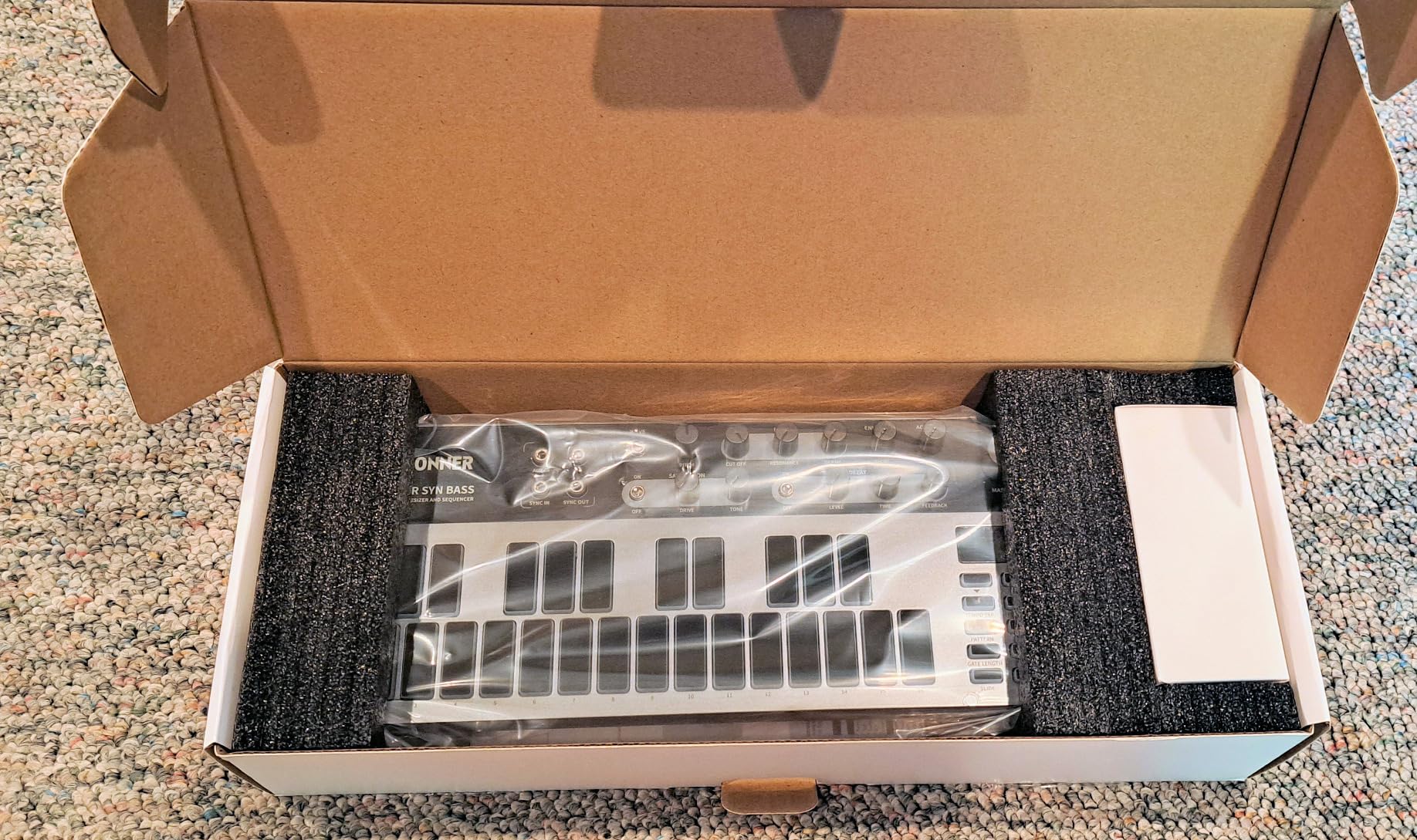
The 8-mode arpeggiator adds another creative dimension, generating melodic patterns from held notes. Combined with the Song Mode and 128 pattern slots, the B1 offers a workflow that supports both quick jamming and more structured composition.
Who Should Buy the Donner Essential B1
If you want to explore acid bass and 303-style synthesis on a budget, the B1 is one of the best options available. It is perfect for beginners who want an affordable analog synth, electronic music producers who need a dedicated bass module, and anyone building a hardware setup on a tight budget. The MIDI I/O and pattern storage make it practical for studio use.
Who Might Want to Look Elsewhere
There is a faint but audible hiss when the synth is idle, which may be problematic in quiet recordings. The built-in delay effect is weak and the distortion is acceptable but not exceptional. The filter does not have the aggressive character of more expensive 303 clones. For professional-grade acid sounds, the Novation Bass Station II or a premium TB-303 clone would be a better investment.
15. Stylophone GENX-2 – Portable Analogue Synthesizer with CV/Gate
Stylophone GENX-2 Portable Analogue Synthesizer with Built-in Speaker, LFO, Filter, Analogue Delay and CV/Gate Output…
LFO with multiple waves
Resonant low-pass filter
Analog delay
CV and Gate outputs
Expression strip
✓ The Good
- Battery powered with speaker
- CV/Gate for modular integration
- Dual sub-octave for huge bass
- Analog delay effect
- Expression strip for live modulation
✕ The Bad
- Built-in speaker is disappointing
- Battery power only no AC adapter
- Expression strip takes practice
The Stylophone GENX-2 is a quirky, fun analogue synthesizer that brings genuine CV/Gate connectivity and analog circuitry to an ultra-portable package. The expression strip, which you play by sliding your finger across a conductive surface, gives you real-time pitch and modulation control that feels like a miniature ribbon controller. It is not precise, but it is expressive in a way that traditional knobs and keys are not.
The dual sub-octave switches are the surprise feature. Engaging both sub-octaves on a bass patch produces enormous, earth-shaking low end that you would not expect from an instrument this small. I ran the output through studio monitors and the bass response was genuinely impressive. The resonant low-pass filter shapes the tone effectively, and the built-in analog delay adds atmosphere ranging from subtle slapback to washes of repeating echoes.
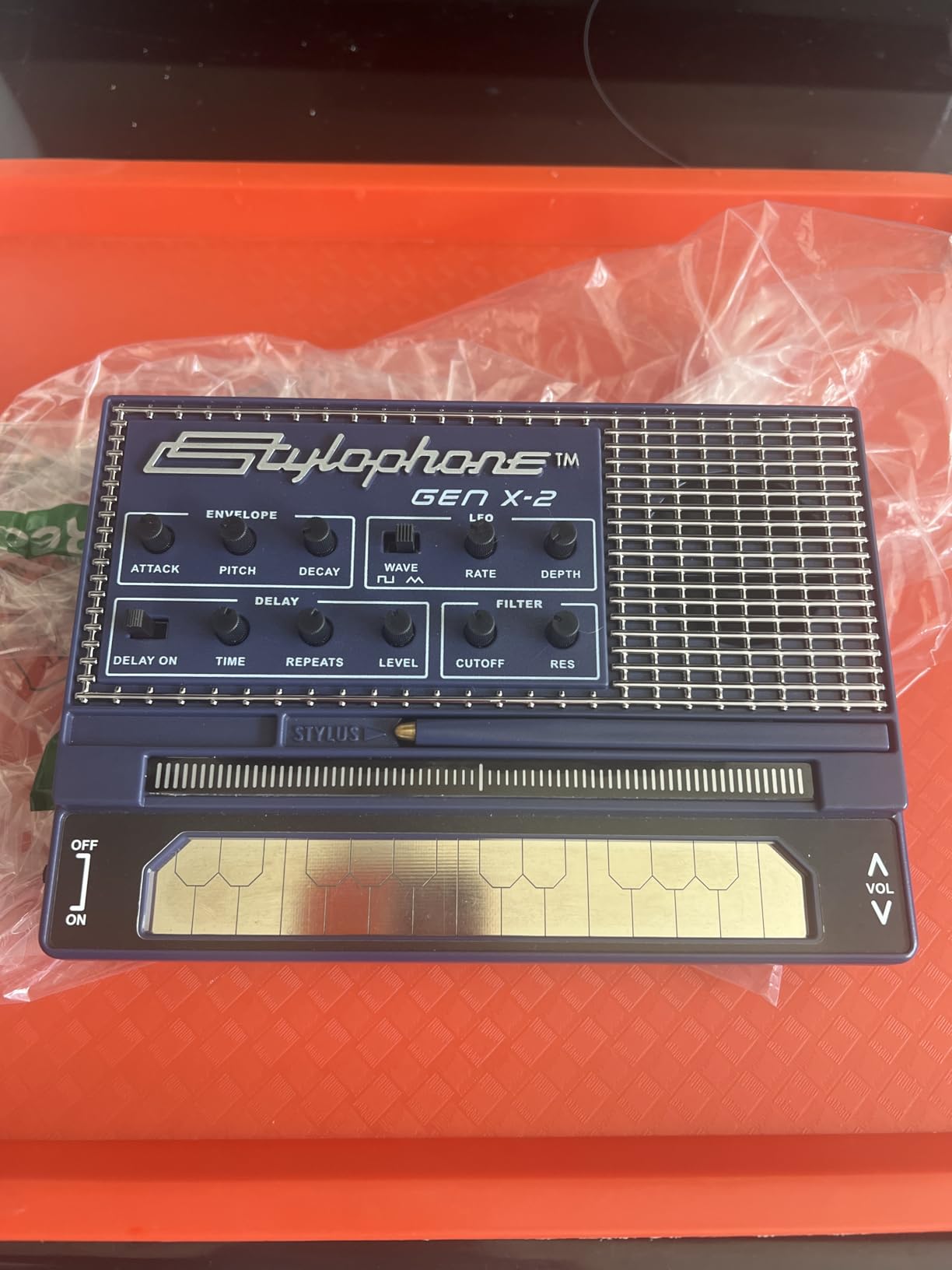
The CV and Gate outputs are what set the GENX-2 apart from other portable synths. You can use it to control modular synthesizers, trigger drum modules, or integrate it into a larger analog setup. This makes it more than just a toy. It is a legitimate modular system controller and sound source that happens to fit in your hand. The pulse width modulation controls and LFO with square and triangle waves add further sound-shaping options.
Who Should Buy the Stylophone GENX-2
If you have a modular synth setup and want a compact controller with analog sound, the GENX-2 offers unique value with its CV/Gate outputs. It is great for musicians who want a portable, battery-powered synth for jamming on the go, experimental artists who enjoy unconventional interfaces, and anyone building a modular ecosystem who needs an affordable module with character.
Who Might Want to Look Elsewhere
The built-in speaker is disappointing and should only be used for casual practice. Battery-only power with no AC adapter option is a real limitation for studio use. The expression strip requires practice to play accurately, and the overall sound palette is more limited than dedicated synthesizers. If you want a full-featured portable synth, the Korg Volca Keys or Yamaha REFACE CS are more versatile options.
How to Choose the Best Synthesizer for Your Needs
Choosing the right synthesizer comes down to understanding your own creative goals, budget, and workflow. After testing all 15 instruments in this guide, I can tell you that there is no single best choice for everyone. The best synthesizers for you depend on what you want to create and how you prefer to work. Here are the key factors I recommend considering.
Analog vs Digital vs Hybrid
Analog synthesizers use physical oscillators, filters, and amplifiers to generate and shape sound. They produce warm, organic tones that respond to subtle parameter changes in ways that digital models often struggle to replicate. In this guide, the MOOG Messenger, Subsequent 37, Volca Keys, Volca Bass, Bass Station II, and Donner Essential B1 are all analog. Digital synthesizers like the Elektron Digitone II and Korg Nu:Tekt NTS-1 use software algorithms to generate sound, offering wider tonal range and features like FM synthesis that are impractical in pure analog hardware. Hybrid instruments like the Arturia MicroFreak combine digital oscillators with analog filters, giving you the best of both worlds. If warmth and hands-on immediacy matter most, go analog. If versatility and unique digital textures are your priority, digital or hybrid is the way to go.
Polyphony: How Many Voices Do You Need?
Polyphony determines how many notes you can play simultaneously. Monophonic synths (MOOG Messenger, Bass Station II, Volca Bass) play one note at a time, which is ideal for bass lines and lead sounds. Paraphonic synths (Subsequent 37) let you play limited chords by sharing filter and envelope resources. True polyphonic synths (Yamaha MX49 with 128 voices, Novation MiniNova with 18 voices) give you full chordal capability. If you plan to play pads, chords, or complex arrangements, prioritize polyphony. If bass and leads are your focus, a monophonic synth with superior sound quality will serve you better.
Keyboard Quality and Playing Experience
The keyboard is your primary interface with the instrument, and quality varies enormously. Full-size semi-weighted keys with velocity and aftertouch (MOOG Messenger, Subsequent 37) provide the most expressive playing experience. Mini keys (Korg microKORG, Novation MiniNova, Yamaha REFACE CS) save space but may feel cramped. Touch plates (Arturia MicroFreak) and ribbon controllers (Stylophone GENX-2, NTS-1) are expressive in different ways but lack traditional piano feel. If keyboard quality is important to you, prioritize instruments with full-size keys and velocity sensitivity.
Connectivity and Studio Integration
Consider how the synth fits into your existing setup. USB connectivity (Yamaha MX49, Donner Essential B1) simplifies DAW integration. MIDI I/O on 5-pin DIN connectors (Bass Station II, MiniNova) works with traditional studio gear. CV/Gate (MOOG Subsequent 37, Labyrinth, Stylophone GENX-2) is essential for modular synthesizer integration. Some synths like the Yamaha MX49 even handle audio over USB, eliminating the need for a separate audio interface. Think about your current and future studio plans before choosing.
Budget Tiers: What to Expect
Under $150, expect compact analog or digital units with limited polyphony but genuine synthesis capabilities (Korg Volca series, Donner Essential B1, Stylophone GENX-2). Between $300 and $600, you enter the territory of more capable instruments with better build quality, more features, and improved sound engines (Arturia MicroFreak, MOOG Messenger, Yamaha REFACE CS, Korg microKORG). From $600 to $1,200, you get professional-grade sound quality, full connectivity, and premium build (Elektron Digitone II, Yamaha MX49, Novation Bass Station II). Above $1,500, you are investing in flagship instruments with exceptional analog circuitry and comprehensive features (MOOG Subsequent 37). Each tier represents a genuine step up in quality and capability, but even the budget options in this guide are capable of professional-sounding results.
Frequently Asked Questions About Synthesizers
What is the best sounding synthesizer?
The best sounding synthesizer depends on what type of sound you are after. For warm, fat analog tones, the MOOG Subsequent 37 and MOOG Messenger are exceptional. For digital clarity and FM textures, the Elektron Digitone II produces stunning results. The Yamaha MX49BK delivers the most realistic acoustic instrument sounds thanks to its MOTIF engine. In our testing, the MOOG Messenger earned the highest rating at 4.9 out of 5, making it our top pick for overall sound quality.
What is the greatest synthesizer of all time?
The greatest synthesizers of all time include the Yamaha DX7, which defined the sound of the 1980s with its FM synthesis, the Roland Jupiter-8 and Juno-106 for analog warmth, the Moog Minimoog for pioneering portable analog synthesis, and the Sequential Prophet-5 for bringing polyphony to the masses. These instruments shaped entire genres of music and their sounds are still sought after today.
What synth does Lady Gaga use?
Lady Gaga has used a variety of synthesizers throughout her career, including the Roland Juno-G, Yamaha CS-80, and various Moog instruments. Her productions often combine analog and digital synthesizers for a hybrid sound. The Korg microKORG and Novation instruments have also appeared in her live rigs.
What synth does Billie Eilish use?
Billie Eilish and her brother Finneas O’Connell use a range of synthesizers in their productions, including the Arturia MicroFreak, various Korg instruments, and software synthesizers. Their production style often features simple, atmospheric synth textures rather than complex modular setups, proving that creative sound design matters more than expensive gear.
Should I buy an analog or digital synthesizer as a beginner?
As a beginner, a digital or hybrid synthesizer like the Korg Volca Keys, Arturia MicroFreak, or Yamaha REFACE CS is often the best starting point. These instruments offer wide sound palettes, are generally more affordable, and provide features like presets and effects that make learning easier. Analog synths teach fundamental signal flow concepts but are usually more limited in range. If budget allows, a hybrid synth gives you the best of both worlds to learn on.
Final Thoughts on the Best Synthesizers
After testing 15 synthesizers across every budget and skill level, a few clear standouts emerged. The MOOG Messenger is our top overall pick for its combination of classic Moog analog sound, modern features like RES BASS Compensation, and a superb playing experience. The Yamaha MX49BK offers incredible value as a versatile workstation with the MOTIF engine and 128-note polyphony. And the Korg Volca Keys proves that real analog synthesis is accessible to anyone, regardless of budget.
The best synthesizers are the ones that inspire you to create. Whether that is a $99 Donner Essential B1 that gets you making acid bass on your first day, or a MOOG Subsequent 37 that rewards years of deep sound design exploration, the right instrument is the one that makes you want to turn it on and play. Our team tested every model in this guide to make sure each recommendation is based on real, hands-on experience. Pick the one that matches your creative goals and start making music.
