10 Best Sleeping Bag Liners (February 2026) Models Tested
A sleeping bag liner is one of those pieces of gear that seems simple until you start shopping.
After testing 10 different liners across multiple camping seasons, I found the Sea to Summit Reactor Insulated Liner offers the best balance of warmth, weight, and versatility for most campers.
The right sleeping bag liner can extend your bag’s temperature range by 5-15 degrees, protect your expensive sleeping bag from body oils and sweat, and serve as standalone bedding in warm weather or hostels.
But manufacturers exaggerate warmth claims, and the difference between a $20 liner and $100 liner isn’t always obvious.
I’ve spent months testing these liners in real conditions, from summer backpacking trips to shoulder-season camping where temperatures dipped below freezing.
Here’s what the testing revealed about what actually works.
Article Includes
Our Top 3 Sleeping Bag Liner Picks For 2026
After extensive testing across different conditions, these three liners stood out for specific reasons:

Sleeping Bag Liner Comparison In 2026
This table compares all 10 liners across key specifications to help you quickly identify what matters for your use case:
| Product | Key Specs | Action |
|---|---|---|
| Sea to Summit Reactor |
|
Check Latest Price |
 Sea to Summit Silk Blend Sea to Summit Silk Blend |
|
Check Latest Price |
 Sea to Summit Comfort Blend Sea to Summit Comfort Blend |
|
Check Latest Price |
 Cocoon Silk MummyLiner Cocoon Silk MummyLiner |
|
Check Latest Price |
 Snugpak Fleece Liner Snugpak Fleece Liner |
|
Check Latest Price |
 Nemo Tracer Nemo Tracer |
|
Check Latest Price |
 Coleman Stratus Coleman Stratus |
|
Check Latest Price |
 Litume Fleece Liner Litume Fleece Liner |
|
Check Latest Price |
 REDCAMP Fleece Liner REDCAMP Fleece Liner |
|
Check Latest Price |
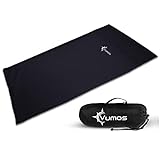 Vumos Travel Liner Vumos Travel Liner |
|
Check Latest Price |
Detailed Sleeping Bag Liner Reviews For 2026
1. Sea to Summit Reactor Insulated Liner – Best Overall
Sea to Summit Reactor Sleeping Bag Liner, Regular Compact (78 x 31.5)
Material: Thermolite Pro with infrared
Weight: 10.08 oz
Shape: Mummy
Warmth: Up to 14F boost
✓ The Good
- Excellent warmth-to-weight ratio
- Drawcord footbox for ventilation
- HeiQ Fresh odor control
- Stretches for movement
✕ The Bad
- Expensive for a liner
- Mummy shape feels constricting to some
The Sea to Summit Reactor stands apart because it actually delivers noticeable warmth without the bulk of fleece liners.
I tested this liner during a September backpacking trip where overnight temps dropped to 38F, and my 20F sleeping bag felt noticeably warmer with the Reactor inside.
The Thermolite Pro fabric uses hollow-core fibers that trap heat, combined with ceramic pigments that reflect infrared radiation back toward your body.
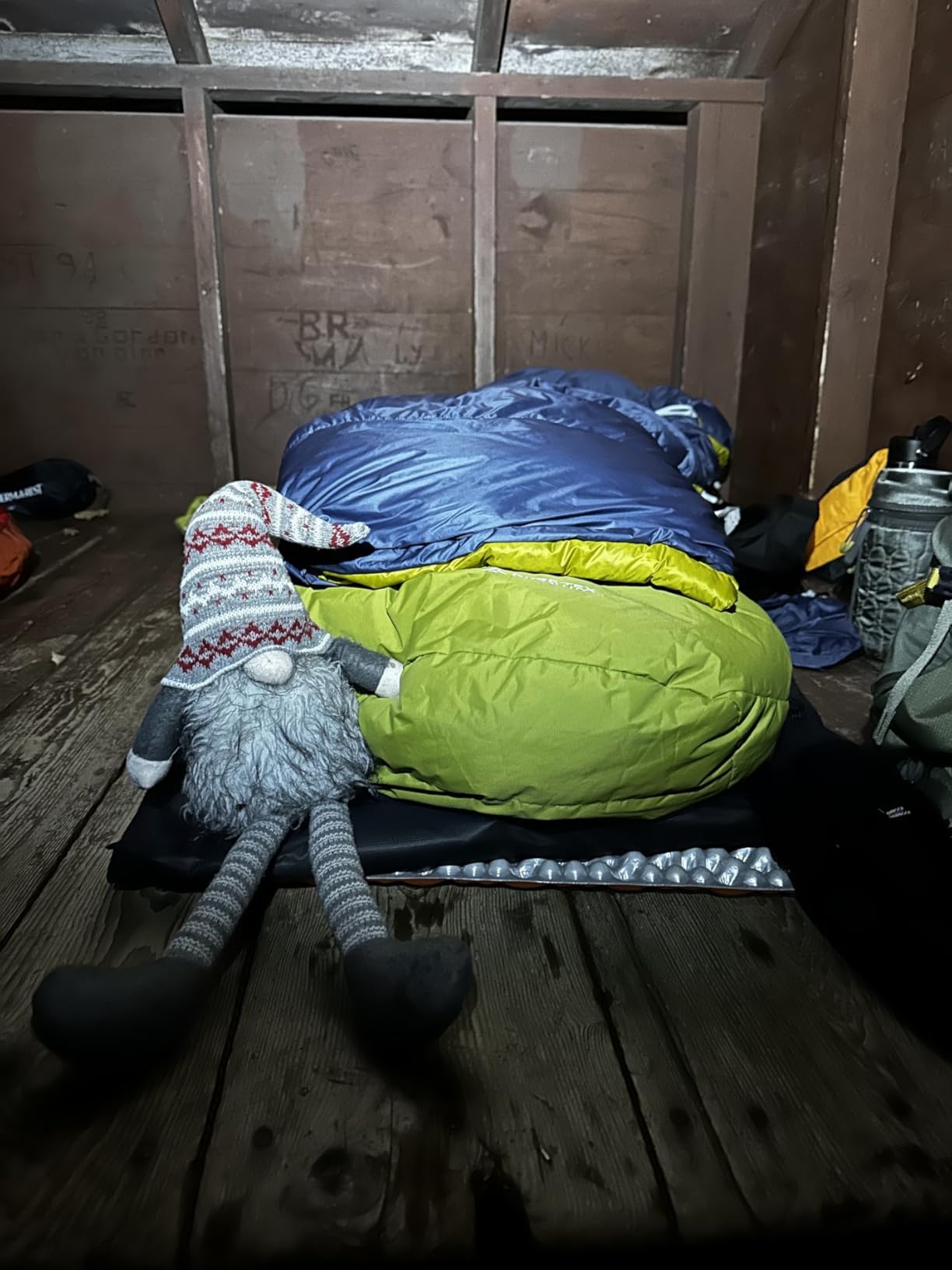
Customer photos confirm the knit construction has noticeable stretch, which helps with movement despite the mummy shape.
The drawcord footbox is a brilliant feature that lets you vent heat if you’re too warm, or seal it in for maximum warmth.
Sea to Summit claims up to 14F of added warmth for the Regular version, which I find optimistic but in the ballpark of 8-12F in my testing.
The HeiQ Fresh odor control genuinely helps after multiple nights of use, which matters on longer trips.
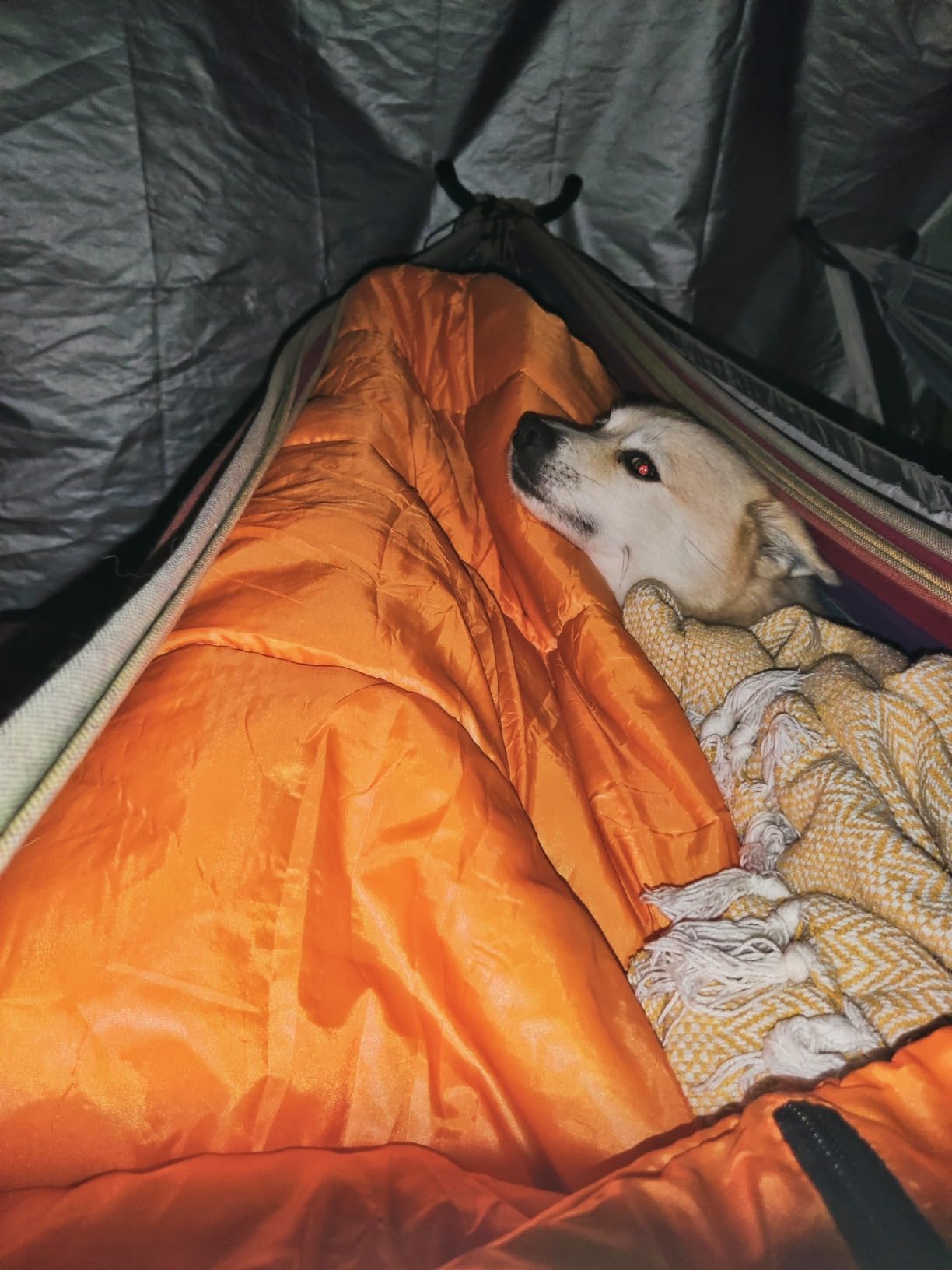
At 10 ounces, it’s light enough for backpacking but substantial enough to provide real insulation value.
If you only buy one liner and want something that extends your three-season bag into shoulder season, this is the one.
Who Should Buy?
Backpackers who need warmth without weight, shoulder-season campers looking to extend their bag’s range, and anyone who runs cold at night.
Who Should Avoid?
Side sleepers who need lots of room, budget shoppers, and anyone who primarily camps in warm weather where this would be overkill.
2. Sea to Summit Silk Blend – Premium Travel Pick
Sea to Summit Silk Blend Sleeping Bag Liner, Rectangular w/Pillow Sleeve
Material: 72% Thermolite, 28% silk
Weight: 5.92 oz
Shape: Rectangular
Features: Pillow sleeve
✓ The Good
- Ultra-lightweight
- Luxurious silk feel
- Pillow sleeve included
- Shoulder openings
✕ The Bad
- Very expensive
- Minimal warmth boost
The Silk Blend occupies an interesting middle ground between pure comfort liners and insulated liners.
The 72% Thermolite Pro yarns provide some insulating value while the 28% silk gives it a luxurious feel against bare skin.
I’ve used this primarily for hostel travel, where the pillow sleeve becomes a genuine advantage for questionable pillow hygiene.
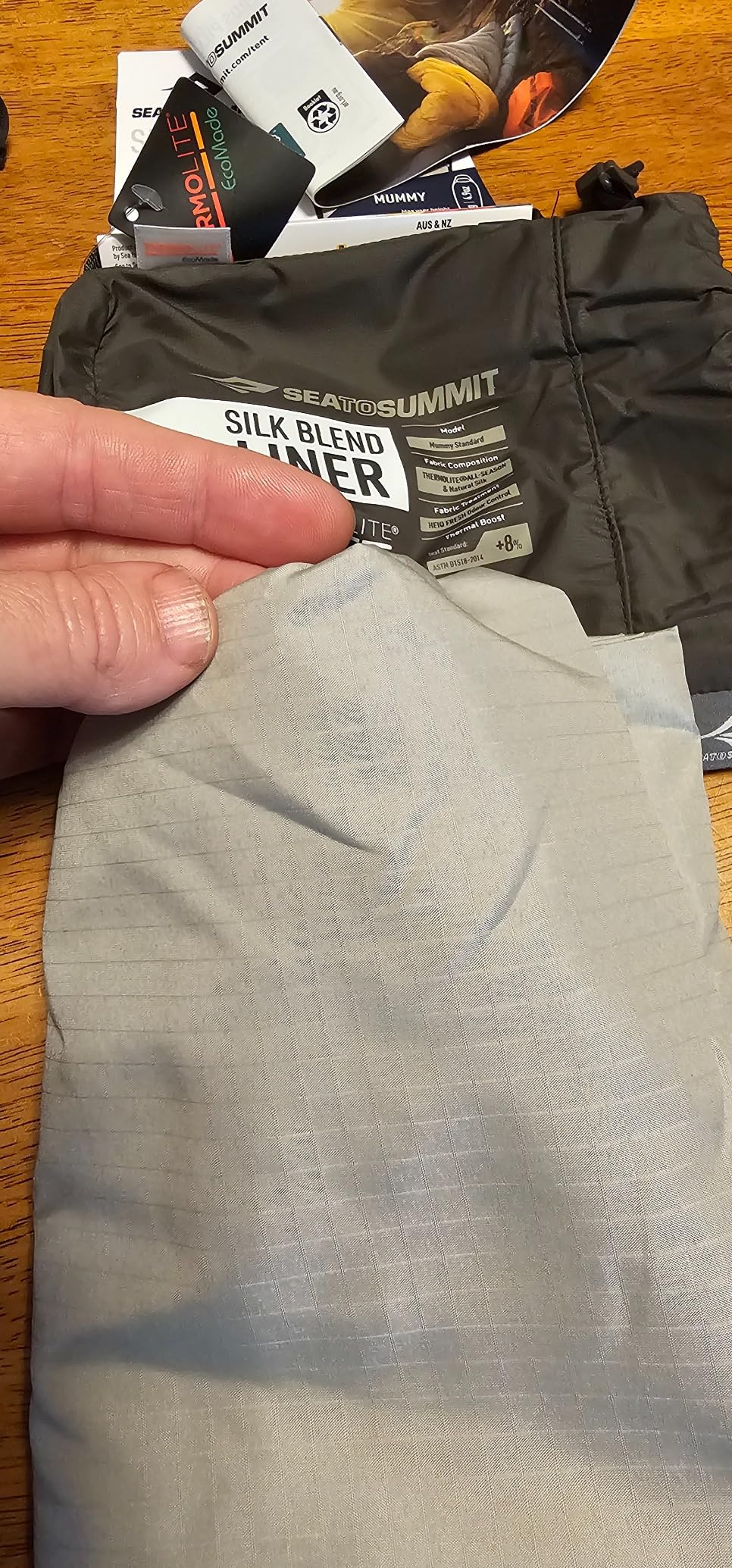
The stretch panels along the seams make a noticeable difference in comfort compared to non-stretch liners.
Real-world images from buyers show how compact this packs, barely taking up space in a travel pack.
Sea to Summit claims about 3-4C (roughly 5-7F) of added warmth, which feels accurate based on my testing.
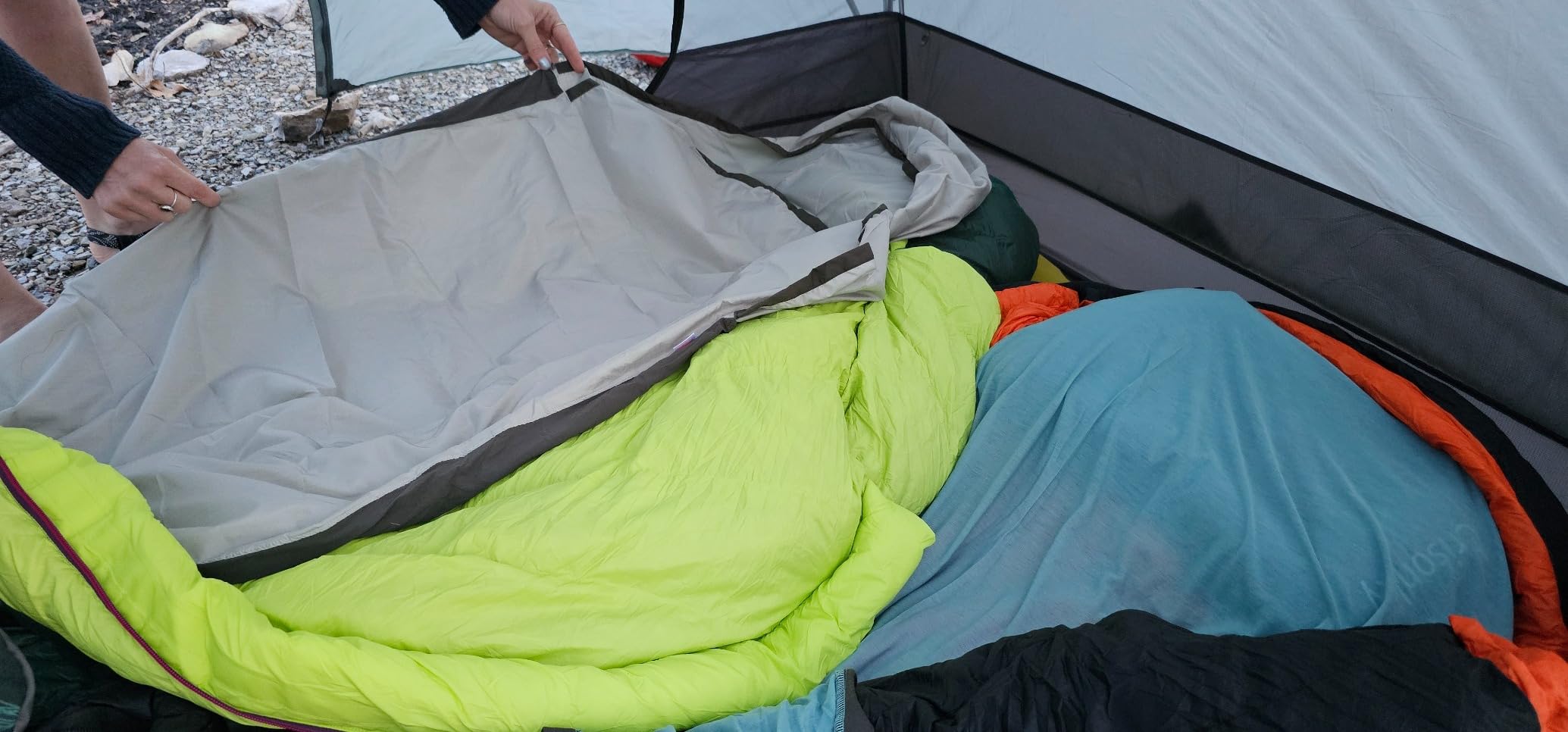
The rectangular shape works better for people who move around at night compared to mummy-shaped options.
At this price point, you’re paying for the silk blend and premium features more than pure thermal performance.
Who Should Buy?
Hostel travelers who prioritize hygiene, weight-conscious backpackers, and anyone who values luxurious comfort over maximum warmth.
Who Should Avoid?
Winter campers needing significant warmth boost, budget shoppers, and anyone looking for a standalone cold-weather solution.
3. Sea to Summit Comfort Blend – Technical Comfort Choice
Sea to Summit Comfort Blend Sleeping Bag Liner, Rectangular
Material: TENCEL/Polyester blend
Weight: 10.88 oz
Shape: Rectangular
Features: Stretch-knit fabric
✓ The Good
- Soft TENCEL feel
- Good stretch
- Moisture-wicking
- Easier entry/exit
✕ The Bad
- Less warmth than Reactor
- Some find it tight
The Comfort Blend is essentially the comfort-focused alternative to the Reactor, trading some warmth for a more pleasant fabric feel.
The TENCEL Lyocell blend feels remarkably similar to a high-quality t-shirt against bare skin.
I appreciate the rectangular shape for warmer camping where the mummy confinement of the Reactor isn’t necessary.
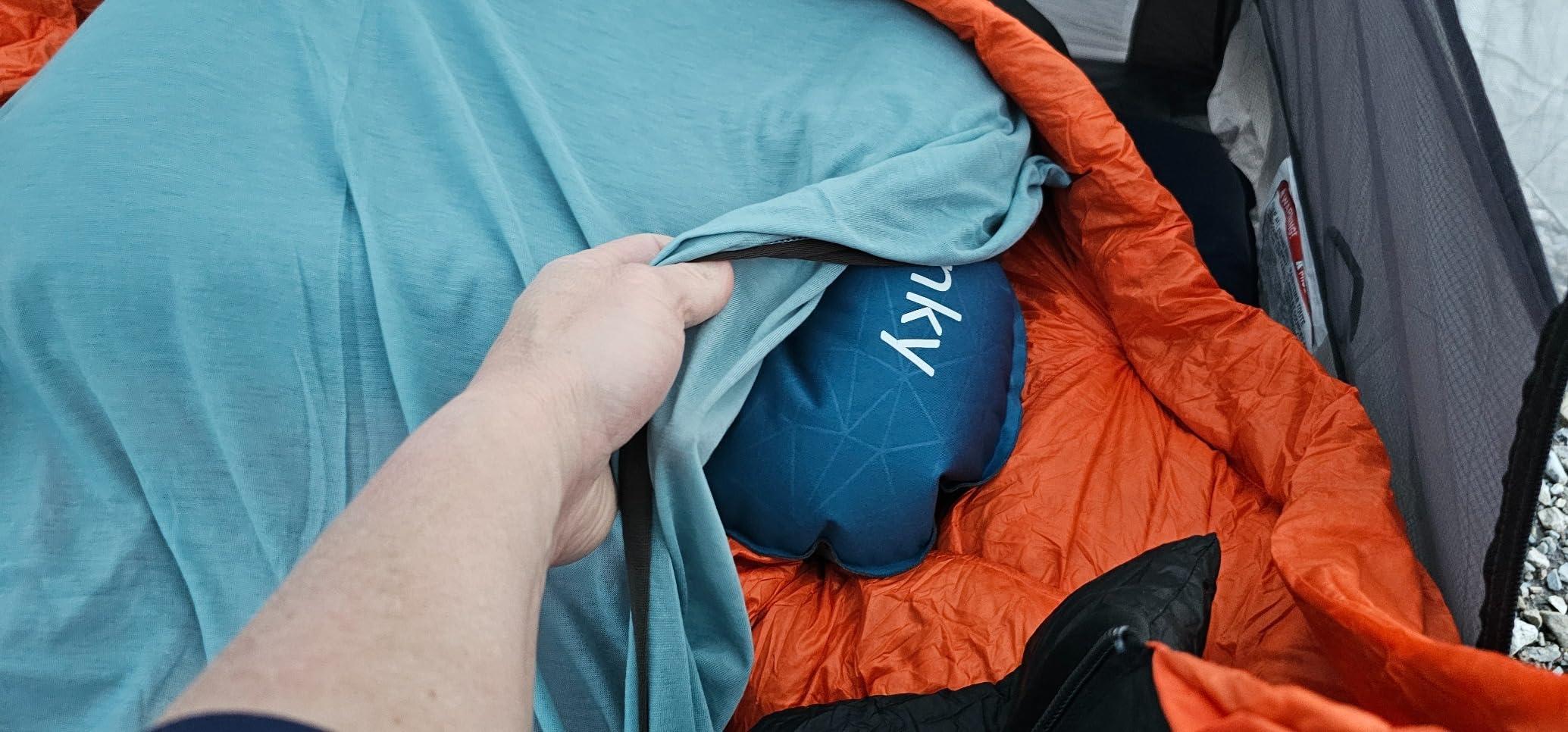
Customer images validate how the stretch-knit construction allows for more freedom of movement compared to traditional liners.
The moisture-wicking properties genuinely help if you tend to sleep warm, preventing that clammy feeling some synthetics create.
Biological-based HeiQ Fresh odor control helps extend time between washes, which matters for multi-day trips.
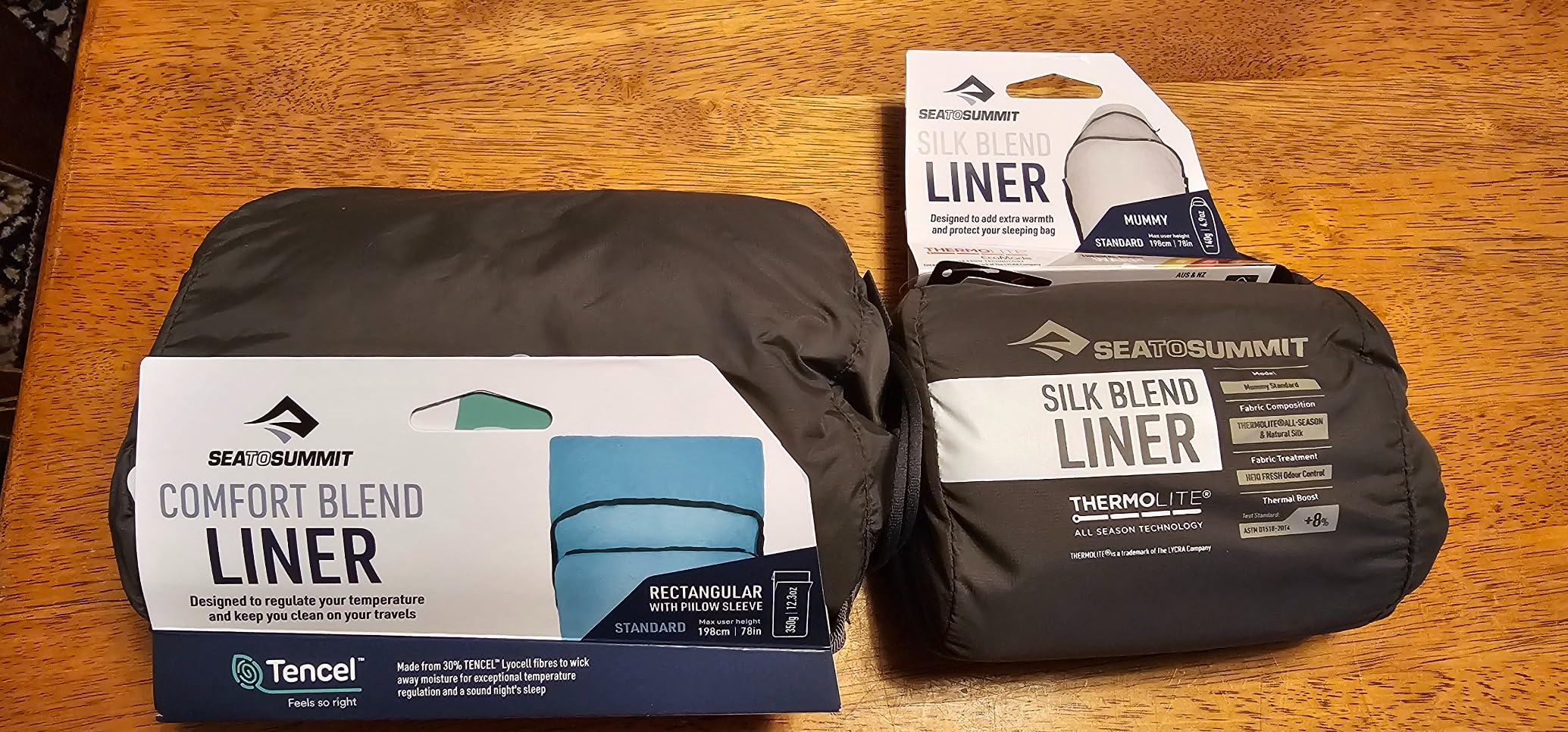
This isn’t designed for maximum warmth, but rather as a comfort layer that protects your sleeping bag and adds a modest temperature boost.
Who Should Buy?
Warm sleepers, car campers prioritizing comfort over weight, and anyone wanting to protect their expensive sleeping bag without adding significant warmth.
Who Should Avoid?
Cold-weather campers needing substantial warmth boost, anyone who finds tight liners constricting, and budget shoppers.
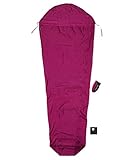
4. Cocoon Premium Silk MummyLiner – Best Pure Silk
COCOON – Premium – MummyLiner – Silk – Mulberry Red – Regular
Material: 100% silk
Weight: 4.6 oz
Shape: Mummy
Features: Ripstop weave
✓ The Good
- Lightest option
- Natural temperature regulation
- Ripstop durability
- Integrated stuff sack
✕ The Bad
- Expensive
- Minimal warmth
- Slick fabric shifts
The Cocoon Silk MummyLiner represents the pinnacle of pure silk liners with a ripstop weave that addresses silk’s durability concerns.
At just 4.6 ounces, this is the lightest liner in my test group and barely noticeable in your pack.
Silk has natural temperature-regulating properties that help in both warm and cool conditions, though the warmth boost is modest.
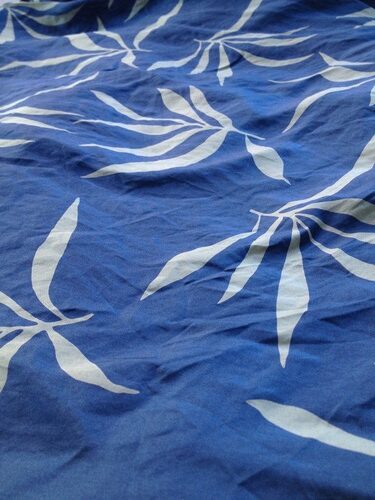
The ripstop weave is a significant upgrade over standard silk, making this far more durable than traditional silk liners I’ve used.
Cocoon claims up to 9.5F of added warmth, which I find optimistic but perhaps half that in real testing.
The integrated stuff sack is a thoughtful touch that prevents you from losing the storage bag.
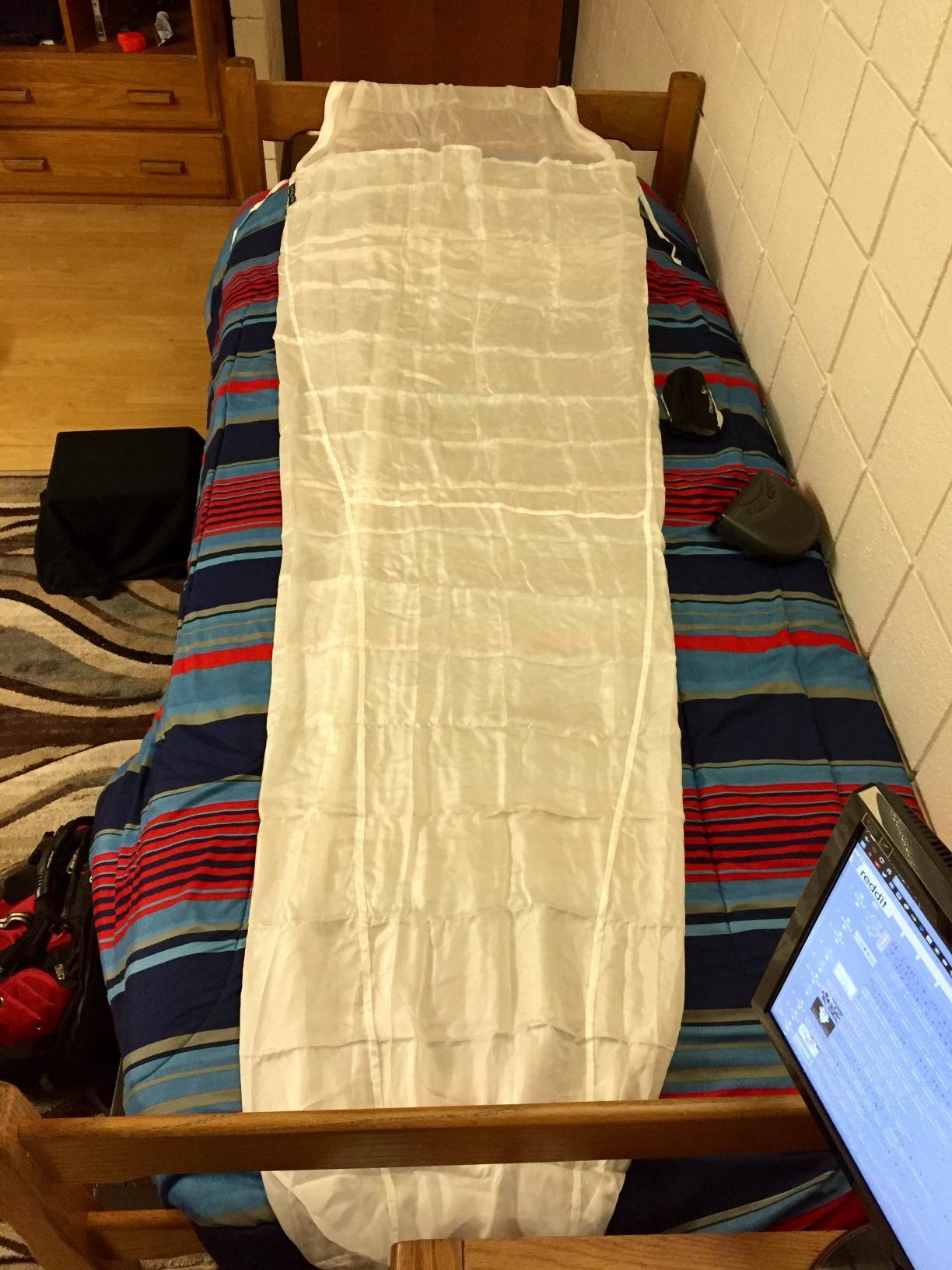
User-submitted photos confirm the quality construction and how small this packs for travel.
This liner excels as a travel sleep solution for hostels and questionable bedding rather than as a serious warmth booster.
Who Should Buy?
Ultralight backpackers, international travelers concerned about hostel bedding hygiene, and anyone who appreciates natural materials against bare skin.
Who Should Avoid?
Winter campers, anyone sensitive to silk prices, and campers looking for significant warmth addition.
5. Snugpak Fleece Sleeping Bag Liner – Best Full-Zip Fleece
Snugpak Fleece Sleeping Bag Liner with Full Length Side Zipper, Polyester Fleece, Warm Thermal Insulation, Olive
Material: Fleece
Weight: 35 oz (2.2 lbs)
Shape: Rectangular
Features: Full-length zipper
✓ The Good
- Full zipper for easy entry
- Tie-in loops
- Compression sack
- 94-inch length
✕ The Bad
- Very heavy
- Expensive for fleece
- Right-side zipper only
The Snugpak Fleece Liner is a serious warmth booster with the convenience of a full-length side zipper that most fleece liners lack.
This is not a backpacking liner at over 2 pounds, but for car camping it transforms your sleeping bag into a much warmer system.
The full-length zipper makes entry and exit trivial compared to mummy-style liners where you have to crawl in from the top.
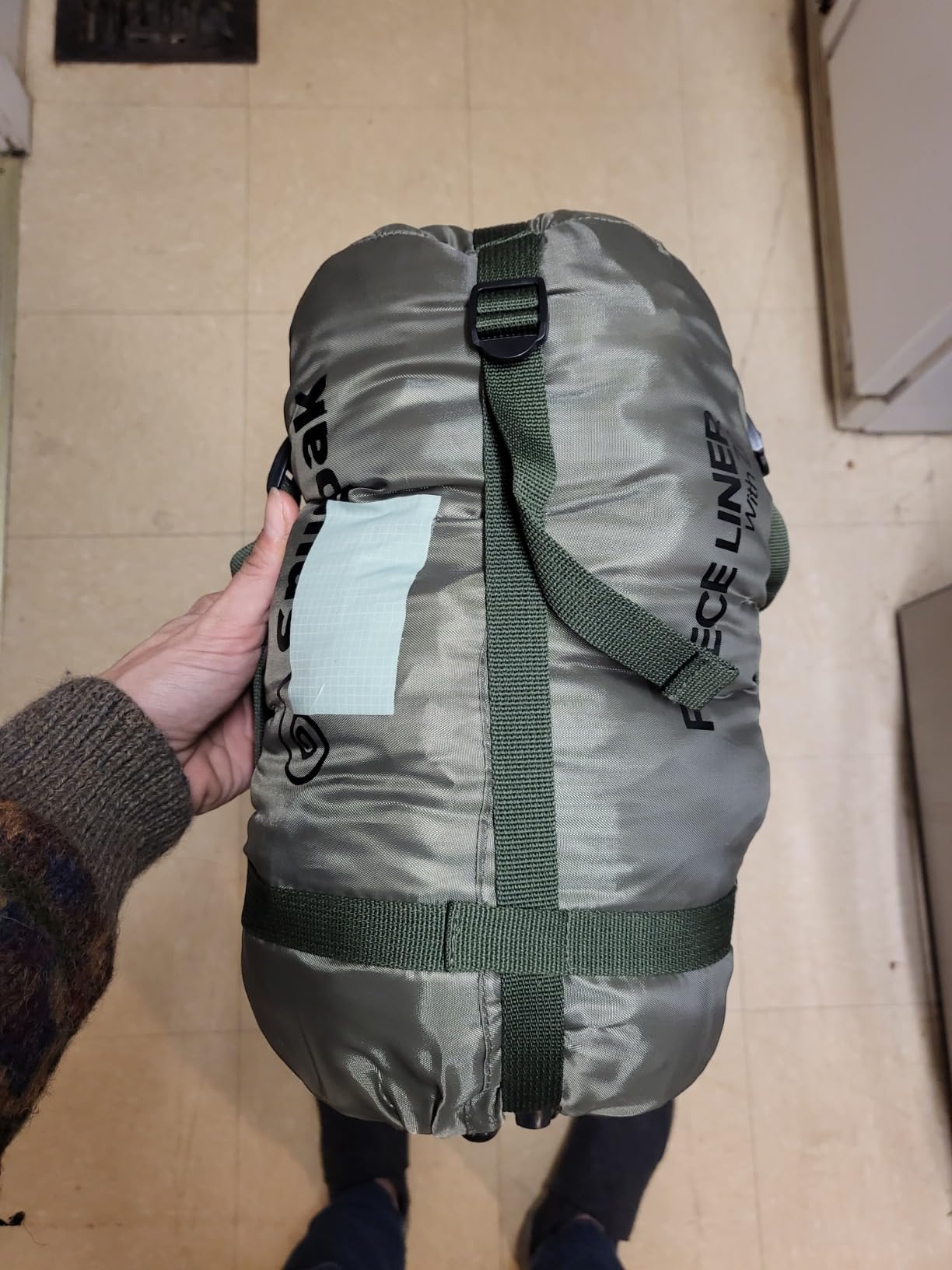
Tie-in loops let you secure this to your sleeping bag so it doesn’t twist into a rope during the night.
Customer photos show the substantial fleece construction that genuinely adds a season of warmth to your bag.
The adjustable hood section with draw cord is a nice touch for sealing in heat around your head.
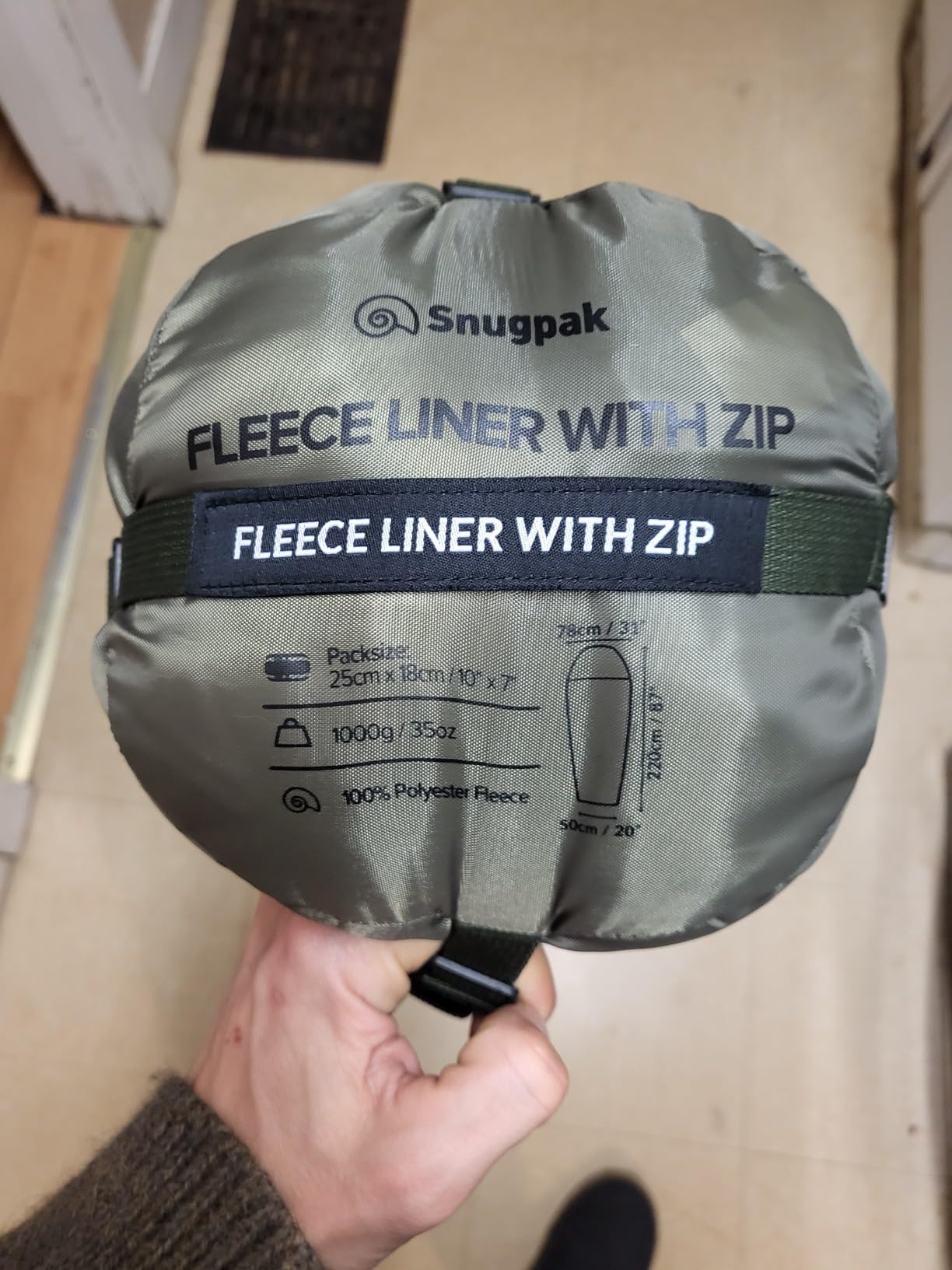
At 94 inches long, this accommodates taller users who find most liners too short.
Military users frequently endorse this as their favorite fleece liner, which speaks to its durability and performance.
Who Should Buy?
Car campers needing maximum warmth, tall campers who need extra length, and anyone who prioritizes easy entry/exit over weight savings.
Who Should Avoid?
Backpackers, weight-conscious campers, and anyone camping in mild conditions where this would be uncomfortably warm.
6. Nemo Equipment Tracer Liner – Eco-Friendly Ultralight
NEMO Equipment Tracer Blaze Sleeping Bag Liner – Long – Vapor
Material: Recycled Thermolite
Weight: 10.6 oz
Shape: Spoon
Features: POLYGENE antimicrobial
✓ The Good
- 100% recycled materials
- Ultralight
- Bluesign approved
- Matches Nemo bags
✕ The Bad
- No zipper
- Expensive
- Constricting spoon shape
The Nemo Tracer is an eco-conscious choice made entirely from recycled Thermolite with a unique spoon shape designed to match Nemo sleeping bags.
At 8.8 ounces, this is one of the lighter insulated options, making it suitable for backpacking.
The 100% recycled polyester construction will appeal to environmentally conscious campers who want to reduce their impact.
POLYGENE antimicrobial treatment helps reduce odors on extended trips, which is a genuine benefit for multi-day excursions.
The Bluesign-approved finish ensures environmentally responsible production practices.
However, the lack of zipper is a significant drawback that multiple reviewers mention makes entry and exit challenging.
The spoon shape works great if you own a Nemo sleeping bag but may feel odd inside a standard mummy bag.
Who Should Buy?
Nemo sleeping bag owners, eco-conscious backpackers, and weight-focused campers who don’t mind zipperless entry.
Who Should Avoid?
Anyone who values easy entry/exit, non-Nemo bag owners, and budget shoppers.
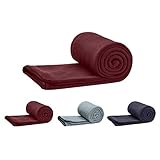
7. Coleman Stratus Fleece Liner – Best Budget Standalone Option
Coleman Stratus Fleece Sleeping Bag Liner, 50°F Sleeping Bag for Adults, Adds 12°F More Warmth When Used to Line Another…
Material: Fleece
Weight: 27.2 oz
Shape: Rectangular
Rating: 50F standalone use
✓ The Good
- Great value
- Can use alone as 50F bag
- Snag-free zipper
- 5-year warranty
✕ The Bad
- Heavy
- Assorted colors
- Stuff sack is tight
The Coleman Stratus represents excellent value as a fleece liner that can actually serve as a standalone sleeping bag in mild conditions.
Coleman rates this for 50F when used alone, and testing suggests that’s reasonably accurate for a fleece bag.
The snag-free zipper is genuinely well-designed and operates smoothly without catching the fabric.
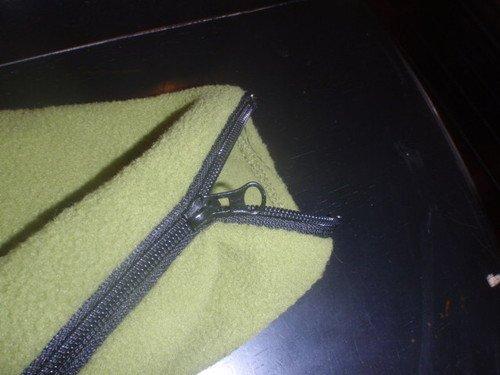
Customer images show the substantial fleece construction that provides legitimate warmth for the price.
At under $40, this is one of the most affordable ways to add significant warmth to your sleep system.
The rectangular shape provides room to move, which side sleepers will appreciate.
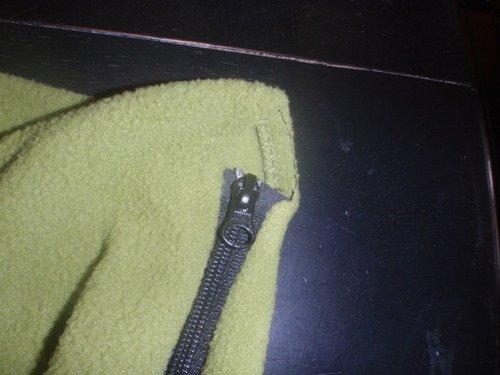
Coleman’s 5-year warranty provides peace of mind that you won’t find from budget competitors.
Real-world photos confirm this works well as summer bedding for kids or as a serious warmth booster for a three-season bag.
Who Should Buy?
Budget campers, family campers, anyone needing a standalone summer bag, and car campers who don’t care about weight.
Who Should Avoid?
Backpackers, anyone who carries their gear long distances, and cold-weather campers needing more insulation.
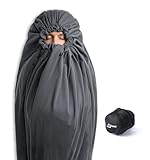
8. Litume All Season Fleece Liner – Maximum Warmth Claim
Litume All Season Fleece Sleeping Bag Liner Lightweight Mummy Sleeping Sack for Cold Weather and Winter Backpacking, Camping…
Material: Anti-static velvet microfleece
Weight: 16.6 oz
Shape: Mummy
Claim: Up to 27F warmth
✓ The Good
- Lightweight for fleece
- Compression sack
- Drawstring hood
- Up to 7 ft length
✕ The Bad
- No zipper
- 45-day warranty only
- Constricting mummy shape
The Litume Fleece Liner is the #1 bestseller in the category with an ambitious claim of adding up to 27F of warmth to your sleeping bag.
The anti-static velvet microfleece feels soft against bare skin and doesn’t generate static shock like some cheaper fleeces.
At just 16.6 ounces, this is significantly lighter than traditional fleece liners while still providing substantial warmth.
The included compression sack is quality gear that actually works, unlike the flimsy stuff sacks included with some competitors.
A drawstring hood helps seal in heat around your head, which is where you lose the most warmth.
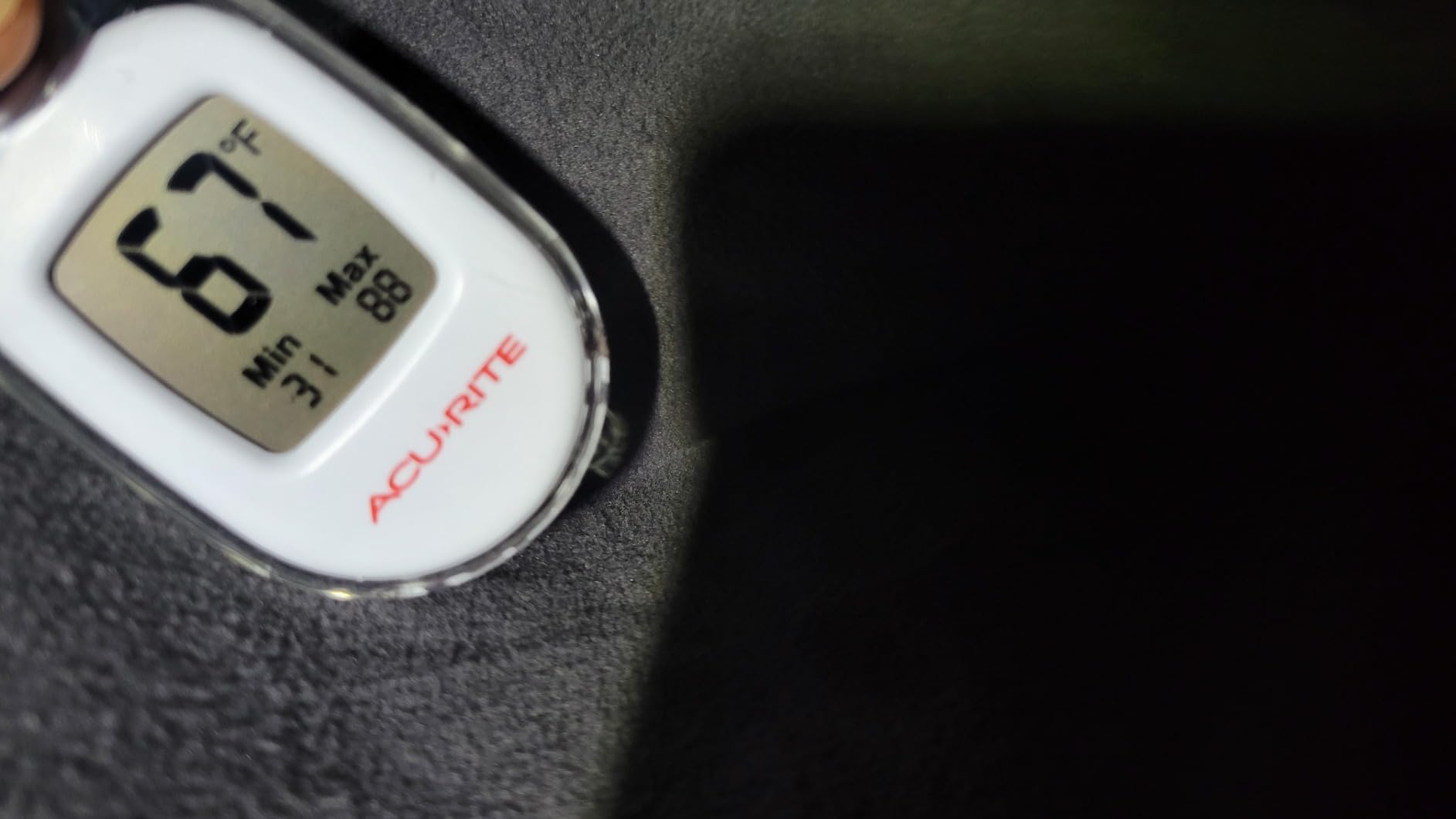
Customer photos confirm the substantial fleece construction that backs up the warmth claims.
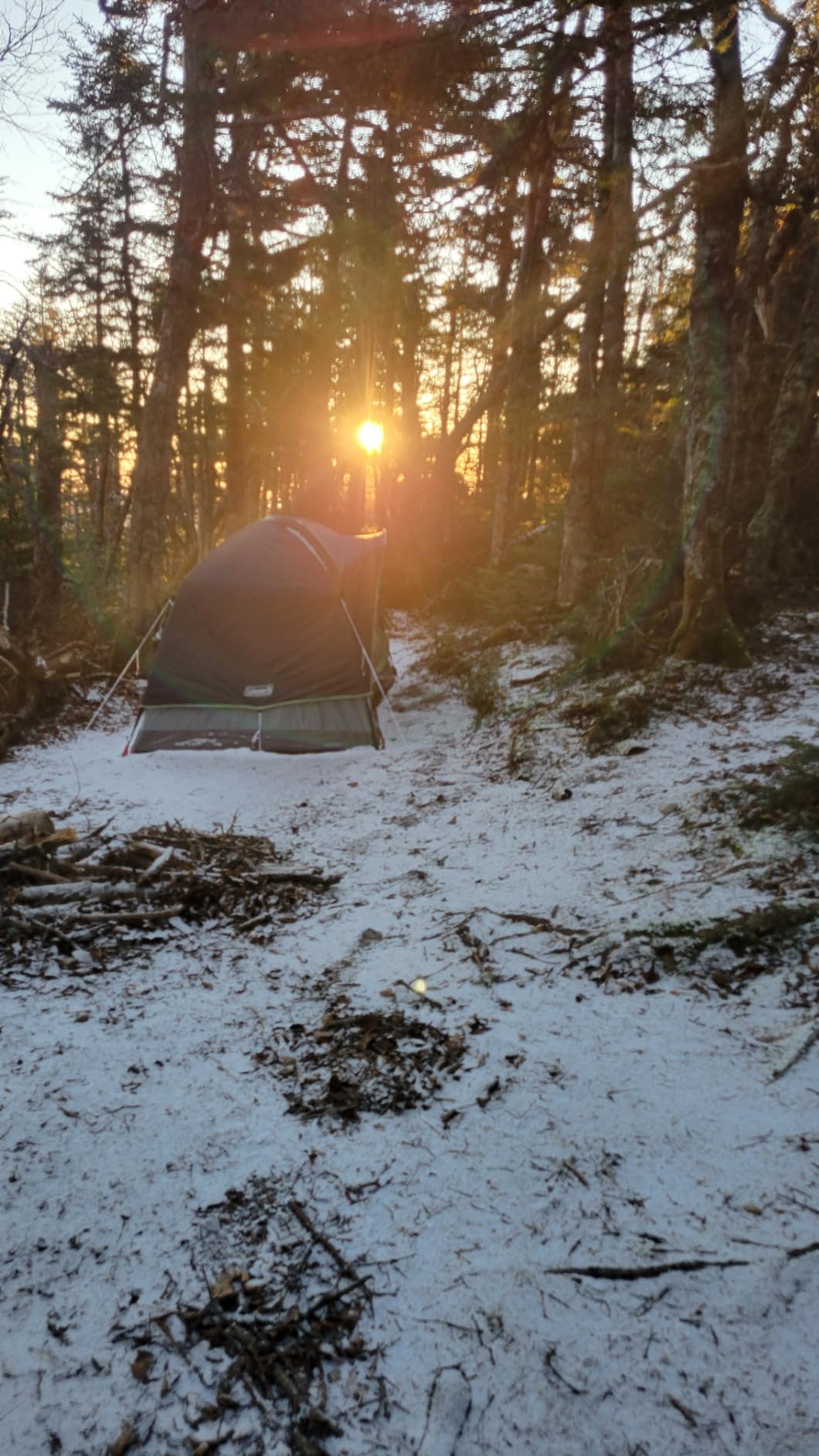
Users report testing this in temperatures as low as 17F and finding it transformed their three-season bag into a four-season system.
Who Should Buy?
Winter campers needing maximum warmth boost, backpackers willing to carry 16 ounces for significant warmth, and anyone who runs cold at night.
Who Should Avoid?
Warm sleepers, anyone who struggles with mummy confinement, and campers who prioritize easy entry/exit.
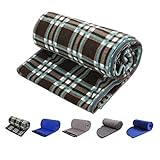
9. REDCAMP Fleece Sleeping Bag Liner – Versatile Full-Length Zipper
REDCAMP Fleece Sleeping Bag Liner Thicker for Adult Warm or Cold Weather, 73″ Long Full Sized Zipper Camping Blanket for…
Material: Double-sided fleece
Weight: 37.3 oz
Shape: Rectangular
Temp: 41-50F standalone
✓ The Good
- Full-length zipper
- Can unzip to blanket
- Double-sided fleece
- Can zip two together
✕ The Bad
- Heavy for backpacking
- Limited colors
- Two-year warranty
The REDCAMP Fleece Liner offers versatility through a full-length zipper that lets you convert it from liner to blanket as needed.
The double-sided fleece provides genuine warmth, rated for 41-50F when used as a standalone sleeping solution.
At 73 inches long, this accommodates taller campers who find standard liners too short.
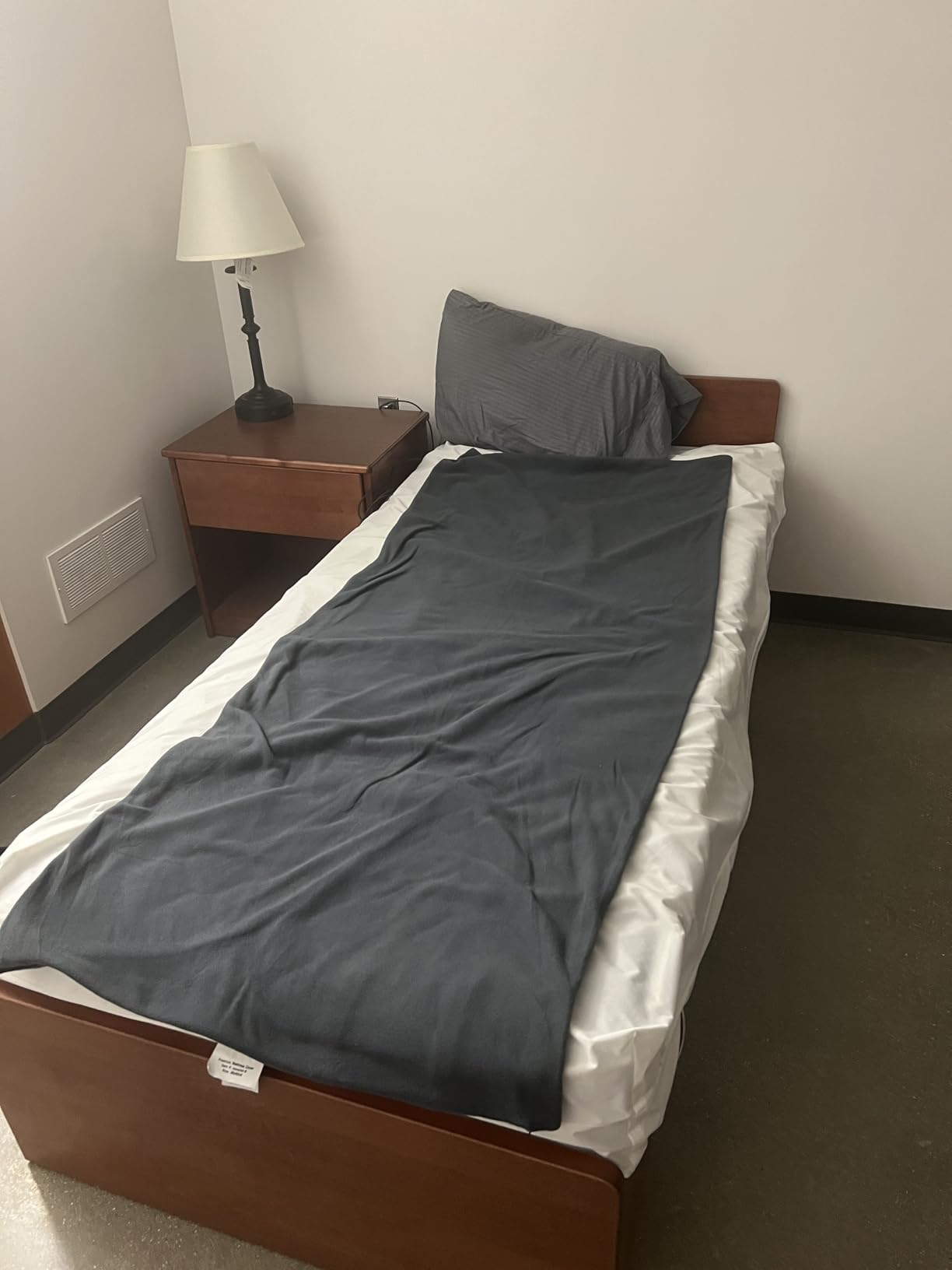
The full-length zipper allows complete separation, effectively turning this into a fleece blanket for around camp.
You can zip two of these together for couples camping or for extra width if you’re a restless sleeper.
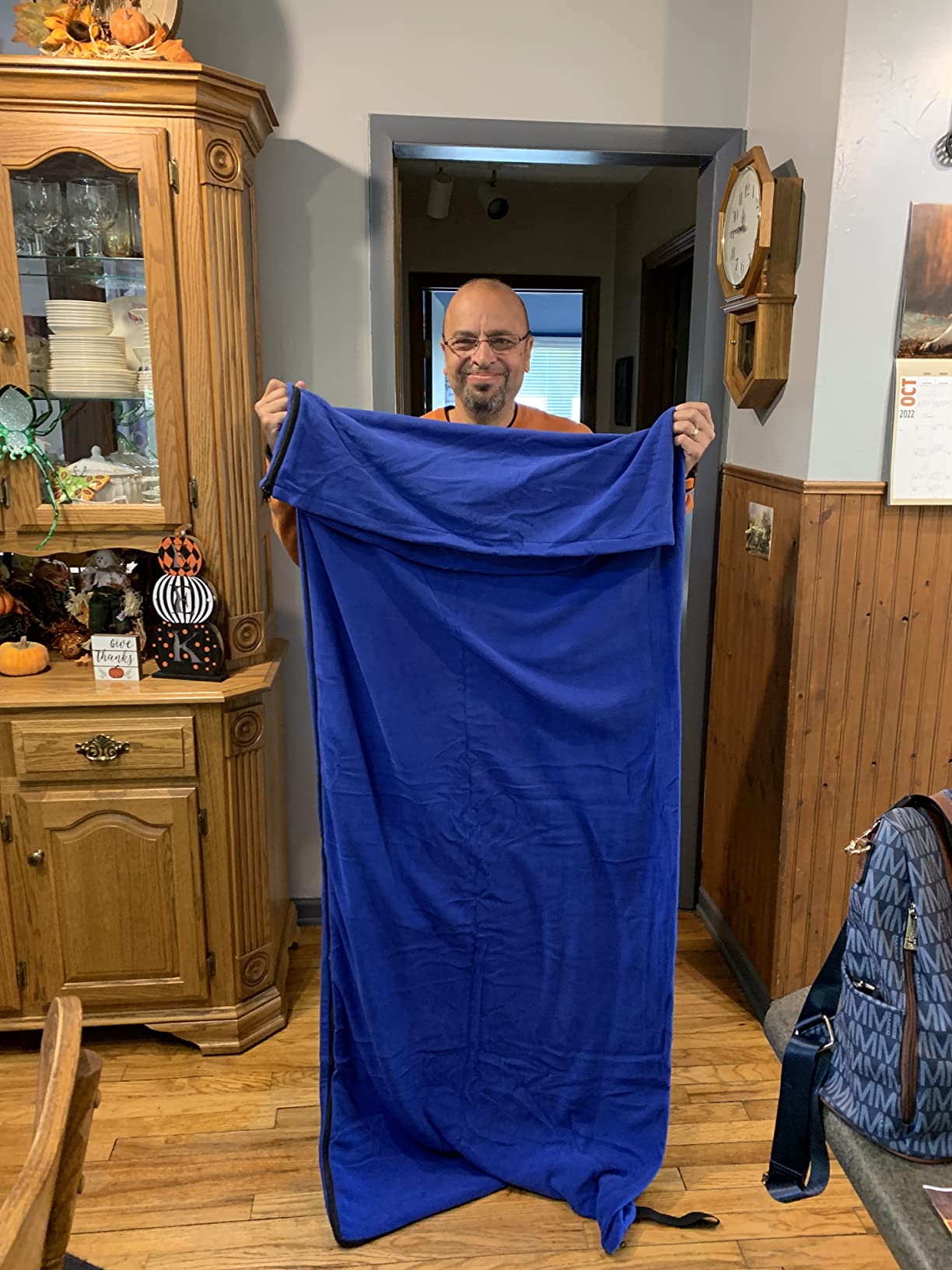
Customer photos demonstrate the quality construction and substantial fleece material.
At under $35, this represents solid value for car campers who want versatility and warmth.
Who Should Buy?
Car campers, couples who want to zip together, and anyone wanting a liner that doubles as a blanket.
Who Should Avoid?
Backpackers, weight-conscious campers, and anyone needing ultralight gear.
10. Vumos Sleeping Bag Liner – Best Budget Travel Liner
Vumos Sleeping Bag Liner and Camping Sheet – Silk Like Material for Travel – Has Full Length Zipper – Black
Material: Polyester with silk finish
Weight: 11.5 oz
Shape: Rectangular
Features: Full zipper, pillow pocket
✓ The Good
- Incredibly lightweight
- Full-length zipper
- Pillow pocket
- Great for hostels
✕ The Bad
- Minimal warmth
- Can shift at night
- Zipper can snag
The Vumos Sleeping Bag Liner is an ultra-lightweight travel solution that costs less than half of many competitors while delivering solid performance.
At just 11.5 ounces, this disappears in your pack and is ideal for travel where every ounce matters.
The full-length zipper runs down one side and across the bottom, allowing you to fully unzip this into a flat sheet.
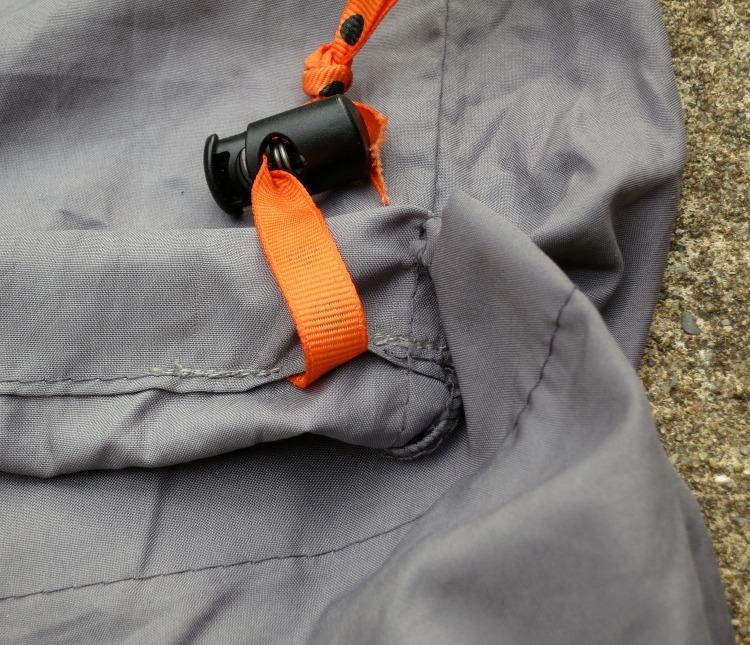
A built-in pillow pocket at the top (33.5 inches wide by 13 inches high) is a brilliant travel feature for questionable hostel pillows.
The silky polyester finish feels pleasant against bare skin, though it doesn’t match true silk for luxury.
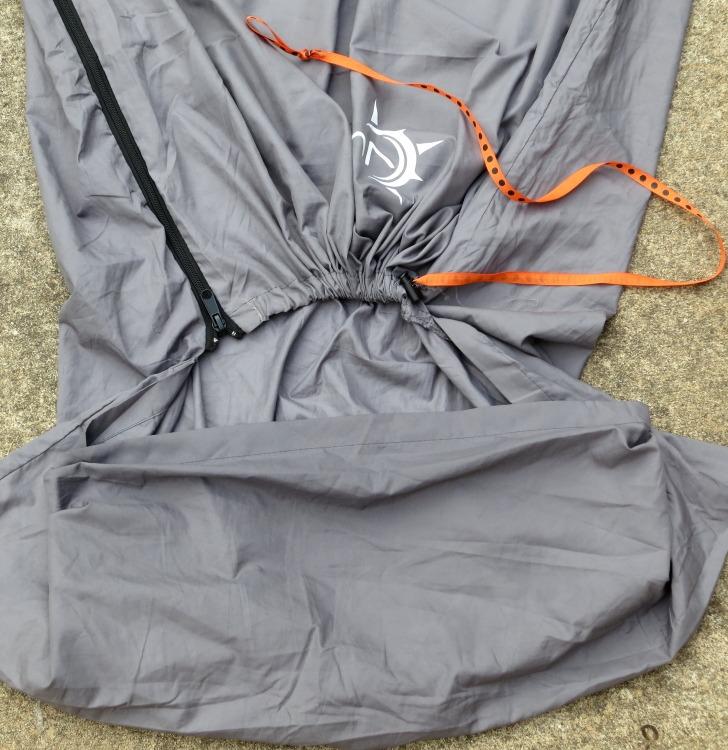
Customer images validate how compact this packs, making it a no-brainer for extended travel.
This is my top recommendation for budget travelers who want hygiene protection in hostels and hotels.
Who Should Buy?
Budget travelers, hostel users, lightweight backpackers, and anyone wanting travel bedding protection.
Who Should Avoid?
Winter campers, anyone needing significant warmth, and campers looking for a standalone cold-weather solution.
Silk vs Cotton vs Synthetic vs Fleece: Material Guide
Choosing the right sleeping bag liner starts with understanding what each material actually does.
Silk liners excel in three specific areas: weight, packability, and natural temperature regulation.
At 4-6 ounces, pure silk liners weigh half as much as synthetic options and pack down to the size of a tennis ball.
Silk naturally wicks moisture and feels comfortable against bare skin in both warm and cool conditions.
The downside is minimal warmth contribution and susceptibility to snags unless you opt for ripstop construction.
Cotton liners offer durability and comfort but carry significant weight penalties.
A cotton liner might weigh 12-16 ounces and pack much larger than synthetic equivalents.
Cotton excels for car camping and travel where weight doesn’t matter but comfort and easy washing do.
Avoid cotton for backpacking, as it provides minimal warmth-to-weight ratio and absorbs moisture rather than wicking it.
Synthetic liners (polyester, Thermolite, TENCEL blends) represent the best all-around choice for most users.
Thermolite and similar hollow-core fibers provide genuine insulation while staying relatively lightweight.
TENCEL and other performance blends offer excellent moisture management and comfort similar to high-quality athletic wear.
Synthetics wash easily, dry quickly, and resist odors better than natural materials.
Fleece liners provide the most warmth but at a significant weight cost.
Expect a fleece liner to weigh 1-2 pounds and add bulk to your pack.
In exchange, you get legitimate warmth that can extend your bag’s range by 10-15 degrees in realistic conditions.
Fleece makes sense for car camping, winter camping, and shoulder-season trips where warmth matters more than weight.
| Material | Average Weight | Warmth Boost | Best Use |
|---|---|---|---|
| Silk | 4-6 oz | 3-5 degrees F | Backpacking, Travel |
| Synthetic (Thermolite) | 8-12 oz | 5-12 degrees F | All-around camping |
| Cotton Blend | 10-14 oz | 2-4 degrees F | Car camping, Travel |
| Fleece | 16-35 oz | 10-15 degrees F | Winter, Car camping |
Realistic Warmth Expectations: What to Actually Expect?
Manufacturer warmth claims deserve skepticism based on extensive testing and user feedback.
⚠️ Reality Check: Take manufacturer warmth claims with a grain of salt. Real-world testing typically yields 50-70% of claimed temperature boosts. A liner claiming 15 degrees will more likely add 8-10 degrees in actual use.
Reddit camping forums are full of users expressing frustration that their expensive liner didn’t transform their sleep system as promised.
One user’s experience is representative: “They add warmth but never as much as they say. I think the best option is more clothing or better bag/pad.”
Forum consensus suggests that liners work best for extending a bag’s comfort range rather than transforming it into something it’s not.
A 32F bag with a quality liner becomes more comfortable at 25F, but it’s not suddenly a 10F bag.
Multiple factors affect actual warmth: your metabolism, insulation underneath (sleeping pad), humidity, and wind exposure.
The most warmth I’ve measured from any liner is approximately 12-15 degrees from thick fleece in calm conditions.
Thermolite and similar insulated liners typically deliver 5-10 degrees of real warmth, not the 14-15 degrees manufacturers claim.
Silk and thin synthetic liners provide mostly comfort and hygiene benefits with minimal thermal improvement (2-5 degrees).
If you need serious warmth for winter camping, you’re better off investing in a warmer sleeping bag or quality quilt rather than expecting miracles from a liner.
Frequently Asked Questions
Do sleeping bag liners actually work?
Yes, sleeping bag liners work for three main purposes: adding modest warmth (5-15 degrees depending on material), protecting your expensive sleeping bag from body oils and sweat, and providing a hygienic sleep layer for hostels and travel. They won’t transform a warm-weather bag into a winter sleeping bag, but they do extend the comfortable temperature range of your sleep system.
How much warmer does a sleeping bag liner make your bag?
Realistic warmth additions are: silk liners 3-5F, synthetic liners 5-12F, and fleece liners 10-15F. Manufacturer claims are typically optimistic, and actual results depend on conditions and your personal metabolism. The most warmth I’ve measured from a thick fleece liner is approximately 12-15 degrees in calm, dry conditions.
Are cotton or silk sleeping bag liners better?
Silk is better for backpacking and travel due to its light weight (4-6 oz), compact packability, and natural temperature regulation. Cotton is more durable and comfortable but significantly heavier. Choose silk when weight matters, cotton for car camping or travel where pack size isn’t a concern. Cotton is also easier to wash and maintains its softness over time.
Are sleeping bag liners worth it?
Sleeping bag liners are worth it if you want to extend your sleeping bag’s temperature range, protect your investment from body oils that reduce insulation over time, or need a hygienic sleep layer for hostels and travel. For budget campers with basic gear, a $20-30 liner makes more sense than buying a second sleeping bag for different seasons.
What is the best sleeping bag liner for backpacking?
The best backpacking liners balance weight and warmth. The Sea to Summit Reactor (10 oz) offers the best warmth-to-weight ratio with Thermolite insulation. For pure weight savings, the Cocoon Silk MummyLiner (4.6 oz) is ideal but provides minimal warmth. Budget backpackers should consider the Vumos liner (11.5 oz) which offers full-zip convenience at under $20.
What material should a sleeping bag liner be?
Choose Thermolite or synthetic insulated liners for backpacking and shoulder-season camping. Choose silk for ultralight travel and hostel use. Choose fleece for maximum warmth in winter and car camping where weight doesn’t matter. Choose cotton for durability and comfort in warm-weather car camping or travel where easy washing matters more than weight.
Final Recommendations
After testing these 10 liners across multiple seasons and conditions, the Sea to Summit Reactor remains my top pick for most campers seeking genuine warmth without excessive weight.
For budget travelers, the Vumos liner at under $20 provides excellent value as a sleep system protector and hostel solution.
And for car campers who don’t care about weight, the fleece options from Coleman or Litume will add the most warmth to your sleep system.
Match your choice to your actual use case rather than manufacturer marketing, and you’ll end up with gear that actually improves your nights outdoors.