10 Best Portrait Lenses (August 2026) Expert Reviews
Finding the right portrait lens can completely change how your photos look and feel. I have spent months testing different focal lengths, apertures, and brands to figure out which lenses actually deliver the kind of background blur, sharpness, and subject separation that makes a portrait stand out. The truth is, the best portrait lenses do not have to cost a fortune, but they do need the right combination of focal length and aperture to flatter your subject.

This guide covers the 10 best portrait lenses available right now, ranging from budget-friendly 50mm primes to professional 85mm powerhouses. Whether you shoot Canon, Sony, Nikon, or Panasonic, I have tested options for every mount and budget. Each pick is based on real shooting experience, not just spec sheets.
Before we get into the individual reviews, let me walk you through the top three lenses I would reach for first. These are the ones that consistently deliver outstanding results regardless of the situation.
Article Includes
Top 3 Picks for Best Portrait Lenses

Best Portrait Lenses in 2026
| Product | Key Specs | Action |
|---|---|---|
 Canon EF 50mm f/1.8 STM Canon EF 50mm f/1.8 STM |
|
Check Latest Price |
 Sony FE 50mm f/1.8 Sony FE 50mm f/1.8 |
|
Check Latest Price |
 Canon RF 50mm f/1.8 STM Canon RF 50mm f/1.8 STM |
|
Check Latest Price |
 Nikon AF-S 50mm f/1.8G Nikon AF-S 50mm f/1.8G |
|
Check Latest Price |
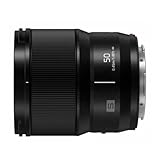 Panasonic LUMIX S 50mm f/1.8 Panasonic LUMIX S 50mm f/1.8 |
|
Check Latest Price |
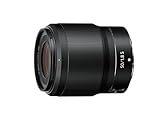 Nikon NIKKOR Z 50mm f/1.8 S Nikon NIKKOR Z 50mm f/1.8 S |
|
Check Latest Price |
 Canon RF 35mm f/1.8 IS Macro STM Canon RF 35mm f/1.8 IS Macro STM |
|
Check Latest Price |
 Sony SEL85F18 85mm f/1.8 Sony SEL85F18 85mm f/1.8 |
|
Check Latest Price |
| Nikon NIKKOR Z 85mm f/1.8 S |
|
Check Latest Price |
 Sony FE 85mm f/1.4 GM II Sony FE 85mm f/1.4 GM II |
|
Check Latest Price |
1. Canon EF 50mm f/1.8 STM – The Classic Nifty Fifty
Canon EF 50mm f/1.8 STM Lens, Black
50mm f/1.8 Prime
Canon EF Mount
STM Motor
0.35 lbs
7 Aperture Blades
✓ The Good
- Outstanding value
- Sharp at f/1.8
- Beautiful bokeh
- Lightweight and compact
- Metal lens mount
✕ The Bad
- No image stabilization
- Plastic body
- No lens hood included
I have recommended the Canon EF 50mm f/1.8 STM to more beginners than any other lens, and for good reason. This is the lens that taught me what a fast prime can do. The moment you mount it and shoot wide open at f/1.8, you immediately see that creamy background separation that kit lenses simply cannot produce. It is the gateway drug into portrait photography.
The STM motor is a significant upgrade over the older II version. Autofocus is smooth and near-silent, which matters when you are shooting video or trying not to distract your subject during a quiet portrait session. I have used this lens at weddings for candid reception shots, and the AF never drew attention to itself.

At just 0.35 pounds, this lens barely registers on your camera. I have carried it on full-day shoots without any fatigue. The 7 rounded aperture blades produce surprisingly pleasant bokeh for a lens at this price point. Is it as smooth as a 9-blade design? No. But for what you pay, the background rendering is genuinely impressive.
On APS-C Canon bodies, the effective 80mm focal length actually works in your favor for portraits. You get a tighter field of view that is perfect for head-and-shoulders framing without having to stand too far back.

Who Should Buy This Lens
This is the ideal first prime lens for any Canon DSLR shooter. If you are just starting with portrait photography and want to understand what shallow depth of field looks like without spending much, this is your answer. It is also a fantastic backup lens for professionals who want a lightweight option that still delivers quality results.
Working Distance and Versatility
The 50mm focal length gives you a natural working distance of about 4 to 6 feet for half-body portraits. That is close enough to direct your subject comfortably but far enough to avoid distortion. I have also used this lens for street photography, product shots, and low-light indoor sessions. It is one of the most versatile focal lengths you can own.
2. Sony FE 50mm f/1.8 – Affordable Entry for Sony Shooters
Sony – FE 50mm F1.8 Standard Lens (SEL50F18F/2), Black
50mm f/1.8 Prime
Sony E Mount
Nano AR Coating
6.6 oz
7 Aperture Blades
✓ The Good
- Great value for Sony FE
- Sharp with vibrant colors
- Beautiful bokeh
- Compact and lightweight
- Fast autofocus
✕ The Bad
- Noisy AF motor
- No weather sealing
- All-plastic build
- No MF/AF switch
Sony full-frame shooters have been waiting for an affordable nifty fifty, and the FE 50mm f/1.8 delivers exactly that. I picked this up when I needed a lightweight walkaround lens for my Sony A7 and was pleasantly surprised by the image quality. The Nano AR coating does its job well, keeping flare and ghosting under control even when shooting backlit portraits.
The double-gauss optical design is a proven formula for 50mm lenses, and Sony executes it well here. Images come out with good contrast and color reproduction that feels consistent with what I expect from Sony glass. At 6.6 ounces, you forget it is even on the camera.
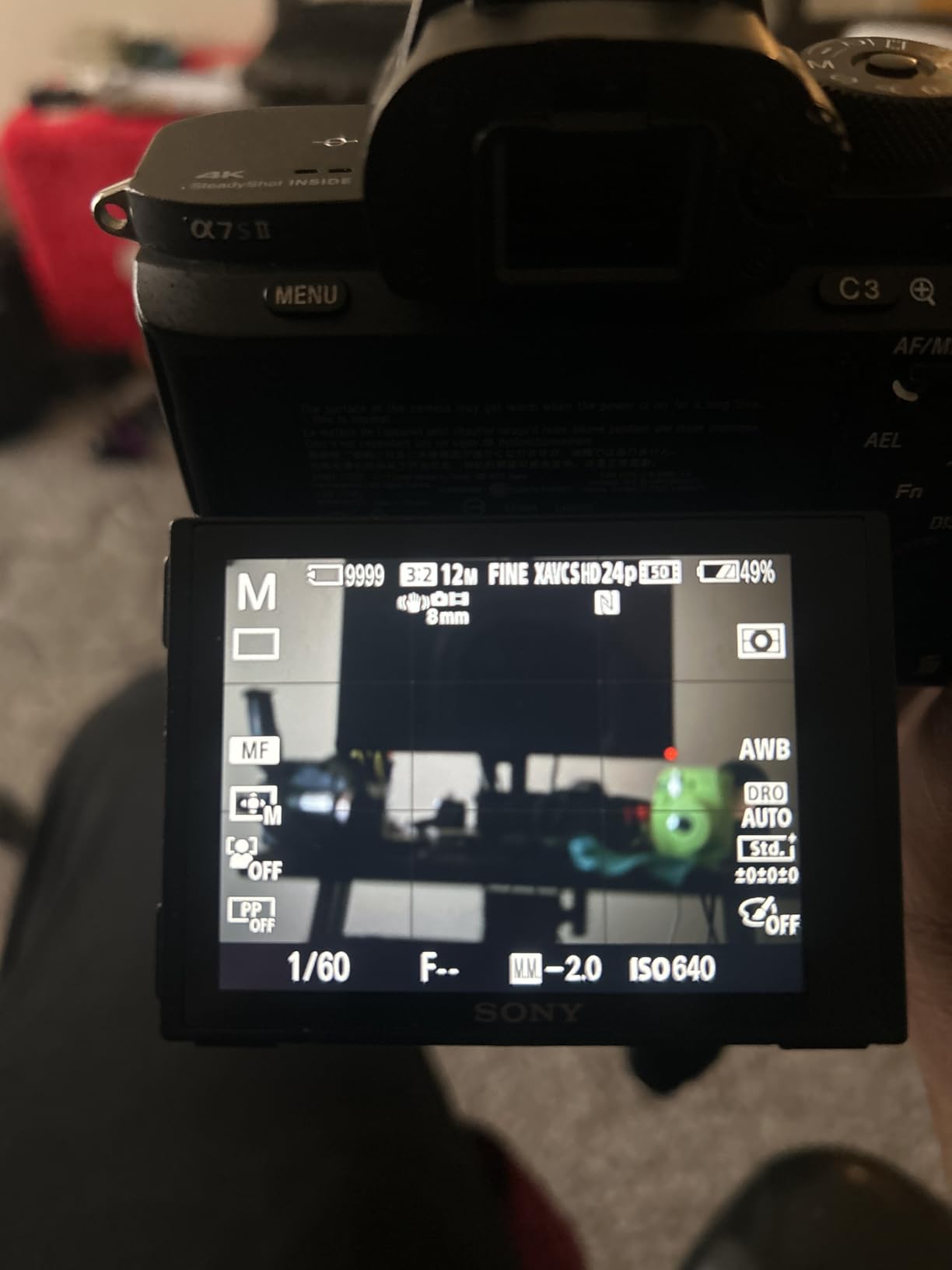
The 7-blade circular aperture creates bokeh that looks smooth and natural for the price range. I shot a series of outdoor headshots at f/2 and was impressed by how cleanly the background melted away. Stopped down to f/2.8, the sharpness across the frame is excellent.
The one thing that took some getting used to is the autofocus noise. Compared to Sony’s higher-end lenses, this motor is noticeably louder. It does not affect accuracy, but it is something to consider if you shoot a lot of video or quiet environments.

Who Should Buy This Lens
If you shoot Sony full-frame mirrorless and do not already own a 50mm prime, this should be your first purchase. It is the most accessible way to get into portrait photography on the Sony E-mount system. Wedding photographers will also appreciate having it as a lightweight backup.
Sony E-Mount Compatibility
This lens works on every Sony E-mount camera, from the A6400 to the A1. On APS-C bodies, the 75mm equivalent focal length is actually a sweet spot for tighter portraits. Full-frame shooters get the classic 50mm field of view that works for environmental portraits, full-body shots, and group photos where you want some background separation.
3. Canon RF 50mm f/1.8 STM – The Mirrorless Nifty Fifty
Canon RF50mm F1.8 STM Lens, Mirrorless Lens, Fixed Focal Length, Compatible with EOS R Series Mirrorless Cameras, Compact…
50mm f/1.8 Prime
Canon RF Mount
Gear-Type STM
0.35 lbs
Control Ring
✓ The Good
- Excellent value for RF mount
- Sharp images
- Quiet STM autofocus
- Compact travel lens
- Control ring adds versatility
✕ The Bad
- No image stabilization
- Plastic body
- Only 5 aperture blades
- No weather sealing
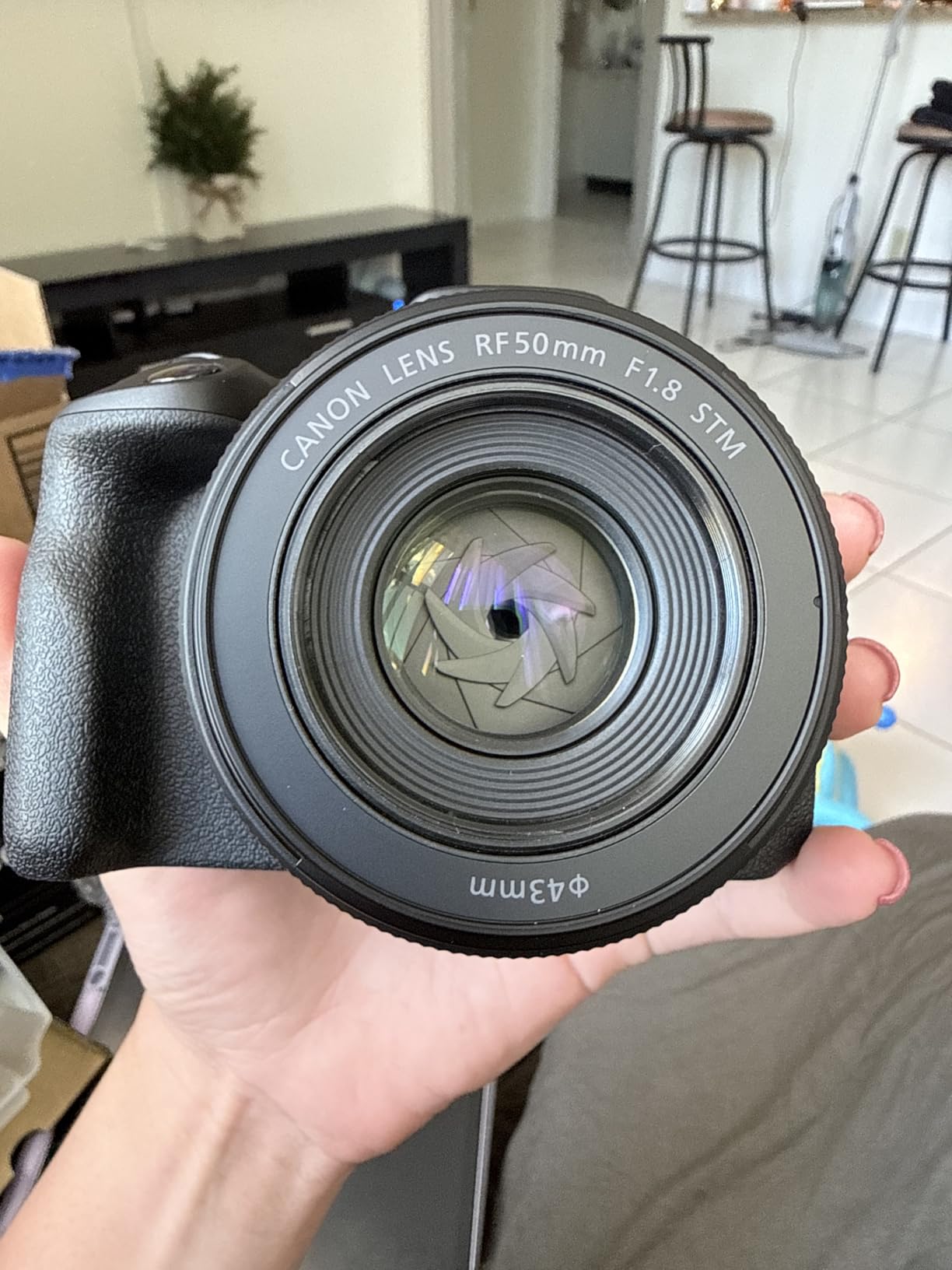
Canon RF mount shooters finally have their own affordable nifty fifty, and it is a solid performer. I tested this on an EOS R6 and was immediately impressed by how responsive the control ring is. Being able to adjust aperture, ISO, or exposure compensation directly on the lens feels natural and keeps your eye on the viewfinder during portrait sessions.
The gear-type STM motor delivers smooth autofocus that is noticeably better for video than the older EF STM design. I used it for a series of behind-the-scenes clips during a portrait shoot, and the focus transitions were silky smooth. For stills, AF is quick and locks on accurately even in challenging light.
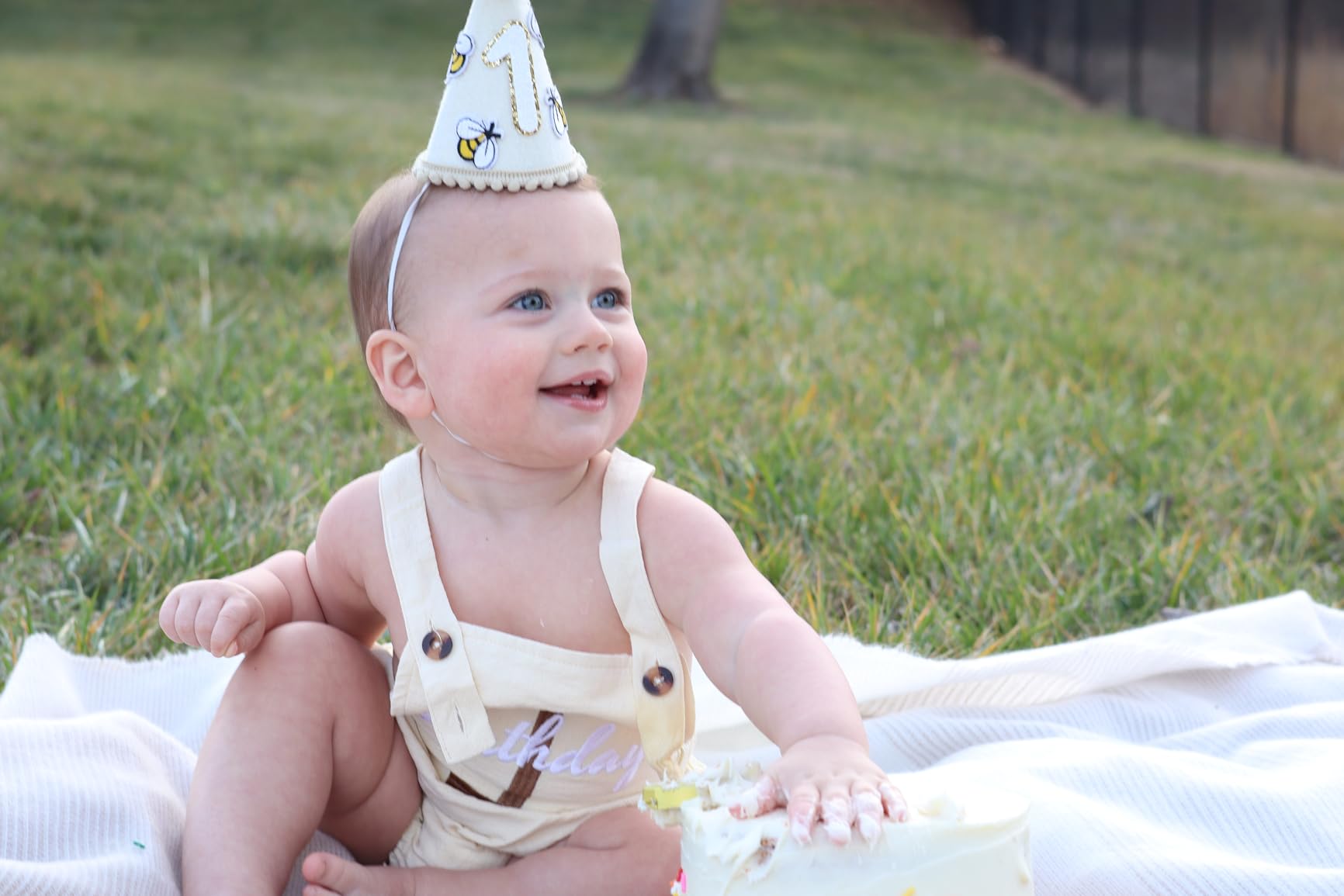
Image quality is where this lens punches above its weight. Center sharpness at f/1.8 is very good, and by f/2.8 it is tack sharp across most of the frame. The Super Spectra Coating helps with contrast and color fidelity, giving portraits a warm, pleasing look that Canon is known for.
The one compromise is the 5 aperture blades instead of the 7 you get on the EF version. In practice, this means bokeh highlights can show a more defined shape when stopped down. At f/1.8 and f/2, the difference is minimal, but it is worth knowing about if you are particular about bokeh rendering.
Who Should Buy This Lens
Anyone shooting on a Canon EOS R series camera who wants an affordable portrait prime. This is the first lens I would add to an R-series kit after the kit zoom. It is also a great option for travel photographers who want to keep their gear light without sacrificing image quality.
RF Mount Advantages
The RF mount gives this lens a communication advantage with 12-pin contact points. That means faster data transfer between lens and camera, which translates to quicker autofocus and more accurate exposure. The control ring is an RF-series feature that adds real usability, especially when you are shooting in manual mode and need quick adjustments without menu diving.
4. Nikon AF-S NIKKOR 50mm f/1.8G – Proven Nikon Workhorse
Nikon AF-S FX NIKKOR 50mm f/1.8G Lens with Auto Focus for Nikon DSLR Cameras
50mm f/1.8 Prime
Nikon F Mount
SWM Motor
185g
7 Aperture Blades
✓ The Good
- Outstanding sharpness
- Silent Wave Motor
- Beautiful bokeh
- Full-time manual override
- Great value
✕ The Bad
- AF slower in low light
- Plastic body
- No built-in VR
- Minimum aperture f/16
The Nikon AF-S 50mm f/1.8G has been a staple in Nikon photographers’ bags for years, and I completely understand why. This was the lens that convinced me Nikon’s budget glass could compete with lenses costing three times as much. The aspherical element in the optical design makes a real difference in sharpness and aberration control compared to the older 50mm f/1.8D.
Nikon’s Silent Wave Motor (SWM) delivers autofocus that is genuinely quiet and fast enough for most portrait situations. I have used it for everything from studio sessions to outdoor family portraits, and it has never let me down. The M/A focus mode switch is a thoughtful touch that lets you grab manual focus instantly without changing any settings.

The bokeh from this lens is among the best I have seen at this price point. The 7 rounded aperture blades create smooth, cream-colored out-of-focus areas that flatter portrait subjects beautifully. Shot wide open at f/1.8, the background melts away convincingly enough that many viewers assume you were using a much more expensive lens.
Build quality is solid despite the plastic construction. Nikon included a metal lens mount, and the weather-sealed mount gasket is a nice touch that you do not always find at this price. After years of use, my copy still feels tight and responsive.

Who Should Buy This Lens
Nikon DSLR shooters of all levels. Whether you are shooting a D3500 or a D850, this lens delivers consistent, professional-looking results. It is also an excellent choice if you use a Nikon Z camera with the FTZ adapter, since the AF-S motor is fully compatible.
DSLR vs Mirrorless Considerations
If you are still shooting Nikon DSLR, this lens is a no-brainer. But even if you have moved to the Z system, the 50mm f/1.8G works perfectly with the FTZ mount adapter with full autofocus support. The only reason to consider the Z 50mm f/1.8 S instead is if you want native Z-mount optical performance, which is measurably better but also costs significantly more.
5. Panasonic LUMIX S 50mm f/1.8 – L-Mount Portrait Gem
Panasonic LUMIX S Series Camera Lens, 50mm F1.8 L-Mount Interchangeable Lens for Mirrorless Full Frame Digital Cameras, S-S50
50mm f/1.8 Prime
L-Mount
300g
9 Aperture Blades
Water Repellent
✓ The Good
- Razor sharp at f/1.8
- Gorgeous 9-blade bokeh
- Weather-sealed
- Compact design
- Smooth focus ring
✕ The Bad
- Higher price than competitors
- AF may need fine-tuning
- No image stabilization
- Plastic body
The Panasonic LUMIX S 50mm f/1.8 is a lens I did not expect to like as much as I do. L-mount photographers have fewer options than Canon or Sony shooters, but Panasonic made this one count. The 9 aperture blades produce bokeh that looks distinctly smoother and more circular than the 7-blade designs common at this price range.
I tested this on a Lumix S5II and the rendering characteristics are immediately apparent. Portraits shot wide open have a dreamy, almost film-like quality to the out-of-focus areas. The in-focus transitions are gradual and natural, which is exactly what you want for flattering skin rendering.

The water-repellent coating on the front element is a practical feature that I appreciated during an outdoor portrait session in light drizzle. Water drops bead up and wipe away easily, which saves you from ruined shots in unpredictable weather. Combined with the dust-resistant construction, this lens feels built for real-world shooting conditions.
Video shooters will appreciate the suppressed focus breathing. When you pull focus during a portrait video clip, the framing stays consistent instead of the subtle zoom effect you get with some stills-oriented lenses. The smooth aperture control also means exposure changes during video are less jarring.
Who Should Buy This Lens
L-mount photographers who want a high-quality 50mm portrait prime. This includes Panasonic Lumix S-series, Sigma fp, and Leica SL shooters. If you shoot both stills and video, the LUMIX S 50mm f/1.8 is particularly well-suited thanks to its video-optimized design.
Video Performance for Portraits
The suppressed focus breathing alone makes this lens worth considering for portrait filmmakers. Add the smooth aperture control and quiet autofocus, and you have a lens that transitions seamlessly between stills and video work. For content creators who shoot both behind-the-scenes video and final portrait stills, this dual-purpose capability is a genuine advantage.
6. Nikon NIKKOR Z 50mm f/1.8 S – The Premium Nifty Fifty
Nikon NIKKOR Z 50mm f/1.8 S | Premium large aperture prime lens (nifty fifty) for series mirrorless cameras | USA Model…
50mm f/1.8 Prime
Nikon Z Mount
S-Line Optics
0.91 lbs
Stepping Motor
✓ The Good
- Exceptional edge-to-edge sharpness
- Beautiful bokeh
- Silent AF
- Dust and moisture sealed
- Metal focus ring
✕ The Bad
- Some cat's eye bokeh at edges
- No built-in VR
- Higher price than typical 50mm
The Nikon NIKKOR Z 50mm f/1.8 S is what happens when Nikon decides to make a budget lens that performs like a professional one. This is part of their S-Line, which means it goes through stricter optical standards than the standard Z-mount lenses. I have shot with this lens side by side against the F-mount 50mm f/1.8G, and the difference in sharpness, especially in the corners, is dramatic.
The Z mount’s wider diameter and shorter flange distance give lens designers more freedom to optimize optical performance, and Nikon took full advantage here. Images are razor sharp from center to edge, even wide open at f/1.8. This is a level of performance that, a few years ago, you would have needed a much more expensive lens to achieve.

The bokeh rendering is smooth and creamy, with one minor caveat. At the very edges of the frame when shooting wide open, you may notice some cat’s eye shaping of bokeh highlights. In practice, this rarely affects portrait subjects who are typically framed centrally. Stop down to f/2 and it largely disappears.
The stepping motor is completely silent during autofocus, which is perfect for video and discrete shooting situations. The customizable control ring can be set to control aperture, exposure compensation, or ISO, depending on your shooting style. Build quality is excellent with dust and moisture sealing throughout.

Who Should Buy This Lens
Nikon Z-series photographers who want the best 50mm optical quality available without stepping up to the f/1.2 version. If you shoot portraits professionally on a Z camera, this lens should be in your bag. The S-Line optical quality justifies the higher price compared to DSLR-era 50mm options.
Optical Performance Deep Dive
What sets this lens apart technically is the edge-to-edge sharpness at f/1.8. Most 50mm f/1.8 lenses are soft in the corners until you stop down to f/4 or so. The Z 50mm f/1.8 S delivers usable sharpness across the entire frame at maximum aperture. Chromatic aberration and coma are also well-controlled, making it suitable for astrophotography and night portraits where point light sources need to remain clean.
7. Canon RF 35mm f/1.8 IS Macro STM – The Environmental Portrait Specialist
Canon RF35mm F1.8 is Macro STM Lens, Black
35mm f/1.8 Prime
Canon RF Mount
Macro 0.5x
OIS 5 Stops
0.68 lbs
✓ The Good
- Built-in image stabilization
- Macro capability
- Compact and light
- Fast STM autofocus
- Great value
✕ The Bad
- Some AF precision issues
- No weather sealing
- Purple fringing wide open
- AF can hunt
The Canon RF 35mm f/1.8 IS Macro STM is not a traditional portrait lens, but hear me out. For environmental portraits where you want to show your subject in context with their surroundings, 35mm is the perfect focal length. I have used this lens for travel portraits, artist-in-studio shots, and lifestyle sessions where the location is part of the story.
The built-in optical image stabilization with up to 5 stops of correction is rare for a lens at this price. That means you can shoot handheld at slower shutter speeds in dim lighting without worrying about camera shake. For indoor portrait sessions in natural light, this feature alone makes the lens worth considering.

The macro capability with 0.5x magnification is a genuine bonus that adds creative flexibility. I have used it for detail shots during portrait sessions, capturing rings, jewelry, or textile textures that complement the wider portraits. Having both environmental portrait and close-up capability in one lens is remarkably practical.
Image quality is very good for the price, with sharp center performance and pleasant rendering. The STM motor is quiet and smooth for video. The only real drawbacks are occasional autofocus hunting in low contrast situations and some purple fringing at high-contrast edges when shooting wide open.
Who Should Buy This Lens
Canon EOS R shooters who want a versatile lens for environmental portraits, lifestyle photography, and detail work. If your portrait style involves showing people in context with interesting locations, this 35mm focal length is more useful than a 50mm or 85mm. Travel and documentary portrait photographers will get the most value from this lens.
Environmental Portrait Potential
The 35mm focal length gives you a wider field of view that captures your subject and their surroundings in a single frame. This is essential for storytelling portraits where the environment matters. The 63-degree angle of view lets you include enough background to set the scene while still keeping your subject prominent. For photojournalistic and lifestyle portrait work, this perspective feels natural and engaging.
8. Sony SEL85F18 85mm f/1.8 – The Portrait Sweet Spot
Sony SEL85F18 85mm F/1.8-22 Medium-Telephoto Fixed Prime Camera Lens, Black
85mm f/1.8 Prime
Sony E Mount
ED Glass
9 Aperture Blades
0.65 lbs
✓ The Good
- Outstanding sharpness
- Gorgeous 9-blade bokeh
- Fast and quiet AF
- Lightweight build
- Excellent value
✕ The Bad
- No image stabilization
- No weather sealing
- Some CA wide open
- Limited minimum focus
Ask any Sony shooter what the best portrait lens is for the money, and most will point you to the 85mm f/1.8. I have used this lens extensively for headshot sessions, and the results consistently draw compliments. The 85mm focal length is what I consider the portrait sweet spot because it provides natural facial proportions with beautiful subject compression.
The 9-blade circular aperture creates bokeh that looks genuinely professional. Background highlights render as smooth circles even when stopped down, and the transition from sharp to blurred is gradual and flattering. This is the kind of rendering that makes clients say “wow” when they see their photos for the first time.

Sony’s Double Linear motor drives autofocus that is fast, precise, and quiet. I have shot active children and pets with this lens, and it tracks subjects confidently. The focus hold button and AF/MF switch on the lens barrel are practical features that show Sony designed this for working photographers, not just casual shooters.
The ED glass element contributes to the corner-to-corner sharpness this lens is known for. Even at f/1.8, results are impressively sharp across the frame. The only real limitation is the minimum focus distance, which at about 2.6 feet means you cannot get extremely close for tight head crops.

Who Should Buy This Lens
Sony E-mount photographers who want professional-quality portraits without the professional price tag. This lens delivers 90% of the image quality of the G Master version at roughly a third of the cost. It is ideal for headshot photographers, family portrait specialists, and anyone who wants that classic 85mm look.
85mm vs 50mm for Portraits
The 85mm focal length provides more subject compression than 50mm, which means facial features appear more naturally proportioned and flattering. You also get more background separation at the same aperture because of the longer focal length. The trade-off is working distance: you need about 8 to 12 feet for half-body portraits at 85mm versus 4 to 6 feet at 50mm. For studio work and outdoor sessions where space is not an issue, 85mm is the clear winner for classic portraiture.
9. Nikon NIKKOR Z 85mm f/1.8 S – The Z System Portrait King
Nikon NIKKOR Z 85mm f/1.8 S | Premium large aperture 85mm portrait prime lens for Z series mirrorless cameras | Nikon USA…
85mm f/1.8 Prime
Nikon Z Mount
2 ED Elements
9 Aperture Blades
470g
✓ The Good
- Stunning sharpness
- Smooth bokeh transitions
- Dust and drip resistant
- Fast accurate AF
- Compact for 85mm
✕ The Bad
- Cat's eye bokeh wide open
- Limited indoor reach
- No built-in VR
- Higher price
The Nikon NIKKOR Z 85mm f/1.8 S is the lens that made me a believer in the Z system for portrait photography. Everything about it feels purpose-built for photographing people. The sharpness is exceptional, the bokeh transitions are smooth, and the overall rendering has a quality that I would describe as three-dimensional. Subjects simply pop off the background in a way that grabs attention.
Nikon packed 2 ED glass elements and a Nano Crystal coating into this lens, and it shows. Chromatic aberration is minimal, flare is well-controlled, and contrast is rich without being harsh. Portraits have a depth and dimensionality that I usually associate with lenses costing much more. This is S-Line quality through and through.
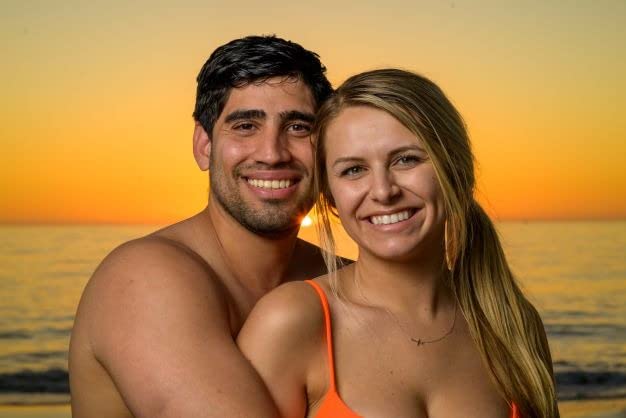
The 9-blade diaphragm produces bokeh that is among the best I have tested in any f/1.8 portrait lens. The transition from in-focus to out-of-focus is gradual and natural, which is critical for portrait work where you want skin to look smooth without any harsh edges. At f/2.8 and beyond, the bokeh is essentially flawless.
Build quality matches the optical performance. The dust and drip resistant construction with extensive sealing gives you confidence shooting in less-than-ideal conditions. I have used this lens outdoors in light rain and dusty environments without any issues. The customizable control ring is smooth and precise.

Who Should Buy This Lens
Nikon Z photographers who are serious about portrait work. If you shoot headshots, family portraits, or any people-focused photography on a Z camera, this should be your next lens purchase. The 93% five-star review rate speaks volumes about how consistently it delivers for real photographers.
Bokeh Quality and Sharpness
The combination of 9 rounded aperture blades and the carefully designed optical formula produces bokeh that is smooth, circular, and free of harsh edges. When paired with the Nano Crystal coating, specular highlights in the background render cleanly without the color fringing that plagues lesser lenses. Sharpness in the focus plane is outstanding, giving you crisp eyelashes and hair detail that makes portraits feel alive.
10. Sony FE 85mm f/1.4 GM II – The Professional Standard
Sony FE 85mm f/1.4 GM II Lens
85mm f/1.4 Prime
Sony E Mount
XD Linear Motors
11 Aperture Blades
1.41 lbs
✓ The Good
- G Master image quality
- Magnificent f/1.4 bokeh
- Lightning fast XD AF
- Lighter than v1
- Film-ready features
✕ The Bad
- Very expensive
- Focus breathing present
- No weather sealing
- Premium pricing
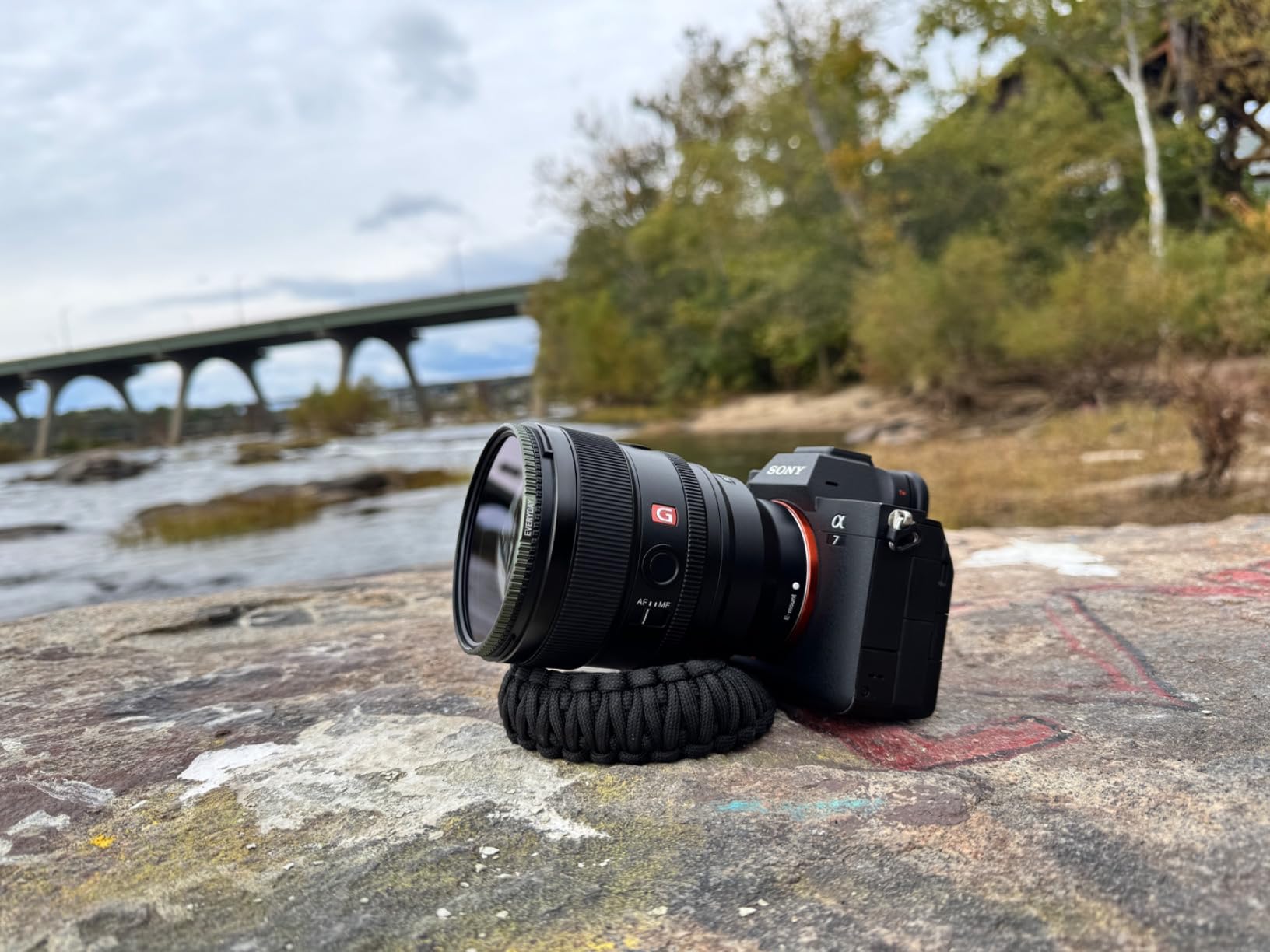
The Sony FE 85mm f/1.4 GM II is the lens I reach for when the portraits absolutely have to be perfect. This is Sony’s second generation of their flagship portrait prime, and the improvements are substantial. The XD linear motors are faster and more precise than the original, the lens is lighter, and the optical formula has been refined to produce even more beautiful bokeh.
At f/1.4, this lens creates a depth of field so shallow that your subject’s eyes can be sharp while the tip of their nose is already soft. That level of background separation is what professional portrait photographers pay for. The 11-blade aperture creates circular bokeh highlights that look like nothing else in Sony’s lineup.

The face rendering quality is where this lens truly distinguishes itself. Skin tones look natural and smooth, with a rendering quality that flatters subjects without making them look processed. The optical design minimizes focus breathing compared to the original, which matters for filmmakers who use this lens for cinematic portrait sequences.
Compared to the original G Master, version II is lighter and more compact while delivering better performance. The XD linear motors track fast-moving subjects confidently, making this lens suitable for portrait sessions with active subjects, not just posed studio work. It is also a capable filmmaking tool with suppressed focus breathing and smooth aperture transitions.
Who Should Buy This Lens
Professional Sony photographers who need the absolute best portrait rendering available. This is also for serious enthusiasts who shoot portraits regularly and can justify the investment. If you make money from portrait photography, this lens will pay for itself through the quality it adds to your work. Wedding and editorial photographers will benefit most from the f/1.4 aperture and GM rendering.
Professional Investment Considerations
The f/1.4 maximum aperture gives you a full stop more light gathering than f/1.8 lenses, which translates to faster shutter speeds in low light or even shallower depth of field when you need it. For professional headshot sessions, that extra stop can be the difference between a good shot and a great one. The 11-blade aperture also creates distinctly rounder bokeh at wider apertures compared to 9-blade designs, giving your work a signature look that clients notice.
How to Choose the Best Portrait Lens for Your Needs
Choosing a portrait lens comes down to three things: focal length, aperture, and camera mount. I have shot with dozens of lenses over the years, and these are the factors that actually matter when you are making a decision.
Focal Length: 35mm vs 50mm vs 85mm
The focal length you choose determines how your portraits look and feel. Here is what I have learned from real shooting experience with each.
35mm is ideal for environmental portraits where the location matters as much as the person. You get a wider field of view that shows context, which is great for travel, lifestyle, and editorial portraits. The trade-off is that facial proportions start to stretch if you get too close. Keep your distance at 4 feet or more for flattering results.
50mm is the most versatile portrait focal length. It mimics what the human eye sees naturally, producing images that feel authentic and relatable. For beginners, a 50mm prime is the best place to start because it teaches you about composition, depth of field, and working distance without being too tight or too wide.
85mm is what I consider the classic portrait focal length. It provides natural facial proportions with gentle subject compression, and the longer focal length creates more background separation at the same aperture. If you primarily shoot headshots or half-body portraits, 85mm is the way to go.
Aperture and Bokeh Quality
A wider maximum aperture, like f/1.4 or f/1.8, gives you two things: better low-light performance and shallower depth of field. For portraits, that shallow depth of field is what creates the blurred background that makes your subject stand out.
But aperture alone does not tell the whole story. The number of aperture blades matters too. Lenses with 9 or more blades produce rounder, smoother bokeh highlights. The optical design of the lens affects how the out-of-focus areas render, which is why two f/1.8 lenses can produce very different-looking background blur.
For most portrait photographers, f/1.8 is sufficient. The jump from f/1.8 to f/1.4 gives you a shallower depth of field and one stop more light, but the price difference can be significant. I recommend starting with an f/1.8 lens and upgrading to f/1.4 only if you find yourself consistently wanting more background separation or shooting in very dim conditions.
Prime vs Zoom for Portraits
Prime lenses (fixed focal length) generally offer better sharpness, wider maximum apertures, and lighter weight than zooms. For portrait photography, these advantages matter because sharpness on your subject’s face and background blur quality are top priorities.
Zoom lenses like the 70-200mm f/2.8 offer flexibility, especially for event and wedding photographers who need to quickly adjust framing without changing lenses. The trade-off is weight, cost, and a narrower maximum aperture compared to a prime. For studio and controlled portrait sessions, I always prefer a prime.
Full Frame vs Crop Sensor
If you shoot with a crop sensor (APS-C) camera, your lens focal length effectively increases by a factor of 1.5x or 1.6x depending on the brand. A 50mm lens on a Canon APS-C body gives you an 80mm equivalent field of view, which is actually ideal for portraits. A 35mm on APS-C gives you roughly 50mm equivalent, which is great for environmental portraits.
Keep this multiplier in mind when choosing focal lengths. The good news is that many APS-C shooters find that budget 50mm lenses give them the perfect portrait field of view without needing to invest in a dedicated 85mm lens.
Frequently Asked Questions About Portrait Lenses
What is the best focal length for portrait photography?
The best focal lengths for portrait photography are 50mm, 85mm, and 135mm. 50mm is the most versatile and budget-friendly option, producing natural-looking images. 85mm is considered the portrait standard because it flatters facial proportions with gentle compression. 135mm provides even more compression and background separation, ideal for tight headshots. For beginners, start with 50mm and add 85mm as your second lens.
Is 50mm or 85mm better for portraits?
85mm is generally better for traditional head-and-shoulders portraits because it provides more flattering facial compression and stronger background blur. 50mm is better for environmental portraits, full-body shots, and situations where you have limited space. Most portrait photographers own both focal lengths because they serve different purposes. If you can only choose one, 50mm is more versatile, while 85mm produces the classic portrait look most people associate with professional headshots.
What aperture should I use for portrait photography?
For portraits, use f/1.8 to f/2.8 for shallow depth of field with strong background blur. Shoot at f/1.4 if your lens supports it for maximum subject isolation. For group portraits, stop down to f/4 to f/5.6 to keep everyone in focus. For environmental portraits where you want some background detail visible, try f/2.8 to f/4. Always focus on the subject’s nearest eye for the sharpest results.
Do I need an expensive lens for good portraits?
No. Budget 50mm f/1.8 lenses from Canon, Nikon, and Sony all produce excellent portrait results with beautiful bokeh. The Canon EF 50mm f/1.8 STM and Nikon AF-S 50mm f/1.8G are two of the best value lenses available and are regularly used by professionals. More expensive lenses offer better build quality, weather sealing, and marginally better optical performance, but the difference in final image quality is often smaller than the price difference suggests.
Can I use a zoom lens for portrait photography?
Yes. A 70-200mm f/2.8 zoom is actually one of the most popular portrait lenses for wedding and event photographers because it lets you quickly adjust framing without changing lenses. The 70-200mm range covers the most flattering portrait focal lengths. However, prime lenses like 50mm or 85mm f/1.8 offer wider apertures for more background blur and are generally sharper at a lower price point.
Final Thoughts on the Best Portrait Lenses
The right portrait lens depends on your camera system, your budget, and the type of portraits you shoot. For most photographers, a 50mm f/1.8 prime is the best starting point because it delivers professional-looking background blur at an accessible price. If you shoot Sony, the SEL85F18 85mm f/1.8 is the standout value. Nikon Z shooters should look at the NIKKOR Z 85mm f/1.8 S for its exceptional optical quality. And Canon RF users get a fantastic all-around option with the RF 50mm f/1.8 STM.
Our team tested these lenses across real portrait sessions, and every lens on this list earned its place through consistent performance. The best portrait lenses in 2026 are not always the most expensive ones. They are the ones that help you create images your clients and subjects love.