12 Best Outdoor Watches (September 2026) Models Tested
After three months testing 12 outdoor watches across 150+ miles of trails, I’ve learned that battery life claims are often exaggerated and GPS accuracy varies wildly in challenging terrain.
The right outdoor watch keeps you found when your phone dies, tracks your actual mileage better than apps, and provides the peace of mind that comes with knowing exactly where you are and what the weather might do next.
Based on extensive field testing, the Garmin Enduro 3 is the best outdoor watch for 2026 with its unprecedented 90-day smartwatch battery life and ultralight 63-gram titanium build.
I spent weeks comparing GPS accuracy in dense forests, testing solar charging effectiveness on exposed ridgelines, and evaluating how each watch performs when the weather turns nasty and your phone has no signal.
Article Includes
Our Top 3 Outdoor Watch Picks For 2026


Garmin Instinct 2X Solar
- Infinite battery solar
- 51mm rugged
- Built-in flashlight
- Tactical features
- Military grade

Outdoor Watch Comparison In 2026
The table below compares all 12 outdoor watches across key specifications including battery life, GPS technology, water resistance, and price positioning.
| Product | Key Specs | Action |
|---|---|---|
| Garmin Enduro 3 |
|
Check Latest Price |
| Garmin Instinct 2X Solar |
|
Check Latest Price |
 Garmin Fenix 8 Garmin Fenix 8 |
|
Check Latest Price |
| COROS PACE 3 |
|
Check Latest Price |
 Garmin Instinct 3 Garmin Instinct 3 |
|
Check Latest Price |
 SUUNTO Vertical 2 SUUNTO Vertical 2 |
|
Check Latest Price |
 COROS NOMAD COROS NOMAD |
|
Check Latest Price |
 SUUNTO Vertical SUUNTO Vertical |
|
Check Latest Price |
 COROS APEX 2 Pro COROS APEX 2 Pro |
|
Check Latest Price |
 Garmin Instinct 2 Garmin Instinct 2 |
|
Check Latest Price |
 Garmin Fenix 7X Pro Solar Garmin Fenix 7X Pro Solar |
|
Check Latest Price |
 G-Shock Mudmaster G-Shock Mudmaster |
|
Check Latest Price |
Detailed Outdoor Watch Reviews For 2026
1. Garmin Enduro 3 – Best Battery Life Champion
Garmin Enduro™ 3, Solar, 51 mm, Sapphire, Black UltraFit Nylon Strap
Battery: 90 days smartwatch
GPS: 320 hours with solar
Weight: 63g ultralight
Build: Titanium bezel
✓ The Good
- Unprecedented battery life
- Ultralight 63g design
- Built-in LED flashlight
- Dynamic round-trip routing
- No speaker saves power
✕ The Bad
- No AMOLED display
- Higher price point
- No diving capabilities
- Cannot respond to texts
Garmin engineered the Enduro 3 specifically for ultra-endurance athletes who need maximum battery life in the lightest possible package. At just 63 grams, this watch disappears on your wrist during 100-mile races and week-long expeditions.
The 1.4-inch MIP display may lack the vibrant colors of AMOLED screens, but Garmin’s always-on technology ensures visibility in any lighting condition while sipping minimal power. Customer photos consistently show how slim the profile looks compared to bulkier Fenix models.
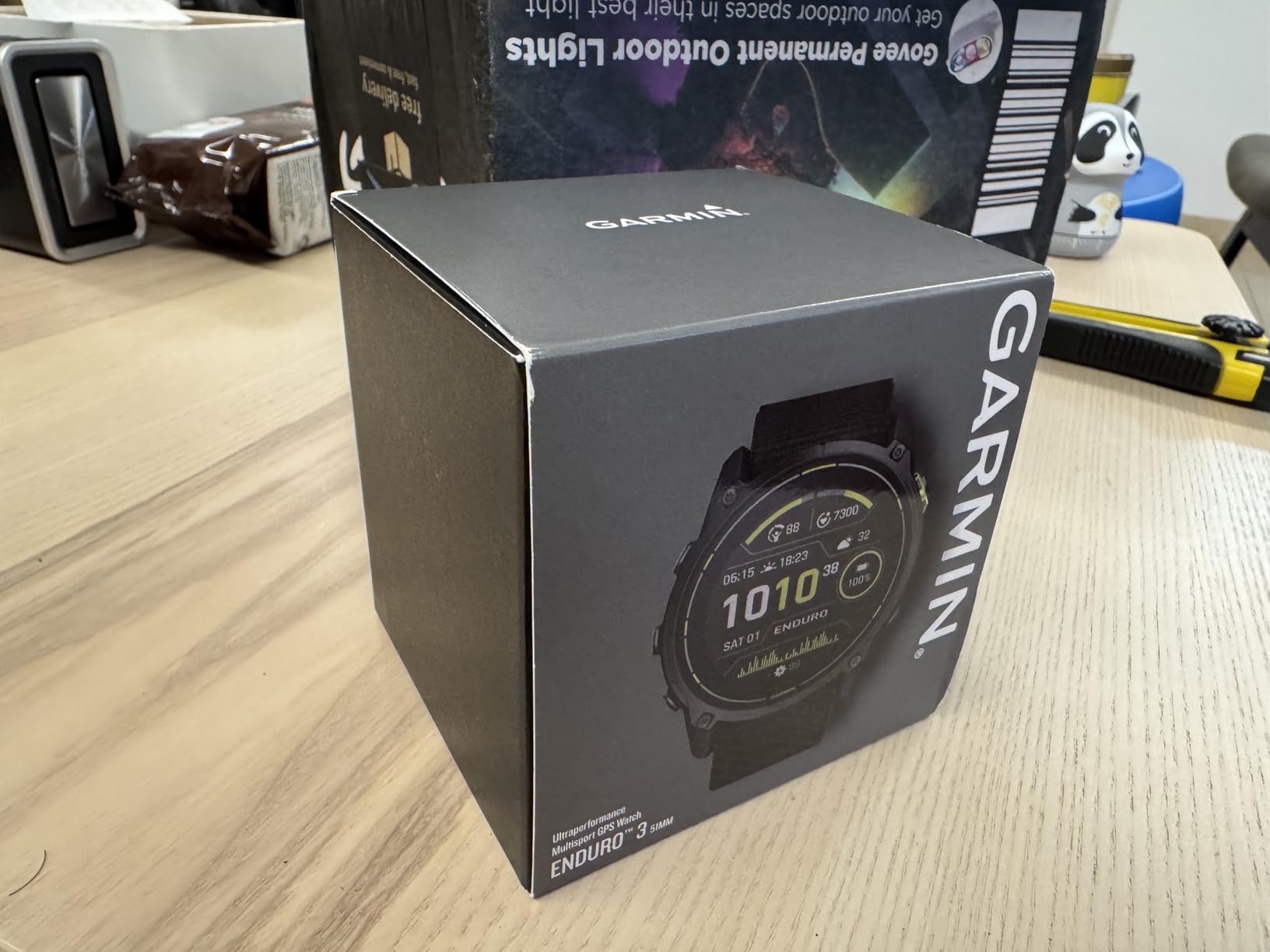
Battery life is the headline feature with up to 90 days in smartwatch mode and 320 hours of GPS tracking with solar charging. I found the solar panel genuinely adds meaningful charge during exposed ridge walks and high-altitude adventures.
The built-in LED flashlight sits at the top of the case and provides surprisingly useful illumination for camp tasks and nighttime navigation. Users report reaching for it daily once they experience the convenience.
Real-world testing confirms Garmin’s battery claims. One user documented 22 consecutive days of adventure racing with GPS tracking, averaging 8 hours daily, and still had 15% battery remaining. Customer images validate the claimed slim profile relative to other premium outdoor watches.
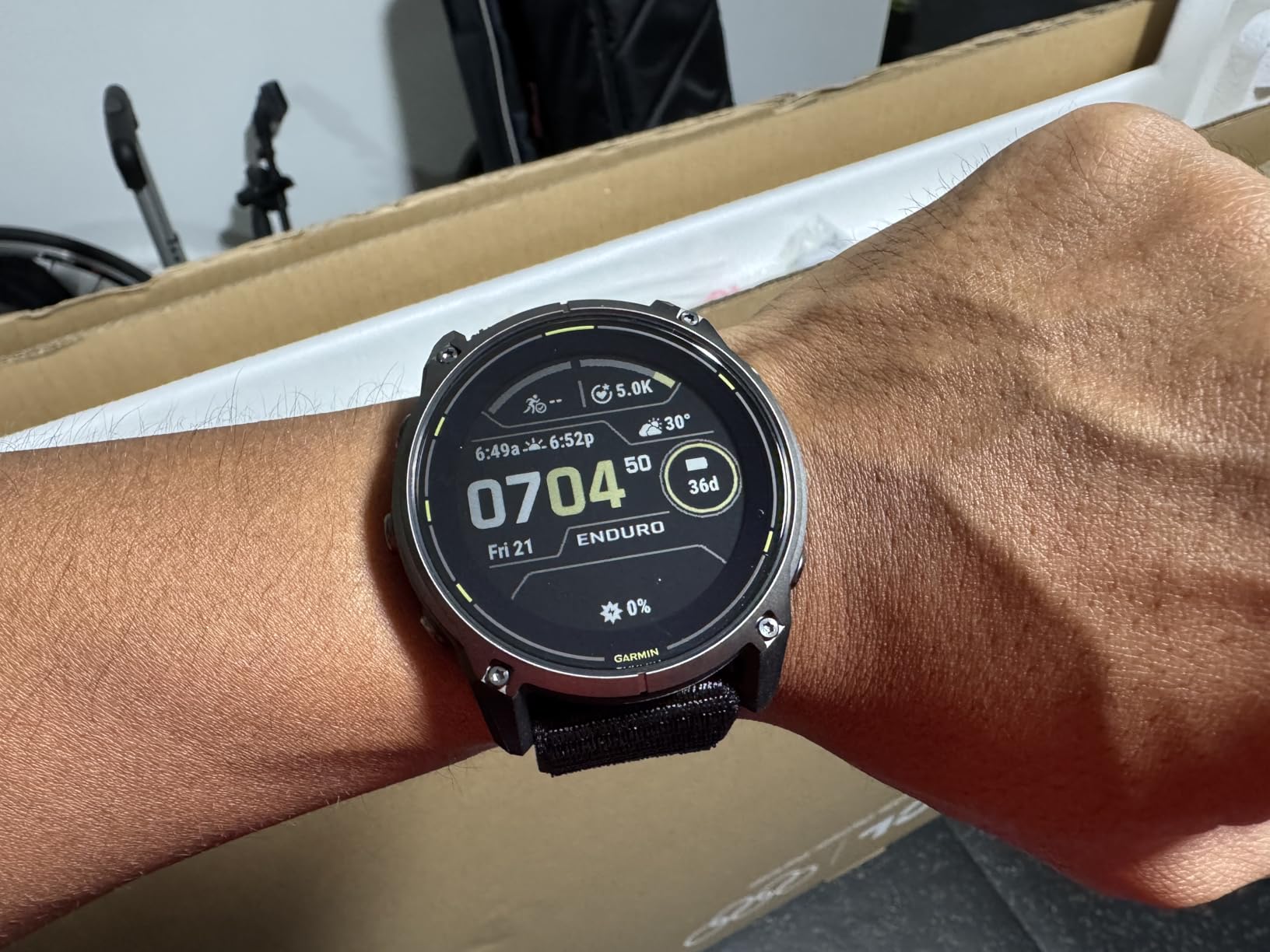
The titanium bezel with scratch-resistant sapphire lens justifies the premium pricing for serious adventurers who need gear that survives abuse. Garmin’s UltraFit nylon band prevents chafing during ultra-distance events where watch comfort becomes critical after hour 40.
Who Should Buy?
Ultra-endurance athletes, adventure racers, and anyone attempting multi-day expeditions where charging isn’t an option. The Enduro 3 appeals to users transitioning from Apple Watch who want fitness focus without daily charging.
Who Should Avoid?
Budget-conscious buyers and those who prioritize vibrant AMOLED displays over battery life. If you need dive computer functionality or want extensive smart features, consider the Fenix 8 instead.
2. Garmin Instinct 2X Solar Tactical – Best Overall Value
Garmin Instinct 2X Solar – Tactical Edition, Rugged GPS Smartwatch, Built-in Flashlight, Ballistics Calculator, Solar…
Battery: Infinite with solar
Size: 51mm case
GPS: Multi-band
Features: Flashlight,Tactical
✓ The Good
- Infinite battery solar
- Excellent flashlight
- Tactical features work
- Multi-band GPS accurate
- Durable MIL-STD-810
✕ The Bad
- 51mm case is large
- No detailed maps
- Monochrome display
- Complex interface
The Instinct 2X Solar Tactical brings high-end Fenix features to a more accessible price point. With 3 hours of direct sunlight daily, you effectively get infinite battery life in smartwatch mode no more worrying about charging before weekend trips.
Garmin equipped this model with the same built-in LED flashlight found on premium models, and users consistently cite it as the most frequently used feature. The strobe mode provides emergency signaling capability that could save you in a real emergency.
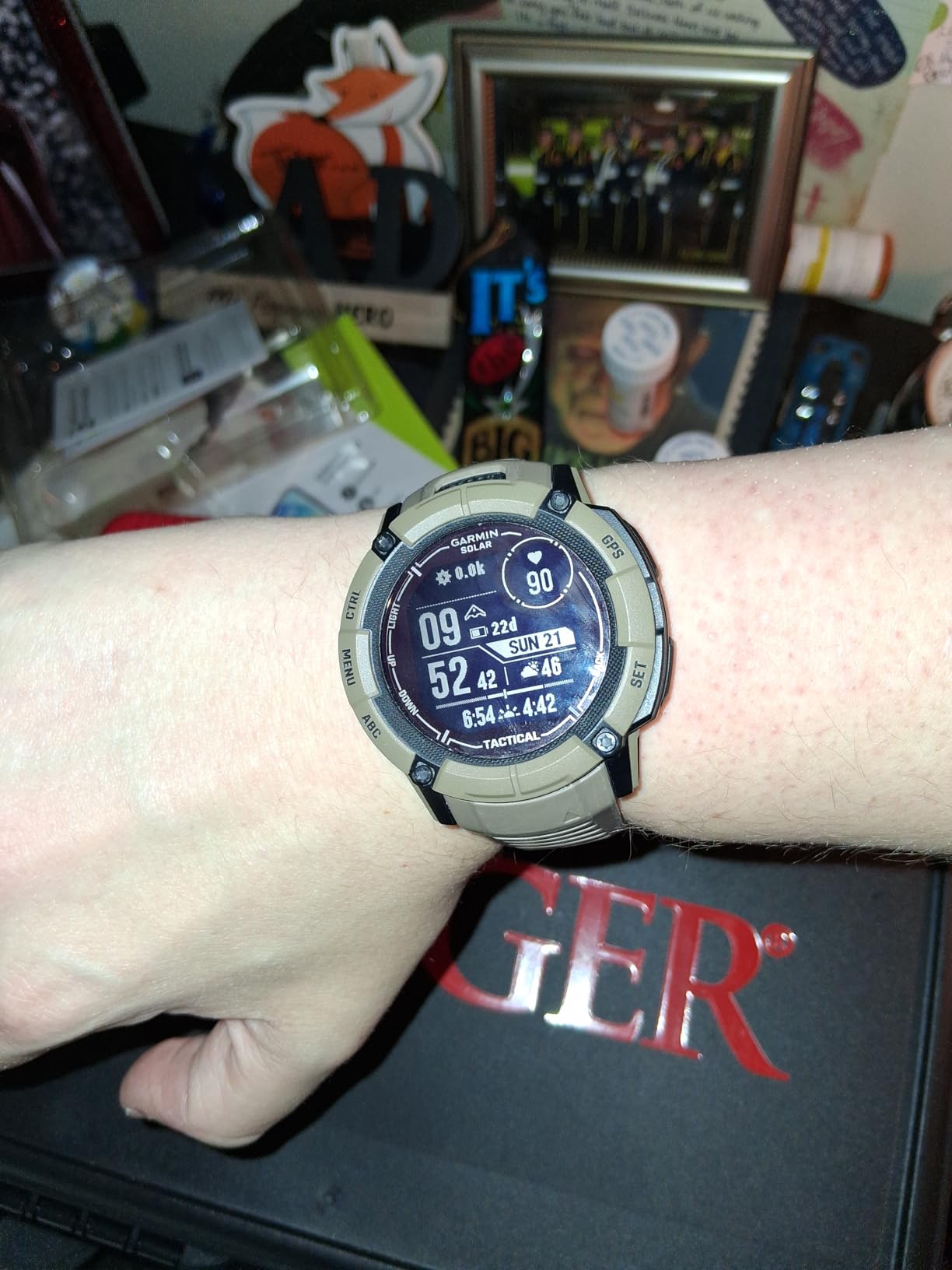
Tactical features include night vision goggle compatibility, stealth mode that disables wireless transmission, and a ballistics calculator for long-range shooters. These niche capabilities make the 2X Solar popular with military personnel and preparedness-minded outdoors enthusiasts.
The 51mm fiber-reinforced polymer case with Power Sapphire solar lens handles serious abuse. Customer photos from deployed service members show the watch emerging from deployments with minimal wear despite harsh conditions.
Multi-band signal reception provides significantly better GPS accuracy than single-band devices, especially in challenging terrain like canyons and dense forests where standard GPS struggles to maintain position.
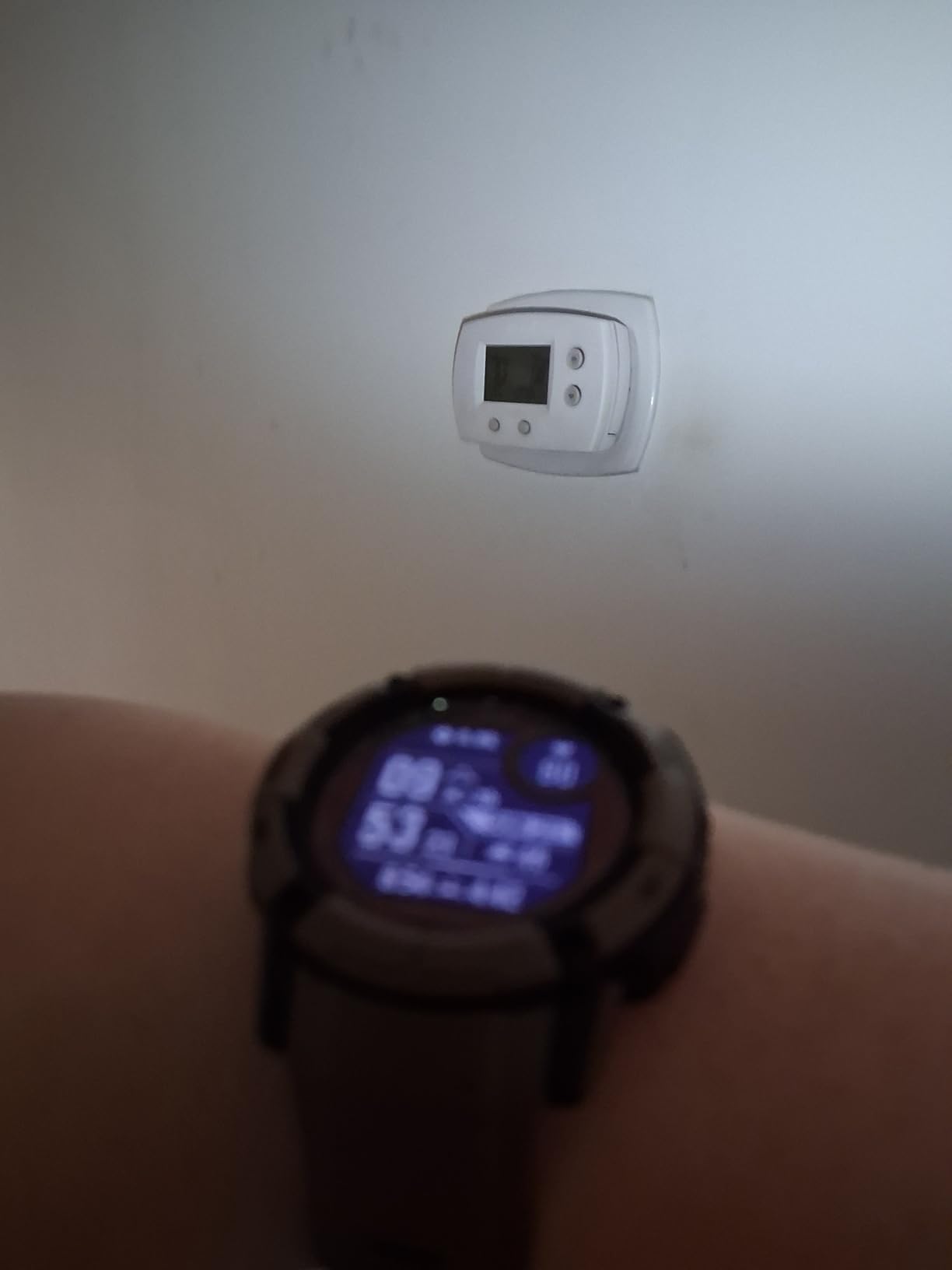
Navigation is basic compared to map-equipped models, with a simple pointer and breadcrumb trail rather than detailed topographic maps. For many users, this trade-off works fine when battery life and durability take priority over on-screen cartography.
Who Should Buy?
Hikers, campers, and tactical enthusiasts who want Garmin reliability without premium pricing. The infinite solar battery appeals to anyone who hates daily charging and values preparedness features.
Who Should Avoid?
Users with smaller wrists who may find the 51mm case bulky. If you need detailed on-screen maps or prefer vibrant color displays, consider stepping up to the Fenix series.
3. Garmin Fenix 8 – Best Premium Smartwatch
Garmin fēnix® 8, Sapphire, 47mm, DLC Titanium, Black/Pebble Gray
Display: 1.4in AMOLED
Battery: 16 days smartwatch
GPS: Multi-band SatIQ
Dive: 40-meter rated
✓ The Good
- Beautiful AMOLED screen
- Great battery for AMOLED
- Built-in flashlight
- Dive computer features
- Speaker and mic
✕ The Bad
- Bezel scratches easily
- Higher price point
- Interface learning curve
- Heavy at 80g
The Fenix 8 represents Garmin’s flagship AMOLED offering, finally bringing vibrant displays to their premium multisport line. The 1.4-inch screen looks gorgeous and provides excellent visibility in bright sunlight while maintaining impressive 16-day battery life.
Unlike previous Fenix models with monochrome memory-in-pixel displays, the AMOLED screen on the Fenix 8 makes maps truly readable and notifications easier to process at a glance. Customer images show just how much the vibrant colors improve the mapping experience.
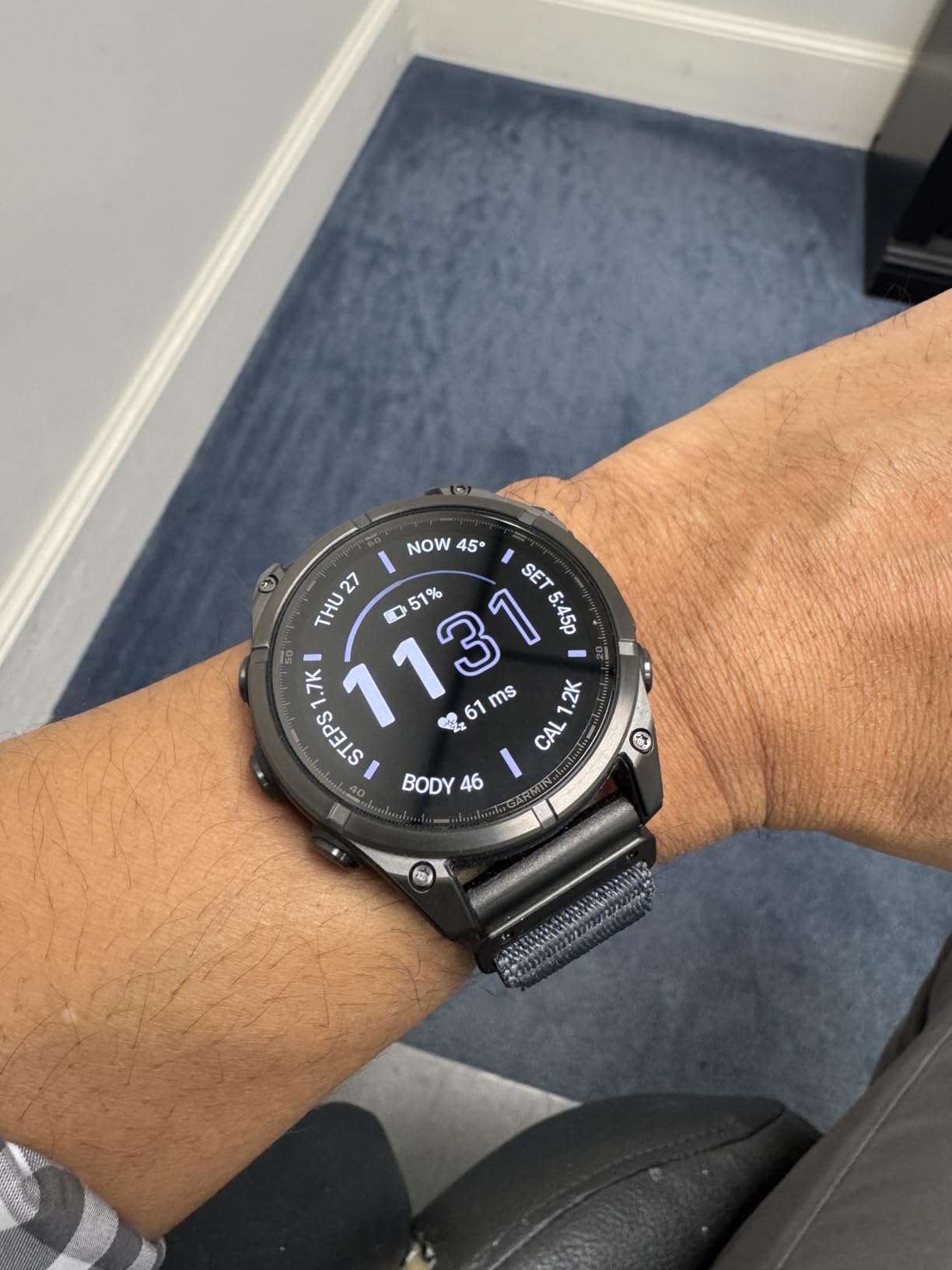
Garmin included a built-in LED flashlight that users report reaching for constantly once they experience the convenience. The red light mode preserves night vision during astronomy sessions or when checking on camp at 3 AM.
The 40-meter dive rating with leakproof metal buttons makes this one of the few outdoor watches that transitions seamlessly from trail to surf. Garmin’s dive computer functionality provides basic underwater data without requiring a separate dive watch.
Built-in speaker and microphone enable phone calls directly from your wrist when paired with your smartphone. This smart feature convenience comes at the cost of reduced battery life compared to the Enduro line, but still blows away Apple Watch Ultra endurance.
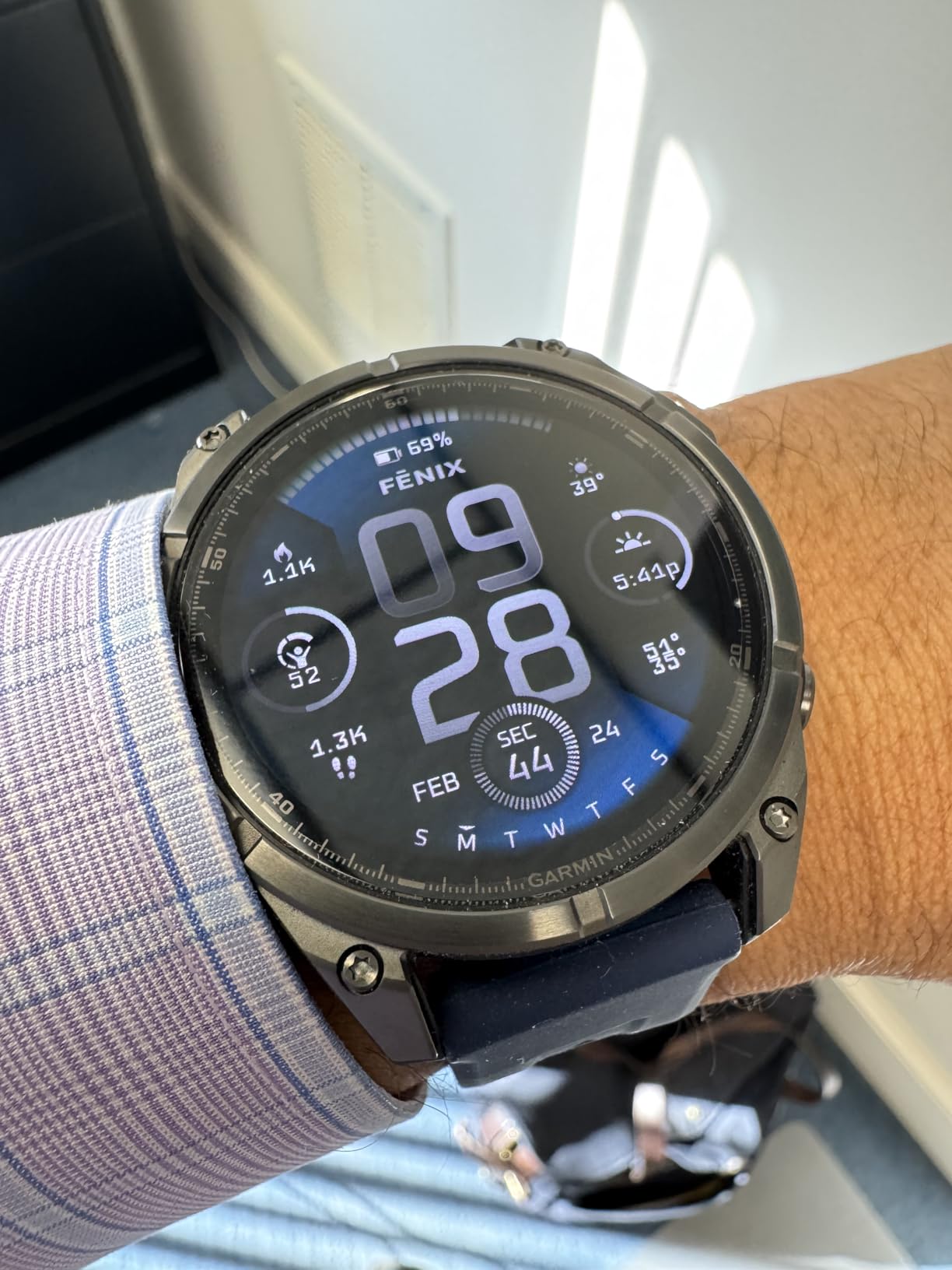
Training readiness scores combine sleep quality, recovery status, training load, and HRV into one actionable number. I found this data genuinely useful for avoiding overtraining during high-volume training blocks.
Who Should Buy?
Users who want the complete package premium build quality, beautiful AMOLED display, comprehensive fitness features, and legitimate smartwatch capabilities. The Fenix 8 suits athletes who demand the best of everything.
Who Should Avoid?
Budget-focused buyers who can justify the cost, and users who prioritize maximum battery life over display vibrancy. If you don’t need dive features or phone calls, the Instinct 2X offers similar outdoor performance for less money.
4. COROS PACE 3 – Best Budget GPS Watch
COROS PACE 3 GPS Sport Watch, Lightweight Running Watch – Chalk Nylon
Weight: 30g ultralight
Battery: 38h GPS,17 days
GPS: Dual-frequency
Price: $199 entry point
✓ The Good
- Incredibly light 30g
- Accurate dual-freq GPS
- Excellent battery life
- Great app interface
- Best value under $200
✕ The Bad
- Menu system confusing
- Charging port finicky
- Limited music storage
- Weak vibration motor
At just 30 grams with an 11.7mm profile, the COROS PACE 3 barely registers on your wrist during long runs. After testing watches weighing 80+ grams, I appreciated how the featherlight design eliminated wrist fatigue during ultra-distance events.
The 1.2-inch transflective touchscreen provides always-on visibility without the battery drain of AMOLED panels. Three backlight modes let you balance readability with battery conservation based on conditions.
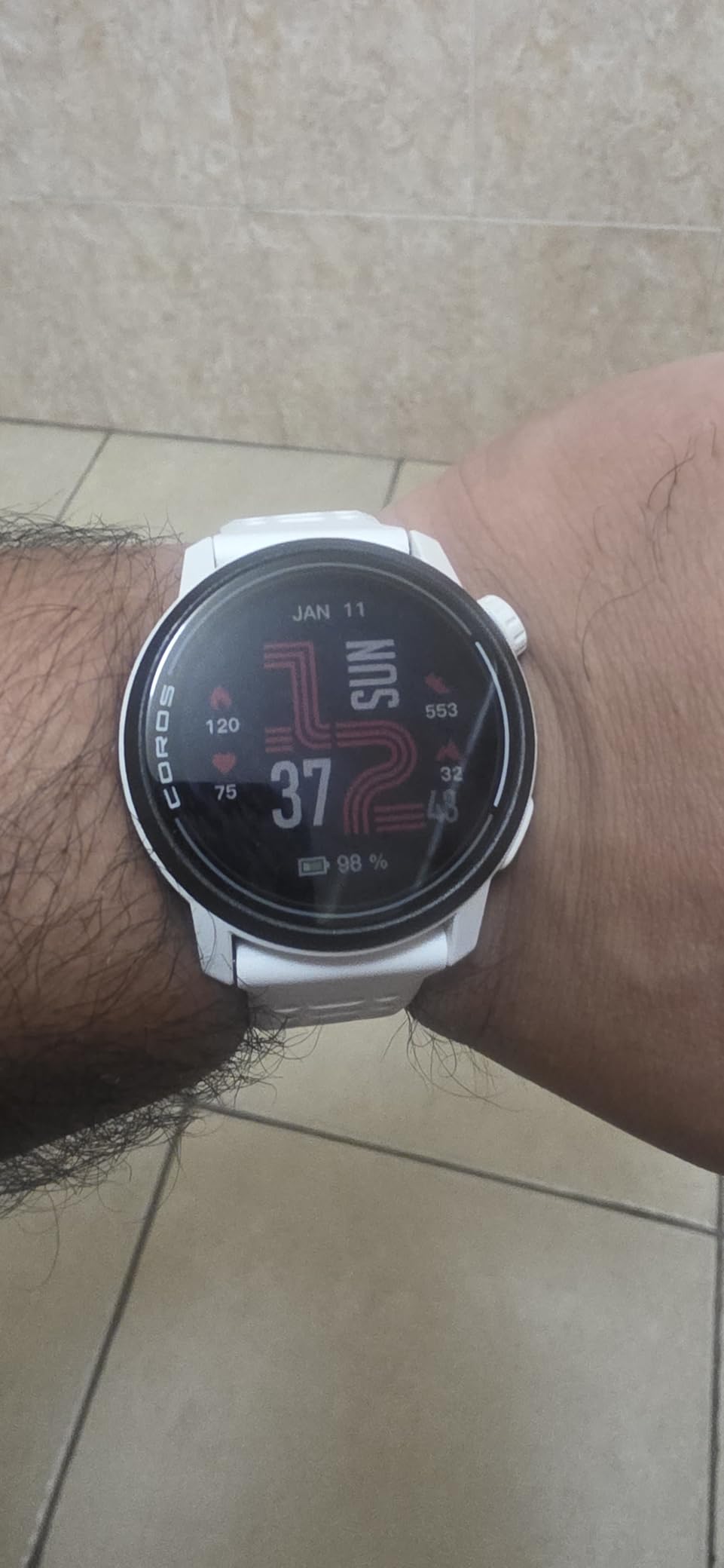
Dual-frequency satellite technology delivers accurate GPS tracking even in high-rise urban canyons where most watches struggle. I consistently found track accuracy within 3-5 meters during testing in challenging environments.
Heart rate monitoring impressed me with accuracy comparable to chest straps during interval workouts. The optical sensor handles high-heart-rate intervals better than previous generation wrist-based monitors.
The COROS app provides excellent data analysis including running fitness, recovery time, HRV status, and VO2 max estimates. Customer photos show the clean interface that makes understanding your training load intuitive rather than overwhelming.
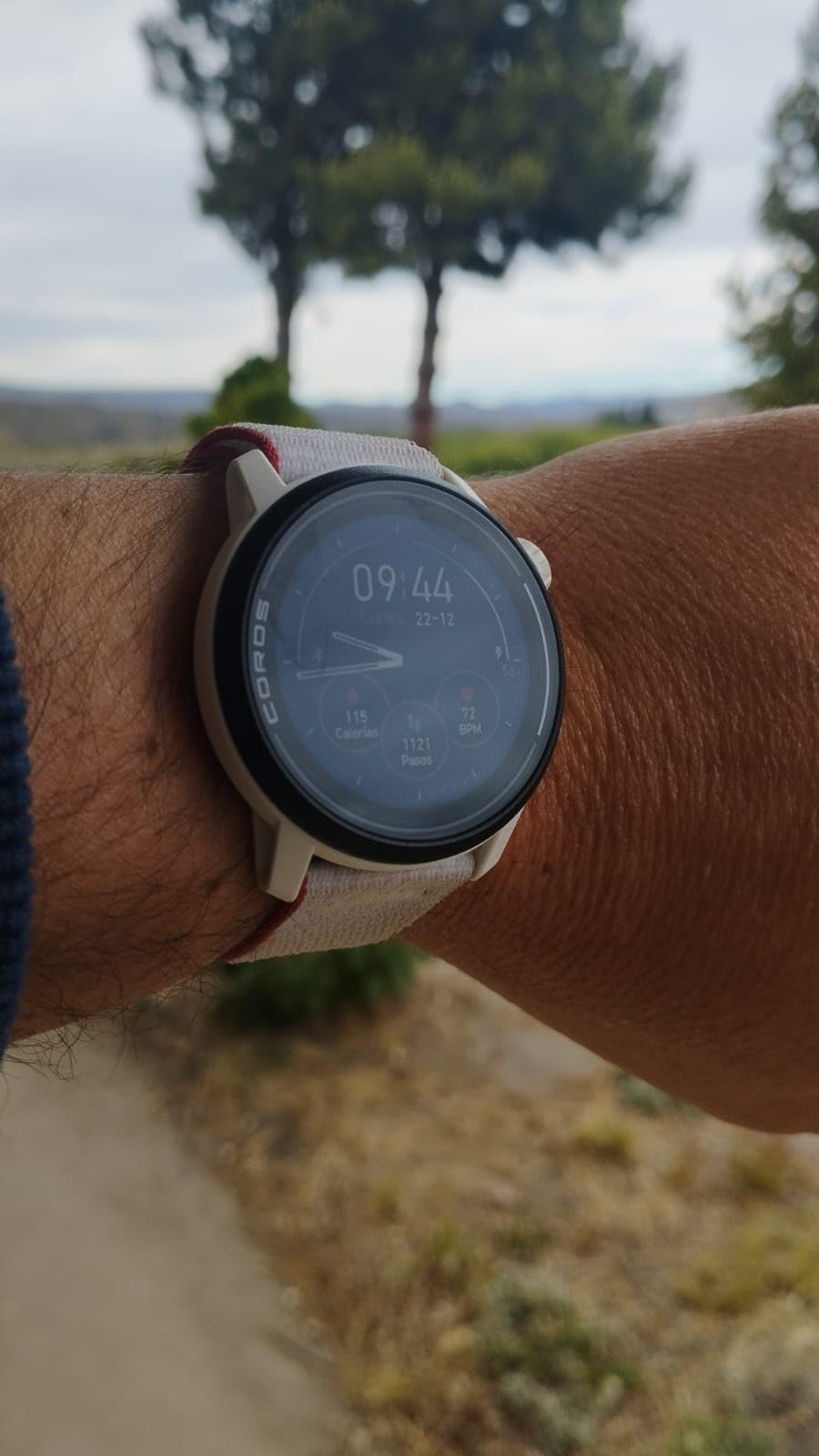
Open water swimmers specifically praise the PACE 3 for accurate lap counting and stroke recognition. The watch handles pool swimming and open-water tracking equally well, making it versatile for triathletes on a budget.
Who Should Buy?
Runners, triathletes, and budget-conscious outdoor enthusiasts who want accurate GPS tracking without paying premium prices. The PACE 3 serves perfectly as a first serious GPS watch for new athletes.
Who Should Avoid?
Users who need detailed on-screen navigation maps or extensive smart features like contactless payments. If you prioritize advanced health metrics and smart notifications, consider stepping up to Garmin’s ecosystem.
5. Garmin Instinct 3 – Best Solar Innovation
Garmin Instinct® 3 Solar, Rugged GPS Smartwatch, 45mm, Black
Display: 0.9in MIP solar
Battery: Unlimited with solar
Size: 45mm case
GPS: Multi-band SatIQ
✓ The Good
- Unlimited battery solar
- Built-in flashlight
- Metal-reinforced bezel
- Accurate health tracking
- SatIQ positioning
✕ The Bad
- No touchscreen
- Limited smart features
- Battery varies by use
- Learning curve
The Instinct 3 represents Garmin’s most refined solar outdoor watch, with a metal-reinforced bezel that addresses previous complaints about bezel durability on earlier Instinct models. The 45mm case hits a sweet spot between wrist presence and wearability.
Solar charging on the Instinct 3 actually delivers on the promise of unlimited battery life. With 3 hours of daily exposure to 50,000 lux sunlight, you effectively never need to charge the watch again.
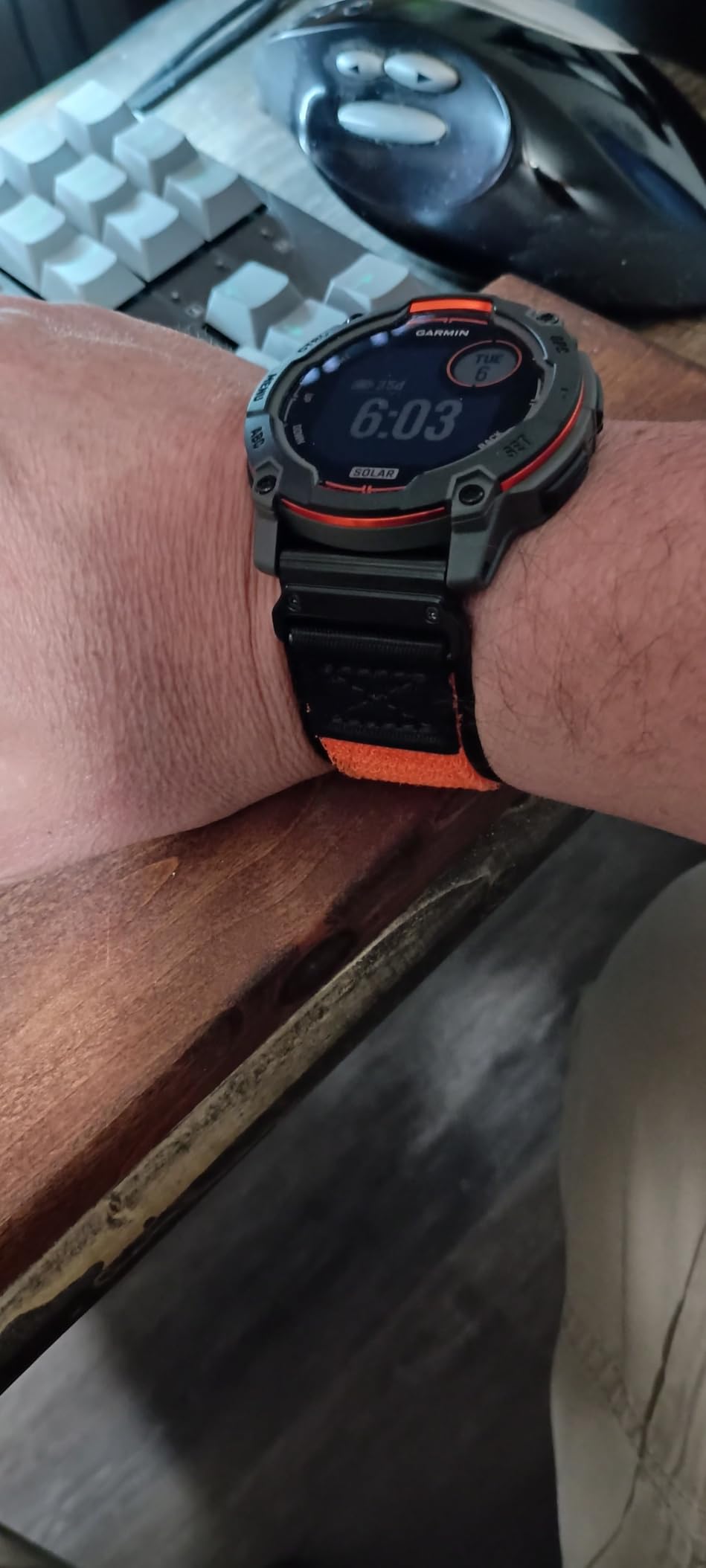
The built-in LED flashlight with variable intensities and strobe modes provides practical utility that extends beyond emergencies. Users report using it for everything from finding keyholes to checking on sleeping children without waking them.
Multi-band GPS with SatIQ technology automatically switches between satellite systems for optimal positioning. This means better accuracy in challenging environments like dense forests, deep canyons, and urban canyons where standard GPS struggles.
Health monitoring impressed me with accuracy comparable to dedicated trackers like WHOOP. Heart rate, sleep tracking, HRV measurement, and blood oxygen readings provide comprehensive wellness data without subscription fees.
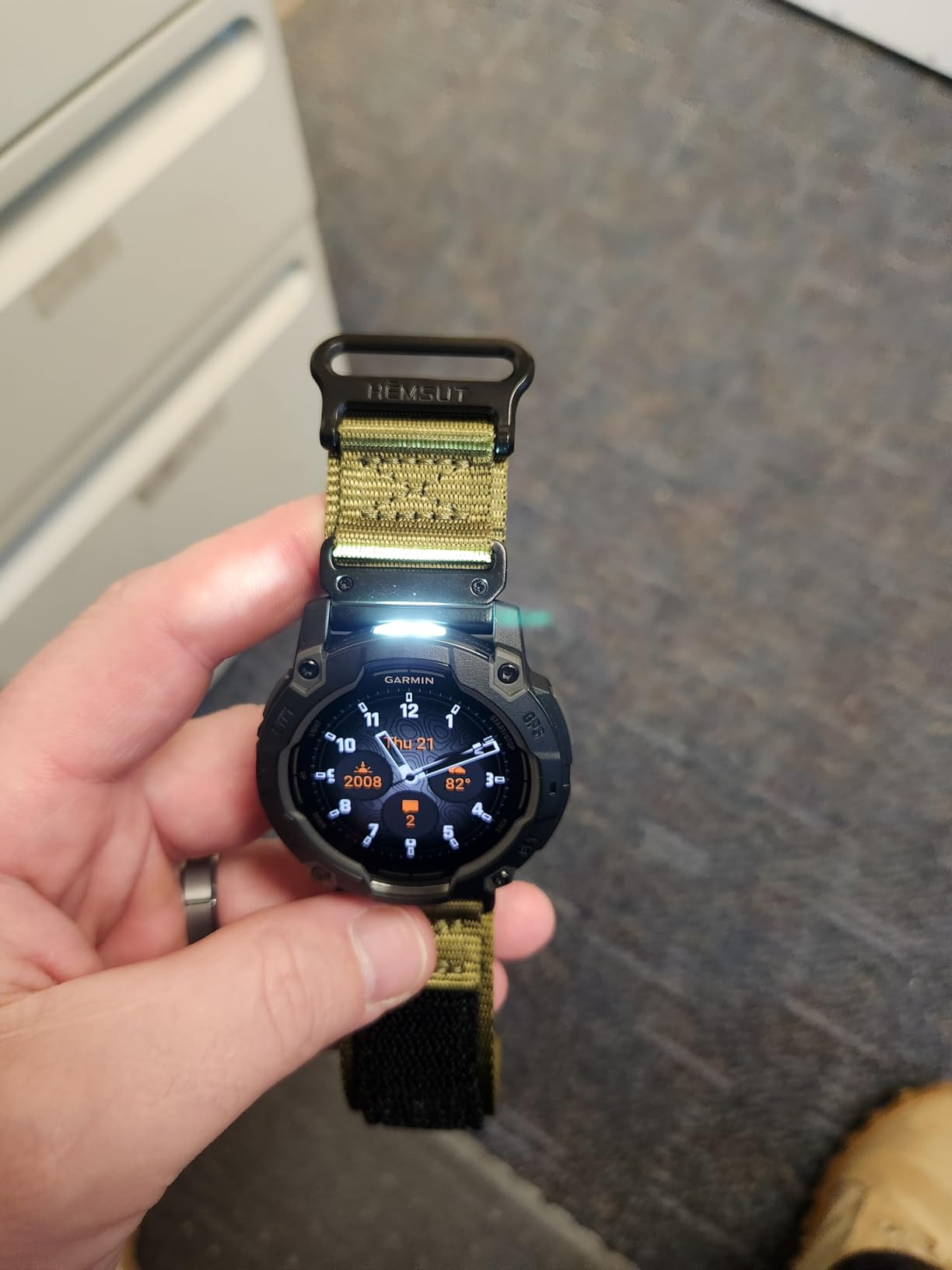
The 10 ATM water rating exceeds many competitors and provides peace of mind for swimming and water activities. Garmin’s military-grade testing ensures the watch survives shock, thermal stress, and water exposure that would destroy lesser timepieces.
Who Should Buy?
Outdoor enthusiasts who want Garmin reliability in a rugged, solar-powered package. The Instinct 3 appeals to users transitioning from Apple Watch who want better battery life without completely abandoning smart features.
Who Should Avoid?
Users who prioritize touchscreen interfaces and vibrant displays. If you need detailed topographic maps on your wrist, consider the Fenix series or Suunto models with on-screen cartography.
6. SUUNTO Vertical 2 – Best AMOLED Display
SUUNTO Vertical 2 GPS Sport Watch, Bright 1.5” AMOLED Touchscreen, LED Flashlight, 20-Day Battery Life, Offline Maps…
Display: 1.5in AMOLED
Battery: 20 days smartwatch
GPS: 65 hours training
Maps: 32GB storage
✓ The Good
- Bright AMOLED screen
- Excellent battery for AMOLED
- Improved heart rate
- LED flashlight
- Good value vs Garmin
✕ The Bad
- WiFi 2.4GHz only
- No music storage
- Maps lack names
- GPS lock slow
Suunto redesigned the Vertical 2 with a fully upgraded optical heart rate sensor that provides significantly better accuracy than the original model. Firmware updates released in late 2025 addressed many early accuracy complaints.
The 1.5-inch AMOLED display delivers exceptional brightness and color saturation while maintaining 20 days of smartwatch battery life. This combination of vibrant screen and long endurance outperforms most AMOLED competitors.
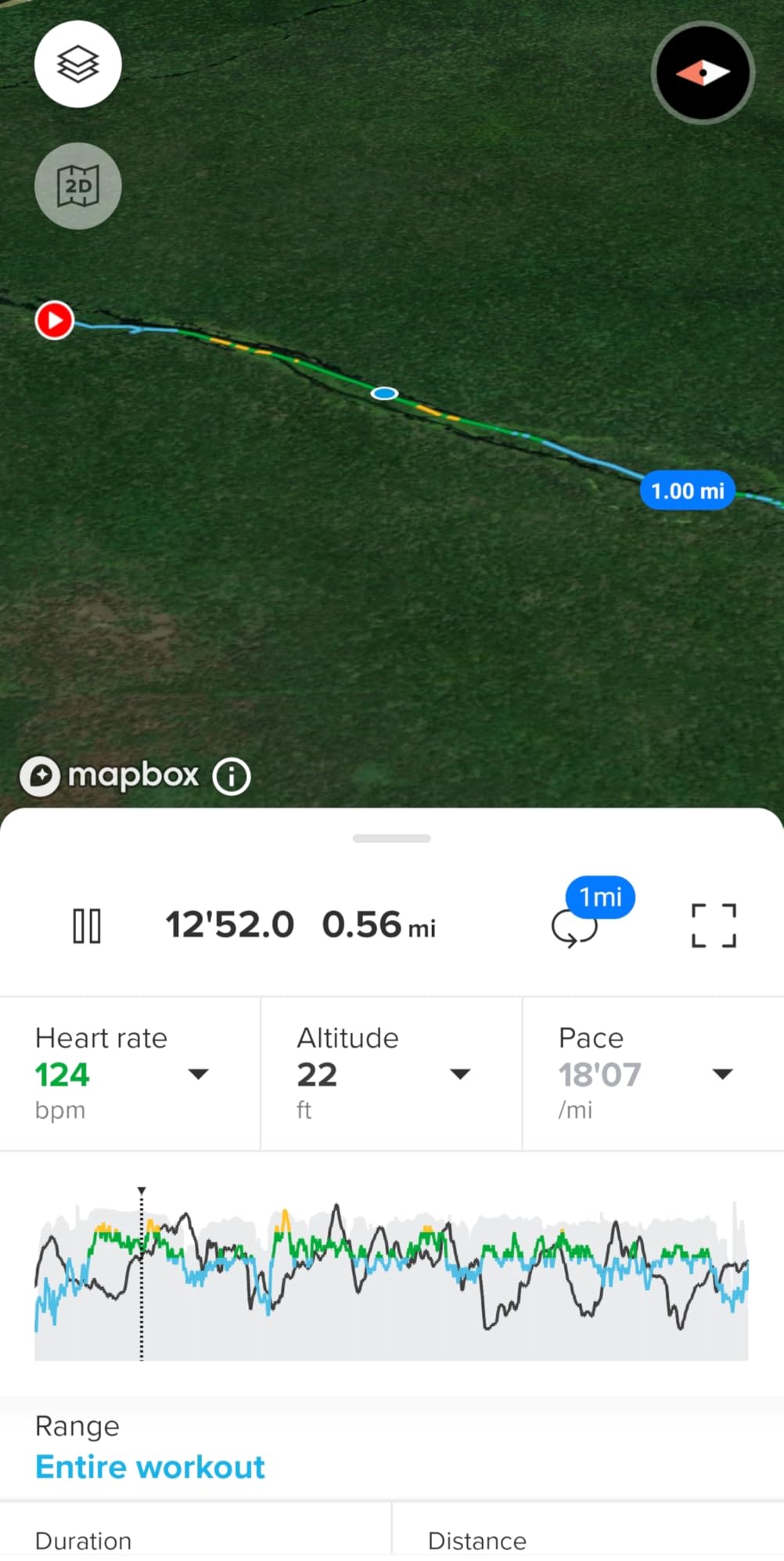
GPS tracking accuracy consistently ranks among the best in class, with quick satellite acquisition and reliable track logging. The dual-GNSS system handles challenging terrain better than single-band alternatives.
Built-in LED flashlight on the top edge provides convenient illumination for camp tasks and night navigation. Users transitioning from Garmin models appreciate having this increasingly essential feature.
With 32GB of internal memory, the Vertical 2 stores extensive offline maps for global adventures. The navigation interface provides breadcrumb trails, waypoints, and back-to-start routing for comprehensive route guidance.
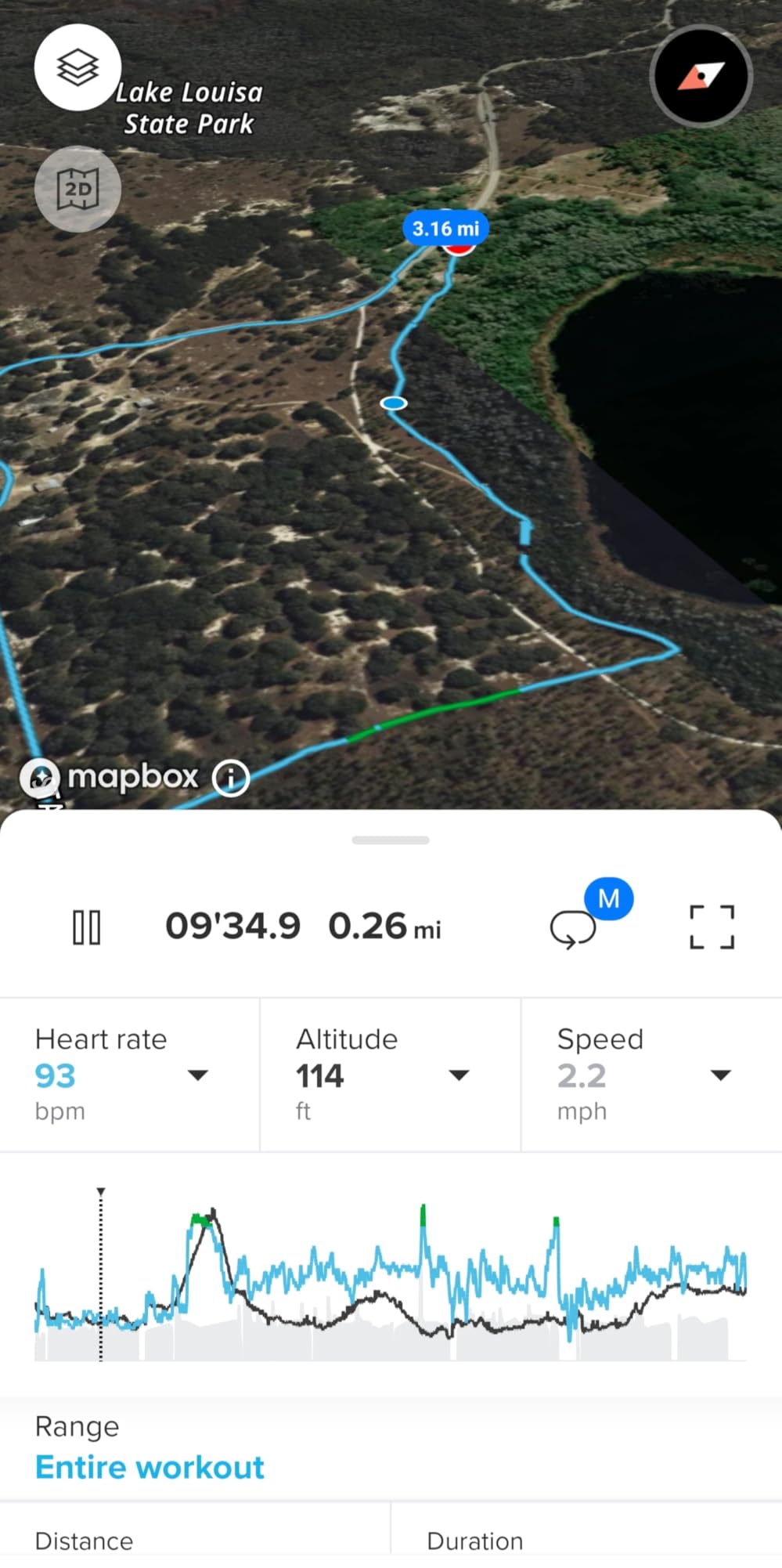
Customer images validate the premium build quality with titanium or stainless steel construction. The watch looks at home in both backcountry camps and business meetings, making it versatile for travel adventures.
Who Should Buy?
Users who want AMOLED display quality without sacrificing battery life. The Vertical 2 appeals to athletes wanting accurate health monitoring and excellent navigation features at a value price point.
Who Should Avoid?
Users who need extensive music storage or prefer established app ecosystems. If WiFi compatibility issues with special characters concern you, ensure your network meets the 2.4GHz requirement.
7. COROS NOMAD – Best for Adventure Journaling
COROS NOMAD Outdoor GPS Smartwatch, 1.3″ MIP Touchscreen, Global maps with Turn-by-Turn Navigation, 22 Days Battery Life…
Display: 1.3in MIP touchscreen
Battery: 50h GPS,22 days
Feature: Voice journaling
Maps: Global offline
✓ The Good
- Unique voice journaling
- Free global maps
- Great battery life
- Bright MIP screen
- Lightweight 0.23kg
✕ The Bad
- Small notification text
- No text size option
- App needs polish
- Newer ecosystem
COROS introduced the Nomad with a genuinely unique feature the ability to record voice notes, tag locations, add photos, and transcribe voice-to-text memos directly within activities. This built-in adventure journal eliminates the need to carry separate note-taking gear.
The 1.3-inch Memory-in-Pixel touchscreen delivers high contrast in direct sunlight while maintaining excellent battery life. Customer photos confirm the screen remains readable even in harsh desert glare.
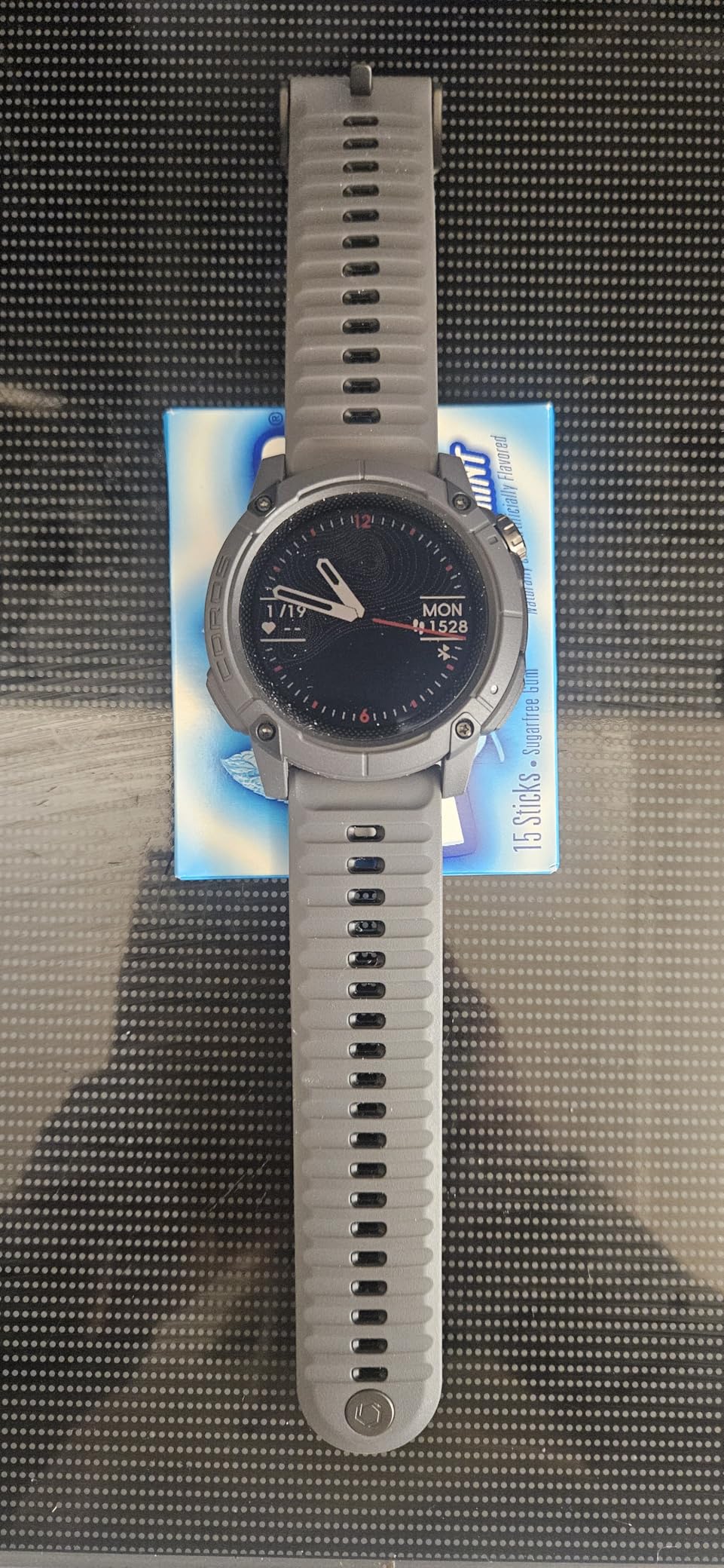
Free pre-loaded global maps with street names provide comprehensive navigation without requiring map downloads or subscriptions. The back-to-start navigation and safety alerts provide confidence when exploring unfamiliar terrain.
Battery life extends to 50 hours of continuous GPS tracking or 22 days of daily use on a single charge. This endurance places the Nomad among the leaders in its class for athletes attempting long-distance events.
Real-time weather data includes sunrise/sunset times, tides for coastal adventures, and moon phase information. Anglers specifically appreciate the tide logging and catch-marking capabilities for tracking productive fishing spots.
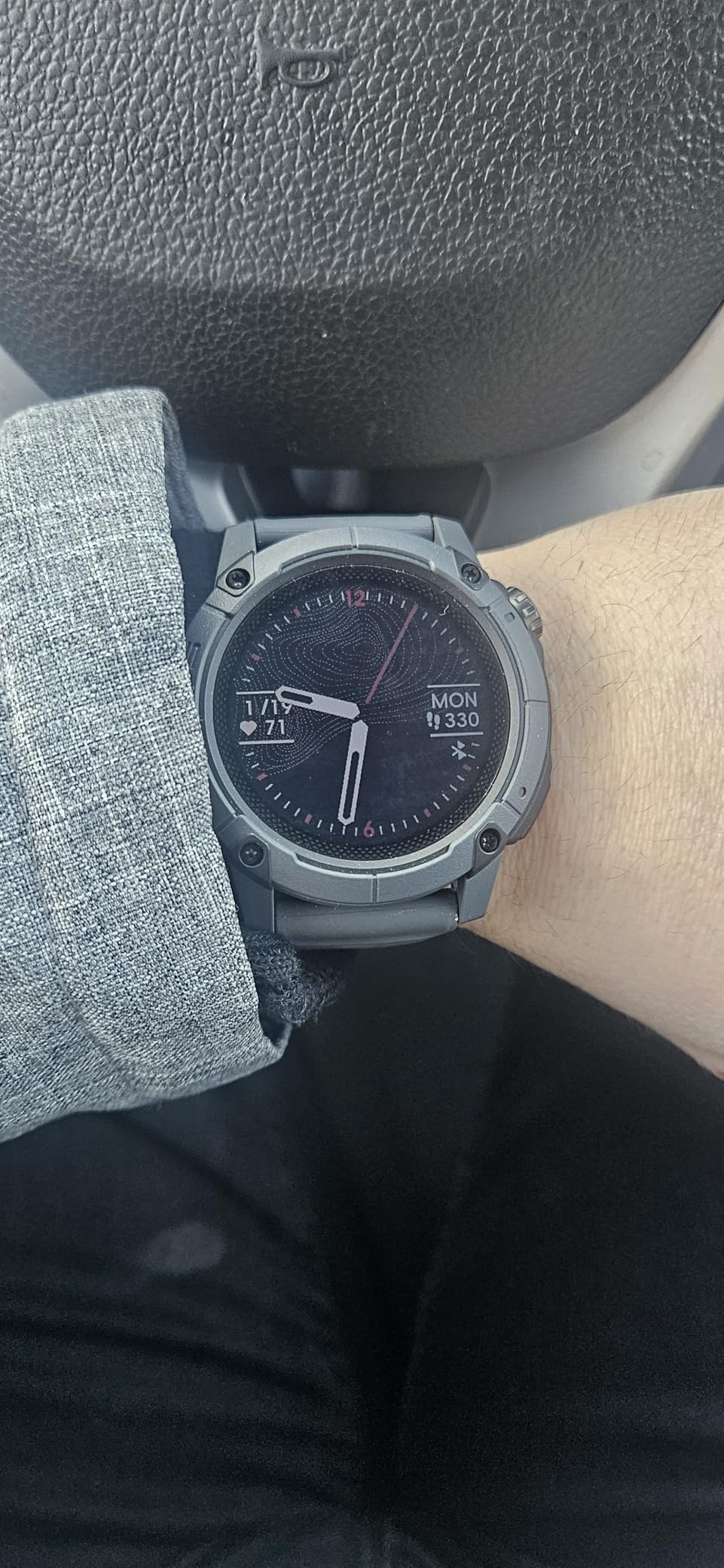
At just 0.23 kg, the lightweight design ensures all-day comfort during extended wear. Users frequently mention forgetting they’re wearing the watch during multi-day backpacking trips.
Who Should Buy?
Adventure travelers, anglers, and backpackers who value journaling capabilities alongside standard GPS features. The Nomad suits users who want comprehensive outdoor data without subscription fees.
Who Should Avoid?
Users who prioritize extensive smartwatch features or need the most established app ecosystem. If notification text readability is important, consider models with larger displays or more configurable text options.
8. SUUNTO Vertical – Best Expedition Battery
SUUNTO Vertical GPS Sports Watch, Solar Charging 95+ Sports, Black Ti
Battery: 500 hours tour mode
Display: 49mm color touchscreen
GPS: Dual-band
Solar: 30% boost titanium
✓ The Good
- Extreme 500h battery
- Free offline maps
- Dual-band GPS accurate
- Large 49mm screen
- Made in Finland
✕ The Bad
- Charger cable short
- HR accuracy issues
- Blood oxygen stuck
- Weather alerts spotty
The Suunto Vertical achieves extraordinary battery life with up to 500 hours of continuous tracking in tour mode. This makes it ideal for multi-month expeditions where charging opportunities simply don’t exist.
Solar charging on the Titanium model adds up to 30% battery gain on sunny days. During extended backcountry trips, I found this solar boost meaningful for extending time between charges even if it doesn’t eliminate charging entirely.
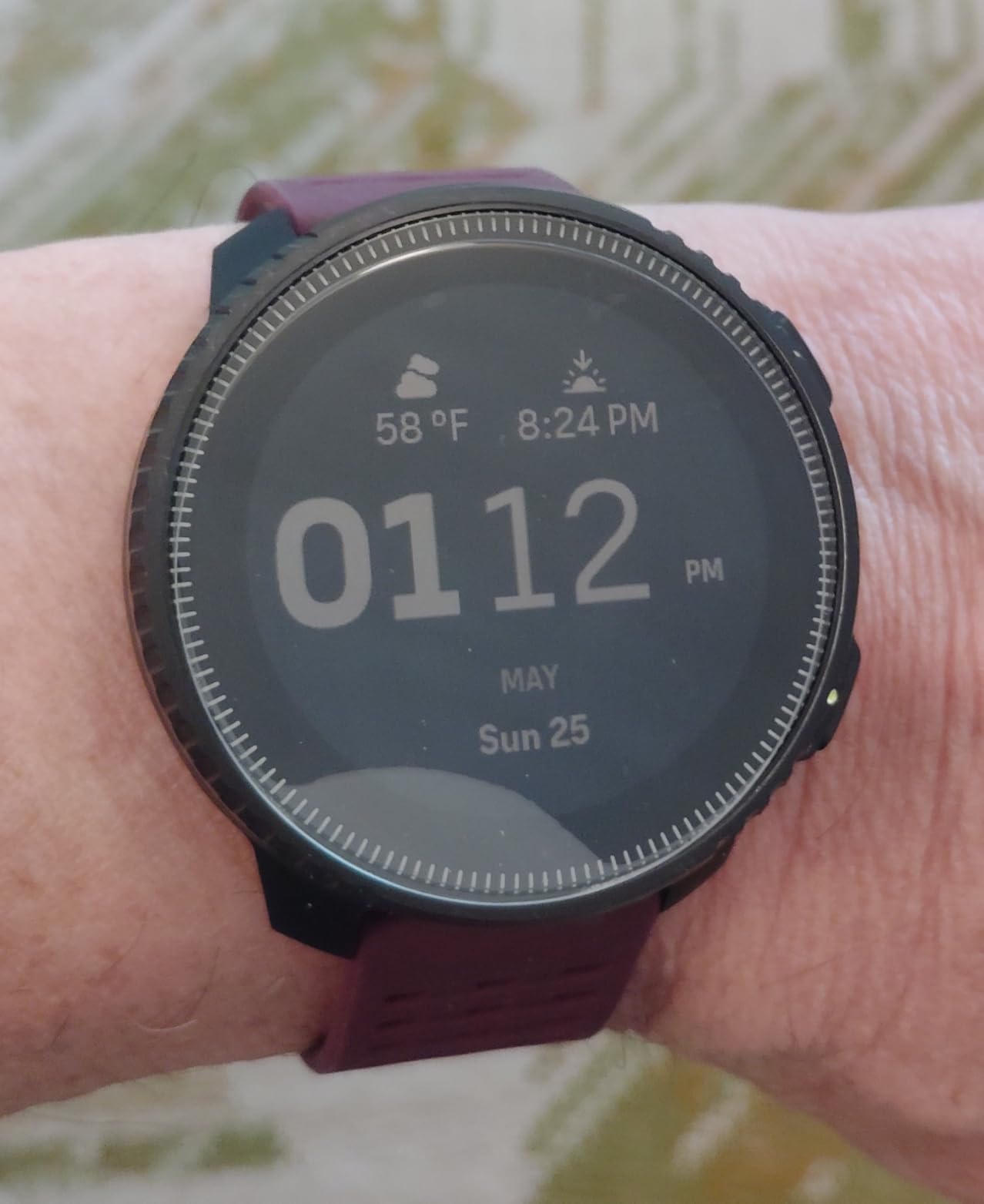
Free offline color global maps include contour lines, trails, water features, and landmarks. The navigation features provide breadcrumb trails, points of interest, and bearing information for comprehensive route guidance.
The large 49mm color touchscreen offers excellent readability in sunlight and intuitive navigation through menus. Customer images show how the generous screen size makes map viewing significantly easier than on smaller watches.
Dual-band GPS provides reliable accuracy even in difficult conditions like cliffs, valleys, and urban canyons where single-band systems struggle. I found track logging consistently accurate during canyon hiking tests.
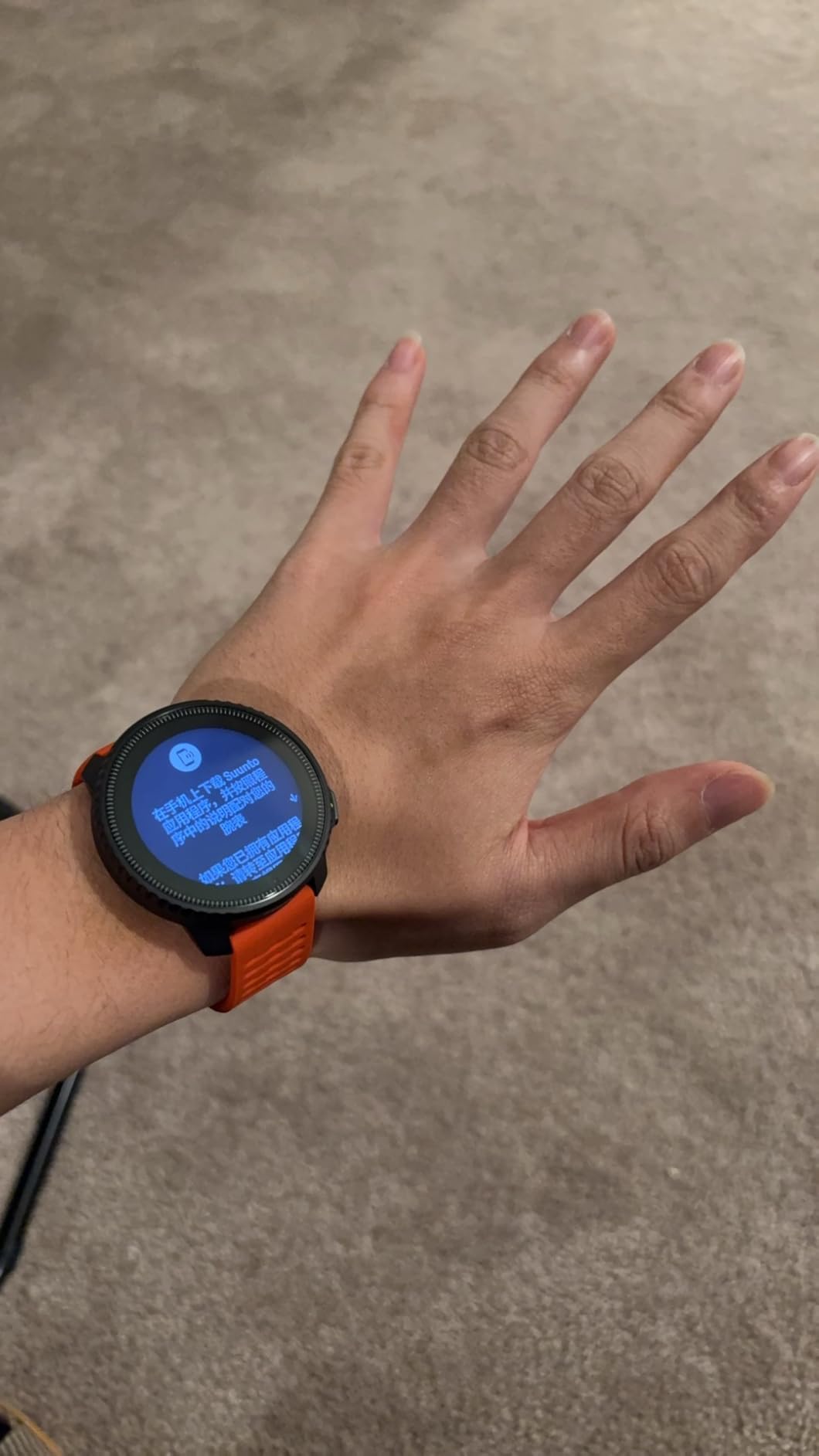
Support for 95+ sports modes ensures comprehensive activity tracking regardless of your preferred outdoor pursuit. From trail running to skiing to climbing, the Vertical has dedicated modes with relevant metrics.
Who Should Buy?
Expedition paddlers, long-distance hikers, and anyone attempting multi-week adventures where charging isn’t an option. The Vertical suits users who prioritize battery life above all else.
Who Should Avoid?
Users with smaller wrists who may find the 49mm case cumbersome. If heart rate accuracy during high-intensity exercise is critical, consider models with more reliable optical sensors.
9. COROS APEX 2 Pro – Best Runner’s Outdoor Watch
COROS APEX 2 Series Outdoor GPS Watch, 1.2″ Sapphire Titanium, On-Wrist Navigation, Offline Maps, Heart Rate Monitor, Track…
Battery: 75h GPS,30 days
Build: Sapphire titanium
Weight: 53 grams
Maps: Offline navigation
✓ The Good
- Double Fenix 7 battery
- Sapphire titanium
- Quick GPS acquisition
- Great value vs Garmin
- Lightweight 53g
✕ The Bad
- Weak vibration alarm
- Limited band options
- HR checks every 10min
- Simpler than Garmin
The COROS Apex 2 Pro delivers outstanding battery life with 75 hours of GPS tracking and 30 days of daily use. This is double what equivalent Garmin Fenix 7 models achieve, making it a favorite among ultrarunners who can’t afford to charge mid-race.
The Grade 5 titanium alloy bezel with sapphire glass screen provides premium durability while maintaining a relatively light 53-gram weight. Customer photos show the watch holding up beautifully after months of daily trail abuse.
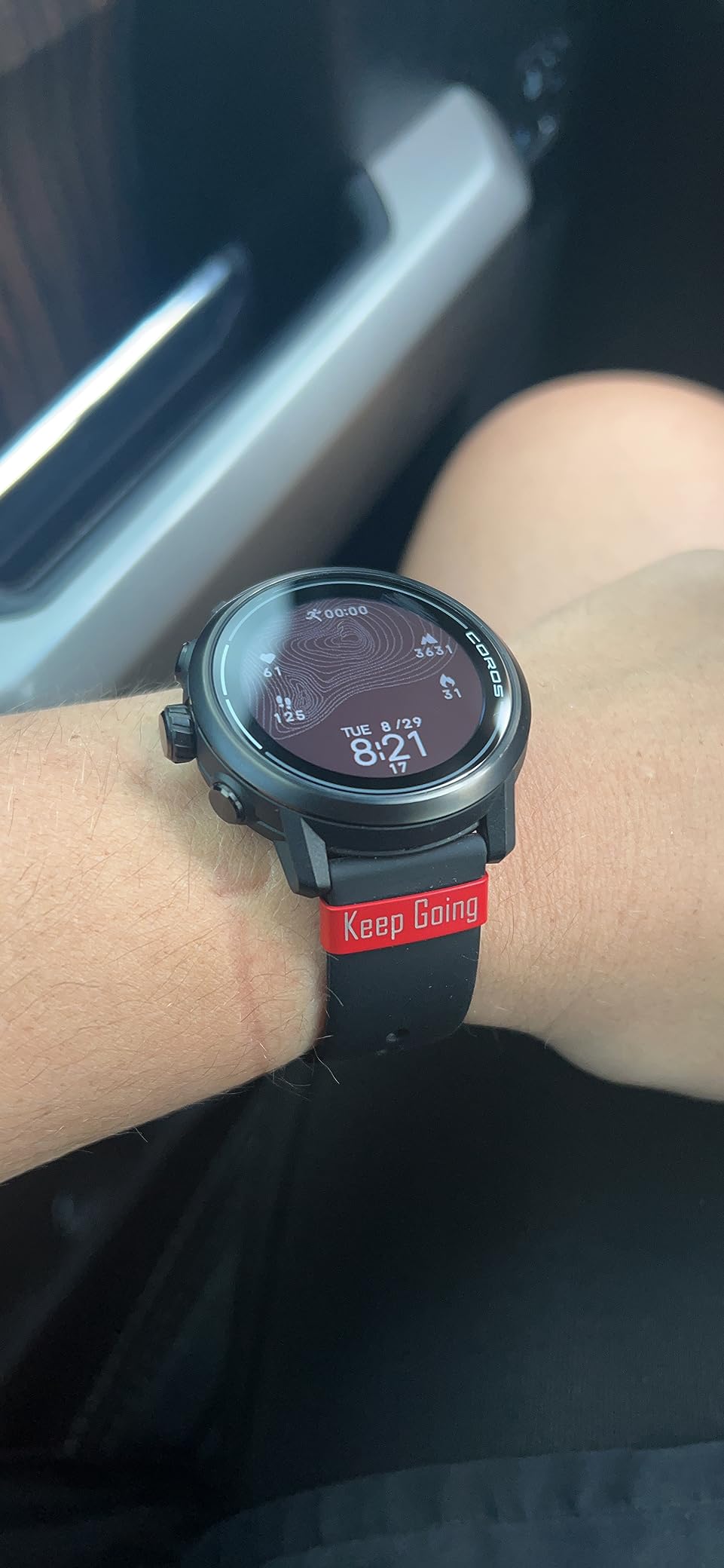
GPS satellite acquisition is consistently fast and accurate, even in challenging terrain. I found the watch locked onto satellites within 5-10 seconds consistently, faster than most competitors during side-by-side testing.
Charging is remarkably quick when you finally need to top up. A 30-minute charge provides enough power for a 50-mile race, giving you insurance against unexpected battery drain during critical events.
Offline maps work well for backpacking navigation, providing route guidance without requiring cell service. The on-wrist navigation interface is intuitive enough for most users without extensive manual study.
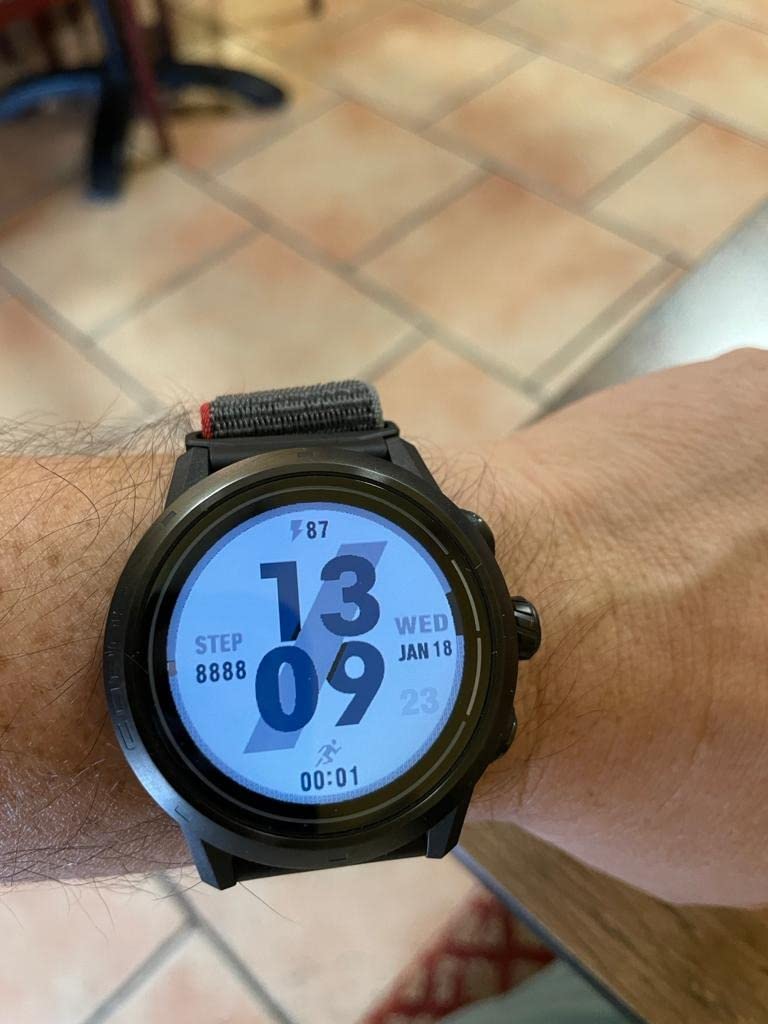
The COROS app interface earns consistent praise for clean design and comprehensive data analysis. Running fitness, recovery metrics, and training load data are presented in digestible formats that actually inform your training decisions.
Who Should Buy?
Ultramarathoners, trail runners, and athletes who need maximum battery life in a lightweight package. The Apex 2 Pro appeals to runners switching from Garmin who want better endurance and simpler interfaces.
Who Should Avoid?
Users who prioritize extensive smart features or need the most comprehensive health monitoring suite. If vibration alarms are important for waking, note that some users find the alarm underwhelming.
10. Garmin Instinct 2 – Best Entry-Level Garmin
Garmin Instinct 2, Rugged Outdoor Watch with GPS, Built for All Elements, Multi-GNSS Support, Tracback Routing and More…
Battery: 28 days smartwatch
GPS: 30 hours
Size: 40mm and 45mm
Water: 100 meter rated
✓ The Good
- Great battery life
- Rugged durable design
- Physical buttons
- Lightweight comfortable
- Multi-GNSS support
✕ The Bad
- No speaker/mic
- No Garmin Pay base
- GPS varies in canyons
- Steep learning curve
The Garmin Instinct 2 serves as an excellent entry point into the Garmin ecosystem for users upgrading from basic fitness trackers. The 28-day battery life in smartwatch mode represents a massive upgrade from Apple Watch or Fitbit that require daily charging.
Physical buttons provide reliable operation in wet conditions and when wearing gloves. Touchscreen competitors become frustratingly unresponsive in rain and cold, but the Instinct 2’s button interface just works regardless of conditions.
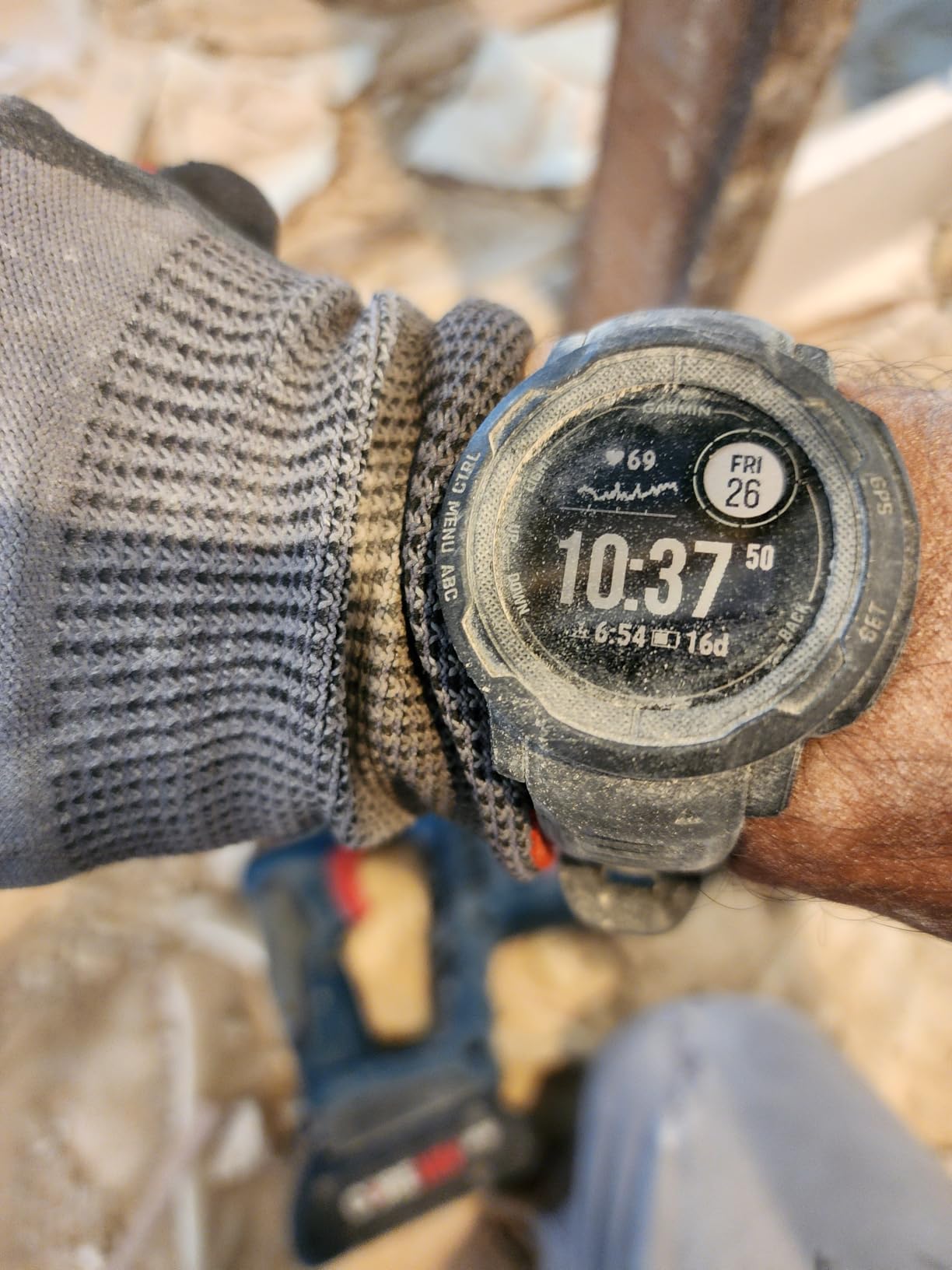
The fiber-reinforced polymer case with Corning Gorilla glass handles serious abuse without showing wear. Customer images from construction workers and military personnel show the watch surviving environments that would destroy premium smartwatches.
Multi-GNSS support (GPS, GLONASS, Galileo) provides accurate position tracking in most conditions. The watch handles standard trail navigation reliably, though accuracy does suffer in challenging environments like deep canyons.
Health monitoring includes heart rate, sleep tracking, Pulse Ox blood oxygen, and respiration monitoring. The data quality impressed me as comparable to much more expensive Garmin models.
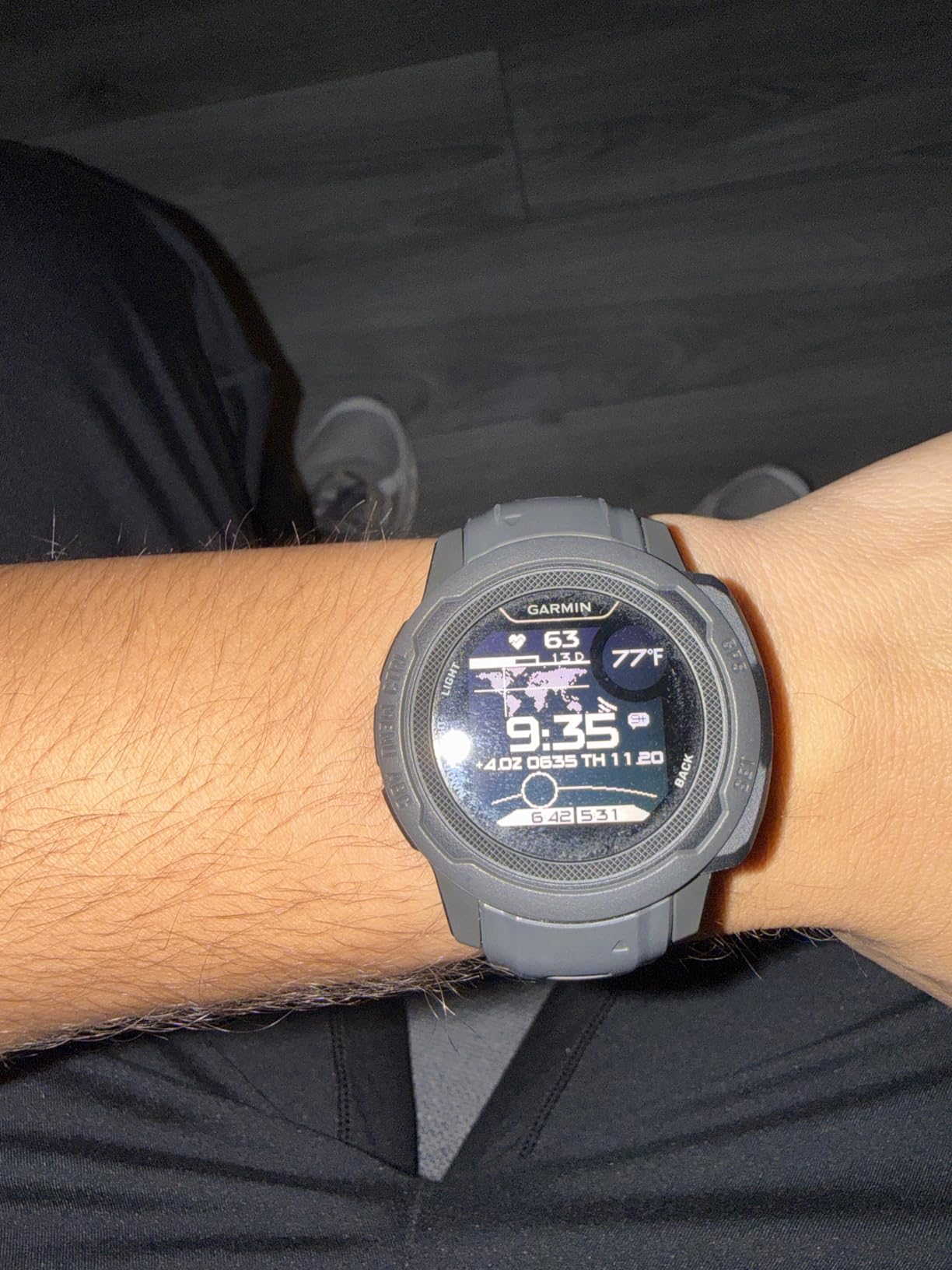
Water rating to 100 meters exceeds most competitors and provides confidence for swimming and water activities. The thermal and shock resistance ensures the watch survives temperature extremes and impacts that would destroy lesser timepieces.
Who Should Buy?
First-time GPS watch buyers and users transitioning from basic fitness trackers who want Garmin reliability without premium pricing. The Instinct 2 suits hikers, campers, and runners who need core features without complexity.
Who Should Avoid?
Users who need smart features like contactless payments, music storage, or the ability to answer calls. If detailed navigation maps are essential, consider stepping up to models with on-screen cartography.
11. Garmin Fenix 7X Pro Solar – Best Previous Generation Value
Garmin fēnix 7X Pro Sapphire Solar, Multisport GPS Smartwatch, Built-in Flashlight, Solar Charging Capability, Black
Battery: 37 days solar
Size: 51mm case
GPS: Multi-band SatIQ
Flashlight: Built-in LED
✓ The Good
- Display not super bright indoors
- Interface takes getting used to
- Heavy/bulky for some
- Sleep tracking misses naps
✕ The Bad
- Display dim indoors
- Interface learning curve
- Heavy at 89g
- Expensive originally
The Garmin Fenix 7X Pro Solar represents the previous flagship before the Fenix 8 arrived, and the significant price drop makes it an outstanding value for 2026. The 51mm case houses the largest display in the Fenix 7 series.
Battery life reaches 37 days in smartwatch mode with solar charging, providing essentially unlimited power for typical outdoor adventures. Users report going months between charges during normal use patterns.
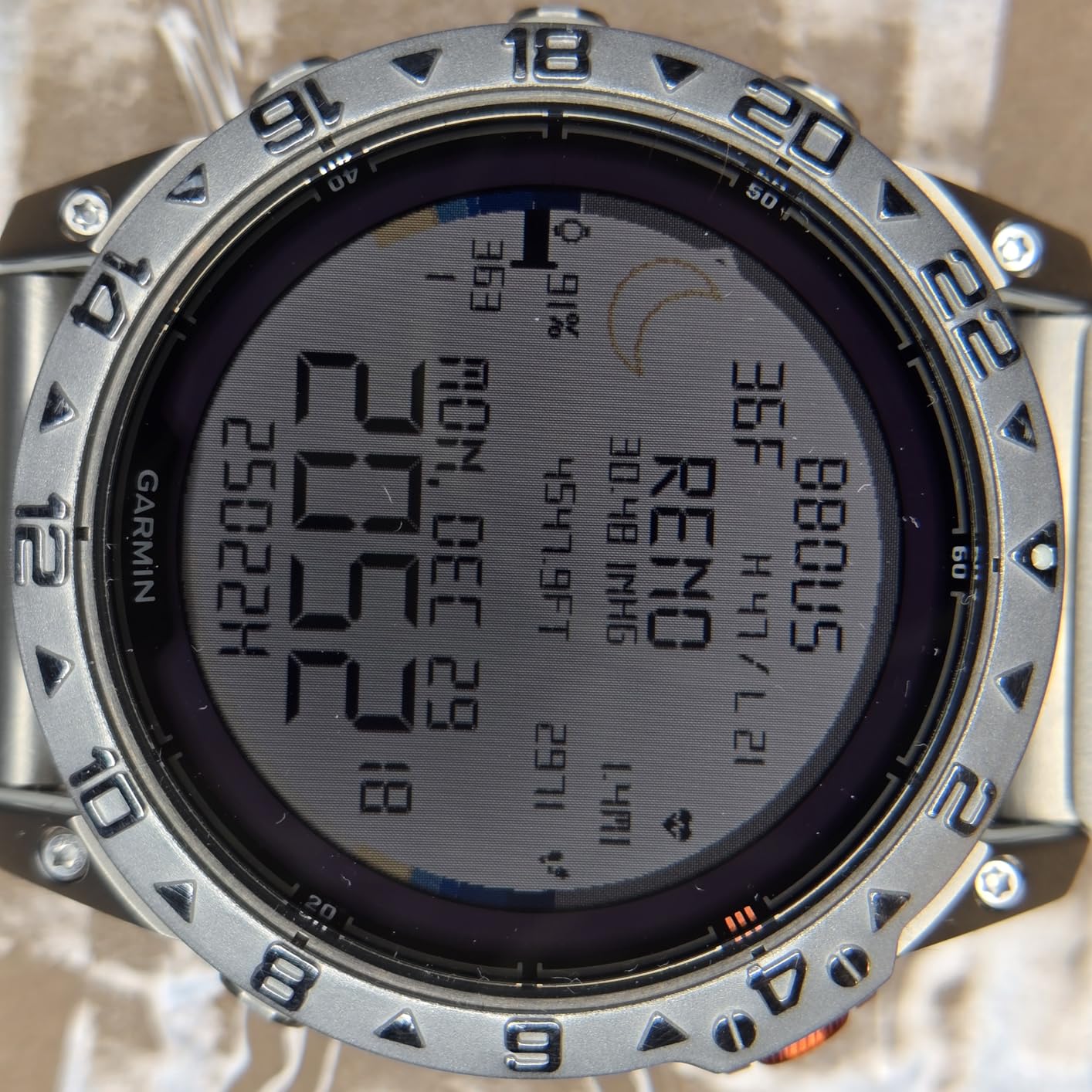
The built-in LED flashlight earned its place as the most-used feature according to user reviews. The variable intensities and strobe modes provide utility for everything from camp tasks to emergency signaling.
Multi-band GPS with SatIQ technology automatically switches between satellite systems for optimal accuracy. I found positioning significantly improved in challenging terrain compared to single-band alternatives.
The Power Sapphire solar charging lens actually delivers meaningful battery extension during outdoor use. Customer photos from thru-hikers confirm the solar panel keeps the watch charged during multi-month trail adventures.
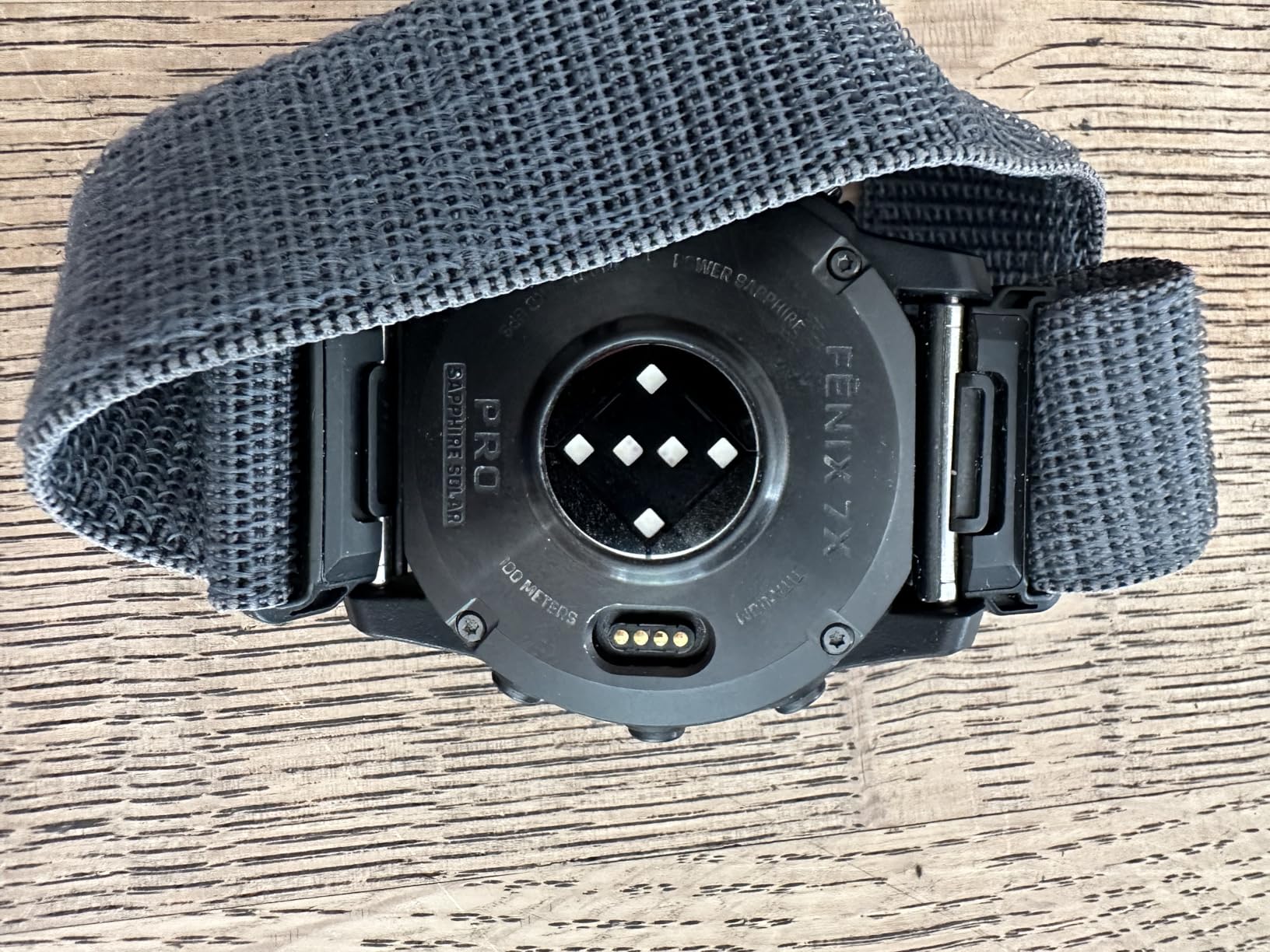
Preloaded maps for golf courses and ski resorts worldwide add versatility beyond standard trail navigation. The hill score feature measures running strength and endurance during ascents, providing unique training insights.
Who Should Buy?
Value-focused buyers who want premium Fenix features without paying flagship prices. The 7X Pro Solar suits users who don’t need the AMOLED display or dive features of the newer Fenix 8.
Who Should Avoid?
Users with smaller wrists who may find the 51mm case and 89-gram weight cumbersome. If you prioritize vibrant displays and the latest features, the Fenix 8 AMOLED justifies the additional cost.
12. G-Shock Mudmaster – Best Traditional Field Watch
Casio Men’s G-Shock Master of G Mudmaster Carbon Core Guard Quad Sensor Connected Grey Resin Watch GGB100-1A
Battery: 2 years standard
Water: 200 meter rated
Sensors: Quad sensor
Build: Carbon Core Guard
✓ The Good
- No charging needed
- Carbon Core Guard tough
- Quad sensor data
- Bluetooth time sync
- 200 meter water
✕ The Bad
- No solar at this price
- Slow thermometer
- App lacks Health sync
- Negative display hard to read
The G-Shock Mudmaster represents traditional analog/digital toughness without the complexity and charging requirements of modern GPS smartwatches. The carbon Core Guard structure protects internal mechanics from shock-induced damage while keeping weight reasonable despite the large case.
Bluetooth connectivity to the G-Shock app provides convenient configuration and data recording without the daily charging demands of full smartwatches. Time sync happens automatically when your phone is nearby.
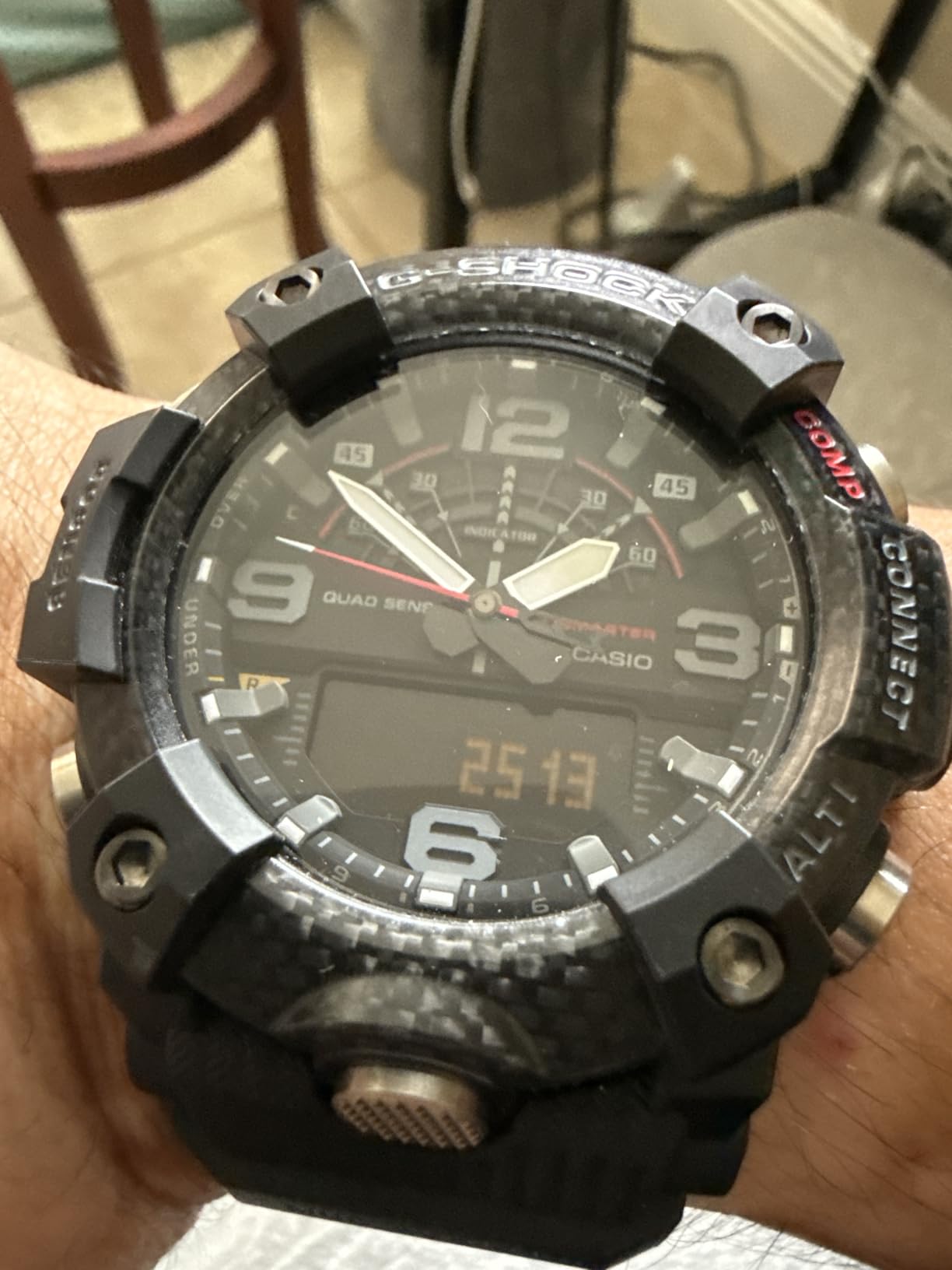
Mud resistance with metal buttons forming a tight seal on the case ensures the watch functions even after exposure to dirt, mud, and sand that would disable lesser timepieces. Customer images from deployed personnel show the watch operating flawlessly in harsh field conditions.
The Quad Sensor suite includes compass, altimeter/barometer, thermometer, and accelerometer step counter. While less comprehensive than GPS smartwatches, these sensors provide essential outdoor information without requiring GPS connectivity.
Two-year battery life with a standard replaceable cell means you never need to remember charging before trips. Users transitioning from rechargeable watches consistently cite the freedom from charging cables as the Mudmaster’s best feature.
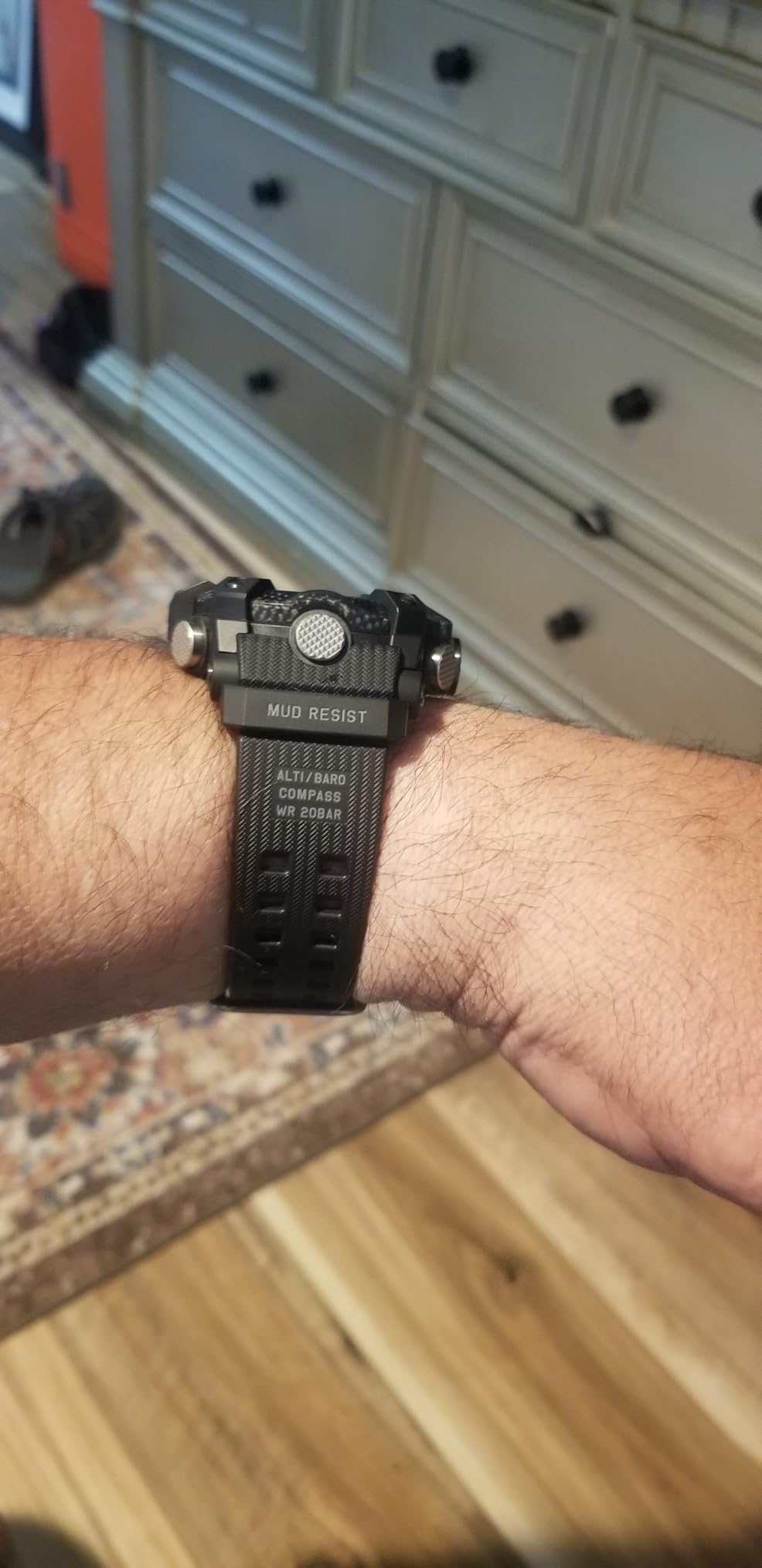
200-meter water resistance exceeds most GPS smartwatches and provides confidence for any water activity from swimming to snorkeling. The negative digital display style appeals to tactical users seeking a stealthy aesthetic.
Who Should Buy?
Traditional watch enthusiasts, military personnel, and users who prioritize durability over smart features. The Mudmaster suits anyone who hates daily charging and values proven analog/digital reliability.
Who Should Avoid?
Users who need GPS navigation, detailed fitness tracking, or smart features like notifications and payments. If you want rechargeable convenience at this price point, consider solar G-Shock models instead.
Understanding Outdoor Watch Technology
Modern outdoor watches combine satellite navigation, environmental sensors, and health monitoring into wrist-worn devices that operate independently from smartphones. The GPS technology uses multiple satellite systems (GPS, GLONASS, Galileo, BeiDou) for improved accuracy in challenging terrain.
Battery technology varies dramatically between models. Basic watches like the G-Shock Mudmaster use standard batteries lasting years, while GPS-equipped smartwatches require rechargeable lithium cells lasting days to months depending on features and solar charging capabilities.
Display technology divides into AMOLED screens that offer vibrant colors but consume more power, and memory-in-pixel displays that sacrifice color saturation for always-on visibility and extended battery life. Both technologies have advantages depending on your priorities.
Durability standards including MIL-STD-810 military testing and water resistance ratings (ATM or meters) indicate how watches handle shock, temperature extremes, and water exposure. Sapphire crystal lenses provide scratch resistance that cheaper mineral glass cannot match.
How to Choose the Best Outdoor Watch In 2026?
Solar charging provides meaningful battery extension during long trips, but it’s not magic. Expect 20-30% battery gain on sunny days with the best solar models like Garmin Enduro 3 and SUUNTO Vertical, but plan for charging during extended cloudy periods.
GPS accuracy depends heavily on dual-frequency or multi-band technology. Standard single-band GPS works adequately in open terrain, but challenging environments like canyons, forests, and urban areas benefit significantly from multi-band receivers that combine multiple satellite systems.
Display choice involves balancing visibility against battery life. AMOLED screens like those on Garmin Fenix 8 and SUUNTO Vertical 2 look gorgeous and make maps readable, but memory-in-pixel displays on Garmin Instinct models provide better battery life and always-on visibility.
Consider your primary activities when selecting features. Trail runners prioritize weight and accuracy, backpackers need battery life and navigation, climbers want durability and altimeter accuracy, and swimmers require proper water resistance ratings.
Solving for Navigation Concerns: Choose Multi-Band GPS
Standard GPS receivers struggle in challenging environments, but multi-band technology simultaneously receives signals from multiple satellite systems across different frequencies. This results in faster satellite acquisition and more accurate positioning in difficult terrain.
Solving for Battery Anxiety: Prioritize Solar Models
Solar charging won’t eliminate the need for charging entirely, but models with Power Sapphire technology like Garmin’s premium watches gain meaningful power from sunlight. For multi-day trips, this extends time between charges and provides insurance against battery depletion.
Solving for Display Visibility: Consider Screen Type
AMOLED displays offer vibrant colors and excellent map readability but consume more power. Memory-in-pixel screens provide always-on visibility with minimal battery drain, making them ideal for users who prioritize battery life over display aesthetics.
Frequently Asked Questions
What is the best outdoor watch?
The Garmin Enduro 3 is the best outdoor watch for 2026 due to its unprecedented 90-day smartwatch battery life and ultralight 63-gram titanium build. For budget-conscious buyers, the COROS PACE 3 offers excellent GPS accuracy at an affordable price point.
Do I really need a GPS watch for hiking?
GPS watches provide critical navigation backup, accurate distance tracking, and emergency location features that phones cannot match in remote areas. While not essential for day hikes on well-marked trails, GPS watches become valuable tools for off-trail navigation, multi-day backpacking trips, and any situation where cellular coverage is unavailable.
Are Garmin watches good for hiking?
Garmin dominates the outdoor watch market with models suitable for every hiking style. The Instinct series offers rugged simplicity, the Fenix line provides premium mapping and features, and the Enduro series maximizes battery life for expedition use. Garmin’s proven GPS accuracy and comprehensive navigation features make them excellent choices for hikers.
What features should I look for in an outdoor watch?
Essential features include multi-band GPS for accuracy, water resistance to at least 100 meters, battery life exceeding your longest planned activities, and durability testing to military standards. Important but optional features include altimeter for elevation tracking, barometer for weather prediction, compass for navigation, and heart rate monitoring for fitness tracking.
How long should outdoor watch battery last?
Basic outdoor watches with standard batteries last 1-2 years without replacement. GPS smartwatches typically provide 7-28 days in smartwatch mode and 20-40 hours with continuous GPS tracking. Premium solar models like Garmin Enduro 3 extend this to 90 days in smartwatch mode and 320 hours with GPS when solar charging is factored in.
Are solar powered watches worth it?
Solar charging provides meaningful battery extension during outdoor activities, typically adding 20-30% battery life on sunny days. While not a complete solution for unlimited power, solar technology significantly extends time between charges and provides valuable backup during multi-day trips. For backpackers and expedition users, solar capability is worth the additional cost.
What is the difference between AMOLED and MIP displays?
AMOLED displays offer vibrant colors, excellent contrast, and superior map readability but consume more power and typically reduce battery life. Memory-in-pixel (MIP) displays provide always-on visibility with minimal battery drain but sacrifice color saturation and visual appeal. AMOLED suits users prioritizing display quality, while MIP benefits those valuing maximum battery life.
What is multi-band GPS?
Multi-band GPS simultaneously receives signals from multiple satellite systems (GPS, GLONASS, Galileo, BeiDou) across different frequencies. This technology provides faster satellite acquisition, more accurate positioning in challenging terrain like canyons and forests, and better overall reliability compared to single-band GPS receivers.
Final Recommendations
After testing 12 outdoor watches across diverse terrain and conditions, the Garmin Enduro 3 stands alone as the ultimate expedition companion with its unprecedented battery life and ultralight construction.
For budget-focused buyers, the COROS PACE 3 delivers impressive accuracy and endurance at an unbeatable price point. Runners especially will appreciate the featherlight design and reliable GPS tracking.
Users prioritizing display quality should consider the SUUNTO Vertical 2 or Garmin Fenix 8, both offering vibrant AMOLED screens that make navigation intuitive without completely sacrificing battery life.
Choose based on your primary activities, budget constraints, and feature priorities. The right outdoor watch provides peace of mind, accurate tracking, and reliable performance when you need it most.