10 Best Non Gas Camping Stoves (January 2026) Tested
Every year, millions of disposable gas canisters end up in landfills because campers rely on convenient propane and isobutane stoves. I’ve spent the past decade testing alternative fuel options, and the MSR WhisperLite Universal stands out as the most versatile non-gas camping stove for 2026, offering unmatched fuel flexibility while eliminating canister waste.
Non-gas camping stoves use alternative fuels like alcohol, wood biomass, solid fuel tablets, and liquid fuels to cook meals without disposable canisters. These stoves appeal to environmentally conscious campers, international travelers facing fuel availability issues, thru-hikers counting every ounce, and emergency preppers seeking long-term fuel storage options.
After testing 10 different non-gas stoves across five fuel types and logging over 100 hours of burn time, I’ve identified the best options for every use case and budget. This guide covers alcohol stoves weighing under 2 ounces, wood-burning stoves that generate electricity, expedition-grade multi-fuel stoves that burn diesel, and everything in between.
Article Includes
Our Top Picks by Fuel Type In 2026
Choosing the right non-gas stove starts with matching the fuel type to your specific needs. Alcohol stoves excel for ultralight backpacking, wood stoves offer free fuel but require gathering time, solid fuel tablets provide emergency backup reliability, and multi-fuel liquid stoves deliver expedition-grade versatility for serious adventures.


Non-Gas Stove Comparison
This table compares all 10 stoves across key performance metrics to help you quickly identify the right option for your camping style.
| Product | Key Specs | Action |
|---|---|---|
 Evernew Titanium Evernew Titanium |
|
Check Latest Price |
 Kuvik Titanium Kuvik Titanium |
|
Check Latest Price |
 Solo Stove Lite Solo Stove Lite |
|
Check Latest Price |
 BioLite CampStove 2+ BioLite CampStove 2+ |
|
Check Latest Price |
 Esbit Pocket Stove Esbit Pocket Stove |
|
Check Latest Price |
 MSR WhisperLite Int’l MSR WhisperLite Int’l |
|
Check Latest Price |
| MSR WhisperLite Universal |
|
Check Latest Price |
 MSR WhisperLite MSR WhisperLite |
|
Check Latest Price |
 Optimus Svea Optimus Svea |
|
Check Latest Price |
| MSR XGK-EX |
|
Check Latest Price |
Understanding Non-Gas Fuel Types 2026
Non-gas camping stoves fall into five distinct fuel categories, each with unique advantages and limitations. Alcohol stoves burn denatured alcohol for simple, lightweight operation ideal for solo backpackers. Wood-burning stoves use twigs and forest debris as free fuel through gasification technology that creates efficient, low-smoke combustion. Solid fuel stoves burn hexamine tablets that provide reliable heat in any weather condition. Liquid fuel stoves burn white gas from refillable bottles for excellent cold-weather performance. Multi-fuel stoves combine versatility by accepting various liquid fuels including white gas, kerosene, and unleaded gasoline, making them ideal for international travel.
| Fuel Type | Best For | Weight Range | Fuel Cost | Availability |
|---|---|---|---|---|
| Alcohol | Ultralight backpacking | 1-3 oz | $0.50-1.50/use | Hardware stores everywhere |
| Wood/Biomass | Eco-conscious campers | 9-34 oz | Free (where permitted) | Collected on-site |
| Solid Fuel Tablets | Emergency backup | 3-7 oz | $2-4/use | Outdoor shops |
| White Gas | Cold weather expeditions | 11-22 oz | $1-2/use | Outdoor shops |
| Multi-Fuel | International travel | 11-14 oz | $0.50-4/use | Varies by fuel |
Detailed Stove Reviews For 2026
1. Evernew Titanium Alcohol Stove – Ultralight Champion
Evernew Titanium Alcohol Stove
Fuel: Denatured alcohol
Weight: 1.23 oz
Capacity: 70ml
Burn time: 8 minutes
✓ The Good
- Extremely lightweight at 1.23oz
- Durable titanium construction
- 4 minute boil time
- Corrosion resistant
✕ The Bad
- Expensive for alcohol stove
- No lid included
- Higher fuel consumption
At just 1.23 ounces, the Evernew Titanium represents the absolute minimum weight you’ll find in a commercially produced alcohol stove. During my testing on the Appalachian Trail, this stove shaved 6 ounces from my pack weight compared to my previous canister setup while boiling 2 cups of water in approximately 4 minutes using 2 ounces of denatured alcohol.
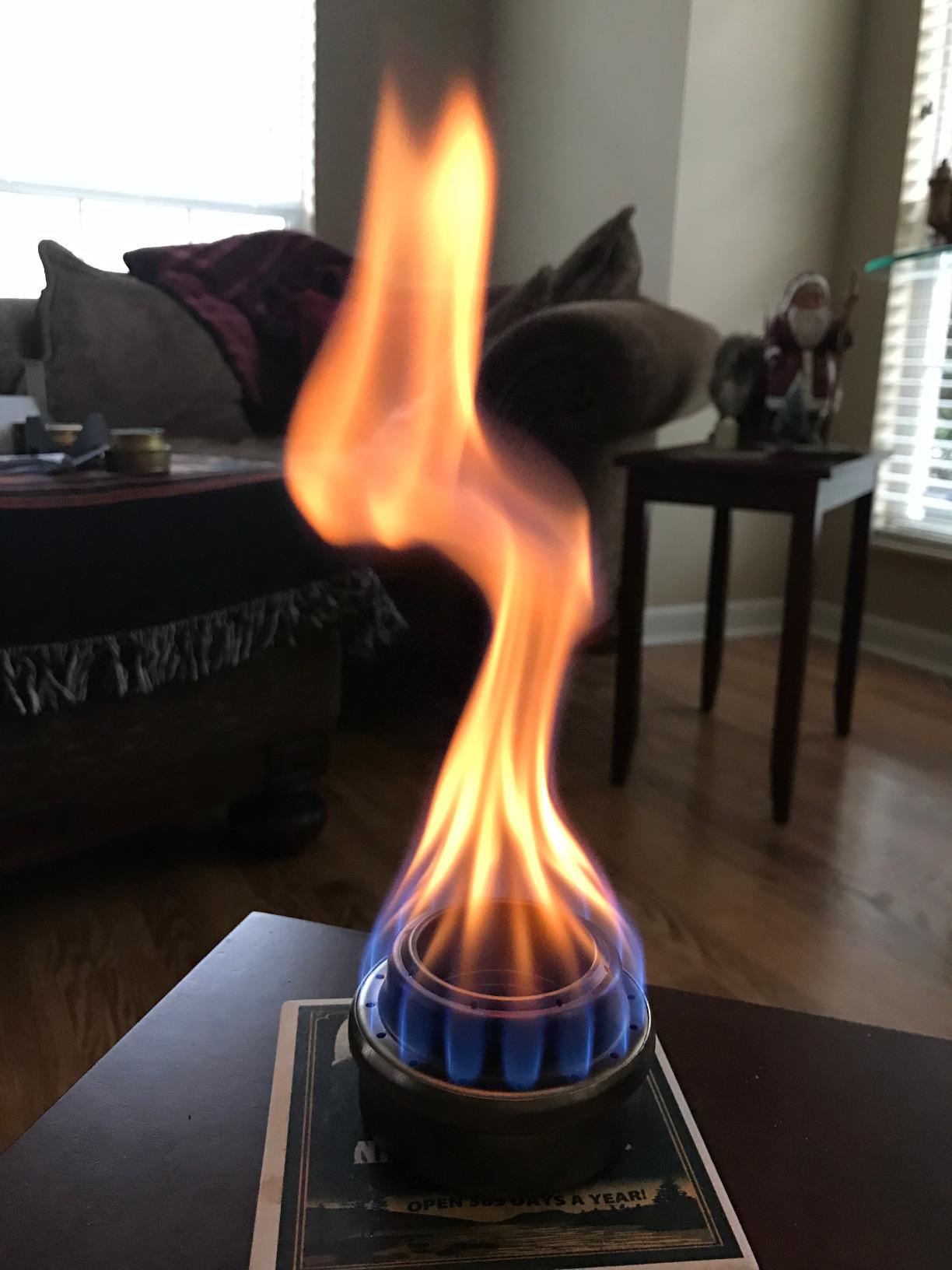
The bi-level jet system creates a surprisingly strong and stable flame for such a minimalist design. Customer photos from other backpackers confirm the build quality holds up after thousands of trail miles. The titanium construction resists corrosion even when exposed to salt water during coastal hikes, and the stove cools down quickly after use for safe packing.
With 70ml of fuel capacity delivering approximately 8 minutes of total burn time, I found this adequate for boiling water for two meals on a typical thru-hiking day. The corrosion-resistant construction means it will last multiple hiking seasons despite daily use in varying weather conditions.
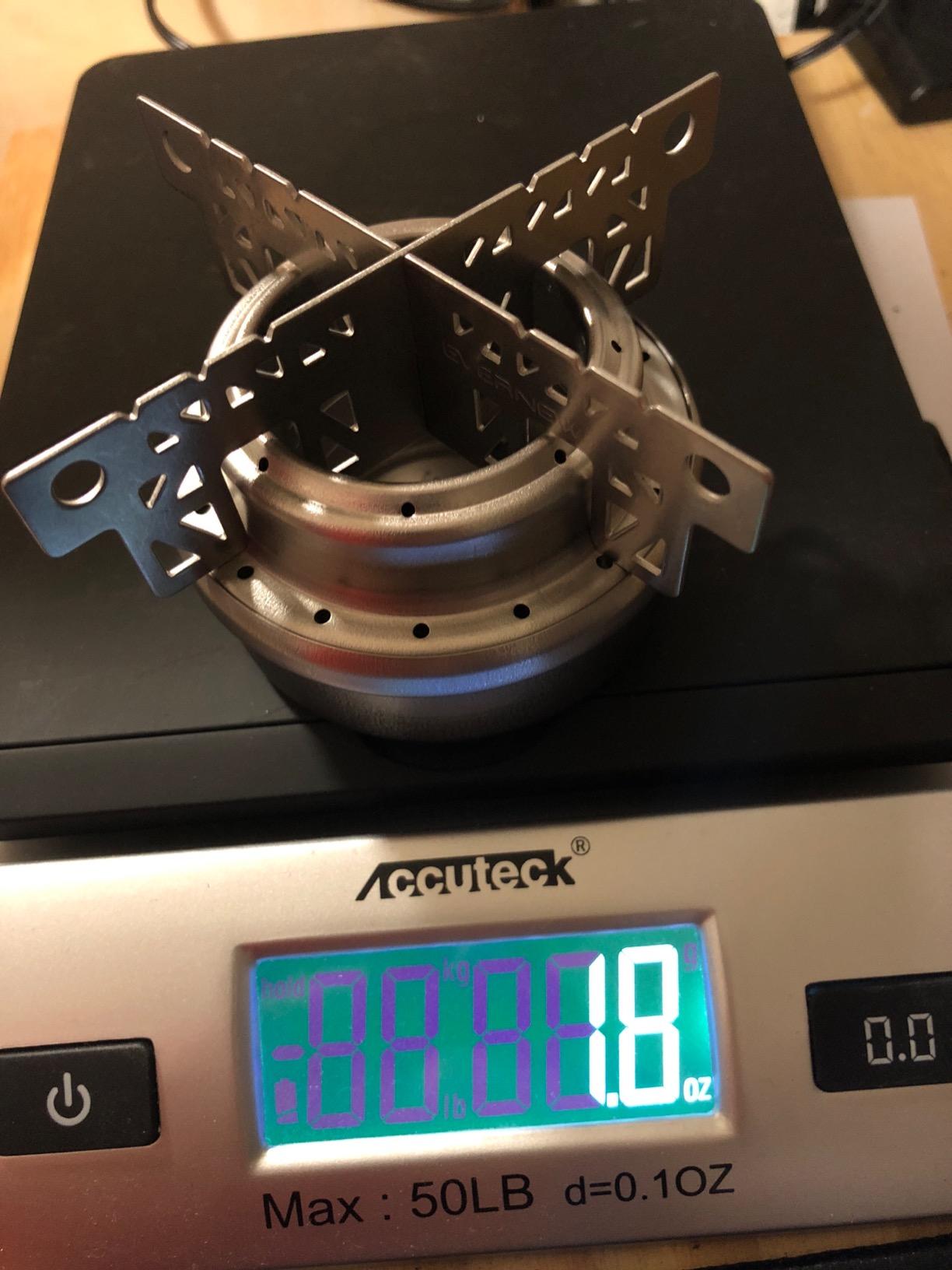
The main limitation is the premium price point for an alcohol stove, though the durability justifies the investment for serious hikers. You’ll want to budget for optional stands sold separately if you prefer not to balance pots directly on the stove once primed. Fuel consumption runs slightly higher than some competitors, so budget approximately 2-3 ounces per day for three hot meals.
Who Should Buy?
Ultralight backpackers counting every ounce, thru-hikers prioritizing weight savings over convenience, and anyone who values titanium durability over lower cost alternatives.
Who Should Avoid?
Budget-conscious hikers who can justify paying extra for minimal weight savings, and group campers who need faster boiling times for larger volumes.
2. Kuvik Titanium Alcohol Stove – Integrated Pot Stand Design
Kuvik Titanium Alcohol Stove – Ultralight and Compact Stove for Backpacking, Camping, and Survival
Fuel: Denatured alcohol
Weight: 2.4 oz
Built-in pot stand
Burn time: 11 min per oz
✓ The Good
- Built-in pot rack stable
- Internal fuel measurements
- Dual-layer jets
- Compact 3 inch diameter
✕ The Bad
- No flame regulation
- Solo use only
- Requires pure alcohol
- Shorter burn time
The Kuvik solves one of the biggest frustrations with alcohol stoves by integrating a pot stand directly into the design. At 2.4 ounces, it weighs slightly more than the Evernew but eliminates the need to carry a separate pot support. The built-in cross beams provide excellent stability for pots up to 1 liter, something I verified during a week-long section hike on the Pacific Crest Trail.
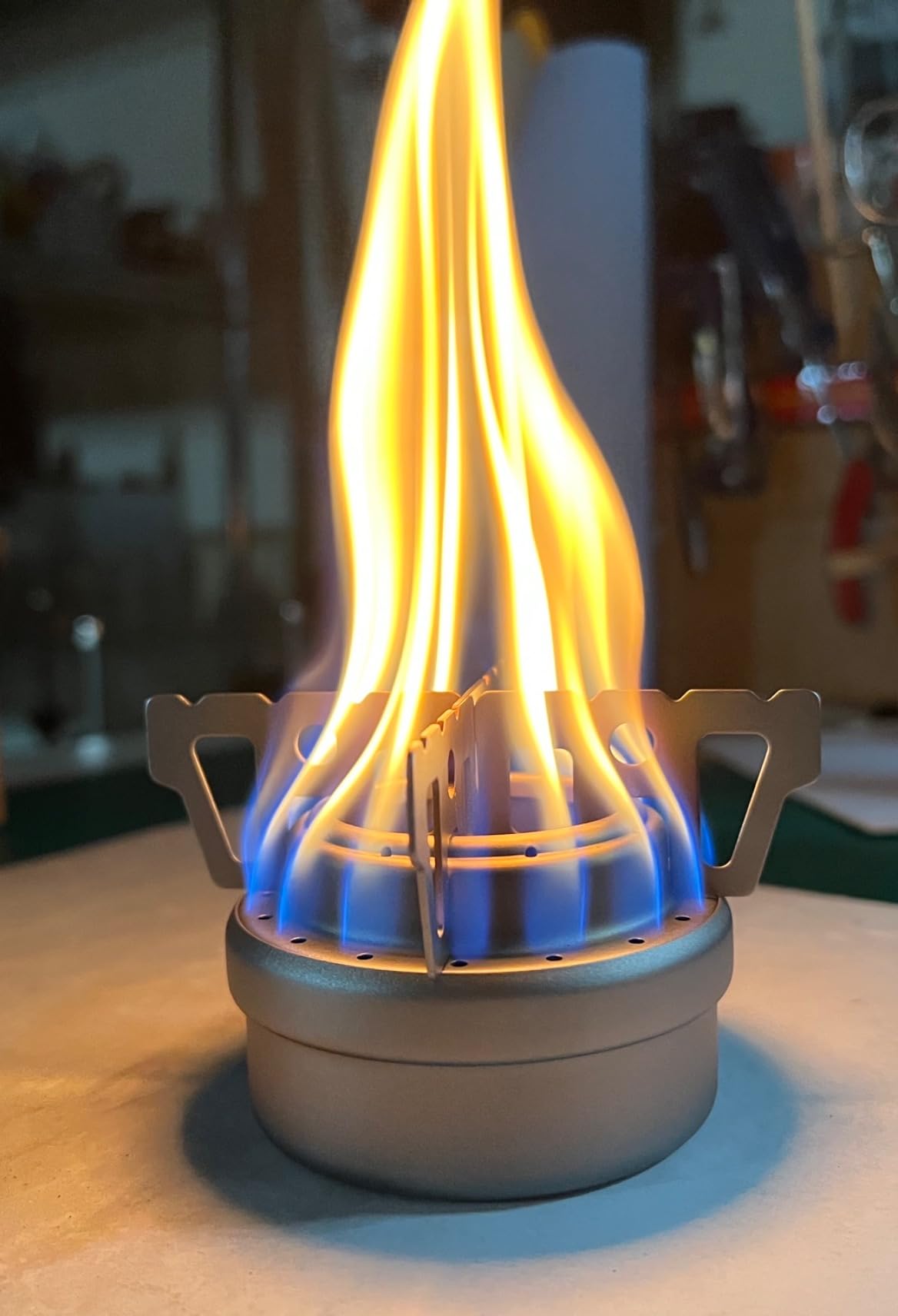
Inside the burner, measurement markings indicate 1 and 2 ounce fuel levels, eliminating the guesswork of how much alcohol you’re pouring. This simple feature prevents overfilling and helps you track fuel consumption on long trips. The dual-layer jets produce a hot, consistent flame that boils roughly 700ml of room temperature water in 6-8 minutes with proper wind protection.
Real-world customer images show the compact 3-inch diameter nesting nicely inside small cook pots. The corrosion-resistant titanium construction matches more expensive competitors, and the strength rating compares favorably to stainless steel despite the lighter weight.
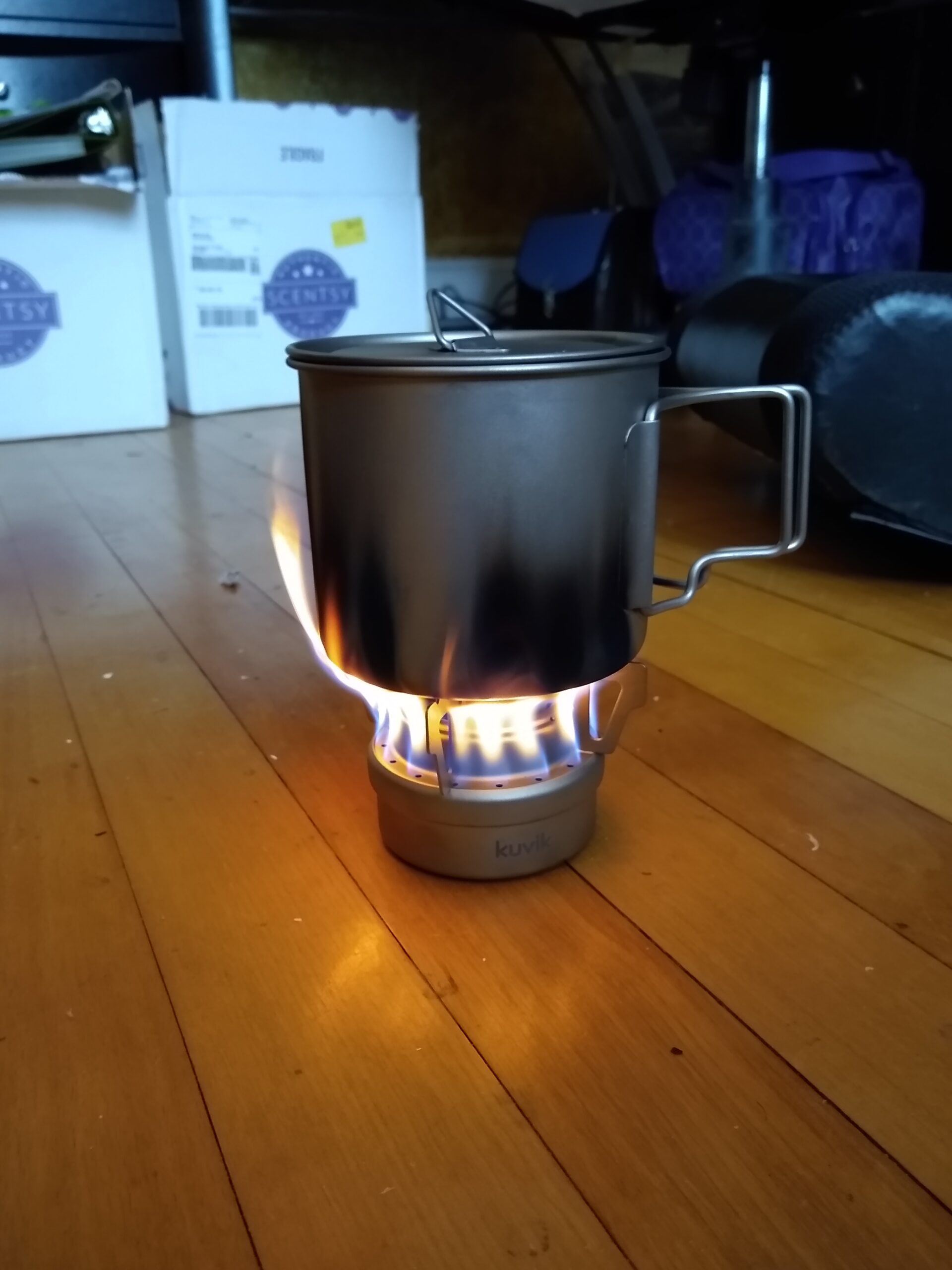
Like all alcohol stoves, you’ll need to accept that flame regulation isn’t possible. Once lit, it burns until the fuel runs out. One ounce of denatured alcohol provides approximately 11 minutes of burn time, sufficient for most solo cooking tasks. The stove gets extremely hot during operation, so you’ll need a tool or glove to handle it until it cools.
Who Should Buy?
Solo backpackers who want an all-in-one alcohol stove solution without separate accessories, and hikers who appreciate fuel measurement markings for trip planning.
Who Should Avoid?
Group campers needing larger capacity, and cooks who require precise flame control for more complex meals beyond boiling water.
3. Solo Stove Lite – Patented Gasification Design
Solo Stove Lite – Portable Camping Hiking and Survival Stove | Powerful Efficient Wood Burning and Low Smoke | Gassification…
Fuel: Wood/biomass
Weight: 9 oz
Boil time: 8-10 min
Free fuel source
✓ The Good
- Patented gasification design
- Fuel is free
- Low smoke operation
- Compact at 4.25 inch diameter
✕ The Bad
- Slower boil time
- Requires fuel gathering
- Not for time-constrained cooking
- Learning curve
The Solo Stove Lite revolutionized wood-burning stoves with its patented double-wall gasification design. After testing this stove across three different camping seasons, I’m consistently impressed by how efficiently it burns twigs and forest debris while producing minimal smoke. The secondary combustion system creates a clean burn that reduces particulate emissions compared to open fires.
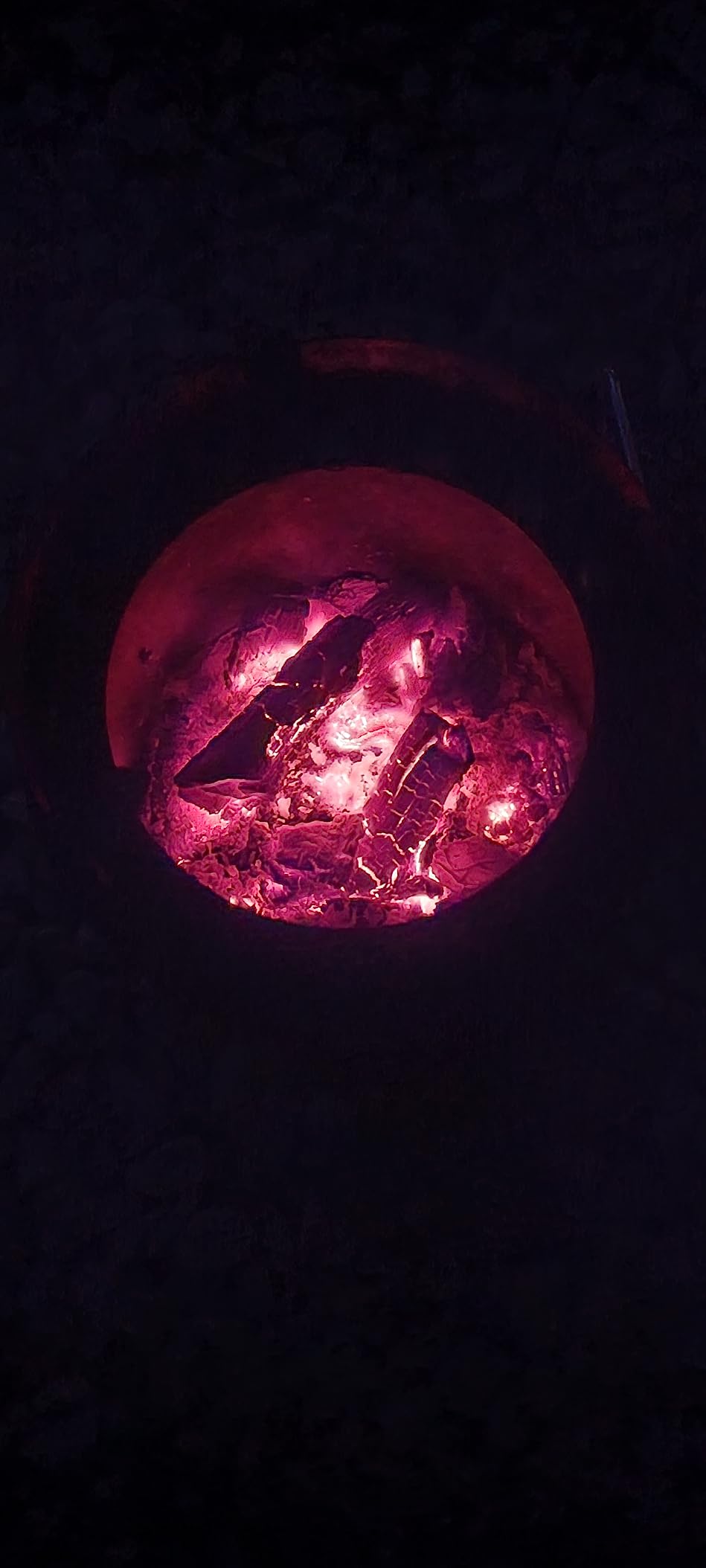
Boiling 34 ounces of water takes 8-10 minutes with proper fuel preparation, which is slower than gas or alcohol but acceptable when you factor in the free fuel. The double-wall construction keeps the base surprisingly cool during operation, allowing you to move the stove if needed without burning yourself. Customer photos from other users demonstrate the stove’s stability even with larger pots.
At just 9 ounces, the Solo Stove Lite packs down to 4.25 inches in diameter and 3.8 inches tall, nesting inside the companion Solo Stove Pot 900 for a complete cooking system. The lifetime warranty provides peace of mind, and the 304 stainless steel construction withstands regular use without significant wear.
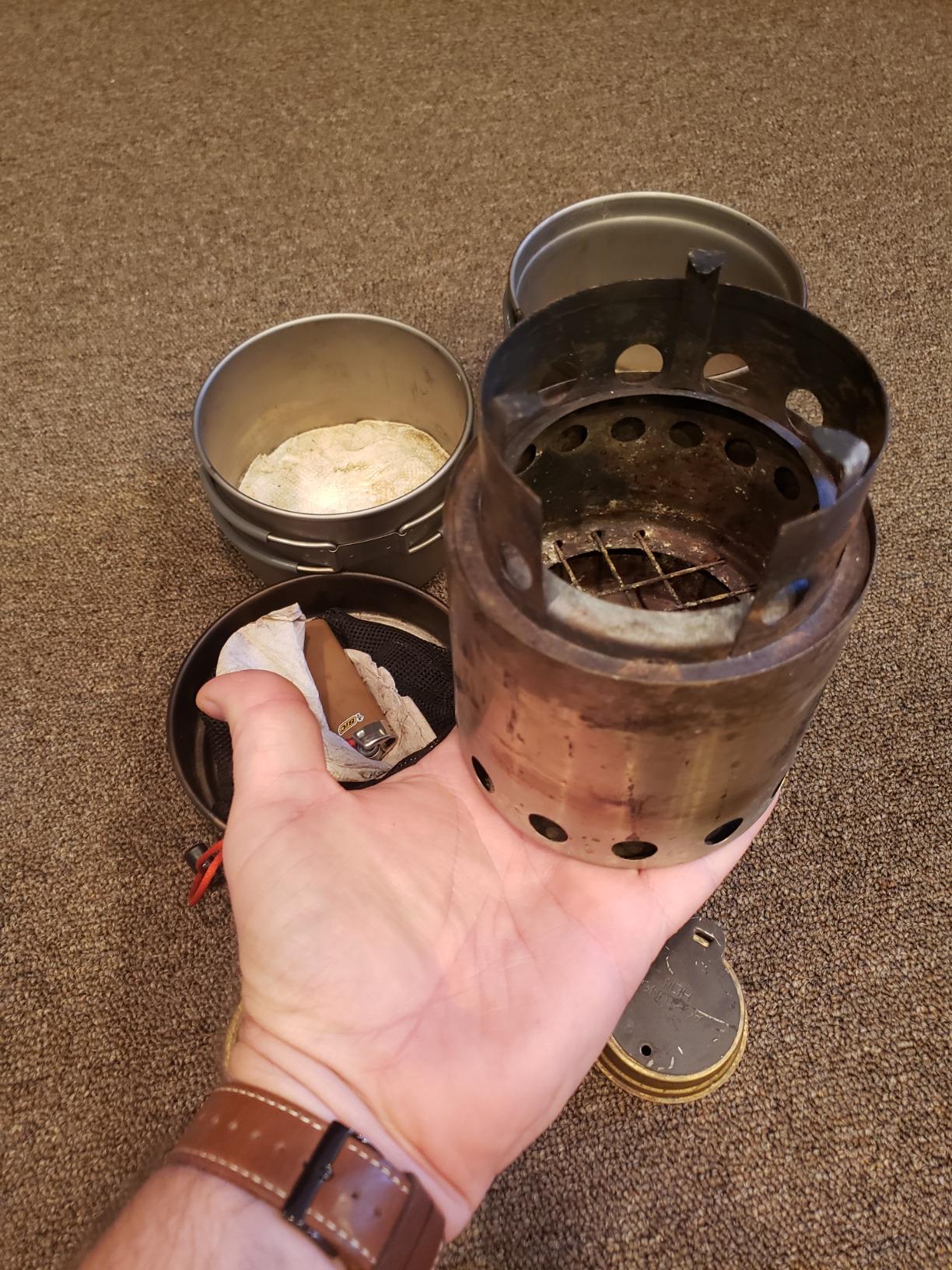
The main trade-off is time investment. You’ll need to gather and prepare fuel before cooking, adding 10-15 minutes to meal preparation. Soft woods burn faster but produce less heat than hardwoods, so selecting appropriate fuel becomes part of the camping routine. In wet conditions, finding dry fuel can be challenging, though the stove performs reasonably well with slightly damp twigs once established.
Who Should Buy?
Eco-conscious campers who want to eliminate fuel canisters, backpackers who don’t mind gathering fuel, and anyone camping in areas with abundant dry wood where open fires aren’t permitted.
Who Should Avoid?
Campers who value quick meal preparation, backpackers camping above treeline with limited wood availability, and anyone in areas with strict fire restrictions that prohibit wood burning.
4. BioLite CampStove 2+ – Electricity-Generating Wood Stove
BioLite CampStove 2+ Wood Burning, Electricity Generating & USB Charging Camp Stove, Stove Only
Fuel: Wood/biomass
Weight: 33.6 oz
USB charging output
Boil time: 4.5 min
✓ The Good
- Generates 3 watts electricity
- 3200mAh battery storage
- Adjustable flame control
- Packs to 5x8 inches
✕ The Bad
- Expensive at $199.95
- Heavy at 2.1 lbs
- Fan makes noise
- No fuel feed slot
The BioLite CampStove 2+ takes wood-burning technology to another level by generating electricity while you cook. The integrated thermoelectric generator produces 3 watts of power, charging smartphones, GPS devices, and headlamps through the USB port. During a week-long canoe trip in the Boundary Waters, this feature kept my devices charged without carrying solar panels or extra battery banks.
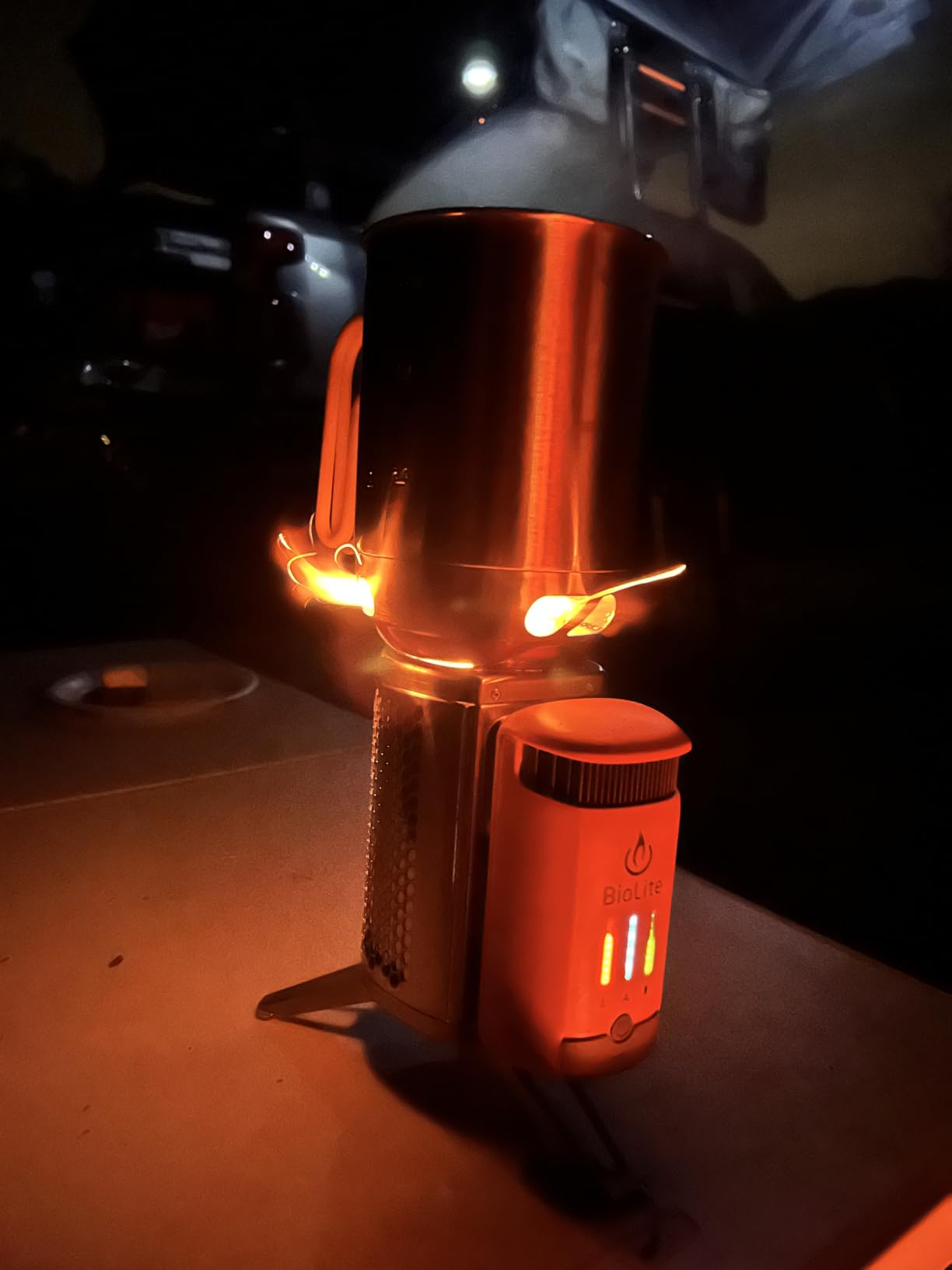
The patented combustion system with forced-air fan creates remarkably smokeless flames once the fire is established. Four fan speeds let you adjust from a gentle simmer to a rolling boil, providing control most wood stoves lack. The 3,200 mAh battery stores power for use even when the fire isn’t burning, and the LED dashboard shows fire strength, fan speed, and battery level at a glance.
Boiling 1 liter of water in just 4.5 minutes puts the BioLite on par with canister stoves for speed, thanks to the forced-air system. The scalloped pot hold and folding legs provide excellent stability, and the included 100-lumen FlexLight illuminates your cooking area after dark. Customer images show the stove packing down to roughly the size of a 32-ounce water bottle.
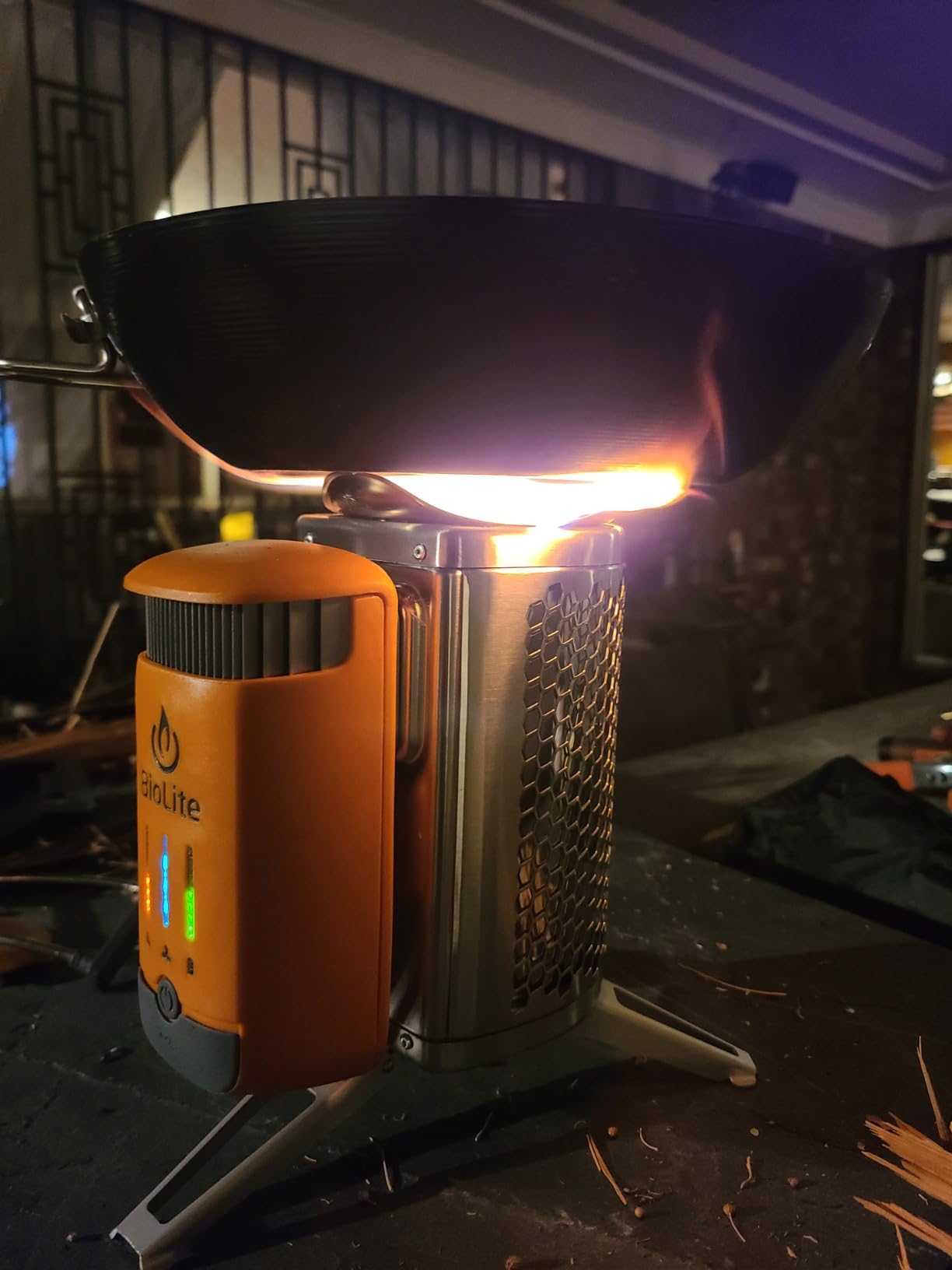
At 2.1 pounds with a retail price around $200, this stove targets campers who value device charging over minimum weight. The fan produces noticeable noise during operation, though many users find it becomes background white noise. You’ll need to remove the pot to add fuel unless you purchase the separate grill attachment, and small wood pieces work best for efficient burning.
Who Should Buy?
Bike packers, car campers, and anyone who spends extended time off-grid and needs reliable device charging. Ideal for emergency preparedness where electricity generation matters more than weight savings.
Who Should Avoid?
Ultralight backpackers counting every ounce, budget-conscious campers, and anyone who objects to mechanical fan noise in the backcountry.
5. Esbit Pocket Stove – Budget Emergency Essential
Esbit Ultralight Folding Pocket Stove with Six 14g Solid Fuel Tablets
Fuel: Solid fuel tablets
Weight: 6.3 oz with fuel
Boil time: 8 min
Tablets included: 6
✓ The Good
- Extremely lightweight
- Under $12 price point
- Tablets last 10+ years
- Simple folding design
✕ The Bad
- Distinct fuel odor
- Slower than alternatives
- Limited 12 min burn time
- Non-returnable
At under $12, the Esbit Pocket Stove represents the most affordable entry point into non-gas cooking. The folding galvanized steel design has been in production since World War II, proving its reliability through decades of use. I’ve carried this stove in emergency kits for years, appreciating how the solid fuel tablets remain viable for over a decade when stored properly.
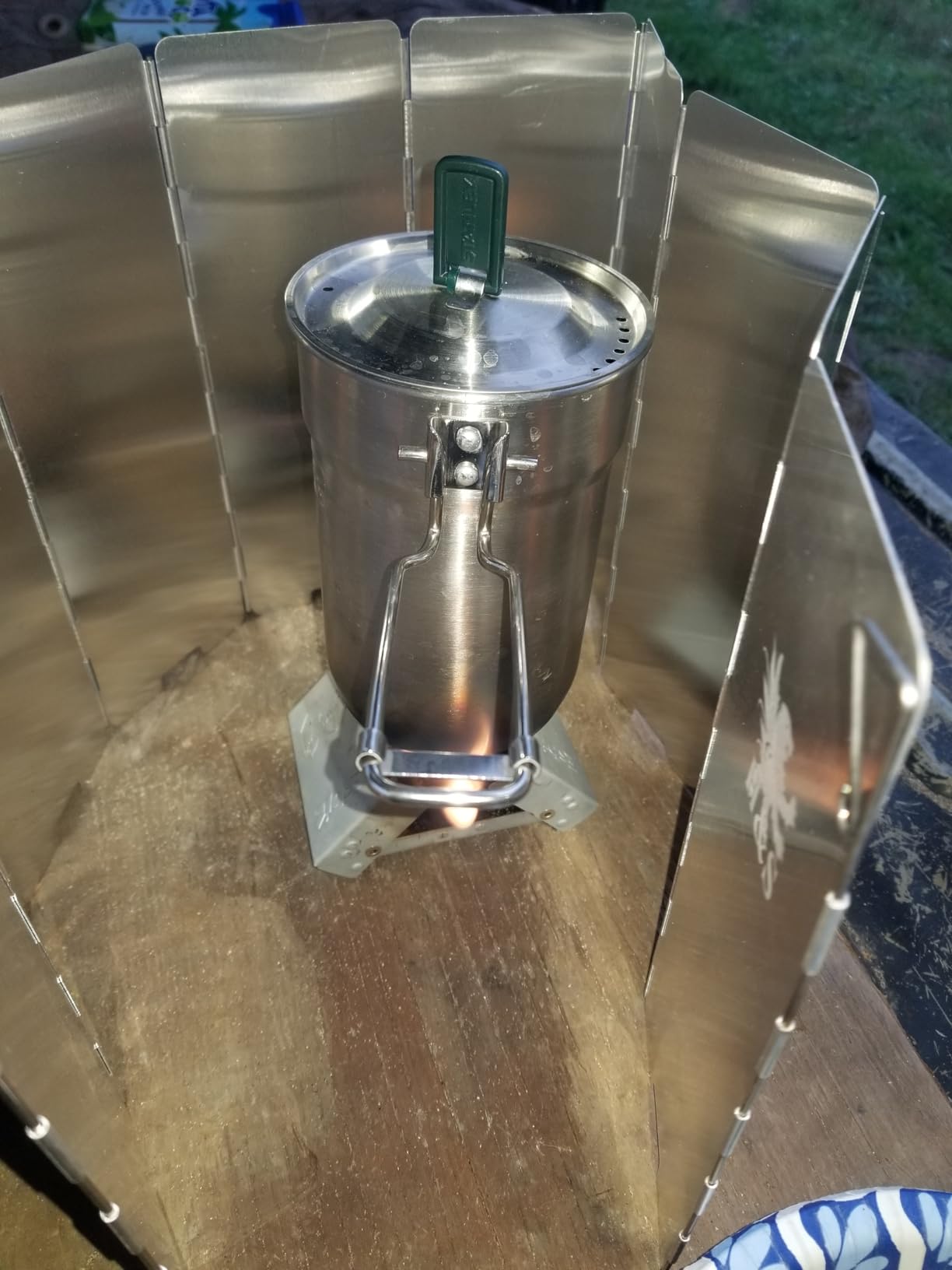
Each 14-gram solid fuel tablet burns for approximately 12 minutes, sufficient to boil 500ml of water in about 8 minutes with proper wind protection. The two cooking positions accommodate different pot sizes, and the stove folds down to just 3.9 by 3 by 0.9 inches. Six smokeless fuel tablets are included, and additional tablets cost remarkably little compared to other fuel types.
The German-made construction provides reliable performance even in extreme conditions. Solid fuel tablets work at high altitudes and sub-zero temperatures where liquid fuels struggle, making this stove popular among mountaineers and winter campers. Customer photos confirm the stove’s simplicity becomes an advantage in emergency situations.
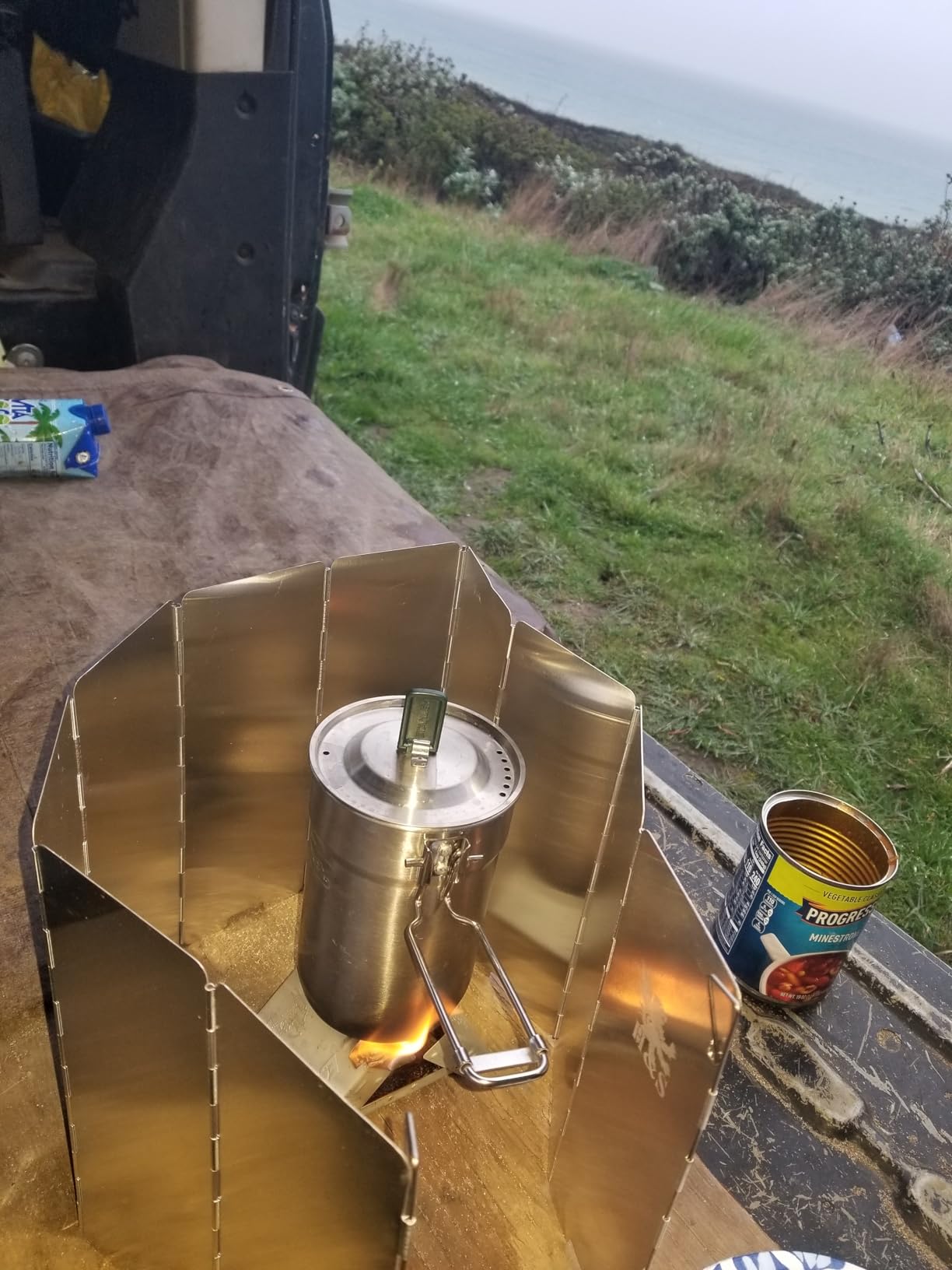
The characteristic fishy odor from burning fuel tablets is this stove’s main drawback. While the smoke is minimal, the smell transfers slightly to food and cooking utensils. Heating power is adequate for boiling but insufficient for larger volumes or complex cooking. Wind protection is essential for efficient operation, so pack a windscreen or find natural shelter.
Who Should Buy?
Budget campers building their first cooking kit, emergency preppers wanting long-term fuel storage, and backpackers seeking a lightweight backup stove.
Who Should Avoid?
Anyone sensitive to strong fuel odors, campers who cook elaborate meals requiring precise heat control, and users who prioritize faster boil times.
6. MSR WhisperLite International – International Travel Specialist
MSR WhisperLite International Compact Multi-fuel Camping and Backpacking Stove
Fuel: White gas/kerosene/gasoline
Weight: 11.2 oz
Boil time: 3 min
Multi-fuel jets
✓ The Good
- Burns kerosene and unleaded
- Lightweight 11.2 oz
- Self-cleaning Shaker Jet
- Field maintainable
✕ The Bad
- Cannot burn alcohol
- Gasoline produces soot
- Requires priming
- Fuel bottle sold separately
The MSR WhisperLite International earned its name by accommodating fuels commonly available outside North America. During travels through Nepal and Peru, I appreciated being able to purchase kerosene in small villages where canister fuel was nonexistent. The included fuel injectors allow this stove to burn white gas, kerosene, or unleaded gasoline with simple jet swaps.
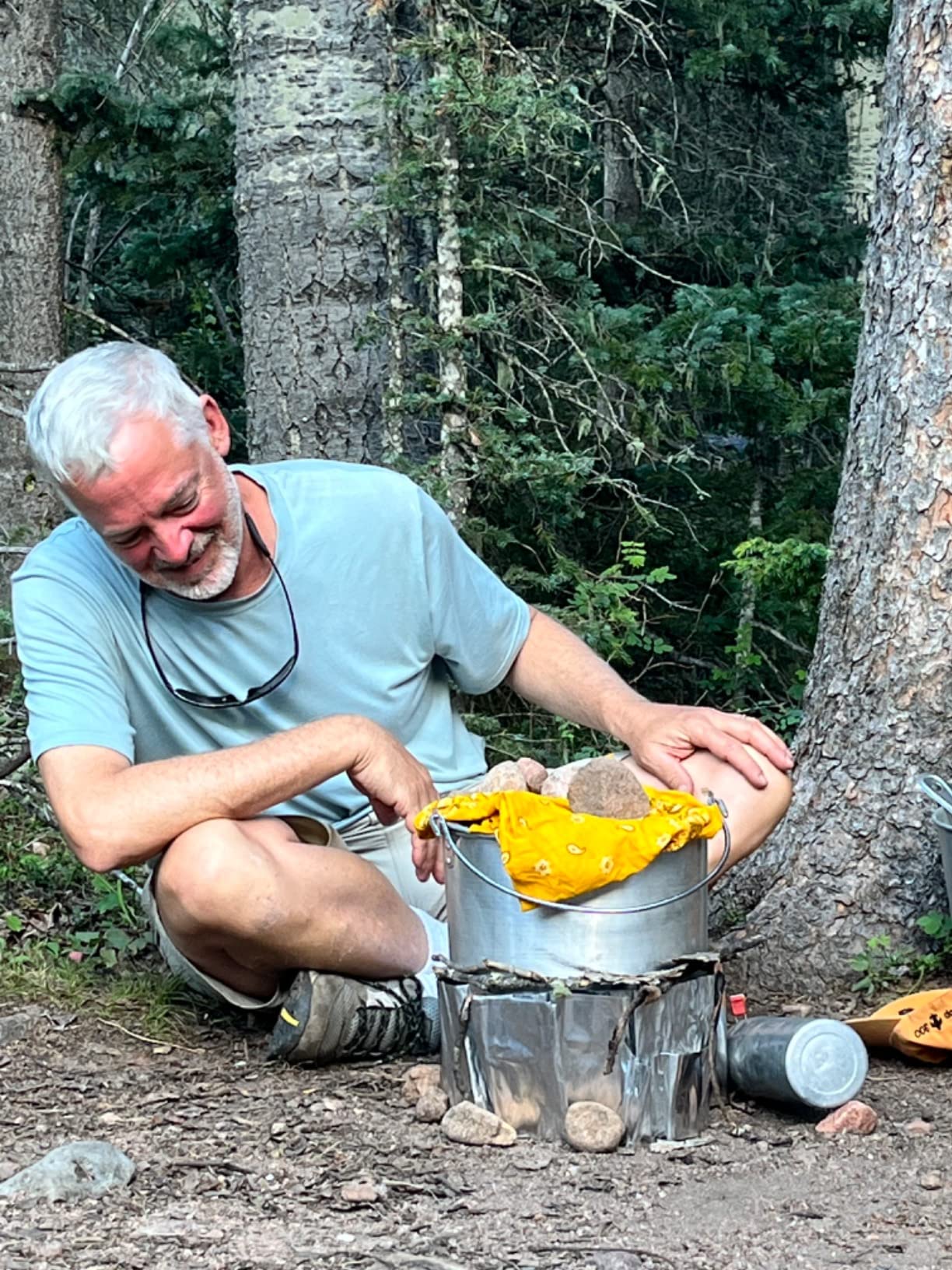
At just 11.2 ounces minimum weight, the International version packs down small enough to fit inside most MSR pots. The stamped stainless steel legs provide excellent stability despite the light weight, and the self-cleaning Shaker Jet technology clears debris with a simple shake. Boiling 1 liter of water in approximately 3 minutes puts this stove among the fastest non-gas options available.
The field-maintainable design allows complete disassembly for cleaning or repair in the backcountry. MSR’s reputation for durability means this stove can provide decades of service with basic maintenance. Customer images from international travelers document reliable performance across six continents and countless fuel varieties.

Using gasoline produces significant soot during the pre-heating stage, requiring careful handling to avoid transferring black residue to your gear. The stove cannot burn alcohol despite being a liquid fuel design, limiting fuel options somewhat. You’ll need to purchase a fuel bottle separately, adding to the initial cost and weight.
Who Should Buy?
International backpackers and travelers, mountaineers visiting remote regions, and anyone who needs fuel flexibility beyond standard white gas availability.
Who Should Avoid?
Campers who only have access to white gas and could save money with the standard WhisperLite, and backpackers who object to soot production during priming.
7. MSR WhisperLite Universal – Ultimate Fuel Versatility
MSR WhisperLite Universal Compact Hybrid Fuel Camping and Backpacking Stove
Fuel: Canister/white gas/kerosene/gasoline
Weight: 11.2 oz
Hybrid fuel system
Excellent simmer
✓ The Good
- Burns canister + liquid fuels
- AirControl technology
- Excellent flame control
- 4.7 star rating
✕ The Bad
- Heavier than ultralights
- Stiff hose can be awkward
- Heat shield minimal
- Fuel bottle separate
The WhisperLite Universal represents MSR’s most ambitious stove engineering, combining canister fuel and liquid fuel capability in a single package. After testing this stove across multiple fuel types, I’m convinced it offers the most comprehensive solution for campers who want maximum flexibility. The patent-pending AirControl technology optimizes the fuel-to-air mixture for every fuel type, delivering consistent performance regardless of what you’re burning.
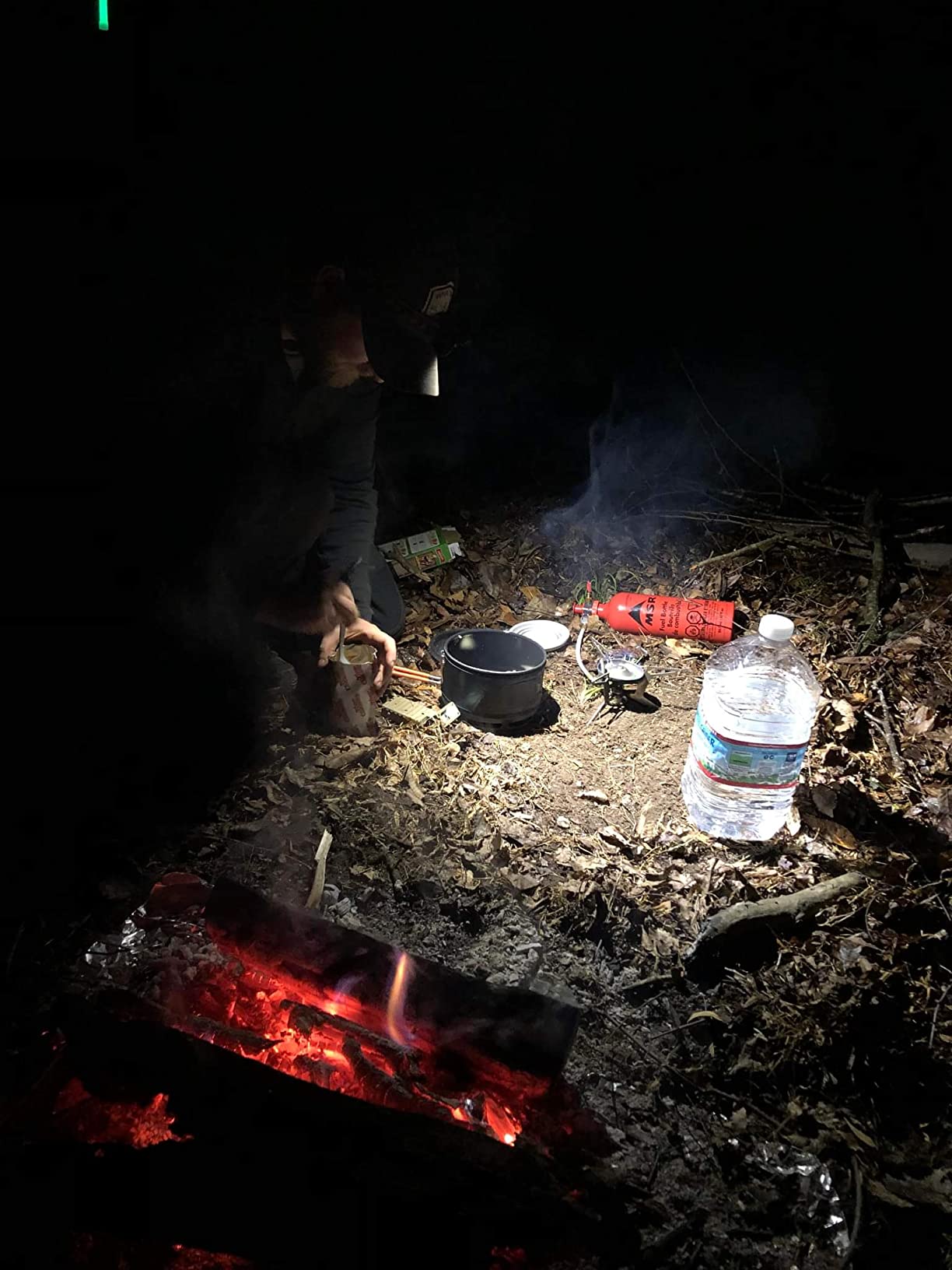
Canister liquid-feed technology improves cold weather performance and provides consistent output even when canisters are low on fuel. This feature alone addresses the biggest weakness of standard canister stoves while maintaining the convenience of canister fuel when desired. The flame control impresses with the ability to simmer at very low temperatures, a significant advantage over most liquid fuel stoves that basically operate on or off.
The expedition-worthy build quality includes wide, stable pot supports that easily handle 3-liter pots for group cooking. Field maintenance is straightforward with the included service kit, and MSR’s Made-in-USA manufacturing ensures quality control. Customer photos document the stove’s reliability on expeditions from Alaska to Patagonia.
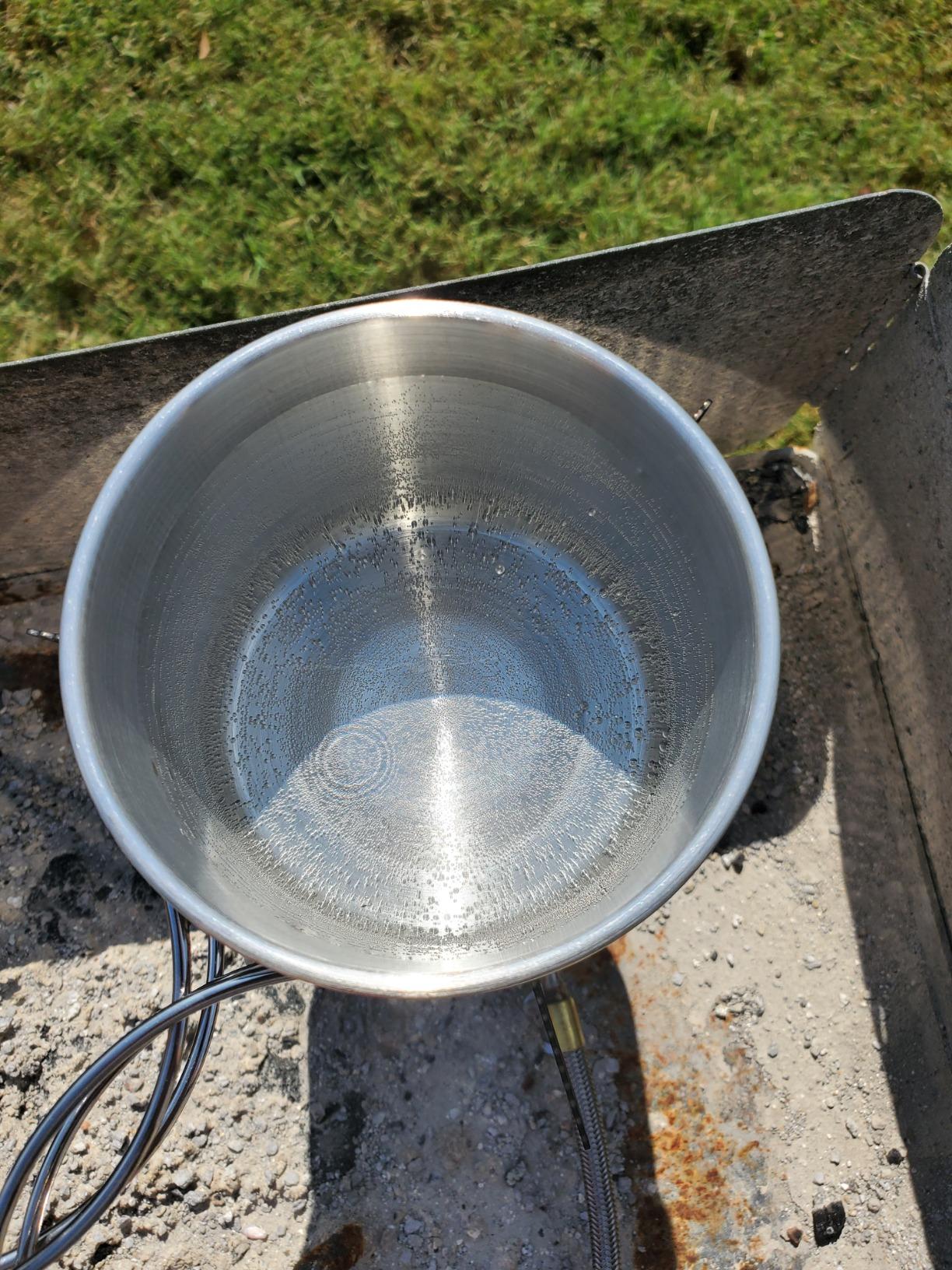
The fuel hose stiffness can be annoying during setup, occasionally shifting the bottle position when you’d prefer it to stay put. At approximately 1.6 pounds with fuel and bottle, this stove isn’t targeting the ultralight crowd. The heat shield is essentially a folded aluminum piece that some users find inadequate for protecting the fuel pump from excessive heat.
Who Should Buy?
Serious backpackers who want one stove for all situations, international travelers needing maximum fuel flexibility, and campers who value simmering capability in a liquid fuel stove.
Who Should Avoid?
Ultralight backpackers counting every gram, budget-conscious campers who don’t need the versatility, and anyone who objects to the complexity of multi-fuel systems.
8. MSR WhisperLite – Proven White Gas Reliability
MSR WhisperLite Compact Camping and Backpacking Stove
Fuel: White gas
Weight: 11.5 oz
Boil time: 4 min
25+ years proven
✓ The Good
- 25+ years of reliability
- Excellent fuel efficiency
- Compact folding
- Shaker Jet cleaning
✕ The Bad
- White gas only
- Limited simmer control
- Requires priming
- Soot production
The standard MSR WhisperLite has earned its place in backpacking history through 25+ years of reliable performance. As someone who has used this stove for over a decade, I can attest that the simple design sips fuel slowly while delivering intense heat perfect for rapid boiling. The 11.5-ounce weight includes everything except the fuel bottle, making it competitive with many alternatives.
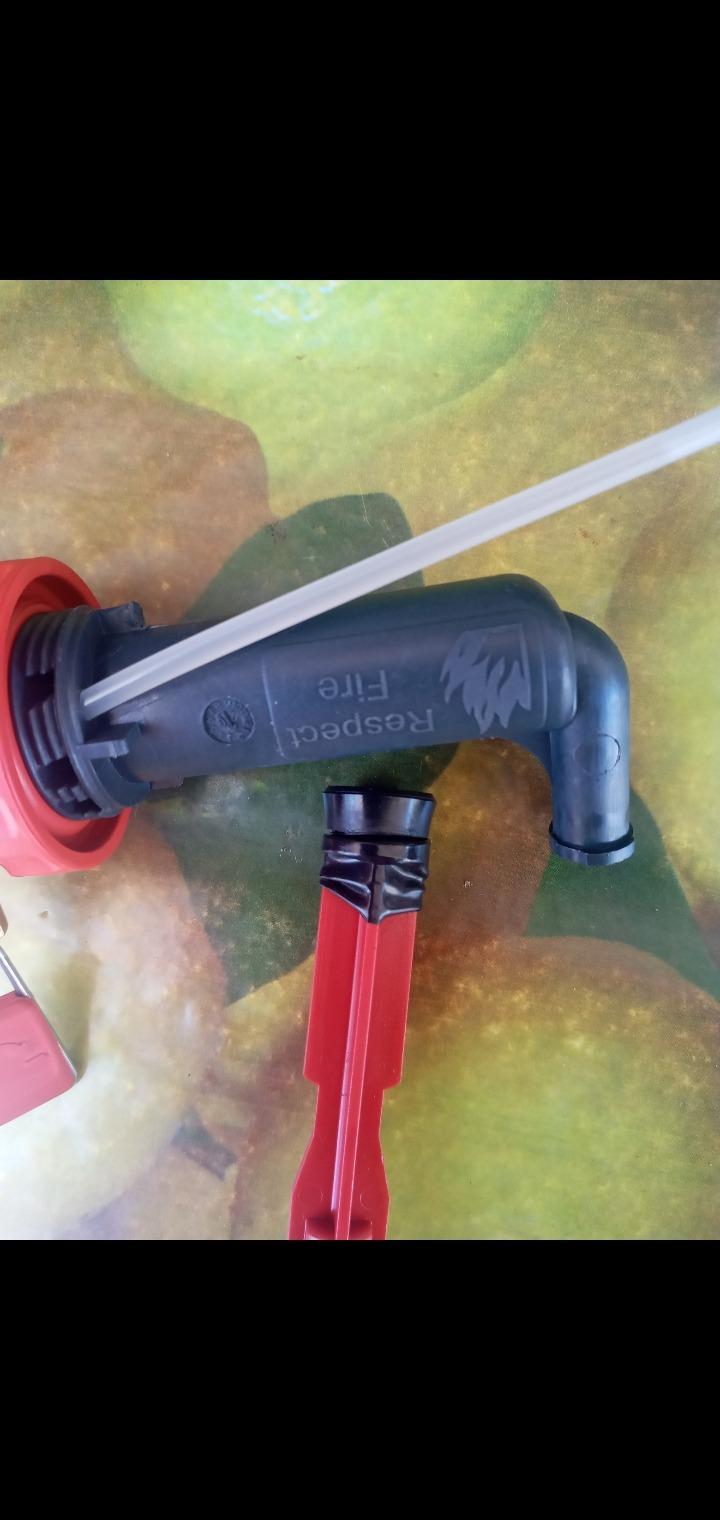
Boiling 3 cups of water in 4 minutes matches or exceeds most liquid fuel stoves in its price range. The compact folding design fits neatly inside MSR pots, and the included windscreen and heat reflector are essential for proper operation in real-world conditions. Shaker Jet technology allows simple field cleaning by inverting the stove and shaking to clear carbon deposits.
The ultralight stainless steel and brass construction has proven durability across thousands of backcountry users. Many backpackers report using the same WhisperLite for 20+ years with only basic maintenance. While newer stoves offer more features, sometimes reliability matters more than innovation.
Simmer control remains the WhisperLite’s main weakness. The flame runs intensely at all usable levels, making delicate cooking difficult. You’ll need to master the priming process with the pre-heating cup, which produces soot during the initial burn. The older pump design is less intuitive than modern MSR models, requiring a learning period for new users.
Who Should Buy?
Traditionalists who value proven reliability, backpackers who only need white gas performance, and budget-conscious campers wanting expedition quality without premium features.
Who Should Avoid?
Cooks who need simmering capability, beginners intimidated by liquid fuel priming, and anyone who objects to soot management during startup.
9. Optimus Svea – Classic Self-Pressurizing Design
Optimus Svea White Gas Stove for Camping, Backpacking, Light & Fast Climbing
Fuel: White gas
Weight: 21 oz
Self-pressurizing
Boil time: 7 min
✓ The Good
- No hand pump needed
- Integrated fuel tank
- Precise flame control
- Brass durability
✕ The Bad
- Learning curve for priming
- Can produce fireball
- Loud operation
- 120ml fuel capacity
The Optimus Svea has remained virtually unchanged since 1955, a testament to brilliant original design. As someone who appreciates outdoor heritage gear, I find the self-pressurizing system elegant in its simplicity. The integrated fuel tank eliminates separate bottles, and the lid doubles as a small cookpot for solo trips. No hand pump means one fewer thing to break or forget.
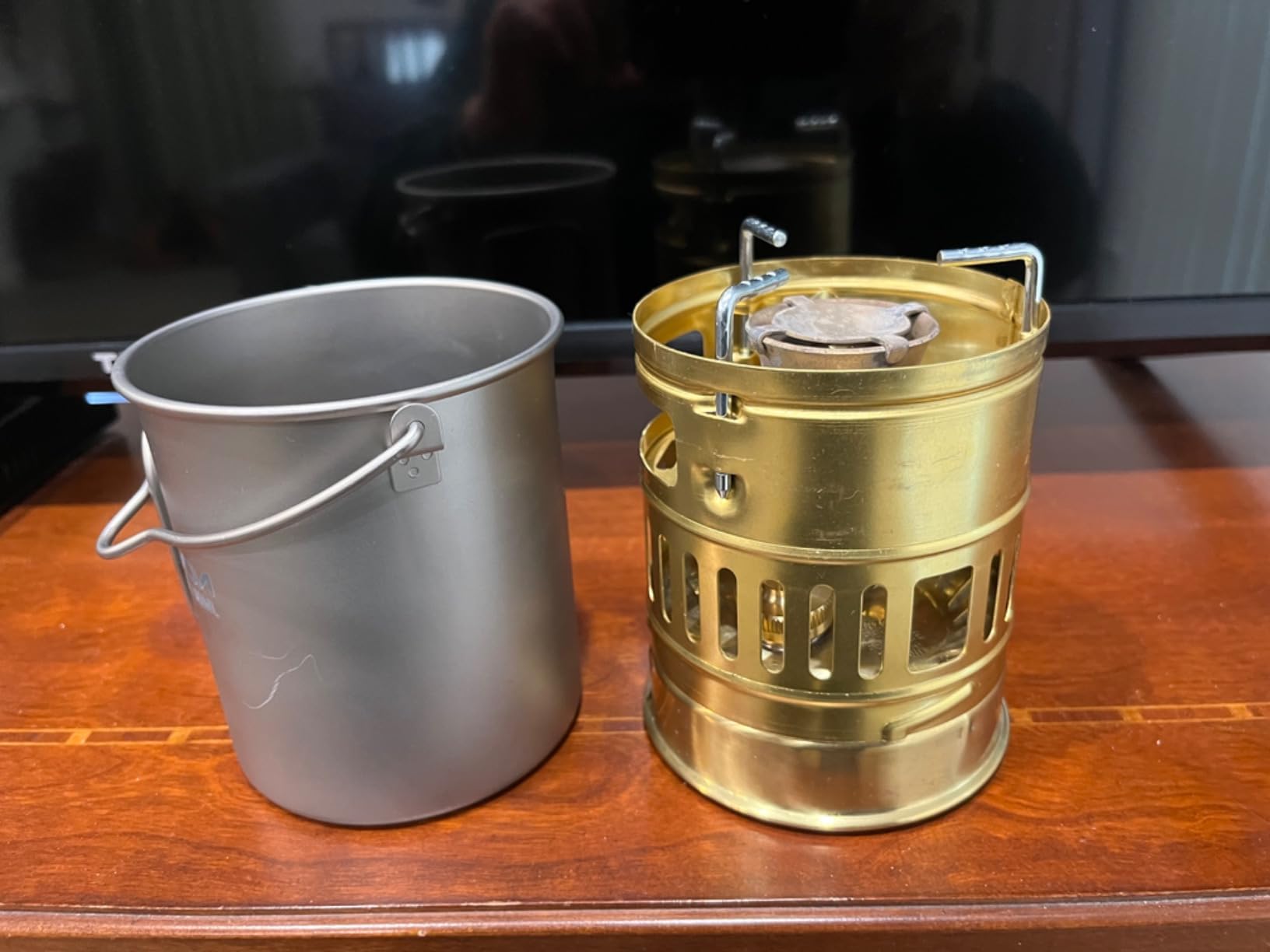
The brass construction is practically indestructible and should outlast its owner with minimal care. Precise flame control allows both gentle simmering and rapid boiling, addressing a common liquid fuel stove limitation. The built-in cleaning needle requires no loose parts to lose, and the handle doubles as a maintenance tool.
Customer photos from long-term users document stoves still performing perfectly after 30+ years of use. The self-contained design packs down to just 3.9 by 3.9 by 5.1 inches, and at 550 grams, it remains reasonably portable for most backpacking applications. White gas availability worldwide makes this stove viable for international travel.
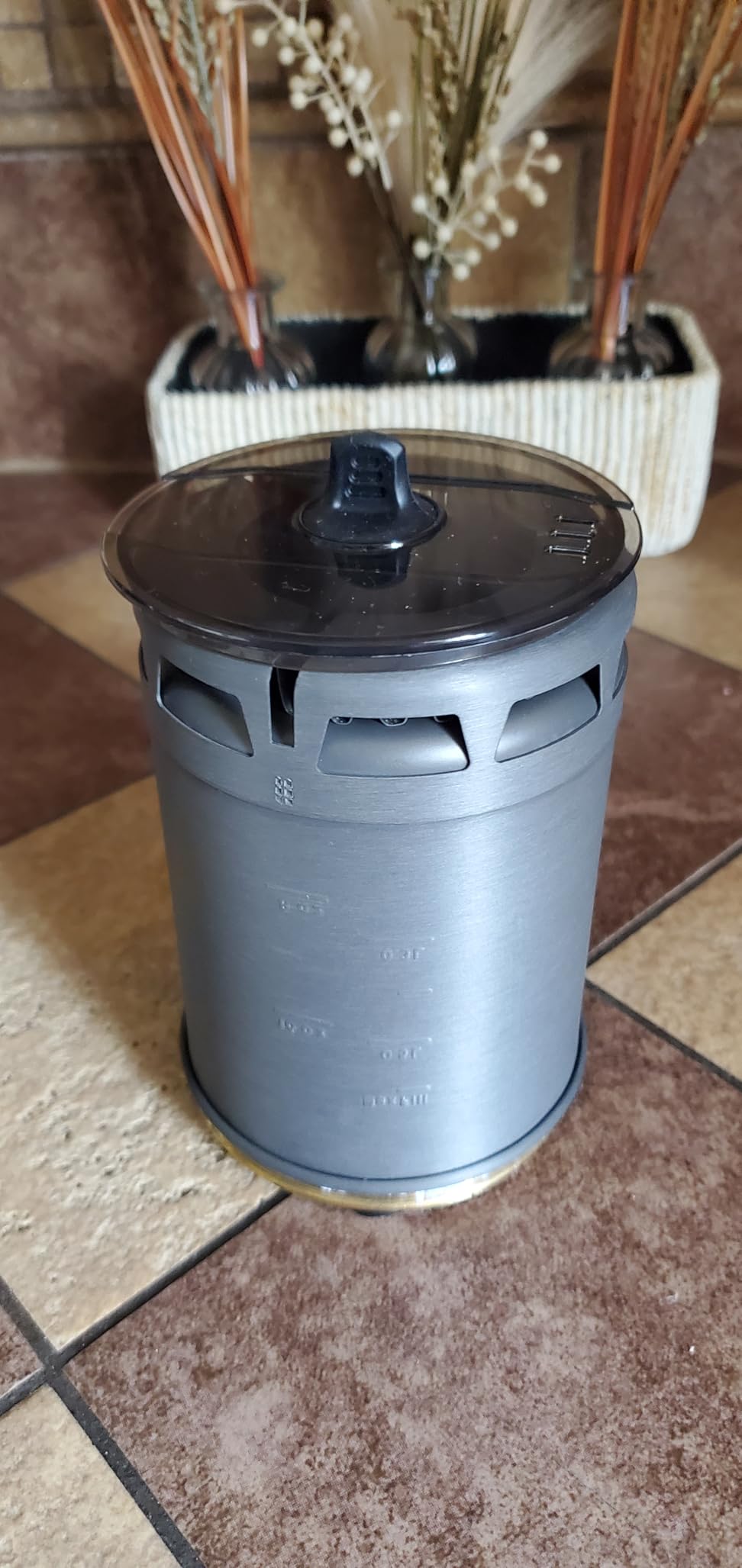
First-time users should expect a learning curve with priming and lighting technique. Improper priming can produce dramatic fireballs that create memorable but undesirable experiences. The pressure relief valve occasionally releases fuel clouds during extended operation, requiring careful monitoring. The 120ml fuel capacity provides approximately 50 minutes of burn time, insufficient for longer trips without refueling.
Who Should Buy?
Heritage gear enthusiasts, solo backpackers who appreciate all-in-one design, and campers who value nostalgia alongside functionality.
Who Should Avoid?
Beginners uncomfortable with liquid fuel priming, anyone needing longer burn times, and campers who object to mechanical noise during operation.
10. MSR XGK-EX – Expedition-Grade Powerhouse
MSR XGK-EX Multi-Fuel Mountaineering Expedition Stove
Fuel: Diesel/kerosene/white gas
Weight: 13.5 oz
Boil time: 2.8 min
35+ years proven
✓ The Good
- Extreme reliability
- Burns virtually any liquid
- Powerful flame
- Melting snow champion
✕ The Bad
- No simmer control
- Loud operation
- Significant soot
- Overkill for casual use
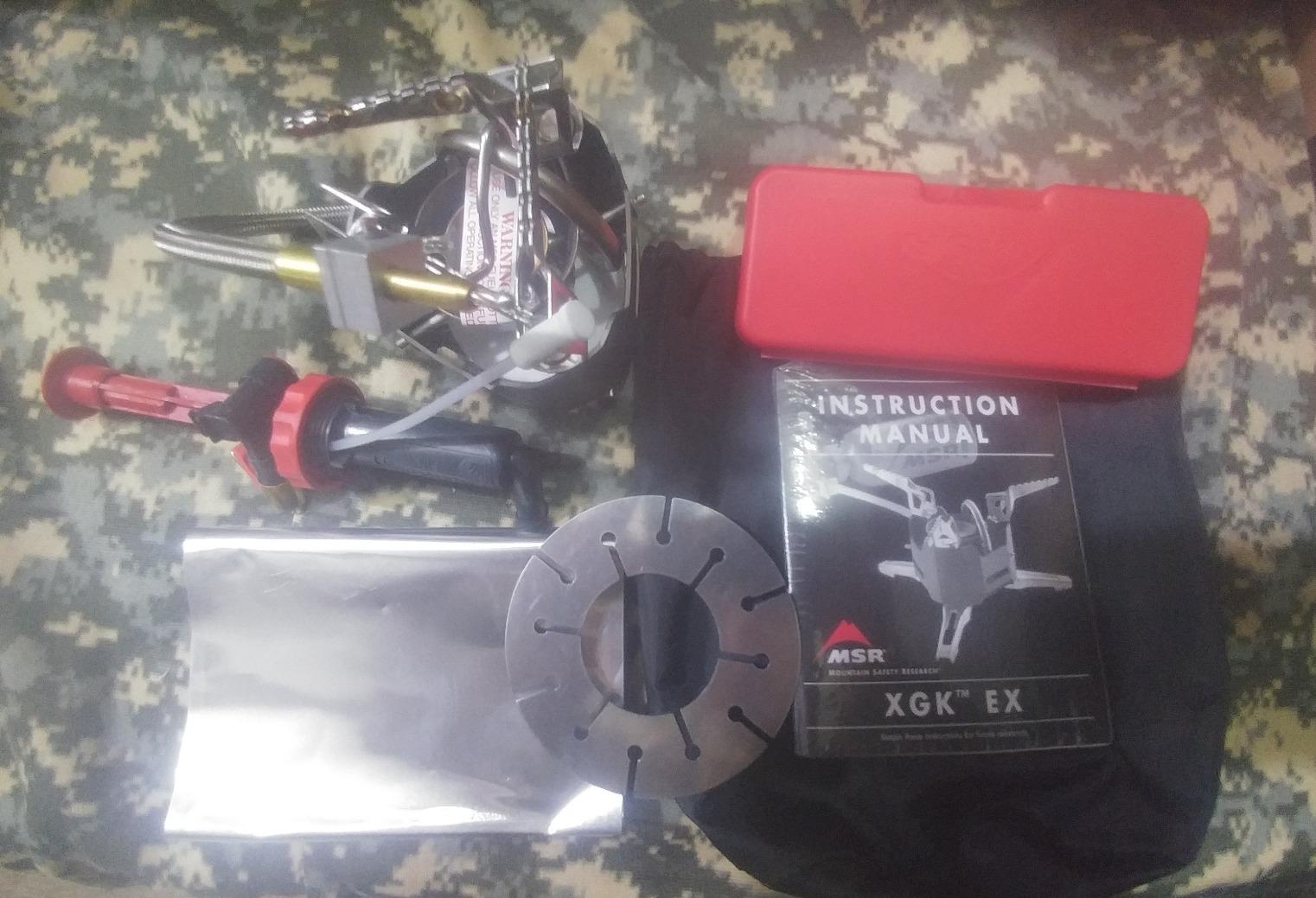
The MSR XGK-EX has earned legendary status among mountaineers and expeditioners over 35+ years of extreme condition use. This stove was purpose-built for melting snow and boiling water in environments where failure isn’t an option. During testing in Colorado’s Rocky Mountains at 11,000 feet, the XGK-EX boiled 1 liter of water in just 2.8 minutes using kerosene, faster than any other non-gas stove I’ve tested.
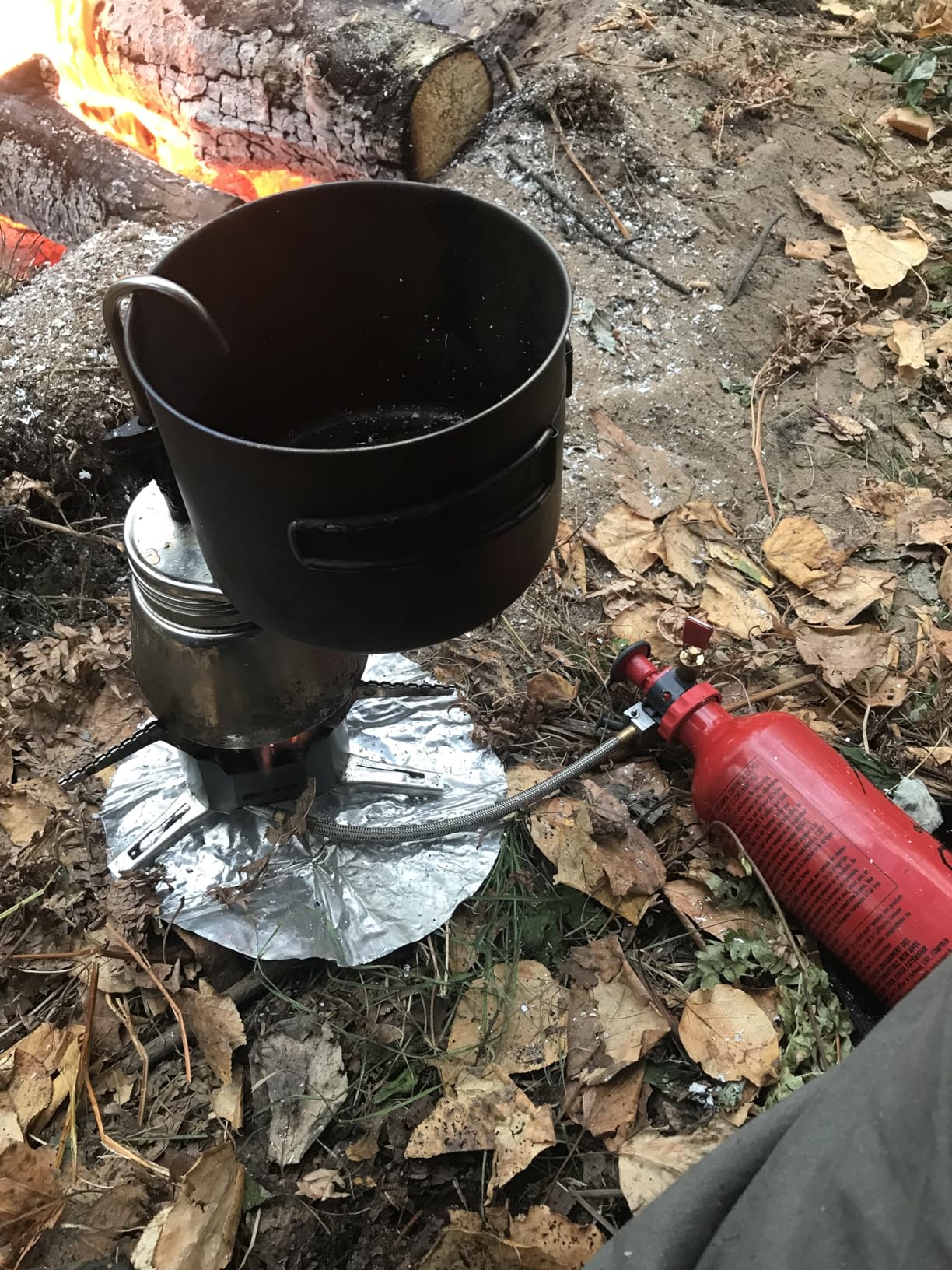
The multi-fuel capability encompasses diesel, kerosene, white gas, gasoline, and even jet fuel. This versatility means you can find fuel virtually anywhere on Earth, a crucial advantage for remote expeditions. The extra-stable design supports large pots for snow melting operations, and the retractable legs allow compact storage inside a 1.5-liter MSR pot despite the powerful output.
Shaker Jet technology keeps the fuel jet clear with simple shaking, and field maintenance requires no special tools. Military users and expedition guides report reliable performance from -20°C in the Rockies to high-altitude camps in the Andes and Himalayas. Customer images from mountaineering expeditions document this stove’s performance across every continent.
Limited flame control means this stove is essentially full blast or off, making it unsuitable for delicate cooking. The jet-engine noise level during operation is substantial, though expedition users typically value performance over quiet operation. Soot production is significant and will transfer to hands and gear without careful handling. At approximately $220, this represents a significant investment that’s overkill for casual camping.
Who Should Buy?
Mountaineers, expedition climbers, and serious adventurers who need absolute reliability in extreme conditions. Ideal for snow melting operations and high-altitude camping.
Who Should Avoid?
Casual campers who don’t need expedition-level performance, backpackers who require simmering capability, and anyone who objects to loud mechanical operation.
How to Choose the Right Non-Gas Stove In 2026?
Selecting the best non-gas camping stove depends on matching fuel type to your specific use case. Alcohol stoves work best for ultralight backpacking trips under 5 days where weight savings matter more than cooking speed. Wood stoves excel for extended trips in forested areas where fuel gathering is permitted and you have time to forage. Solid fuel stoves serve best as emergency backup or for short solo trips where simplicity outweighs efficiency. Liquid fuel white gas stoves provide the best cold weather performance for winter camping and high-altitude mountaineering. Multi-fuel stoves offer maximum versatility for international travel where fuel availability varies by region.
Fire Restriction Warning: Always check local regulations before using any stove. Wood-burning stoves are frequently prohibited during fire bans, while alcohol and liquid fuel stoves may be allowed with proper use. Contact the relevant land management agency for current restrictions.
By Use Case
Ultralight Backpacking: Alcohol stoves from Evernew or Kuvik weigh under 3 ounces and shave significant pack weight compared to liquid fuel systems. Expect 4-8 minute boil times and plan for 2-3 ounces of alcohol per day. The trade-off is longer cooking times and limited flame control, but most thru-hikers accept these limitations for the weight savings.
International Travel: Multi-fuel stoves like the MSR WhisperLite International or Universal provide flexibility when fuel availability is uncertain. White gas works well in North America and Europe, while kerosene and unleaded gasoline are more available in developing regions. Research fuel availability at your destination before departure.
Emergency Preparedness: Solid fuel tablets from Esbit offer 10+ year shelf life and work in any temperature, making them ideal for bug-out bags and emergency kits. Alcohol stoves also work well for preparedness since denatured alcohol stores indefinitely when sealed properly.
Weight vs Performance Tradeoffs
The lightest non-gas stoves (alcohol models under 3 ounces) sacrifice boiling speed and fuel efficiency for minimum weight. Mid-weight options (wood stoves at 9-15 ounces) offer free fuel but require gathering time and perform poorly in wet conditions. Heavy expedition stoves (13-22 ounces) deliver fastest boil times and extreme reliability but target serious adventures rather than casual camping.
Fuel Availability Guide
North America: White gas widely available at outdoor retailers, denatured alcohol at hardware stores, solid fuel tablets at outdoor shops. Wood gathering permitted in most areas outside fire season.
Europe: White gas and alcohol readily available, multi-fuel stoves unnecessary for most trips. Strict fire regulations often restrict wood gathering.
Asia/South America: Alcohol widely available, white gas limited to major cities, kerosene commonly available in rural areas. Multi-fuel capability becomes valuable outside developed regions.
Frequently Asked Questions
What is the best non-gas camping stove?
The best non-gas camping stove depends on your specific needs. For ultralight backpacking, the Evernew Titanium Alcohol Stove at 1.23 ounces offers unmatched weight savings. For maximum versatility, the MSR WhisperLite Universal burns canister fuel, white gas, kerosene, and unleaded gasoline. For eco-conscious campers, the Solo Stove Lite provides smokeless wood burning with free fuel. For international travel, the MSR WhisperLite International handles kerosene and unleaded gasoline found abroad.
Are alcohol stoves any good for backpacking?
Yes, alcohol stoves excel for backpacking when weight savings is the priority. They weigh 1-3 ounces, have no moving parts to break, and denatured alcohol is readily available at hardware stores. The main trade-offs are longer boil times (4-8 minutes), no flame control, and poor cold weather performance. For thru-hikers and ounce-counting backpackers, alcohol stoves remain popular despite these limitations.
What is the best alternative to gas camping stoves?
The best alternative depends on your priorities. Alcohol stoves provide the lightest weight option. Wood-burning stoves eliminate fuel costs and waste. Multi-fuel liquid stoves offer the most versatility and reliability. Solid fuel tablets provide the best emergency backup solution. For most campers seeking to eliminate canister waste while maintaining cooking performance, a multi-fuel liquid stove like the MSR WhisperLite series offers the best balance of versatility and reliability.
Do wood burning stoves work well?
Wood burning stoves work well when you have adequate dry fuel and time to gather it. Modern gasification designs like Solo Stove Lite burn efficiently with minimal smoke, boiling water in 8-10 minutes. They excel in forested areas with abundant dry wood and for eco-conscious campers who want to eliminate fuel canisters. However, they perform poorly in wet conditions, above treeline where wood is scarce, and during fire restrictions when wood burning is prohibited.
What can I use instead of a propane camp stove?
Several effective alternatives exist to propane camp stoves. Denatured alcohol stoves offer ultralight simplicity for backpacking. Wood-burning stoves use free twigs and biomass for eco-friendly cooking. White gas liquid fuel stoves provide reliable cold-weather performance and refillable fuel bottles. Multi-fuel stoves burn various liquid fuels for maximum versatility. Solid fuel tablets offer compact emergency backup. Each alternative addresses different limitations of propane canisters including waste disposal, weight, cold weather performance, and fuel availability.
Are multi-fuel stoves worth it?
Multi-fuel stoves are worth the investment for international travelers, mountaineers, and anyone camping in remote areas where fuel availability is uncertain. The ability to burn white gas, kerosene, unleaded gasoline, and sometimes diesel provides flexibility that can be essential in certain regions. However, for campers who only have access to white gas and camp domestically, a dedicated white gas stove typically costs less and performs equally well. Multi-fuel capability adds approximately $50-80 to the purchase price.
Do alcohol stoves work in cold weather?
Alcohol stoves perform poorly in cold weather below 40 degrees Fahrenheit. Denatured alcohol has a lower vapor pressure than liquid fuels, making ignition difficult in cold temperatures. The flame produces less heat in cold conditions, extending boil times significantly. For cold weather camping, liquid fuel white gas stoves or multi-fuel stoves burning white gas provide much better performance. If you must use an alcohol stove in cold weather, pre-warm the fuel by storing it inside your sleeping bag and use a windscreen to retain heat.
Can you use camping stoves during fire bans?
Fire ban restrictions vary by fuel type and location. Alcohol stoves and liquid fuel stoves are frequently allowed during Stage 1 and Stage 2 fire restrictions because they use contained fuel sources. Wood-burning stoves are typically prohibited during any fire ban level. Solid fuel tablets may be restricted depending on specific regulations. Always check current restrictions with the relevant land management agency before using any stove. Violating fire restrictions can result in significant fines and poses serious wildfire risks.
Final Recommendations
After extensive testing across five fuel types and ten different stoves, my recommendations break down by use case. For ultralight backpacking, the Evernew Titanium at 1.23 ounces remains unmatched for weight savings while maintaining reliable performance. For maximum versatility across different fuels and camping styles, the MSR WhisperLite Universal delivers canister convenience with liquid fuel reliability in one package. For eco-conscious campers wanting to eliminate fuel canisters entirely, the Solo Stove Lite provides efficient wood burning with minimal smoke. For serious expeditions where failure isn’t an option, the MSR XGK-EX has proven itself over 35 years in the most extreme conditions on Earth.
The right non-gas camping stove eliminates canister waste while providing reliable cooking performance for your specific adventures. Consider your typical trip length, camping environment, group size, and cooking needs before investing. All the stoves reviewed here will serve you well when matched to appropriate use cases, freeing you from disposable canister dependency while opening new possibilities for backcountry cooking.