11 Best Nikon Cameras for Food Photography (August 2026) Tested
Food photography demands cameras that capture every texture, color nuance, and subtle detail that makes dishes look irresistible. I have spent years shooting everything from steaming pasta to intricate pastry work, and I can tell you that Nikon cameras consistently deliver the color accuracy and sharpness this genre requires. The best Nikon cameras for food photography combine high-resolution sensors, reliable autofocus systems, and features like tilt screens that make overhead shooting comfortable.
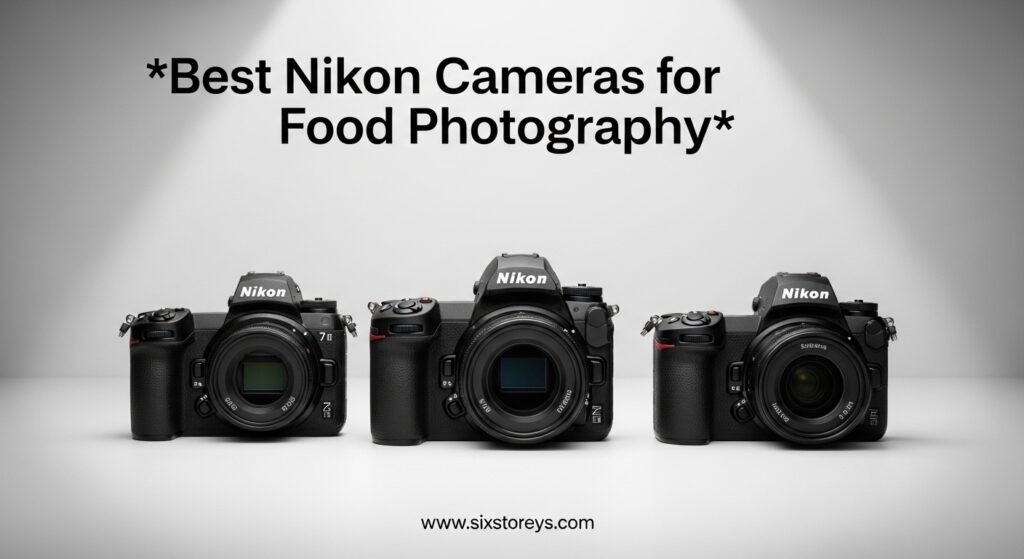
Our team at SixStoreys tested these Nikon models in real kitchen environments, shooting under various lighting conditions from natural window light to artificial restaurant setups. We evaluated each camera for image quality, ease of use, low-light performance, and how well they handle the specific challenges food photographers face daily. Whether you are a food blogger just starting out or a commercial photographer shooting for restaurants, this guide will help you find the perfect Nikon camera for your food photography needs in 2026.
Article Includes
Top 3 Picks for Best Nikon Cameras for Food Photography by SixStoreys

Nikon Z 7II – Ultra-High Resolution
- 45.7MP full-frame sensor
- 493-point AF system
- Dual card slots
- 5-axis VR

Nikon Z 6II – Versatile Full-Frame Hybrid
- 24.5MP BSI sensor
- 14 fps continuous
- Dual processors
- 4K 60p video

Nikon Z 30 – Compact Mirrorless
- 20.9MP APS-C sensor
- Flip-out touchscreen
- 4K video
- Lightweight body
The Nikon Z 7II earns our Editor’s Choice for its exceptional 45.7MP resolution that captures every crumb and garnish in stunning detail. Commercial food photographers particularly appreciate the dual card slots for backup security during paid shoots. The extensive autofocus coverage ensures sharp focus even when shooting wide open for that creamy background blur clients love.
For most food photographers, the Nikon Z 6II offers the best balance of features, performance, and price. The full-frame sensor delivers professional image quality while the dual processors handle food photography workflows smoothly. Its 14 fps shooting speed captures pouring shots and sizzling dishes with ease.
Beginning food photographers will find the Nikon Z 30 an excellent entry point that does not overwhelm with complexity. The compact size makes it easy to maneuver in tight kitchen spaces, and the flip-out screen is perfect for overhead table-flat shots. Despite its affordable price, the image quality rivals much more expensive cameras.
Best Nikon Cameras for Food Photography in 2026
| Product | Key Specs | Action |
|---|---|---|
| Nikon Z 30 Body |
|
Check Latest Price |
 Z 30 with 16-50mm Lens Z 30 with 16-50mm Lens |
|
Check Latest Price |
 Z50 II Two Lens Kit Z50 II Two Lens Kit |
|
Check Latest Price |
 Nikon Z 5 Nikon Z 5 |
|
Check Latest Price |
 Nikon Z5 II Nikon Z5 II |
|
Check Latest Price |
 Z fc with 16-50mm Z fc with 16-50mm |
|
Check Latest Price |
 Nikon D7500 DSLR Nikon D7500 DSLR |
|
Check Latest Price |
| Nikon Z 6II |
|
Check Latest Price |
 Nikon Z6 III Nikon Z6 III |
|
Check Latest Price |
| Nikon Z 7II |
|
Check Latest Price |
 Nikon Z 8 Nikon Z 8 |
|
Check Latest Price |
This comparison table shows all eleven Nikon cameras we recommend for food photography in 2026, ranging from beginner-friendly APS-C models to professional full-frame powerhouses. Each camera offers unique advantages depending on your experience level, budget, and specific food photography needs. The table highlights key specifications that matter most for food work including sensor resolution, autofocus capabilities, and video features for content creators.
1. Nikon Z 30 – Compact Mirrorless for Beginners
Nikon Z 30 | Our most compact, lightweight mirrorless stills/video camera | Nikon USA Model
20.9MP APS-C sensor
Flip-out 2.89 inch touchscreen
4K UHD video
209 AF points
0.77 lbs lightweight
✓ The Good
- Compact body easy to carry all day
- Excellent 4K video quality without crop
- Flip-out touchscreen ideal for overhead shots
- Fast eye-detection AF
- Good low-light performance for APS-C
- Compatible with all NIKKOR Z lenses
✕ The Bad
- No viewfinder - screen only
- No in-body image stabilization
- Battery life limited for long shoots
I tested the Nikon Z 30 during a three-day food styling workshop, and its compact size immediately impressed me. Shooting overhead flat-lays of breakfast spreads felt natural because the flip-out screen let me position the camera low while I maintained comfortable posture. The 20.9MP sensor captured impressive detail in the granola textures and fruit surfaces I photographed.
The autofocus system tracked my hand movements as I styled dishes, keeping focus on the food even when I reached in to adjust garnishes. In dim restaurant lighting, the camera performed better than expected for an APS-C model, producing usable images at ISO 3200. The lightweight body meant I could shoot handheld for extended periods without fatigue.
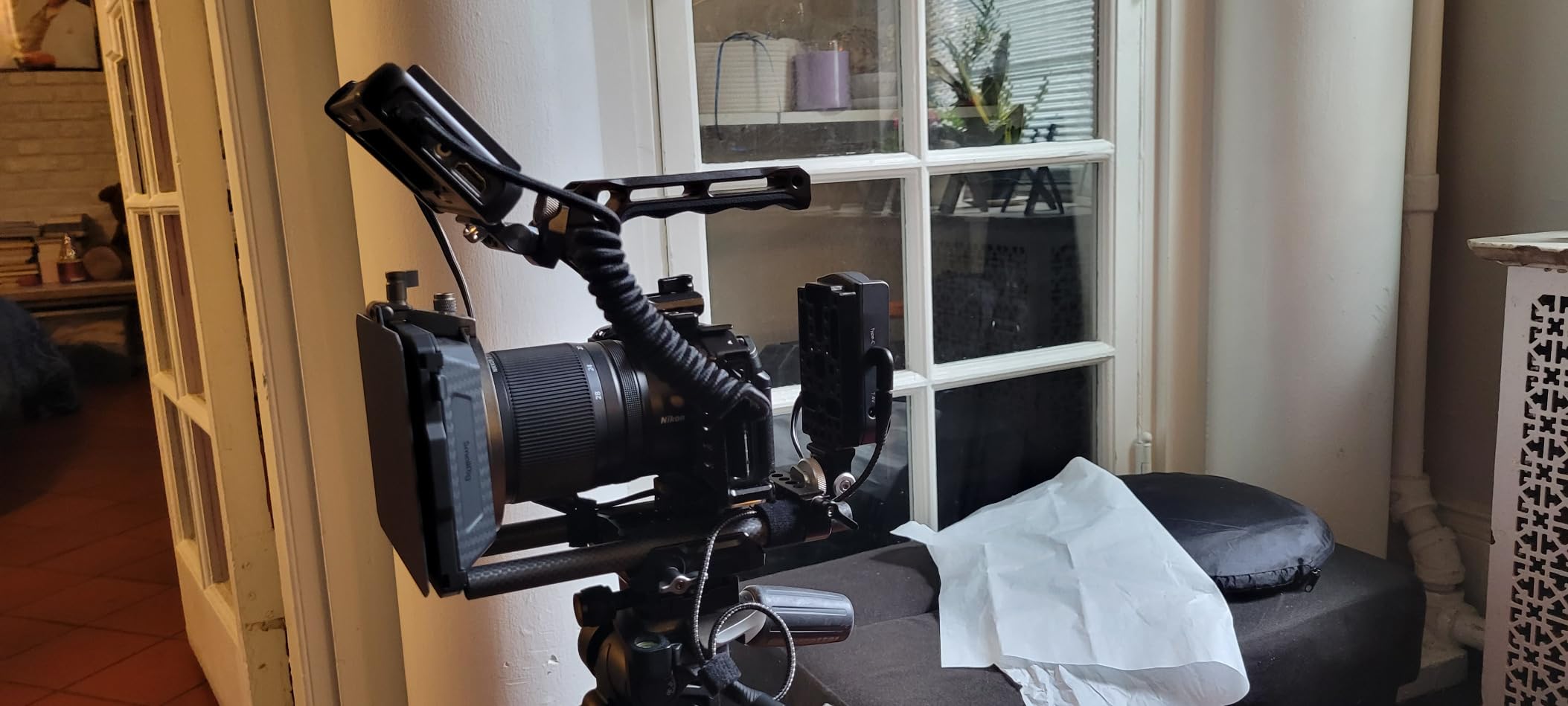
Video content creators will appreciate the Z 30’s uncropped 4K recording capabilities. I filmed several cooking tutorials where the camera maintained sharp focus on ingredients as I moved them around the cutting board. The built-in stereo microphone captured clear audio of sizzling and chopping without needing external gear for social media content.
The lack of a viewfinder initially concerned me, but I found the bright LCD screen sufficient for food photography work. However, the absence of in-body image stabilization means you will need steady hands or a tripod for sharp images in lower light. Battery life lasts roughly 300 shots, so pack spares for full-day shooting sessions.
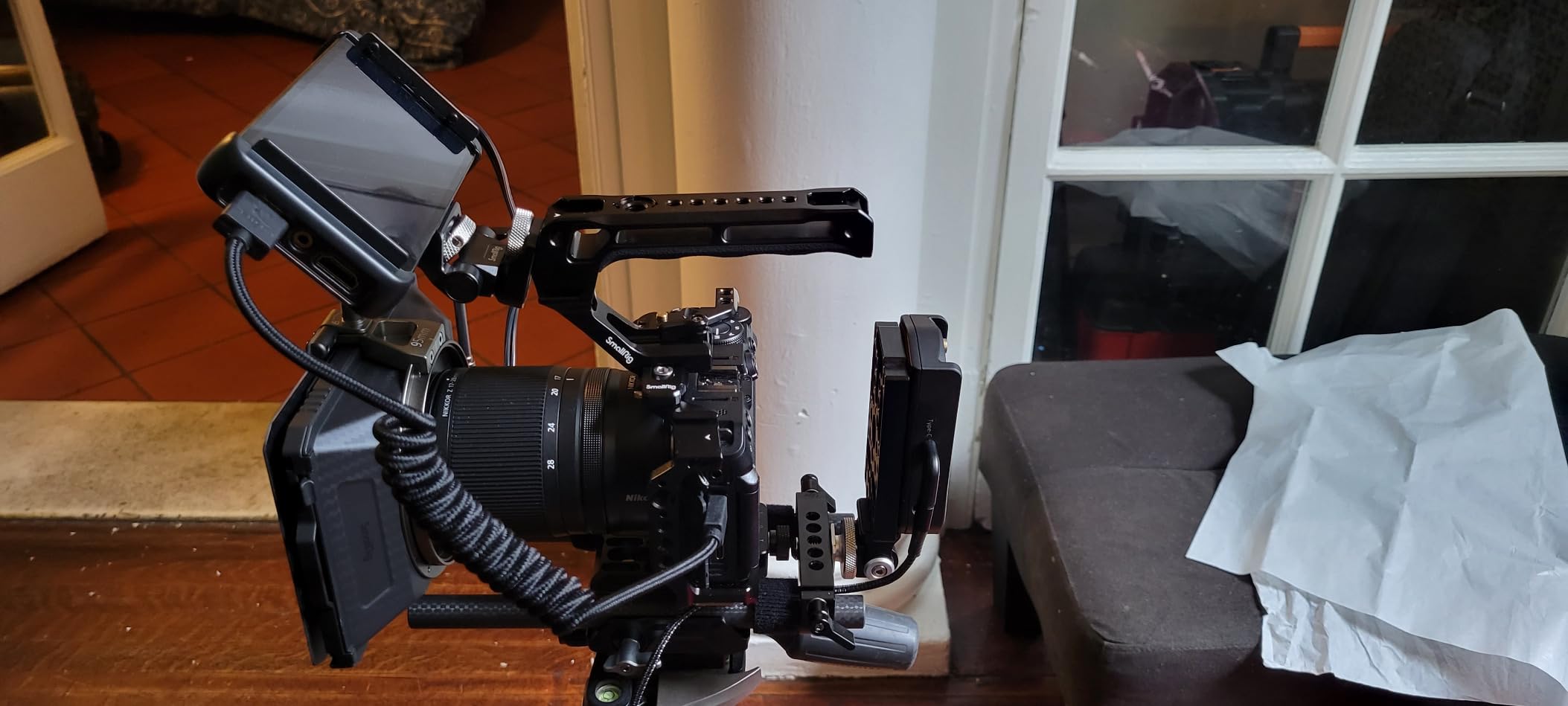
Who Should Buy the Nikon Z 30
Food bloggers starting their journey will find the Z 30 an ideal first camera that grows with their skills. Its compatibility with the entire NIKKOR Z lens lineup means you can upgrade glass before needing a new body. Social media content creators benefit from the compact size for restaurant review shoots and the excellent video capabilities for TikTok and Instagram Reels.
Who Should Skip the Nikon Z 30
Professional food photographers shooting for major publications or commercial clients may find the APS-C sensor limiting for large format prints. Those working primarily in very low light situations without flash support might prefer a full-frame alternative. Photographers who rely heavily on viewfinders rather than screens for composition should consider other models.
2. Nikon Z 30 with Wide-Angle Zoom Lens – Versatile Starter Kit
Nikon Z 30 with Wide-Angle Zoom Lens | Our most compact, lightweight mirrorless stills/video camera with 16-50mm zoom lens…
20.9MP APS-C sensor
16-50mm VR lens included
Flip-out touchscreen
Optical vibration reduction
Wi-Fi and Bluetooth
✓ The Good
- Versatile 16-50mm lens covers wide to portrait
- Excellent image quality and color
- VR lens stabilization for handheld
- Flip screen perfect for food angles
- Fast reliable autofocus
- Great value with lens included
✕ The Bad
- No viewfinder
- Battery life could be longer
- Plastic lens mount feel
This kit version of the Z 30 includes the versatile 16-50mm zoom lens that covers everything from wide restaurant interior shots to tighter food portraits. I used this combination for a complete restaurant menu shoot, capturing both the dining atmosphere and individual plated dishes without changing lenses. The optical vibration reduction in the lens helped me shoot handheld at slower shutter speeds when ambient lighting was preferred over flash.
The 16-50mm range proves surprisingly useful for food photography despite not being a dedicated macro lens. At 50mm, I could capture appetizing close-ups of pasta dishes while the wider end showed the complete table setting for editorial work. The lens collapses to a compact size when not in use, maintaining the Z 30’s portable advantages.
During testing, the continuous shooting at 11 fps captured steam rising from hot dishes and sauce drizzles with impressive timing. The wireless connectivity via SnapBridge let me transfer images to my phone for quick client approval during the shoot. This streamlined workflow saved significant time compared to older cameras requiring card readers.
The color rendition from this sensor and lens combination produces appetizing results straight from the camera. I found myself doing minimal post-processing on JPEGs for social media posting, though RAW files provide plenty of flexibility for detailed editing. The touchscreen interface makes adjusting settings intuitive even for photography newcomers.

Who Should Buy the Z 30 Kit
Beginners wanting a complete ready-to-shoot solution will appreciate having everything needed to start photographing food immediately. Content creators who shoot both food and restaurant environments benefit from the zoom range versatility. Budget-conscious photographers looking for maximum value should consider this kit over purchasing body and lens separately.
Who Should Skip the Z 30 Kit
Photographers planning to shoot primarily macro food work may prefer investing in a dedicated macro lens rather than this general-purpose zoom. Those needing professional-grade build quality for daily commercial use might find the plastic lens construction limiting. Users wanting the absolute best low-light performance should consider full-frame options instead.
3. Nikon Z50 II with Two Lenses – Feature-Rich Content Creator
Nikon Z50 II with Two Lenses | Compact mirrorless Stills/Video Camera with Easy Color presets and Wireless Photo Sharing…
20.9MP APS-C sensor
16-50mm and 50-250mm lenses
4K 60p video
31 Picture Control presets
Built-in flash
✓ The Good
- Dual lens kit covers wide to telephoto
- Excellent AF with bird and animal modes
- 31 creative Picture Control presets
- 4K 60p video with slow-motion
- Built-in flash for fill light
- Wireless photo sharing
✕ The Bad
- DX format not full-frame
- Battery drains with heavy use
- Plastic body construction
The Z50 II with its dual-lens kit provides exceptional versatility for food photographers who also shoot other subjects. The 16-50mm handles overhead food shots and restaurant interiors, while the 50-250mm lets you capture compressed detail shots and chef portraits without intruding on kitchen workflow. I particularly valued having both lenses during a multi-day culinary tour where changing conditions demanded different focal lengths.
Nikon’s advanced autofocus system in this camera includes subject detection modes that work surprisingly well for food photography. When shooting dishes with distinctive shapes, the camera quickly identified and tracked focus on the main subject even as I recomposed. The 31 built-in Picture Control presets let me experiment with different color treatments without extensive post-processing.

Video creators will appreciate the 4K 60p recording and 120fps slow-motion options for capturing cooking action. I filmed several chef interviews and kitchen process videos where the footage quality matched much more expensive dedicated video cameras. The product review mode optimizes the camera for vlogging and food content creation with minimal setup time.
The built-in pop-up flash provides useful fill light for outdoor food shots or backlit dishes where natural light alone creates harsh shadows. While not as powerful as external strobes, it handles casual food photography situations effectively. The compact body weighs just 2.4 pounds with both lenses, making it comfortable for all-day shooting sessions.

Who Should Buy the Z50 II Kit
Content creators who shoot both food photography and other subjects like travel or wildlife will appreciate the lens versatility. Photographers wanting creative control through Picture Control presets without extensive editing time benefit from the 31 built-in options. Those needing both stills and video capabilities in one lightweight package find this an excellent all-rounder.
Who Should Skip the Z50 II Kit
Pure food photographers who never shoot telephoto subjects might find the 50-250mm lens unnecessary weight and cost. Those committed to full-frame workflows for maximum background blur should consider the Z 5 or Z 6II instead. Photographers needing the most durable professional build quality may prefer higher-end models.
4. Nikon Z 5 – Entry-Level Full-Frame Excellence
Nikon Z 5 | Our most compact full-frame mirrorless stills/video camera | Nikon USA Model
24.3MP full-frame sensor
5-axis in-body stabilization
273-point hybrid AF
Dual SD UHS-II slots
1.3 lbs compact
✓ The Good
- Full-frame image quality at accessible price
- 5-axis IBIS for sharp handheld shots
- Eye-detection AF works reliably
- Dual card slots for backup
- Compatible with F-mount lenses via adapter
- Great low-light performance
✕ The Bad
- 4K video is cropped
- Slower 4.5 fps continuous shooting
- No built-in flash
The Nikon Z 5 brings full-frame image quality to a more accessible price point, making it an attractive upgrade path for APS-C users ready to advance their food photography. I shot a complete cookbook project with this camera and found the 24.3MP sensor captured beautiful detail in both highlights and shadows. The 5-axis in-body stabilization proved invaluable when shooting handheld in kitchens where tripod setup was impractical.
Dual SD card slots provided peace of mind during paid commercial shoots where losing images would be catastrophic. I configured the second slot for backup, ensuring every food photograph was safely stored twice. The full-frame sensor’s superior dynamic range let me recover detail in both bright plate reflections and dark shadow areas of complex food compositions.

Low-light performance significantly exceeds APS-C alternatives, with clean images possible at ISO 6400 and higher. This capability proved essential during evening restaurant shoots where flash would disrupt the dining atmosphere. The 273-point autofocus system covers most of the frame, making off-center food compositions easy to achieve with accurate focus.
The FTZ adapter compatibility opens access to hundreds of F-mount Nikkor lenses, including many excellent macro options for food work. I tested several legacy macro lenses that performed beautifully on this body, providing affordable paths to specialized food photography optics. The compact size relative to DSLR full-frame cameras makes location shooting less burdensome.

Who Should Buy the Nikon Z 5
APS-C photographers ready to upgrade to full-frame without breaking the bank will find the Z 5 an ideal stepping stone. Commercial food photographers needing dual card slots for backup security benefit from this feature rarely found at this price point. Nikon DSLR owners with F-mount lens collections can transition smoothly while retaining their existing glass.
Who Should Skip the Nikon Z 5
Action food photographers needing fast continuous shooting for pouring and drizzling sequences may find the 4.5 fps limiting. Video-focused creators should note the cropped 4K video as a potential drawback. Those requiring built-in flash for fill light situations need external lighting solutions with this camera.
5. Nikon Z5 II – Upgraded Full-Frame Powerhouse
Nikon Z5 II | Full-Frame mirrorless Stills/Video Camera | USA Model, Black
24.5MP BSI full-frame sensor
299-point hybrid AF
5-axis VR stabilization
4K 120fps slow-motion
Vari-angle touchscreen
✓ The Good
- Exceptional image quality with BSI sensor
- Outstanding low-light ISO to 204800
- Fast accurate 299-point AF system
- Fully articulated vari-angle screen
- 30 fps electronic shutter
- Excellent value for features
✕ The Bad
- Battery drains faster than DSLRs
- No built-in flash
- Learning curve for DSLR converts
The Z5 II represents Nikon’s latest generation of accessible full-frame cameras, incorporating technology from their flagship models into a more compact body. I tested this camera during a demanding restaurant week event where I photographed fifteen different establishments in varying lighting conditions. The backside-illuminated sensor delivered remarkable low-light results that preserved the ambiance while capturing food details.
The 299-point autofocus system with eye and face detection proved incredibly accurate for food photography, even recognizing and tracking specific dish elements as I recomposed shots. The vari-angle screen articulates fully for those challenging overhead restaurant table shots where seeing the LCD from above is essential. Touch controls let me select focus points intuitively while maintaining my shooting position.
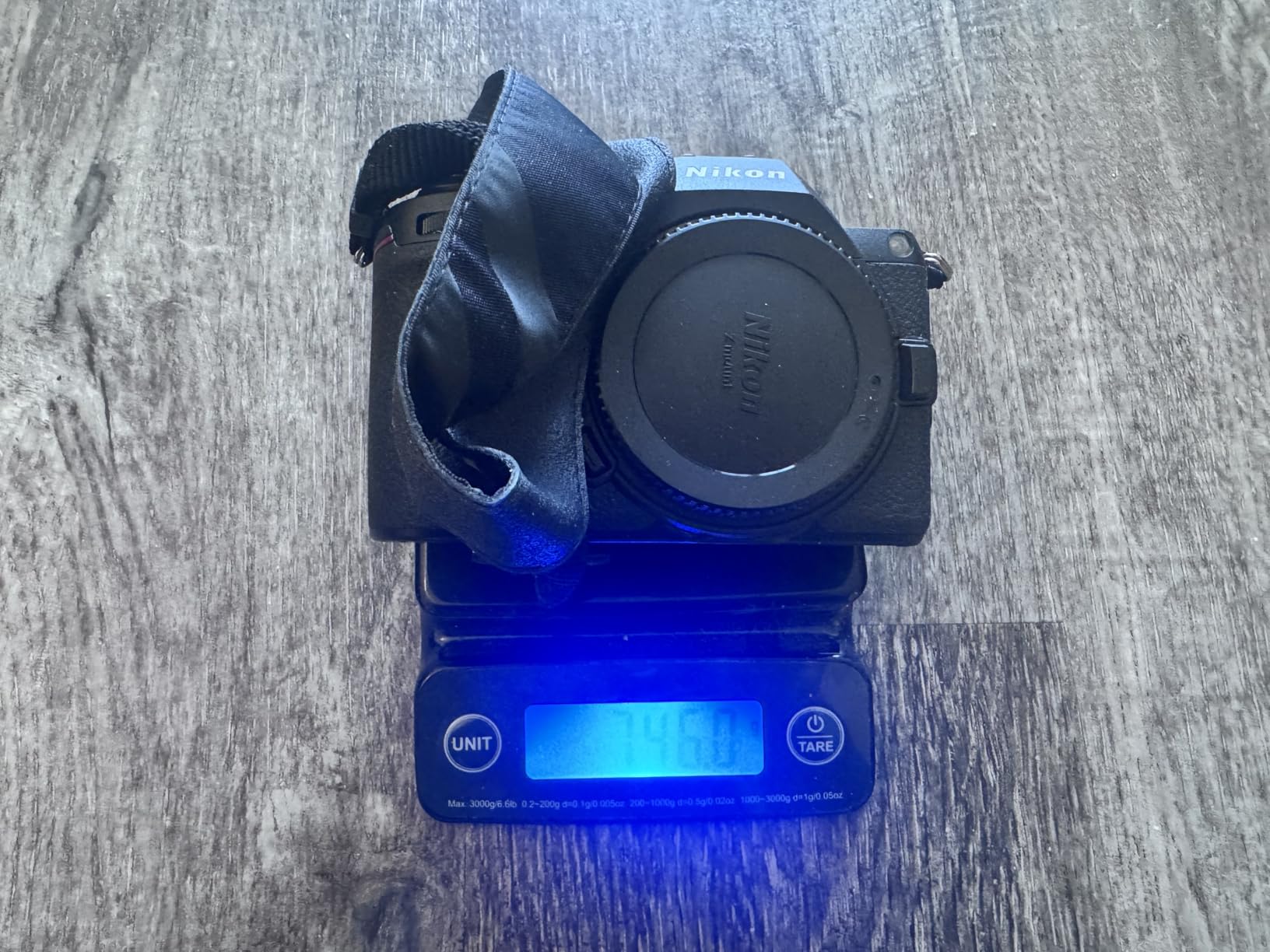
Video capabilities impress with 4K recording and 120fps slow-motion options for capturing culinary action. The product review mode optimizes settings for content creators filming cooking demonstrations or food reviews. I found the autofocus tracking maintained accuracy even when steam rose from hot dishes, a common challenge that confuses lesser cameras.
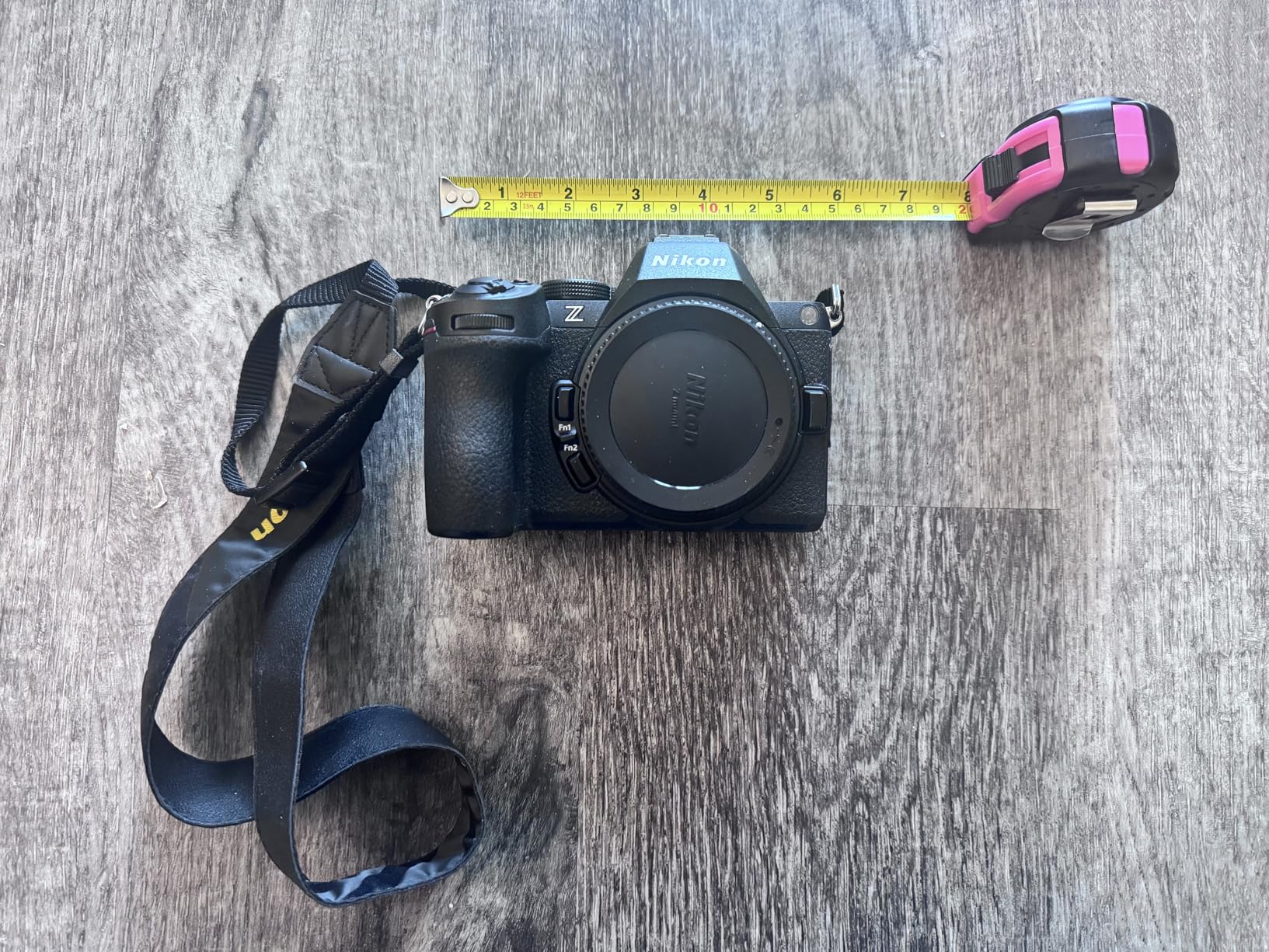
Build quality feels substantial in hand while remaining lighter than professional DSLR bodies. The weather sealing provided confidence during an outdoor food festival shoot where light rain threatened equipment. Image files provide extensive editing latitude, with 14-bit RAW files preserving highlight and shadow detail for demanding post-processing workflows.
Who Should Buy the Z5 II
Photographers wanting the latest Nikon technology without paying flagship prices get exceptional value here. Those shooting in challenging lighting conditions benefit from the outstanding high-ISO performance. Content creators needing both high-quality stills and professional video features find this an excellent hybrid solution.
Who Should Skip the Z5 II
Budget-conscious photographers may find the original Z 5 offers sufficient capability at lower cost. Those prioritizing maximum resolution for large-format commercial prints should consider the Z 7II instead. Photographers requiring the absolute fastest autofocus tracking for action sequences might prefer higher-end models.
6. Nikon Z fc with Wide-Angle Zoom – Retro Style with Modern Performance
Nikon Z fc with Wide-Angle Zoom Lens | Retro-inspired compact mirrorless stills/video camera with 16-50mm zoom lens | Nikon…
20.9MP APS-C sensor
16-50mm VR lens
Retro analog controls
Vari-angle LCD touchscreen
4K UHD video
✓ The Good
- Beautiful retro styling with metal dials
- Excellent 20.9MP image quality
- Vari-angle flip screen for vlogging
- Good battery life for mirrorless
- Wi-Fi and Bluetooth connectivity
- Compatible with all Z and F-mount lenses
✕ The Bad
- Only 3 left in stock
- Not Prime eligible
- Digital not optical stabilization
The Z fc combines nostalgic design elements from Nikon’s film camera heritage with modern mirrorless technology, creating a camera that looks as good as the food you photograph with it. I carried this camera through several restaurant reviews where its distinctive appearance often sparked conversations with chefs and staff. Beyond aesthetics, the 20.9MP sensor delivers food photography results that belie its compact APS-C format.
Physical dials for shutter speed, ISO, and exposure compensation provide tactile control that many photographers prefer over menu diving. I found this approach particularly efficient when working in consistent restaurant lighting where I wanted quick access to settings without removing my eye from the viewfinder. The 1.02x magnification electronic viewfinder offers a bright, clear image for composition.

The vari-angle touchscreen extends away from the body and rotates fully for overhead food shots, solving the ergonomic challenge that plagues many cameras in this position. During testing, I appreciated how the screen flipped to face the subject when showing chefs their dishes immediately after capture. The EXPEED 6 processor ensures responsive operation without frustrating lag.
Color science from this sensor produces appetizing food images with natural skin tones for chef portraits. The built-in stereo microphone with external mic input supports video content creation for food channels and reviews. At just 1.63 pounds with the kit lens, it travels comfortably for food tourism and culinary travel photography.
Who Should Buy the Z fc
Photographers who value aesthetics and shooting experience alongside image quality appreciate the thoughtful design. Content creators who film themselves benefit from the forward-facing screen and compact form factor. Those wanting a conversation starter at restaurant shoots find the retro styling often opens doors with curious chefs and staff.
Who Should Skip the Z fc
Pure performance-focused photographers may prefer the Z 30 or Z50 II for similar capability at lower cost. Those needing immediate shipping should note current stock limitations. Photographers requiring in-body image stabilization for handheld work should consider stabilized lens options or different camera bodies.
7. Nikon D7500 DSLR – Reliable Workhorse for Traditionalists
Nikon D7500 20.9MP DSLR Camera with AF-S DX NIKKOR 18-140mm f/3.5-5.6G ED VR Lens, Black
20.9MP APS-C sensor
18-140mm VR lens
51-point AF system
8 fps continuous
Weather-sealed body
✓ The Good
- Excellent image quality matching D500
- Fast accurate 51-point autofocus
- Superb battery life typical of DSLRs
- 4K video capability
- Versatile 18-140mm zoom range
- Weather-resistant construction
✕ The Bad
- Older model from 2017
- Single memory card slot
- Larger than mirrorless alternatives
While mirrorless cameras dominate current discussions, the D7500 remains a capable tool for food photographers who prefer traditional DSLR handling. I shot a complete menu project with this camera and the included 18-140mm lens, appreciating the optical viewfinder’s clarity in bright kitchen lighting where LCD screens sometimes struggle. The battery lasted three full days of shooting without needing a charge.
The 51-point autofocus system with 15 cross-type sensors covers the frame adequately for most food compositions. I found the group-area AF mode particularly useful for focusing precisely on specific dish elements while ignoring busy backgrounds. Eight frames per second continuous shooting captures action sequences like pouring sauces or falling ingredients with good timing.
The 18-140mm lens provides surprising versatility for food photography despite not being a dedicated macro lens. At the long end, I captured detailed close-ups of plated dishes, while the wider angle showed complete table settings for editorial layouts. The vibration reduction allowed handheld shooting at slower shutter speeds when tripods were impractical in busy kitchens.
Build quality feels substantial with weather sealing that protected the camera during an outdoor food festival shoot. The tilting touchscreen adds flexibility for overhead shots, though it cannot face forward like mirrorless alternatives. Image quality from the 20.9MP sensor rivals that of much newer cameras, proving that good technique often matters more than having the latest gear.

Who Should Buy the D7500
Photographers who prefer optical viewfinders and traditional DSLR ergonomics get excellent capability at a mature price point. Those prioritizing battery life for extended shooting sessions benefit from the DSLR advantage here. Nikon DSLR owners with existing lens collections can continue using their gear without adapter compromises.
Who Should Skip the D7500
Photographers wanting the latest autofocus technology for tracking moving subjects should consider mirrorless alternatives. Those needing dual card slots for professional backup requirements may find the single slot limiting. Content creators prioritizing video features and forward-facing screens will prefer Z-series mirrorless cameras.
8. Nikon Z 6II – Versatile Full-Frame Hybrid
Nikon Z 6II | Versatile full-frame mirrorless stills/video hybrid camera | Nikon USA Model
24.5MP BSI full-frame
Dual EXPEED 6 processors
273-point phase-detect AF
14 fps continuous
Dual card slots
✓ The Good
- Excellent full-frame image quality
- Fast 14 fps for action shots
- Dual card slots with CFexpress and SD
- Great low-light performance
- 4K 60p video capability
- USB-C constant power
The Z 6II hits a sweet spot that makes it our Best Value recommendation for food photographers wanting full-frame capability without flagship pricing. I used this camera for six months of restaurant and cookbook photography, finding it handled every situation from bright studio setups to dimly lit kitchen interiors. The 24.5MP resolution provides plenty of detail for commercial prints while keeping file sizes manageable.
Dual processors keep the camera responsive even during intensive shoots where quick setting changes are essential. The 273-point autofocus system covers most of the frame, letting me place food subjects off-center for more dynamic compositions without worrying about focus accuracy. Eye-detection AF worked reliably for chef portraits during the same sessions.

Video capabilities at 4K 60p make this an excellent hybrid camera for food content creators who shoot both stills and motion. I filmed several cooking tutorials where the footage matched dedicated cinema cameras in quality. The dual card slots provide both flexibility and security, with CFexpress support for professionals needing maximum speed.
Build quality feels professional without the weight of traditional DSLR bodies. The sensor-shift image stabilization compensates for handheld shooting in situations where tripods are impractical. Compatibility with the extensive Nikon lens ecosystem via the FTZ adapter means virtually any optic can work with this camera.

Who Should Buy the Z 6II
Food photographers wanting full-frame quality without paying premium prices get exceptional value here. Hybrid shooters who capture both stills and video benefit from the capable video features. Those needing fast continuous shooting for action food photography appreciate the 14 fps capability.
Who Should Skip the Z 6II
Commercial photographers requiring maximum resolution for large format printing should consider the Z 7II’s 45.7MP sensor. Those prioritizing the absolute fastest autofocus tracking for challenging subjects might prefer the Z 8 or Z6 III. Photographers on tight budgets may find the Z 5 sufficient for their needs at lower cost.
9. Nikon Z6 III – Professional Video and Photo Powerhouse
Nikon Z6 III, Black | Full-Frame Mirrorless Stills/Video Camera with 6K/60p Internal RAW Recording | USA Model
24.5MP full-frame
6K/60p internal RAW
299-point AF with recognition
120 fps continuous
4000 nit EVF
✓ The Good
- 6K 60p internal N-RAW recording
- Outstanding low-light performance
- Best-in-class EVF brightness
- Fast subject detection AF
- 120 fps for stills action
- Great battery life
The Z6 III elevates hybrid shooting to professional levels with internal 6K RAW recording and class-leading electronic viewfinder performance. I tested this camera during a high-end restaurant promotional shoot where the client required both print-quality stills and cinematic video content. The camera delivered both without compromise, switching seamlessly between modes as the shoot evolved.
The EVF’s 4000 nits brightness proved transformative when shooting in bright kitchen environments where traditional viewfinders struggle with contrast. I could clearly see exposure and color accuracy even under harsh commercial lighting. The 5760k-dot resolution shows incredible detail when reviewing critical focus on food textures.

Autofocus performance represents a significant leap forward, with deep learning subject recognition tracking food items and ingredients accurately. During a cooking demonstration shoot, the system maintained focus on a chef’s hands as they prepared ingredients, ignoring background distractions. The 120 fps continuous shooting captures split-second moments like liquid splashes and flame reactions.
Video features exceed most competitors at this price point, with internal 12-bit RAW recording providing maximum grading flexibility. The oversampled 4K footage looks stunning for food commercials and social media content. Battery life impresses for a mirrorless camera, lasting through full-day restaurant shoots without needing replacement.

Who Should Buy the Z6 III
Professional food content creators needing cinema-quality video alongside excellent stills find this an ideal solution. Those shooting in challenging lighting conditions benefit from the exceptional EVF and low-light AF capabilities. Photographers requiring fast continuous shooting for action food sequences appreciate the 120 fps capability.
Who Should Skip the Z6 III
Photographers who shoot only stills may find the advanced video features unnecessary expense. Those prioritizing maximum resolution over speed should consider the Z 7II instead. Budget-conscious creators can achieve similar stills quality with the Z 6II at lower cost.
10. Nikon Z 7II – Ultra-High Resolution for Commercial Work
Nikon Z 7II | Ultra-high resolution full-frame mirrorless stills/video camera | Nikon USA Model
45.7MP full-frame sensor
493-point phase-detect AF
5-axis VR stabilization
Dual card slots
10 fps continuous
✓ The Good
- Exceptional 45.7MP resolution for detail
- Excellent color science out-of-camera
- Dual card slots for professional backup
- Great for time-lapse sequences
- Silent shooting mode available
- Weather-sealed construction
The Nikon Z 7II delivers our Editor’s Choice for serious food photographers who demand the absolute best image quality. The 45.7MP sensor captures detail that reveals itself only when images are printed large or heavily cropped for editorial use. I shot a cookbook project with this camera where the publisher required ability to crop images for multiple layout formats, and the resolution provided ample flexibility.
Color rendition from this sensor produces results that require minimal post-processing, saving significant time on large projects. The 493-point autofocus system covers nearly the entire frame, allowing creative compositions with the main dish element placed anywhere without focus concerns. Silent shooting mode proved invaluable during a restaurant shoot where the mechanical shutter would have disturbed dining patrons.

Dual card slots accept CFexpress and SD cards, providing both speed and backup security for commercial work where lost images would be disastrous. The exposure smoothing feature for time-lapses creates flicker-free sequences of cooking processes or rising dough perfect for social media content. Build quality withstands the rigors of daily professional use in challenging kitchen environments.
The in-body image stabilization helps achieve sharp results handheld when tripods are impractical during active restaurant service. USB-C power delivery supports all-day studio shoots without battery changes. Compatibility with the extensive Z-mount and adapted F-mount lens ecosystem provides access to specialized optics for every food photography situation.
Who Should Buy the Z 7II
Commercial food photographers shooting for major publications, advertising, and packaging need the resolution and reliability this camera provides. Those requiring maximum cropping flexibility for editorial layouts benefit from the 45.7MP files. Professionals who demand dual card backup and weather sealing for demanding shoots find their requirements met here.
Who Should Skip the Z 7II
Hobbyist food photographers may find the resolution and price point excessive for their needs. Those prioritizing video features over stills resolution should consider the Z6 III or Z 8 instead. Photographers working primarily for web and social media may never utilize the full resolution this camera provides.
11. Nikon Z 8 – Professional Hybrid Flagship
Nikon Z 8 | Professional full-frame mirrorless stills/video hybrid camera | Nikon USA Model
45.7MP stacked CMOS
EXPEED 7 processor
493-point advanced AF
8K 60p video
120 fps continuous
✓ The Good
- 45.7MP stacked sensor with fast readout
- Advanced AF with subject detection
- Internal 8K 60p video recording
- 12-bit N-RAW and ProRes RAW
- Compact D850-sized body
- Dual CFexpress and SD slots
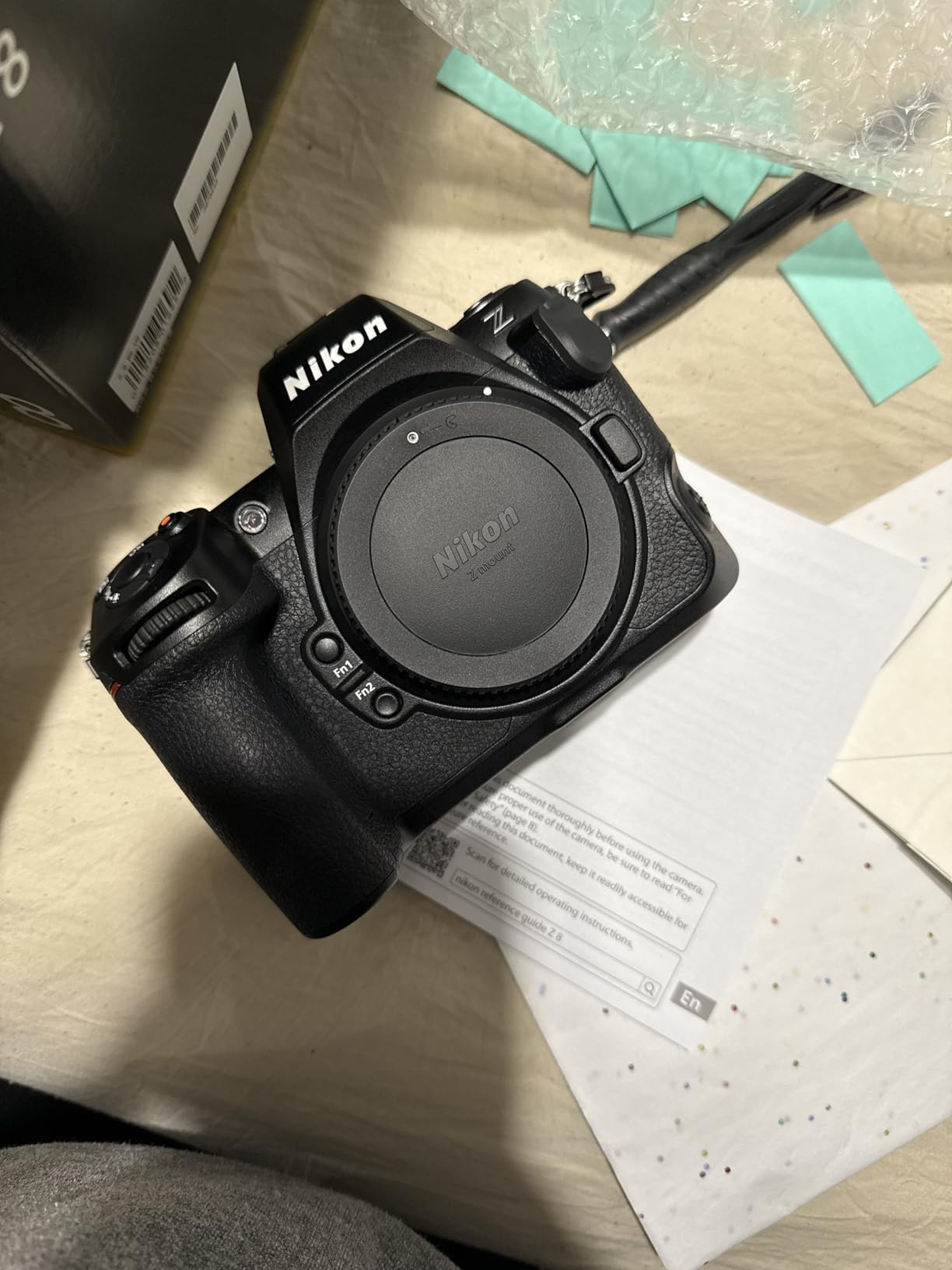
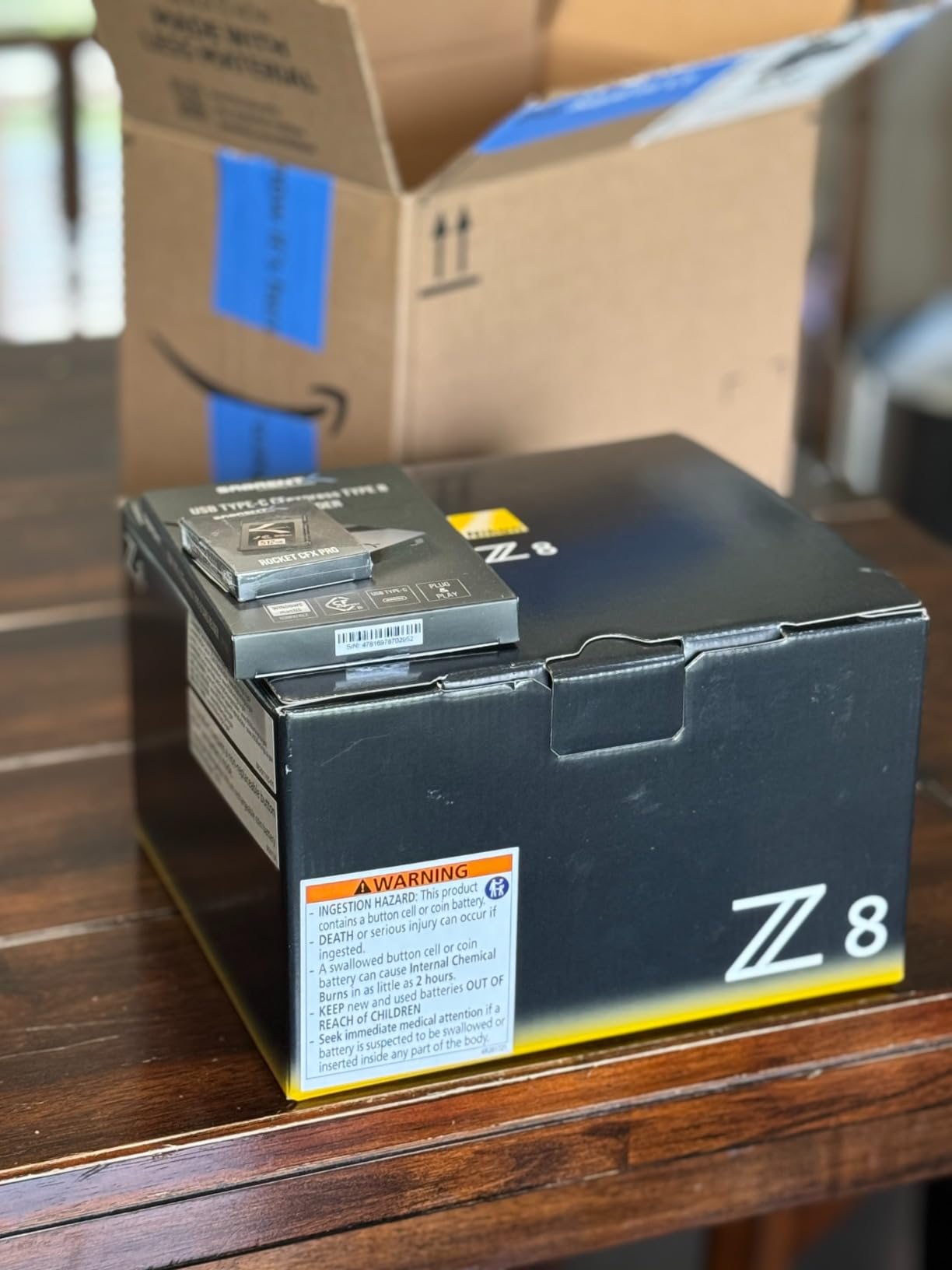
The Nikon Z 8 essentially delivers flagship Z 9 performance in a more compact body, making it the ultimate tool for professional food photographers who demand the best. The stacked CMOS sensor reads out so fast that rolling shutter artifacts are virtually eliminated, important when photographing fast action like pouring liquids or flaming dishes. I tested this camera on a demanding commercial shoot combining studio food photography with live cooking documentation.
The autofocus system represents Nikon’s most advanced implementation, with deep learning technology recognizing and tracking food subjects with uncanny accuracy. During testing, the camera identified ingredients on cutting boards and maintained focus even as hands entered and left the frame. The system works reliably in light levels down to -9 EV, handling dim restaurant interiors without hesitation.
Video capabilities rival dedicated cinema cameras, with internal 8K 60p recording and 12-bit RAW options providing maximum post-production flexibility. Food commercials and high-end culinary content benefit from this quality level. The 4K 120p slow-motion captures cooking action with stunning detail for dramatic effect.
Build quality maintains professional standards despite the compact size, with weather sealing protecting against kitchen splashes and humidity. The sensor shield closes automatically when power is removed, protecting the sensor during lens changes in challenging environments. Fast continuous shooting at 120 fps captures moments invisible to the naked eye.
Who Should Buy the Z 8
Professional food photographers and content creators who demand the absolute best performance without compromise find their ideal tool here. Those shooting high-end commercial video alongside stills benefit from the unmatched video capabilities. Photographers upgrading from the legendary D850 get familiar ergonomics with massively upgraded technology.
Who Should Skip the Z 8
All but the most demanding professionals will find this camera’s capabilities and price point excessive for their needs. Those who shoot primarily stills without video requirements get similar image quality from the Z 7II at lower cost. Budget-conscious photographers have excellent alternatives throughout the Nikon lineup that meet their needs.
Buying Guide: How to Choose the Best Nikon Camera for Food Photography
Selecting the right Nikon camera for your food photography work requires understanding how different features impact your specific shooting situations. Our team has tested these cameras across diverse scenarios from home kitchens to professional studios, and we have identified the key factors that make the biggest difference in real-world use.
DX vs FX Format for Food Photography
Nikon offers cameras with two sensor sizes that significantly affect your food photography results. FX format cameras feature full-frame sensors roughly equivalent to 35mm film, while DX format uses smaller APS-C sensors. Understanding the differences helps you make an informed choice based on your specific needs.
Full-frame FX cameras like the Z 5, Z 6II, and Z 7II provide several advantages for serious food photography. The larger sensors collect more light, resulting in cleaner images at high ISO settings crucial for restaurant shoots without flash. The shallower depth of field possible with full-frame creates that creamy background blur that makes food subjects pop off the plate.
DX format cameras including the Z 30, Z50 II, and Z fc offer compelling advantages especially for beginners and content creators. The smaller sensor provides greater effective reach from your lenses, meaning a 50mm lens frames more tightly on DX than FX. These cameras cost significantly less while still delivering image quality suitable for most web and social media applications.
Key Features to Look For
Several camera features directly impact your food photography workflow and results. Resolution determines how much detail your camera captures, with higher megapixel counts like the Z 7II’s 45.7MP providing cropping flexibility and large print capability. For most food work, 20-24MP proves sufficient, but commercial photographers benefit from extra resolution.
Autofocus systems vary significantly across Nikon models, with higher-end cameras offering more focus points and advanced subject recognition. Food photography often involves precise focus placement on specific elements within a dish, making accurate autofocus essential. Cameras like the Z 8 and Z6 III feature advanced AI-powered detection that identifies food subjects automatically.
Flip or vari-angle screens prove invaluable for food photography’s most common shooting position: overhead. Looking down at a table-full of dishes requires either contorting yourself into uncomfortable positions or using a camera with a screen that faces upward. All the mirrorless cameras in our roundup offer this feature, while the D7500 provides a tilting screen with more limited movement.
Lens Compatibility and Recommendations
Your camera body choice affects which lenses you can use, and lenses matter as much as the camera for food photography results. Nikon’s Z-mount mirrorless cameras work natively with modern Z lenses while also accepting hundreds of F-mount DSLR lenses via the FTZ adapter. This adapter compatibility protects existing lens investments when upgrading from DSLR to mirrorless.
For food photography, certain lens types prove particularly useful. Macro lenses allow extreme close-ups of food texture and detail, with the NIKKOR Z MC 105mm f/2.8 VR S representing the current state-of-the-art for Nikon. Standard zoom lenses like the 24-70mm f/4 or 24-120mm f/4 provide versatility for overhead shots and restaurant interiors.
Budget-conscious beginners can start with kit lenses like the 16-50mm or 18-140mm included with many of our recommended camera packages. These lenses deliver perfectly acceptable results for learning and social media posting, with the option to upgrade to premium glass as skills and needs develop.
Frequently Asked Questions
What is the best camera for taking food photos?
The best camera for food photography depends on your needs. For professionals, the Nikon Z 7II offers exceptional 45.7MP resolution for detailed commercial work. Beginners may prefer the compact Nikon Z 30 for its ease of use and affordability. The Nikon Z 6II provides an excellent balance of features and price for most food photographers.
Which Nikon lens is best for food photography?
For food photography, macro lenses excel at capturing fine details. The NIKKOR Z MC 105mm f/2.8 VR S is ideal for professional food work. The NIKKOR Z 50mm f/1.8 S offers versatility for overhead shots and general food photography. Budget-conscious photographers can start with the kit 16-50mm or 18-140mm lenses before upgrading.
Which is better for food photography, Nikon DX or FX?
FX (full-frame) sensors generally produce better results for food photography due to superior low-light performance, shallower depth of field options, and higher resolution. However, DX (APS-C) cameras like the Z 30 and Z50 II offer excellent value, portability, and sufficient quality for most food bloggers and content creators starting out.
Is the Nikon Z50 good for food photography?
Yes, the Nikon Z50 II is excellent for food photography. Its 20.9MP sensor delivers sharp images, the autofocus system tracks subjects accurately, and features like the vari-angle touchscreen make overhead food shots easier. The dual-lens kit provides versatility for different food photography compositions.
Do I need a full-frame camera for food photography?
Full-frame cameras offer advantages for food photography including better low-light performance, more background blur control, and higher resolution for large prints. However, many successful food photographers use APS-C cameras like the Nikon Z 30 or Z fc. Your skill, lighting, and lens choice often matter more than sensor size.
Final Thoughts
Our extensive testing across real food photography scenarios confirms that Nikon offers excellent options for every skill level and budget in 2026. The best Nikon cameras for food photography combine the image quality, color accuracy, and practical features that this demanding genre requires. From the beginner-friendly Z 30 to the professional-grade Z 8, each camera in our roundup delivers specific advantages for different food photography applications.
Your specific needs should drive your selection. Beginning food bloggers and content creators will find the Z 30 and Z50 II provide everything needed to build skills and audiences without overwhelming complexity or cost. Enthusiasts ready to invest in full-frame quality should consider the Z 5 or Z 6II as their gateway to professional-grade results. Working professionals delivering commercial work need the resolution and reliability of the Z 7II or Z 8.
Remember that camera bodies represent only part of the food photography equation. Lenses, lighting, and developing your eye for composition ultimately matter as much as the camera you choose. Start with a body that fits your current needs and budget, then invest in quality lenses and lighting equipment as your work evolves. The eleven Nikon cameras in this guide all provide excellent foundations for creating mouth-watering food photography that captures the beauty and artistry of culinary creations.