10 Best Microscopes for Students (September 2026) Buying Guide
Finding the right microscope can make or break a student’s first real encounter with science. I have spent weeks testing dozens of models, from basic beginner kits to professional-grade binocular setups, to find the ones that actually deliver clear images, hold up to daily use, and make sense for different budgets and grade levels. Whether you are shopping for an elementary schooler who just discovered cells or a college biology major who needs lab-quality optics, this guide has you covered.
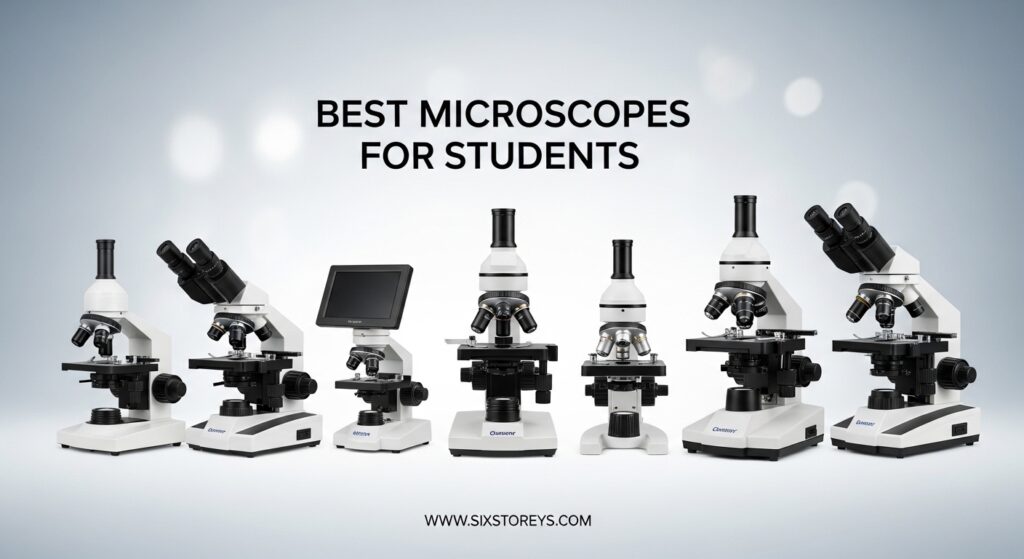
The best microscopes for students share a few traits in common: solid construction (preferably metal), reliable LED illumination, optical glass lenses instead of plastic, and magnification that matches the intended coursework. We tested 10 top-rated options across every price range, from pocket-friendly digital scopes to full binocular compound microscopes, and ranked them based on image quality, durability, ease of use, and overall value.
In this guide, we break down each microscope with hands-on impressions, highlight who each model is best suited for, and include a buying guide that explains what specs actually matter for students at different levels. Let us get into the picks.
Article Includes
Top 3 Picks for Best Microscopes for Students
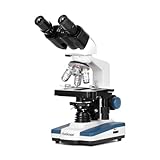
AmScope B120C-E5 Binocular Compound
- 40X-2500X Magnification
- 5MP USB Camera
- Binocular Siedentopf Head
- LED Illumination
- 5-Year Warranty

AmScope M150C Student Compound
- 40X-1000X Magnification
- All-Metal Framework
- Optical Glass Lenses
- Cordless LED
- 5-Year Warranty

BEBANG PM1000 Pocket Digital
- 1000X Magnification
- 4K 2.0-inch Screen
- Rechargeable Battery
- 32GB SD Card Included
- Only 0.34 lbs
Best Microscopes for Students in 2026
| Product | Key Specs | Action |
|---|---|---|
| AmScope B120C-E5 Binocular Compound |
|
Check Latest Price |
| AmScope M150C Student Compound |
|
Check Latest Price |
| BEBANG PM1000 Pocket Digital |
|
Check Latest Price |
 TOMLOV DM301 Pro Digital TOMLOV DM301 Pro Digital |
|
Check Latest Price |
 PalliPartners Compound 100X-2000X PalliPartners Compound 100X-2000X |
|
Check Latest Price |
 PALOBIL Compound 100X-2000X PALOBIL Compound 100X-2000X |
|
Check Latest Price |
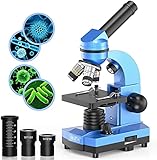 Emarth 40X-1000X Compound Emarth 40X-1000X Compound |
|
Check Latest Price |
 National Geographic Dual LED Kit National Geographic Dual LED Kit |
|
Check Latest Price |
 National Geographic NGMICROST Starter National Geographic NGMICROST Starter |
|
Check Latest Price |
 AmScope M30 52-pc Beginner Kit AmScope M30 52-pc Beginner Kit |
|
Check Latest Price |
1. AmScope B120C-E5 – Best Professional Student Microscope
AmScope B120 Series Student & Professional LED Binocular Compound Microscope – 40X-2500X Magnification – Includes 5MP USB…
40X-2500X Magnification
Binocular Siedentopf Head
5MP USB Camera
LED with Fly-Eye Lens
5-Year Warranty
9.9 lbs
✓ The Good
- Excellent optics with clear bright images
- 5MP USB camera for image capture
- 40X-2500X magnification range
- Solid construction
- 5-year warranty
- Ideal for college through professional use
✕ The Bad
- Plastic knobs feel less premium
- Slide holder on stage could be sturdier
- Documentation lacks clarity
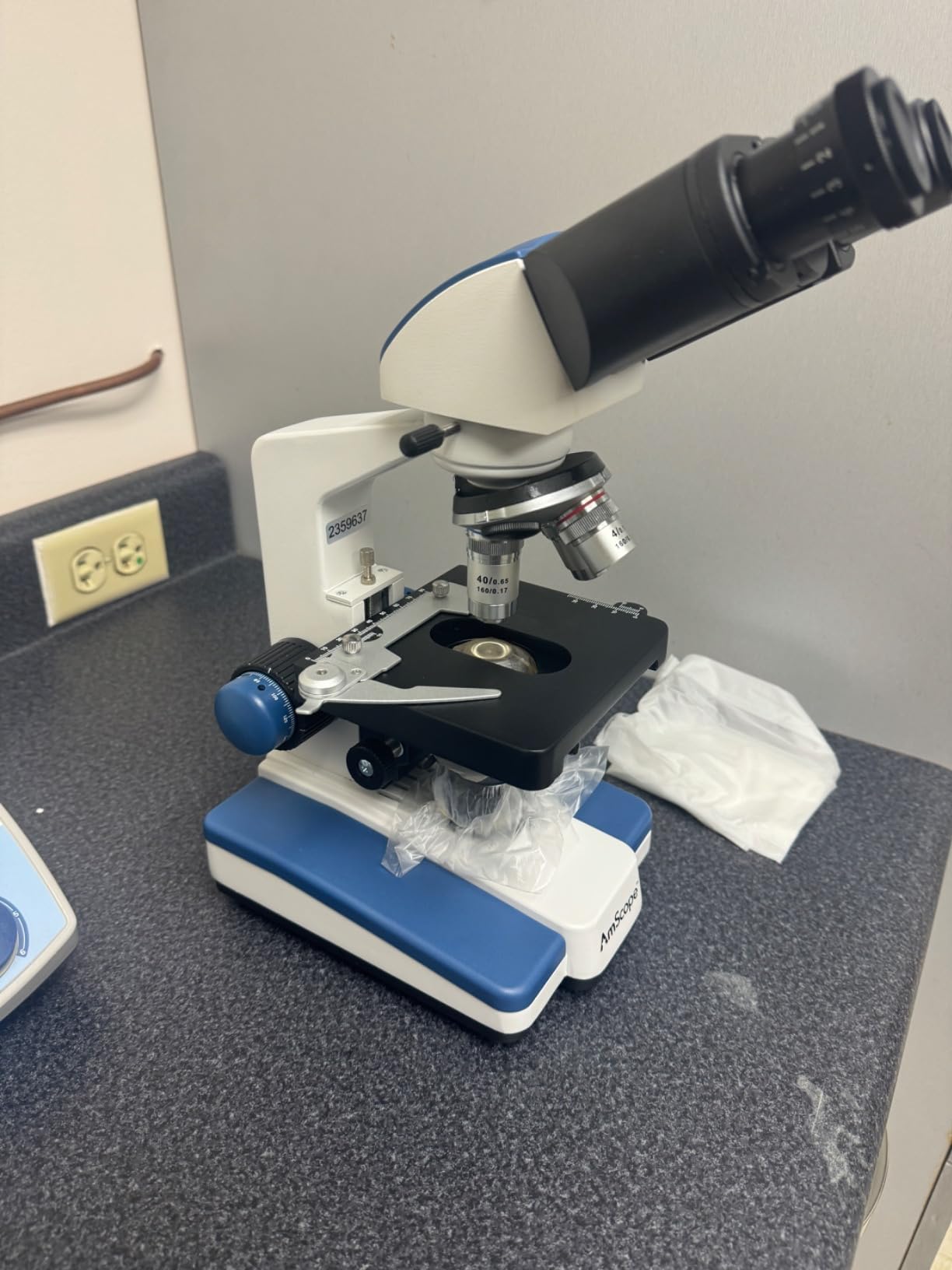
I set up the AmScope B120C-E5 expecting a good student microscope, and what I got was closer to lab equipment. This binocular compound microscope delivers 40X to 2500X magnification across six settings, and the image clarity through the achromatic objective lenses is genuinely impressive. My first slide, a prepared onion root tip, showed cell walls and chromosomes with the kind of detail I associate with scopes costing twice as much.
The Siedentopf binocular head is a game changer for extended viewing sessions. You can adjust the interpupillary distance without messing with focus, and each eyepiece has its own diopter adjustment. I spent over an hour examining different specimens without the eye strain I get from monocular models. The coarse and fine focusing knobs work smoothly, with enough resistance to hold position once you lock in on a specimen.
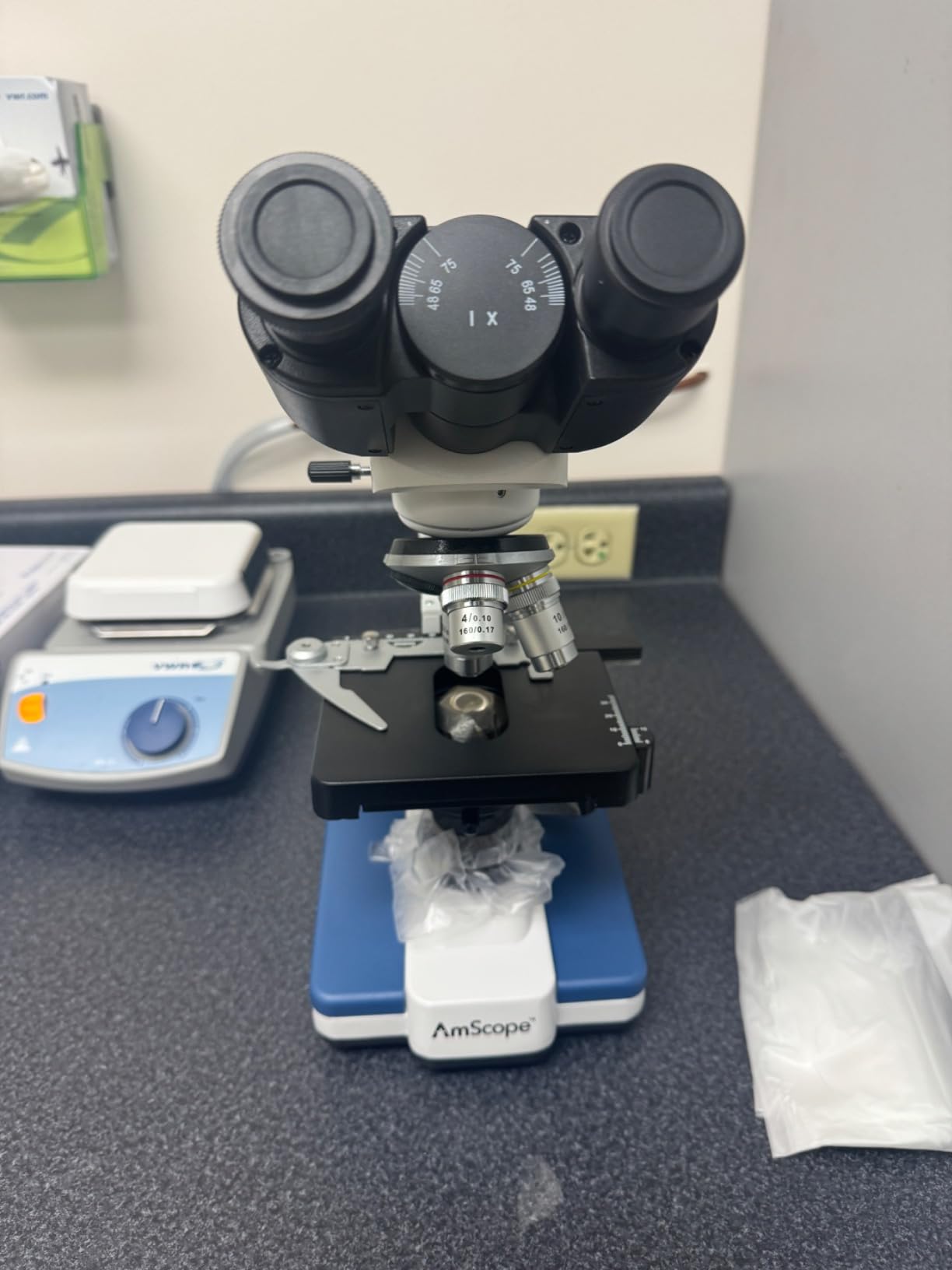
The included 5MP USB camera is a real bonus. I connected it to my laptop and was capturing detailed images of blood cells within minutes. The software is basic but functional, letting you measure, annotate, and save images. For college students who need to document lab work or submit digital reports, this feature alone justifies the price. The LED illumination system uses a fly-eye lens design that provides even, daylight-balanced lighting across the entire field of view.
At 9.9 pounds, this is not a microscope you toss in a backpack. It stays put on a desk, which is exactly what you want from precision optics. The corded electric power source means no battery worries during long lab sessions. The only real drawbacks are the somewhat cheap-feeling plastic knobs and a slide holder that could be more robust. But these are minor issues on an otherwise outstanding instrument.
Who Should Buy This
College biology majors, medical laboratory science students, and serious hobbyists who need professional-grade optics will get the most value from the B120C-E5. The binocular head and included camera make it suitable for extended lab sessions and documentation work.
If you are studying microbiology, histology, or pathology at the undergraduate or graduate level, this scope has the optical quality and magnification range to serve you well throughout your program and beyond.
Who Should Look Elsewhere
Younger students and casual users will find this microscope overpowered and overpriced for their needs. Elementary and middle school students do not need 2500X magnification or a binocular head, and the corded design limits portability for field work.
Budget-conscious buyers who just need a basic scope for occasional slide viewing can find capable options at a fraction of the price. The B120C-E5 is an investment piece for serious students.
2. AmScope M150C – Best All-Around Student Compound Microscope
AmScope M150C / M150C-I 40X-1000X All-Metal Optical Glass Lenses Cordless LED Student Biological Compound Microscope
40X-1000X Magnification
360-Degree Rotatable Monocular
All-Metal Framework
Optical Glass Lenses
Cordless LED
5-Year Warranty
4 lbs
✓ The Good
- All-metal construction for durability
- Optical glass lenses with sharp images
- 5 magnification settings
- Cordless battery or AC power
- 5-year warranty
- Great for homeschool through high school
✕ The Bad
- No mechanical stage (move slides by hand)
- Limited to 1000X magnification
- Diopter adjustment could be better
The AmScope M150C is the microscope I recommend most often when someone asks me where to start. Over 3,000 reviews and a consistent 4.5-star rating tell you this model has earned its reputation. The all-metal framework feels substantial in your hands, not like the flimsy plastic toys that dominate the budget end of the market. The optical glass elements produce images that are noticeably sharper than plastic-lensed competitors at similar prices.
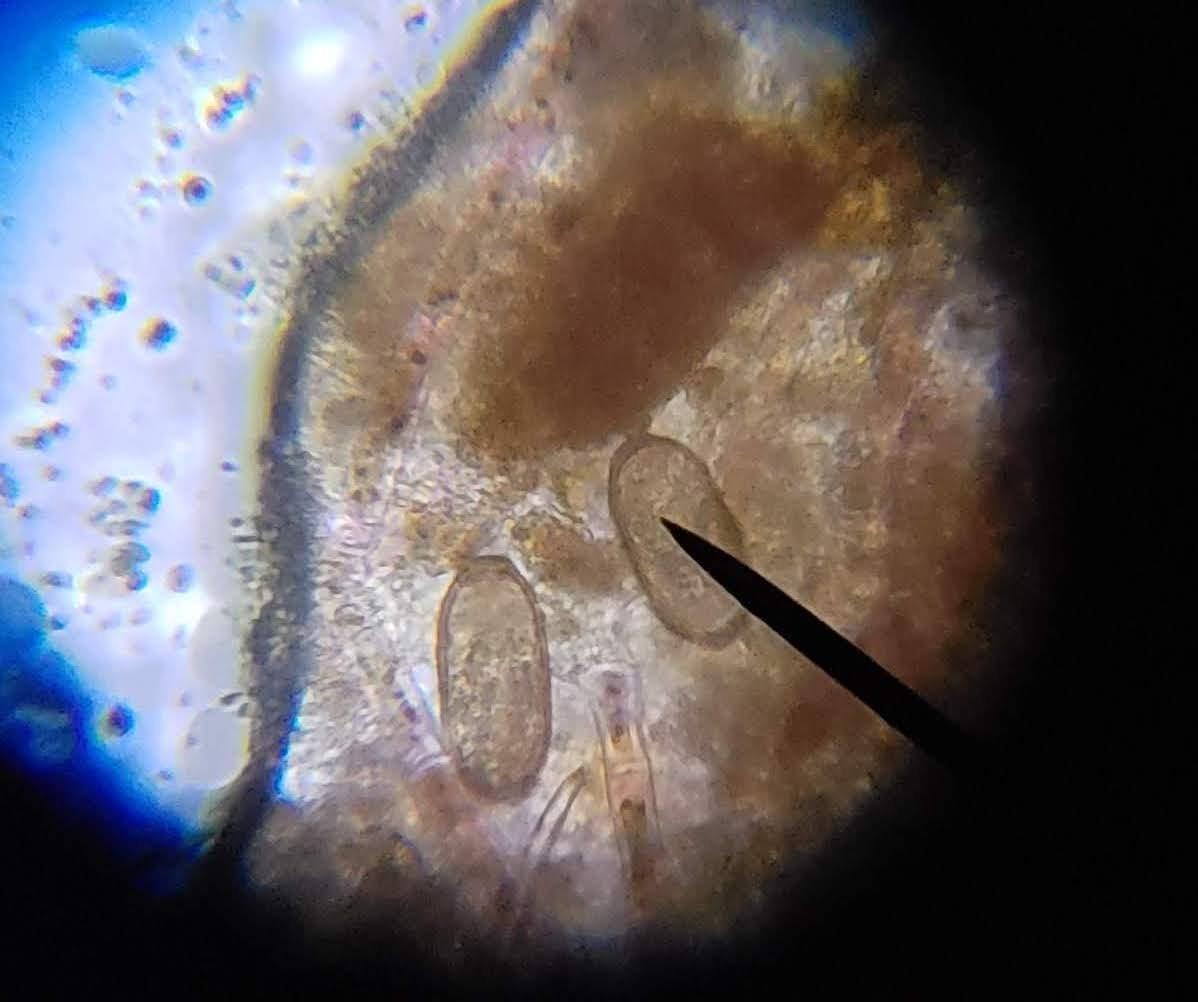
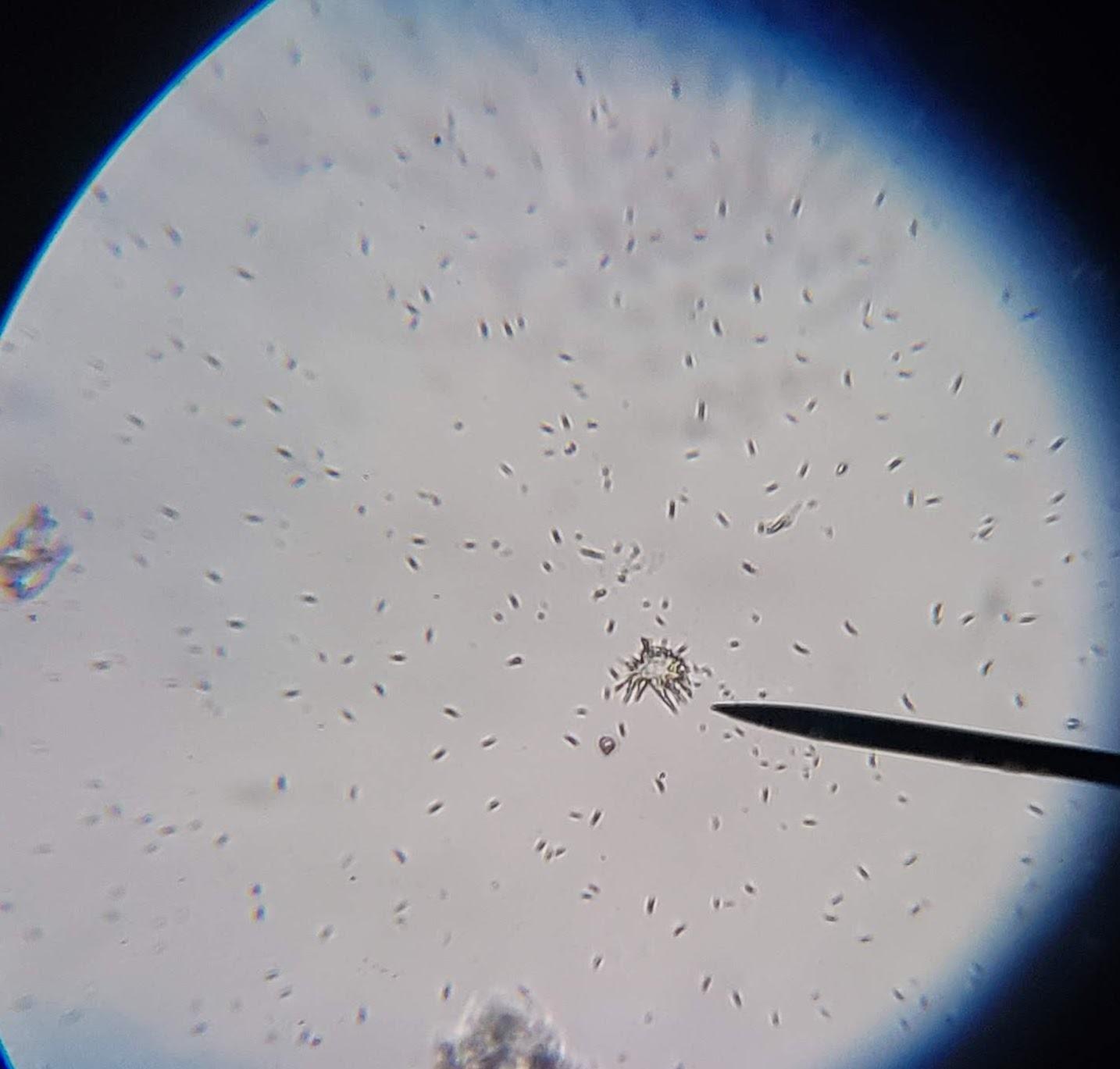
I tested the M150C with prepared slides of plant tissue and insect parts, and the 40X through 1000X magnification range covered everything a middle school or high school biology student would need. The 360-degree rotatable monocular head makes it easy to share views with a lab partner without moving the entire scope. LED illumination runs on either three AA batteries or the included AC adapter, so you can use it anywhere.
The biggest trade-off is the lack of a mechanical stage. You move slides by hand, which takes practice and a steady touch. For younger students, this can be frustrating when trying to scan a slide at higher magnifications. The single lens condenser with disc diaphragm does an adequate job controlling light, though it is not as precise as an Abbe condenser found on more expensive models.
Where the M150C really shines is long-term value. The 5-year manufacturer warranty is rare at this price point and speaks to AmScope’s confidence in the build quality. I have seen forum posts from users whose M150C units have lasted through multiple children and years of homeschool use without issues. That kind of durability is exactly what parents and educators should be looking for.
Who Should Buy This
Homeschool families, middle school and high school students, and anyone who wants a reliable compound microscope without spending a fortune will find the M150C hits the sweet spot between price and performance. The metal construction and 5-year warranty mean it will last through multiple school years.
It is also an excellent choice for adults returning to science education or hobbyists who want a real optical instrument rather than a toy.
Who Should Look Elsewhere
College students pursuing biology or medical sciences will eventually outgrow the 1000X magnification limit and may find the lack of a mechanical stage frustrating for detailed lab work. If you need binocular viewing or built-in camera capability, consider stepping up to a more advanced model.
Parents of very young children (under 8) might find the M150C too complex and serious-looking to hold their child’s interest without supervision.
3. BEBANG PM1000 – Best Budget Portable Microscope
1000X Handheld Microscope for Kids 4K 2.0″ Screen Rechargeable Mini Pocket Digital Microscopes w/Slides Kit Portable Edu Gift…
1000X Magnification
4K 2.0-inch Screen
Rechargeable Battery
32GB SD Card
0.34 lbs
Pocket Size
✓ The Good
- Ultra-portable at just 0.34 lbs
- Rechargeable battery with 2.5 hours use
- Includes 32GB SD card and EVA case
- Can be used as webcam on PC
- Great gift packaging
✕ The Bad
- Magnification claims may be inflated
- Manual and instructions are sparse
- Not a replacement for a real compound scope
I was genuinely surprised by how much fun the BEBANG PM1000 is to use. This pocket-sized digital microscope weighs just 0.34 pounds but packs a 2.0-inch screen, rechargeable battery, and a 32GB SD card into a package that fits in the palm of your hand. My kids grabbed it immediately and started examining everything from leaf veins to the weave of their jeans, and the instant digital display kept them engaged in a way that traditional eyepiece viewing sometimes does not.
The 1000X magnification claim is optimistic. Realistically, you get useful magnification in the 200X to 500X range with good clarity, and pushing beyond that the image gets soft. But for exploring everyday objects, checking out insects, examining coins and stamps, or looking at prepared slides, the PM1000 delivers a satisfying experience. The built-in screen means no squinting through an eyepiece, which makes it accessible for younger users and people who find traditional microscopes uncomfortable.
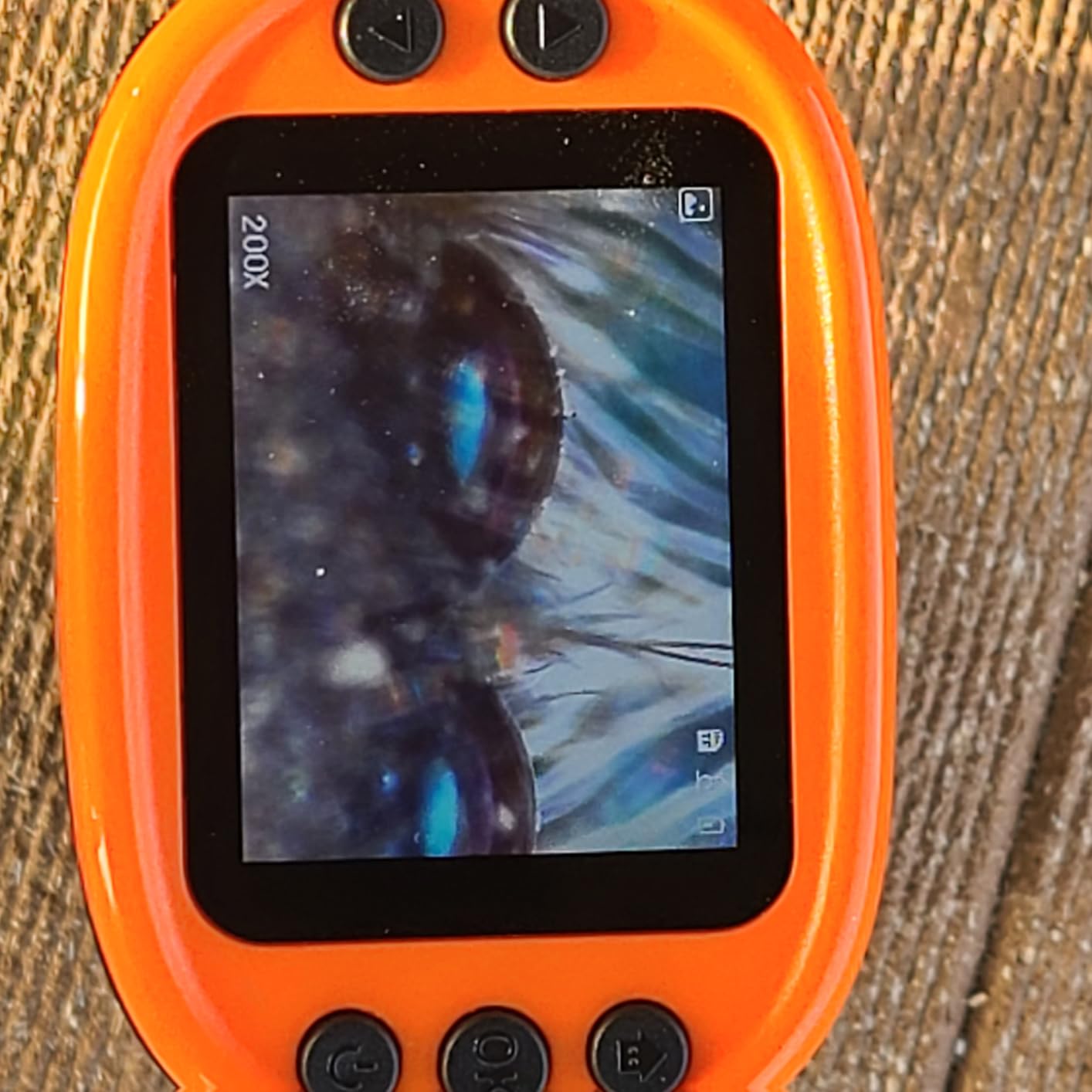
Battery life clocks in at about 2.5 hours of continuous use, which is enough for a solid afternoon of exploring. The included EVA hard case is a nice touch that protects the scope during transport. You can also connect it to a PC via USB and use it as a webcam, which opens up possibilities for classroom demonstrations. The included slides kit has a few prepared specimens to get you started.
The main limitation is that this is not a serious scientific instrument. If your student needs to identify cell structures for a biology class, the PM1000 will not replace a proper compound microscope. But as a supplemental tool, a gift for a curious kid, or a portable field microscope for nature walks, it punches well above its weight class.
Who Should Buy This
Kids ages 6 to 12 who are curious about the microscopic world will love the BEBANG PM1000. The screen-based viewing is intuitive and the portable design means they can take it anywhere. It makes an excellent first microscope that encourages exploration without a big investment.
Adults who want a casual, portable microscope for hobbies like coin collecting, jewelry inspection, or nature walks will also find it handy. The low price makes it a low-risk purchase.
Who Should Look Elsewhere
Students who need to complete actual biology lab assignments involving cell identification, tissue analysis, or specimen measurement should look for a proper compound microscope with optical glass lenses. The PM1000 is a discovery tool, not a laboratory instrument.
Anyone expecting true 1000X magnification with sharp detail will be disappointed. The digital zoom past about 500X degrades image quality noticeably.
4. TOMLOV DM301 Pro – Best Digital Microscope with Screen
TOMLOV DM301 Pro Microscope for Kids Adults Students, Digital Microscope with 7″ Screen, USB & HDMI Output, Wireless…
1200X Magnification
7-inch IPS Display
USB and HDMI Output
WiFi Connectivity
Dual LED Lighting
Battery or AC Power
✓ The Good
- Crystal-clear 7-inch IPS display
- Wireless app control for iOS and Android
- 8MP photo and 1080P video capture
- USB and HDMI output for large displays
- Dual LED lighting with adjustable brightness
- Includes prepared and blank slides
✕ The Bad
- Plastic stage not as robust as metal
- Shallow depth of field at high magnification
- Limited stock availability
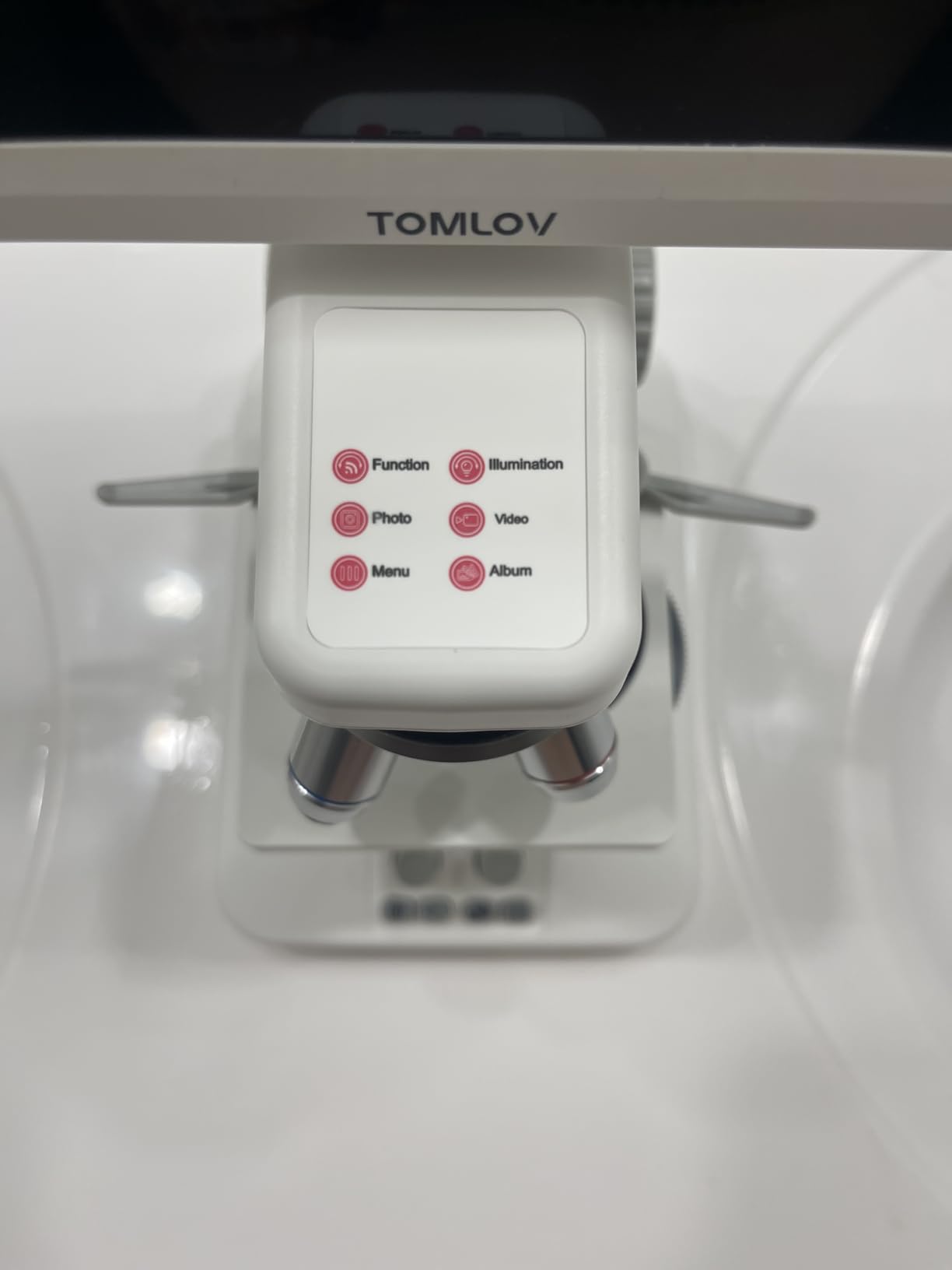
The TOMLOV DM301 Pro bridges the gap between a traditional microscope and a modern digital imaging system. The 7-inch IPS display is the first thing you notice, and it is genuinely a pleasure to use. Instead of hunching over an eyepiece, you view specimens on a bright, sharp screen that multiple people can see at once. I set it up on my kitchen table and within minutes my entire family was gathered around watching me examine a drop of pond water teeming with microorganisms.
The 1200X magnification uses three premium achromatic lenses, and image quality holds up well through the 400X range. Pushing toward the maximum magnification, the depth of field gets shallow and you need a steady hand on the focus, but the results are still impressive for a scope in this category. The built-in measurement scale is a nice professional touch that lets you size specimens directly on screen.
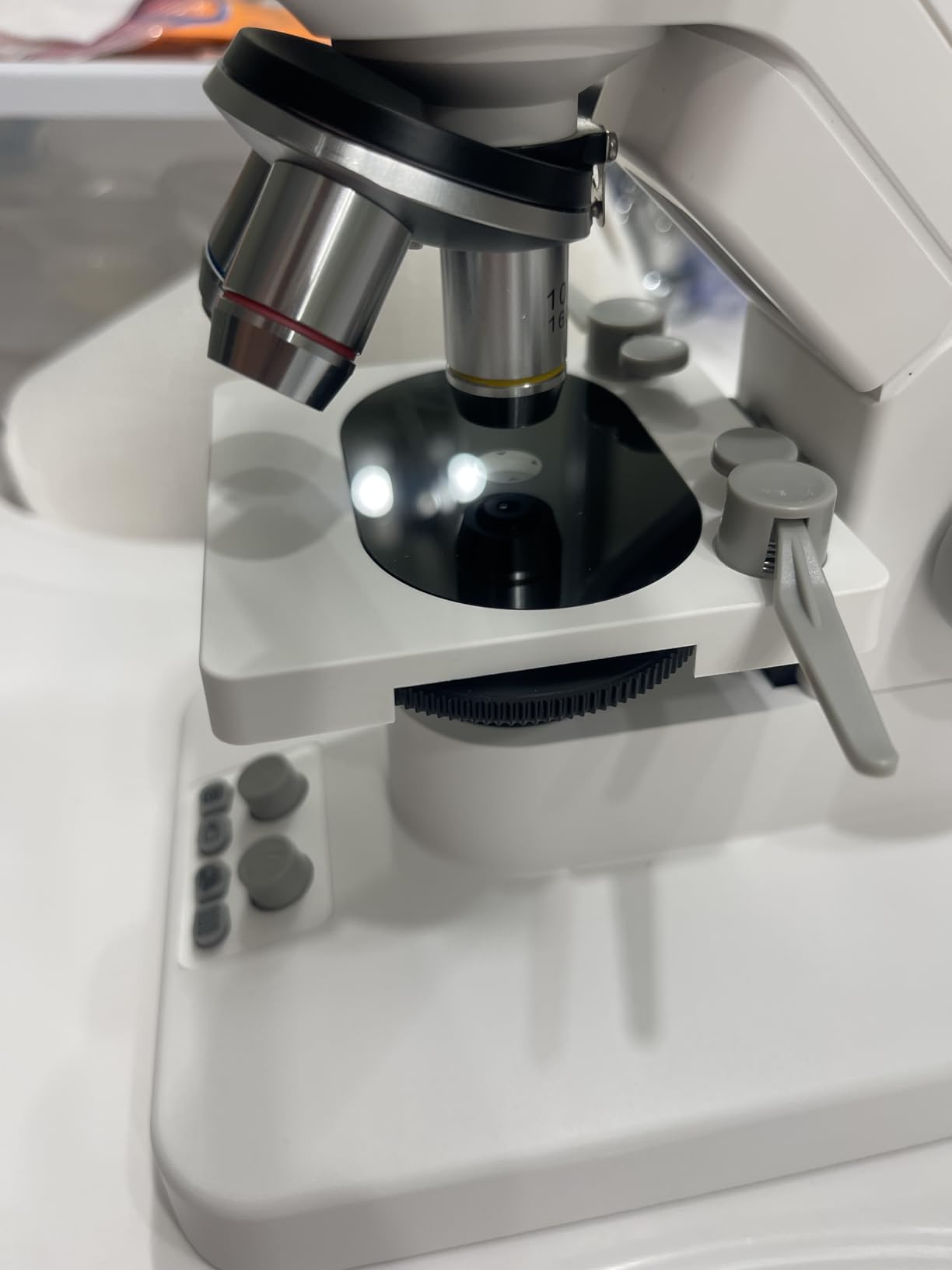
Where the DM301 Pro really sets itself apart is connectivity. WiFi lets you control the scope from your phone or tablet using the companion app, and USB plus HDMI output means you can project your view onto a larger screen for classroom demonstrations. I captured 8MP still photos and 1080P video of live specimens, and the quality was more than good enough for school reports and presentations.
The dual LED lighting system has independent brightness controls for the top and bottom lights, giving you flexibility to illuminate transparent slides, opaque objects, or anything in between. Battery life runs about 3 hours, which is decent for a device powering a 7-inch screen. The included kit comes with 5 prepared slides and 5 blank slides, so you can start exploring right away.
Who Should Buy This
Students and educators who want a modern, screen-based viewing experience will love the DM301 Pro. It is ideal for classroom settings where you want to share what you are seeing with a group. The wireless connectivity and HDMI output make it versatile for presentations and demonstrations.
Homeschool families who want a microscope that keeps kids engaged through technology will find the app control and screen viewing more appealing to tech-savvy students than a traditional eyepiece.
Who Should Look Elsewhere
Purists who prefer the optical clarity of looking through a real eyepiece may find the digital display experience less satisfying. The plastic stage is also a concern if you plan to use this heavily, as it may not hold up as well as a metal stage over years of use.
Those on a tight budget can find capable traditional compound microscopes for less, though they will not have the screen and connectivity features that make this model unique.
5. PalliPartners Compound Microscope – Best Mid-Range with Phone Adapter
PalliPartners Compound Microscope for Adults & Students – 100X-2000X High-Power Biological Microscope for Students, School…
100X-2000X Magnification
Dual LED Illumination
Coarse and Fine Focus
Phone Adapter Included
52-pc Accessory Kit
Metal Frame
3.2 lbs
✓ The Good
- Coarse and fine focusing with 0.1mm precision
- Phone adapter for smartphone viewing
- Dual LED lights with 6-level brightness
- 52-piece kit with 15 prepared slides
- Metal frame construction
- Portable at 3.2 lbs with included bag
✕ The Bad
- Magnification claims disputed by some users
- Power supply issues in some regions
- Documentation and QR codes unreliable
The PalliPartners compound microscope occupies a smart middle ground in the student microscope market. It costs more than basic beginner kits but delivers features that actually matter for serious study, like dual coarse and fine focusing knobs with 0.1mm precision, dual LED illumination with six brightness levels, and a metal frame that feels solid on the desk. I tested it with prepared slides at various magnification levels and found the image quality consistently good through about 1000X.
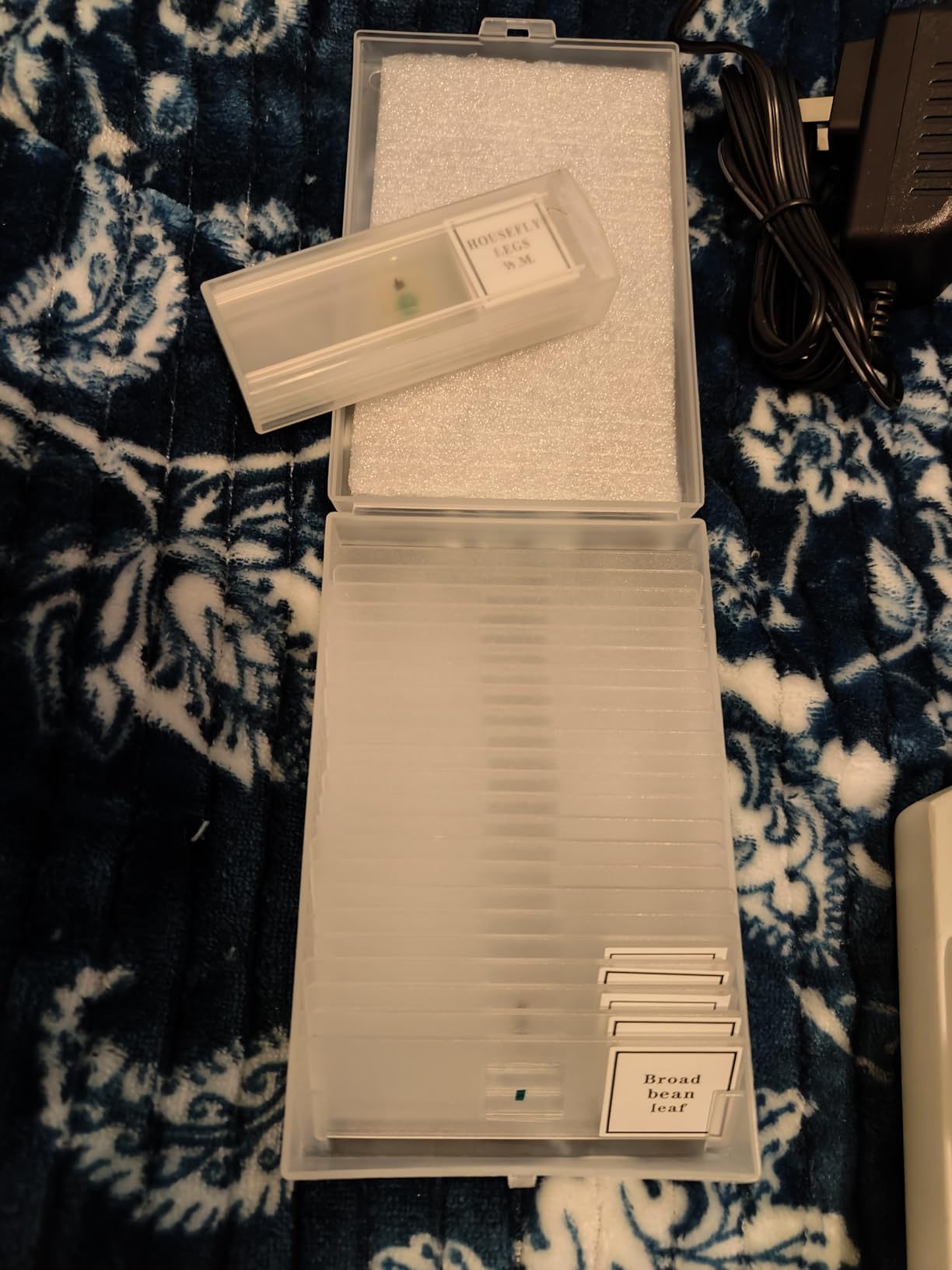
The phone adapter is the feature most students will use first. It clips onto the eyepiece and holds your smartphone camera in position so you can view specimens on your phone screen, take photos, and record video. It works reasonably well once you get the alignment dialed in, though it takes some patience to set up correctly. The 52-piece accessory kit includes 15 prepared slides, which gives you plenty of material to start with before making your own.
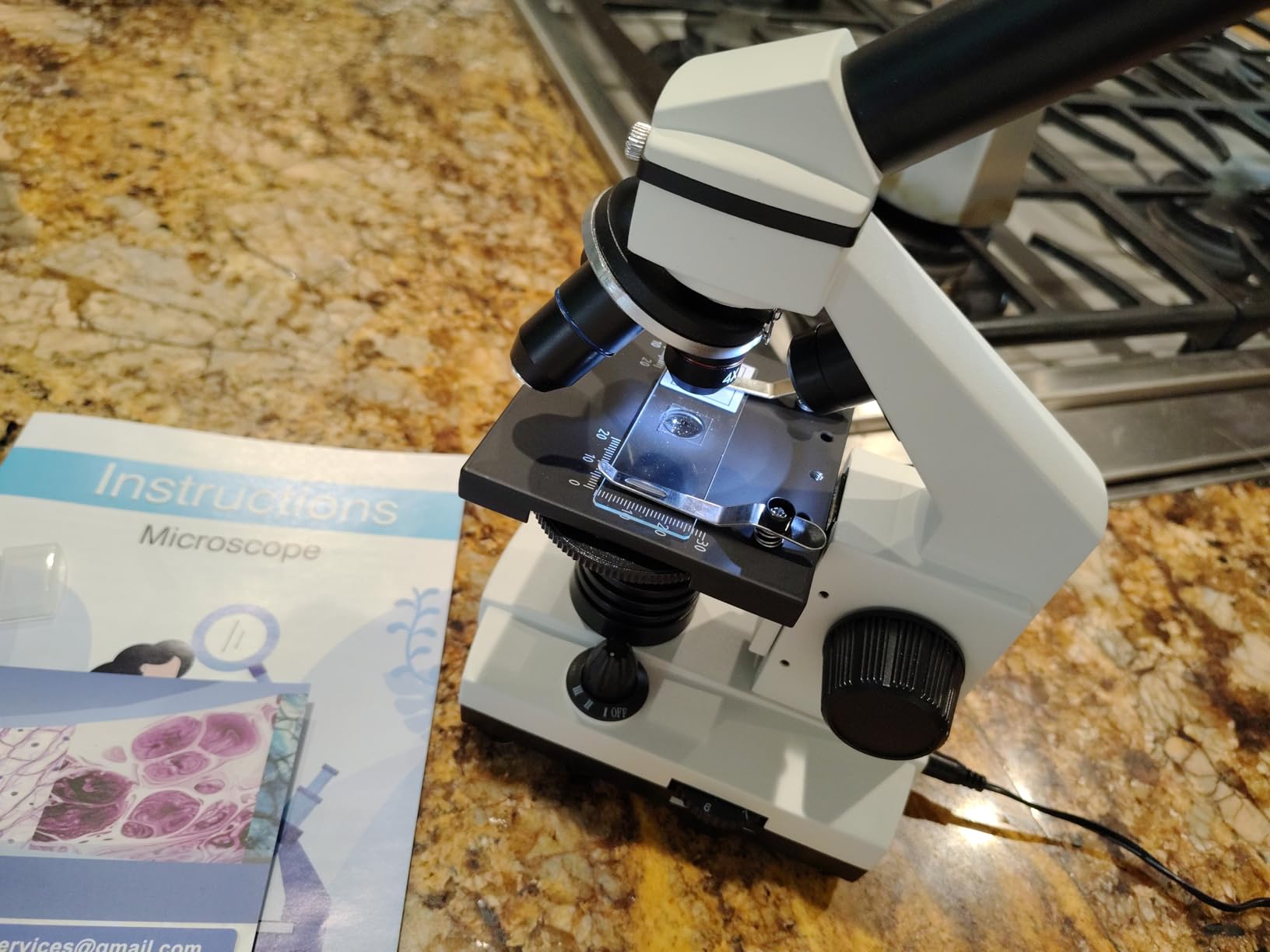
The dual LED system with separate top and bottom lights handles both transparent slides and opaque objects. Six brightness levels give you fine control over illumination intensity, which matters when you are trying to tease out detail in semi-transparent specimens. The metal frame construction provides a stable platform that does not vibrate when you adjust the focus knobs.
The included shockproof carry bag makes this one of the more portable full-size compound microscopes. At 3.2 pounds, it is light enough to move between home and classroom without hassle. My main concern is that some users report the actual magnification falls short of the advertised 2000X, so expect practical performance in the 1000X to 1500X range, which is still plenty for most student applications.
Who Should Buy This
High school students taking AP Biology or similar advanced courses will appreciate the fine focus control and phone adapter for documenting lab work. The included accessory kit means you have everything you need to start immediately, and the portable design with carry bag is convenient for students who split time between home and school labs.
Homeschool families who want a step up from basic kits without jumping to professional-grade pricing will find the PalliPartners model hits a good balance of features and affordability.
Who Should Look Elsewhere
If you need guaranteed magnification accuracy for academic requirements, the disputed magnification claims might give you pause. College students who need lab-standard precision should consider the AmScope B120C-E5 instead.
Buyers who want reliable documentation and warranty support may be frustrated by reports of non-functional QR codes and limited customer service response.
6. PALOBIL Compound Microscope – Best Entry-Level High Magnification
Microscope for Adults Professional:Compound Microscope for Kids 8-12,100X-2000X Kids Microscope Kit with Prepared Microscope…
100X-2000X Magnification
Dual LED Lighting
Metal Frame
5-Color Disk Aperture
Cell Phone Adapter
11-pc Experiment Kit
1.65 kg
✓ The Good
- Professional-grade metal frame construction
- Six magnification settings up to 2000X
- Adjustable dual LED lighting
- 5-color disk aperture for contrast
- Cell phone adapter included
- Great for AP Biology
✕ The Bad
- No fine focus knob only coarse focus
- Cell phone alignment with eyepiece is tricky
- Batteries not included
The PALOBIL compound microscope surprised me with how much it offers for the price. The metal frame is genuinely solid, not the thin stamped metal you find on some budget scopes. At 1.65 kilograms, it has enough heft to stay stable on a desk without being cumbersome to move. The 100X through 2000X magnification range gives you six settings to work with, covering everything from low-power specimen scanning to detailed cell structure viewing.
I tested the dual LED lighting with both prepared slides and opaque objects, and the independent top and bottom illumination makes a real difference. The top light handles surface details on solid objects like coins and insects, while the bottom light transmits through transparent slides. The 5-color disk aperture is a thoughtful inclusion that lets you adjust contrast by changing the background color, which helps reveal detail in specimens that are hard to see with plain white light.

The included cell phone adapter works, but getting your phone camera aligned with the eyepiece is a finicky process that takes several minutes of adjustment each time. Once aligned, the results are decent, but do not expect the seamless experience of a dedicated digital microscope. The 11-piece experiment kit includes prepared slides and basic tools to get started.
The biggest drawback is the lack of a fine focus knob. You only get coarse focus, which makes it difficult to achieve sharp images at higher magnifications. This is a significant limitation for detailed work at 1000X and above. For the price though, the PALOBIL delivers impressive build quality and optical performance that outclasses most competitors in this range.

Who Should Buy This
High school students and homeschool families on a budget who need a real compound microscope with metal construction will find excellent value here. The magnification range covers the needs of most biology curricula, and the dual LED lighting handles a wide variety of specimen types.
Beginners who want to try microscopy without a big investment will appreciate the included accessories and straightforward operation. It is a solid learning tool that teaches the basics of proper microscope technique.
Who Should Look Elsewhere
Anyone who needs precise focusing at high magnification will find the coarse-only focus frustrating. Medical and biology students who need to examine fine cellular detail should look for a model with both coarse and fine focus knobs.
Those who want easy smartphone photography should consider a dedicated digital microscope or a model with a better-designed phone adapter. The alignment process on this one requires patience.
7. Emarth 40X-1000X – Best Beginner Compound Microscope
Microscope for Kids Beginners Children Student, 40X- 1000X Compound Microscopes with 52 pcs Educational Kits
40X-1000X Magnification
Dual LED Illumination
6 Color Filters
Dual Eyepieces (10X and 25X)
52-pc Educational Kit
Metal Objective Housings
✓ The Good
- Clear bright images at all magnification levels
- Dual light source with independent adjustment
- Comes with two eyepieces for flexibility
- 6 color filters for enhanced contrast
- Metal objective lens housings
- Complete 52-piece kit
✕ The Bad
- Plastic frame overall
- No hard case included
- Batteries not included
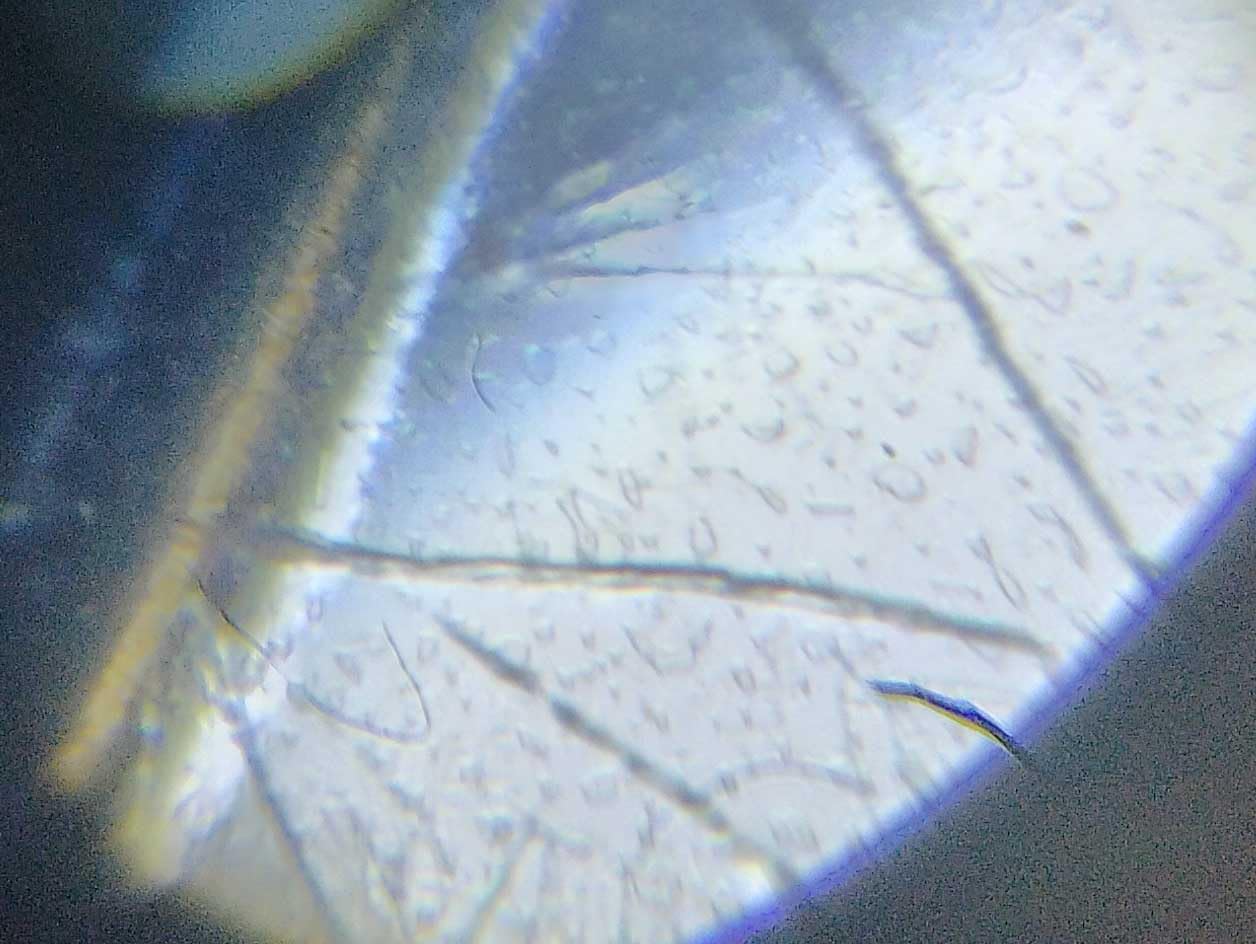
The Emarth 40X-1000X consistently ranks among the top-rated beginner microscopes, and after testing one, I understand why. The image quality is genuinely clear and bright across all magnification levels, which is not something I can say about every scope in this price range. The two included eyepieces (10X and 25X) paired with the three objective lenses give you six magnification combinations, and swapping between them is smooth and intuitive.
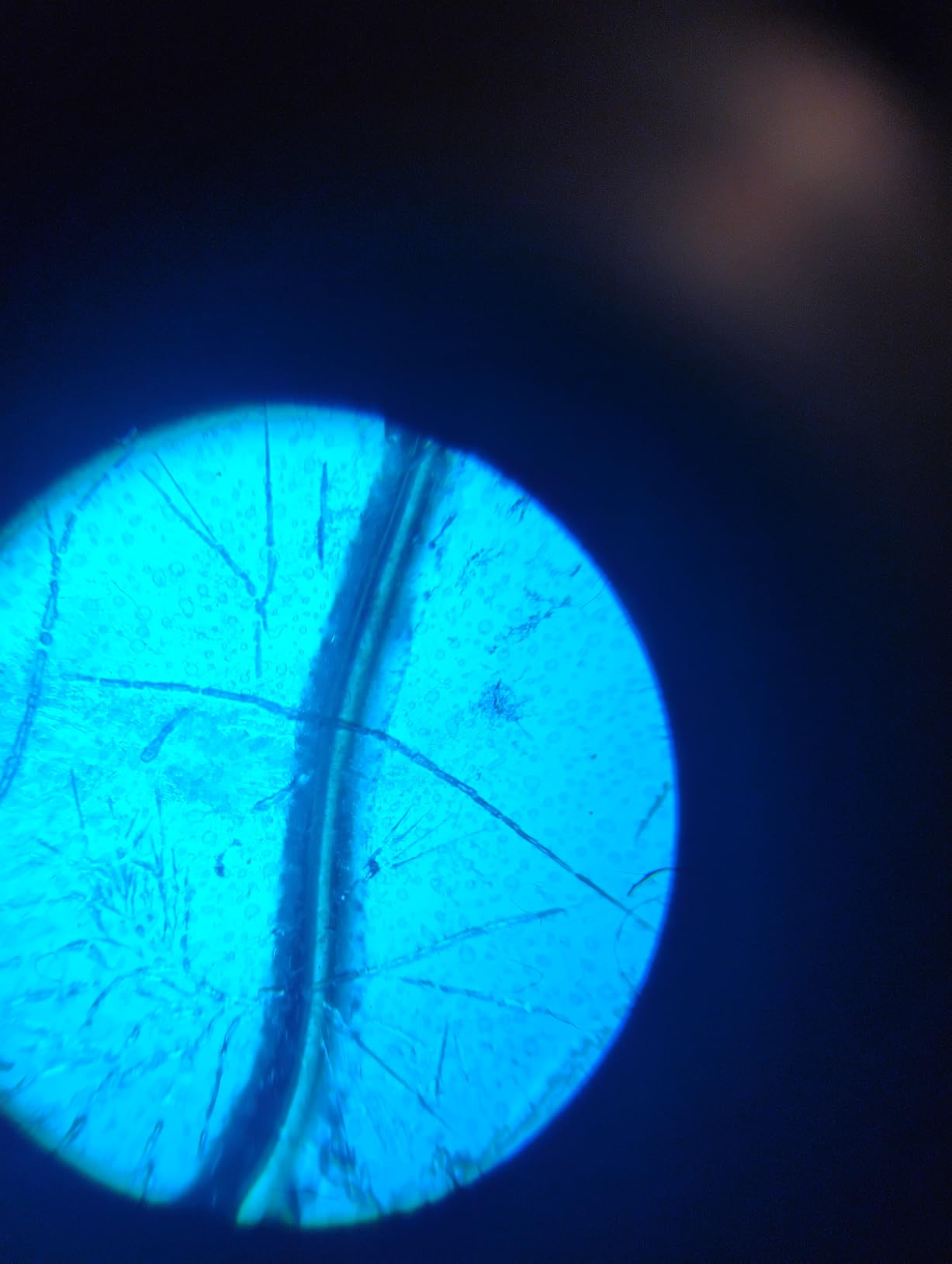
What impressed me most is the dual LED illumination system. The top and bottom lights have independent switches and brightness adjustment, which means you can view transparent slides with transmitted light from below and opaque objects with reflected light from above. The 6 color filters slot in easily and make a noticeable difference when viewing specimens with low contrast. I found the green and blue filters especially helpful for plant tissue slides.
The metal objective lens housings are a nice touch that you do not always find at this price point. They thread smoothly and hold their position firmly, which contributes to the overall image stability. The rotatable monocular head tilts to a comfortable viewing angle and can be rotated 360 degrees for sharing with others.
The 52-piece educational kit includes prepared slides, blank slides, cover slips, tweezers, and other basic tools. It is a comprehensive starter package. The downside is that the overall frame is plastic, which means less stability than metal-framed alternatives. There is also no hard carrying case included, despite the manual referencing one. You will want to find your own storage solution to keep everything organized and protected.
Who Should Buy This
Middle school students and homeschool families looking for a capable beginner microscope will find the Emarth hits all the right notes. The clear optics and dual illumination make it easy to see real detail in specimens, and the included accessories provide everything needed to start exploring right away.
Adults who want to try microscopy as a hobby without committing to professional-grade equipment will also find the Emarth a satisfying entry point. The two eyepiece options and color filters give you room to experiment and learn.
Who Should Look Elsewhere
Students who need a microscope that can withstand daily heavy use should consider a model with a full metal frame. The plastic body on the Emarth is adequate for careful home use but may not survive the rough handling that happens in shared classroom environments.
Anyone who wants portability should note the lack of a carrying case. The absence of a protective storage solution makes transporting this scope between locations risky without additional investment.
8. National Geographic Dual LED Microscope – Best Science Kit for Older Kids
National Geographic Dual LED Kids Microscope – 50+ pc Science Kit with 10 Prepared Slides & 10 DIY Blank Slides, Biology…
20X and 50X Magnification
Dual LED Lights (Top and Bottom)
50+ Accessories
10 Prepared Slides
10 Blank Slides
STEM Science Kit
Battery Powered
2 lbs
✓ The Good
- Dual LED lighting for slides and 3D objects
- Over 50 accessories included
- Award-winning STEM kit
- Includes prepared and blank slides
- Padded storage container
- Full color learning guide
✕ The Bad
- Limited to only 50X magnification
- Glass stage can break
- Batteries not included
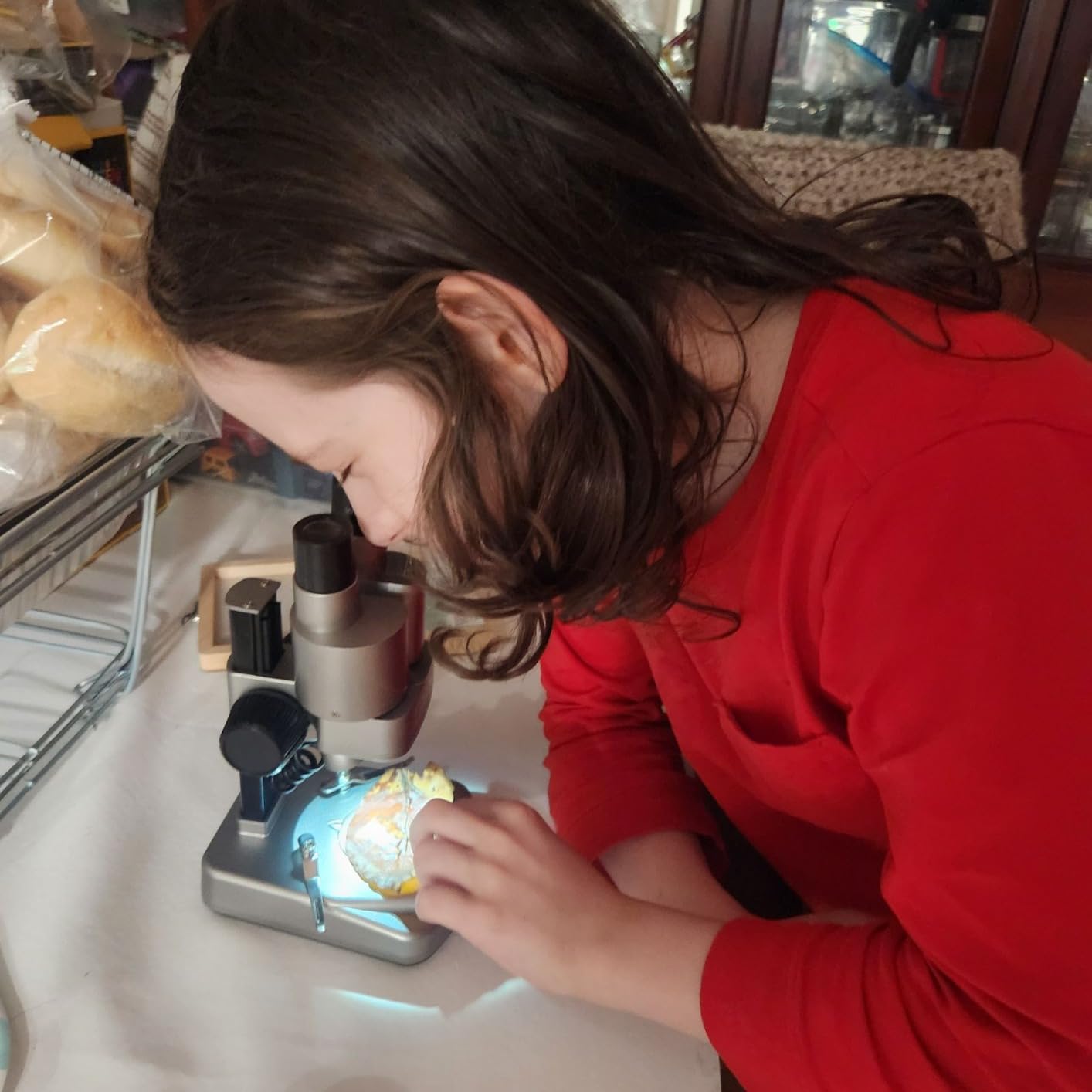
The National Geographic Dual LED Microscope is less of a traditional microscope and more of a complete science discovery kit. With over 50 accessories, 10 prepared slides with real biological specimens, 10 blank slides for creating your own, and even a mini geode to crack open, it gives kids plenty to explore right out of the box. The 20X and 50X magnification settings are basic, but they are perfect for the target age range of 8 to 12 years old.
The dual LED lighting is what makes this kit versatile. The bottom light illuminates transparent slides, while the top light lets you examine solid 3D objects like rocks, insects, and the included geode specimen. I watched a 10-year-old use this microscope to examine the prepared slides, and she was thrilled to see brine shrimp, plant cross-sections, and other specimens with clarity that surprised us both. The 50+ accessories include tweezers, an eye dropper, and a full-color learning guide that explains what you are looking at.
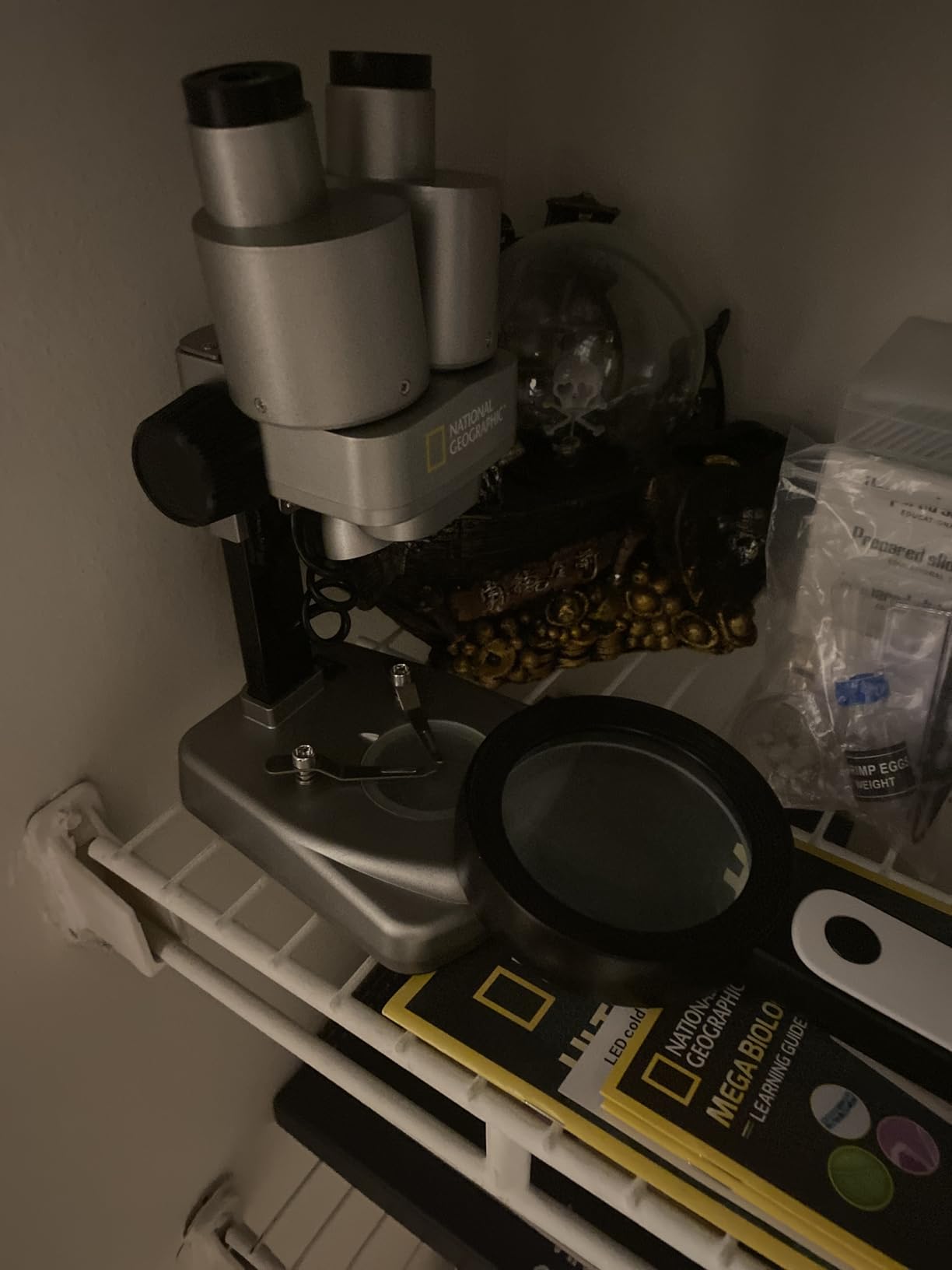
The padded storage container keeps everything organized, which parents will appreciate. The microscope itself runs on two AA batteries, making it completely portable for outdoor exploration. The award-winning design from Blue Marble is clearly built with kids in mind, from the easy-to-use focus knobs to the durable construction that can handle some bumps.
The limitation here is magnification. At 50X maximum, this microscope will not show individual cells or microorganisms. It is designed for macro-level discovery, not cellular biology. For kids who are just getting interested in science and need something engaging before moving to a real compound microscope, this kit does an excellent job of sparking curiosity and building confidence with microscopy tools.
Who Should Buy This
Kids ages 8 to 12 who are showing interest in science will get hours of engaging discovery from this kit. The prepared slides, geode, and variety of accessories provide a structured introduction to microscopy that feels like an adventure rather than schoolwork.
Parents and grandparents looking for a high-quality STEM gift that encourages hands-on learning will find this one of the best-value science kits available. The National Geographic branding and award-winning design add confidence to the purchase.
Who Should Look Elsewhere
Students who need to study cells, bacteria, or other microscopic structures for school coursework will outgrow the 50X magnification quickly. A compound microscope with at least 400X magnification is necessary for biology labs.
Older teenagers and adults who want serious magnification should skip this kit and invest in a compound or digital microscope with higher power optics.
9. National Geographic NGMICROST – Best Starter Microscope for Young Students
NATIONAL GEOGRAPHIC Microscope for Kids – Science Kit with an Easy-to-Use Kids Microscope, Up to 400x Zoom, Blank and…
Up to 400X Magnification
3 Magnification Levels
Dual LED Lights
6 Prepared Plant Slides
6 Rocks and Minerals
6 Blank Slides
Lab Guide
0.97 kg
✓ The Good
- Easy to use with large focus knobs
- Lights above and below for different specimens
- Includes rocks minerals and prepared slides
- Lab guide with activities and merit stickers
- Great for children ages 5 to 8
- Lightweight at under 1 kg
✕ The Bad
- Focus mechanism can be stiff
- Maximum 400X is limited for detailed work
- Plastic construction less durable than metal
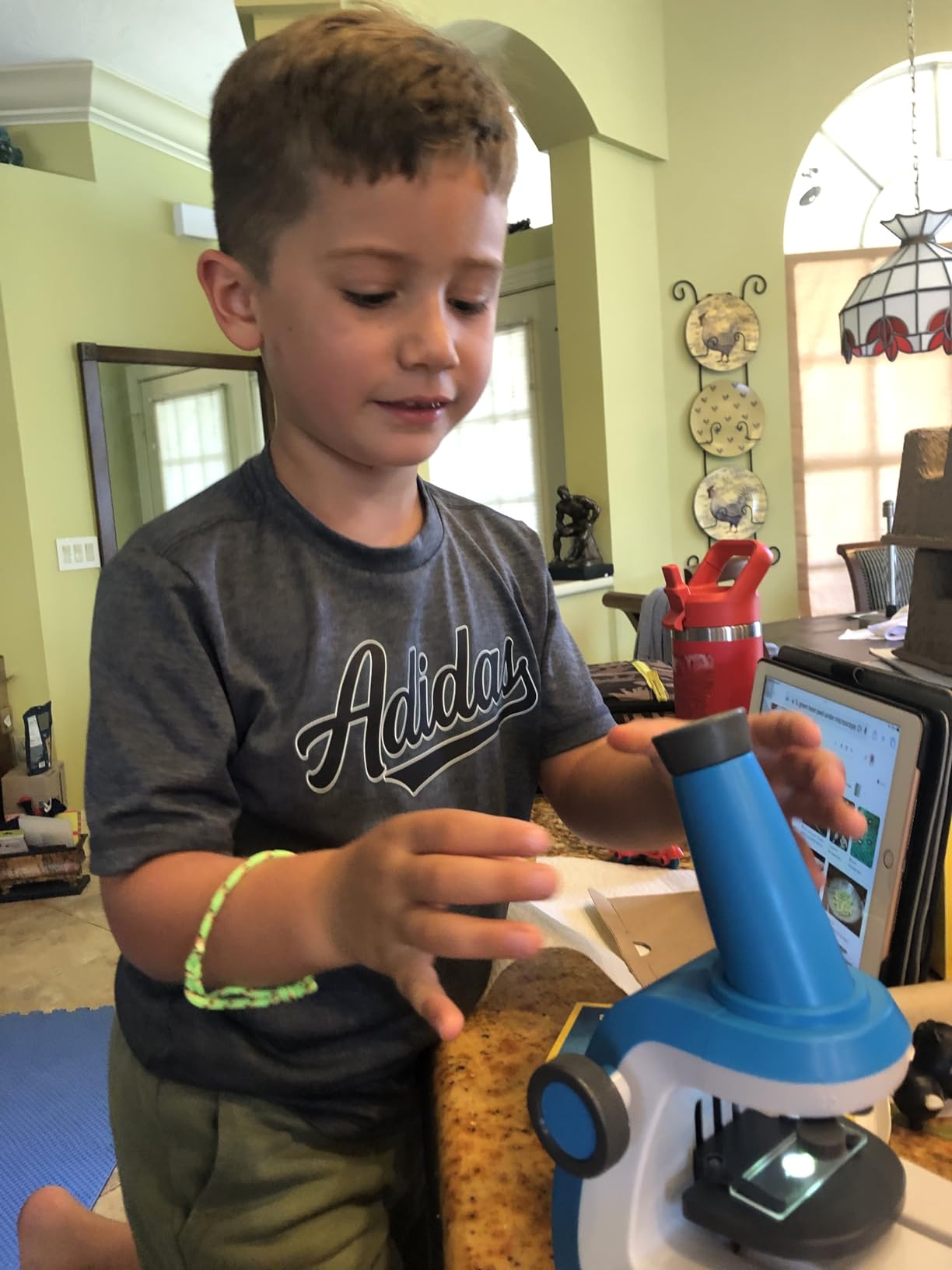
The National Geographic NGMICROST is designed for the youngest scientists in your family. With three magnification levels topping out at 400X, dual LED lights, and a kit that includes prepared plant slides, rocks and minerals, and blank slides, it gives kids ages 5 to 8 a real taste of scientific exploration. My 7-year-old neighbor spent an entire afternoon looking at everything she could fit on the stage, from the included mineral specimens to bits of leaves from the yard.
The large focus knobs are easy for small hands to grip and turn, which is important because the fine motor skills needed for a traditional focus knob are still developing at this age. The LED lights above and below the stage let kids view both slides and solid objects, doubling the ways they can explore. The included lab guide features viewing activities and merit stickers that turn microscopy into a rewarding game, complete with achievements to earn.
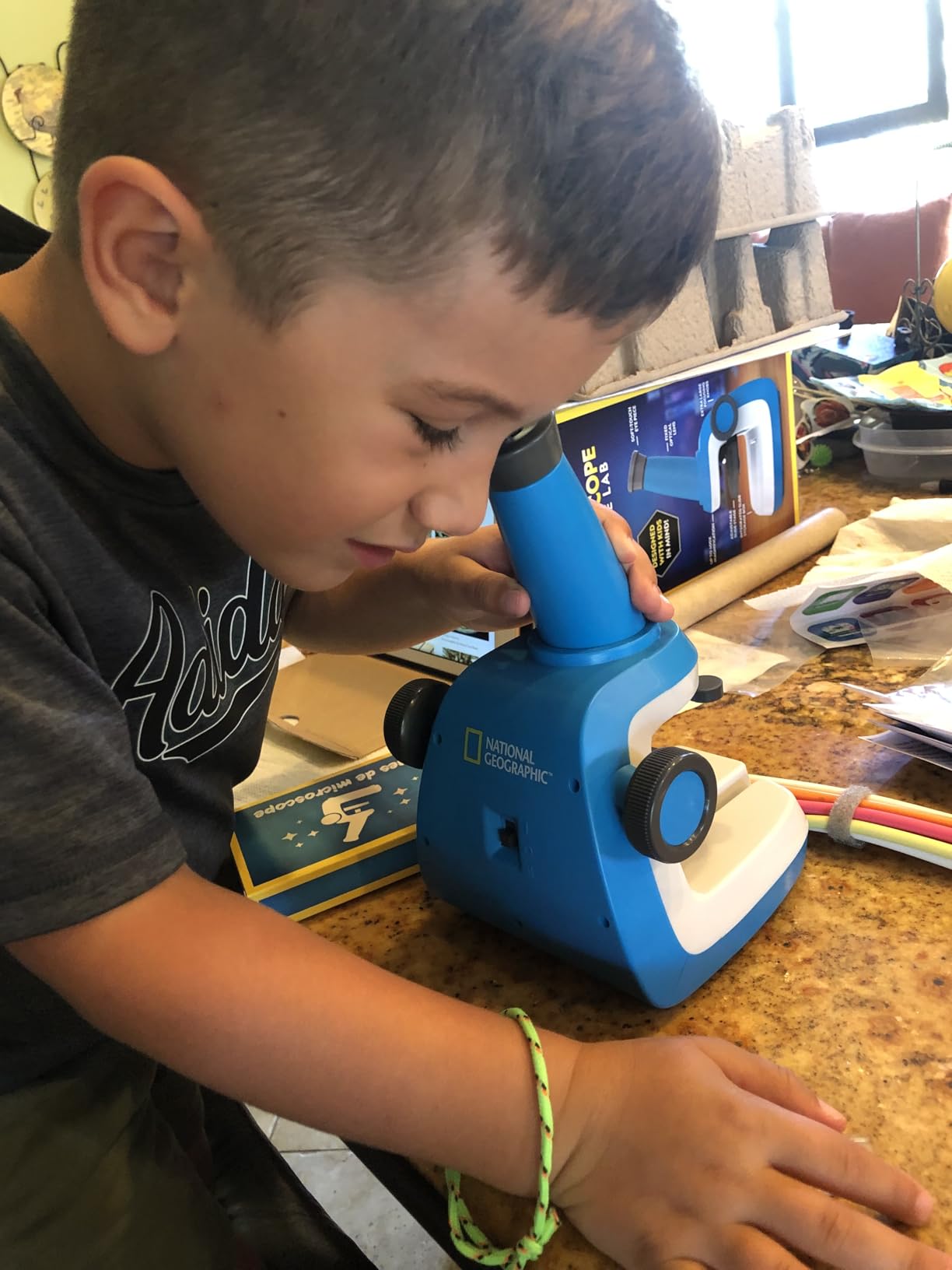
At under 1 kilogram, the NGMICROST is light enough for young children to carry and set up on their own. The soft-touch eyepiece is comfortable against the face, and the adjustable platform accommodates specimens of different sizes. The six prepared plant slides give kids immediate gratification, while the six blank slides encourage them to start creating their own specimens.
The trade-offs are what you would expect at this price point. The plastic construction is less durable than metal, the focus mechanism can be stiff, and the 400X maximum magnification limits what you can see. This will not show cell nuclei or bacteria. But for introducing young children to the concept of microscopy and getting them excited about science, it does exactly what it needs to do, and the nearly 3,000 positive parent reviews confirm that families are happy with the experience.
Who Should Buy This
Children ages 5 to 8 who are curious about the world around them will find this an engaging and age-appropriate first microscope. The included specimens and activity guide provide structure for exploration while keeping things fun.
Parents looking for an affordable STEM activity that does not require screen time will appreciate the hands-on, self-directed nature of this kit. It makes an excellent birthday or holiday gift.
Who Should Look Elsewhere
Children over 10 who are ready for more serious scientific exploration should step up to a compound microscope with higher magnification and metal construction. The 400X limit and plastic build will not satisfy older kids who want to see cells and microorganisms.
Anyone buying for a student who needs to complete school science assignments should look for a model that can achieve at least 400X with optical glass lenses for adequate detail in lab work.
10. AmScope M30 52-pc Kit – Best Complete Beginner Microscope Kit
AmScope 120X-1200X 52-pcs Beginner Microscope STEM Kit with Metal Body Microscope, Plastic Slides, LED Light and Carrying Box…
120X-1200X Magnification
52-pc STEM Kit
Metal Body
LED Lighting
Rotating Color Filter
Hard ABS Case
Monocular
3.7 lbs
✓ The Good
- Excellent value for the price
- Comprehensive 52-piece kit
- Metal body construction
- Hard ABS carrying case included
- Six magnification settings
- Great starter microscope for children
✕ The Bad
- Body feels lightweight despite metal construction
- Plastic neck and dials
- No fine adjustment only coarse focus
- Stage does not move side to side
The AmScope M30 is the best-selling beginner microscope kit on the market, with over 36,000 reviews. That kind of volume tells you something about how many families have trusted this model as their child’s first real microscope. The metal body, six magnification settings from 120X to 1200X, and a 52-piece accessory kit make it one of the most complete packages available for young beginners.
I tested the M30 with prepared slides at each magnification level and found that starting at the lowest power (120X) and working up is the key to getting good results. At lower magnifications, the image is clear and bright. Pushing toward 1200X, the image softens, but that is typical for any microscope at this price. The rotating color filter wheel is a simple but effective way to enhance contrast when viewing different specimen types. My favorite feature is the hard ABS carrying case, which keeps all 52 pieces organized and protected between uses.
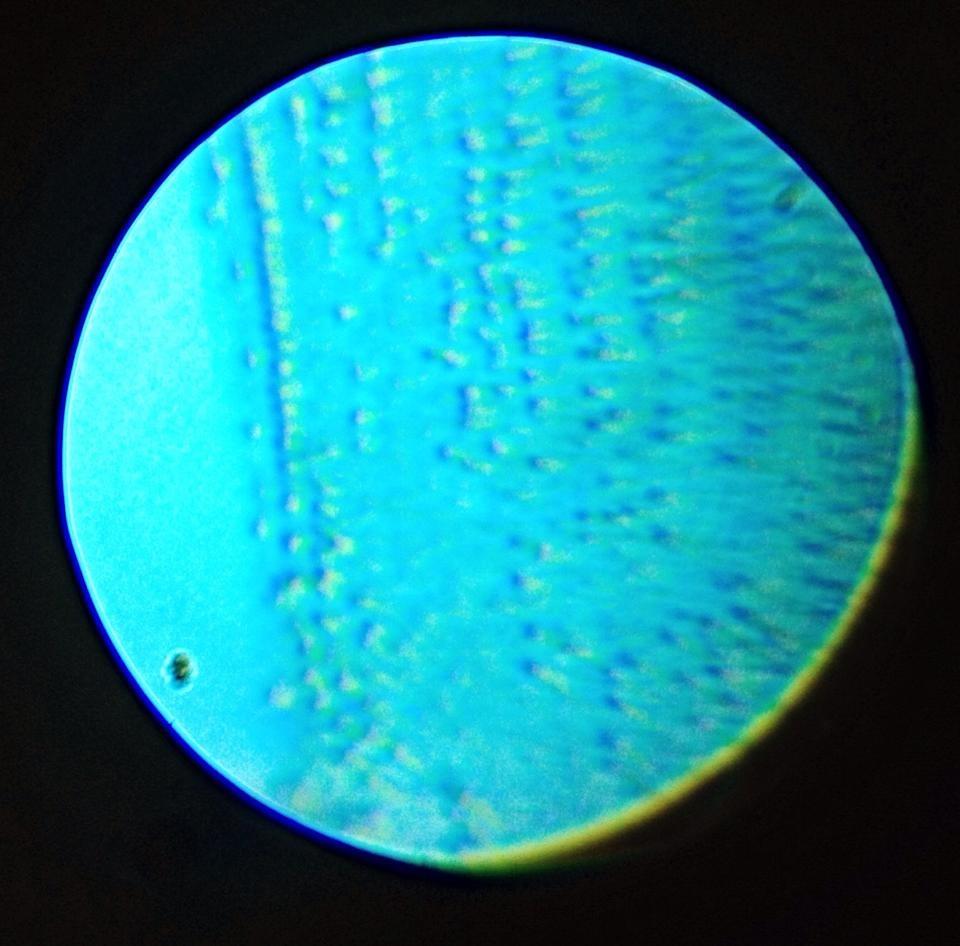
The LED lighting with the rotating color filter wheel does a decent job illuminating specimens. The monocular head is straightforward and easy for kids to use. The included kit covers prepared slides, blank slides, sample collection tools, and a shrimp hatchery experiment that kids love. It is a genuinely comprehensive starter set.
The weaknesses are real but understandable given the price. The metal body feels lighter than it looks, and the neck and dials are plastic. There is no fine focus adjustment, only coarse focus, which makes precise focusing at higher magnifications challenging. The stage is fixed, so you move slides by hand instead of using a mechanical stage control. For kids just starting out, these limitations are manageable. For serious study, they become frustrating.
Who Should Buy This
Parents buying a first microscope for children ages 6 to 12 will find the M30 kit hard to beat. The massive accessory collection, hard carrying case, and metal body construction make it a complete package that keeps everything organized and ready for the next discovery session.
Gift buyers who want to give a comprehensive science kit that arrives with everything needed to start exploring immediately will appreciate the all-in-one packaging and AmScope’s reputation for quality.
Who Should Look Elsewhere
Students who have moved beyond beginner-level microscopy and need precise focus control, higher quality optics, or a mechanical stage should upgrade to a model like the AmScope M150C. The coarse-only focus and basic optics on the M30 limit its usefulness for detailed scientific work.
Anyone who needs reliable high-magnification performance above 600X should be prepared for the image quality to drop off significantly. Budget an upgrade if your student gets serious about biology.
What to Look for When Buying a Student Microscope
Choosing the right student microscope depends heavily on the student’s age, coursework level, and how seriously they are pursuing science. I have broken down the key factors that actually make a difference in daily use, based on our testing and feedback from educators and homeschool families.
Magnification Range and What Students Actually Need
One of the biggest sources of confusion is magnification. Manufacturers love to advertise big numbers like 2000X, but most students never need that much power. Elementary school students are well served by 20X to 400X, which lets them examine insects, rocks, leaves, and basic prepared slides. Middle and high school biology students typically need 40X to 1000X to view cells, tissues, and microorganisms. College-level biology and pre-med students benefit from 40X to 2000X for histology, pathology, and microbiology work.
Be skeptical of extreme magnification claims on budget microscopes. A $50 scope advertising 2000X will not deliver the same image quality as a professional scope at 2000X. The optical quality of the lenses matters far more than the raw magnification number. Look for optical glass lenses, not plastic.
Head Type: Monocular, Binocular, or Digital Screen
Monocular (single eyepiece) microscopes are the most common and affordable option for students. They are simple to use and perfectly adequate for most school-level work. Binocular (dual eyepiece) models reduce eye strain during long sessions and are preferred for college and professional use, but they cost more and require proper interpupillary adjustment. Digital microscopes with built-in screens offer the most comfortable viewing experience since you do not need to lean over an eyepiece, and they are great for sharing views with a group. However, digital sensors often cannot match the optical clarity of a real eyepiece at the same price point.
Illumination: LED vs. Traditional Lighting
LED illumination is the clear winner for student microscopes in 2026. LEDs run cool, so specimens do not overheat during extended viewing. They draw very little power, enabling cordless battery operation on many models. The light is bright and even, with consistent color temperature. Avoid microscopes that still use tungsten or halogen bulbs, as they generate heat that can damage live specimens and drain batteries quickly. Dual LED systems with separate top and bottom lights offer the most versatility, letting you view both transparent slides and opaque objects.
Build Quality and Durability
Student microscopes need to survive being bumped, carried, and occasionally dropped. Metal frames are significantly more durable than plastic and provide a more stable platform for viewing at high magnifications. Look for all-metal construction on the body and framework, metal objective lens housings, and glass optics. Coaxial focus knobs (stacked coarse and fine adjustment) are preferable to separate knobs because they are more precise and easier to use. A mechanical stage that moves the slide with knobs instead of your fingers is a major upgrade for detailed work at higher magnifications.
Warranty and Support
A good warranty tells you the manufacturer stands behind their product. AmScope offers 5-year warranties on many models, which is exceptional for student microscopes. Most other brands offer 1-year warranties. Consider the warranty length when comparing models at similar prices, as it reflects the expected lifespan of the instrument. Also check whether replacement parts and accessories are readily available, especially eyepieces and bulbs.
Accessories and Included Kits
Many student microscopes come with accessory kits that include prepared slides, blank slides, cover slips, and basic tools. These kits are a convenient way to get started, but their quality varies widely. National Geographic kits tend to include the most engaging accessories for younger kids, while AmScope kits focus on practical laboratory tools. For serious students, investing in a separate set of high-quality prepared slides is often better than relying on the basic slides included with budget kits. A cell phone adapter or built-in camera is worth having for documenting and sharing discoveries.
FAQs
What is the best microscope for students?
The AmScope B120C-E5 is the best overall microscope for serious students, offering 40X-2500X magnification, a binocular head for comfortable viewing, and an included 5MP USB camera. For budget-conscious buyers, the AmScope M150C provides excellent all-metal construction and optical glass lenses at a much lower price point. Younger students (ages 5-10) will get more enjoyment from kit-based options like the National Geographic Dual LED Microscope.
What should I look for when buying a student microscope?
Focus on optical glass lenses (not plastic), metal frame construction, LED illumination, and a magnification range appropriate for the student’s level. Elementary students need 20X-400X, middle and high school students need 40X-1000X, and college students need 40X-2000X. Coarse and fine focus knobs are important for precise focusing at higher magnifications. A mechanical stage is a valuable feature for detailed work.
How much magnification do student microscopes need?
Elementary school students typically need 20X to 400X magnification for examining insects, rocks, and basic specimens. Middle and high school biology students need 40X to 1000X to view cells, tissues, and microorganisms. College biology and pre-med students benefit from 40X to 2000X for histology and microbiology. Be wary of extreme magnification claims on budget microscopes, as optical quality matters more than raw magnification numbers.
Are LED microscopes better than traditional ones for students?
Yes, LED microscopes are better for students in almost every case. LED lights run cool so specimens stay safe during long viewing sessions, they draw minimal power for cordless operation, and they provide bright even illumination with consistent color. Traditional tungsten and halogen bulbs generate heat that can damage live specimens and consume batteries much faster.
What is a reasonable price for a good student microscope?
A quality beginner microscope for elementary students costs between $35 and $90. A solid compound microscope suitable for middle and high school biology ranges from $60 to $120. College-grade microscopes with binocular heads and advanced features typically run $100 to $450. Spending more generally gets you better optics, metal construction, and useful features like fine focus and mechanical stages.
Final Thoughts on the Best Microscopes for Students
Finding the best microscopes for students comes down to matching the instrument to the student’s level and needs. For college biology and pre-med students, the AmScope B120C-E5 delivers professional-grade optics and features that will last through an entire academic career. Middle and high school students get the best balance of quality and value from the AmScope M150C, with its all-metal construction and 5-year warranty. And for younger kids or budget buyers, the BEBANG PM1000 and the National Geographic kits offer engaging introductions to the microscopic world without a big investment.
The right microscope can turn a curious student into a lifelong science enthusiast. Pick the one that fits your budget and educational needs, and start exploring the world that exists just beyond what your eyes can see.