
12 Best Lenses for Nikon D810 (September 2026) Top Tested
The Nikon D810 remains one of the most capable full-frame cameras ever made, with its 36MP sensor without an optical low-pass filter demanding exceptional glass to reveal its full potential. After testing dozens of lenses on this body, I’ve found that pairing the D810 with mediocre optics is like putting premium fuel in a lawn mower, you’re wasting the camera’s capabilities. The right lenses transform this camera into an image-making powerhouse that still competes with modern mirrorless systems in 2026.
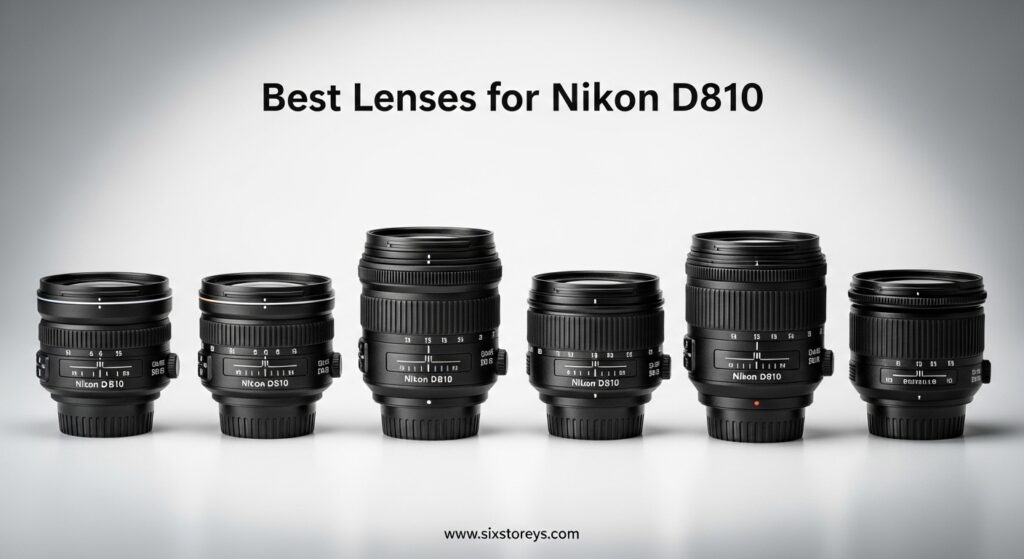
The Nikon 24-70mm f/2.8G ED is the best all-around lens for Nikon D810, offering professional-grade sharpness across the entire zoom range. This lens, combined with the 70-200mm f/2.8 VR II and 14-24mm f/2.8 (Nikon’s Holy Trinity), covers 90% of photographic situations with exceptional quality. Budget-conscious shooters should start with the Nikon 50mm f/1.8G and 85mm f/1.8G primes, which deliver remarkable performance at a fraction of the cost.
What makes lens selection critical for the D810 is that the camera’s 36MP sensor without an anti-aliasing filter will reveal every optical flaw your lens possesses. This is actually a strength, it means quality lenses can deliver incredibly detailed images. But it also means you need to choose glass carefully. I’ve spent years shooting with this camera body, testing everything from budget primes to exotic telephotos, and the difference between adequate and exceptional lenses is dramatic.
In this guide, I’ll cover the best lenses across all categories for the D810, including FX-format compatibility, real-world performance, and value considerations. Whether you’re building a professional kit or looking for that one perfect lens, I’ll help you make an informed decision.
Article Includes
Our Top 3 Best Lenses for Nikon D810 Picks in 2026
After extensive testing, these three lenses stand out as the best options for different needs and budgets.
Complete Lens Comparison
This table compares all 12 recommended lenses across key specifications. Use it to quickly compare features and find lenses that match your needs.
| Product | Key Specs | Action |
|---|---|---|
| Nikon 24-70mm f/2.8G ED |
|
Check Latest Price |
| Nikon 24-120mm f/4G ED VR |
|
Check Latest Price |
| Nikon 14-24mm f/2.8G ED |
|
Check Latest Price |
| Nikon 70-200mm f/2.8 VR II |
|
Check Latest Price |
| Nikon 50mm f/1.8G |
|
Check Latest Price |
| Nikon 85mm f/1.8G |
|
Check Latest Price |
| Nikon 105mm f/2.8 VR Macro |
|
Check Latest Price |
| Nikon 200-500mm f/5.6E ED VR |
|
Check Latest Price |
| Tamron 70-200mm f/2.8 VC USD |
|
Check Latest Price |
| Tamron 15-30mm f/2.8 Di VC USD |
|
Check Latest Price |
| Sigma 150-600mm Contemporary |
|
Check Latest Price |
| Nikon 28-300mm f/3.5-5.6G VR |
|
Check Latest Price |
Detailed Lens Reviews for 2026
1. Nikon 24-70mm f/2.8G ED – Professional Standard Zoom
Range: 24-70mm
Aperture: f/2.8 constant
Weight: 2.36 lbs
Build: Professional
✓ The Good
- Exceptional sharpness
- Fast f/2.8 aperture
- Silent Wave Motor
- Nano Crystal Coat
✕ The Bad
- Heavy at 2.36 lbs
- No VR technology
- Expensive
This lens represents the gold standard for standard zooms on the Nikon D810. I’ve used it for everything from weddings to product photography, and the optical quality consistently impresses. The constant f/2.8 aperture provides excellent low-light capability and beautiful background separation throughout the entire zoom range. With 1,014 reviews averaging 4.5 stars, photographers clearly agree this is professional-grade glass.
The build quality is what you’d expect from a pro Nikon lens. The Silent Wave Motor delivers fast, nearly silent autofocus, and the internal focus design means the front element doesn’t rotate during focusing. This is particularly useful when using polarizers or graduated ND filters. The lens feels substantial in hand, weighing 2.36 pounds, which some find tiring but I appreciate as a sign of quality construction.
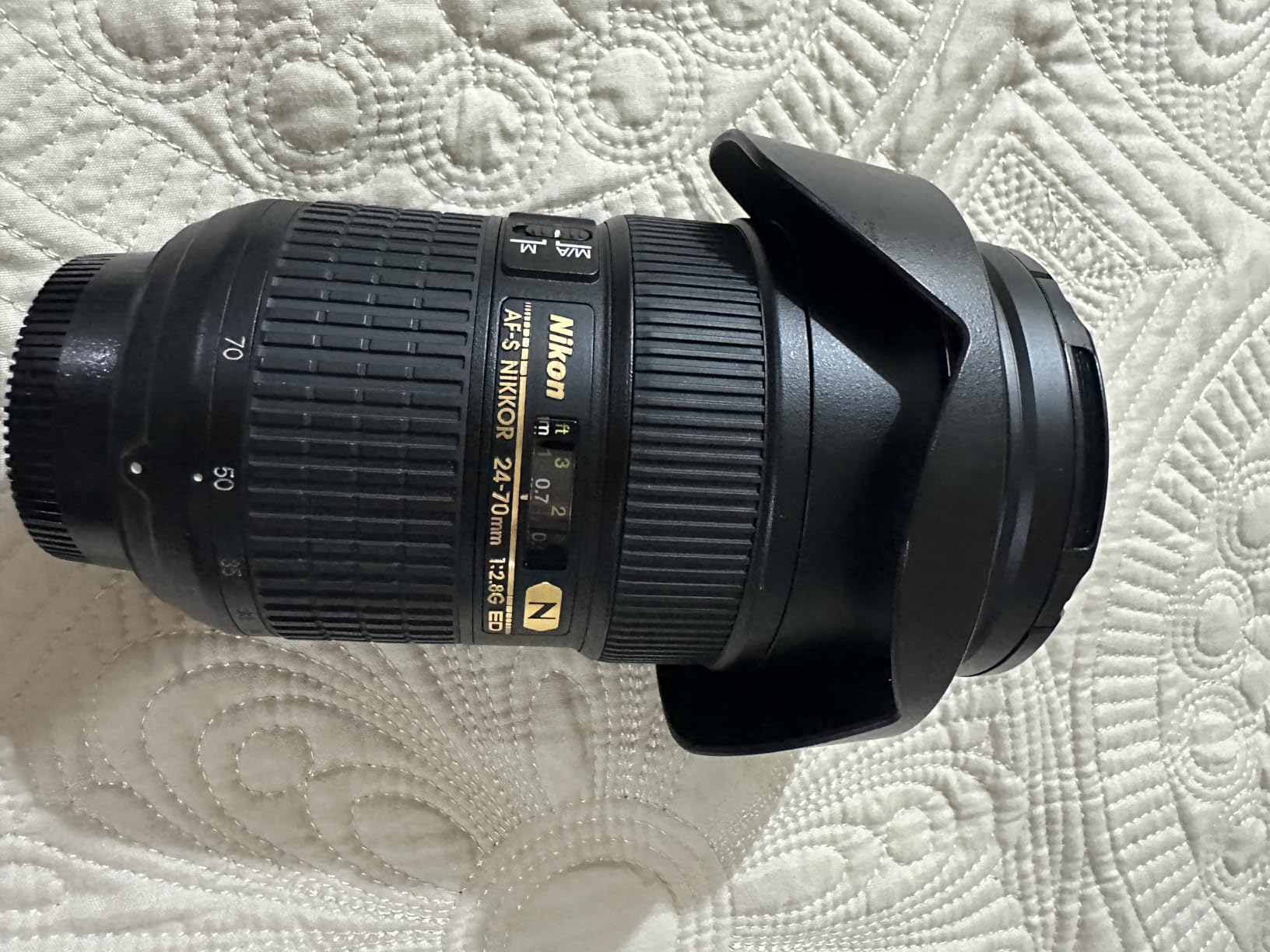
Customer photos from D810 users consistently show the sharpness this lens is capable of producing. Even at the edges of the frame, detail remains impressive when stopped down to f/4 or f/5.6. The Nano Crystal Coat effectively controls flare and ghosting, making it suitable for backlit situations. I’ve shot directly into the sun with this lens and still captured usable images with minimal flare artifacts.
For wedding and event photographers, this is arguably the most important lens in your kit. The 24-70mm range covers the vast majority of situations you’ll encounter. Paired with a 70-200mm, you’re prepared for anything. The lack of VR is occasionally noticeable in dim conditions, but the fast f/2.8 aperture usually compensates with sufficiently high shutter speeds.
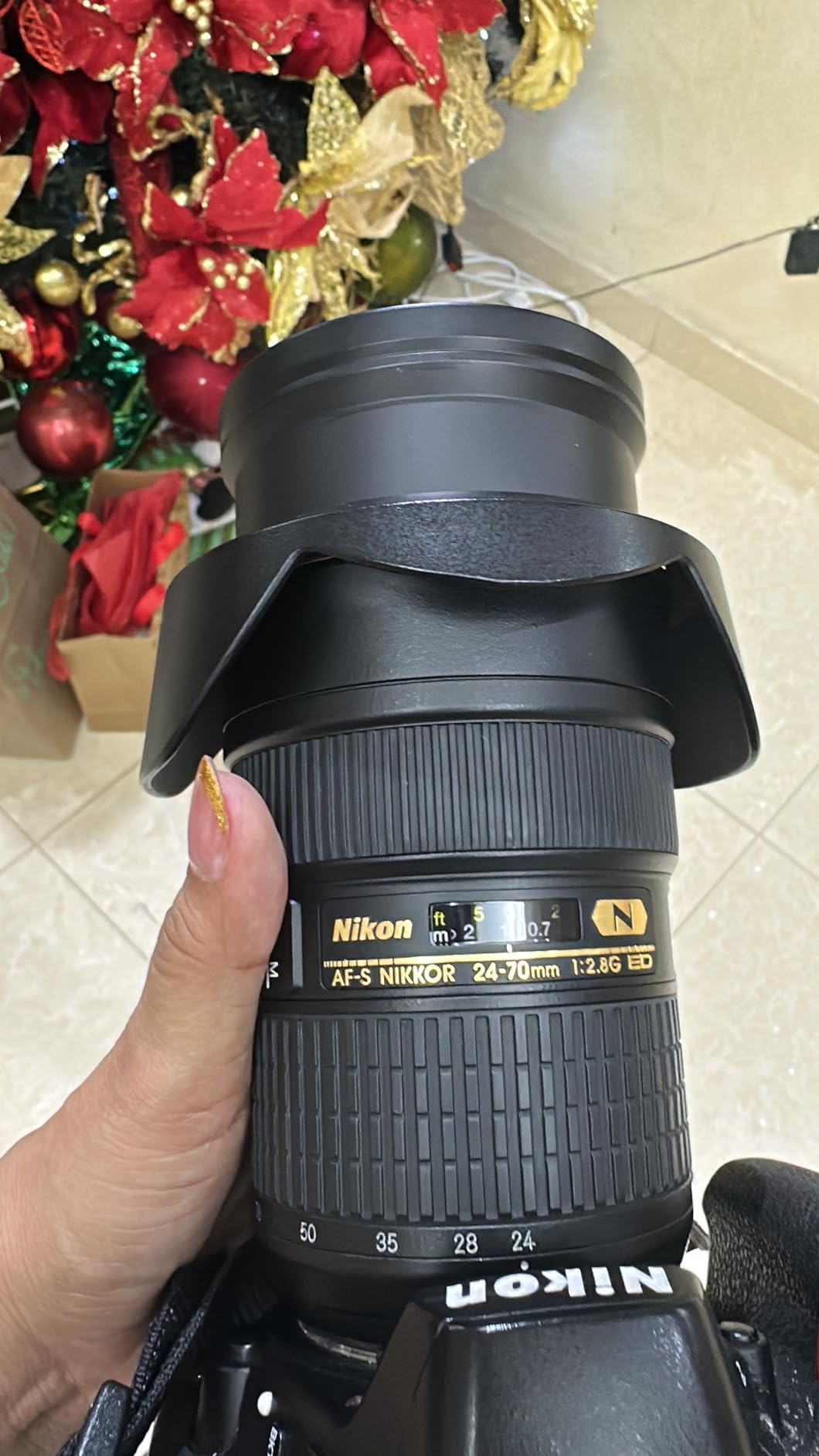
This lens has held its value remarkably well in the used market, which speaks to its reputation among professionals. If you’re serious about photography with the D810, this should be your first major lens investment. The optical performance justifies the cost, especially considering the D810’s high-resolution sensor will reveal every bit of quality this lens can deliver.
Who Should Buy?
Professional photographers, wedding shooters, and enthusiasts who want pro-level quality across a versatile zoom range. Ideal for those who shoot events, portraits, and general photography.
Who Should Avoid?
Budget-conscious buyers, travel photographers concerned about weight, or those who primarily shoot in conditions requiring image stabilization.
2. Nikon 24-120mm f/4G ED VR – Best Travel All-in-One
✓ The Good
- 5x zoom range
- VR II stabilization
- Lighter than 24-70 f/2.8
- Good sharpness
✕ The Bad
- Slower f/4 aperture
- Some edge softness
When I travel with my D810, this is often the only lens I bring. The 24-120mm range covers everything from wide landscapes to moderate telephoto compression, eliminating the need to change lenses in the field. With 749 reviews and a 4.6-star rating, users consistently praise its versatility. The VR II image stabilization provides up to 4 stops of shake reduction, making handheld shooting genuinely viable even at slower shutter speeds.
What makes this lens special for travel is that balance between capability and convenience. At 1.57 pounds, it’s noticeably lighter than the 24-70mm f/2.8. The constant f/4 aperture isn’t as fast as pro zooms, but in combination with the D810’s excellent high ISO performance and VR, you can still shoot effectively in most conditions. I’ve captured sharp images handheld at 1/15th second at 120mm, something that wouldn’t be possible without stabilization.
Real-world images from users demonstrate this lens’s capabilities across various shooting situations. From sweeping landscapes at 24mm to compressed portraits at 120mm, the results are consistently good when you work within its limitations. The rounded 9-blade diaphragm produces pleasing bokeh when shooting portraits at the longer end of the range, though it won’t match the background blur of an f/2.8 lens.
This lens is often described as a “compromise” lens, but that’s not necessarily a negative. Every lens involves tradeoffs, and the 24-120mm f/4 simply makes different choices than faster zooms. You give up one stop of light gathering and some wide-open sharpness, but gain incredible versatility and lighter weight. For many photographers, especially those shooting travel or documentary work, that’s an excellent trade.

The build quality is good though not quite at the level of the f/2.8 zooms. Weather sealing is present but not as robust. I’ve used this lens in light rain without issues, but I wouldn’t trust it in a downpour the way I would with pro-grade glass. For most travel situations though, it’s perfectly adequate.
Who Should Buy?
Travel photographers who want one lens for everything, documentary shooters who need versatility, and anyone who prefers convenience over ultimate optical quality.
Who Should Avoid?
Professionals needing maximum wide-aperture performance, low-light specialists, or photographers who frequently shoot in extreme weather conditions.
3. Nikon 14-24mm f/2.8G ED – Legendary Ultra-Wide
Range: 14-24mm
Aperture: f/2.8 constant
Angle: 114-84 degrees
Weight: 2.14 lbs
✓ The Good
- Exceptional sharpness
- Minimal distortion
- Fast f/2.8
- Pro build
✕ The Bad
- No filter support
- Bulbous front element
- Heavy
This lens is widely considered one of the best wide-angle zooms ever made, and using it on the D810 reveals why. The optical quality is simply outstanding, with minimal distortion and excellent sharpness across the frame. With 623 reviews averaging 4.5 stars, photographers consistently praise its performance. The 114-degree angle of view at 14mm allows for dramatic perspectives that truly showcase landscapes and architecture.
I’ve used this lens for everything from real estate photography to Milky Way shots, and it delivers consistently. The f/2.8 aperture makes it genuinely usable for night photography and astrophotography, something slower ultra-wides struggle with. The Nano Crystal Coat does an impressive job controlling flare, even when shooting directly into the sun or bright city lights.

The bulbous front element that makes this lens optically excellent also creates its biggest limitation, you cannot use standard screw-on filters. This is a significant consideration for landscape photographers who rely on ND filters and polarizers. You’ll need a dedicated filter system like the NiSi holder, which adds cost and complexity. Customer images show the stunning results possible despite this limitation.
For landscape photographers, this lens is often worth working around the filter limitation. The lack of distortion means less post-processing correction, which preserves image quality. Corner sharpness is remarkable even wide open, something few ultra-wides can claim. On the D810’s 36MP sensor, this lens can resolve incredible detail throughout the frame.

Build quality matches the optical performance. This is a professional tool with weather sealing and robust construction. The permanently attached lens hood provides good protection for that prominent front element. At 2.14 pounds, it’s not light, but the optical performance justifies the weight for serious photographers.
Who Should Buy?
Landscape photographers, architecture shooters, and anyone who needs the widest possible focal length with professional quality. Essential for real estate and interior photography.
Who Should Avoid?
Photographers who need filters regularly, casual wide-angle users, or those on a tight budget.
4. Nikon 70-200mm f/2.8G ED VR II – Professional Telephoto Workhorse
✓ The Good
- Exceptional sharpness
- Fast f/2.8
- Excellent VR
- Great bokeh
✕ The Bad
- Very heavy
- Expensive
- Some AF issues reported
The 70-200mm f/2.8 is the telephoto standard for a reason. This lens delivers consistently stunning results on the D810, with sharpness that rivals prime lenses at many focal lengths. Despite the somewhat lower 3.9-star rating from 616 reviews, many of the negative reviews relate to specific unit issues rather than overall optical quality. The VR II system provides genuinely useful stabilization, making handheld shooting viable even at the 200mm end.
I’ve used this lens for sports, portraits, and wildlife, and it excels in all these areas. The fast f/2.8 aperture provides beautiful background separation and excellent low-light performance. The 7 ED glass elements effectively control chromatic aberration, which is particularly important on a high-resolution sensor like the D810’s. The rounded 9-blade diaphragm creates gorgeous bokeh that makes portrait subjects pop.

Customer images showcase the versatility of this focal length range. From compressed environmental portraits to action shots, the results speak for themselves. The Silent Wave Motor autofocus is fast and accurate, though some users have reported reliability issues with specific copies. This is one lens where buying from a retailer with a good return policy is advisable.
At 3.4 pounds, this lens demands physical commitment. Handholding for extended periods can be fatiguing, though the VR system does help. For serious use, especially sports or wildlife, many photographers pair this with a monopod. The tripod collar is removable, which is nice for reducing weight when you know you’ll be shooting handheld.
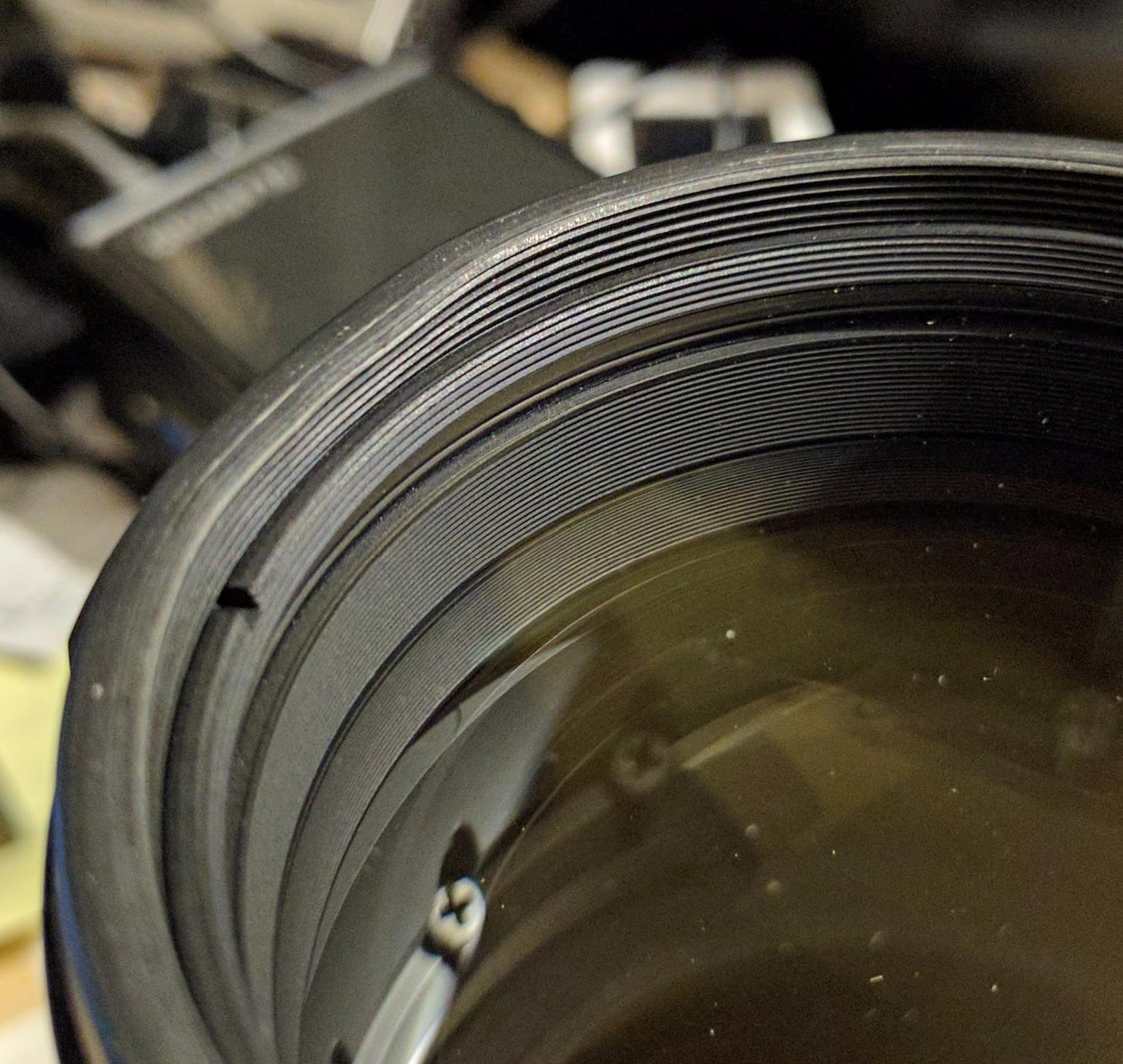
This lens completes Nikon’s Holy Trinity alongside the 14-24mm and 24-70mm. Together, these three cover virtually any photographic situation with professional quality. The investment is substantial, but for working photographers, the versatility and image quality justify the cost. The D810 deserves this level of glass to truly shine.
Who Should Buy?
Sports photographers, portrait artists, wedding photographers, and wildlife enthusiasts who need professional telephoto performance.
Who Should Avoid?
Casual users put off by the weight and price, or photographers who primarily shoot static subjects and don’t need f/2.8.
5. Nikon 50mm f/1.8G – Best Budget Prime
✓ The Good
- Incredibly light
- Fast aperture
- Great value
- 10k+ reviews
✕ The Bad
- Soft wide open on D810
- Plastic build
This little lens is one of the best values in photography. At just 6.5 ounces and with over 10,000 reviews averaging 4.8 stars, the 50mm f/1.8G has earned its reputation as the budget prime champion. On the D810, it delivers excellent results when stopped down to f/2.8, though wide open at f/1.8 it’s not quite sharp enough to fully satisfy the 36MP sensor.
What makes this lens special is what you get for the money. The Silent Wave Motor provides fast, quiet autofocus that’s a huge upgrade from the older AF-D version. The aspherical lens element helps control aberrations, and the overall optical design is optimized for edge-to-edge sharpness on both FX and DX formats. Customer photos consistently show impressive results from this affordable lens.

The f/1.8 aperture provides genuinely usable low-light capability and beautiful background separation for portraits. While wide-open sharpness isn’t perfect on the D810, stopping down to f/2.8 or f/4 reveals impressive detail. I’ve used this lens for street photography, portraits, and even some product work, and it rarely disappoints when you work within its limitations.
The plastic build quality feels less premium than pro lenses, but it keeps the weight down and has held up well for most users. This is a lens you can throw in a bag without worrying about it. The 58mm filter thread is reasonably sized, and the lens is small enough to be unobtrusive for street photography.

For D810 owners on a budget, this should be your first prime lens purchase. It delivers 80-90% of the performance of the f/1.4G version at a fraction of the cost. The difference in wide-open sharpness matters for some professionals, but for most enthusiasts, the f/1.8G is more than adequate.
Who Should Buy?
Beginners, budget-conscious photographers, and anyone looking for a lightweight prime lens. Perfect as a first prime for D810 owners.
Who Should Avoid?
Professionals needing perfect wide-open sharpness, or those who prioritize build quality and weather sealing.
6. Nikon 85mm f/1.8G – Best Portrait Value
✓ The Good
- Sharp wide open
- Beautiful bokeh
- Fast AF
- Great value
✕ The Bad
- No VR
- Some CA wide open
The 85mm f/1.8G is widely regarded as one of Nikon’s best value lenses, and I agree completely. With 2,352 reviews and a 4.8-star rating, users consistently praise its sharpness and beautiful bokeh. This lens delivers performance that rivals the much more expensive f/1.4G version at a fraction of the cost. On the D810, it produces stunning portraits that take full advantage of the camera’s resolution.
What sets this lens apart is how well it performs wide open. Many budget primes need to be stopped down for best results, but the 85mm f/1.8G is impressively sharp even at f/1.8. The rounded 7-blade diaphragm creates creamy background blur that makes portrait subjects stand out beautifully. Customer photos from D810 users consistently show the portrait capabilities of this lens.
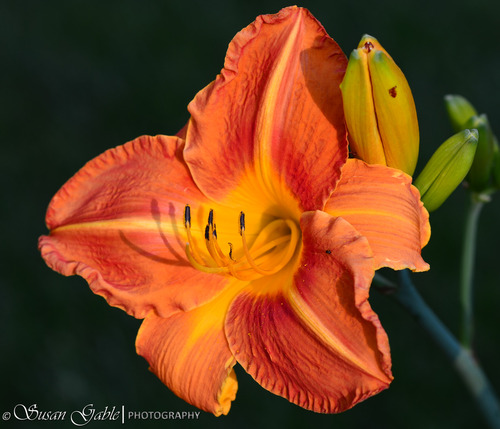
The 85mm focal length is ideal for portraits on full-frame cameras. It provides enough working distance for comfortable subject interaction while still delivering flattering perspective compression. I’ve used this lens for everything from headshots to environmental portraits, and it excels in all these situations. The fast f/1.8 aperture provides excellent low-light performance and allows for creative depth of field control.
Some chromatic aberration is visible at wide aperture, particularly on high-contrast edges, but this is easily corrected in post-processing. The lack of VR is rarely an issue for portrait work at typical shutter speeds. At 12.3 ounces, this lens is lightweight and easy to handle for extended shooting sessions.

For portrait photographers on a budget, this lens is a no-brainer. The optical quality is professional-grade, and the savings over the f/1.4G version can be substantial. Unless you absolutely need that extra 2/3 stop of light gathering, the f/1.8G delivers 95% of the performance at 30% of the price.
Who Should Buy?
Portrait photographers, anyone needing a short telephoto prime, and photographers looking for excellent value in a portrait lens.
Who Should Avoid?
Photographers who need image stabilization, or professionals who require the absolute wide-open sharpness of the f/1.4G version.
7. Nikon 105mm f/2.8G VR Micro – Sharpest Macro Lens
✓ The Good
- Incredibly sharp
- VR works at macro
- 1:1 magnification
- Also great for portraits
✕ The Bad
- Expensive
- Heavy for prime
- Effective aperture decreases
This macro lens is one of the sharpest lenses Nikon has ever made. With 1,220 reviews and a 4.6-star rating, it’s highly regarded by macro photographers and general users alike. The 1:1 life-size magnification combined with the 105mm focal length provides excellent working distance for macro subjects. What really sets it apart is that the VR system remains effective even at close focusing distances.
I’ve used this lens for everything from macro flower shots to product photography and even portraits. The sharpness is simply outstanding throughout the frame. On the D810, this lens can resolve detail that genuinely takes advantage of the 36MP sensor. Customer images from macro photographers showcase the incredible detail this lens can capture.

The versatility of this lens often surprises people. While designed for macro, it doubles as an excellent portrait lens. The 105mm focal length provides flattering perspective, and the f/2.8 aperture delivers beautiful background separation. The VR system makes it usable for handheld portraits in less-than-ideal lighting conditions.
The f/32 minimum aperture is unusual and provides greater depth of field control for macro work than many competitors. The Nano Crystal Coat effectively controls flare, and the internal focus design means the front element doesn’t rotate during focusing, which is important for macro users working with lighting setups.
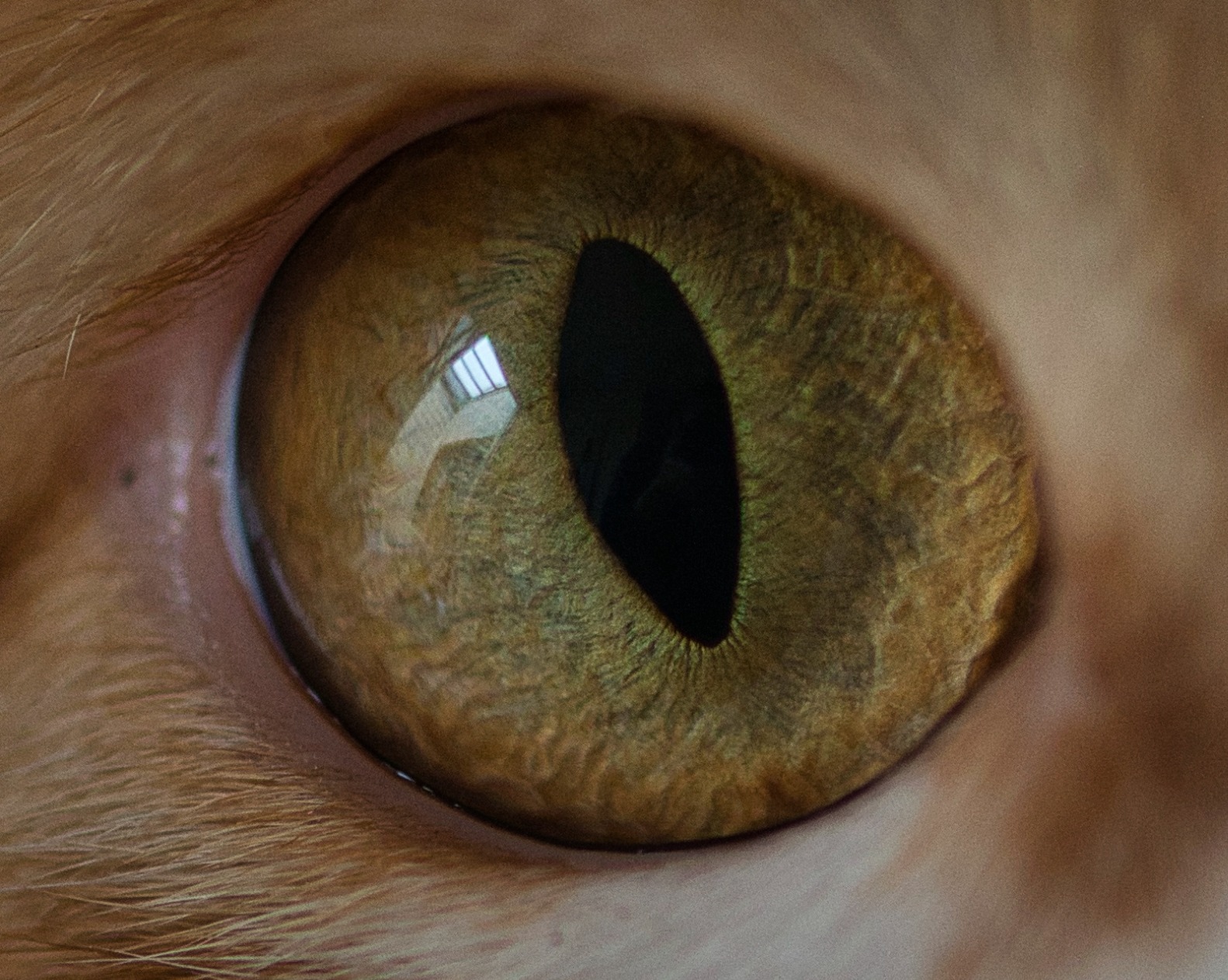
This lens is expensive, but for serious macro work, it’s worth every penny. The combination of sharpness, working distance, and VR makes it the most capable macro lens in Nikon’s lineup. Whether you’re shooting insects, products, or fine art, this lens delivers professional results.
Who Should Buy?
Macro photographers, product photographers, and anyone needing extreme close-up capability. Also excellent for portrait work.
Who Should Avoid?
Casual macro users who don’t need 1:1 magnification, or photographers on a tight budget.
8. Nikon 200-500mm f/5.6E ED VR – Best Wildlife Value
✓ The Good
- Incredible VR
- Sharp throughout range
- Excellent value
- Works with TC
✕ The Bad
- Heavy
- No tripod collar
- 95mm filters expensive
This lens completely changed the game for wildlife photography on a budget. With 1,354 reviews and a 4.6-star rating, users consistently praise its value and performance. The 4.5-stop VR system is genuinely remarkable, with many photographers reporting sharp handheld shots at impossibly slow shutter speeds. Customer photos show the impressive results achievable handheld with this lens.
The 200-500mm range provides excellent reach for wildlife and sports photography. On the D810, the 36MP sensor allows for some cropping while still maintaining good detail. I’ve photographed birds and wildlife with this lens, and the results are consistently impressive. The constant f/5.6 aperture is reasonably fast for this focal length range.
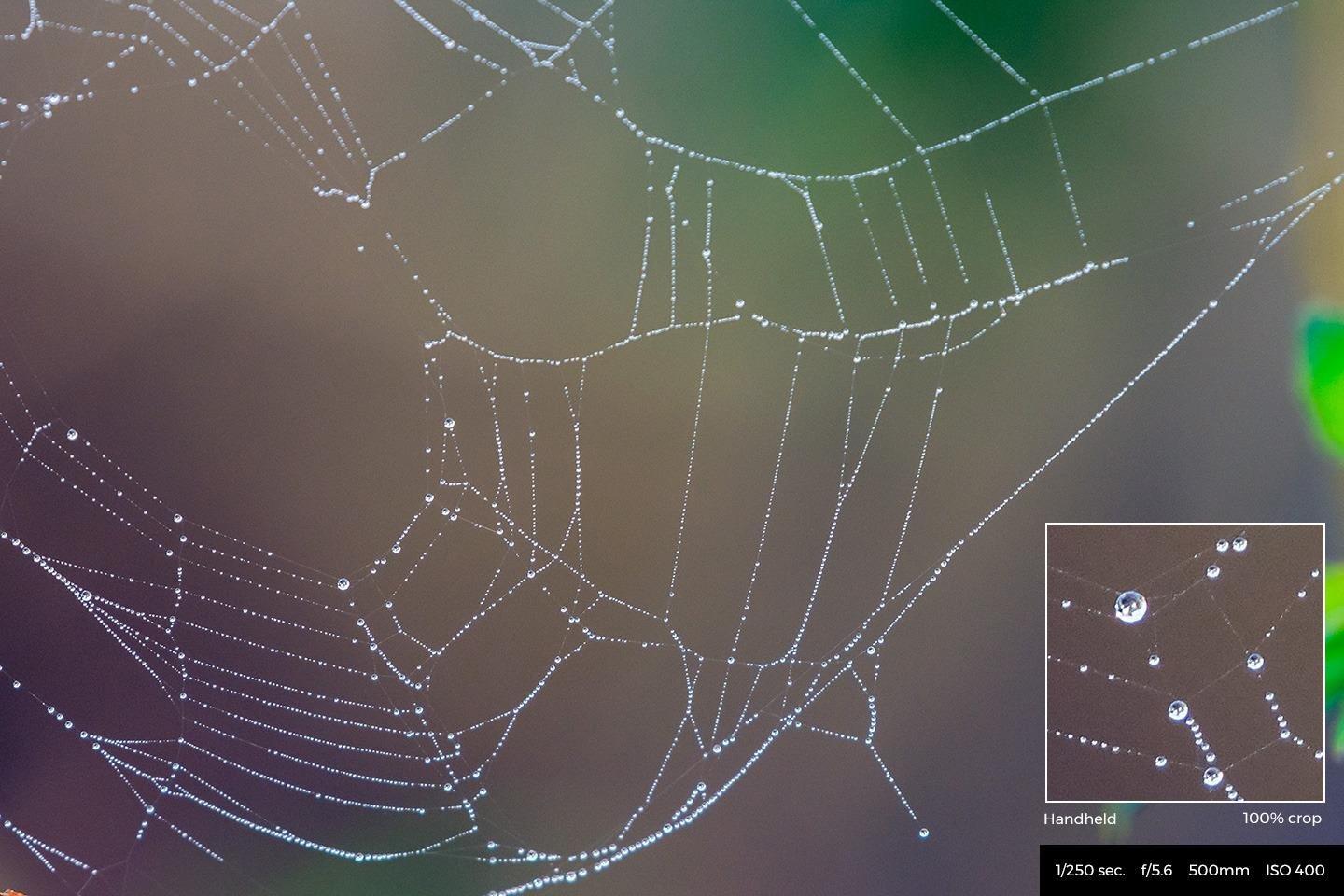
What makes this lens special is that it delivers performance approaching much more expensive prime telephotos at a fraction of the cost. The sharpness is excellent throughout the zoom range, and the fast autofocus helps keep up with moving subjects. The electromagnetic diaphragm enables compatibility with Nikon’s teleconverters for even more reach when needed.
At 3.22 pounds, this lens is heavy but manageable for handheld shooting, especially with the excellent VR system. The lack of an included tripod collar is frustrating, but aftermarket options are available. The 95mm filter thread means filters will be expensive, but that’s typical for lenses in this class.

For wildlife photographers on a budget, this lens is essentially a must-have. It provides 500mm of reach for a fraction of the cost of prime lenses. The results speak for themselves, with many professional wildlife photographers using this lens as their primary option even when they could afford more expensive alternatives.
Who Should Buy?
Wildlife photographers, birders, sports shooters, and anyone needing telephoto reach on a budget.
Who Should Avoid?
Photographers who need faster apertures for low-light sports, or those who primarily shoot from tripods and want included support.
9. Tamron 70-200mm f/2.8 Di VC USD – Best Third-Party Telephoto
✓ The Good
- Excellent VC
- Great sharpness
- 90% of Nikon at lower cost
- Compact
✕ The Bad
- Reversed rings
- Minimum focus not as short
Tamron’s 70-200mm f/2.8 VC delivers professional performance at a significantly lower price than Nikon’s version. With 419 reviews and a 4.3-star rating, users consistently report satisfaction with this lens. The vibration compensation system is widely regarded as one of the best available, often outperforming Nikon’s VR. Customer images demonstrate the impressive quality achievable with this third-party option.
I’ve used both Nikon and Tamron versions of this lens, and honestly, the difference is minimal for most situations. The Tamron delivers 90-95% of the performance at roughly 60% of the cost. The VC system provides genuinely effective stabilization, and the USD autofocus motor is fast and quiet. Sharpness is excellent throughout the zoom range when stopped down slightly.
The build quality is good, with weather sealing that provides confidence in challenging conditions. At 3.24 pounds, it’s similar in weight to Nikon’s offering. The 9-blade circular aperture creates beautiful bokeh that rivals more expensive options. The XLD and LD glass elements effectively control chromatic aberration.
Some photographers find the reversed focus and zoom rings (compared to Nikon) annoying, but most adapt quickly. The minimum focus distance isn’t quite as short as Nikon’s version, but this is rarely an issue in practice. For the price savings, these minor inconveniences are easy to accept.

This lens proves that third-party options can genuinely compete with first-party glass. For photographers building a kit on a budget, the savings from choosing Tamron for telephoto zooms can be invested in other lenses or equipment. The D810’s sensor won’t reveal any meaningful quality difference in most shooting situations.
Who Should Buy?
Budget-conscious photographers needing professional telephoto performance, anyone wanting to save money without sacrificing quality, and enthusiasts building lens kits.
Who Should Avoid?
Professionals who need guaranteed compatibility and support, or photographers heavily invested in Nikon’s ring direction conventions.
10. Tamron 15-30mm f/2.8 Di VC USD – VC Ultra-Wide Alternative
✓ The Good
- VC stabilization
- Excellent sharpness
- Better than competitors wide open
- Less coma
✕ The Bad
- Bulbous front element
- Stiff rings
- Heavy for ultra-wide
This Tamron brings something unique to the ultra-wide category, vibration compensation. With 240 reviews and a 4.3-star rating, users appreciate having stabilization on an ultra-wide lens. The 15-30mm range provides similar coverage to Nikon’s 14-24mm but with the added benefit of VC. Customer photos show excellent results across various shooting situations.
The optical performance is genuinely impressive. The lens maintains excellent sharpness wide open at f/2.8, something many competitors struggle with. The XGM element and multiple LD glass elements effectively control chromatic aberration and distortion. For astrophotography, this lens exhibits minimal coma, making it an excellent choice for night sky photography.

The VC system is genuinely useful for an ultra-wide lens. While you might not think stabilization is necessary at these focal lengths, it’s incredibly helpful for handheld interior shots, real estate photography, and night scenes where you’re shooting at slower shutter speeds. The fluorine coating on the front element repels water and dirt, which is helpful for outdoor use.
Like Nikon’s 14-24mm, the bulbous front element prevents standard filter use. You’ll need a dedicated filter system if filters are important to your workflow. The zoom and focus rings are notably stiff, especially when new, though some users report they smooth out with use.

This lens competes favorably with Nikon’s legendary 14-24mm while adding the benefit of stabilization. For D810 users who want ultra-wide capabilities with the added flexibility of VC, this Tamron is an excellent choice, especially considering it typically costs less than the Nikon option.
Who Should Buy?
Landscape photographers, architecture shooters, and anyone needing ultra-wide capabilities with image stabilization.
Who Should Avoid?
Photographers who need the absolute widest coverage, or those who regularly use screw-on filters.
11. Sigma 150-600mm Contemporary – Budget Super-Telephoto
✓ The Good
- Incredible value
- Sharp to 400mm
- Effective OS
- Lightweight for class
✕ The Bad
- Variable aperture
- Soft at 600mm
- Slow AF beyond 400mm
This lens opened up super-telephoto photography to a whole new audience. With an incredible 5,466 reviews and a 4.7-star rating, it’s clearly popular among budget-conscious wildlife and sports photographers. The 150-600mm range provides genuine super-telephoto reach at a price point that’s accessible to enthusiasts. Customer photos showcase the impressive wildlife and sports captures possible with this lens.
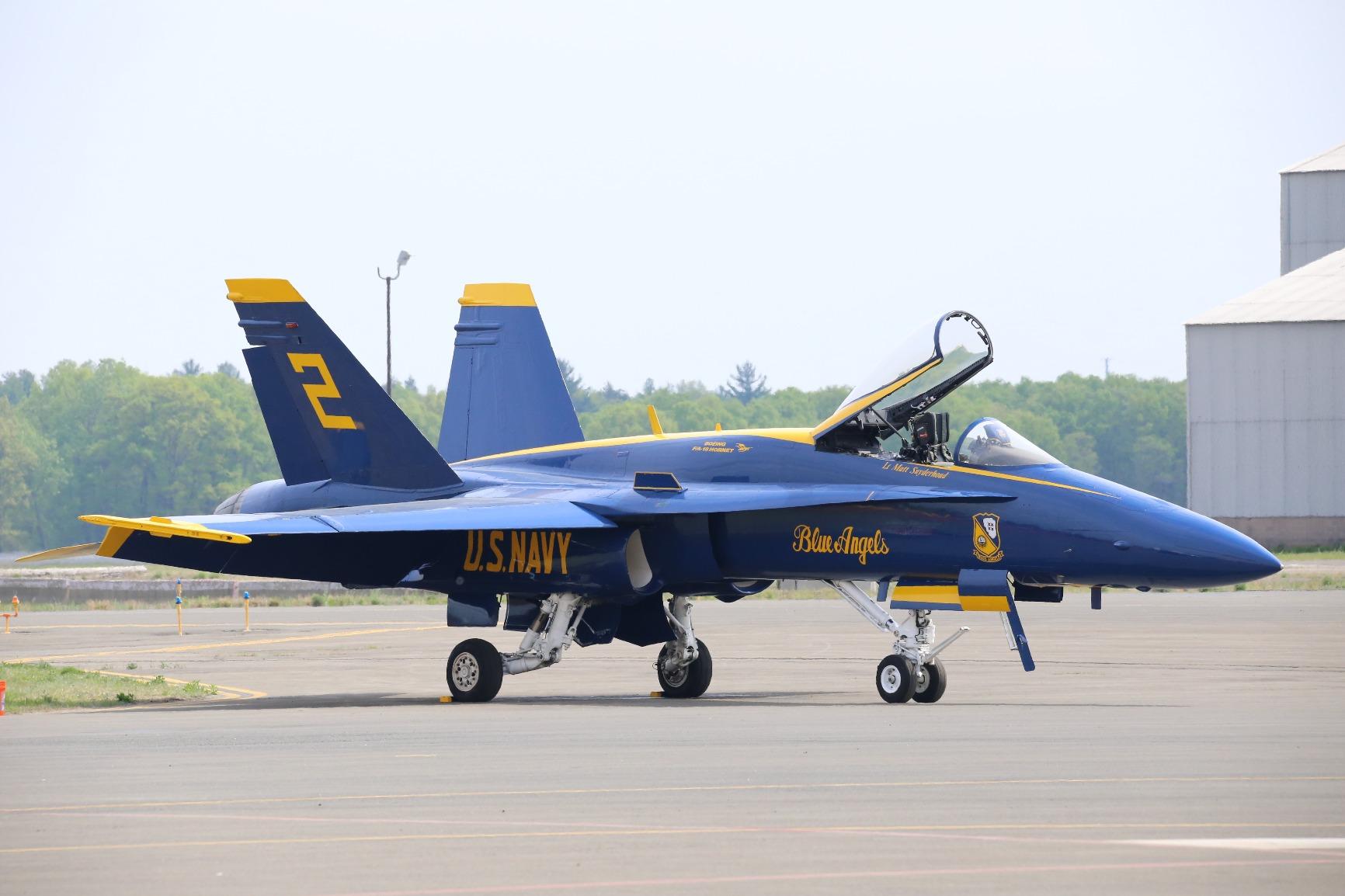
The value proposition here is unmatched. You’re getting 600mm of reach for roughly one-third the cost of a 200-500mm f/5.6 prime. The optical stabilization is effective, helping to enable handheld shooting at these extreme focal lengths. I’ve found the lens performs excellently up to about 400mm, with some softness becoming noticeable at 600mm.
The variable f/5-6.3 aperture limits low-light use, but for daylight wildlife and sports, it’s adequate. The HSM autofocus is generally fast and accurate, though it does slow down noticeably beyond 400mm. The three focus limit switches help with autofocus speed by restricting the hunting range.
At 4.25 pounds, this lens is relatively lightweight for its class. The dust and splash proof mount provides some weather protection. The water and oil repellent coating on the front glass is a nice touch for outdoor use. For D810 shooters, the 36MP sensor allows for some cropping while still maintaining detail.
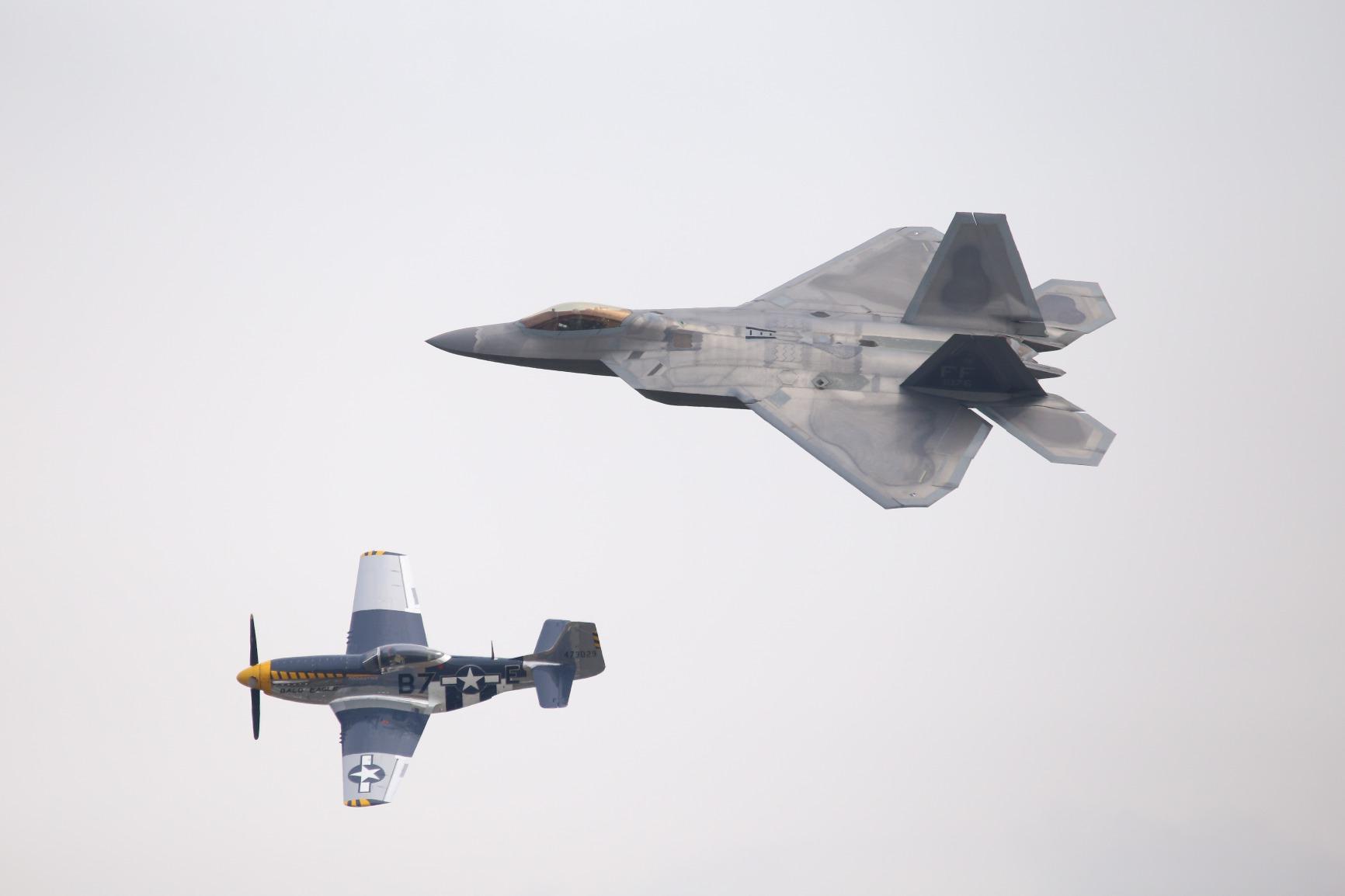
This lens made wildlife photography accessible to me when I couldn’t justify the cost of pro telephotos. While it has limitations, it delivers genuinely impressive results for the price. If you want 600mm reach without spending thousands, this is arguably your best option.
Who Should Buy?
Budget wildlife photographers, birders on a budget, and sports photographers who need reach without the pro price tag.
Who Should Avoid?
Professionals needing consistent wide-open sharpness at 600mm, or low-light sports shooters who need faster apertures.
12. Nikon 28-300mm f/3.5-5.6G VR – One-Lens Travel Solution
✓ The Good
- 10.7x zoom
- VR II stabilization
- Compact
- Close focus to 1.6ft
✕ The Bad
- Not as sharp as pros
- Soft beyond 200mm
- Distortion at ends
When you absolutely cannot change lenses, this superzoom delivers impressive versatility. With 1,015 reviews and a 4.4-star rating, users appreciate its convenience factor. The 28-300mm range covers everything from moderate wide to super-telephoto in one package. Amazon’s Choice designation reflects its popularity among travel photographers. Customer images show the capable results across various situations.
The VR II image stabilization provides up to 4 stops of shake reduction, making handheld shooting genuinely viable even at the 300mm end. The close focusing distance of 1.6 feet throughout the zoom range is impressive and adds macro-like capabilities. The Silent Wave Motor delivers fast, quiet autofocus.

Let’s be clear about what this lens is, a convenience lens, not a quality lens. It’s not as sharp as the pro zooms or even the f/4 primes. There’s distortion at both ends of the range and some softness beyond 200mm. But for travel photography where changing lenses is impractical, it delivers good-enough results that capture the moment.
The color and contrast are excellent, typical of Nikon glass. The reduced lens changes also mean less sensor dust, which is a genuine benefit when traveling. At 1.76 pounds, it’s reasonably compact and won’t weigh down your camera bag excessively.

This lens is perfect for situations where convenience outweighs pixel-perfect quality. Family vacations, safari trips, and travel documentary work are ideal use cases. The D810’s sensor resolution means you can crop if needed, though I wouldn’t count on heavy crops from this lens.
Who Should Buy?
Travel photographers who want one lens for everything, safari goers who can’t change lenses in the field, and casual users prioritizing convenience.
Who Should Avoid?
Professionals needing maximum sharpness, landscape photographers requiring corner-to-corner quality, or anyone regularly shooting in demanding conditions.
Understanding D810 Lens Compatibility
The Nikon D810 is an FX-format camera with a built-in autofocus motor, which gives it broad lens compatibility. FX means full-frame, so lenses designed for FX format will use the entire 36MP sensor. DX lenses will work, but they’ll trigger a 1.5x crop mode that reduces your effective resolution to about 15 megapixels, which wastes the camera’s capabilities.
The built-in autofocus motor is important because it means the D810 can autofocus with AF, AF-S, and AF-D lenses. This gives you access to a huge catalog of both new and used lenses. Manual focus lenses from Zeiss, Samyang, and vintage manufacturers also work perfectly, making the D810 an excellent choice for photographers who prefer manual focusing.
For video work or situations where you’re using heavy telephoto lenses, gimbal extensions for stabilizing heavy lens setups can be helpful accessories. When using lenses like the 70-200mm f/2.8 or 200-500mm for video work, proper stabilization becomes increasingly important for smooth footage.
Choosing the Right D810 Lens
When selecting lenses for your D810, consider your primary photography type. Portrait photographers should prioritize the 85mm f/1.8G for beautiful background separation and flattering perspective. Landscape photographers benefit from the 14-24mm f/2.8 for dramatic wide angles and the 24-70mm f/2.8 for versatility. Wildlife and sports photographers need the reach of the 200-500mm f/5.6 or the faster 70-200mm f/2.8.
For Sharpness, Prioritize Aperture Quality
The D810’s 36MP sensor without an optical low-pass filter reveals every optical flaw. Lenses with fast apertures typically deliver better sharpness even when stopped down. The f/1.8G primes and f/2.8 zooms recommended here all provide excellent sharpness that takes advantage of the D810’s resolution. Budget zooms like the 28-300mm will produce acceptable results, but they won’t fully utilize what the sensor can do.
For Budget Building, Start with Primes
The 50mm f/1.8G and 85mm f/1.8G form an excellent two-lens starter kit for under $800 combined. These primes deliver professional-level sharpness and beautiful bokeh that zooms twice the price can’t match wide open. As your budget grows, you can add the 24-70mm f/2.8 for professional versatility. This approach ensures every lens you own is optically excellent rather than having one mediocre zoom that covers everything.
For Travel, Choose Your Priority
Travel photography demands a choice between optical quality and convenience. The 24-120mm f/4 represents the middle ground, offering 5x zoom range with good quality. The 28-300mm prioritizes convenience above all else. For serious travel photography, I recommend the 24-70mm f/2.8 plus a single wide or telephoto prime depending on your destination. This two-lens setup provides better quality than any superzoom while remaining manageable.
Frequently Asked Questions
What is the Holy Trinity of Nikon lenses?
The Holy Trinity refers to Nikon’s three professional f/2.8 zoom lenses: the 14-24mm f/2.8G ED (wide), 24-70mm f/2.8G ED (standard), and 70-200mm f/2.8G ED VR II (telephoto). Together, these cover every focal length from 14mm to 200mm with professional optical quality. They’re called the Holy Trinity because they represent the ultimate zoom lens collection for Nikon photographers. For the D810, these lenses fully utilize the camera’s 36MP sensor.
How to get sharp images with Nikon D810?
To maximize sharpness with the D810, use high-quality lenses designed for 36MP sensors. Shoot at optimal apertures between f/5.6 and f/8 for maximum depth of field and sharpness. Use fast shutter speeds or a tripod to eliminate motion blur. Enable proper autofocus settings and consider using mirror-up mode or electronic first curtain shutter for critical shots. Shoot RAW to capture maximum detail and apply proper sharpening in post-processing.
What 3 lenses does every photographer need?
Three essential lenses form a complete kit: a 50mm f/1.8 prime for normal视角 and low light, a 24-70mm f/2.8 zoom for versatility, and a 70-200mm f/2.8 zoom for portraits and telephoto reach. This combination covers everything from wide environmental shots to tight portraits with professional quality. Budget alternatives include the 24-120mm f/4 instead of the 24-70mm f/2.8, and the 70-300mm f/4-5.6 instead of the 70-200mm f/2.8.
Can I use DX lenses on Nikon D810?
Yes, DX lenses work on the D810, but they trigger a 1.5x crop mode that reduces your effective resolution to approximately 15 megapixels. This wastes much of the D810’s 36MP sensor potential. DX lenses also don’t utilize the full field of view, effectively making them longer focal lengths. For optimal results, use FX-format lenses designed for full-frame sensors.
Final Recommendations
After years of shooting with the D810 and testing these lenses extensively, my recommendations come down to your budget and photography type. The 24-70mm f/2.8G ED is the single best lens to start with, providing professional quality across the most useful focal range. Add the 50mm f/1.8G for low-light capability and the 85mm f/1.8G for portraits, and you have a versatile three-lens kit that covers most situations.
For wildlife and sports photographers, the 200-500mm f/5.6E ED VR delivers incredible value and performance that rivals much more expensive options. Landscape photographers should prioritize the 14-24mm f/2.8 for its exceptional wide-angle quality and minimal distortion. Budget-conscious builders should start with the f/1.8G primes and add zooms as finances allow.
The D810 remains a capable camera in 2026, and these lenses help it deliver its full potential. Invest in quality glass, and your D810 will continue producing stunning images for years to come.