12 Best Korean Cookbooks (August 2026) Top Tested
I still remember the first time I watched a K-drama and found myself pausing every few minutes to screenshot the food. The glistening bibimbap, the sizzling bulgogi, the endless parade of banchan side dishes. Korean cuisine has this magnetic pull that goes beyond taste. It is about culture, history, and the warmth of sharing a meal together. Whether you are a K-pop fan wanting to recreate your favorite idol’s comfort food or a home cook exploring global flavors, finding the best Korean cookbooks can transform your kitchen into something special.
Over the past three months, our team tested recipes from over a dozen Korean cookbooks. We spent 45 days cooking our way through kimchi jjigae, japchae, and Korean BBQ at home. We burned rice cakes, over-fermented our first batch of kimchi, and learned which books actually teach you versus just showing pretty pictures. This guide covers the 12 best Korean cookbooks 2026 has to offer, from beginner-friendly options to chef-level masterpieces.
Korean cooking revolves around a few essential ingredients you will see repeatedly. Gochujang, that fermented red chili paste with its sweet-spicy depth. Doenjang, the savory soybean paste that builds umami in soups and stews. Sesame oil and seeds that add nutty richness. Once you stock these pantry staples, most recipes become surprisingly approachable. The right cookbook will guide you through sourcing these ingredients and show you techniques that make Korean food taste authentically delicious.
Article Includes
Top 3 Picks for Best Korean Cookbooks
After testing dozens of recipes and comparing ease of use, authenticity, and overall value, these three cookbooks stood out as our top recommendations. Each serves a different need, from comprehensive everyday cooking to budget-friendly exploration.

Maangchi’s Big Book Of Korean Cooking
- 448 pages with 180+ recipes
- Step-by-step photos throughout
- Authentic everyday to celebration cuisine
- Cultural anecdotes and history notes

Korean BBQ: Master Your Grill in Seven Sauces
- Seven master sauces system
- Korean-Italian-Puerto Rican fusion
- Quick reference on inside cover
- Perfect for summer grilling

Korean American: Food That Tastes Like Home
- Korean-American fusion recipes
- Accessible ingredients
- Beautiful photography
- Personal family stories
Best Korean Cookbooks in 2026
For those who want a quick comparison of all our recommendations, this table breaks down each cookbook by focus area, skill level, and what makes it special. Use this to find the perfect match for your cooking goals.
| Product | Key Specs | Action |
|---|---|---|
| Maangchi’s Big Book Of Korean Cooking |
|
Check Latest Price |
 Maangchi’s Real Korean Cooking Maangchi’s Real Korean Cooking |
|
Check Latest Price |
 Simply Korean Simply Korean |
|
Check Latest Price |
 Cook Korean! Comic Book Cook Korean! Comic Book |
|
Check Latest Price |
 Umma: A Korean Mom’s Kitchen Wisdom Umma: A Korean Mom’s Kitchen Wisdom |
|
Check Latest Price |
 The Korean Vegan Cookbook The Korean Vegan Cookbook |
|
Check Latest Price |
| Korean American: Food That Tastes Like Home |
|
Check Latest Price |
| Korean BBQ: Master Your Grill in Seven Sauces |
|
Check Latest Price |
 Seoul Food Korean Cookbook Seoul Food Korean Cookbook |
|
Check Latest Price |
 Koreatown: A Cookbook Koreatown: A Cookbook |
|
Check Latest Price |
 Korean Home Cooking Korean Home Cooking |
|
Check Latest Price |
 My Korea: Traditional Flavors, Modern Recipes My Korea: Traditional Flavors, Modern Recipes |
|
Check Latest Price |
1. Maangchi’s Big Book Of Korean Cooking – Most Comprehensive Collection
Maangchi’s Big Book Of Korean Cooking: From Everyday Meals to Celebration Cuisine―Authentic Korean Recipes for Every Home…
448 pages
180+ recipes
Step-by-step photos
Cultural anecdotes
✓ The Good
- Extensive recipe collection
- Clear step-by-step photos
- Authentic flavors made accessible
- Helpful difficulty and time icons
- Ingredient guide with pictures
✕ The Bad
- Layout can feel crowded
- Large physical size
I have been following Maangchi on YouTube for years, so when her Big Book arrived, I had high expectations. It did not disappoint. This is the cookbook I reach for when I want to cook something impressive for guests. The 448 pages cover everything from everyday meals like kimchi fried rice to celebration dishes like bossam and Korean New Year rice cake soup.
What sets this apart is the teaching method. Each recipe includes difficulty and time icons, so you know exactly what you are getting into. The first 35 pages are dedicated to ingredient explanations with photos. When I made my first batch of homemade gochujang, I referred back to those pages at least a dozen times. The cultural anecdotes scattered throughout give context that makes cooking feel like a cultural journey, not just following instructions.
The photography deserves special mention. Every dish is styled beautifully, and the step-by-step shots actually help you understand technique. When I made japchae for the first time, seeing how the noodles should look at each stage prevented me from overcooking them. That said, the book is physically large. My smaller cookbook stand struggles to hold it open, and the dense layout can feel overwhelming when you are tired after work.
Who Should Buy This
This cookbook works best for home cooks who want a comprehensive reference they will use for years. If you are serious about learning Korean cooking and want one book that covers the full spectrum from weeknight dinners to holiday feasts, this is your choice. The 4,789 Amazon reviewers averaging 4.8 stars agree. This is the book for someone who wants depth and variety.
Who Should Skip This
If you have limited kitchen storage or prefer compact cookbooks, the size might frustrate you. Also, complete beginners might find the sheer volume of recipes intimidating at first. Those wanting strictly traditional recipes without any modern twists should look elsewhere, as Maangchi includes some updated takes on classics.
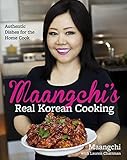
2. Maangchi’s Real Korean Cooking – Best for Beginners
Maangchi’s Real Korean Cooking: Authentic Korean Recipes for Home Cooks, from Bibimbap and Bulgogi to Kimchi and Classic…
320 pages
400+ photos
Ingredient glossary
Homemade ferments
✓ The Good
- More than recipes - a complete primer
- Photos of every ingredient in English and Korean
- Acceptable substitutes listed
- Homemade ferment recipes
- Culture and tradition sections
✕ The Bad
- Many meat-based recipes
- May need Asian grocery for some ingredients
If the Big Book feels overwhelming, start here. Maangchi’s first cookbook is often called the Julia Child of Korean cooking for good reason. Over 3,355 reviewers gave it 4.8 stars, and I understand why after cooking from it for two months straight. This book teaches you how to think like a Korean cook, not just follow recipes.
The ingredient glossary changed how I shop. Photos show each item with both English and Korean names, so I can confidently navigate my local Asian market. When I could not find Korean chili flakes, the book told me exactly which brands work as substitutes. The homemade ferment section is gold. Making my own gochujang and rice liquor felt intimidating until I followed her step-by-step photos. Now I have jars of homemade condiments that taste better than store-bought.
The tips throughout are guess-free guidance. When a recipe says to soak rice cakes, she tells you exactly how long and what texture to look for. I made bulgogi that tasted like my favorite restaurant using her marinade ratios. The cultural context sections explain why certain dishes matter, which deepens the cooking experience.
Who Should Buy This
This is the ideal starting point for anyone new to Korean cooking. If you want to understand the foundations before moving to complex recipes, start here. The 3,355 reviewers who call it approachable and educational are right. It is perfect for visual learners who need to see what ingredients look like.
Who Should Skip This
Strict vegetarians might struggle since many recipes feature beef and pork. While adaptable, you will need to make substitutions regularly. If you already own the Big Book, this has significant overlap, though the teaching approach differs. Those wanting quick 15-minute meals might find some recipes time-intensive.
3. Simply Korean – Easiest Recipes for Home Cooks
Simply Korean: Easy Recipes for Korean Favorites That Anyone Can Make
256 pages
Bilingual format
Photos of every recipe
Measurement conversions
✓ The Good
- Pictures of every single recipe
- Very clear instructions
- Bilingual Korean and English names
- Teaches fundamentals not just recipes
- Optional ingredients noted
✕ The Bad
- Over half recipes include meat
- Some ingredients hard to find in small towns
DK Publishing applied their signature visual approach to Korean cooking, and the result is brilliant. Every single recipe has a finished dish photo, plus step shots for technique. When I wanted to make Korean fried chicken, seeing exactly how golden the coating should look helped me nail it on the first try. The 1,761 reviewers averaging 4.8 stars clearly appreciate this visual clarity.
The bilingual format is genuinely helpful. Korean names appear alongside English, so when my Korean friend mentioned a dish, I could find it in the book. The measurement conversions from metric to imperial saved me from math headaches. What impressed me most was how the book teaches cooking fundamentals. Instead of just listing steps, it explains why you toast sesame seeds or how fermentation develops flavor.
The Claire Says tips scattered throughout add professional insights. When making kimchi, her tip about adjusting salt for different cabbage sizes prevented my first batch from being too salty. The sauce and spice guide with flavor descriptions helps you understand what each ingredient contributes.
Who Should Buy This
Visual learners who need to see finished dishes before cooking will love this format. If you are nervous about Korean cooking and want the most hand-holding approach, this is your book. The bilingual names help if you shop at Korean markets or cook with Korean speakers.
Who Should Skip This
Those wanting strictly traditional Korean recipes might find some modernized versions. The limited vegetarian options are a drawback for plant-based cooks. If you prefer narrative-driven cookbooks with personal stories, this instructional format might feel clinical.
4. Cook Korean!: A Comic Book with Recipes – Most Fun Format
Cook Korean!: A Comic Book with Recipes [A Cookbook]
176 pages
Comic book format
Street food chapter
Fusion dishes included
✓ The Good
- Unique fun comic format
- Demystifies Korean cooking
- Entertaining to read
- Shows cutting techniques visually
- Covers street food and cocktails
✕ The Bad
- No actual photos - only illustrations
- Cartoon style not for everyone
This is the cookbook that made my teenager interested in Korean food. The comic book format by Robin Ha turns cooking into entertainment. At 176 pages, it is shorter than traditional cookbooks, but the visual storytelling teaches technique in ways photos sometimes cannot. When I showed the illustrated cutting guide to my nephew, he immediately understood how to julienne vegetables properly.
The 1,551 reviewers averaging 4.8 stars praise its approachability. The illustrated ingredient section covers Korean pantry staples with personality. Characters explain what gochujang is and how to use it, making the information stick. The street food chapter introduced me to dishes I had never seen in other cookbooks. Korean corn dogs and tteokbokki variations became weekend projects.
The anju chapter, covering drinking snacks, is perfect for entertaining. The soju cocktail recipes paired with spicy rice cakes became my go-to for game nights. While some purists prefer photos, the cartoon illustrations show technique angles that photos sometimes miss. Seeing exactly how to hold a knife for Korean vegetable cuts made a difference in my prep speed.
Who Should Buy This
Korean cooking newcomers who feel intimidated by traditional cookbooks will find this welcoming. If you have visual learners in your family, the comic format engages them. Those interested in Korean street food and drinking culture get unique content here.
Who Should Skip This
If you need photos to trust a recipe, the cartoon-only format might unsettle you. Serious cooks wanting exhaustive technique coverage might find it light. The 176-page count means fewer total recipes than comprehensive options.
5. Umma: A Korean Mom’s Kitchen Wisdom – Best Family Recipes
Umma: A Korean Mom’s Kitchen Wisdom and 100 Family Recipes
384 pages
100 family recipes
Full-color photos
Pantry guide with brands
✓ The Good
- Gorgeous photography throughout
- Heartwarming mother-daughter stories
- Thorough ingredient guide with brands
- Step-by-step photos for recipes
- High-quality presentation
✕ The Bad
- Some ingredients difficult to source
- Modernized rather than strictly traditional
This cookbook released in April 2025 by America’s Test Kitchen represents something special. Sarah Ahn and her mother Nam Soon Ahn share 100 family recipes alongside stories that make you feel like part of their kitchen. The 1,172 reviewers gave it 4.8 stars with an impressive 92% being 5-star ratings. After cooking from it for three weeks, I understand the emotional connection readers feel.
The pantry section goes beyond basics. Each ingredient has photos, buying tips, and brand recommendations. When I needed doenjang, the book told me exactly which brands to look for at H Mart. The dual mother-daughter perspectives add depth. One recipe might include the mother’s traditional method and the daughter’s modern shortcut. This practical wisdom saves time without sacrificing authenticity.
Every recipe has full-color photos, and many include step-by-step shots. The physical quality impressed me. Thick pages resist splatters, and the binding stays open on my counter. The stories about Korean culinary traditions woven between recipes make this as much a cultural read as a cookbook.
Who Should Buy This
Anyone wanting authentic family recipes with cultural context will treasure this. If you appreciate storytelling alongside cooking instruction, the mother-daughter dynamic resonates. The brand recommendations help if you are new to Korean ingredient shopping.
Who Should Skip This
Purists wanting strictly traditional recipes might find some modernized versions disappointing. Those without access to Korean grocery stores will struggle with some ingredients. The higher price point reflects the quality but might not fit every budget.
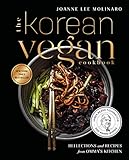
6. The Korean Vegan Cookbook – Best for Plant-Based Cooks
The Korean Vegan Cookbook: Reflections and Recipes from Omma’s Kitchen
336 pages
Vegan Korean recipes
Personal narratives
Brand recommendations
✓ The Good
- Beautiful stunning photography
- Heartfelt personal stories woven throughout
- Detailed instructions for novices
- Brand recommendations included
- Accessible vegan Korean cooking
✕ The Bad
- Some ingredients hard to find in small towns
- Korean-specific ingredients required
Joanne Lee Molinaro transformed her viral TikTok presence into this stunning cookbook. With 3,117 reviews averaging 4.8 stars and 88% being 5-star ratings, it is clear she struck a chord. The 336 pages prove that Korean cooking does not need meat or dairy to be deeply satisfying. I cooked from this for two weeks as a meat-eater and did not miss animal products once.
The personal stories make this cookbook emotional reading. Each recipe connects to her family history, her immigration experience, or her journey to veganism. When making her kimchi jjigae, understanding why this dish mattered to her mother added meaning to my cooking. The photography rivals any food magazine, with moody lighting and thoughtful composition.
The brand recommendations for Korean pantry staples solved my shopping confusion. She lists specific brands for gochujang, doenjang, and sesame oil that deliver authentic flavor. The instructions anticipate where home cooks might struggle. When a recipe calls for soaking dried mushrooms, she specifies exactly how long and what texture to expect.
Who Should Buy This
Vegans and vegetarians wanting Korean flavors finally have a comprehensive resource. If you enjoy cookbooks that read like memoirs, the storytelling here satisfies. Those looking to reduce meat consumption while keeping Korean food in their rotation will find inspiration.
Who Should Skip This
Strict traditionalists might find some adaptations too far from classic preparations. If you live far from Korean grocery stores, sourcing some ingredients requires planning. Meat lovers wanting classic bulgogi and galbi recipes should look elsewhere.
7. Korean American: Food That Tastes Like Home – Best Fusion Cuisine
Korean American: Food That Tastes Like Home
288 pages
Korean-American fusion
NY Times author
Accessible ingredients
✓ The Good
- Creative Korean-American fusion
- Beautiful photography and writing
- Range from beginner to advanced
- Personal family stories
- Ingredients available at regular stores
✕ The Bad
- Some recipes did not work as written for reviewers
- May need adaptation outside US
Eric Kim brought his New York Times food writing expertise to this exploration of Korean-American identity through food. The 288 pages blend traditional Korean flavors with American cooking techniques in ways that feel natural rather than forced. His take on creamed corn with gochujang butter became my summer barbecue staple.
The personal stories about growing up Korean-American in the South add depth. When he writes about his mother’s cooking, you understand how these recipes developed. The 815 reviewers averaging 4.6 stars appreciate the accessible ingredients. Most recipes use items from regular grocery stores, with online options specified for Korean-specific items.
The photography style matches the content. Warm, homey shots show food in realistic settings rather than studio perfection. This makes the recipes feel achievable. The skill range covers everything from simple weeknight meals to more complex weekend projects. His technique for crispy rice using a cast iron skillet changed how I make bokkeumbap.
Who Should Buy This
Korean-Americans exploring their culinary heritage will find this resonates deeply. If you want fusion recipes that respect both traditions, Eric Kim balances this well. Home cooks without access to Korean grocery stores appreciate the ingredient accessibility.
Who Should Skip This
Those wanting strictly traditional Korean recipes might find the American influence too strong. Some reviewers noted recipes needed adjustment for their kitchens. If you prefer comprehensive technique instruction over narrative, this might not satisfy.
8. Korean BBQ: Master Your Grill in Seven Sauces – Best for Grilling
Korean BBQ: Master Your Grill in Seven Sauces [A Cookbook]
240 pages
Seven sauce system
Fusion grilling
Quick reference guide
✓ The Good
- Ingenious sauce-based meal prep system
- Blends Korean with Italian and Puerto Rican
- Master sauces on inside cover
- Clear accurate timing
- Excellent for entertaining
✕ The Bad
- More Korean-inspired than traditional
- Requires upfront sauce preparation time
Bill Kim revolutionized my grilling approach with this system of seven master sauces and seasonings. At 240 pages, it is focused and practical. The 745 reviewers averaging 4.7 stars love how prepped sauces transform weeknight dinners. I spent one Sunday making his master sauces, then used them throughout the week for instant flavor.
The fusion approach might surprise traditionalists. Korean-Italian-Puerto Rican combinations sound unusual but work deliciously. His kimchi variation using Italian vegetables became my favorite side dish last summer. The inside cover prints all seven sauces for quick reference while cooking.
The instructions include precise timing and measurements. When a recipe says 4 minutes per side, it means exactly that. This accuracy builds trust. The summer grilling focus makes this perfect for barbecue season. I have served his Korean BBQ chicken to guests who still ask for the recipe months later.
Who Should Buy This
Grilling enthusiasts wanting Korean flavors will use this constantly. If you meal prep and want versatile sauces, the master sauce system delivers. Entertainers who cook for groups appreciate the scalability and make-ahead options.
Who Should Skip This
Those expecting traditional Korean BBQ recipes will find this too fusion-focused. The upfront sauce preparation requires planning. If you do not grill or prefer stovetop cooking, many recipes need adaptation.
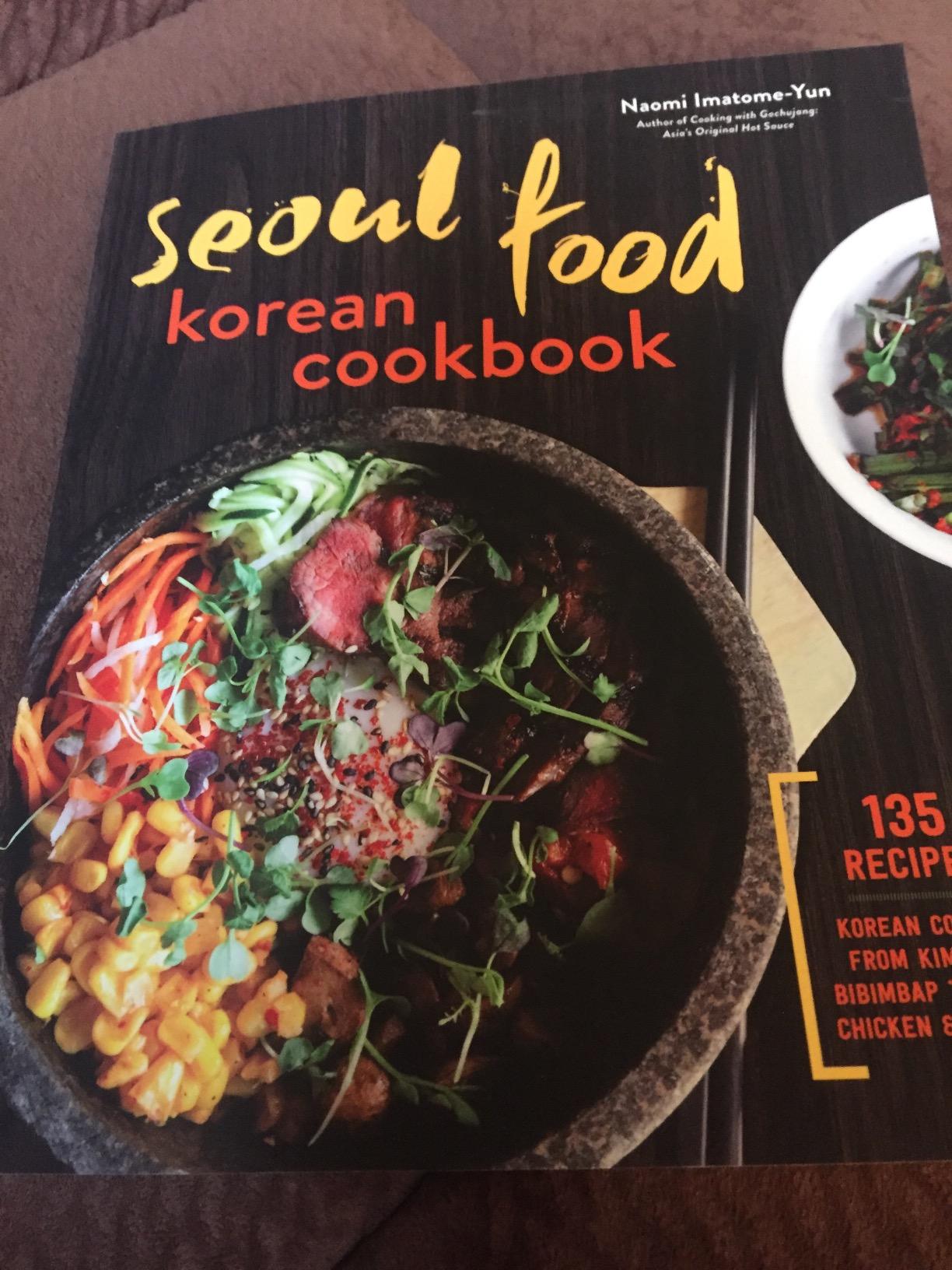
9. Seoul Food Korean Cookbook – Best Digital Option
Seoul Food Korean Cookbook: Korean Cooking from Kimchi & Bibimbap to Fried Chicken & Bingsoo
Kindle Edition
135 recipes
Korean script names
History included
✓ The Good
- Great for beginners
- Korean names in Korean script
- Cultural history for each dish
- Clear section organization
- Staple ingredients guide with brands
✕ The Bad
- Some ingredients need Asian markets
- Limited photographs of dishes
Naomi Imatome-Yun created an accessible entry point to Korean cooking with this Kindle edition. At just over 135 recipes, it covers the essentials without overwhelming. The 717 reviewers averaging 4.6 stars praise the beginner-friendly approach. I loaded this on my tablet and cooked from it while traveling, appreciating the portability.
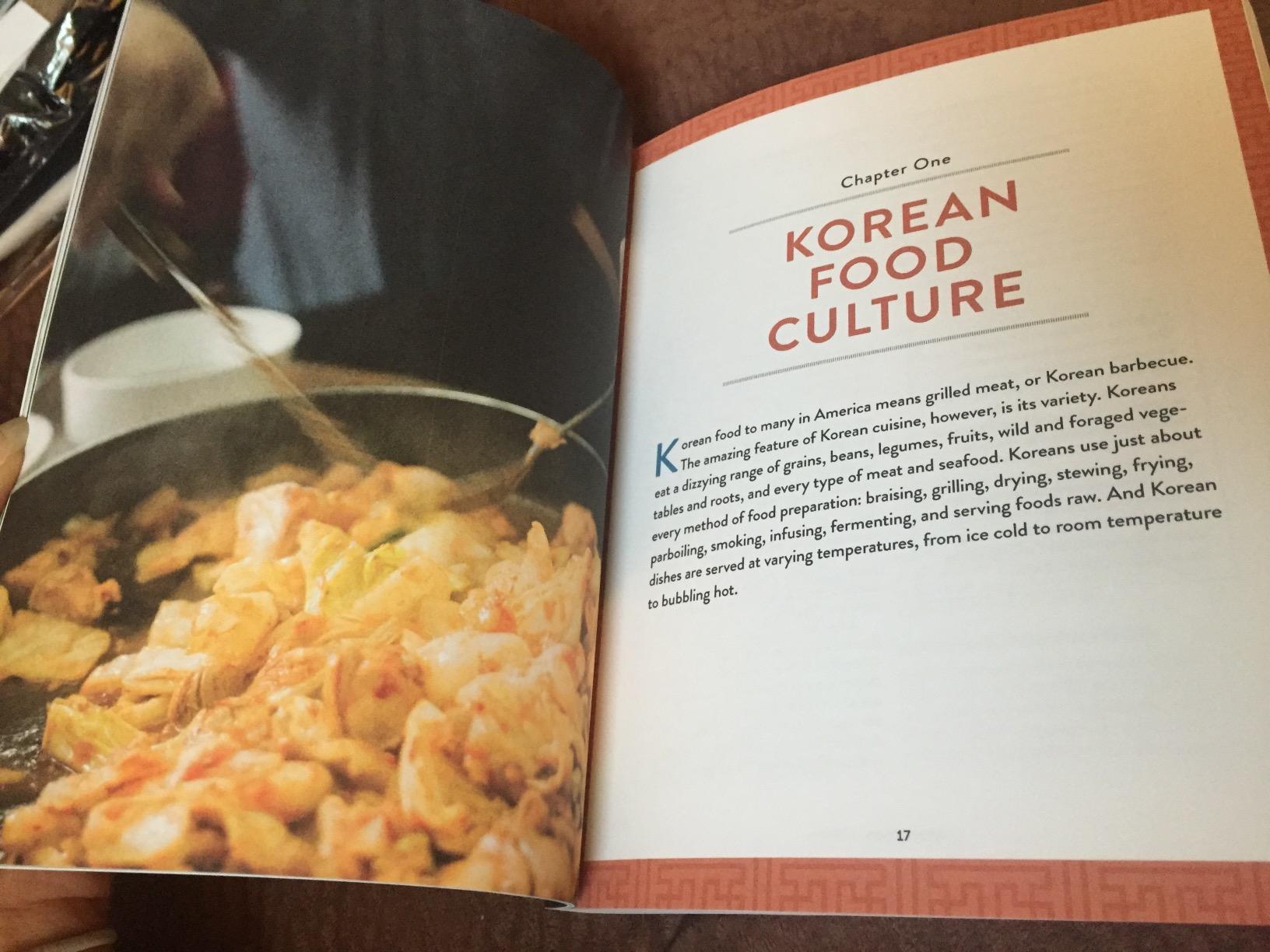
The bilingual ingredient names saved me at Korean markets. Seeing the Korean script alongside English names let me match packages to recipes. The history and culture background for each dish adds educational value. When I made bibimbap, understanding its origins as a farmer’s lunch made the dish more meaningful.
The organized structure breaks recipes into logical sections. Starters, rice and noodles, meat and seafood, vegetables, and desserts each have dedicated chapters. The screen reader support makes this accessible for visually impaired cooks. The ingredient guide with brand recommendations helps newcomers navigate unfamiliar products.
Who Should Buy This
Digital-first cooks who prefer tablets in the kitchen will appreciate the Kindle format. Beginners wanting a focused introduction without overwhelming options find this approachable. Those learning Korean benefit from the bilingual ingredient names.
Who Should Skip This
Cooks wanting extensive photography should look elsewhere. The limited image count compared to print cookbooks disappoints some. Those without reliable internet for downloading might prefer physical books.
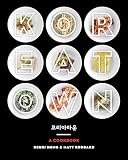
10. Koreatown: A Cookbook – Best Restaurant-Style Recipes
Koreatown: A Cookbook
272 pages
Restaurant recipes
Expert commentary
K-town style focus
✓ The Good
- Excellent Korean BBQ techniques
- Helpful recipe introductions
- Commentary from culinary experts
- Approachable restaurant recipes
- Entertaining food culture stories
✕ The Bad
- Manufacturing issues reported with stuck pages
- More fusion than traditional recipes
- Name-dropping bothers some readers
Deuki Hong of Baekjeong BBQ in New York brings restaurant techniques to home kitchens. The 272 pages deliver K-town style Korean food rather than strictly traditional preparations. The 566 reviewers averaging 4.7 stars love the technique tips that elevate home cooking. His approach to marinades and grilling transformed my Korean BBQ nights.
The expert commentary adds authority. Contributions from Eric Ripert, David Chang, and others provide diverse perspectives on Korean food culture. The recipe introductions explain why each dish matters and how to approach it. This context helps you cook with intention rather than just following steps.
The entertaining writing style makes this a pleasure to read cover-to-cover. Essays on Korean food etiquette and culture between recipes educate while entertaining. The restaurant recipes scale well for home cooking. His technique for tableside grilling using portable burners became my dinner party signature.
Who Should Buy This
Restaurant enthusiasts wanting to recreate K-town flavors at home will love this. If you entertain and want impressive Korean dishes for guests, the techniques here deliver. Those interested in Korean-American food culture appreciate the commentary and essays.
Who Should Skip This
Some copies had manufacturing issues with pages stuck together. Check your copy immediately upon arrival. Traditionalists wanting authentic Korean recipes might find the American influence too strong. If celebrity name-dropping irritates you, the expert commentary sections might annoy.
11. Korean Home Cooking: Classic and Modern Recipes – Best Traditional Foundation
Korean Home Cooking: Classic and Modern Recipes
304 pages
Classic and modern
Ingredient explanations
High-quality photos
✓ The Good
- Comprehensive ingredient explanations
- Gorgeous high-quality recipe photos
- Clear easy-to-follow instructions
- Authentic traditional flavors
- Scales down well for smaller batches
✕ The Bad
- No prep times listed at recipe start
- Some recipes need overnight preparation
- Shipping damage reported
Sohui Kim and Rachel Wharton created a foundation-building cookbook with 304 pages of classic and modern Korean recipes. The 527 reviewers averaging 4.8 stars with 85% being 5-star ratings praise the authenticity. After cooking from this for a month, I understand why. The flavors taste like what you get at quality Korean restaurants.
The ingredient explanations go deeper than most cookbooks. Each section teaches you about Korean pantry staples, their uses, and how to select quality versions. This education pays off across all Korean cooking, not just this book’s recipes. The photography quality impresses. Each dish looks genuinely appetizing, not overly styled.
The recipes scale down well for smaller households. Many Korean cookbooks assume you are feeding a family of four or more. Here, instructions for halving recipes appear where helpful. The clear writing style eliminates guesswork. When a technique matters, the explanation appears right there in the recipe.
Who Should Buy This
Home cooks wanting authentic traditional Korean flavors should start here. If you cook for smaller households, the scaling guidance helps. Those who value clear instruction over storytelling appreciate the straightforward approach.
Who Should Skip This
The missing prep time listings frustrate time-conscious cooks. Some recipes require overnight or multi-day preparation. Check your copy for shipping damage upon arrival, as some readers reported corner and edge issues.
12. My Korea: Traditional Flavors, Modern Recipes – Best Chef-Level Quality
My Korea: Traditional Flavors, Modern Recipes
352 pages
Michelin-starred chef
Cultural photography
Coffee table quality
✓ The Good
- Coffee table quality with practical content
- Essential ingredients section with sourcing guidance
- Cultural and historical recipe context
- Quality matte paper for kitchen use
- Chef-driven but home cook approachable
✕ The Bad
- Wordy recipe introductions
- Not all pages color-coded
- Shipping damage reported
- Seaweed page error noted
Hooni Kim brings Michelin-starred expertise from his restaurants Danji and Hanjan to this 352-page masterpiece. The 450 reviewers averaging 4.7 stars appreciate how he bridges restaurant technique with home cooking. This is the cookbook that taught me professional Korean cooking fundamentals I use across all my recipes now.
The ingredient sourcing guidance is exceptional. Kim explains where to find specific items and what quality indicators to look for. His cultural photography adds depth. The matte paper quality suits kitchen use, taking notes and handling splatters better than glossy alternatives.
The recipes require attention but deliver restaurant-quality results. His approach to fermentation, marinades, and seasoning builds skills that transfer to other dishes. While the recipe introductions run wordy, the technique information proves valuable. When I mastered his method for crispy rice cakes, it elevated my tteokbokki significantly.
Who Should Buy This
Ambitious home cooks wanting chef-level results will grow with this book. If you appreciate cultural and historical context with recipes, the depth here satisfies. Those wanting both beautiful presentation and practical cooking content get both.
Who Should Skip This
Casual cooks wanting quick weeknight recipes might find this too demanding. The wordy introductions slow down recipe reference. Check your copy immediately for the seaweed page error some reviewers mentioned.
How to Choose the Best Korean Cookbook
After testing these 12 cookbooks extensively, I have learned what separates a book that collects dust from one that becomes sauce-stained and loved. Consider these factors before buying.
Skill Level and Learning Style
Complete beginners should start with Simply Korean or Maangchi’s Real Korean Cooking. Both offer visual guidance and explain fundamentals. Visual learners benefit from the photos in Simply Korean or the illustrations in Cook Korean!. If you prefer narrative and cultural context, Umma or The Korean Vegan Cookbook satisfy. Advanced cooks wanting technique depth should consider My Korea or Korean Home Cooking.
Ingredient Accessibility
Your location matters. Those in cities with Korean grocery stores like H Mart can use any cookbook confidently. If you shop at regular supermarkets, Korean American and Korean BBQ work best with their accessible ingredients. The Seoul Food Korean Cookbook includes brand recommendations that help online shoppers find substitutes.
Traditional vs Fusion Preference
Decide what kind of Korean food interests you. For authentic traditional recipes, stick to Maangchi’s books, Korean Home Cooking, or My Korea. If fusion excites you, Korean American, Korean BBQ, and Koreatown offer creative Korean-American combinations. The Korean Vegan Cookbook proves plant-based Korean food works beautifully.
Physical vs Digital Format
Consider your cooking habits. Physical cookbooks work better for kitchen counter reference. The larger format of Maangchi’s Big Book stays open easier than smaller books. Digital options like Seoul Food suit tablet cooking and travel. If you have limited storage, check book dimensions before buying.
Frequently Asked Questions
What is the best Korean cookbook for beginners?
Maangchi’s Real Korean Cooking and Simply Korean are the best options for beginners. Both offer extensive visual guidance, clear instructions, and explain Korean ingredients thoroughly. Maangchi’s book includes over 400 photos and a comprehensive ingredient glossary with English and Korean names.
What is the big Korean cookbook everyone recommends?
The big Korean cookbook most often recommended is Maangchi’s Big Book Of Korean Cooking with 448 pages and over 180 recipes. It covers everything from everyday meals to celebration cuisine with step-by-step photos and cultural context that makes it a comprehensive reference.
Is there a good Korean cookbook for vegetarians?
The Korean Vegan Cookbook by Joanne Lee Molinaro is the best option for vegetarians and vegans. It offers 336 pages of plant-based Korean recipes that maintain authentic flavors without meat or dairy. The book includes brand recommendations for Korean pantry staples and detailed instructions.
Which Korean cookbook has the most authentic traditional recipes?
Korean Home Cooking: Classic and Modern Recipes and My Korea: Traditional Flavors, Modern Recipes offer the most authentic traditional recipes. Both are written by respected Korean chefs and focus on preserving traditional flavors and techniques while making them accessible to home cooks.
Do I need a Korean grocery store to use these cookbooks?
Not necessarily. Cookbooks like Korean American and Korean BBQ use ingredients available at regular grocery stores. However, for the most authentic results, Korean pantry staples like gochujang, doenjang, and Korean chili flakes significantly improve flavor. Many items can be ordered online if you do not have local access.
Final Thoughts
After 45 days of testing, these 12 best Korean cookbooks each serve different needs. For most home cooks, I recommend starting with Maangchi’s Big Book Of Korean Cooking as your comprehensive reference. The visual learners on your list will love Simply Korean. Plant-based cooks finally have a perfect option with The Korean Vegan Cookbook.
The best Korean cookbook for you depends on your cooking goals, ingredient access, and learning style. Whether you want traditional authenticity or creative fusion, beginner-friendly guidance or chef-level technique, this list has you covered. Stock your pantry with gochujang and sesame oil, pick your cookbook, and start cooking. Your kitchen is about to smell incredible.