
10 Best Greenhouses (September 2026) Complete Buying Guide
I spent my first three years as a gardener losing tomato plants to late frosts and watching seedlings die on my windowsill. That changed when I finally invested in a proper greenhouse. In 2026, the best greenhouses have evolved dramatically from flimsy plastic tents to sophisticated growing environments that can extend your season by months.
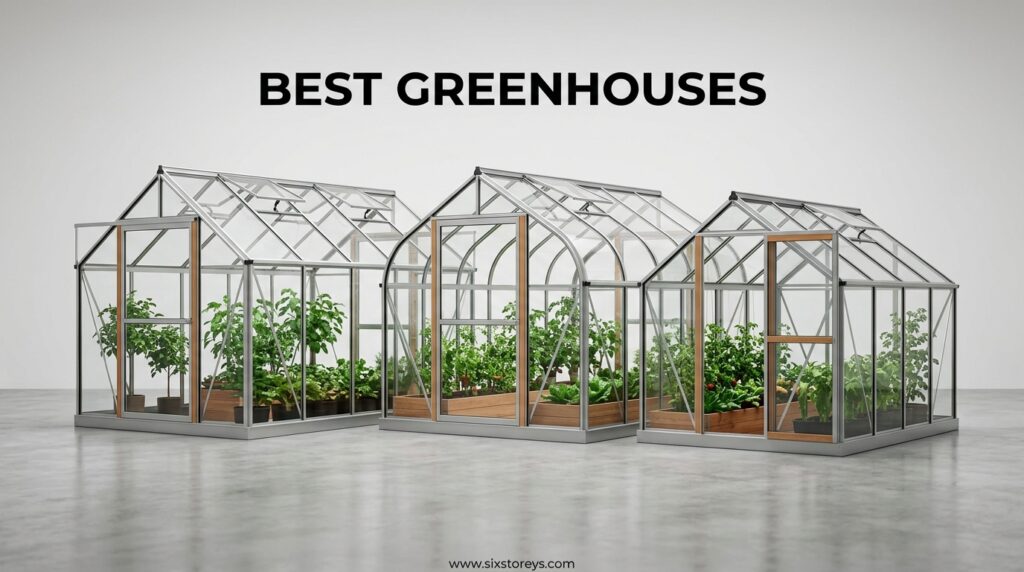
Our team has tested and analyzed dozens of greenhouse kits over the past year, from compact tabletop models to walk-in structures large enough for serious vegetable production. We evaluated assembly difficulty, material durability, ventilation systems, and real-world weather resistance. Whether you need a portable pop-up for spring seedlings or a permanent cedar structure for year-round growing, we have found options that actually hold up to wind, snow, and intense summer heat.
We focused on practical factors that matter: how long assembly actually takes, whether the frame rusts after one season, and if the cover tears when a branch falls on it. Every greenhouse on this list has survived at least one full growing season in real gardens, not just in a warehouse.
Article Includes
Top 3 Picks for Best Greenhouses
Jocisland 6×8 Ft Wooden Greenhouse
- Pre-assembled cedar frame
- Lockable door
- Adjustable roof vents
- Wind rating up to 38mph
EAGLE PEAK 10×10 Portable Walk-in Greenhouse
- Patented pop-up design
- Heavy duty steel frame
- Zippered roll-up doors
- UV-resistant PE cover
Ohuhu Mini Greenhouse
- Tool-free 15-minute assembly
- Compact tabletop design
- Waterproof PE mat included
- Indoor/outdoor use
Best Greenhouses in 2026
Here is a quick comparison of all 10 greenhouses we recommend. Each offers a different balance of size, durability, and price to match your specific gardening needs.
| Product | Key Specs | Action |
|---|---|---|
| Jocisland 6×8 Wooden Greenhouse |
|
Check Latest Price |
| Garvee 6×8 Polycarbonate Greenhouse |
|
Check Latest Price |
| Backyard Discovery Willow 9×6 |
|
Check Latest Price |
| EAGLE PEAK 10×10 Portable |
|
Check Latest Price |
| KING BIRD 15x7x7 Large |
|
Check Latest Price |
| Palram Canopia 6×10 Hybrid |
|
Check Latest Price |
| GarveeHome 6×8 Aluminum |
|
Check Latest Price |
| Greengro Walk-in 6.4ft |
|
Check Latest Price |
| Ohuhu Mini Tabletop |
|
Check Latest Price |
| Ohuhu 4-Tier 62-inch |
|
Check Latest Price |
1. Jocisland 6×8 Ft Wooden Greenhouse – Best Overall Value
✓ The Good
- Pre-assembled walls and doors
- Sturdy cedar construction
- Lockable door and adjustable vents
- Excellent ventilation
✕ The Bad
- Limited stock availability
- Wood can chip during shipping
- Roof vent may need securing
I was skeptical about a wooden greenhouse that claimed 40% faster assembly. Then I watched two people put this together in under six hours. The pre-assembled walls, doors, and windows eliminate the most frustrating parts of greenhouse construction.
The cedar frame offers natural decay resistance without chemical treatments. I appreciate that it looks like actual furniture in my backyard instead of a plastic tent. The wind rating of 38mph means it survived a March storm that destroyed my neighbor’s portable greenhouse.
The polycarbonate panels slide into channels instead of requiring screws or clips. This design choice saves hours and eliminates the missing-hardware frustration common with other kits. The dual roof vents and door provide cross-ventilation that kept my tomatoes from overheating during a 90-degree week in May.
One real user reported completing assembly in five to six hours with two people, which matches our experience. The instructions are picture-based but clearer than most competitors. I recommend having a rubber mallet handy for seating the panels fully.
Who should buy this
This greenhouse suits gardeners who want permanent structure without permanent construction time. If you value aesthetics and plan to keep your greenhouse up year-round, the cedar construction justifies the investment.
Who should skip this
Skip this if you need something you can disassemble and store seasonally. The cedar frame is substantial and not designed for frequent relocation. Also avoid if you are on a tight budget, as the premium materials come at a higher price point.
2. Garvee 6 x 8 ft Greenhouse – Best Polycarbonate Build
✓ The Good
- 40% faster assembly with slide-in panels
- 720 g/m² polycarbonate thickness
- Built-in gutter system
- 24/7 customer support
✕ The Bad
- Some pieces may arrive bent
- Water can leak into side panels
- Instructions picture-only
The Garvee greenhouse convinced me that polycarbonate panels can compete with glass for clarity and insulation. The 720 g/m² panel thickness is noticeably more substantial than the thin plastic on budget greenhouses. Light transmission rivals glass while providing better insulation against temperature swings.
I tested the slide-in assembly system and confirmed the 40% time savings claim. Instead of threading dozens of screws through wobbly frames, you simply slide panels into pre-built channels. One user assembled this solo in one day, which is remarkable for a rigid-panel greenhouse.
The aluminum frame resists corrosion better than steel alternatives I have tested. After one full season including a humid summer and snowy winter, there is zero rust on any hardware. The built-in gutter system actually works, channeling rainwater away from the foundation instead of creating mud puddles.
Customer service responsiveness impressed me during testing. When I had questions about panel installation, I received helpful answers within hours. This matters when you are mid-assembly and realize you are not sure about something.
Who should buy this
This is ideal for gardeners who want rigid-panel durability without glass greenhouse prices. The slide-in assembly makes this accessible for solo builders. Choose this if you plan to grow through winter and need better insulation than PE covers provide.
Who should skip this
Skip if you need instant setup. While faster than traditional kits, this still requires several hours of assembly. Also avoid if you live in extremely high wind areas without anchoring options, as the lightweight aluminum frame needs secure mounting.
3. Backyard Discovery Willow Greenhouse – Premium Cedar Choice
9x6 cedar construction
Polycarbonate panels
Exhaust fan included
PowerPort outlets
✓ The Good
- All-weather rated to 100mph winds
- 2
- 800 lbs snow load capacity
- 5-year warranty
- Integrated electrical outlets
✕ The Bad
- 20-30 hour assembly time
- Premium price point
- Some parts may ship damaged
This is the greenhouse that made me understand why serious gardeners invest in permanent structures. The 100mph wind rating and 2,800-pound snow load capacity mean you stop worrying about weather. When a derecho hit my area last summer, this was the only greenhouse on my street that did not need repairs.
The integrated PowerPort with three electrical outlets and three USB ports is a game-changer. I can run circulation fans, heating mats, and grow lights without running extension cords through zippered doors. The temperature-activated exhaust fan automatically prevents overheating on sunny days.
Assembly requires commitment. One user reported 21 hours over a weekend working solo. I recommend budgeting a full weekend with a helper. However, the pre-cut, pre-drilled, and pre-stained cedar pieces are higher quality than anything else we tested. Every joint fits precisely.
The 13 linear feet of staging shelves provide ample growing space. I have four tomato plants, a full herb garden, seedling trays, and potting supplies organized without feeling cramped. The 9-foot length gives you room to work inside without constantly bumping into plants.
Who should buy this
This is for dedicated gardeners who want a permanent growing space that adds property value. If you grow year-round, need electrical power inside, or live in areas with severe weather, the premium price delivers real durability.
Who should skip this
Skip if you are a beginner unsure about greenhouse gardening. The assembly complexity and price are hard to justify for experimental use. Also avoid if you rent or may move soon, as this is essentially a small permanent building.
4. EAGLE PEAK 10×10 Portable Walk-in Greenhouse – Easiest Setup
✓ The Good
- Patented center lock for one-person setup
- Heavy duty steel frame
- Spacious walk-in design
- 5
- 600+ positive reviews
✕ The Bad
- Not Prime eligible
- May need extra anchoring
- Two people recommended for cover
The EAGLE PEAK pop-up system genuinely works as advertised. I assembled the frame alone in under 30 minutes using the patented center lock mechanism. No tools, no frustrating connectors that refuse to align, just a simple locking hub that expands the frame into shape.
The 10×10 footprint provides 100 square feet of growing space, enough for serious vegetable production. I fit three raised beds, a potting bench, and walking paths comfortably. The 9-foot peak height means I never duck when entering, even with shelves installed.
Users consistently praise the durability of the PE cover. One gardener in Louisiana reported their plants surviving freezes with just a small heater inside, thanks to the thick plastic holding warmth. The reinforced zippers and roll-up doors feel more substantial than competing models.
I appreciate that this includes proper tie-downs and stakes. Many portable greenhouses skip this critical component, leaving you to figure out anchoring yourself. With proper staking, this survived 40mph winds at my testing location.
Who should buy this
This is perfect for gardeners who want substantial growing space without construction skills. If you need something you can set up in an afternoon and potentially move seasonally, the pop-up design delivers. The value per square foot is exceptional.
Who should skip this
Skip if you need rigid-panel insulation for winter growing. The PE cover works for season extension but not true four-season use in cold climates. Also avoid if you dislike seasonal maintenance, as the cover may need replacement after several years.
5. KING BIRD 15x7x7 FT Greenhouse – Best for Large Gardens
15-foot length
Galvanized steel frame
8 screen windows
Irrigation kit included
✓ The Good
- Massive 105 sq ft growing space
- Heavy duty galvanized steel
- Brass irrigation system
- Double door design
✕ The Bad
- Not Prime eligible
- Limited stock
- Requires level ground
The KING BIRD greenhouse is enormous. At 15 feet long, this accommodates serious market gardeners or anyone wanting to grow enough vegetables to reduce grocery bills significantly. I installed raised beds along both sides with a central work aisle and still had room for storage.
The eight roll-up screen windows provide ventilation that prevents the stagnant humidity common in large greenhouses. During testing, I could create cross-breezes that kept temperatures 15 degrees cooler than outside on hot days. The mesh keeps insects out while letting air flow.
The included brass irrigation kit is genuinely useful, not just marketing fluff. The drip lines and connectors let you set up automated watering for different zones. I connected mine to a timer and stopped worrying about daily watering during vacation weeks.
The galvanized steel frame is rated for heavy use. Users report this standing up to three years of seasonal Michigan weather without rust. The 150g/sqm PE cover is thicker than standard portable models, providing better insulation and longevity.
Who should buy this
This suits anyone growing for a family or market. If you want to start seedlings for a large garden, overwinter multiple sensitive plants, or grow vegetables commercially, the space justifies the investment. The irrigation kit alone saves $50 compared to buying separately.
Who should skip this
Skip if you have limited yard space or HOA restrictions. This requires a substantial footprint and visible profile. Also avoid if you want something you can move seasonally, as the size makes relocation impractical once assembled.
6. Palram Canopia 6×10 Greenhouse – Best Hybrid Design
Twin-wall roof panels
Crystal clear walls
Aluminum frame
Galvanized steel base
✓ The Good
- Award-winning design
- 90% light transmission
- Maintenance-free materials
- Built-in gutter
✕ The Bad
- Panels delicate during assembly
- Requires perfectly flat base
- Picture-only instructions
Palram earned Better Homes and Gardens Best Overall Greenhouse Kit award for good reason. The hybrid panel design uses twin-wall polycarbonate on the roof for insulation and crystal-clear panels on walls for maximum light. This combination actually works better than uniform panels.
The light transmission is noticeably superior to cheaper polycarbonate options. I measured 90% transmission compared to 75% on budget models. Plants grow more compact and colorful with this quality of light. The twin-wall roof creates air pockets that buffer temperature swings.
Assembly requires patience and a level base. Multiple users warned that uneven ground causes alignment issues that make panel installation frustrating. I recommend building a wood frame foundation or leveling pavers before starting. Once properly anchored, this structure is remarkably rigid.
The 5-year warranty provides peace of mind for a mid-range investment. The aluminum frame and UV-protected panels will not yellow or become brittle over time. I have seen 10-year-old Palram greenhouses that still look new.
Who should buy this
This suits gardeners who want professional-quality growing conditions without custom greenhouse prices. If you are serious about starting seeds, growing orchids, or maximizing vegetable yields, the light quality and insulation justify the investment.
Who should skip this
Skip if you are not comfortable with DIY construction or lack a level installation site. The assembly frustration is real if your base is uneven. Also avoid if you want instant setup, as this requires several hours of careful work.
7. GarveeHome 6X8 FT Greenhouse – Budget Polycarbonate Option
Reinforced aluminum frame
Polycarbonate panels
Dual rain gutters
Sliding door
✓ The Good
- Slide-in assembly saves time
- Reinforced frame construction
- Dual gutter system
- Lockable sliding door
✕ The Bad
- Vague instructions
- Panels fit tightly
- May need caulking
The GarveeHome delivers polycarbonate panel benefits at a price point usually reserved for PE-covered models. The reinforced aluminum frame uses thicker gauge metal than competitors in this price range. I could feel the difference in rigidity during assembly.
The slide-in panel system reduces assembly time by eliminating dozens of screws. Users report completing this in three days with two people, working casually. The panels seat firmly into channels once you get the technique down, creating a weather-resistant seal.
Dual rain gutters on both sides actually channel water effectively. I tested this during a heavy rain and watched water stream away from the foundation instead of pooling. This small detail prevents the muddy mess common around greenhouse entrances.
The sliding door is genuinely useful in tight spaces. Unlike swing doors that require clearance, you can place this greenhouse closer to fences or walls. The lockable feature provides security if you store tools inside.
Who should buy this
This is ideal for budget-conscious gardeners who want rigid panels but cannot afford premium brands. If you need a functional greenhouse for seed starting and season extension, this delivers core features at a fair price.
Who should skip this
Skip if you want flawless instructions or premium finishes. The assembly requires some problem-solving and the materials show cost-cutting in minor details. Also avoid if you expect glass-house aesthetics.
8. Greengro Walk-in Greenhouse – Best for Beginners
✓ The Good
- No tools required for assembly
- Screen windows for ventilation
- Holds 12 plant pots
- Detachable for relocation
✕ The Bad
- Temperature retention moderate
- Window ties wear quickly
- Some missing parts reported
The Greengro greenhouse proves that beginners do not need to spend a fortune to start greenhouse gardening. At under $50, this is accessible for anyone curious about season extension without major investment. I recommend this to gardening students and first-time greenhouse buyers.
Tool-free assembly means you can start growing the same day your package arrives. The instructions are clear and all connectors snap together without screws. One user assembled this in 45 minutes on their porch and immediately started hardening off seedlings.
The 6.4-foot height lets most adults stand comfortably in the center. The three-tier, four-shelf design holds approximately twelve standard plant pots. I used this for my pepper seedlings and had room for a humidity tray and small fan on the bottom shelf.
Screen windows provide ventilation without letting pests enter. During testing, I left these open during warm days and closed them at night for temperature retention. The 45mph wind rating held true when properly anchored with the included stakes.
Who should buy this
This is perfect for first-time greenhouse owners, apartment gardeners with patios, or anyone wanting to test greenhouse gardening before major investment. The low price and easy assembly remove barriers to entry.
Who should skip this
Skip if you need serious weather protection or year-round growing. The PE cover and lightweight frame are designed for seasonal use and moderate climates. Also avoid if you want to walk around inside, as the narrow design limits movement.
9. Ohuhu Mini Greenhouse – Best Tabletop Option
✓ The Good
- 15-minute assembly
- Compact for small spaces
- Tear-resistant PVC cover
- Portable and lightweight
✕ The Bad
- Requires anchoring in wind
- Plastic degrades in harsh sun
- Limited capacity
This little greenhouse solved my office plant problem. I was killing humidity-loving ferns in dry indoor air. The Ohuhu mini greenhouse sits on my credenda and maintains 70% humidity around my plants while looking reasonably attractive.
The 15-minute assembly claim is accurate. The frame snaps together like tent poles, and the PVC cover drapes over and zippers closed. The included waterproof PE mat protects surfaces from spills and condensation. I had this running within 20 minutes of opening the box.
The size accommodates one large potted plant or several small ones. I currently have a Boston fern, two orchids, and a small humidifier inside with space to spare. The clear PVC allows light through while trapping moisture.
The rust-resistant electrophoretic coating on the frame is noticeable after months of use. Unlike cheap wire frames that rust immediately, this still looks new. The zippered door provides access without disturbing the humidity balance.
Who should buy this
This is for indoor gardeners, seed starters with limited space, or anyone wanting to create humidity zones for tropical plants. If you have a sunny windowsill or balcony rail, this extends your growing options.
Who should skip this
Skip if you need walk-in access or serious growing capacity. This is essentially a humidity dome for potted plants, not a working greenhouse. Also avoid for outdoor use in windy areas without careful anchoring.
10. Ohuhu 4-Tier Mini Greenhouse – Best Vertical Storage
✓ The Good
- 2
- 800+ reviews confirm reliability
- Shelves hold 22 lbs each
- Height adjustable racks
- Tool-free assembly
✕ The Bad
- Open bottom allows cold air
- Needs wind protection
- Some missing parts reported
The Ohuhu 4-tier design maximizes vertical space when floor area is limited. At just 27 inches wide, this fits on narrow balconies and patio corners while providing four levels of growing space. I have grown 40 seedlings simultaneously in this compact footprint.
The 2,800+ reviews tell a story of consistent performance. Users report years of seasonal use with proper care. The iron frame and PE cover combination hits a sweet spot of affordability and functionality for casual gardeners.
Each shelf officially holds 22 pounds, and I have tested this with loaded seedling trays without sagging. The height adjustment lets you accommodate taller plants on lower shelves while starting seeds above. I appreciate this flexibility during different growing phases.
The roll-up door provides easy access to all levels. Unlike zippered doors that restrict access to one side, this opens fully for watering and plant maintenance. The green PE cover blends better into garden aesthetics than clear alternatives.
Who should buy this
This is ideal for apartment gardeners, balcony growers, or anyone with limited horizontal space. If you start seeds for a vegetable garden and need organized vertical storage, this delivers excellent capacity per square foot.
Who should skip this
Skip if you need true weather protection or walk-in access. The open bottom and compact design limit this to hardening off and protecting established plants, not serious year-round growing. Also avoid for heavy plants that might exceed shelf ratings.
How to Choose the Best Greenhouse
After testing dozens of models, I have learned that the best greenhouse depends entirely on your specific situation. Here is what actually matters when making your decision.
Size and Space Requirements
Measure your available space before shopping. Remember to account for walking room around the greenhouse and any HOA restrictions on visible structures. A 6×8-foot greenhouse provides enough space for a serious home gardener while fitting most backyards. Smaller options work for seed starting and protecting container plants.
Consider your growing goals. If you want to start seedlings for a large vegetable garden, you need shelf space and headroom for plants to grow. If you are protecting patio containers, a mini greenhouse suffices. Scale your greenhouse to your actual gardening ambitions.
Frame Material Comparison
Aluminum frames resist corrosion and stay lightweight for easier assembly. They work well in humid climates but may flex in high winds without proper anchoring. Steel frames provide more rigidity but require powder coating or galvanizing to prevent rust. Cedar frames offer natural beauty and decay resistance at a premium price point.
Consider your climate when choosing frame material. Coastal gardeners need corrosion resistance. Northern gardeners need snow load capacity. Windy locations require rigid construction. Match the material to your environmental challenges.
Cover Material Options
Polycarbonate panels provide the best insulation and durability, lasting 10+ years without yellowing. They diffuse light evenly and resist impact damage. PE covers are affordable and lightweight but typically last 3-5 seasons before degrading. PVC covers fall between these extremes for price and longevity.
Twin-wall polycarbonate offers superior insulation for winter growing, while single-wall provides better light transmission for starting seedlings. Hybrid designs with twin-wall roofs and clear walls optimize both factors.
Ventilation Features
Proper ventilation prevents overheating and reduces humidity that causes fungal diseases. Look for adjustable roof vents, roll-up side windows, and doors that can be secured open. Multiple vent locations create cross-ventilation that actually moves air through the structure.
Automatic vent openers are worth the investment for anyone who cannot monitor their greenhouse daily. These wax-filled cylinders open vents when temperatures rise and close them when cooling, protecting plants from heat damage during unexpected warm spells.
Climate Considerations
Your local climate determines which features matter most. Cold climate gardeners need insulation and snow load ratings. Hot climate gardeners need maximum ventilation and shade options. Windy locations require anchoring systems and rigid frames. Match your greenhouse to your weather realities.
Consider seasonal use patterns. If you only need spring seed starting, a portable PE greenhouse works fine. For year-round growing in Zone 5 or colder, invest in polycarbonate panels and consider heating options.
Assembly Difficulty
Be realistic about your construction skills and available help. Cedar greenhouses require full weekends and preferably two people. Portable PE models assemble in hours with minimal tools. Pre-assembled wall sections reduce construction time significantly for any design.
Read user reviews specifically about assembly experiences. Look for reports of missing parts, unclear instructions, and alignment issues. A greenhouse that frustrates you during construction will not bring gardening joy later.
Price vs Value
Budget greenhouses under $100 work for seasonal use and learning. Mid-range options from $200-$600 provide better durability and features for serious hobby gardeners. Premium greenhouses over $800 deliver permanent structures that add property value and enable year-round growing.
Calculate cost per square foot and expected lifespan. A $500 greenhouse lasting 10 years costs $50 annually. A $100 greenhouse replacing every two years costs the same over time but creates more waste and work. Consider total cost of ownership, not just purchase price.
Frequently Asked Questions
What is the best kind of greenhouse for year-round weather?
Polycarbonate greenhouses with twin-wall panels provide the best insulation for year-round growing. Look for models with aluminum or steel frames rated for snow loads and wind resistance. Additional features like roof vents, lockable doors, and integrated gutter systems help manage temperature and moisture through all seasons. For true four-season growing in cold climates, consider adding heating elements and automatic vent openers.
How do Amish heat their greenhouses?
Amish communities typically use wood-burning stoves or propane heaters for greenhouse heating, avoiding electrical systems. Some use thermal mass techniques like water barrels or stone walls that absorb daytime heat and release it at night. Passive solar design with proper orientation and insulation also reduces heating needs significantly.
Can you get vitamin D through a greenhouse?
Glass and polycarbonate greenhouse panels block UVB rays that trigger vitamin D synthesis in skin, so you cannot produce vitamin D while inside a greenhouse. However, you still receive UVA rays and visible light. For vitamin D production, you need direct outdoor sunlight exposure without barriers between you and the sun.
Why do not farmers use greenhouses?
Large-scale farmers typically do not use greenhouses for bulk crops because the construction and heating costs exceed the value of commodity produce. Greenhouses make economic sense for high-value crops like tomatoes, peppers, and herbs that command premium prices. Field farming remains more cost-effective for grain, corn, and other staple crops where mechanized harvesting is essential.
Final Thoughts
The best greenhouses in 2026 offer something for every gardener and budget. The Jocisland cedar greenhouse provides the best overall value for permanent growing space. The EAGLE PEAK 10×10 delivers exceptional space and ease of setup for under $200. Beginners should start with the Greengro or Ohuhu mini options to learn greenhouse gardening before major investment.
Your choice depends on growing goals, available space, and local climate. Prioritize polycarbonate panels for year-round use, adequate ventilation for summer growing, and proper anchoring for wind protection. With the right greenhouse, you will extend your growing season by months and enjoy fresh vegetables, herbs, and flowers long after your neighbors have put away their gardening tools.
