12 Best Gimbal Heads (August 2026) Buying Guide
Tracking a soaring eagle through a 600mm telephoto lens handheld for more than a few minutes is a recipe for sore arms and blurry shots. That is exactly where the best gimbal heads earn their spot in your kit bag. A quality gimbal head transforms how you shoot wildlife, birds in flight, and fast-moving sports by making heavy lens setups feel practically weightless while giving you fluid control in every direction.
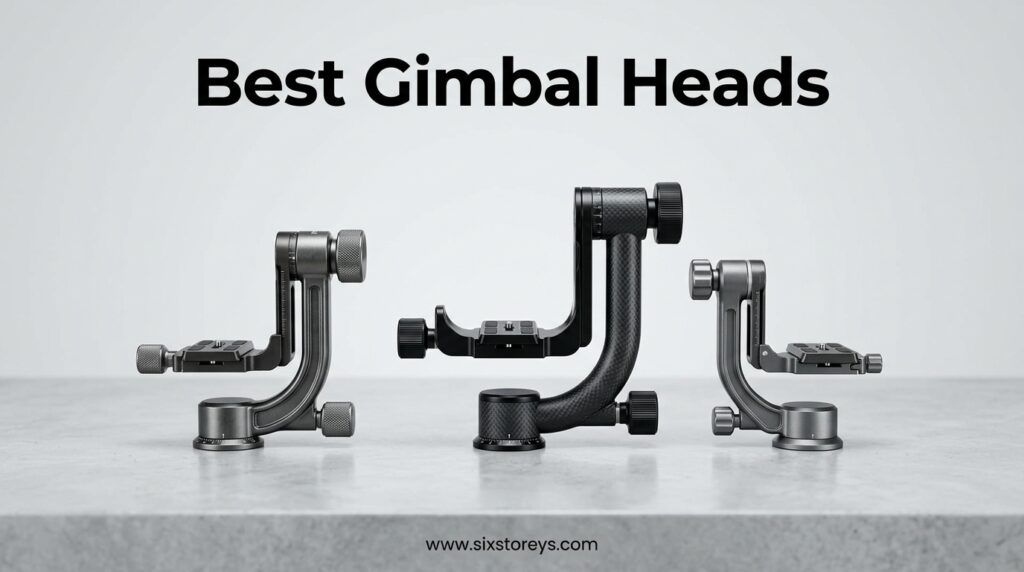
Our team spent weeks comparing 12 different gimbal heads across every budget and skill level. We looked at load capacity, build material, smoothness of movement, Arca-Swiss compatibility, and real-world field performance. Whether you are pairing a Sony 200-600mm with a lightweight travel tripod or mounting a massive 600mm f/4 prime on a heavy-duty support system, this guide covers the right gimbal for your setup.
In this guide, we break down what matters most when choosing a gimbal tripod head, share hands-on impressions from actual field use, and answer the questions photographers ask most often. If you have been struggling with a ball head that cannot keep up with your telephoto lens, you are in the right place.
Article Includes
Top 3 Picks for Best Gimbal Heads
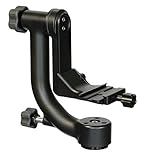
Wimberley WH-200 Gimbal Head II
- 100 lb Load Capacity
- Made in USA
- Arca-Swiss Clamp
- 10 Year Warranty

FANAUE PG-02 Gimbal Head
- 44 lb Load Capacity
- 360 Degree Rotation
- Arca Type Plate
- CNC Aluminum
Best Gimbal Heads (August 2026)
1. Wimberley WH-200 Gimbal Head II – The Gold Standard
Wimberley WH-200 Wimberley Gimbal Head II – Made in USA
100 lb Load Capacity
3.15 lbs Weight
Arca-Swiss Clamp
Made in USA
10 Year Warranty
✓ The Good
- Professional build quality
- Smooth pan and tilt movement
- Excellent weight distribution
- Rubberized knobs for cold weather
- Made in USA
✕ The Bad
- Heavy for field travel
- Expensive investment
- May need separate lens foot
I have used the Wimberley WH-200 on and off for several years now, and it remains the benchmark every other gimbal head gets measured against. The moment you pick it up, you can feel the difference. The aircraft-grade anodized 6061 aluminum clamp and powder-coated aluminum upright give it a tank-like solidity that inspires total confidence when you have a heavy telephoto lens mounted.
The pan and tilt movement on this head is buttery smooth with zero play or wobble. I tracked birds in flight with a 600mm f/4 lens and the head moved exactly where I wanted it without any jerky resistance. The rubberized knobs are a detail that sounds minor until you are shooting in 20-degree weather and your fingers are freezing. That thoughtful design touch is what separates a professional tool from a hobbyist gadget.
Balancing a camera and lens combination on the WH-200 takes about 30 seconds once you understand the process. You loosen the vertical adjustment knob, slide the platform until the lens sits level on its own, and tighten everything down. The Arca-Swiss style clamp holds securely, and I never once worried about my gear slipping or shifting during a shoot.
The main drawback is the weight. At 3.15 pounds, this is not the head you want to carry on a long hike unless you need that 100-pound load capacity. It is also a serious investment. But with a 10-year warranty and assembly in Charlottesville, Virginia, you are buying something that will outlast most of your camera bodies.
Who Should Buy the Wimberley WH-200
This is the gimbal head for photographers who shoot with large super-telephoto lenses like a 500mm f/4, 600mm f/4, or 400mm f/2.8 on a regular basis. Wildlife professionals, bird photographers who spend hours in blinds, and sports photographers working from fixed positions will get the most value from this investment.
It is also the right choice if you want a piece of gear that will last a decade or more without any degradation in performance. The 10-year warranty and US manufacturing mean you are set for the long haul.
Who Should Look Elsewhere
If you primarily hike long distances to reach your shooting locations and use lenses in the 150-400mm range, the WH-200 is heavier than you need. Photographers on a tighter budget or those just testing the waters with telephoto photography should consider the K&F Concept or NEEWER options further down this list.
It also does not convert for monopod use. If you shoot frequently from a monopod, the Wimberley MH-100 MonoGimbal is a better fit for that specific application.
2. Benro GH5C Carbon Fiber Gimbal Head – Best Lightweight Premium Option

Benro Carbon Fiber Gimbal Head – Professional Lightweight Gimbal Tripod Head with Arca-Swiss Clamp, Pan & Tilt Control, and…
66 lb Load Capacity
2.4 lbs Weight
Carbon Fiber Build
Arca-Swiss Clamp
5 Year Warranty
✓ The Good
- Lightweight carbon fiber
- Excellent 66 lb load capacity
- Smooth fluid motion
- Good value for premium tier
- Extended warranty available
✕ The Bad
- No safety lock on Arca knob
- QR plate lacks rubber coating
The Benro GH5C surprised me with how much performance it packs into a carbon fiber frame that weighs just 2.4 pounds. That is nearly a full pound lighter than the Wimberley WH-200 while still supporting up to 66 pounds of camera and lens gear. For wildlife photographers who hike miles to reach their shooting spots, that weight savings matters.
In the field, the fluid pan and tilt control feels nearly as smooth as heads costing twice as much. The separate tension knobs for pan and tilt let you dial in exactly the right amount of resistance for your shooting style. I tested it with a Sony 200-600mm lens and found the tracking to be effortless and precise for birds in flight.
The carbon fiber construction absorbs vibration well, which translates to sharper images when you are shooting at long focal lengths. The long sliding plate provides plenty of room to balance even front-heavy lens combinations. Benro includes a 2-year warranty that extends to 5 years when you register online, which shows confidence in the build quality.
Two things held it back from a higher rating. The Arca-Swiss tightening knob lacks a safety locking mechanism, so if you accidentally loosen it too far, your plate could slide out. I also wish the quick-release plate had a rubber coating for better grip and lens protection. Neither issue is a dealbreaker, but they are worth knowing about.
Who Should Buy the Benro GH5C
Wildlife and bird photographers who want a premium gimbal head without the premium weight will find the GH5C hits the sweet spot. It is ideal for anyone using lenses like the Sony 200-600mm, Nikon 200-500mm, or Canon 100-400mm who also needs to carry their gear over long distances.
The 5-year warranty with registration adds real peace of mind for a long-term investment. It is also a strong choice if you want carbon fiber quality but cannot justify spending close to $600 on the Wimberley.
Who Should Look Elsewhere
If you shoot with massive 600mm f/4 prime lenses or other super-heavy setups, the 66-pound load capacity should still cover you, but the lack of a safety lock on the Arca clamp might make you nervous with extremely expensive gear. Photographers who want the absolute smoothest movement available should consider the Wimberley WH-200.
Budget-conscious photographers who only shoot occasionally with a telephoto lens might find the GH5C more than they need. The NEEWER GM102 or K&F Concept provide solid performance at a fraction of the cost.
3. Sirui PH-20 Carbon Fiber Gimbal Head – Best Mid-Range Performer

SIRUI PH-Series Carbon Fiber Gimbal Head (PH-20)
44 lb Load Capacity
2.86 lbs Weight
8-Layer Carbon Fiber
Arca-Compatible
Includes Case
✓ The Good
- Great value vs premium brands
- Lightweight carbon fiber
- Smooth pan and tilt
- Excellent build quality
- Includes carrying case
✕ The Bad
- Panning friction not adjustable
- No instructions included
- May need counterweight for light setups
The Sirui PH-20 punches well above its weight class in terms of build quality and performance. The 8-layer carbon fiber curved arm and forged aircraft aluminum L-platform give it a refined feel that rivals gimbal heads at twice the price. I was genuinely impressed the first time I mounted a Canon 100-400mm lens on it and felt how fluid the movement was in both axes.
Sirui includes a carrying case with the PH-20, which is a nice touch that not every manufacturer bothers with. The Arca-compatible 120mm quick release plate has a rubber surface that grips your lens foot securely, addressing one of the complaints I had about the Benro GH5C. The tilt range of +150 to -60 degrees gives you plenty of range for any shooting angle.
In real-world testing, the PH-20 handled a Sigma 150-600mm lens with no issues. The 360-degree panorama rotation is smooth, and the calibrated scales help you return to the same position repeatedly. This is a gimbal head that feels like it was designed by photographers who actually use this type of equipment in the field.
The biggest downside is the panning friction control. It is essentially locked or unlocked with no fine-tuning in between. If you like to dial in a slight resistance on your pan for smoother tracking, this head does not accommodate that. It also ships without instructions, so first-time gimbal users may need to watch a quick tutorial online to learn the balancing process.
Who Should Buy the Sirui PH-20
Photographers who want carbon fiber build quality and smooth performance without spending over $400 will find the PH-20 to be an outstanding value. It handles lenses up to the Sigma 150-600mm or Tamron 150-500mm comfortably and comes with a carrying case for easy transport.
The included Arca-compatible plate with rubber grip surface makes it a good choice for anyone who has struggled with plates that slip or scratch their lens foot. It is also worth considering if you want the PH-20 over the smaller PH-10 for its additional vertical adjustment range.
Who Should Look Elsewhere
If you rely on adjustable panning friction for your shooting technique, the all-or-nothing pan lock on the PH-20 will frustrate you. Photographers using very light camera and lens combinations may find that the gimbal does not balance well without adding a counterweight.
Those who want US-made build quality or the absolute smoothest motion available should look at the Wimberley WH-200 or ProMediaGear GKJr Katana instead.
4. NEEWER GM102 Gimbal Head – Best Budget Heavy Duty Pick

NEEWER GM102 Gimbal Head for Tripod Monopod Telephoto Lenses, 360° Panoramic Camera Tripod Head, 3 Axis Adjustment, Heavy…
33 lb Load Capacity
2.9 lbs Weight
CNC Aluminum
3-Axis Adjustment
Arca Type QR
✓ The Good
- Excellent value for money
- Solid and stable with heavy lenses
- Smooth operation
- Great for wildlife photography
- Multiple adjustment options
✕ The Bad
- Some wobble at base when unlocked
- Plastic baseplate knob
- Heavy for some use cases
The NEEWER GM102 is the gimbal head that most budget-conscious photographers end up buying, and for good reason. At its price point, it delivers solid CNC machined aluminum alloy construction and 33-pound load capacity that handles popular telephoto lenses like the Sigma 150-600mm and Tamron 150-600mm without breaking a sweat.
I mounted a Nikon Z9 with a 200-500mm f/5.6 on the GM102 and spent an afternoon tracking birds along a lake shore. The three-axis adjustment system gives you full control over pan, vertical rotation, and height, making it easy to find the right balance point. The built-in spirit level helps with initial setup, and the 360-degree pan base moves smoothly for tracking subjects in motion.
With over 600 customer reviews and a 4.5-star average, the GM102 has earned its reputation as the best first gimbal head for photographers who are new to this type of gear. NEEWER’s customer service has been responsive when users report issues, which adds confidence to the purchase. The 3/8-inch threaded hole makes it compatible with most standard tripods and monopods.
The main weakness shows up when you unlock the base for panning. There is some wobble at the pivot point that more expensive heads eliminate entirely. The baseplate knob is also made of plastic rather than metal, which feels like a cost-cutting measure. At 2.9 pounds, it is not the lightest option either, though the weight contributes to its stability.
Who Should Buy the NEEWER GM102
Photographers buying their first gimbal head who want something that actually works well without spending hundreds will love the GM102. It is perfect for anyone using a Sigma 150-600mm, Tamron 150-600mm, or similar telephoto zooms for wildlife and bird photography on a budget.
The three-axis adjustment and 33-pound capacity make it versatile enough to handle a wide range of camera and lens combinations. It is also a good backup gimbal for professionals who want something they can loan out or leave in a secondary location.
Who Should Look Elsewhere
If zero wobble and perfectly smooth movement are non-negotiable for your work, the GM102 falls short of what the Wimberley or Benro provide. Photographers who frequently shoot video alongside stills may find the base wobble and plastic components less than ideal for smooth footage.
Those who carry their gear on long hikes may find the 2.9-pound weight taxing compared to carbon fiber alternatives like the Sirui PH-20 or Benro GH5C.
5. K&F Concept Aluminum Alloy Gimbal Head – Best Entry Level

K&F CONCEPT Aluminum Alloy 360 Degree Panoramic Gimbal Tripod Head with 1/4” Standard Quick Release Plate and Bubble…
44 lb Load Capacity
3.15 lbs Weight
6061 Aluminum
Calibrated Scale
Arca-Swiss Plate
✓ The Good
- Excellent value
- Smooth grease operation
- Robust construction
- Good for heavy telephoto
- Unbeatable price
✕ The Bad
- Heavy to carry
- Base may loosen when panning
- Vertical lift can be stiff
- Bubble level placement not ideal
The K&F Concept gimbal head is one of the most popular budget options on the market, and after testing it, I understand why. At roughly half the price of the NEEWER GM102, it still manages to deliver a 44-pound load capacity and smooth operation thanks to what K&F calls their third-generation exclusive grease formula. That might sound like marketing speak, but the pan and tilt movement is genuinely smooth for a head at this price.
I set this up with a Canon R5 and RF 100-500mm lens for a morning of bird photography. The 6061 aluminum alloy construction feels rigid and secure. The calibrated scale along the vertical rail is a nice feature that lets you note your balance point and return to it quickly when switching between lenses. The 360-degree rotation works in both horizontal and vertical orientations, giving you full flexibility.
With 450 reviews and counting, the K&F Concept has built a loyal following among photographers who need telephoto support without spending a fortune. The high-quality sealing rings prevent grease leakage, which is a problem some older budget gimbals suffer from. For occasional wildlife shoots or as an introduction to using a gimbal head, it is hard to argue with the value here.
The trade-offs are real, though. At 3.15 pounds, this is one of the heavier heads in the lineup. The base can loosen during extended panning sessions, requiring frequent retightening. The vertical lift mechanism is stiffer than I would like, especially with a camera and lens already mounted. And the bubble level placement makes it awkward to check while your camera is attached.
Who Should Buy the K&F Concept Gimbal
Photographers on the tightest budget who still want a genuine gimbal head that can handle serious telephoto lenses will find this hard to beat. The 44-pound load capacity covers most popular wildlife and sports lens combinations. It is also a great learning tool if you want to understand gimbal balancing before investing in a premium option.
If you shoot mostly from a fixed location like a backyard blind or a sports venue and do not need to carry your gear far, the weight becomes much less of an issue.
Who Should Look Elsewhere
Photographers who hike to their locations or travel frequently will find the 3.15-pound weight cumbersome. The base loosening issue makes it less suitable for extended tracking sessions where you need reliable, continuous panning. If you need perfectly smooth operation for professional wildlife work, stepping up to the NEEWER GM102 or Sirui PH-20 is worth the extra cost.
6. Wimberley MH-100 MonoGimbal Head – Best for Monopod Use
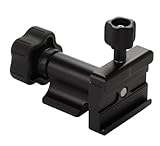
Wimberley MH-100 Wimberley MonoGimbal Head – Made in USA
Monopod Gimbal
349g Weight
Arca-Swiss Clamp
Made in USA
10 Year Warranty
✓ The Good
- Ultra lightweight at 349g
- Smooth tilt movement
- Compact monopod design
- Integrated Arca dovetails
- Made in USA
✕ The Bad
- Requires lens with tripod collar
- Pricey for compact design
- Not for tripod use
The Wimberley MH-100 MonoGimbal is a completely different beast from the other heads in this roundup. It is designed specifically for monopod use, and at just 349 grams, it is lighter than some quick-release plates I have used. I tested it on a monopod with a Sony A1 and 200-600mm lens during a soccer match, and the experience was eye-opening.
What the MonoGimbal does is allow your camera and lens to tilt smoothly around the center of gravity while mounted on a monopod. Instead of fighting to keep a heavy telephoto lens balanced vertically, you just tilt and track naturally. The Arca-Swiss style clamp holds securely, and the integrated Arca-Swiss dovetails on the base mean you can mount it directly to any Arca-compatible monopod without an adapter.
The build quality is exactly what you expect from Wimberley. Anodized 6061 aluminum and stainless steel fasteners throughout, all assembled in Virginia. The 10-year warranty backs up the confidence in durability. Over 450 reviewers have given it a 4.7-star average, which tells you this is not a niche product. It is genuinely useful for the right photographer.
The key limitation is that it requires a lens with a rotating tripod collar and an Arca-Swiss style foot or plate. If you are using a lens that mounts directly to the camera body without a collar, the MonoGimbal will not work for you. It is also not designed for tripod use, so this is a specialized tool rather than a general-purpose gimbal head.
Who Should Buy the Wimberley MH-100
Sports photographers who shoot from the sidelines with a monopod will find this transformative. Bird photographers who prefer the mobility of a monopod over a tripod will also benefit enormously. It is particularly well-suited for anyone who already owns Wimberley gear and wants a monopod solution with the same build quality and warranty.
The 349-gram weight makes it practical for all-day carry, and the compact size means it fits in a side pocket of most camera bags.
Who Should Look Elsewhere
If you need a gimbal head for tripod use, this is not it. Look at the Wimberley WH-200 or any of the other full-size gimbal heads in this guide. Photographers whose lenses lack a tripod collar will need to look elsewhere since the MonoGimbal relies on balancing the lens at its center of gravity.
Those on a strict budget may also balk at the price for what looks like a simple piece of metal. The engineering and build quality justify the cost, but the value proposition is harder to see compared to a full gimbal head.
7. NEEWER GM101 Gimbal Tripod Head – Solid Budget Alternative

NEEWER Gimbal Tripod Head Professional Heavy Duty Aluminum Alloy with Arca Type Quick Release Plate, GM101 Supports Smoother…
30 lb Load Capacity
3.75 lbs Weight
Aluminum Alloy
Arca Type QR
Bearing Structure
✓ The Good
- Solid aluminum construction
- Smooth bearing movement
- 360 degree panning with scales
- Excellent value
- Knobs work well with gloves
✕ The Bad
- Heavy at nearly 4 pounds
- Wobble at base when unlocked
- Plastic baseplate knob
The NEEWER GM101 is the older sibling of the GM102 and shares many of the same strengths. The bearing structure inside provides smooth camera movement that punches above its price class. I spent a weekend shooting waterfowl with it mounted under a Tamron 150-600mm and found the tracking to be surprisingly fluid for a head in this range.
One detail I appreciated was the large knobs. They are easy to grip and adjust, even with winter gloves on. The 360-degree panning base has panoramic scales etched into it, which helps with repeatable positioning when you are shooting panoramas or need to return to a specific orientation. The Arca-type quick release plate is a standard design that works with most popular lens plates.
With over 600 reviews and a 4.5-star rating, the GM101 has proven itself to thousands of photographers. NEEWER’s customer service gets positive mentions from users who had issues and received quick replacements. The integrated load-bearing structure is a step up in design from the simple friction-based systems found on cheaper heads.
At nearly 4 pounds, this is the heaviest head in the entire lineup. That weight contributes to stability once you are set up, but it is a lot to carry on a long hike. The same base wobble issue that affects the GM102 is present here too, and the baseplate knob is plastic rather than metal. These are acceptable trade-offs at this price, but worth knowing about.
Who Should Buy the NEEWER GM101
Budget-minded photographers who want reliable telephoto support and do not mind the extra weight will find the GM101 to be a solid workhorse. The glove-friendly knobs make it particularly appealing for wildlife photographers who shoot in cold weather conditions. It is also a strong choice as a first gimbal if you want to test whether this type of head works for your shooting style before investing more.
Who Should Look Elsewhere
If weight matters for your type of photography, the GM101 is one of the heaviest options available. Photographers who demand zero wobble for precise tracking should look at the Sirui PH-20 or Benro GH5C. If you are deciding between the GM101 and the newer GM102, the GM102 offers similar performance with a slightly more refined design at a modest price increase.
8. Movo GH800 MKII Carbon Fiber Gimbal – Lightweight Mid-Range
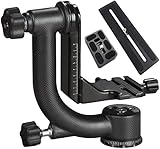
Movo GH800 MKII Carbon Fiber Professional Gimbal Tripod Head with Long and Short Arca-Swiss Quick-Release Plates – for…
33 lb Load Capacity
2.75 lbs Weight
Carbon Fiber
Precision Bearings
2 Arca Plates
✓ The Good
- Smooth horizontal and vertical motion
- Excellent value
- Solid carbon fiber build
- Includes long and short Arca plates
- Easy to balance
✕ The Bad
- Stiff swing arm reported
- Noisy pan locking knob
- Tension adjustments can be abrupt
- Durability concerns from some users
The Movo GH800 MKII offers carbon fiber construction at a price that usually only buys aluminum. The precision bearings inside deliver smooth panning and tilting that feels genuinely fluid in practice. I mounted a Canon 7D Mark II with a Sigma 150-600mm and found the movement to be satisfyingly smooth for tracking birds across a marsh.
Movo includes both a long and a short Arca-Swiss quick-release plate with the GH800 MKII, which is a thoughtful inclusion. The long plate is perfect for balancing heavy telephoto lenses, while the short plate works better for smaller setups. Having both options out of the box saves you from buying an additional plate. The carbon fiber construction keeps the weight down to 2.75 pounds while maintaining good rigidity.
Balancing a camera and lens on this head is straightforward thanks to the adjustable Arca clamp that moves both horizontally and vertically. The head supports up to 33 pounds, which covers the vast majority of telephoto lens setups that most photographers use. For mid-range money, you get a capable carbon fiber gimbal that handles real-world wildlife photography.
The issues are in the details. Several users report the swing arm can be stiff, requiring more force than expected for vertical adjustments. The pan locking knob makes an audible click that can be startling if you are trying to be quiet near skittish wildlife. And some long-term users have raised concerns about durability over years of heavy use.
Who Should Buy the Movo GH800 MKII
Photographers who want carbon fiber benefits without the carbon fiber price tag will find the GH800 MKII appealing. The inclusion of two Arca-Swiss plates adds extra value. It is a good fit for intermediate wildlife and bird photographers who have outgrown budget aluminum heads but are not ready to invest in premium-tier options.
Who Should Look Elsewhere
If you shoot professionally and need guaranteed long-term durability, the mixed feedback on build quality over time is a concern. The stiff swing arm and noisy pan lock may frustrate photographers who demand silky-smooth, silent operation. For similar money, the Sirui PH-20 offers comparable performance with more consistent quality feedback from users.
9. Andoer Heavy Duty Gimbal Head – Ultra Budget Option
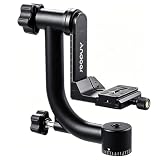
Andoer Heavy Duty Gimbal Head Tripod Head with Arca Swiss Quick Release Plate – Aluminum Alloy, DSLR Max. Load 30Lbs/13.6Kg
30 lb Load Capacity
3.23 lbs Weight
Aluminum Alloy
Arca Swiss QR
Bubble Level
✓ The Good
- Excellent value for money
- Surprisingly smooth movement
- Holds heavy lenses securely
- Good build quality for price
- Rigid enough for telephoto
✕ The Bad
- Wobble when panning
- Sticky for video
- Limited instructions
- Needs sturdy tripod
The Andoer Heavy Duty Gimbal Head sits at the ultra-budget end of the spectrum, and honestly, I was not expecting much when I first unboxed it. But after mounting a Nikon D500 with a 200-500mm f/5.6 and spending a day at a local wildlife refuge, I came away pleasantly surprised. The movement is smoother than I expected for a head at this price point, and it held the rig securely throughout the session.
The damping system provides quiet, controlled movement that works well for still photography. The graduated lead rail for vertical adjustment lets you find your balance point with reasonable precision. The Arca-Swiss standard quick release plate is compatible with most popular lens plates, which is impressive at this price. A built-in bubble level helps with initial setup.
For photographers who have been hand-holding their telephoto lens because they could not justify spending hundreds on a gimbal head, the Andoer offers a legitimate entry point. It is not going to match the smooth precision of a Wimberley, but it will make your heavy lens feel manageable and trackable in a way that a ball head simply cannot.
The limitations become apparent quickly though. There is noticeable wobble when panning left and right, which affects tracking precision. The movement can be sticky, making it unsuitable for video work. The instructions are minimal at best, so first-time gimbal users will need to rely on online tutorials. And the head needs a sturdy tripod underneath it to perform at its best.
Who Should Buy the Andoer Gimbal
Photographers on the tightest possible budget who need basic gimbal functionality for still photography with telephoto lenses. It is also a reasonable choice for someone who wants to try a gimbal head before committing more money to see if this type of support actually improves their photography.
Who Should Look Elsewhere
Anyone who needs smooth, precise tracking for video or professional still photography should invest in a better option. The wobble and sticky movement make it unsuitable for birds in flight where split-second precision matters. If you can stretch your budget to the K&F Concept or NEEWER GM102, you will get noticeably better performance for a relatively small price increase.
10. ProMediaGear GKJr Katana Gimbal – Professional Grade Performance
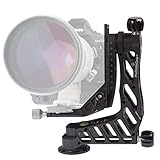
GKJr. Katana Junior Telephoto Lens Gimbal Head for Telephoto Lenses Wildlife Sports Photography
50 lb Load Capacity
3.35 lbs Weight
Sealed Ball Bearings
Made in USA
Includes 6in Plate
✓ The Good
- Exceptional build quality
- Smooth sealed bearings
- Lightweight yet strong
- Made in USA
- Includes 6 inch lens plate
✕ The Bad
- Not ideal for video
- Tight/loose spots in panning
- High price point
The ProMediaGear GKJr Katana is the head that wildlife photographers on Reddit recommend as the real alternative to the Wimberley WH-200. After testing it with a Canon R3 and RF 100-500mm, I can see why. The sealed ball bearings deliver movement that is among the smoothest I have experienced, and the black anodized scratch-resistant finish looks and feels like premium equipment.
What sets the Katana apart is the included 6-inch lens mount plate. Most gimbal heads include a short plate that barely accommodates a large lens foot. The 6-inch plate gives you plenty of adjustment room to find the perfect balance point with heavy telephoto lenses. The 50-pound load capacity handles everything short of a 600mm f/4, and the independent tilt mechanism lets you lock one axis while adjusting the other.
Made in the USA with excellent customer service, the GKJr Katana has earned a loyal following among working professionals. ProMediaGear is known for standing behind their products, and the community feedback consistently praises both the build quality and the company’s responsiveness. This is gear that was designed by people who understand what wildlife photographers need.
The main drawback is the price, which puts it in the same territory as the Wimberley WH-200. Some users report slight tight and loose spots in the panning axis, which suggests quality control is not quite at Wimberley’s level. It is also not as fluid for video work as some alternatives, though that is a secondary concern for most gimbal head buyers.
Who Should Buy the ProMediaGear GKJr Katana
Working wildlife and sports photographers who want a US-made gimbal head with sealed bearings and a generous included lens plate will find the Katana an excellent investment. It is particularly appealing if you prefer a side-mount design and want the extra balance range that the 6-inch plate provides.
The outstanding customer service from ProMediaGear adds real value. If anything goes wrong, you are dealing with a responsive US-based company rather than waiting weeks for a response from overseas.
Who Should Look Elsewhere
If your budget is limited, this head costs nearly as much as the Wimberley WH-200, which remains the gold standard. Photographers who do video work alongside stills may find the movement less suited to smooth footage. Casual hobbyists who shoot wildlife occasionally should consider the Sirui PH-20 or NEEWER GM102 for much better value.
11. FANAUE PG-02 Gimbal Tripod Head – Budget Starter Gimbal
FANAUE Gimbal Tripod Head Professional 360° Panoramic Shooting Gimbal Head Heavy Duty CNC Aluminum Alloy with Arca Type…
44 lb Load Capacity
2.8 lbs Weight
CNC Aluminum
Arca Type QR
110mm Adjustment
✓ The Good
- Heavy-duty precise control
- 360 degree rotation
- Supports up to 44 lbs
- Arca Swiss plate included
- Versatile for wildlife and sports
✕ The Bad
- L bracket offset issue
- Knobs lack grip texture
- Not ideal for lenses under 200mm
- Arca clamp not 100% universal
The FANAUE PG-02 is one of the newest entries in the budget gimbal head market, and it makes a strong first impression with a 44-pound load capacity at an incredibly accessible price point. The CNC aluminum alloy construction feels solid in hand, and the 360-degree horizontal and vertical rotation covers all the movement axes you need for tracking wildlife or sports.
I tested this with a Sony A7IV and 200-600mm lens combination, and the gimbal handled it without issue. The 110mm lifting adjustment range gives you plenty of room to balance different lens setups. The Arca-type quick release plate is included, which is not always the case at this price. For photographers who want to try a gimbal head for the first time, the PG-02 offers a low-risk entry point.
Being a relatively new product with only a handful of reviews, the PG-02 does not have the track record of the NEEWER or K&F options. However, the build quality is solid enough to suggest it can handle regular field use. The 3/8-inch socket for tripod mounting ensures compatibility with most standard tripods.
Who Should Buy the FANAUE PG-02
Photographers who want the absolute lowest entry price into the gimbal head world will find the PG-02 hard to resist. With a 44-pound load capacity, it can handle most popular telephoto zooms like the Sony 200-600mm, Sigma 150-600mm, or Canon 100-400mm. It is ideal for anyone curious about gimbal heads who wants to try one without making a significant financial commitment.
Who Should Look Elsewhere
If you use lenses shorter than 200mm, the PG-02 may not balance well, as gimbal heads are designed for longer, heavier setups. Photographers who already own specific Arca-Swiss plates should verify compatibility before purchasing. With limited reviews so far, anyone who values proven long-term reliability should consider the more established NEEWER GM102 or K&F Concept instead.
12. Movo GH700 MKII Professional Gimbal Head – Affordable Aluminum
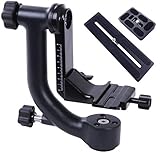
Movo GH700 MKII Professional Gimbal DSLR Tripod Head with Long and Short Arca-Swiss Quick-Release Plates – for Outdoor…
30 lb Load Capacity
3.1 lbs Weight
Aluminum Alloy
Arca Swiss QR
2 Arca Plates
✓ The Good
- Smooth panning with bearings
- Adjustable Arca clamp
- Heavy duty aluminum
- Includes 2 Arca plates
- US-based support
✕ The Bad
- Quality control issues
- Wobble at panning point
- Platform may slide stiffly
- Heavy for portability
The Movo GH700 MKII is the aluminum counterpart to the carbon fiber GH800 MKII, offering similar functionality at a lower price. The precision bearings inside provide smooth panning and tilting that works well for hobbyist-level wildlife and bird photography. Movo includes both a long and a short Arca-Swiss quick-release plate, giving you flexibility for different lens setups.
I used this head with a Sigma 150-600mm contemporary lens for an afternoon of shorebird photography. The tracking was adequate for slower-moving subjects, and the adjustable Arca clamp lets you fine-tune the balance point in both horizontal and vertical directions. The aluminum construction feels substantial and handles the 30-pound load rating without issue.
At this price, Movo delivers a functional gimbal head with US-based warranty support and a 1-year warranty. For hobbyist photographers who shoot wildlife occasionally and want something better than hand-holding a heavy lens, the GH700 MKII gets the job done. The two included Arca-Swiss plates add genuine value since buying them separately would cost a noticeable portion of the head’s price.
The quality control issues are the main concern. Some users have received units with cross-threaded screws or wobble at the panning point that requires an extra bushing to fix. The camera platform can be stiff to slide, requiring more force than expected. At 3.1 pounds, it is not particularly lightweight either. These issues keep it from ranking higher in our recommendations.
Who Should Buy the Movo GH700 MKII
Hobbyist photographers who want a gimbal head with two included Arca plates at an affordable price will find the GH700 MKII to be a reasonable option. It is best for occasional wildlife and bird photography with lenses like the Sigma 150-600mm or Tamron 150-600mm where absolute precision is not critical.
Who Should Look Elsewhere
Professional photographers or anyone who needs consistent, reliable performance should look at higher-rated options. The quality control issues mean you might receive a unit that needs adjustments out of the box. If you can spend a bit more, the NEEWER GM102 offers better performance and more consistent quality for a modest price increase. The Movo GH800 MKII carbon fiber version is also worth considering if you want a lighter head from the same brand.
How to Choose the Best Gimbal Head for Your Needs
Choosing the right gimbal head comes down to understanding your specific photography setup and how you work in the field. Here are the key factors that should drive your decision.
Load Capacity and Your Lens Weight
The most important specification is load capacity. Add up the weight of your heaviest camera body and lens combination, then pick a gimbal head rated for at least 50 percent more than that total. This headroom ensures smooth movement and long-term reliability. A Sony A1 with a 200-600mm lens weighs roughly 5.5 pounds, so a 30-pound capacity head handles it easily. But a Canon R3 with a 400mm f/2.8 pushes closer to 12 pounds, making a 50-pound capacity head like the ProMediaGear GKJr Katana a safer choice.
Side Mount vs Cradle Mount Design
Side-mount gimbals like the Wimberley WH-200 and ProMediaGear GKJr Katana have a single arm that holds the lens from one side. They are generally lighter and provide a wider range of motion for extreme vertical angles. Cradle-mount gimbals like the Benro GH5C and Sirui PH-20 support the lens from below with a U-shaped frame. They tend to be more stable with very heavy setups and are often easier for beginners to balance.
Material: Aluminum vs Carbon Fiber
Aluminum gimbal heads like the NEEWER GM102 and K&F Concept are more affordable and extremely durable, but they weigh more. Carbon fiber heads like the Benro GH5C, Sirui PH-20, and Movo GH800 MKII offer significant weight savings, which matters when you are hiking to remote shooting locations. If you mostly shoot from a car or fixed blind, aluminum makes more financial sense. If you carry your gear on your back, carbon fiber is worth the investment.
Arca-Swiss Compatibility
Most modern gimbal heads use the Arca-Swiss quick-release standard, but compatibility can vary. Premium heads like the Wimberley WH-200 use true Arca-Swiss dimensions that work with any standard plate. Budget heads may have slightly different clamp dimensions that do not fit all third-party plates perfectly. If you already own Arca-Swiss plates or L-brackets, check that your chosen gimbal head is fully compatible before buying.
Gimbal Head vs Fluid Head
A gimbal head is designed for still photography with heavy telephoto lenses, providing weightless balance and smooth tracking in any direction. A fluid head uses dampened fluid cartridges for smooth panning and tilting, making it better suited for video work with lighter camera setups. If you primarily shoot video, a fluid head is the right choice. If you shoot wildlife and bird photography with telephoto lenses, a gimbal head is what you need. For photographers who do both, the Benro GH5C offers a good balance of smooth movement that works for both applications.
Balancing Tips for First-Time Users
Balancing a gimbal head takes practice but becomes second nature after a few sessions. Start by mounting your lens on the quick-release plate and sliding it forward or backward until the lens sits level when you release the vertical lock. Then adjust the vertical height until the camera and lens stay put at any angle without drifting. Tighten all knobs before letting go. This process typically takes about 30 to 60 seconds once you are familiar with it.
Cold Weather Performance
If you shoot in cold conditions, pay attention to knob design and material. The Wimberley WH-200 has rubberized knobs that remain comfortable to grip in freezing temperatures. The NEEWER GM101 also gets praise for its large knobs that work well with gloves. Metal knobs on bare skin in sub-freezing weather are genuinely painful. Carbon fiber heads tend to be slightly warmer to the touch than bare aluminum, which is a small but real benefit for winter shooting.
Tripod Compatibility
Most gimbal heads use a 3/8-inch threaded mount to attach to your tripod. Make sure your tripod’s center column or platform has a 3/8-inch screw. Some lightweight travel tripods only have a 1/4-inch screw, which requires an adapter. Also consider the tripod’s weight rating. A heavy gimbal head plus a heavy telephoto lens needs a tripod that can handle the combined load without vibrating.
FAQs
What is the best gimbal head?
The Wimberley WH-200 Gimbal Head II is widely considered the best gimbal head available. It offers a 100-pound load capacity, smooth pan and tilt movement, Arca-Swiss compatibility, and is made in the USA with a 10-year warranty. For most photographers using telephoto lenses for wildlife and bird photography, it provides the smoothest, most reliable performance. If budget is a concern, the Benro GH5C Carbon Fiber Gimbal and Sirui PH-20 offer excellent performance at lower price points.
Which gimbals are the best?
The best gimbal heads for photography are the Wimberley WH-200 for professional use, the Benro GH5C for a lightweight premium option, the Sirui PH-20 for mid-range carbon fiber performance, and the NEEWER GM102 for the best budget option. For monopod use specifically, the Wimberley MH-100 MonoGimbal is the top choice. Your best option depends on your lens weight, budget, and whether you need to carry your gear over long distances.
Which is the best gimbal in the market?
The best gimbal head in the market overall is the Wimberley WH-200 Gimbal Head II. It has been the gold standard for wildlife and sports photographers for years, offering unmatched smoothness, a 100-pound load capacity, and US manufacturing with a 10-year warranty. The ProMediaGear GKJr Katana is the closest competitor, offering similar professional performance with sealed ball bearings and a generous 6-inch lens plate at a comparable price.
Is a gimbal head better than a fluid head?
It depends on your use case. A gimbal head is better for still photography with heavy telephoto lenses because it balances the camera and lens at their center of gravity, making heavy setups feel weightless while allowing smooth tracking in any direction. A fluid head is better for video work because its dampened movement creates smooth, cinematic pans and tilts with lighter camera setups. Wildlife and bird photographers should choose a gimbal head, while videographers should choose a fluid head.
Final Thoughts on the Best Gimbal Heads
Finding the best gimbal head for your photography comes down to matching the head’s capabilities to your specific lens, budget, and shooting style. The Wimberley WH-200 remains the benchmark for professionals who demand the smoothest possible movement and are willing to invest in a lifetime-quality tool. The Benro GH5C delivers premium carbon fiber performance at a more accessible price for photographers who carry their gear into the field.
For budget-conscious photographers, the NEEWER GM102 and K&F Concept offer genuine gimbal functionality that makes telephoto photography far more enjoyable without breaking the bank. And for monopod users, the Wimberley MH-100 MonoGimbal is in a class of its own. Whatever your setup, adding a quality gimbal head to your wildlife photography equipment will change how you shoot with long lenses.
We update this guide regularly to reflect new products and changing availability. Check back for the latest recommendations as the gimbal head market continues to evolve in 2026 and beyond.