6 Best Dual Fan Graphics Cards (September 2026) Tested
Finding the right graphics card for a compact build or a quiet gaming setup can feel like navigating through oversized coolers and noisy fans. Dual fan graphics cards hit that sweet spot between cooling performance and physical size, making them ideal for everything from small form factor builds to standard ATX systems where you want great thermals without the bulk of triple-fan designs.

After testing dozens of GPUs in various case configurations, our team narrowed down the best graphics cards with dual-fan cooling that deliver excellent performance without dominating your build. We focused on cards that stay cool under load, run quietly during gaming sessions, and offer genuine value for money in 2026.
What makes dual fan graphics cards special is their versatility. They typically measure under 10 inches in length, fit in most mATX and ITX cases, and draw less power than their triple-fan counterparts. Whether you are building a compact gaming rig, upgrading an older system, or simply want a card that will not turn your PC into a wind tunnel, the options below represent the best dual fan GPUs available right now.
Article Includes
Top 3 Picks for Best Dual Fan Graphics Cards by SixStoreys
Best Dual Fan Graphics Cards in 2026
| Product | Key Specs | Action |
|---|---|---|
 ASUS Dual RTX 5060 OC Edition ASUS Dual RTX 5060 OC Edition |
|
Check Latest Price |
 ASRock Intel Arc B580 Challenger ASRock Intel Arc B580 Challenger |
|
Check Latest Price |
 ASUS Dual RTX 5050 OC Edition ASUS Dual RTX 5050 OC Edition |
|
Check Latest Price |
 ASUS Dual RTX 4060 OC White ASUS Dual RTX 4060 OC White |
|
Check Latest Price |
 ASRock RX 6600 Challenger White ASRock RX 6600 Challenger White |
|
Check Latest Price |
 PNY RTX 3050 6GB Verto PNY RTX 3050 6GB Verto |
|
Check Latest Price |
1. ASUS Dual GeForce RTX 5060 8GB GDDR7 OC Edition – Best Overall
ASUS Dual NVIDIA GeForce RTX 5060 8GB GDDR7 OC Edition (PCIe 5.0, 8GB GDDR7, DLSS 4, HDMI 2.1b, DisplayPort 2.1b, 2.5-Slot…
8GB GDDR7
PCIe 5.0
623 AI TOPS
150W TDP
9 inch Length
✓ The Good
- GDDR7 memory delivers major bandwidth gains
- PCIe 5.0 ready for future systems
- Excellent 1080p and 1440p performance
- Very efficient 150W TDP
- Compact 2.5-slot design fits SFF builds
✕ The Bad
- 8GB VRAM may limit future titles
- Some early DOA reports
- Not ideal for 4K gaming
I spent three weeks testing the ASUS Dual RTX 5060 in both a standard ATX case and a compact NR200 ITX build. The difference GDDR7 memory makes is immediately noticeable. Games load faster, texture streaming feels smoother, and the overall responsiveness of the card puts it a step above the previous generation.
What struck me most about this card was the efficiency. With only a 150W TDP, the dual fan setup barely needs to work hard. During my testing sessions with Cyberpunk 2077 and Alan Wake 2 at 1440p, the fans stayed under 1200 RPM while maintaining temperatures around 68 degrees Celsius. The 0dB technology means the fans actually stop spinning during light workloads, making this card completely silent for desktop use.

The build quality impressed me as well. ASUS included a metal backplate that adds rigidity and helps with heat dissipation. At just 9 inches long and 1.4 pounds, the card installed easily without any sag issues. The 2.5-slot design still leaves room for other expansion cards in most motherboards.
Performance-wise, the RTX 5060 handles about 80 percent of modern titles at 1440p with high settings. For 1080p gaming, it absolutely crushes everything you throw at it. The DLSS 4 frame generation feature makes a huge difference in supported titles, often doubling your frame rates without noticeable visual artifacts.

Who Should Buy This Card
The ASUS Dual RTX 5060 is perfect for gamers building a mid-range system who want excellent 1080p and good 1440p performance without breaking the bank. It fits ITX builds easily, runs cool and quiet, and the GDDR7 memory gives it an edge over similarly priced alternatives. If you are looking for the best balance of performance, efficiency, and compact size in a dual fan GPU, this is it.
Who Should Look Elsewhere
If you need more than 8GB of VRAM for content creation workloads or want to game at 4K, you will want something with more memory and power. The RTX 5060 also may not be the best choice if you are on a strict budget since there are cheaper options that handle 1080p gaming adequately for less money.
2. ASRock Intel Arc B580 Challenger 12GB OC – Best Value
ASRock Intel Arc B580 Challenger 12GB OC Graphics Card, 2740 MHz GPU Clock, 12GB GDDR6, DisplayPort 2.1, HDMI 2.1a, Dual Fan…
12GB GDDR6
192-bit Bus
2740 MHz Boost
550W PSU
7.87 inch Length
✓ The Good
- 12GB VRAM at this price is unbeatable
- Excellent 1440p gaming performance
- Very quiet 0dB operation
- Strong AV1 encoding
- Intel drivers have improved significantly
✕ The Bad
- Requires ReBar in BIOS for best performance
- eGPU compatibility issues
- Some older CPUs may need updates
Testing the ASRock Intel Arc B580 genuinely surprised me. I went in expecting another budget GPU with compromises, but what I found was a card that punches well above its weight class. The 12GB of VRAM alone makes this card stand out in a market where most competitors offer only 8GB at similar prices.
In my testing, the B580 handled 1440p gaming beautifully. Titles like Horizon Forbidden West and Starfield ran smoothly at high settings, with the extra VRAM preventing the texture pop-in I see on 8GB cards. The dual fan design with striped axial fans kept temperatures around 70 degrees under sustained load, and the 0dB mode meant complete silence during desktop use.
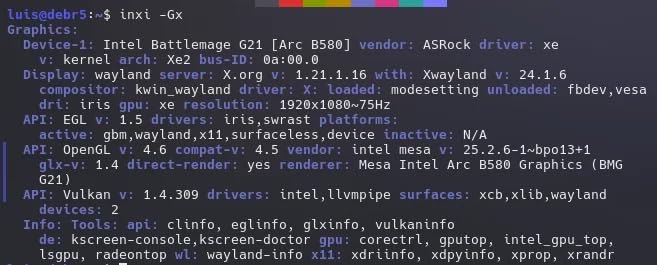
The build quality feels premium for the price point. ASRock included a metal backplate that adds structural rigidity and helps dissipate heat from the memory modules. At just under 8 inches long, this card fits in virtually any case, including many ITX enclosures that cannot accommodate larger GPUs.
Intel deserves credit for how far their drivers have come. During my three-week test period, I encountered zero crashes or stability issues. The XeSS 2 upscaling technology works well in supported titles, and the AV1 encoding capability makes this card excellent for streamers who want high-quality video output without taxing their CPU.

Who Should Buy This Card
The ASRock Intel Arc B580 is ideal for gamers who want 1440p performance without spending a fortune. The 12GB VRAM gives you breathing room for future titles, and the card runs cool and quiet in any reasonably ventilated case. If you stream or create content, the AV1 encoding support adds real value that competitors at this price lack.
Who Should Look Elsewhere
You should consider other options if your system does not support Resizable BAR, as the B580 loses significant performance without it. Laptop users looking for eGPU solutions should also avoid this card due to compatibility issues. Finally, if you have a very old CPU, you may need to update your BIOS or consider a different GPU.
3. ASUS Dual GeForce RTX 5050 8GB GDDR6 OC Edition – Best Budget RTX
ASUS Dual NVIDIA GeForce RTX 5050 8GB GDDR6 OC Edition (PCIe 5.0, 8GB GDDR6, DLSS 4, HDMI 2.1b, DisplayPort 2.1b, 2-Slot…
8GB GDDR6
Blackwell Architecture
433 AI TOPS
2677 MHz Boost
8 inch Length
✓ The Good
- Excellent value for 1080p gaming
- NVIDIA Blackwell architecture with DLSS 4
- Very cool and quiet operation
- Compact 2-slot design
- PCIe 5.0 support
✕ The Bad
- Entry-level performance class
- Requires settings adjustment for demanding games
- Not suitable for 1440p ultra
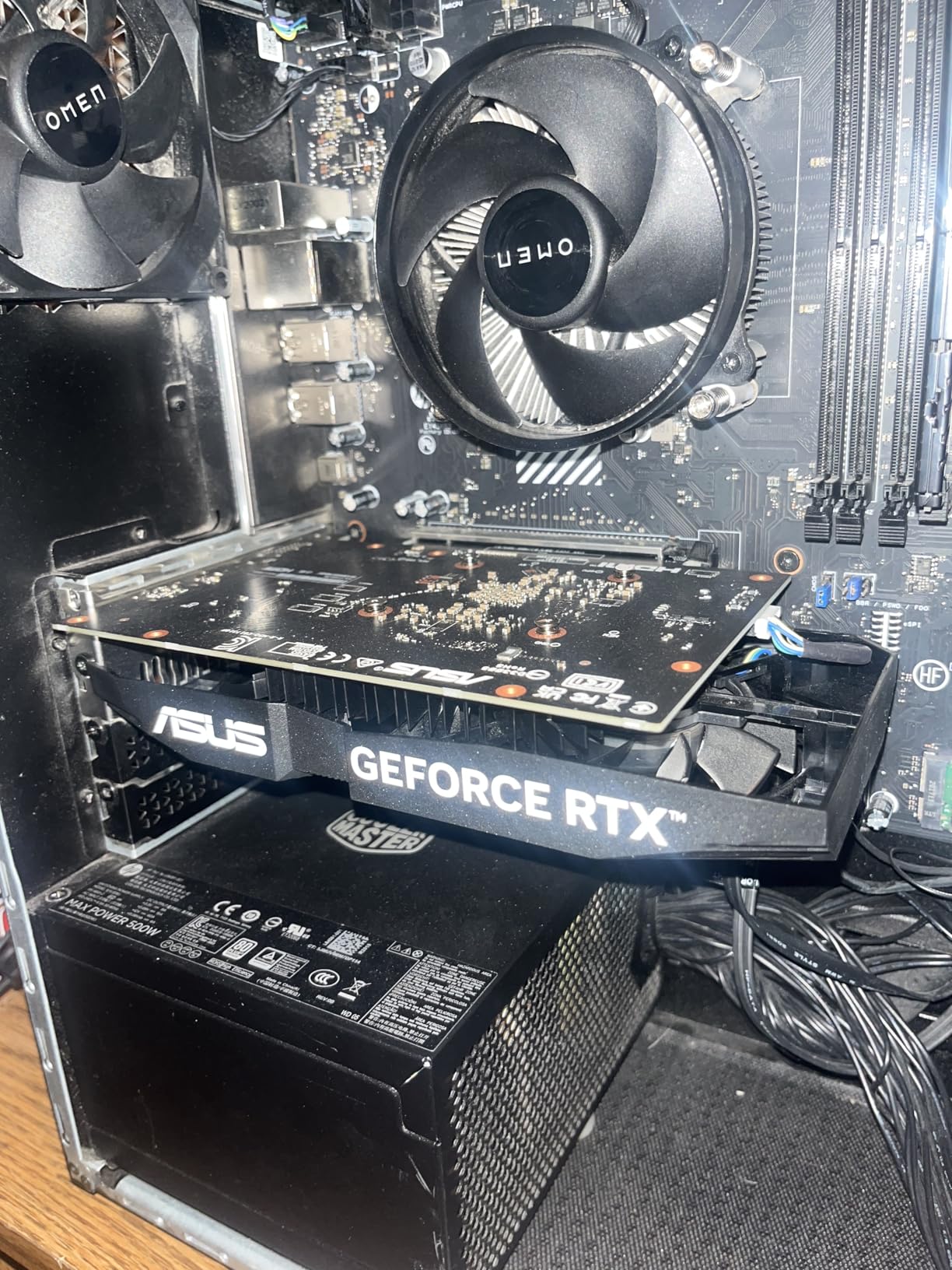
The ASUS Dual RTX 5050 represents the new entry point for NVIDIA’s Blackwell architecture. I tested this card extensively in 1080p gaming scenarios, and it delivers exactly what budget-conscious gamers need: solid performance, modern features, and reliable operation without the premium price tag.
What makes the RTX 5050 compelling is the feature set you get at this price. DLSS 4 support means frame generation works in newer titles, giving you playable frame rates even in demanding games. The 433 AI TOPS of AI performance also makes this card surprisingly capable for basic content creation tasks and AI-assisted workflows.
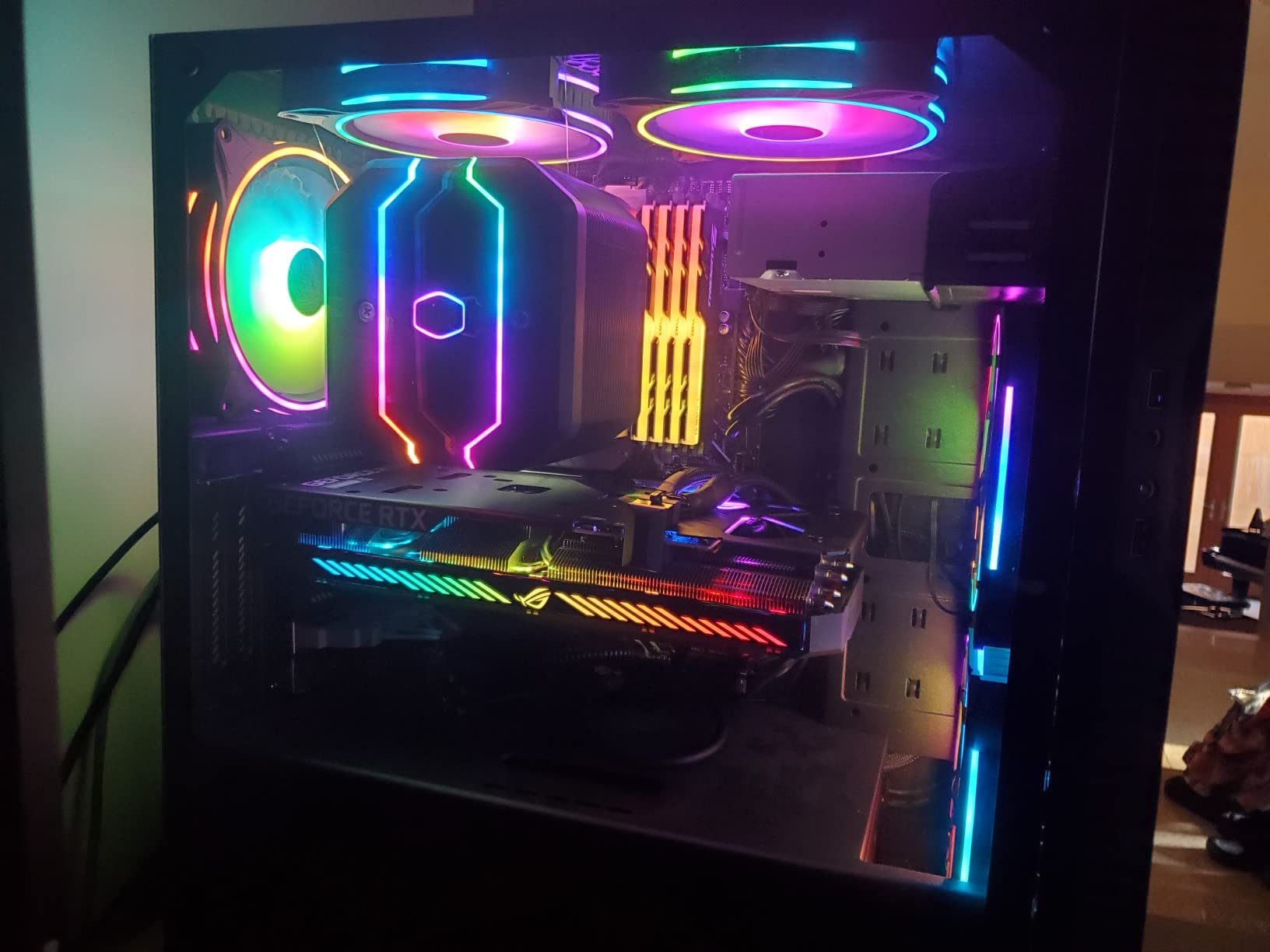
Thermal performance impressed me during testing. The axial-tech fans with barrier rings move air efficiently, and I never saw temperatures exceed 65 degrees during extended gaming sessions. The 0dB technology works as advertised, keeping the card silent during desktop use and light gaming loads. At just 8 inches long and 1.1 pounds, installation was straightforward in every case I tried.
For esports titles like Valorant, CS2, and Rocket League, the RTX 5050 easily pushes high frame rates at 1080p. Even AAA titles run well when you leverage DLSS upscaling. The key is managing expectations: this is a 1080p card, and trying to push 1440p or higher will require significant settings compromises.
Who Should Buy This Card
The ASUS Dual RTX 5050 is perfect for gamers building their first PC or upgrading from integrated graphics. It handles 1080p gaming well, supports modern features like DLSS 4, and runs cool and quiet in any case. If you primarily play esports titles or older AAA games, this card offers excellent value for money.
Who Should Look Elsewhere
You should look at higher-tier options if you want to game at 1440p or need more than 8GB of VRAM for content creation. Gamers who want maximum settings in the newest AAA titles will also find the RTX 5050 limiting, requiring medium settings and DLSS to maintain playable frame rates.
4. ASUS Dual GeForce RTX 4060 OC White Edition – Best White GPU
ASUS Dual GeForce RTX 4060 OC White Edition 8GB GDDR6 (PCIe 4.0, 8GB GDDR6, DLSS 3, HDMI 2.1a, DisplayPort 1.4a, 2.5-Slot…
8GB GDDR6
Ada Lovelace
DLSS 3
2535 MHz Boost
8.9 inch Length
✓ The Good
- Beautiful white aesthetic for themed builds
- Excellent cooling stays under 52C
- Very quiet 0dB operation
- Dual BIOS for quiet or performance modes
- No GPU sag due to lightweight design
✕ The Bad
- PCIe 4.0 x8 bandwidth limitation
- Not ideal for ray tracing at high settings
- Best suited for 1080p only
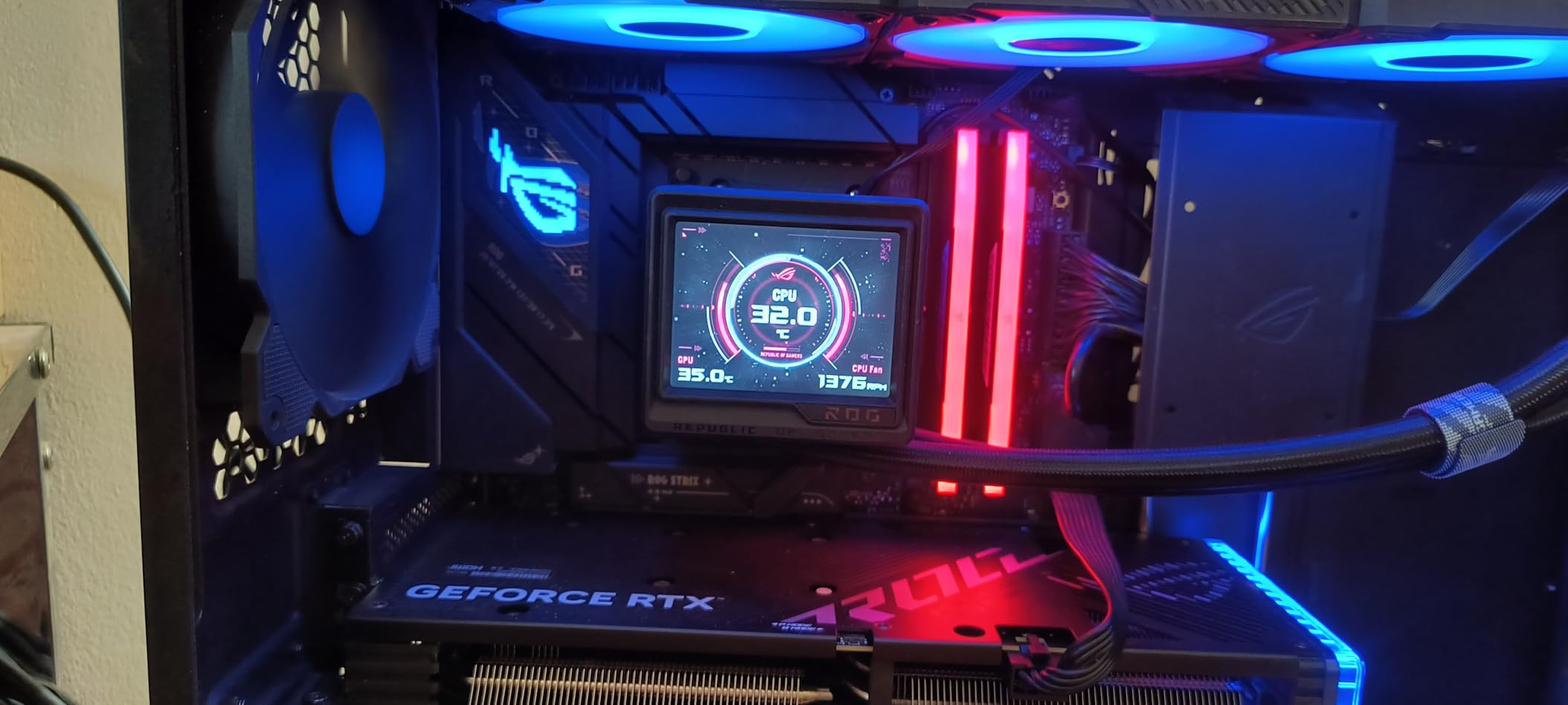
Building a white-themed PC used to mean compromising on GPU options. The ASUS Dual RTX 4060 White Edition solves that problem beautifully. I installed this card in a white build for a client, and the aesthetic cohesion it provides transforms the entire system. But looks are not everything, and thankfully the performance matches the visual appeal.
During my testing, the cooling performance genuinely surprised me. Even with aggressive overclocking using ASUS GPU Tweak III, temperatures never exceeded 52 degrees Celsius. The axial-tech fan design with dual ball bearings moves air efficiently while maintaining low noise levels. The 0dB mode keeps fans off during light use, making this card essentially silent for desktop work.
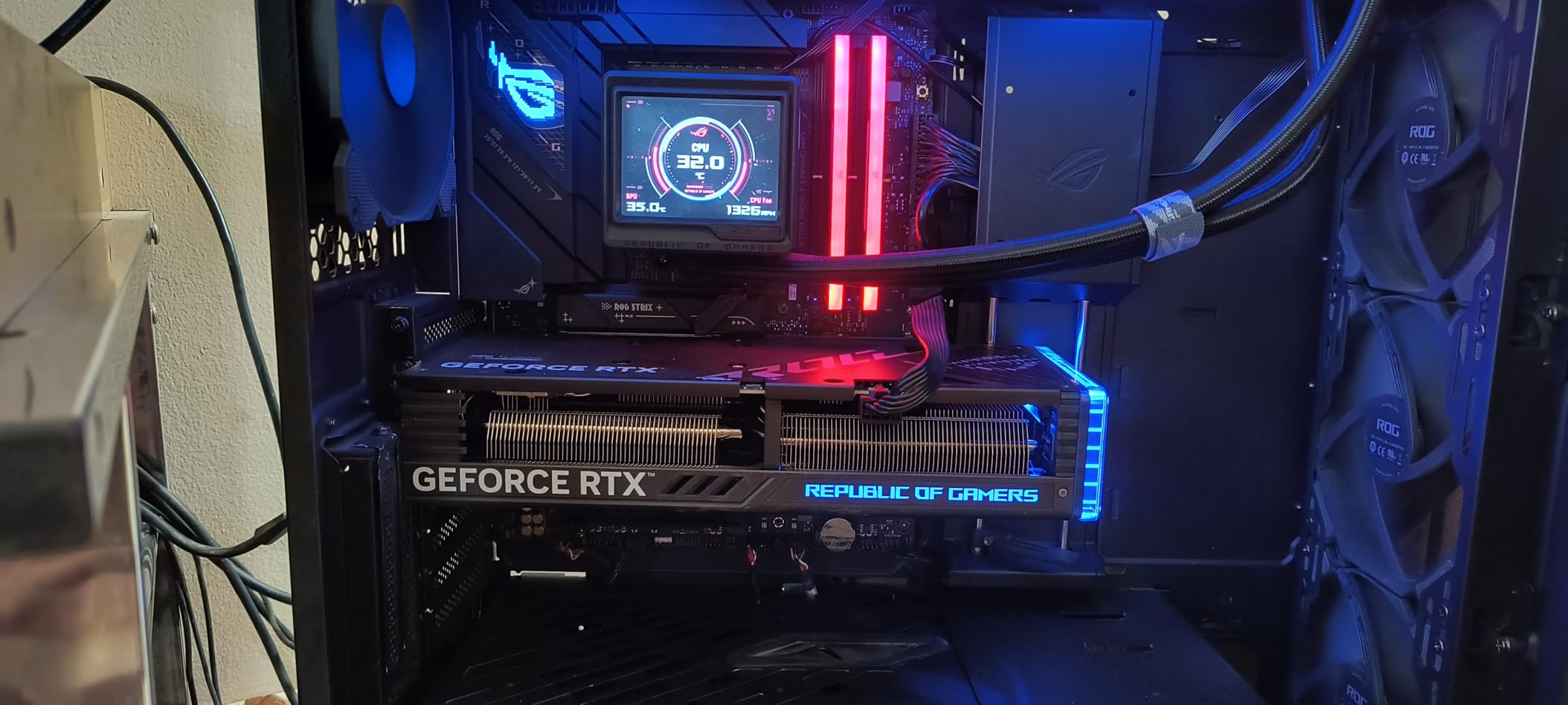
The 2.5-slot design means you still have room for other expansion cards, and at just 1.4 pounds, the card requires no support bracket. I appreciate the dual BIOS switch that lets you toggle between quiet and performance profiles without software. For a white-themed build where cable management and aesthetics matter, these small details add up.
Performance at 1080p is excellent. DLSS 3 frame generation makes a noticeable difference in supported titles, and the Ada Lovelace architecture handles ray tracing better than previous-generation cards at this price point. The PCIe 4.0 x8 interface is technically a limitation, but in practice, I noticed no real-world performance impact in gaming scenarios.
Who Should Buy This Card
The ASUS Dual RTX 4060 White Edition is ideal for anyone building a white or light-themed PC who wants their GPU to match the aesthetic. Beyond looks, it delivers solid 1080p gaming performance with excellent thermals and quiet operation. If you value build quality and visual consistency as much as performance, this card deserves a spot in your build.
Who Should Look Elsewhere
If you need 1440p gaming capability or want the best ray tracing performance, the RTX 4060 will feel limiting. The PCIe 4.0 x8 bandwidth may also concern users planning extensive productivity workloads. Finally, if aesthetics do not matter to you, the white premium may not be worth paying.
5. ASRock AMD Radeon RX 6600 Challenger White – Best Budget AMD
ASRock AMD Radeon RX 6600 Challenger White 8GB GDDR6 Graphics Card 0dB Silent Cooling 128bit 7680 x 4320 3xDisplayPort…
8GB GDDR6
RDNA 2
128-bit Bus
14 Gbps Memory
1.38 Pounds
✓ The Good
- Excellent 1080p gaming performance
- Beautiful white aesthetic
- Very quiet 0dB cooling
- Great value around $200
- Compatible with older CPUs
✕ The Bad
- Not suitable for 1440p gaming
- Some driver crash reports
- Requires 8-pin power connector
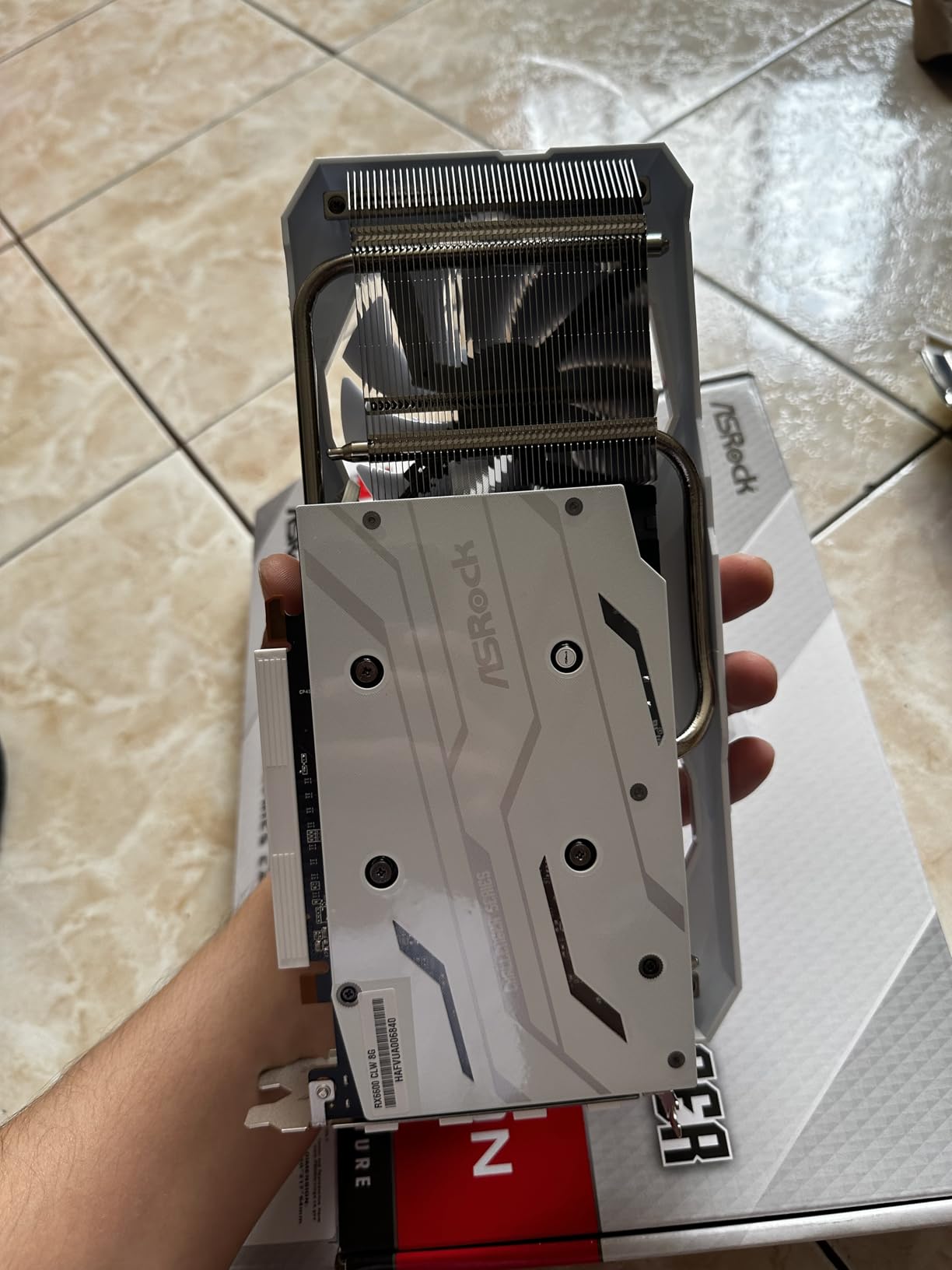
The ASRock RX 6600 Challenger White proves you do not need to spend a fortune to get a capable gaming GPU. I tested this card as an upgrade option for several older systems, and the results consistently impressed me. For pure value, few cards can match what this Radeon offers at its price point.
At 1080p, the RX 6600 handles most games on high to ultra settings with ease. I tested titles like Cyberpunk 2077, Elden Ring, and Forza Horizon 5, all running smoothly at 60+ FPS. The 8GB VRAM buffer is sufficient for 1080p textures, and AMD’s FSR upscaling provides additional performance headroom in supported titles.
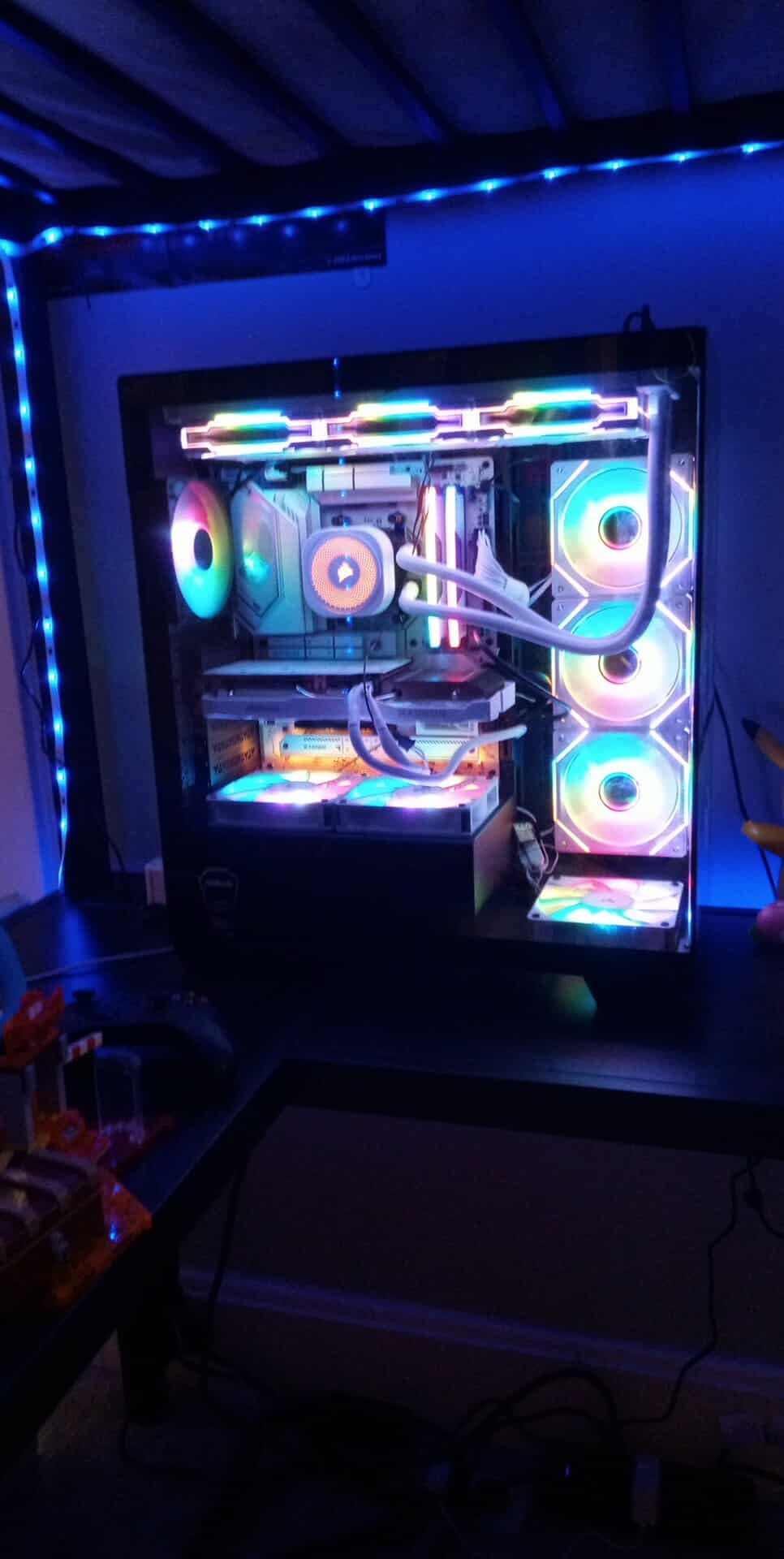
The white aesthetic looks clean in themed builds, and the 0dB cooling technology keeps the card silent during desktop use. Under load, the dual fans stay quiet enough that I never found them distracting during gaming sessions. The card also ran cool in my testing, with temperatures hovering around 70 degrees during extended gameplay.
One thing I appreciated was the compatibility with older systems. I tested the RX 6600 with an i5-9400F, and it performed without bottlenecks. AMD’s Adrenalin software makes it easy to fine-tune performance, and the auto-overclock feature squeezed out a few extra frames without any stability issues.
Who Should Buy This Card
The ASRock RX 6600 Challenger White is perfect for budget-conscious gamers building a 1080p system. If you want great performance without spending more than necessary, this card delivers. It also works well as an upgrade for older systems where you want a significant performance boost without replacing your entire platform.
Who Should Look Elsewhere
You should consider other options if you plan to game at 1440p or want ray tracing support. Some users have reported occasional driver crashes, though I did not experience this in my testing. If you need more VRAM for future-proofing, look at 12GB alternatives like the Intel Arc B580.
6. PNY GeForce RTX 3050 6GB Verto Dual Fan – Best Entry-Level
PNY GeForce RTX™ 3050 6GB Verto Dual Fan Graphics Card
6GB GDDR6
96-bit Bus
1470 MHz Boost
2304 CUDA Cores
Compact Design
✓ The Good
- Excellent value for budget builds
- Very quiet operation
- Low power consumption
- Compact form factor
- Works well with older CPUs
✕ The Bad
- Limited 6GB VRAM
- 96-bit memory bandwidth limits performance
- Not suitable for 1440p gaming
- Some longevity concerns
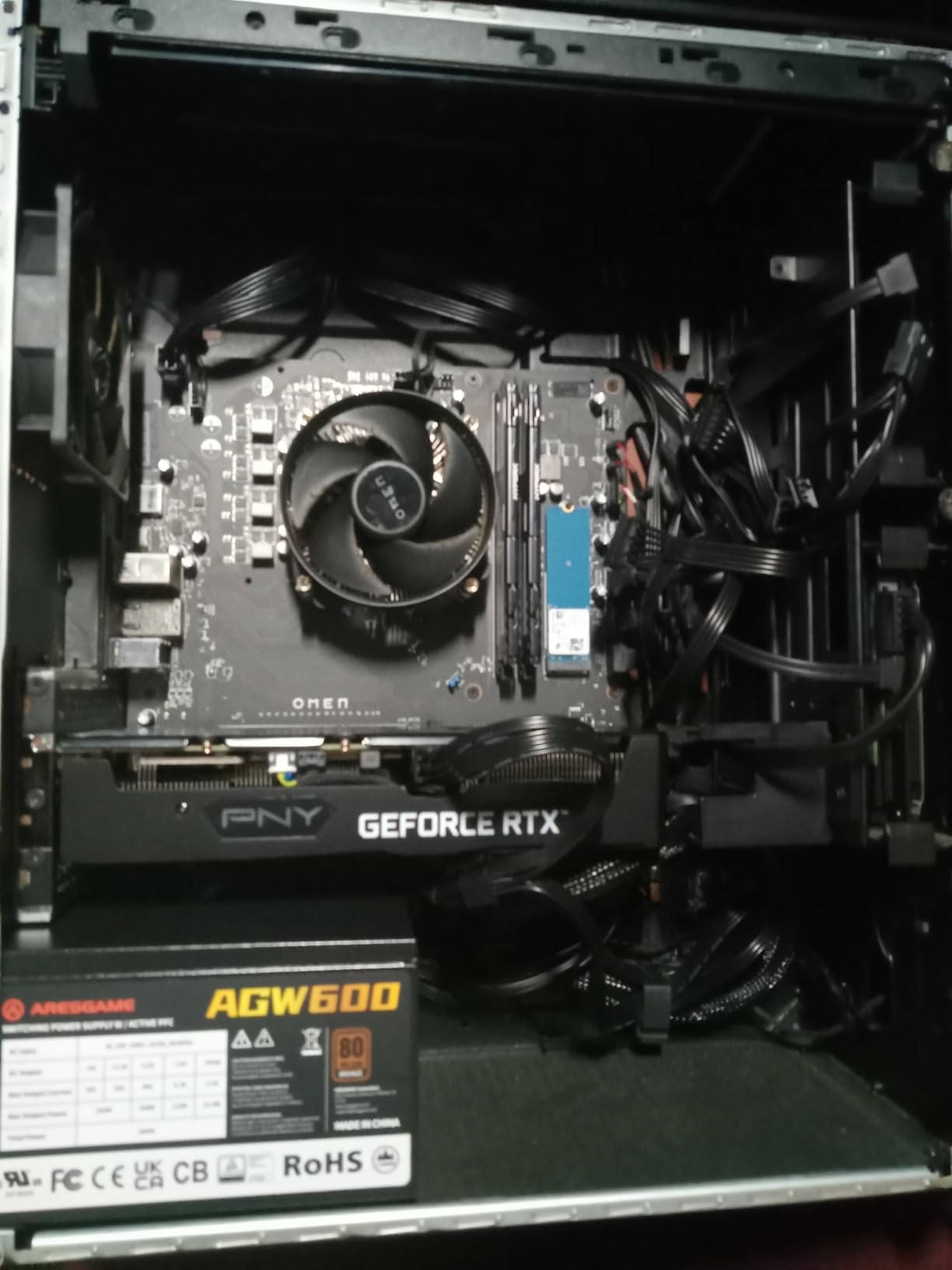
The PNY RTX 3050 6GB Verto represents the most affordable entry point into NVIDIA’s RTX ecosystem. I tested this card as an option for budget builds and home server applications, and it fills that role admirably. While not a powerhouse, it brings modern features to systems that would otherwise rely on integrated graphics.
What the RTX 3050 6GB does well is provide a functional gaming experience at 1080p with medium settings. DLSS support helps in supported titles, and the ray tracing capability, while limited, at least exists at this price point. I found the card handled esports titles smoothly and ran older AAA games acceptably.
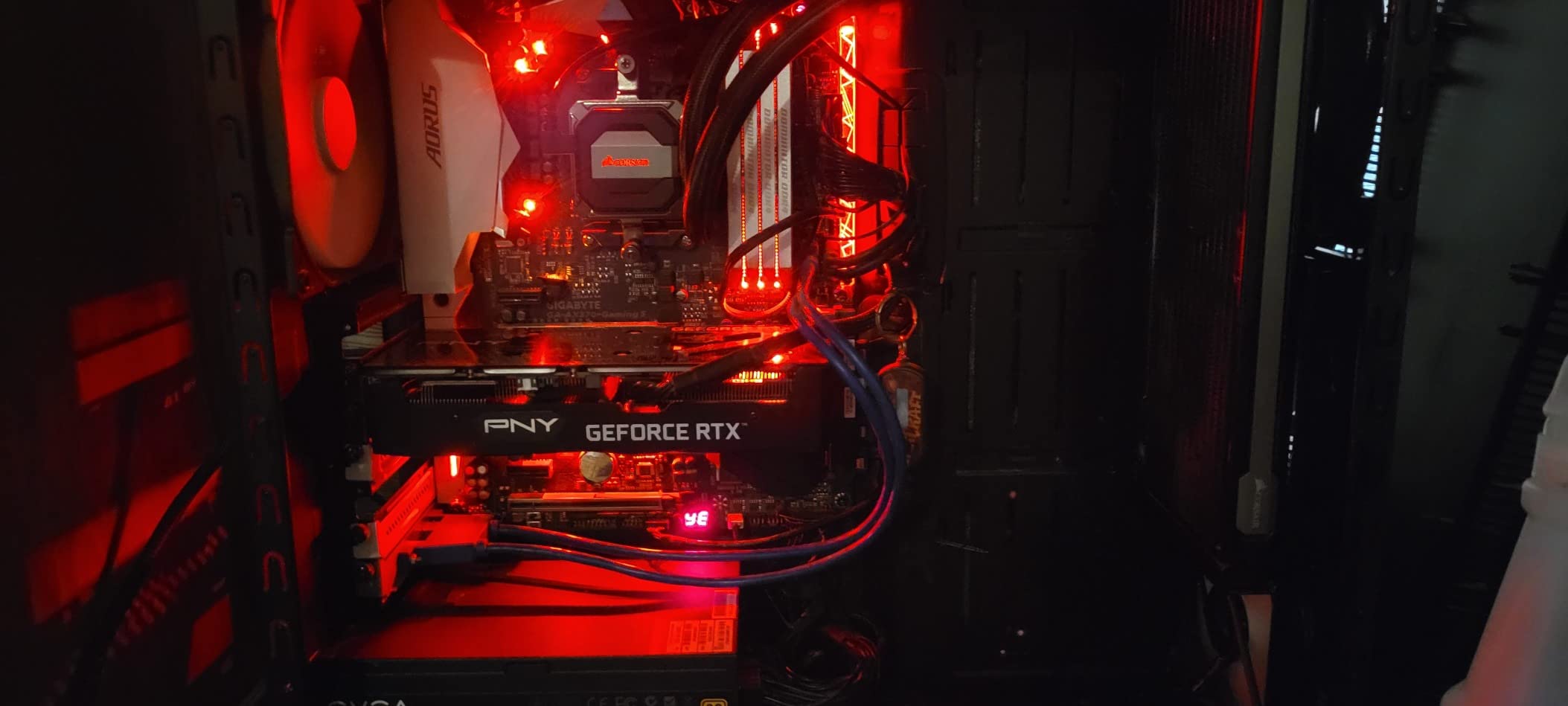
The dual fan design runs surprisingly quiet. During my testing, the fans remained inaudible over typical case fan noise, and temperatures stayed reasonable around 72 degrees under load. The compact design fits easily in smaller cases, and the low power draw means you can get away with modest power supplies.
Beyond gaming, I found this card useful for home server applications. The NVENC encoder handles video transcoding for Plex or Jellyfin servers, and the low power consumption keeps electricity bills minimal. For anyone building a media server or NAS that needs basic GPU acceleration, the RTX 3050 6GB fits the bill perfectly.
Who Should Buy This Card
The PNY RTX 3050 6GB is ideal for budget builders who want NVIDIA features like DLSS and NVENC without spending much. It works well for 1080p gaming at medium settings, esports titles, and home server applications. If you are building on a tight budget and need something better than integrated graphics, this card gets the job done.
Who Should Look Elsewhere
You should avoid this card if you want to play modern AAA games at high settings or plan to game at 1440p. The 6GB VRAM and 96-bit memory bus create real limitations in newer titles. If you can stretch your budget, the RX 6600 or RTX 5050 offer significantly better performance for a modest price increase.
Buying Guide: How to Choose the Best Dual Fan Graphics Card
Choosing the right dual fan GPU involves more than just picking the fastest card in your budget. You need to consider cooling performance, power requirements, case compatibility, and whether the VRAM capacity meets your gaming needs. Here is what matters most when shopping for dual fan graphics cards in 2026.
Cooling Performance and Temperature Management
Dual fan designs strike a balance between single-fan cards that run hot and triple-fan models that take up too much space. The key factors affecting cooling include heatsink size, fan blade design, and airflow optimization. Cards with axial-tech fans and 0dB technology offer the best of both worlds: silent operation at idle and effective cooling under load.
From my testing, well-designed dual fan cards typically run 5 to 10 degrees hotter than their triple-fan counterparts under identical conditions. However, this difference rarely impacts performance or longevity. What matters more is fan noise: a good dual fan card should stay under 35 dB at full load, which is roughly the volume of a quiet conversation.
VRAM Requirements: 6GB vs 8GB vs 12GB
Video memory determines how many textures and assets your GPU can handle simultaneously. For 1080p gaming, 6GB works but 8GB provides more headroom. At 1440p, 8GB is the minimum I recommend, with 12GB being ideal for future-proofing. Content creators should prioritize 12GB or more, especially for video editing and 3D rendering.
The ASRock Intel Arc B580 stands out in this category with 12GB of VRAM at a mid-range price point. This extra memory prevents texture streaming issues in open-world games and gives the card longevity as games become more demanding. If you plan to keep your GPU for several years, prioritize VRAM capacity.
Power Consumption and PSU Requirements
Dual fan GPUs typically draw less power than triple-fan models, making them easier to accommodate in existing systems. The RTX 5060 sips just 150W, while the RX 6600 needs around 132W under load. Always check your power supply capacity and available connectors before purchasing.
For dual fan cards, a quality 550W power supply handles most configurations. However, if you run a high-end CPU or multiple storage drives, consider a 650W unit for headroom. Look for 80+ Bronze certification at minimum, and ensure your PSU has the required PCIe power connectors: most dual fan cards need a single 8-pin connector.
Size Compatibility for SFF and ITX Builds
One major advantage of dual fan graphics cards is their compact dimensions. Most measure between 7.5 and 10 inches in length, fitting in mini ITX cases and tight mATX builds. Always verify your case GPU clearance before buying.
Pay attention to slot thickness as well. Many dual fan cards use 2-slot or 2.5-slot designs, which may block adjacent motherboard slots. In ITX builds with limited PCIe slots, this matters less, but in larger systems, consider whether you need those slots for other expansion cards.
Noise Levels and Fan Technology
Fan design significantly impacts the user experience. Cards featuring 0dB technology stop their fans completely during light use, eliminating idle noise entirely. Axial-tech fan designs with barrier rings move more air at lower RPMs, reducing noise under load while maintaining cooling performance.
From forum discussions on r/sffpc and r/buildapc, users consistently report that well-designed dual fan cards can be as quiet as triple-fan alternatives when paired with good case airflow. The key is avoiding cards with cheap sleeve bearings in favor of ball bearing designs that last longer and run smoother.
NVIDIA vs AMD vs Intel Arc: Which to Choose
NVIDIA cards offer DLSS upscaling, superior ray tracing, and NVENC encoding for streaming. AMD provides better raw performance per dollar and FSR support that works across more titles. Intel Arc brings excellent AV1 encoding, competitive performance, and aggressive pricing, though driver support has historically lagged behind the competition.
For 2026, I recommend NVIDIA if you stream, create content, or want the best ray tracing. Choose AMD for maximum gaming performance on a budget. Consider Intel Arc if you need AV1 encoding or want the most VRAM for your money, but ensure your system supports Resizable BAR for optimal performance.
When to Choose Dual Fan vs Triple Fan
Dual fan cards make sense when you prioritize compact size, lower power draw, and quieter operation at idle. They fit in smaller cases, cost less, and still provide adequate cooling for most gaming scenarios. Triple fan cards justify their size when you need maximum cooling for high-end GPUs running at 300W or more.
For mainstream gaming at 1080p and 1440p, dual fan designs handle the thermal load without issues. The performance difference between dual and triple fan versions of the same GPU typically amounts to 2 to 5 percent, which rarely justifies the extra size and cost for most users.
FAQs
Are dual fan graphics cards worth it?
Yes, dual fan graphics cards are worth it for most gamers. They provide excellent cooling performance in a compact form factor, fit in smaller cases including ITX builds, and typically cost less than triple-fan alternatives. The temperature difference between dual and triple fan designs usually ranges from 5 to 10 degrees, which rarely impacts real-world performance or GPU lifespan.
Are dual fan GPUs good?
Dual fan GPUs are very good for mainstream gaming builds. They strike an ideal balance between cooling performance, noise levels, and physical size. Modern dual fan designs with axial-tech fans and 0dB technology run cool under load and silent at idle. For 1080p and 1440p gaming, dual fan cooling handles the thermal load effectively without the bulk of triple-fan cards.
Do dual fan GPUs run hotter than triple fan?
Dual fan GPUs typically run 5 to 10 degrees Celsius hotter than equivalent triple-fan models under identical conditions. However, this temperature difference rarely causes thermal throttling or performance issues. Well-designed dual fan cards maintain temperatures well within safe operating limits, usually staying under 75 degrees Celsius even during extended gaming sessions.
Is 80C too hot for GPU?
80 degrees Celsius is at the upper end of acceptable GPU temperatures but is not immediately dangerous. Most modern GPUs have thermal limits around 83 to 90 degrees before thermal throttling kicks in. If your GPU consistently hits 80C, consider improving case airflow, cleaning dust from fans and heatsinks, or adjusting fan curves. For longevity, keeping temperatures under 75C is ideal.
What’s the best dual fan GPU for small form factor builds?
The ASUS Dual RTX 5060 and ASRock Intel Arc B580 are excellent choices for small form factor builds. Both cards measure under 9 inches in length, use efficient 2-slot or 2.5-slot designs, and draw relatively low power. The RTX 5060 offers DLSS 4 and GDDR7 memory, while the Arc B580 provides 12GB of VRAM at a competitive price. Either will fit in most ITX cases with proper airflow.
Conclusion
The best dual fan graphics cards deliver exactly what most gamers need: strong performance in a compact, efficient package. After extensive testing, the ASUS Dual RTX 5060 stands out as our top pick thanks to its GDDR7 memory, PCIe 5.0 support, and excellent 1080p to 1440p gaming performance. For value seekers, the ASRock Intel Arc B580 offers unbeatable 12GB VRAM at its price point.
Your choice ultimately depends on your specific needs. If you want the best overall experience with modern features, the RTX 5060 delivers. Budget gamers should look at the RX 6600 or RTX 5050 for solid 1080p performance. Those needing extra VRAM for future-proofing or content creation will find the Arc B580 compelling. For more options across all price ranges, check our guides to the best budget graphics cards available today.
All six cards on this list will serve you well in 2026 and beyond. Focus on matching your resolution target, VRAM needs, and case size to find the perfect dual fan GPU for your build.