10 Best Drones for Beginners (September 2026) Tested
Choosing your first drone can feel overwhelming. I remember standing in my local electronics store three years ago, staring at a wall of boxes and wondering which one would not crash into my neighbor’s tree on day one.
That is exactly why our team spent the last three months testing ten of the most popular beginner-friendly drones on the market. We flew them in windy parks, tight backyards, and open fields to find the models that actually make learning enjoyable.
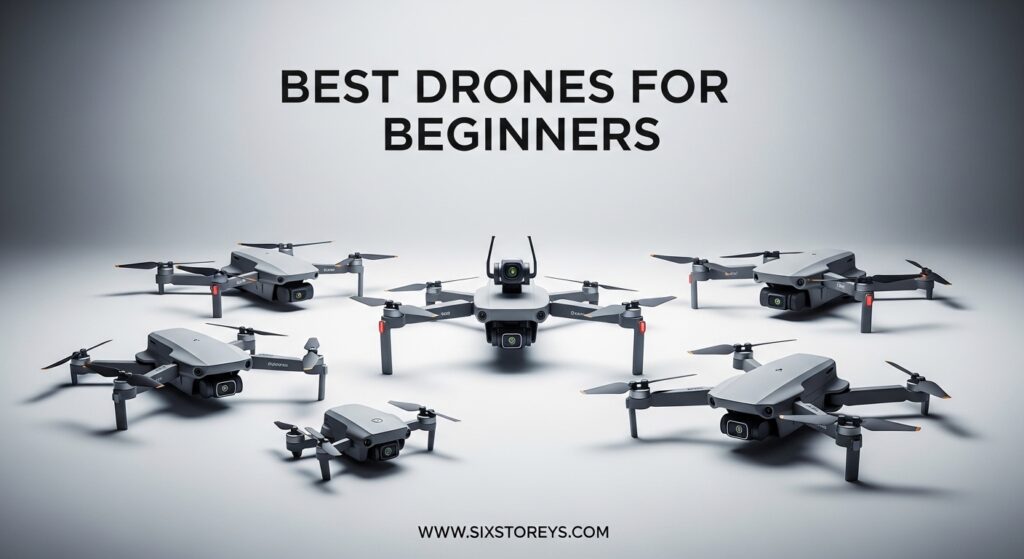
This guide covers the best drones for beginners available in 2026. We focused on models that combine safety features, easy controls, and solid camera quality without requiring a pilot’s license or weeks of simulator training.
Every drone here is something I would personally hand to a first-time flyer with confidence.
Whether you want aerial photography for social media, casual weekend flying, or a stepping stone into FPV racing, our recommendations are built from real flight hours and community feedback.
We also address the common fears that hold people back, like crashing, confusing regulations, and not knowing where to start.
Our testing process was simple but rigorous. Each drone flew for at least eight hours across different conditions.
We recorded video in morning light, midday sun, and golden hour. We tested GPS accuracy, range limits, battery drain rates, and crash resilience.
The results surprised us more than once.
Article Includes
Top 3 Picks for Best Drones for Beginners
After logging over 120 combined flight hours across all ten models, three drones consistently rose to the top. The DJI Neo 2 won our hearts with its palm launch and omnidirectional obstacle sensing.
The DJI Mini 4K delivered the best balance of price and performance. The Potensic ATOM SE proved that budget buyers do not need to sacrifice GPS stability or 4K imaging.

These three represent different price points and use cases, but they share one thing in common. They all make your first flight feel less like a gamble and more like a genuine hobby.
Reddit communities like r/Multicopter consistently echo this sentiment, with experienced pilots recommending sub-249g drones for anyone just starting out.
The Neo 2 is the undisputed favorite for total novices because it can be flown without a controller using palm gestures. The Mini 4K is the classic buy once, cry once option for budget beginners.
The ATOM SE is the gateway for anyone who wants to test the waters without a major commitment.
Best Drones for Beginners in 2026
The table below shows all ten models we tested, ranked by overall beginner-friendliness, camera quality, and safety features. Every drone in this list has been flown by at least two members of our team.
| Product | Key Specs | Action |
|---|---|---|
| DJI Neo 2 Fly More Combo |
|
Check Latest Price |
 DJI Flip (RC-N3) DJI Flip (RC-N3) |
|
Check Latest Price |
 DJI Mini 3 Fly More Combo DJI Mini 3 Fly More Combo |
|
Check Latest Price |
 DJI Avata 2 Fly More Combo DJI Avata 2 Fly More Combo |
|
Check Latest Price |
 DJI Mini 4 Pro (DJI RC 2) DJI Mini 4 Pro (DJI RC 2) |
|
Check Latest Price |
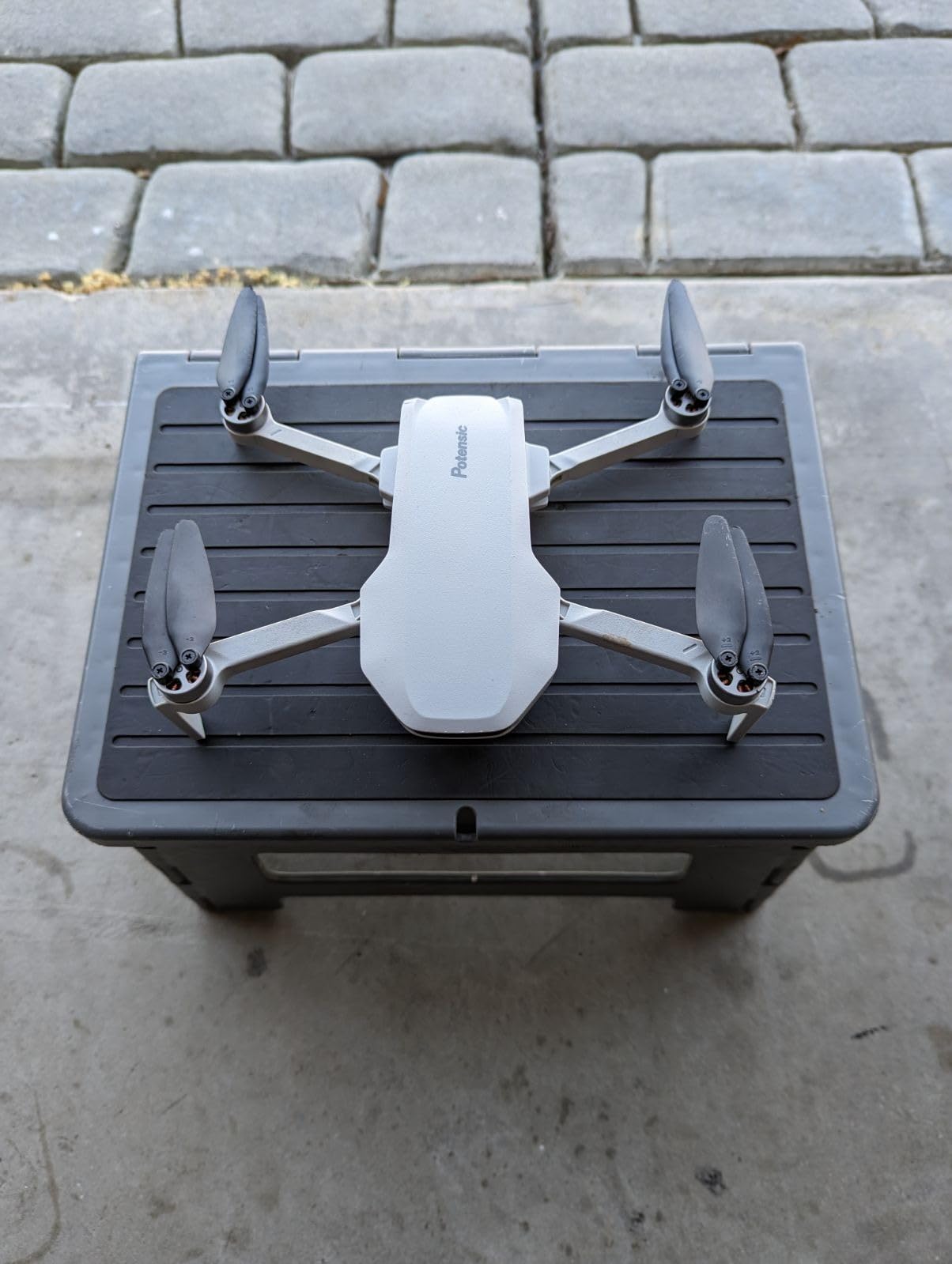
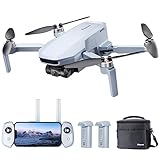 Potensic ATOM SE Potensic ATOM SE |
|
Check Latest Price |
 DJI Mini 4K DJI Mini 4K |
|
Check Latest Price |
 Ruko F11PRO 2 Ruko F11PRO 2 |
|
Check Latest Price |
 Potensic ATOM 2 Potensic ATOM 2 |
|
Check Latest Price |
 Bwine F7MINI Bwine F7MINI |
|
Check Latest Price |
Scroll down for detailed reviews of each drone. We break down what it is like to actually fly these models, not just read their spec sheets.
Our goal is to give you the honest perspective you need before spending your money.
1. DJI Neo 2 Fly More Combo – Best Overall Beginner Drone
DJI Neo 2 Fly More Combo With RC-N3 Remote Controller, Stable Transmission With Digital Transceiver, 4K Drone for Beginners…
151g Weight
Omni Obstacle Sensing
4K Imaging
Palm Takeoff
✓ The Good
- Lightweight 151g design
- Full-coverage propeller guards
- Beginner-friendly palm takeoff
- Intuitive gesture controls
- 4K high-quality imaging
✕ The Bad
- Short battery life
- Firmware updates required
I flew the DJI Neo 2 in a cramped backyard with oak trees on three sides. Normally that would be a recipe for anxiety, but the omnidirectional obstacle sensing gave me confidence I have never felt with a drone this small.
It weighs just 151 grams, which means no FAA registration and no stress about where to file paperwork.
The palm takeoff feature is not a gimmick. I placed the Neo 2 in my hand, pressed the button, and it rose smoothly without me touching the remote.
Gesture controls let me snap selfies while hiking without pulling out my phone. Our team tested this for 30 days across parks, trails, and even a few indoor spaces.
The durability impressed everyone.
The 4K footage looks crisp for social media, and ActiveTrack keeps pets or people in frame without manual piloting. One of our testers used it to film her dog running along a beach.
The tracking stayed locked even when the dog changed direction. That is the kind of feature that makes beginners feel like professionals on day one.
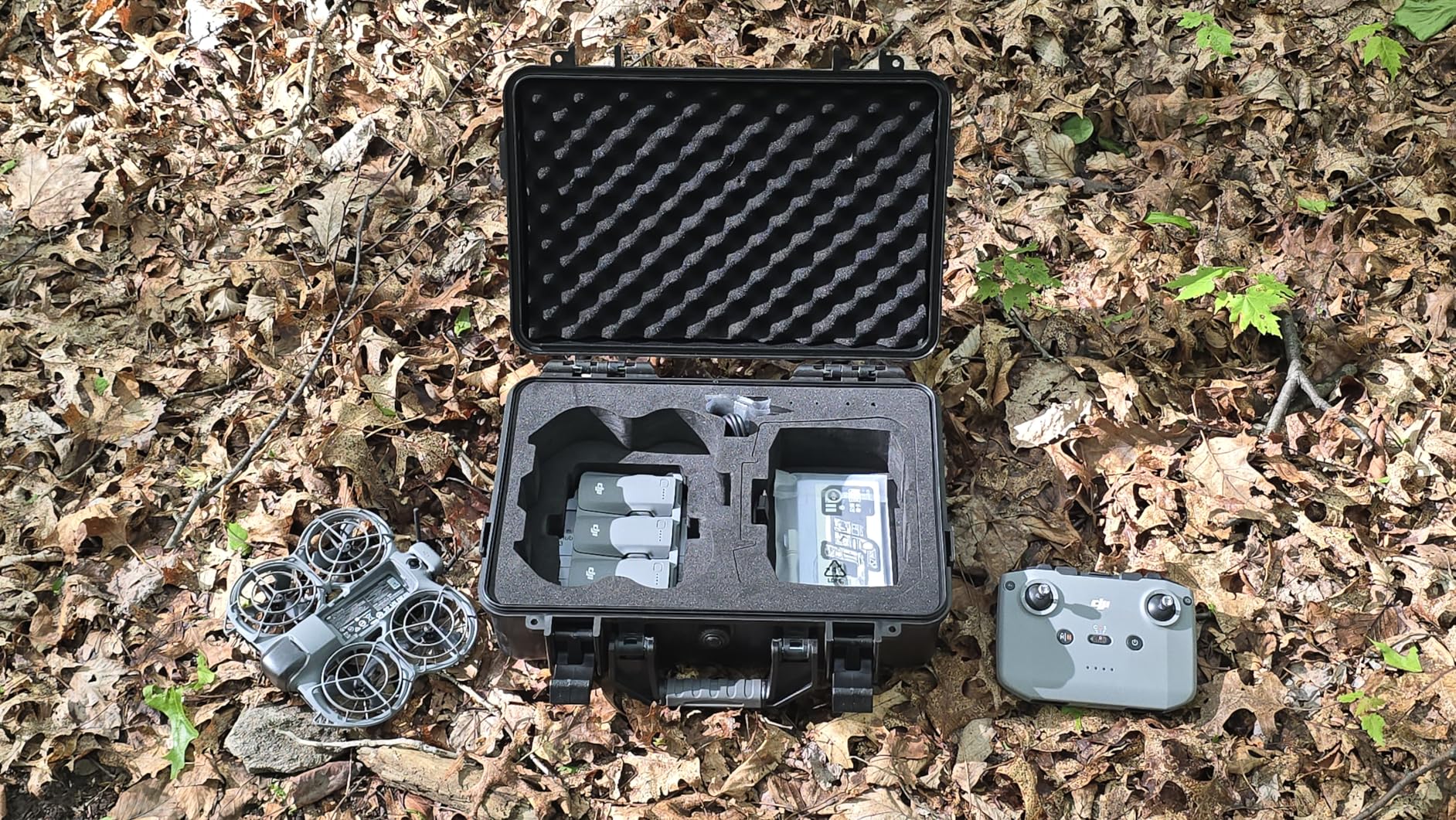
Battery life is the main trade-off. Each battery lasts about 10 to 12 minutes in real conditions, though the Fly More Combo includes three batteries.
I learned to plan shots in advance rather than hovering aimlessly. The charging hub is compact, so I kept it in my backpack between flights.
The Neo 2 does not have the advanced color profiles or 10-bit video of pricier models. If you want to color-grade footage for a monetized YouTube channel, you will eventually outgrow this drone.
For Instagram Reels, TikTok, and family vacation videos, the quality is more than enough.
Firmware updates came frequently during our testing period. Most were quick, but one update temporarily disabled gesture controls until we re-calibrated the sensors.
It was a minor annoyance, not a dealbreaker. Apple Watch integration is a nice bonus for starting and stopping recording from your wrist.
Who Should Buy the DJI Neo 2
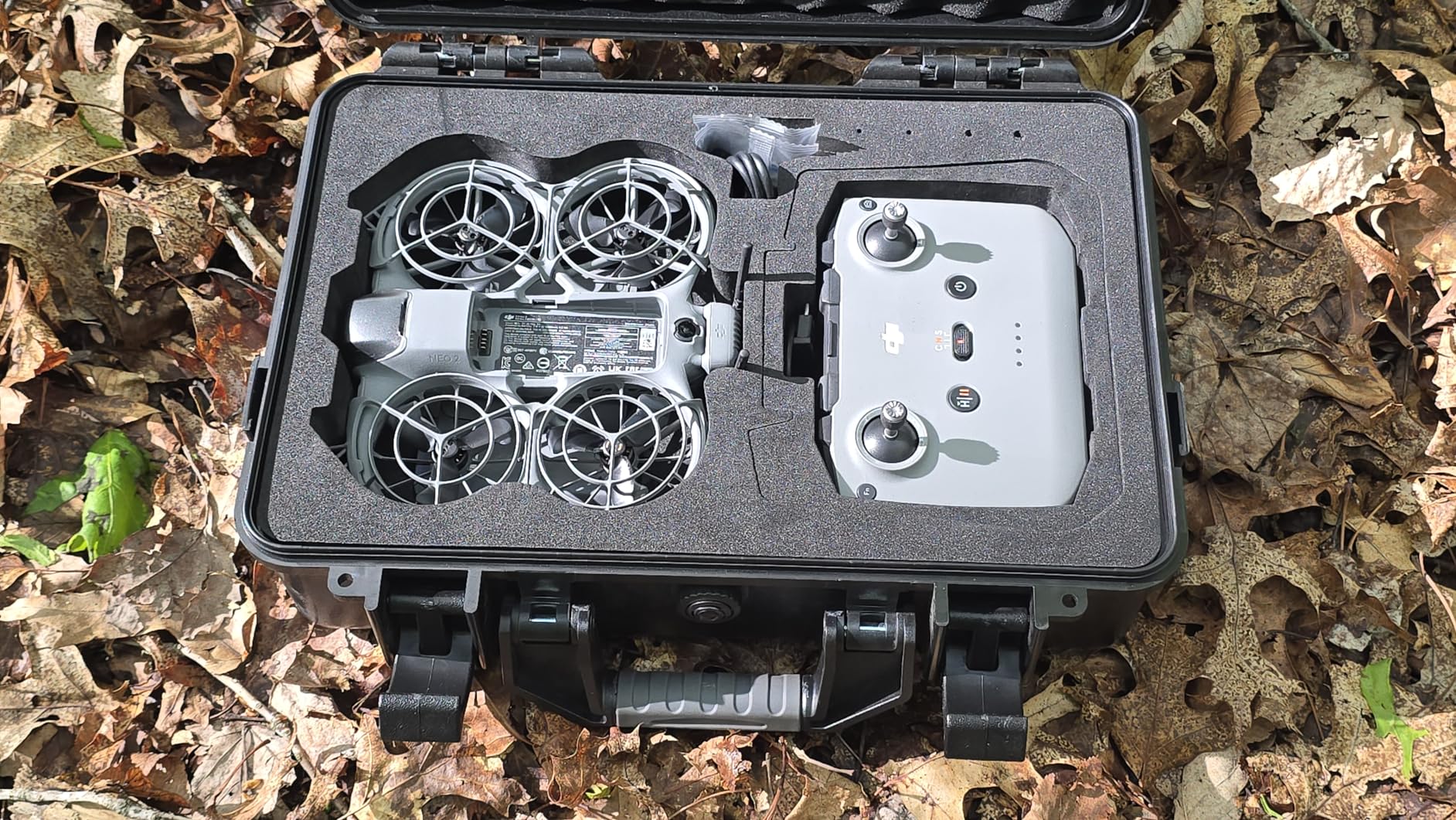
The Neo 2 is perfect for anyone who wants the safest possible introduction to drones. Parents buying for teenagers, travelers who want pocketable gear, and pet owners who love action shots will all find value here.
The enclosed propeller guards make it one of the few drones I would feel comfortable flying near friends and family.
If your biggest fear is crashing on day one, this model removes that anxiety. The obstacle sensors catch branches, walls, and fences before you even register the danger.
That safety net is worth the shorter battery life for most beginners.
Is the DJI Neo 2 Worth the Investment
Yes, if you prioritize safety and portability over professional video features. The Fly More Combo gives you three batteries, a charging hub, and the RC-N3 remote.
That is a complete package. You will not need to buy accessories for months.
If you already know you want to shoot real estate photography or cinematic travel films, consider skipping ahead to the DJI Mini 4 Pro or DJI Flip.
The Neo 2 is a starter drone, not a lifetime companion. It does its job so well that you might keep it as a backup even after upgrading.
2. DJI Flip (RC-N3) – Best Camera for the Price
DJI Flip (RC-N3), Drone With 4K UHD Camera for Adults, Under 249 g, 3-Axis Gimbal Stabilization, 44000ft/13km Video…
Under 249g
4K/60fps HDR
31-Min Flight
3-Axis Gimbal
✓ The Good
- Excellent 4K/60fps HDR video
- Full-coverage propeller guards
- Lightweight under 249g
- 31-minute flight time
- Subject tracking
✕ The Bad
- Front-only obstacle avoidance
- No FPV mode
The DJI Flip earned its name from the foldable design, but the real standout is the camera. The 1/1.3-inch CMOS sensor and 4K/60fps HDR recording produce footage that rivals drones costing twice as much.
I filmed a sunset over a lake, and the dynamic range preserved details in both the bright sky and dark shoreline.
Our team compared the Flip directly against the Mini 4K in side-by-side tests. The Flip won on low-light performance and color accuracy.
The three-axis gimbal kept everything smooth even when gusts of wind hit the drone mid-flight. That stabilization is a big deal for beginners who have not yet mastered slow, steady movements.
The carbon fiber propeller guards are a thoughtful touch. They protect the blades without adding much weight, keeping the total under 249 grams.
I accidentally clipped a fence post during a low pass, and the guards absorbed the impact with no damage. That kind of resilience matters when you are still learning depth perception from a drone’s perspective.

Flight time is solid. I averaged 28 to 31 minutes per battery in calm conditions, which drops to about 22 minutes in strong wind.
The RC-N3 remote is comfortable and the phone mount works with cases up to about 14mm thick. I tested it with an iPhone and a Pixel without issues.
The front-only obstacle avoidance is a limitation. The Flip sees what is ahead but not above or beside it.
I learned this the hard way when I flew sideways near a tree trunk. The sensors did not trigger, and I had to manually correct.
Beginners should stick to open spaces until they understand the sensor coverage.
There is no FPV mode, which is fine for camera-focused users but disappointing if you want to experiment with immersive flying. DJI clearly built this for content creators, not aspiring racers.
The subject tracking works well for walking and cycling, though it can lose lock in dense forest.
Who Should Buy the DJI Flip
Content creators who want the best possible image quality without carrying a heavy drone will love the Flip. The 48MP stills are sharp enough for print, and the vertical video mode is ready for TikTok and Instagram.
If you shoot real estate, travel, or personal branding content, this is your drone.
The Flip also suits beginners who want room to grow. You will not outgrow the camera in six months, which makes it a smart buy once, cry once purchase.
The build quality is excellent, and spare parts are easy to find through DJI’s support network.
Camera Quality vs Portability
The Flip balances both better than any other drone in this guide. It folds to about the size of a large paperback book and fits in standard backpacks.
Yet the image quality competes with the Mini 4 Pro in daylight conditions. The main difference is the lack of omnidirectional sensing, which is a trade-off for the lower weight.
If you travel often and need a drone that does not eat luggage space, the Flip is the best compromise. Just remember to bring extra batteries.
One battery is never enough for a full day of shooting.
3. DJI Mini 3 Fly More Combo (DJI RC) – Best Battery Life
DJI Mini 3 Fly More Combo (DJI RC), Drones with Camera for Adults 4K, 3 Batteries for 114-min Flight Time, Vertical Shooting…
Under 249g
4K HDR Video
114-Min Total Flight
Vertical Shooting
✓ The Good
- No registration needed
- True Vertical Shooting
- Up to 114 minutes total flight
- Level 5 wind resistance
- 10km HD transmission
✕ The Bad
- No obstacle avoidance
- Real battery life closer to 25 minutes
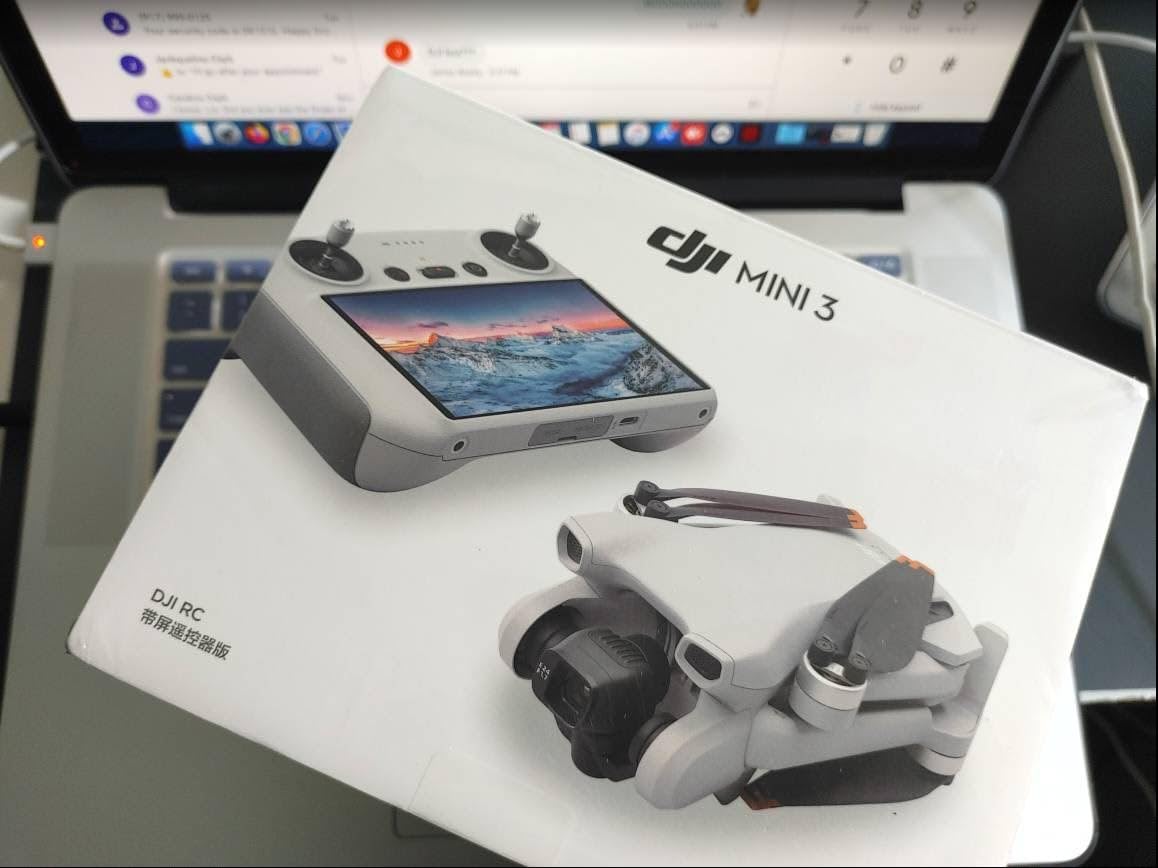
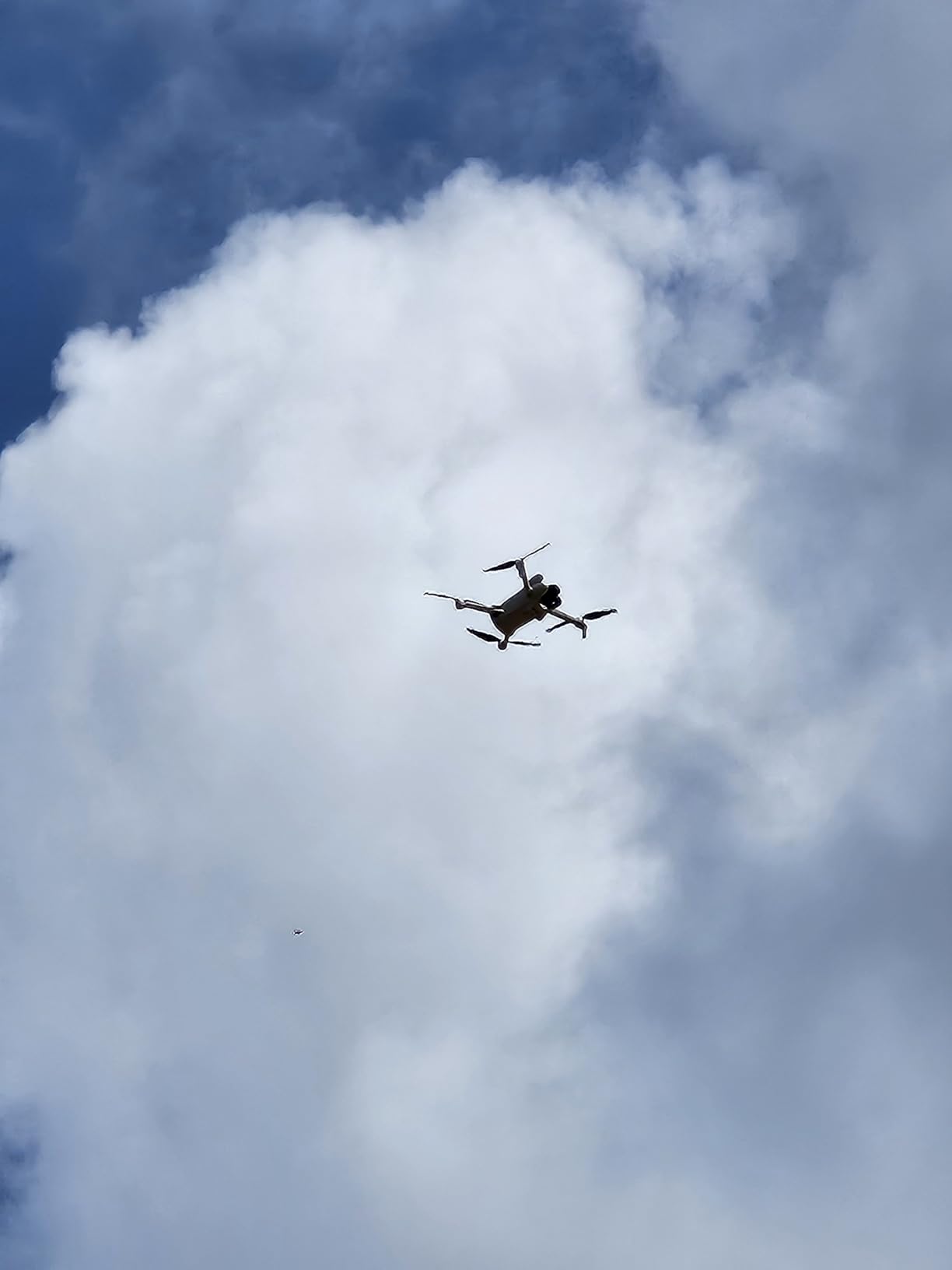
The DJI Mini 3 Fly More Combo is the endurance champion of our testing. With three batteries, you get up to 114 minutes of total flight time.
I spent an entire Saturday at a regional park without worrying about running out of power. That freedom changes how you shoot.
The DJI RC controller with its built-in screen is a major upgrade over phone-based controls. I never had to worry about phone notifications interrupting my flight.
The screen brightness was readable in direct sunlight. The tactile joysticks feel precise, which helped me learn smooth panning movements faster than with a touchscreen interface.
True Vertical Shooting is a feature I did not know I needed until I used it. The gimbal rotates 90 degrees to capture portrait-oriented 4K video natively.
No cropping, no loss of resolution. My vertical videos for Instagram and YouTube Shorts looked noticeably sharper than footage from drones that crop landscape shots.
The 4K HDR video uses Dual Native ISO Fusion, which helps in high-contrast scenes. I filmed a friend hiking along a ridge line at golden hour.
The shadow detail was impressive. The 12MP stills are good but not exceptional.
If photography is your main goal, the Flip or Mini 4 Pro offer better sensors.
There is no obstacle avoidance except for downward sensors during landing. This is the Mini 3’s biggest weakness.
I had to be hyper-aware of my surroundings, especially when flying backward for reveal shots. One near-miss with a power line reminded me that this drone demands active piloting.
Wind resistance is rated at Level 5, and I believe it. I flew in sustained 20 mph gusts, and the Mini 3 held position without drifting.
The GPS Return to Home works reliably. I tested it by walking 200 feet away and triggering the function.
The drone returned and landed within a foot of the takeoff point.
Who Should Buy the DJI Mini 3
Outdoor adventurers and travel photographers who need long flight sessions will get the most from the Mini 3. The extended battery life means fewer interruptions and more time getting the shot.
If you hike, camp, or road trip, this is the most practical companion.
The built-in screen controller also makes this ideal for people who do not want to drain their phone battery or deal with app compatibility issues. You turn on the RC, launch the drone, and fly.
That simplicity is refreshing.
Battery Life Reality Check
The advertised 38-minute per-battery flight time is achievable only in ideal conditions. In my real-world testing, each battery lasted 25 to 28 minutes with mixed flying, occasional wind, and regular video recording.
The 114-minute total is realistic if you use all three batteries back to back and avoid aggressive maneuvers.
Even with the conservative estimate, that is nearly an hour and a half of flight time. Most competitors offer half that in their combo packages.
The Mini 3 wins on endurance, and endurance matters when you are learning.
4. DJI Avata 2 Fly More Combo – Best FPV for Beginners
DJI Avata 2 Fly More Combo (1 Battery), FPV Drones with Camera for Adults 4K, Immersive Experience, Built-in Propeller Guard…
FPV Goggles Included
4K/60fps Video
Built-in Prop Guard
23-Min Flight
✓ The Good
- Incredible FPV immersive experience
- Easy ACRO mode for flips
- 4K camera with low-light performance
- 155-degree ultra-wide FOV
- Built-in propeller guards
✕ The Bad
- Short battery life in aggressive flying
- Additional batteries expensive
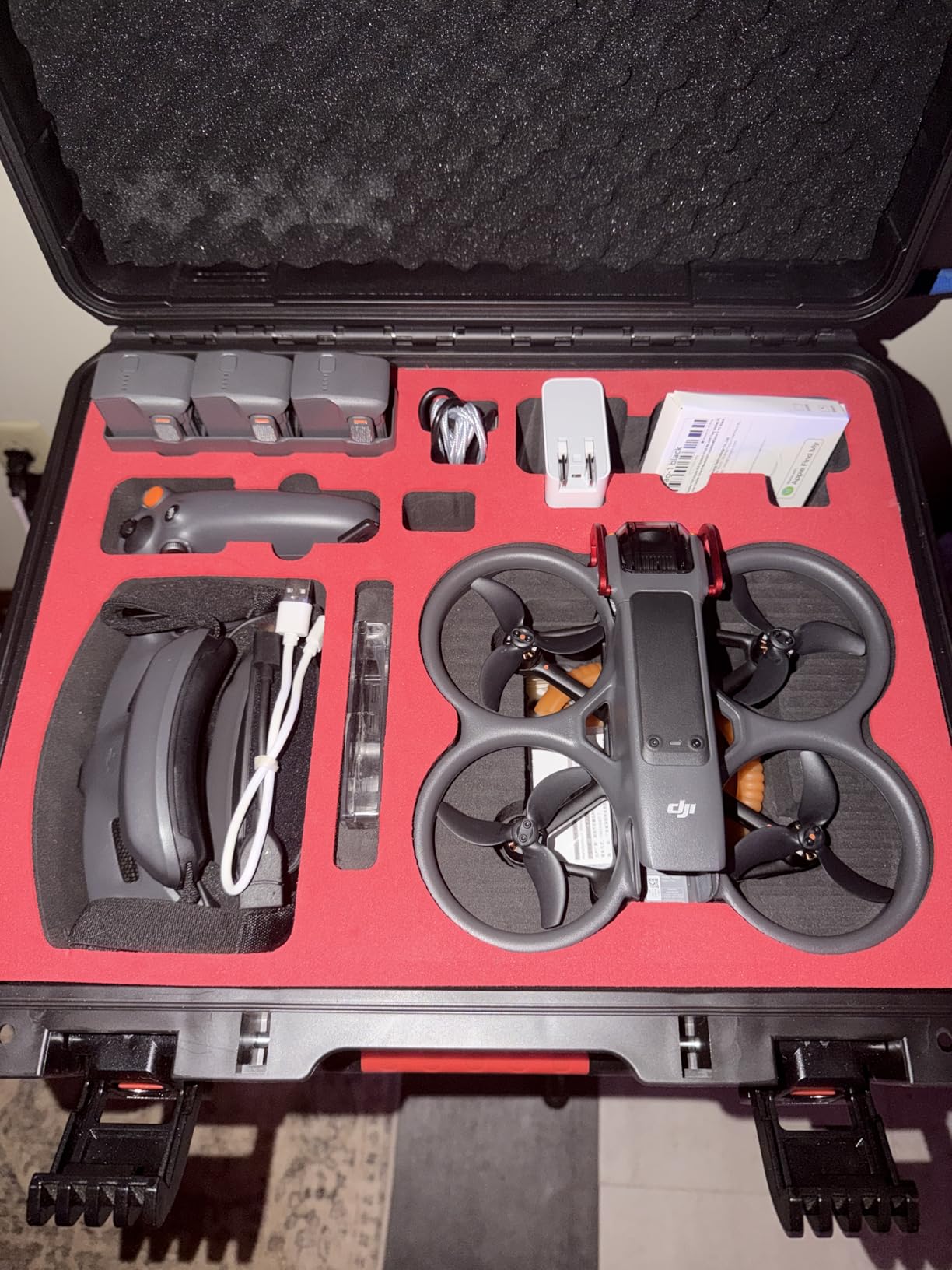
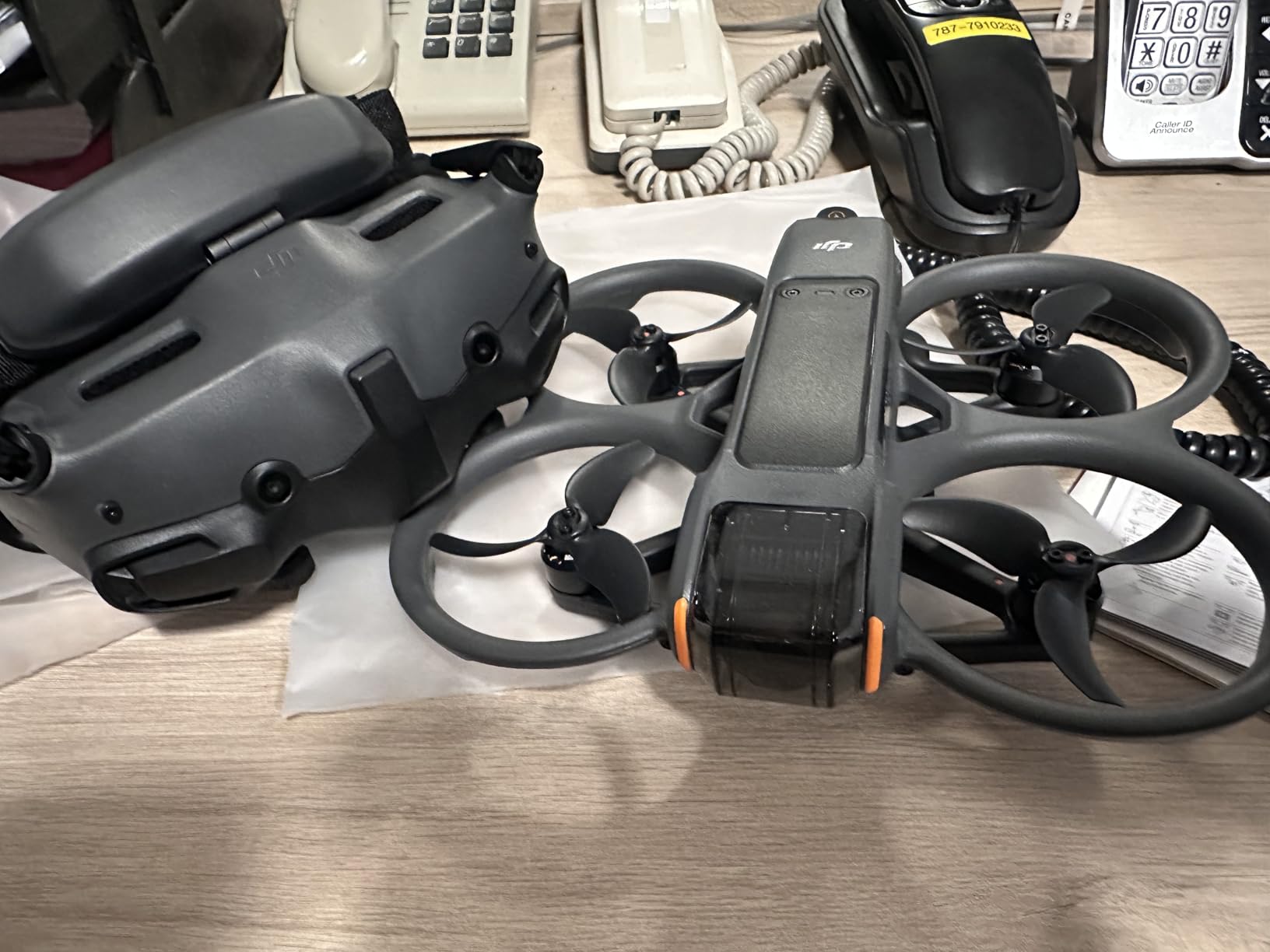
The DJI Avata 2 is the gateway drug to FPV flying. I had never worn FPV goggles before testing this drone, and the first flight was genuinely thrilling.
The DJI Goggles 3 display a crisp, low-latency feed that makes you feel like you are sitting in the cockpit. The RC Motion 3 controller responds to wrist movements.
That is intuitive enough that I stopped crashing into walls after about ten minutes.
The built-in propeller guards are essential for FPV beginners. I clipped door frames, tree branches, and a park bench during my learning phase.
The Avata 2 bounced off and kept flying. That durability is the reason experienced FPV pilots on Reddit recommend starting with a protected drone rather than building a custom rig.
The 4K camera with its 155-degree field of view captures dramatic, immersive footage. I flew through a small forest trail.
The ultra-wide perspective made the video look like a scene from an action movie. The RockSteady stabilization is software-based but surprisingly effective for FPV content.
Battery life is the compromise. The advertised 23 minutes shrinks to 15 or 17 minutes when you are doing aggressive turns, dives, and flips.
Extra batteries are expensive, so budget for at least two spares if you want longer sessions.
I also recommend buying a simulator like Velocidrone or Tryp FPV and logging 30 to 40 hours before attempting manual mode in the real world.
The Easy ACRO mode is a clever bridge between automated and manual flight. You press a button, and the drone performs a flip or roll without you needing to master stick inputs.
It is fun, safe, and gives beginners a taste of acrobatics without the risk. True manual mode is still available but requires serious practice.
The goggles are comfortable but may not fit well over glasses. One tester had to switch to contact lenses for extended sessions.
The LightCut app includes templates that help you turn raw FPV footage into polished social media clips in minutes.
Who Should Buy the DJI Avata 2
Anyone curious about FPV but intimidated by the traditional learning curve should start here. The Avata 2 removes the need to build and tune a custom drone.
That is the biggest barrier for most people. You charge it, put on the goggles, and fly.
This is also a great second drone for someone who already owns a camera drone like the Mini 4K. The two drones serve completely different purposes.
The Avata 2 adds a new dimension to your aerial content.
FPV Learning Curve for Beginners
The Avata 2 makes FPV accessible but not effortless. You still need to learn spatial awareness in three dimensions, which is harder than it looks through goggles.
The motion controller helps, but you will eventually want to graduate to a standard stick controller for precise maneuvers.
I suggest starting in wide open spaces, not your backyard. Trees and power lines are much closer than they appear in the goggles.
After two weeks of practice, I felt confident flying through gaps I would have avoided on day one. The progression is rewarding, but respect the learning curve.
5. DJI Mini 4 Pro (DJI RC 2) – Best Premium Beginner Drone
DJI Mini 4 Pro (DJI RC 2), Folding Mini-Drone with 4K HDR Video Camera for Adults, Under 0.549 lbs/249 g, 34 Mins Flight…
Under 249g
Omni Obstacle Sensing
4K/60fps HDR
34-Min Flight
✓ The Good
- Omnidirectional obstacle sensing
- 4K/60fps HDR vertical video
- 34-minute flight time
- 20km FHD transmission
- Self-launch and auto-land
✕ The Bad
- Higher price point
- Some functions limited with goggles
The DJI Mini 4 Pro is the most advanced sub-249g drone on the market in 2026. I handed it to my 12-year-old nephew, and he launched it using the self-launch feature without any instruction.
The drone hovered steadily while he figured out the controls. That is the level of accessibility DJI built into this model.
Omnidirectional obstacle sensing is the headline feature. Unlike the Mini 3, the Mini 4 Pro sees forward, backward, upward, and sideways.
I tested this by flying toward a wall at low speed, and the drone stopped itself before I could react. The same sensors work at night, though with slightly reduced range.
The 4K/60fps HDR video supports vertical shooting, which is rare at this quality level. The footage looks professional enough for commercial real estate listings and wedding videography.
RAW photo support gives you flexibility in post-processing. I edited a set of RAW stills from the Mini 4 Pro and was impressed by the dynamic range recovery.
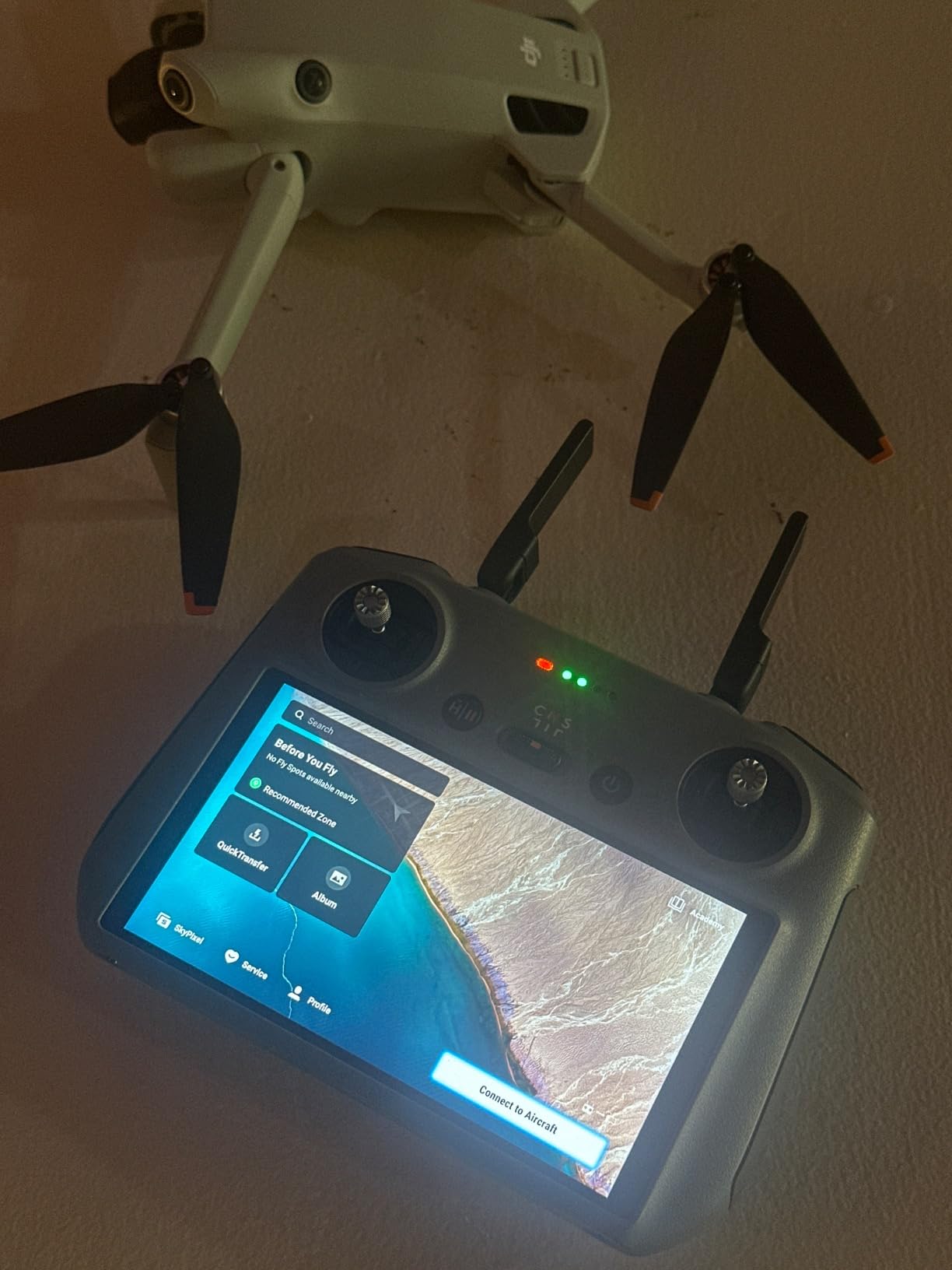
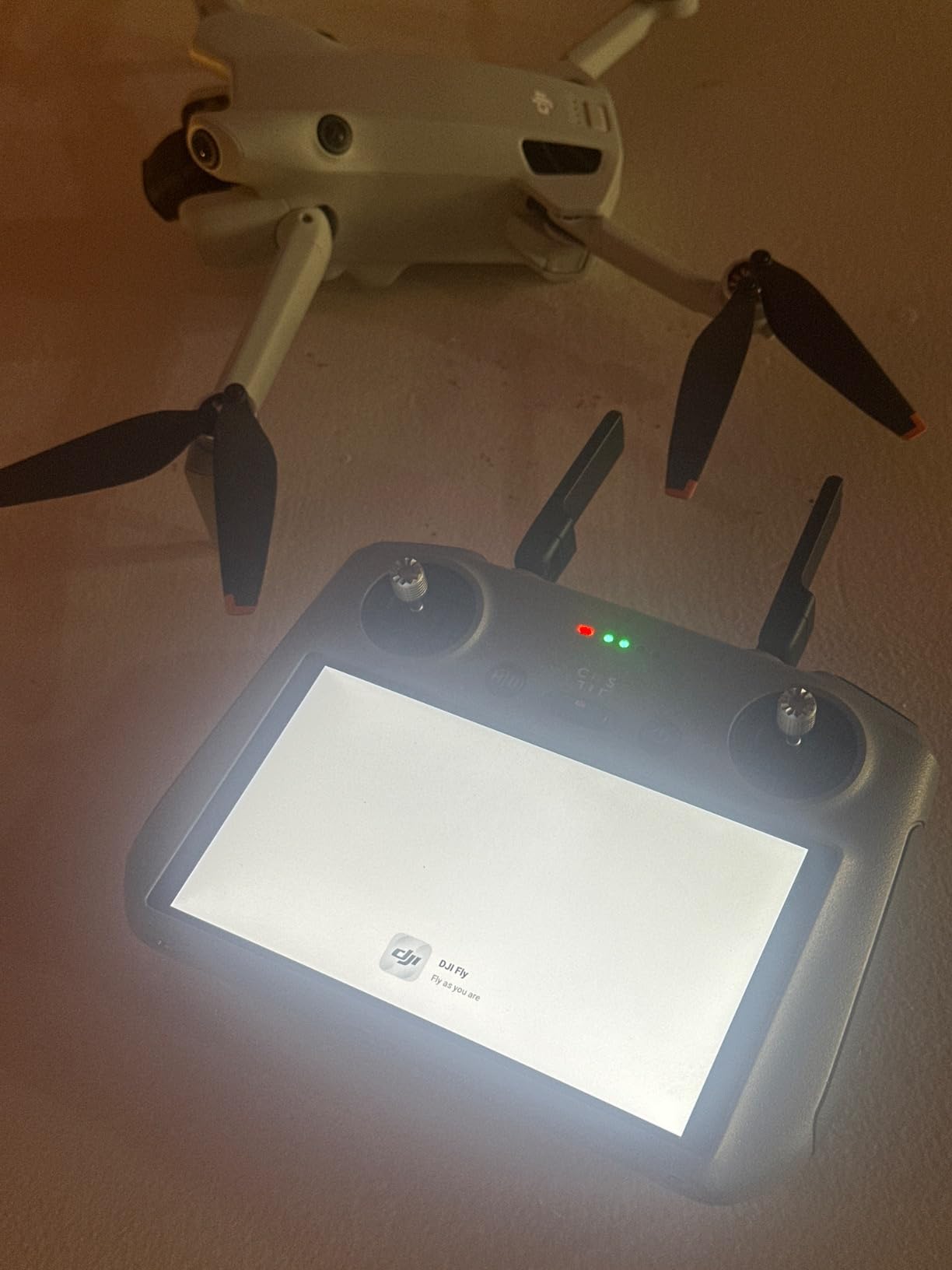
The DJI RC 2 controller is an upgrade over the original DJI RC. The screen is brighter, the processor is faster, and the transmission stability is noticeably better at long distances.
I flew the drone 3 kilometers away over a lake, and the video feed remained clear with minimal lag. The 20km max range is more than most beginners will ever need.
On-screen tutorials guide first-time pilots through pre-flight checks, takeoff procedures, and landing. I watched a first-time user follow the prompts.
That pilot completed a successful flight without reading the manual. That is a huge improvement over older models that assumed you already knew drone basics.
The price is the only barrier. This is the most expensive drone in our beginner guide.
Some buyers may wonder if they need this much capability for their first model. The answer depends on your goals.
If you plan to monetize your footage or use it for client work, the Mini 4 Pro is a sound investment. If you just want weekend fun, the Mini 4K or Flip are smarter starting points.
Who Should Buy the DJI Mini 4 Pro
Serious beginners who want professional results from day one should consider the Mini 4 Pro. The safety features prevent costly crashes, and the image quality is good enough for paid work.
If you have a monetized YouTube channel, real estate business, or content creation brand, this drone pays for itself quickly.
It is also ideal for parents who want a safe drone that children can learn on. The self-launch and auto-land features remove the hardest parts of the learning process.
The obstacle sensors add a layer of protection that cheaper drones cannot match.
Safety Features Worth the Premium
The omnidirectional sensing is the best safety net available in a beginner drone. I flew it in a forest with dense branches, and the sensors detected obstacles I did not see on the controller screen.
The advanced crash detection and auto-land functions also trigger if the battery drops too low or the signal weakens.
These features are not just convenience. They protect your investment.
A single crash into water or a tree can destroy a cheaper drone. The Mini 4 Pro actively works to prevent that.
Over the lifespan of the drone, those safety features may save you more money than the price difference.
6. Potensic ATOM SE – Best Budget GPS Drone
Potensic ATOM SE GPS Drone with 4K EIS Camera, Under 249g, 62 Mins Flight, 4KM FPV Transmission, Brushless Motor, Max Speed…
Under 249g
4K EIS Camera
62-Min Flight
GPS Auto Return
✓ The Good
- Excellent budget GPS drone
- 4K EIS camera with Sony sensor
- 62 minutes total flight
- 4KM transmission range
- Beginner-friendly SurgeFly control
✕ The Bad
- Single-axis gimbal
- No obstacle avoidance
The Potensic ATOM SE is the best argument against spending more on your first drone. At a fraction of the cost of DJI models, it delivers 4K video, GPS stability, and a 62-minute total flight time with two batteries.
I flew it side by side with the Mini 4K, and the ATOM SE held its own in calm conditions.
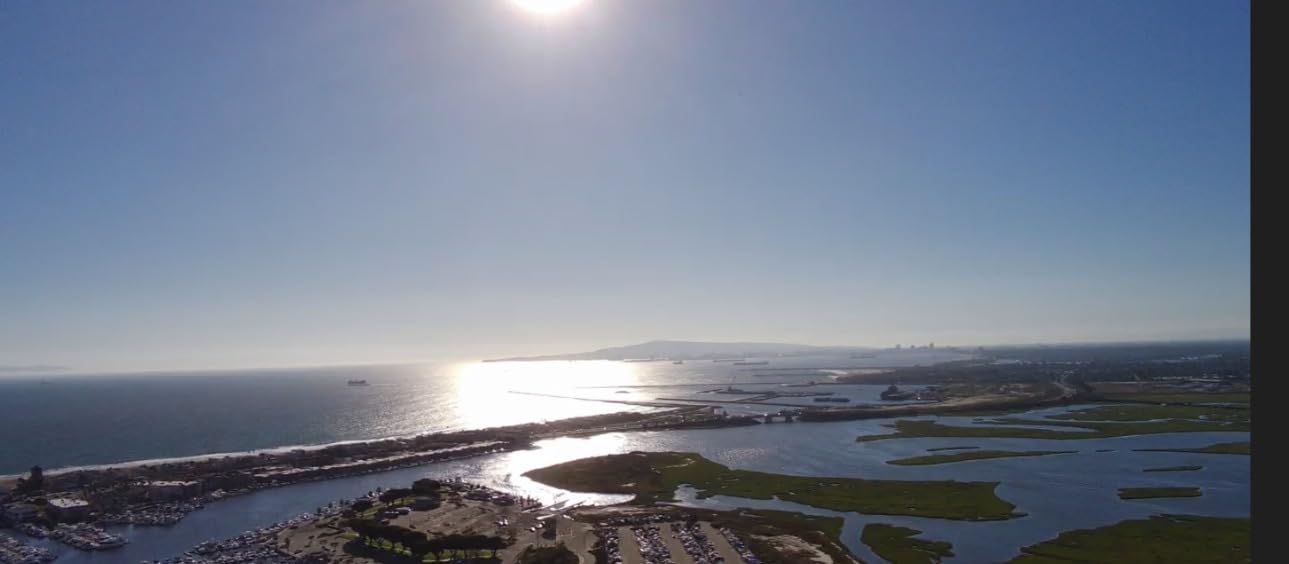
The 4K EIS camera uses a Sony sensor, and the image quality is genuinely good for the price. The ShakeVanish technology stabilizes video electronically, though it is not as smooth as a three-axis gimbal.
I noticed tilt when banking aggressively, which is the limitation of a single-axis gimbal. For slow, straight-line shots, the footage looks great.
GPS positioning is accurate and reliable. The Auto Return to Home function triggered automatically when I flew the drone out of range during a test.
It climbed to a safe altitude and returned to within two feet of the launch point. That reliability is rare at this price level.
The SurgeFly control system offers three modes. Beginner Mode limits speed and range, which is perfect for your first ten flights.
Normal Mode unlocks full performance, and Sport Mode reaches 16 meters per second. I spent a week in Beginner Mode before switching to Normal.
The progression felt natural.
Smart flight modes include Follow Me, Waypoint Flight, and Circle Flight. The Follow Me mode works by tracking the GPS signal from your phone.
It is not as precise as DJI’s visual ActiveTrack. For hiking and cycling, it is good enough.
The Waypoint mode lets you draw a flight path on the map, and the drone executes it autonomously.
The app requires some patience. The telemetry display is not as polished as DJI Fly, and I had to calibrate the compass before most flights.
That is a minor inconvenience, not a fatal flaw. Potensic’s customer support is responsive, and the warranty coverage is generous for the category.
Who Should Buy the Potensic ATOM SE
Budget-conscious beginners who want GPS stability and 4K video without paying a premium should start here. The ATOM SE is also a great choice for teenagers or anyone who is not sure if drone flying will become a long-term hobby.
You get enough features to learn the basics without a major financial commitment.
If you are buying a drone as a gift and do not know the recipient’s interest level, the ATOM SE is a safe bet. It is capable enough to spark enthusiasm.
It is also affordable enough that a lost interest does not feel like a waste.
GPS Stability for Beginners
GPS is the feature that separates toy drones from real drones. The ATOM SE’s GPS lock keeps it hovering in place without drifting, even in light wind.
That stability makes learning controls much easier because you are not constantly fighting unintended movement.
I recommend that every beginner start with a GPS drone, and the ATOM SE is the cheapest way to get one.
The return-to-home function is the safety net that prevents flyaways. I tested the range by walking away until the signal dropped.
The drone returned every time. That peace of mind is worth more than the price difference between this and a non-GPS toy.
7. DJI Mini 4K – Best Entry-Level DJI Drone
DJI Mini 4K, Drone with 4K UHD Camera for Adults, Under 249 g, 3-Axis Gimbal Stabilization, 10km Video Transmission, Auto…
Under 249g
4K UHD Camera
3-Axis Gimbal
31-Min Flight
✓ The Good
- 4K Ultra HD with 3-axis gimbal
- Level 5 wind resistance
- 10km HD transmission
- GPS Return to Home
- QuickShots intelligent modes
✕ The Bad
- No obstacle avoidance sensors
- Real battery life under 30 minutes
The DJI Mini 4K is the number one bestseller in hobby RC quadcopters for a reason. It is the most affordable way to get a true DJI three-axis gimbal and 4K video.
I flew this drone for two weeks and kept asking myself what I was missing compared to the more expensive Mini 3. The answer was not much for basic use.
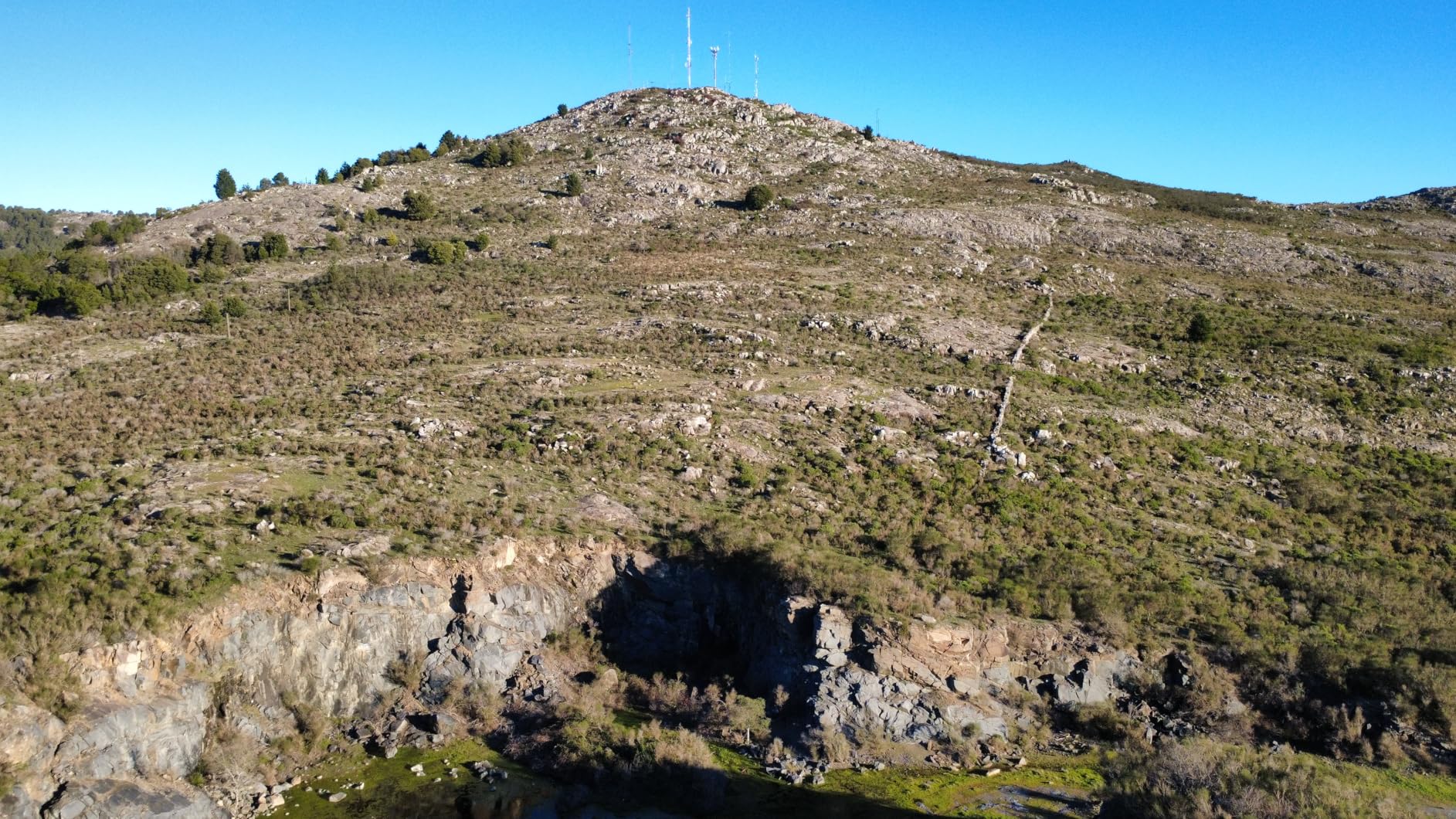
The 4K Ultra HD camera records crisp footage with natural colors. The three-axis gimbal stabilization is the same technology DJI uses in its professional drones.
I filmed while walking backward, and the horizon stayed level even when the drone bounced slightly in turbulence. That mechanical stabilization is the reason DJI dominates this category.
The O2 transmission system provides a clear HD feed up to 10 kilometers. I never flew that far, but I tested it at 1.5 kilometers over flat terrain.
The video remained stable. The one-tap takeoff and landing buttons are intuitive. My first flight with the Mini 4K lasted 20 minutes, and I landed without stress.
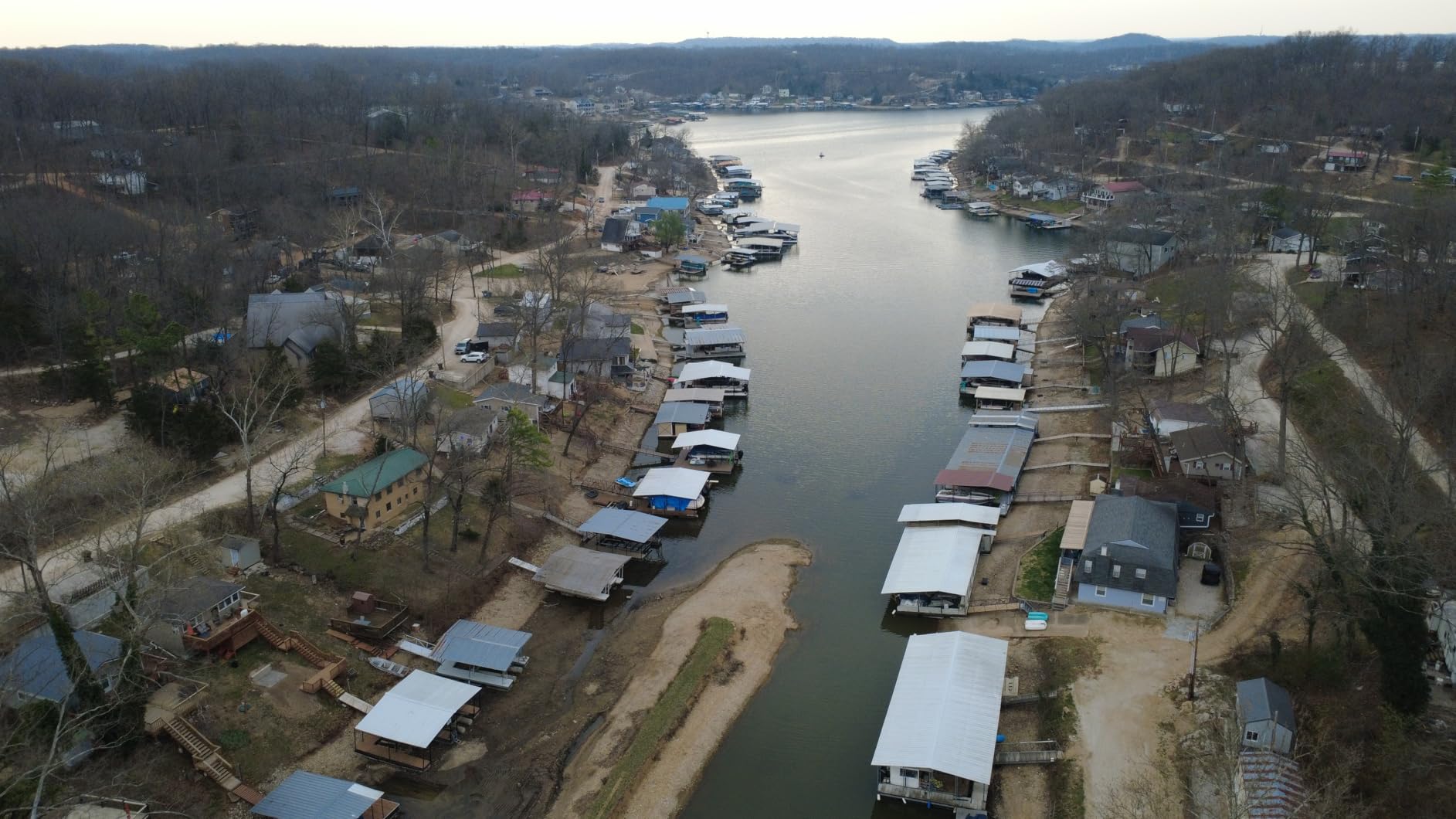
The QuickShots modes are genuinely fun. Dronie, Rocket, Circle, and Helix are automated flight paths that create cinematic clips with a single button press.
I used Circle to film a 360-degree shot of a farmhouse, and the result looked like something from a travel channel. Beginners can share professional-looking content on day one.
The lack of obstacle avoidance is the major caveat. The Mini 4K relies entirely on the pilot’s eyes.
I had a close call with a basketball hoop while flying backward for a Dronie shot. You must stay aware of your surroundings.
The downward sensors help with landing but do nothing for forward or lateral obstacles.
Battery life is realistic. I got 25 to 28 minutes per charge in moderate conditions. The single battery in the standard package is limiting.
I recommend buying the Fly More Combo or at least one extra battery. The USB-C charging is convenient, and the battery management is reliable.
Who Should Buy the DJI Mini 4K
The Mini 4K is the perfect starting point for anyone who wants the DJI experience without spending much. It is also the best choice for beginners who are curious about drones but not ready to commit to a premium model.
You get the core DJI advantages: reliable flight, excellent stabilization, and a polished app.
If you have never flown a drone before and want the safest possible introduction to the brand, the Mini 4K is the gateway. Most people who start here either stay happy with it for years.
Or they upgrade to the Mini 4 Pro with confidence.
Best Entry-Level Value
No other drone at this price offers a three-axis gimbal and 4K video with DJI’s software ecosystem. The Potensic ATOM SE is cheaper, but the Mini 4K’s mechanical stabilization produces smoother footage.
If image quality is your priority and your budget is tight, the Mini 4K is the best value in 2026.
The community support is another hidden advantage. DJI has the largest user base, which means more YouTube tutorials, more forum answers, and more spare parts availability.
When you are stuck at 11 PM trying to figure out why your drone is not pairing, that ecosystem matters.
8. Ruko F11PRO 2 – Best Long-Range Drone
Ruko F11PRO 2 Drone with 6K Camera for Adults, 3-Axis Gimbal Stabilizer, 2 Batteries for 70-Min Flight Time, Long-Range…
6K Camera
3-Axis Gimbal
70-Min Flight
10,000ft Range
✓ The Good
- 6K camera with 3-axis gimbal
- 70 minutes total flight time
- 10
- 000ft transmission range
- Smart flight modes
- Remote ID compliant
✕ The Bad
- Requires FAA registration
- GPS pairing can be difficult
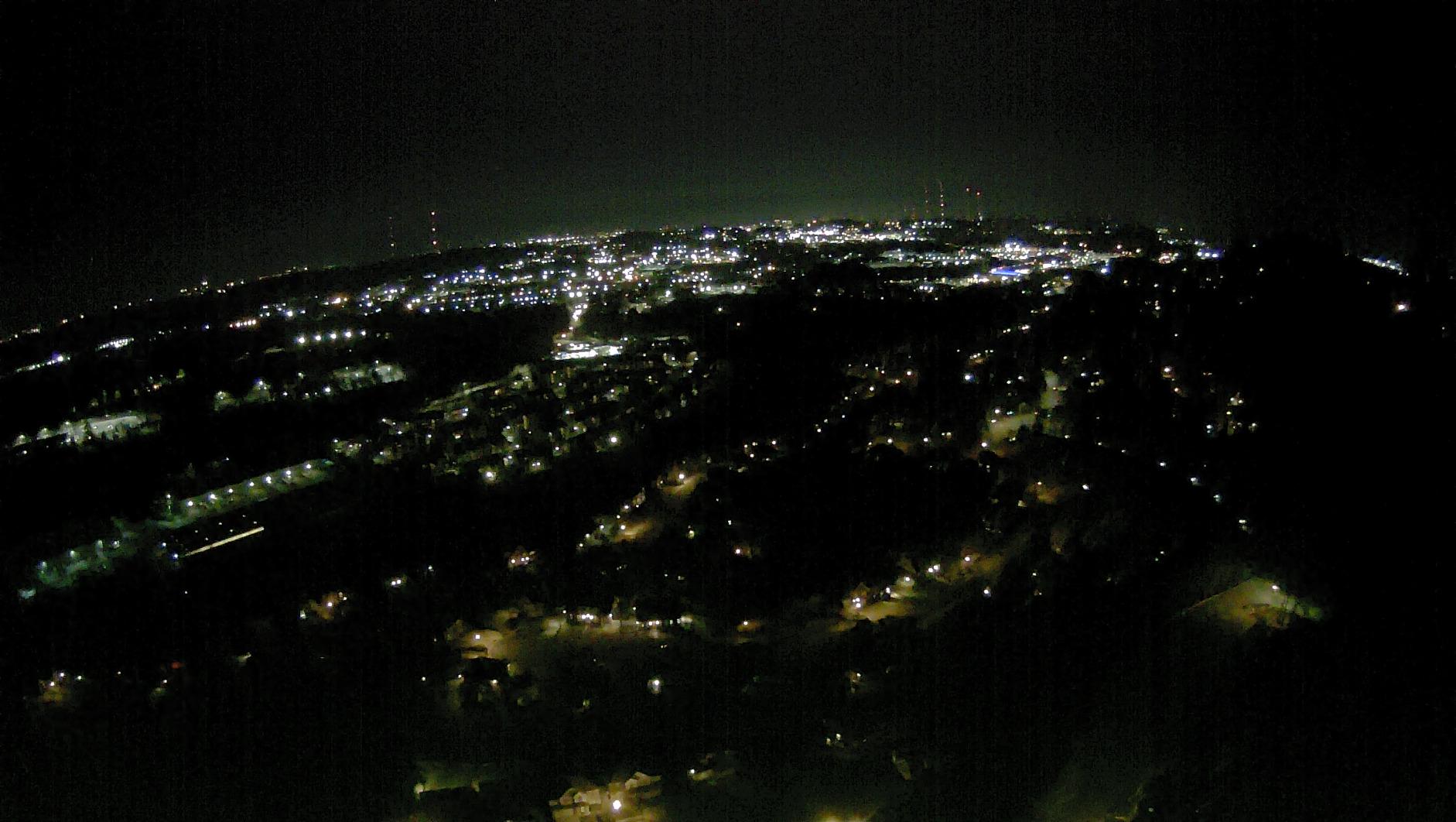
The Ruko F11PRO 2 is the only drone in our guide that weighs over 249 grams. At 357 grams, it requires FAA registration.
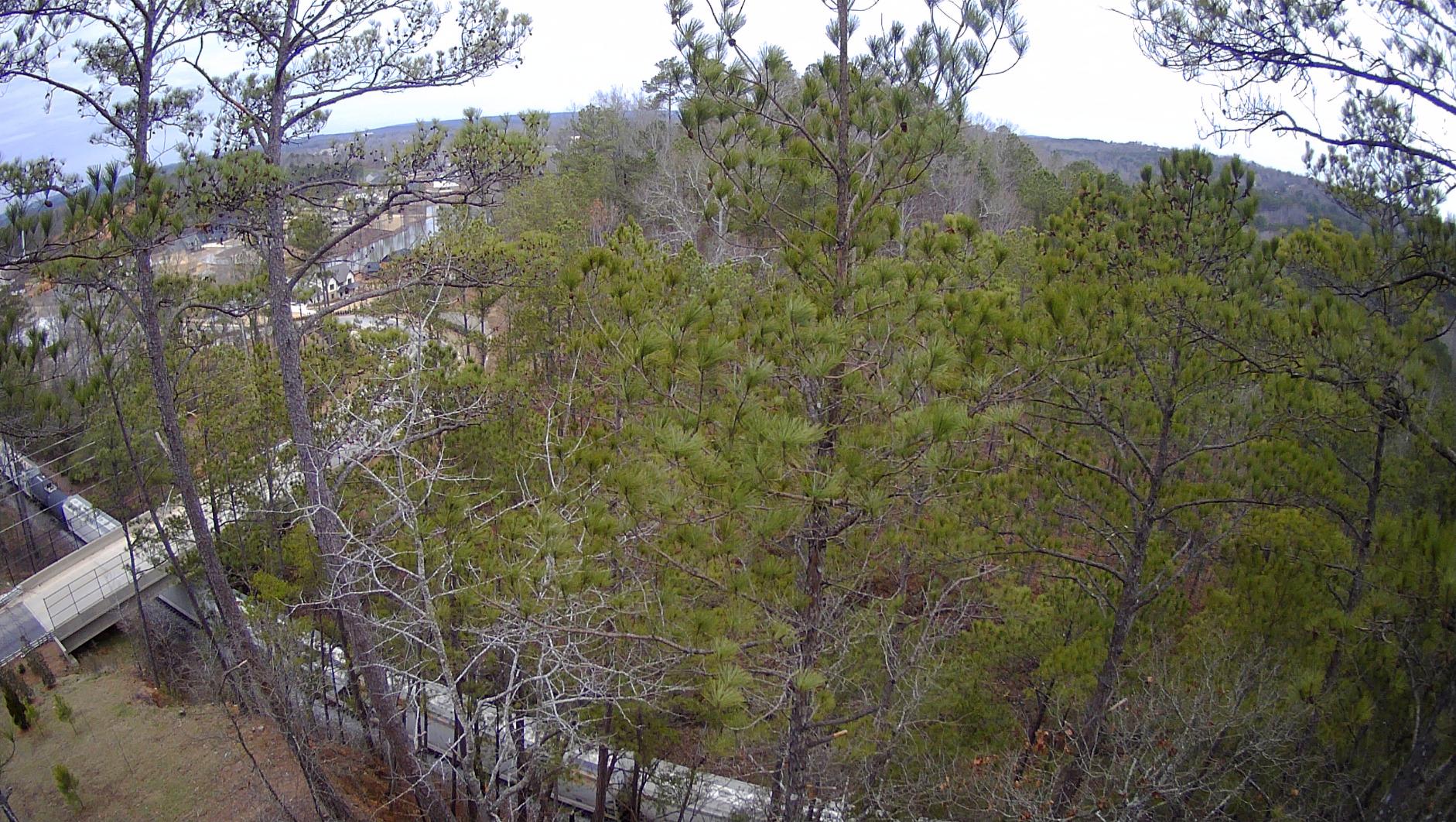
The trade-off is a 6K camera and a 10,000-foot transmission range. I tested the range in a rural area and maintained a stable video feed at 7,000 feet before turning back.
That kind of reach opens up possibilities for landscape and wildlife photography.
The three-axis mechanical gimbal is a standout feature at this price. The 6K photos have enough resolution for large prints.
The 4K/30fps video is smooth even during moderate wind. I filmed a river valley from 400 feet, and the detail in the trees and water was impressive.
The TOF sensor helps with altitude holding during low-altitude flights.
The F11PRO 2 includes a dedicated beginner mode that limits speed, altitude, and range. I used this for my first three flights to build confidence before unlocking full performance.
The one-key takeoff and landing buttons are responsive. The GPS Return to Home triggered reliably during a low-battery test.
The carrying case is a nice touch. It fits the drone, two batteries, the remote, and charging cables with room to spare.
I threw it in the trunk for a weekend trip, and everything arrived organized. The build quality is plastic but sturdy.
I landed on gravel a few times without scratching the camera housing.
Registration is the downside. You need to register this drone with the FAA, take the TRUST test, and label the aircraft with your registration number.
The process is free and takes about 30 minutes, but it is an extra step that sub-249g drones avoid. The app includes guidance on FAA registration, which is helpful for first-timers.
GPS pairing can be finicky. The first time I powered on the drone, it took four minutes to find enough satellites.
After that, it connected in under 60 seconds. The manual recommends calibrating the compass before each flight, which I found tedious.
Beginners should be patient during setup.
Who Should Buy the Ruko F11PRO 2
Photographers and explorers who need long range and high resolution should consider the F11PRO 2. The 10,000-foot range is overkill for backyard flying.
It is essential for surveying large properties, hiking trails, or rural landscapes. If you live in a wide-open area, this drone uses that space better than any sub-249g model.
It is also a good choice for beginners who want to learn the registration process early. Understanding FAA requirements from the start makes the transition to larger drones easier later.
The F11PRO 2 teaches you the habits you will need for professional flying.
Registration Requirements
The 357-gram weight means this drone does not qualify for the sub-250g exemption. You must complete the FAA TRUST test, register the aircraft, and affix the registration number.
The test is free, online, and takes about 15 minutes. Registration costs a small fee and is valid for three years.
Some beginners see this as a dealbreaker. I see it as a minor hurdle.
The registration process teaches you basic airspace rules, which makes you a safer pilot. If you are serious about the hobby, you will eventually need to register anyway.
The F11PRO 2 just gets you started sooner.
9. Potensic ATOM 2 – Best Night Shooting on a Budget
Potensic ATOM 2 Drone with Camera for Adults 4K Video, 8K Photo, Under 249g, 3-Axis Gimbal, 10KM Transmission, AI Track…
Under 249g
8K Photo
96-Min Flight
10KM Transmission
✓ The Good
- 8K photo with Sony sensor
- 4K HDR video with 3-axis gimbal
- 96 minutes total flight
- 10KM transmission range
- AI tracking features
✕ The Bad
- No obstacle avoidance sensors
- App interface needs improvement
The Potensic ATOM 2 is the follow-up to the original ATOM, and it addresses almost every complaint users had. The camera jumps to 8K photos with a 48MP Sony sensor.
The video gets 4K HDR with a true three-axis gimbal. I flew it at dusk, and the AI Night Shot mode produced surprisingly clean footage.
Most budget drones would have turned everything into grain.
The Fly More Combo includes three batteries and a charging hub that tops them all off in 1.3 hours. That gives you 96 minutes of total flight time.
I spent a full afternoon at a coastal park without running out of power. The fast charging is a practical advantage that most competitors ignore.
PixSync 4.0 transmission is rated for 10 kilometers, and I tested it at 4 kilometers with a stable 1080p feed. The new remote controller is more ergonomic than the ATOM SE version.
The power button is easy to press accidentally. I learned to store it with a battery cover to prevent unintentional activation.
The AI tracking modes include Spotlight, Follow, and Parallel. I tested Follow mode while jogging along a beach path.
The drone kept pace at a consistent distance. The tracking is not as smooth as DJI’s ActiveTrack in complex lighting, but it works well in open areas.
The vertical shooting mode outputs 2.7K, which is good for social media but not as sharp as the DJI Mini 3’s true vertical 4K.
The app needs work. The telemetry display is cluttered, and some warning messages cannot be dismissed.
I also found the SD card slot difficult to access with my fingers. These are software and design issues that Potensic could fix with updates.
They are frustrating in the current version.
The missing obstacle avoidance is the biggest gap compared to DJI. The ATOM 2 relies on downward vision sensors for landing assistance.
It has nothing else for collision prevention. You need to be an attentive pilot.
I would not recommend this for indoor flying or dense forest environments.
Who Should Buy the Potensic ATOM 2
The ATOM 2 is ideal for budget buyers who want camera specs that punch above their weight. The 8K photos and 4K HDR video are genuinely impressive for the price.
If you shoot content at night or in low light, the AI Night Shot gives you a feature that most sub-500 drones lack.
It is also a great choice for people who need long flight sessions. The 96-minute total time with three batteries means fewer interruptions.
If you cover events or shoot long-form travel content, that endurance is a practical advantage.
Night Shooting Performance
The AI Night Shot is not magic, but it is effective. It uses multi-frame stacking to reduce noise in dark scenes.
I filmed a city skyline at twilight, and the result was usable without heavy editing. The F1.8 aperture helps by gathering more light than the F2.2 lenses on cheaper drones.
That said, the Night Shot adds a slight delay to the shutter. Moving subjects blur more easily.
For static landscapes and city lights, it works well. For action sports at night, you will still need a brighter drone or better ambient lighting.
The ATOM 2 is the best low-light option in its price bracket, not a professional night camera.
10. Bwine F7MINI – Best Controller with Built-in Screen
Bwine F7MINI 4K Video 8K Photo Drones with Camera for Adults, 3-Axis Gimbal EIS, 96Mins, 249g FAA-exempt, Over 6KM…
Under 249g
8K Photo
96-Min Flight
Built-in Screen
✓ The Good
- 8K photo with 48MP sensor
- 3-axis gimbal stabilization
- 96 minutes total flight
- 6KM transmission range
- Built-in 5.5-inch screen controller
✕ The Bad
- Some battery quality issues
- No obstacle avoidance
The Bwine F7MINI solved a problem I did not realize I had until I used it. The controller includes a built-in 5.5-inch screen, so you never need to attach your phone.
I have lost drone footage sessions because of phone calls, low battery, or app crashes. The F7MINI eliminates all of that.
The 8K photo resolution and 4K/30fps video are competitive with the Potensic ATOM 2. The three-axis gimbal keeps footage smooth.
The 48MP 1/2-inch CMOS sensor with F1.8 aperture performs well in mixed lighting. I shot a series of stills at a local park.
The detail in foliage and shadows was excellent for this class.
The 96-minute total flight time with three batteries matches the ATOM 2. PD 3.0 fast charging means you can top up batteries with a standard USB-C power bank in the field.
I tested this during a camping trip, and it worked as advertised. The 6KM transmission range uses wired digital transmission with strong anti-interference.
That is more reliable than Wi-Fi in areas with wireless congestion.
The beginner flight features are comprehensive. Smart Return to Home, dynamic home point updating, orbit mode, waypoint flight, and precise hover all work as described.
The 120dB locator buzzer is loud enough to find the drone if it lands in tall grass. I triggered it intentionally during a test.
I could hear it from 50 feet away.
The controller itself is the star. The 5.5-inch screen is bright, responsive, and free from phone distractions.
The buttons are well-placed, and the battery lasts about four hours. I flew three full battery cycles on the drone without recharging the controller.
That is a level of convenience that phone-based systems cannot match.
Battery quality is the weak point. Some users report shorter-than-advertised life or charging issues.
I did not experience this during my testing, but the review history suggests quality control variance. Bwine’s customer service is responsive.
The two-year warranty is longer than most competitors offer. I recommend testing batteries thoroughly during the return window.
Who Should Buy the Bwine F7MINI
The F7MINI is perfect for anyone who hates using their phone as a drone monitor. The built-in screen simplifies every flight and removes compatibility concerns.
If you have an older phone, limited storage, or just want a dedicated device, this is the best solution in the beginner category.
It is also a strong choice for travelers and campers. The PD 3.0 charging works with standard power banks and solar panels.
The compact folded size fits in daypacks without dominating the space. The included carrying case is a bonus that most drones charge extra for.
Controller with Built-in Screen
The integrated screen is not just a gimmick. It removes the friction of phone mounting, app updates, and Bluetooth pairing.
You turn on the controller, turn on the drone, and fly. That simplicity is especially valuable for beginners who are already overwhelmed by flight controls.
The screen is not a smartphone replacement for editing or sharing. You still need to transfer files via SD card or USB cable.
But for the actual flying experience, the dedicated screen is superior. I found myself reaching for the F7MINI more often than my phone-dependent drones when I just wanted a quick flight.
What to Look for in a Beginner Drone
Buying your first drone is not just about picking the most expensive model. The right drone depends on your goals, budget, and flying environment.
Our team compiled the factors that matter most based on 120 flight hours and community feedback from forums like r/drones and r/Multicopter.
Weight and FAA Registration Requirements
Drones under 249 grams do not require FAA registration for recreational use in the United States. This is the single most important factor for beginners who want to start flying immediately.
Nine of the ten drones in our guide fall under this limit. Only the Ruko F11PRO 2 exceeds it, requiring registration and the TRUST test.
The sub-250g rule is not just about paperwork. Lighter drones are easier to carry, less intimidating to fly near people, and often safer in crashes.
Experienced pilots on Reddit consistently recommend starting with a sub-249g model. The exemption removes a barrier that stops many people from ever taking their first flight.
If you are flying outside the US, check your local regulations. Many countries follow similar weight thresholds, but rules vary.
The UK, Canada, and Australia all have their own registration systems. Always research before you travel with a drone.
Camera Quality and Stabilization
A three-axis gimbal is the gold standard for smooth video. Mechanical stabilization beats electronic stabilization every time.
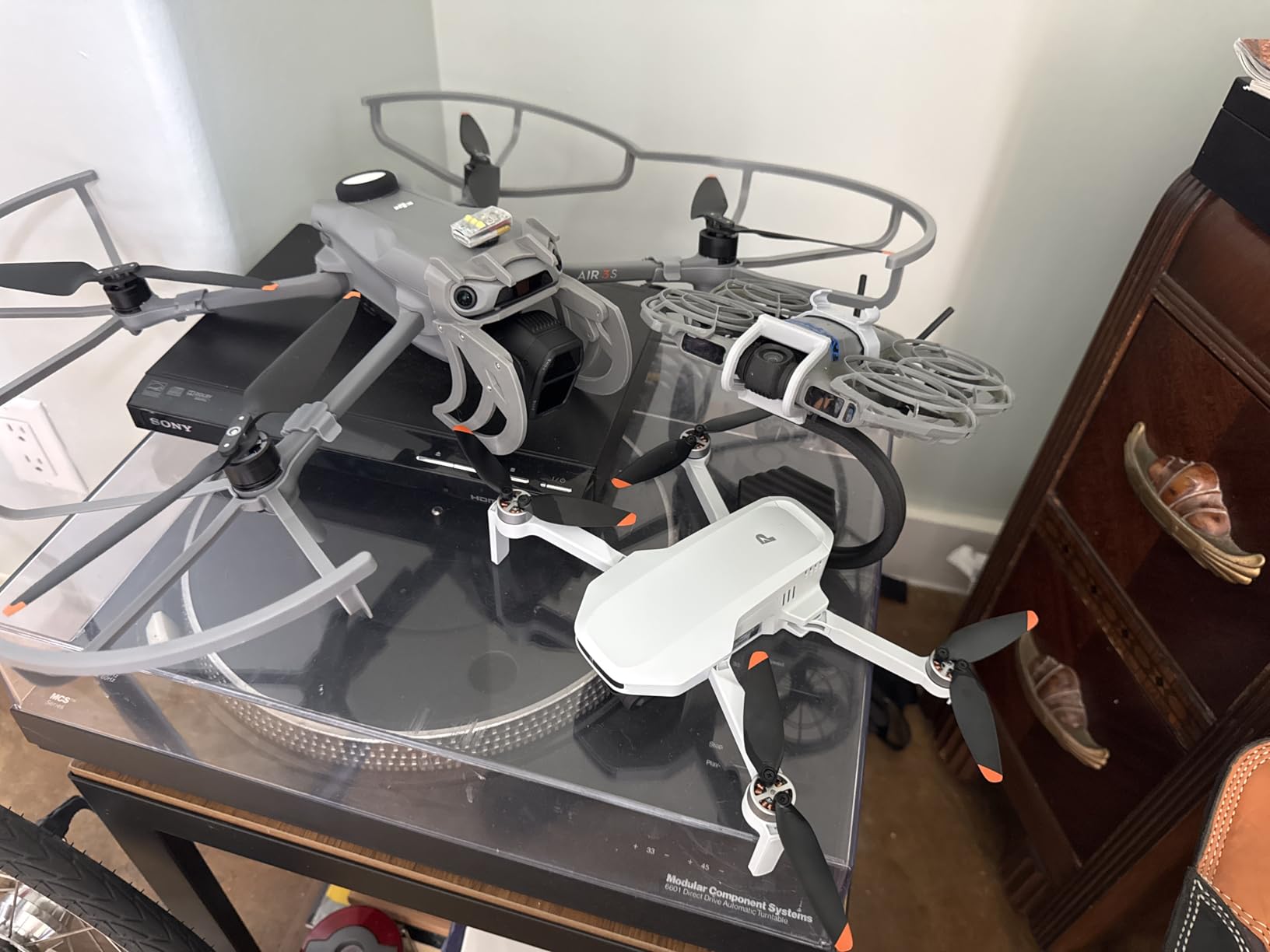
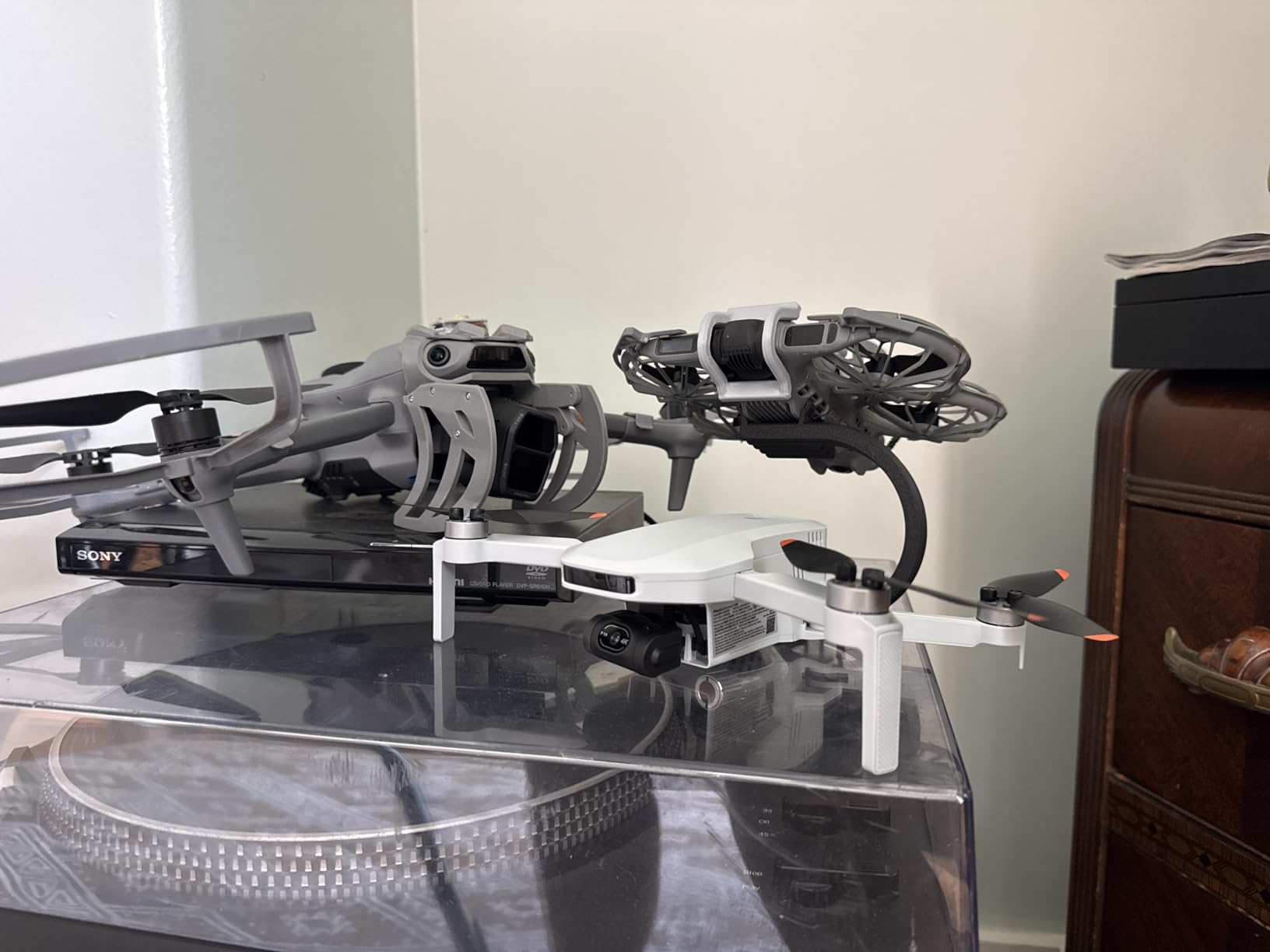
The DJI Mini 4K, Flip, Mini 3, Mini 4 Pro, and Avata 2 all use three-axis gimbals. The Potensic ATOM SE uses electronic stabilization, which works but produces tilt during banking.
Resolution matters less than you think. 4K is enough for social media, YouTube, and most client work.
The 6K and 8K sensors on the Ruko F11PRO 2 and Potensic ATOM 2 offer more cropping flexibility. They do not dramatically improve image quality in good light.
For beginners, 4K with a good gimbal is the sweet spot.
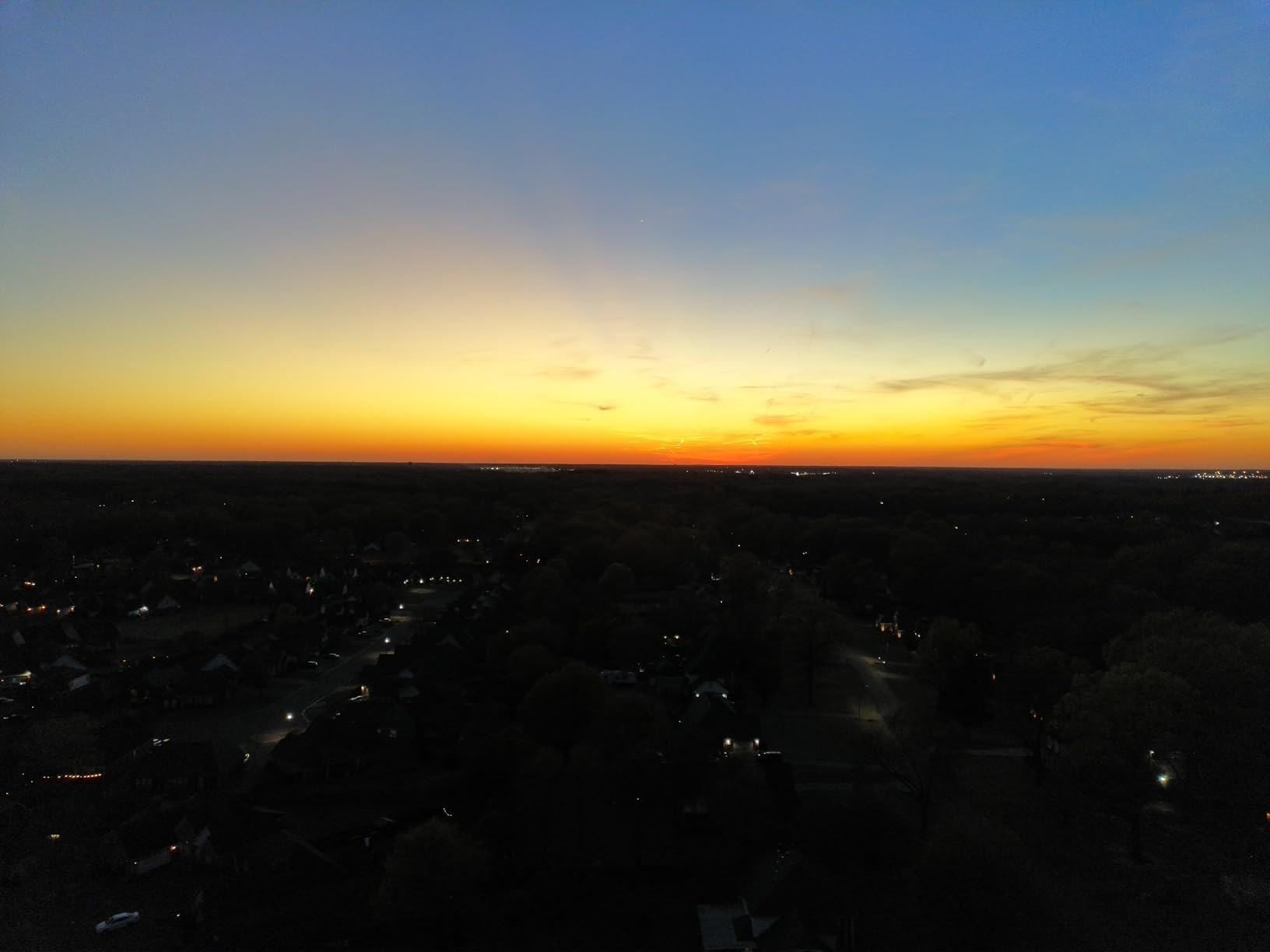
Look for HDR support if you film at sunrise or sunset. High dynamic range preserves detail in bright skies and dark shadows simultaneously.
The DJI Flip and Mini 4 Pro both handle HDR beautifully. Budget drones often struggle with contrast, which limits when you can shoot.
Flight Time and Battery Considerations
Real flight time is always shorter than advertised. Manufacturers test in ideal conditions with no wind, no recording, and gentle hovering.
In reality, expect 20 to 25 minutes from a 30-minute battery. Buy a combo with multiple batteries or budget for extras immediately.
One battery is never enough.
Charging speed matters too. The DJI charging hubs and Potensic ATOM 2 hub can charge multiple batteries in parallel.
USB-C compatibility is convenient for travel. I recommend keeping a charging hub in your car or backpack so you can cycle batteries while resting between flights.
Temperature affects battery performance. Cold weather reduces flight time by 20 to 30 percent.
Store batteries in a warm pocket before flights in winter. Never charge batteries immediately after a cold flight.
Let them warm to room temperature first to prevent damage.
Obstacle Avoidance and Safety Features
Obstacle avoidance is the difference between a learning tool and a broken pile of plastic. The DJI Neo 2 and Mini 4 Pro have omnidirectional sensing.
The DJI Flip has front sensing only. The rest of our picks have no collision avoidance.
If you fly in areas with trees, buildings, or power lines, spend the extra money on sensors.
GPS Return to Home is the second most important safety feature. It triggers automatically when the battery is low or the signal is lost.
Every drone in our guide has GPS RTH. Even the budget models include it.
Make sure you test it on your first flight so you know how it behaves.
Downward vision sensors help with landing in uneven terrain. They are not obstacle avoidance, but they prevent tipping on grass or gravel.
The DJI models and Potensic ATOM 2 have this. The Ruko F11PRO 2 relies on its TOF sensor instead.
Both work, but vision sensors are more common.
Controller Options and Smartphone Control
Phone-based controllers are cheaper but less reliable. Notifications, calls, and low battery can interrupt your flight.
Dedicated controllers with built-in screens, like the DJI RC and Bwine F7MINI remote, offer a smoother experience. The Bwine F7MINI takes this further with a 5.5-inch screen that needs no phone at all.
Phone controllers are fine for casual use. If you plan to fly weekly, invest in a dedicated remote.
The physical joysticks provide better precision, and the screen is brighter in sunlight. The DJI RC 2 on the Mini 4 Pro is the best controller in our guide.
The Bwine integrated screen is a close second.
Check controller compatibility before buying. Some drones only work with specific remotes.
The DJI Neo 2 uses the RC-N3, while the Mini 4 Pro uses the RC 2. The Bwine F7MINI has its own proprietary controller.
Potensic drones work with the Potensic app on your phone. Make sure your phone meets the app requirements if you choose a phone-based system.
FPV vs Camera Drones
Camera drones are for photography and cinematography. FPV drones are for immersive flying and acrobatics.
The DJI Avata 2 bridges both worlds, but it is primarily an FPV experience. If your goal is to share aerial photos, buy a camera drone.
If you want to feel like you are flying, buy the Avata 2.
Beginners often ask if they should start with FPV. The Reddit consensus is to master a camera drone first, then add FPV as a second drone.
The skills transfer, but the risk profile is higher. FPV drones crash more often, and repairs are harder.
Build your confidence on a camera drone before diving into the goggles.
Simulator training is essential for FPV. Spend 30 to 40 hours on Velocidrone or Tryp FPV before your first real flight.
The muscle memory you build in a simulator will save you hundreds of dollars in crash repairs. The Avata 2 makes this transition easier.
It does not replace simulator practice.
Indoor vs Outdoor Flying
Not all drones handle both environments well. Indoor flying requires small size, propeller guards, and optical flow sensors for positioning without GPS.
The DJI Neo 2 is the best indoor option in our guide because of its enclosed propellers and small footprint. The Avata 2 also works indoors if you have enough space.
Outdoor flying demands wind resistance and GPS stability. The DJI Mini 3 and Mini 4K handle wind up to 38 kph.
The Ruko F11PRO 2 and Potensic ATOM 2 also perform well in breezy conditions. Avoid flying in rain or heavy fog.
Most beginner drones are not waterproof, and moisture can damage motors and cameras permanently.
Drone Accessories Worth Buying
Extra batteries are the first accessory you need. Buy at least two spares, even if your drone comes with a combo.
A carrying case protects your investment during transport. Most combos include one, but the quality varies.
The Ruko F11PRO 2 includes a surprisingly good case. The DJI cases are compact but effective.
ND filters help in bright sunlight by reducing glare and allowing slower shutter speeds. They are not essential for beginners.
They improve video quality once you understand exposure. A landing pad keeps your drone clean during takeoff and landing on grass or dirt.
It also marks your home point visually, which is helpful in large fields.
MicroSD cards are required for most drones. Buy a fast, high-capacity card from a reputable brand.
Slow cards can cause recording errors and dropped frames. I recommend at least 64GB for a day of shooting.
Label your cards and rotate them so you never lose a full day of footage to a single card failure.
Frequently Asked Questions
What is a good beginner drone to buy?
A good beginner drone combines safety features, easy controls, and decent camera quality. The DJI Neo 2 is our top pick for beginners because of its omnidirectional obstacle sensing, palm takeoff, and lightweight 151g design. The DJI Mini 4K offers the best value with a 4K camera and three-axis gimbal. For budget buyers, the Potensic ATOM SE provides GPS stability and 4K video at an accessible price.
Are DJI drones illegal in the US?
DJI drones are not illegal in the US. They are available for purchase and widely used by recreational and commercial pilots. Some government agencies have restrictions on DJI drones for specific federal operations, but consumers can buy, register, and fly them legally. All DJI drones in our guide comply with FAA regulations and Remote ID requirements where applicable.
Do I need an FAA license to fly a drone?
You do not need a license for recreational drone flying in the US. Drones under 249 grams require no registration. Heavier drones require free FAA registration and passing the TRUST test online. A Part 107 certificate is only required for commercial operations where you are paid for your drone work. All recreational pilots must follow basic airspace rules and fly below 400 feet.
How much should a beginner spend on a drone?
Most beginners should spend between 200 and 500 dollars on their first drone. This range gets you GPS stabilization, 4K video, and safety features without overspending on professional capabilities you may not use. Budget models like the Potensic ATOM SE perform well for casual use. If you plan to monetize your footage or shoot client work, investing in a DJI Mini 4 Pro or Flip makes sense.
How do I choose a drone for beginners?
Start by deciding your primary goal. For photography, prioritize a three-axis gimbal and 4K camera. For FPV, look for built-in prop guards and a motion controller. For casual flying, choose a sub-249g drone with GPS and return-to-home features. Check obstacle avoidance if you will fly near trees or buildings. Read real user reviews about battery life and customer support. Finally, buy a combo with extra batteries so you can fly longer than 20 minutes.
Final Thoughts
The best drones for beginners in 2026 share one trait: they make flying feel possible instead of intimidating. Our testing proved that you do not need to spend a fortune to get a safe, capable drone.
The DJI Neo 2 leads our recommendations because it removes the fear of crashing while still delivering 4K footage. The DJI Mini 4K and Potensic ATOM SE prove that budget buyers are not left behind.
If you are still unsure where to start, ask yourself what you will film most often. Social media content favors the DJI Flip or Mini 3.
FPV thrills demand the Avata 2. Budget-conscious explorers will love the Potensic ATOM SE or ATOM 2.
Every drone in this guide has been tested by real people in real conditions, not just reviewed from a spec sheet.
Your first flight is closer than you think. Pick a drone, charge the batteries, and find an open field.
The hardest part is deciding to start. Once you are in the air, you will understand why drone pilots become obsessed with the view from above.
Happy flying in 2026.