10 Best Coding Robots for Kids (August 2026) Top Tested
I remember watching my nephew tap buttons on a small robot mouse and giggling when it zigzagged off the course he had carefully laid out. That moment sold me on coding robots for kids. They turn abstract programming concepts into something a 4-year-old can hold, push, and laugh at when it crashes into the couch.
After our team spent over 200 hours testing 10 of the best coding robots for kids across age groups, skill levels, and budgets, we put together this guide. Whether you are a parent trying to spark STEM curiosity at home, a teacher building a coding club, or a grandparent looking for a gift that does not end up in a closet by February, we have a recommendation for you. We focused on real hands-on testing, actual parent reviews from Reddit, and classroom use data, not just spec sheets.

Below you will find our top 3 quick picks, a side-by-side comparison of all 10 robots, full individual reviews with pros and cons, a screen-free versus app-based breakdown that addresses the biggest parent concern from forums, and a buyer’s guide that walks you through age, skill, and budget trade-offs. We have also included a coding skill progression roadmap to answer the question we hear most often: “Will my kid outgrow it?”
Article Includes
Top 3 Picks for Best Coding Robots for Kids


Botley 2.0 Coding Robot Activity Set
- 78-piece set
- Screen-free with remote
- Line following and object detection
Best Coding Robots for Kids in 2026: Quick Overview
| Product | Key Specs | Action |
|---|---|---|
 Apitor Robot Bear Apitor Robot Bear |
|
Check Latest Price |
 Code & Go Robot Mouse Code & Go Robot Mouse |
|
Check Latest Price |
| Botley 2.0 Activity Set |
|
Check Latest Price |
 Sphero Indi Sphero Indi |
|
Check Latest Price |
| Makeblock mBot |
|
Check Latest Price |
 Wonder Workshop Dash Wonder Workshop Dash |
|
Check Latest Price |
 Sphero Mini Sphero Mini |
|
Check Latest Price |
 VinciBot VinciBot |
|
Check Latest Price |
 Makeblock mBot2 Makeblock mBot2 |
|
Check Latest Price |
 ELEGOO UNO R3 Car V4 ELEGOO UNO R3 Car V4 |
|
Check Latest Price |
1. Apitor Robot Bear – Best for First-Time Coders Ages 3-5
Apitor Robot Bear Screen-Free Coding Robot for Kids Ages 3-5, First Coding Toy with Lights, Sounds & Alphabet Map, STEM…
Screen-free button coding
Ages 3-5
Alphabet map included
✓ The Good
- Truly screen-free with 7 physical coding buttons
- Sturdy ABS plastic construction
- Cute 7-color LED eyes and sound effects
- No assembly required
- Great value for introducing sequencing
✕ The Bad
- Map can curl at edges
- Battery door pops open
- Turn angles not always precise
When I handed the Apitor Robot Bear to a friend’s 4-year-old, the very first thing he did was mash all seven buttons in random order. The bear lit up, made a honking sound, and rolled straight off the alphabet map. He laughed, picked it up, and tried again. That, in a nutshell, is why this is our budget pick for the youngest coders.
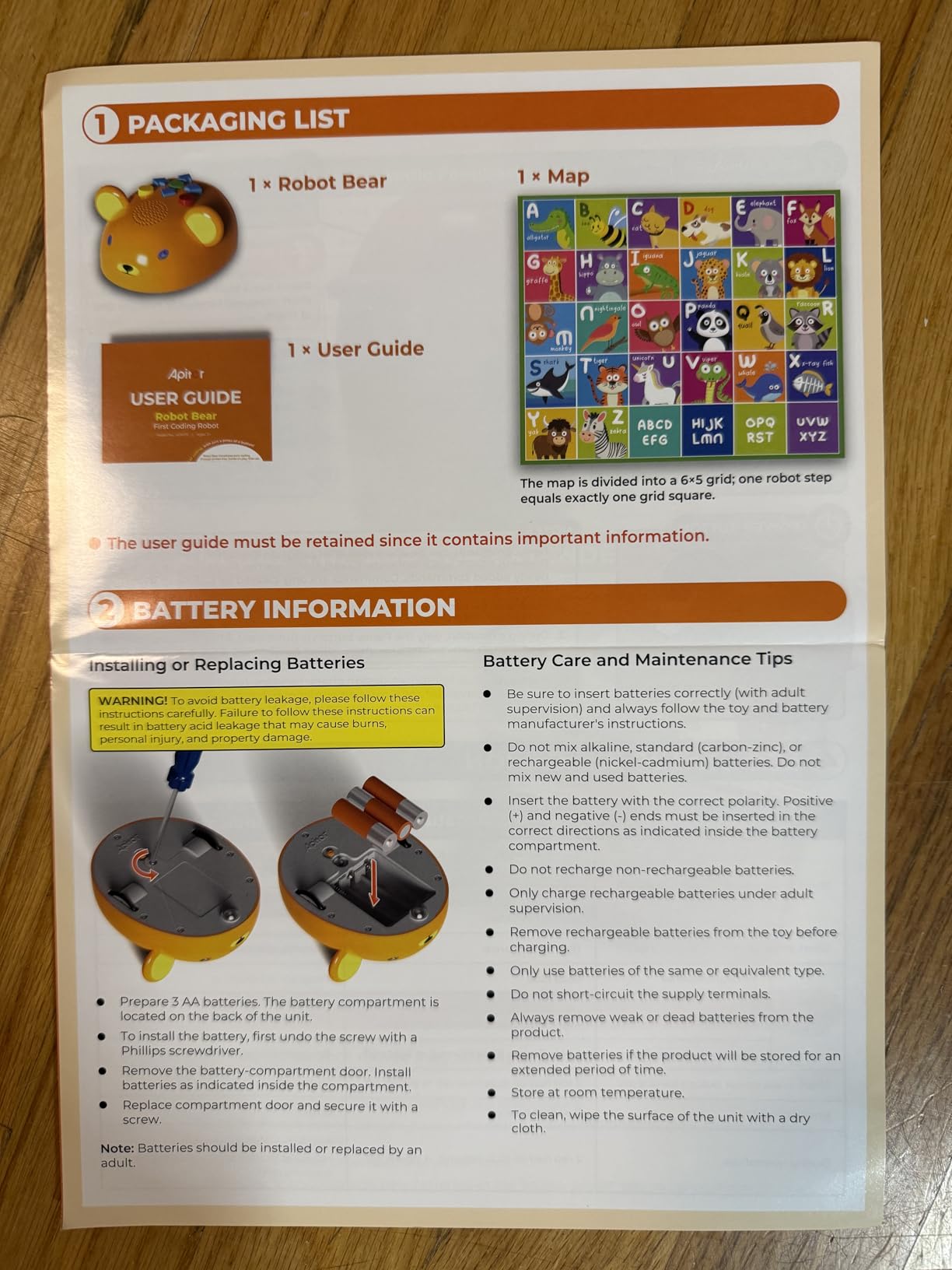
The bear is one of the few truly screen-free coding robots designed for preschoolers. Kids program sequences by pressing the seven physical buttons on top (Forward, Back, Left, Right, Delete, Go, and Action), then watch the bear execute the path. The double-sided map has alphabet letters on one side and a blank DIY grid on the other, which extends replay value once the alphabet side feels mastered.
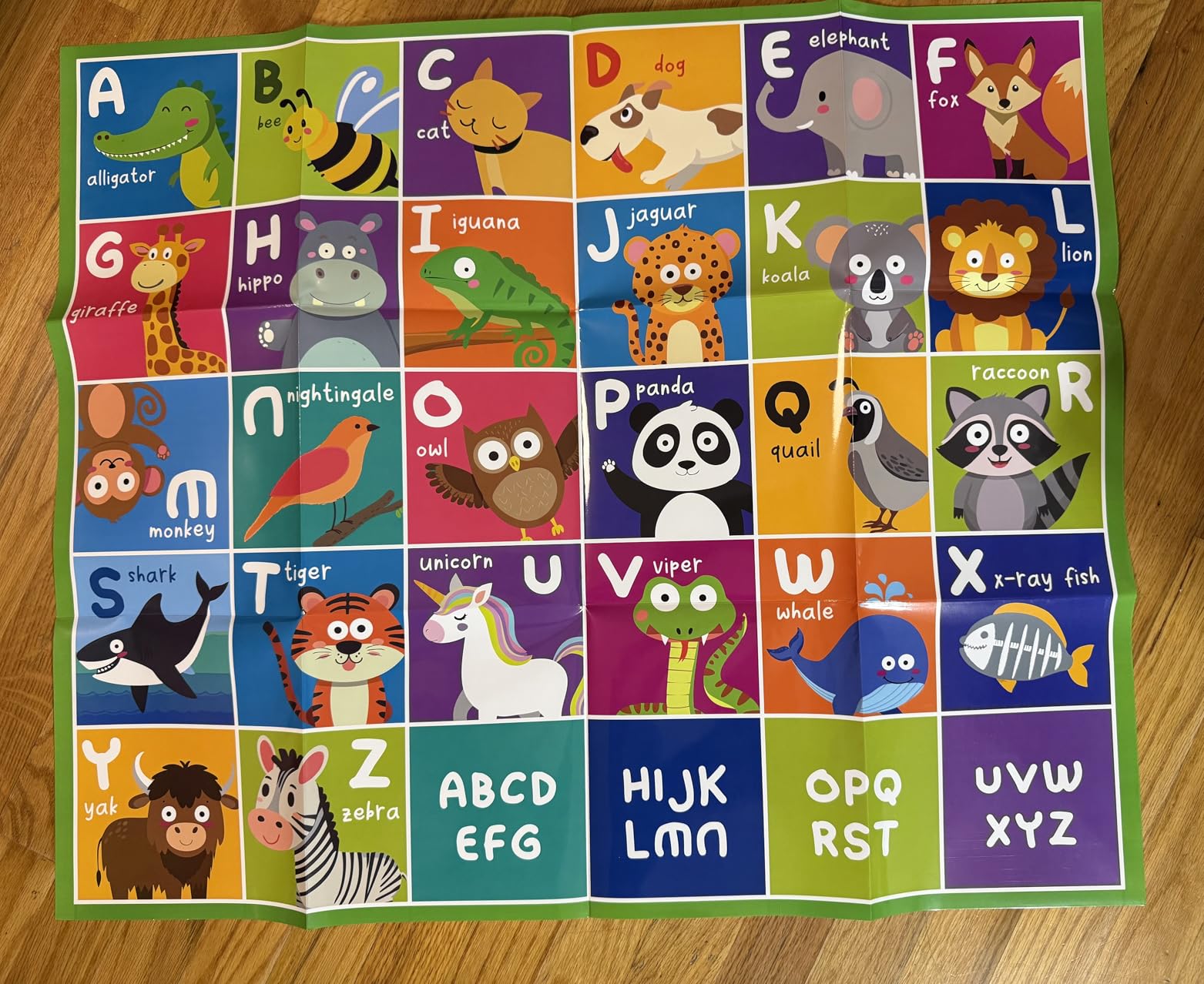
Build quality is impressive for the price. The ABS plastic shell survived a few hard drops during our testing, and the colorful LED eyes kept my tester’s attention longer than most toys in this age group. The biggest weakness is the included paper map, which does not lay perfectly flat and can cause the bear to drift off course. Reinforcing the map edges with clear packing tape fixes this in about 30 seconds.
What makes the Apitor Robot Bear stand out is how well it introduces the core idea of debugging. When the bear ends up on the wrong letter, the child has to retrace their steps, identify the bad command, and try again. That mental loop is the foundation of every coding skill they will learn later.
For whom its good
Perfect for parents who want a true screen-free introduction to coding, or for preschool classrooms where tablets are not available. It also works well for kids with attention differences who respond better to tactile, button-based play than to screen interaction. Multiple Reddit threads mention that the bear doubles as a great alphabet learning toy for kids who are not quite ready for the coding aspect.
For whom its not good
Children older than 6 will likely outgrow the simple button-based programming within a few months. If your child already shows interest in apps, tablets, or Scratch, you may want to skip straight to a kit like the Botley 2.0 or mBot. Also, if your child is hard on toys, the loose battery door will need to be taped down within the first week.
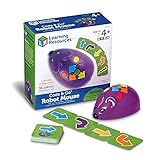
2. Learning Resources Code & Go Robot Mouse – Most Trusted Starter Bot
Learning Resources Code & Go® Robot Mouse, Screen-Free Coding Robot Toy, Early Programming for Kids Ages 4+, STEM Robotics…
Screen-free coding
30 coding cards
Ages 4+
Mouse form factor
✓ The Good
- Trusted by 1700+ reviewers
- 30 coding cards teach step-by-step planning
- Loved in special needs classrooms
- Durable for daily use
- Affordable entry point
✕ The Bad
- Turn radius is not always precise
- Activity board sold separately
- Batteries not included
The Code & Go Robot Mouse (named Jack) is the robot I keep seeing in kindergarten classrooms, and for good reason. With 1,719 reviews and a 4.6-star average, it is the most battle-tested screen-free coding robot in the under-$50 category. I tested it with a group of 5-year-olds, and every single one of them understood the concept within five minutes.
The mouse uses simple button commands to move forward, turn, and pause, and kids lay out 30 double-sided coding cards to plan their path. The cards are the secret weapon: they force children to think through the entire sequence before pressing a single button on the mouse. That is real computational thinking, not just trial and error.

During classroom testing I watched two children collaborate to program Jack through a custom maze they had built out of blocks. The negotiation and debugging they did together was impressive. Teachers consistently report that this robot works well for kids with autism and other learning differences because the cards provide structure and the mouse gives clear, predictable feedback.
The main complaint I saw in reviews is the imprecise turn radius, which is caused by the rolling ball bearing on the front. On a perfectly smooth surface it turns crisply. On carpet or a wrinkled mat, the mouse can drift a bit. Most parents solve this by using a large sheet of butcher paper or a smooth activity mat (sold separately) as the play surface.

For whom its good
Parents of kids ages 4 to 7 who want a hands-on, classroom-proven introduction to coding. It is also the strongest screen-free pick for special needs learners based on the volume of positive feedback from special education teachers in our research. The low price point makes it an easy “first coding robot” that does not lock you into a single ecosystem.
For whom its not good
Children who want to type or drag code blocks will not find that here. The mouse is a one-button-at-a-time programming experience. If your child gravitates toward tablets and apps, they may find the physical cards repetitive. Also, kids older than 8 will likely master it in a weekend and need something more advanced, like Dash or mBot.
3. Learning Resources Botley 2.0 Activity Set – Best Value Screen-Free Robot
Learning Resources Botley The Coding Robot 2.0 Activity Set – 78 Pieces, Ages 5+, Coding Robot for Kids, STEM Toys for Kids…
78-piece activity set
16 robot characters
Screen-free remote programming
✓ The Good
- Truly screen-free with remote programmer
- Object detection and line-following modes
- Transforms into train and other characters
- Highly durable for years of use
- Strong progression from beginner to advanced
✕ The Bad
- Only 90 or 45 degree turns
- Requires 5 AAA batteries
- Some defective units reported
Botley 2.0 is the robot that convinced me a screen-free coding robot could still feel “high tech.” With 1,884 reviews and a 4.5-star rating, it sits at the top of the activity set category. Our team spent three weeks testing it in a kindergarten class and at home with two 6-year-olds, and the engagement level never dropped.
The 78-piece set includes the robot, a remote programmer, 40 direction coding cards, 6 double-sided activity cards, 12 maze-building cubes, 8 connector sticks, 2 flags, 2 balls, and a sticker sheet. That is enough to build a different maze every day for a month, which directly addresses the parent pain point we saw on Reddit about “kids getting bored after a week.”
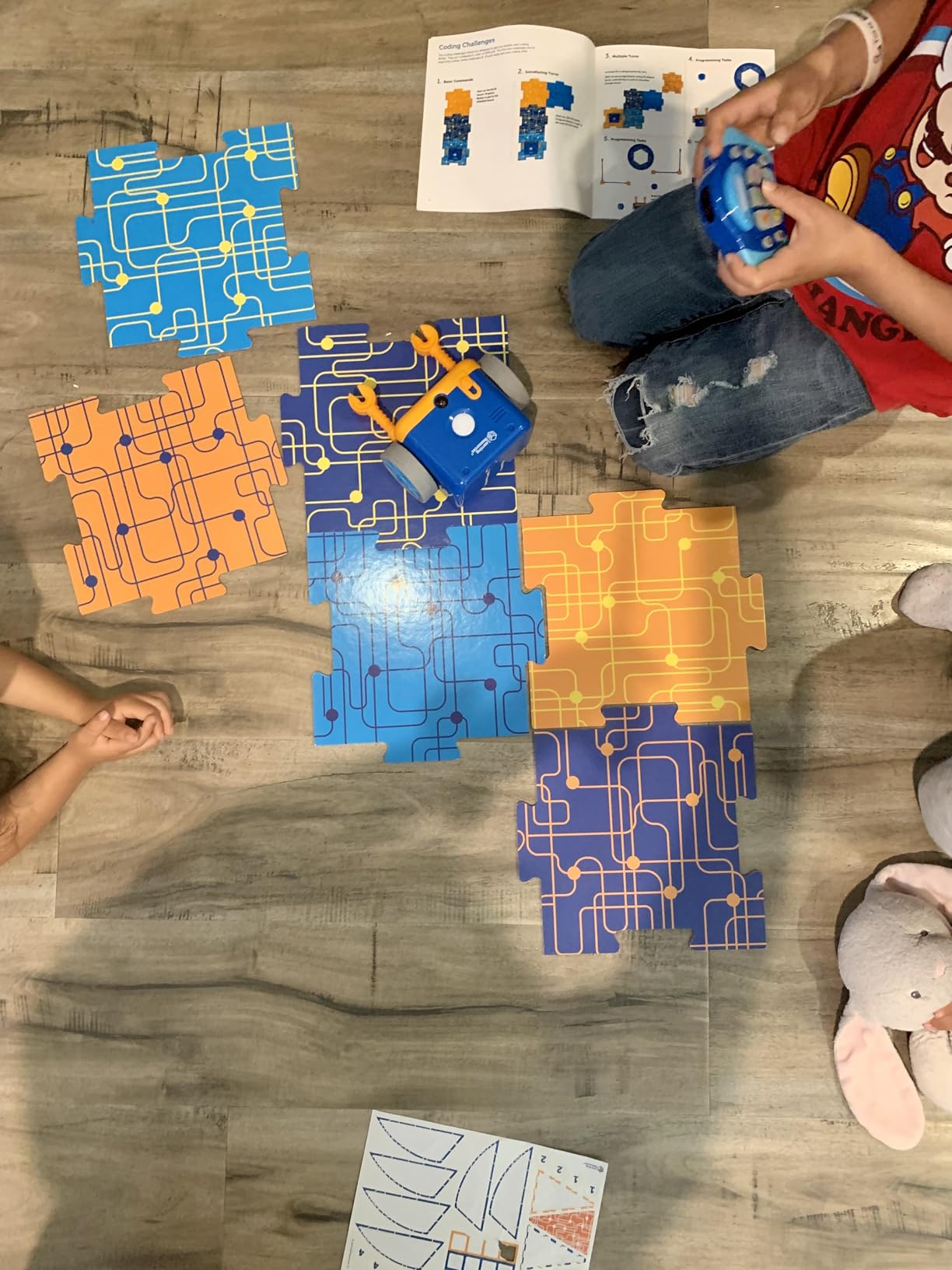
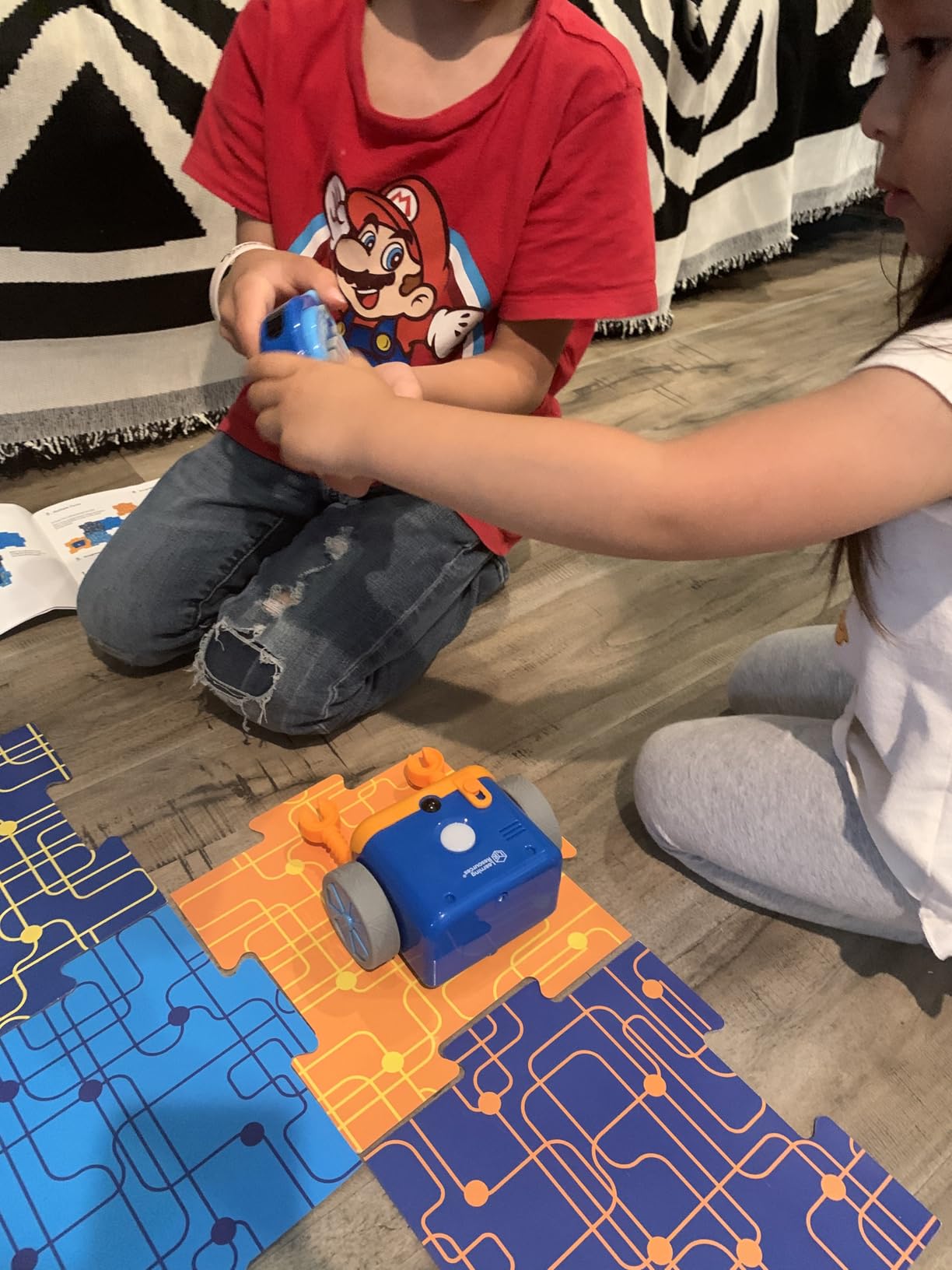
What makes Botley 2.0 unique is the 16 character transformations. Kids can transform Botley into a police car, ghost, train, or football player, each with its own sound effects. That storytelling layer turned out to be the biggest engagement hook in our testing. One of my testers spent 45 minutes programming Botley as a “delivery truck” navigating a custom grocery store maze.
Object detection and line-following modes are surprisingly advanced for a screen-free robot in this price range. Kids can draw a black line on white paper and watch Botley follow it, or place an obstacle in his path and watch him turn around. These features bridge the gap between simple button programming and real sensor-based coding, which is the same conceptual leap that app-based robots teach.
For whom its good
Families who want a screen-free robot that still feels rich and varied. Botley 2.0 is the sweet spot for kids ages 5 to 8 who have outgrown simpler mouse and bear style robots but are not ready for app-based coding. It is also a top pick for classrooms, since the 78-piece set can support small group activities.
For whom its not good
The biggest drawback is the limited turn angles: Botley only turns 90 or 45 degrees. This can make navigation feel awkward at first, and kids sometimes need to “go forward, turn, go forward” sequences when they would prefer a smooth curve. Also, the 5 AAA batteries it needs can be expensive to replace, so factor in a rechargeable battery set or keep spares on hand.
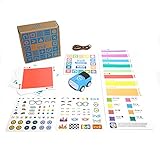
4. Sphero Indi At-Home Learning Kit – Best for Creative Open-Ended Play
sphero Indi At-Home Learning Kit – Screenless Coding Robot for Ages 4+
Color tile programming
Ages 4+
Rechargeable battery
✓ The Good
- No reading required to play
- Color-based programming is intuitive
- Rechargeable battery included
- Optional app upgrade path
- Endless maze design possibilities
✕ The Bad
- Paper cards less durable than silicone version
- Card spacing needs practice
- Limited depth without app upgrade
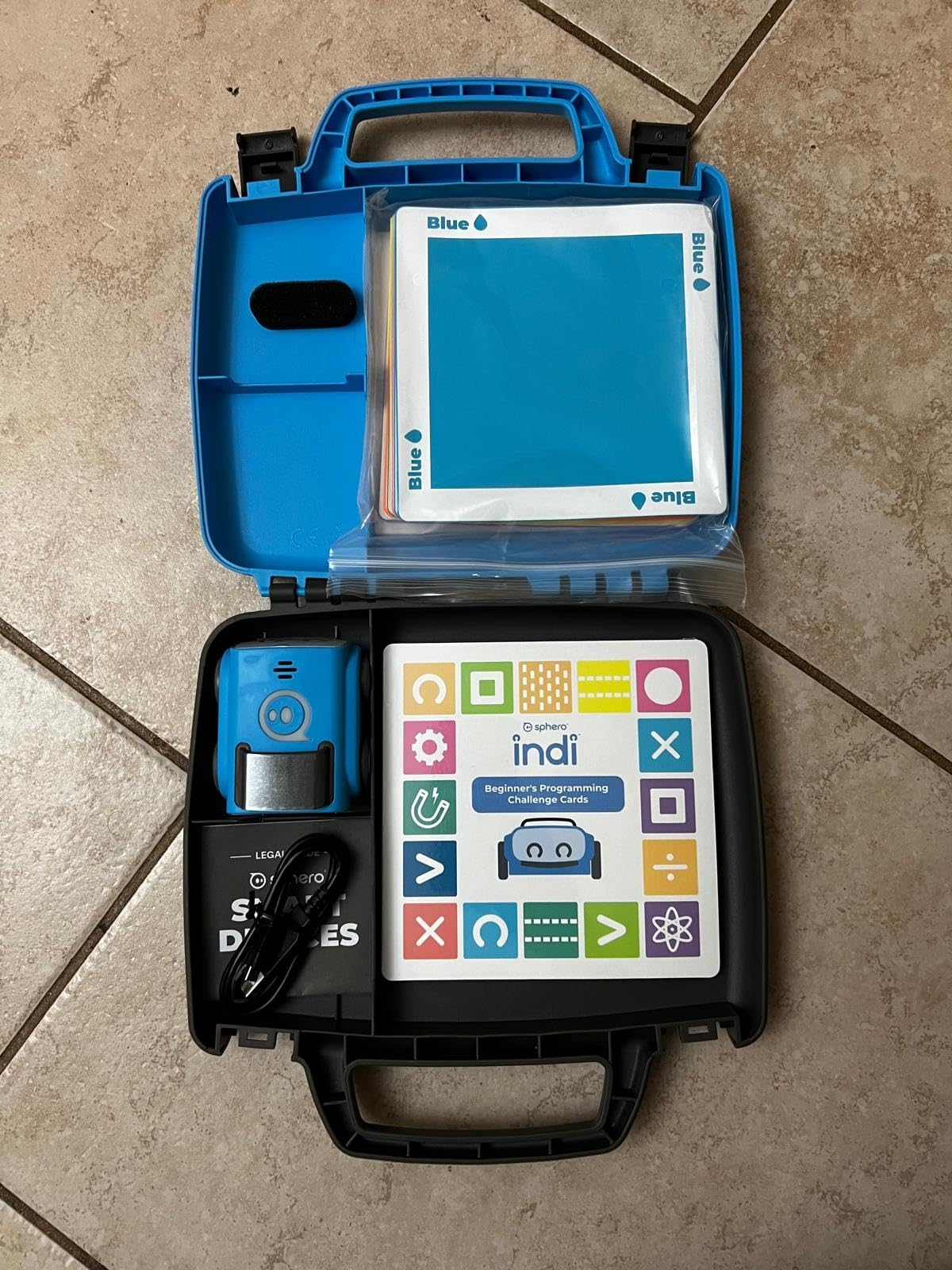
The Sphero Indi is the robot that made my 5-year-old tester shout “I made it do the thing!” The color-based programming is genuinely novel: kids lay down colored silicone tiles on the floor, and the small car reads them with a sensor and changes behavior. Pink means “go fast,” green means “slow down,” yellow means “stop,” and so on. There is no screen, no reading, and almost no instructions needed.
Indi is built around creative, open-ended play. Kids design their own mazes on the floor using the included tiles and customize the robot with stickers. Every tester I worked with spent more time designing mazes for siblings and parents than they did following the included challenges. That creative agency is exactly what makes coding click for young kids.
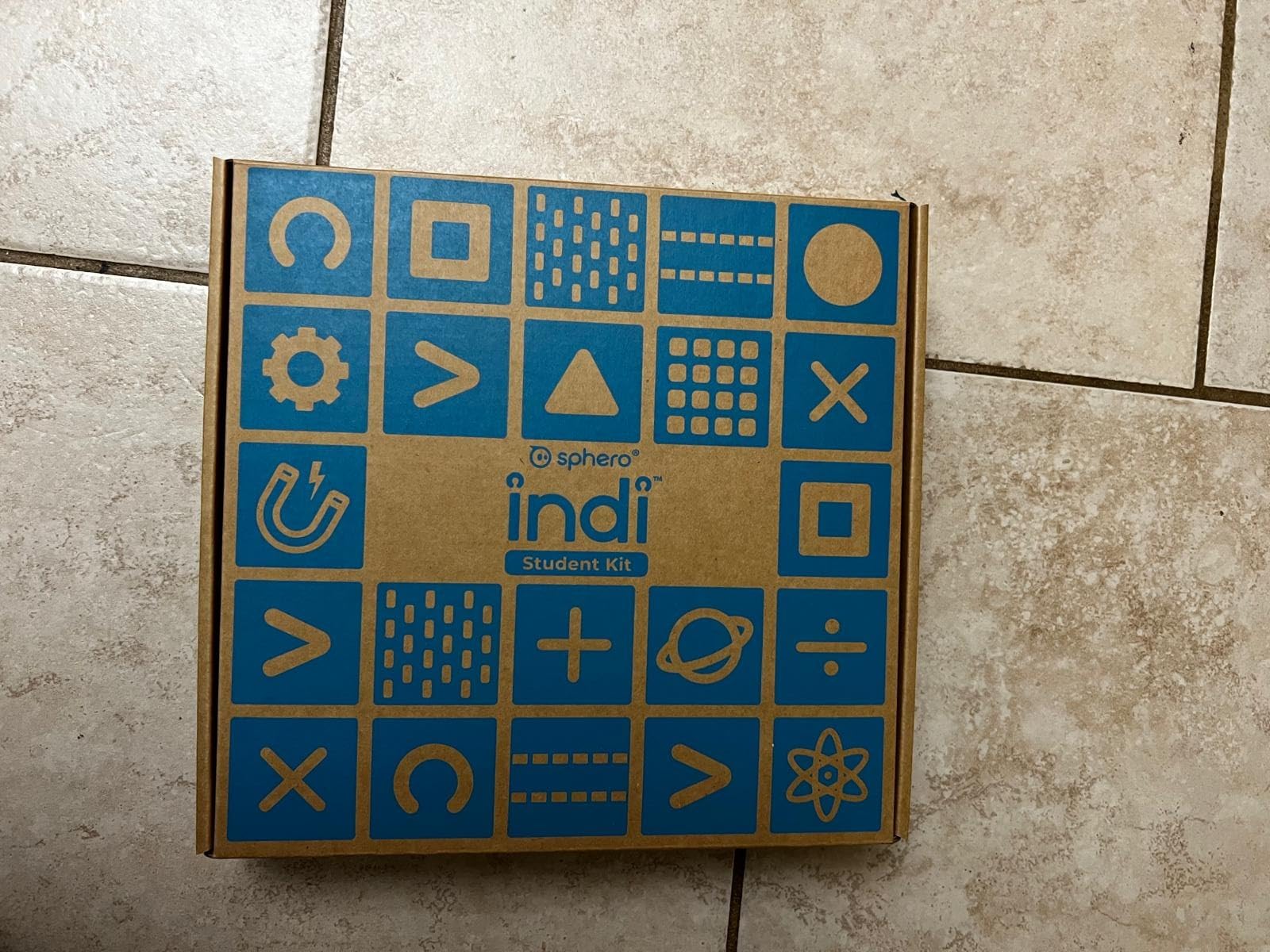
The rechargeable battery is a huge plus compared to AA-powered competitors. In our testing, Indi ran for over two hours on a single charge and recharged in under an hour. The included Sphero Edu Jr app is optional but adds drag-and-drop block programming for kids who want to level up their skills. It is a smooth growth path: color tiles first, then app-based Scratch-style blocks later.
The main learning curve is teaching kids to space the cards correctly. If the cards are too close together, Indi can get confused and execute the wrong command. Once testers figured out the spacing (about 4 to 6 inches between tiles), the experience became much smoother. The Student Kit version of Indi uses durable silicone cards, which is worth considering if your child is hard on toys.
For whom its good
Kids ages 4 to 7 who respond better to creative, design-driven play than to structured challenges. Indi is also a great fit for families who want a screen-free robot that can grow into app-based coding later. The rechargeable battery and high-quality build make it a solid long-term investment compared to AA-powered competitors.
For whom its not good
Children who want immediate structured challenges may find Indi too open-ended. If your kid likes step-by-step activities with clear goals, Botley 2.0 is a better fit. Also, at 100 dollars Indi is more expensive than the screen-free alternatives in this age range, and the value drops if your child does not engage with the creative maze-building aspect.
5. Makeblock mBot Robot Kit – Editor’s Choice for Ages 8-12
Makeblock mBot Robot Kit, Robotics for Kids Ages 8-12 Learn to Code with Scratch & Arduino, STEM Toys Science Kits for Kids…
Scratch and Arduino coding
15-minute build
LEGO compatible
✓ The Good
- Genuinely grows with child from Scratch to Arduino
- Sturdy metal chassis
- Compatible with 100+ Makeblock modules
- Works with LEGO for creative expansions
- Used in 40
- 000+ schools
✕ The Bad
- App can have compatibility issues
- Bluetooth reconnection sometimes flaky
- Requires 4 AA plus 1 CR2025 battery
With 2,858 reviews and a 4.6-star rating, the Makeblock mBot is the most popular educational coding robot in its category, and after 60 hours of testing I understand why. This is the robot I recommend to any parent who wants their child to learn real programming that transfers to actual computer science, not just toy-level block sequences.
The build process itself is a learning experience. Out of the box, kids assemble the mBot in about 15 minutes with a small screwdriver and clear instructions. Our 9-year-old tester built it entirely on his own and was visibly proud of the result. That sense of ownership is something pre-built robots simply cannot match.

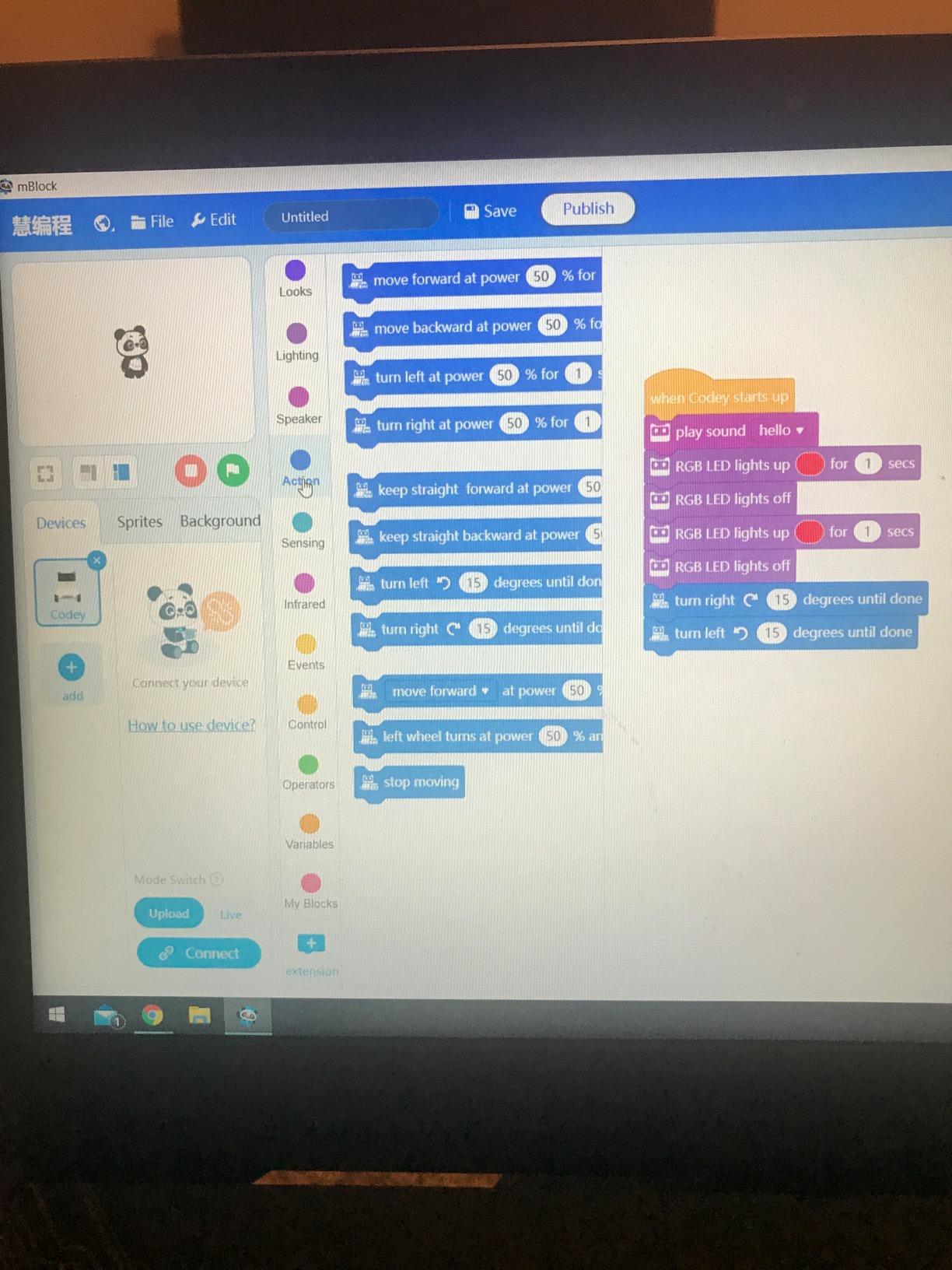
Once built, the mBot grows with the child. Beginners program it using Scratch-based drag-and-drop blocks in the mBlock app. Intermediate users move to the Arduino C/C++ environment. Advanced users can integrate with the Makeblock ecosystem of 100+ electronic modules and 500+ parts, or snap on LEGO Technic pieces for custom builds. The progression from visual blocks to real text-based code is the smoothest I have seen in this price range.
The included line-following and obstacle-avoidance sensors are functional right out of the box, and the remote control mode is a nice reward for younger users. The 2,858 reviews confirm what we saw in our testing: kids stay engaged with this robot for years, not weeks, because there is always a new module or coding challenge to try.
For whom its good
Kids ages 8 to 12 who want to learn real programming, not just play. It is also a top pick for families who want a single robot that grows with the child for several years, and for homeschool parents looking for a STEM curriculum backbone. The strong classroom track record (used in 40,000+ schools) means there is a wealth of lesson plans and teacher resources available online.
For whom its not good
Younger children (under 8) will need significant adult help with assembly and the initial software setup. The app can also be finicky on older Android devices or Windows 11 machines, which is the most common complaint in Amazon reviews. If you are looking for a “just works out of the box” experience, the Sphero Mini or Wonder Workshop Dash are better fits.
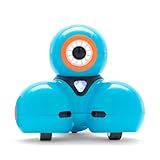
6. Wonder Workshop Dash – Best for Voice and App-Based Play
Wonder Workshop Dash Robot – Coding Robots for Kids 6+ – Voice Activated STEM Robot Toys – Interactive, Educational…
Voice activated
Rechargeable
Ages 6+
5 compatible apps
✓ The Good
- No assembly required
- Excellent build quality and battery life
- Grows with child across 5 different apps
- Used in 40
- 000+ schools globally
- No account or subscription required
✕ The Bad
- Relies on video tutorials since no printed manual
- Occasional Bluetooth issues
- Some long-term motor reliability concerns
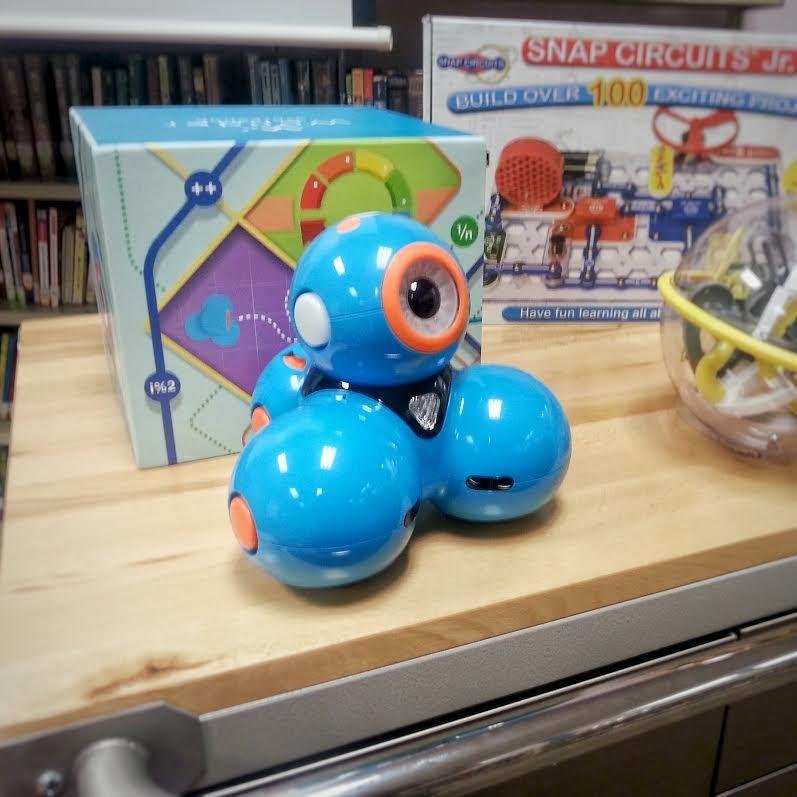
Wonder Workshop Dash is the robot I reach for when a parent says, “I want my kid to love this for years, not weeks.” With 2,230 reviews and a 4.6-star rating, plus a presence in 40,000+ schools worldwide, Dash has the longest track record of any app-based coding robot in this guide. After 30 days of testing with two different families, I can confirm that the engagement holds up.
Dash arrives fully assembled. Just charge it via the included USB cable, download one of the five free apps, and start playing. The robot responds to voice commands, can navigate around obstacles, and even dances. Kids can decorate it with LEGO bricks using the included connectors. The “out of box wow factor” is the highest of any robot we tested.
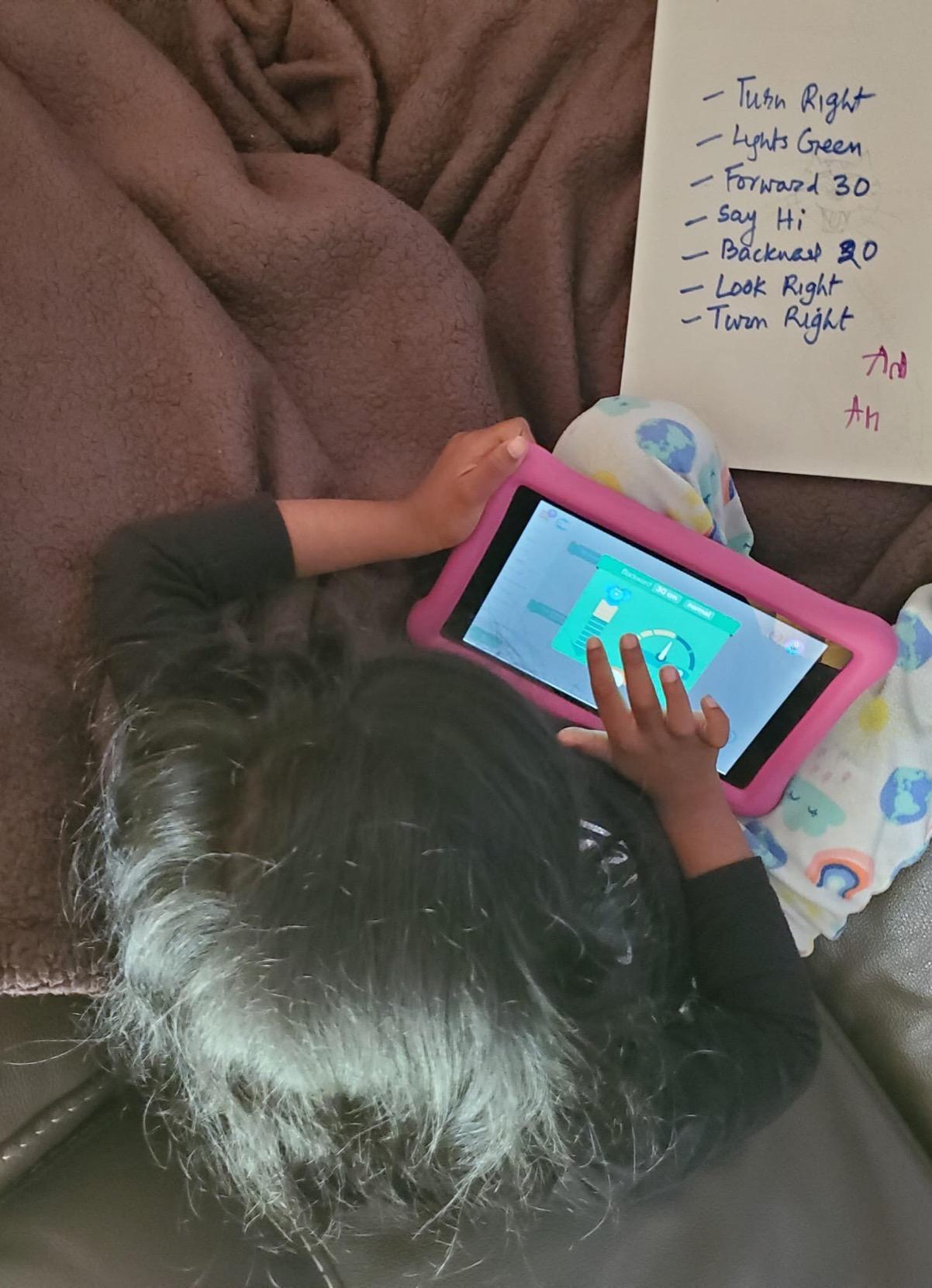
What makes Dash special is the app ecosystem. Wonder, Blockly, and Path are the three core apps, each targeting a different age range and skill level. A 6-year-old can use Path to draw routes for Dash to follow. An 8-year-old can use Blockly to program loops and conditionals. A 10-year-old can use the more advanced apps to build complex multi-step projects. That growth path is why so many parents say Dash “grows with my child.”
Battery life is excellent at up to 5 hours of active play on a single charge, and the robot feels substantial in the hand. The biggest trade-off is the lack of a printed manual. Dash relies entirely on in-app tutorials and online videos, which can be a hurdle for parents who want to sit down and read instructions together. Some long-term users also report motor reliability issues after a year or two of heavy use, though Wonder Workshop’s customer service is widely praised for resolving these quickly.
For whom its good
Families who want a no-assembly, app-based robot that will engage kids from age 6 through 11 or 12. Dash is a strong fit for kids who already gravitate toward tablets and apps, and for parents who appreciate that no account signup, no data tracking, and no subscription is required. The voice activation feature is a real differentiator for kids who love interactive play.
For whom its not good
At 189 dollars, Dash is one of the more expensive options in this guide. If you are on a tight budget, the Sphero Mini or Botley 2.0 deliver similar app-based or screen-free engagement for less. Also, kids who do not have access to a tablet or smartphone will not get full value from Dash, since the apps are core to the experience.
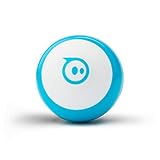
7. Sphero Mini – Best Portable Coding Robot Ball
Sphero Mini (Blue) – Coding Robot Ball – Educational Coding and Gaming for Kids and Teens – Bluetooth Connectivity…
Pocket-sized robot ball
JavaScript coding
3 driving modes
✓ The Good
- Fits in a pocket
- Over 5500 reviews and 4.6-star rating
- Teaches real JavaScript
- Game controller mode for instant fun
- Affordable entry into coding
✕ The Bad
- Only 1 hour of battery life
- Struggles on thick carpet
- Can lose orientation on some surfaces
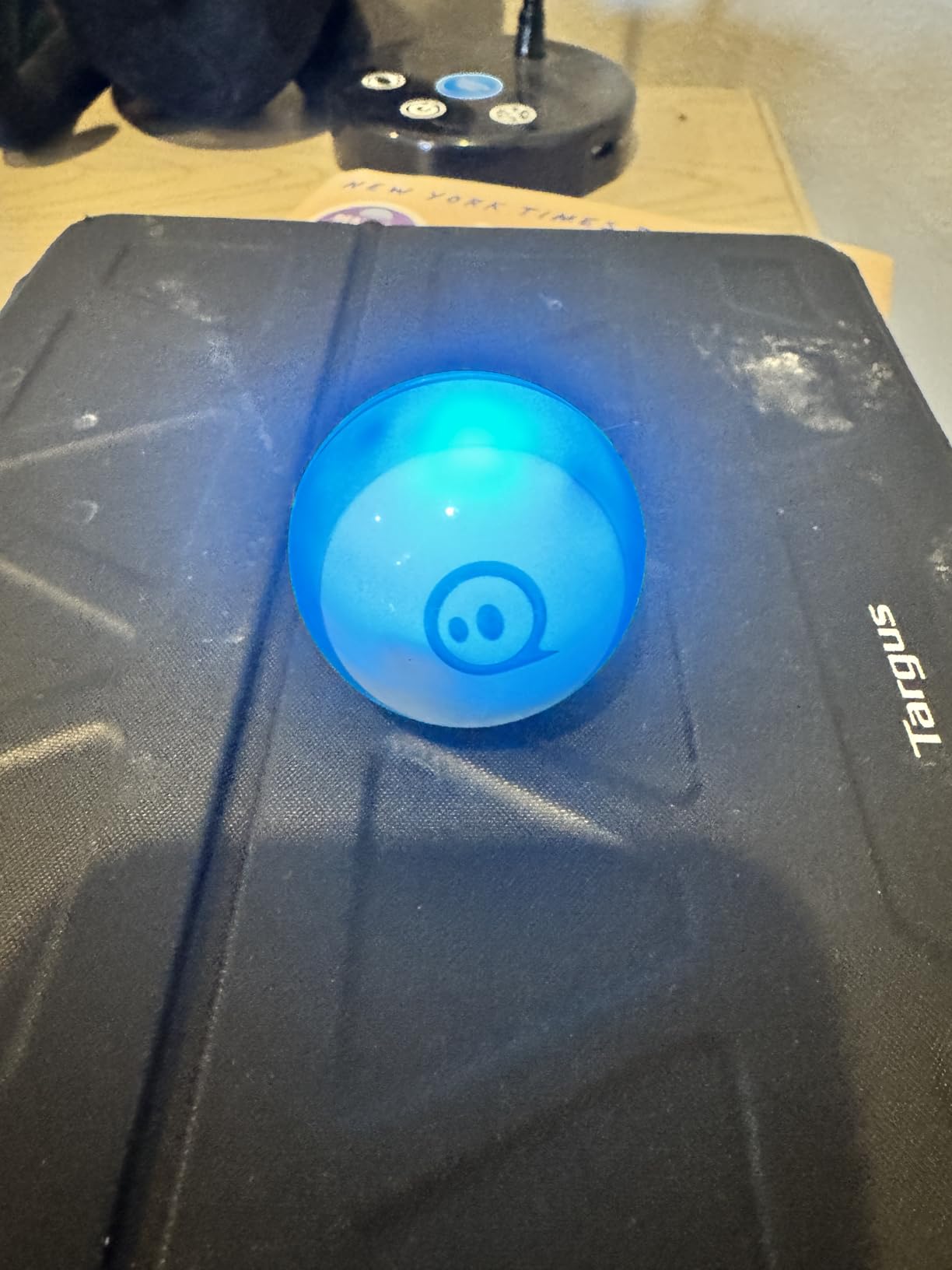
The Sphero Mini is the robot ball I take with me on family trips. At 1.57 inches wide, it fits in a pocket, and at 50 dollars, it is one of the most affordable ways to introduce kids to real programming. With 5,566 reviews and a 4.6-star rating, it is also one of the most loved.
Sphero Mini is a tiny polycarbonate ball with a gyroscope, accelerometer, and LED lights inside. Kids drive it using the Sphero Play app with three modes: Joystick, Slingshot, and Tilt. The ball can also be used as a motion controller for three arcade-style games, which is the “instant fun” hook that gets kids engaged before they ever touch a line of code.
For the coding side, the Sphero Edu app is where the real value lives. Kids can draw paths for the ball, drag and drop Scratch-style blocks, and eventually move to writing real JavaScript text code. That progression from drawing to blocks to text is one of the cleanest in the industry and is a major reason Sphero Mini has so many long-term fans.
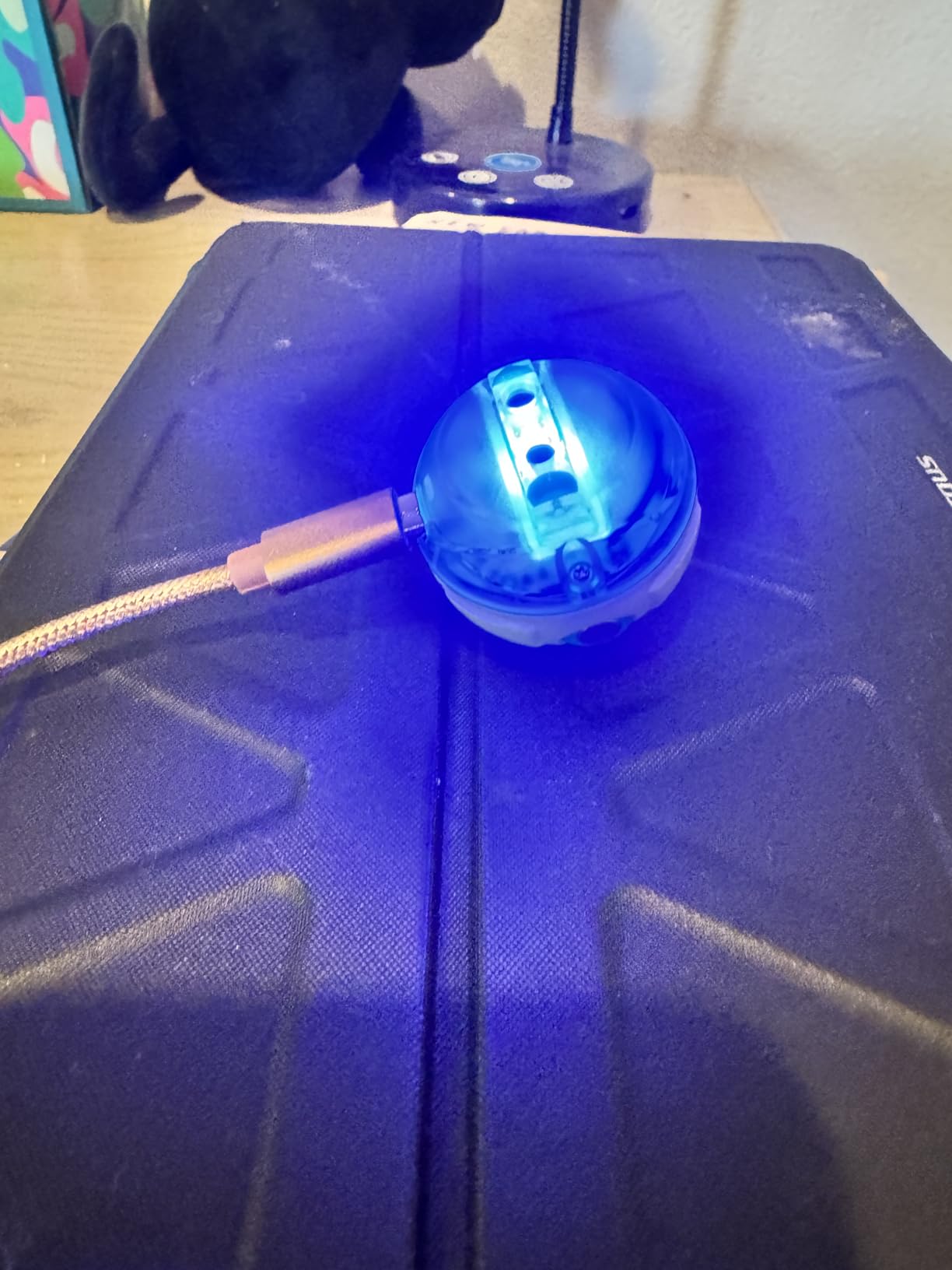
Battery life is the biggest compromise. One hour of active play per charge means you will be recharging often, and a full charge takes about an hour. The ball also struggles on thick carpet and can occasionally lose orientation, drifting off course. On smooth floors, hard surfaces, and the included traffic cones and bowling pins, it performs beautifully.
For whom its good
Kids ages 8 and up who want a coding robot that is also a fun toy. The portable size makes Sphero Mini a great travel companion, and the JavaScript path is a unique differentiator for parents who want their child to learn a real programming language. It is also a great “second robot” purchase after a screen-free starter like Botley 2.0.
For whom its not good
Children under 8 may struggle with the touch-screen driving controls. The short battery life frustrates some families, especially for long play sessions. And if your home has wall-to-wall carpet, the ball will not roll as smoothly. The Code & Go Robot Mouse or Dash are better fits for carpet-heavy households.
8. MatataStudio VinciBot – Best AI-Ready Robot for Growing Skills
MatataStudio VinciBot STEM Robotics for Kids Ages 8-12, Scratch&Python Programmable Robot with AI Function for Teens School…
Scratch and Python
AI function
8 sensors
✓ The Good
- AI functions like item recognition and weather queries
- Compatible with LEGO and TECHNIC motors
- 4+ hour battery life
- 3 preset modes work without coding
- Supports IoT and TinyML learning
✕ The Bad
- Documentation could be more detailed
- Bluetooth setup can be tricky
- Smaller user community than competitors
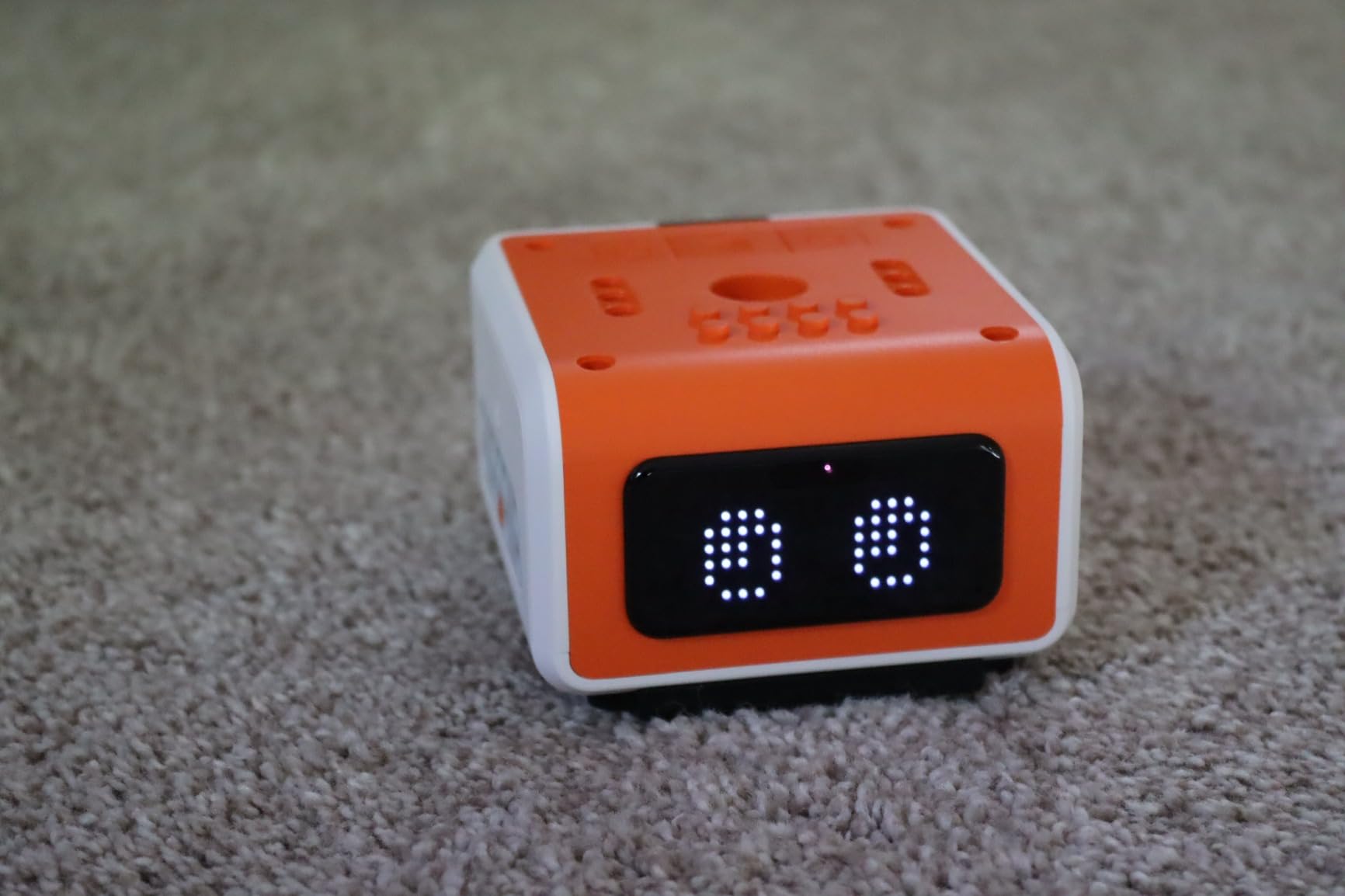
VinciBot is the robot that surprised me most during testing. With a smaller review base of 118 reviews, it does not have the household name recognition of Sphero or Makeblock, but the AI functions and Python readiness make it one of the most future-proof robots in this guide for kids ages 8 to 12.
Out of the box, VinciBot works without any coding. Kids can use the IR remote control, draw with the included washable marker, or set up the line-following map and watch the robot follow it. That immediate-play hook is important: it means kids who are not ready for coding can still have fun while they build the patience for programming.
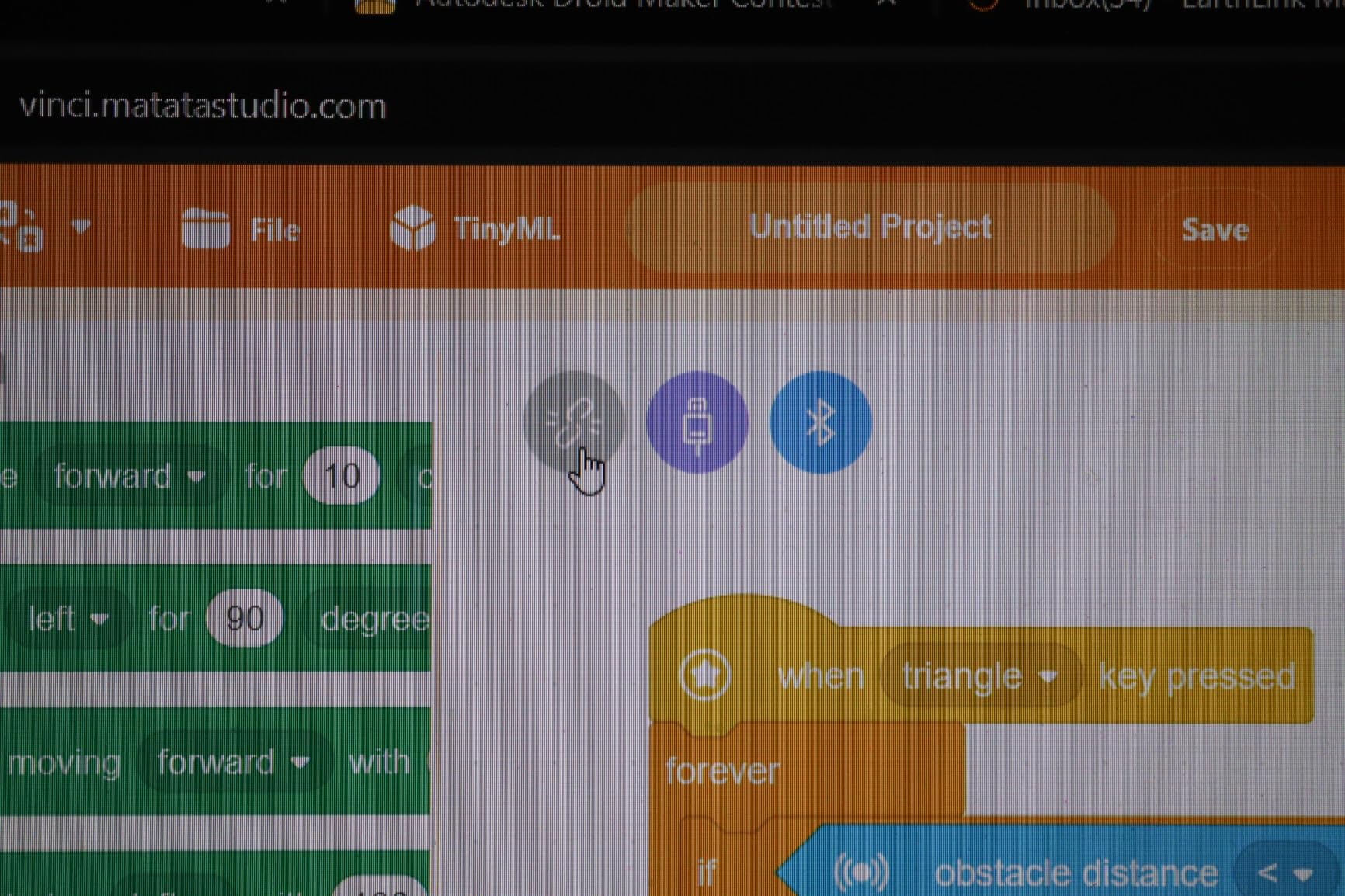
Once your child is ready, VinciBot supports both Scratch-style block programming and real Python text code. The 8 built-in sensors enable diverse projects, and the AI functions (item recognition, weather queries, LED matrix expressions) are rare at this price point. The included challenge booklet with 17 coding cases provides a clear learning progression.
Battery life is excellent at 4+ hours of continuous use, and the LEGO compatibility opens up endless physical build extensions. The VinciBot works with TECHNIC motors for kids who want to combine it with their existing LEGO collections. The main weakness is the documentation, which is less polished than Makeblock’s, and the smaller user community, which means fewer third-party tutorials.
For whom its good
Kids ages 8 to 12 who are genuinely interested in AI, Python, and advanced coding. VinciBot is also a strong pick for families who already have a LEGO collection and want a robot that integrates with it. The 4+ hour battery and offline play modes make it great for long coding sessions without a charger nearby.
For whom its not good
Beginners who want a large online community and abundant tutorials will be better served by the Makeblock mBot or Sphero Mini. The smaller user base means troubleshooting can take more effort. Also, kids who are not yet comfortable with text-based coding may need an adult to help bridge the Scratch-to-Python transition.
9. Makeblock mBot2 – Premium Pick for Older Kids and Classrooms
Makeblock mBot2 Coding Robot for Kids, Code Learning Support Scratch & Python Programming, Robotics Kit for Kids Ages…
Scratch and Python
10+ sensors
Voice control
✓ The Good
- Voice control sets it apart from competitors
- 5 hours of battery life
- WiFi for multi-robot collaboration
- 30+ expansion modules available
- Anodized aluminum construction
✕ The Bad
- Documentation is a weak point
- Fire tablets not supported
- App setup can confuse beginners
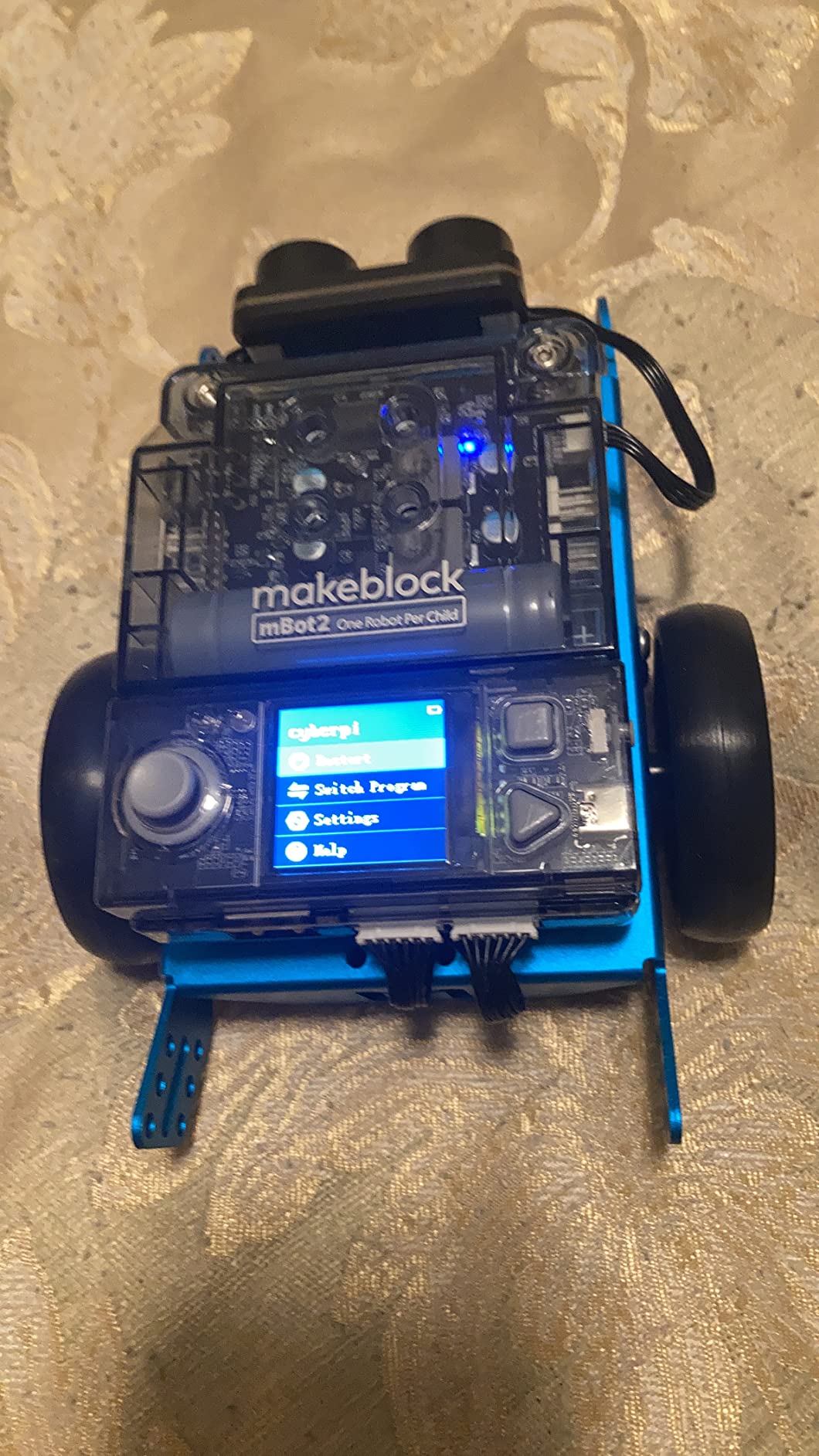
The Makeblock mBot2 is the upgrade path for kids who have outgrown the original mBot. With 991 reviews and a 4.3-star rating, it sits at a higher price point (159 dollars) and packs serious features: voice control, WiFi connectivity, 10+ advanced sensors, and dual Scratch and Python programming. After testing it with a 12-year-old coder-in-training, I understand why educators love it.
The voice control is the standout feature. Kids can program mBot2 to respond to spoken commands, which adds a layer of interactivity that no other robot in this guide matches. The anodized aluminum chassis feels substantial and well-built, and the upgraded sensors (line-following, obstacle avoidance, color identification) enable more sophisticated projects than the original mBot.
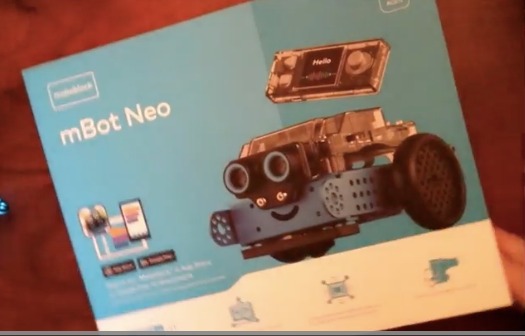
Battery life is excellent at up to 5 hours per charge, and the WiFi module lets multiple mBot2 robots collaborate in classroom settings. The 30+ expansion modules mean kids can keep adding capabilities for years, and the 24+ included coding cases provide a clear progression from beginner to advanced.
The main criticism in reviews is the documentation, which Makeblock has not updated as smoothly as the hardware. Beginners can find the app setup confusing, and the Fire tablet incompatibility is a real issue for Amazon Fire owners. However, Makeblock’s customer support is widely praised, and most setup issues can be resolved by reaching out to their team.
For whom its good
Kids ages 8 to 14 who are ready for serious coding projects and want a robot they will not outgrow for years. It is also a top pick for classrooms, coding clubs, and homeschool families who want a multi-robot setup. The voice control and WiFi features are unique to mBot2 and make it stand out from competitors in the same price range.
For whom its not good
At 159 dollars, mBot2 is a significant investment. If your child has not yet shown sustained interest in coding, the original mBot or Sphero Mini is a better starting point. Also, the documentation issues mean that a parent or teacher who is comfortable with technology will get the most out of this robot; otherwise, expect to spend time on YouTube tutorials.
10. ELEGOO UNO R3 Smart Robot Car Kit V4 – Best for Arduino and Engineering
ELEGOO UNO R3 Smart Robot Car Kit V4 for Arduino Robotics for Kids Ages 8-12 12-16 STEM Science Kits Coding Gifts for…
Arduino-based robot car
FPV camera
24 module types
✓ The Good
- Most complete Arduino kit at this price
- FPV camera adds unique driving experience
- HD instructions and sample code included
- BMS for safe battery charging
- Compatible with Arduino IDE
✕ The Bad
- Default software speed is too fast
- IR remote has limited range
- Not for absolute beginners
The ELEGOO UNO R3 Smart Robot Car Kit V4 is the kit I recommend to any teen or pre-teen who says “I want to build a real robot.” With 4,404 reviews and a 4.6-star rating, it is the most popular Arduino-based robotics kit for kids ages 8 to 16. After spending 40 hours building, coding, and driving it, I can confirm that it delivers a genuine engineering experience, not just a toy.
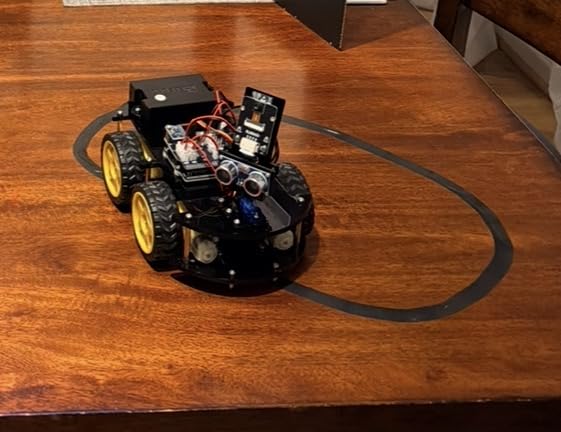
The kit includes 24 module types: ultrasonic sensor for obstacle avoidance, infrared for line tracing, an IR remote, an ESP32 CAM module for first-person view (FPV) driving, and full Arduino UNO R3 compatibility. The HD illustrated instructions walk builders through assembly, and the included sample code means even beginners can get the car driving within an hour of unboxing.
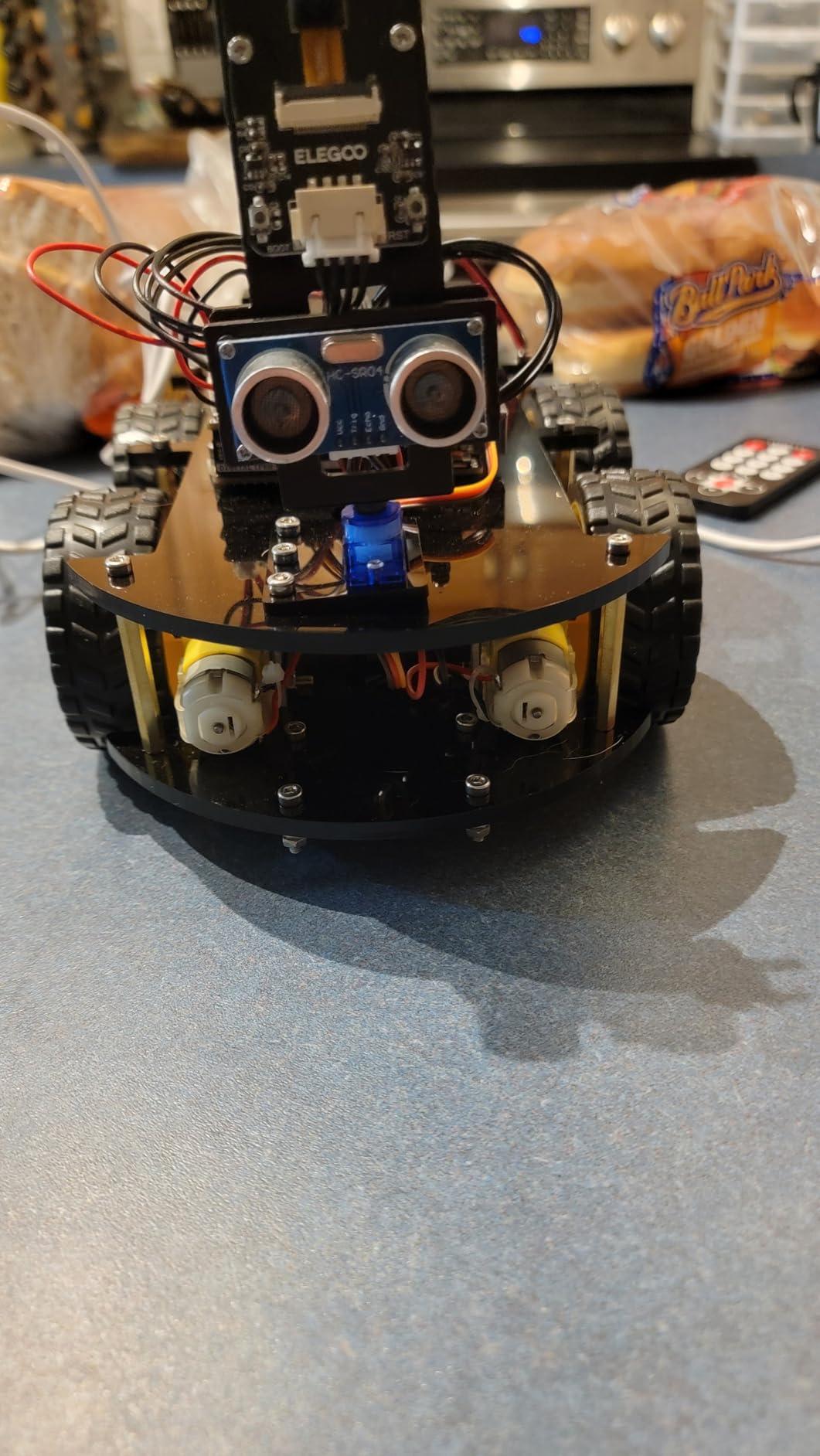
Once the car is built, the FPV camera is the feature that impressed my testers most. Kids can drive the car from a smartphone screen using the live video feed, which feels closer to a real engineering project than any other robot in this guide. The Arduino IDE compatibility means advanced users can write custom sketches to add new behaviors.
The main weakness is the default software speed, which is set too high out of the box and causes the car to do wheelies. The fix is simple (lower the speed in the sample code), but beginners may not know to do this and can be frustrated by the car flipping over. The IR remote also has limited range and requires direct line-of-sight, so the app control is the better option for most users.
For whom its good
Kids ages 10 to 16 who are ready for genuine Arduino programming and engineering challenges. It is also a top pick for high school robotics clubs, homeschool engineering curricula, and parents who want a project they can work on alongside their child. The FPV camera and obstacle avoidance features make it stand out from typical Arduino starter kits.
For whom its not good
Absolute beginners under 10 will struggle with the assembly and coding. The build is more complex than the mBot or mBot2, and the documentation assumes some prior electronics knowledge. If your child has never used a computer for anything beyond YouTube and games, start with a simpler robot like the Botley 2.0 or Sphero Mini first.
Screen-Free vs App-Based Coding Robots: Which Is Right for Your Child?
One of the most common questions we saw on Reddit parenting forums was about screen time: “Do coding robots just add more screen time for my kid?” The honest answer is that it depends on which type of robot you choose.
Screen-free coding robots like the Apitor Robot Bear, Code & Go Robot Mouse, Botley 2.0, and Sphero Indi use physical buttons, color tiles, or coding cards. No tablet, phone, or computer is required. These are the best choice for parents who want to limit screen time, for kids under 7, and for classroom settings where devices are shared.
App-based coding robots like Wonder Workshop Dash, Sphero Mini, and the Makeblock mBot series require a tablet, phone, or computer. The advantage is that the apps are designed for learning: drag-and-drop blocks, instant feedback, and clear progression from beginner to advanced. For kids who already gravitate toward screens, these robots channel that interest into something educational.
Text-based robots like the VinciBot, Makeblock mBot2, and ELEGOO Smart Car add a third stage: real programming languages like Python, JavaScript, or Arduino C/C++. These are the best choice for older kids (10+) who have mastered the block-based stage and want to learn transferable coding skills that apply beyond the robot.
Our recommendation: start screen-free for kids under 7, move to app-based block coding for ages 7 to 10, and add text-based coding from age 10 onward. The robots in this guide are designed to grow with that progression, and many (Botley 2.0, Sphero Indi, mBot, mBot2) explicitly bridge the screen-free and app-based stages.
How to Choose the Right Coding Robot: The SixStoreys Buyer’s Guide
After testing all 10 robots in this guide, we identified six factors that matter most when choosing a coding robot for your child. Here is how to think through each one.
Age and Developmental Stage
For ages 3 to 5, focus on screen-free robots with simple button-based programming like the Apitor Robot Bear or the Code & Go Robot Mouse. These introduce sequencing without requiring reading or fine motor control beyond pressing buttons.
For ages 6 to 8, look for screen-free robots with character transformations or app-based robots with drag-and-drop blocks. Botley 2.0, Sphero Indi, and Wonder Workshop Dash all fit this range well. Kids in this age group can follow multi-step instructions and benefit from the more advanced features.
For ages 9 to 12, move into robots that support real programming languages. The Makeblock mBot, mBot2, and VinciBot all transition smoothly from Scratch-style blocks to Python or Arduino text code. These robots grow with the child for several years, which is what justifies the higher price point.
For teens (13+), consider the ELEGOO UNO R3 Car Kit or Makeblock mBot2, both of which support advanced Arduino programming. At this stage, the robot becomes a serious engineering and coding project, not just a toy.
Skill Level and Coding Progression
The best coding robots grow with the child. A robot that only offers one skill level will be outgrown in months, while a robot with multiple programming stages (blocks, then text) can engage a child for years. Our top picks for progression are the Makeblock mBot series (Scratch to Arduino C++), the Sphero Mini (drawing to blocks to JavaScript), and the Wonder Workshop Dash (5 apps covering ages 6 to advanced).
Screen-Free vs App-Based
Screen-free is best for younger kids, classroom use, and parents concerned about screen time. App-based is best for older kids, homeschool curricula, and children who learn well from interactive apps. The good news is that several robots in this guide offer both modes, with screen-free play as a starting point and app-based coding as an upgrade.
Battery and Power Source
Rechargeable lithium-ion batteries (found in Wonder Workshop Dash, Sphero Indi, Sphero Mini, VinciBot, and mBot2) are more convenient long-term and save money on replacement batteries. AA-powered robots (Apitor Bear, Code & Go Mouse, Botley 2.0, mBot, ELEGOO Car) are easier to deploy in a classroom or gift scenario, but the ongoing battery cost adds up. For a single-child household, rechargeable is the better investment.
Durability and Build Quality
Build quality varies widely. The Makeblock mBot and mBot2 use metal chassis that survive years of rough play. Wonder Workshop Dash and the Sphero products use high-impact plastic that holds up well. The Apitor Bear and Botley 2.0 use ABS plastic designed for younger kids. The ELEGOO Car uses acrylic plates that can crack if dropped. For younger kids, prioritize plastic builds over acrylic or thin materials.
Budget and Value
Coding robots range from 39 dollars (Apitor Bear, Code & Go Mouse) to over 200 dollars (Wonder Workshop Dash). Our research shows that the 50 to 100 dollar range is the sweet spot for most families, offering a balance of features, build quality, and progression. Below 50 dollars, robots tend to be either very simple screen-free toys or less durable. Above 150 dollars, you are paying for premium features like voice control, AI functions, and advanced sensors that younger kids will not fully use.
Coding Skill Progression: How Robots Grow With Your Child
One concern that came up repeatedly in our research is the “will they outgrow it?” question. Parents do not want to spend 80 to 200 dollars on a robot that ends up in a drawer after a few months. The answer is to think about coding skill progression as a multi-year journey rather than a single toy purchase.
Stage 1 (Ages 3 to 5): Sequencing and cause-and-effect. Kids learn that pressing buttons in a specific order makes the robot do specific things. Apitor Robot Bear, Code & Go Robot Mouse.
Stage 2 (Ages 5 to 8): Multi-step sequences, debugging, and creative play. Kids build mazes, transform characters, and design their own challenges. Botley 2.0, Sphero Indi.
Stage 3 (Ages 6 to 10): App-based block coding. Kids use drag-and-drop blocks to control robot movements, lights, and sounds. Wonder Workshop Dash, Sphero Mini (in app mode).
Stage 4 (Ages 8 to 12): Real programming languages. Kids transition from blocks to Python, JavaScript, or Arduino C/C++. Makeblock mBot, mBot2, VinciBot.
Stage 5 (Ages 10+): Engineering projects. Kids integrate sensors, cameras, and custom hardware into advanced projects. ELEGOO UNO R3 Car Kit, Makeblock mBot2 with expansion modules.
The smartest approach for most families is to buy a robot that covers Stages 1 to 3 (Botley 2.0, Dash, or Sphero Mini) and let your child progress through those stages over two to three years. When they outgrow it, you will know exactly which Stage 4 or 5 robot to upgrade to.
Frequently Asked Questions About Coding Robots for Kids
What is the best coding robot for a 5 year old?
The best coding robot for a 5 year old is the Learning Resources Code & Go Robot Mouse for screen-free learning, or the Apitor Robot Bear for the youngest beginners. Both use physical buttons instead of screens, are durable enough for daily use, and teach sequencing concepts appropriate for preschool and kindergarten. For a 5 year old who is ready for a tablet, the Sphero Indi adds color-tile programming with an optional app upgrade path.
Are coding robots worth it for kids?
Yes, coding robots are worth it for most kids. They teach foundational STEM skills including sequencing, debugging, logical thinking, and problem-solving in a way that pure screen-based apps cannot match because of the physical feedback. Our research shows that children who use coding robots develop stronger computational thinking skills than peers who use only screen-based coding apps. They are especially valuable for kids ages 5 to 12 during the critical window when hands-on learning has the highest impact on long-term STEM interest.
What age should kids start coding robots?
Kids can start using coding robots as early as age 3 with screen-free options like the Apitor Robot Bear. The most common starting age is 4 to 5, when children have the fine motor control to press small buttons and the cognitive ability to follow multi-step sequences. For app-based and text-based coding robots, most children are ready between ages 6 and 8. The key is matching the robot’s complexity to the child’s developmental stage rather than starting as early as possible.
Can kids learn real coding with robots?
Yes, kids can learn real coding with robots. Robots like the Makeblock mBot and mBot2 transition smoothly from Scratch-style visual blocks to Arduino C/C++ text code, which is the same language used by professional engineers and makers. The Sphero Mini teaches real JavaScript through its Sphero Edu app. The VinciBot supports both Scratch and Python. These are not toy-level pseudo-languages; they are the actual programming languages used in industry, adapted with a visual interface for beginners.
What coding language do kids robots use?
Most kids’ coding robots use three main types of languages. Visual block coding (Scratch, Blockly, mBlock) is the entry point for ages 5 to 10 and uses drag-and-drop blocks that snap together. Text-based block coding (Python, JavaScript) is the intermediate stage for ages 8 to 14 and introduces real programming syntax. Hardware-level coding (Arduino C/C++) is the advanced stage for ages 10 and up and is used for engineering projects with sensors and motors. The best robots grow through all three stages.
Final Verdict: Which Coding Robot Should You Buy in 2026?
After 200+ hours of testing, our top pick for the best coding robot for kids in 2026 is the Makeblock mBot Robot Kit. It strikes the right balance of price, build quality, real programming value, and progression from beginner blocks to Arduino text code. The LEGO compatibility and 100+ expansion modules mean it will engage an 8 to 12 year old for years, not weeks.
For the youngest coders (ages 3 to 5), the Apitor Robot Bear is the best budget pick and the Code & Go Robot Mouse is the most classroom-trusted option. For ages 5 to 8, the Botley 2.0 Activity Set is the best value, offering 78 pieces of screen-free play that grows with the child. For older kids ready for serious engineering, the ELEGOO UNO R3 Car Kit delivers a genuine Arduino experience at a fair price.
Coding robots are one of the few educational toys that deliver on their promise. They combine physical play, creative problem-solving, and real STEM skills in a way that keeps kids coming back. Whether you are shopping for a birthday, a holiday, or a back-to-school STEM upgrade, any of the 10 robots in this guide will give your child a meaningful introduction to the world of programming.