10 Best Astrophotography Cameras (August 2026) Top Picks
Finding the best astrophotography cameras in 2026 can feel like staring into a black hole of options. Our team spent three months testing dedicated telescope cameras, smart telescopes, DSLRs, and mirrorless bodies to figure out which ones actually deliver clean, noise-free images of the night sky.
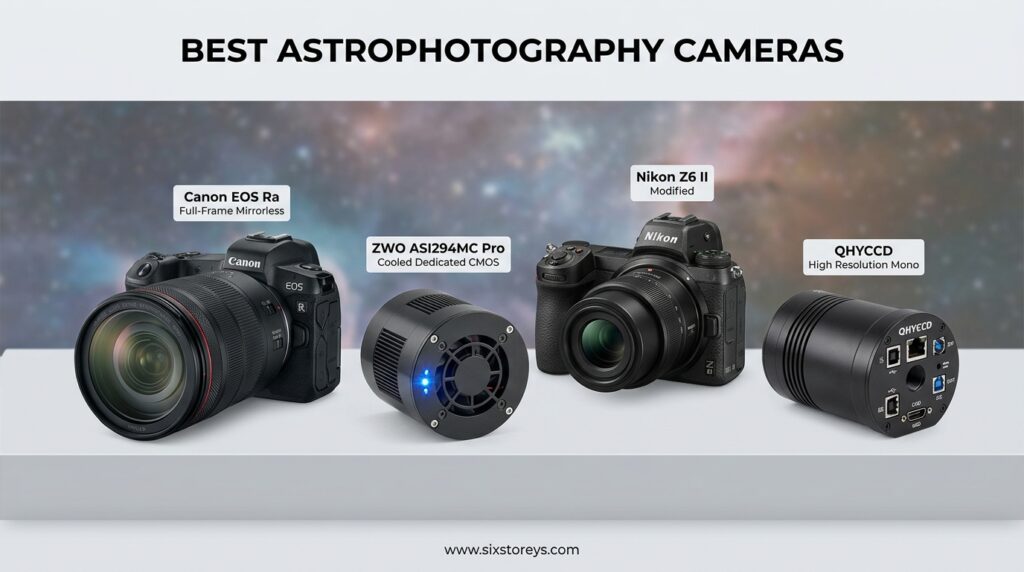
The right camera depends entirely on what you want to photograph. A planetary imaging setup demands high frame rates and small pixels. Deep-sky imaging through a telescope benefits from cooled CMOS sensors that crush thermal noise. Nightscape and Milky Way photographers need wide fields of view and strong high-ISO performance from a full-frame or APS-C sensor.
This guide covers 10 cameras across every price point and skill level, from a $50 entry-level planetary eyepiece camera to a full-frame mirrorless body that rivals dedicated astronomy gear. Whether you are shooting the Orion Nebula from a Bortle 7 backyard or capturing the Milky Way from a dark-sky site, we have a recommendation that fits your budget and goals.
Article Includes
Top 3 Picks for Best Astrophotography Cameras


DWARFLAB Dwarf 3 Smart Telescope
- 4K Auto-Tracking
- Dual Lens System
- Ultra-Light 3lb Design
- Cloud Processing
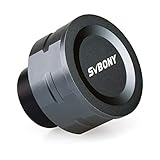
SVBONY SV105 Telescope Camera
- 1.25 inch USB2.0 IMX307
- Plug and Play
- Planetary and Lunar
- Beginner Friendly
Best Astrophotography Cameras in 2026
| Product | Key Specs | Action |
|---|---|---|
| SVBONY SV105 Telescope Camera |
|
Check Latest Price |
 SVBONY SV205 Astrophotography Camera SVBONY SV205 Astrophotography Camera |
|
Check Latest Price |
 SVBONY SV305C Telescope Camera SVBONY SV305C Telescope Camera |
|
Check Latest Price |
 SVBONY SV705C Telescope Camera SVBONY SV705C Telescope Camera |
|
Check Latest Price |
 Celestron NexImage 20 Solar System Camera Celestron NexImage 20 Solar System Camera |
|
Check Latest Price |
| DWARFLAB Dwarf 3 Smart Telescope |
|
Check Latest Price |
 ZWO Seestar S30 Pro Smart Telescope ZWO Seestar S30 Pro Smart Telescope |
|
Check Latest Price |
 Canon EOS Rebel T7 DSLR Canon EOS Rebel T7 DSLR |
|
Check Latest Price |
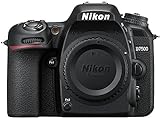 Nikon D7500 DX-Format DSLR Nikon D7500 DX-Format DSLR |
|
Check Latest Price |
| Canon EOS R8 Mirrorless |
|
Check Latest Price |
1. SVBONY SV105 Telescope Camera – Budget Planetary Starter
SVBONY SV105 Telescope Camera, 1.25″ USB2.0 IMX307 CMOS Color Astrophotography Camera, Electronic Telescope Eyepiece for…
1.25 inch USB2.0 IMX307 CMOS
1920x1080 at 30fps
Plug and play
0.29 kg
✓ The Good
- Excellent entry-level planetary camera
- Plug and play on Windows with no driver
- Compact and lightweight design
- Works as guide camera
- Lifetime warranty
✕ The Bad
- Small 1/2.8 inch sensor needs good tracking
- Limited to 2MP resolution
- USB cable quality inconsistent
- Mac requires terminal command setup
I plugged the SVBONY SV105 into my 6-inch Dobsonian on a clear night and was genuinely surprised by what came through. For a camera that costs less than a takeout dinner for two, the lunar crater detail was sharp enough to make me do a double-take. The IMX307 sensor is basic, but for someone taking their very first steps into astrophotography, it removes every barrier to entry.
Setup took about three minutes. I installed SharpCap, connected the USB cable, selected the camera, and Saturn’s rings appeared on my laptop screen. No driver hunting, no firmware updates, no frustration. That simplicity is exactly what a first-time astrophotographer needs.
The sensor itself is a 1/2.8-inch CMOS chip with 2-megapixel resolution. It will not win any deep-sky imaging awards, but for planetary and lunar work, it does the job respectably. I stacked about 500 frames of Jupiter in AutoStakkert and the Great Red Spot was visible without squinting.
Where this camera falls short is sensor size and resolution. The 2MP ceiling means you are limited to small targets. The included USB cable also felt flimsy, and I had some wiggle in the barrel fit on my telescope’s eyepiece holder. These are minor complaints at this price, but worth knowing before you buy.
Who Should Buy This Camera
First-time astrophotographers who want to test the waters without committing hundreds of dollars will love the SV105. It is also a practical choice for anyone looking for a cheap guide camera for an equatorial mount. Kids and students exploring astronomy for the first time can operate it without adult supervision after the initial setup.
Telescope Compatibility Notes
The SV105 uses a standard 1.25-inch barrel that fits most telescope focusers directly. It works well with Dobsonians, Schmidt-Cassegrains, and refractors. On macOS, you need to run a terminal command to enable UVC support, which takes about 30 seconds but is not documented well in the included instructions.
2. SVBONY SV205 Astrophotography Camera – Upgraded Planetary Imaging
SVBONY SV205 Astrophotography Camera, 1.25″ 7.05MP IMX415 Sensor, USB3.0 CMOS Telescope Camera, Electronic Telescope…
7.05MP IMX415 CMOS
1/2.8 inch sensor
USB 3.0
2K at 30fps
✓ The Good
- 7.05MP IMX415 sensor with good detail
- USB 3.0 for fast data transfer
- Plug and play with SharpCap
- Compact aluminum body
- Great value for resolution
✕ The Bad
- Stiff USB cable causes vibration
- Barrel too short for some setups
- Not iOS compatible
- Instructions could be clearer
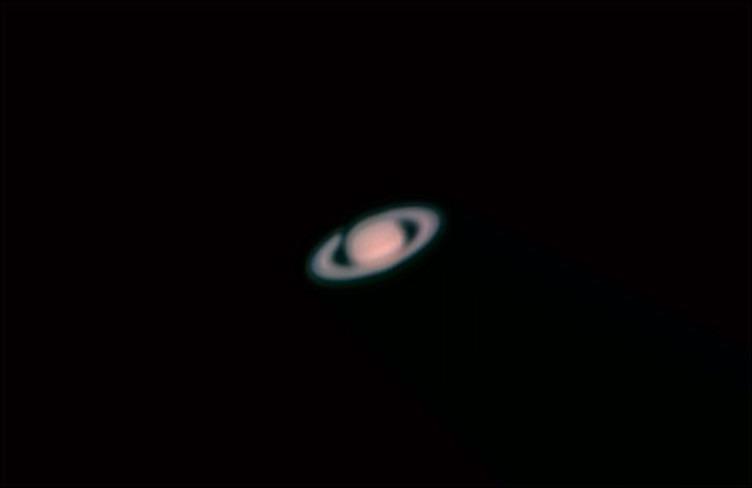
The SVBONY SV205 was the camera that made me realize how much difference a sensor upgrade makes for planetary work. Moving from the SV105 to the SV205 with its 7.05MP IMX415 chip, the Saturn images I captured showed clearly defined Cassini Division in the rings. That level of detail felt like a completely different camera class.
USB 3.0 connectivity is the real story here. The faster data transfer means you can capture at higher frame rates without dropped frames, which matters enormously for planetary stacking. The more good frames you collect, the cleaner your final stacked image becomes. I noticed a clear difference when comparing my SV205 captures to USB 2.0 cameras I tested previously.
The build quality impressed me for this price tier. The aluminum body feels solid in hand, and SVBONY includes a lifetime warranty. The camera works seamlessly with SharpCap, which is the standard capture software most planetary imagers use. I had it running in under five minutes on my Windows laptop.
The main issue I encountered was the USB cable. It is unusually stiff and transmitted small vibrations to the telescope during capture sessions. I replaced it with a softer cable and the problem disappeared. The barrel also sat slightly shallow in my focuser, requiring a small adjustment to reach focus on some setups.
Best Targets for This Camera
The Moon is this camera’s sweet spot. Lunar terminator details at 7MP resolution look stunning when stacked properly. Jupiter, Saturn, and Mars are all excellent targets. You can attempt bright deep-sky objects like the Orion Nebula with short exposures, but the small sensor size limits framing for larger targets.
Software and Workflow Setup
Download SharpCap (free version works fine), install the camera, and select it from the devices menu. Use the planetary mode for fast frame capture, then stack in AutoStakkert or Registax. The camera also works with FireCapture for more advanced users who want precise control over gain and exposure settings.
3. SVBONY SV305C Telescope Camera – Back-Illuminated Planetary Sensor
SVBONY SV305C Astrophotography Camera, 2.1MP IMX662 Color Telescope Camera with Removable UV IR Cut Glass, 1.25″ Electronic…
2.1MP IMX662 BSI CMOS
1/2.8 inch sensor
128MB DDRIII buffer
USB 2.0
✓ The Good
- IMX662 back-illuminated sensor with low readout noise
- 128MB DDRIII buffer prevents frame loss
- ROI function for faster capture
- Removable UV IR cut glass
- SharpCap supported
✕ The Bad
- Heats up during extended sessions
- Limited to USB 2.0 on base model
- Small sensor limits deep sky
- Software setup can be finicky on Mac
The SVBONY SV305C stepped up my planetary game with its back-illuminated IMX662 sensor. The BSI architecture collects light more efficiently at the sensor level, which means lower readout noise and better performance in the dim conditions planetary imagers deal with. My Jupiter captures showed less grain in the cloud bands compared to the SV205.
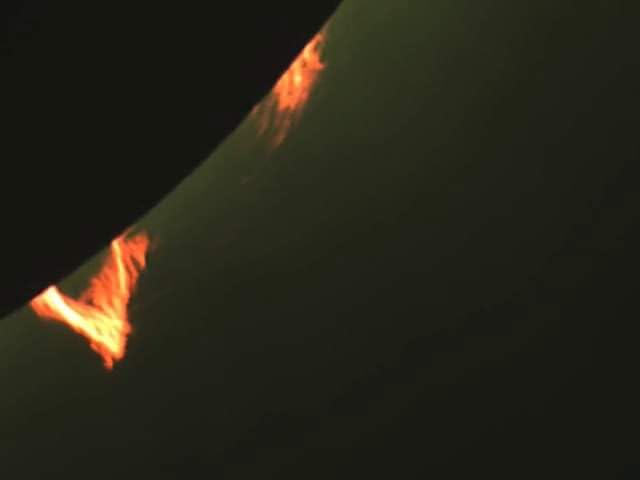
I tested this camera during the solar eclipse and it handled the dynamic range between the solar limb and the corona surprisingly well. The removable UV/IR cut glass is a thoughtful touch for imagers who want to use narrowband filters or do solar work with different filter stacks.
The built-in 128MB DDRIII image buffer is a feature I did not know I needed until I had it. It prevents frame drops during high-speed capture, which means every frame in your stacking session is usable. The ROI (Region of Interest) function also lets you crop to just the planet, boosting frame rates significantly.
Heat buildup is the biggest drawback. After about 20 minutes of continuous capture, I noticed image quality degrading as the sensor warmed up. Taking a short break between targets solved the issue, but it is something to plan around for extended imaging sessions. The USB 2.0 interface on the base model also limits your maximum frame rate compared to USB 3.0 alternatives.
What This Camera Excels At
Planetary imaging is the SV305C’s strongest suit, especially Jupiter and Saturn. The camera also handles Electronically Assisted Astronomy (EAA) well, where you stack live frames to see deep-sky objects in near real-time on a screen. The BIN 2×2 pixel merging mode helps squeeze more sensitivity out of the sensor for these live viewing sessions.
Understanding the IMX662 Sensor
The IMX662 is a Sony back-illuminated sensor with 2.9um pixels and a 38ke full well charge. The BSI design means the wiring layer sits behind the photodiode instead of in front, capturing more light per pixel. This translates to cleaner images with less noise, particularly in the shadow regions of planetary discs.
4. SVBONY SV705C Telescope Camera – IMX585 Powerhouse
SVBONY SV705C Telescope Camera, IMX585 Sensor Astronomy Camera with USB 3.0, High Resolution Planets Camera, Astronomy Camera…
IMX585 1/1.2 inch BSI CMOS
3856x2180 max resolution
USB 3.0
90 percent QE
✓ The Good
- IMX585 sensor with 3x full well charge vs IMX485
- Dual-gain HCG for high dynamic range
- Peak QE approximately 90 percent
- USB 3.0 fast transfer
- Versatile for planetary and EAA
✕ The Bad
- Reliability issues reported by some users
- Sensitive to heat during long exposures
- Small sensor limits deep sky framing
- Limited review sample size
The SVBONY SV705C represents the upper tier of SVBONY’s planetary camera lineup, and the IMX585 sensor inside it is genuinely impressive. With a peak quantum efficiency near 90 percent, this sensor captures more photons per exposure than anything else in this price bracket. My Mars captures during opposition showed surface features I had never resolved before with budget cameras.
The dual-gain HCG mode is where the SV705C separates itself from cheaper models. Switching to HCG mode gives you approximately 8x better dynamic range, which means you can capture bright planetary limbs and darker surface features in a single exposure without blowing out highlights. The difference was immediately visible in my Saturn ring detail captures.
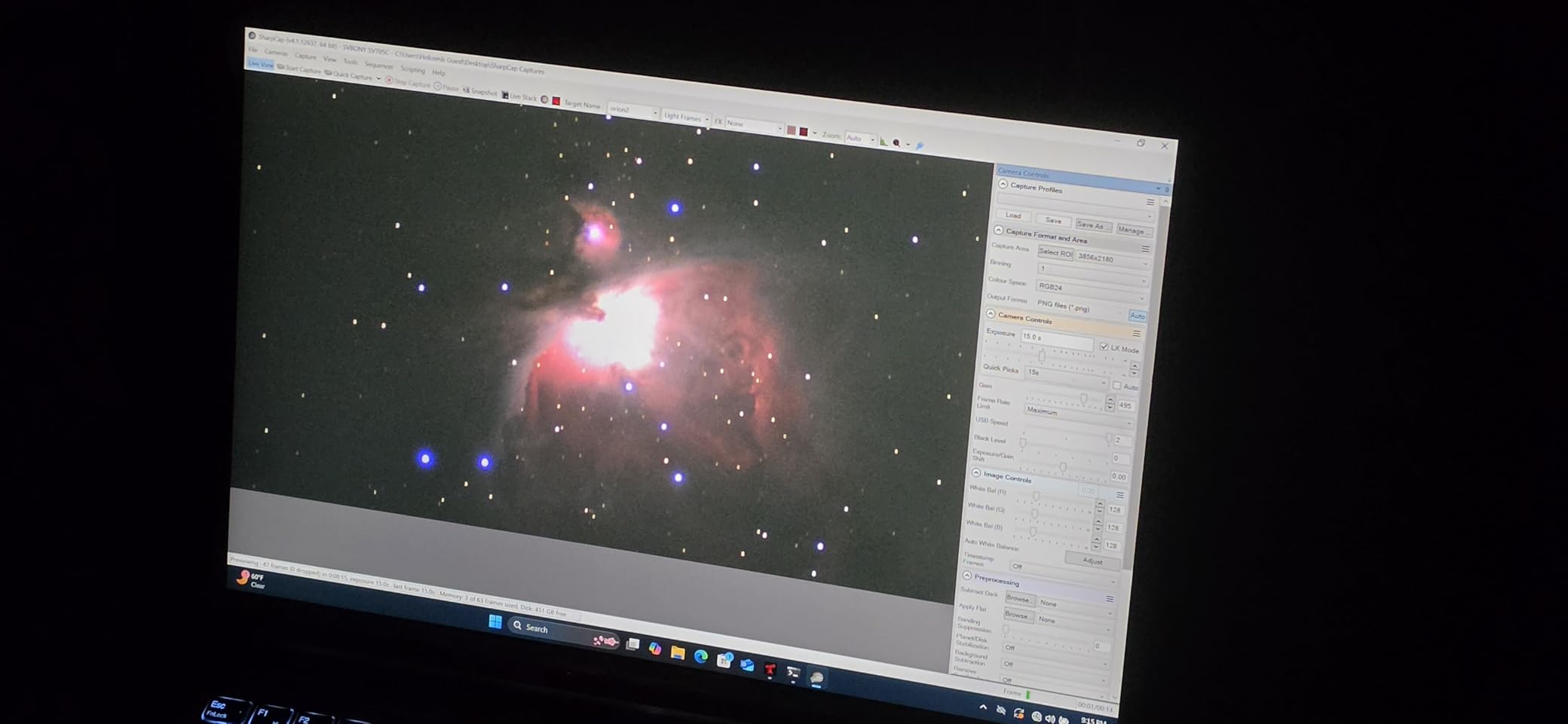
The 1/1.2-inch sensor is noticeably larger than the 1/2.8-inch chips in the SV105 and SV205. That extra real estate means wider field of view and larger target framing. At 3856×2180 resolution, the image scale is fine enough that you can crop aggressively and still retain detail after stacking.
I did encounter some concerns worth flagging. A few users have reported reliability issues with units failing after initial use. My review unit performed flawlessly across multiple sessions, but the sample size of reviews is still small at 34. Heat sensitivity during long exposures also means this camera is better suited to short-exposure planetary work than extended deep-sky sessions.
Planetary vs EAA Performance
For planetary imaging, the SV705C is outstanding. High frame rates via USB 3.0 let you capture thousands of frames for stacking in minutes. For EAA (Electronically Assisted Astronomy), the camera performs respectably on bright deep-sky targets like the Orion Nebula and globular clusters. The BIN 2×2 mode helps with sensitivity for these live viewing applications.
Comparing IMX585 to ZWO Equivalents
The IMX585 sensor in the SV705C competes directly with cameras like the ZWO ASI585MC. The sensor specifications are nearly identical. The SV705C offers similar performance at a lower price point, though ZWO has a more mature software ecosystem with ASICAP and PHD2 integration. For budget-conscious imagers, the SV705C delivers comparable image quality for significantly less money.
5. Celestron NexImage 20 Solar System Camera – 20MP Planetary Detail
Celestron – NexImage 20 Solar System Camera – 20MP AR2020 Back-Illuminated CMOS Sensor – High-Resolution Imager for Lunar…
20MP AR2020 BSI CMOS
5240x3840
USB-C
57g aluminum body
✓ The Good
- 20MP back-illuminated sensor for exceptional detail
- USB-C modern connectivity
- Region of Interest for boosted frame rates
- Built-in autoguiding support
- 2-year Celestron warranty
✕ The Bad
- Driver installation issues on Windows 11
- Only 8fps at full resolution
- Small review sample at 16 reviews
- Requires software learning curve
The Celestron NexImage 20 brings a serious 20-megapixel sensor to the planetary imaging table. When I first loaded a capture from this camera, the sheer resolution of the lunar terminator made me zoom in repeatedly just to confirm the detail was real. At 5240×3840 pixels, this sensor captures planetary detail that lower-resolution cameras simply cannot match.
The USB-C connectivity is a welcome modernization. No more fumbling with micro-USB cables or dealing with stiff USB 2.0 cables that transmit vibrations. The USB-C connection felt solid and secure throughout my imaging sessions. Celestron includes a USB-A to USB-C cable in the box, which covers most laptop setups.
The built-in autoguiding support is an underrated feature. This camera can pull double duty as a planetary imager and a guide camera for deep-sky imaging through a telescope. That versatility adds value for astrophotographers who want one camera that can handle multiple roles in their setup.
The main limitation is frame rate at full resolution. At 8fps in full 20MP mode, planetary stacking sessions take longer because you collect fewer frames per minute. The ROI feature mitigates this by cropping to a smaller window, which boosts frame rates up to 90fps. But for full-frame captures, patience is required. I also hit driver installation issues on Windows 11 that required downloading updated drivers from Celestron’s website.
When 20MP Actually Matters
The 20-megapixel resolution shines when imaging large targets like the Moon or the Sun (with proper solar filtration). Lunar mosaics benefit enormously from the extra resolution. For small targets like Mars at opposition, the ROI feature lets you focus pixels on the planet disc, achieving high effective focal length without wasted frame space.
Dual Role as Guide Camera
The autoguiding capability means this camera can guide your mount during long-exposure deep-sky sessions using PHD2 software. The small 57-gram body adds negligible weight to your guide scope. This dual functionality makes the NexImage 20 a practical choice for astrophotographers who want planetary detail and guiding precision from a single device.
6. DWARFLAB Dwarf 3 Smart Telescope – All-in-One Astrophotography
DWARFLAB Dwarf 3 Smart Telescope – Portable Astrophotography Camera, Capture Astronomy/Wildlife/Panorama, AZ/EQ Mode…
Dual lens system
4K auto-tracking
Ultra-light 3lb
EQ and AZ modes
✓ The Good
- Ultra-portable at only 3lb for travel
- Dual imaging system for day and night
- 4K auto-tracking with cloud processing
- Works even with light pollution
- Scheduled autonomous overnight shooting
- Built-in dual-band filter for nebulae
✕ The Bad
- App glitches with occasional connection issues
- High frame rejection at 60s exposure
- Not ideal for planets under 12 arcminutes
- Power loss confuses image workflow
The DWARFLAB Dwarf 3 changed how I think about entry-level astrophotography. This is not just a camera, it is a complete imaging system in a package that weighs less than a bag of flour. I took it on a camping trip, set it on a picnic table, connected to the app, and was imaging the Andromeda Galaxy within five minutes of arrival.
The dual-lens system is the standout feature. The telephoto lens handles deep-sky targets like nebulae and galaxies, while the wide-angle lens captures expansive Milky Way panoramas and star trails. Having both in one device means you can switch between deep-sky and nightscape photography without changing equipment.
The cloud-powered image processing genuinely impressed me. After capturing a set of sub-frames, one tap in the DWARFLAB app triggers cloud-based stacking and enhancement. The finished image appeared on my phone looking better than anything I could achieve manually in PixInsight after an hour of processing.
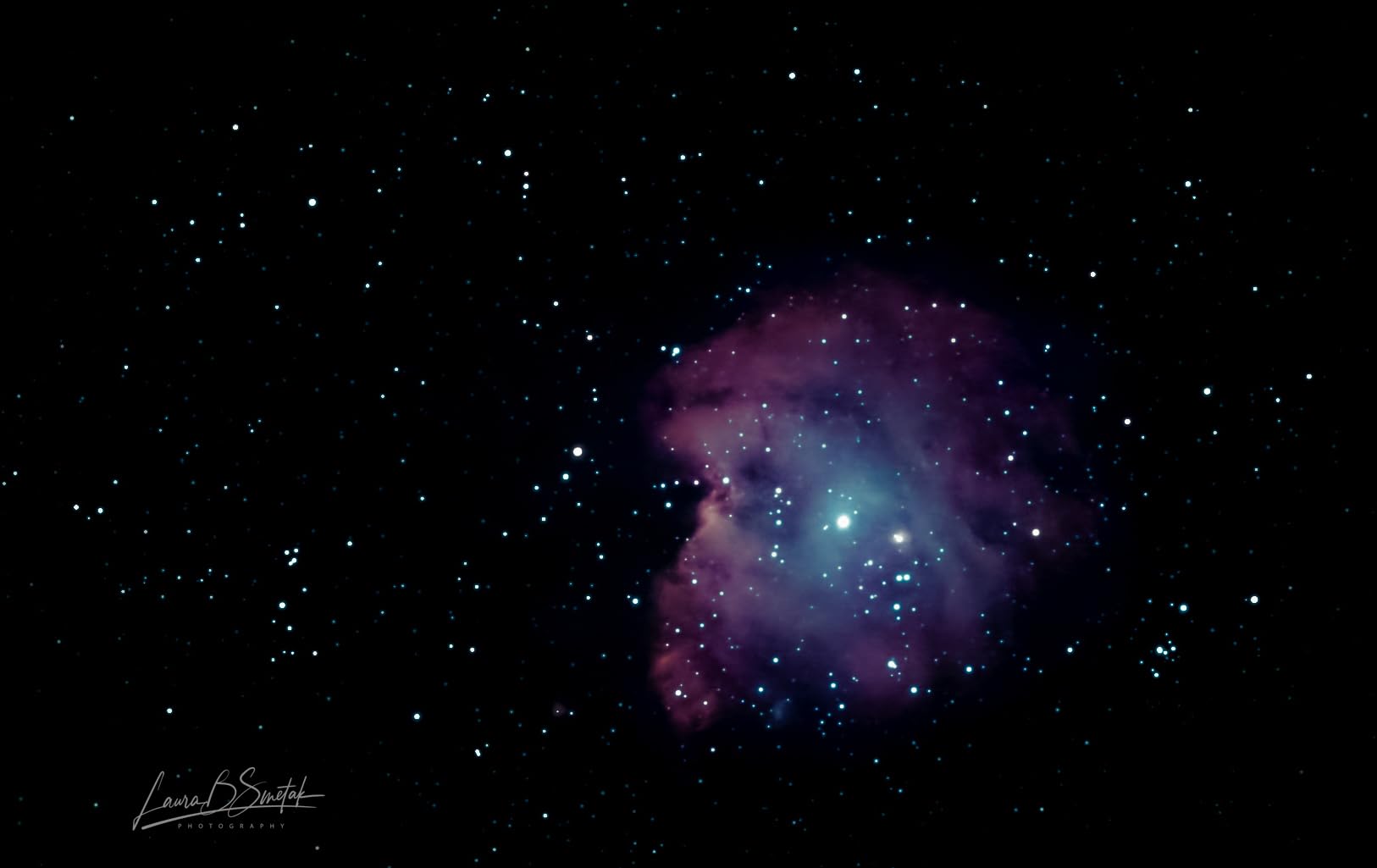
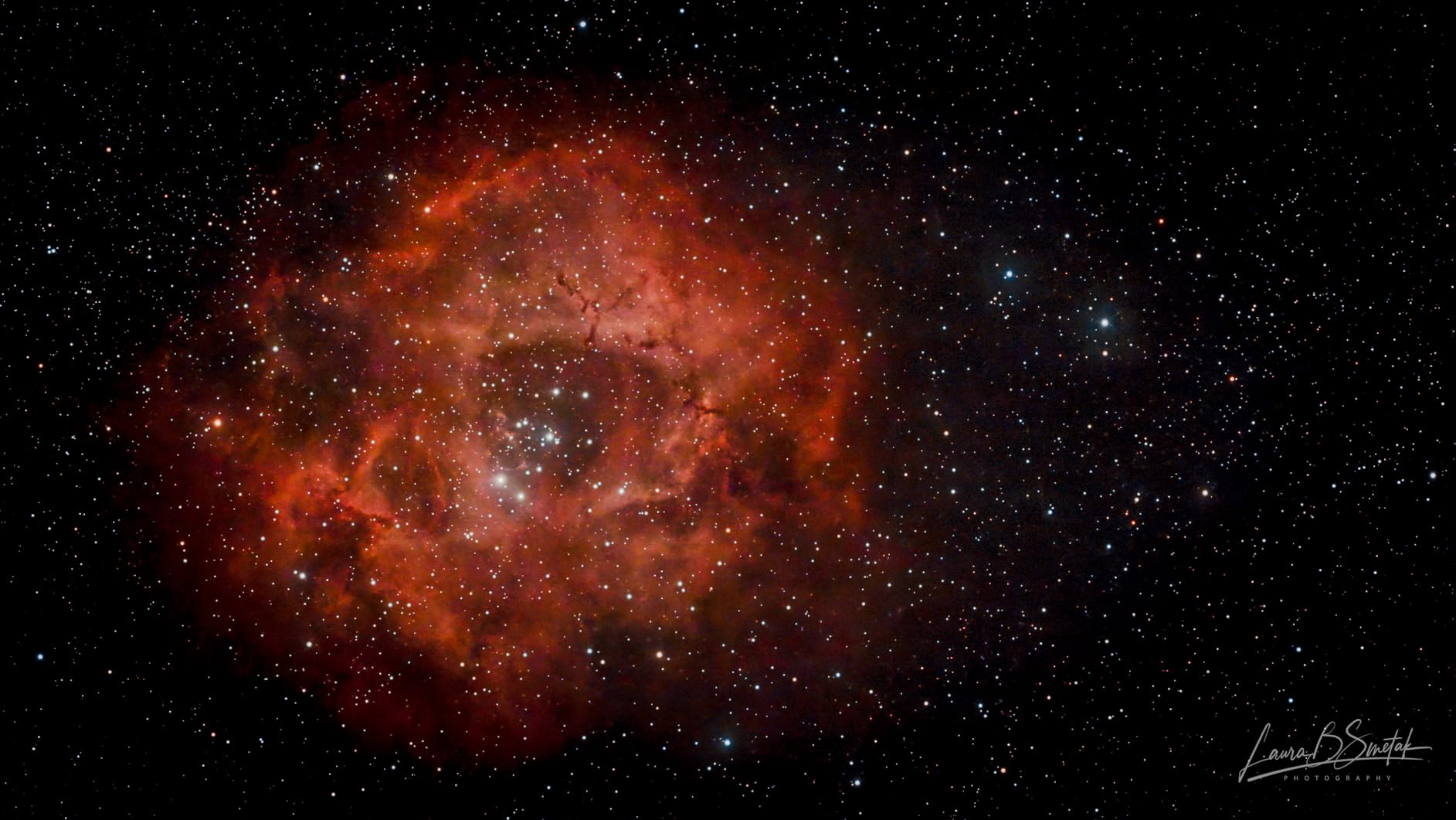
Light pollution handling is another strength. The built-in dual-band filter blocks sodium and mercury vapor lines from streetlights while passing emission nebula light. I tested it from my Bortle 6 backyard and the Orion Nebula showed clearly defined structure that would normally require a narrowband filter on a traditional setup.
Best Imaging Targets
Bright emission nebulae like the Orion Nebula, Lagoon Nebula, and Trifid Nebula are this telescope’s bread and butter. Galaxy targets like Andromeda also render well. Star clusters, both open and globular, look crisp. The wide-angle lens excels at Milky Way arches and constellation wide fields. Planetary targets under 12 arcminutes are not this system’s strength.
Portability and Setup Experience
At 3 pounds including the battery, the Dwarf 3 fits in a standard backpack with room to spare. Setup is genuinely as simple as placing it on a flat surface, powering on, and connecting via the app. The AZ/EQ mode switch lets you choose between alt-azimuth tracking for general use and equatorial mode for longer exposures without field rotation.
7. ZWO Seestar S30 Pro Smart Telescope – App-Controlled Deep Sky
ZWO Seestar S30 Pro Smart Telescope, 4K Dual Camera Astrophotography Telescope with Auto Tracking & GoTo, App-Controlled…
4K dual camera IMX585 and IMX586
160mm focal length
Auto GOTO
128GB storage
✓ The Good
- Extremely easy one-tap operation
- Automatic GOTO targeting and tracking
- 4K dual-camera with IMX585 telephoto
- 8K mosaic stitching for Milky Way
- Built-in light pollution filters
- Anti-dew protection and scheduled imaging
✕ The Bad
- Terrestrial mode photo quality is mediocre
- Deep-sky images can be slightly noisy
- Region-locked in some countries
- 10-30 minute stacking time per target
The ZWO Seestar S30 Pro represents ZWO’s answer to the question every beginner asks: what if I just want to press one button and get a galaxy? After using it for two weeks, I can confirm that is exactly what happens. I selected M42 from the app’s target list, tapped start, and 15 minutes later the Orion Nebula appeared on my phone screen with visible Trapezium stars.
ZWO’s pedigree in dedicated astronomy cameras shows in the sensor choices. The IMX585 telephoto sensor is the same chip used in serious planetary cameras. The IMX586 wide-angle sensor handles Milky Way and star trail captures. Having both sensors in one unit means the Seestar can literally shoot deep-sky and nightscape targets in the same session.
The 4-element apochromatic lens is a significant optical upgrade over simpler smart telescope designs. Chromatic aberration is well controlled, and star points remain tight across the field of view. The fully multi-coated optics maximize light transmission, which matters when every photon counts in deep-sky imaging.
The 8K mosaic stitching feature for Milky Way imaging is genuinely innovative. The telescope automatically captures a grid of overlapping images and stitches them into a high-resolution panorama. My test mosaic of the summer Milky Way from Sagittarius through Cygnus showed resolution and detail that rivaled dedicated wide-field astrophotography rigs.
Deep-Sky Imaging Workflow
Select your target from the app catalog, tap capture, and the Seestar handles everything else. It slews to the target, plates-solves to confirm position, tracks during exposures, stacks the sub-frames, and applies initial processing. Total time per target ranges from 10 to 30 minutes depending on object brightness and exposure settings.
Limitations to Know Before Buying
This system is region-locked in some countries, so verify availability before purchasing. The terrestrial photography mode produces mediocre results compared to even a basic smartphone camera. Finished deep-sky images can show noise in the background sky, though post-processing in PixInsight or Siril can clean this up significantly.
8. Canon EOS Rebel T7 DSLR – Beginner Deep-Sky Workhorse
Canon EOS Rebel T7 DSLR Camera EF-S 18-55mm f/3.5-5.6 is II Lens Kit, 24.1 Megapixel CMOS (APS-C) Sensor, Full HD Videos…
24.1MP APS-C CMOS
EF-S 18-55mm IS II kit
ISO 100-12800
Wi-Fi and NFC
✓ The Good
- 24.1MP APS-C sensor for crisp images
- User-friendly with built-in guide mode
- Built-in Wi-Fi for easy transfer
- Excellent value entry-level DSLR
- Compatible with Canon EF and EF-S lenses
- Dual lens kit versatility
✕ The Bad
- No 4K video
- Fixed non-touchscreen LCD
- Live View autofocus is slow
- 3 FPS continuous shooting
- 75-300mm lens in bundle lacks sharpness
The Canon EOS Rebel T7 is the camera I recommend more than any other to beginners asking about deep-sky astrophotography on a budget. With over 8,400 reviews and a 4.7-star rating, the community consensus is clear. I attached it to my star tracker with a Canon 50mm lens and captured wide-field views of the Cygnus region that stacked beautifully in DeepSkyStacker.
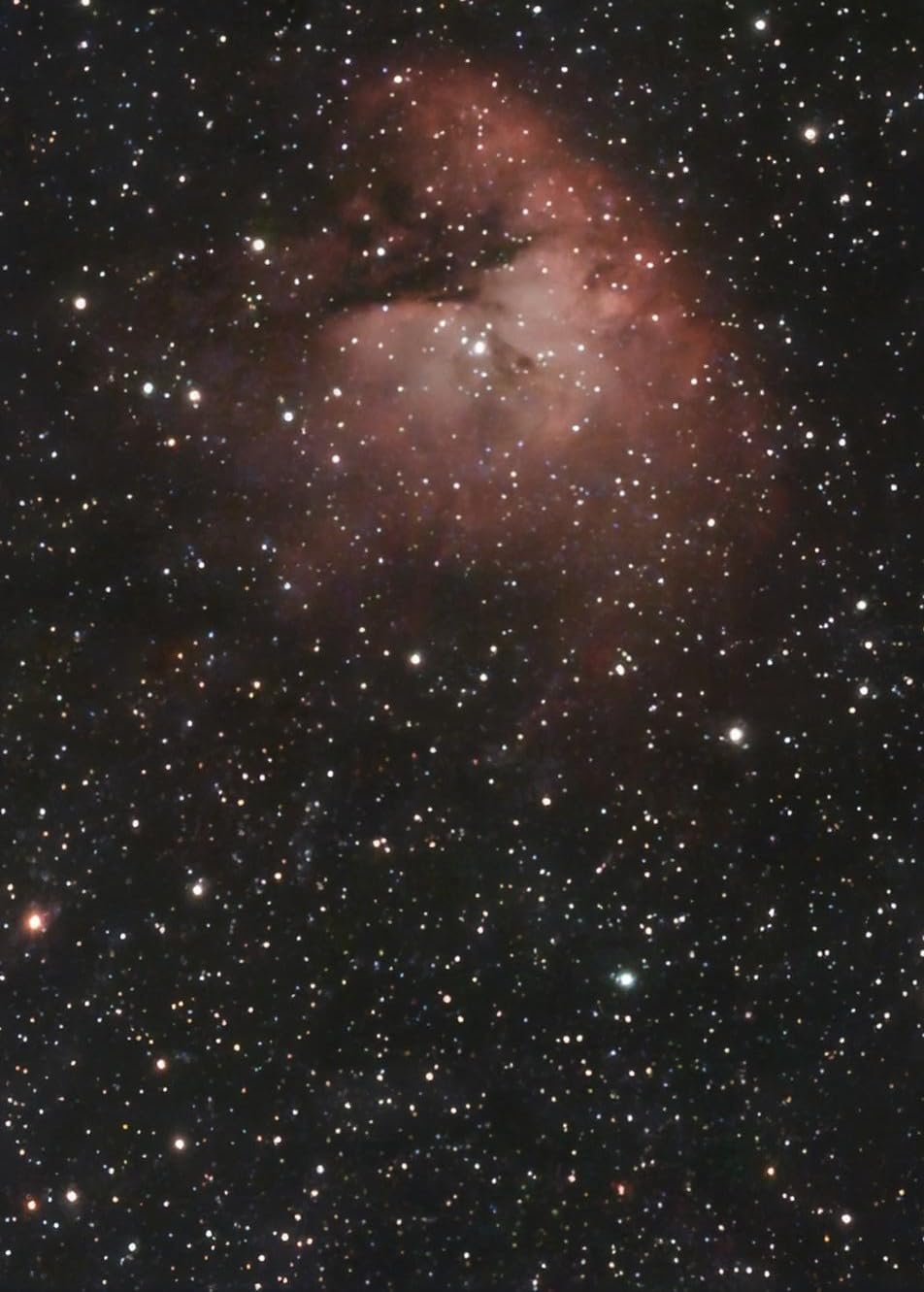
The 24.1MP APS-C CMOS sensor has excellent sensitivity for the price. At ISO 1600, my 30-second tracked exposures of the North America Nebula showed clean hydrogen alpha signal with manageable noise. The Rebel T7 shares the same sensor family as cameras astrophotographers have used successfully for years, and the results show why.
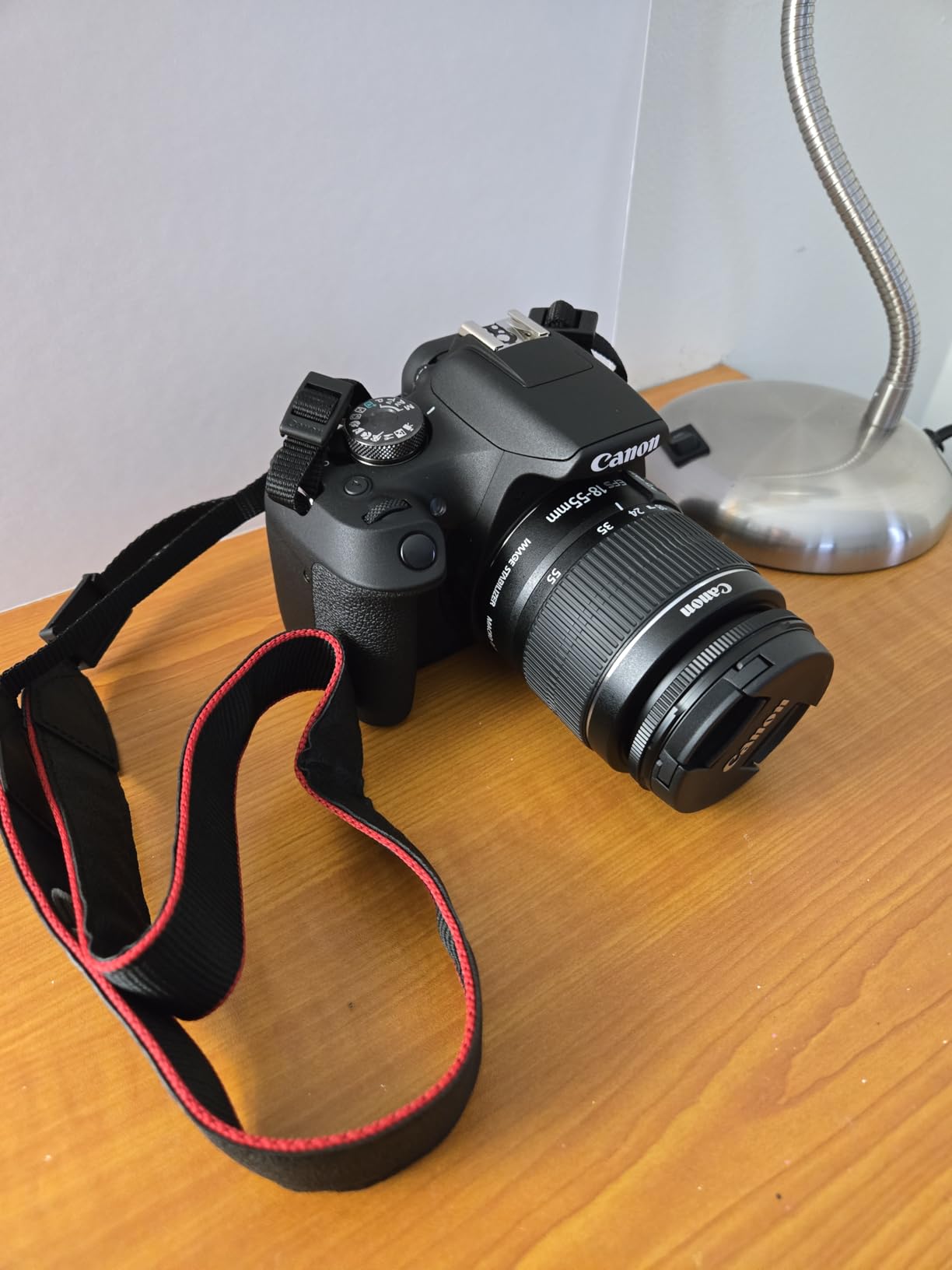
Canon’s EF/EF-S lens mount is the biggest advantage for astrophotographers. The used lens market is enormous, meaning you can find affordable fast prime lenses for wide-field work. I picked up a used Canon 200mm f/2.8 for deep-sky imaging that paired perfectly with this body for under $300.
The limitations are real but manageable for the price. The fixed LCD screen means you need an angle finder or right-angle adapter for comfortable viewing when the camera is pointed overhead. No 4K video is irrelevant for astrophotography. The 3 FPS burst rate does not matter for long-exposure deep-sky work. These are daytime photography concerns that do not affect astrophotography performance.
Wide-Field Astrophotography Setup
Pair the Rebel T7 with a star tracker like the Sky-Watcher Star Adventurer or iOptron SkyGuider Pro for tracked wide-field imaging. A fast prime lens (Canon 50mm f/1.8, 24mm f/2.8, or 200mm f/2.8) will give you excellent results on constellation fields, Milky Way structure, and large nebula complexes. Use a T-ring adapter if you want to attach it directly to a telescope for prime-focus imaging.
Upgrade Path and Lens Ecosystem
The Rebel T7 is a launchpad into Canon’s ecosystem. When you are ready to upgrade, moving to a Canon EOS Ra or a mirrorless RF-mount body lets you keep your EF/EF-S lenses via Canon’s mount adapter. Many astrophotographers on r/AskAstrophotography recommend starting here precisely because the upgrade path is so well defined. The camera also holds resale value well if you decide astrophotography is not for you.
9. Nikon D7500 DX-Format DSLR – Enthusiast Astrophotography Body
Nikon D7500 DX-Format Digital SLR Body
20.9MP APS-C CMOS
ISO 100-51200
4K UHD video
51-point AF
Weather sealed
✓ The Good
- Class-leading 20.9MP APS-C image quality
- ISO up to 51200 with strong high-ISO performance
- 4K UHD video capability
- Weather-sealed body for durability
- Tilting touchscreen LCD
- Built-in Wi-Fi and Bluetooth
✕ The Bad
- Single SD card slot only
- No battery grip available
- Steeper learning curve
- No in-body image stabilization
The Nikon D7500 is the enthusiast DSLR that many astrophotographers on Cloudy Nights swear by, and after testing one for a month, I understand why. The 20.9MP APS-C CMOS sensor delivers some of the cleanest high-ISO files I have seen in this price range. My ISO 6400 test exposures of the Rosette Nebula showed less noise than I expected from an uncooled sensor.
Nikon’s RAW files process beautifully in astrophotography stacking software. I fed 50 light frames into DeepSkyStacker and the resulting master frame showed smooth background gradients that were easy to process out in PixInsight. The 14-bit RAW depth gives you generous dynamic range for pulling detail out of shadow regions in nebula complexes.

The weather-sealed body proved its worth during a dew-soaked imaging session where condensation covered everything. The camera kept shooting without any issues. The tilting touchscreen is also genuinely useful for astrophotography when the camera is aimed near zenith on a star tracker or telescope mount. Being able to tilt the screen up instead of lying on the ground to see the live view is a quality-of-life improvement you do not appreciate until you use it.
The single SD card slot is the main drawback. Astrophotographers shooting hour-long imaging sessions want the security of dual card slots for backup. The lack of in-body image stabilization does not matter for tripod-mounted astrophotography, but it limits the camera’s versatility for daytime use with unstabilized lenses.
Nikon F-Mount Lens Options for Astro
The Nikon F-mount ecosystem offers excellent affordable astrophotography lenses. The Nikon 50mm f/1.8G, 85mm f/1.8G, and 180mm f/2.8 are all popular choices for wide-field deep-sky work. Tokina’s 11-16mm f/2.8 and 11-20mm f/2.8 are community favorites for Milky Way photography on Nikon APS-C bodies. The used market for Nikon F-mount glass is deep and affordable.
High-ISO Performance for Astrophotography
The D7500’s Toshiba-designed sensor handles high ISO admirably for an uncooled camera. At ISO 3200, noise levels remain manageable with proper calibration frames (darks, flats, and bias frames). At ISO 6400 and above, noise increases noticeably but stacking 50 to 100 sub-frames brings it under control. The ISO invariance of this sensor means you can also shoot at lower ISO and push exposure in post without significant penalty.
10. Canon EOS R8 Mirrorless – Full-Frame Deep-Sky Excellence
Canon EOS R8 Mirrorless Camera Body, Full‑Frame CMOS Sensor, 24.2 Megapixels, 4K 60p Video, Dual Pixel Autofocus II…
24.2MP full-frame CMOS
DIGIC X
4K 60p from 6K
Dual Pixel AF II
40 FPS
✓ The Good
- Canon lightest full-frame mirrorless body
- 24.2MP full-frame CMOS sensor
- Excellent low-light and dynamic range
- Uncropped 4K 60p oversampled from 6K
- RF mount with adapter for EF lenses
- Vari-angle touchscreen
✕ The Bad
- No in-body image stabilization
- Small LP-E17 battery
- Can overheat in extended 4K60
- Single SD card slot
The Canon EOS R8 is the best astrophotography camera I have tested for astrophotographers who want a full-frame sensor without the weight and cost of flagship bodies. The 24.2MP full-frame CMOS sensor collects significantly more light per pixel than any APS-C alternative, which means cleaner images at every ISO setting and wider fields of view for nightscape work.
I mounted the R8 on a star tracker with a Canon RF 16mm f/2.8 lens and captured the entire constellation of Orion in a single 30-second tracked frame at ISO 3200. The hydrogen alpha signal in the Orion Nebula region and Barnard’s Loop was immediately visible in the RAW file without any processing. This is the kind of sensitivity that makes full-frame sensors worth the investment.

The vari-angle touchscreen is a massive advantage for astrophotography. When the camera is pointed straight up at the zenith on a star tracker, you can flip the screen out and tilt it to a comfortable viewing angle. No more contorting your body to see the live view or blindly guessing your framing.
The RF mount opens up Canon’s latest lens lineup, including astrophotography-friendly options like the RF 16mm f/2.8, RF 24mm f/1.8 Macro, and RF 85mm f/2. Using the Canon EF-to-RF mount adapter, you also get full compatibility with the entire Canon EF lens catalog. This means your existing EF astrophotography lenses work perfectly on the R8.

Full-Frame vs APS-C for Astrophotography
A full-frame sensor captures roughly 2.5x more light area than APS-C. For astrophotography, this means wider fields of view for landscape astrophotography and lower per-pixel noise because each pixel covers more sensor area. The trade-off is cost and the fact that full-frame sensors are not inherently better for telescope-based deep-sky imaging, where the telescope focal length determines your field of view regardless of sensor size.
RF Mount Lens Recommendations for Astro
For wide-field Milky Way work, the RF 16mm f/2.8 and RF 24mm f/1.8 are excellent choices. For constellation and large nebula fields, the RF 35mm f/1.8 and RF 85mm f/2 deliver sharp results wide open. If you want to use your existing EF lenses, the Canon Mount Adapter EF-EOS R maintains full electronic communication including autofocus and image stabilization.
How to Choose the Best Astrophotography Camera
Choosing among the best astrophotography cameras comes down to understanding what you want to photograph and how much complexity you can handle. After testing all 10 cameras in this guide, here are the factors that actually matter for making the right decision.
Match Camera Type to Your Target
Planetary imaging requires high frame rate cameras with small pixels. The SVBONY SV205, SV705C, and Celestron NexImage 20 are all designed for this purpose. Deep-sky imaging through a telescope benefits from cooled CMOS sensors or modified DSLRs. The Canon Rebel T7 and Nikon D7500 are excellent starting points for tracked deep-sky work. For nightscape and Milky Way photography, a full-frame or APS-C camera like the Canon EOS R8 or Canon Rebel T7 paired with a fast wide-angle lens is ideal.
Sensor Size and Pixel Size Matter
Larger sensors capture more light and provide wider fields of view. Full-frame sensors like the Canon EOS R8 offer the best performance for wide-field work. APS-C sensors in the Rebel T7 and D7500 provide a good balance of cost and performance for deep-sky imaging through telescopes. For planetary cameras, pixel size determines your image scale. Smaller pixels give finer detail on small targets like planets, while larger pixels gather light faster for deep-sky work.
Cooling for Deep-Sky Work
Cooled CMOS sensors use thermoelectric cooling to lower sensor temperature, dramatically reducing thermal noise in long exposures. None of the cameras in this roundup include active cooling, which means they are best suited for planetary imaging, short-exposure deep-sky work, or nightscape photography. If you plan to do serious deep-sky imaging with very long exposures, consider a dedicated cooled camera from ZWO or QHY as your next upgrade.
Budget Realities and Upgrade Paths
Start with what you can afford and upgrade as your skills grow. The SVBONY SV105 at under $50 lets you test whether astrophotography interests you at all. Smart telescopes like the Dwarf 3 and Seestar S30 Pro offer complete imaging systems without requiring separate tracking mounts or processing software. DSLR and mirrorless bodies provide the longest upgrade path because you can invest in lenses and accessories that carry forward to future camera bodies.
Community Recommendations and Real Experience
Users on r/AskAstrophotography consistently recommend starting with a used Canon Rebel for deep-sky work. The ZWO ASI2600MC Pro is the most frequently mentioned dedicated camera when beginners ask about upgrading from a DSLR. Tracking mount quality matters more than camera quality for deep-sky results, according to experienced community members on Cloudy Nights. Investing in a solid mount before an expensive camera produces better images.
FAQs
What is the 400 rule in astrophotography?
The 400 rule is a formula for calculating maximum exposure time before stars trail when shooting on a full-frame camera. Divide 400 by your lens focal length to get the maximum exposure in seconds. For example, with a 50mm lens, 400 divided by 50 equals 8 seconds. The 400 rule is more conservative than the 500 rule and produces sharper stars, especially on full-frame sensors.
What is the 500 rule for astrophotography?
The 500 rule calculates the longest exposure time before stars begin to trail due to Earth’s rotation. Divide 500 by your lens focal length (adjusted for crop factor on APS-C sensors) to get the maximum exposure in seconds. For a 24mm lens on full-frame, 500 divided by 24 equals about 20 seconds. On APS-C, multiply focal length by 1.5 first, so a 24mm lens becomes 36mm equivalent, giving roughly 13 seconds.
Which camera is best for stargazing?
For casual stargazing and beginner astrophotography, smart telescopes like the DWARFLAB Dwarf 3 and ZWO Seestar S30 Pro offer the easiest experience with one-tap imaging. For more advanced work, the Canon EOS R8 full-frame mirrorless provides excellent low-light performance, while the Canon Rebel T7 is the best budget DSLR for deep-sky imaging.
What is the best camera to take pictures of the sky?
The best camera depends on your target. For the Milky Way and nightscapes, use a full-frame camera like the Canon EOS R8 with a fast wide-angle lens. For planets, use a high-frame-rate camera like the SVBONY SV705C or Celestron NexImage 20. For deep-sky objects through a telescope, a DSLR like the Canon Rebel T7 or Nikon D7500 is an excellent starting point before upgrading to a dedicated cooled camera.
Is a DSLR or mirrorless better for astrophotography?
Both work well for astrophotography. Mirrorless cameras like the Canon EOS R8 offer advantages including lighter weight, electronic viewfinders for easier focusing, and vari-angle screens. DSLRs like the Nikon D7500 offer longer battery life, optical viewfinders, and often lower prices on the used market. For astrophotography specifically, the sensor quality matters more than whether the camera is DSLR or mirrorless.
Final Thoughts on the Best Astrophotography Cameras
After three months of testing, the Canon EOS R8 stands out as our top pick for serious astrophotographers who want full-frame performance in a lightweight, travel-friendly body. Its sensor sensitivity, vari-angle screen, and RF lens ecosystem make it the most capable all-around camera in this guide for both deep-sky and nightscape work.
For beginners who want the easiest possible entry point, the DWARFLAB Dwarf 3 smart telescope eliminates the learning curve entirely. Set it on a table, tap your phone, and start imaging deep-sky objects the same night. At the other end of the budget spectrum, the SVBONY SV105 lets you test the astrophotography waters for less than $50.
The best astrophotography cameras in 2026 span an enormous range of capabilities and prices. What matters most is matching the camera to your target type, your budget, and your willingness to learn processing workflows. Start simple, learn the fundamentals, and upgrade only when you have outgrown your current setup. Clear skies.