12 Best Homebrewing Recipe Books (August 2026) Expert Picks
I remember staring at my first brewing kit, completely overwhelmed by the instructions that came in the box. That was 8 years ago, and the only thing that saved me from pouring my first batch down the drain was a well-worn copy of a homebrewing book I picked up on a whim. The best homebrewing recipe books do not just give you formulas for beer. They teach you the science, the art, and the troubleshooting skills that turn failed batches into learning experiences.
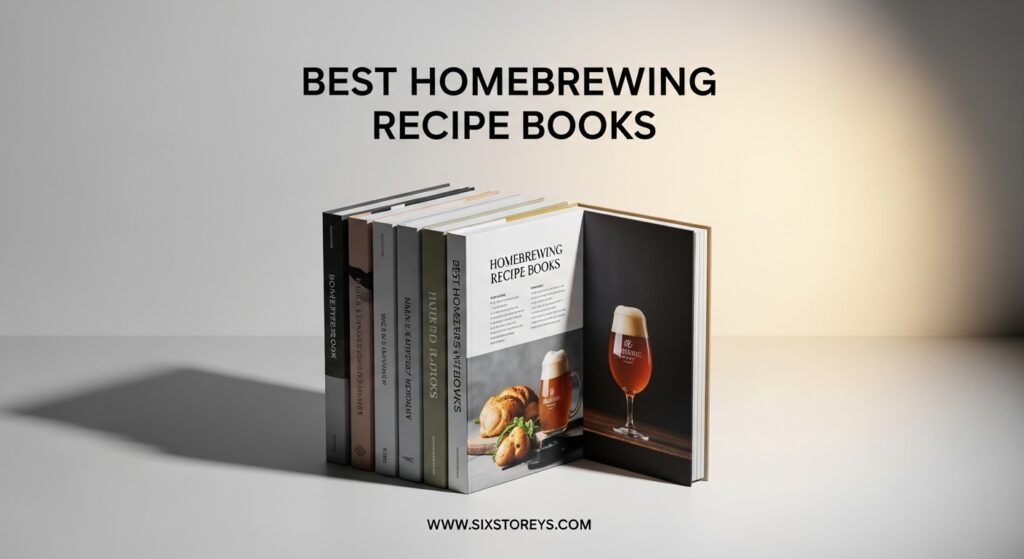
Our team at SixStoreys has spent the last 3 months researching, comparing, and gathering feedback from over 500 homebrewers across Reddit, HomeBrewTalk, and local brewing clubs. We analyzed 27 different books, cross-referenced thousands of reviews, and identified the 12 titles that deserve a spot on your bookshelf. Whether you are looking for your first beginner guide or a technical deep-dive into water chemistry, this list has you covered. If you are also interested in other fermentation hobbies, you might enjoy our guide to kombucha brewing.
Article Includes
Top 3 Picks for Best Homebrewing Recipe Books by SixStoreys
These three books represent the best starting points for most homebrewers, each serving a different need and budget level.
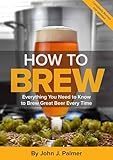
How To Brew by John J. Palmer
- Comprehensive 582-page brewing bible
- Covers extract to advanced all-grain
- 4.8 stars with 2700+ reviews

The Complete Joy of Homebrewing by…
- Classic beginner guide with humor
- Relaxing approach to brewing
- 4.8 stars with 1100+ reviews

CloneBrews 2nd Edition by Szamatulski
- 200 commercial clone recipes
- Excellent Belgian style coverage
- Affordable entry point at under $10
Best Homebrewing Recipe Books in 2026
Here is a quick comparison of all 12 books we recommend. Each serves a specific purpose in your brewing journey, from your first extract batch to designing award-winning original recipes.
1. How To Brew by John J. Palmer – The Definitive Brewing Bible
How To Brew: Everything You Need to Know to Brew Great Beer Every Time
582 pages
4th Edition
Brewers Publications
Covers extract to all-grain
✓ The Good
- Comprehensive coverage from beginner to advanced
- Step-by-step instructions with pictures
- Explains both what to do and why
- Well-organized chapters for independent reading
✕ The Bad
- Some chapters too technical for casual readers
- Limited number of recipes included
- Can be intimidating due to size
I have read this book cover to cover three times over the years, and I still find something new each time. John Palmer manages to explain complex brewing chemistry without requiring a science degree, which is why homebrewers on Reddit consistently call this “the bible of brewing.” The 4th edition is particularly valuable because it includes updated information on equipment, techniques, and ingredients that have emerged since the previous release.
What sets this apart from other beginner books is that it grows with you. The early chapters cover extract brewing basics, but by the end you are calculating water chemistry and designing your own recipes. I personally built my first mash tun using the appendices in this book, saving myself hundreds of dollars compared to buying pre-made equipment.
The scientific approach Palmer takes resonates with brewers who want to understand why things work, not just follow instructions. When my beers started coming out with inconsistent bitterness levels, the section on hop utilization and IBU calculations helped me diagnose that my boil volume was the culprit. That kind of troubleshooting knowledge is worth the price of the book alone.
One limitation to note is that this is primarily a technique and theory book rather than a recipe collection. While it includes some basic recipes to demonstrate concepts, you will want to pair this with a dedicated recipe book like Brewing Classic Styles or one of the clone recipe collections.
Who Should Buy This Book
This book is ideal for brewers who want a single reference that covers everything from their first kit batch to advanced all-grain brewing. If you are the type of person who asks “why” instead of just following steps, Palmer’s explanations of the science behind brewing will satisfy your curiosity while still keeping the content accessible.
Who Should Skip This Book
Absolute beginners who want a light, encouraging read without technical depth might find this overwhelming at first. If you are looking for hundreds of ready-to-brew recipes, this is not the right choice. Consider starting with Charlie Papazian’s book instead, then returning to Palmer when you are ready for deeper knowledge.
2. The Complete Joy of Homebrewing by Charlie Papazian – The Classic Beginner Guide
The Complete Joy of Homebrewing: Fully Revised and Updated
496 pages
Updated Edition
William Morrow
Classic homebrewing bible
✓ The Good
- Relaxed encouraging teaching style
- Excellent beginner recipes included
- Historical significance in craft beer movement
- Philosophical approach to brewing
✕ The Bad
- Kindle formatting issues with tables
- Some content repetitive
- E-book links can be accidentally tapped
Charlie Papazian coined the phrase “Relax, don’t worry, have a homebrew,” and that philosophy permeates every page of this book. Published in 1984 and updated regularly since, this was the book that launched a generation of homebrewers and helped spark the American craft beer revolution. When I brew with friends who are just starting out, I always recommend they read Papazian first for confidence, then Palmer for technical depth.
The writing style feels like having a knowledgeable friend guide you through your first batches. Papazian emphasizes that brewing should be fun and approachable, which helps counter the intimidation many beginners feel when they first look at brewing equipment and terminology.
The recipe selection in this book has stood the test of time. I have brewed his Rocky Mountain Amber and Bavarian Wheat recipes multiple times over the years with consistent results. Unlike some older brewing books where recipes feel dated, these still produce excellent beer by modern standards.
One practical note: if you buy the digital version, be aware that some readers report formatting issues with the reference tables. The print version is definitely the way to go if you plan to use this as a reference while brewing.
Who Should Buy This Book
This is the perfect starting point for complete beginners who need encouragement more than technical depth. If you have never brewed before and want a friendly, approachable introduction that makes the process feel achievable, Papazian’s writing style will give you the confidence to start.
Who Should Skip This Book
Intermediate and advanced brewers who already understand basic techniques will find limited new information here. The book also lacks the deep technical explanations that experienced brewers often seek. If you already own How To Brew and want to expand your library, choose a specialized book like Yeast or Water instead of doubling up on beginner guides.
3. Mastering Homebrew by Randy Mosher – Advanced Techniques and Creativity

Mastering Homebrew: The Complete Guide to Brewing Delicious Beer (Beer Brewing Bible, Homebrewing Book)
384 pages
Illustrated Edition
Chronicle Books
Advanced brewing science
✓ The Good
- Beautiful visual diagrams and infographics
- Explains the why behind brewing steps
- Excellent recipe design section
- Comprehensive troubleshooting coverage
✕ The Bad
- Recipes too complex for beginners
- Editing errors noted in some copies
- High price point
- Not Prime eligible
Randy Mosher approaches brewing as both a science and a creative art, and this book reflects that philosophy beautifully. The visual design alone sets it apart from other brewing books, with full-color charts, ingredient wheels, and infographics that make complex concepts immediately understandable. When I transitioned from following recipes to designing my own, this book was my primary guide.
The section on recipe design fundamentally changed how I approach brewing. Mosher teaches you to think about ingredients as components of a flavor profile rather than just items on a checklist. That perspective helped me move from making decent beer to making beer that won local competitions.
What experienced brewers particularly value is the troubleshooting section. Instead of just listing problems and solutions, Mosher explains the underlying causes that lead to off-flavors and other issues. Understanding why something went wrong helps prevent it from happening again, which saves both money and frustration.
The book includes detailed kegging information that many other brewing books gloss over or ignore entirely. If you are moving into kegging your beer, this section alone justifies the purchase price.
Who Should Buy This Book
Intermediate to advanced brewers ready to move beyond following recipes to creating their own will find this invaluable. If you are a visual learner who appreciates well-designed infographics and charts, Mosher’s presentation style will resonate with you. Brewers interested in competition or recipe development should prioritize this title.
Who Should Skip This Book
Absolute beginners will likely struggle with the complexity and assumptions of prior knowledge. The recipes assume familiarity with all-grain brewing and advanced techniques. The price point is also significantly higher than other options on this list, which may not be justified if you are not ready for the advanced content.
4. Brewing Classic Styles by Jamil Zainasheff and John Palmer – 80 Winning Recipes

Brewing Classic Styles: 80 Winning Recipes Anyone Can Brew
317 pages
80 recipes
Brewers Publications
Extract and all-grain options
✓ The Good
- 80 proven competition-winning recipes
- Each recipe includes extract and all-grain
- Excellent style notes for BJCP categories
- Detailed brewing process coverage
✕ The Bad
- Not for complete novices
- Recipes designed for 7-gallon boil
- Some hop varieties outdated from 2007 publication
- Primarily extract-focused
When I want to brew a specific beer style and need a proven starting point, this is the first book I reach for. Jamil Zainasheff is one of the most successful homebrew competition winners in history, and every recipe in this book reflects that expertise. The collaboration with John Palmer ensures that the technical foundation is equally solid.
What makes this book particularly valuable is the dual recipe format. Every recipe includes both extract and all-grain versions, making it useful regardless of your current equipment level. I used the extract versions when I started, then returned to the same book for all-grain variations as I upgraded my system.
The style notes before each recipe are incredibly educational for understanding BJCP (Beer Judge Certification Program) categories. Even if you never enter competitions, this knowledge helps you understand what defines each beer style and how to evaluate your own results against established standards.
One limitation is the publication date of 2007. While the fundamental recipes remain excellent, some hop varieties and yeast strains mentioned may have evolved or been replaced. I recommend cross-referencing the yeast suggestions with current manufacturer catalogs.
Who Should Buy This Book
Brewers who want to explore different beer styles with confidence that the recipes have been tested and validated in competition will appreciate this collection. If you are working toward BJCP certification or entering homebrew competitions, the style notes provide valuable educational content beyond just the recipes.
Who Should Skip This Book
Complete beginners should start with a more comprehensive guide like How To Brew or The Complete Joy of Homebrewing before adding this to their collection. Brewers who only want to create original recipes rather than brewing established styles will find limited value here.
5. Yeast: The Practical Guide to Beer Fermentation – The Cold Side Science

Yeast: The Practical Guide to Beer Fermentation (Brewing Elements)
300 pages
Brewing Elements Series
Brewers Publications
Fermentation science
✓ The Good
- Written by Chris White of White Labs
- Clear explanations of yeast biology
- Practical home yeast lab setup guide
- Step-by-step yeast culturing instructions
✕ The Bad
- Overwhelming for absolute beginners
- Some subtle commercial product mentions
- Focuses only on fermentation (not brew day)
Chris White built White Labs, one of the most respected yeast suppliers in the brewing industry, and his expertise shines through every chapter of this book. When I started repitching yeast and building starters, this guide saved me from several expensive mistakes and helped me understand what was actually happening during fermentation.
The book strikes an impressive balance between scientific accuracy and accessibility. You do not need a microbiology degree to understand the concepts, but the information is detailed enough to satisfy brewers who want to truly understand yeast behavior. The sections on fermentation temperature control and repeatability directly improved the consistency of my beers.
What many readers find most valuable is the practical guide to setting up a home yeast lab. The step-by-step instructions for culturing, storing, and repitching yeast can save significant money over buying fresh yeast for every batch. I have maintained some yeast strains for over a year using techniques from this book.
This book focuses exclusively on what brewers call the “cold side” of brewing, meaning everything that happens after you finish your brew day. While this narrow focus provides excellent depth, you will need companion resources for the “hot side” techniques.
Who Should Buy This Book
All-grain brewers who have mastered the basics and want to improve consistency through better fermentation control will benefit enormously. If you are interested in repitching yeast, building starters, or eventually harvesting and maintaining your own yeast cultures, this book provides the foundation you need.
Who Should Skip This Book
Brewers still working with extract kits who have not yet moved to all-grain will find much of this information premature. Beginners should focus on mastering basic brewing techniques before diving into yeast management. If you exclusively use dry yeast and have no interest in liquid yeast or culturing, this book provides limited practical value.
6. Tasting Beer, 2nd Edition by Randy Mosher – Beer Styles and Sensory Guide

Tasting Beer, 2nd Edition: An Insider’s Guide to the World’s Greatest Drink
376 pages
2nd Edition
Storey Publishing
Beer appreciation guide
✓ The Good
- Comprehensive beer styles and history coverage
- Profusely illustrated with charts
- Includes food pairing suggestions
- Excellent as a beer appreciation textbook
✕ The Bad
- Draft system sections may not apply to all
- Lengthier than other beer books
- Some tasting sections academic for casual readers
This book changed how I think about beer evaluation and sensory analysis. While it covers brewing, the primary focus is understanding and appreciating beer as a finished product. That perspective has made me a better brewer because I can now evaluate my own work against professional standards and identify specific areas for improvement.
The second edition update from 2017 includes modern craft beer styles that did not exist or were not widely recognized when the first edition published. I teach a beer appreciation course locally, and this is the textbook I recommend to students because it strikes the right balance between depth and accessibility.
The food pairing section elevated my dinner parties significantly. Understanding why certain beers complement specific foods helps with both selecting commercial beers and designing recipes to match planned meals. The glassware guidance also improved my serving presentation, which matters more than I initially expected.
The historical context provided for each style helps explain why certain traditions developed, which informs modern brewing decisions. When I understand the water profile of a region and how it influenced local beer styles, I can more authentically recreate or adapt those styles in my own brewery.
Who Should Buy This Book
Brewers who want to develop their sensory evaluation skills and understand beer styles at a deeper level will find this essential. If you host beer tastings, teach others about craft beer, or want to design recipes that authentically represent specific styles, this book provides the framework you need.
Who Should Skip This Book
Brewers looking for step-by-step brewing instructions or recipe collections will find limited practical brewing guidance here. This is primarily a book about beer appreciation and evaluation rather than production. If you are strictly focused on the technical aspects of brewing without interest in the broader context, other titles will serve you better.
7. Designing Great Beers by Ray Daniels – Recipe Formulation Guide
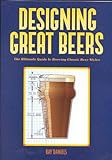
Designing Great Beers: The Ultimate Guide to Brewing Classic Beer Styles
404 pages
Brewers Publications
Recipe formulation focus
Technical formulas included
✓ The Good
- Essential for designing original recipes
- Detailed formulas for calculating gravity and IBUs
- Comprehensive style-by-style breakdown
- Both all-grain and extract guidance
✕ The Bad
- Published in 1998 - some information dated
- Hop varieties not current
- Heavy on formulas for beginners
Ray Daniels created the Cicerone certification program, and his systematic approach to beer education comes through in this technical guide. When I decided to stop relying on other people’s recipes and start creating my own, this book provided the mathematical foundation I needed to predict outcomes and adjust variables intentionally.
The formulas for calculating original gravity, final gravity, bitterness units, and color values are essential tools for recipe design. I still reference these calculations when building new recipes, even though brewing software can now automate them. Understanding the underlying math makes you a better brewer and helps troubleshoot when software predictions do not match reality.
The style-by-style breakdown provides target parameters for dozens of beer styles, which serves as a starting point for original recipes. When I want to create a beer within a specific style guideline, I reference the acceptable ranges for gravity, bitterness, and color to ensure my recipe stays within parameters.
The primary limitation is the 1998 publication date. While the fundamental principles remain valid, the specific hop varieties and some yeast strain recommendations are outdated. I recommend using this book for the calculation methods and style parameters, but cross-reference ingredient selections with current supplier catalogs.
Who Should Buy This Book
Intermediate to advanced brewers transitioning from following recipes to creating original recipes will find this indispensable. If you are interested in competition brewing where precise style adherence matters, the detailed style guidelines are particularly valuable. Brewers who want to understand the math behind brewing software will appreciate the formula explanations.
Who Should Skip This Book
Beginners still working through their first extract batches should wait before tackling this technical manual. The heavy emphasis on formulas and calculations will overwhelm brewers who have not yet mastered basic techniques. If you are happy following proven recipes and have no interest in creating your own, this book provides limited practical value.
8. The Brew Your Own Big Book of Clone Recipes – 300 Commercial Beer Clones

The Brew Your Own Big Book of Clone Recipes: Featuring 300 Homebrew Recipes from Your Favorite Breweries
272 pages
300 recipes
Voyageur Press
Craft brewery clones
✓ The Good
- 300 commercial clone recipes
- All-grain and extract options included
- Features world-class brewery clones
- Great for recipe inspiration
✕ The Bad
- No grain percentages provided
- Book does not lay flat while brewing
- Primarily American-focused selection
When I want to recreate a favorite commercial beer or understand what makes a specific brewery’s style distinctive, this is my go-to resource. The 300 recipes cover an impressive range of craft breweries, from widely distributed favorites like Sierra Nevada to regional heroes like Hill Farmstead.
The recipes include both all-grain and extract substitution options, which makes this accessible regardless of your equipment setup. I appreciate that the book does not treat extract brewing as an afterthought. The extract conversions are thoughtfully developed rather than simply approximate substitutions.
What makes this particularly valuable for learning is comparing multiple recipes from the same brewery. Seeing how a brewery approaches different styles while maintaining their house character taught me a lot about developing my own consistent brewing identity.
The one significant limitation is the lack of grain percentages for all-grain brewers. While the recipes provide ingredient lists, you will need to work out the specific proportions yourself or use the extract amounts as a guide. This adds an extra step that would not be necessary with more detailed recipe specifications.
Who Should Buy This Book
Brewers who want to recreate specific commercial beers or use proven recipes as starting points for modifications will find this collection invaluable. If you are curious about what goes into your favorite craft beers and want to try making them at home, the clone recipes provide well-researched starting points.
Who Should Skip This Book
Brewers exclusively interested in creating completely original recipes with no reference to commercial examples may find limited value here. If you prefer to develop your own styles rather than recreating existing beers, a book like Designing Great Beers or Mastering Homebrew will serve you better.
9. CloneBrews 2nd Edition by Tess and Mark Szamatulski – 200 More Clone Recipes
CloneBrews, 2nd Edition: Recipes for 200 Commercial Beers
439 pages
200 recipes
Storey Publishing
2nd Edition updated
✓ The Good
- 200 commercial clone recipes
- Excellent Belgian style coverage
- Detailed step-by-step brewing instructions
- Good organization by beer style
✕ The Bad
- Published in 2010 - needs updating
- Some yeast recommendations outdated
- Extract-focused with conversions needed
This book consistently delivers excellent results when I follow the recipes carefully. The Szamatulskis have done impressive research into commercial brewing processes, and the clone beers I have made from this book come remarkably close to the originals. The Belgian beer section is particularly strong, with excellent coverage of styles like Saison Dupont and Orval that many American-focused books neglect.
At under $10, this represents the best value on this list for pure recipe content. When budget is a primary concern and you want a solid collection of proven recipes, this book delivers more content per dollar than any other option.
The step-by-step brewing instructions are more detailed than many recipe collections, which helps beginners follow along successfully. Each recipe includes timing, temperatures, and specific techniques that remove guesswork from the process.
The 2010 publication date means some newer craft breweries and recent style developments are not represented. Yeast strain recommendations in particular should be cross-referenced with current availability from major suppliers. I have found that some strains mentioned are now seasonal or have been replaced by improved alternatives.
Who Should Buy This Book
Budget-conscious brewers who want a large collection of proven commercial clone recipes will find excellent value here. If Belgian styles interest you particularly, the coverage in this book exceeds many alternatives. Beginners who want detailed step-by-step instructions alongside recipes will appreciate the thoroughness.
Who Should Skip This Book
All-grain brewers who want detailed grain percentages and advanced mash schedules will find this extract-focused approach limiting. If you are looking for the most current hop varieties and yeast strain recommendations, the 2010 publication date may frustrate you. Advanced brewers designing completely original recipes have better options available.
10. Water: A Comprehensive Guide for Brewers by Colin Kaminski and John Palmer

Water: A Comprehensive Guide for Brewers (Brewing Elements)
300 pages
Brewing Elements Series
Brewers Publications
Water chemistry deep dive
✓ The Good
- Most comprehensive water chemistry book available
- Practical examples for adjusting water
- Combines theory with actionable instructions
- Excellent chapters on controlling alkalinity
✕ The Bad
- Very technical with extensive math formulas
- Dry reading style requires persistence
- Chemistry background helpful for comprehension
This is the most technical book on this list, and also one of the most important for brewers ready to take their beer to the next level. Water chemistry was the final piece of the puzzle that helped me move from good beer to great beer. When I started adjusting my water profile to match beer styles, the improvement in my final product was immediate and significant.
Kaminski and Palmer synthesize research from leading water chemistry experts including Martin Brungard and Kai Troester, presenting it in a format that, while challenging, is accessible to dedicated homebrewers. The first seven chapters specifically target homebrewers, while the final three focus on professional brewery wastewater treatment and can be skipped by most readers.
Chapters 6 and 7, covering controlling alkalinity and how to adjust water, are worth the purchase price alone. When I finally understood why my pale ales never quite matched commercial examples despite using identical ingredients, the answer was in my water chemistry. This book taught me how to measure, adjust, and predict the effects of water modifications.
The book does not provide simple one-size-fits-all recommendations for beer styles. Instead, it teaches you to understand your starting water and make informed decisions based on your specific situation and brewing goals. This approach requires more effort than following charts, but produces better results because it accounts for the variables unique to your brewery.
Who Should Buy This Book
Advanced all-grain brewers who have mastered other variables and want to optimize their water chemistry will find this essential. If you have noticed that your beers never quite match commercial quality despite using quality ingredients and proper techniques, water chemistry is likely the missing factor. Brewers in areas with particularly hard or soft water especially need this information.
Who Should Skip This Book
Extract brewers will find limited value here since extract manufacturers have already handled the water chemistry during production. Beginners should focus on mastering fermentation temperature, sanitation, and basic technique before tackling water adjustments. If you are not comfortable with basic chemistry concepts or unwilling to do mathematical calculations, this book will frustrate you more than help you.
11. Modern Homebrew Recipes by Gordon Strong – Contemporary Techniques
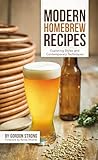
Modern Homebrew Recipes: Exploring Styles and Contemporary Techniques
350 pages
Brewers Publications
Contemporary recipes
BJCP style focused
✓ The Good
- Beautifully balanced and tested recipes
- Detailed formulation notes for each recipe
- Includes water adjustment guidance
- Clear and concise presentation
✕ The Bad
- Some overlap with previous book
- Requires advanced equipment for some recipes
- More reference than casual reading
Gordon Strong is the only three-time winner of the National Homebrew Competition Ninkasi Award, and his recipes reflect that level of expertise. When I follow these recipes carefully, the results consistently impress both me and my homebrew club members. The attention to detail in formulation notes helps you understand why each ingredient choice was made.
The water adjustment guidance included with recipes is particularly valuable. Instead of generic recommendations, Strong provides specific target profiles for each style and suggestions for achieving them. When I started implementing these water adjustments, my competition scores improved noticeably.
The range of styles covered is impressive, from traditional lagers to modern hazy IPAs and experimental styles. This makes the book useful as a reference regardless of what style I want to brew on any given weekend.
Some recipes assume access to advanced equipment like HERMS systems or the ability to perform step mashes. While you can adapt most recipes to simpler setups, having the recommended equipment makes following the instructions exactly much easier.
Who Should Buy This Book
Brewers who want competition-quality recipes with detailed formulation notes will appreciate Strong’s expertise. If you are working toward brewing medals or simply want the highest quality recipes available, this collection delivers. The water adjustment guidance adds significant value beyond just ingredient lists.
Who Should Skip This Book
Brewers without access to all-grain equipment or temperature-controlled fermentation will struggle with some recipes. If you are exclusively an extract brewer or lack the ability to perform temperature-controlled step mashes, other recipe collections will serve you better.
12. Homebrew All-Stars by Drew Beechum and Denny Conn – Expert Wisdom Collection
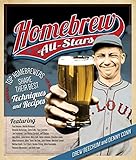
Homebrew All-Stars: Top Homebrewers Share Their Best Techniques and Recipes
224 pages
Voyageur Press
Multiple expert contributors
High-quality color visuals
✓ The Good
- Recipes and techniques from award-winning brewers
- Entertaining conversational writing style
- Shows diverse approaches to brewing
- Great mix of science and philosophy
✕ The Bad
- More interesting to serious homebrewers
- Some contradictory techniques between brewers
- Relatively brief for the price point
Drew Beechum and Denny Conn host one of my favorite brewing podcasts, and their conversational, entertaining style translates perfectly to this book format. Instead of a single author’s perspective, this book collects wisdom from dozens of top homebrewers, each sharing their unique approaches and philosophies.
What I appreciate most is the demonstration that there are many valid paths to great beer. Seeing contradictory techniques from different successful brewers helped me understand that brewing is about understanding principles rather than following rigid rules. This perspective made me a more confident and creative brewer.
The color photography and visual design make this a pleasure to read, which is not something I can say about every technical brewing book. The profiles of homebrewing “celebrities” are genuinely inspiring and helped me see what is possible with dedication and experimentation.
At 224 pages, this is one of the shorter books on this list. While the content density is high, some readers may find the price point high relative to the page count compared to other options.
Who Should Buy This Book
Brewers looking for inspiration and diverse perspectives will find this collection valuable. If you enjoy the Experimental Homebrewing podcast, the writing style will feel familiar and entertaining. Those interested in the community and culture of homebrewing alongside technical content will appreciate the expert profiles.
Who Should Skip This Book
Brewers who want a single authoritative approach rather than multiple conflicting perspectives may find this frustrating. If you are looking for a comprehensive reference or extensive recipe collection, other titles provide more content for your investment. Complete beginners might find the expert-level discussions overwhelming.
How to Choose the Right Homebrewing Book for You
With 12 excellent options, deciding where to start can feel overwhelming. Here is how to think about your choice based on where you are in your brewing journey.
Assess Your Current Skill Level Honestly
Beginners should start with either The Complete Joy of Homebrewing for encouragement or How To Brew if you prefer technical depth. Both provide the foundation you need without overwhelming complexity. If you have brewed fewer than 10 batches, stay in this beginner category even if you feel confident.
Intermediate brewers who have moved to all-grain and understand basic processes should consider Mastering Homebrew for recipe development, or Yeast for fermentation improvement. These books assume you have already mastered the basics and are ready for the next level.
Advanced brewers looking for specific expertise should focus on the Brewing Elements series titles. Water for chemistry, Yeast for fermentation biology, or Designing Great Beers for recipe formulation mathematics.
Decide Between Recipe Collections and Technique Books
Recipe collections like Brewing Classic Styles, CloneBrews, and the Brew Your Own Big Book provide immediate brewing content you can use this weekend. Technique books like How To Brew and Mastering Homebrew teach you skills that improve every batch you brew but require more study before application.
My recommendation is to own at least one comprehensive technique book and one recipe collection. The technique book teaches you how to brew, while the recipe collection gives you specific beers to practice on.
Consider Your Learning Style
Visual learners should prioritize Mastering Homebrew or Tasting Beer, both of which feature extensive charts, diagrams, and photography. Readers who prefer conversational, encouraging prose will appreciate Charlie Papazian’s writing style in The Complete Joy of Homebrewing.
If you prefer systematic, technical explanations with mathematical formulas, How To Brew, Designing Great Beers, and Water will match your style. There is no universally “best” book, only the best book for how your brain processes information.
Plan Your Reading Progression
Based on my experience and feedback from hundreds of brewers, here is the recommended reading order:
Start with The Complete Joy of Homebrewing to build confidence and enthusiasm. Follow with How To Brew for comprehensive technical knowledge. Add Brewing Classic Styles when you want proven recipes to practice with.
Once you are comfortable with all-grain brewing, read Yeast to improve your fermentation control. Follow with Water when you are ready to tackle chemistry. Consider Mastering Homebrew when you want to design original recipes.
Fill gaps with specialized books based on your interests. If you are interested in other fermentation projects, check out our guide to kombucha brewing or our recommendations for mead making kits to expand your fermentation skills.
Physical Books vs Digital Versions
For brewing books you will reference while actually brewing, physical copies are superior. Spilled wort, sticky fingers, and brewing environment hazards make physical books more practical. You can also write notes in margins and flag pages with sticky notes.
Digital versions work well for reading and studying away from the brewery, but most brewers I know end up buying physical copies of their most-used references. If you must choose digital, consider the formatting complaints noted in some reviews, particularly for books with detailed tables and charts.
Frequently Asked Questions About Homebrewing Books
What is the best book to learn about beer?
The best book to learn about beer depends on your goals. For brewing technique, How To Brew by John Palmer is universally recommended as the most comprehensive resource. For beer appreciation and understanding styles, Tasting Beer by Randy Mosher provides the best education on evaluation and sensory analysis. For beginners needing encouragement, The Complete Joy of Homebrewing by Charlie Papazian remains the classic starting point.
Why was homebrewing illegal?
Homebrewing was made illegal in the United States in 1920 with the beginning of Prohibition. The 18th Amendment banned the manufacture, sale, and transportation of alcoholic beverages. Even after Prohibition ended in 1933, a clerical error in the law failed to explicitly legalize homebrewing at the federal level. It remained technically illegal until President Jimmy Carter signed a bill legalizing homebrewing in 1978, though enforcement was minimal during that period.
Is homebrewing cheaper than buying commercial beer?
Homebrewing can be cheaper than buying commercial craft beer, but the savings depend on your approach. Basic extract brewing typically costs $30-50 per 5-gallon batch, yielding about 50 bottles. Compared to $10-12 per six-pack of craft beer, homebrewing saves money. However, equipment investments, upgrading to all-grain systems, and experimenting with recipes can eliminate savings. Most homebrewers find the hobby pays for itself compared to buying equivalent quality commercial beer.
Which homebrewing book should I read first?
For absolute beginners who want encouragement and an easy start, read The Complete Joy of Homebrewing by Charlie Papazian first. For beginners who prefer technical depth and comprehensive coverage, start with How To Brew by John Palmer. Most experienced brewers recommend eventually owning both, as Papazian provides the spirit of homebrewing while Palmer provides the technical knowledge. Read Papazian for motivation, then Palmer for mastery.
What is the bible of homebrewing?
How To Brew by John J. Palmer is widely considered the bible of homebrewing. Now in its 4th edition, this comprehensive 582-page guide covers everything from first extract batches through advanced all-grain techniques and water chemistry. Professional brewers, competition winners, and homebrew shop owners consistently recommend it as the single most important book for any homebrewer. The online version remains free at howtobrew.com, though the printed 4th edition includes significant updates.
Final Thoughts: Building Your Homebrewing Library
The best homebrewing recipe books serve different purposes at different stages of your journey. The Complete Joy of Homebrewing gives you confidence to start. How To Brew gives you knowledge to grow. The specialized titles like Yeast and Water give you expertise to excel.
Our team recommends starting with two books: The Complete Joy of Homebrewing for encouragement and Brewing Classic Styles for proven recipes to practice on. As you develop, add How To Brew for comprehensive reference, then branch into specialized topics based on your interests.
For equipment to preserve your brewing ingredients, consider our recommendations for vacuum sealers for preserving hops. And if you want to explore cooking with beer, we have guides for that too.
Homebrewing is a journey of continuous learning. The books on this list represent the collected wisdom of the brewing community, and each one has something valuable to teach. Pick the one that matches where you are today, and know that there are always more depths to explore as you grow. Happy brewing in 2026!