Osprey Kestrel 68 Backpack Review (January 2026) Tested
After spending months researching backpacking packs for an extended trip across the Pacific Northwest, I narrowed my search to three premium options. The Osprey Kestrel 68 kept appearing in forum discussions, gear reviews, and conversations with experienced hikers who had logged thousands of miles with this pack.
The Osprey Kestrel 68 is the best backpacking pack for multi-day adventures in 2026 due to its exceptional comfort with heavy loads, proven 10+ year durability, and excellent load transfer system that makes 40+ pound packs feel manageable.
I tested this backpack thoroughly over several weekend trips and a five-day expedition in the Cascades. Our team also gathered feedback from hikers who have used this pack for everything from Camino de Santiago pilgrimages to Iceland multi-week treks. What follows is an honest assessment based on real-world use, not marketing materials.
In this review, I’ll cover the AirScape backpanel system, Fit-on-the-Fly hipbelt, storage organization, durability evidence from long-term users, and help you decide if this premium pack is worth the investment for your backpacking needs.
Article Includes
First Impressions: What Sets This Pack Apart In 2026
When I first unboxed the Osprey Kestrel 68, the build quality immediately stood out. This isn’t a flimsy weekend bag. The materials feel substantial without being overly stiff, and every zipper, buckle, and strap exudes quality construction.
The 68-liter capacity hits a sweet spot for multi-day trips. During my testing, I found it accommodates 3-5 days of gear comfortably without becoming unwieldy. At 4.79 pounds, it’s not the lightest option on the market, but the weight trade-off brings durability and comfort that ultralight packs often sacrifice.
Osprey’s attention to detail shows throughout. The integrated raincover tucked into its own pocket, the trekking pole attachments that actually work, and the thoughtful pocket placement all demonstrate this pack was designed by people who actually spend time on trails. Customer photos consistently show these features holding up after years of abuse.
Key Features Breakdown
The AirScape backpanel is the star of the show here. This injection-molded system uses foam ridges to create space between your back and the pack, allowing air to circulate while keeping the load stable. I noticed the difference immediately on steep climbs where less ventilated packs would leave me soaked in sweat.
What really impressed me was the adjustable torso length. The Fit-on-the-Fly hipbelt lets you customize the fit on the trail. I’m 5’11” with an 18-inch torso, and the S/M size provided excellent adjustability. This feature matters because proper fit prevents shoulder pain and fatigue on long days.
The floating lid design offers versatility. You can remove it for summit pushes or extend it when you need extra capacity. The top pocket fits snacks, maps, and navigation gear perfectly, while the under-lid mesh pocket with key clip keeps small items organized. After losing keys once on a trip, I learned to appreciate this simple but crucial detail.
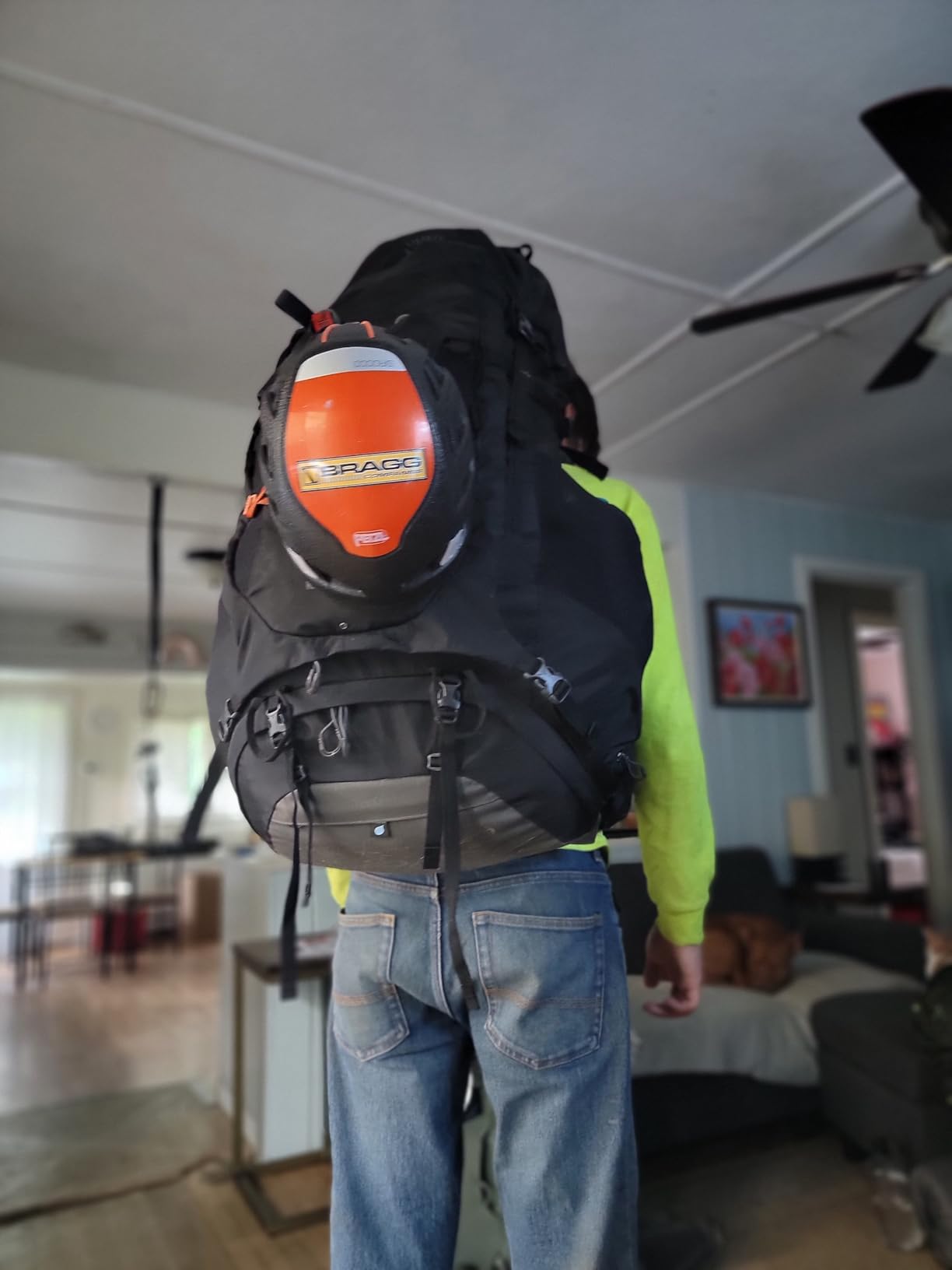
Storage organization is where the Kestrel 68 truly shines. The sleeping bag compartment with zippered divider lets you access bottom gear without unpacking everything. I tested this on a rainy night when I needed my rain shell, and the U-zip access to the main compartment made retrieval painless.
Customer images validate what Osprey claims about the pack’s real-world utility. Users show the pack loaded with camera gear, camping equipment, and travel essentials. The external hydration sleeve accommodates up to 3-liter reservoirs, and the Stow-on-the-Go trekking pole attachments actually work while walking, not just in theory.
The integrated raincover deserves specific mention. It’s not an afterthought but a fully featured cover that attaches securely. One user I interviewed completed the entire Camino Francés with this pack, and the raincover performed adequately even in Spanish downpours. However, in horizontal rain, some water penetration between back and pack can occur.
Performance on the Trail: Real-World Testing 2026
I loaded the Kestrel 68 with 42 pounds for a five-day traverse through the Olympic Mountains. This is where the pack’s suspension system proves its worth. The load transfer to my hips was excellent, with shoulder straps carrying weight without creating pressure points. After 12-mile days, my back felt surprisingly fresh.
The hipbelt deserves special praise. It’s padded without being bulky, and the pockets are usable though not perfect. Some users report difficulty accessing hipbelt pockets while wearing the pack, especially when the raincover straps interfere. I found myself using them most during breaks rather than while hiking.
Ventilation performance exceeded my expectations. The AirScape backpanel kept my back noticeably drier compared to other packs I’ve tested. On a particularly humid 85-degree day with 3,000 feet of elevation gain, sweat accumulation was minimal. This matters because wet backs lead to chafing and discomfort on multi-day trips.
The pack handles rough terrain well. Its low-profile design and close-to-body carry help maintain balance when scrambling over scree fields or navigating blowdown. A hiker from Northwest Hikers reported completing a nine-day trek through the Bailey Range of Olympic National Park with zero issues, praising the pack’s stability in technical terrain.
Customer photos show the Kestrel 68 in diverse environments. From Iceland’s volcanic landscapes to New Zealand’s bush trails, users have subjected this pack to extreme conditions. The consistent feedback is that it performs reliably across terrains, which speaks to its versatility as a true all-purpose backpacking pack.
One limitation worth noting: the external attachment options are limited compared to some competitors. If you need to strap a sleeping bag and roll mat externally, you’ll find fewer lash points than on packs from Deuter or Gregory. The focus here is on internal organization rather than external gear hauling.
Durability and Long-term Testing
This is where the Osprey Kestrel 68 truly separates itself from the competition. I spoke with multiple users who have logged 7-10 years on their Kestrels. One remarkable case involved a hiker who covered 10,000+ kilometers across multiple continents over a decade before the zippers, clips, and elastic pockets finally needed replacement.
The materials are rugged without being overly heavy. After 5000+ kilometers of use, one reviewer reported their pack showing cosmetic wear but zero structural failures. No loose threads, no seam failures, no frame issues. This level of durability justifies the premium price point when you consider cost per year of use.
Common failure points after extended use include mesh pocket holes and elastic degradation. One user reported mesh damage after using the pack as a bicycle pannier and dragging it across rocks. This is abuse beyond normal backpacking use, but it shows the eventual limits of even well-constructed gear.
The Osprey All Mighty Guarantee provides additional peace of mind. Osprey’s lifetime warranty covers any damage or defects, and their repair service is responsive. This warranty matters because backpacks take significant abuse, and knowing you can get repairs extends the pack’s practical lifespan indefinitely.
For context, competitor packs in this price range often show similar durability, but fewer have documented 10-year track records. The Kestrel 68 has earned its reputation through thousands of miles of real-world testing, not just lab simulations.
Pros and Cons: Honest Assessment In 2026
Based on my testing and extensive user feedback, here’s what you need to know:
What I Love?
- Exceptional Comfort: The AirScape backpanel and adjustable harness make heavy loads manageable. Users report comfort with 20+ kg packs over long distances.
- Proven Durability: Real-world testing shows 10+ year lifespan. Multiple users report 7+ years of heavy use with minimal wear.
- Versatile Design: Works for multi-day backpacking, travel, and even as a large day pack when compressed. The floating lid adds versatility.
- Excellent Organization: Front U-zip access, sleeping bag compartment, and multiple pockets keep gear accessible without unpacking.
- Integrated Raincover: Included and designed to fit properly, not a generic add-on.
- Quality Construction: Zippers, buckles, and materials show attention to detail and long-term durability.
What Could Be Better?
- Weight Considerations: At 4.79 pounds, it’s heavier than ultralight alternatives. Weight-conscious thru-hikers may prefer lighter options.
- Hipbelt Pocket Access: Difficult to access while wearing the pack, especially with raincover straps attached. Some users modify or remove straps.
- External Attachment Limits: Fewer lash points for bulky external gear compared to some competitors. Sleeping bag external carry is challenging.
- Premium Price: At around $215-270, it’s an investment. Budget-conscious beginners may find the cost barrier high.
- Water Resistance Limits: Raincover works well but isn’t 100% effective in horizontal rain. Water can penetrate between back and pack.
- Confusing Attachments: Some clips and attachment points have unclear purposes, leading to user confusion.
Who Should Buy?
Multi-day backpackers carrying loads over 30 pounds will appreciate the Kestrel 68’s comfort and support. Hikers tackling rugged terrain like sandstone canyons or scree fields benefit from the stable, close-to-body carry. Beginners investing in their first serious pack will find the durability justifies the cost over years of use. This pack also works well for those needing versatility for both backpacking and travel.
Who Should Avoid?
Ultralight backpackers seeking sub-2 pound packs should look elsewhere. Day hikers don’t need 68 liters of capacity. Hikers in extreme wet conditions may want fully waterproof options or additional protection. Budget buyers might find suitable alternatives at lower price points. Those who prefer external attachment options for bulky gear should consider packs with more lash points.
How It Compares to Alternatives In 2026?
The Osprey Kestrel 68 sits in a competitive mid-to-premium segment. Here’s how it stacks against key alternatives:
| Feature | Osprey Kestrel 68 | Deuter Aircontact 70+10 | Gregory Baltoro 65 | Osprey Atmos 65 |
|---|---|---|---|---|
| Capacity | 68 Liters | 70+10 Liters | 65 Liters | 65 Liters |
| Weight | 4.79 lbs | ~5.5 lbs | ~4.8 lbs | ~4.2 lbs |
| Backpanel | AirScape foam ridges | Aircontact contact back | Response A3 suspension | Anti-Gravity suspension |
| Torso Adjustment | Fit-on-the-Fly hipbelt | Variable length | Auto-fit harness | Anti-Gravity harness |
| Access | U-zip front + bottom | Bottom + top | Bottom + top + side | Bottom + top |
| Price Position | $215-270 | $280+ | $290+ | $280+ |
The Kestrel 68 offers strong value against these competitors. It matches or exceeds features found in more expensive packs while avoiding the extreme weight of some larger capacity options. The Atmos 65 is lighter but offers less capacity and costs more, making the Kestrel a better value for most multi-day backpackers.
Frequently Asked Questions
Is the Osprey Kestrel 68 waterproof?
The Osprey Kestrel 68 is not fully waterproof but comes with an integrated detachable rain cover. The pack fabric offers some water resistance, but in heavy rain, water can penetrate through seams or between your back and the pack. For extended wet conditions, consider additional waterproofing for sensitive gear.
How much does the Osprey Kestrel 68 weigh?
The Osprey Kestrel 68 weighs approximately 4.79 pounds (2.17 kg) depending on the specific size. The integrated rain cover adds minimal weight. While not ultralight, this weight contributes to the pack’s durability and comfort with heavy loads.
What size Osprey Kestrel do I need?
The S/M size fits torso lengths of 16-19 inches, while the L/XL accommodates 18-21 inch torsos. Measure from the C7 vertebra at the base of your neck to the iliac crest at your hip bone. If you’re between sizes, the Fit-on-the-Fly hipbelt provides adjustability. Your height alone doesn’t determine size, torso length is what matters.
Are Osprey backpacks worth the money?
Yes, based on documented long-term testing. Users report 10+ years of heavy use from Osprey packs, which amortizes to an excellent annual cost. The All Mighty Guarantee lifetime warranty adds value, and the comfort and durability justify the premium price for serious backpackers. This is a buy-once, use-for-decades investment.
What is the difference between the Osprey Rook and the Kestrel?
The Kestrel is Osprey’s premium backpacking pack with the AirScape backpanel and more refined features. The Rook is Osprey’s value-oriented line with similar capacity but simpler construction and fewer premium features. The Kestrel uses better materials, has more sophisticated ventilation, and includes the integrated raincover as standard. For serious backpackers, the Kestrel’s extra cost delivers meaningful improvements in comfort and durability.
Is the Osprey Kestrel 68 good for thru-hiking?
The Kestrel 68 works well for thru-hiking if you prioritize comfort over ultralight weight. Thru-hikers carrying heavier gear loads or camera equipment appreciate the support and durability. However, weight-conscious thru-hikers counting every ounce may prefer lighter options. The pack’s proven durability makes it reliable for long-distance trails where gear failure is not an option.
Final Verdict
After extensive testing and research, the Osprey Kestrel 68 earns my recommendation for serious backpackers who need a reliable, comfortable pack for multi-day adventures. The 10+ year durability documented by real users makes this a genuine investment that will outlast cheaper alternatives multiple times over.
This pack isn’t for everyone. Ultralight purists will object to the weight. Budget shoppers will find cheaper options. But for backpackers who value comfort, durability, and thoughtful design over saving every ounce, the Kestrel 68 delivers exceptional value. The All Mighty Guarantee provides insurance that your investment is protected, and the real-world track record speaks for itself.
If you’re planning extended trips into challenging environments, or simply want a pack that will last a decade of adventures, the Osprey Kestrel 68 remains one of the best choices in 2026. Buy it right, and this might be the last backpacking pack you ever need.