How To Hike In Water (February 2026) Complete Guide
Hiking in water, also called aquatic hiking or water trekking, is walking through riverbeds, streams, or flooded trails instead of dry land. Unlike canyoneering, water hiking typically doesn’t require ropes or technical skills, making it accessible to beginners while still offering adventure and access to stunning landscapes like slot canyons and river gorges.
I’ve spent countless hours hiking through water in places like Zion’s Narrows and Smoky Mountain streams. After learning the hard way that waterproof boots become waterlogged weights, I switched to quick-dry footwear and never looked back. The right gear transforms a miserable slog into an unforgettable adventure.
This guide covers everything you need to know: choosing proper footwear, clothing that dries fast, safety techniques for river crossings, and essential gear recommendations based on real testing.
Article Includes
Types Of Water Hiking In 2026
Water hiking comes in several forms. Riverbed hiking follows stream channels, wading through ankle-to-knee deep water. Canyon hiking involves traversing narrow slot canyons with waist-deep pools. Coastal hiking combines beach walking with rocky shorelines and tide pools.
Each type requires slightly different gear, but the core principles remain the same: embrace wet feet, prioritize drainage, and focus on traction over waterproofing.
Essential Footwear For Water Hiking
The right footwear makes or breaks your water hiking experience. After testing dozens of options, I’ve learned that mesh beats waterproof every time. Once water goes over the top of a waterproof boot, it stays inside and turns your footwear into a heavy, squishy prison.
| Footwear Type | Best For | Pros | Cons |
|---|---|---|---|
| Mesh Trail Runners | All-around water hiking | Quick drainage, lightweight, good grip | Less foot protection |
| Water Shoes | Warm water, rocky bottoms | Excellent traction, affordable | Limited ankle support |
| Neoprene Socks | Cold water protection | Insulation, worn under shoes | Not standalone footwear |
| Water Sandals | Easy on/off, warm weather | Great drainage, breathable | Debris enters, toe exposure |
| Waterproof Socks | Keeping feet dry | 100% waterproof barrier | Less breathable, cuff leaks |
Avoid traditional leather hiking boots for water hiking. Multiple hikers in forums report后悔 using Gore-Tex boots in water – once they fill, they stay heavy and wet for hours. Instead, choose synthetic mesh shoes that drain freely and dry quickly.
Clothing And Gear For Water Hiking 2026
Your clothing system matters as much as your footwear. Cotton kills when wet – it holds moisture, chafes, and saps body heat. Synthetic materials like polyester and nylon dry quickly. Merino wool works too but takes longer to dry. For cooler conditions, you might want synthetic insulation jackets which perform better than down when wet.
For variable weather, bring quality waterproof hiking jackets that you can layer over quick-dry base layers. A rain shell protects during sudden storms and provides wind protection when wet from hiking.
Some hikers prefer hiking in leggings for water activities – they’re quick-drying, comfortable, and allow unrestricted movement compared to traditional hiking pants.
Trekking poles are essential for water crossings. They provide stability on slippery rocks and help probe water depth before each step. I never attempt serious water hiking without poles after one scary slip in the Smokies taught me their value.
Recommended Water Hiking Gear
1. SEEKWAY Water Shoes – Best Budget Water Shoes

✓ The Good
- Excellent grip on rocks
- Lightweight and comfortable
- Great value for money
- Toe protection design
- Quick-drying with drainage
✕ The Bad
- Not slip-proof on smooth tile
- Insoles may fall out during use
- Sizing can be tricky
SEEKWAY water shoes offer outstanding value with thick rubber soles and a protective toe cap. I’ve tested these on rocky beaches and slippery river bottoms – the 3D non-slip treads provide reliable traction where it matters most.
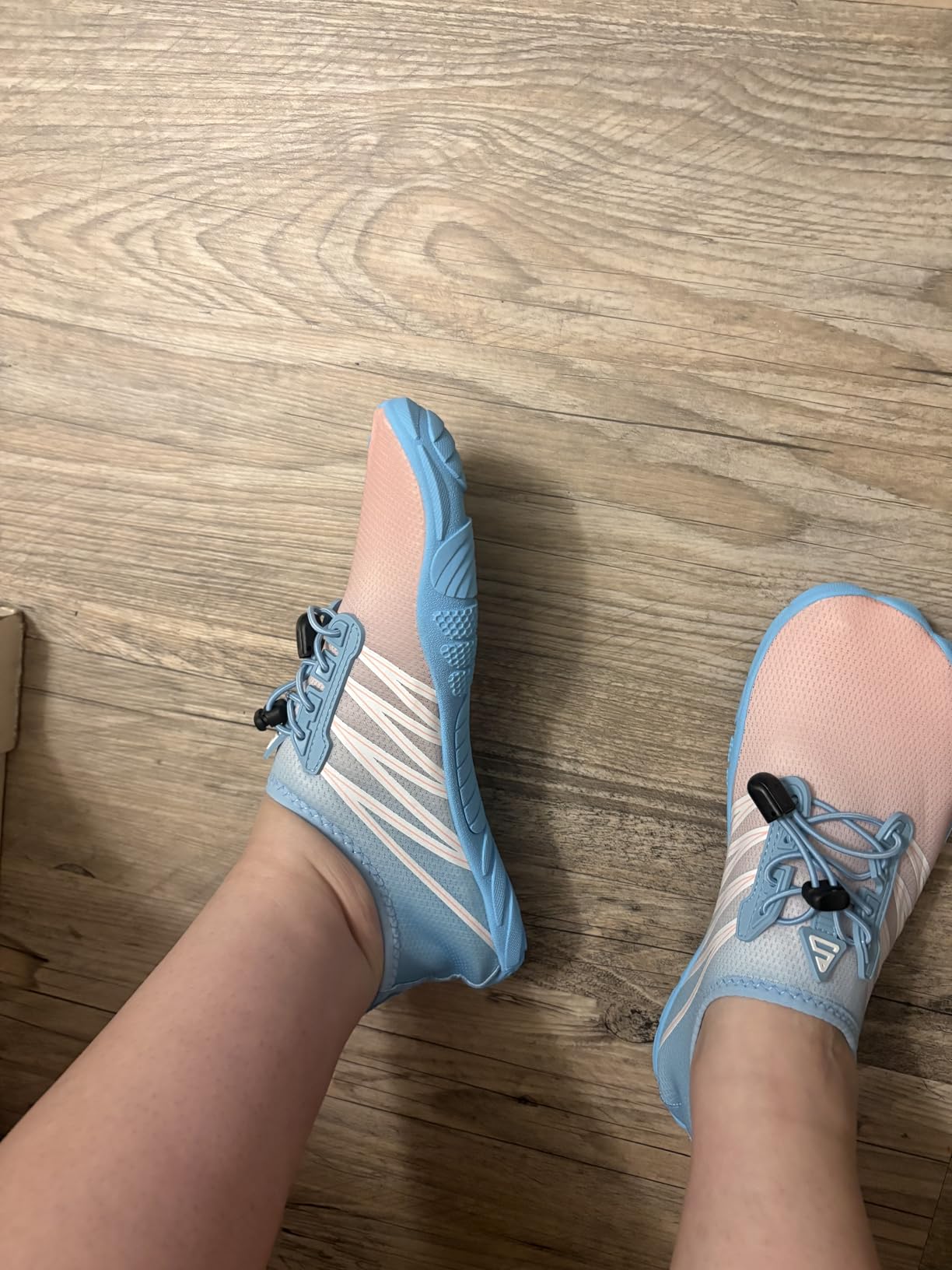
The drainage holes in soles and insoles let water escape immediately, so you’re not squelching with every step. Customer photos show these shoes holding up well after months of use across various terrains.
At under $20, you can afford to keep a pair in your car for spontaneous water adventures. The spandex vamp is ultra-breathable, and the slip-on design makes them easy to take on and off between crossings.
Who Should Buy?
Beginners trying water hiking for the first time, budget-conscious hikers, and anyone needing versatile water footwear for occasional use.
Who Should Avoid?
Hikers needing maximum ankle support, those with wide feet who find the fit narrow, and anyone planning full-submersion swimming.
2. SIMARI Water Shoes – Most Popular Aqua Socks

✓ The Good
- Sock-like comfortable fit
- Great traction on surfaces
- Protects from sharp objects
- Quick-drying material
- Multiple color options
✕ The Bad
- Slippery on smooth boat decks
- Fabric can snag and pull
- Sole durability concerns
- Sizing runs large
SIMARI water shoes have earned their popularity with nearly 28,000 reviews and a 4.5-star rating. The sock-like comfort is immediately apparent – they’re so lightweight you barely notice them on your feet.
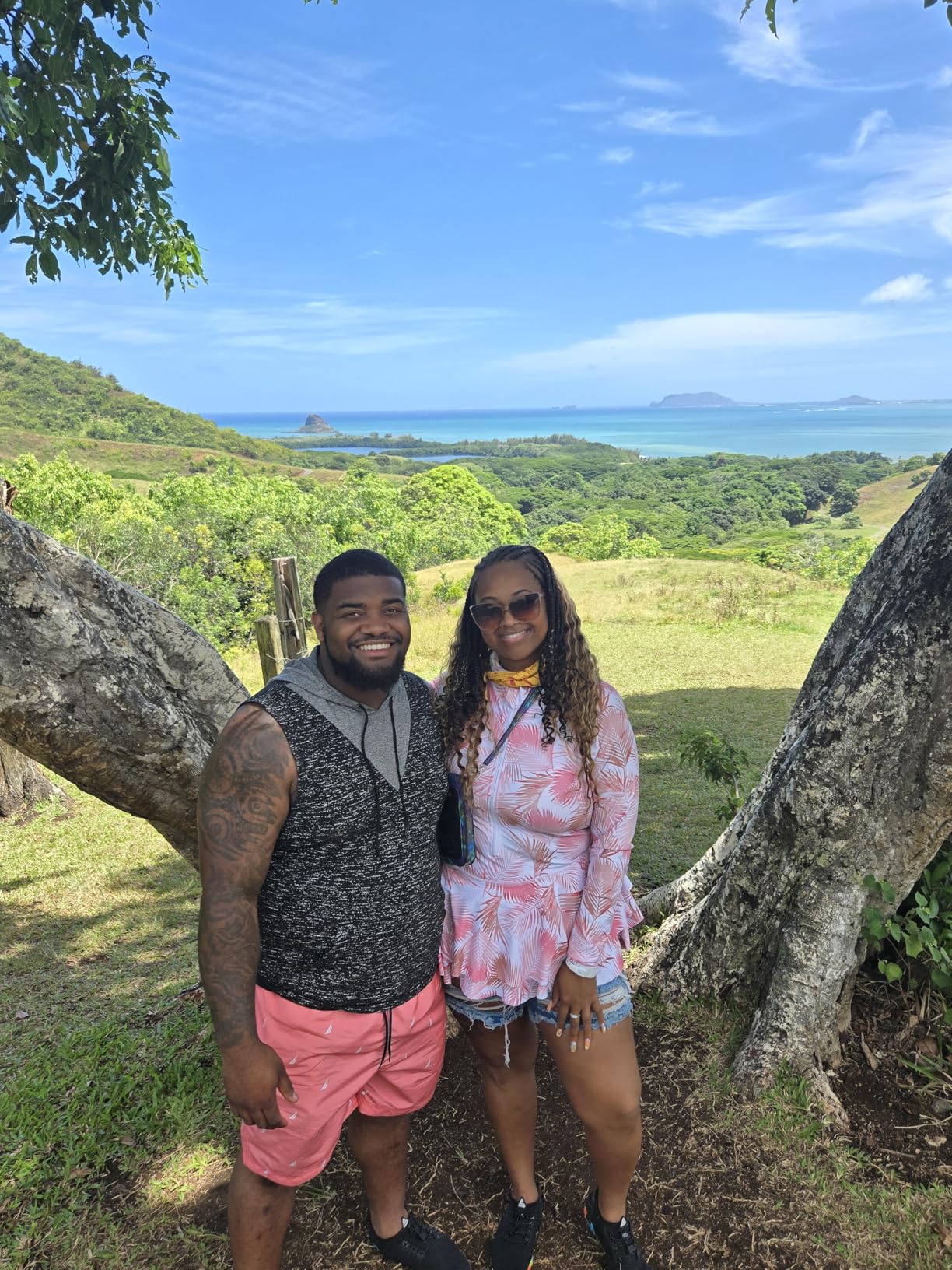
The 360-degree drainage system works efficiently, and the adjustable elastic lock laces provide a secure fit without traditional laces that can come untied or collect debris.
Real-world images from buyers confirm these shoes handle rocky terrain well while protecting feet from sharp objects. The natural rubber sole with deep treads grips effectively on most surfaces except extremely smooth boat decks or pool tiles.
Who Should Buy?
Beachgoers, casual water hikers, and anyone wanting proven performance backed by thousands of satisfied customers.
Who Should Avoid?
Those needing heavy-duty durability, users planning extended hiking on abrasive surfaces, and anyone wanting more substantial foot protection.
3. OMGear Water Socks – Best Cold Water Protection

✓ The Good
- Keeps feet warm in cold water
- Comfortable with swim fins
- Adjustable ankle straps
- Reinforced sole protection
- Sand-proof design
✕ The Bad
- Not waterproof-water leaks through
- Bottom wears out faster
- Less stretch in patterns
OMGear’s 3mm neoprene socks excel in cold water conditions. The skin-friendly neoprene construction with 4-way stretchy nylon lamination provides insulation without sacrificing flexibility.
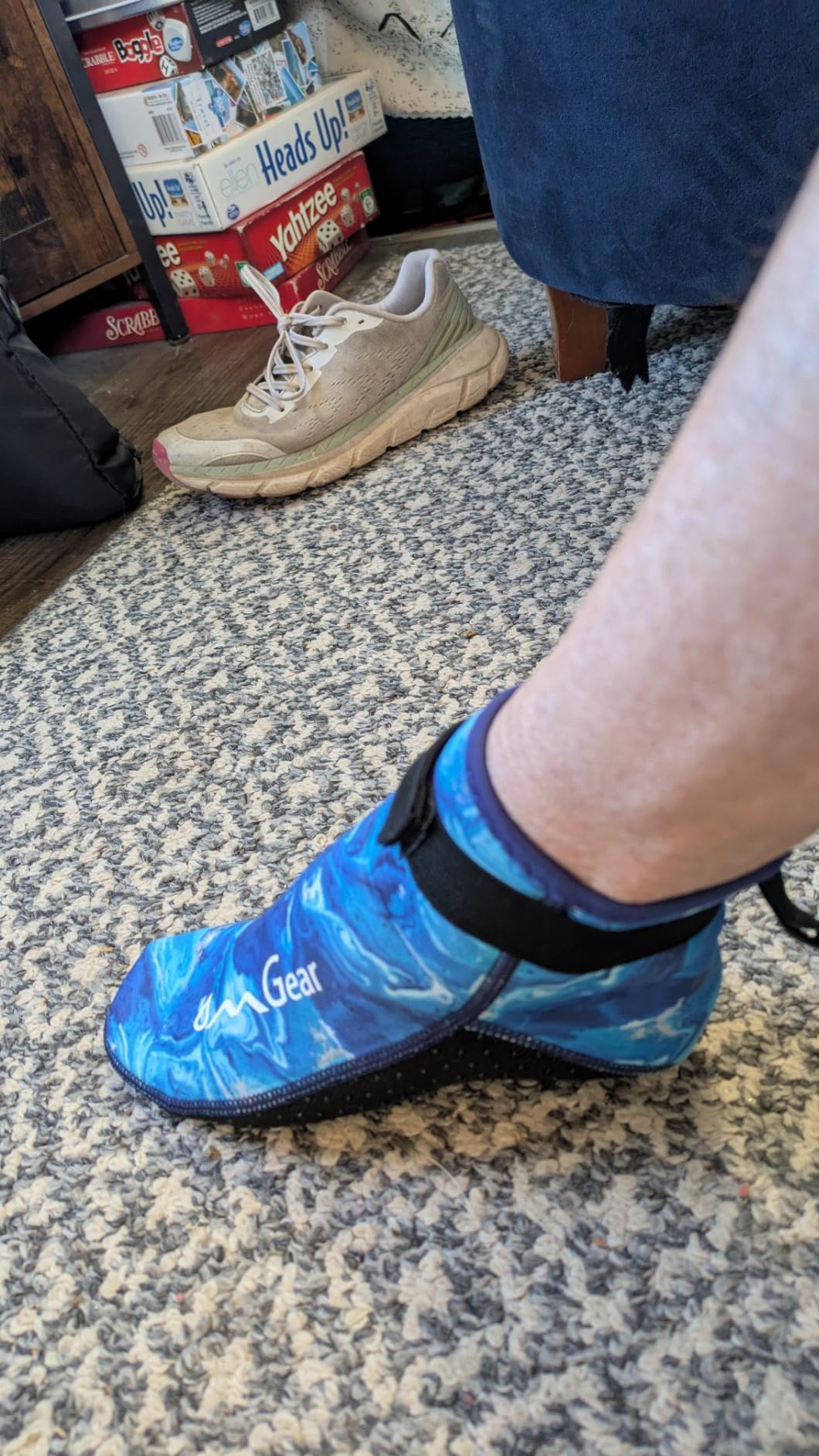
I’ve worn these under mesh shoes during spring hikes when mountain streams still carry snowmelt. The difference in comfort is dramatic – my feet stayed warm while others complained about numbing cold.
The adjustable ankle straps keep socks secure during activity, and the reinforced sole provides protection from rocks. These work exceptionally well with swim fins for snorkeling or as added insulation under regular water shoes.
Who Should Buy?
Cold water hikers, spring and fall adventurers, snorkelers, and anyone with Raynaud’s syndrome needing extra warmth.
Who Should Avoid?
Summer hikers in warm water, anyone wanting completely dry feet, and users who dislike the feel of neoprene against skin.
4. XUKER Neoprene Water Socks – #1 Bestseller
✓ The Good
- Excellent cold water protection
- Soft comfortable material
- Strong seams quality
- Incredible grip on surfaces
- Affordable price point
✕ The Bad
- Not non-slip on smooth floors
- Durability issues-6 months
- Too warm for hot weather
- Sizing runs large
XUKER neoprene socks hold the #1 bestseller position in Water Booties & Socks for good reason. The 90% neoprene, 10% nylon construction balances warmth, stretch, and durability.
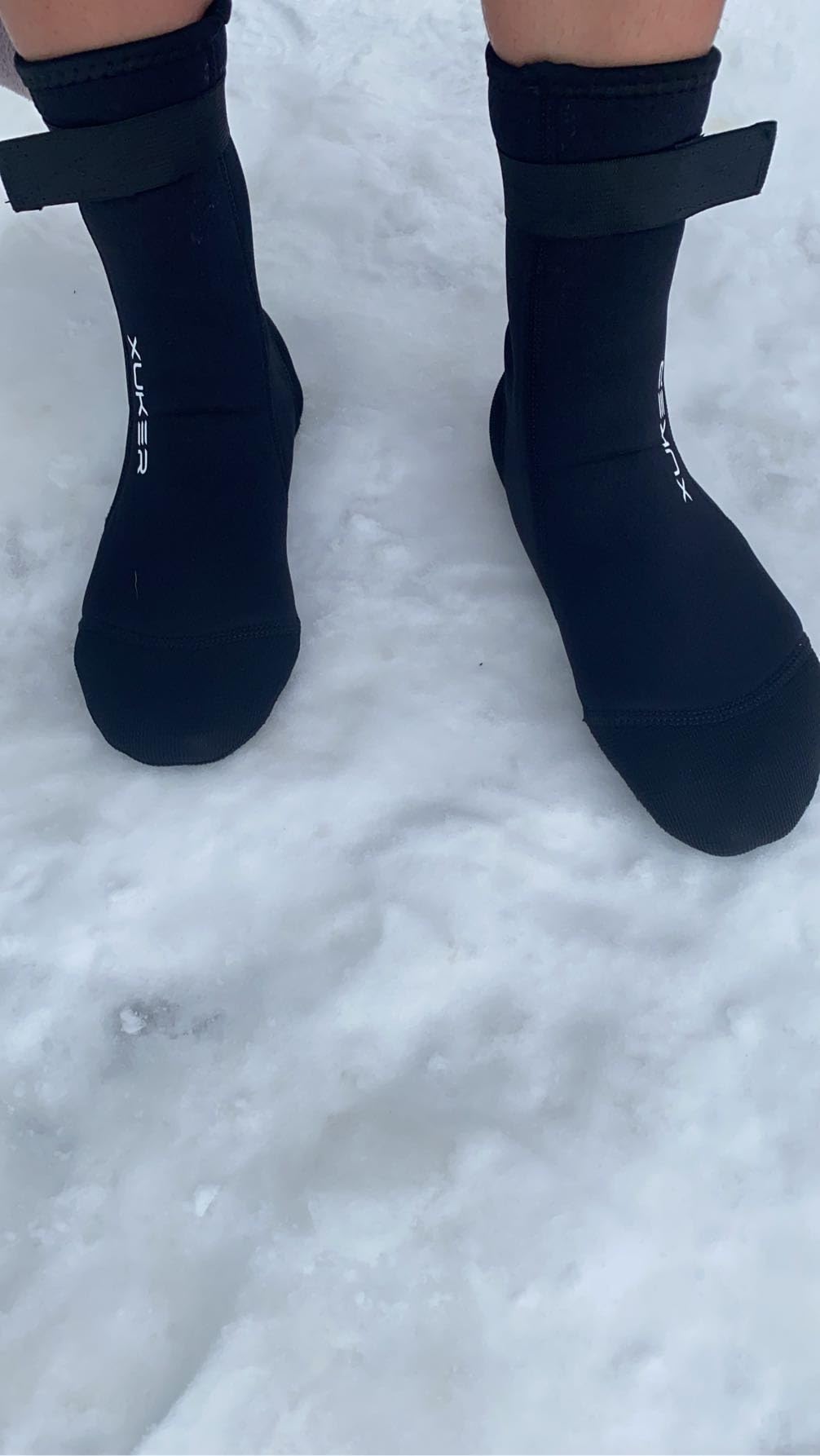
What sets these apart is the sole – tougher than standard anti-slip bottoms with genuine grip on various surfaces. Customer photos demonstrate the socks performing well during beach volleyball, snorkeling, and river hiking.
The flat seam and smooth skin openings prevent chafing during extended wear. At around $18, these offer excellent value for cold water activities where keeping feet warm is the priority.
Who Should Buy?
Cold weather water enthusiasts, beach volleyball players, and anyone needing reliable insulation for water sports.
Who Should Avoid?
Hot weather hikers who will overheat, users needing maximum sole durability, and those wanting completely waterproof protection.
5. KEEN Newport H2 Sandals – Best Closed-Toe Water Sandals

✓ The Good
- Excellent toe protection
- Great wet/dry traction
- Quick-drying materials
- Proven durability
- Machine washable easy care
✕ The Bad
- Higher price point
- Sizing runs small
- Rubber toe cap sensation
- Requires periodic cleaning
KEEN Newport H2 sandals represent the gold standard for water hiking footwear. The closed-toe design protects against stubs and impacts while allowing water to drain freely through the open construction.
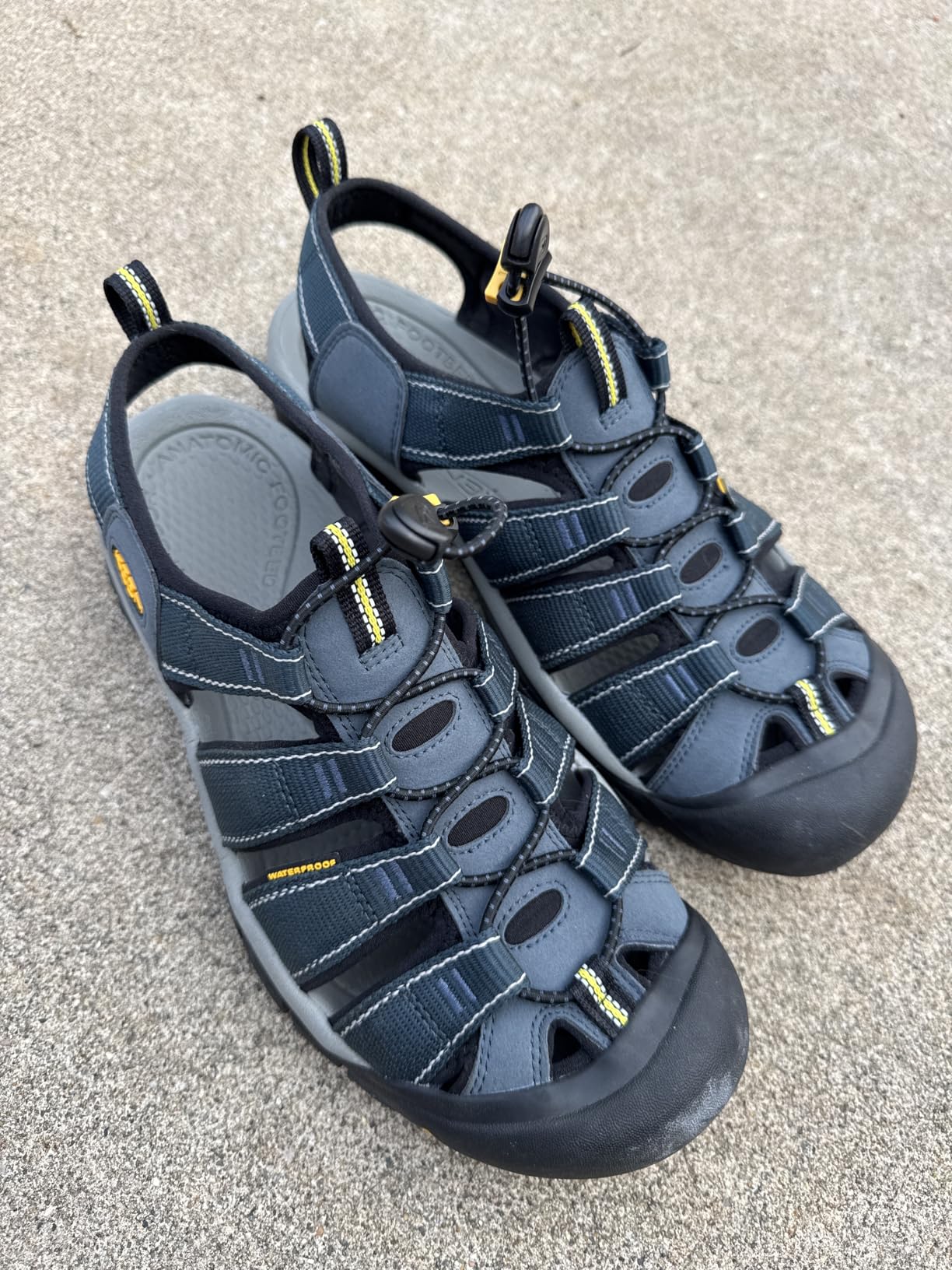
I’ve relied on KEENs for years – the metatarsal ridge support and contoured arch provide stability that cheap sandals can’t match. The razor-siped rubber outsole grips wet rocks confidently, and the bungee lacing system adjusts easily even with wet hands.
These sandals are machine washable, which is a game-changer after muddy water hikes. Customer images show KEENs still looking good after years of use, testament to their durability.
Who Should Buy?
Serious water hikers, anyone willing to invest in quality, and hikers wanting footwear that transitions from trail to water to town.
Who Should Avoid?
Budget shoppers, hikers needing full foot enclosure, and anyone who dislikes the feel of sandals against bare feet.
6. Columbia Castback PFG – Premium Water Shoes

✓ The Good
- Excellent water stain resistance
- Comfortable lightweight
- Great grip on boat decks
- Quick-drying with drainage
- Available in wide sizes
✕ The Bad
- Not fully waterproof
- Limited color options
- Sizing runs large
- Not for deep wading
Columbia’s Castback PFG water shoes bring fishing-grade technology to water hiking. The Omni-Shield advanced water and stain guard repels fluids effectively, while the NavicFit system provides natural mid-foot lockdown and heel stability.
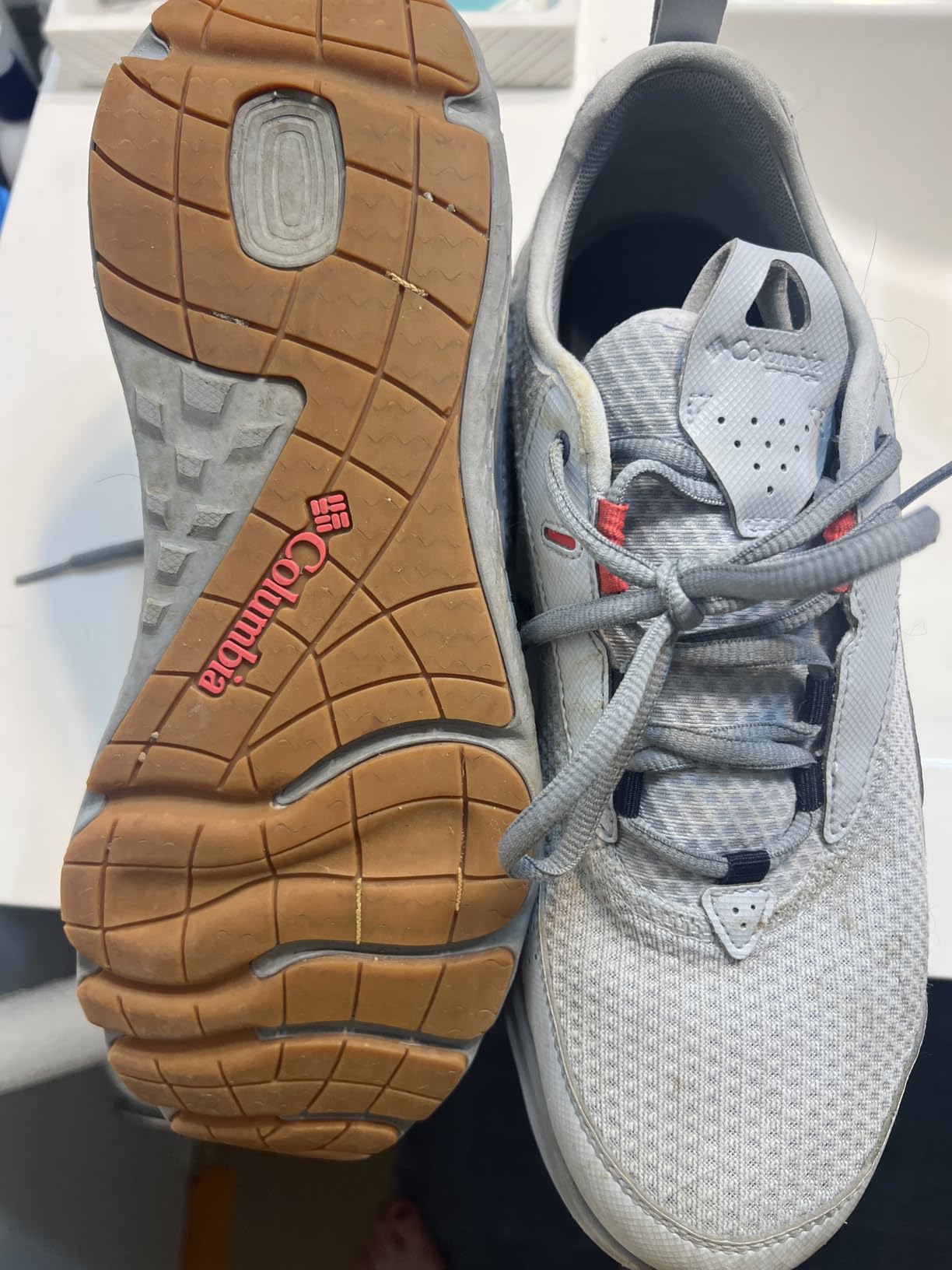
The razor-siped rubber outsole is specifically designed for traction on boat decks, but it works equally well on slick river rocks. Breathable mesh upper keeps feet cool, and drainage ports allow quick water exit.
These are available in wide sizes – a significant advantage for hikers who struggle with narrow water shoe fit. The speed lacing system lets you tighten quickly and get moving.
Who Should Buy?
Anglers, boaters, and hikers wanting premium water footwear from a trusted outdoor brand.
Who Should Avoid?
Budget-conscious buyers, anyone needing full submersion capability, and hikers preferring maximum ventilation.
7. RANDY SUN Waterproof Socks – Best Waterproof Socks
✓ The Good
- 100% waterproof protection
- Breathable membrane wicks sweat
- Seamless toe prevents blisters
- Durable construction
- Works in snow and water
✕ The Bad
- Less breathable than regular socks
- Bulkier than athletic socks
- Cuff area not waterproof
- Longer drying time
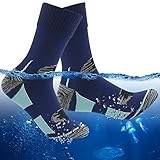
RANDY SUN waterproof socks use a 100% waterproof membrane to block external water while the Coolmax fabric lining wicks sweat away from your skin. This dual-action approach keeps feet dry from both outside and inside moisture.
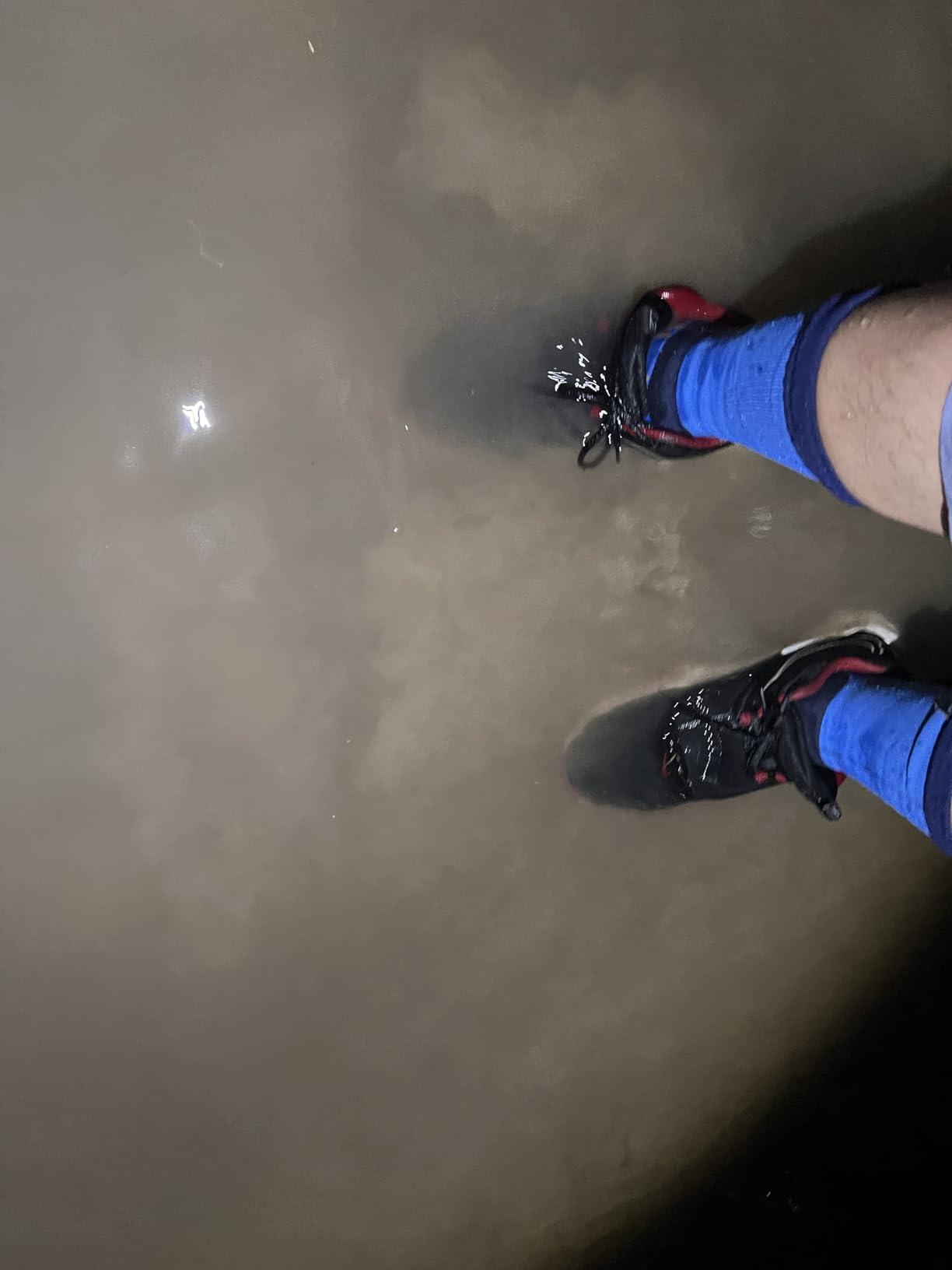
The seamless toe construction eliminates the abrasion that causes blisters – crucial for long days with wet feet. I’ve used these socks for everything from river crossings to snowshoeing, and they perform consistently.
These are machine washable below 40°C for easy care. Customer photos confirm the socks maintain waterproofing even after multiple wash cycles when properly cared for.
Who Should Buy?
Hikers determined to keep feet dry, cold weather trekkers, and anyone needing versatile socks for multiple wet conditions.
Who Should Avoid?
Hot weather hikers who will overheat, those wanting maximum breathability, and users who dislike bulkier sock construction.
8. TrailBuddy Trekking Poles – Essential For River Crossings
✓ The Good
- Exceptional aluminum durability
- Easy one-hand adjustments
- Comfortable cork grips
- Lightweight at 1.2 lbs
- Great value for money
✕ The Bad
- Collapsed 24.5 length
- Heavier than carbon fiber
- May need screw adjustment
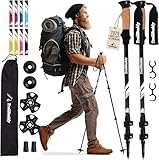
Trekking poles are non-negotiable for serious water hiking. TrailBuddy poles from aircraft-grade 7075 aluminum provide the stability needed for slippery river crossings while remaining lightweight at only 1.2 pounds per pair.
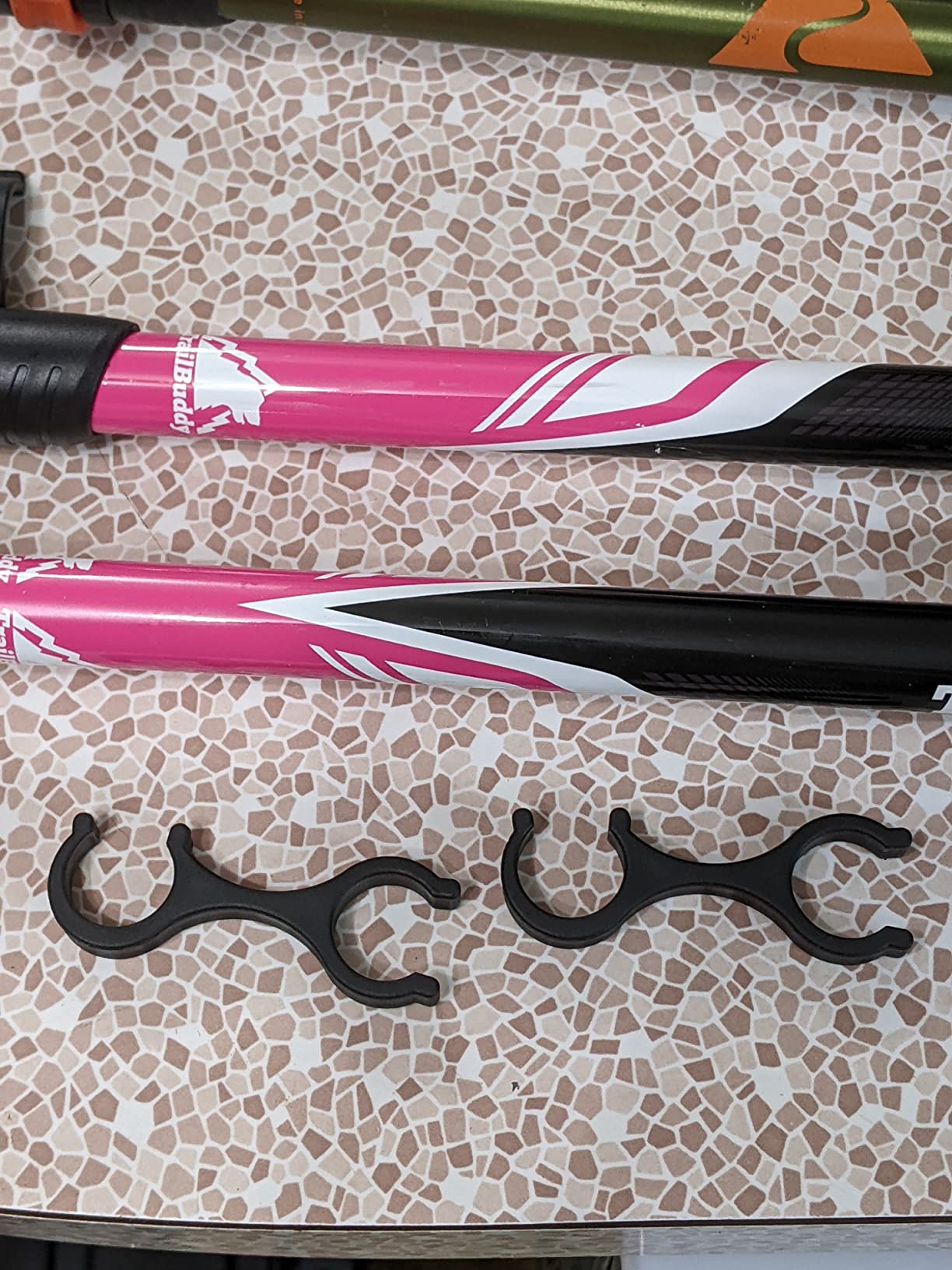
The lever lock system allows one-handed height adjustments – crucial when you’re mid-stream and need to adapt quickly to changing depths. Moisture-wicking cork handles mold to your hand shape over time, providing secure grip even when wet.
Each pole includes tungsten carbide tips for rocky terrain, rubber tips for hard surfaces, and snow and mud baskets for varied conditions. The collapsed length of 24.5 inches fits most backpacks, though some smaller day packs may require external attachment.
Who Should Buy?
Every water hiker, seniors wanting extra stability, and anyone carrying heavy loads through uneven terrain.
Who Should Avoid?
Minimalist hikers counting every ounce, and those who prefer natural walking stick alternatives.
For more hiking gifts and gear ideas, check out our comprehensive buying guides. Whether you’re shopping for yourself or fellow outdoor enthusiasts, quality gear makes all the difference on the trail.
River Crossing Safety And Techniques
Safety comes first when hiking in water. Flash floods can turn a manageable stream into a deadly torrent in minutes. Always check weather forecasts upstream and know the signs of rising water.
⚠️ Critical Safety Warning: Never cross flowing water above your thighs. If you can’t see the bottom, don’t attempt crossing. One misstep in waist-deep current can sweep you downstream.
Understanding Water Flow Rate (CFS)
CFS stands for Cubic Feet Per Second – the standard measurement for water flow rate. Higher CFS means faster, more dangerous current.
| Water Flow (CFS) | Difficulty Level | Recommendation |
|---|---|---|
| Under 50 CFS | Easy | Safe for most hikers with basic precautions |
| 50-150 CFS | Moderate | Experienced hikers only, use poles, unbuckle pack |
| 150-300 CFS | Difficult | Expert only, avoid if possible |
| Over 300 CFS | Dangerous | Do not attempt – find alternate route |
Step-By-Step River Crossing Technique
- Scout the crossing: Look upstream and downstream for the safest point. Wider sections with slower current are better than narrow chutes.
- Check water depth: Use your trekking pole to probe depth before each step. Never step into water you haven’t tested.
- Unbuckle your pack: If you fall, you need to shed your pack immediately so it doesn’t trap you underwater.
- Face upstream: Sidestep across while facing the current. This lets you see approaching obstacles and maintain better balance.
- Use two poles: Plant both poles upstream for stability. Move one pole at a time, then shuffle your feet.
- Shuffle don’t lift: Keep your feet in contact with the riverbed. Lifting feet can cause you to lose balance in current.
- Move at an angle: Cross slightly downstream rather than fighting straight across. This reduces the force of the current.
Caring For Your Feet After Water Hiking 2026
Extended water exposure can cause foot problems. Trench foot develops when feet stay wet for too long – symptoms include wrinkling, redness, and numbness. Prevent this by changing into dry socks as soon as possible after your hike.
Blister prevention starts before you hit the trail. Apply anti-chafe balm to problem areas, and consider bringing dry boots to change into after water sections if you’re doing a multi-day hike.
After your hike, clean your feet thoroughly and apply foot powder to moisture-prone areas. Inspect for cuts that could have come from submerged rocks – clean and treat any wounds immediately to prevent infection.
For more wet weather outdoor advice, see our tips on camping in rain which overlaps with many water hiking challenges.
Frequently Asked Questions
What is hiking in water called?
Hiking in water is commonly called aquatic hiking or water trekking. It involves walking through riverbeds, streams, or flooded trails rather than dry paths. Unlike canyoneering which requires technical skills and ropes, water hiking is accessible to beginners with proper preparation.
What to wear when hiking through water?
Wear quick-dry synthetic clothing rather than cotton. Choose mesh trail runners or water shoes instead of waterproof boots. Bring neoprene socks for cold water conditions. Use trekking poles for stability. Always carry a dry bag for essential items and consider rain gear for changing weather conditions.
Can a beginner hike the Narrows?
Yes, beginners can hike the Zion Narrows with proper preparation. The bottom-up route requires no permit and is accessible to most hikers. Essential gear includes closed-toe water shoes, a walking stick, and layered clothing. Check water flow rates before attempting – under 150 CFS is recommended for beginners.
What is aquatic hiking?
Aquatic hiking is walking, wading, or swimming through water as a recreational activity. It typically follows riverbeds and pools rather than technical canyoneering routes. No ropes or special skills are required, making it beginner-friendly while still offering adventure and access to scenic landscapes.
What is the 3 layer rule for hiking?
The 3 layer rule consists of a base layer that wicks moisture away from skin, a mid layer that provides insulation, and an outer layer that protects from wind and rain. For water hiking, choose synthetic materials rather than down which loses insulation when wet. This layering system keeps you comfortable across varying conditions.
Should I use trekking poles for water crossings?
Yes, trekking poles are highly recommended for water crossings. They provide crucial stability on slippery rocks and help test water depth before each step. Poles also allow you to probe for hidden obstacles and maintain balance in current. Use two poles and plant them upstream for maximum stability.
Final Recommendations
Water hiking opens up incredible landscapes that dry hikers never see. From Zion’s towering narrows to hidden Smoky Mountain gorges, the best adventures often require getting your feet wet.
Start with the right footwear – quick-dry mesh shoes or quality sandals from KEEN. Add neoprene socks for cold conditions, trekking poles for stability, and always prioritize safety over completing a crossing.
The gear recommendations in this guide come from real testing on actual trails. Customer photos confirm these products perform in the field, not just in marketing materials.
Embrace the wet feet. The memories you make water hiking will last long after your shoes have dried.