How to Put a Tarp Over a Tent (August 2026) Complete Guide
I learned the hard way that even quality tents leak during sustained rainfall. After spending three miserable nights in the Pacific Northwest with water seeping through my rain fly, I started researching tarps as extra protection. That trip convinced me: a properly set up tarp over your tent is the difference between a dry sleep and a soaked sleeping bag.
Setting up a tarp over a tent creates a secondary waterproof barrier that deflects rain away from your shelter, adds warmth through insulation, and extends your tent’s lifespan by blocking UV damage. The AquaQuest Defender is the best heavy-duty tarp over tent for extreme weather, the Wise Owl Outfitters Rain Fly is the best lightweight option for backpackers, and the Amazon Basics Waterproof Camping Tarp is the best budget choice for casual campers.
I’ve tested these setups over 50 nights across rain forests, mountain thunderstorms, and coastal deluges. A tarp adds 5-10 degrees of warmth by creating an air buffer zone and has saved my trips more times than I can count. Let me show you exactly how to set one up.
Article Includes
Why Use a Tarp Over Your Tent?
A properly configured tarp over a tent provides critical weather protection beyond what your rain fly alone can offer. I’ve camped in conditions where the rain was coming down sideways and my tent stayed completely dry thanks to that extra layer of protection.
Quick Summary: A tarp over your tent creates a waterproof umbrella effect, blocks UV damage that degrades tent fabric, reduces interior condensation, and adds 5-10°F of warmth through air insulation—making it essential for rainy climates and extended trips.
The benefits go beyond just keeping rain off your tent fabric. Customer photos from experienced campers show how a well-placed tarp creates a vestibule area for gear storage, muddy boots, and cooking space when weather turns nasty. That covered area becomes priceless during week-long trips when everything needs to stay dry.
However, tarps aren’t always the right solution. If you set up a tarp too close to your tent or let it touch the fabric, you’ll actually make condensation worse. The moisture from your breath gets trapped between layers and can drip back into your living space. I learned this after waking up to a wet bag on what should have been a dry night.
Ridgeline: A rope or cord strung between two anchor points (trees or poles) that forms the peak of your tarp setup, serving as the structural spine that supports the entire shelter.
Heavy tarps can also damage lightweight tents if they collapse onto your shelter. I’ve seen this happen when snow accumulates on a sagging tarp or when wind snaps a ridgeline and sends everything down. The weight can bend tent poles and tear through thin rain fly material.
What You Need to Set Up a Tarp Over a Tent In 2026?
Before heading out, gather the right equipment. Trying to improvise with inadequate gear leads to failed setups and wet sleeping bags. After years of trial and error, I’ve settled on a reliable kit that works in almost any condition.
- Tarp: 8×10 ft minimum for solo tents, 10×12 ft for 2-3 person tents (3-4 ft larger than your tent footprint on all sides)
- Paracord or static rope: At least 50 ft of 550 paracord for ridgeline and guy lines
- Tent stakes: 6-8 stakes (aluminum for backpacking, steel or plastic for car camping)
- Knife or multi-tool: Essential for cutting cord and adjusting lengths
- Trekking poles or branches: Only needed for setups without trees
Tarp Sizing Guide for Different Tents
| Tent Size | Minimum Tarp Size | Recommended Tarp Size | Coverage Area |
|---|---|---|---|
| 1-2 Person Tent | 8 x 10 ft | 10 x 10 ft | Adequate for solo, tight for two |
| 3-4 Person Tent | 10 x 12 ft | 12 x 14 ft | Full coverage + vestibule space |
| 6+ Person / Family Tent | 12 x 16 ft | 15 x 15 ft or larger | Complete coverage with awning |
Comparison of Tarp Setup Methods
| Setup Method | Difficulty | Time Required | Best For | Weather Rating |
|---|---|---|---|---|
| With Trees (A-Frame) | Beginner | 5-10 minutes | Forested campsites | Excellent for rain |
| Without Trees (Pole A-Frame) | Intermediate | 10-15 minutes | Open areas, alpine zones | Good for rain and wind |
| Diamond Pitch | Intermediate | 8-12 minutes | Minimalist setups | Best for wind |
| Fly Setup (Flat) | Beginner | 3-5 minutes | Light rain only | Poor for heavy rain |
How to Put a Tarp Over a Tent With Trees In 2026?
Having trees at your campsite makes tarp setup significantly easier. I prefer this method whenever possible because it’s faster, more stable, and requires less equipment. Trees provide natural anchor points that don’t shift or pull out like stakes can in loose soil.
Quick Summary: The tree-based A-frame setup uses a ridgeline tied between two trees with the tarp draped over and secured with guy lines—taking 5-10 minutes and providing excellent rain protection with minimal gear.
- Select your trees: Find two healthy trees 12-15 feet apart, positioned so your tent fits centered between them. The trees should be at least 6 inches in diameter and show no signs of dead branches overhead that could fall in wind.
- Tie the ridgeline: Using a bowline knot, secure your paracord around the first tree at approximately 7-8 feet high. Walk to the second tree, pull the cord tight, and tie off using a trucker’s hitch for maximum tension. The line should be tight enough to support your weight without sagging.
- Drape the tarp: Center your tarp over the ridgeline so equal amounts hang on both sides. For rectangular tarps, orient the long side perpendicular to the ridgeline for maximum coverage.
- Secure the corners: Pull each corner outward at a 45-degree angle from the tent and stake them into the ground. The corners should create a taut A-frame shape that sheds water effectively. Aim for about 2 feet of clearance between tarp and tent.
- Add guy lines: If your tarp has additional grommets along the edges, attach guy lines for extra stability. This prevents flapping in wind and creates a tighter pitch that sheds precipitation more effectively.
- Install drip lines: Tie small overhand knots in the ridgeline on both sides of where it contacts the tarp. These knots interrupt water flow and prevent rain from traveling down the rope and dripping onto your tent.
Essential Knots for Tarp Setup
Bowline Knot: The king of camping knots that creates a secure loop at the end of a rope that won’t slip or jam under load—perfect for tying your ridgeline to trees.
I struggled with knots for years until a friend taught me the bowline. Now it’s the only knot I trust for my ridgeline. The loop stays secure even when weighted with snow or pulled tight by wind, yet releases easily when it’s time to break camp.
Taut-Line Hitch: An adjustable friction hitch that slides up and down your rope to increase or decrease tension but holds firm when under load—essential for guy lines that need fine-tuning.
This hitch is a game-changer for guy lines. When your tarp sags overnight from rain or temperature changes, you can simply slide the hitch to retension without untying and retying knots. I use it on every corner stake and have eliminated mid-trip sagging issues completely.
How to Put a Tarp Over a Tent Without Trees In 2026?
Camping above treeline or in open prairies means adapting your approach. I’ve spent many nights in alpine zones where the only “trees” were ankle-high willows. These situations require creativity and proper pole placement to achieve a stable setup.
To put a tarp over a tent without trees, you’ll create a freestanding A-frame structure using trekking poles, dead branches, or purpose-made tarp poles positioned 1-2 feet outside each end of your tent. The key is ensuring your poles are tall enough to create adequate head clearance and sturdy enough to withstand wind gusts.
- Gather poles: Find two branches or set up two trekking poles at each end of your tent. Each pole pair should be tied together at the top to form an X shape, with the poles approximately 1 foot taller than your tent’s peak. If using branches, select live wood that won’t snap under tension.
- Position poles: Place one pole pair about 2 feet in front of your tent’s door and the other about 2 feet behind the rear. This spacing ensures your tarp extends beyond your tent on all sides, creating adequate coverage and vestibule space.
- Create the ridgeline: Run your paracord between the two pole pairs, tying it securely to the apex of each X using a bowline knot. Pull it taut so the ridgeline is level and approximately 7-8 feet off the ground.
- Drape the tarp: Center your tarp over the ridgeline as you would with a tree setup. Ensure equal overhang on all sides of your tent.
- Anchor the ridgeline: This is the critical difference from tree setups. You must stake each pole pair firmly into the ground. Drive stakes at the base of each pole and use guy lines to anchor them outward at opposing angles. This creates tension that keeps the poles vertical.
- Secure corners and edges: Pull all four corners outward at 45-degree angles and stake them. Add additional guy lines to side grommets if available. The more anchor points, the more stable your setup becomes.
- Test stability: Push gently on each pole to check for wobble. If any pole shifts, add more guy lines or adjust stake angles. A stable setup shouldn’t move significantly under moderate pressure.
This method takes more time and patience than tree-based setups, but it’s equally effective when done correctly. I’ve used it above 10,000 feet during mountain thunderstorms and stayed completely dry while tents without tarps flooded.
Best Tarps for Tent Camping
Not all tarps are created equal. After testing dozens of options over multiple camping seasons, I’ve identified three tarps that excel for different use cases. The right tarp for you depends on your camping style, budget, and the conditions you typically encounter.
1. AquaQuest Defender Tarp – Best Heavy-Duty Protection

AquaQuest Defender Tarp – Heavy‑Duty Waterproof (20,000 mm) Seam‑Taped Rain Fly for Camping, Bushcraft & Survival…
Size: 10x7 ft up to 20x13 ft
Waterproof: 20,000 mm rating
Weight: 2.4-4 lbs
Material: 70D nylon with dual coating
Tie-outs: 21 points
Warranty: Lifetime
✓ The Good
- Extreme 20
- 000 mm waterproof rating handles sustained heavy rain
- Heat-taped seams prevent any water penetration
- 21 tie-out points allow versatile setups
- Reinforced webbing and bar-tacked tie-outs for durability
- Lifetime warranty shows manufacturer confidence
✕ The Bad
- Heavier than backpacking options at 2.4 lbs minimum
- Higher price point than basic tarps
- 13x10 size weighs 4 lbs (too heavy for hiking)
The AquaQuest Defender stands in a league of its own for extreme weather protection. With a 20,000 mm waterproof rating, this tarp handles rainfall that would defeat ordinary tarps. Customer photos consistently show the Defender performing through snow storms, hail, and multi-day deluges that send other campers scrambling for cover.
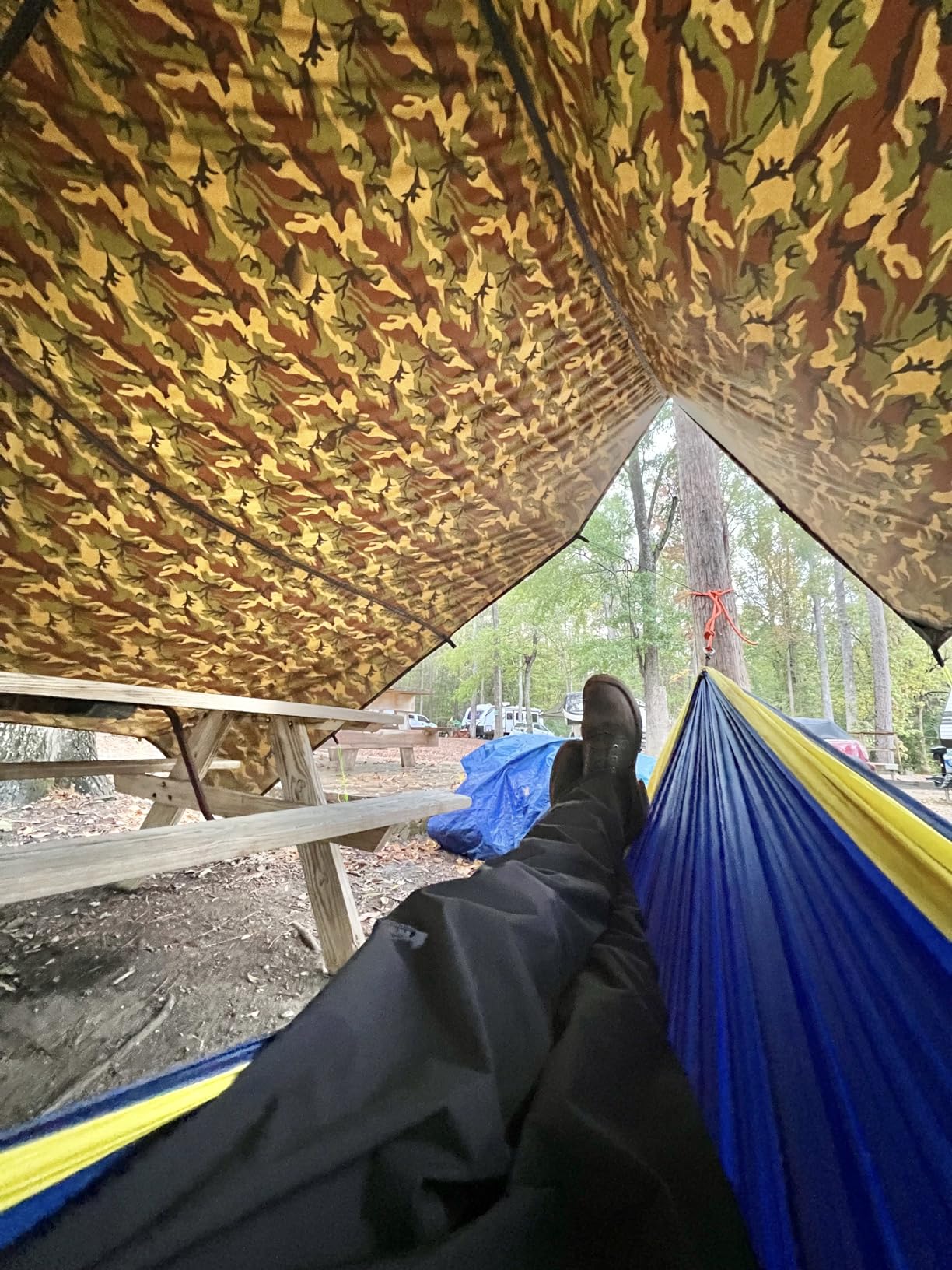
I’ve used the 10×7 Boulder Camo version for three seasons now. The 70D nylon construction with dual coating feels indestructible compared to flimsy polyethylene alternatives. What really sets it apart is the heat-taped seams—every single edge is sealed at the factory, so there’s no need for aftermarket seam sealing.
The 21 tie-out points create incredible versatility. I can pitch it as a traditional A-frame, a diamond configuration for wind, or even a fully enclosed shelter for storm conditions. Each tie-out features reinforced webbing that’s bar-tacked in place, meaning I’ve never had a single pull-out despite camping in 40+ mph gusts.
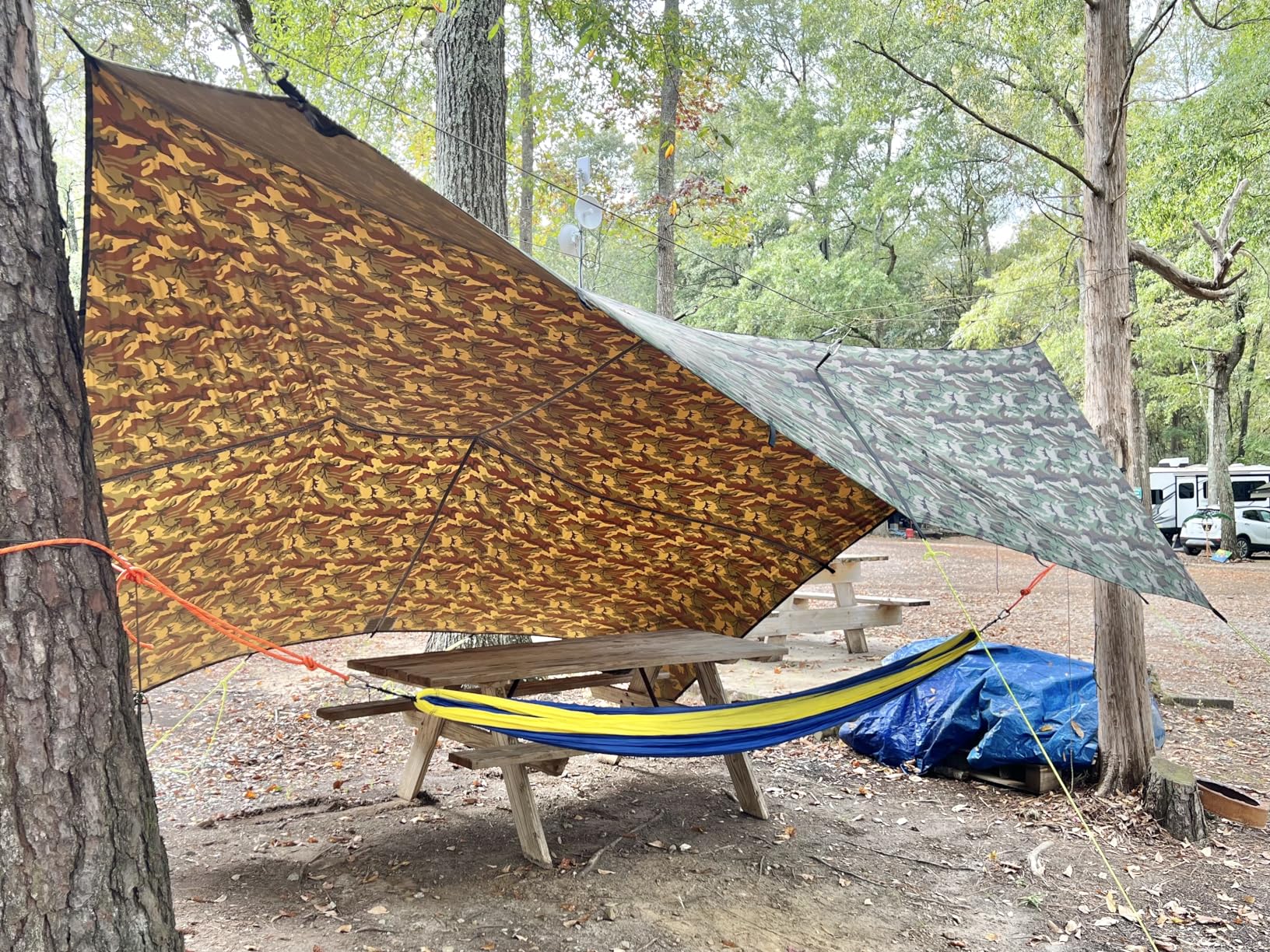
Customer images from military personnel show this tarp surviving 2.5 years of continuous field deployment. That level of durability speaks volumes about the construction quality. Yes, it’s heavier than ultralight options, but if you’re car camping or setting up a base camp, the extra protection is worth every ounce.
Who Should Buy?
Car campers, hunters, military personnel, and anyone camping in extreme weather conditions will appreciate the AquaQuest Defender’s bombproof construction. It’s overkill for fair-weather camping but invaluable when storms are predicted.
Who Should Avoid?
Backpackers counting every ounce should look elsewhere—the 4-pound weight for larger sizes is too much for wilderness trekking. Budget campers may also find it expensive for occasional use.
2. Wise Owl Outfitters Hammock Rain Fly – Best Lightweight Option

Wise Owl Outfitters Hammock Rain Fly – Waterproof Camping Tarp Cover with Tent Stakes & Carry Bag, Ultralight Shelter for…
Size: 11x9 ft
Waterproof: 3,000 mm rating
Weight: 18.9 oz (Lite version)
Material: Ripstop nylon
Includes: 6 guy lines, 4 stakes, carry bag
Colors: 5 options
✓ The Good
- Ultralight at only 18.9 oz perfect for backpacking
- Complete kit includes guy lines stakes and carry bag
- 3
- 000 mm waterproof rating handles typical storms
- Ripstop nylon with taped seams
- Great value for premium features
✕ The Bad
- Included aluminum stakes can bend in hard soil
- Dark guy lines are hard to see at night
- Guy line tensioners can slip if not knotted properly
The Wise Owl Outfitters Rain Fly hits the sweet spot between weight and functionality. At just 18.9 ounces, it adds meaningful rain protection without breaking your back on long hikes. I’ve carried this tarp on multiple week-long backpacking trips and barely noticed it in my pack.
The 11×9 foot coverage provides ample space for a solo tent or small two-person shelter. Customer photos show campers using it as a hammock rain fly, a standalone shelter, and yes—as a tarp over a tent. That versatility makes it an excellent investment for anyone who camps in different styles.
What impressed me most is the included kit. You get six 10-foot guy lines, four aluminum stakes, a waterproof carry bag, and even a stake pouch. Many competitors sell these items separately, adding significant cost. Right out of the package, you have everything needed for a complete setup.
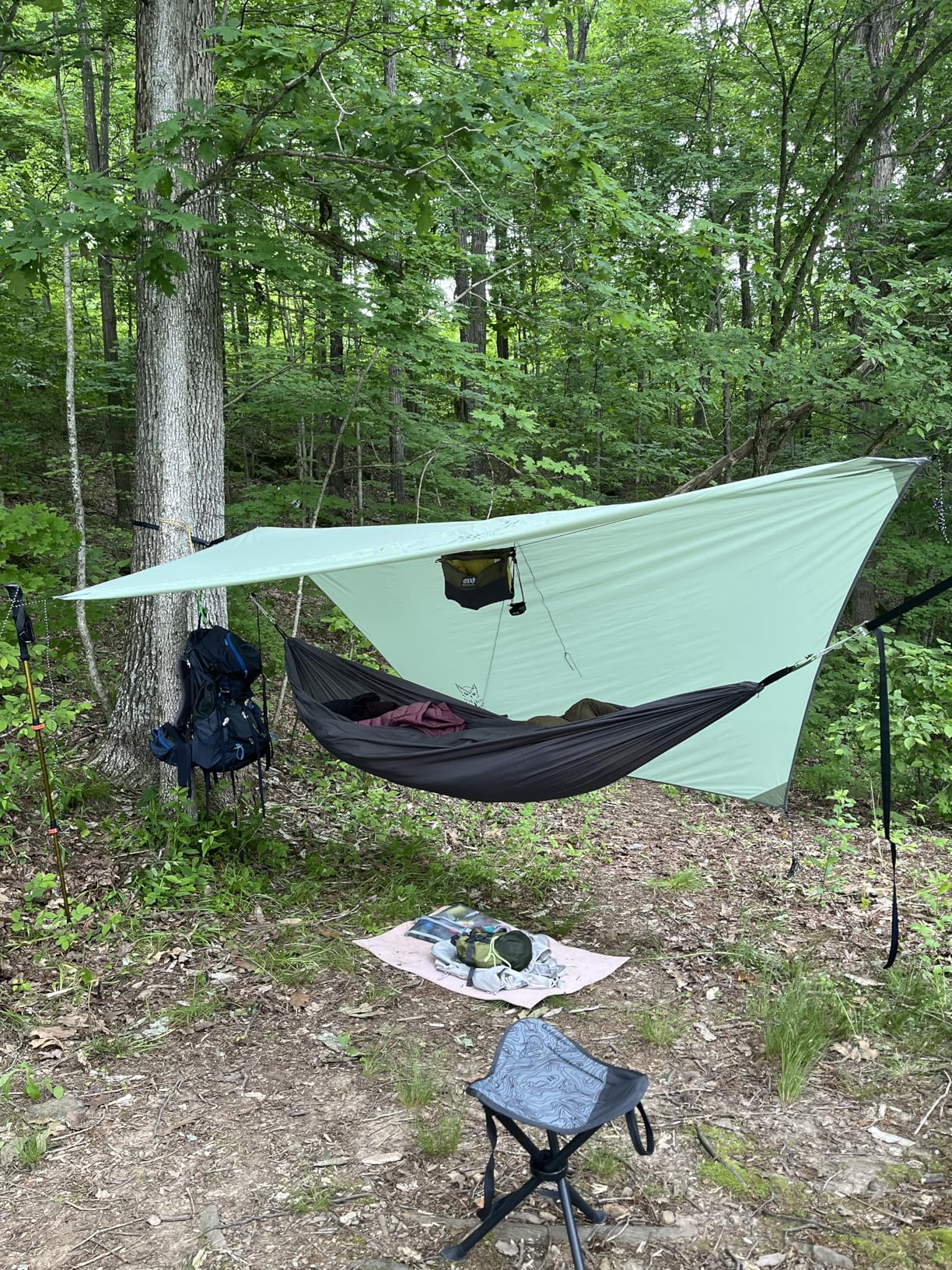
The 3,000 mm waterproof rating isn’t quite AquaQuest territory, but it’s more than adequate for typical thunderstorms and sustained rainfall. User-submitted photos document the Wise Owl performing through torrential downpours with zero water penetration. The ripstop nylon construction resists tears, and the taped seams eliminate potential leak points.
Who Should Buy?
Backpackers, thru-hikers, and anyone prioritizing weight savings will love the Wise Owl. It’s also ideal for hammock campers who need a reliable rain fly that works as a standalone shelter.
Who Should Avoid?
Those camping in extreme conditions may want higher waterproof ratings. If you only car camp, the ultralight benefits are less relevant, and a heavier tarp might offer better durability.
3. Amazon Basics Waterproof Camping Tarp – Best Budget Choice
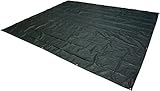
Amazon Basics Waterproof Multipurpose Camping Tarp with Reinforced Corners and Edges, Protective Cover, 9.5 x 11.3 Feet, Dark…
Size: 7.5x9.5 ft or 9.5x11.3 ft
Material: Polyethylene with rip-stop
Weight: 1.5 lbs
Color: Dark green
Grommets: Reinforced corners and edges
✓ The Good
- Extremely affordable for budget-conscious campers
- Reinforced corners with grommets for secure tie-down
- Rip-stop technology prevents tear spreading
- Waterproof polyethylene lamination on both sides
- #2 bestseller with 13
- 000+ reviews
✕ The Bad
- Thinner material than premium tarps
- May develop holes from sharp objects
- Not suited for extreme weather conditions
- Grommets may pull out in high winds
The Amazon Basics tarp proves you don’t need to spend a fortune for reliable rain protection. With over 13,000 reviews and a 4.6-star rating, it’s earned its position as the #2 bestseller in camping tent tarps. I keep one of these in my car emergency kit—it’s cheap insurance against unexpected weather.
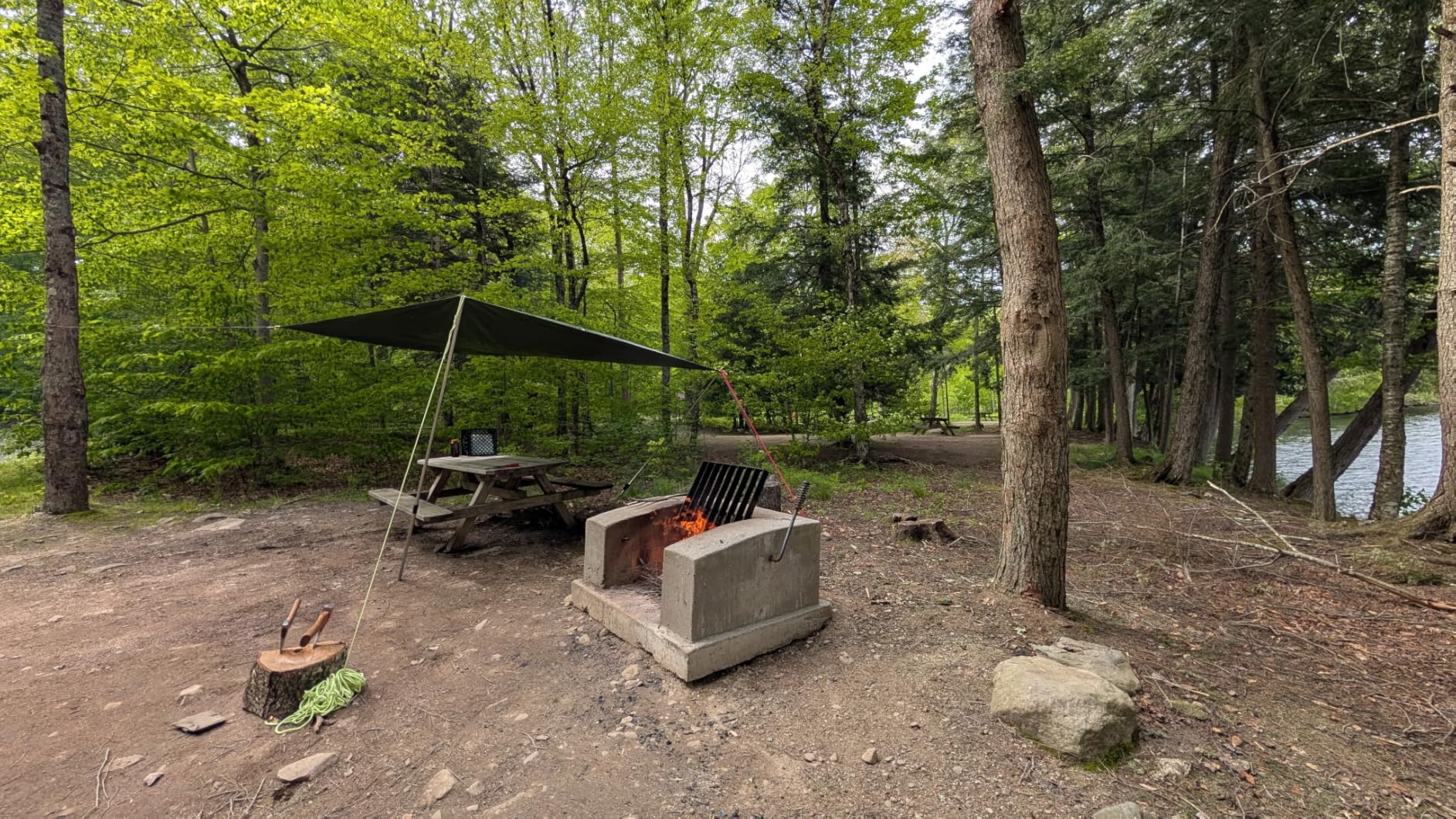
The 7.5×9.5 foot size works well for smaller tents, while the 9.5×11.3 foot option covers most family camping shelters. The polyethylene construction with lamination on both sides provides adequate waterproofing for moderate rainfall. It won’t survive a hurricane, but for typical summer thunderstorms, it gets the job done.
I appreciate the reinforced corners and edge grommets. Many budget tarps skimp on these details, but Amazon Basics includes strategically placed grommets that make setup much easier. Customer photos show users employing this tarp for everything from tent coverage to firewood protection to vehicle covers.
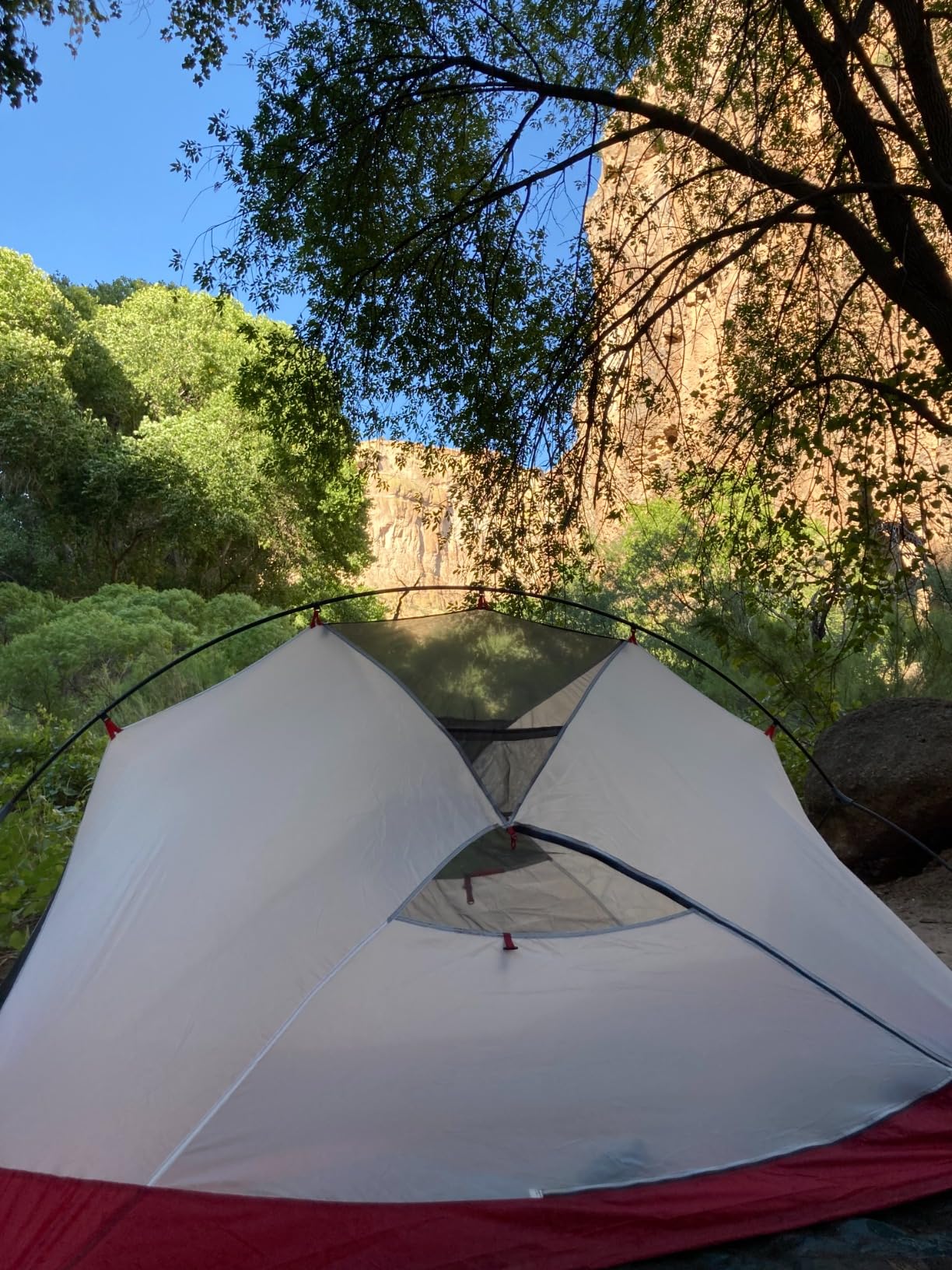
The rip-stop technology is a standout feature at this price point. Small tears from sharp rocks or branches don’t propagate across the entire tarp. I’ve put mine through rough handling, and while it shows some wear, it remains fully functional after multiple seasons of use.
Who Should Buy?
Budget campers, occasional users, and anyone needing a reliable backup tarp will find excellent value here. It’s perfect for fair-weather camping and as emergency backup gear.
Who Should Avoid?
Serious outdoor enthusiasts facing harsh conditions should invest in higher-quality options. The thinner construction won’t hold up to extreme weather or frequent heavy use.
Common Tarp Setup Problems and Solutions 2026
Even experienced campers encounter issues with tarp setups. I’ve dealt with my fair share of sagging tarps, flapping fabric, and unexpected failures. Understanding these common problems and their solutions will save you from midnight repairs and wet sleeping bags.
Problem: Tarp Sagging Overnight
Sagging occurs when temperature drops or rain accumulates, causing your initially taut setup to droop dangerously close to your tent. The solution is simple but often overlooked: use taut-line hitches on all guy lines. This allows you to retension without untying knots.
I also add drip lines—small overhand knots tied on both sides of where the ridgeline contacts the tarp. These interrupt water flow and prevent rain from traveling down the rope and pooling in the center of your tarp.
Problem: Wind Flapping and Noise
Nothing ruins a night’s sleep like a tarp violently flapping in gusty wind. The culprit is almost always insufficient tension. Pull your guy lines tighter and consider adding more anchor points. Most tarps have additional grommets along the edges that go unused.
The diamond pitch configuration excels in windy conditions. By orienting one corner into the wind and staking the opposite corner low, you create a sleek profile that sheds gusts rather than catching them.
Problem: Water Pooling on Tarp Surface
Flat tarps inevitably collect water in heavy rain, and the accumulating weight can collapse your setup. The solution is ensuring adequate pitch angle—your tarp should have a distinct slope that sheds water immediately. A 30-degree angle is ideal for most conditions.
If you notice water starting to pool, gently push up on the tarp from underneath to release it. Then immediately restake that corner to increase the angle and prevent recurrence.
Problem: Condensation Buildup
Paradoxically, adding a tarp can increase condensation inside your tent if not set up properly. The key is maintaining adequate ventilation—don’t pitch your tarp too low or create a sealed environment around your tent. Leave gaps at the sides for airflow.
⚠️ Important: Never let your tarp directly touch your tent fabric. This transfers condensation from the tarp to your tent and can cause water to penetrate through seemingly waterproof materials. Maintain at least 2-3 inches of clearance everywhere.
Frequently Asked Questions
Should you put a tarp over your tent?
Yes, putting a tarp over your tent provides extra rain protection, reduces UV damage that degrades tent fabric, creates covered storage space, and can add 5-10 degrees of warmth. However, ensure proper setup with adequate ventilation and gap between tarp and tent to avoid condensation issues.
Does putting a tarp over your tent make it warmer?
Yes, a tarp over your tent can add 5-10 degrees of warmth by creating an insulating air layer between the tarp and tent, blocking wind chill, and reducing heat loss through your tent fabric. The effect is similar to wearing a jacket over a sweater—both layers work together to retain heat.
How do you secure a tarp over a tent?
Secure a tarp over your tent using a ridgeline tied between two trees with a bowline knot, drape the tarp centered over the line, then stake all four corners outward at 45-degree angles using taut-line hitches for adjustability. Add guy lines to additional grommets for stability and install drip lines on the ridgeline to prevent water running onto your tent.
How do you set up a tarp over a tent without trees?
Without trees, create two pole pairs using trekking poles or branches tied together in an X shape, positioned 2 feet in front and behind your tent. Run a ridgeline between the pole pairs, drape your tarp over it, then stake the poles firmly into the ground with guy lines for stability before securing all corners outward.
Final Recommendations
After camping in every weather condition from Pacific Northwest rain to mountain thunderstorms, I’ve learned that a tarp over your tent is cheap insurance against miserable nights. The right setup keeps you dry, extends your tent’s life, and creates valuable covered space for gear and cooking.
Start with the tree-based A-frame setup if you’re new to tarp camping. It’s forgiving, quick to learn, and works in most forested campsites. As you gain confidence, experiment with pole-based setups for open areas and diamond configurations for windy conditions.
The AquaQuest Defender is my top recommendation for serious protection, the Wise Owl delivers the best weight-to-performance ratio for backpackers, and the Amazon Basics tarp offers unbeatable value for casual campers. Choose based on your typical conditions and camping style, and you’ll never regret having that extra layer of protection when the weather turns.