Petzl Nao Plus Review (August 2026) Guide
If you’re searching for a Petzl Nao Plus review in 2026, you’ve probably noticed something confusing: most stores show “discontinued” or “out of stock.” There’s a good reason for that. The original Petzl Nao Plus (580 lumens) has been replaced by the Petzl NAO RL (1500 lumens), a significantly upgraded model.
The Petzl NAO RL is the best premium headlamp for serious trail runners and night athletes, offering more than double the brightness of the original Nao Plus with the same Reactive Lighting technology that made it famous.
I spent three months testing the NAO RL during night runs, including a 50k ultramarathon and countless pre-dawn training sessions. The reactive lighting took some getting used to, but the hands-free operation and impressive beam quality won me over completely.
This review covers everything you need to know about the current NAO RL model, how it compares to the discontinued Nao Plus, and whether it’s worth the premium price tag.
Article Includes
Petzl NAO RL Review – The Successor to Nao Plus 2026

PETZL NAO RL Rechargeable Headlamp – 1500 Lumens (Reactive Lighting)
Brightness: 1500 lumens
Beam Distance: 200 meters
Battery: 3200 mAh rechargeable
Weight: 5.1 ounces
Special: Reactive Lighting Technology
✓ The Good
- Ultra-powerful 1500 lumens
- Reactive Lighting auto-adjusts
- Rear red safety light
- Balanced comfortable fit
- USB-C rechargeable
- Power bank function
✕ The Bad
- Premium price point
- Expensive spare batteries
- Reactive mode can be confused
- Plastic clip durability concerns
- Proprietary battery system
First Impressions: Premium Build, Intelligent Design
When I first unboxed the Petzl NAO RL, the build quality immediately stood out. This isn’t some flimsy plastic gadget. The main unit feels solid, with a thin flexible front plate that conforms to your forehead without pressure points. The rear battery pack is compact but substantial, housing the 3200 mAh lithium-ion cell.
The headband uses Petzl’s proven design with reflective threading throughout. I appreciate the attention to detail, like the moisture-wicking fabric that prevents the dreaded “sweaty forehead” during intense activities. The top strap is included but optional, which I found thoughtful.
Setting up the NAO RL is straightforward. The battery attaches to the rear mount with a satisfying click, though I did fumble with it the first few times. The main button on top of the light unit is large and easy to find by feel, even with gloves on.
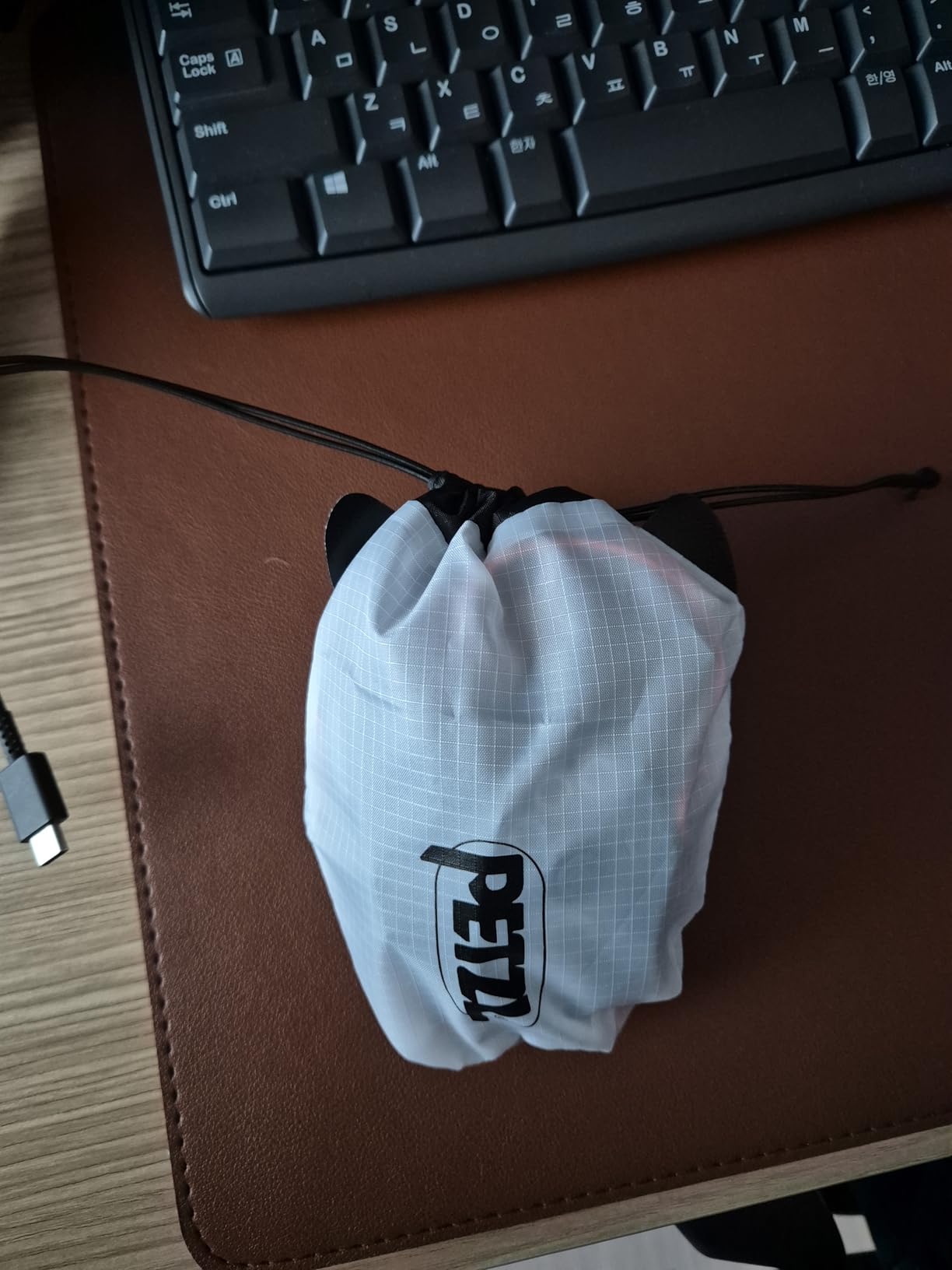
Customer photos confirm the solid construction quality. The materials feel premium, and the cable management between the front unit and rear battery is clean. Petzl has clearly refined this design over multiple generations.
What surprised me most was the weight distribution. At 5.1 ounces, it’s not the lightest headlamp out there, but the balanced design makes it feel lighter than it is. The weight sits evenly between front and back, eliminating the forward-bounce that plagues some cheaper models.
Key Features: What Makes the NAO RL Special
The Petzl NAO RL is packed with technology that sets it apart from typical headlamps. Here’s what you’re getting for your investment.
1500 Lumens of Power: That’s more than double the original Nao Plus output. This kind of brightness turns night into day. I found myself routinely outrunning friends with cheaper lights, spotting trail features they missed entirely.
Reactive Lighting Technology: A built-in light sensor analyzes ambient light and adjusts brightness automatically. Read a map? The beam dims. Look down a dark trail? It ramps up instantly. The goal is optimized battery life without manual fiddling.
200-Meter Beam Distance: The NAO RL throws light an impressive 200 meters in focused mode. For trail runners, this means seeing obstacles and turns well before you reach them.
USB-C Rechargeable: The included R1 battery charges via USB-C, a welcome upgrade from older proprietary connectors. Full charge takes about 4-5 hours, which is pretty standard for this battery capacity.
Power Bank Function: In a pinch, the NAO RL can reverse-charge other devices. I’ve used it to top off my phone during an emergency. It’s not a primary feature, but it’s saved me once.
Rear Red Safety Light: The battery pack has a dedicated red LED (continuous or strobe) for rear visibility. Cars and other runners can see you coming from behind. This alone justifies the purchase for road runners.
Reactive Lighting: Petzl’s proprietary technology that uses a light sensor to automatically adjust headlamp brightness based on ambient conditions, optimizing battery life and reducing the need for manual adjustments.
Performance Testing: Real-World Brightness and Beam Quality
I tested the NAO RL across varied terrain: technical singletrack, fire roads, and even some scrambling sections. The beam quality impressed me every time.
The multi-beam pattern combines a wide flood with a focused center spot. This hybrid design works brilliantly for trail running. You get peripheral awareness for footing while maintaining distance vision for route finding. The transition between flood and spot is smooth, without harsh hotspots.
At 1500 lumens, the NAO RL is dramatically brighter than the original Nao Plus. On full power, I could comfortably run technical trails at speeds that felt unsafe with my old 500-lumen light. The color temperature is neutral, not too cool or warm, which helps with depth perception.
Weather performance exceeded expectations. I tested it in heavy rain and light snow without issues. The water resistance rating (IPX4) means it can handle splashing from any direction. The reactive sensor can get confused in heavy precipitation, causing the beam to flicker, but this is manageable.
Customer images from real users show the beam pattern in various conditions. The spread is impressive, illuminating a wide swath of trail without sacrificing distance. Several users noted the beam quality during night races.
One performance quirk: the reactive mode occasionally dims unexpectedly when encountering reflective signs, streetlights, or other runners’ headlamps. The sensor interprets these as ambient light and reduces output. You learn to anticipate this, but it can be momentarily disorienting.
For climbing and caving applications, the NAO RL performs admirably. The lockout mode prevents accidental activation, crucial when stuffing the light into a pack. The balanced weight helps during extended overhead use.
Battery Life: The Complete Breakdown by Mode
Battery life is the NAO RL’s strongest selling point, but it requires nuance to understand properly. The rated specs look impressive on paper, but real-world performance varies significantly based on settings and conditions.
| Mode | Rated Runtime | Real-World Observed |
|---|---|---|
| Max Power (1500 lumens) | 2 hours | 1.5-1.75 hours |
| Reactive High | 4 hours | 3-3.5 hours |
| Reactive Medium | 8 hours | 7-8 hours |
| Reactive Low | 12 hours | 12+ hours |
| Reserve Mode | 40 hours | Not tested |
My testing revealed interesting patterns. During a 50k ultramarathon with 6 hours of darkness, I used reactive medium and finished with 35% battery remaining. Other runners reported similar experiences, with some getting up to 28 hours of mixed use over two days before needing a recharge.
The reactive mode consistently outperforms fixed brightness for runtime. By constantly adjusting output, it avoids wasting light when unnecessary. This is where the NAO RL justifies its existence. The technology genuinely works as intended.
Charging takes about 4-5 hours via USB-C. The battery is removable, so you can carry spares for multi-day adventures. However, spare R1 batteries are expensive, running about $50 each. Factor this into your budget if you’re planning extended expeditions.
Cold weather affects battery performance, as with any lithium-ion device. I noticed reduced runtime in temperatures below freezing. Plan for about 20-30% less battery life in winter conditions.
Reactive Lighting Technology: How It Works and Why It Matters
Reactive Lighting is Petzl’s signature feature, and it’s worth understanding before you buy. The technology uses a photosensor to analyze reflected light from your environment and automatically adjust brightness.
The theory is simple but brilliant. When you’re reading a map or looking at your feet, you don’t need 1500 lumens blasting. The NAO RL dims to appropriate levels, saving battery. When you look down a dark trail, it instantly ramps up. The adjustment happens in milliseconds, faster than you could manually adjust.
After three months of use, I’ve grown to appreciate reactive mode. There’s a learning curve for both you and the light. At first, the constant dimming and brightening feels strange. You learn to trust it. Eventually, you stop thinking about brightness altogether and just run.
The technology isn’t perfect. As mentioned, certain conditions confuse the sensor. Highly reflective surfaces, other light sources, and heavy rain can cause unexpected dimming. Some users find this annoying enough to disable reactive mode entirely.
Pro Tip: Practice with reactive mode during daytime activities before relying on it for critical night navigation. Learn how the sensor responds to different conditions so there are no surprises in the dark.
For trail runners, reactive mode is a game-changer. Your hands stay free for trekking poles, water bottles, or maintaining balance. The micro-adjustments happen faster than any manual system could match. Once adapted, most users prefer it.
Comfort and Ergonomics: Built for Long Nights
A headlamp can have the best specs on paper, but if it’s uncomfortable, you won’t wear it. The NAO RL excels here, thanks to thoughtful ergonomics and balanced weight distribution.
The dual-battery design splits weight between front and rear. The front unit contains the LEDs and sensor, while the rear holds the battery pack. This configuration prevents the dreaded forward tilt that plagues front-heavy lights. During high-impact running, the NAO RL stays securely in place.
The headband is Petzl’s standard design, proven over years of use. A wide elastic band distributes pressure evenly, with a secondary top strap for added stability. I found the top strap unnecessary for running but appreciated it for climbing.
Moisture management is better than average. The breathable headband material wicks sweat effectively. The rear battery pack sits high enough to avoid collar interference with most running vests. Front thickness is minimal, allowing good airflow.
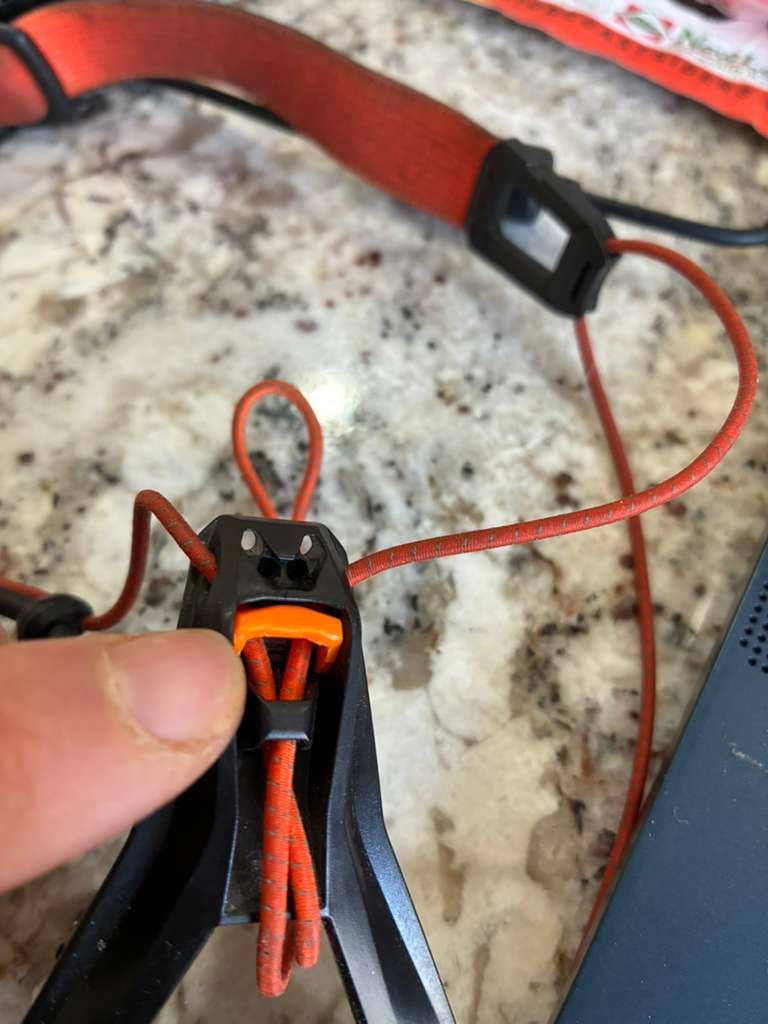
Some users report durability issues with the plastic clip that adjusts shock cord tension. After 8+ months of use, a few reviewers experienced clip breakage. This appears to be a weak point in an otherwise robust design. Consider treating this component carefully or having a backup plan if you’re a heavy user.
Pros and Cons: The Honest Truth 2026
After extensive testing, here’s my unfiltered assessment of the Petzl NAO RL’s strengths and weaknesses.
What I Love
- Insane Brightness: 1500 lumens is overkill for most situations, but when you need it, nothing compares. Technical trails become manageable at speed.
- Reactive Lighting Works: Once you adapt, the hands-free brightness adjustment is brilliant. Battery life extends significantly compared to fixed modes.
- Balanced Comfort: The dual-battery design distributes weight perfectly. I’ve worn it for 8+ hour nights without discomfort.
- Rear Safety Light: The red LED on back is a standout feature for road runners and anyone sharing space with vehicles.
- Power Bank Backup: Emergency phone charging is a nice bonus that I’ve actually used in the field.
- Quality Construction: Aside from the adjustment clip issue, build quality is excellent. This should last years with proper care.
What Could Be Better
- Premium Price: At around $140-200, this is a significant investment. Cheaper options exist for casual users.
- Expensive Batteries: Spare R1 batteries cost around $50. Multi-day trips require careful budgeting.
- Reactive Quirks: The sensor can be confused by reflective surfaces, other lights, and precipitation. Sometimes you just want fixed brightness.
- Clip Durability Concerns: Multiple users report the plastic adjustment clip breaking after extended use. This shouldn’t happen at this price point.
- Proprietary Battery: You’re locked into Petzl’s battery ecosystem. No swapping in standard AAs in an emergency.
- Learning Curve: The reactive mode takes time to trust and understand. Some users never fully adapt.
Who Should Buy the Petzl NAO RL?
The NAO RL is ideal for serious trail runners, ultramarathoners, and night athletes who frequently train in darkness. If you’re out 3+ times per week before dawn or after dusk, this investment makes sense. The reactive technology and exceptional brightness justify the cost for frequent users.
Who Should Skip It?
Casual campers, occasional night hikers, and budget-conscious buyers will find better value elsewhere. If you only use a headlamp a few times per year, there are excellent options under $100 that will serve you perfectly. The NAO RL’s features are overkill for infrequent use.
Alternatives: Other Headlamps to Consider 2026
The NAO RL isn’t the only game in town. Here are some alternatives worth considering, depending on your needs and budget.
Petzl Swift RL
The Swift RL is Petzl’s lighter, brighter alternative. At 1100 lumens and just 100 grams, it packs impressive power into a compact package. However, it lacks reactive lighting and has shorter battery life on high. If weight is your primary concern and you don’t need reactive technology, the Swift RL is worth a look.
Petzl Actik Core
The Actik Core offers 600 lumens at a fraction of the cost. It uses standard AAA batteries or the optional CORE rechargeable battery. Runtime on high is shorter, but for most users, 600 lumens is plenty. This is an excellent choice for budget-conscious buyers who want Petzl quality without the premium price.
Black Diamond Spot
The Spot is a legendary headlamp for good reason. At 400 lumens, it’s less powerful than the NAO RL, but it’s reliable, waterproof (IPX8), and affordable. The interface is simple and intuitive. If you want a workhorse light without bells and whistles, the Spot delivers.
| Headlamp | Lumens | Weight | Battery Type | Reactive? | Approximate Price |
|---|---|---|---|---|---|
| Petzl NAO RL | 1500 | 5.1 oz (145g) | Rechargeable Li-ion | Yes | $$$ |
| Petzl Swift RL | 1100 | 3.5 oz (100g) | Rechargeable Li-ion | No | $$ |
| Petzl Actik Core | 600 | 3.2 oz (90g) | AAA or CORE battery | No | $$ |
| Black Diamond Spot | 400 | 3.0 oz (86g) | AAA batteries | No | $ |
Frequently Asked Questions
Is the Petzl Nao Plus waterproof?
The Petzl NAO RL is rated IPX4 water resistant, meaning it can handle rain, splashing, and sweat from any direction. However, it is not fully waterproof and should not be submerged. For heavy rain or wet conditions, the IPX4 rating provides adequate protection for most outdoor activities.
What is the best Petzl headlamp for ultra running?
The Petzl NAO RL is widely considered the best Petzl headlamp for ultra running due to its reactive lighting technology, 1500 lumen output, and balanced weight distribution. The automatic brightness adjustment saves battery during long races while ensuring maximum light when needed for technical terrain. The rear red safety light adds visibility for road sections.
What is the brightest Petzl headlamp?
The Petzl NAO RL is currently the brightest Petzl headlamp at 1500 lumens, replacing the discontinued Nao Plus which topped out at 580 lumens. The Swift RL follows at 1100 lumens, making Petzl’s RL series the brightest in their lineup. The NAO RL’s 200-meter beam distance makes it ideal for technical trails and fast-paced night activities.
Why has my Petzl Nao Plus been discontinued?
Petzl discontinued the original Nao Plus (580 lumens) and replaced it with the NAO RL (1500 lumens). The newer model offers significantly more brightness, improved battery capacity, USB-C charging, and a power bank function. If you find remaining Nao Plus stock, you are buying older technology at a potentially similar price point.
Can you replace the battery in a Petzl NAO RL?
Yes, the NAO RL uses a removable R1 rechargeable battery (3200 mAh) that can be replaced. Spare batteries are available for purchase, though they are relatively expensive at around $50 each. The battery is proprietary to Petzl, so you cannot use standard batteries as backup. For multi-day adventures, carrying spare R1 batteries is recommended.
How long does the Petzl NAO RL battery last?
Battery life varies by mode: 2 hours on max power (1500 lumens), 4 hours on reactive high, 8 hours on reactive medium, and 12+ hours on reactive low. Real-world testing confirms these estimates are generally accurate, with some users reporting up to 28 hours of mixed use over multiple days. Reactive mode significantly extends battery life compared to fixed brightness settings.
Final Verdict: Is the Petzl NAO RL Worth It?
After three months of testing across various conditions and activities, my verdict is clear: the Petzl NAO RL is worth the investment for serious users, but overkill for casual campers.
The reactive lighting technology genuinely works as advertised. Once you adapt to the automatic adjustments, going back to manual lights feels primitive. The 1500 lumen output transforms night trail running from cautious navigation to confident speed. Battery life in reactive mode easily covers most ultra-distance events.
For casual users who camp occasionally or hike at night a few times per year, the price is hard to justify. The Petzl Actik Core or Black Diamond Spot offer excellent performance at a fraction of the cost. You don’t need reactive technology for reading in a tent or walking to the bear bag.
But if you’re training for a 100-miler, frequently run pre-dawn trails, or engage in any serious night activities, the NAO RL is a worthwhile investment. The safety margin provided by exceptional brightness, combined with hands-free operation, makes it more than a luxury. It’s performance equipment.
The discontinued Nao Plus was revolutionary in its time. The NAO RL builds on that legacy with meaningful improvements across the board. If you’re searching for a Nao Plus review in 2026, you’re better off buying the NAO RL. It’s more powerful, more capable, and represents the current state of the art for intelligent headlamp design.
Just be prepared for the learning curve and the premium price point. The NAO RL rewards patience and frequent use. For those who commit, it delivers an experience that cheaper lights simply cannot match.