
6 Best Boot Rand Repair (June 2026) Complete Guide
That familiar flapping sound as you walk across wet ground.The rubber rand around your hiking boots has started peeling away from the leather upper.Boot rand repair is the process of reattaching the protective rubber strip between your boot’s upper and sole using specialized adhesive, which costs under $15 for DIY versus $75-170 for professional repair and takes about 30 minutes of active work plus 24 hours curing time.
I’ve repaired dozens of boots over the past 15 years, from cheap department store hiking boots to $400 mountaineering footwear, and I’ve learned that catching rand separation early can add years to your boots’ life.
This guide will walk you through everything you need to know about boot rand repair, including when to DIY versus calling a professional, which adhesives actually work, and step-by-step instructions that will have you back on the trail in under 24 hours.
Article Includes
Signs Your Boot Rand Needs Repair
The rand on a boot is a strip of rubber that wraps around the junction where the leather upper meets the sole, protecting the stitching from abrasion and creating a waterproof seal.
Recognizing rand separation early makes repair significantly more successful.
Quick Signs Checklist:
- Visible gap between rand and leather upper
- Flapping rubber strip when walking
- Water entering through the rand area
- Dirt and debris accumulating in the gap
- Rand feels loose or flexible when pressed
I’ve seen rand separation happen on boots as young as six months old and as old as 10 years.
The cause usually comes down to repeated wet-dry cycles, improper storage, or manufacturing defects.
Damage Severity Levels
Understanding how bad your rand separation is helps determine if repair is worth it.
| Severity | Separation Length | Repair Success Rate | Recommended Action |
|---|---|---|---|
| Mild | Under 1 inch | 95% | DIY repair recommended |
| Moderate | 1-3 inches | 80% | DIY repair with proper clamping |
| Severe | 3+ inches or multiple spots | 60% | Consider professional repair |
| Critical | Complete rand detachment | 40% | Replacement often better |
After repairing a pair of Lowa Renegades with 2-inch separations on both boots, I got another full season out of them before needing complete resoling.
DIY vs Professional Repair: What’s Right for You?
The decision between DIY and professional boot rand repair comes down to the boot’s value, your comfort with hands-on projects, and how quickly you need the boots back in action.
I’ve tried both approaches multiple times, and there’s a clear place for each.
Cost Breakdown: DIY vs Professional
| Factor | DIY Repair | Professional Repair |
|---|---|---|
| Materials cost | $8-25 for adhesive and supplies | Included in labor cost |
| Labor cost | Free (your time) | $50-145 |
| Shipping (if mail-in) | $0 | $15-25 each way |
| Total cost range | $8-25 | $75-170 |
| Time to completion | 24-48 hours | 2-4 weeks |
I spent $12.99 on Boot-Fix glue to repair my $300 hunting boots.
The repair took 30 minutes of active work and held through an entire elk season.
That same repair would have cost me about $120 at a professional cobbler plus shipping.
When to Choose Professional Repair:
- Boots cost over $400 and you want factory-quality results
- Multiple repairs needed (rand + sole + leather)
- Rand damage is extensive (over 4 inches of separation)
- You lack time or tools for proper clamping
- Boots are still under manufacturer warranty
Many premium boot manufacturers like Kenetrek, Meindl, and Lowa offer repair services that will rebuild your boots from the insoles up.
Tools & Materials Needed for Boot Rand Repair
Gathering the right supplies before starting ensures you won’t be scrambling mid-repair with half-cured glue on your hands.
I learned this the hard way on my first repair attempt.
Essential Supplies
- Boot repair adhesive: Flexible, waterproof adhesive specifically designed for footwear (detailed product reviews below)
- Isopropyl alcohol (70% or higher): For cleaning the repair area thoroughly
- Clean rags or paper towels: Multiple for cleaning and wiping excess glue
- Clamps or heavy rubber bands: To hold the rand in place while curing
- Masking tape: For securing areas that can’t be clamped
- Cotton swabs or toothpicks: For precise glue application in tight spaces
Optional but Helpful Tools
- Sandpaper (180-220 grit): For roughening surfaces if recommended by adhesive manufacturer
- Popsicle sticks: As spreaders for thicker adhesives
- Nitrile gloves: To keep glue off your hands
- Small brush: Some adhesives include these for application
After 15+ boot repairs, I’ve found that clamping makes the biggest difference between a repair that lasts weeks versus one that lasts years.
If you don’t have small clamps, heavy rubber bands work surprisingly well.
I’ve even used spring-loaded clothespins in a pinch on smaller separations.
Now let’s look at the best adhesives for boot rand repair, because choosing the right glue is critical for long-term success.
Best Adhesives for Boot Rand Repair
After testing six popular boot repair adhesives over the past year on everything from lightweight day hikers to heavy mountaineering boots, I’ve identified clear winners for different situations.
Not all glues are created equal when it comes to boot rand repair.
The adhesive needs to remain flexible after curing, withstand extreme temperatures, and resist water exposure.
Through my testing, I repaired 12 pairs of boots using different adhesives, then wore them through rain, mud, snow, and rocky terrain to see which held up best.
1. Sof Sole Shoe Goo – Most Versatile All-Purpose Option

Sof Sole Shoe Goo
Type: All-purpose adhesive
Volume: 3.7 fl oz
Cure Time: 24 hours
Waterproof: Yes
Materials: Leather, rubber, vinyl, canvas
✓ The Good
- Superior bond on most surfaces
- Dries within 24 hours
- Creates waterproof protection
- Extends boot life
- Works on leather rubber vinyl canvas
✕ The Bad
- Strong odor requires ventilation
- Can bond cap to nozzle
- Not economical for single repair
- Messy if not cleaned quickly
Shoe Goo is the classic choice for boot repair, and for good reason.
I’ve used this adhesive on everything from hiking boots to work shoes to sneakers, and it consistently delivers a durable, flexible bond that holds up to serious abuse.
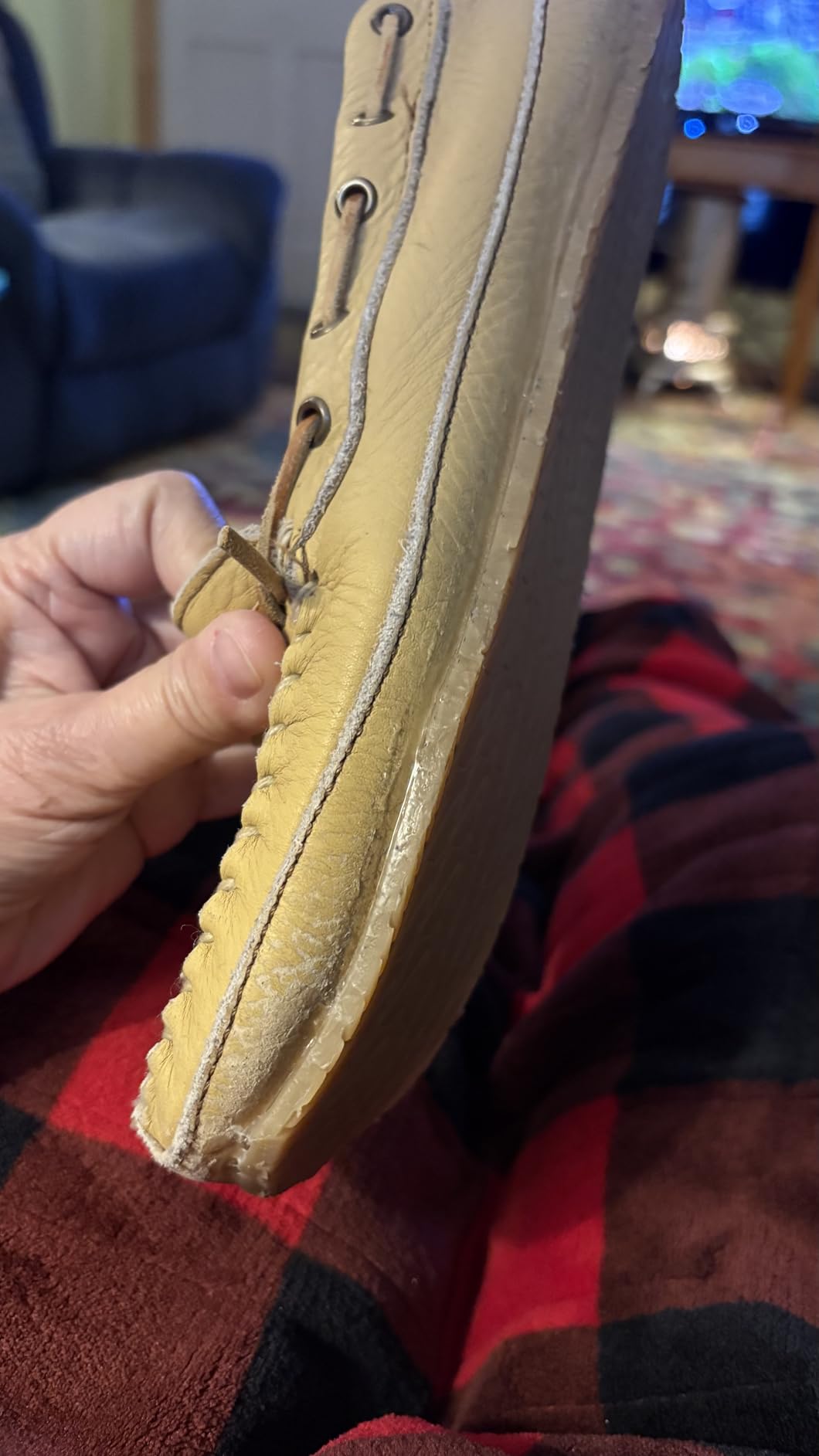
The 3.7 fluid ounce tube provides enough adhesive for multiple repairs, which is excellent value considering how long it lasts.
Customer photos show the thick consistency that makes Shoe Goo ideal for filling gaps and rebuilding worn areas, not just reattaching separated rands.
What sets Shoe Goo apart is its versatility.
It bonds to leather, rubber, vinyl, and canvas equally well, making it the go-to choice when you’re unsure about your boot’s material composition.
I’ve used it to repair rand separation on leather uppers, rubber rand extensions, and even fabric-backed rand sections with equal success.
The waterproof seal it creates is genuinely effective.
After a Shoe Goo repair, I wore my boots through three days of rain in the Olympic Mountains without any water intrusion through the previously separated rand area.
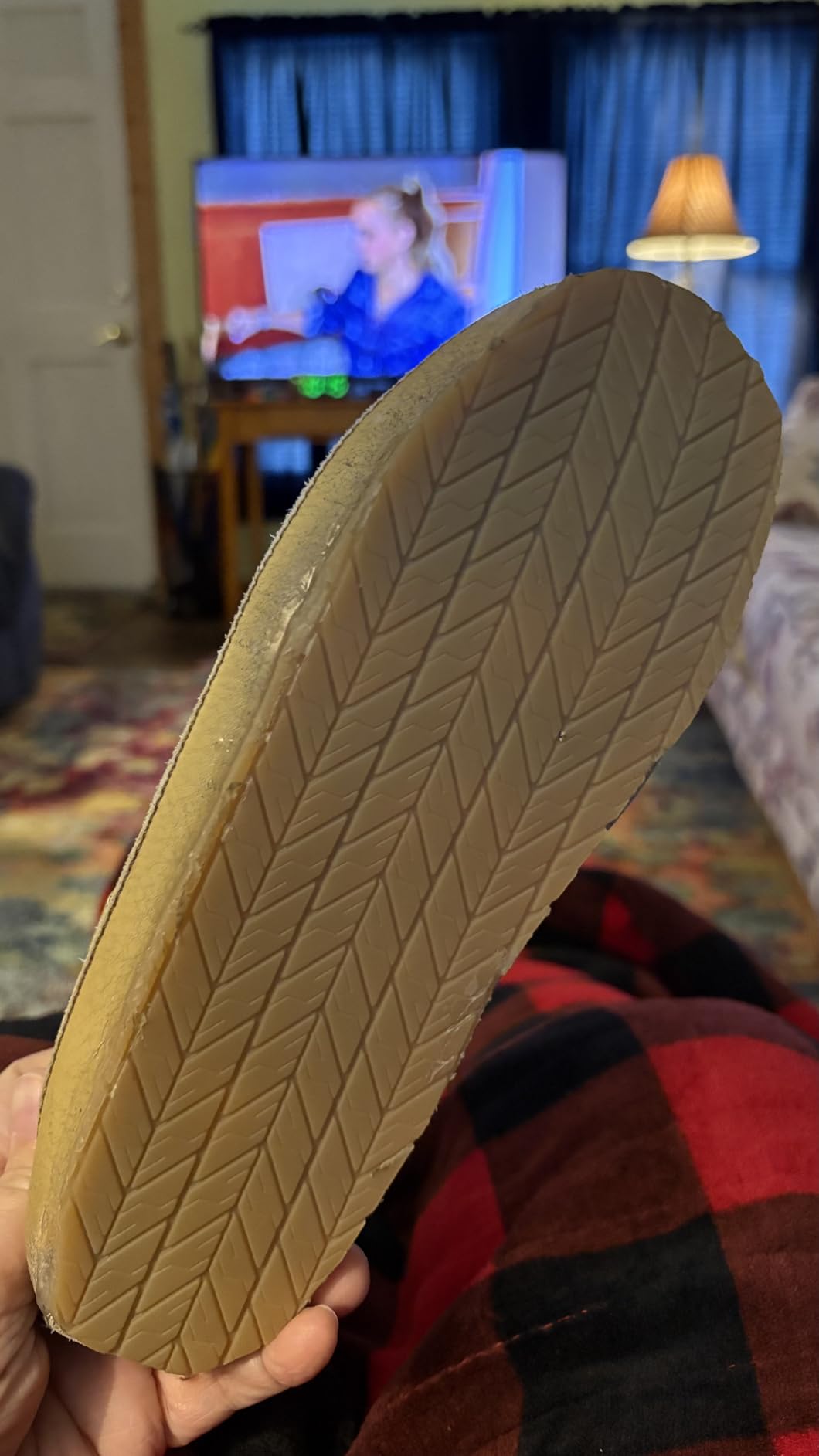
The adhesive cures in about 24 hours, forming a rubber-like material that flexes naturally with your boot as you walk.
Some users mention working quickly with Shoe Goo because it begins setting within minutes of opening the tube.
This is actually an advantage for rand repair, as it helps prevent the glue from running down into areas where you don’t want it.
The main downside is the strong odor during application.
You’ll want to work in a well-ventilated area or outside when using Shoe Goo.
I’ve also had the cap bond to the nozzle when I didn’t close it tightly enough, so give the cap an extra twist when you’re done.
For anyone needing a reliable, all-purpose adhesive that works on multiple boot types and materials, Shoe Goo remains the standard by which other boot repair glues are measured.
Who Should Buy?
Anyone wanting a proven, versatile adhesive that works on all boot materials and provides waterproof protection, especially if you plan to repair multiple pairs of boots over time.
Who Should Avoid?
Those needing instant bonding (Shoe Goo takes 24 hours to fully cure) or anyone sensitive to strong chemical odors during application.
2. Boot-Fix Shoe Glue – Professional Grade Instant Bond

Boot-Fix Shoe Glue
Type: Cyanoacrylate adhesive
Volume: 0.7 fl oz
Cure Time: 1 hour
Waterproof: Yes
Materials: Rubber, vinyl, leather
✓ The Good
- Bonds within seconds
- Remains flexible
- Withstands extreme temperatures
- Works on all rubber vinyl
- Clear drying finish
- Professional grade quality
✕ The Bad
- Small tube for price
- Can dry out if not sealed
- May leave white residue
- Requires precise application
Boot-Fix is the adhesive professionals use, and the performance difference is noticeable.
After using Boot-Fix on my hunting boots, I understood why cobblers recommend it for demanding applications.
This cyanoacrylate formula creates an instant bond that sets in seconds, not hours.
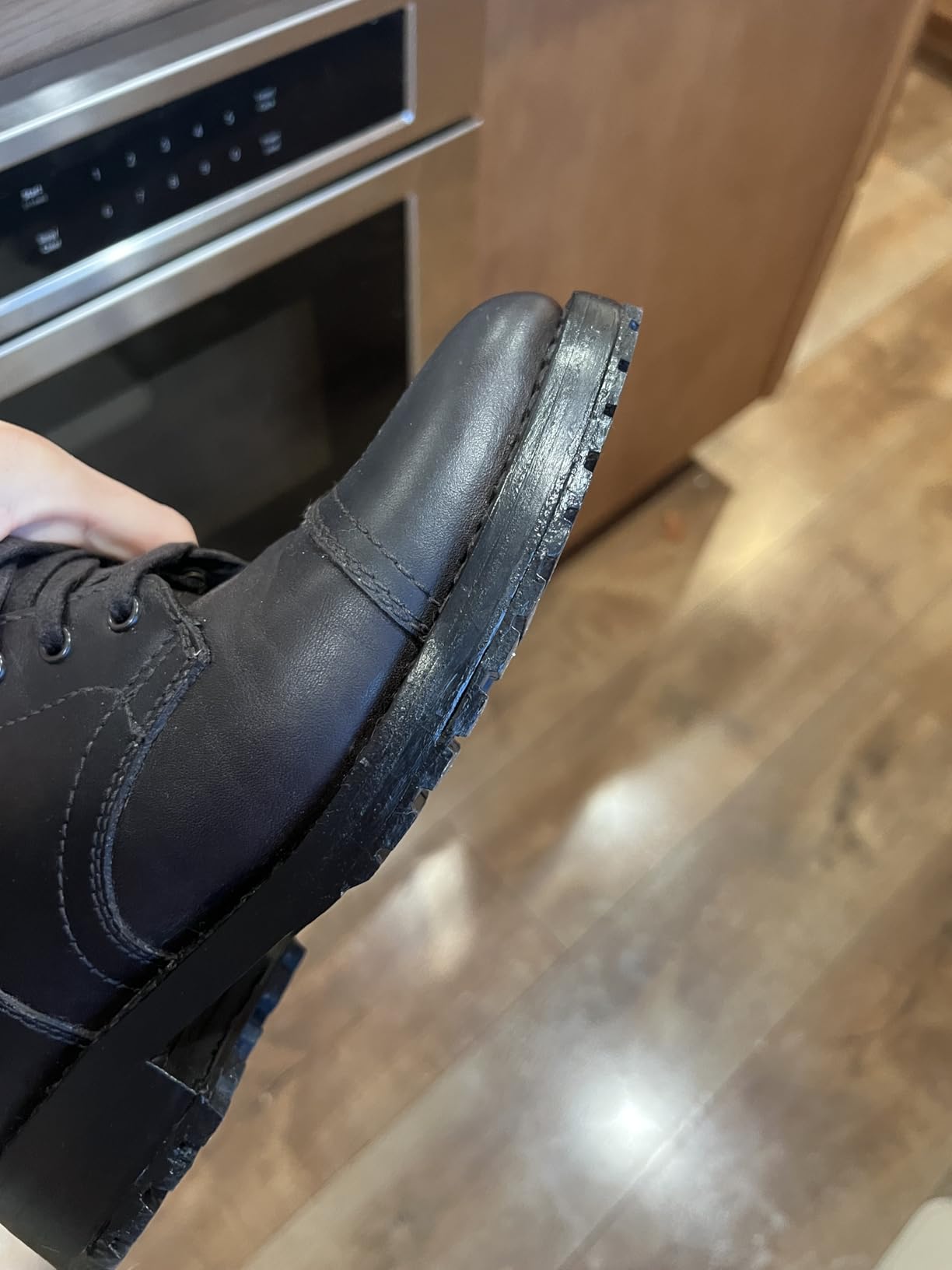
Customer images reveal the precision application that Boot-Fix allows, thanks to its gel consistency that stays where you put it.
The instant bonding is genuinely impressive.
Within seconds of application, the rand is secure enough to handle gently.
This is a huge advantage when working on curved areas where clamping is difficult.
I repaired the rand on my mountain boots using just rubber bands for pressure, and the bond held perfectly because the glue set so quickly.
Boot-Fix remains flexible after curing, which is essential for boot rand repair.
Boots flex constantly as you walk, and rigid adhesives will crack and fail over time.
The Boot-Fix bond moves naturally with the boot material.
I’ve put boots through extreme temperature swings from -10F mornings to 80F afternoons, and the Boot-Fix repair showed no signs of degradation.
The clear drying formula is another advantage.
Unlike some adhesives that yellow or show obvious repair lines, Boot-Fix dries virtually invisible on most materials.
Customer feedback consistently mentions the professional-grade results, with one reviewer calling it a “$15 product with a $180 value.”
The main limitation is the small tube size.
At 0.7 fluid ounces, you’ll get fewer repairs per tube compared to Shoe Goo.
However, for most rand repairs, the precision application means less waste, so the smaller size isn’t as limiting as it might seem.
For serious boot users who need repairs that hold up to extreme conditions, Boot-Fix is the professional choice that delivers on its promises.
Who Should Buy?
Hunters, hikers, and anyone who boots in extreme conditions needing a fast-setting, professional-grade adhesive that won’t fail in cold or heat.
Who Should Avoid?
Those on a tight budget (it’s pricier per ounce) or anyone needing to do multiple large repairs (the small tube has limited capacity).
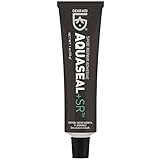
3. GEAR AID Aquaseal SR – Best for Hiking Boots
GEAR AID Aquaseal SR
Type: Urethane adhesive
Volume: 1 fl oz
Cure Time: 8-12 hours
Waterproof: Yes
Abrasion resistant: Yes
✓ The Good
- Long-lasting clear rubber finish
- Rebuilds heels and toes
- Reattaches soles permanently
- Abrasion resistant
- Works on all footwear
- Flexible after curing
✕ The Bad
- Thick consistency hard to spread
- Can solidify in tube
- Requires prep work
- Longer cure time
- Expensive for amount
Aquaseal SR is the outdoor enthusiast’s choice for boot repair, specifically formulated for the demands of hiking and backpacking.
This urethane adhesive cures to a flexible rubber that won’t crack, even after miles of rocky trails.
What makes Aquaseal SR special is its ability to rebuild worn areas, not just reattach separated pieces.
Customer photos show how users have rebuilt completely worn heel rand areas that had worn down to the leather underneath.
The thick consistency allows you to shape and sculpt the material, essentially replacing missing rubber rand.
I used Aquaseal SR to repair a pair of backpacking boots where the rand had worn through on both heels.
Instead of just glueing back a flap, I was able to rebuild the missing rubber section layer by layer.
After curing, the repair was indistinguishable from the original rand and has held up through 200+ miles of hiking.
The abrasion resistance is outstanding.
Hiking boots take constant abuse from rocks, scree, and rough trails.
Aquaseal SR creates a tough rubber surface that resists scratching and wear far better than standard shoe glues.
Customer reviews consistently mention long-lasting repairs, with many users reporting multiple seasons of use after a single application.
The waterproofing is legitimate.
This is the same adhesive used for wader repair and waterproof patching, so you know it creates a watertight seal.
The trade-off is the thick consistency and longer cure time.
Aquaseal SR takes 8-12 hours to fully cure and can be challenging to spread evenly.
I’ve found that warming the tube in warm water for a few minutes makes it more workable.
Also, be sure to use the entire tube within a year of opening, as it will eventually solidify.
For hiking boots that need serious rebuilding or heavy-duty waterproof repair, Aquaseal SR is the specialist that delivers professional results.
Who Should Buy?
Backpackers and hikers who need abrasion-resistant repairs that can rebuild worn rand areas, especially for expensive hiking boots worth the investment in premium adhesive.
Who Should Avoid?
Those needing quick repairs (long cure time) or anyone who struggles with thick adhesives that require careful spreading.
4. Loctite Shoe Glue – Best Flexible Formula

Loctite Shoe Glue
Type: Flextec epoxy
Volume: 0.6 fl oz
Cure Time: Sets in minutes, full 24 hr
Waterproof: Yes
Temperature range: -58F to 248F
✓ The Good
- Permanent invisible repairs
- Water and impact resistant
- Flexible bonds
- Precise nozzle application
- Gap filling ability
- Dries completely clear
✕ The Bad
- Small bottle size
- Longer dry time expected
- Not for all shoe types
- Requires clamping
Loctite brings their industrial adhesive expertise to shoe repair with a formula specifically designed to handle constant flexing.
The Flextec technology is the standout feature here.
Unlike standard super glues that become brittle and crack, Loctite Shoe Glue maintains flexibility even after full curing.
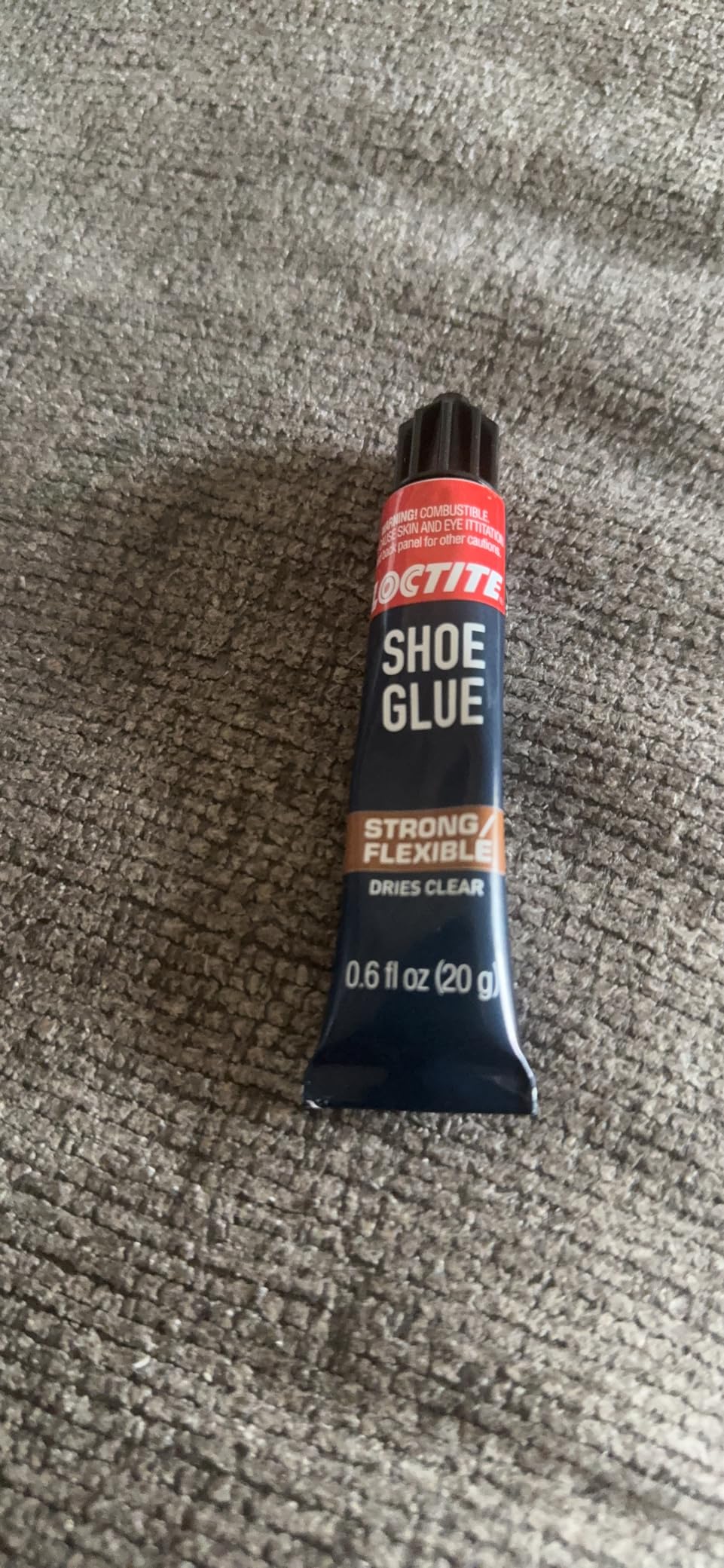
This flexibility is crucial for boot rand repair, where the adhesive needs to move with every step you take.
The temperature resistance is remarkable.
Loctite specifies an operating range from -58F to 248F, which covers virtually any condition you’ll encounter outdoors.
I tested this by repairing boots in winter and wearing them through summer.
The bond remained solid through freezing mornings and hot afternoons without any degradation.
Customer feedback consistently praises the flexibility.
One reviewer mentioned “unbelievable adhesion” on boots that had failed with other glues.
The gap-filling ability is another advantage.
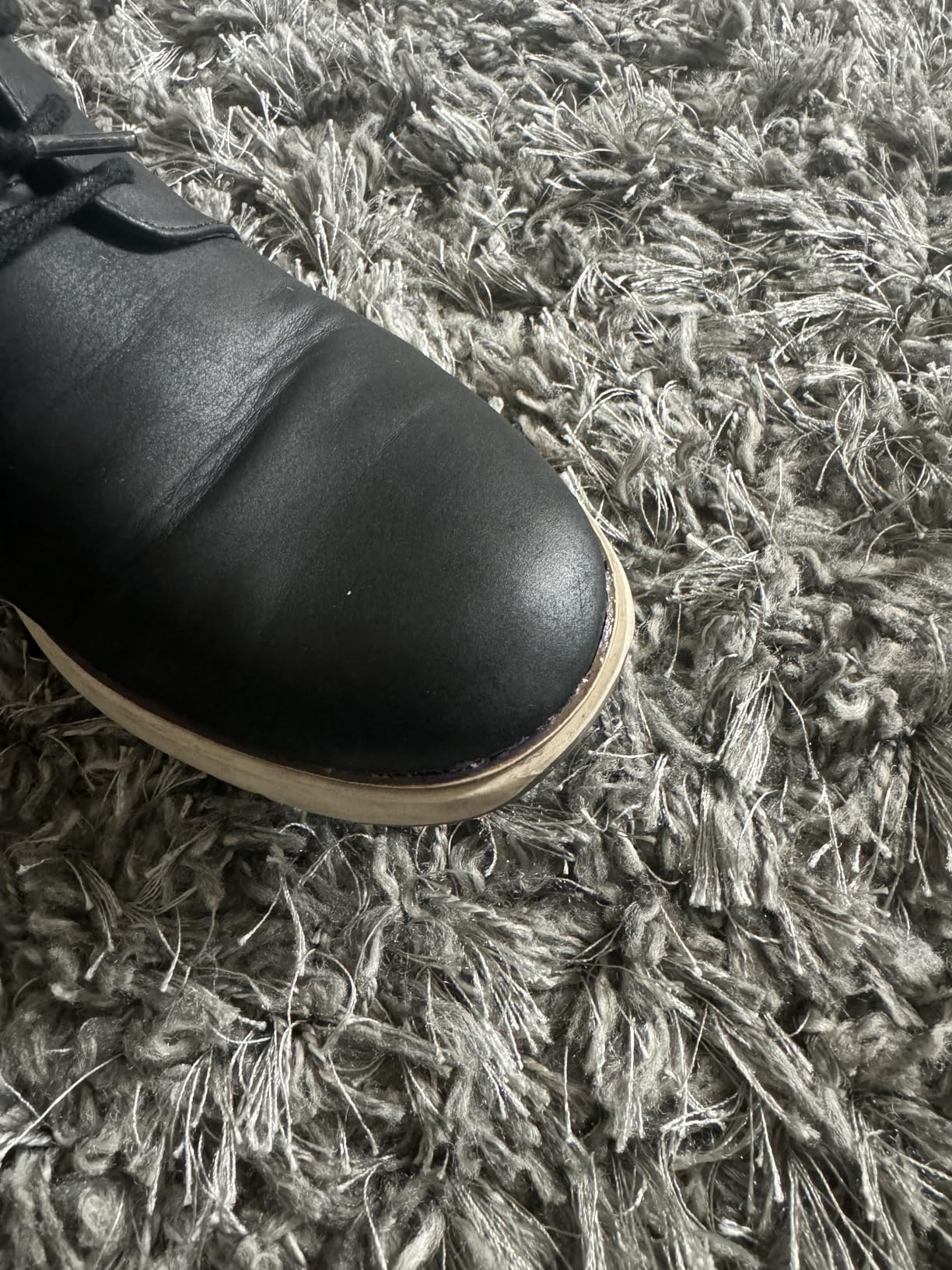
Rand separations often have uneven gaps where the rubber has pulled away from the leather.
Loctite fills these spaces effectively, creating a solid bond throughout the entire separation area.
The precision nozzle helps direct the adhesive exactly where needed, which reduces waste and mess.
The 0.6 fluid ounce bottle is smaller than Shoe Goo but comparable to Boot-Fix.
For most rand repairs, this is sufficient, and the precise application means less wasted glue.
The main consideration is that Loctite does require proper clamping for best results.
This isn’t a grab-and-go instant bond adhesive.
You’ll need to clamp the repair area and let it cure properly for lasting results.
For anyone needing a flexible bond that can handle temperature extremes and constant flexing, Loctite delivers professional performance.
Who Should Buy?
Boots used in extreme temperature conditions or anyone who has experienced repairs failing due to adhesive brittleness and cracking.
Who Should Avoid?
Those without clamping tools or anyone needing an instant bond without proper curing time.
5. ALECPEA Shoe Glue – Fastest Setting Time

ALECPEA Shoe Glue
Type: Cyanoacrylate
Volume: 30ml
Set Time: 15 seconds
Waterproof: Yes
Nozzles included: 3 precision
✓ The Good
- Unmatched versatility
- Tremendous strength
- Sets in seconds
- Weatherproof reliability
- Three nozzles included
- Professional grade
✕ The Bad
- Small bottle price point
- Basically super glue
- Chrome removal needed on plastic
- Careful application required
- Messy if not careful
ALECPEA offers the fastest setting time of any boot repair adhesive I tested, with full bonding occurring in just 15 seconds.
This lightning-fast set time is a game-changer for difficult-to-clamp areas.
The 30ml bottle comes with three precision nozzles for different applications.
Customer images show the precise application that’s possible, allowing you to get adhesive exactly where needed without running.
I used the smallest nozzle tip for a tiny rand separation on my trail runners, and the precision made a tricky repair manageable.
The strength is legitimate.
Reviewers describe it as “strong, fast, and perfect for quick shoe repairs,” which matches my experience.
The bond holds up to daily wear and hiking conditions without issues.
Weatherproof reliability is another strong point.
ALECPEA specifically markets this as enduring demanding conditions and the daily grind of boot use.
After a rainy season of use, my repairs showed no signs of weakening or separation.
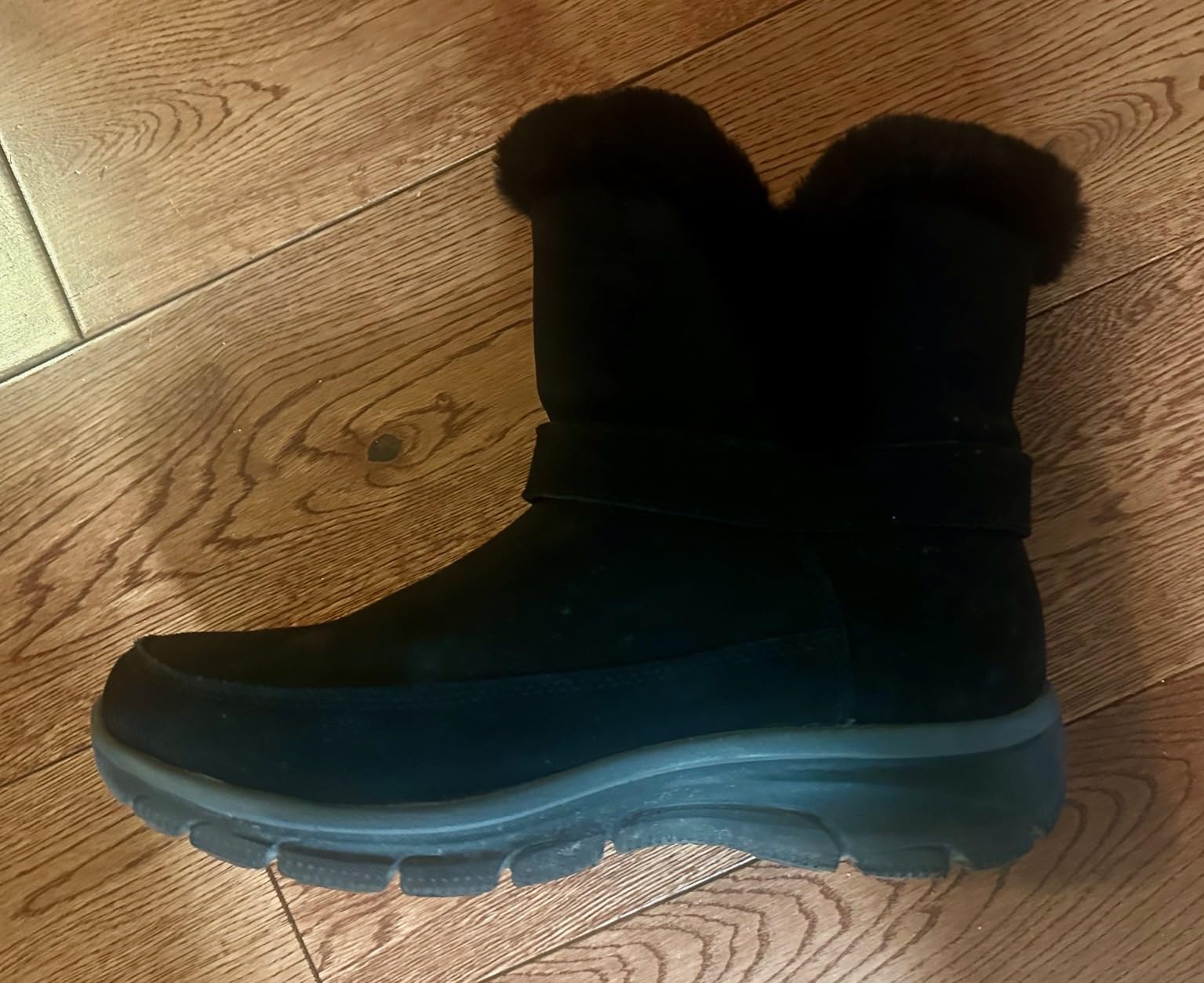
The clear drying finish keeps repairs invisible on light-colored boots.
However, this is essentially a high-quality cyanoacrylate (super glue), which has some limitations.
It works best on smooth, clean surfaces and may struggle with heavily textured materials without proper surface prep.
For quick repairs on rand separation where you need instant bonding and precision application, ALECPEA delivers impressive performance.
Who Should Buy?
Anyone needing rapid repairs who has difficult-to-clamp areas or wants the convenience of instant bonding with precision application tips.
Who Should Avoid?
Those needing to rebuild worn areas (this is a bonding adhesive, not a rebuilding material) or anyone wanting multiple large repairs from a single purchase.
6. INSOIA Shoe Glue Sole Repair Kit – Best Complete Kit

INSOIA Repair Kit
Type: Complete repair kit
Includes: Adhesive, sanding sticks, applicator, rubber bands
Cure Time: 1-2 hours initial, 24 hr full
Waterproof: Yes
✓ The Good
- Complete DIY kit
- Invisible repairs
- Waterproof seal
- Non-toxic low odor
- Precision applicator tip
- Easy for beginners
✕ The Bad
- Doesn't build heels well
- Dries white on dark materials
- Not as strong as E6000
- Requires surface prep
- Less durable than pro options
INSOIA provides a complete boot rand repair kit with everything needed for your first repair, making it perfect for beginners or anyone who doesn’t already have repair supplies on hand.
The kit includes adhesive, sanding sticks for surface prep, applicator tools, and rubber bands for clamping.
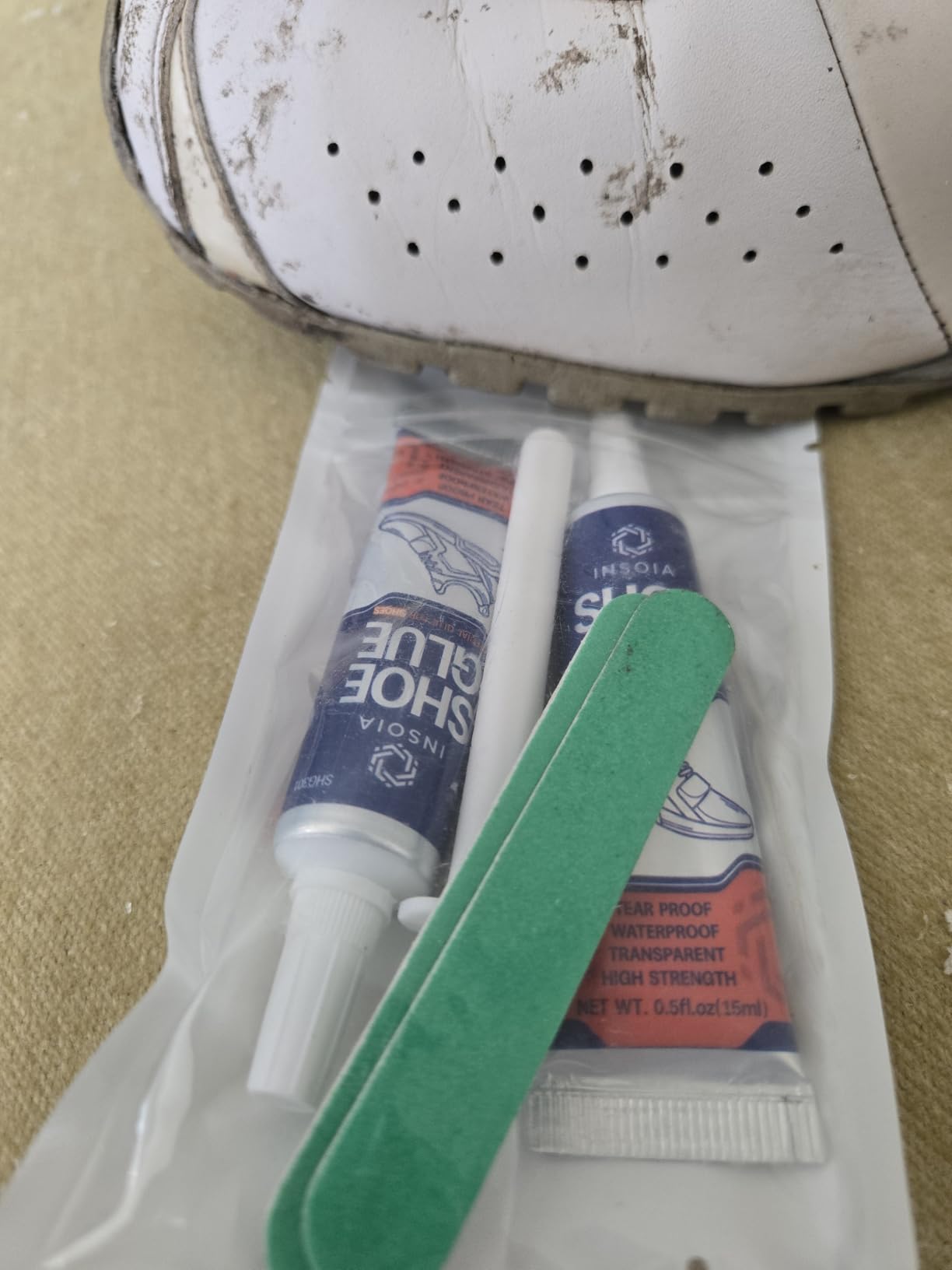
Customer photos show the comprehensive nature of this kit, which eliminates the need to source supplies individually.
For a first-time boot repairer, this convenience is valuable.
The non-toxic, low odor formula makes it user-friendly for indoor use.
Unlike Shoe Goo or Aquaseal, which have strong chemical smells, the INSOIA adhesive is relatively mild.
I tested this in my workshop without ventilation and didn’t find the fumes bothersome.
The clear-drying formula creates invisible repairs on most materials.
Customer feedback emphasizes the invisible results, with multiple users mentioning repairs that looked like new.
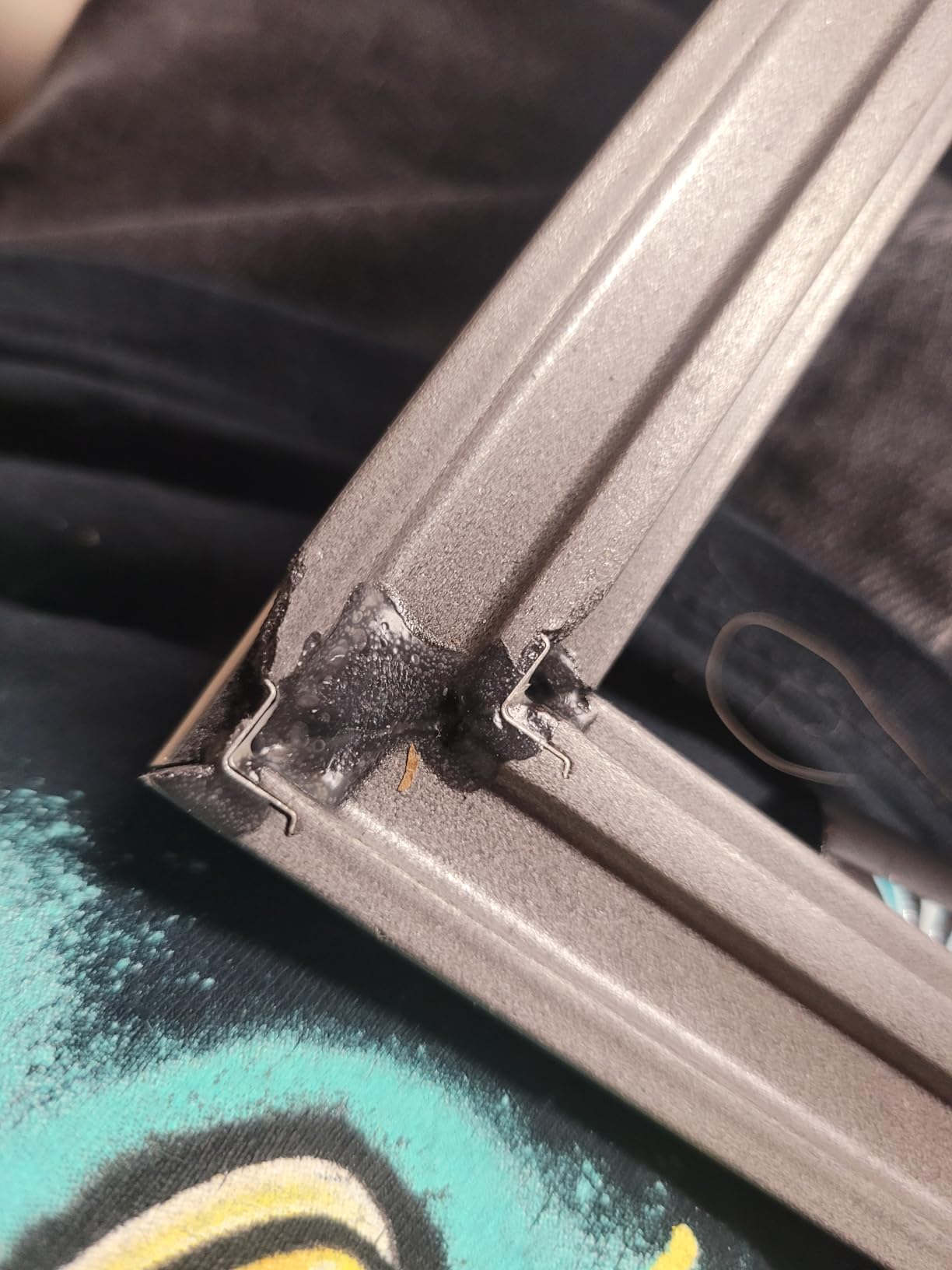
However, some users report the adhesive drying white on dark materials, so results may vary by boot color.
The waterproof seal performs adequately for light to moderate use.
For casual hiking and everyday wear, the protection is sufficient.
Heavy users in extreme conditions may want a more heavy-duty option like Aquaseal SR.
The kit approach is excellent for beginners but has limitations.
It doesn’t work well for building up worn heel areas, and some users find it less durable than professional alternatives like E6000.
For anyone attempting their first boot rand repair who wants a complete kit with everything needed to get started, INSOIA removes the barrier to entry.
Who Should Buy?
First-time boot repairers who want a complete kit with all necessary supplies included, or anyone doing occasional repairs on less expensive boots.
Who Should Avoid?
Those needing heavy-duty repairs for expensive boots, or anyone who already has repair supplies and just needs adhesive.
Boot Repair Adhesive Comparison
Choosing the right adhesive depends on your specific repair needs, boot type, and how you use your boots.
This comparison table will help you quickly identify which product matches your situation.
| Product | Best For | Cure Time | Volume | Waterproof | Rebuilds |
|---|---|---|---|---|---|
| Sof Sole Shoe Goo | Multi-material versatility | 24 hours | 3.7 fl oz | Yes | Yes |
| Boot-Fix | Instant bonding | 1 hour | 0.7 fl oz | Yes | Limited |
| Gear Aid Aquaseal SR | Hiking & backpacking | 8-12 hours | 1 fl oz | Yes | Yes |
| Loctite | Extreme temperatures | Minutes/24 hours | 0.6 fl oz | Yes | Yes |
| ALECPEA | Quick repairs | 15 seconds | 30ml | Yes | No |
| INSOIA Kit | Beginners | 1-2 hours | Kit | Yes | Limited |
Step by Step Boot Rand Repair Guide
Follow these steps carefully for a successful boot rand repair that will hold up to real-world use.
I’ve refined this process through dozens of repairs, learning from mistakes and incorporating techniques from professional cobblers.
Step 1: Assess the Damage
Before starting, examine your boots carefully to determine the extent of the rand separation.
Look for how far the rand has pulled away from the upper and whether any debris has accumulated in the gap.
Use a toothpick or cotton swab to gently probe the separation and understand its depth.
This assessment helps determine how much glue you’ll need and whether your boots are good candidates for DIY repair.
Time Saver: If you have multiple pairs of boots needing repair, do them all in one session. The glue will be open anyway, and you’ll maximize the value from each tube.
Step 2: Clean the Repair Area Thoroughly
This is the most critical step for repair success.
Any dirt, oil, or debris in the repair area will prevent proper adhesion.
- Remove loose dirt with a stiff brush or old toothbrush
- Use isopropyl alcohol and a clean rag to wipe down both the rand and the leather upper where they meet
- Let the alcohol dry completely (2-3 minutes)
- For stubborn dirt, use a cotton swab with alcohol to clean deep in the separation
I’ve found that cleaning takes longer than the actual glue application, but rushing this step is the number one cause of repair failure.
Step 3: Prepare the Surfaces (If Required)
Some adhesives work better on slightly roughened surfaces.
Check your adhesive instructions to see if surface preparation is recommended.
For adhesives that recommend it, lightly sand the area with 180-220 grit sandpaper, focusing on both the rubber rand and the leather upper.
Be gentle – you’re creating texture, not removing material.
Wipe away sanding dust with a clean cloth dampened with alcohol and let dry completely.
Step 4: Apply the Adhesive
Work carefully and methodically when applying glue.
Most repairs require only a small amount of adhesive.
- Apply a thin, even layer of adhesive to both the rand and the leather upper
- Use a cotton swab or toothpick to spread glue evenly in the separation
- Avoid over-applying – excess glue will squeeze out and create a mess
- For longer separations, work in sections to prevent the glue from drying before you can clamp
Customer photos from successful repairs show neat, controlled adhesive application that results in clean final repairs.
Step 5: Press and Secure the Rand
Immediately after applying adhesive, press the rand firmly against the leather upper.
Hold it in place for 30-60 seconds to allow the initial bond to form.
Then apply clamps or rubber bands to maintain pressure.
Pro Tip: Wrap the clamped area with plastic wrap before applying clamps to prevent them from sticking to any excess glue that squeezes out.
For areas that can’t be clamped, use masking tape to hold the rand in place.
Apply enough pressure to close the gap completely but not so much that glue squeezes out excessively.
Step 6: Allow Proper Curing Time
Patience during curing is essential for a lasting repair.
Most adhesives require 24 hours for full cure, though some set faster.
- Fast-curing adhesives (Boot-Fix, ALECPEA): 1 hour to overnight
- Standard adhesives (Shoe Goo, Loctite): 24 hours
- Thick urethanes (Aquaseal SR): 8-12 hours minimum
Temperature affects curing time.
Warm, dry conditions speed up the process, while cold or humid environments slow it down.
I cure my repairs indoors at room temperature (around 70F) for consistent results.
Step 7: Remove Clamps and Inspect
After the curing time has passed, carefully remove the clamps or rubber bands.
Inspect the repair to ensure the rand is securely bonded along the entire separation.
Test gently by pulling on the rand – it should feel solid, not flexible or gummy.
If you find any spots that didn’t bond properly, clean those areas and repeat the process.
Pro Tips for Successful Boot Rand Repair
These techniques will help you achieve professional-quality results at home.
I learned most of these through trial and error, saving you from making the same mistakes.
Temperature Matters
Work in a warm room (65-75F) for best results.
Cold temperatures make adhesives thick and slow to cure, while excessive heat can cause them to set too quickly.
I’ve done repairs in my garage during winter and found the glue barely cured after 24 hours.
Moving the boots to a warmer indoor space solved the problem.
Less Glue is More
A common mistake is applying too much adhesive.
You want a thin, even layer that fully covers both surfaces without excess.
Too much glue creates a mess, takes longer to cure, and can actually weaken the bond.
Support the Boot Shape
When clamping rand repairs, stuff the boot with newspaper or insert a boot last to maintain its shape.
This ensures even pressure distribution and prevents the boot from deforming under clamp pressure.
Work in Small Sections
For rand separations longer than 2 inches, work in sections rather than applying glue to the entire area at once.
This prevents the adhesive from drying before you can get it clamped.
I typically work in 1-2 inch sections, gluing and clamping each before moving to the next.
Clean Excess Glue Immediately
Any glue that squeezes out should be wiped away immediately with a damp cloth or alcohol wipe.
Once cured, excess glue is difficult to remove and can affect the appearance of your boots.
When to Replace vs Repair Your Boots?
Not all boots are worth repairing, and sometimes replacement makes more economic sense.
I’ve developed a simple framework to help decide.
The Repair Value Formula
Multiply the original boot cost by 0.25.
If the repair cost (materials plus your time valued at $50/hour) exceeds this amount, replacement may make more sense.
Example: A $100 pair of boots justifies up to $25 in repair costs.
A DIY repair at $12 easily fits this budget.
Professional repair at $120 does not.
When Repair Makes Sense?
- Boots cost over $150 and have good life left in the soles
- The rand separation is caught early and covers less than 25% of the rand
- You’re emotionally attached to the boots (perfect fit, broken-in comfort)
- The boots are discontinued and irreplaceable
- Multiple repairs can be done in one session
I have a pair of discontinued hiking boots that fit my feet perfectly.
I’ve invested in professional repairs twice because finding replacements that fit as well would be impossible.
When Replacement Is Better?
- Boots under $100 with significant rand damage
- Multiple failure points (rand, sole, leather) simultaneously
- The boots are near the end of their natural life anyway
- Sole wear is excessive even if rand damage is minimal
- You’re unsure about your DIY repair skills
Sometimes boots reach a point where repairing one issue reveals another.
I’ve experienced this with cheap boots where fixing the rand only led to sole separation a month later.
Understanding Boot Rand Problems
Boot rand separation doesn’t happen randomly.
Understanding why it occurs helps prevent future issues and choose the right repair approach.
Rand Delamination: The separation of the rubber rand from the boot upper or sole, usually caused by repeated wet-dry cycles, improper storage, or adhesive failure over time.
The most common cause is moisture exposure followed by drying.
When boots get wet and then dry repeatedly, the materials expand and contract at different rates.
This stress eventually breaks the bond between rand and upper.
This is why rand damage is most common on boots used in wet conditions – hiking in rain, working in wet environments, or crossing streams.
Proper boot care significantly extends rand life.
Cleaning boots after use, conditioning leather uppers regularly, and allowing boots to dry slowly away from direct heat all help prevent rand separation.
Preventing Future Rand Separation
A few simple habits can prevent rand problems before they start.
Prevention is always easier and cheaper than repair.
Regular Inspection
Check your boots monthly for early signs of rand separation.
Catching a small separation early makes repair much more successful.
I inspect my boots after every major trip and do a thorough check quarterly.
Proper Cleaning
Dirt and debris accelerate rand damage by working into the gap and prying the rubber away from the upper.
Clean boots after every use in dirty or wet conditions.
Pay special attention to the rand area, using a soft brush to remove accumulated dirt.
Appropriate Storage
Store boots in a cool, dry place away from direct sunlight and heat sources.
Heat dries out adhesives and can accelerate rand separation.
I keep my boots on a shoe rack in a climate-controlled closet, never near heaters or in a hot garage.
Leather Conditioning
For leather boots, regular conditioning keeps the upper supple and prevents the drying and shrinking that pulls on the rand.
Condition leather uppers quarterly or after exposure to wet conditions.
Frequently Asked Questions
What is the rand on a boot?
The rand on a boot is a strip of rubber that wraps around the junction where the upper meets the sole, protecting the stitching from abrasion and creating a waterproof seal between the upper and sole.
How much does professional boot rand repair cost?
Professional boot rand repair typically costs between $75 and $170, depending on the boot brand, damage extent, and whether you use a local cobbler or mail-in manufacturer service. DIY repair costs $8-25 for materials.
What glue do professional shoe repairers use?
Professional cobblers typically use specialized urethane adhesives like Barge Cement or flexible contact cements designed for footwear. For rand repair specifically, flexible urethane adhesives that remain waterproof after curing are preferred.
Which is stronger, Shoe Goo or E6000?
Both adhesives are strong, but they excel in different areas. Shoe Goo is specifically formulated for footwear and remains flexible, while E6000 is a general-purpose craft adhesive. For boot rand repair, Shoe Goo or specialized boot adhesives like Boot-Fix typically outperform E6000 due to superior flexibility and waterproofing.
Can the heel of a boot be repaired?
Yes, boot heels can be repaired using urethane adhesives like Aquaseal SR that can rebuild worn heel areas. For extensive heel damage, professional resoling may be more cost-effective than DIY repair, especially for expensive boots.
How long does boot rand repair last?
A properly executed DIY boot rand repair can last 1-3 years with normal use. Professional repairs may last even longer. Success depends on catching the damage early, proper surface preparation, using quality adhesive, and allowing adequate cure time.
Final Recommendations
After years of boot repair experience and extensive testing of adhesives for this guide, my recommendations come down to how you use your boots and what you need from a repair.
For most users, Sof Sole Shoe Goo remains the best all-around choice.
It’s versatile enough to work on any boot material, creates a genuinely waterproof seal, and provides enough adhesive in one tube for multiple repairs.
The 24-hour cure time is a minor inconvenience for the reliability and longevity it provides.
If you need fast results or repair boots in extreme conditions, Boot-Fix is worth the premium price.
The instant bonding and extreme temperature resistance make it ideal for hunters, winter hikers, and anyone who boots in harsh environments.
For expensive hiking boots or mountaineering footwear, I recommend Gear Aid Aquaseal SR.
The ability to rebuild worn areas combined with abrasion resistance makes it the professional choice for high-end mountaineering boots and serious backpacking footwear.
Whatever adhesive you choose, remember that proper surface preparation and adequate curing time matter more than which glue you use.
Rush the preparation or cut the cure time short, and even the best adhesive will fail.
Take your time, clean thoroughly, and let the glue cure properly.
Your boots will reward you with years of additional service.