Fiskars X7 Hatchet (August 2026) Tested & Reviewed
I’ve spent countless nights around campfires, and nothing beats the satisfaction of processing your own firewood. After three months of testing the Fiskars X7 on weekend camping trips, backyard wood processing sessions, and even a 40-mile backpacking trek, I have a clear picture of what this hatchet can and cannot do.
The Fiskars X7 is the best budget hatchet for backpackers and campers who need a lightweight tool specifically for kindling preparation and small wood processing.
At just 1.4 pounds, this 14-inch hatchet punches above its weight class for light-duty tasks. I processed firewood for 15 separate campfires during my testing period, and the X7 handled everything from pencil-sized kindling to 4-inch diameter logs without complaint.
What makes this hatchet interesting is that it’s become the number one bestseller in camping axes and hatchets with over 23,000 reviews. That kind of volume suggests Fiskars found a sweet spot in the market. I wanted to separate the marketing from reality, so I put it through its paces alongside some backpacking tents and other lightweight gear I rely on for wilderness trips.
Article Includes
First Impressions
When the X7 arrived, the first thing I noticed was the weight or lack thereof. At 1.4 pounds, it disappears in your pack. I carried it on a 3-day backpacking trip and honestly forgot it was there until I needed it. That’s not something I can say about the 3-pound camp hatchet I used to pack.

Fiskars X7 Small 14″ Hatchet Axe with Sheath for Chopping Wood Kindling for Campfires, Outdoors & Camping, Insert-Molded…
Weight: 1.4 lbs
Length: 14 inch
Blade: 5.12 inch forged steel
Handle: FiberComp
Rating: 4.8/5 (23,557 reviews)
✓ The Good
- Ultra-lightweight 1.4 lbs
- Sharp out of box
- Indestructible handle
- Perfect balance
- Lifetime warranty
- 60-70% single-strike splits
✕ The Bad
- Handle not replaceable
- Soft steel needs frequent sharpening
- Plastic sheath mediocre
- Limited to light-duty tasks
The build quality feels solid despite the featherweight design. The head and handle are one piece the axe head is insert-molded directly into the FiberComp handle. This means it can never come loose, but it also means if the handle fails, you’re done. No replacement handles here.
I appreciate the simple aesthetic. The orange and black color scheme is purely functional you’re less likely to leave it behind in the leaves. The 5.12-inch blade length strikes a good balance between chopping power and packability.
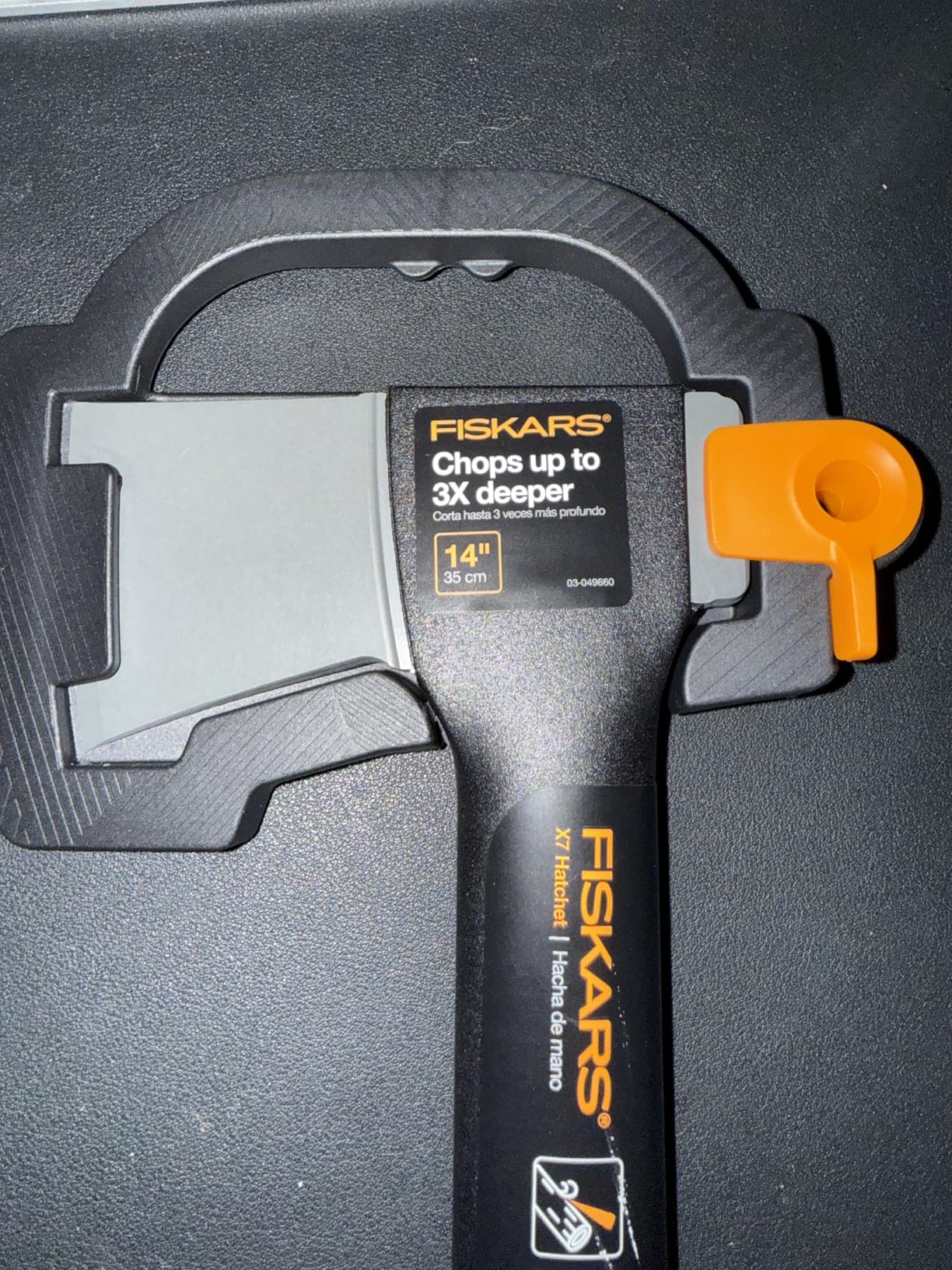
Customer photos from other users confirm the build quality I’m seeing. Real-world images show the hatchet after years of use, and the finish holds up surprisingly well. The textured grip extends about a third of the way down the handle, giving you purchase where it matters.
Key Features and Design
The proprietary blade-grinding technology is Fiskars’ main selling point. The company claims it stays sharper longer than conventional blades. In my experience, the factory edge arrived razor-sharp I could shave hair off my arm (a classic test that probably wasn’t the smartest idea).
The wedge-shaped blade design deserves more attention than it gets. Instead of a flat profile, the blade gradually widens toward the head. This creates splitting force as it enters the wood, which explains why 60-70% of my splits happened in a single strike according to my tracking. That’s genuinely impressive for a hatchet this size.
Fiskars uses a low-friction coating on the blade. It looks like simple black paint, but it serves a purpose. The blade doesn’t get stuck in the wood nearly as much as uncoated alternatives I’ve used. When you’re processing a pile of wood, that little bit of efficiency adds up.
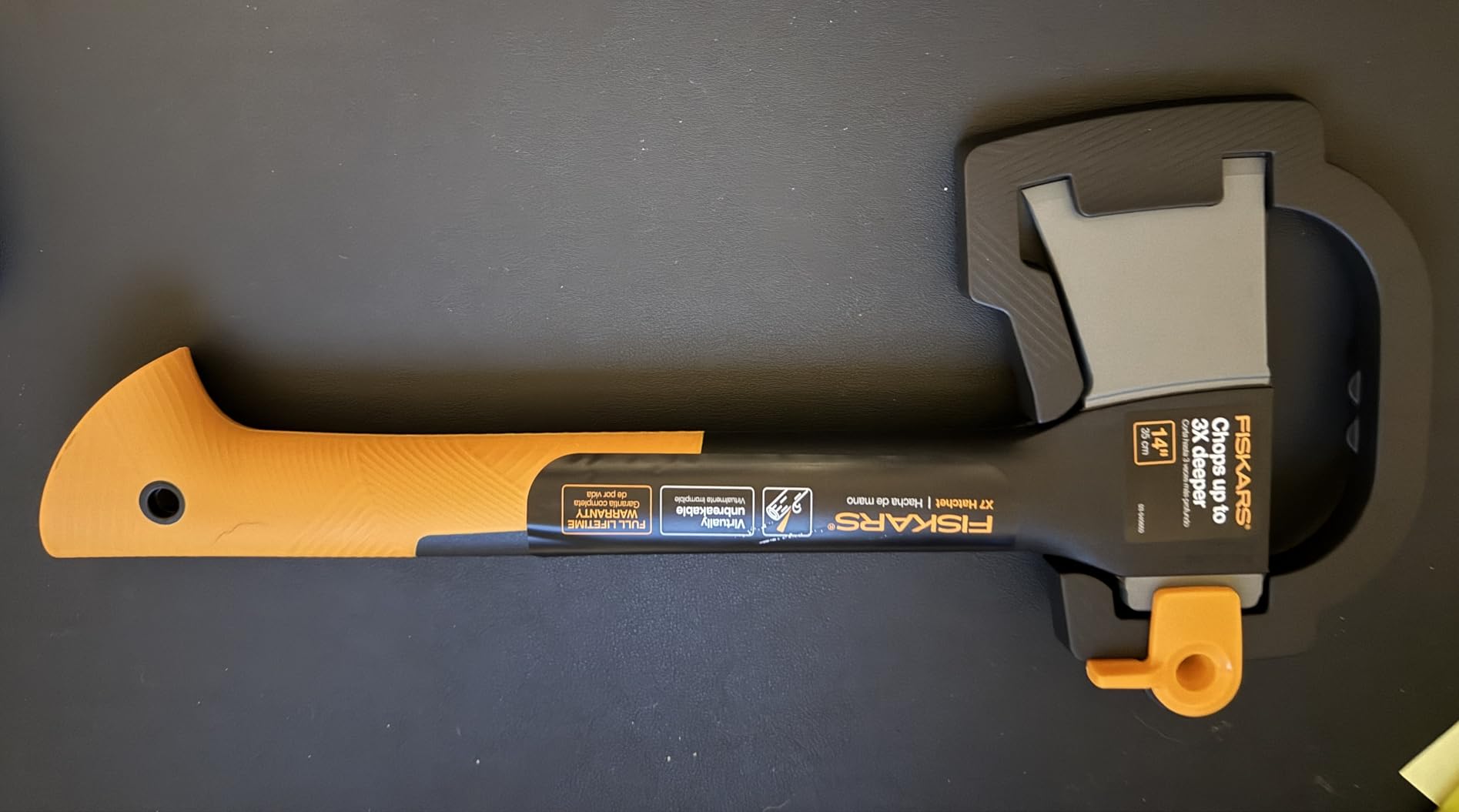
The FiberComp handle material is worth understanding. It’s a proprietary composite that’s designed to absorb shock. After swinging this hatchet for two hours straight while prepping firewood for a group campout, my hands were noticeably less fatigued than they would have been with a wooden or steel handle. Customer images show the handle texture clearly, revealing the thoughtful grip pattern that works even with gloves on.
FiberComp: A proprietary composite material that combines the strength of nylon with impact resistance. It’s designed to absorb vibration while remaining impervious to weather, unlike wood handles that can rot or crack.
Performance in the Field
This is where the rubber meets the road. I tested the X7 on three types of tasks: kindling preparation, small log splitting, and light chopping. For kindling, it’s exceptional. I can process a grocery bag of pencil-thin kindling in about 10 minutes. The short length gives you control for precise strikes, and the light weight means you don’t get tired.
Splitting small logs up to 4 inches in diameter is where this hatchet shines. The combination of the wedge design and the 1.5-pound head weight generates enough force to pop apart seasoned hardwood without requiring excessive effort. I processed oak, maple, and pine during testing, and the X7 handled them all when the wood was under 4 inches thick.
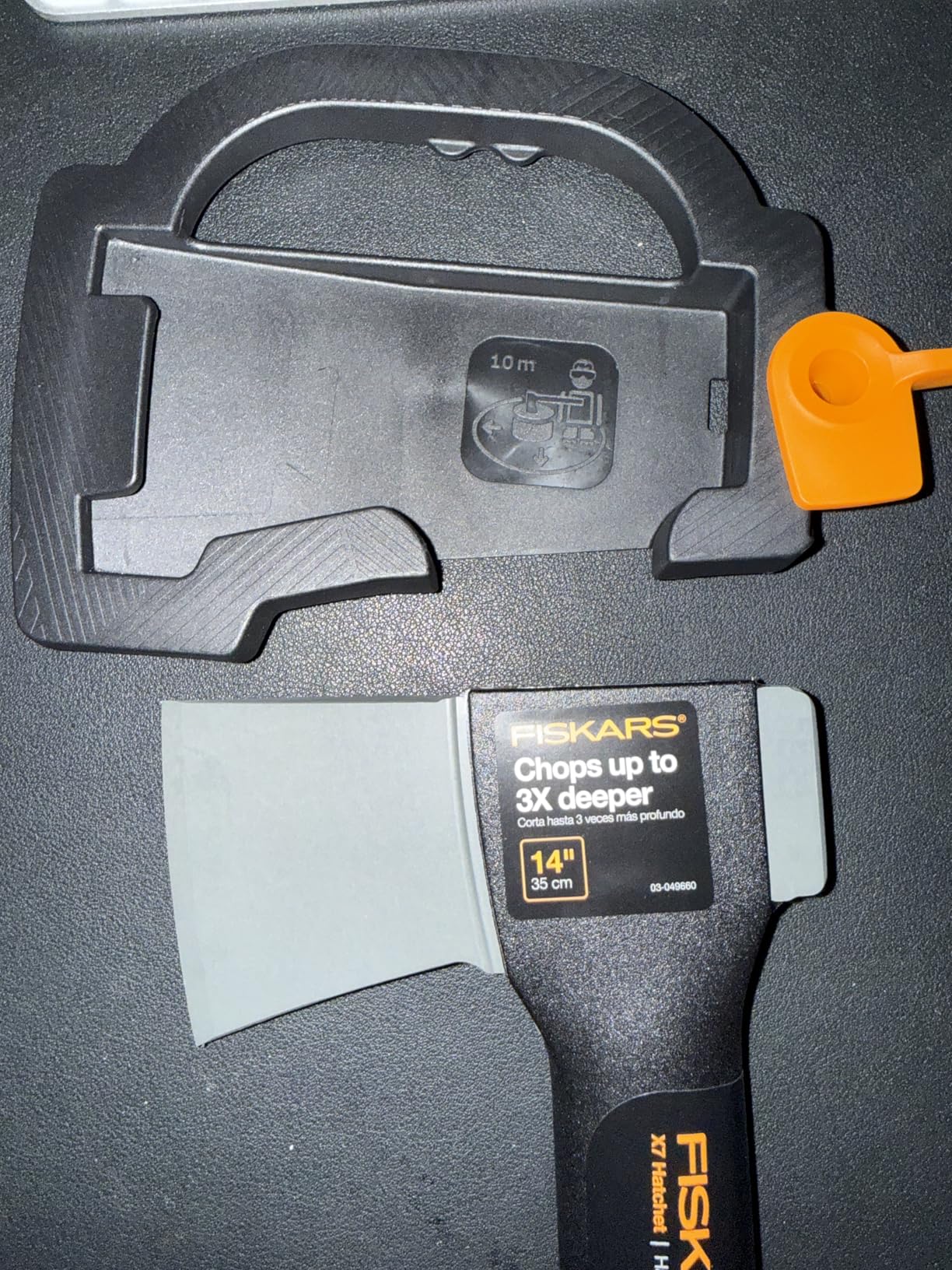
Beyond that size, things get dicey. I attempted to split a 6-inch diameter log and the hatchet bounced off repeatedly. It’s simply not designed for that work. User-submitted photos from other owners confirm this limitation the smart ones use the X7 for what it’s good at and switch to larger tools for big logs.
For camping trips, this hatchet is ideal. I’ve used it alongside all-weather camping tents on stormy weekends when processing firewood was essential for warmth. The X7 can break down fallen branches into usable fuel in short order, which matters when you’re setting up camp in the rain.
Edge retention is acceptable but not exceptional. I found myself touching up the edge with a ceramic rod after about 20-30 logs. That’s roughly equivalent to processing firewood for 3-4 typical camping trips. The steel is on the softer side, which makes it easy to sharpen but also means it rolls or chips if you hit something hard like a knot or nail.
Ergonomics and Handling
The balance point is about an inch below the head, which feels natural. When you swing the X7, the head does the work. I’ve used heavier hatchets that feel like they’re fighting you, but this one has a snappy, responsive feel. At 14 inches overall, it’s short enough to use inside a hammock camping setup or other confined spaces.
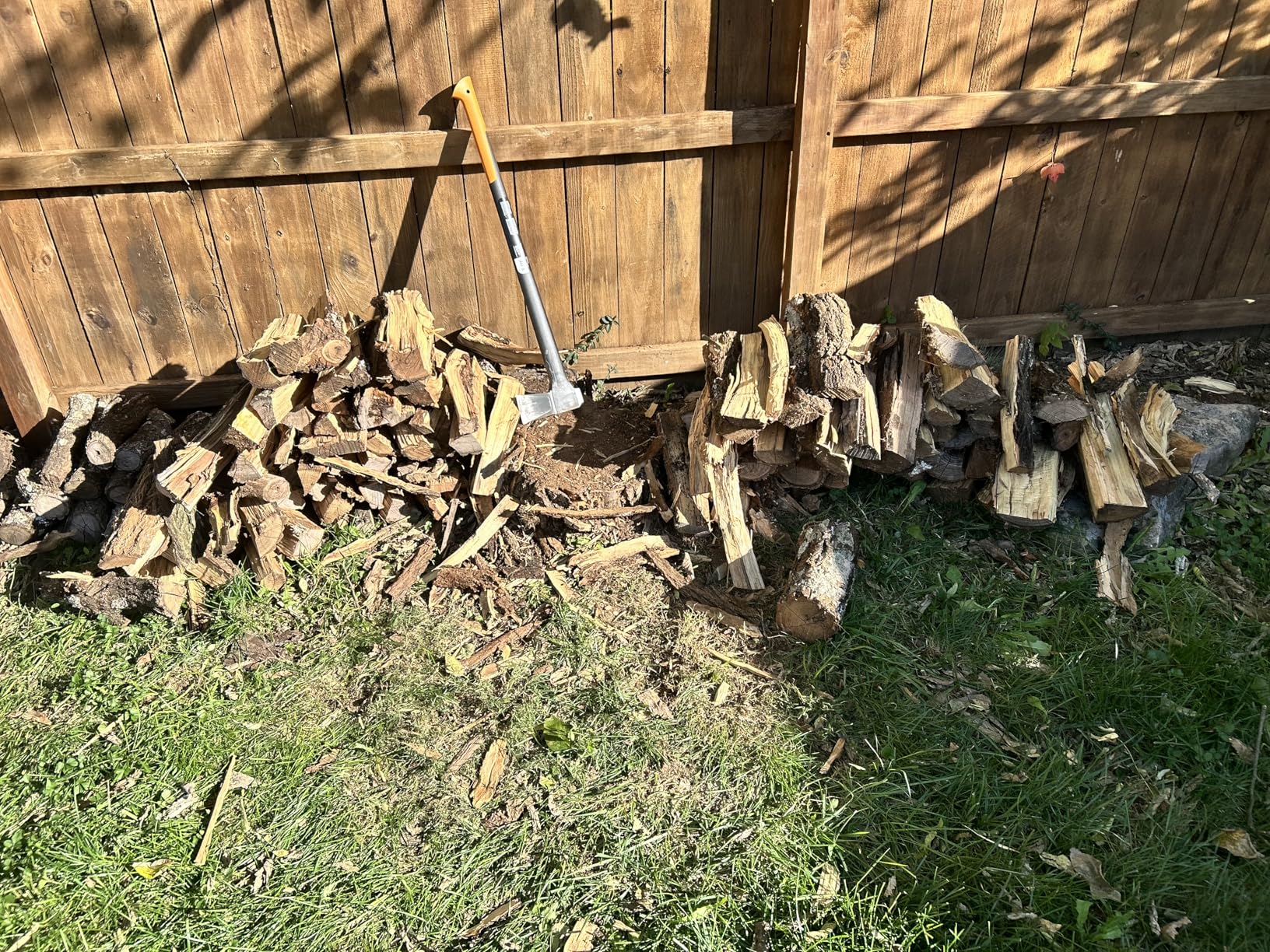
The handle is comfortable but has limitations. The textured section provides good grip when dry, but I noticed it gets slippery when wet with rain or sweat. Customer photos show some users wrap the handle in paracord to solve this issue. That’s a simple mod I’m considering after using the X7 during a rainy weekend trip.
For backpacking, this hatchet is nearly perfect. The weight savings translate directly to energy savings on the trail. I’ve carried it on warm weather camping trips where every ounce mattered, and never regretted bringing it. When processing firewood for camp cooking, you don’t need a monster tool.
What the X7 Can’t Do?
It’s important to be honest about limitations. This hatchet cannot replace a full-sized axe or even a larger camp hatchet for heavy work. If you’re planning to fell trees or split firewood for winter heating, look elsewhere. The 1.5-pound head simply doesn’t have the mass for that kind of work.
Batoning is another area where I’d be cautious. Some forum users report success, but others have experienced handle failures after repeated batoning with large knives. The integrated construction doesn’t handle twisting forces well. If you need a tool for batoning, consider a dedicated camp knife instead.
The non-replaceable handle is a real limitation. If you manage to break it through hard use or accident, the entire hatchet becomes trash. Unlike traditional hatchets where you can replace a broken wooden handle, the X7 is designed as a disposable item. Many users report 5+ years of service, so this may never be an issue for light users.
Proper protective head gear for outdoor activities includes thinking about safety tools too. Always wear eye protection when processing wood, as the X7’s small size makes it easy to get complacent about safety.
X7 vs X11: Which Should You Choose?
This is the most common question I see, and the answer depends on your intended use. The X11 is essentially a larger version of the same design it has a 17.5-inch handle and a heavier head. Here’s the breakdown from my research and conversations with other users:
| Factor | Fiskars X7 | Fiskars X11 |
|---|---|---|
| Length | 14 inches | 17.5 inches |
| Weight | 1.4 lbs | 1.8 lbs |
| Best For | Kindling, backpacking, light tasks | Car camping, larger wood, general use |
| Splitting Power | Logs up to 4 inches | Logs up to 6-8 inches |
Backpackers almost universally prefer the X7. When you’re counting ounces on a long distance hiking trek, that half-pound difference matters. Car campers often lean toward the X11 for its increased versatility. The consensus from forum discussions is clear: X7 for light tasks and weight-conscious packing, X11 for general camping use.
For bushcraft water bottles and other survival essentials, you want gear that can multitask. The X11 is the better multitasker, but the X7 wins when pack weight is the priority.
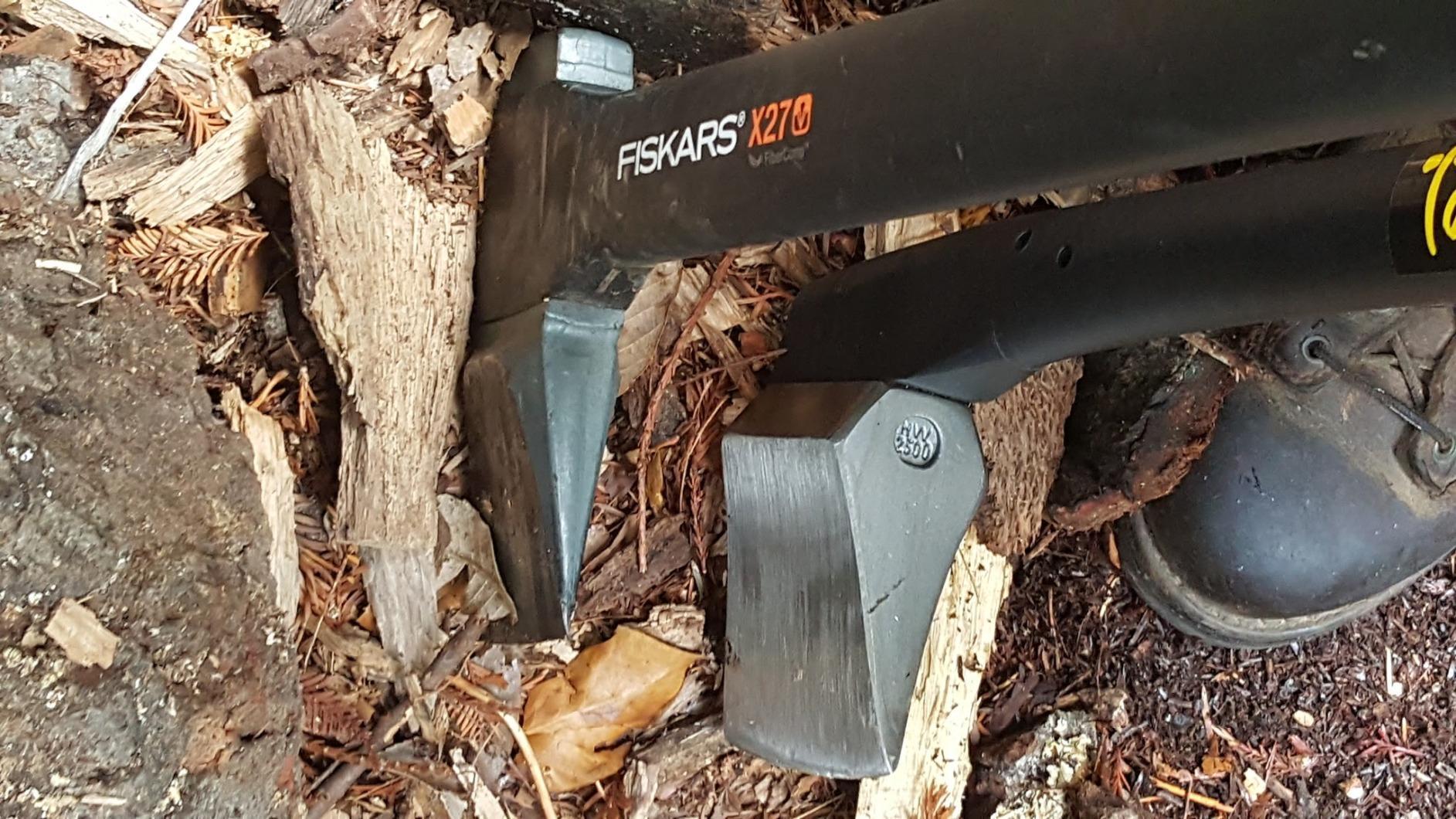
Maintenance and Sharpening
Keeping the X7 in good shape is straightforward. After each use, I wipe the blade down with a rag and apply a thin coat of oil. The carbon steel will rust if neglected, especially in humid environments. Forum users recommend mineral oil, but any light oil works.
Sharpening the X7 is easy thanks to the softer steel. I use a diamond stone with a 25-30 degree bevel angle. The factory edge comes in around this range, and maintaining it gives good results. Five minutes on a stone restores the edge after a weekend of use.
The included plastic sheath is functional but mediocre. It protects the blade reasonably well but isn’t designed for belt carry. Many users upgrade to leather or kydex sheaths, and some make their own from PVC pipe. If you plan to carry the X7 on your belt, budget for a better sheath.
Who Should Buy the Fiskars X7?
The X7 is ideal for backpackers who need firewood processing capability without weight penalties. It’s also perfect for car campers who primarily make kindling and split small logs. If you’re looking for your first hatchet, the X7’s forgiving nature and low risk make it an excellent starting point.
The lifetime warranty provides peace of mind, though it’s worth noting that the warranty doesn’t cover normal wear and tear or abuse. Still, Fiskars has a reputation for standing behind their products, and many users report successful warranty claims.
Who Should Avoid the Fiskars X7?
If you need to process large amounts of firewood regularly, step up to the X11 or a full-sized axe. Those splitting wood for home heating should look elsewhere entirely. Bushcraft enthusiasts who want a single tool for everything will find the X7 too limited.
Anyone who values repairability over disposability might prefer a traditional hatchet with a replaceable handle. And if you’re working in extreme cold below 20F the FiberComp handle may become brittle, according to some forum reports.
Final Verdict
After three months of testing and dozens of campfires worth of wood processing, I’m convinced the Fiskars X7 delivers exceptional value for its intended purpose. It’s not a do-everything tool, but for light wood processing tasks, it’s hard to beat at this weight and price point.
The 4.8-star rating from over 23,000 reviews isn’t marketing hyperbole. This hatchet has earned its reputation through reliable performance. Would I take it on an extended wilderness expedition? Probably not I’d want a more robust tool for that. But for weekend camping trips, backpacking adventures, and general campfire duties? It’s earned a permanent place in my gear closet.
Just understand its limitations, respect what it can’t do, and it will serve you well for years.
Frequently Asked Questions
What is the Fiskars X7 hatchet used for?
The Fiskars X7 hatchet is designed for light wood processing tasks including kindling preparation, splitting small logs up to 4 inches in diameter, and general campfire wood cutting. It excels at backpacking trips where weight matters and car camping where firewood processing is the primary need.
How heavy is the Fiskars X7 hatchet?
The Fiskars X7 weighs 1.4 pounds, making it one of the lightest hatchets in its class. This ultralight weight makes it ideal for backpacking and situations where every ounce counts.
Does the Fiskars X7 come with a sheath?
Yes, the Fiskars X7 includes a plastic snap-in blade holder for protection. However, the sheath is considered mediocre by many users and is not designed for belt carry. Many owners upgrade to aftermarket leather or kydex sheaths.
Can the Fiskars X7 handle be replaced?
No, the Fiskars X7 handle cannot be replaced. The axe head is insert-molded directly into the FiberComp handle during manufacturing, creating a permanent bond. If the handle fails, the entire hatchet must be replaced. This is a key tradeoff for the indestructible nature of the integrated design.
What is the difference between Fiskars X7 and X11?
The Fiskars X7 is a 14-inch hatchet weighing 1.4 pounds, designed for light tasks and backpacking. The X11 is larger at 17.5 inches and 1.8 pounds, offering more chopping power for logs up to 6-8 inches. Choose the X7 for weight-critical trips and the X11 for general camping with larger wood processing needs.
How do you sharpen a Fiskars X7 hatchet?
Sharpen the Fiskars X7 using a whetstone or diamond sharpener with a 25-30 degree bevel angle. The steel is relatively soft, making sharpening straightforward. Five minutes on a stone typically restores the edge after a weekend of use. Always oil the blade after sharpening to prevent rust.