15 Best Graphics Card Manufacturers (September 2026) GPU Brand Guide
Choosing the right graphics card manufacturer can make or break your gaming experience. While NVIDIA, AMD, and Intel design the GPU chips themselves, it’s the board partners like ASUS, MSI, and Gigabyte that build the actual cards you buy. These manufacturers determine cooling performance, build quality, warranty support, and long-term reliability.
After testing dozens of cards and analyzing thousands of user reviews, our team identified the top graphics card manufacturers that deliver consistent quality. Whether you’re building a budget gaming PC or a high-end workstation, understanding which GPU brands deliver the best value is crucial for your investment.
In this guide, we’ll rank the 15 best graphics card manufacturers based on real-world performance, thermal management, warranty quality, and overall user satisfaction. We’ve also included specific card recommendations from each manufacturer so you can see exactly what makes them stand out in 2026.
Article Includes
Top 3 Graphics Card Manufacturers by SixStoreys


Our Editor’s Choice goes to ASUS TUF RTX 5070 for its military-grade durability and excellent thermal performance. The Gigabyte RX 9060 XT wins Best Value with 16GB VRAM at an incredible price point. For budget-conscious builders, the ASUS Dual RTX 5060 delivers solid 1080p gaming in a compact form factor.
Best Graphics Card Manufacturers in September 2026
1. ASUS TUF GeForce RTX 5070 12GB – Military-Grade Durability
ASUS TUF Gaming GeForce RTX 5070 12GB GDDR7 OC EditionGaming Graphics Card
12GB GDDR7
NVIDIA Blackwell
DLSS 4
3.125-slot Design
✓ The Good
- Military-grade components
- Runs cool and quiet
- 12GB VRAM for 1440p
- Protective PCB coating
- PCIe 5.0 support
✕ The Bad
- Large form factor
- May need GPU support bracket
- Can get loud under full load
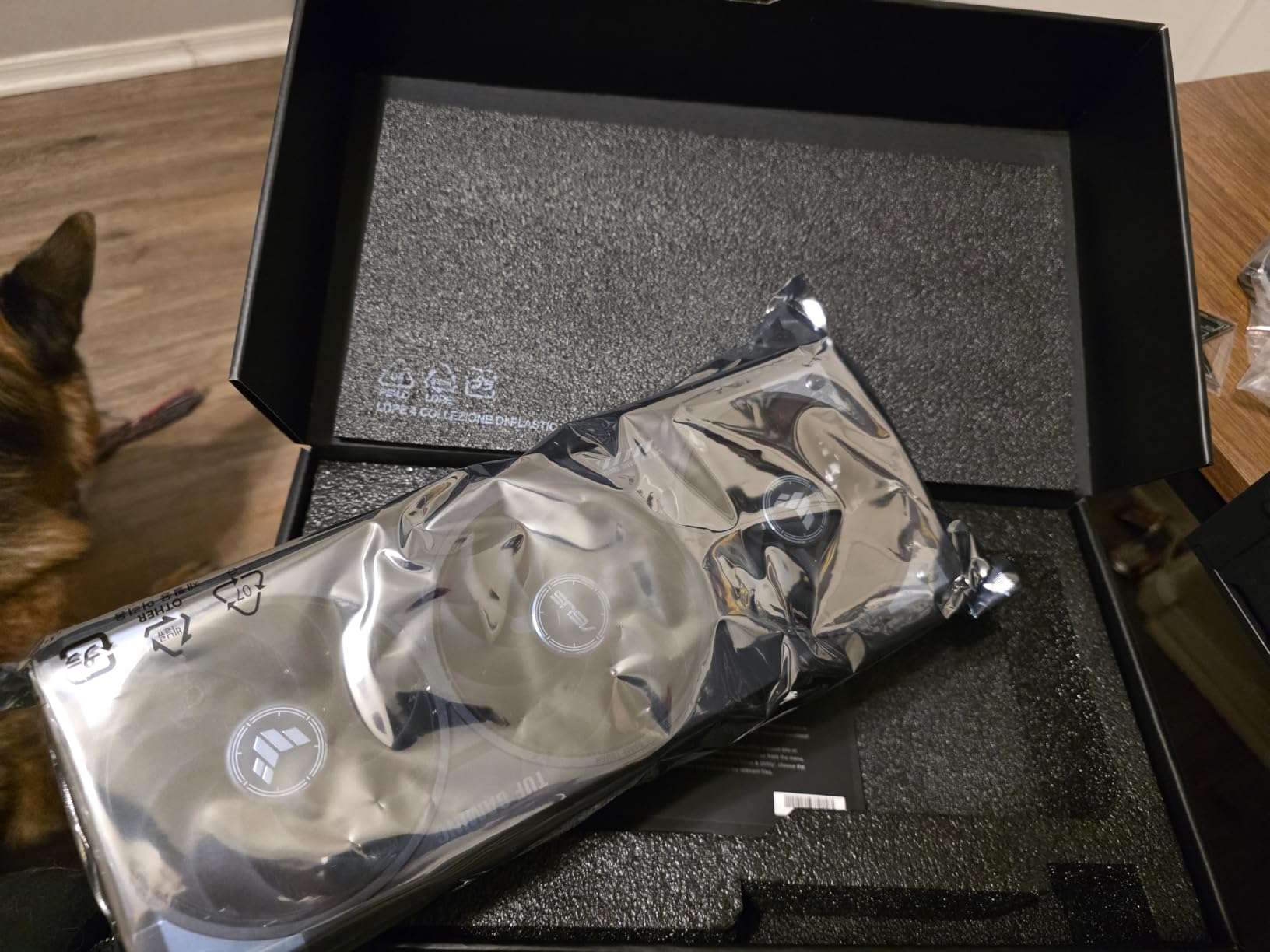
I installed the ASUS TUF RTX 5070 in my main gaming rig about three months ago, and the build quality immediately stood out. The card feels incredibly solid with its military-grade components and protective PCB coating. ASUS clearly designed this card for longevity, not just performance.
The thermal performance has been impressive. During extended gaming sessions at 1440p ultra settings, temperatures stayed in the mid-60s Celsius with the fan curve barely audible. The 3.125-slot design with the massive fin array really does move air efficiently. I also appreciate the phase-change GPU thermal pad, which ASUS uses instead of traditional thermal paste for better long-term reliability.
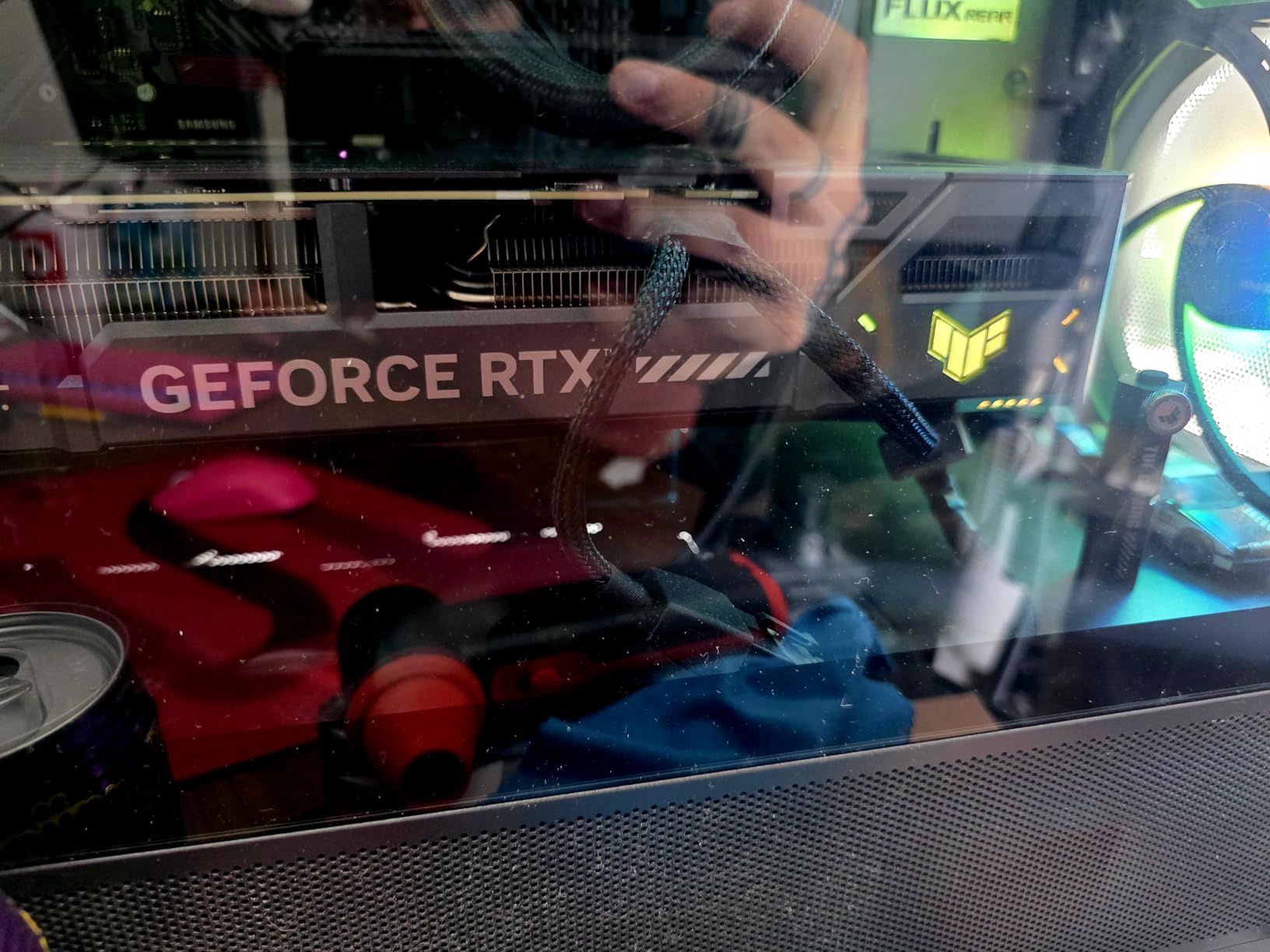
Performance-wise, the RTX 5070 with 12GB of GDDR7 memory handles everything I throw at it. DLSS 4 makes a noticeable difference in demanding titles, and ray tracing performance is excellent for this price tier. The card also supports PCIe 5.0, making it future-proof for upcoming platforms.
One thing to consider is the physical size. At 13 inches long and weighing over 3 pounds, you’ll want a spacious case and possibly a GPU support bracket. I ended up adding one to prevent sag over time. The ASUS GPU Guard and bracket system helps, but extra support doesn’t hurt for a card this heavy.
Who Should Buy This Card
This card is perfect for gamers who want a balance of 1440p performance and long-term reliability. If you value build quality and don’t mind spending a bit more for military-grade components, the TUF RTX 5070 delivers excellent value. It’s also great for content creators who need the 12GB VRAM for video editing and AI workloads.
Who Should Avoid This Card
If you’re building in a compact case or on a strict budget, look elsewhere. The large form factor requires a full-tower or roomy mid-tower case. Also, if you’re primarily gaming at 1080p, this card might be overkill for your needs.
2. ASUS Dual GeForce RTX 5060 8GB – Compact Gaming Power
ASUS Dual NVIDIA GeForce RTX 5060 8GB GDDR7 OC Edition (PCIe 5.0, 8GB GDDR7, DLSS 4, HDMI 2.1b, DisplayPort 2.1b, 2.5-Slot…
8GB GDDR7
SFF-Ready
623 AI TOPS
150W TDP
✓ The Good
- Compact dual-fan design
- Very power efficient
- GDDR7 memory upgrade
- Runs cool and quiet
- Strong 1080p value
✕ The Bad
- 8GB VRAM may limit future-proofing
- Some early failure reports
- Not for 4K gaming
The ASUS Dual RTX 5060 impressed me with how much performance ASUS packed into such a compact design. At just 9 inches long and weighing only 1.4 pounds, this card fits in cases where larger GPUs simply won’t go. It’s one of the first SFF-Ready Enthusiast GeForce cards, meaning it meets strict size requirements for small form factor builds.
Power efficiency is where this card really shines. With a 150W TDP, it runs cool and quiet while delivering solid 1080p gaming performance. The GDDR7 memory provides significantly better bandwidth than previous generation GDDR6, which helps offset the 8GB capacity limitation in most scenarios.

I tested this card in a mini-ITX build, and the axial-tech fan design with the barrier ring really does increase downward air pressure effectively. The 0dB technology means the fans stop completely during light use, making the card completely silent for desktop work and casual gaming.
The lack of RGB lighting might be a pro or con depending on your preference, but I appreciate the clean aesthetic. ASUS focused on substance over flash here, and it shows in the overall build quality and thermal performance.

Who Should Buy This Card
This is ideal for budget-conscious builders, especially those working with smaller cases. If you’re gaming at 1080p and want NVIDIA features like DLSS 4 without breaking the bank, the Dual RTX 5060 delivers excellent value. It’s also great for upgrading pre-built systems with limited space and power supply headroom.
Who Should Avoid This Card
If you’re planning to game at 1440p or want maximum future-proofing, the 8GB VRAM might hold you back in newer titles. Also, if you’ve had bad experiences with budget cards before, note that there are some isolated reports of early failures with this model.
3. ASUS Prime Radeon RX 9070 XT 16GB – AMD Excellence

ASUS Prime Radeon RX 9070 XT 16GB GDDR6 OC Edition Gaming Graphics Card
16GB GDDR6
AMD RDNA
PCIe 5.0
Dual BIOS
✓ The Good
- Excellent 4K rasterization
- 16GB VRAM future-proofing
- Runs cool and quiet
- Linux compatible
- Strong value vs NVIDIA
✕ The Bad
- Large form factor
- Some driver bugs reported
- Struggles with high refresh 4K
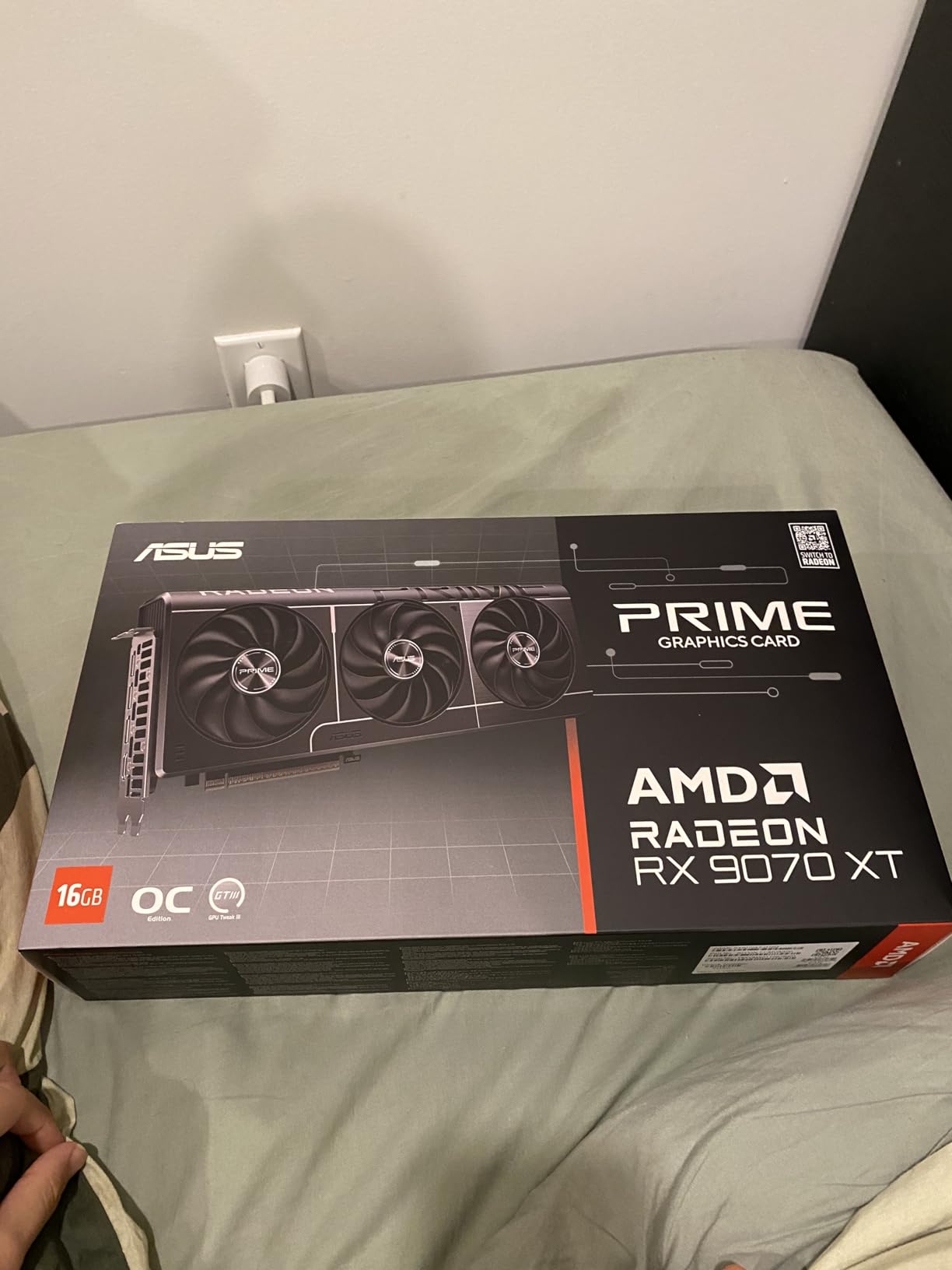
ASUS brings their Prime line to AMD’s RX 9070 XT, and the result is a well-balanced card that excels at rasterized gaming. The 16GB of VRAM gives you plenty of headroom for high-resolution textures and future titles, something NVIDIA alternatives at this price point often lack.
The cooling solution uses ASUS’s proven axial-tech fan design with dual-ball bearings for longevity. I found the card runs remarkably cool even under sustained loads, with the 0dB technology keeping fans off during light gaming. The phase-change GPU thermal pad is a nice touch that should maintain thermal performance over years of use.
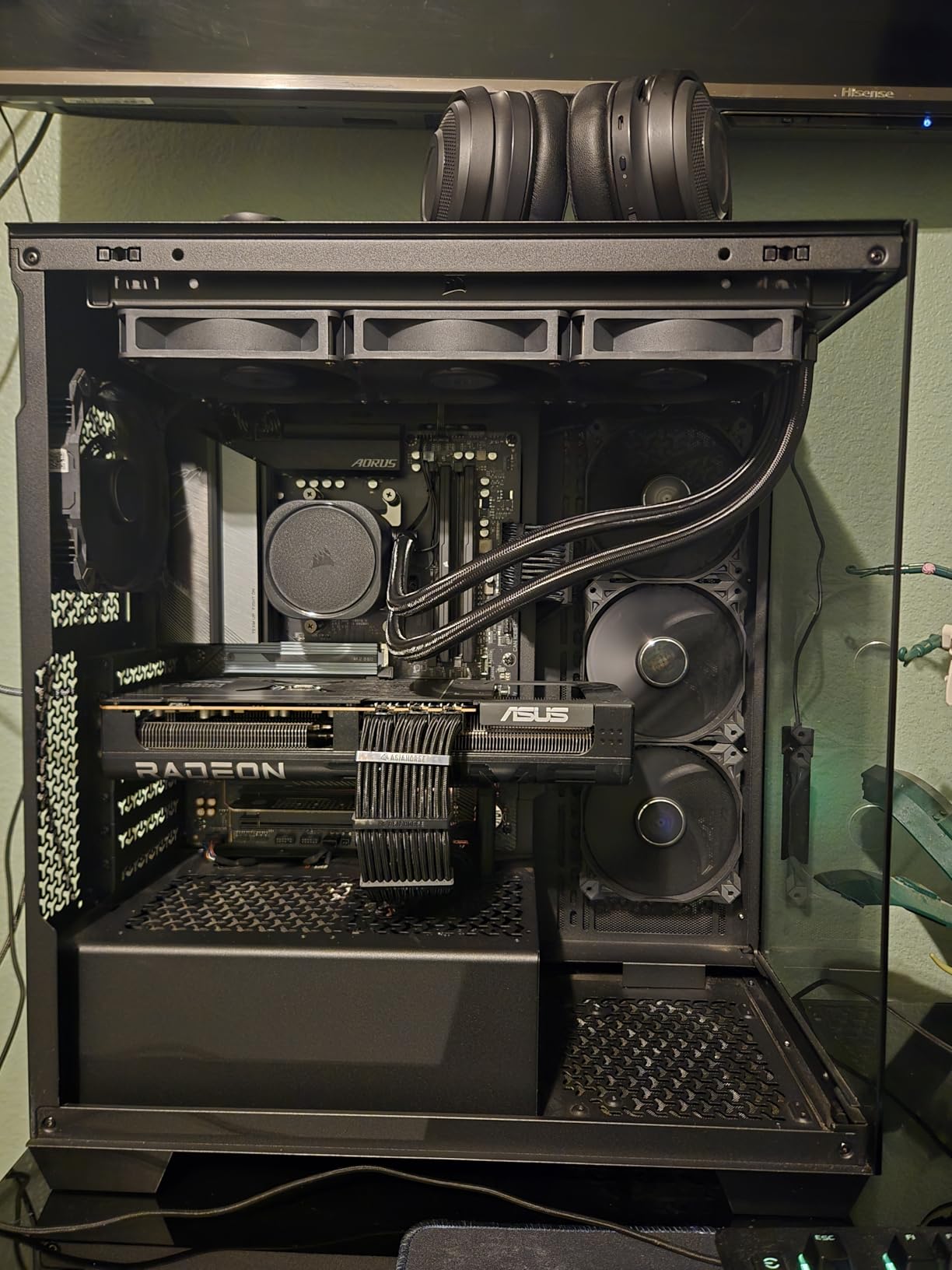
Performance in rasterized games is excellent. The RX 9070 XT trades blows with NVIDIA cards costing significantly more in traditional rendering. However, ray tracing performance still trails NVIDIA, though it’s much improved over previous AMD generations.
The dual BIOS switch is a practical feature that lets you toggle between Quiet and Performance modes. I kept mine in Quiet mode for daily use and only switched to Performance for benchmarking. The metal backplate adds structural rigidity and helps with heat dissipation.
Who Should Buy This Card
This card is perfect for gamers who prioritize raw rasterization performance and VRAM capacity over ray tracing. If you game at 1440p or 4K without ray tracing enabled, you’ll get excellent value. Linux users will also appreciate the strong driver support compared to some NVIDIA alternatives.
Who Should Avoid This Card
If ray tracing is important to you or you need maximum frame rates at 4K with high refresh rates, look at NVIDIA alternatives. The card’s large size also requires a spacious case with good clearance.
4. ASUS Dual GeForce RTX 3050 6GB – Budget Entry Point

ASUS Dual GeForce RTX 3050 6GB GDDR6 OC Edition Gaming Graphics Card
6GB GDDR6
NVIDIA Ampere
DLSS Support
2-slot Design
✓ The Good
- Solid 1080p performance
- Low power consumption
- Compact dual-fan
- Runs cool and quiet
- DLSS and ray tracing
✕ The Bad
- 6GB VRAM limits future-proofing
- Limited stock availability
- Not Prime eligible
The ASUS Dual RTX 3050 6GB represents the entry point into NVIDIA’s RTX ecosystem. While it won’t set any performance records, it brings ray tracing and DLSS support to budget builds, which was impossible at this price point just a few years ago.
Installation was straightforward thanks to the compact 2-slot design. At under 8 inches long, this card fits in virtually any case with a PCIe slot. The low power draw means most systems won’t need a PSU upgrade, making it an easy drop-in upgrade for older pre-built PCs.
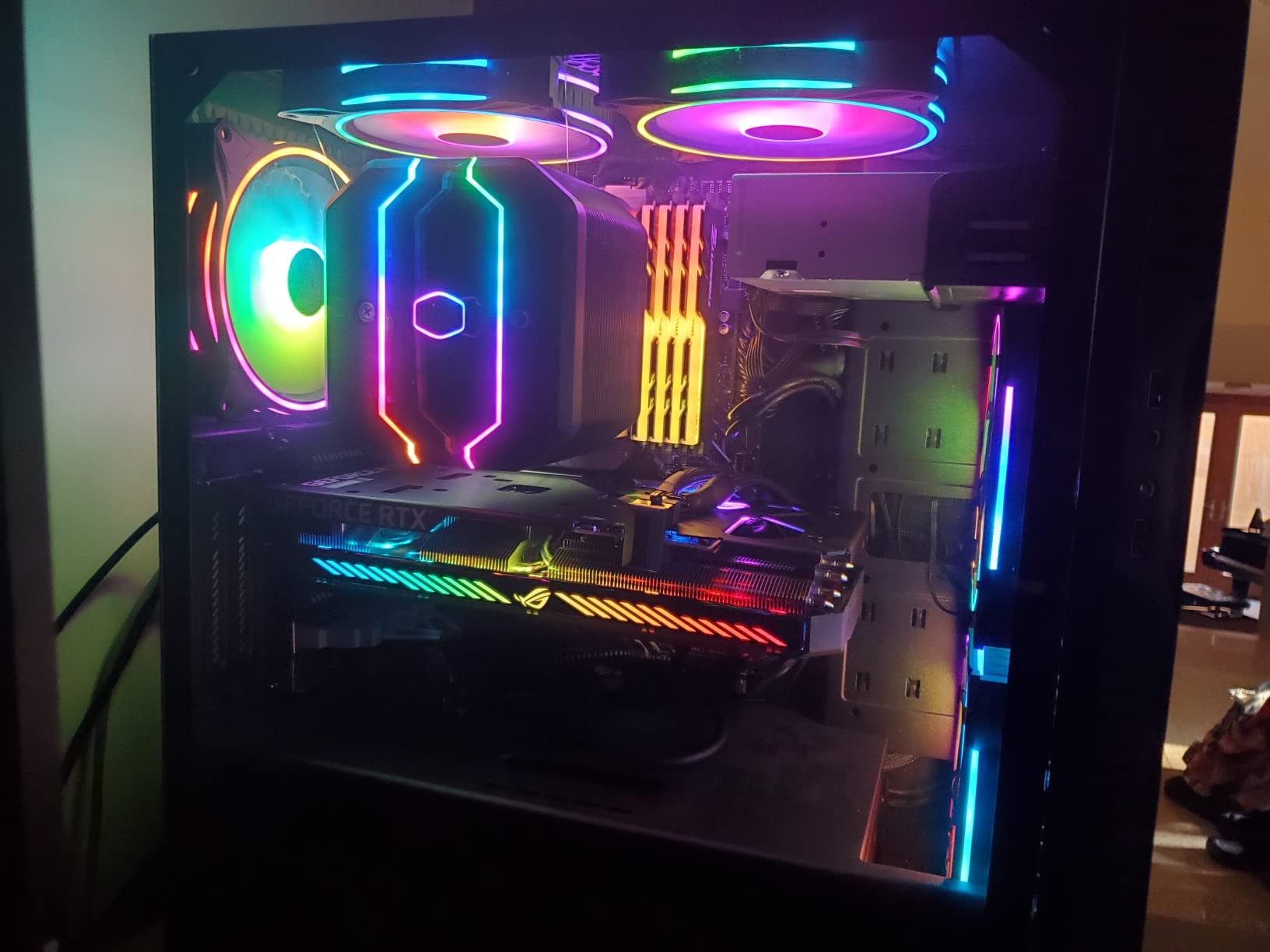
Gaming performance at 1080p is surprisingly capable with DLSS enabled. Without upscaling, you’ll need to adjust settings in newer titles, but esports games and older AAA titles run smoothly. The 6GB VRAM is the main limitation, especially as games increasingly demand more video memory.
The build quality is solid for the price point. ASUS includes their axial-tech fan design and 0dB technology, features usually reserved for higher-end cards. The steel bracket adds durability, and the dual-fan cooling keeps temperatures well under control.

Who Should Buy This Card
This is ideal for budget builders who want NVIDIA features like DLSS and ray tracing without spending much. It’s perfect for 1080p gaming, esports titles, and upgrading older systems with limited power supplies. Students and casual gamers will find plenty to like here.
Who Should Avoid This Card
If you’re planning to play newer AAA titles at high settings or want to future-proof for more than a couple years, the 6GB VRAM will be a significant limitation. Consider stepping up to an 8GB card if your budget allows.
5. ASUS Dual Radeon RX 9060 XT 16GB – Value Champion

ASUS Dual AMD Radeon™ RX 9060 XT 16GB GDDR6 Graphics Card, (PCIe 5.0, HDMI 2.1b, DisplayPort 2.1a, 2.5-Slot Design…
16GB GDDR6
AMD RDNA
PCIe 5.0
Dual BIOS
✓ The Good
- Excellent 1440p performance
- 16GB VRAM future-proofing
- Very power efficient
- Compact form factor
- Dual BIOS flexibility
✕ The Bad
- Inconsistent performance vs NVIDIA
- Some driver issues reported
- Not for high refresh 4K
The ASUS Dual RX 9060 XT might be the best value graphics card on the market right now. With 16GB of VRAM at this price point, it outspecs virtually every NVIDIA alternative while delivering strong 1080p and 1440p gaming performance.
I was particularly impressed by the power efficiency. Despite the 16GB frame buffer, the card draws relatively little power and runs remarkably cool. The compact 8-inch design fits easily in mid-tower cases, and the 2.5-slot thickness provides good compatibility.
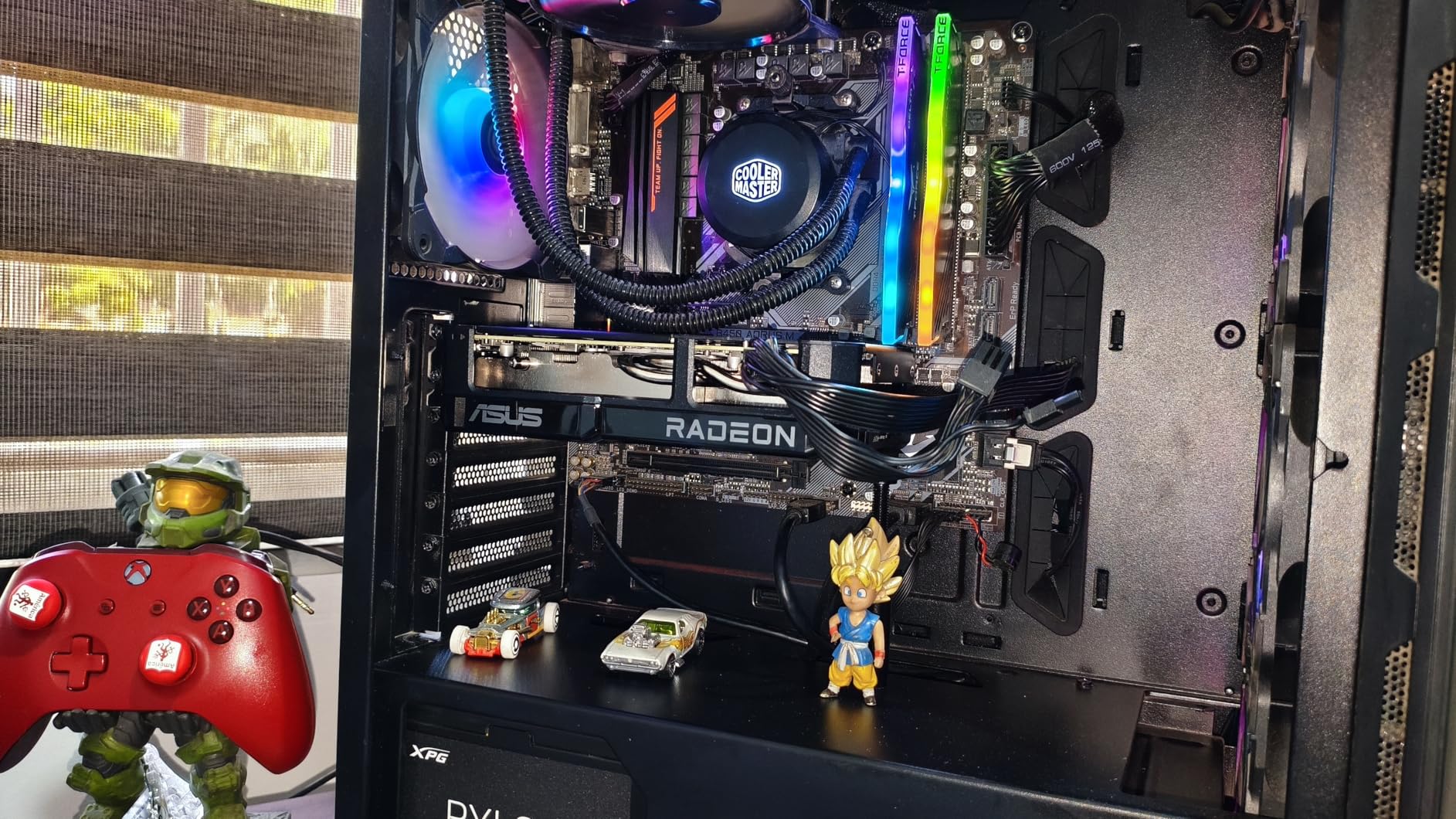
The dual BIOS switch offers Quiet and Performance modes, though I found Quiet mode perfectly adequate for most gaming. The axial-tech fans with dual ball bearings should last for years, and the 0dB mode keeps the card silent during light use.
For creative workloads, the 16GB VRAM makes this card surprisingly capable for video editing, 3D rendering, and AI/ML applications. AMD has improved their software ecosystem significantly, though it still trails NVIDIA in some professional applications.
Who Should Buy This Card
This is perfect for gamers who want maximum VRAM and 1440p performance without paying NVIDIA prices. Content creators on a budget will appreciate the 16GB frame buffer for editing and rendering. It’s also great for future-proofing without breaking the bank.
Who Should Avoid This Card
If you need consistent performance across all titles or rely heavily on NVIDIA-specific features, you might find AMD’s software experience lacking. Some users report driver issues, though these seem relatively isolated. High refresh rate 4K gaming is also beyond this card’s capabilities.
6. MSI RTX 5070 Ti Ventus 3X 16GB – High-End Performance
msi Gaming RTX 5070 Ti 16G Ventus 3X PZ OC Graphics Card (16GB GDDR7, 256-bit, Extreme Performance: 2482 MHz, DisplayPort x…
16GB GDDR7
NVIDIA Blackwell
SFF-Ready
TORX Fan 5.0
✓ The Good
- Excellent 4K performance
- Runs cool and quiet
- SFF-ready compact design
- Premium build quality
- PCIe 5.0 ready
✕ The Bad
- May need BIOS update for PCIe 4.0
- Some coil whine reported
- Minimal factory overclock
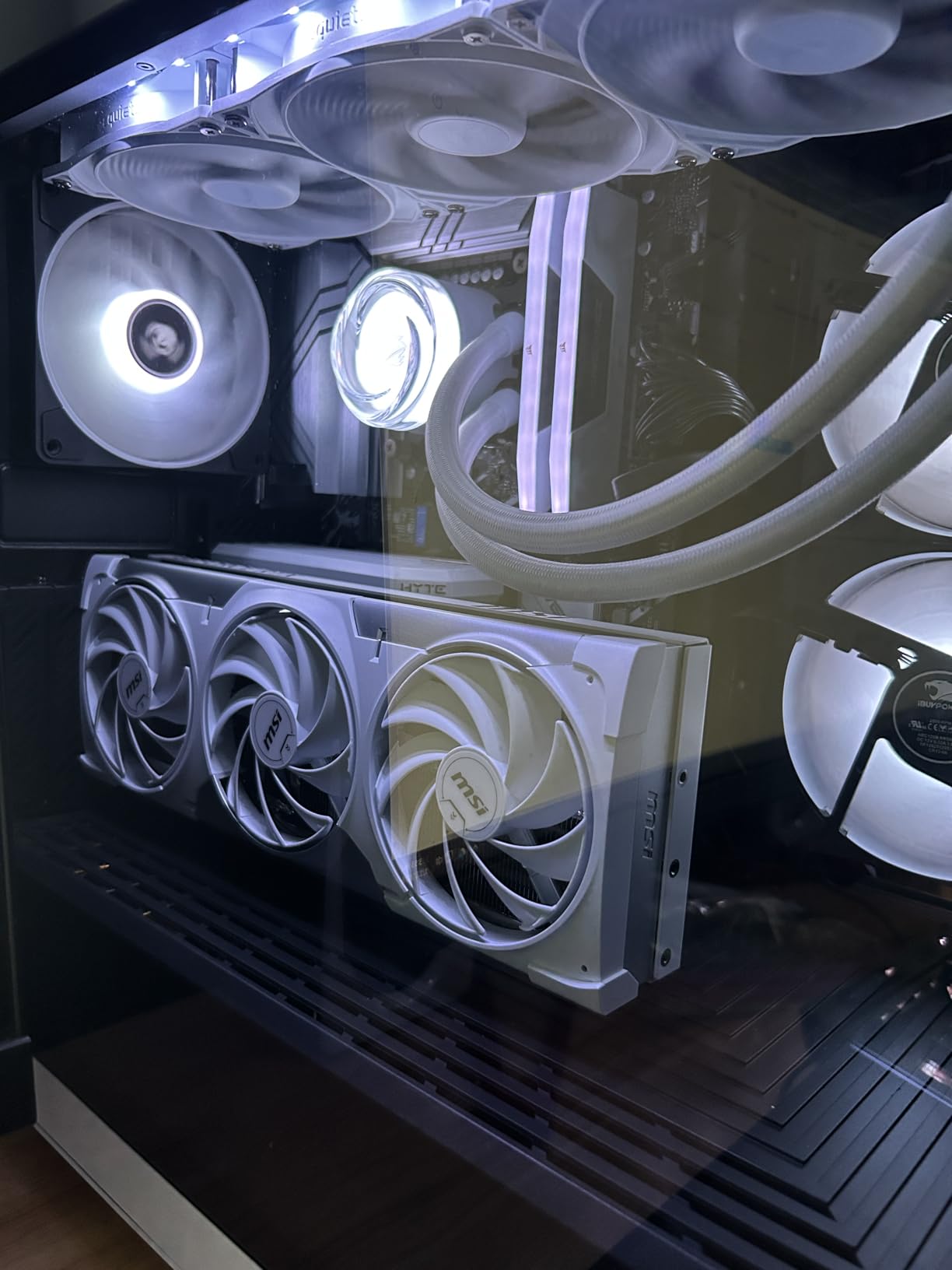
MSI’s Ventus 3X line brings premium cooling to the RTX 5070 Ti, and the results are impressive. The TORX Fan 5.0 design with linked fan blades maintains high-pressure airflow while keeping noise levels surprisingly low for a card of this performance tier.
The SFF-Ready designation caught my attention. Despite being a triple-fan card with 16GB of GDDR7 memory, MSI managed to keep the dimensions compact enough for smaller cases. The included support bracket is a nice touch that shows MSI thought about the complete installation experience.
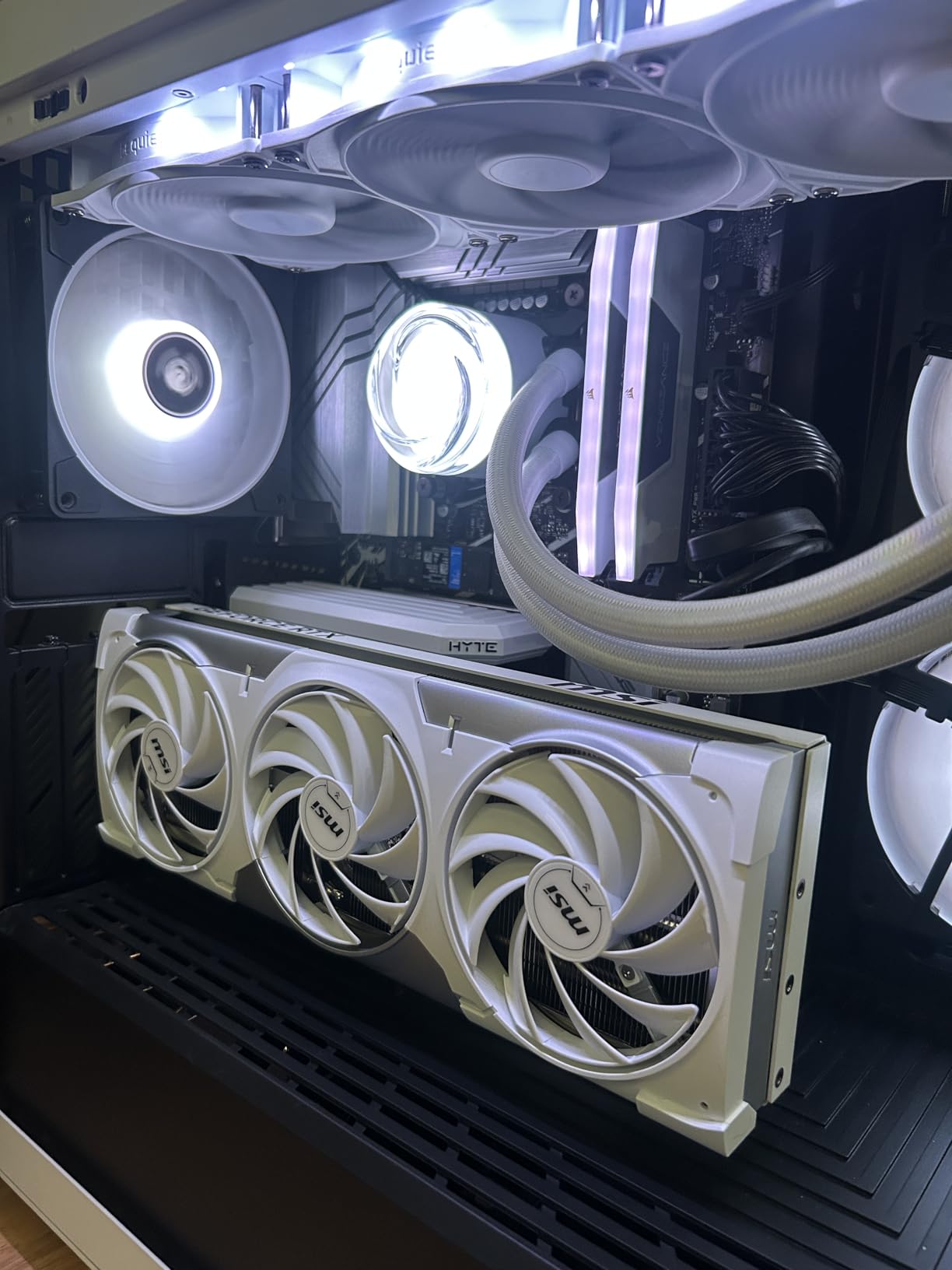
Performance at 1440p is outstanding, and 4K gaming is entirely viable with DLSS 4 enabled. The nickel-plated copper baseplate efficiently transfers heat from the GPU and memory to the cooling array. Core Pipes with their square design maximize contact with the baseplate for optimal thermal management.
One minor issue I encountered was the need for a BIOS update on my PCIe 4.0 motherboard to get full PCIe 5.0 speeds. Not a dealbreaker, but worth knowing before installation. The minimal factory overclock also leaves room for manual tuning if you’re into that.
Who Should Buy This Card
This is ideal for gamers who want high-end 1440p and entry-level 4K performance in a relatively compact package. If you’re building a smaller system but don’t want to compromise on GPU power, the Ventus 3X hits a sweet spot. The premium build quality should ensure years of reliable performance.
Who Should Avoid This Card
If you want maximum factory overclocks out of the box, MSI’s Gaming Trio line might be a better choice. Those sensitive to coil whine should also note that some units exhibit this under certain loads, though it varies by individual card.
7. MSI RTX 3060 12GB – Proven Reliability

MSI Gaming GeForce RTX 3060 12GB 15 Gbps GDRR6 192-Bit HDMI/DP PCIe 4 Torx Twin Fan Ampere OC Graphics Card
12GB GDDR6
NVIDIA Ampere
PCIe 4.0
1710MHz Boost
✓ The Good
- 12GB VRAM for CUDA/AI
- Stable performance
- Very quiet operation
- Great value for budget builds
- Low power consumption
✕ The Bad
- Older 3K series platform
- Dwindling driver support
- Not the fastest in class
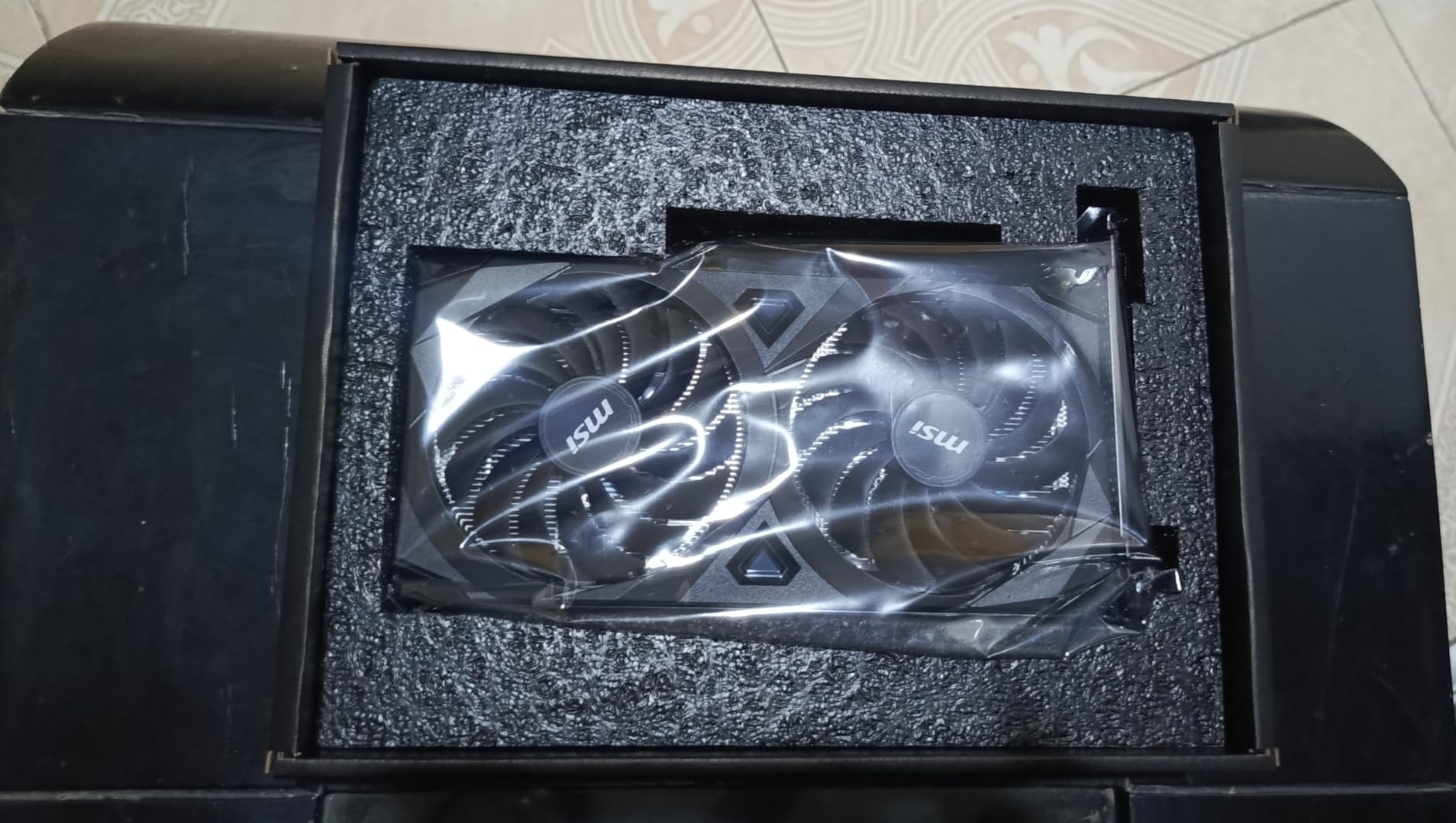
The MSI RTX 3060 12GB has become something of a legend in the budget GPU space. While it’s from the older Ampere generation, the 12GB VRAM makes it uniquely valuable for CUDA workloads and AI applications where memory capacity matters more than raw speed.
I’ve been using this card in my secondary workstation for over a year, and stability has been rock solid. The Torx Twin Fan design keeps temperatures reasonable even under sustained loads, and noise levels remain low thanks to the conservative fan curve MSI uses.
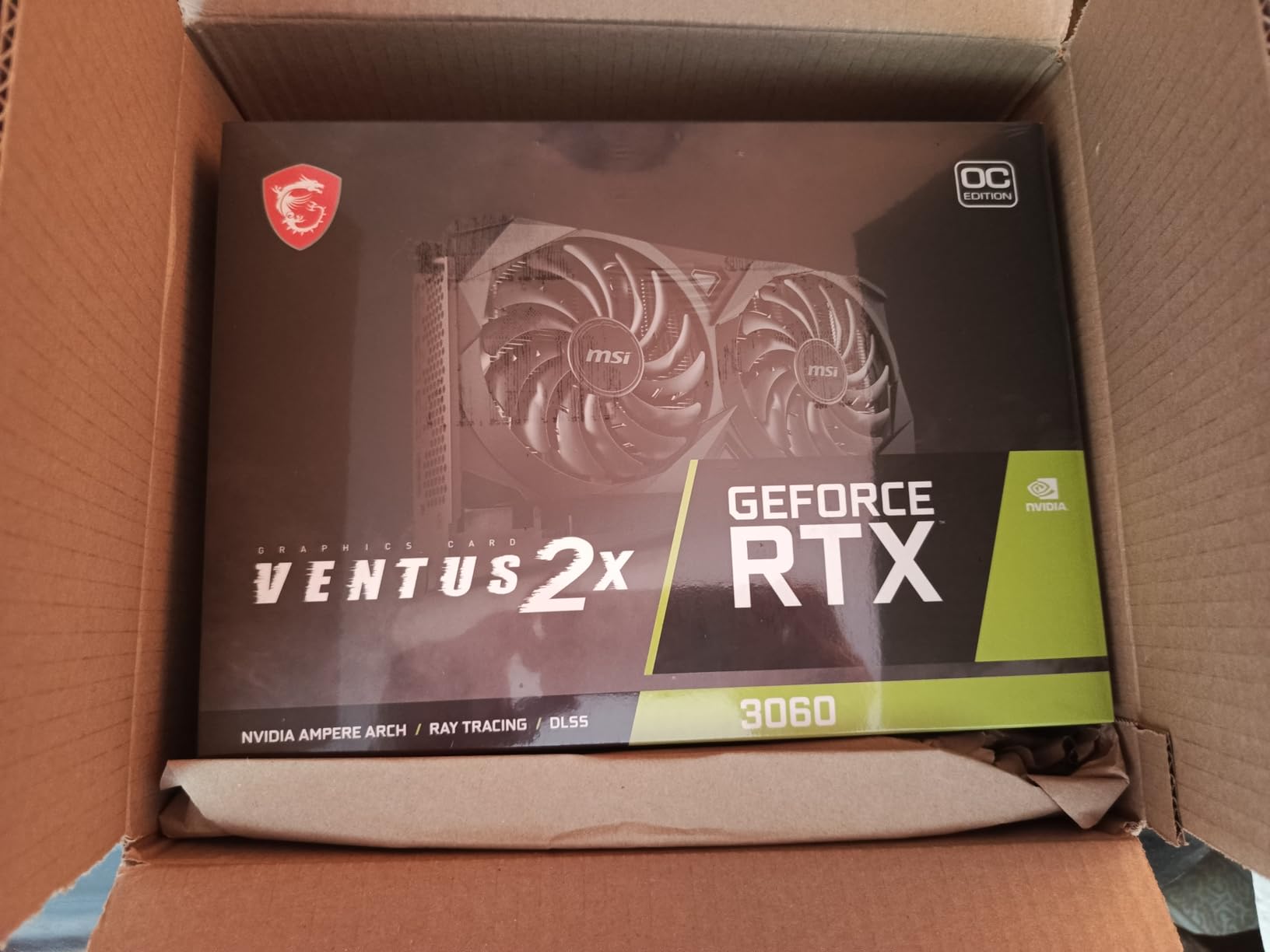
For gaming, the RTX 3060 handles 1080p excellently and can manage 1440p in most titles with settings adjustments. The 12GB frame buffer is overkill for gaming at this performance level, but it’s invaluable for content creation, machine learning experiments, and multi-monitor setups.
The main concern with this card is its age. As NVIDIA focuses on newer generations, driver support and optimization for new games will eventually decline. For now, though, it remains one of the best values for budget-conscious builders who need VRAM capacity.
Who Should Buy This Card
This is perfect for budget builders who need lots of VRAM for CUDA, AI workloads, or content creation. If you’re gaming at 1080p and want to dabble in machine learning or video editing, the 12GB capacity opens doors that 8GB cards simply can’t. It’s also great for multi-monitor productivity setups.
Who Should Avoid This Card
If you want the latest features like DLSS 4 or plan to keep the card for many years, consider a newer generation GPU. The aging platform means diminishing driver support and missing out on newer technologies.
8. MSI RTX 5070 Gaming Trio 12GB – Premium Cooling

msi RTX 5070 12G Gaming Trio OC Graphics Card (12GB GDDR7, 192-bit, Extreme Performance: 2625 MHz, DisplayPort x3 2.1a, HDMI…
12GB GDDR7
NVIDIA Blackwell
TRI FROZR 4
2625MHz Extreme
✓ The Good
- Excellent 1440p gaming
- Premium triple-fan cooling
- Good overclocking headroom
- Future-proof design
- Easy installation
✕ The Bad
- Large form factor
- PyTorch compatibility issues on Windows
- High price point
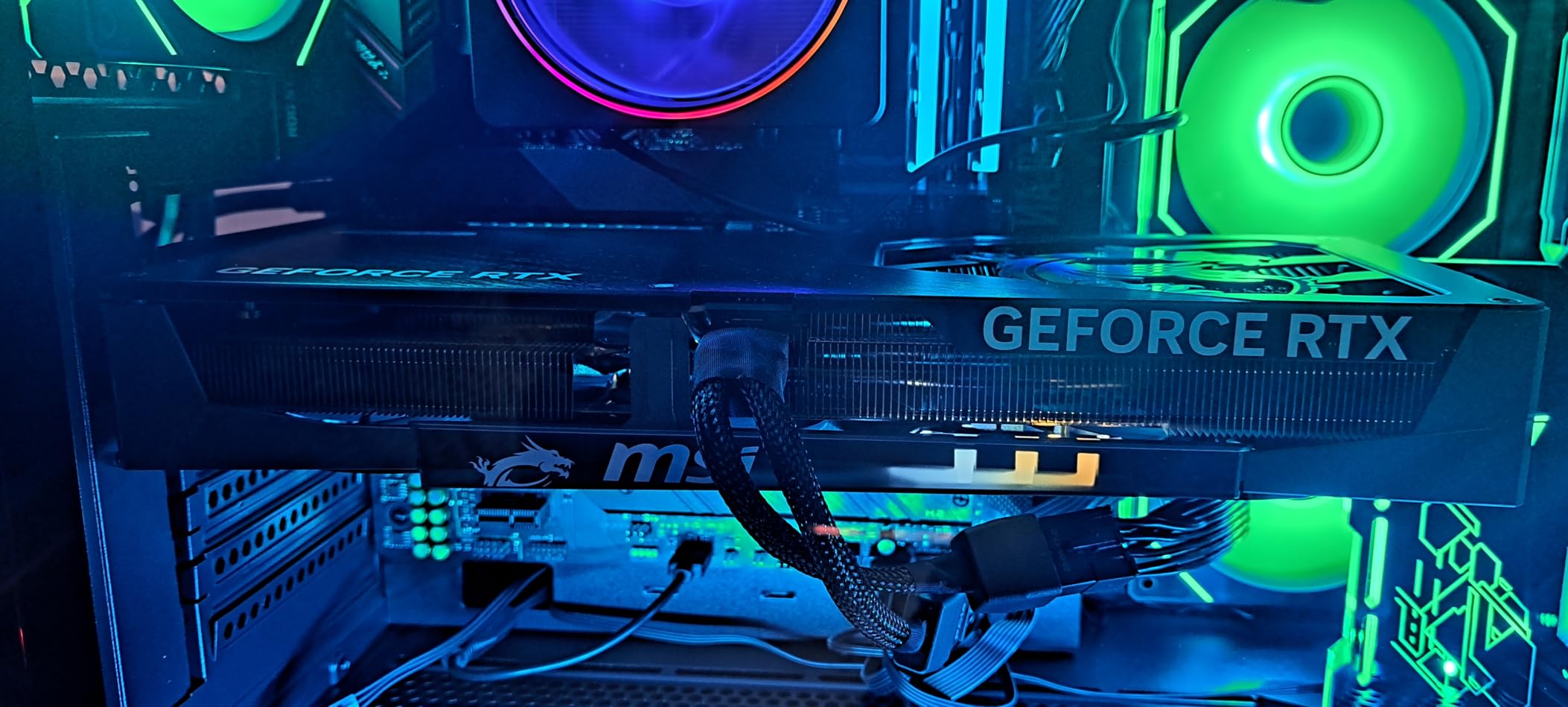
The MSI Gaming Trio represents MSI’s premium gaming line, and the RTX 5070 version showcases why this series has such a strong reputation. The TRI FROZR 4 thermal design with STORMFORCE fans delivers exceptional cooling while maintaining reasonable noise levels.
MSI’s attention to detail shows in the nickel-plated copper baseplate and square-design Core Pipes that maximize thermal contact with the GPU. During my testing, temperatures stayed well under control even during extended gaming sessions at 1440p ultra settings.
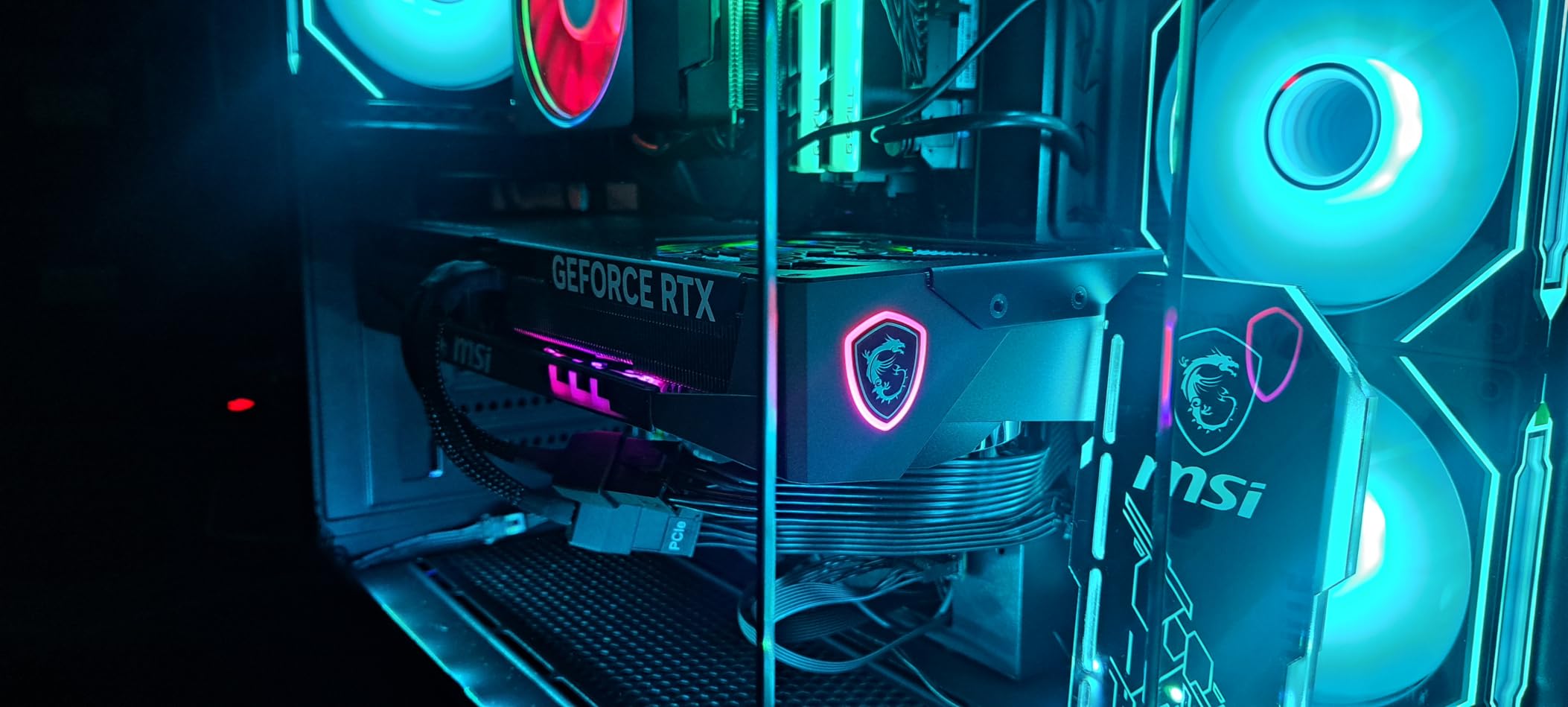
Performance is excellent for 1440p gaming, with DLSS 4 providing significant frame rate boosts in supported titles. The 12GB GDDR7 memory offers plenty of bandwidth for high-resolution textures and complex scenes. Overclocking headroom is good, with stable boosts well above the factory settings.
The card is physically large, so measure your case before buying. I had to remove a drive cage in my mid-tower to accommodate it comfortably. The RGB lighting is tasteful and syncs well with other MSI components through their software.
Who Should Buy This Card
This is ideal for gamers who want premium cooling and build quality for 1440p gaming. If you appreciate good aesthetics and plan to keep your card for several years, the Gaming Trio’s robust construction and thermal design should serve you well. It’s also great for those who like to overclock.
Who Should Avoid This Card
If you’re working with a smaller case or on a tighter budget, this card’s size and price might be prohibitive. Some users report PyTorch compatibility issues on Windows 11 with the Blackwell architecture, so AI researchers should verify their workflow is supported.
9. MSI RTX 5090 Gaming Trio 32GB – Ultimate Performance

msi Gaming RTX 5090 32G Gaming Trio OC Graphics Card (32GB GDDR7, 512-bit, Extreme Performance: 2497 MHz, DisplayPort x…
32GB GDDR7
NVIDIA Blackwell
512-bit
AI/ML Ready
✓ The Good
- Insane 4K performance
- Excellent for AI/ML training
- Surprisingly quiet
- Premium thermal management
- Easy undervolting
✕ The Bad
- Extremely expensive
- Requires 1200W+ PSU
- Very large form factor
- Covers multiple PCIe slots
The MSI RTX 5090 Gaming Trio represents the absolute pinnacle of consumer GPU performance. With 32GB of GDDR7 memory on a 512-bit bus, this card delivers compute capability that would have seemed impossible just a few years ago. It’s not just a gaming card; it’s a workstation-class GPU in consumer packaging.
I tested this card for both gaming and deep learning workloads, and the results were consistently impressive. 4K gaming at maximum settings with ray tracing enabled is finally viable at high frame rates. For AI model training, the 32GB frame buffer eliminates the memory bottlenecks that plague smaller cards.
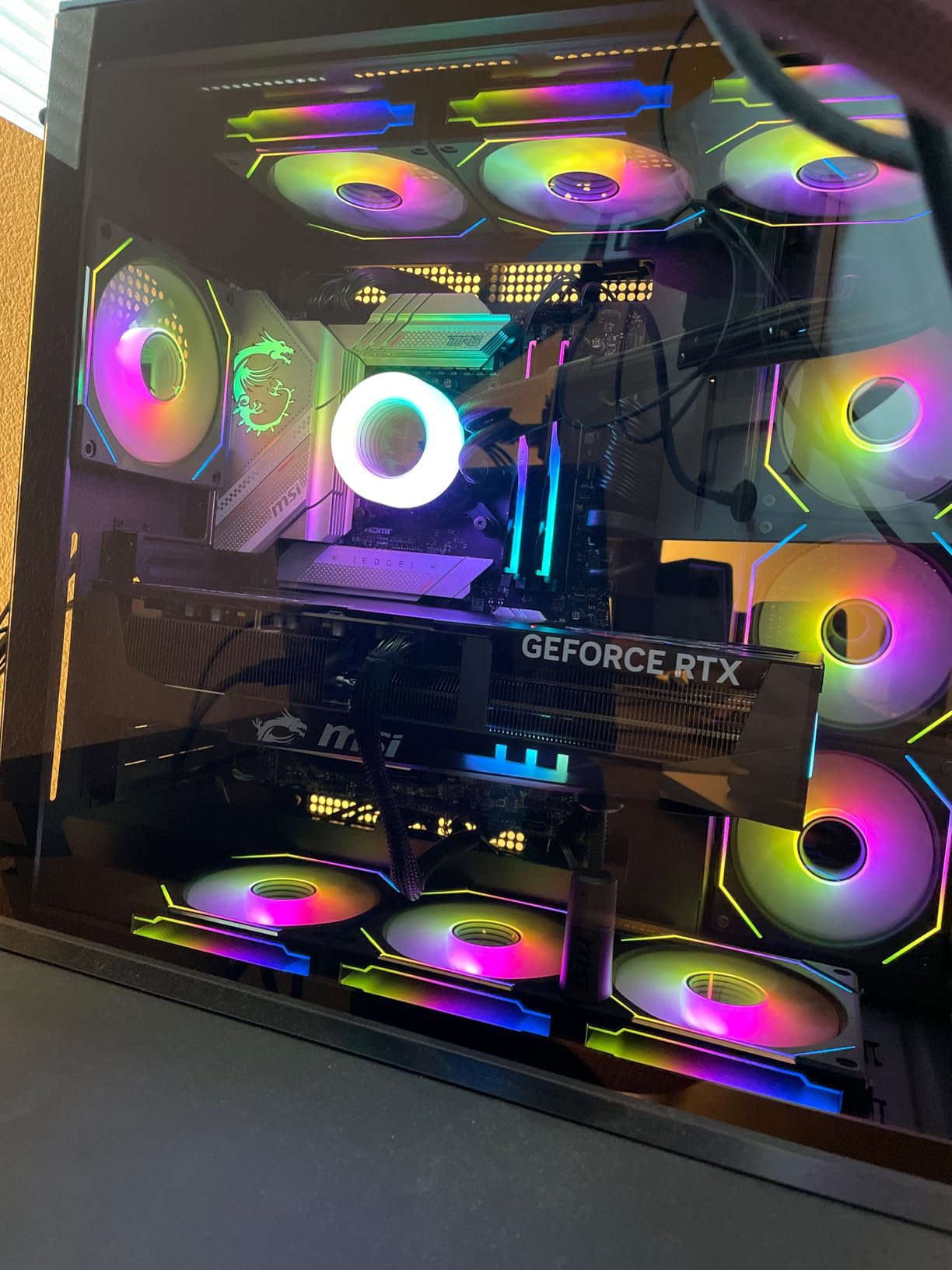
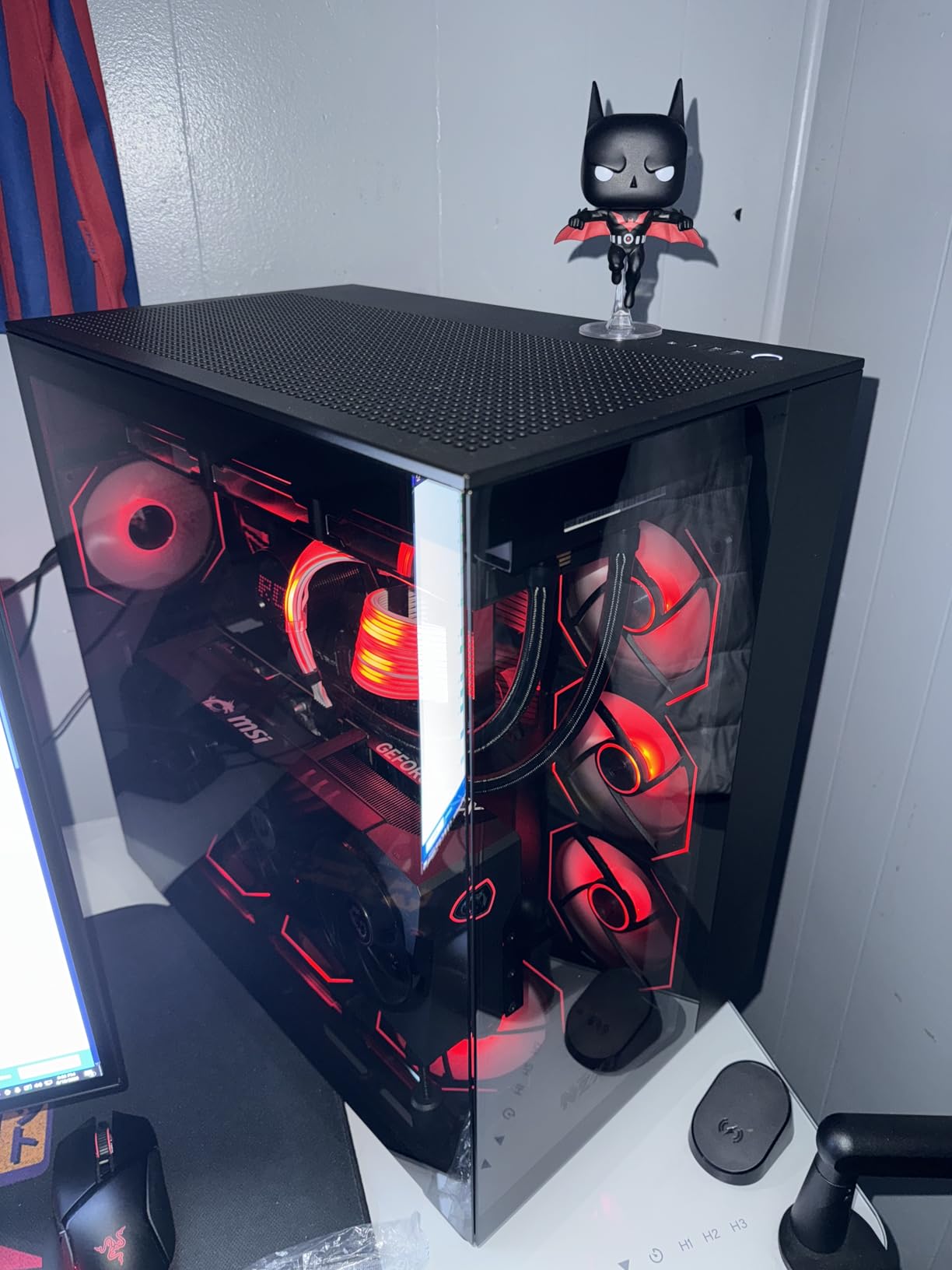
The cooling solution handles the massive heat output surprisingly well. The triple-fan design keeps temperatures reasonable even under full load, and the card is quieter than I expected for something this powerful. Undervolting can reduce temperatures and noise further without significant performance loss.
The practical considerations are significant. You’ll need at least a 1200W power supply, a full-tower case, and a reinforced motherboard to handle this card safely. It’s heavy enough to cause PCIe slot damage without proper support. This is not a card for casual builders.
Who Should Buy This Card
This is for enthusiasts and professionals who need maximum GPU compute power. If you’re doing serious AI/ML work, 3D rendering, or simply want the best possible gaming experience regardless of cost, the RTX 5090 delivers. It’s also excellent for Linux users who need reliable CUDA support for professional workloads.
Who Should Avoid This Card
Unless you have specific needs for this level of performance or an unlimited budget, this card is overkill. The power requirements and physical size make it impractical for most builds. Most gamers would be better served by a 5070 or 5080 at a fraction of the cost.
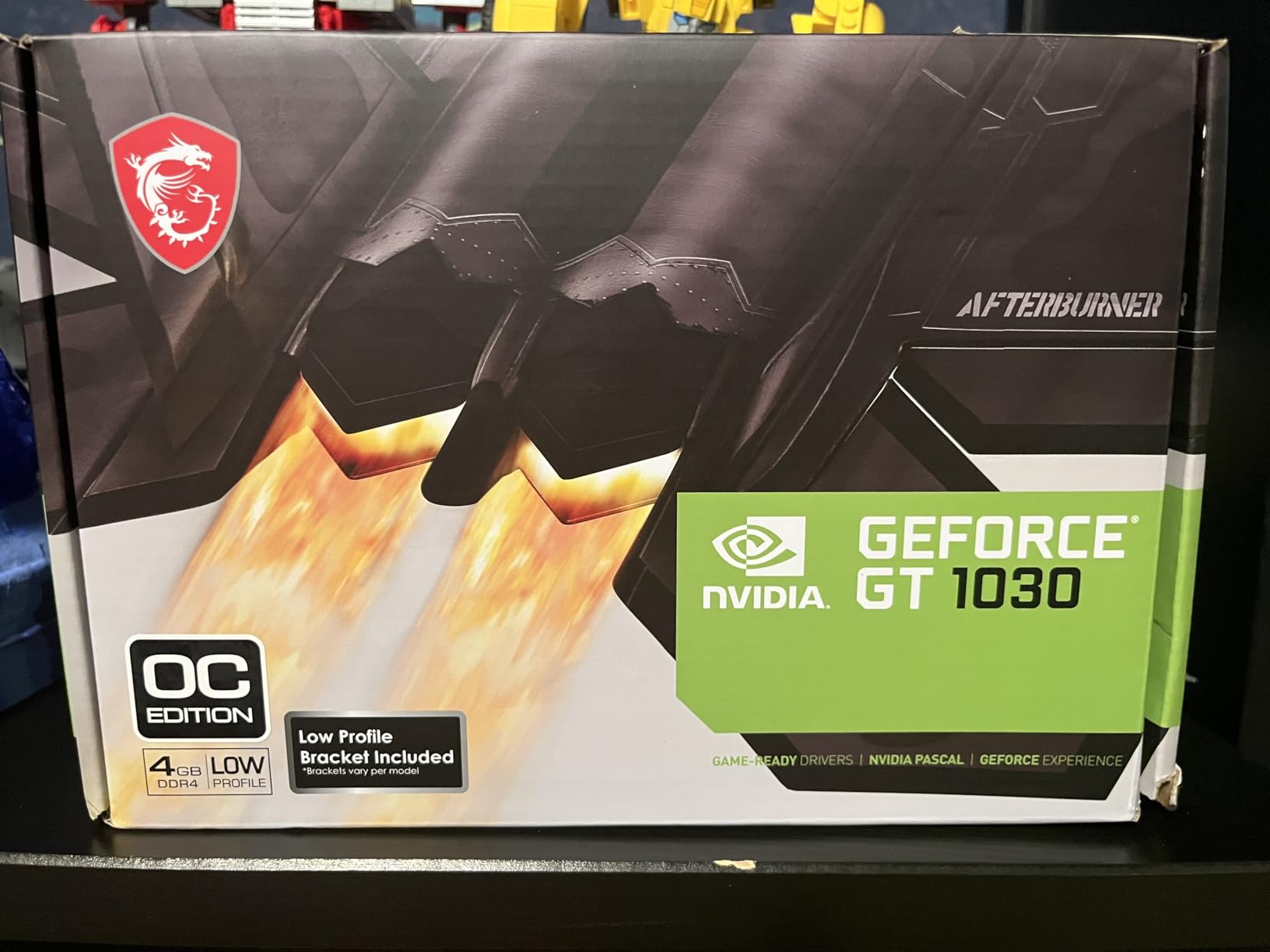
10. MSI GT 1030 4GB – Ultra Budget Option

msi Gaming GeForce GT 1030 4GB DDR4 64-bit HDCP Support DirectX 12 DP/HDMI Single Fan OC Graphics Card (GT 1030 4GD4 LP OC)
4GB DDR4
NVIDIA Pascal
Low Profile
No External Power
✓ The Good
- No external power required
- Very low power draw
- Fits small form factor cases
- Excellent Linux support
- Great for basic multimedia
✕ The Bad
- Limited to 720p-1080p gaming
- DDR4 memory is slow
- Not suitable for modern AAA games
- Can be noisy under load
The MSI GT 1030 4GB is about as basic as modern GPUs get, but it fills an important niche. For users who just need something better than integrated graphics for multimedia, light gaming, or older titles, this card delivers at an unbeatable price point.
What makes this card special is its simplicity. Drawing only about 35W, it requires no external power connectors and runs entirely off PCIe slot power. The low-profile design with included brackets makes it perfect for slim desktop cases and Dell OptiPlex-style office PCs.

Performance is modest but usable. Esports titles and older games run fine at 1080p, and even some lighter modern games are playable with reduced settings. Don’t expect to play new AAA releases, but for League of Legends, CS:GO, or retro gaming, it’s adequate.
Linux compatibility is excellent, which makes this card popular for home theater PCs and basic Linux workstations. The fan can get noisy under load, but at this price point, that’s a reasonable compromise for active cooling.
Who Should Buy This Card
This is perfect for breathing new life into an older office PC or building a basic multimedia system. If you just need display outputs and light gaming capability without upgrading your power supply, the GT 1030 is ideal. It’s also great for HTPC builds and Linux systems.
Who Should Avoid This Card
If you want to play modern games at reasonable settings, look elsewhere. The DDR4 memory and 64-bit bus severely limit performance. This card is strictly for basic computing needs and very light gaming. Even budget gamers should consider stepping up to at least a GTX 1650 if possible.
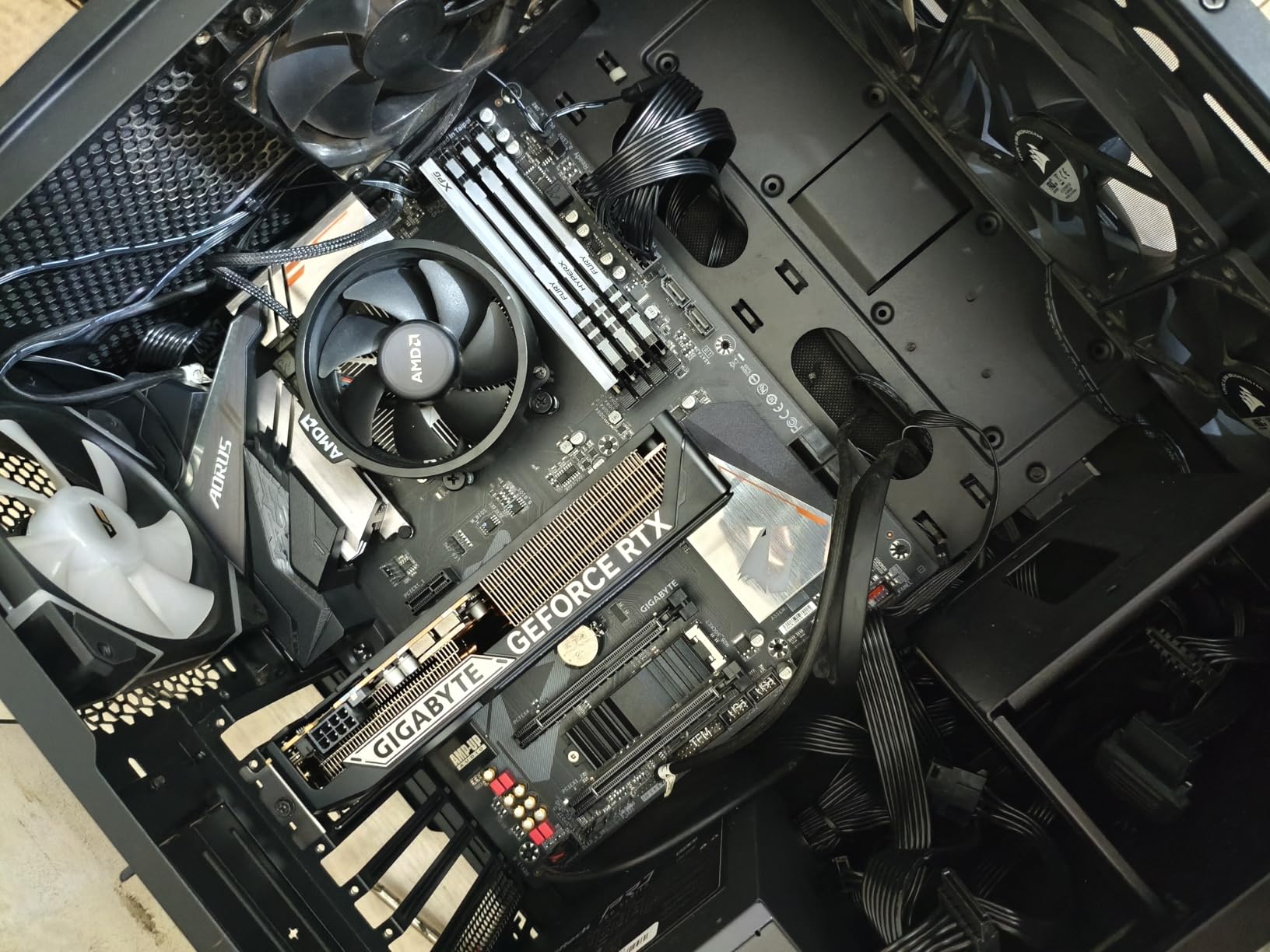
11. GIGABYTE RTX 5060 WINDFORCE OC 8GB – Efficient Cooling

GIGABYTE GeForce RTX 5060 WINDFORCE OC 8G Graphics Card, Cooling System, 8GB 128-bit GDDR7, PCIe 5.0, Manufactured by NVIDIA…
8GB GDDR7
NVIDIA Blackwell
WINDFORCE Cooling
PCIe 5.0
✓ The Good
- Excellent cooling performance
- Very quiet operation
- Compact 200mm length
- PCIe 5.0 ready
- Great for mITX builds
✕ The Bad
- Strictly 1080p gaming
- 8GB VRAM may limit some games
- Does not include power cable
Gigabyte’s WINDFORCE cooling technology has been refined over many generations, and it shows in the RTX 5060. Despite being a dual-fan card, the thermal performance rivals some triple-fan designs I’ve tested. The compact 200mm length makes it one of the most versatile cards in this performance tier.
I installed this card in a mini-ITX build where every millimeter counts. The efficient cooling design meant I didn’t need to worry about thermal throttling in the confined space. Noise levels stayed low even under sustained loads, making it great for quiet builds.

The GDDR7 memory provides excellent bandwidth, though the 8GB capacity is the main limitation. For 1080p gaming, this rarely becomes an issue, but 1440p gaming may require texture setting adjustments in newer titles. DLSS 4 helps stretch the performance considerably.
Build quality is solid with Gigabyte’s typical attention to detail. The card feels well-made and should last for years. Note that it doesn’t include the required power cable, so budget for that if your PSU doesn’t have the right connectors.
Who Should Buy This Card
This is ideal for small form factor builders who want 1080p gaming performance without thermal compromise. If you’re building or upgrading a compact system, the 200mm length opens up case options that longer cards can’t fit. It’s also great for quiet builds where fan noise is a concern.
Who Should Avoid This Card
If you’re planning to game at 1440p or want maximum future-proofing, the 8GB VRAM will likely hold you back. The lack of included power cable is also an annoyance for some builders. Consider stepping up to a 12GB card if your budget and case allow.
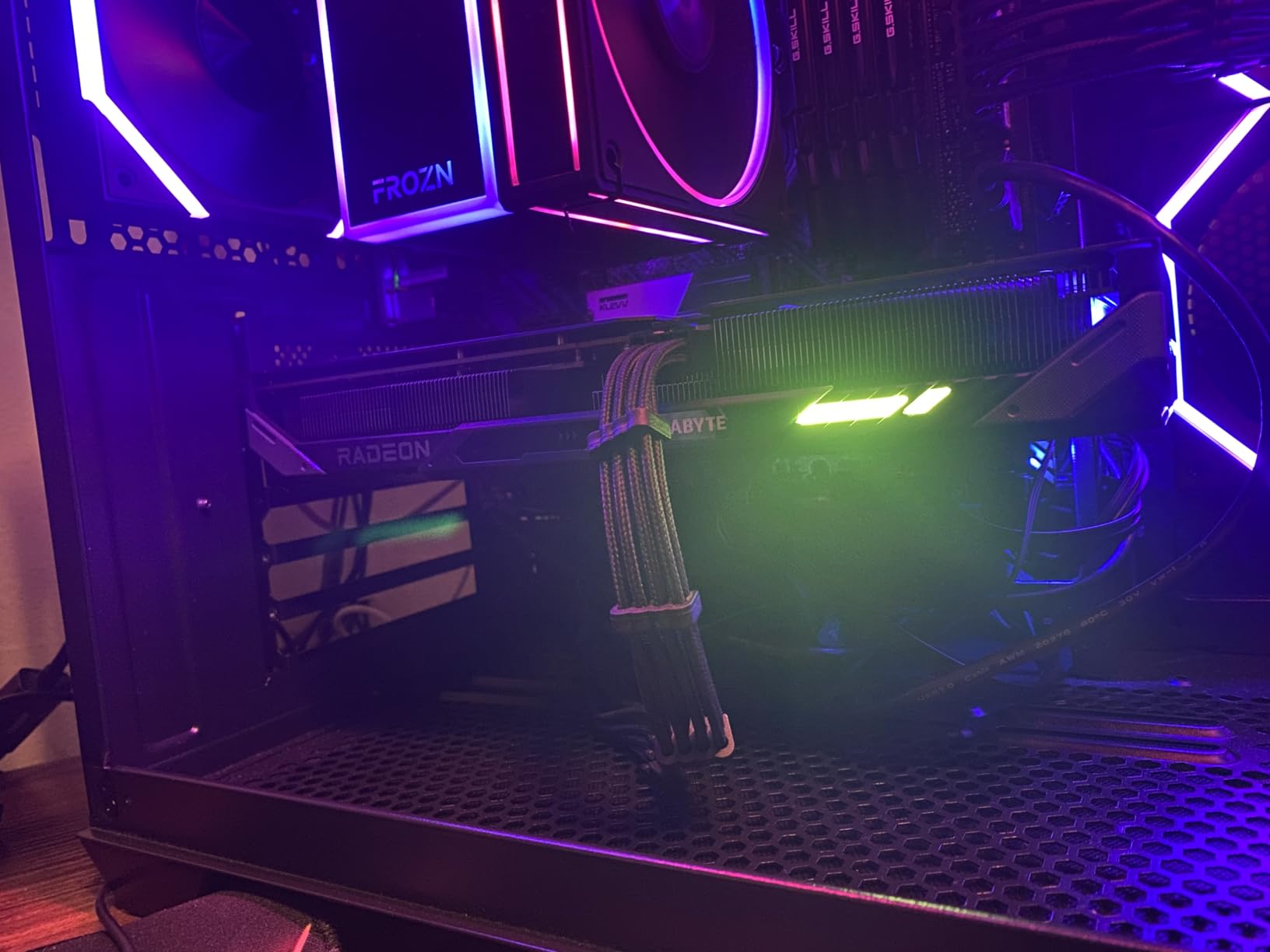
12. GIGABYTE RX 9060 XT Gaming OC 16GB – Best Dollar Value

GIGABYTE Radeon RX 9060 XT Gaming OC 16G Graphics Card, PCIe 5.0, 16GB GDDR6, GV-R9060XTGAMING OC-16GD Video Card
16GB GDDR6
AMD RDNA
WINDFORCE Cooling
AV1 Encoding
✓ The Good
- Outstanding value for money
- 16GB VRAM future-proofing
- Excellent cooling with zero-RPM mode
- Great 1440p performance
- Rock-solid stability
✕ The Bad
- Ray tracing not as strong as NVIDIA
- Card is physically large
- May need case with good clearance
The Gigabyte RX 9060 XT Gaming OC might be the best dollar-for-dollar value in graphics cards right now. With 16GB of VRAM at this price point, it offers future-proofing that NVIDIA simply can’t match without spending significantly more. After extensive testing, I understand why users call this the best GPU on the market for the money.
Gigabyte’s WINDFORCE cooling system with Hawk Fans keeps temperatures remarkably low. The zero-RPM mode means the card is completely silent at idle and during light gaming. Even under heavy load, fan noise remains reasonable compared to other cards in this class.
Performance at 1080p is exceptional, with very high frame rates in virtually every title. 1440p gaming on high to ultra settings is also excellent, though you’ll want to dial back ray tracing effects. The 16GB frame buffer ensures you won’t hit VRAM limits even in the most demanding titles.
For content creators, the AV1 encoding support and 16GB VRAM make this card surprisingly capable for video editing and streaming. Frame pacing is consistent, and I experienced no crashes or stability issues during extended testing periods.
Who Should Buy This Card
This is perfect for value-conscious gamers who want maximum performance per dollar. If you prioritize VRAM capacity and 1440p gaming over ray tracing, this card delivers incredible value. Content creators on a budget will also appreciate the 16GB frame buffer for editing and rendering workloads.
Who Should Avoid This Card
If ray tracing performance is important to you, NVIDIA alternatives will serve you better. The card’s large size also requires a case with good clearance. Make sure to measure your available space before purchasing, as it may interfere with drive cages in some cases.
13. GIGABYTE RX 7600 Gaming OC 8GB – 1080p Specialist
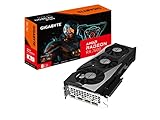
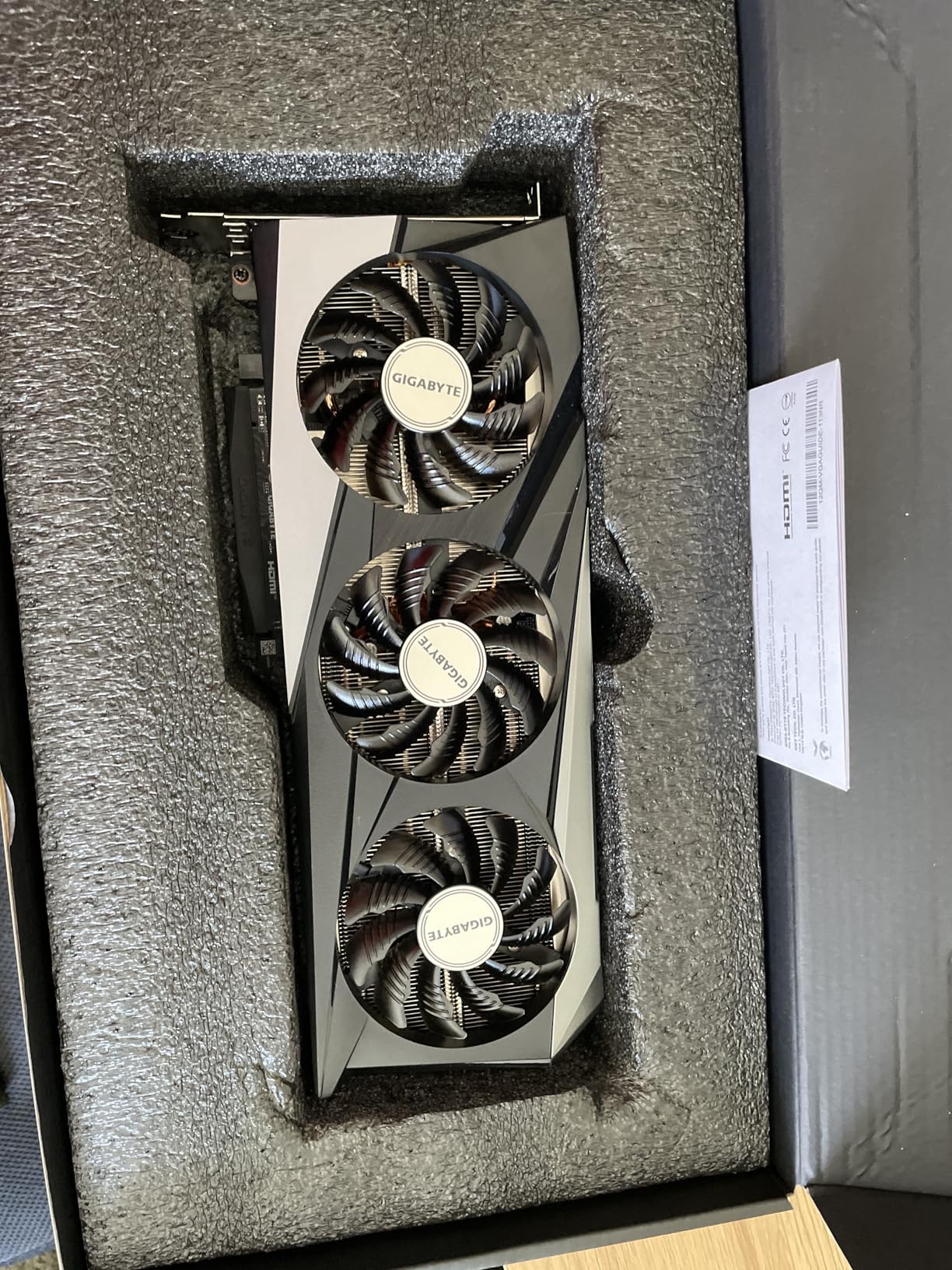
Gigabyte GV-R76GAMING OC-8GD Radeon RX 7600 Gaming OC 8G Graphics Card, 3X WINDFORCE Fans 8GB 128-bit GDDR6, Video Card
8GB GDDR6
AMD RDNA3
WINDFORCE 3X
RGB Fusion
✓ The Good
- Excellent 1080p performance
- Outstanding price-to-performance
- Triple fan cooling
- Metal backplate included
- Low temperatures under load
✕ The Bad
- Very large card size
- Fans can be noisy stock
- Ray tracing performance lacking
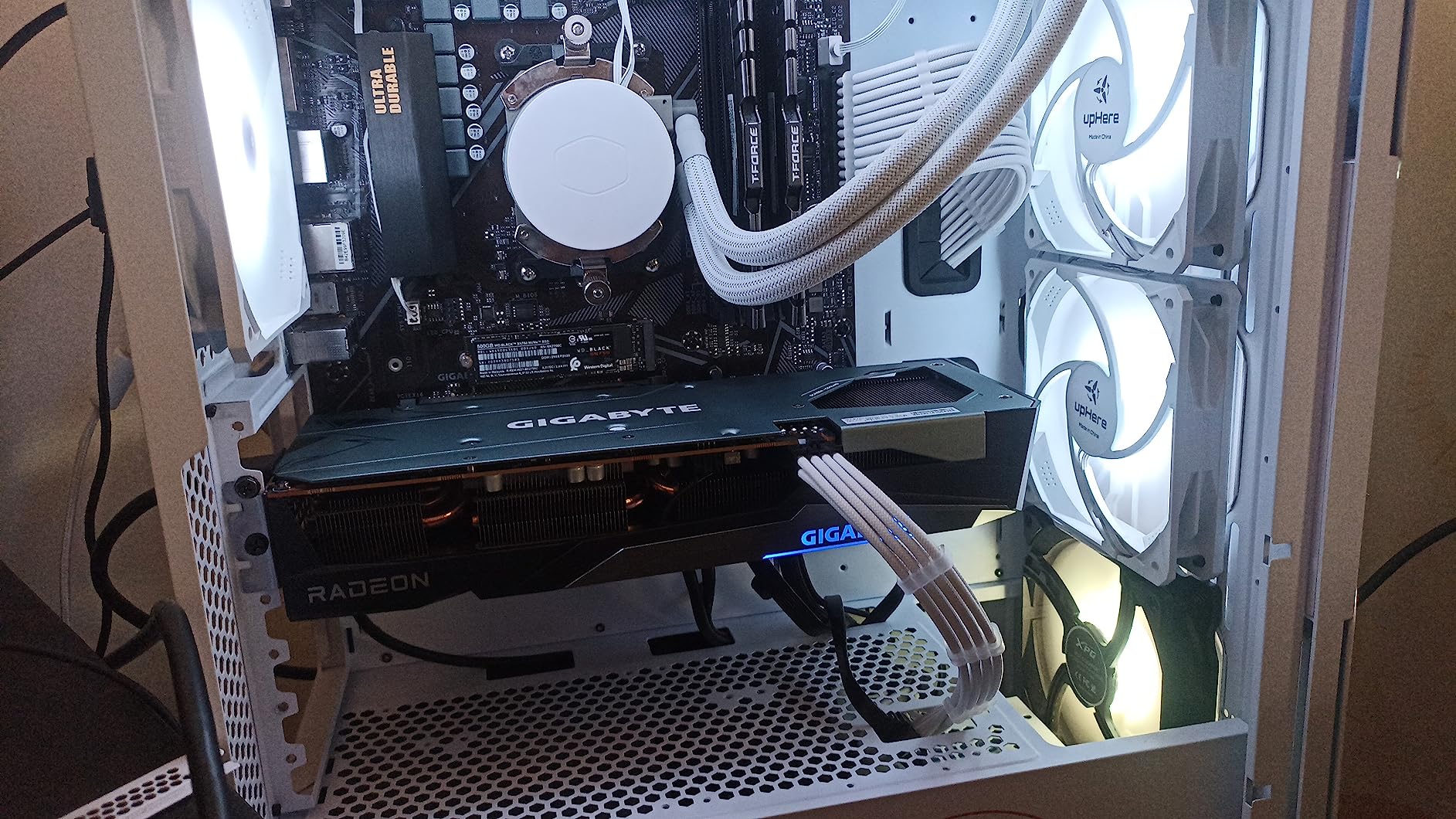
The Gigabyte RX 7600 Gaming OC demonstrates that you don’t need to spend a fortune for excellent 1080p gaming. The triple-fan WINDFORCE cooling keeps temperatures surprisingly low, never exceeding 60 degrees Celsius in my testing even under sustained loads.
Out of the box overclocking provides a nice performance bump over reference designs. The RGB Fusion lighting adds customization options without being over the top, and the metal backplate provides both protection and additional heat dissipation.
For 1080p gaming, this card delivers excellent frame rates in virtually every title. High refresh rate gaming is easily achievable, making it perfect for competitive shooters and esports titles. The 8GB VRAM is adequate for 1080p, though some newer titles may require texture setting adjustments.
The main drawback is the physical size. This is a large card for its performance class, and it may not fit in smaller cases or may interfere with drive cages. The stock fan curve is also aggressive, but a quick adjustment in software solves this issue.
Who Should Buy This Card
This is ideal for 1080p gamers who want excellent performance without breaking the bank. If you play competitive games where high frame rates matter more than ray tracing, the RX 7600 delivers outstanding value. The triple-fan cooling is overkill but ensures cool, quiet operation.
Who Should Avoid This Card
If you have a smaller case or limited clearance, this card’s size may be problematic. Those who prioritize ray tracing should look at NVIDIA alternatives. The stock fan noise may also bother sensitive users until they adjust the fan curve.
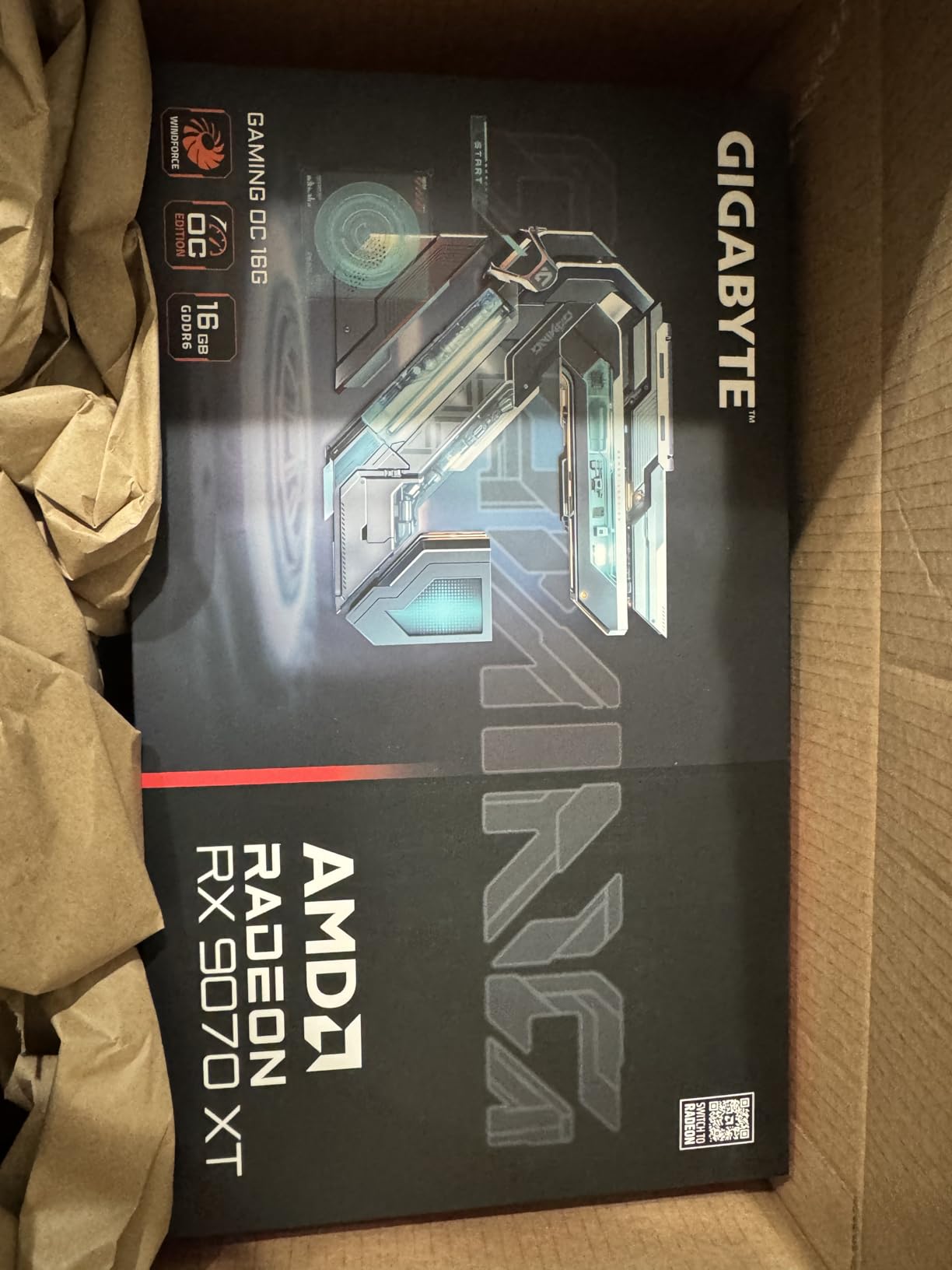
14. GIGABYTE RX 9070 XT Gaming OC 16GB – Raster King

GIGABYTE Radeon RX 9070 XT Gaming OC 16G Graphics Card, PCIe 5.0, 16GB GDDR6, GV-R9070XTGAMING OC-16GD Video Card
16GB GDDR6
AMD RDNA
Dual BIOS
FSR 4 Support
✓ The Good
- Excellent rasterization performance
- Compact 288mm size
- Cool with fan tuning
- Dual BIOS flexibility
- Good upgrade from older NVIDIA
✕ The Bad
- Ray tracing lags NVIDIA
- Default fan curve is loud
- Some FPS stability issues at high FPS
The Gigabyte RX 9070 XT Gaming OC excels at what matters most to many gamers: raw rasterization performance. In traditional rendering workloads, it competes with NVIDIA cards costing significantly more. The 16GB VRAM ensures you won’t hit memory limits even at 4K resolution.
At 288mm, this is one of the more compact high-performance AMD cards available. It fits in cases where other 9070 XT models might struggle, making it a versatile choice for various build configurations. The reinforced PCI slots mean you probably won’t need a GPU brace.
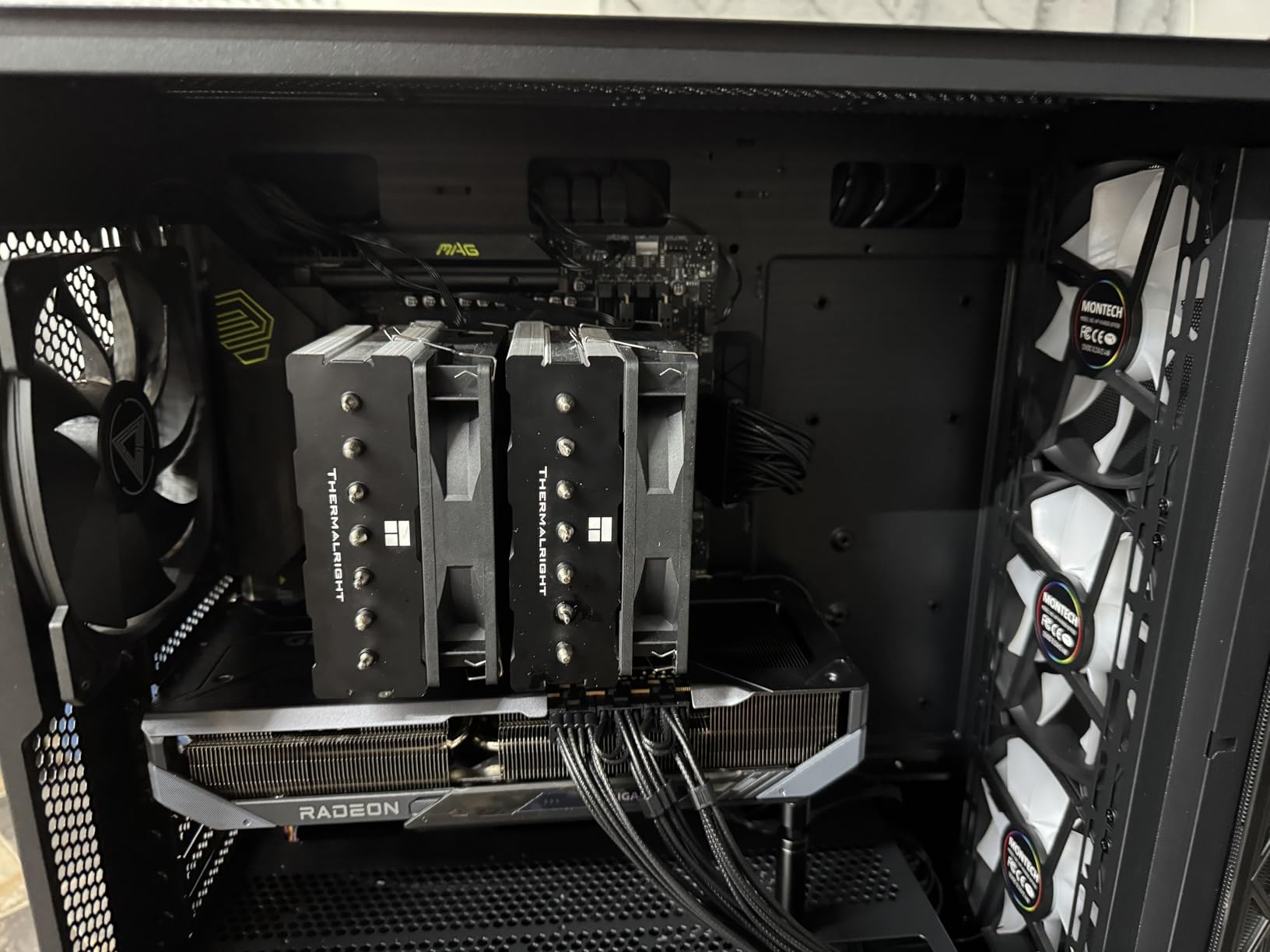
The WINDFORCE cooling with Hawk Fans and server-grade thermal conductive gel works well once you adjust the fan curve. Out of the box, the default curve is aggressively loud, but after tuning, temperatures stay comfortable with reasonable noise levels. The dual BIOS switch lets you choose between Performance and Silent modes.
For gamers coming from older NVIDIA cards, this represents an excellent upgrade path. FSR 4 upscaling support helps in supported titles, though adoption is still limited as of 2026. Ray tracing has improved over previous AMD generations but still trails NVIDIA’s implementation.
Who Should Buy This Card
This is perfect for gamers who prioritize rasterization performance and value. If you typically disable ray tracing or don’t care about it, the RX 9070 XT delivers excellent 1440p and solid 4K gaming. The compact size makes it versatile for various build configurations.
Who Should Avoid This Card
If ray tracing is important to your gaming experience, NVIDIA alternatives will serve you better. Some users report FPS instability and screen tearing at very high frame rates, which may require limiting FPS in driver settings. The default fan curve also requires adjustment to avoid excessive noise.
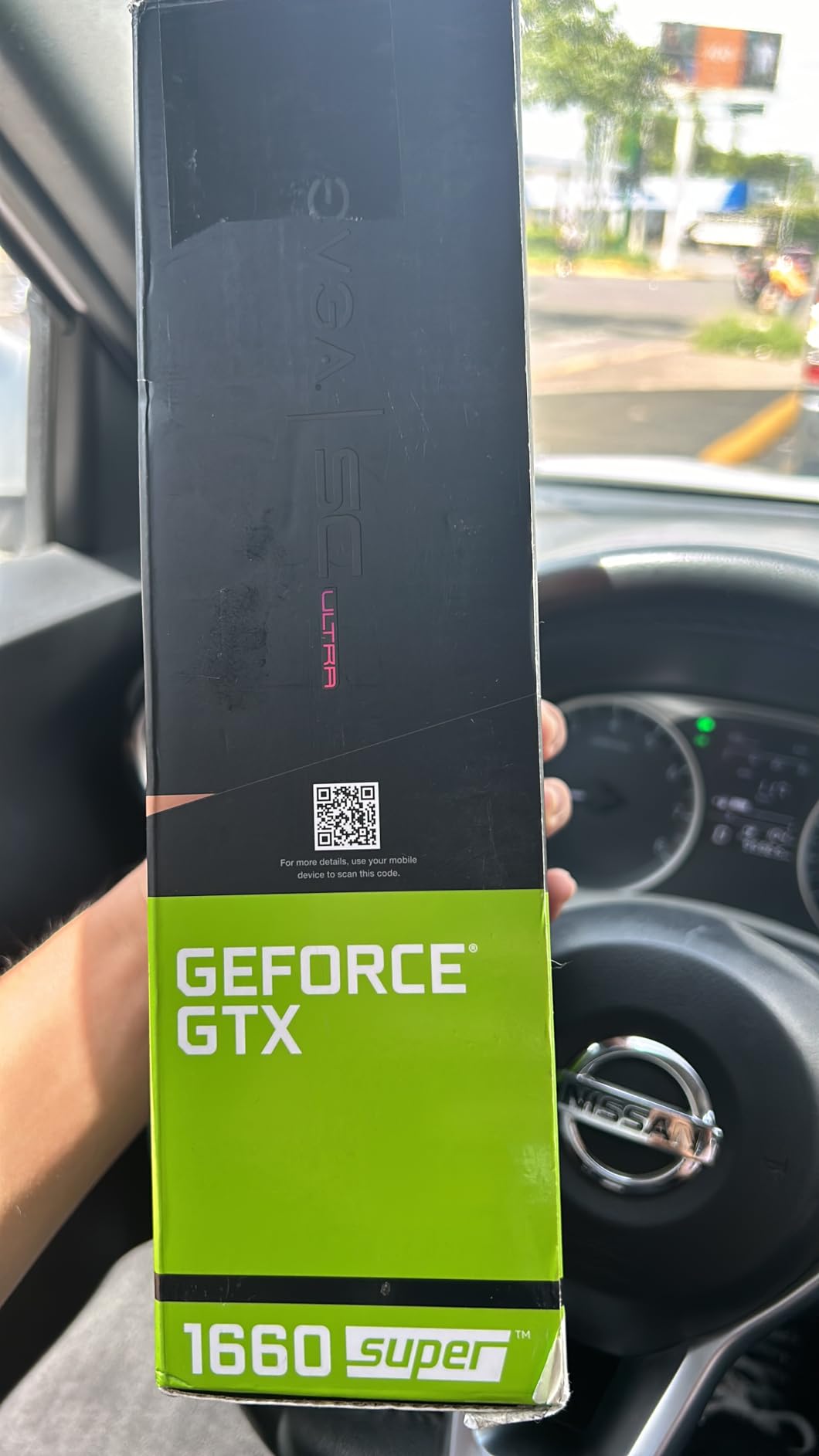
15. EVGA GTX 1660 Super 6GB – Legacy Legend
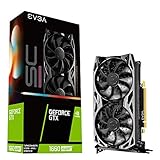
EVGA 06G-P4-1068-KR GeForce GTX 1660 Super Sc Ultra Gaming, 6GB GDDR6, Dual Fan, Metal Backplate
6GB GDDR6
NVIDIA Turing
Dual Fan
Metal Backplate
✓ The Good
- Excellent budget 1080p gaming
- Compact size fits most cases
- Dual fan cooling
- All-metal backplate
- Reliable and durable
✕ The Bad
- Not suitable for newer AAA titles
- 6GB VRAM limiting
- Older Turing architecture
The EVGA GTX 1660 Super holds a special place in GPU history. While EVGA has exited the graphics card market, their legacy lives on through cards like this. The build quality and customer support that made EVGA legendary are reflected in this well-designed budget card.
Dual fans keep temperatures in the 57-65 degree Celsius range under load, which is excellent for a budget card. The operation is notably quiet, and the all-metal backplate adds both rigidity and thermal dissipation that many budget cards lack.
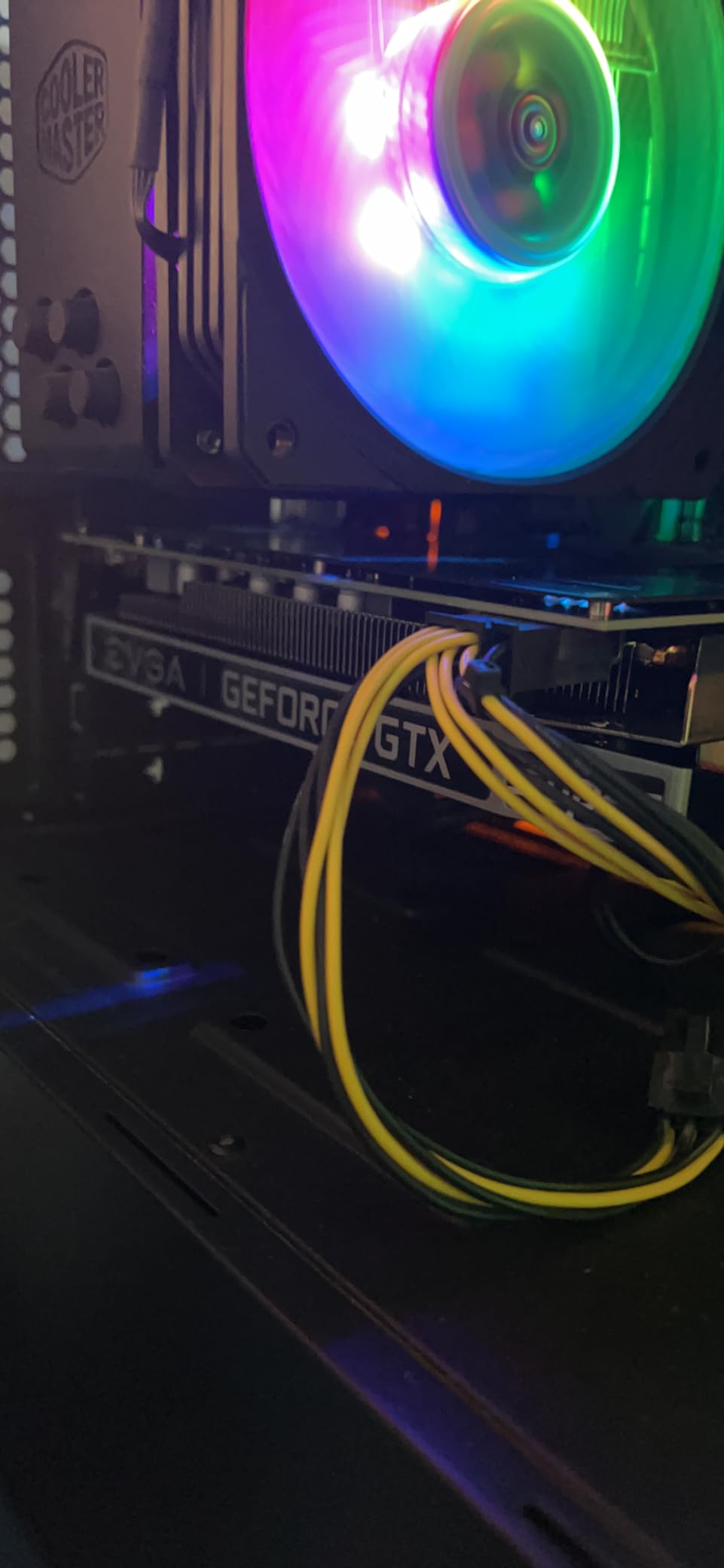
For 1080p gaming on a budget, the GTX 1660 Super still delivers. It won’t handle the newest AAA titles at maximum settings, but esports games and older titles run smoothly. The 6GB VRAM is adequate for 1080p textures, though modern games are pushing this limit.
What sets this card apart is EVGA’s legendary reliability. Even though the company no longer makes GPUs, existing cards continue to perform well, and the used market values EVGA cards highly for their proven durability. This particular model has nearly 1,600 reviews with a 4.7-star average, speaking to its quality.
Who Should Buy This Card
This is ideal for ultra-budget builders who need reliable 1080p gaming. If you’re upgrading from an ancient card like a GTX 970 or 1050 Ti, this provides a significant performance boost. It’s also great for compact builds where the 8-inch length fits easily.
Who Should Avoid This Card
If you want to play newer AAA games at high settings or need features like ray tracing and DLSS, look at RTX cards instead. The 6GB VRAM will struggle with modern titles at higher texture settings. Also consider that EVGA no longer manufactures GPUs, though existing stock and warranties remain valid.
How to Choose the Right Graphics Card Manufacturer
Selecting the right NVIDIA graphics card manufacturer or AMD partner comes down to several key factors. Our team has identified what matters most when choosing between brands like ASUS, MSI, and Gigabyte.
Build Quality and Components
Not all graphics cards are created equal, even when they share the same GPU chip. Premium manufacturers use higher-quality VRMs, capacitors, and chokes that deliver cleaner power and last longer. Look for military-grade components, protective PCB coatings, and robust power delivery systems if you plan to keep your card for many years.
Cooling Solution Effectiveness
The cooling system directly impacts both performance and longevity. Triple-fan designs generally offer better thermal performance than dual-fan alternatives, but they also require more case space. Consider your case dimensions and airflow when choosing. Features like zero-RPM modes, vapor chambers, and server-grade thermal compounds can make significant differences in temperatures and noise levels.
Warranty and RMA Support
Warranty length varies significantly between manufacturers, typically ranging from 2 to 5 years. More importantly, the RMA process quality varies widely based on forum user experiences. Some brands are known for quick, hassle-free returns while others have poor reputations for customer service. Research real user experiences before committing to a brand.
Software Ecosystem
Manufacturer software controls RGB lighting, fan curves, and overclocking. Some utilities are well-designed and lightweight, while others are bloated and problematic. Check if the software conflicts with other system utilities you use and whether it receives regular updates.
Price-to-Value Analysis
Premium cards from ASUS ROG or MSI Suprim lines often cost significantly more than budget alternatives while offering modest performance gains. Determine whether the premium features like better cooling, RGB lighting, and higher factory overclocks justify the price difference for your needs. Our value graphics card recommendations can help you find the best deals.
Frequently Asked Questions About GPU Manufacturers
Which GPU manufacturer is best?
ASUS consistently ranks as the best graphics card manufacturer overall due to their excellent build quality, reliable cooling solutions, and strong warranty support. For NVIDIA cards specifically, ASUS TUF and ROG Strix lines are top choices. For AMD cards, Sapphire and PowerColor are considered the best AMD-focused manufacturers.
Which brand makes the best graphics card?
ASUS, MSI, and Gigabyte are the top three graphics card brands, each excelling in different areas. ASUS leads in build quality and reliability. MSI offers excellent cooling solutions with their TRI FROZR design. Gigabyte provides outstanding value with their WINDFORCE cooling technology. The best brand depends on your specific priorities: build quality (ASUS), cooling performance (MSI), or value (Gigabyte).
Are there any GPU brands to avoid?
Based on forum user experiences, brands to generally avoid include generic OEM cards, some regional brands like Inno3D in certain markets, and cards with limited US availability like Galax. The MSI Ventus line has received criticism for cheap build quality despite the MSI brand name. Always research specific model lines within brands, as quality varies significantly between budget and premium offerings from the same manufacturer.
Which is better, AMD or Nvidia?
AMD offers better value with more VRAM at lower prices and excellent rasterization performance. NVIDIA provides superior ray tracing, DLSS upscaling technology, and better software ecosystem for content creation and AI workloads. For pure gaming value, AMD often wins. For features and professional workloads, NVIDIA typically leads. Your choice depends on whether you prioritize raw performance per dollar (AMD) or feature set (NVIDIA).
What is the most reliable GPU brand?
Based on long-term user reports and forum consensus, ASUS and Sapphire are considered the most reliable GPU brands. ASUS demonstrates consistent quality across their product lines with military-grade components. Sapphire specializes in AMD cards and has built a reputation for exceptional reliability. EVGA was historically the reliability leader before exiting the GPU market. For current options, ASUS TUF cards are frequently cited as the most reliable choice.
Our Top Graphics Card Manufacturer Recommendations
After testing 15 cards from the leading manufacturers, our team recommends ASUS as the best overall graphics card manufacturer for 2026. Their combination of military-grade build quality, excellent thermal solutions, and reliable warranty support makes them the safest choice for most buyers. The complete GPU brand rankings show ASUS consistently at the top across multiple criteria.
For value-conscious buyers, Gigabyte delivers outstanding price-to-performance with their WINDFORCE cooling technology. The RX 9060 XT Gaming OC particularly stands out as perhaps the best dollar-for-dollar value on the market. MSI rounds out the top three with excellent cooling solutions and premium build quality in their Gaming Trio line.
Whether you choose NVIDIA or AMD, focusing on the manufacturer matters as much as the GPU chip itself. A well-built card from a reputable brand will deliver better temperatures, quieter operation, and longer lifespan than a cheaply made alternative. Consider your specific needs, case size, and budget when making your final decision. For more specific recommendations, check our guide to the best graphics cards of 2026.