Easy French Ratatouille Recipe for Cozy August 2026 Nights
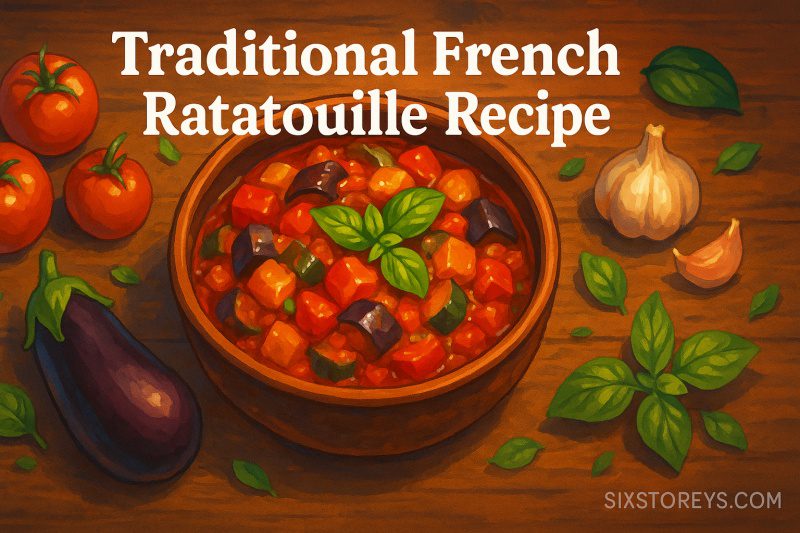
Ratatouille is a traditional French vegetable stew from Provence made with eggplant, zucchini, bell peppers, onions, and tomatoes simmered in olive oil with fresh herbs. This rustic dish transforms simple summer vegetables into a flavorful, tender stew that can be served as a side dish or vegetarian main course.
The key to authentic ratatouille lies in cooking each vegetable separately before combining them, which preserves their distinct textures and prevents mushiness. Unlike the arranged version shown in the Pixar movie, traditional ratatouille is a chunky, rustic stew that celebrates the natural flavors of peak-season produce.
This recipe takes about 1 hour to make and serves 6 people. The dish actually tastes better the next day as the flavors meld together, making it perfect for meal prep or entertaining.
| Prep Time | Cook Time | Total Time | Servings | Calories |
|---|---|---|---|---|
| 20 minutes | 45 minutes | 1 hour 5 min | 6 servings | 165 per serving |
Article Includes
Ratatouille Recipe Ingredients
For the Ratatouille:
- 1 large eggplant (about 1½ pounds), cut into ¾-inch cubes
- 2 medium zucchini, cut into ½-inch rounds
- 1 large yellow squash, cut into ½-inch rounds
- 2 bell peppers (red and yellow), cut into 1-inch strips
- 1 large yellow onion, diced
- 4 cloves garlic, minced
- 1 can (28 oz) San Marzano tomatoes, crushed by hand, or 2 pounds fresh ripe tomatoes, chopped
- ⅓ cup extra virgin olive oil, divided
- 2 tablespoons tomato paste
- 1 teaspoon kosher salt (divided)
- ½ teaspoon black pepper
- ½ teaspoon red pepper flakes (optional)
- 1 teaspoon sugar
- 2 tablespoons red wine vinegar
Fresh Herbs:
- 2 sprigs fresh thyme (or 1 teaspoon dried)
- ¼ cup fresh basil leaves, chopped
- 2 tablespoons fresh parsley, chopped
- 1 bay leaf
How to make Ratatouille Recipe?
- Prepare the eggplant: Cut the eggplant into ¾-inch cubes and place in a colander. Sprinkle with ½ teaspoon salt and toss well. Let drain for 20 minutes, then pat dry with paper towels.
- Cook the eggplant: Heat 3 tablespoons olive oil in a large heavy-bottomed pot or Dutch oven over medium-high heat. Add the eggplant and cook, stirring occasionally, for 10-12 minutes until golden brown and tender. Transfer to a plate and set aside.
- Sauté the zucchini: Add another tablespoon of oil to the same pot. Cook the zucchini and yellow squash for 3-4 minutes until just tender but not mushy. Remove and set aside with the eggplant.
- Build the base: Reduce heat to medium and add the remaining oil. Sauté the onions for 8-10 minutes until translucent. Add the bell peppers and cook for 5 minutes. Stir in the garlic and cook for another minute until fragrant.
- Create the sauce: Add the tomato paste and cook for 1 minute, stirring constantly. Pour in the crushed tomatoes, bay leaf, thyme, remaining salt, pepper, red pepper flakes, and sugar. Bring to a gentle simmer.
- Combine and simmer: Return the eggplant to the pot and simmer uncovered for 20-25 minutes, stirring occasionally, until the vegetables are very tender and the sauce has thickened.
- Finish the dish: Gently fold in the zucchini and yellow squash, cooking for 2-3 minutes just to warm through. Remove from heat and stir in the vinegar, fresh basil, and parsley. Remove the bay leaf and thyme sprigs.
- Rest and serve: Let the ratatouille rest for 10 minutes before serving. Taste and adjust seasoning as needed. Serve warm or at room temperature, drizzled with a bit of extra virgin olive oil.
Ratatouille Recipe Tips & Tricks
- Salt the eggplant – This crucial step draws out excess moisture and prevents the eggplant from becoming soggy. Don’t skip it, even if you think it’s unnecessary.
- Cook vegetables separately – While it takes more time, cooking each vegetable individually ensures they maintain their distinct textures and don’t turn to mush.
- Use quality tomatoes – San Marzano canned tomatoes or peak-season fresh tomatoes make a world of difference in flavor. Avoid watery tomatoes that will make the dish bland.
- Don’t rush the onions – Taking time to properly caramelize the onions creates a sweet, savory foundation that’s essential to authentic ratatouille.
- Fresh herbs at the end – Adding fresh basil and parsley at the end preserves their bright flavor and vibrant color.
Storage & Reheating
- Refrigerator: Store leftover ratatouille in an airtight container for up to 5 days. The flavors actually improve after a day or two.
- Freezer: Freeze for up to 3 months in freezer-safe containers. Note that the vegetables will be softer after thawing.
- Reheating: Warm gently on the stovetop over low heat, adding a splash of water if needed. You can also microwave individual portions. The dish is equally delicious served cold or at room temperature.
Nutrition Facts
Per serving (makes 6 servings):
- Calories: 165
- Carbohydrates: 18g
- Protein: 4g
- Fat: 10g
- Saturated Fat: 1.4g
- Fiber: 6g
- Sugar: 12g
- Sodium: 485mg
- Potassium: 678mg
- Vitamin A: 1,247 IU
- Vitamin C: 89mg
- Calcium: 58mg
- Iron: 1.8mg
Variations
Vegan & Already Plant-Based
This recipe is naturally vegan and plant-based as written. For added richness, drizzle with high-quality extra virgin olive oil before serving.
Gluten-Free
Ratatouille is naturally gluten-free. Serve with polenta, rice, or gluten-free bread instead of traditional crusty bread.
Slow Cooker Ratatouille
Sauté onions and garlic in a skillet first, then transfer to slow cooker with all other ingredients. Cook on low for 5-6 hours or high for 3-4 hours. Stir in fresh herbs during the last 30 minutes.
Protein Additions
Transform ratatouille into a hearty main dish by stirring in:
- 1 can drained white beans or chickpeas
- Crumbled feta or goat cheese
- Seared chicken thighs or Italian sausage
Best Side Dishes to Serve With Ratatouille in 2026
Ratatouille shines as both a main dish and side dish. Here are my favorite pairings:
- Crusty Bread – A classic French baguette is perfect for soaking up the flavorful sauce. Warm it slightly and brush with olive oil.
- Creamy Polenta – The smooth texture of polenta creates a beautiful contrast to the chunky vegetables. Try it with parmesan for extra richness.
- Grilled Proteins – Ratatouille pairs wonderfully with grilled chicken, fish, lamb chops, or steak. The vegetables complement the smoky flavors beautifully.
- Rice or Quinoa – Serve over fluffy rice or nutty quinoa for a complete vegetarian meal that’s both satisfying and nutritious.
- Pasta – Toss with your favorite pasta shape for a rustic Mediterranean dinner. Penne or rigatoni work particularly well.
Common Mistakes When Making Ratatouille
- Overcooking the vegetables – Each vegetable has a different cooking time. Adding everything at once results in mushy vegetables that lose their distinct character.
- Using the wrong tomatoes – Watery or flavorless tomatoes will make your entire dish bland. Invest in good canned San Marzanos or wait for peak tomato season.
- Skipping the eggplant prep – Not salting eggplant leads to a watery, bitter final dish. This step is worth the extra 20 minutes.
- Rushing the base – Not properly cooking the onions and building flavor layers results in a flat-tasting stew.
- Adding herbs too early – Fresh herbs become bitter and lose their vibrant color when cooked too long. Always add them at the end.
Can You Make Ratatouille Ahead of Time?
Absolutely! Ratatouille is one of those magical dishes that tastes even better the next day. The flavors have time to meld and develop complexity overnight.
Make-ahead tips:
- Prepare the complete dish up to 3 days in advance
- Store covered in the refrigerator
- Reheat gently, adding fresh herbs just before serving
- The vegetables will soften slightly but still taste delicious
Partial prep:
- Chop all vegetables up to 1 day ahead
- Store separately in the refrigerator in airtight containers
- Salt the eggplant and store in the colander in the fridge
Tools You’ll Need
- Large Dutch Oven or Heavy Pot – A 5-6 quart capacity pot is essential for cooking the vegetables properly without overcrowding.
- Sharp Chef’s Knife – Critical for uniform vegetable cuts that cook evenly.
- Cutting Board – A large wooden cutting board gives you plenty of space for prep.
- Colander – Needed for draining the salted eggplant.
- Wooden Spoon – For gentle stirring that won’t break up the vegetables.
- Paper Towels – Essential for patting the eggplant dry after salting.
What Makes This Ratatouille Special?
This isn’t just another vegetable stew – it’s a celebration of summer’s finest produce prepared with time-honored French techniques. What sets this recipe apart:
- Authentic technique – Following traditional methods of cooking each vegetable separately preserves their individual textures and flavors.
- Quality ingredients – Using San Marzano tomatoes and good olive oil elevates this simple dish to restaurant quality.
- Perfect seasoning balance – The combination of fresh herbs, garlic, and a touch of vinegar creates layers of flavor that develop beautifully.
- Versatile serving options – Whether as a side dish, main course, or pasta sauce, this ratatouille adapts to any meal.
- Make-ahead friendly – The improved flavor after resting makes this perfect for meal prep or entertaining.
Is Ratatouille Healthy?
Ratatouille is incredibly healthy and nutritious! This vegetable-packed dish provides:
- High in fiber – Supports digestive health and keeps you feeling full longer.
- Rich in antioxidants – The colorful vegetables provide vitamins A and C, plus lycopene from tomatoes.
- Low in calories – At just 165 calories per generous serving, it’s perfect for weight management.
- Heart-healthy – The olive oil provides beneficial monounsaturated fats.
- Anti-inflammatory – Ingredients like garlic, onions, and herbs have natural anti-inflammatory properties.
- Naturally plant-based – Perfect for vegetarian and vegan diets while being naturally gluten-free.
Can You Freeze Ratatouille?
Yes, ratatouille freezes well for up to 3 months. Here’s how to do it right:
Freezing tips:
- Cool completely before freezing
- Portion into meal-sized containers
- Leave 1 inch of headspace for expansion
- Label with date and contents
Thawing and reheating:
- Thaw overnight in the refrigerator
- Reheat gently on stovetop, stirring occasionally
- Add a splash of water if needed
- Refresh with fresh herbs before serving
Quality note: While safe to eat, frozen ratatouille will have softer vegetables than fresh. The flavors remain excellent, making it perfect for using as a pasta sauce or soup base.
FAQ’s
Can I use different vegetables in ratatouille?
While traditional ratatouille uses eggplant, zucchini, bell peppers, onions, and tomatoes, you can add yellow squash, cherry tomatoes, or even mushrooms. Avoid vegetables that release too much water, like cucumbers.
Do I have to peel the eggplant?
No! The beautiful purple skin contains powerful antioxidants and adds visual appeal. Just make sure to salt the cubed eggplant to remove any bitterness.
Can I make this in a slow cooker?
Yes! Sauté the onions and garlic first, then transfer everything to your slow cooker. Cook on low 5-6 hours or high 3-4 hours. Add fresh herbs in the last 30 minutes.
What’s the difference between ratatouille and caponata?
While both are Mediterranean vegetable stews, caponata is Sicilian and typically includes olives, capers, and vinegar for a sweet-and-sour flavor. Ratatouille is French and focuses on the pure flavors of summer vegetables.
Why is my ratatouille watery?
This usually happens when vegetables aren’t properly prepared (like not salting eggplant) or when everything is cooked together from the start. Cook vegetables separately and let the sauce reduce properly.
Can I add meat to ratatouille?
While traditional ratatouille is vegetarian, you can certainly add cooked Italian sausage, chicken, or even bacon for a heartier meal. Add cooked proteins during the last few minutes of cooking.
How do I know when it’s done?
The vegetables should be very tender but not mushy, and the sauce should be thick enough to coat a spoon. The flavors should be well-blended with no raw vegetable taste.
What wine pairs well with ratatouille?
A crisp Provençal rosé, Côtes du Rhône red, or even a light Pinot Noir complement the Mediterranean flavors beautifully. For whites, try a unoaked Chardonnay or Sauvignon Blanc.
Save this recipe to your favorites and bookmark this page for easy access to the perfect summer vegetable dish. Your kitchen will smell like the French countryside, and your taste buds will thank you!
Traditional French Ratatouille Recipe
An authentic French ratatouille featuring tender summer vegetables slowly simmered with fresh herbs and garlic. This rustic Provençal dish transforms simple ingredients into a complex, flavorful stew that’s perfect as a side dish or vegetarian main course. The secret lies in cooking each vegetable separately to preserve their distinct textures and flavors.
- large Dutch oven or heavy pot (5-6 quart capacity)
- sharp chef’s knife
- Cutting board
- Colander
- Wooden spoon
- Paper towels
For the Ratatouille
- 1 large eggplant, cut into ¾-inch cubes (about 1½ pounds)
- 2 medium zucchini, cut into ½-inch rounds
- 1 large yellow squash, cut into ½-inch rounds
- 2 bell peppers (red and yellow), cut into 1-inch strips
- 1 large yellow onion, diced
- 4 cloves garlic, minced
- 1 can (28 oz) San Marzano tomatoes, crushed by hand (or 2 pounds fresh ripe tomatoes, chopped)
- ⅓ cup extra virgin olive oil, divided
- 2 tablespoons tomato paste
- 1 teaspoon kosher salt, divided
- ½ teaspoon black pepper
- ½ teaspoon red pepper flakes (optional)
- 1 teaspoon sugar
- 2 tablespoons red wine vinegar
Fresh Herbs
- 2 sprigs fresh thyme (or 1 teaspoon dried)
- ¼ cup fresh basil leaves, chopped
- 2 tablespoons fresh parsley, chopped
- 1 bay leaf
- Prepare the eggplant: Cut the eggplant into ¾-inch cubes and place in a colander. Sprinkle with ½ teaspoon salt and toss well. Let drain for 20 minutes, then pat dry with paper towels.
- Cook the eggplant: Heat 3 tablespoons olive oil in a large heavy-bottomed pot or Dutch oven over medium-high heat. Add the eggplant and cook, stirring occasionally, for 10-12 minutes until golden brown and tender. Transfer to a plate and set aside.
- Sauté the zucchini: Add another tablespoon of oil to the same pot. Cook the zucchini and yellow squash for 3-4 minutes until just tender but not mushy. Remove and set aside with the eggplant.
- Build the base: Reduce heat to medium and add the remaining oil. Sauté the onions for 8-10 minutes until translucent. Add the bell peppers and cook for 5 minutes. Stir in the garlic and cook for another minute until fragrant.
- Create the sauce: Add the tomato paste and cook for 1 minute, stirring constantly. Pour in the crushed tomatoes, bay leaf, thyme, remaining salt, pepper, red pepper flakes, and sugar. Bring to a gentle simmer.
- Combine and simmer: Return the eggplant to the pot and simmer uncovered for 20-25 minutes, stirring occasionally, until the vegetables are very tender and the sauce has thickened.
- Finish the dish: Gently fold in the zucchini and yellow squash, cooking for 2-3 minutes just to warm through. Remove from heat and stir in the vinegar, fresh basil, and parsley. Remove the bay leaf and thyme sprigs.
- Rest and serve: Let the ratatouille rest for 10 minutes before serving. Taste and adjust seasoning as needed. Serve warm or at room temperature, drizzled with a bit of extra virgin olive oil.
This ratatouille tastes even better the next day as the flavors meld together. Store leftovers in the refrigerator for up to 5 days or freeze for up to 3 months. The key to perfect ratatouille is cooking each vegetable separately to maintain their distinct textures and flavors.