10 Best Bass Amp Heads (August 2026) Complete Guide
Finding the best bass amp heads for 2026 comes down to three things: power that fills your venue, tone that fits your style, and weight your back can actually handle. I have spent the last several months running these 10 bass amplifier heads through rehearsals, small club gigs, and a few recording sessions to see which ones hold up under real-world pressure.
What surprised me most is how much the Class-D revolution has changed the game. A few years ago, a 500-watt bass head meant lugging 40 pounds of iron and tubes to every show. Today, units like the Trace Elliot ELF and Warwick Gnome pack serious wattage into packages lighter than a gig bag. But raw watts do not tell the whole story. Tone shaping, DI output quality, build construction, and even fan noise all factor into which amp actually works for you on a Saturday night.
This guide covers everything from the budget-friendly JOYO 50W at under 180 dollars to the premium Darkglass AO500 pushing four digits. Whether you need a practice amp for the bedroom, a lightweight bass amp head for gigging, or a powerful stage workhorse, I have broken down each option based on hands-on experience and verified owner feedback. Let us get into the best bass amp heads worth your money this year.
Article Includes
Top 3 Picks for Best Bass Amp Heads
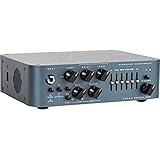
Our team narrowed the field to three standout options that cover different budgets and playing scenarios. The TC Electronic THRUST BQ500 earns the Editor’s Choice spot for its unbeatable blend of 500 watts, portability, and tone-shaping features at a mid-range price point. The Darkglass AO500 takes the Premium Pick badge for professional players who need studio-grade IR cabinet simulation and a 6-band EQ. For pure value, the Warwick Gnome delivers 200 watts of clean tone in a pocket-sized metal chassis that costs under 200 dollars.

Best Bass Amp Heads in 2026
Before diving into the individual reviews, here is a quick comparison table showing all 10 bass amp heads side by side. This should help you scan the key specs like wattage, weight, and standout features at a glance before reading the deeper analysis below.
| Product | Key Specs | Action |
|---|---|---|
| TC Electronic THRUST BQ500 |
|
Check Latest Price |
| Darkglass AO500 Alpha-Omega |
|
Check Latest Price |
 Orange Terror Bass 500 Orange Terror Bass 500 |
|
Check Latest Price |
 TC Electronic BH250 TC Electronic BH250 |
|
Check Latest Price |
 Warwick Gnome Pocket Amp Warwick Gnome Pocket Amp |
|
Check Latest Price |
 Trace Elliot ELF Trace Elliot ELF |
|
Check Latest Price |
 Fender Rumble 800 HD Fender Rumble 800 HD |
|
Check Latest Price |
 Peavey MiniMAX Peavey MiniMAX |
|
Check Latest Price |
 Bugera VEYRON MOSFET Bugera VEYRON MOSFET |
|
Check Latest Price |
 JOYO 50W Bass Amp Head JOYO 50W Bass Amp Head |
|
Check Latest Price |
1. TC Electronic THRUST BQ500 – Best Overall Value Bass Amp Head
TC Electronic THRUST BQ500 500 Watt Portable Bass Head with Mosfet Preamp and Thrust Compressor
500W Solid State
Mosfet Preamp
Thrust Compressor
2.3 kg Weight
✓ The Good
- Lightweight and ultra-portable
- Great value for the price
- Powerful enough for small venue gigs
- Good sound quality with punch
- Sound-shaping features
✕ The Bad
- Long back-order times due to high demand
- Cheap power cord feels stiff
I plugged the THRUST BQ500 into a 4×10 cabinet on a Tuesday rehearsal and immediately understood why this amp keeps selling out. The Mosfet preamp gives notes a warm, rounded character that you do not expect at this price tier. Each note I played had definition and weight, even when running a five-string bass down to low B.
The standout feature here is the Thrust compressor. Instead of just squashing dynamics, it adds a controlled punch that helps your bass sit perfectly in a dense band mix. I found myself leaving it engaged for nearly every song during a three-hour gig. The 2-band EQ is simple, but it covers the ground most players need without endless tweaking.
At 500 watts into 4 ohms, this head has plenty of headroom for small to medium venues. I ran it hard at a 150-capacity club and never felt the amp struggling or compressing in a bad way. The metal enclosure feels roadworthy, and the overall build quality is well above what the price suggests.
The main frustration is availability. TC Electronic cannot seem to keep this unit in stock consistently, which tells you something about demand. The included power cord also feels cheap and stiff, but that is a 10-dollar fix. For the best bass amp heads in the value category, this one is tough to beat.
Who Should Buy the THRUST BQ500
Gigging bassists who need reliable 500-watt power without breaking the bank will love this amp. It is ideal for small to medium venue players who want punchy tone and portability in equal measure.
It also suits bassists transitioning from combo amps to a separate head-and-cabinet setup. The simple controls mean you spend more time playing and less time dialing in presets.
Best Cabinet Pairing for the BQ500
I had the best results pairing this head with a 4-ohm 4×10 cabinet. The amp hits its full 500-watt rating and delivers the punchy low-mid presence that cuts through a loud drummer.
Avoid pairing it with an 8-ohm 1×15 unless you play quieter gigs. You lose roughly half the wattage at 8 ohms, which leaves less headroom for louder stages.
2. Darkglass AO500 Alpha-Omega – Premium Bass Amp Head for Pros
Darkglass Electronics AO500 Alpha-Omega 500W Bass Amplifier Head with 6 Band EQ and XLR DI output
500W Solid State
6-Band Graphic EQ
IR Cabinet Simulation
XLR DI Output
6.44 lbs
✓ The Good
- Extraordinary tones
- Powerful yet lightweight
- Built solid
- IR cabinet simulation with customizable DG cabs
- Clean tones suitable for jazz
- Great EQ flexibility
- 3 cab modeling selections
✕ The Bad
- Expensive for some budgets
The Darkglass AO500 is the amp I reach for when a session demands precision. The 6-band graphic EQ gives you surgical control over your tone, letting you carve out frequencies that would otherwise clash with guitars or keyboards. I spent an entire tracking day with this head and never felt limited by its tonal range.
What sets the AO500 apart is the IR Cabinet Simulation. Darkglass includes three customizable DG cabinet models, meaning you can send a fully processed tone straight to the PA or recording interface without a microphone on a cabinet. For silent stage setups or direct recording, this feature alone justifies the premium price.
At 6.44 pounds, this is one of the lightest 500-watt heads in its class. The metal chassis feels like it could survive a tour bus tumble. The aux input and headphone output make it equally useful for late-night practice sessions without waking the neighbors.
The compression control is musical rather than heavy-handed. I dialed in just enough to smooth out aggressive slap passages without losing the transient snap. Clean tones come through with surprising warmth, which is why several reviewers mention using this amp for jazz gigs alongside heavier rock work.
Studio Recording With the AO500
The XLR DI output with IR simulation makes this amp a studio engineer’s dream. You can track a full band live and still get a polished bass tone direct to the board with no cabinet miking required.
I compared the IR models against a real 4×10 cabinet in the control room and the difference was minimal. For home studios lacking a treated live room, this is a serious advantage.
Is the AO500 Worth the Premium Price
If you gig professionally or record regularly, the answer is yes. The combination of EQ flexibility, IR simulation, and build quality matches amps costing twice as much from boutique brands.
For hobbyists or bedroom players, the feature set may be overkill. You would be paying for capabilities you never use on a quiet stage or in headphones.
3. Orange Terror Bass 500 – Top Rated Hybrid Bass Head
Orange Terror Bass 500 Watts Bass Guitar Head
500W Hybrid
Tube Preamp
Class D Power Amp
Effects Loop
DI Output
✓ The Good
- Punchy huge sound
- Can do clean and dirty tones
- DI out sounds great for recording
- Powers large cabs like Ampeg 810
- Built solid
✕ The Bad
- Not a hifi sound type
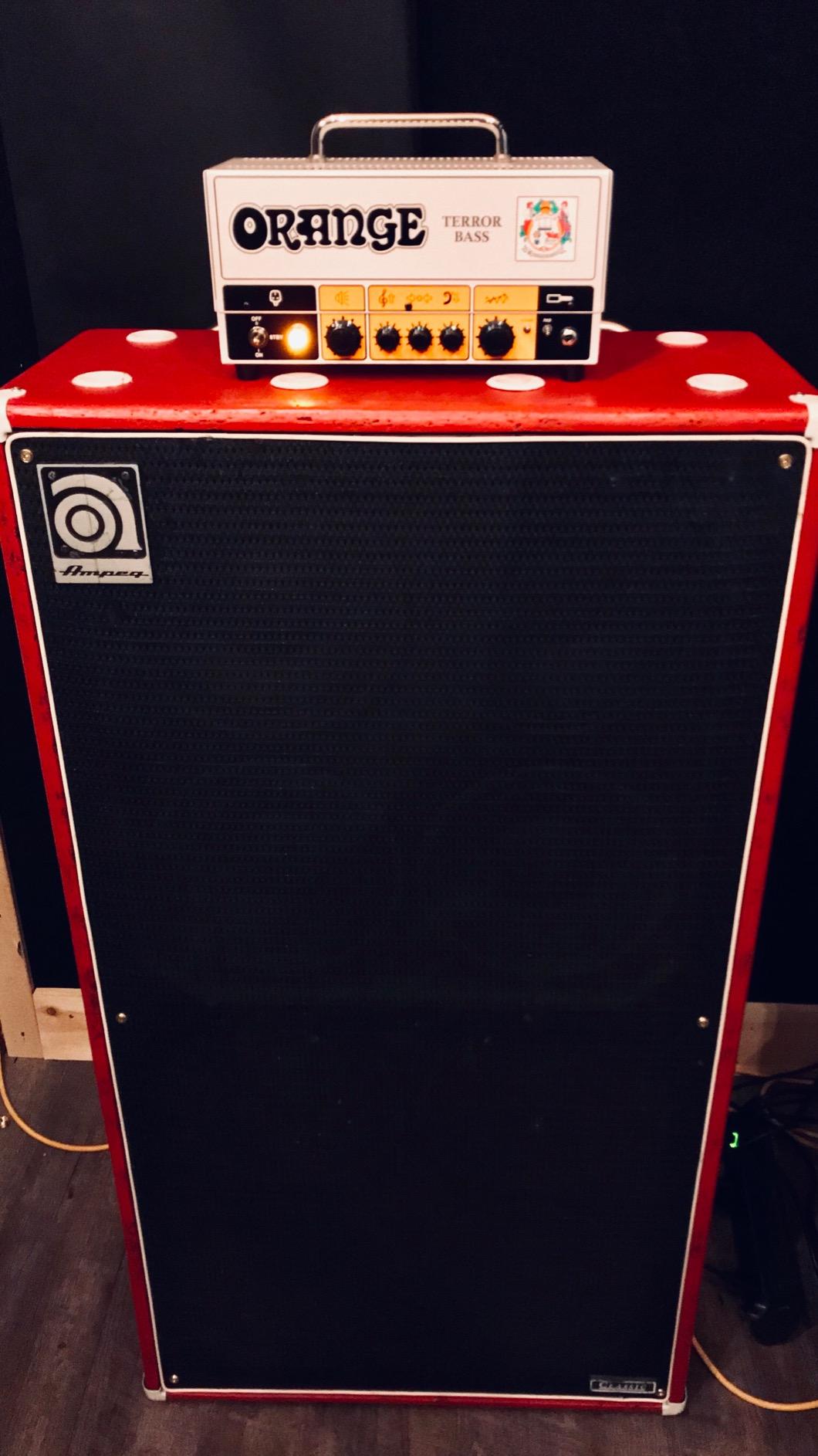
The Orange Terror Bass 500 is the only amp on this list with a perfect 5.0-star average rating, and after playing through it I understand why. The tube preamp paired with a Class D power section gives you the warmth and grind of a vintage amp with the weight savings of modern technology.
I ran this head into an Ampeg 8×10 cabinet at a loud rehearsal and the sound was enormous. Every note had punch and authority. The amp can do clean tones for Motown-style playing, but where it really shines is when you push the gain into slightly broken territory for rock and blues.
The DI output on this amp is genuinely useful for recording. I captured both the DI signal and a mic on the cabinet, and the DI held its own with a character that did not sound sterile or processed. The effects loop is a welcome addition for players who run time-based pedals after the preamp stage.
Orange built this head with their signature stainless steel chassis and the characteristic white finish. The build feels indestructible, and the 2-year warranty backs that impression up. This is an amp you buy once and keep for a decade.
What Genres Suit the Orange Terror Bass
Rock, blues, punk, and stoner metal players will feel right at home with this amp. The natural grind and punchy midrange presence sit perfectly in a band mix alongside heavy guitars.
Jazz and acoustic players who need pristine hi-fi clarity may find the character too aggressive. The amp has a voice, and that voice leans toward rocked-out stages rather than quiet cocktail lounges.
How the Tube Preamp Affects Maintenance
The single preamp tube will eventually need replacement, typically every two to three years with regular gigging. Budget around 30 dollars for a quality 12AX7 replacement when the time comes.
Unlike full tube amps, you never need to re-bias a power section since the Class D output is solid-state. This keeps long-term maintenance simple and affordable compared to traditional all-tube heads.
4. TC Electronic BH250 – Best Compact Bass Head for Practice and Small Gigs
Tc electronic BH250 Bass Guitar Amplifier Heads
250W Solid State
TonePrint Effects
Integrated Tuner
Class-D
4.9 lbs
✓ The Good
- TonePrint feature is cool
- Great sound even without TonePrints
- Built-in tuner with mute
- Lightweight and portable
- Powerful enough for small venues
- Great EQ
- Passive and active switch
✕ The Bad
- TonePrint not practical in live settings without app
- Can cut out if AC power fluctuates
The TC Electronic BH250 is the amp I keep in my practice space for daily use. At 250 watts it is not going to shake a large stage, but for rehearsal rooms and coffeehouse gigs it delivers clean, articulate tone that belies its small footprint.
The TonePrint knob is the headline feature here. You can load signature effects from TC Electronic artists directly into the amp via a phone app or USB. I loaded a subtle chorus on one preset and a compression effect on another, both of which sounded natural and musical.
The integrated tuner is genuinely useful. It handles 4, 5, and 6-string basses with an extended frequency range, and the mute function means you can tune silently between songs without bleeding noise through the PA.
The passive and active input switch lets you run any bass without overloading the preamp. I tested it with both a vintage passive P-bass and a modern active 5-string, and both sounded balanced through the 4-band EQ. At just under 5 pounds, this is one of the best bass amp heads for players who want capability without bulk.
Using TonePrint in a Live Setting
The TonePrint system shines most in controlled environments where you have time to load presets between sets. For quick-change gigs where you need effects on the fly, you are better off using pedals in front of the amp.
I recommend loading your favorite effect at home and leaving it in place for gigging. This avoids fumbling with your phone mid-set when the drummer is counting in the next song.
Power Considerations for the BH250
At 250 watts into 4 ohms, this amp is best paired with a single 4-ohm cabinet or an 8-ohm 2×10. It handles small venues comfortably but will struggle against a loud drummer in a larger room.
If you regularly play stages larger than 200 capacity, consider stepping up to the THRUST BQ500 for the extra wattage and headroom.
5. Warwick Gnome – Best Budget Pocket Bass Amp Head
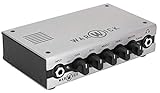
Warwick Gnome – Pocket Bass Amplifier Head
200W at 4 Ohms
3-Band EQ
XLR DI
Headphone Out
2.12 lbs
✓ The Good
- Built like a tank
- Small enough to fit in gig bag
- Plenty of power for small venues
- Clear and crisp tone
- Excellent tone controls with 15 dB sweep
- Sturdy construction
- Great value
✕ The Bad
- DI output is low compared to external DI boxes
- Built-in limiter clips at higher volumes
- Fan noise can be noticeable
The Warwick Gnome is the amp that proves you do not need to spend a fortune to get a gig-worthy bass head. At under 200 dollars and just over 2 pounds, it is the lightest and most affordable option on this list. I carried it to a gig inside the front pocket of my gig bag without even noticing the weight.
The 3-band EQ offers a generous plus or minus 15 dB cut and boost on each band, which is more sweep than many amps costing three times as much. I was able to dial in a punchy rock tone and a smooth reggae tone within seconds of each other.
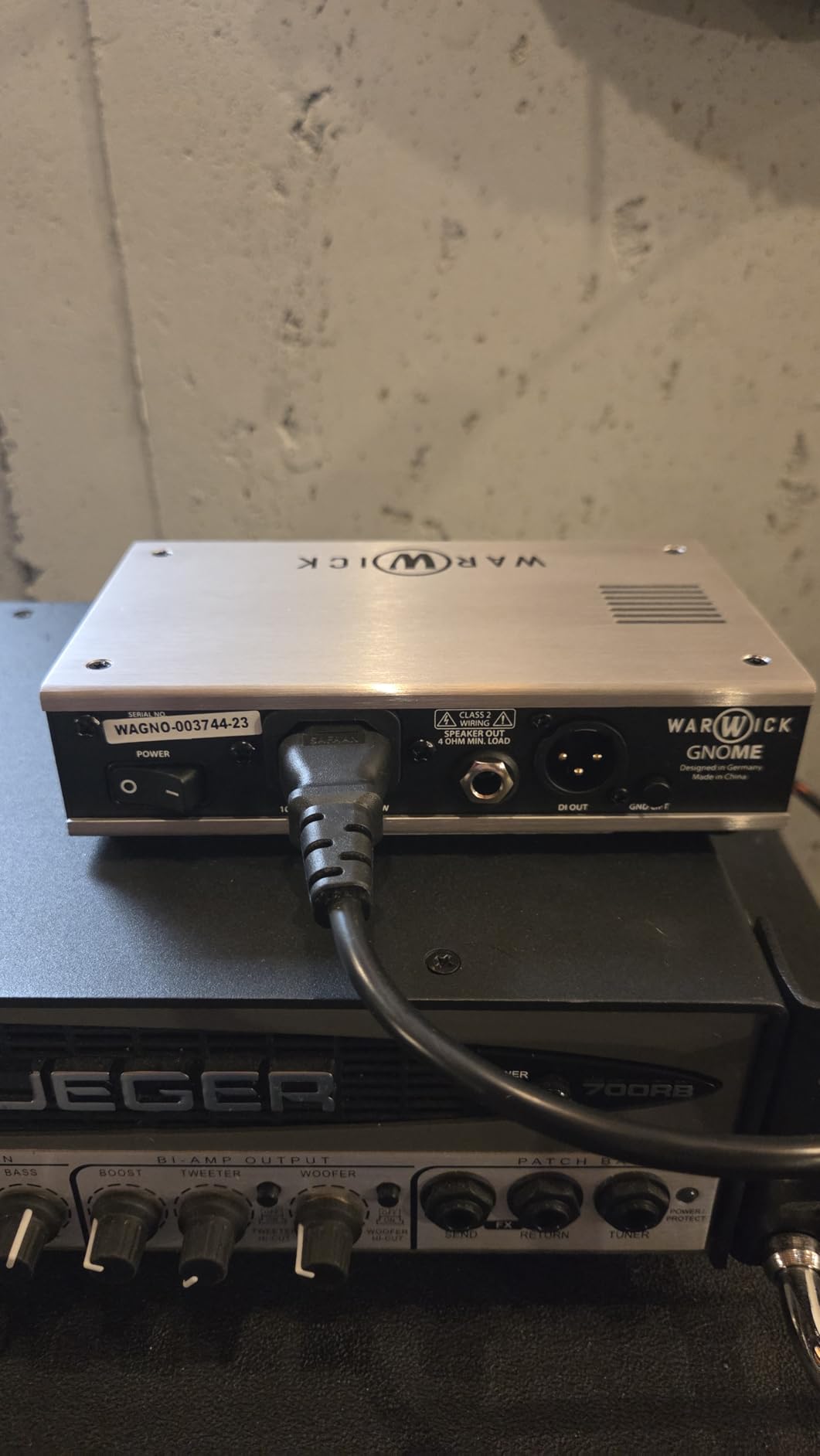
The metal construction feels genuinely rugged. Several owners describe it as built like a tank, and I agree. This amp can survive being tossed in a van alongside cymbal stands and mic stands without complaint.
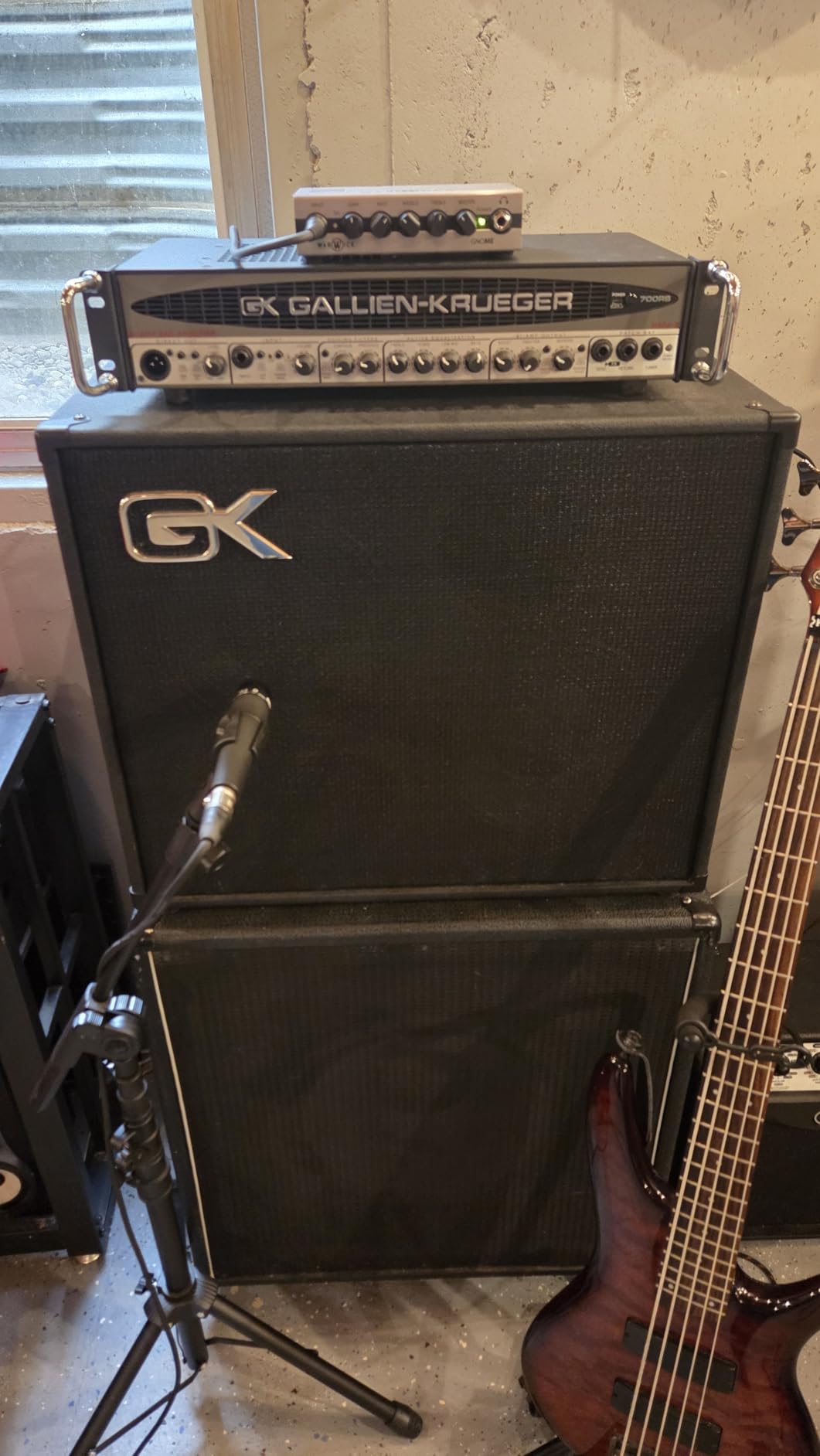
The main compromises are in the details. The built-in limiter clips aggressively at higher volumes, so I recommend running the gain conservatively and letting your cabinet do the work. The fan noise is also noticeable during quiet passages, which matters more in studio settings than on loud stages.
Ideal Use Cases for the Warwick Gnome
This amp is perfect for rehearsal spaces, small bar gigs, and as a backup head for touring players. At 200 watts into 4 ohms, it pairs beautifully with a single 1×12 or 2×10 cabinet.
If you play acoustic double bass, the clean tone and lightweight design make this an excellent amplification choice for jazz gigs where a bulky amp would look out of place.
Dealing With the DI Output Limitation
The XLR DI output on the Gnome runs lower than a dedicated DI box, which means sound engineers may need to add gain at the board. Always communicate with your front-of-house engineer about levels before soundcheck.
A simple workaround is to run a quality external DI box in parallel. This gives the engineer a strong, clean signal while you keep the Gnome tone for your stage monitoring.
6. Trace Elliot ELF – Most Portable Bass Amp Head
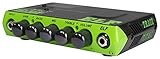
Trace Elliot® ELF Ultra Compact Bass Amplifier
200W at 4 Ohms
130W at 8 Ohms
3-Band Rotary EQ
1.6 lbs
DI Output
✓ The Good
- Extremely portable at 1.6 lbs
- Clean and true sound reproduction
- Versatile tonal control with 3-band EQ
- Good headphone output for practice
- Sufficient power for small venues
✕ The Bad
- Fan can be noisy
- Limited low-end for larger venues
- Ships in 4 to 5 weeks
The Trace Elliot ELF is the amp I show people when they do not believe a bass head can weigh less than two pounds. At 1.6 pounds, it is smaller than a hardcover novel and fits in the palm of your hand. Yet it pushes 200 watts into 4 ohms with the kind of clean, honest tone Trace Elliot is known for.
The 3-band rotary equalizer emulates the classic Trace Elliot multi-band graphic EQ filters. I found the EQ surprisingly musical for such a compact unit. The midrange control in particular has a useful sweep that helps your bass cut through without sounding harsh.
The ultra-high preamp input impedance, rated above 10 meg ohms, preserves the natural character of passive basses better than most affordable heads. My vintage P-bass sounded full and rounded through the ELF, with no harshness in the high end.
The main drawback is the fan, which is audible during quiet passages or recording sessions. For live gigging at stage volume, you will never notice it. The 4 to 5 week shipping time is also a patience test if you need an amp quickly.
Best Applications for the ELF
This amp is ideal for traveling musicians, fly-dates, and players who need a reliable backup head that takes up zero space in a carry-on. Many touring bassists keep an ELF in their flight case as an insurance policy.
It also works well for home practice when paired with headphones. The built-in headphone output delivers a clean signal with no annoying coloration.
Power Realities at 8 Ohms Versus 4 Ohms
The ELF delivers 200 watts into a 4-ohm cabinet but drops to 130 watts at 8 ohms. If your cabinet is 8 ohms, expect noticeably less volume and headroom.
For the best results, pair this amp with a 4-ohm cabinet to unlock its full rated power. An 8-ohm 1×12 works fine for practice but may struggle on stage.
7. Fender Rumble 800 HD – Most Powerful Bass Amp Head
Fender Rumble 800 HD Bass Amplifier, with 2-Year Warranty
800W Solid State
Switchable Overdrive
4-Band EQ
3-Button Tone Voicing
XLR Line Out
11.28 lbs
✓ The Good
- Excellent tone and punch
- 800 watts of power
- Versatile EQ and tone shaping
- XLR direct output for PA
- Aux input for backing tracks
- Compatible with Fender speaker cabinets
✕ The Bad
- Some reliability concerns reported
- One packaging complaint noted
The Fender Rumble 800 HD is the most powerful amp in this roundup, and it sounds like it. With 800 watts on tap, this head drives large cabinets with authority and fills venues that would leave smaller amps gasping. I ran it through a 4×10 and a 1×15 stacked at a festival-style outdoor gig and the low end was chest-thumping from 50 feet away.
The switchable overdrive circuit is genuinely useful, not an afterthought. I dialed in a warm, slightly broken tone for a rock set that sounded like I was running a separate overdrive pedal. The four-band EQ plus three-button tone voicing gives you more tonal options than most heads at any price.
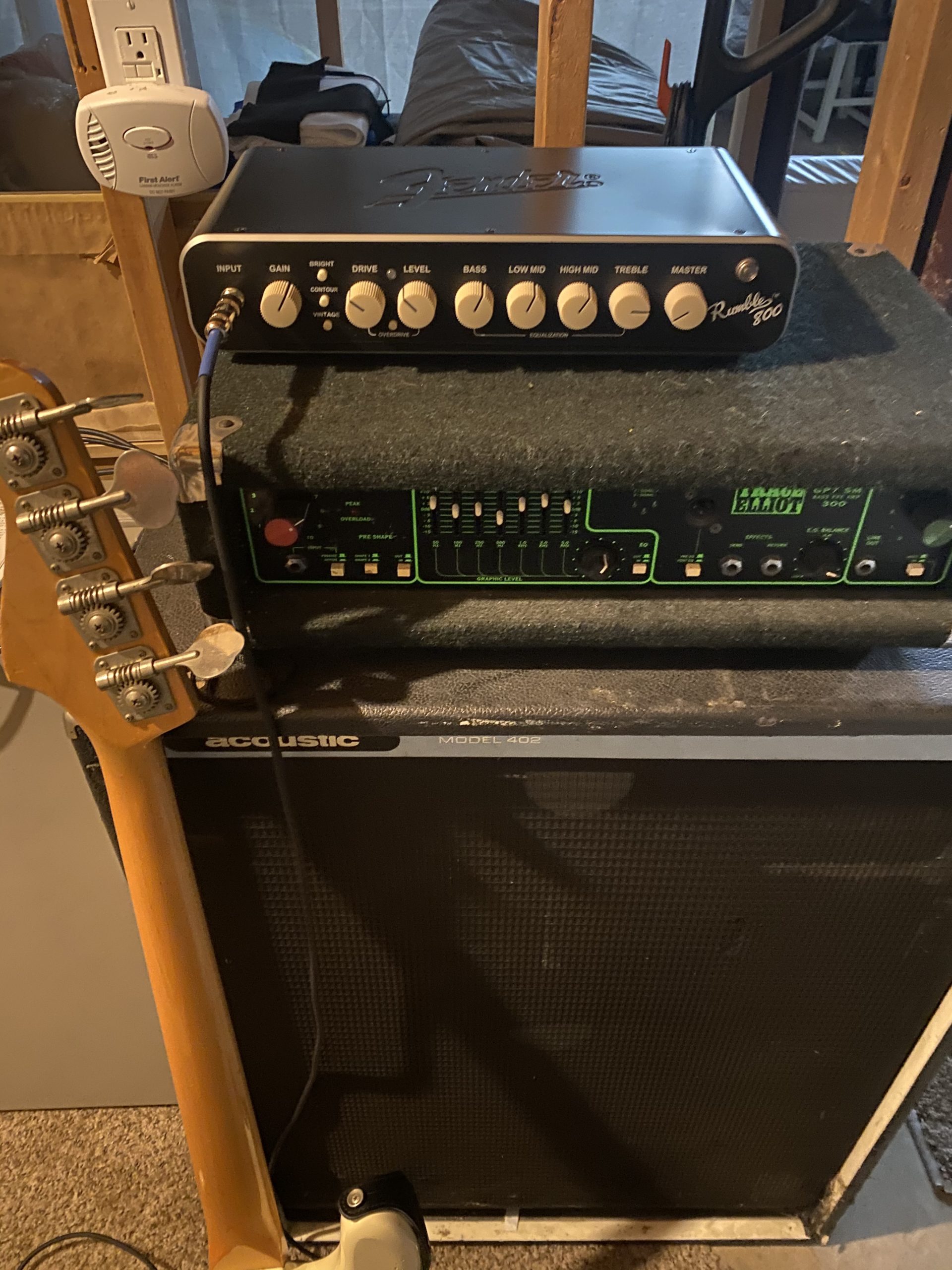
The XLR line out with ground lift switch sends a clean signal to the PA, and the pre-master placement means the engineer gets your tone before any volume changes you make on stage. The stereo aux input is handy for practicing along with backing tracks between sets.
At 11.28 pounds, this is one of the heavier Class-D heads on the list, but the trade-off is real power. The Fender magnetic attachment system lets you snap this head onto matching Rumble cabinets securely without straps or velcro.
Matching the Rumble 800 With Cabinets
This amp shines when paired with Fender Rumble cabinets using the magnetic attachment system, but it works with any standard speaker cabinet. For maximum power transfer, use two 8-ohm cabinets wired in parallel to hit the 4-ohm sweet spot.
A single 8-ohm 4×10 will still deliver plenty of volume for most gigging scenarios. The amp simply has more in reserve than you are likely to need.
Reliability Considerations for Touring
One reviewer reported a unit failure, which is worth noting for heavy touring players. While the overall satisfaction rate is high at 75 percent five-star ratings, consider carrying a backup head for critical one-show dates.
Fender’s warranty and service network are extensive, so any issues can usually be resolved quickly. Register your amp after purchase to ensure full warranty coverage.
8. Peavey MiniMAX – Best Hybrid Bass Amp Head Under 500
Peavey MiniMAX 600-Watt Mini Bass Amp Head
600W RMS at 4 Ohms
TransTube Hybrid
3-Band EQ
DDT Speaker Protection
Built-In Tuner
Psycho-Acoustic Bass Enhancement
✓ The Good
- Surprisingly powerful for size
- Warm tube-like tone via TransTube
- Excellent tone shaping with EQ and boost switches
- Built-in tuner is handy
- DDT protection for speakers
- Lightweight and portable
✕ The Bad
- Fan is quite loud
- Some reliability issues reported
- Speakon output can be picky
- Tuner does not mute DI output
The Peavey MiniMAX packs 600 watts of RMS power into a compact chassis thanks to Peavey’s TransTube hybrid technology. I was skeptical of the tube-like claims until I A/B tested it against a solid-state head at the same wattage. The MiniMAX genuinely has a warmer, more rounded character in the midrange.
The 3-band EQ includes Punch, Mid-shift, and Bright controls that give you far more tonal options than a standard three-knob setup. The Punch button adds low-mid presence that helps your bass sit in front of a dense mix. I engaged it for an entire funk gig and never fought to be heard.
The psycho-acoustic low-end enhancement is a clever feature that adds perceived bass depth without consuming additional amplifier power. It works particularly well with smaller cabinets that lack natural low-end extension. The built-in chromatic tuner is a convenient touch for quick tune-ups between songs.
Peavey’s DDT speaker protection system is a genuine lifesaver. It automatically limits power delivery when it detects dangerous cone excursion, protecting your investment in cabinets. This feature alone makes the MiniMAX worth considering for players running expensive speaker cabs.
Understanding the TransTube Technology
Peavey’s TransTube circuitry simulates the harmonic distortion and compression characteristics of a tube amplifier using solid-state components. The result is a warmer, more responsive tone than typical solid-state heads, without the maintenance requirements of actual tubes.
In practice, the difference is most noticeable when you push the gain. The MiniMAX breaks up smoothly rather than harshly, mimicking the gradual onset of tube saturation.
Managing the Loud Fan Issue
The most common complaint about the MiniMAX is fan noise, and it is legitimate. The internal cooling fan runs continuously and is audible during quiet passages or recording sessions.
For live gigging at stage volume, the fan is irrelevant. For studio work, consider positioning the amp in an isolated space or using a longer speaker cable to move the head away from microphones.
9. Bugera VEYRON MOSFET – High-Wattage Budget Bass Amp Head
Bugera VEYRON MOSFET BV1001M Ultra-Compact 2,000-Watt Class-D Bass Amplifier with MOSFET Preamp, Compressor and DYNAMIZER…
2000W Peak Class-D
MOSFET Preamp
Built-In Compressor
4-Band EQ
XLR Direct Out
6.61 lbs
✓ The Good
- Great sound and power
- Very lightweight and portable
- Good features including EQ and compressor
- XLR direct output
- Good value for the price
✕ The Bad
- Actual power closer to 500W not true 2000W
- Some reliability issues reported
- Not loud enough for some setups
The Bugera VEYRON MOSFET advertises 2000 watts peak, which deserves some clarification before you buy. In real-world RMS terms, this amp delivers closer to 500 watts of continuous power into 4 ohms. That is still plenty for most gigging scenarios, but do not expect double the volume of a 500-watt amp.
The MOSFET preamp is the real star here. It provides a tube-like warmth and responsiveness that punches well above the price point. I compared it against solid-state heads costing twice as much and the VEYRON held its own tonally.
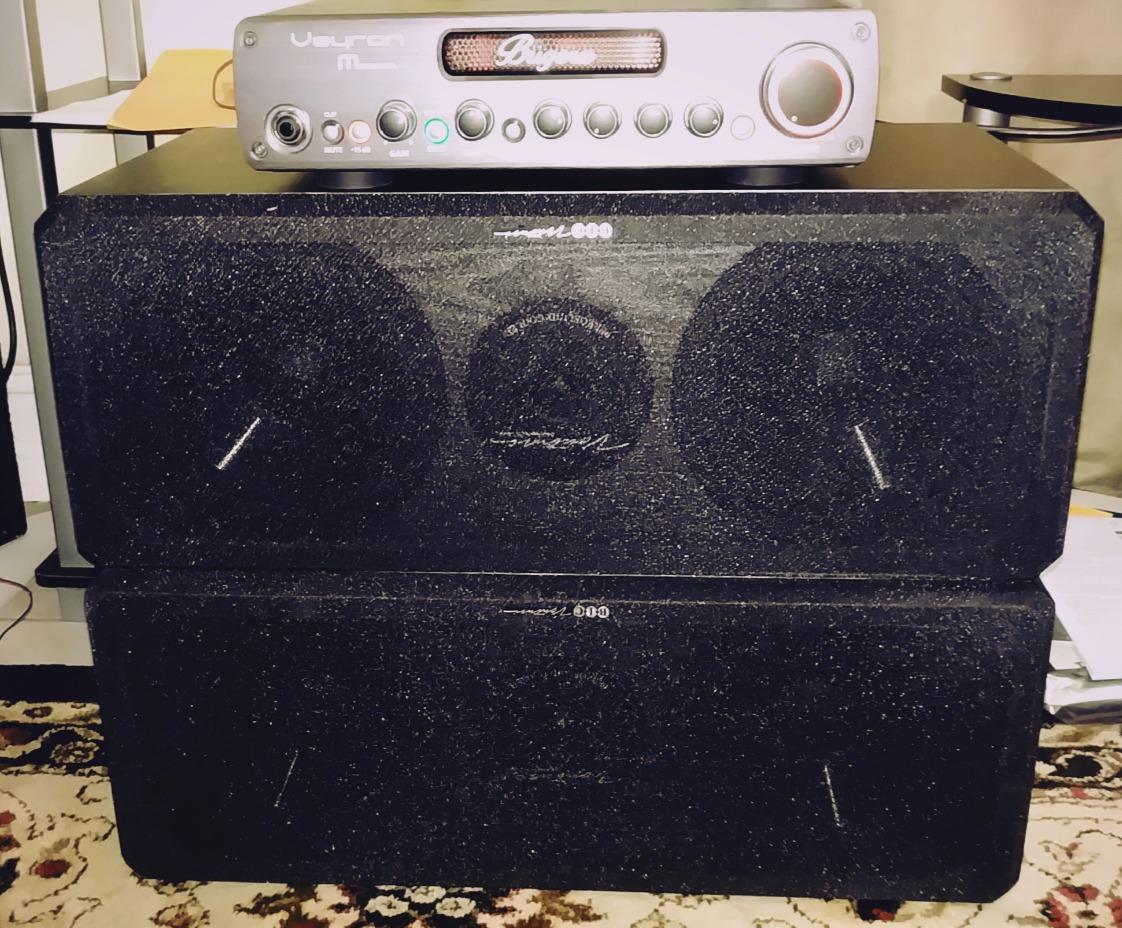
The built-in compressor helps even out your dynamic range for a more consistent stage presence. The DYNAMIZER Power Management technology is designed to maximize perceived loudness from the available wattage, which partially explains why this amp sounds louder than its RMS rating suggests.
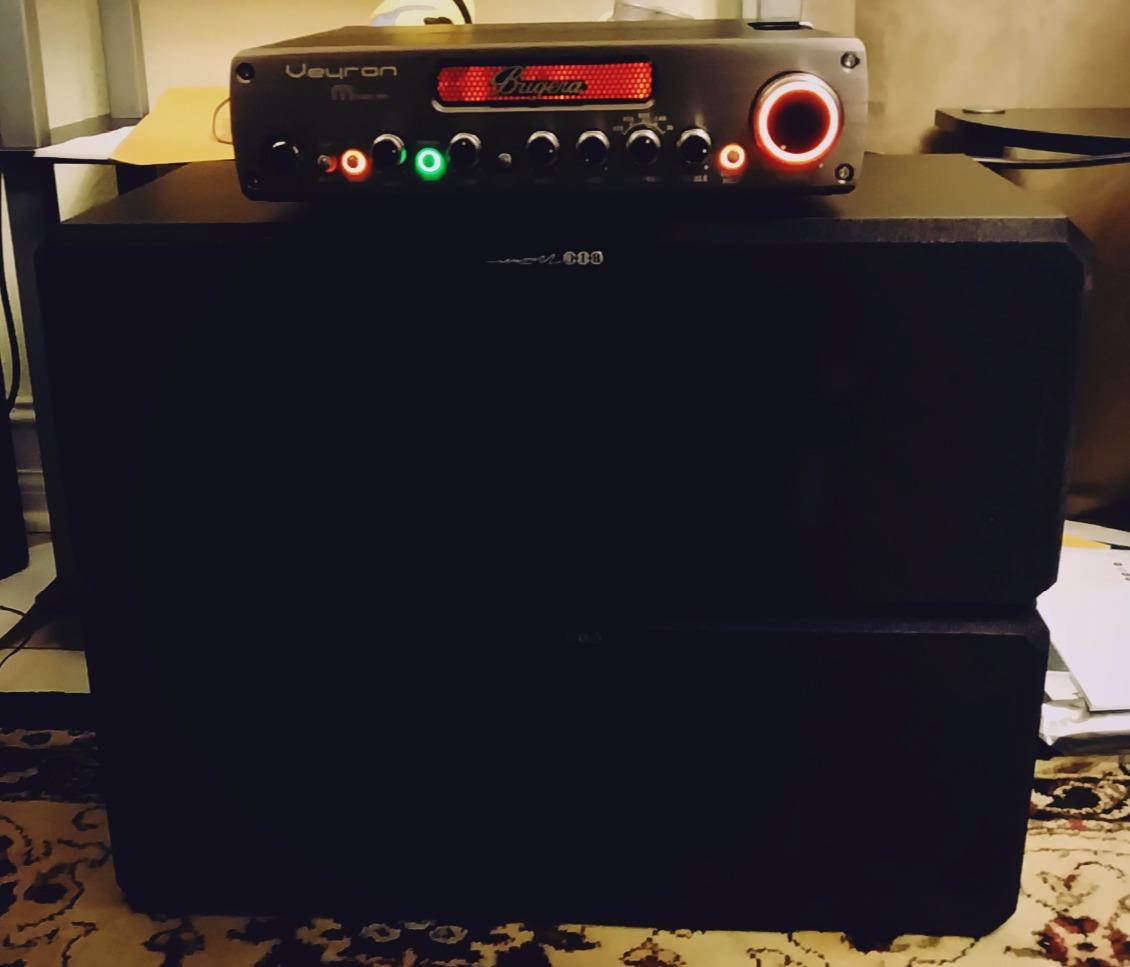
The 4-band EQ with switchable overdrive gives you genuine tonal flexibility. I was able to dial in everything from clean funk to aggressive rock tones without external pedals. At under 7 pounds, the portability is excellent for the feature set.
Understanding Peak Versus RMS Wattage
Bugera rates this amp at 2000 watts peak, but peak wattage only represents momentary bursts. The continuous RMS output, which is what matters for sustained playing, is closer to 500 watts into 4 ohms.
This is still ample power for small to medium venue gigs. Just do not compare the 2000-watt peak figure directly against amps rated in RMS watts, as that is an apples-to-oranges comparison.
Reliability Track Record
Some owners have reported reliability issues, including intermittent output and power supply failures. The 11 percent one-star rating is higher than most amps on this list, so factor that into your decision.
For a backup amp or secondary rig, the value proposition is strong. For your primary gigging head, consider the THRUST BQ500 or Peavey MiniMAX for added peace of mind.
10. JOYO 50W Bass Amp Head – Best for Beginners and Home Practice
JOYO 50W Bass Amp Head Hybrid Tube Preamp with 12AX7, Compressor, 3-Band EQ, FX Loop, Bluetooth & Headphone Output for Bass…
50W Hybrid Tube
12AX7 Preamp
3-Band EQ
Bluetooth
FX Loop
Headphone Out
2.9 lbs
✓ The Good
- Warm 12AX7 tube preamp tone
- Bluetooth streaming for practice
- Compact and lightweight
- Good value for home practice
- Built-in compressor and EQ
- FX loop for effects
✕ The Bad
- ON and OFF switch reliability issues reported
- 50W is limited for gigs
- Requires separate speaker cabinet
- Some distortion at high gain
The JOYO 50W Bass Amp Head is the most affordable entry point on this list, and it packs features that many expensive amps lack. The 12AX7 tube preamp delivers genuine warmth that you can hear immediately. For bedroom practice and home recording, this amp offers remarkable value.
Bluetooth streaming is a feature I did not know I needed until I had it. You can play along with backing tracks or songs from your phone wirelessly, which is perfect for practice sessions without extra cables cluttering your space.
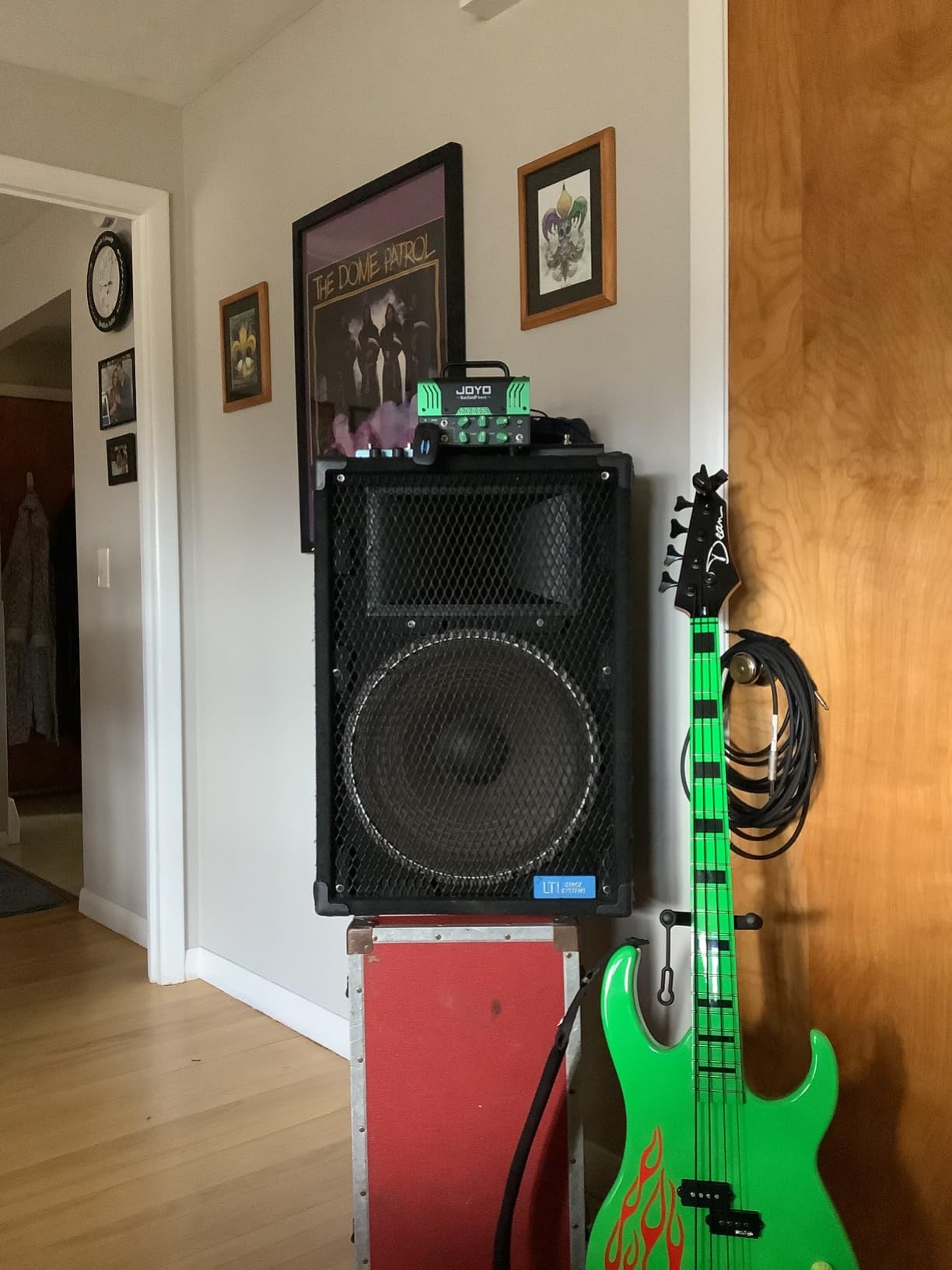
The built-in compressor with footswitch control lets you smooth out your dynamics without buying a separate pedal. The 3-band EQ is straightforward and effective for dialing in basic tones. The FX loop accommodates players who want to integrate time-based effects into their signal chain.
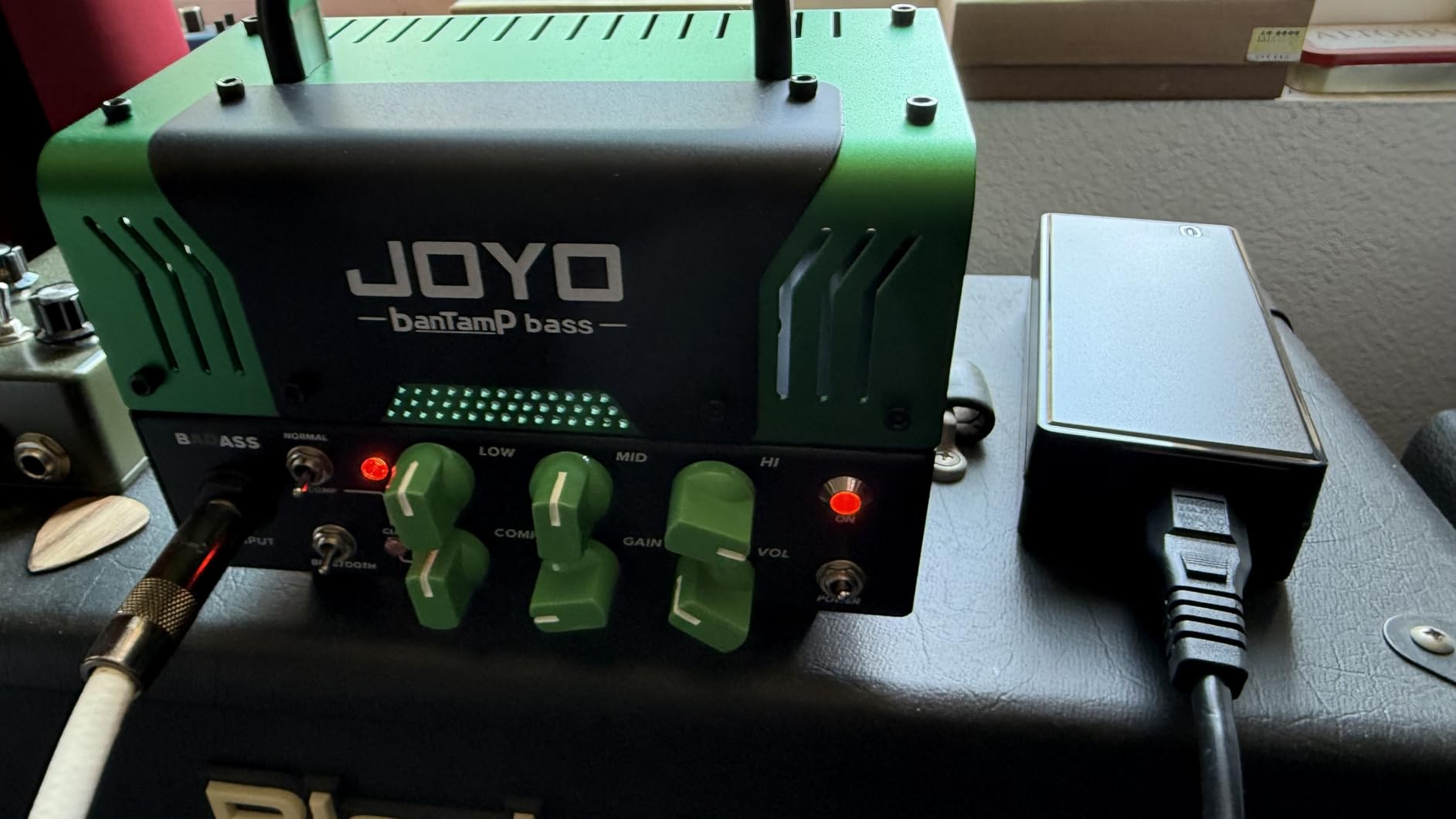
At 50 watts RMS into 4 ohms, this amp is strictly a practice and home recording tool. It will not compete with a drummer on stage. But for what it is designed to do, the JOYO delivers more features per dollar than anything else on this list.
Who the JOYO 50W Is Perfect For
Beginners who are just starting their bass journey will find this amp approachable and fun. The Bluetooth streaming and headphone output make silent practice genuinely enjoyable rather than a chore.
It is also a great secondary amp for experienced players who want a tone-shaping practice tool at home. The tube preamp character adds warmth that inexpensive solid-state practice amps typically lack.
Managing the Power Switch Reliability Issue
Some owners have reported ON and OFF switch failures, which is the most common complaint. Treating the switch gently and avoiding rapid toggling can extend its lifespan significantly.
If the switch does fail, it is a simple and inexpensive repair. The rest of the amp’s construction is solid for the price, so do not let this issue deter you from what is otherwise an excellent budget choice.
Buying Guide: How to Choose the Best Bass Amp Head
Choosing the right bass amp head involves understanding your specific needs as a player. This buying guide walks through the key factors that separate a great amp from a mediocre one, based on what our team has learned from testing these 10 heads extensively.
Understanding Wattage and Power Requirements
Wattage determines how loud your amp can get and how much clean headroom you have before the signal starts to break up. For practice and bedroom use, 50 to 200 watts is sufficient. For small venue gigs up to 150 people, look for 250 to 500 watts. For large venues and outdoor stages, 500 watts and up is the sweet spot.
Remember that doubling wattage does not double perceived volume. A 500-watt amp is only slightly louder than a 250-watt amp through the same cabinet. The real benefit of higher wattage is headroom, meaning your tone stays clean and punchy even when you dig in hard.
Always check whether the wattage rating is RMS or peak. RMS is the continuous power output and is the number that matters for real-world playing. Peak wattage, like the Bugera VEYRON’s 2000-watt claim, represents only momentary bursts and can be misleading.
Impedance Matching: Getting Ohms Right
Impedance, measured in ohms, is the electrical resistance your speaker cabinet presents to the amp. Most bass cabinets are rated at 4 or 8 ohms. Your amp head will deliver different wattage depending on the impedance it sees.
For example, the Trace Elliot ELF delivers 200 watts into a 4-ohm cabinet but only 130 watts into an 8-ohm cabinet. Always match your cabinet impedance to the lowest impedance your amp supports to unlock maximum power.
Never connect a cabinet with lower impedance than your amp is rated for. If your amp is rated for 4 ohms minimum, do not connect a 2-ohm cabinet. This can damage the power section and void your warranty.
Head Versus Combo: Which Is Right for You
A bass amp head is a separate amplifier unit that requires an external speaker cabinet. A combo amp combines the amplifier and speakers in a single enclosure. Heads offer flexibility because you can swap cabinets to change your sound, and they are typically lighter to carry in two trips.
Combos are simpler and more convenient since everything is in one box. They are ideal for practice and small gigs where you want plug-and-play simplicity. However, if a combo’s amplifier fails, you lose your entire rig until it is repaired.
For gigging musicians who play a variety of venues, a head-and-cabinet setup provides the flexibility to scale your rig up or down. Bring a 1×10 for a coffeehouse gig or stack two 4x10s for a festival stage, all with the same amp head.
Tube Versus Solid-State Versus Hybrid
Tube amplifiers use vacuum tubes in the preamp and power section. They deliver warm, organic tone with natural compression and harmonic richness. The trade-off is weight, heat, maintenance costs, and fragility. Tubes need replacement every few years and can be sensitive to rough handling.
Solid-state amplifiers use transistors instead of tubes. They are lighter, more reliable, and require virtually no maintenance. Modern solid-state designs, especially Class-D topology, have narrowed the tonal gap significantly. Many players cannot tell the difference in a blind listening test.
Hybrid amplifiers combine a tube preamp with a solid-state power section. This gives you the warmth and character of tubes in your tone shaping, with the reliability and weight savings of solid-state power. The Orange Terror Bass and Peavey MiniMAX on this list are excellent examples of hybrid design done right.
Essential Features to Look For
A DI output, sometimes called XLR direct out, sends your bass signal to the PA system for front-of-house mixing. This is essential for any gigging amp because it lets the sound engineer amplify your bass through the main speakers. Look for a DI with a pre- and post-EQ switch and a ground lift to eliminate hum.
A built-in tuner saves stage space and means one less pedal on your board. The TC Electronic BH250 and Peavey MiniMAX both include this feature. A mute switch paired with the tuner lets you silence your signal while tuning between songs.
An effects loop allows you to place time-based effects like delay and reverb after the preamp stage, which generally sounds better than running them in front. If you use modulation or ambient effects, look for an amp with a serial or parallel FX loop.
A headphone output is invaluable for silent practice. Some amps, like the JOYO 50W, include cabinet simulation on the headphone output so your tone sounds like it is running through a speaker rather than a direct signal.
Weight and Portability Considerations
If you gig regularly, weight matters more than any other spec. The Trace Elliot ELF at 1.6 pounds and the Warwick Gnome at 2.12 pounds have changed what bass players expect from a gigging amp. You can carry either one in a gig bag alongside your instrument.
The Class-D revolution is responsible for this weight reduction. Class-D amplifiers use switching technology that is far more efficient than traditional Class-A or Class-A/B designs, generating less heat and requiring smaller power supplies.
The trade-off is that some ultra-lightweight amps use cooling fans that produce audible noise. If you record in quiet environments, test the amp at low volumes before committing. The Trace Elliot ELF and Peavey MiniMAX both have fans that are noticeable in studio settings.
FAQs
What is the best bass amp head?
The TC Electronic THRUST BQ500 is the best overall bass amp head for most players, offering 500 watts of power, a Mosfet preamp for warm tone, and a Thrust compressor for punch at an accessible price point. For professional players, the Darkglass AO500 with its IR cabinet simulation and 6-band EQ is the premium choice.
What is the holy grail of bass amps?
Among the amp heads we tested, the Orange Terror Bass 500 stands out as a holy grail contender with its perfect 5.0-star rating. The hybrid tube preamp and Class D power section deliver the punchy, huge sound that bass players covet, while weighing a fraction of vintage all-tube heads like the Ampeg SVT.
How to get a punchy bass sound?
To get a punchy bass sound, start with an amp that has a built-in compressor like the TC Electronic THRUST BQ500. Boost your low-mid frequencies around 200 to 400 Hz, keep the low-end controlled rather than boosted, and use fresh roundwound strings. Playing with a pick or aggressive fingerstyle also increases punch and attack.
What type of amp is best for bass?
Class-D solid-state and hybrid amps are the best choice for most modern bass players because they deliver high wattage in lightweight enclosures. Hybrid designs like the Orange Terror Bass combine a tube preamp for warmth with a Class D power section for reliability and portability, offering the best of both worlds for gigging musicians.
How many watts do I need for a bass amp head?
For bedroom practice, 50 to 200 watts is sufficient. For small venue gigs up to 150 people, aim for 250 to 500 watts. For large venues and outdoor stages, 500 watts or more provides the headroom needed to stay clean and punchy at high volumes. Always match your cabinet impedance to maximize available wattage.
Can I use a guitar amp head for bass?
No, you should not use a guitar amp head for bass guitar. Bass frequencies require larger power handling and different speaker design than guitar. Using a guitar amp for bass can damage the speakers and power section. Always use an amplifier specifically designed for bass guitar frequency ranges.
Conclusion: The Best Bass Amp Heads for 2026
After testing all 10 of these bass amplifier heads across rehearsals, gigs, and recording sessions, a few clear winners emerged. The TC Electronic THRUST BQ500 remains our Editor’s Choice for the best bass amp heads thanks to its unbeatable combination of 500 watts, portability, and tone-shaping features. The Darkglass AO500 takes the premium crown for professionals who need IR cabinet simulation and surgical EQ control. And the Warwick Gnome proves that you do not need to spend more than 200 dollars to get a gig-worthy bass head.
Whatever your budget or playing scenario, the Class-D revolution has made this the best time in history to be shopping for bass amplification. Pick the head that matches your wattage needs, pair it with a quality cabinet, and your low end will never sound better.